Nov . 29, 2025 01:25 Back to list
Leading Fiberglass Reinforcement Mesh Factories: Durable, Lightweight Solutions for Modern Industry
Why Fiberglass Reinforcement Mesh Factories Are Key Players in Modern Industry
Fiberglass reinforcement mesh factories may not be household names, but their impact is everything but invisible. These specialized manufacturing plants produce fiberglass meshes that strengthen a wide array of construction and industrial materials—from concrete and plaster to composites used in aerospace and automotive sectors. Globally, the demand for durable, lightweight, and cost-efficient reinforcement has pushed these factories into a vital role.
Understanding how fiberglass reinforcement mesh factories operate and their benefits matters because they directly influence the safety and sustainability of infrastructure worldwide. Whether it's building safer homes in disaster-prone regions or advancing futuristic composites for electric vehicles, these factories are quietly shaping the world’s structural integrity.
Mini takeaway: Next time you see a sturdy, crack-free wall or an advanced composite panel, chances are there’s fiberglass mesh behind it, crafted meticulously in a specialized factory somewhere.
The Global Landscape: Why Fiberglass Reinforcement Mesh Factories Matter Now
It may surprise some, but fiberglass reinforcement mesh is experiencing global growth fueled by modernization and reconstruction efforts. According to ISO standards and reports by the World Bank, emerging economies are investing billions in infrastructure, making reliable reinforcement materials indispensable.
In particular, regions like Southeast Asia, the Middle East, and parts of Africa rely heavily on these materials to combat frequent natural disasters and ensure long-term durability. Oddly enough, while steel mesh was dominant for decades, fiberglass mesh factories offer a lighter, corrosion-resistant alternative that holds up to the elements better. It’s a perfect example of innovation solving an age-old infrastructure challenge.
Still, the challenge remains: how do we keep factories efficient, eco-friendly, and able to meet soaring transportation, construction, and industrial demands? Fiberglass reinforcement mesh factories are constantly innovating — more on that later.
Mini takeaway: The rise in infrastructure investment elevates fiberglass mesh factories from niche players to global necessity, especially in climate-vulnerable regions.
What Exactly Are Fiberglass Reinforcement Mesh Factories?
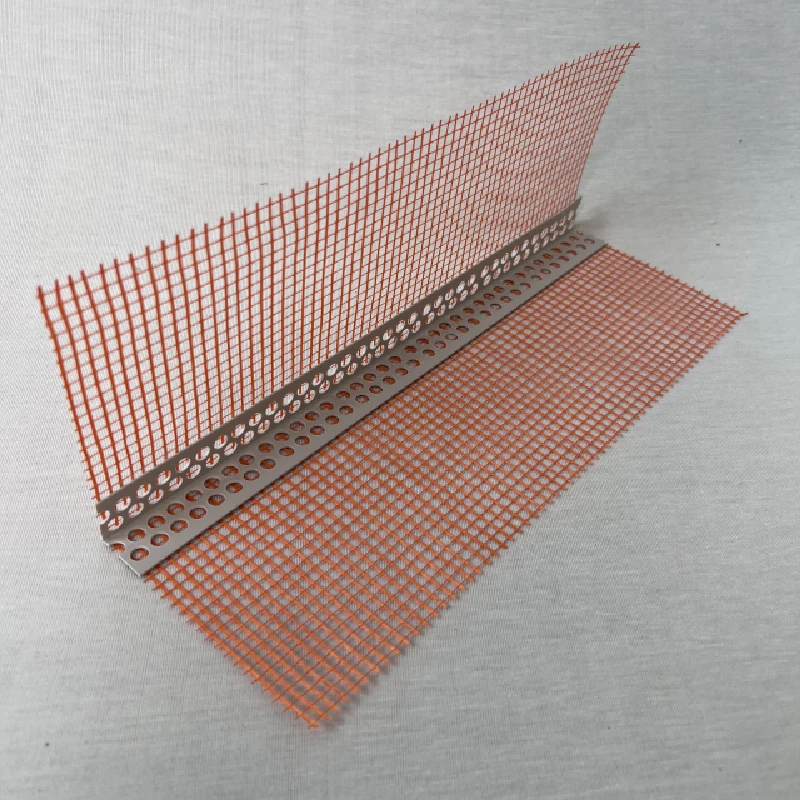
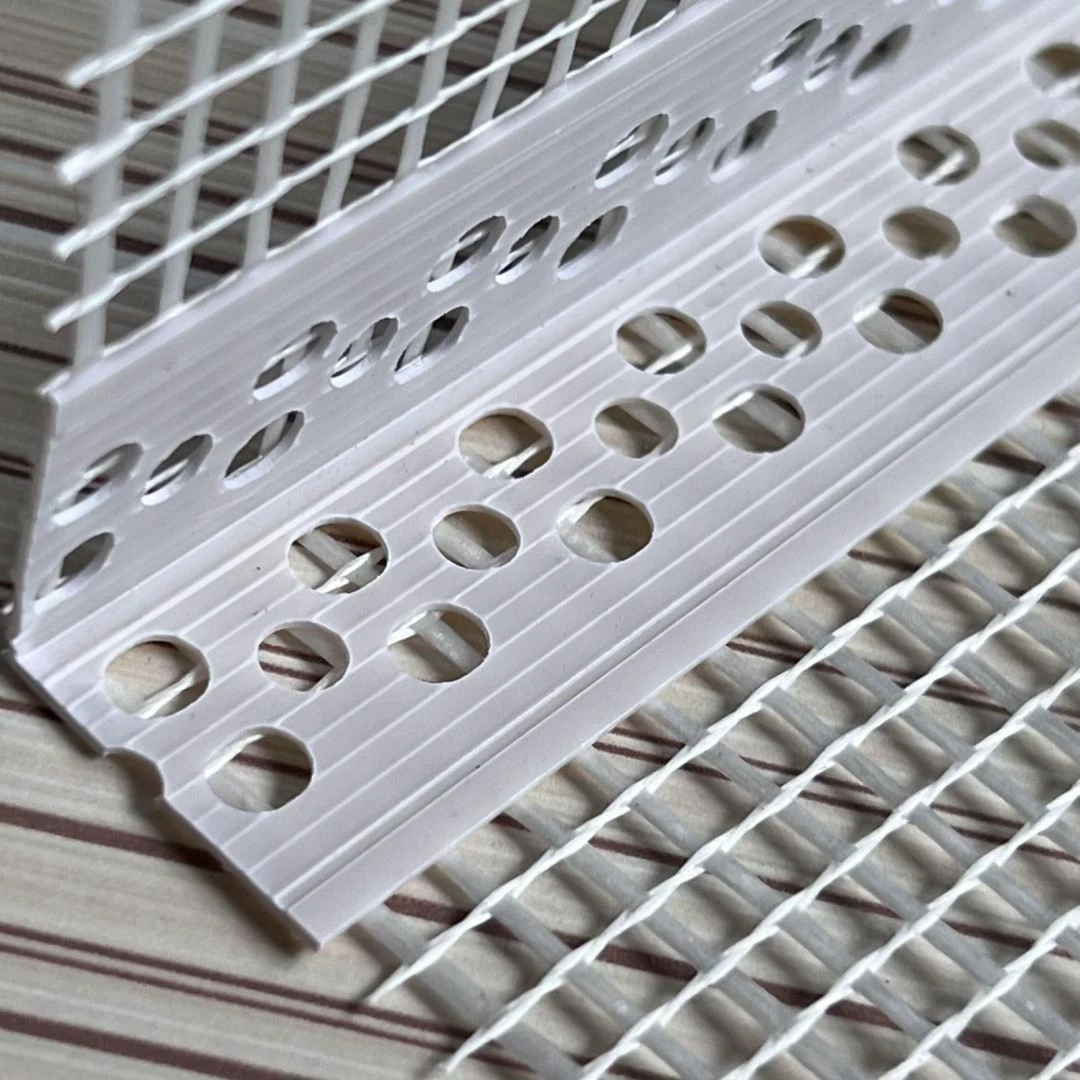
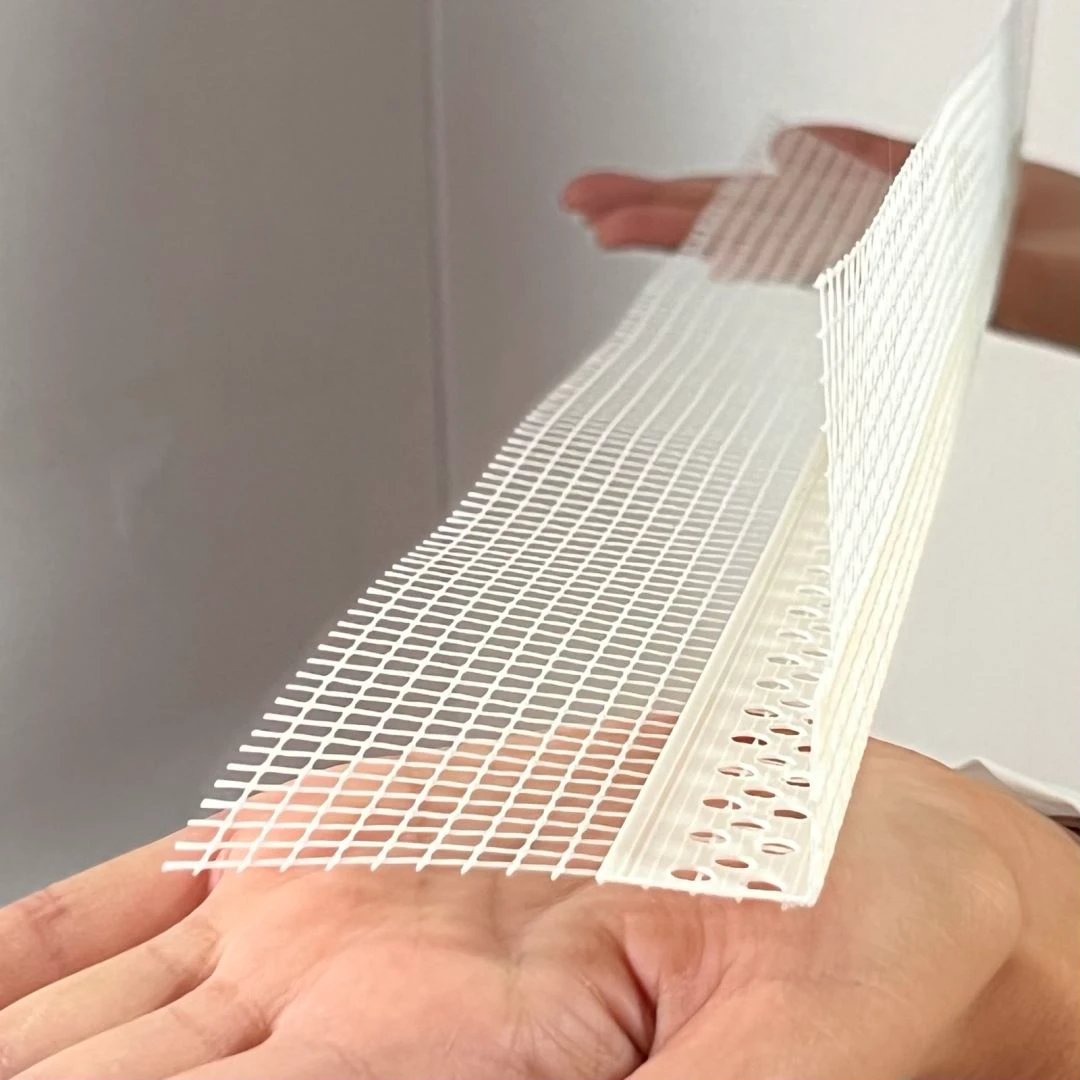
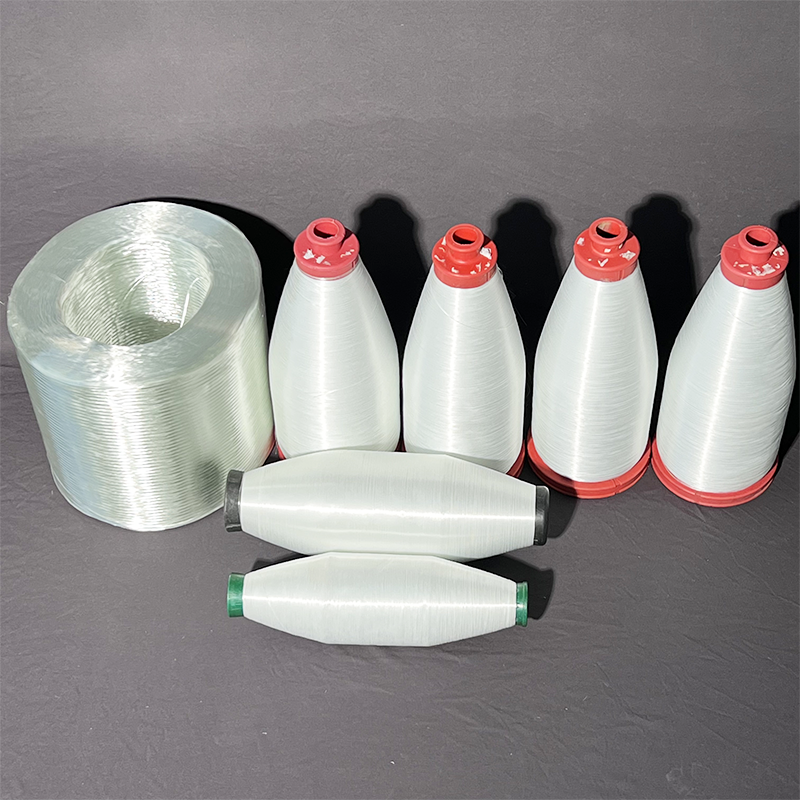
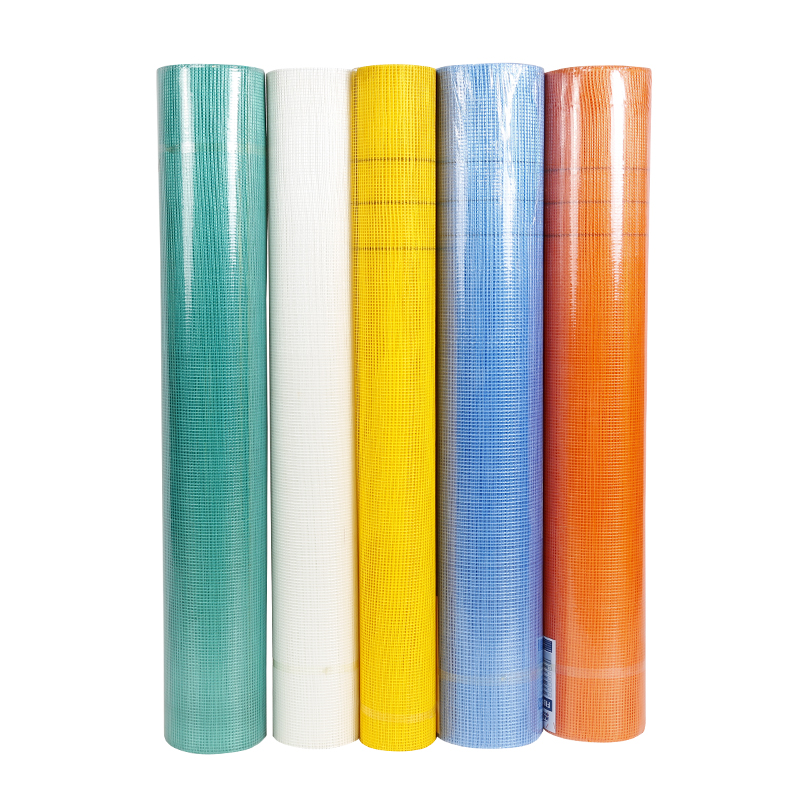
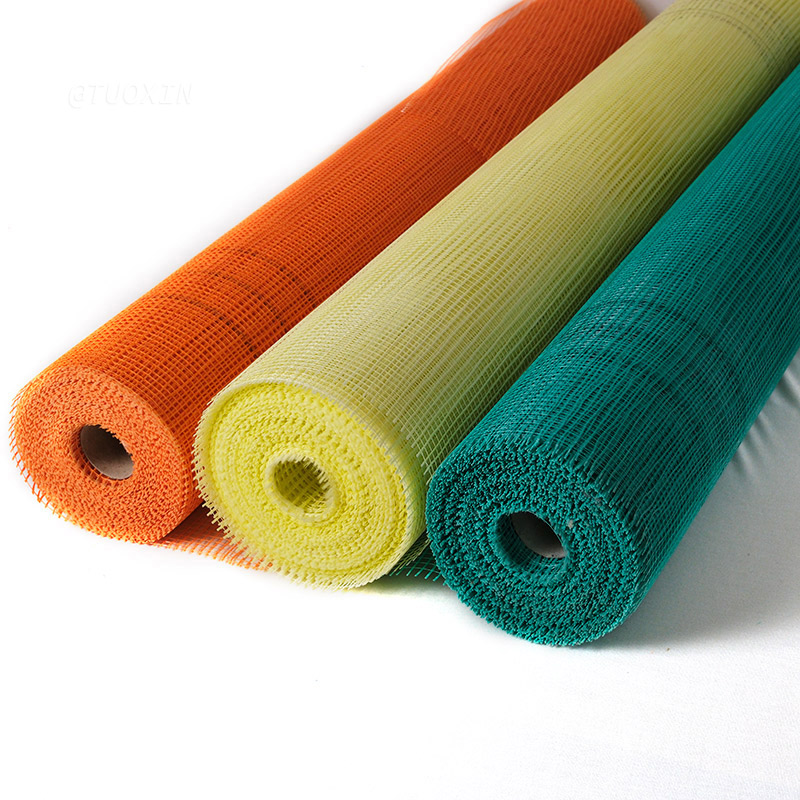
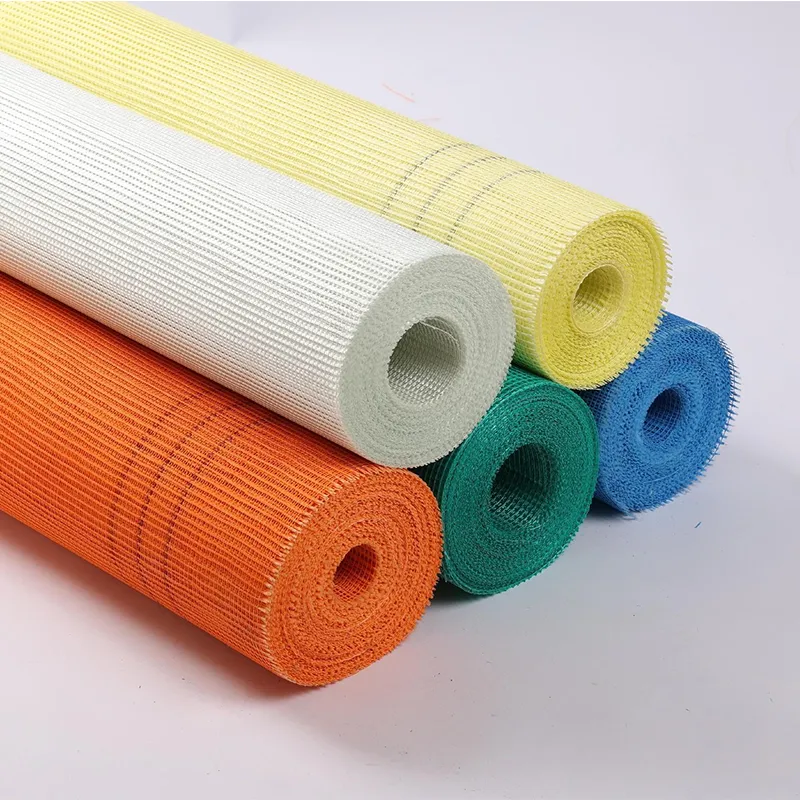
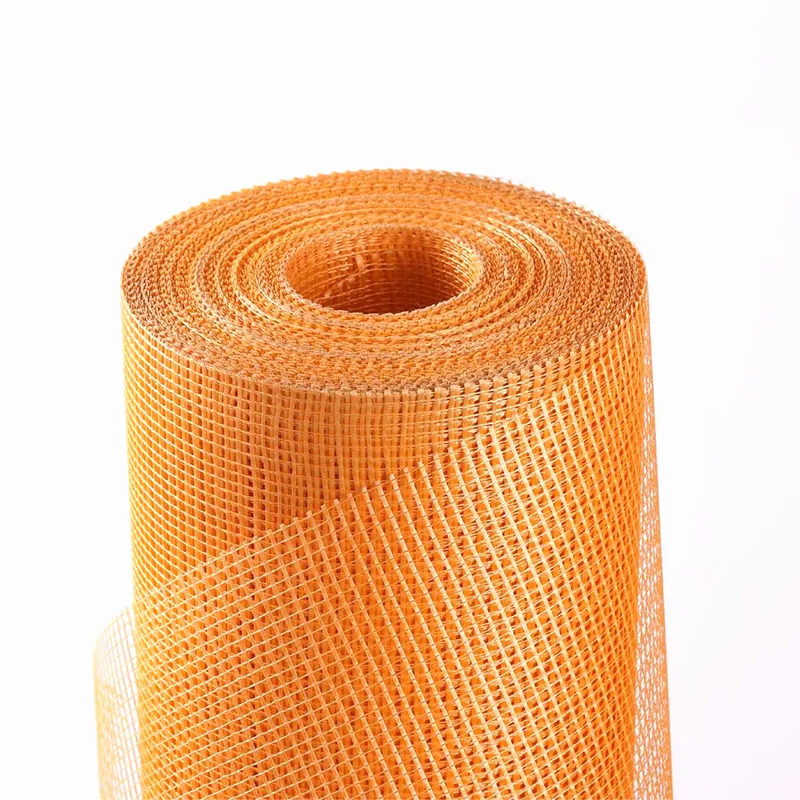
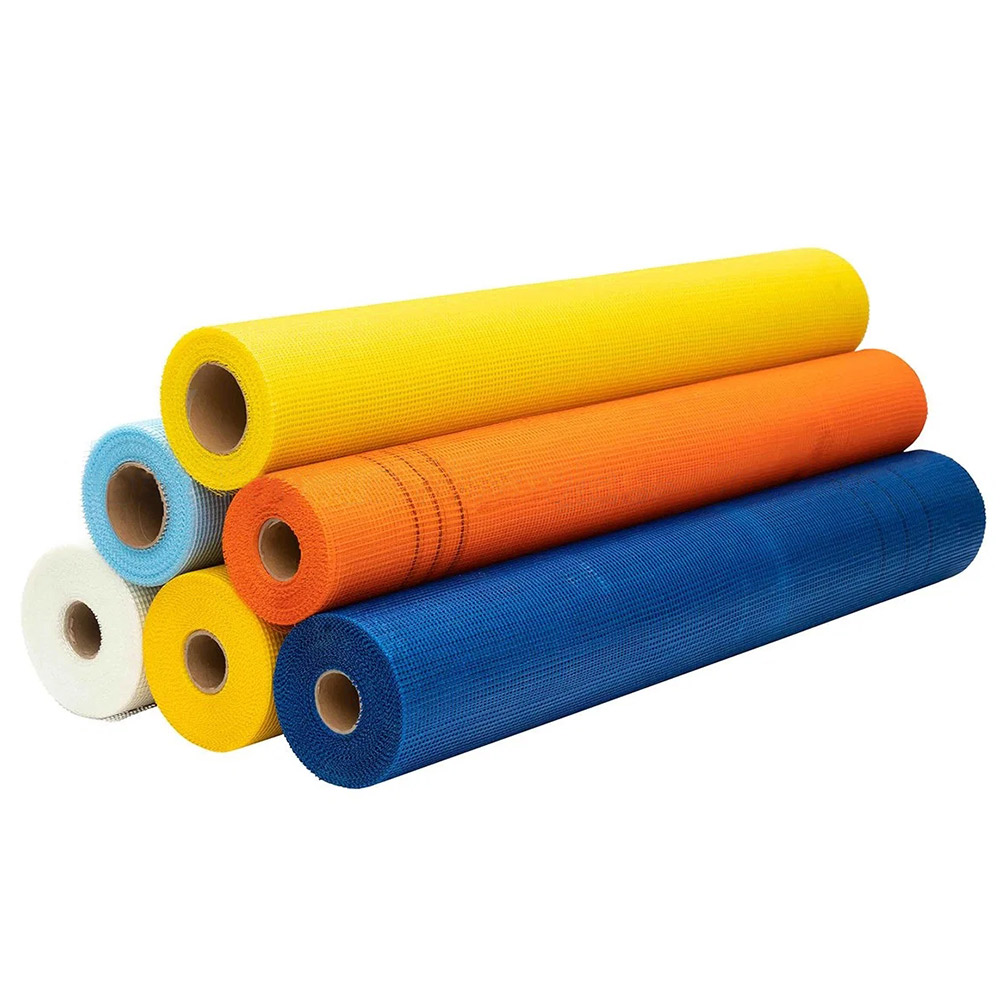
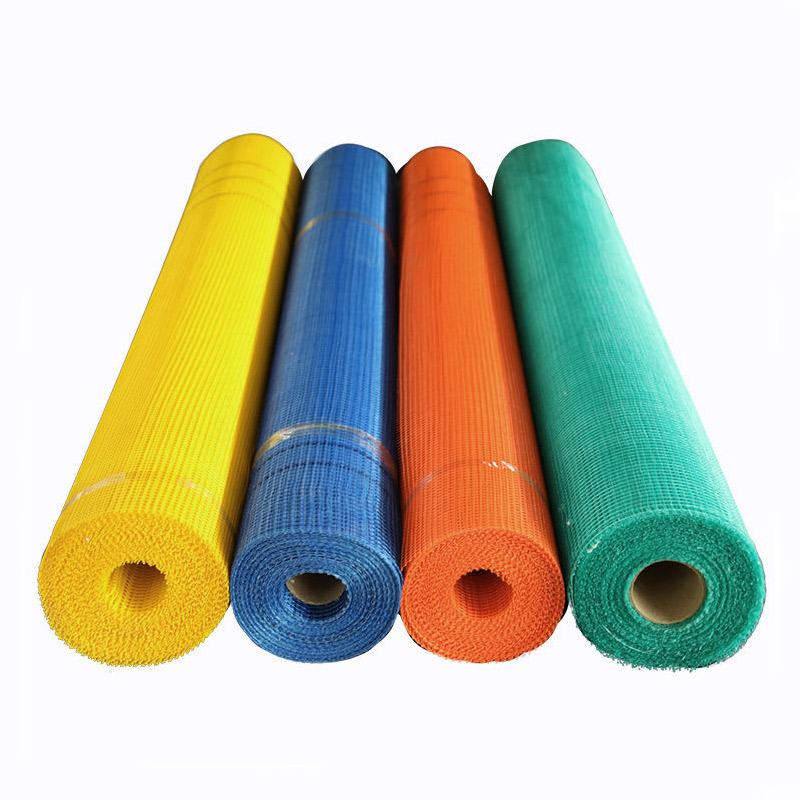
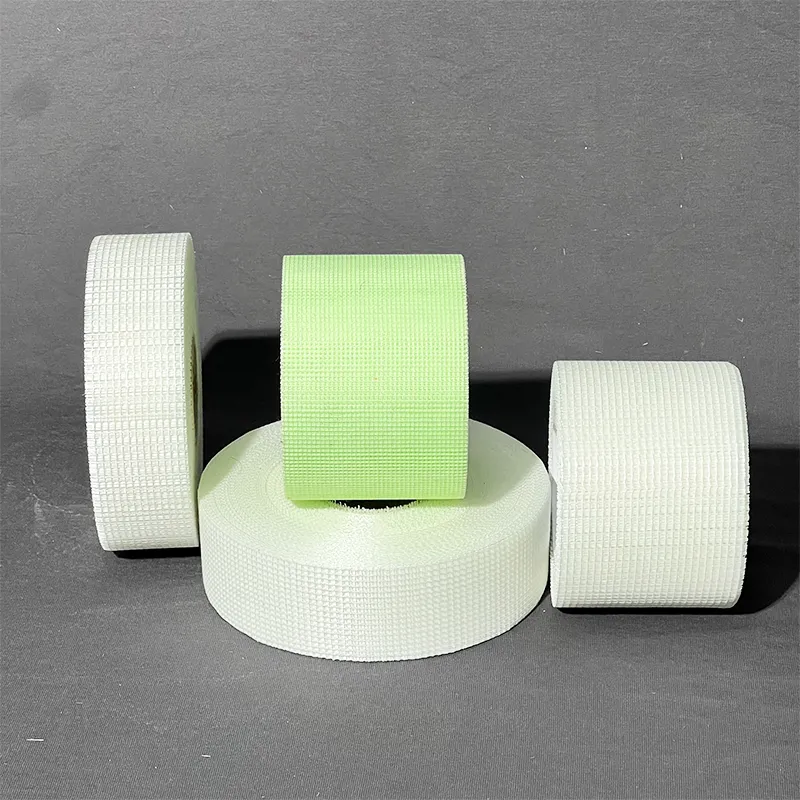
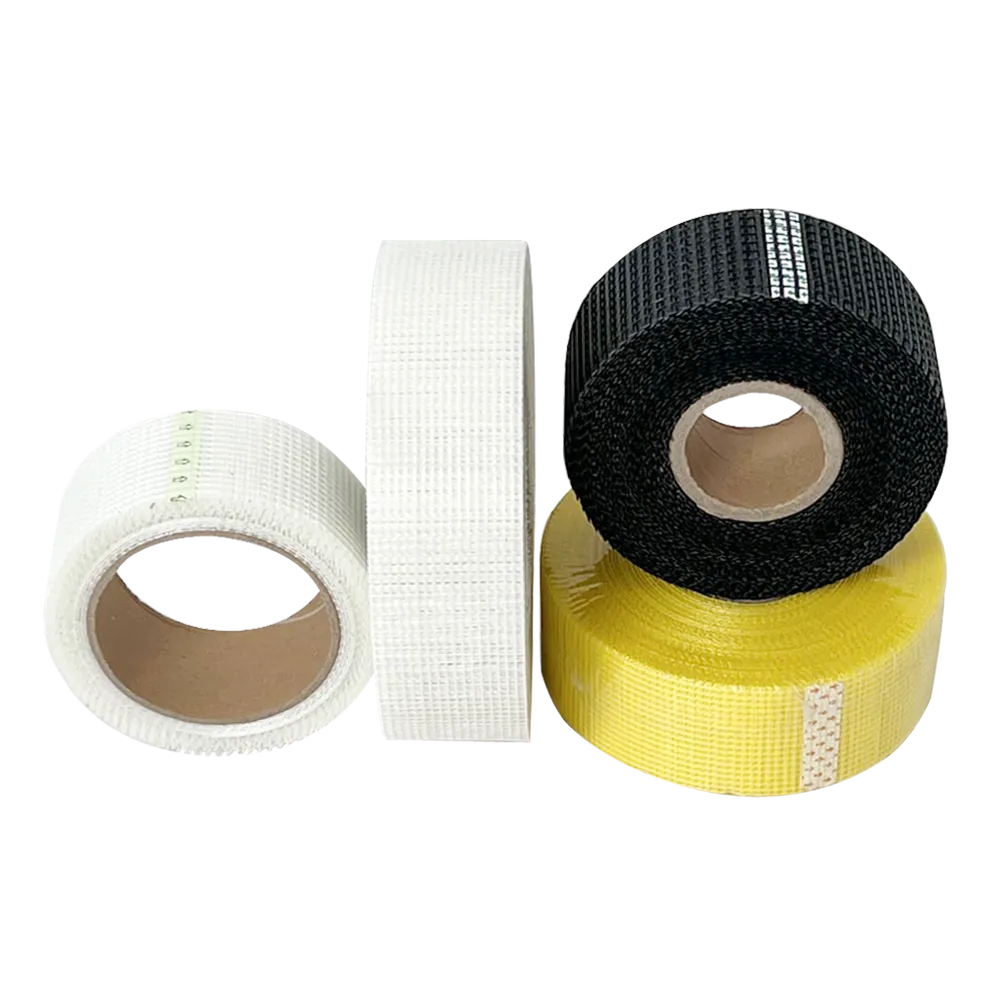
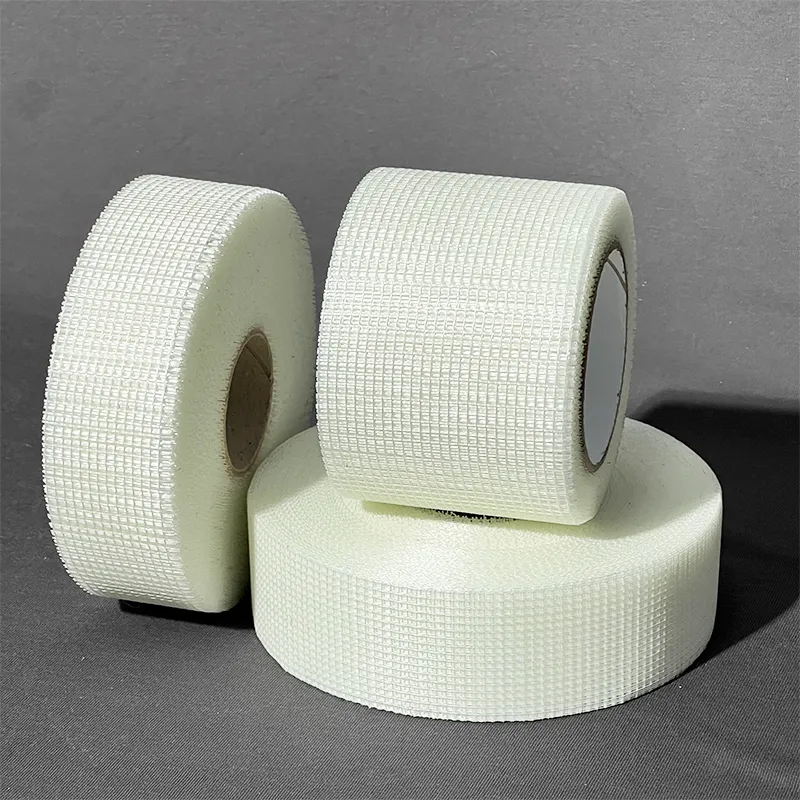
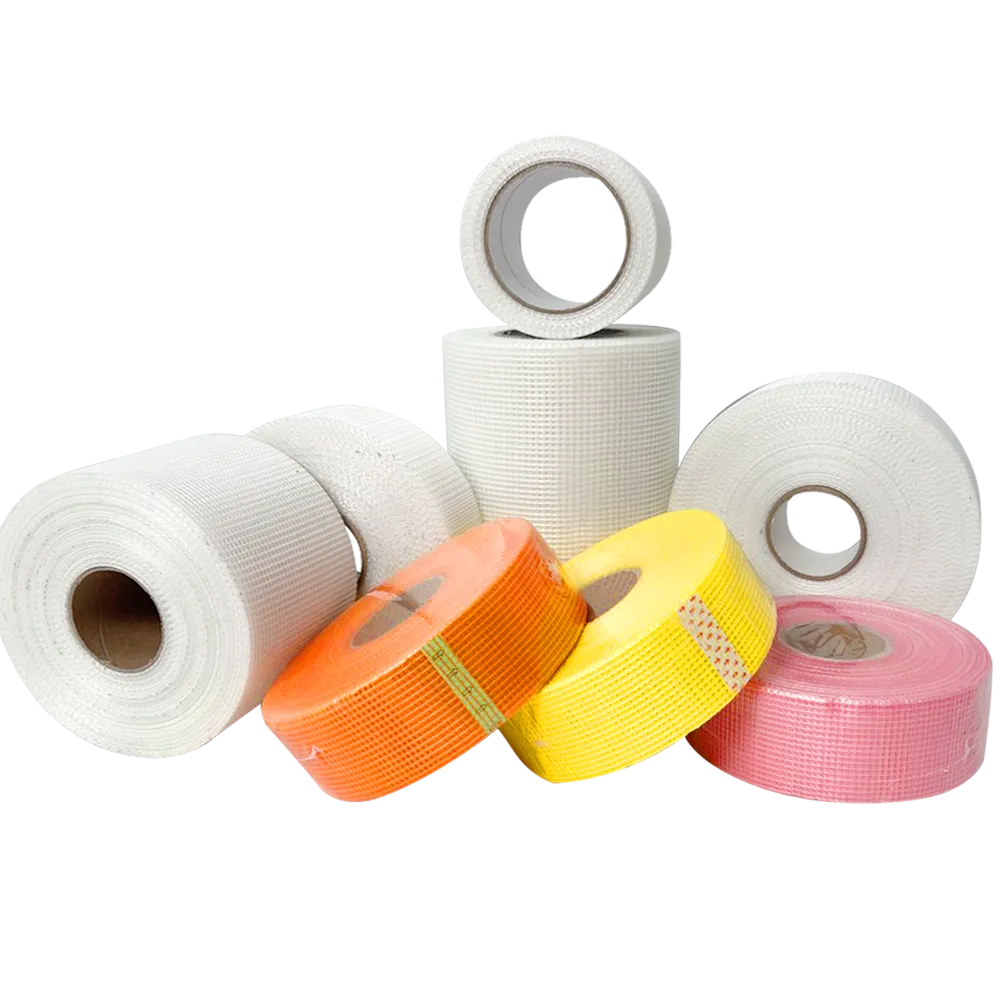
Simply put, these factories manufacture a network or “mesh” of thin fiberglass threads woven or knitted into grids. This mesh is then embedded in materials like cement, plaster, or resin to provide enhanced tensile strength and durability. Think of it as the invisible skeleton inside walls or panels that keeps everything firm and crack-resistant.
In terms of humanitarian needs, fiberglass mesh is frequently used in fast-repair housing kits, earthquake-resistant composites, and modular shelters. The factories that produce this mesh must balance precision manufacturing with cost-efficiency to meet both industrial specs and social impact goals.
Core Components That Make Fiberglass Mesh Special
Durability
Fiberglass is naturally resistant to corrosion, chemicals, and weathering. This translates to longer-lasting reinforcement compared to traditional steel meshes, especially in humid or salty environments like coastal regions.
Lightweight Design
The mesh’s low weight reduces shipping costs and makes installation quicker. Many engineers I spoke with say this ease-of-use can significantly cut project timelines.
Cost Efficiency
Though initial production requires precise equipment, fiberglass is generally less expensive over a material lifecycle due to less maintenance and replacement.
Scalability and Customization
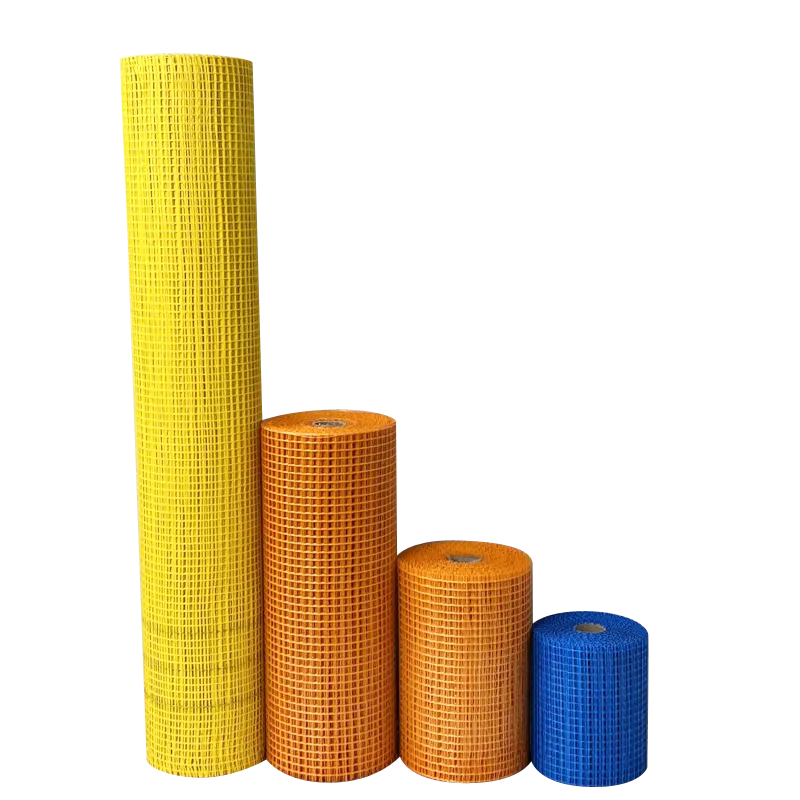
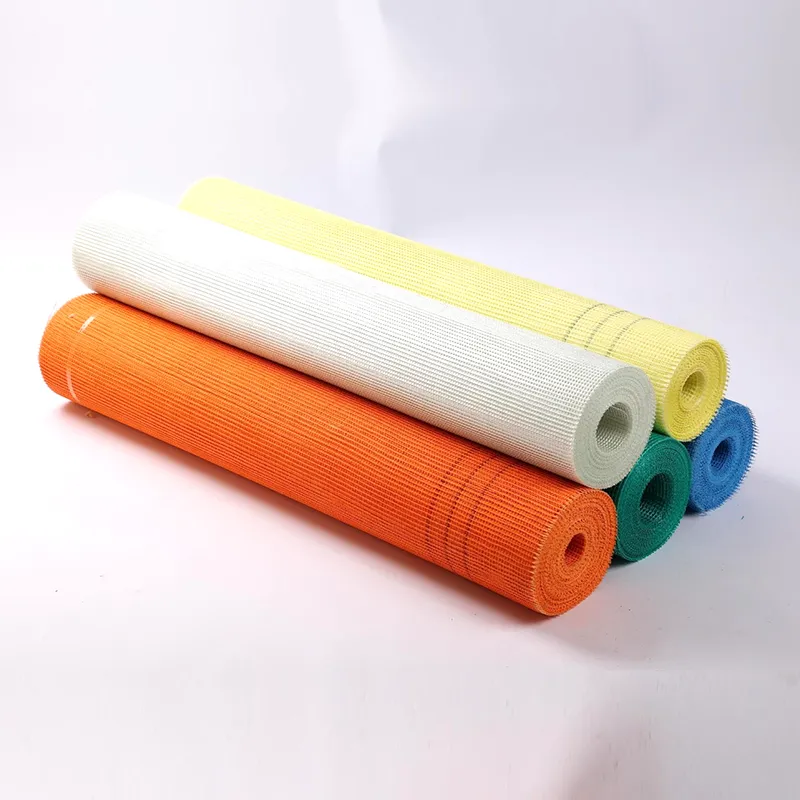
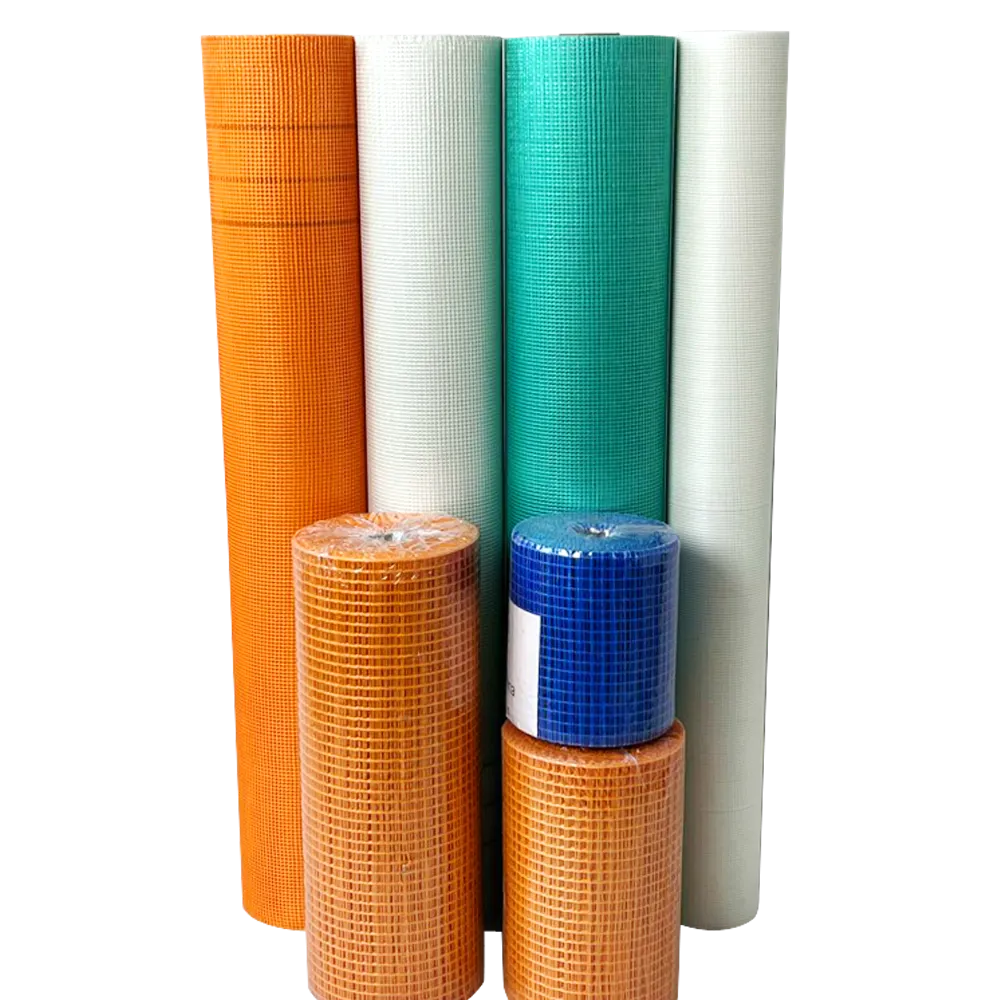
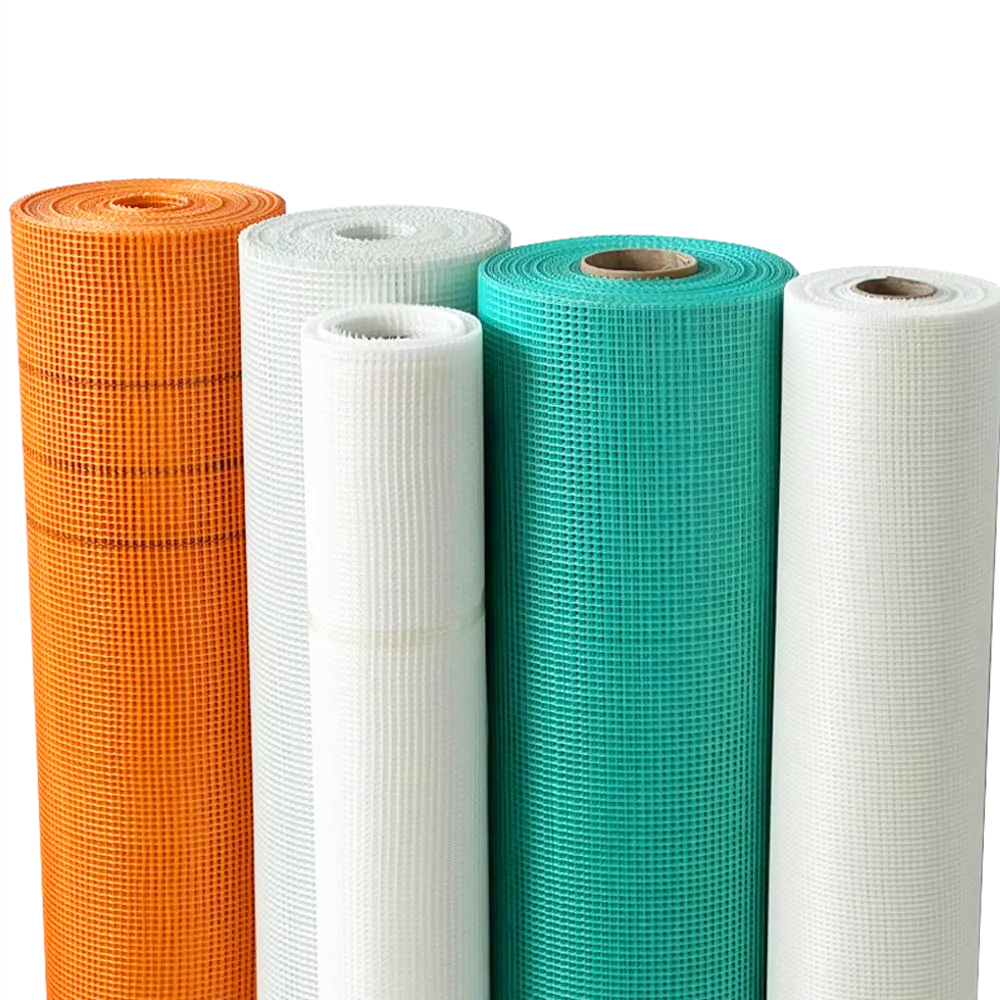
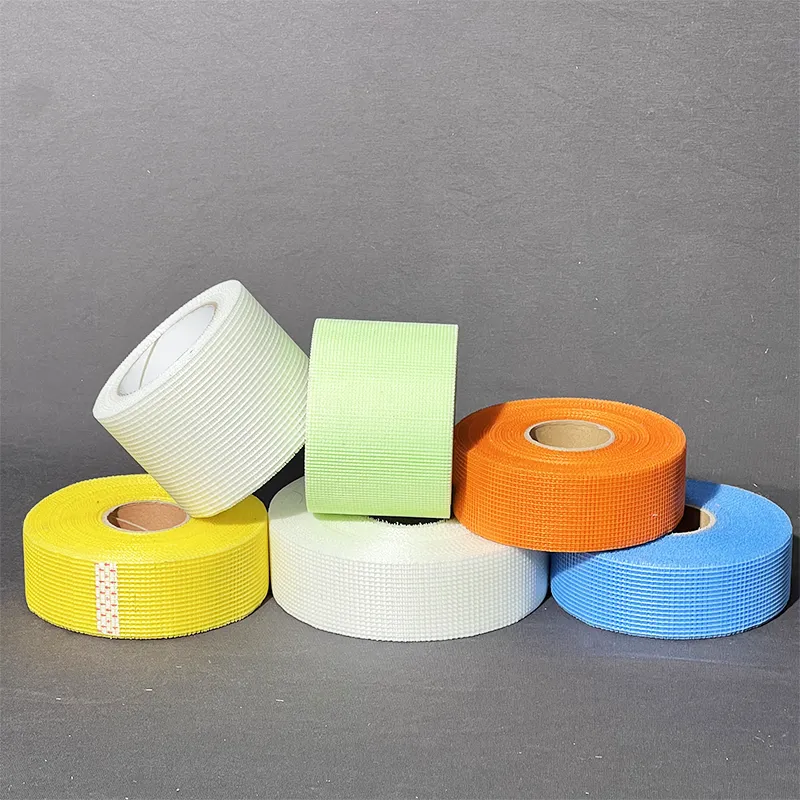
Modern factories use automated weaving and coating technologies to produce meshes tailored to different thicknesses, strengths, and resin compatibilities.
Sustainability
Many factories now incorporate recycled materials and eco-friendly coatings, aiming to reduce their carbon footprint without compromising quality.
Mini takeaway: The blend of durability, lightness, and eco-conscious production methods gives fiberglass mesh a solid edge across industries.
Global Applications: Where Fiberglass Reinforcement Mesh Comes into Play
- Construction Industry: Used extensively in plasterboards, cement slabs, and tile backings to prevent cracks and increase longevity.
- Disaster Relief: Post-earthquake and flood zones frequently employ fiberglass mesh in rapid-build shelters and structural reinforcements.
- Automotive and Aerospace: Reinforced composites in vehicle parts benefit from the mesh’s strength-to-weight ratio.
- Industrial Zones: Especially in remote areas where maintenance is costly, the corrosion resistance of fiberglass mesh is invaluable.
- Renovation & Restoration: Historic structures use textile meshes for reinforcement without altering visual aesthetics.
For example, in Southeast Asia's cyclone-prone coastal towns, fiberglass mesh reinforcement in homes has halved repair times after storms. NGOs also rely on these materials to rapidly scale housing solutions without heavy equipment.
Mini takeaway: From local construction sites to international aid missions, fiberglass meshes prove their versatility again and again.
Product Specification Table: A Typical Fiberglass Reinforcement Mesh
| Specification | Details |
|---|---|
| Material | E-Glass Fiber |
| Mesh Size | 4 mm x 4 mm to 12 mm x 12 mm |
| Weight | 30 - 160 g/m² |
| Coating | Alkali-resistant (AR) coating for cement applications |
| Tensile Strength | > 3,000 MPa (warp/weft) |
| Width | 1 m – 2 m standard |
| Length per Roll | 50 – 100 meters |
Advantages & Long-Term Value You Can Rely On
When I hear about clients shifting to fiberglass mesh from traditional reinforcements, they often cite a mix of reason and emotion. Logically, materials stabilized with fiberglass mesh last longer, save on upkeep, and resist corrosive elements. Emotionally, builders and inhabitants feel safer, knowing structures are less likely to crack or fail.
Plus, many companies now focus on sustainability—minimizing waste, reducing carbon emissions, and ensuring the mesh is recyclable or produced from recycled fibers. There's an undeniable social impact, especially in vulnerable communities where safer housing can mean the difference between life and death.
In real terms, this means:
- Lower maintenance costs over the building's lifetime.
- Faster repairs and modifications thanks to lightweight nature.
- Greater trust in infrastructure safety.
- Better compliance with modern environmental regulations.
Mini takeaway: Fiberglass reinforcement mesh factories aren’t just fabric producers—they create lasting confidence.
What’s Next? Future Trends in Fiberglass Mesh Factories
The industry is evolving fast. Automation and digital controls in factories mean better quality control and faster turnaround times. Sustainability is center stage, with increased use of bio-based resin coatings and recycled fiberglass content.
Oddly enough, the “smart mesh” concept is emerging: meshes embedded with sensors to detect stress or damage in real-time, enabling predictive maintenance. Imagine buildings that can “tell” you when repairs are needed before cracks appear.
Additionally, green energy integration in factories, like solar and wind power, reduces the production footprint further. The global push for decarbonization, and even circular economy initiatives, promises to reshape how fiberglass reinforcement mesh factories operate in the next decade.
Challenges & How the Industry Is Tackling Them
Sure, it’s not all perfect. High initial capital expenditure for modern factories can be a barrier for many regions. Skilled labor shortages and logistical complexities in shipping rolls internationally also pose challenges.
That said, many manufacturers are partnering with local producers or NGOs to establish regional mini-factories, cutting transportation emissions and costs. Others invest in workforce training programs and embrace modular automation solutions that allow flexible scaling.
Standardization remains another hurdle. While ISO and ASTM have standards, some markets need clearer regulations to ensure quality and interoperability of fiberglass mesh products. Industry coalitions often work to improve that landscape.
Vendor Comparison Table: Leading Fiberglass Reinforcement Mesh Factory Profiles
| Factory | Location | Production Volume (tons/year) | Eco Certification | Product Range |
|---|---|---|---|---|
| Tainuo Fiberglass | China | 8,000 | ISO 14001 | Construction, Automotive, Aerospace |
| FibraTech Industries | Germany | 4,500 | ISO 9001 / ISO 14001 | High-end Engineering Mesh |
| NorthStar Meshworks | USA | 6,200 | LEED Certified | Construction, Marine Applications |
Frequently Asked Questions About Fiberglass Reinforcement Mesh Factories
Q1: How do fiberglass reinforcement mesh factories ensure consistent quality?
A: Quality control typically involves computerized weaving machines, alkali-resistant coatings, and rigorous batch testing per ISO and ASTM standards. Many factories deploy automated inspection systems to catch defects early and maintain product uniformity.
Q2: Can the fiberglass mesh withstand extreme weather conditions?
A: Yes, the glass fibers are inherently corrosion-resistant and, when coated, can easily survive high humidity, salty air, and temperature fluctuations. This makes them ideal for coastal and disaster-prone regions.
Q3: How customizable are fiberglass reinforcement meshes from factories?
A: Quite customizable! Depending on application needs, factories can adjust mesh size, weight, coating type, and roll dimensions. This flexibility helps adapt products across construction, automotive, and aerospace industries.
Q4: What innovations are fiberglass mesh factories adopting to be eco-friendly?
A: Many are switching to recycled glass fiber inputs, using bio-resins, implementing solar power, and adopting waste recycling practices. Industry certifications like ISO 14001 or LEED also guide greener manufacturing.
Wrapping Up: Why Fiberglass Reinforcement Mesh Factories Matter — and Why You Should Care
Fiberglass reinforcement mesh factories serve as the unseen backbone of safer, smarter construction and advanced composite manufacturing. Their ability to produce durable, lightweight, and customizable materials makes them crucial as the world navigates infrastructure modernization and sustainability goals.
If you’re involved in construction, engineering, disaster management, or industrial manufacturing, staying informed about these factories and their products is a small but strategic edge. To explore high-quality options and technical expertise, check out fiberglass reinforcement mesh factories that blend innovation, reliability, and eco-conscious production.
Looking ahead, keep an eye on emerging trends like smart mesh sensors and greener manufacturing — they promise to redefine how we build and maintain tomorrow’s world.
Mini takeaway: These factories quietly fortify the foundation of modern life — and frankly, it feels good to know they’re evolving alongside our biggest challenges.
References:
-
Best Fiberglass Mesh Tape for RedGard Product Waterproofing GuideNewsApr.16,2026
-
Why High Strength Fiberglass Mesh Is Essential For Stucco ApplicationNewsApr.15,2026
-
Why Alkali Resistant Fiberglass Mesh Tape Is Essential For Cement Board And Tile InstallationsNewsApr.15,2026
-
Understanding The Role Of Drywall Fiberglass Mesh In Interior FinishingNewsApr.15,2026
-
Ultimate Guide To Using Fiberglass Mesh Tape For Drywall And Plaster RepairsNewsApr.15,2026
-
The Versatility Of Fiberglass Mesh In Marble And Stone MosaicNewsApr.15,2026