Nov . 28, 2025 22:05 Back to list
Leading Fiberglass Reinforcement Mesh Companies for Durable & Sustainable Construction
Understanding Fiberglass Reinforcement Mesh Companies: The Backbone of Modern Construction
At first glance, fiberglass reinforcement mesh companies might seem like just niche players in the vast field of construction materials. But dig a little deeper, and you'll soon realize how crucial their role is on a global scale. Fiberglass reinforcement mesh, essentially a network of woven glass fibers, has quietly enabled stronger, more durable, and lighter-building infrastructures worldwide. It's not just about quality construction; it means safer homes, resilient roads, and innovative solutions for disaster-prone areas.
Why should we care? Well, in a world increasingly focused on sustainable development and infrastructure resilience — backed by organizations like the United Nations and the International Organization for Standardization (ISO) — understanding the role of these companies is more than a technical curiosity. It’s a vital piece in solving global challenges.
Mini takeaway: Fiberglass reinforcement meshes are foundational for safer, sustainable construction globally, and the companies behind them are key enablers.
The Global Context: Why Fiberglass Reinforcement Mesh Companies Matter More Than Ever
Globally, the construction sector consumes nearly 40% of raw materials and contributes about a third of greenhouse emissions (source: UN Environment Programme). With cities booming and infrastructure needs skyrocketing, the pressure on materials is intense. Fiberglass reinforcement mesh companies are stepping in to offer innovative alternatives to traditional metal or synthetic reinforcements—solutions applauded for their corrosion resistance, lightweight nature, and cost-effectiveness.
Consider this: in coastal cities, structures face brutal salt air corrosion. Traditional steel reinforcements rust over time, risking long-term durability. Fiberglass mesh, on the other hand, brings a blend of durability and chemical resistance that outperforms many alternatives. Yet, despite these advantages, uptake varies by region because of market access, awareness, or regulatory differences.
Fiberglass reinforcement mesh companies have had to innovate not only in product design but in education—teaching architects, engineers, and contractors about the tangible benefits.
Mini takeaway: With construction’s global environmental impact, fiberglass reinforcement meshes offer a strategic alternative for resilience and sustainability.
What Exactly Are Fiberglass Reinforcement Mesh Companies?
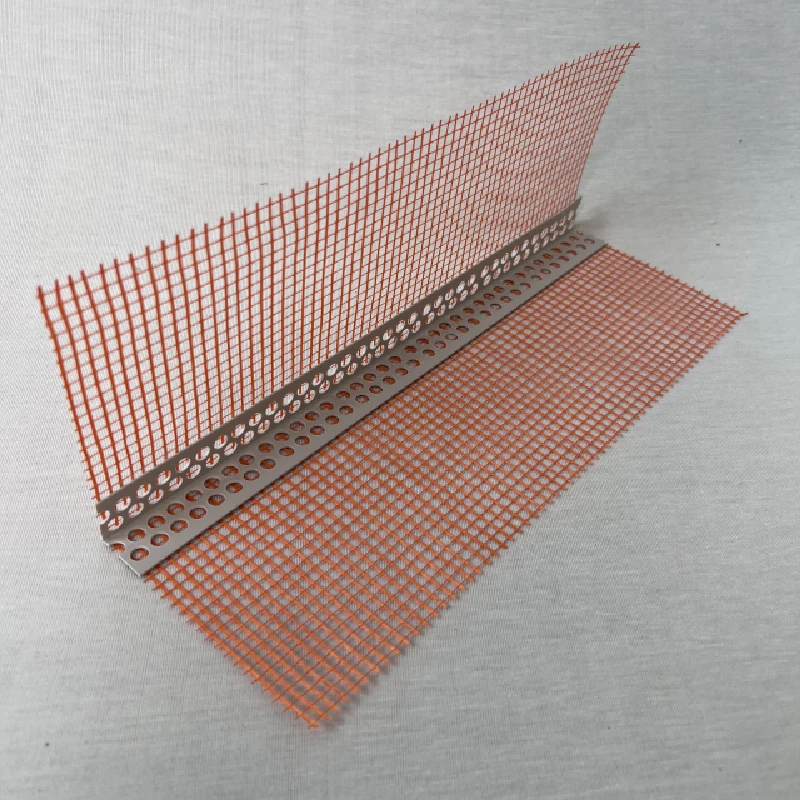
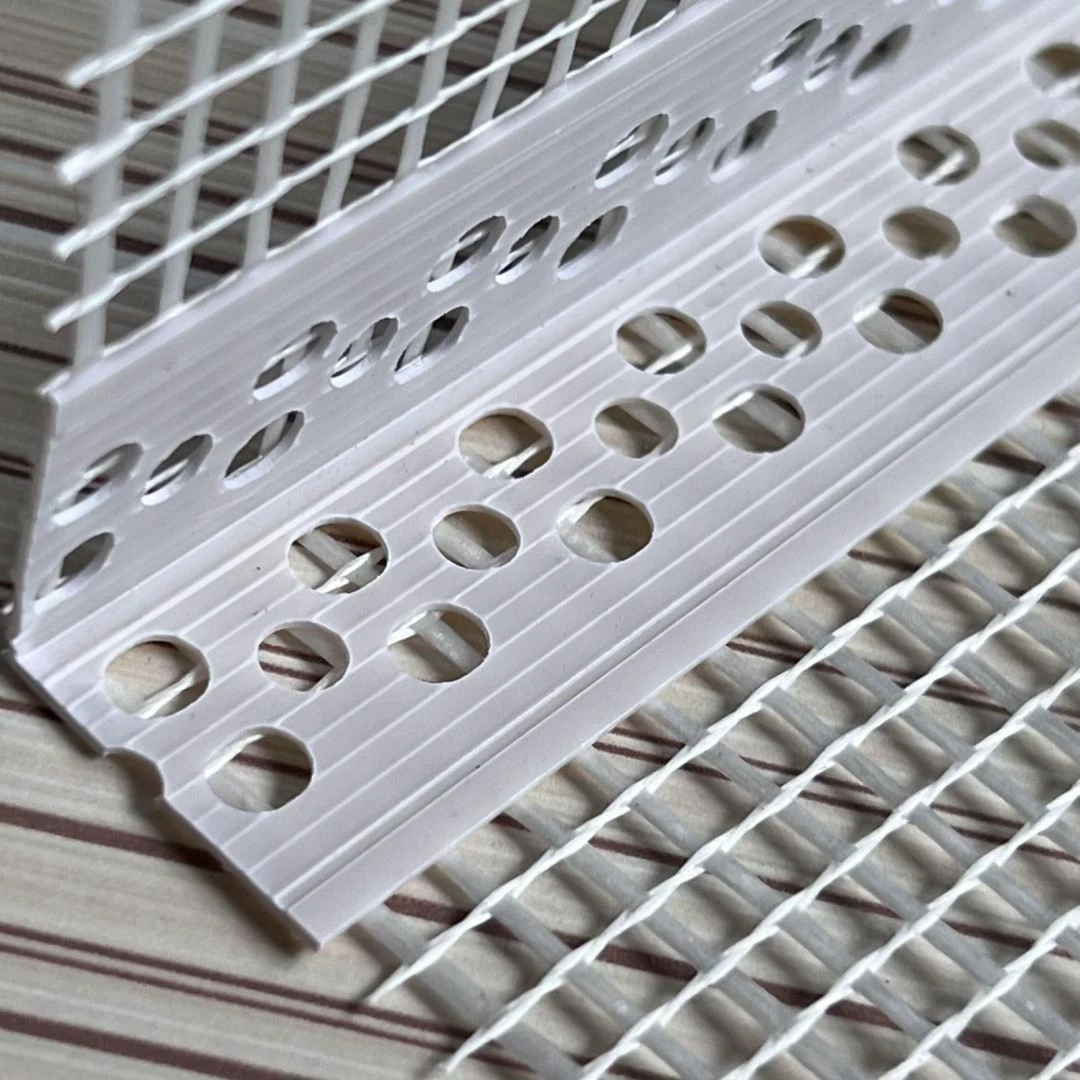
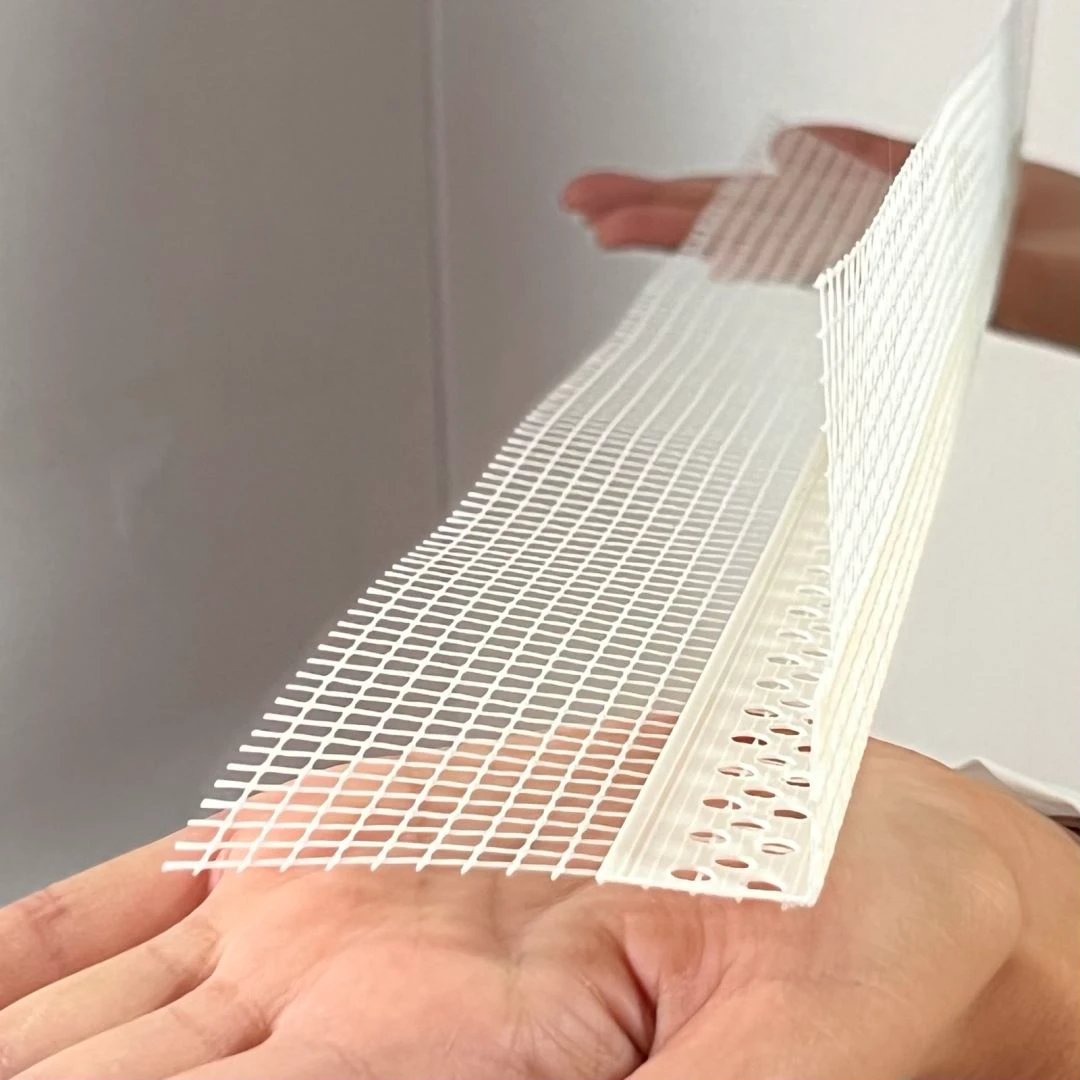
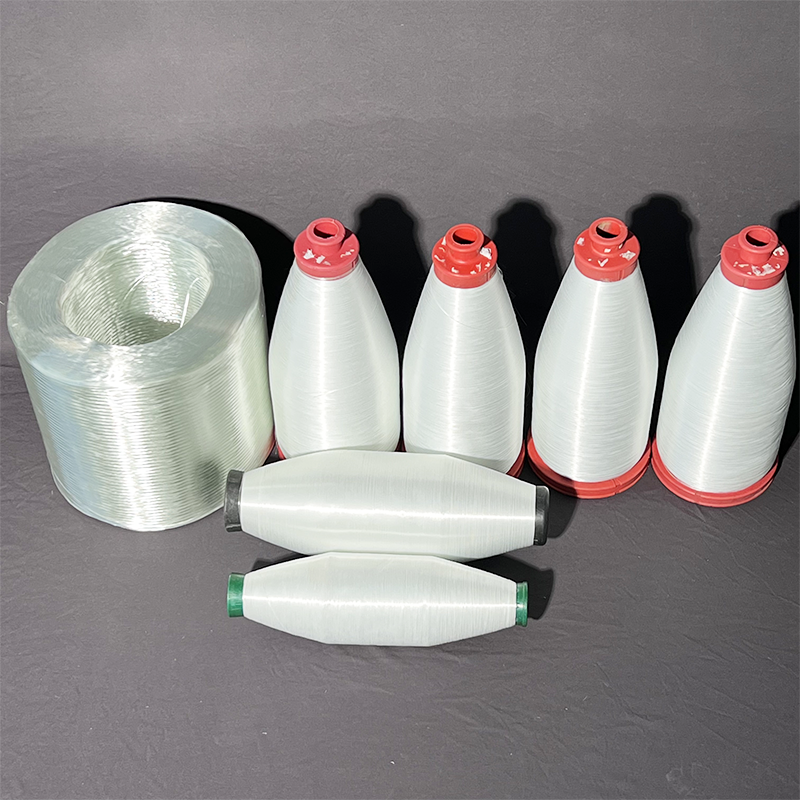
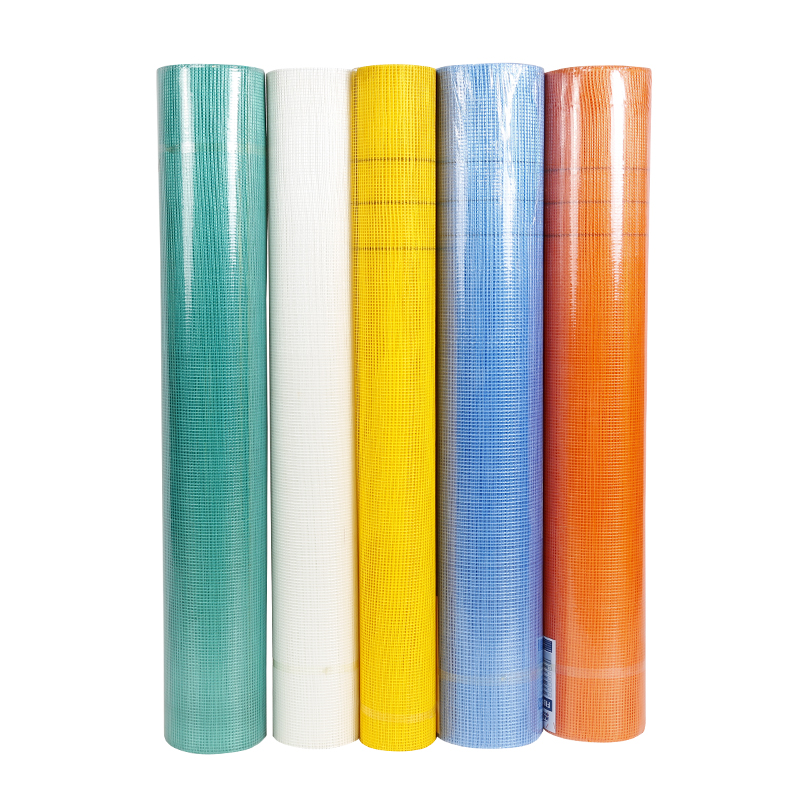
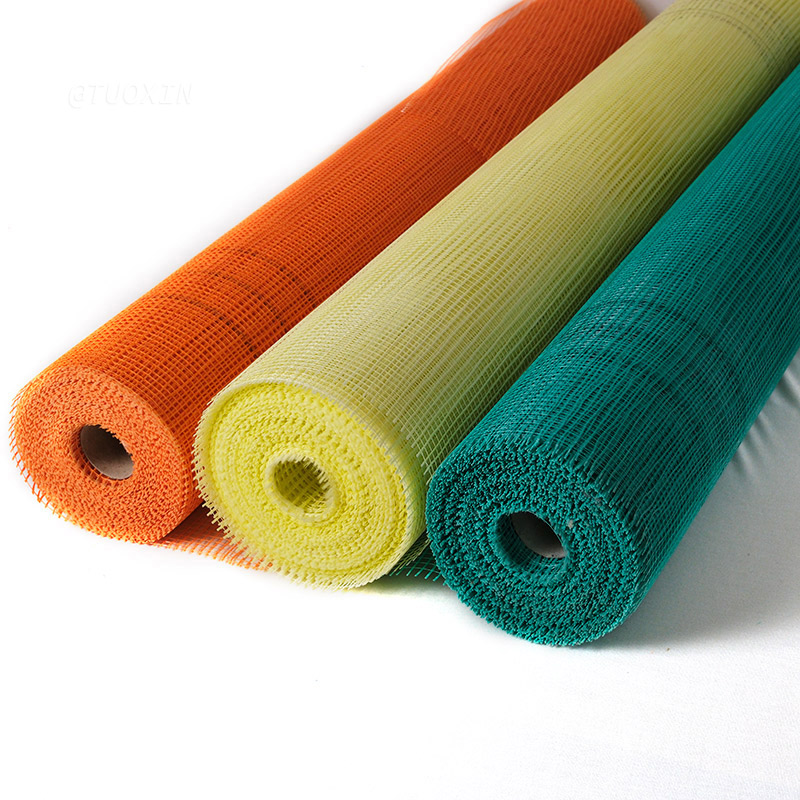
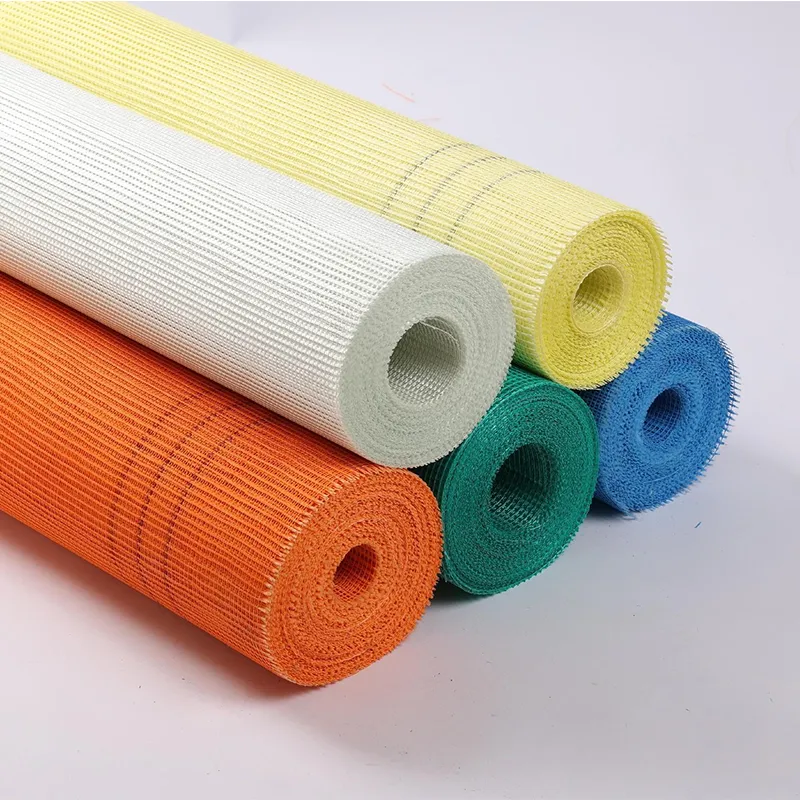
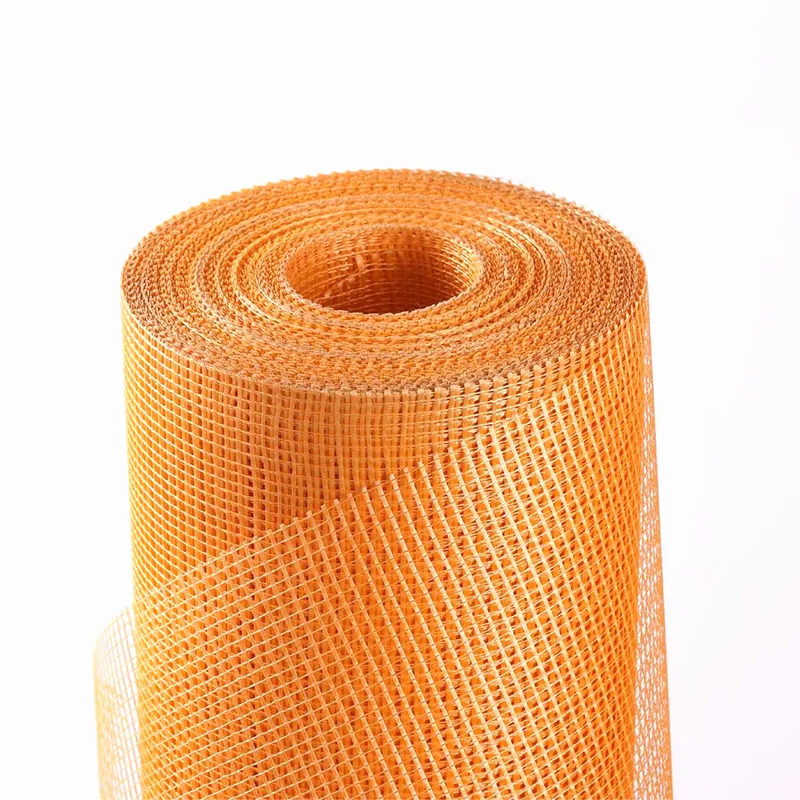
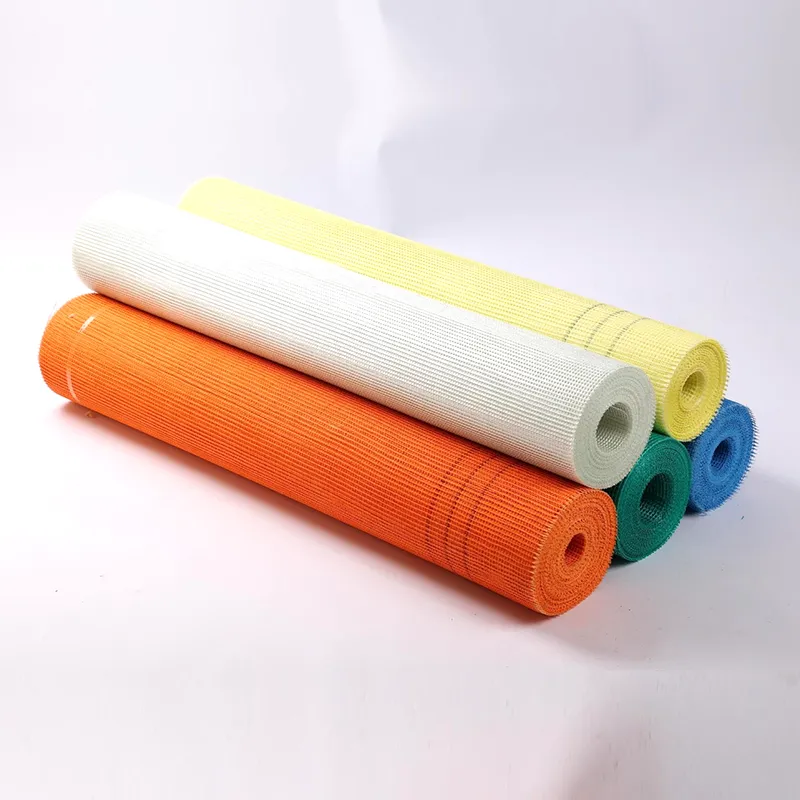
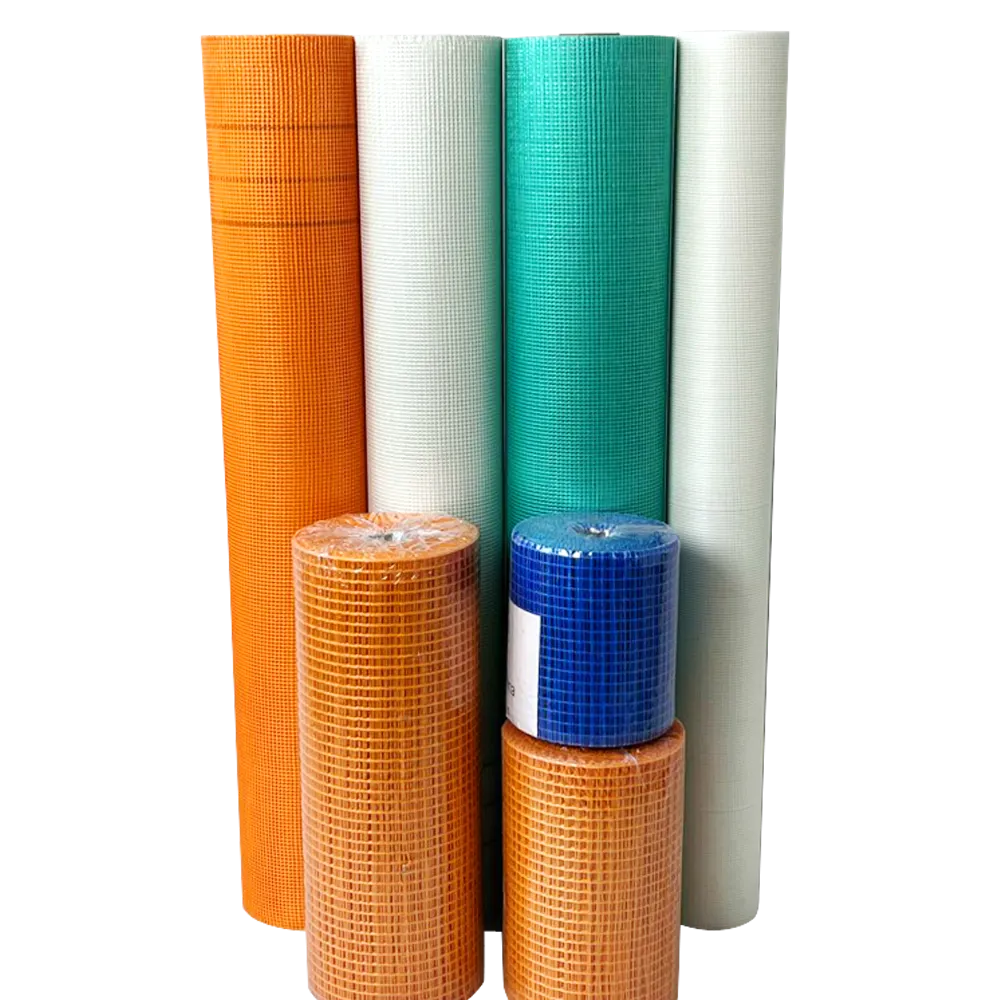
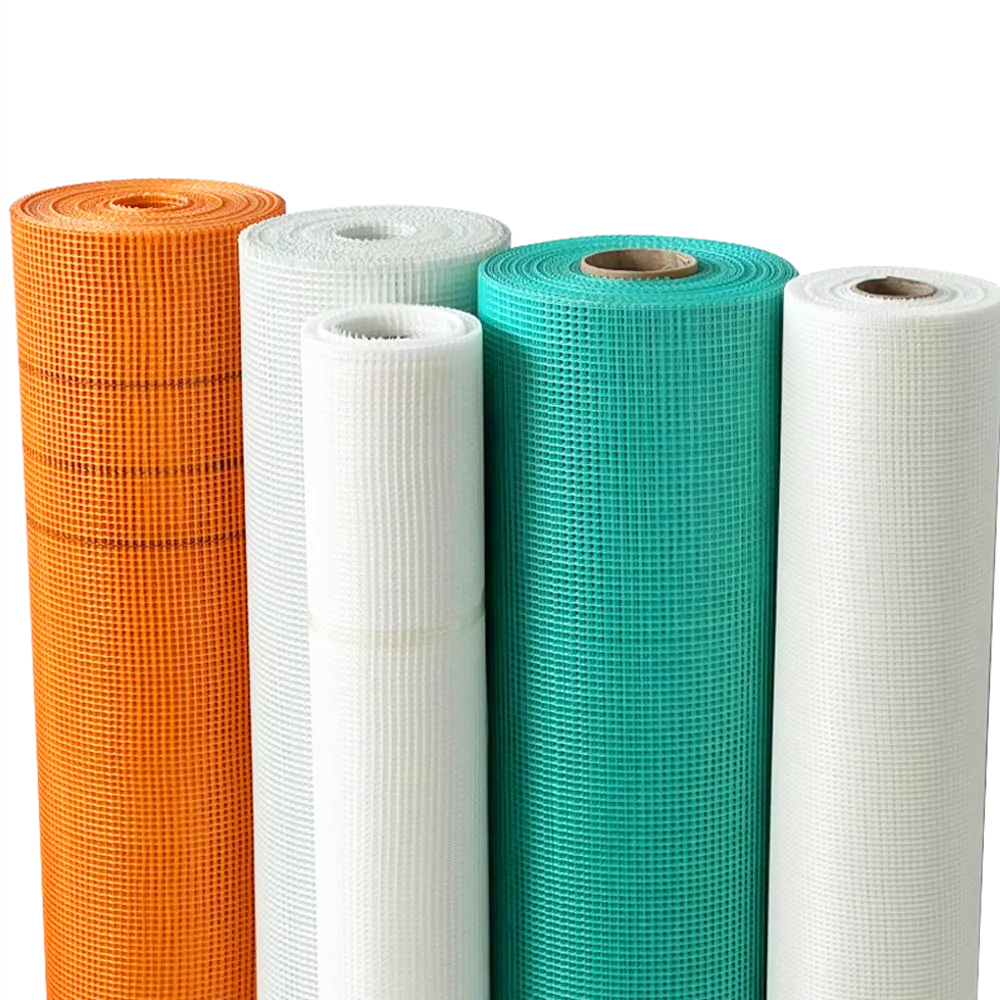
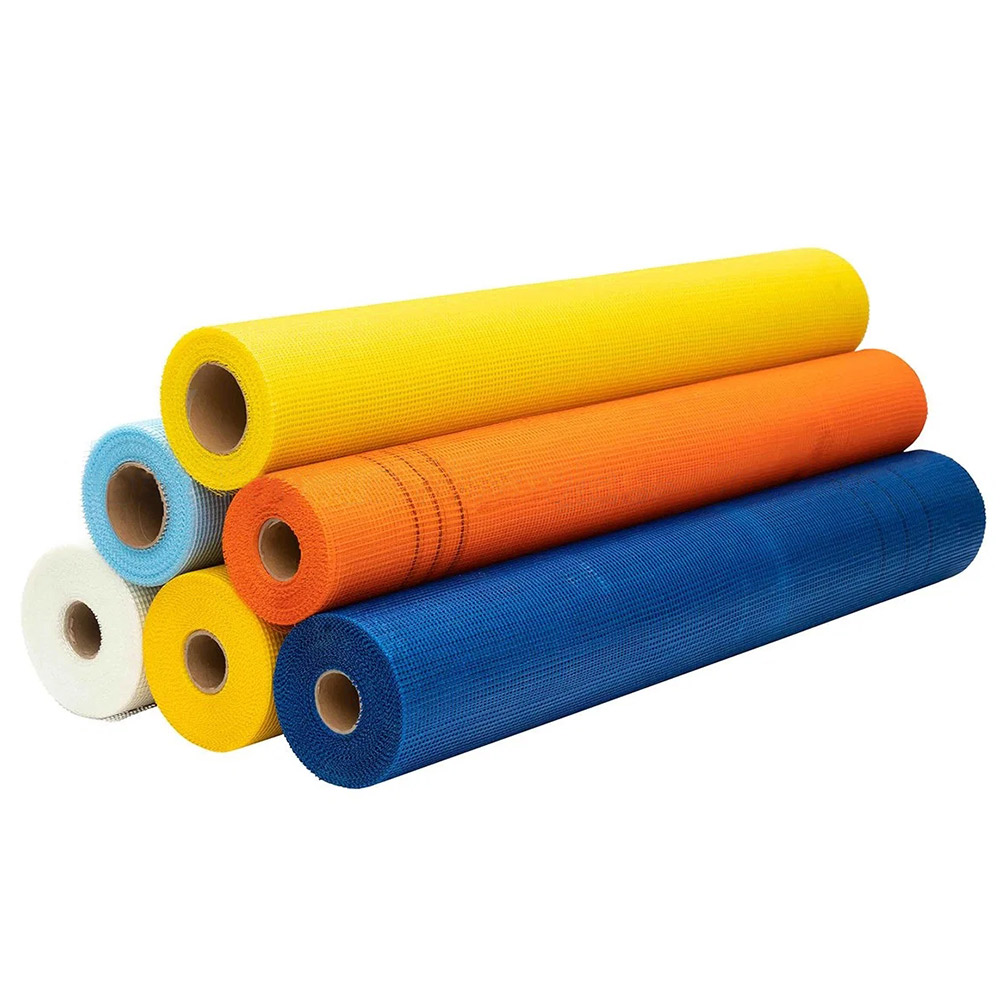
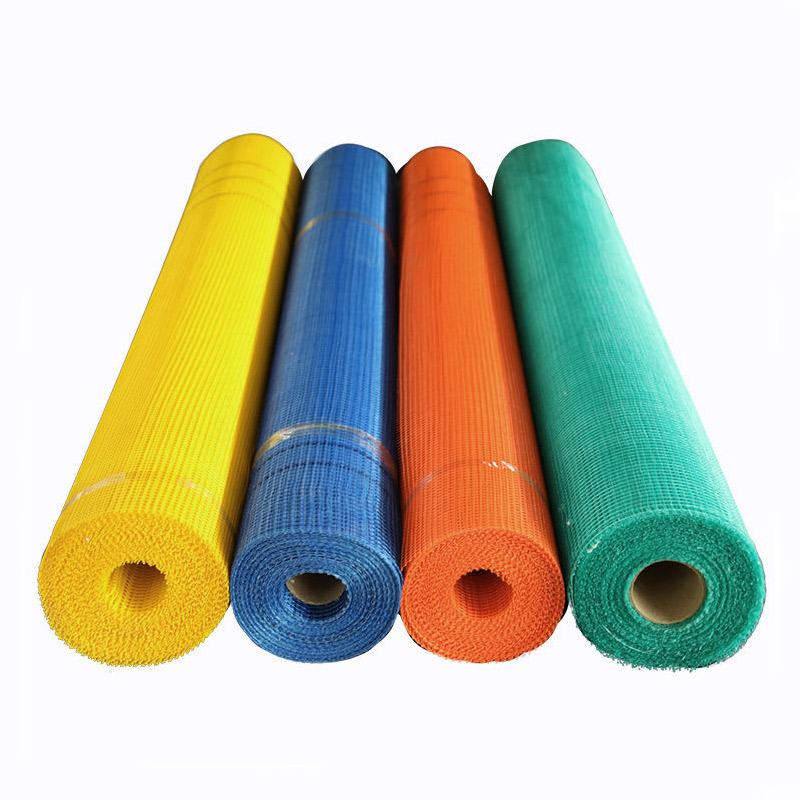
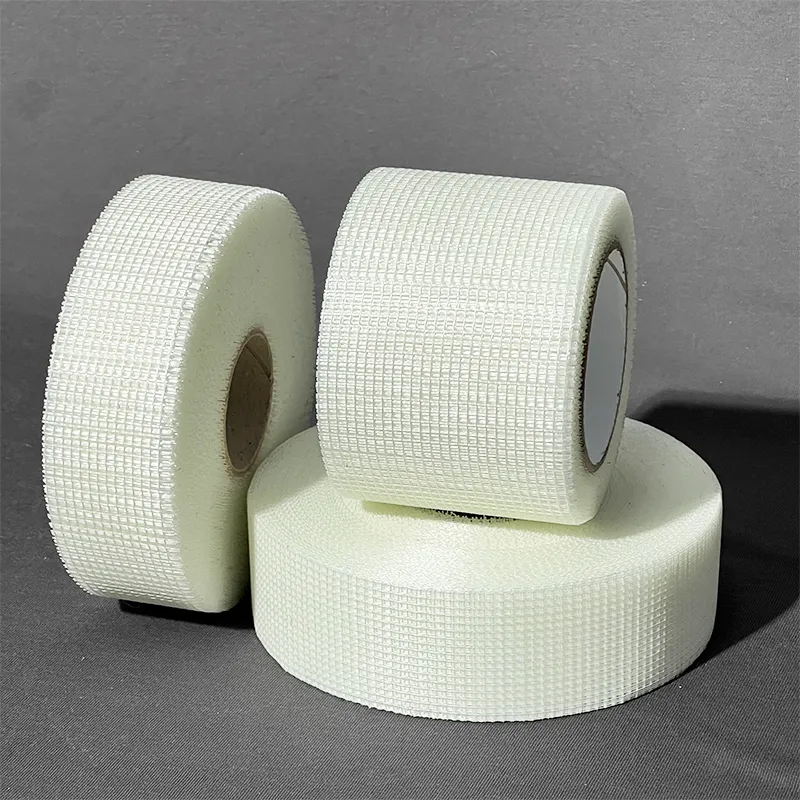
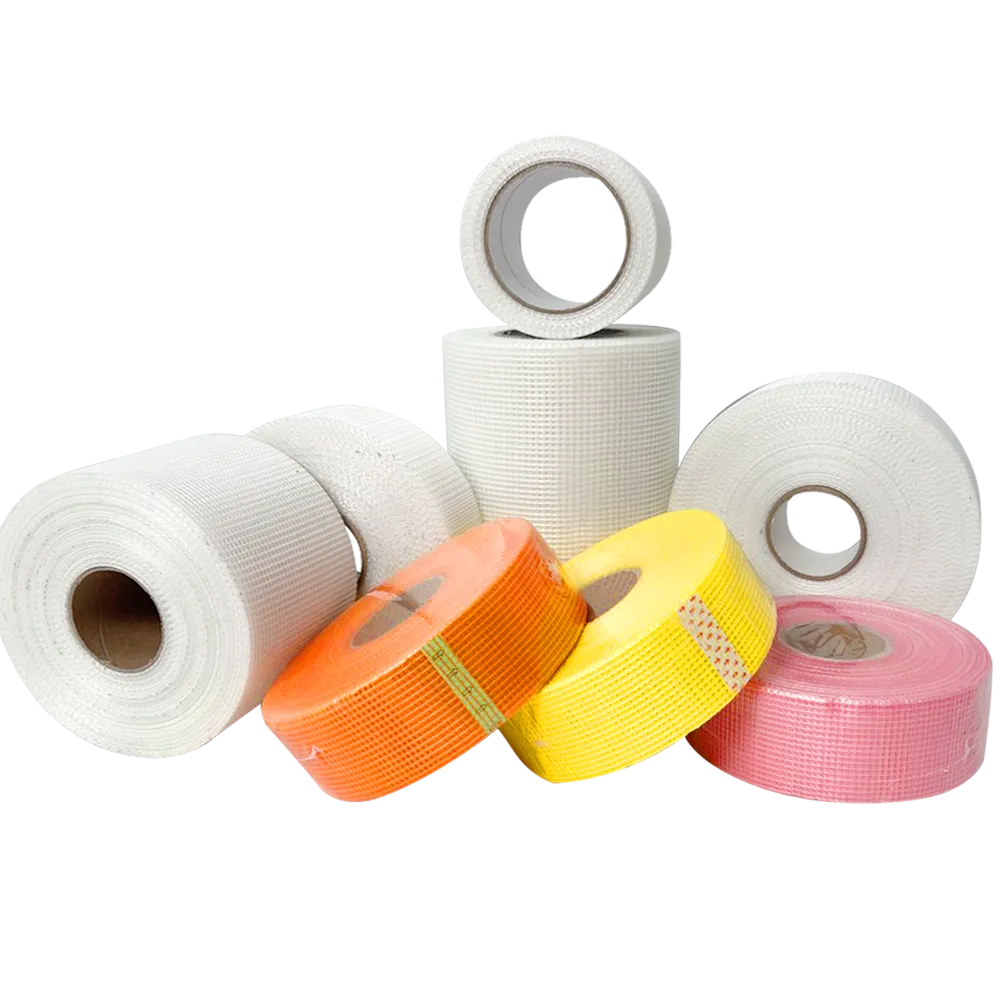
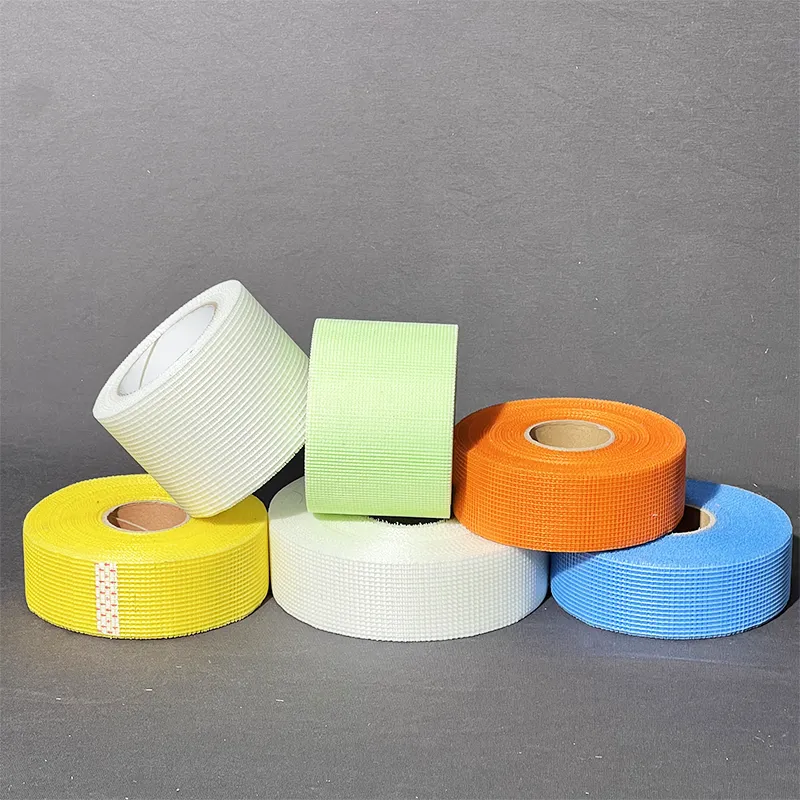
Simply put, these companies specialize in producing and distributing mesh made from fiberglass — thin strands of glass woven into a grid-like sheet. This product is designed to reinforce materials like plaster, concrete, or mortar, enhancing strength and preventing cracks or failures. Think of it as the invisible backbone that bolsters a building without adding excessive weight.
These companies might produce meshes tailored for specific industry needs, such as for facade insulation systems, waterproofing layers, or even road and bridge reinforcement.
On a humanitarian level, in disaster relief and rapid shelter construction, fiberglass mesh helps create quick-to-deploy, resilient structures that withstand harsh conditions.
Mini takeaway: Fiberglass reinforcement mesh companies create versatile products that improve material strength and longevity across industries.
Core Components That Define These Companies’ Products
1. Durability
Fiberglass mesh resists corrosion, chemical exposure, and weathering far better than steel alternatives. This makes it ideal in both marine environments and industrial zones.
2. Lightweight Design
Unlike metal mesh, fiberglass is significantly lighter. This facilitates easier handling during construction, reducing labor costs and injury risk.
3. Cost Efficiency
Though the initial material cost may sometimes be higher, the long-term savings in maintenance and repair often outweigh it—something many engineers I spoke with emphasize.
4. Flexibility and Scalability
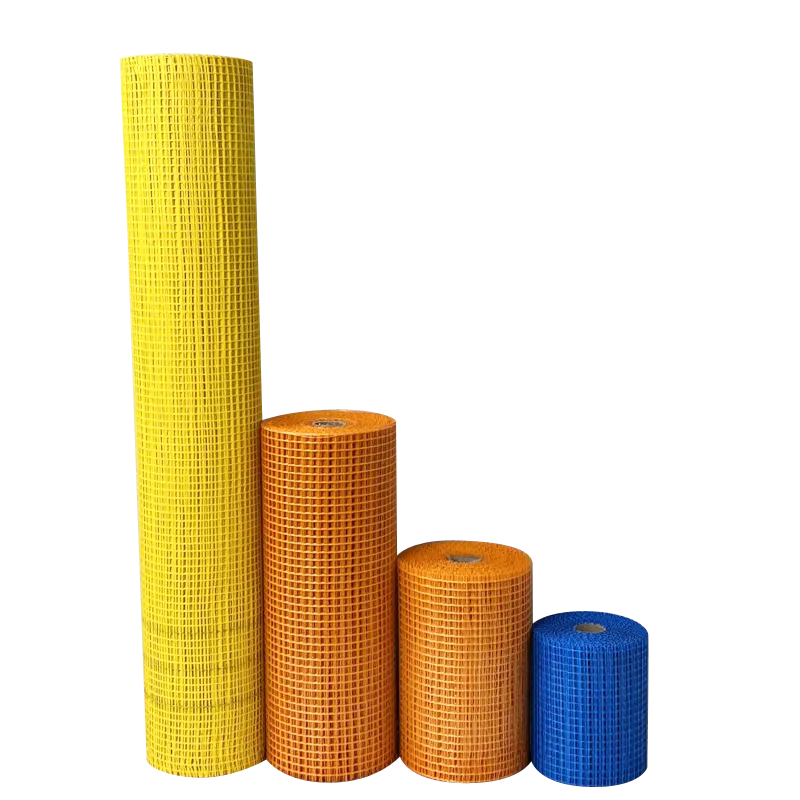
Manufacturers can produce custom mesh sizes and weave patterns to suit different structural needs, making these companies adaptable and client-focused.
5. Environmental Resistance
Resistance to alkalis and UV rays means these meshes last longer in harsh outdoor applications, a factor often overlooked but hugely important.
Mini takeaway: Combining durability, flexibility, and cost efficiency allows fiberglass reinforcement mesh companies to meet diverse construction challenges head-on.
Applications Around the Globe: Real-World Impact of Fiberglass Reinforcement Mesh
The applications are fairly broad but focused on upgrade paths where traditional reinforcements fail or struggle.
- Infrastructure in coastal regions: In places like Japan and the Mediterranean, fiberglass mesh is vital for protecting bridges and seawalls from corrosion.
- Post-disaster reconstruction: NGOs use fiberglass mesh-enhanced materials to quickly rebuild durable shelters in earthquake- and flood-affected regions.
- Industrial and commercial construction: Factories deploying fiberglass mesh avoid contamination that steel might cause in sensitive environments.
- Energy sector applications: Reinforcement inside wind turbine blades and solar panel frames benefit from lighter weight and corrosion resistance.
Mini takeaway: Fiberglass reinforcement mesh has become a go-to in specialized settings demanding durability, speed of construction, and environmental resilience.
Advantages & Long-Term Value of Fiberglass Reinforcement Mesh Companies
From a financial standpoint, these companies help clients reduce lifecycle costs. Projects last longer without structural failures; that’s less downtime, less repair, and fewer safety risks. There's an emotional side too — knowing that buildings provide security and dignity in harsh environments can’t be overstated.
Moreover, these meshes contribute to sustainability goals by reducing the need for frequent repairs or replacements, wasting fewer materials in the process. Companies pushing for eco-friendly practices often partner with fiberglass mesh manufacturers for this reason.
Product Specification Table
| Specification | Typical Range | Remarks |
|---|---|---|
| Mesh Size (mm) | 4x4 to 12x12 | Custom sizes available |
| Tensile Strength (MPa) | 1200 - 1600 | Varies by fiber type |
| Weight (g/m²) | 40 - 160 | Depends on mesh density |
| Alkali Resistance | High | Ensures longevity in cement |
| UV Resistance | Moderate to High | Protective coatings improve this |
Comparing Leading Fiberglass Reinforcement Mesh Vendors
| Company | Product Range | Customization | Pricing | Lead Time |
|---|---|---|---|---|
| Tainuo Fiberglass | Wide (10+ mesh types) | High | Competitive | Standard (1-3 weeks) |
| Global Mesh Corp. | Medium | Moderate | Premium | Quick (1 week) |
| FiberTech Solutions | Niche (high-performance) | Limited | Value | Variable (2-4 weeks) |
Emerging Trends & Innovations in Fiberglass Reinforcement Mesh
Looking ahead, the fiberglass mesh industry feels the buzz of several exciting trends. One is the push toward eco-friendly resins and coatings that make products biodegradable or at least less carbon-intensive to produce. Another big leap is combining fiberglass mesh with digital sensors for smart infrastructure monitoring, allowing early crack detection and preventative maintenance.
3D weaving techniques and automated production lines mean these meshes can soon be tailored at micron precision. And don’t forget the surge in demand for green building certifications — driving manufacturers to innovate continuously.
Mini takeaway: Technology and sustainability will shape the future trajectory of fiberglass reinforcement mesh companies, aligning them closer with global environmental missions.
Challenges Fiberglass Reinforcement Mesh Companies Face and How They're Overcoming Them
Despite great promise, challenges persist. Fiberglass mesh installation requires skilled labor to avoid improper embedding, which can reduce performance. Some regions struggle with regulatory approvals or slow standards adoption, limiting market expansion. Also, despite its advantages, the mesh doesn’t yet replace all forms of steel reinforcement, leading to hybrid applications and complex design choices.
Smart companies are addressing this by investing heavily in training programs, working closely with industry bodies, and developing hybrid products that marry the best of fiberglass mesh with traditional materials. In certain places, pilot projects and field trials create the needed trust to break inertia.
FAQ: Practical Questions About Fiberglass Reinforcement Mesh Companies
- Q1: How do fiberglass reinforcement meshes compare in cost to steel meshes?
- While fiberglass mesh can have a slightly higher upfront cost, its corrosion resistance and longevity usually lead to lower maintenance costs long term, making it economically advantageous overall.
- Q2: Are there environmental certifications relevant to fiberglass mesh products?
- Yes, many fiberglass mesh companies pursue ISO 14001 certification and work to meet LEED sustainable building standards, helping construction projects gain green certifications.
- Q3: Can fiberglass reinforcement mesh companies customize mesh sizes for specific projects?
- Most reputable companies offer customization options, from mesh aperture sizes to weights and coatings, tailored to client needs and project specifications.
- Q4: Is the installation of fiberglass mesh more complicated than traditional reinforcement?
- Not necessarily, but proper embedding and handling are crucial. Training is vital to avoid issues such as mesh folding or improper placement, which can compromise structural integrity.
Wrapping It Up: Why These Companies Matter For the Future
All in all, the world needs fiberglass reinforcement mesh companies more than ever, given the global demand for resilient, efficient, and sustainable infrastructure. Their contribution goes beyond products — influencing industry best practices and innovation culture.
So, if you’re involved in construction or materials sourcing, it’s worth keeping an eye on what these companies bring to the table. Their products don't just make buildings stronger but help create a future where construction is smarter, safer, and greener.
Want to learn more? Check out the latest in fiberglass mesh innovations and suppliers at Tainuo Fiberglass Mesh.
Mini takeaway: Investing in fiberglass reinforcement mesh solutions means tapping into sustainability, durability, and smarter construction for years to come.
References
-
Best Fiberglass Mesh Tape for RedGard Product Waterproofing GuideNewsApr.16,2026
-
Why High Strength Fiberglass Mesh Is Essential For Stucco ApplicationNewsApr.15,2026
-
Why Alkali Resistant Fiberglass Mesh Tape Is Essential For Cement Board And Tile InstallationsNewsApr.15,2026
-
Understanding The Role Of Drywall Fiberglass Mesh In Interior FinishingNewsApr.15,2026
-
Ultimate Guide To Using Fiberglass Mesh Tape For Drywall And Plaster RepairsNewsApr.15,2026
-
The Versatility Of Fiberglass Mesh In Marble And Stone MosaicNewsApr.15,2026