Nov . 28, 2025 20:35 Back to list
Fiberglass Reinforcement Mesh Pricelist – Global Pricing Insights & Trends
Understanding Fiberglass Reinforcement Mesh Pricelist: Why It Matters Worldwide
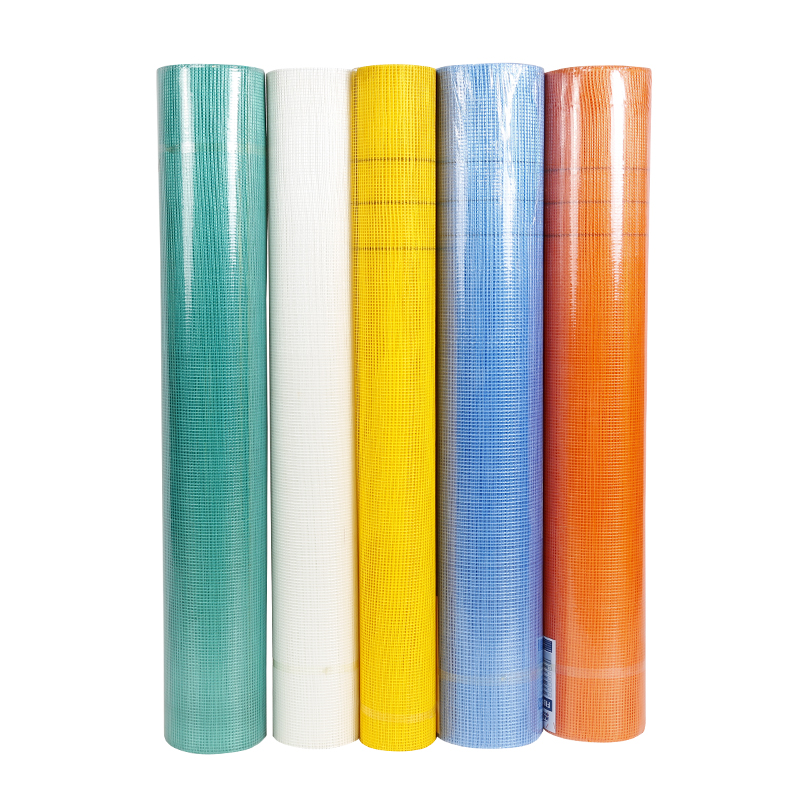
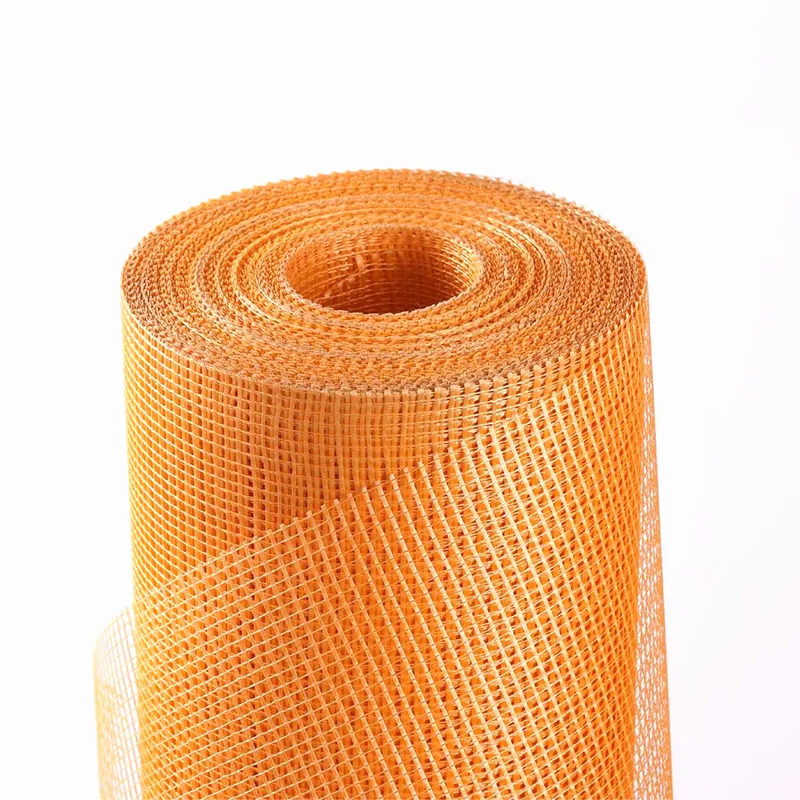
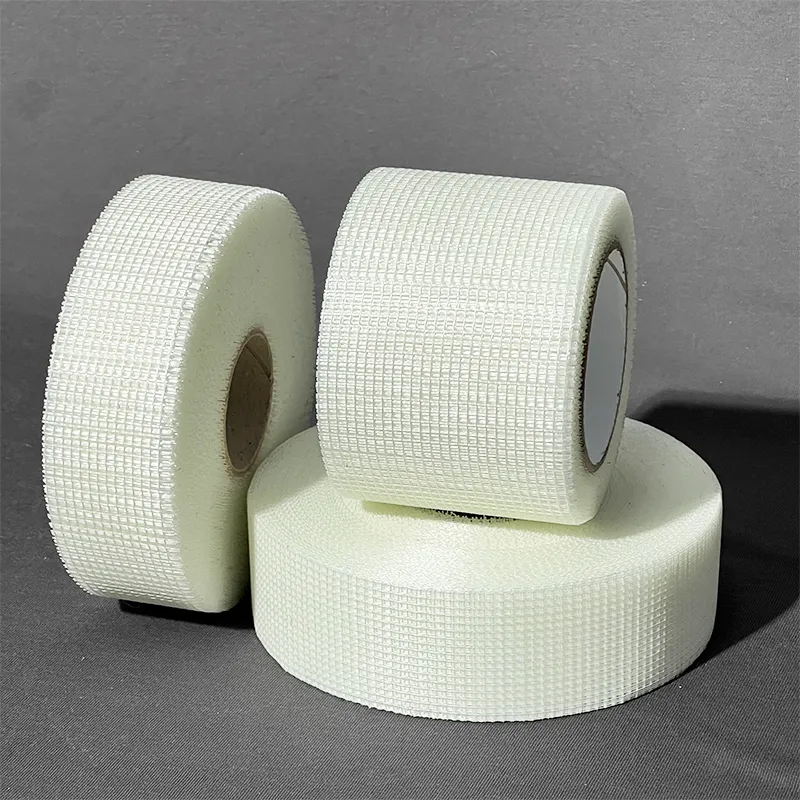
If you've ever paused to wonder about the sturdy layers behind smooth concrete surfaces or reliable wall finishes, fiberglass reinforcement mesh probably had a hand in it. Now, imagine trying to make sense of its pricing on a global scale — that’s where the fiberglass reinforcement mesh pricelist becomes critical, not just for engineers or contractors, but for anyone involved in construction, infrastructure, or disaster relief. Understanding the pricing nuances gives you a direct insight into budgeting projects realistically and choosing materials that balance cost and durability — worldwide. This topic is far from niche. With the world’s urban population expected to grow by 2.5 billion by 2050 (UN data), and the construction industry facing increasing demands for sustainable yet cost-effective materials, fiberglass mesh is becoming vital. It strengthens materials, reduces cracking, and frankly, can save lives by reinforcing structures in earthquake-prone zones or cyclone-hit areas. Knowing the pricing and factors behind it doesn’t just keep your project on track — it’s a piece of the puzzle in global resilience and infrastructure quality.Mini takeaway: Understanding fiberglass reinforcement mesh pricing isn’t just about dollars and cents; it’s about smarter, safer, and more sustainable building worldwide.
The Global Landscape: Why Fiberglass Reinforcement Mesh Pricing Matters Today
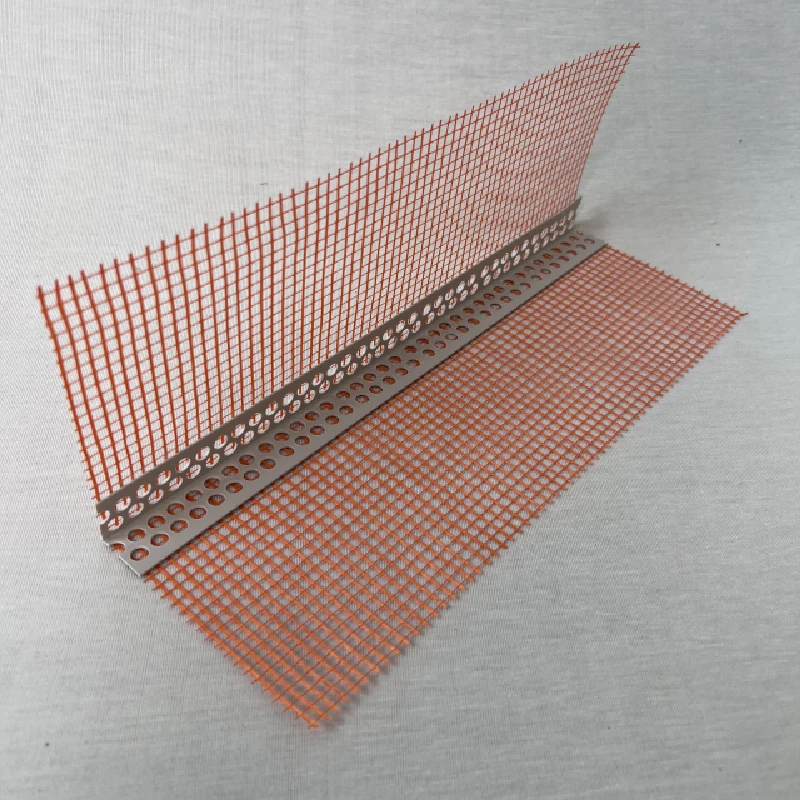
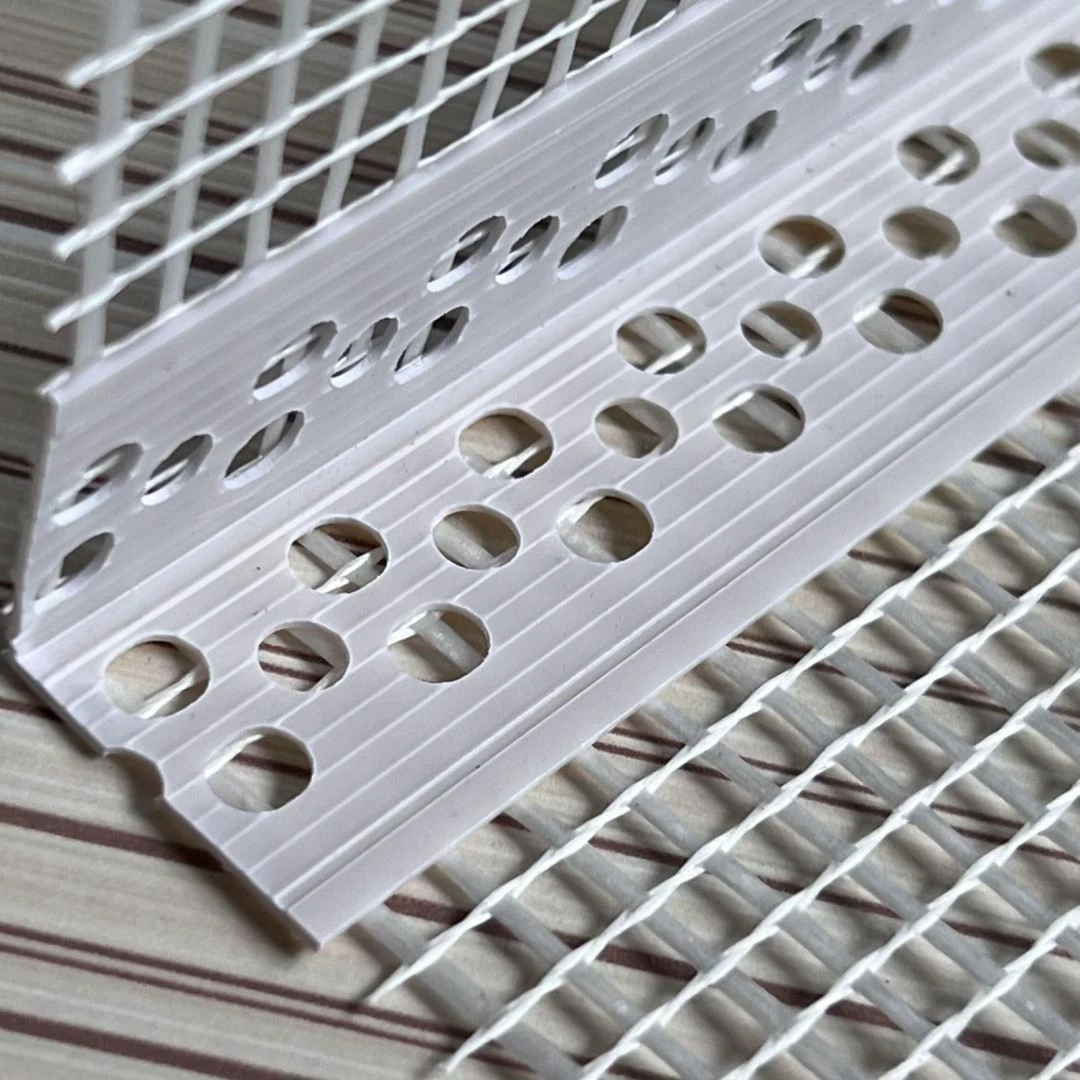
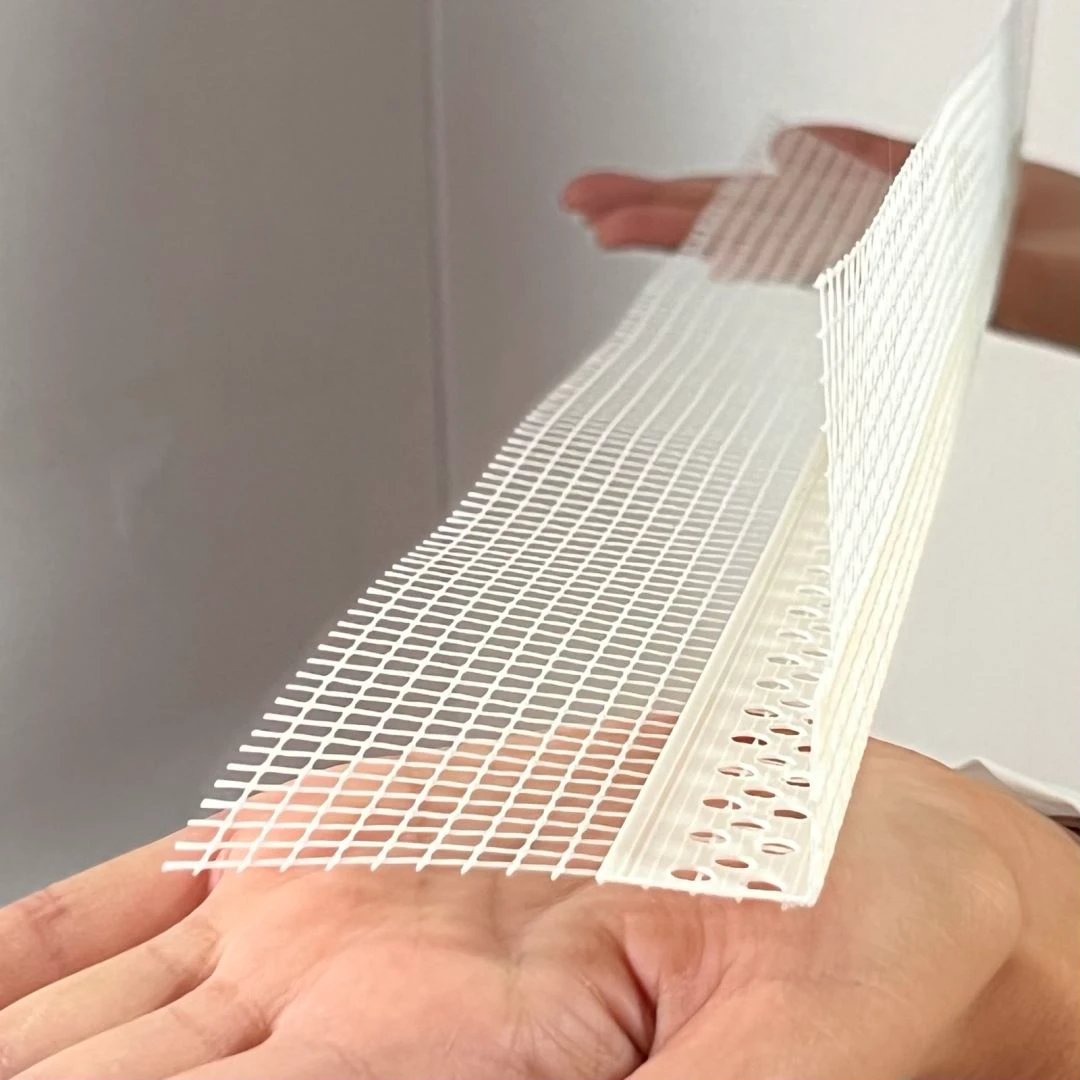
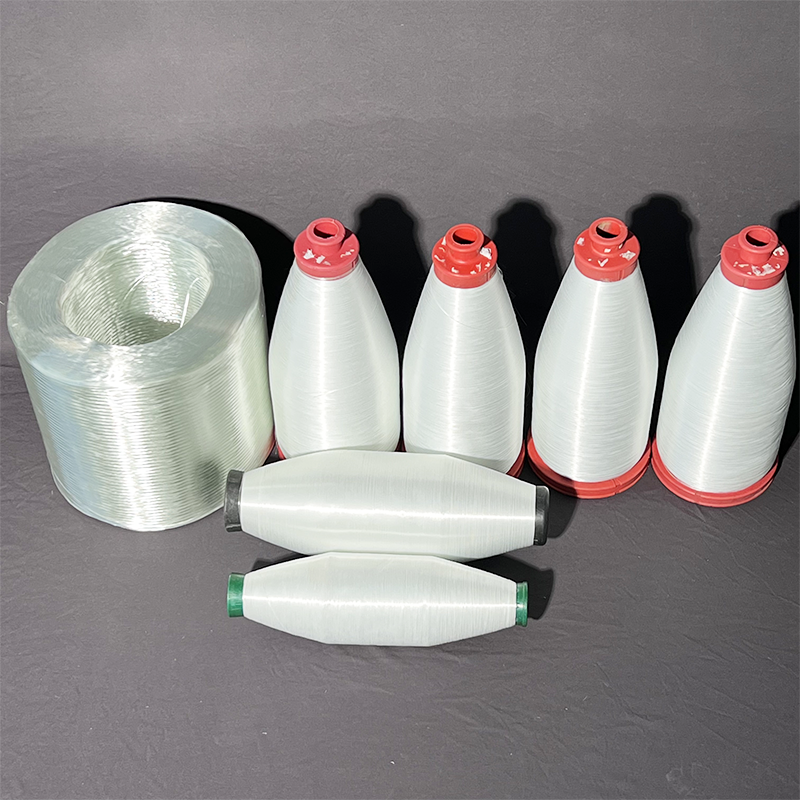
Let's zoom out a little. Around the world, the construction sector contributes roughly 13% to global GDP. It's huge and also incredibly sensitive to materials costs. Fiberglass reinforcement mesh, made mostly of alkali-resistant glass fibers woven into nets, is in increasing demand. According to ISO standards (ISO 14585 for glass fibers), these materials must meet exacting durability and resistance requirements. Yet the price fluctuations of fiberglass mesh reflect supply-chain disruptions, raw material costs, and regional manufacturing capacity. For example, tariffs, transport costs, and currency shifts dramatically affect prices from Asia to Europe to the Americas. These price differences can alter project feasibility—especially for large government contracts or NGOs working in lower-income countries with tight budgets. More importantly, as climate risks grow, using fiberglass mesh—which can extend the life of concrete structures—is a crucial mitigation strategy. The right pricing knowledge helps stakeholders plan investments with longevity in mind.Mini takeaway: Global economic conditions and sustainability challenges directly influence the fiberglass reinforcement mesh pricelist, affecting everything from grassroot construction to large-scale infrastructure.
What Is Fiberglass Reinforcement Mesh Pricelist — Breaking It Down
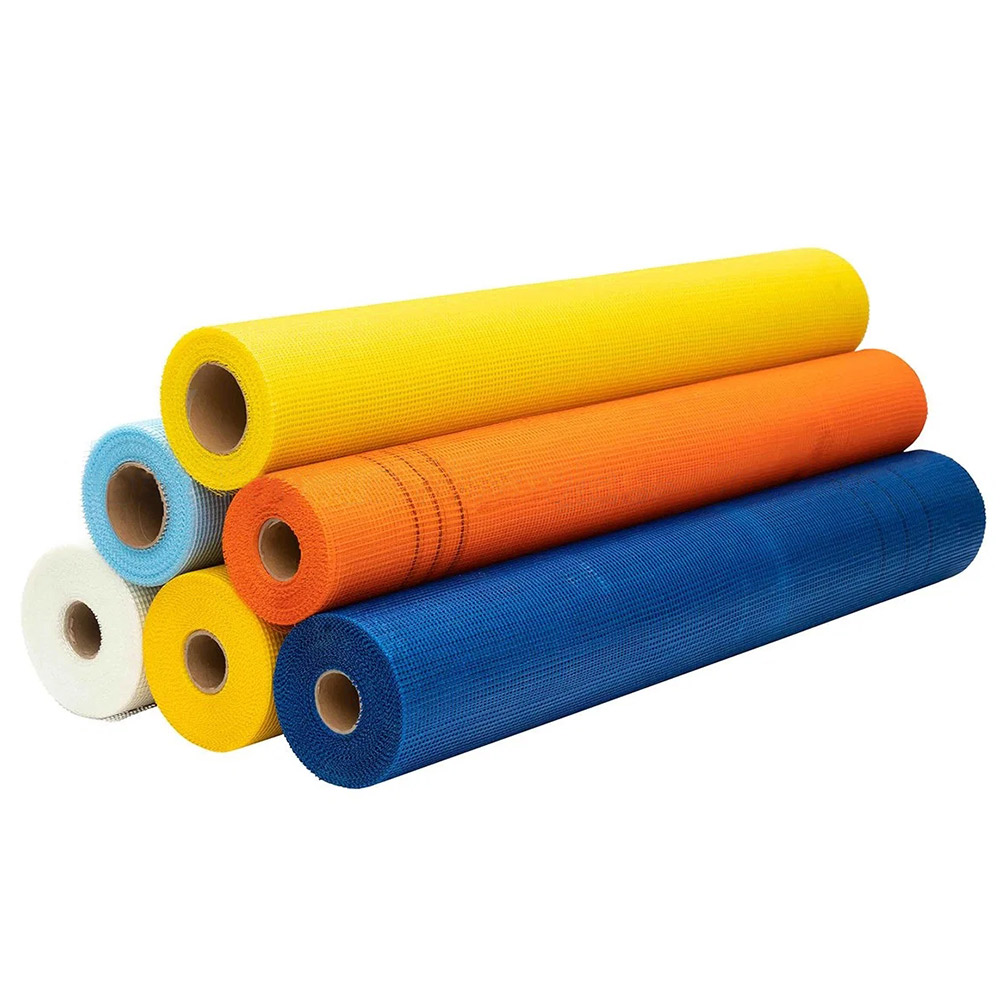
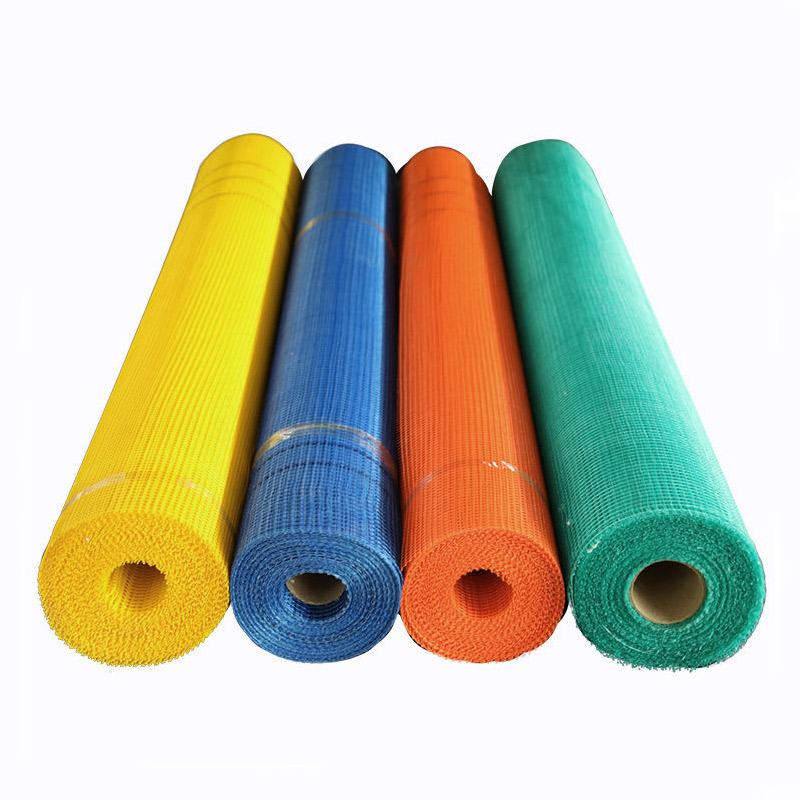
In straightforward terms, a fiberglass reinforcement mesh pricelist is a detailed catalog showing the prices for various types and grades of fiberglass mesh products offered by manufacturers or distributors. These lists typically vary based on:- Mesh dimensions (e.g., 4x4 mm, 5x5 mm grids)
- Weight per square meter
- Fiber properties (alkali resistance, tensile strength)
- Coatings applied (PVC-coated vs. uncoated)
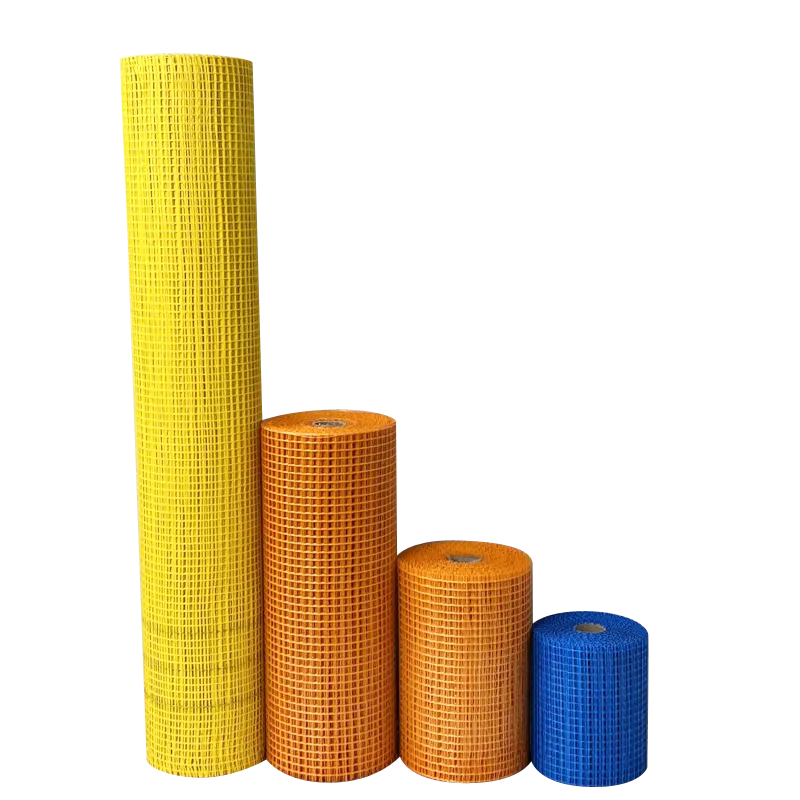
- Roll size and packaging
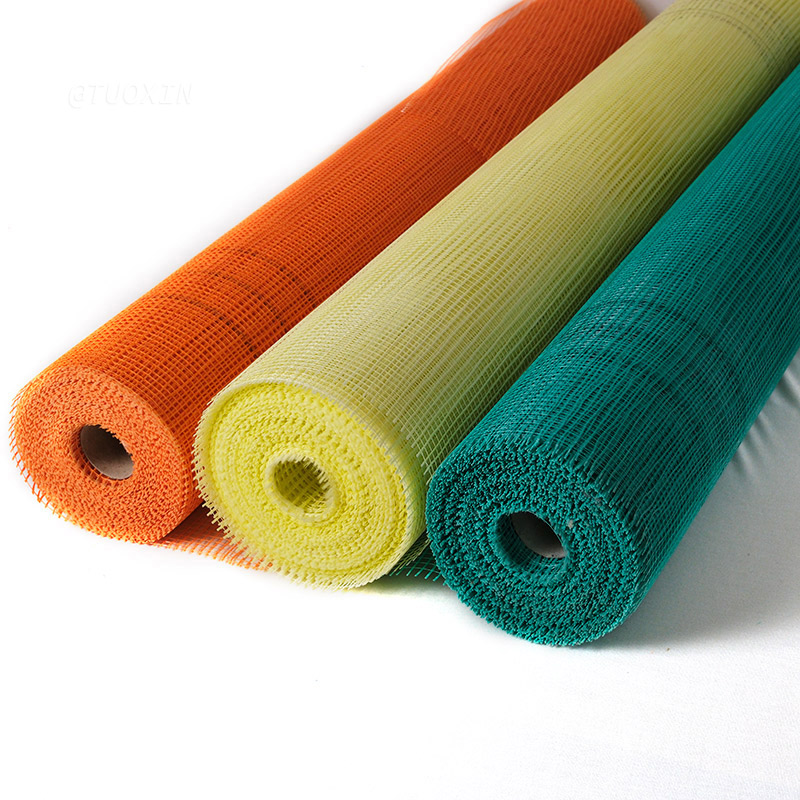
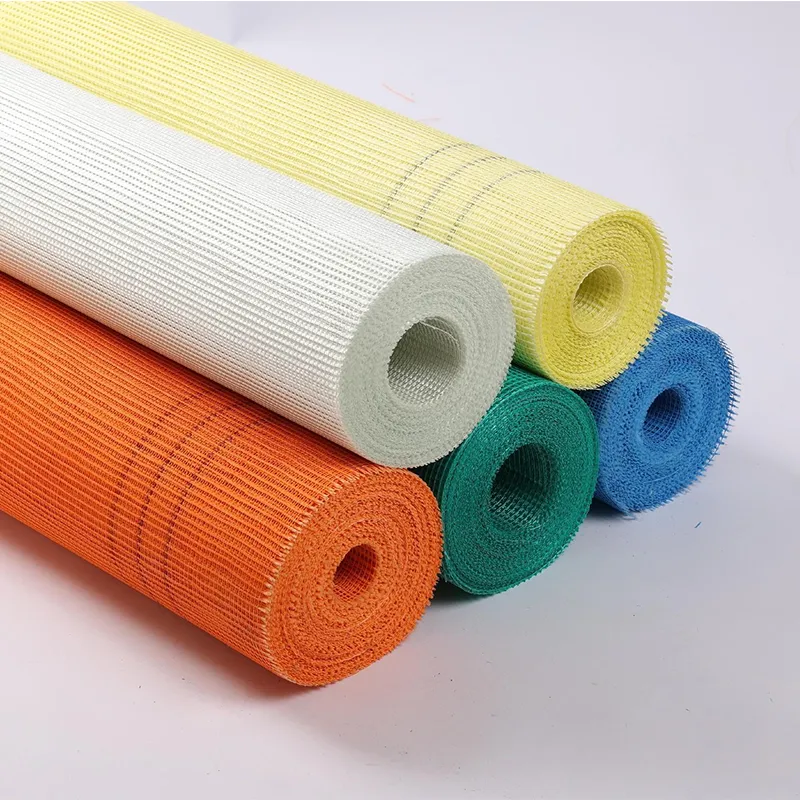
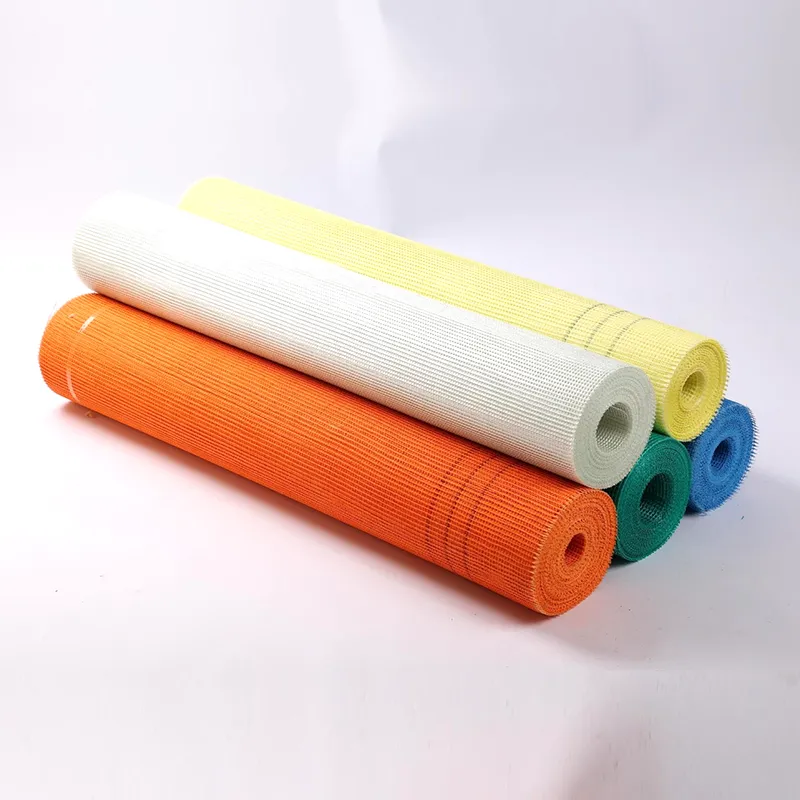
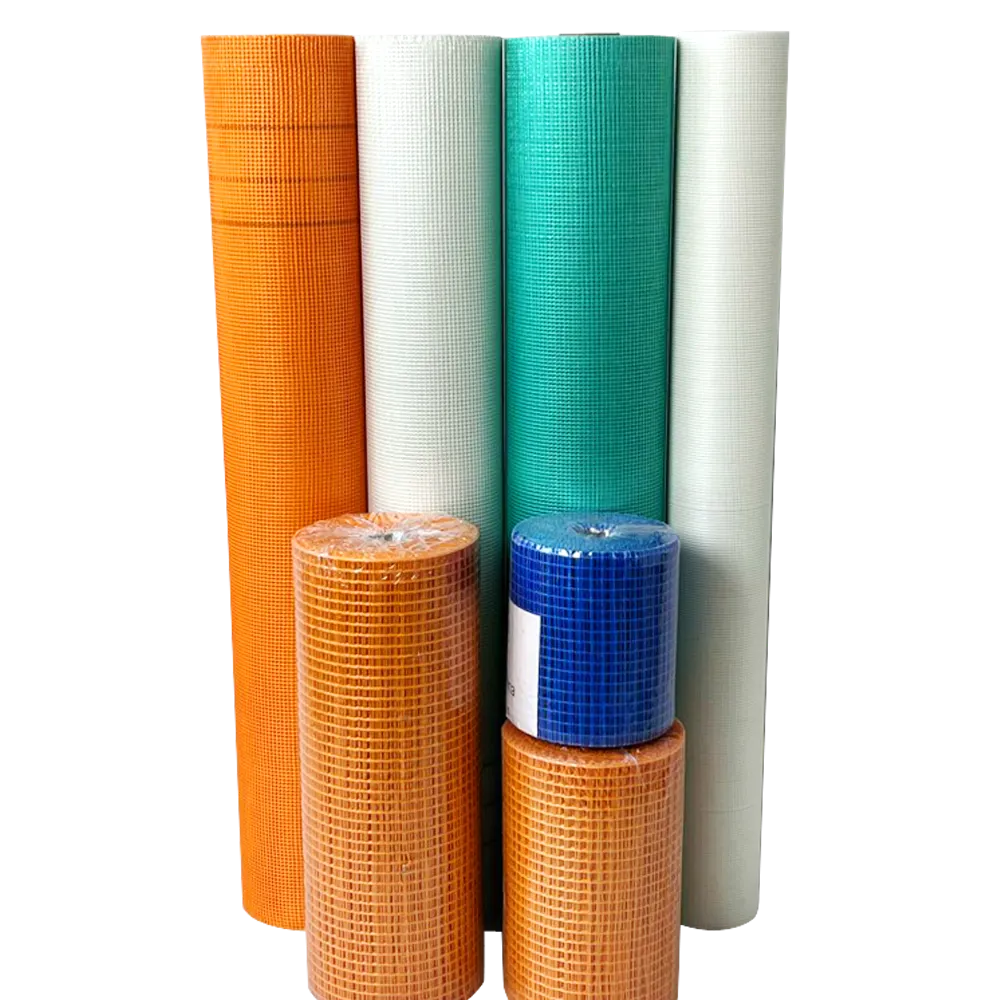
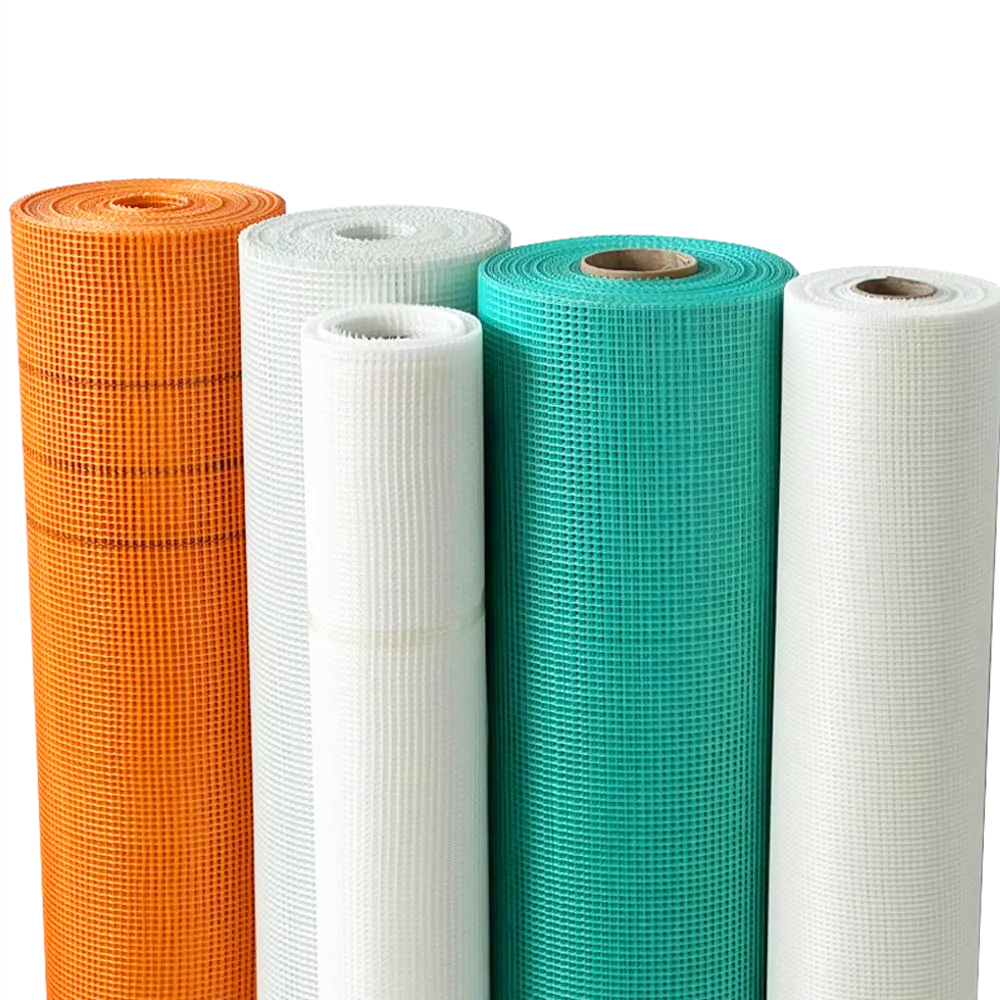
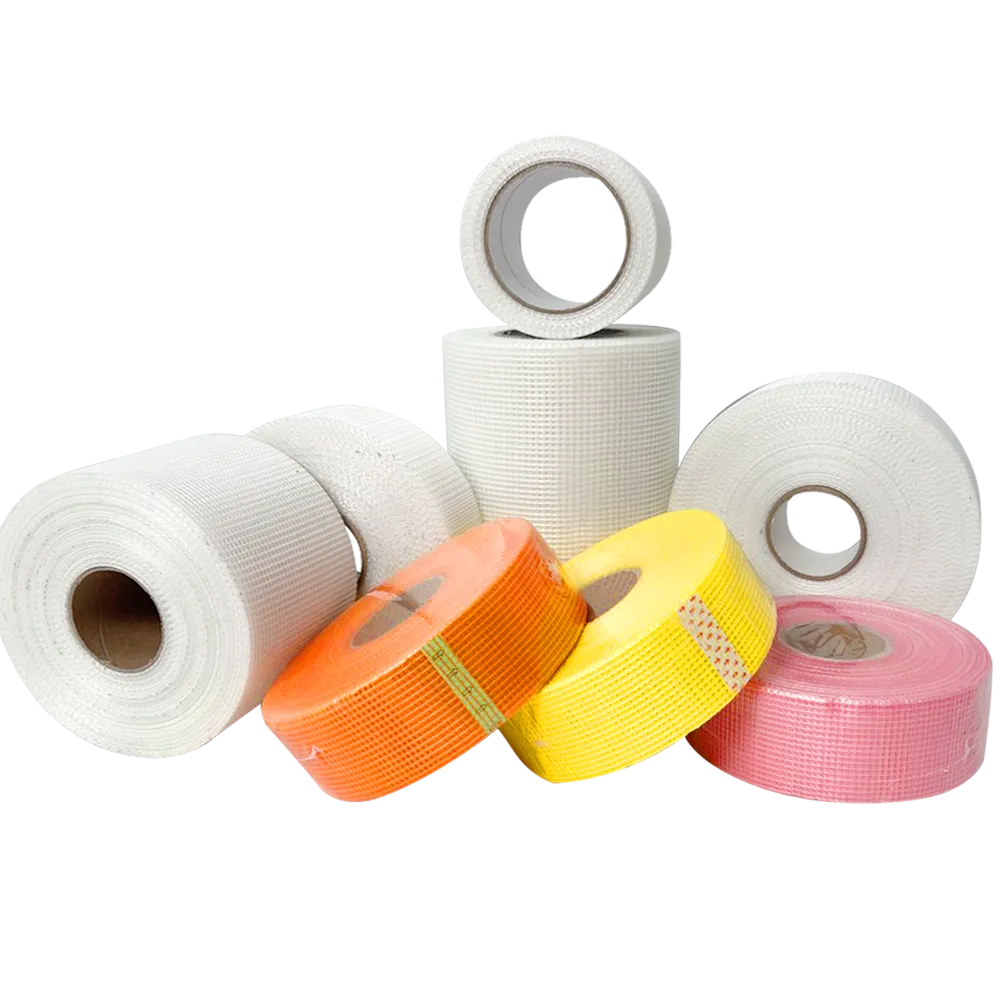
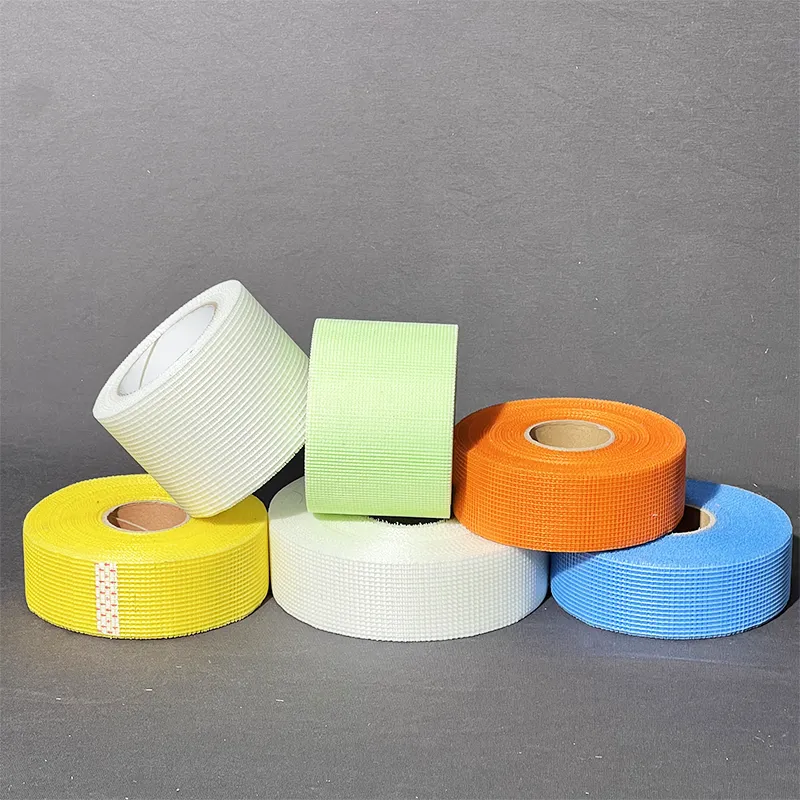
- Customization options (color, weave density)
Mini takeaway: The pricelist is a technical and commercial bridge connecting raw material markets with on-the-ground construction needs.
Core Components Determining Fiberglass Reinforcement Mesh Pricing
1. Durability and Material Quality
Mesh made with high-quality alkali-resistant glass is naturally more expensive but lasts longer under harsh chemical and weather conditions. Many engineers swear by these specs in humid tropical regions or industrial zones.2. Weight and Mesh Size
The denser the mesh (measured in g/m²), the more raw glass fiber used, pushing the price up. Finer meshes may be cheaper but not suited for heavy-duty reinforcement.3. Coatings and Treatments
PVC or other coatings protect fibers from moisture and alkaline damage inside concrete. These treatments add cost but extend lifespan considerably.4. Manufacturing Location and Supply Chain
Production hubs in places like China, India, and Turkey dominate pricing dynamics due to scale and raw material access. Transport time and tariffs add significant margins.5. Order Volume and Customization
Bulk purchasing often lands you better prices, while custom colors or weaves cost more. Some vendors provide tailored solutions for specialized industry needs.6. Certification and Compliance
Products meeting international standards (ISO, ASTM) tend to cost more but give reassurance on performance — critical for public infrastructure projects.Mini takeaway: These multifaceted factors paint a pricing landscape that’s as technical as it is economic, reflecting real-world project demands.
Global Applications: Who Uses Fiberglass Reinforcement Mesh?
Wonder where this stuff goes? Everywhere reinforced concrete or plaster is needed.- Construction Industry: Used in walls, floors, exterior insulation systems, and tile backing to prevent cracking.
- Disaster Relief Efforts: Lightweight mesh supports quick-setting concrete shelters or road repairs after earthquakes or floods.
- Infrastructure Projects: Bridges, tunnels, and water treatment plants increasingly rely on fiberglass mesh for durability.
- Agricultural Uses: Reinforcing greenhouse panels and irrigation structures for longevity.
- Regions: Rapid urbanization in Southeast Asia, Middle East infrastructure booms, and rebuilding after natural disasters in the Caribbean all drive demand.
Mini takeaway: Fiberglass reinforcement mesh’s global footprint is vast, supporting resilience from urban skyscrapers to rural shelters.
Advantages That Keep Fiberglass Reinforcement Mesh Ahead
Cost and durability go hand in hand here. You pay a bit more upfront compared to traditional steel bars or woven metal meshes, but fiberglass mesh resists rust, doesn’t corrode, and improves concrete's tensile strength. This means fewer repairs, longer structural integrity, and reduced maintenance cost over decades. Socially, it’s safer — reducing catastrophic failures during disasters. It also supports greener construction by extending building lifespans and enabling lighter-weight designs that require less raw material overall. Plus, vendors often provide customization options enabling designers to get exactly what they need, combining innovation with trust in tried-and-tested components.Mini takeaway: It’s a classic “pay now, save later” story — but with added peace of mind for safety and sustainability.
Future Trends and Innovations in Fiberglass Reinforcement Mesh Pricing
So, what’s next?- Sustainable Fibers: Research into bio-based resins and greener glass fiber alternatives aims to reduce environmental impact.
- Smart Monitoring: Integrating sensors into fiberglass meshes for real-time structural health monitoring is no longer sci-fi.
- Automation: Automated weaving and coating systems reduce production costs, making high-end mesh affordable for more projects.
- Digital Pricelists: More companies are launching online platforms to provide real-time pricing updates and order tracking.
- International Standards: Harmonizing certifications globally will help buyers trust pricelist data and quality more consistently.
Mini takeaway: As technology advances, so will your access to fair, transparent fiberglass reinforcement mesh prices — a win-win for builders everywhere.
Challenges and Practical Solutions
Despite the advances, a few snags remain:- Price Volatility: Raw material price swings mean budgets can wobble mid-project.
- Quality Inconsistencies: Not all vendors adhere strictly to standards, complicating procurement.
- Logistics and Customs: Delays or extra fees often bump prices unexpectedly.
- Building relationships with trusted manufacturers who publish transparent nacosts.
- Utilizing digital pricelists updated frequently to keep abreast of market changes.
- Opting for certified products to reduce risk.
- Planning buffer budgets for fluctuations.
Mini takeaway: Awareness and vigilance are the best defenses against fiberglass mesh pricing pitfalls.
Frequently Asked Questions About Fiberglass Reinforcement Mesh Pricelist
- Q1: How can I get the most accurate and up-to-date fiberglass reinforcement mesh pricelist?
- A1: The best approach is to use direct vendor portals or official distributors who update prices regularly. Signing up for newsletters or industry bulletins can also help you track market trends, since prices can fluctuate monthly.
- Q2: Does buying in bulk always guarantee a better price?
- A2: Usually yes, but not automatically. Some vendors offer volume discounts beyond certain thresholds, but it depends on stock, customization needs, and shipping costs. Always negotiate based on projected volumes.
- Q3: Are there quality certification marks to look for on fiberglass mesh?
- A3: Definitely. Look for compliance with ISO 14585, ASTM standards, and often local construction codes. Certified products tend to have consistent strength and durability, reducing installation issues.
- Q4: Can fiberglass reinforcement mesh be reused, or is it only for single-use?
- A4: Generally, it's designed for single installation embedded within concrete or plaster. However, offcut pieces can sometimes be repurposed for smaller projects, but full reuse isn't common due to fragility.
- Q5: How do tariffs and shipping affect the final pricelist internationally?
- A5: Tariffs, freight, insurance, and customs charges can add 10–30% or more to the base mesh price, depending on the trade route. Factoring these in early helps avoid budget surprises.
Product Specification Table
| Specification | Details |
|---|---|
| Fiber Type | Alkali-resistant E-glass fiber |
| Mesh Size | 4x4 mm, 5x5 mm, 6x6 mm |
| Weight | 120–160 g/m² |
| Coating | PVC (optional), uncoated options |
| Roll Length | 50, 100, or 150 meters |
| Tensile Strength | ≥ 1100 MPa |
Vendor Comparison Table
| Vendor | Price per m² (USD) | Lead Time | Certification | Customization |
|---|---|---|---|---|
| Fibermesh Co. | $0.45 | 2 weeks | ISO 14585 | Yes |
| GlassNet Ltd. | $0.50 | 3 weeks | ASTM compliant | Limited |
| Tainuo Fiberglass | $0.42 | 1 week | ISO & ASTM | Full |
Wrapping Up: Why Knowing the Fiberglass Reinforcement Mesh Pricelist Pays Off
When it comes down to it, the fiberglass reinforcement mesh pricelist is so much more than a dry list of numbers. It's a window into quality, durability, industry trends, and even global infrastructure priorities. Whether you’re a project manager balancing budgets, an NGO rebuilding communities, or a supplier expanding your network, having a firm grasp of pricing shifts is an edge you want. To stay ahead and make informed buying choices that honor both your wallet and the planet, I suggest visiting and bookmarking https://www.tainuofiberglassmesh.com, a source that frequently updates values and specs. Thanks for spending a bit of your day diving into this with me — it’s always curious how seemingly small things like mesh pricing weave into complex global fabric.Mini takeaway: In the world of building stronger, safer, and smarter, understanding fiberglass reinforcement mesh prices is one step closer to success.
References
-
Best Fiberglass Mesh Tape for RedGard Product Waterproofing GuideNewsApr.16,2026
-
Why High Strength Fiberglass Mesh Is Essential For Stucco ApplicationNewsApr.15,2026
-
Why Alkali Resistant Fiberglass Mesh Tape Is Essential For Cement Board And Tile InstallationsNewsApr.15,2026
-
Understanding The Role Of Drywall Fiberglass Mesh In Interior FinishingNewsApr.15,2026
-
Ultimate Guide To Using Fiberglass Mesh Tape For Drywall And Plaster RepairsNewsApr.15,2026
-
The Versatility Of Fiberglass Mesh In Marble And Stone MosaicNewsApr.15,2026