Nov . 29, 2025 23:55 Back to list
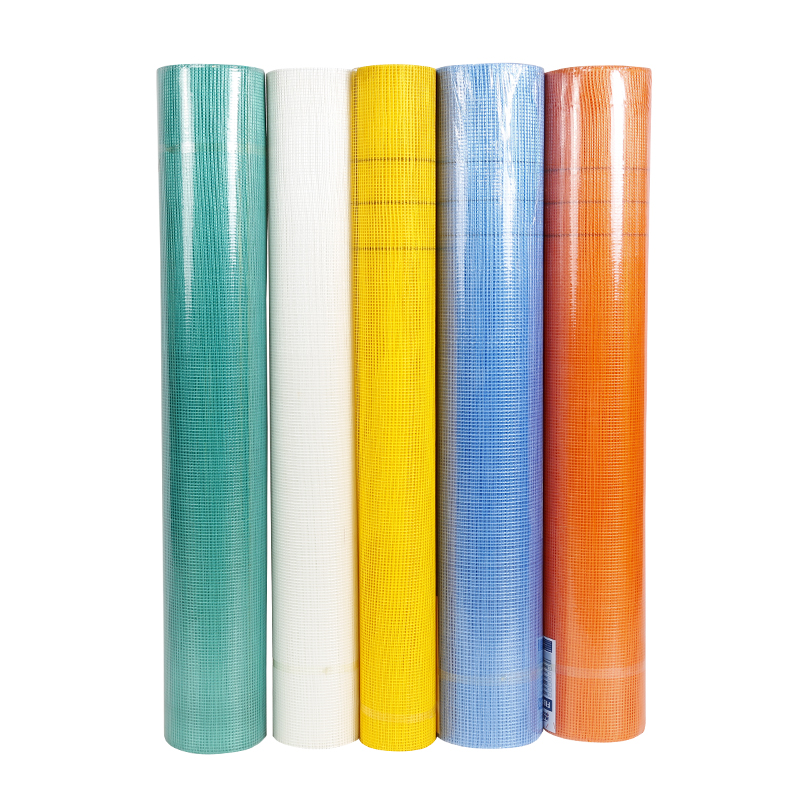
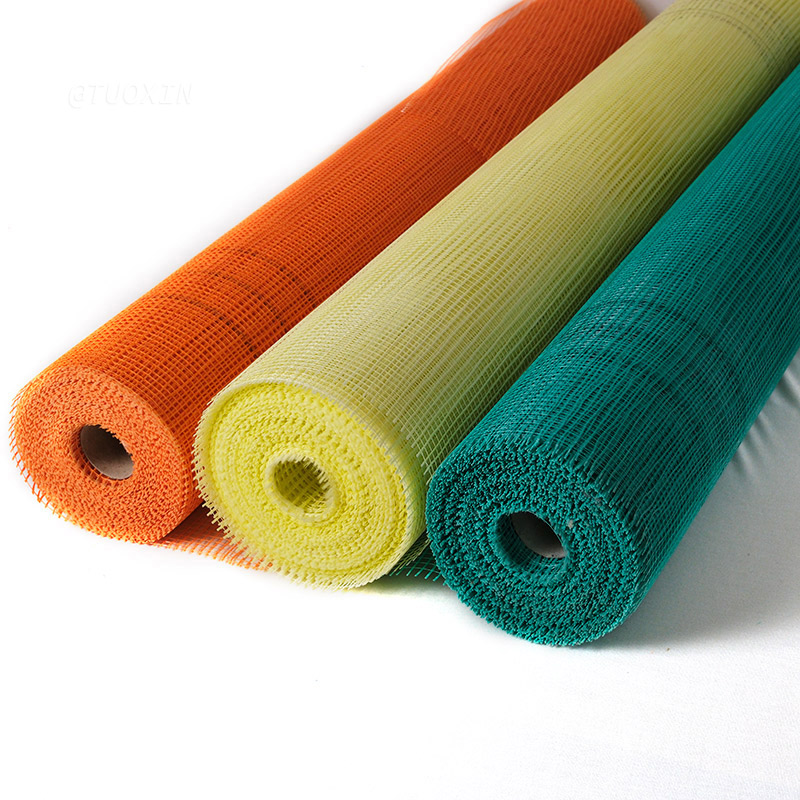
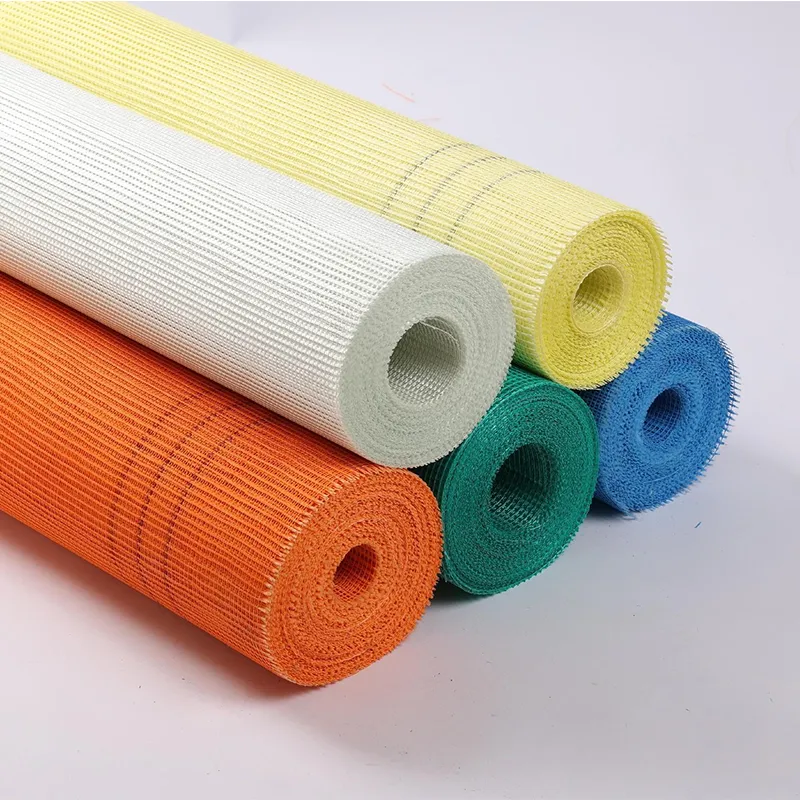
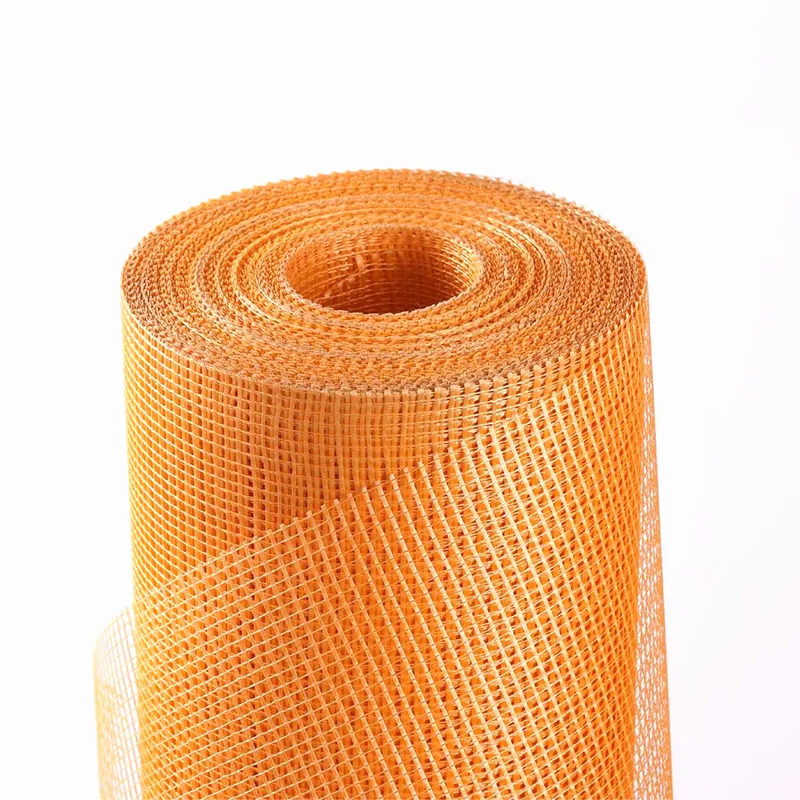
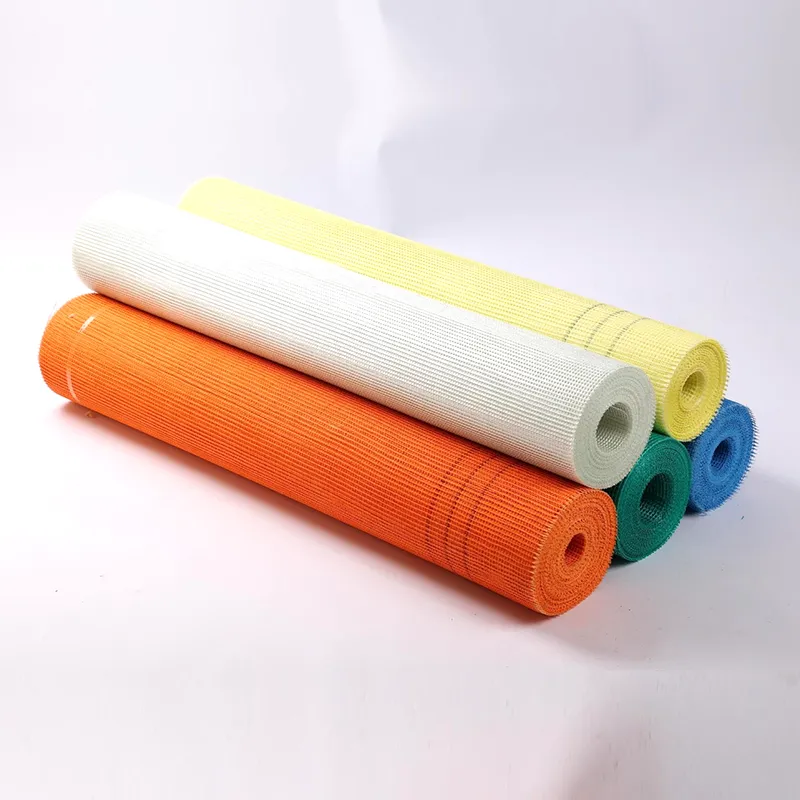
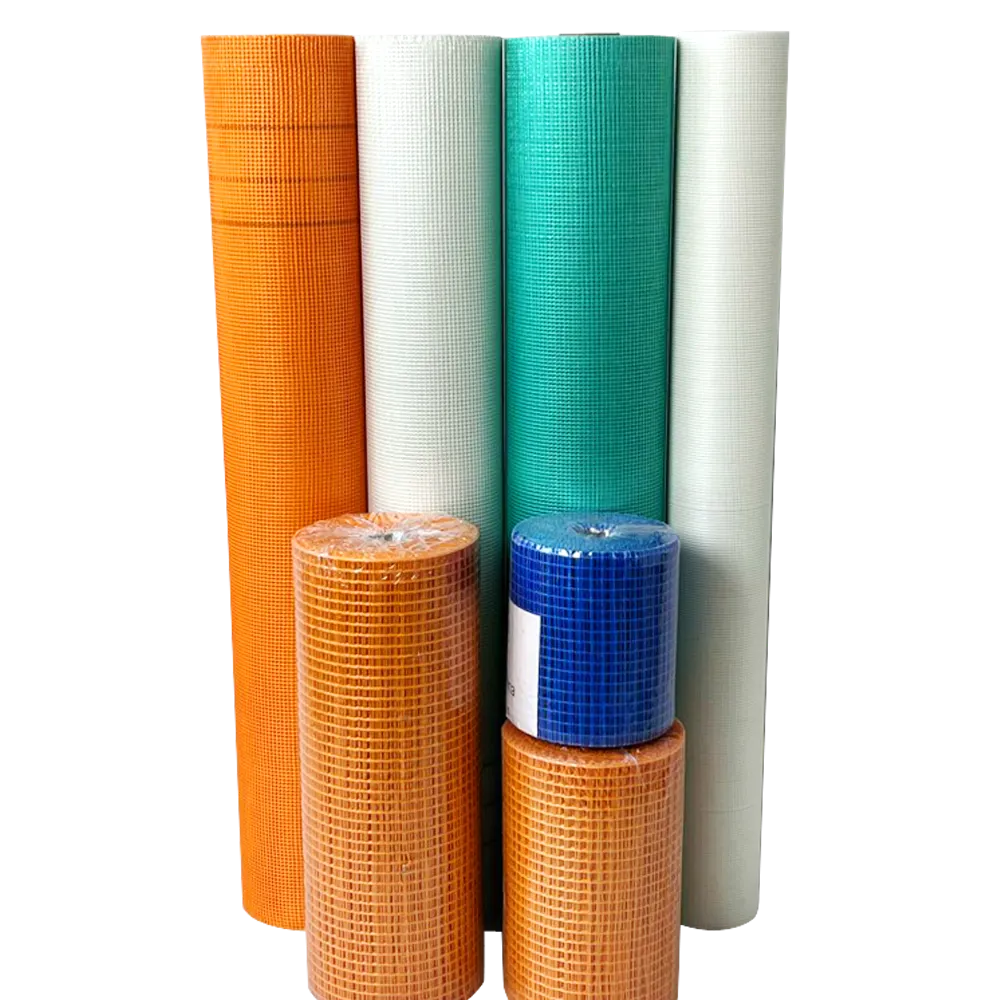
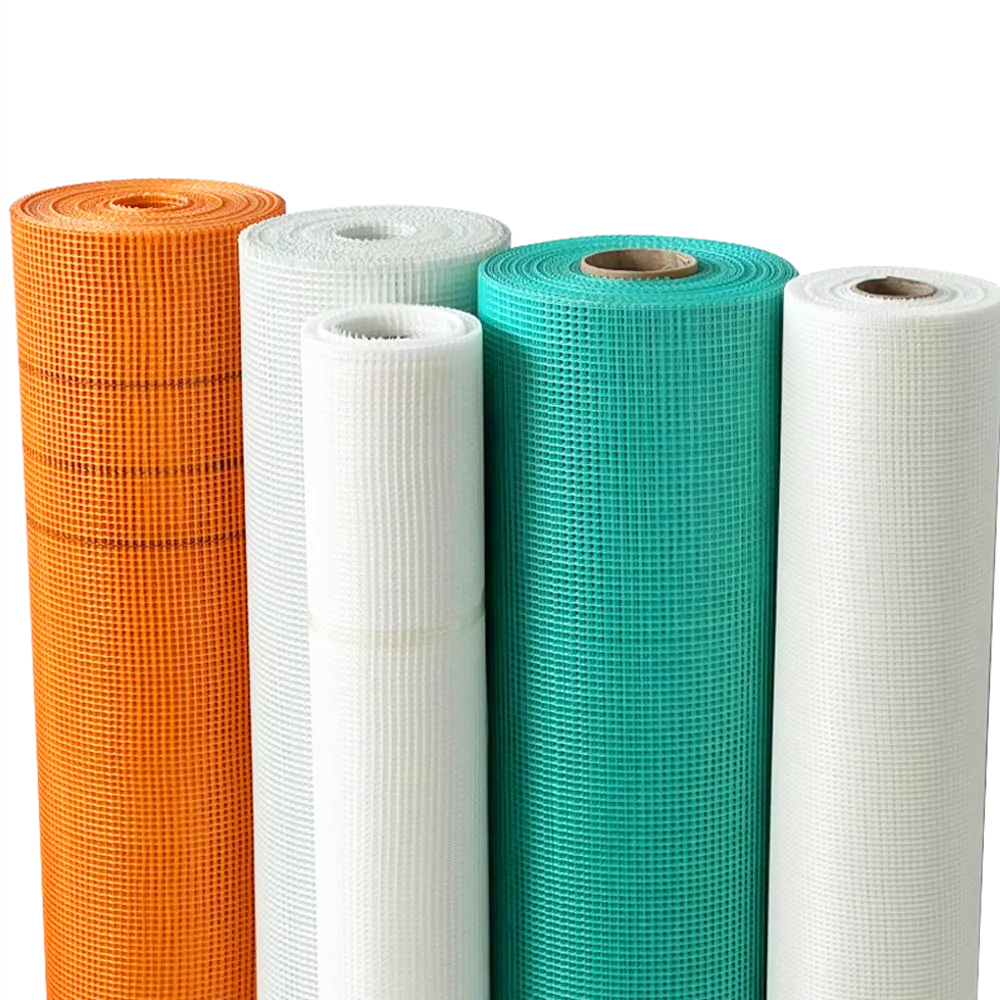
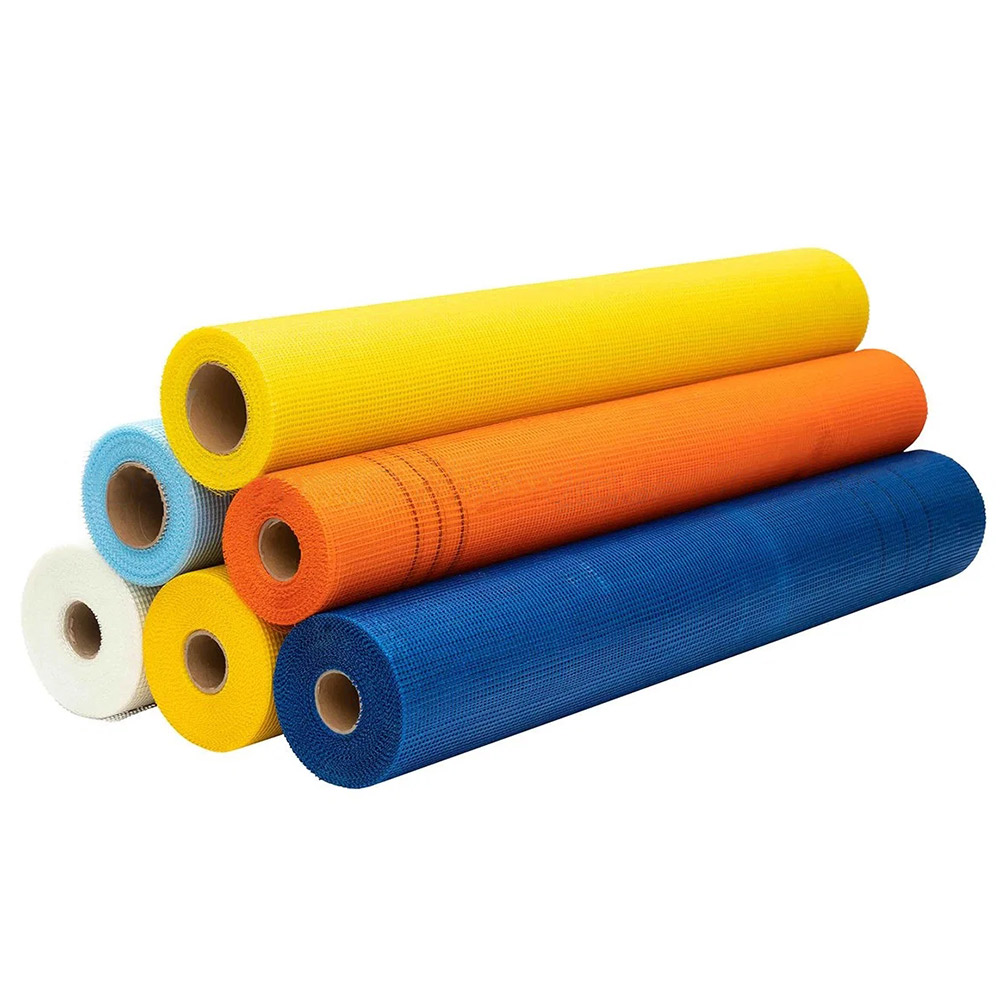
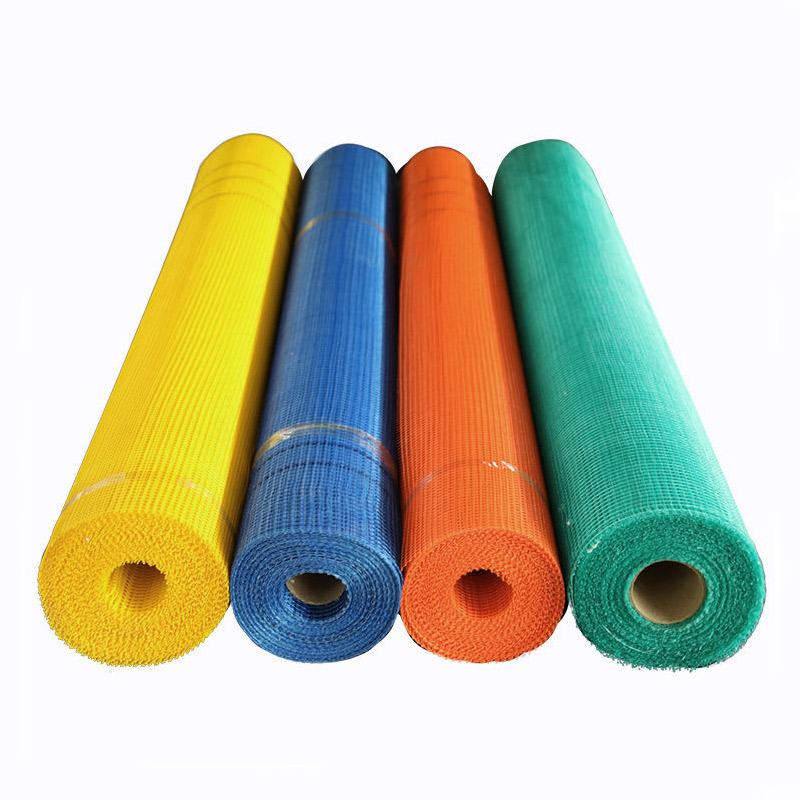
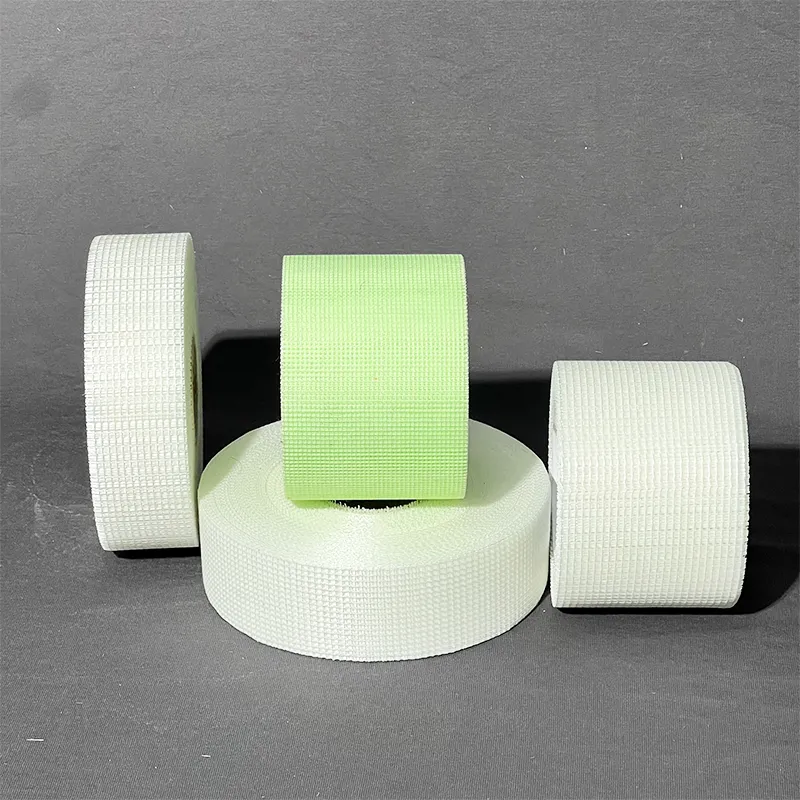
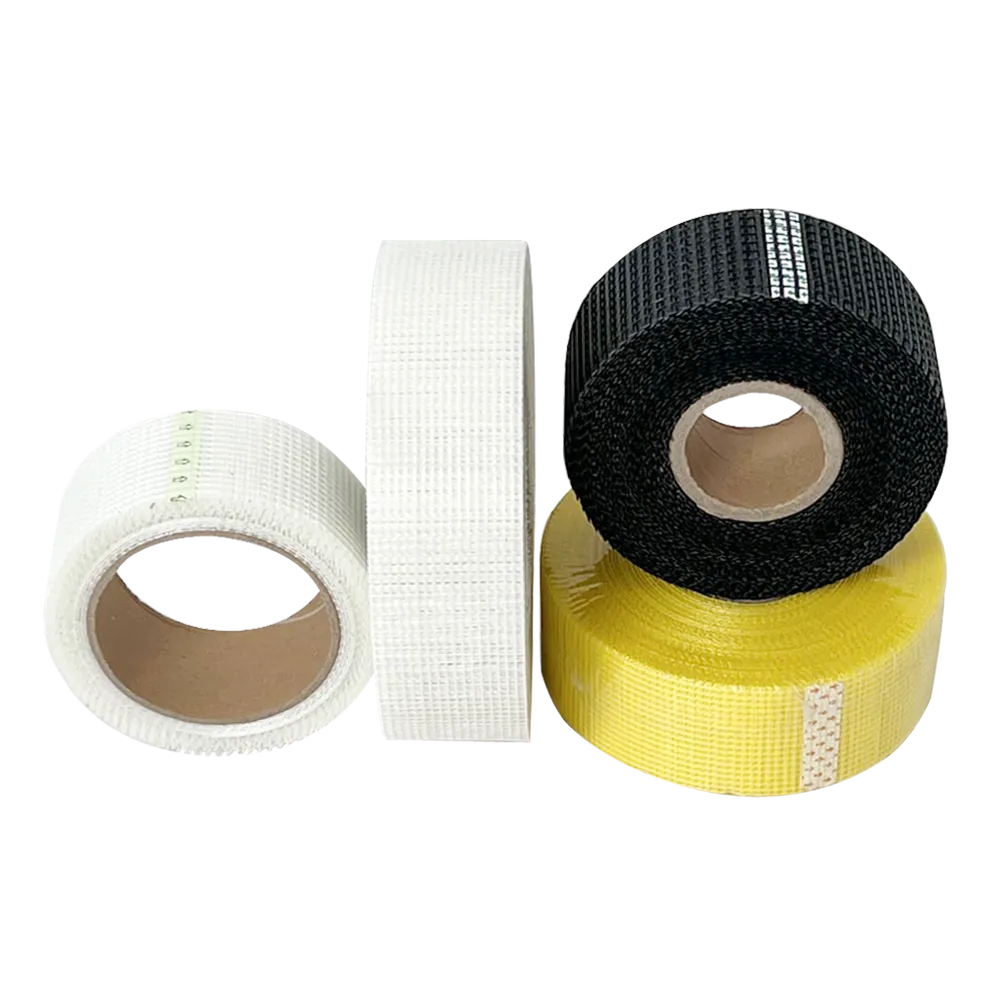
High Strength Fiberglass Mesh Product: Durable & Sustainable Reinforcement Solutions
Understanding the Importance of High Strength Fiberglass Mesh Products
If you’ve ever strolled through a modern construction site or glanced at infrastructure repairs, you might have seen fiberglass mesh in action — though probably without knowing its full story. High strength fiberglass mesh products are quietly revolutionizing the way buildings, roads, and protective coatings are reinforced worldwide. Why does it matter? Because these lightweight grids of fiberglass yarn deliver reliable durability that’s helping structures resist cracks, moisture, and wear — crucial in an era when climate change and rapid urban growth put immense pressure on everything from bridges to homes. In short, understanding these mesh materials isn’t just for engineers; it’s about safer cities, longer-lasting infrastructure, and smarter resource use globally. Mini takeaway: High strength fiberglass mesh products offer more than reinforcement — they’re becoming an essential backbone in modern infrastructure resilience.The Global Stage: Why Fiberglass Mesh Matters Today More Than Ever
Globally, infrastructure investment is skyrocketing — the World Bank estimates trillions in construction spending annually, especially in fast-growing urban areas across Asia, Africa, and Latin America. Yet billions of dollars are lost yearly due to material failure and premature structural degradation. Here’s where high strength fiberglass mesh products step in. According to ISO standards on composite construction materials, such meshes increase tensile strength and reduce cracking by distributing stress more evenly in concrete and plaster applications. The challenge is clear: How can we make buildings and roads last longer while keeping costs reasonable and environmental impact low? Fiberglass mesh is part of the answer, solving problems related to brittleness and thermal expansion that steel sometimes struggles with — especially in extreme climates. From hurricane-stricken coastal zones to desert-rich but infrastructure-poor nations, this mesh is quietly doing its part. Mini takeaway: In a world chasing durability and sustainability, fiberglass mesh products are a cost-efficient hero against the wear and tear of time and nature.What Exactly Is a High Strength Fiberglass Mesh Product?
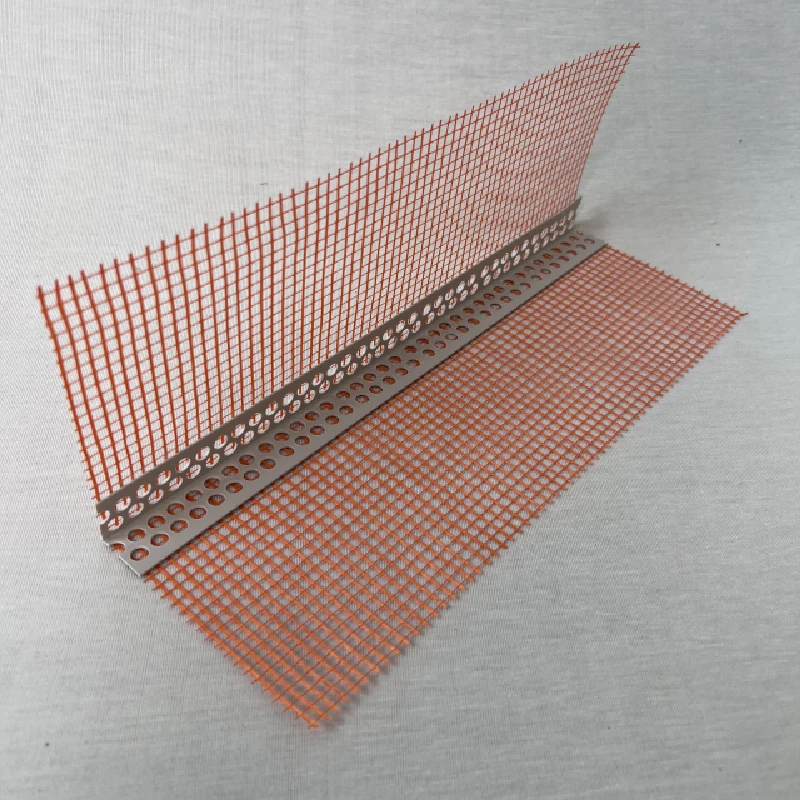
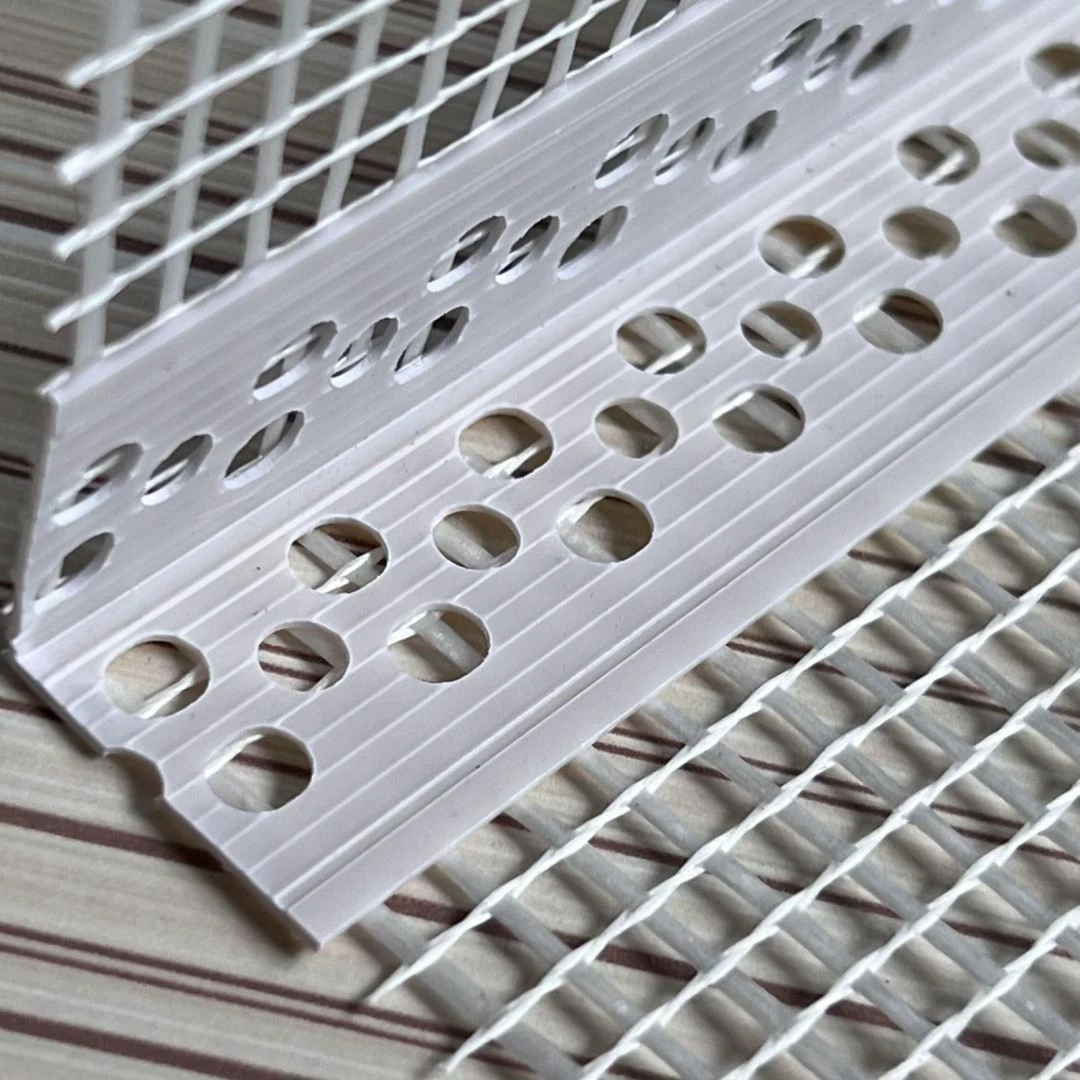
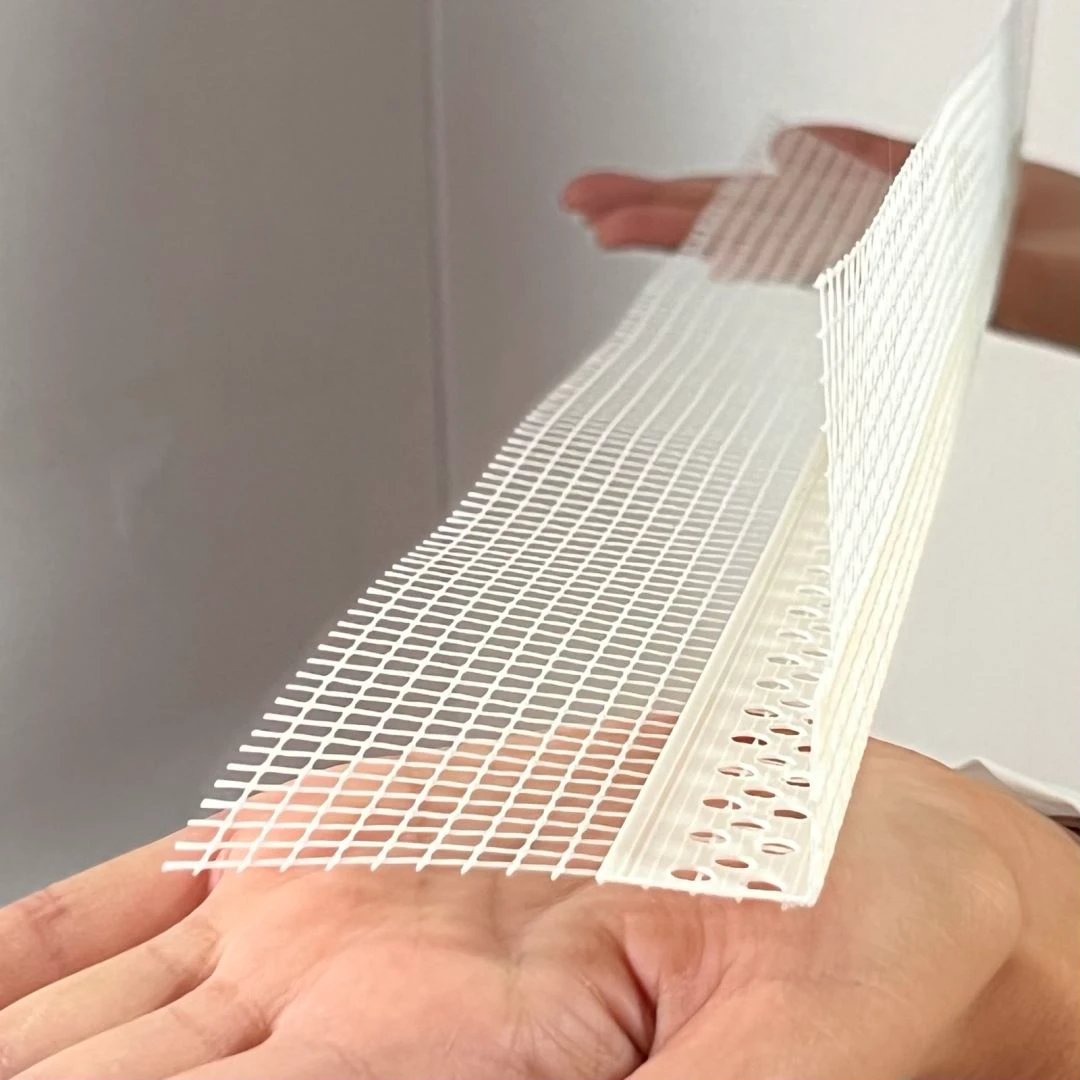
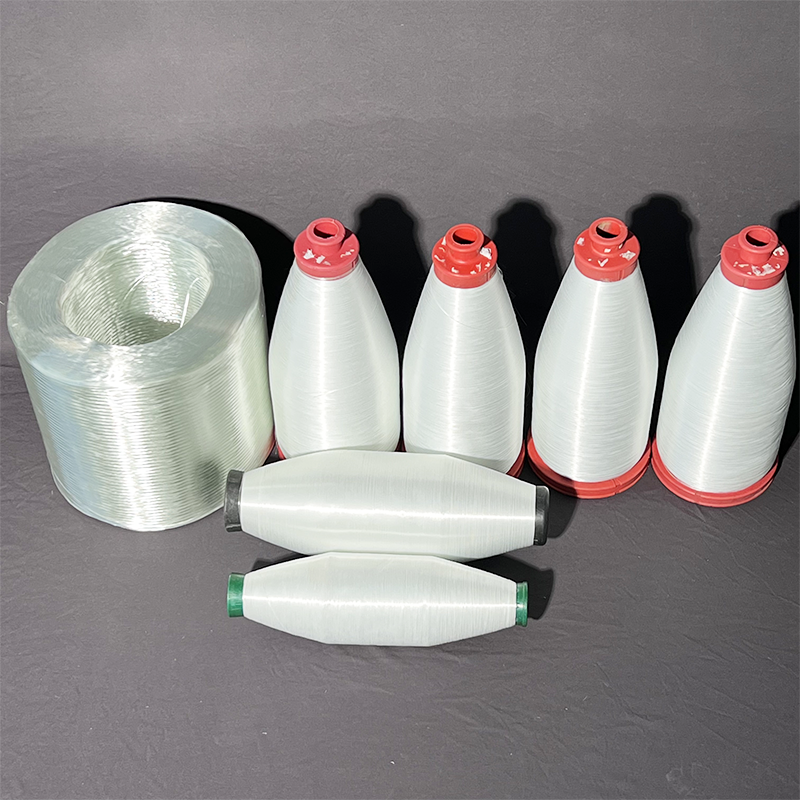
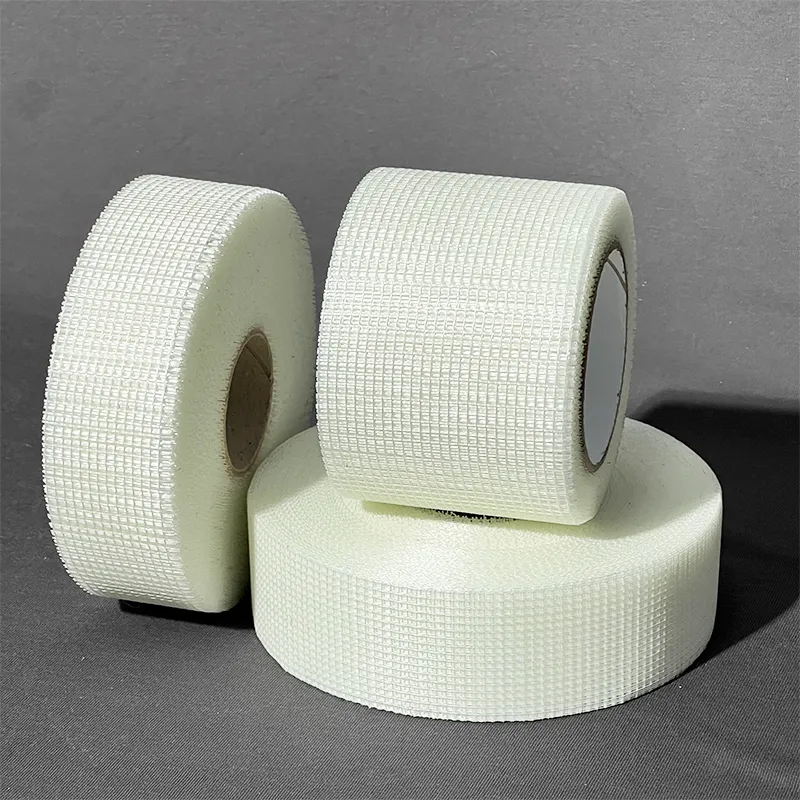
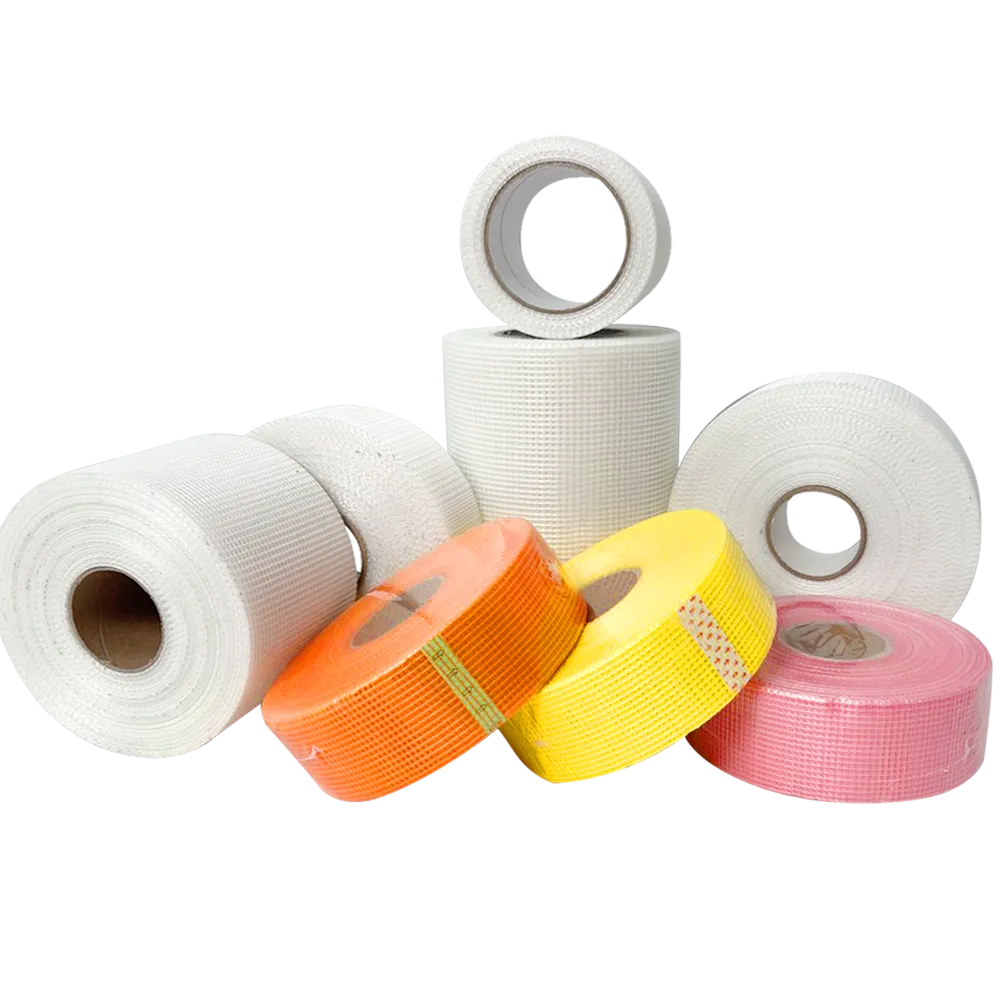
Simply put: it’s a mesh fabric woven from specialized fiberglass yarns designed to be exceptionally strong and resistant to corrosion. Compared to standard meshes, the “high strength” variety uses thicker filaments and optimized weaving techniques to boost tensile strength significantly. This mesh isn’t just a patch; it’s a foundational composite material enhancing cement, stucco, or polymer coatings. Think of it as a flexible skeleton inside walls and surfaces, absorbing forces that would otherwise create cracks or degrade finishes over months and years. Nowadays, industries ranging from construction to disaster relief and even aerospace rely on these meshes to meet rising demands for materials that are both light and tough. Plus, they connect neatly with modern green-building trends — being non-metallic and corrosion-resistant, they last longer without rust or heavy maintenance. Mini takeaway: High strength fiberglass mesh products combine durability, flexibility, and lightweight design, making them indispensable in modern material engineering.Core Features That Define This Product’s Value
Durability
Fiberglass mesh resists corrosion, alkali, and chemicals far better than metals. This means it stays strong in concrete or plaster even when exposed to water, salts, or harsh weather.High Tensile Strength
Thanks to the advanced fiberglass yarns, these meshes can handle significant tension without breaking, helping structures better distribute loads and flex over time.Lightweight & Easy to Handle
Compared to steel reinforcements, fiberglass mesh offers a much lighter option — which makes installation faster and reduces labor costs.Thermal Stability
The mesh can tolerate temperature fluctuations without deforming, which is key for construction in places experiencing freeze-thaw cycles or extreme heat.Cost Efficiency
Although initially more expensive than some traditional materials, the long-term savings from reduced maintenance and longer material lifespan can be significant.Scalability & Customization
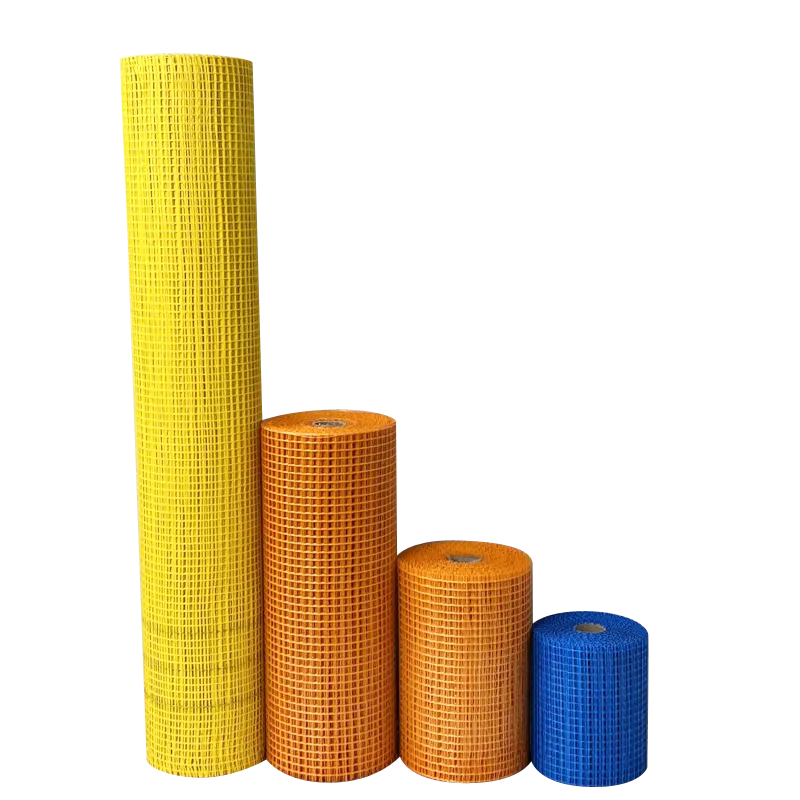
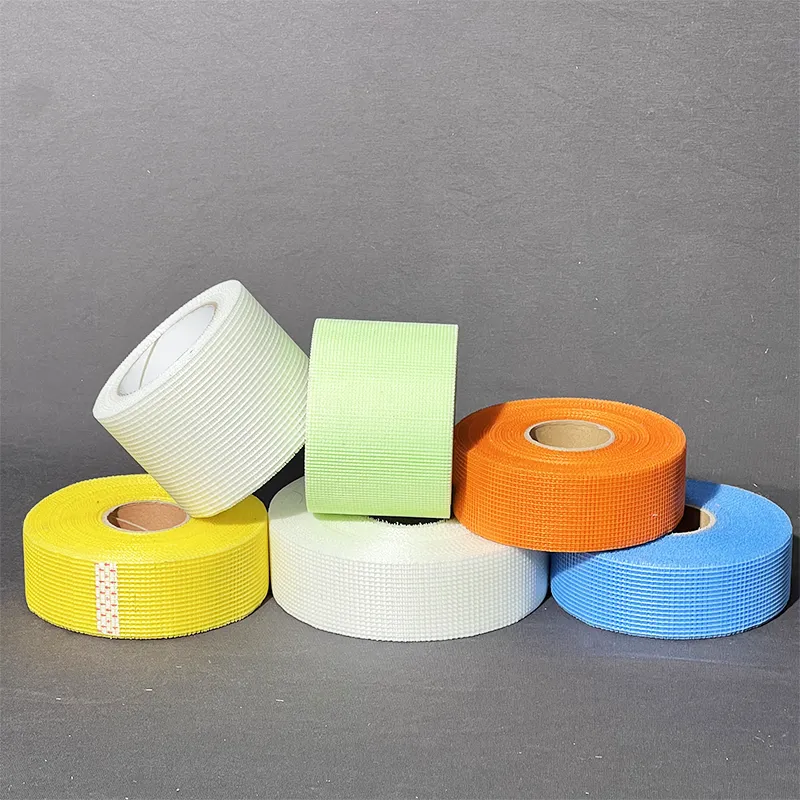
Producers can tailor fiberglass meshes with different thicknesses, densities, and coatings to fit specific applications — from heavy-duty industrial use to lightweight architectural finishes. Mini takeaway: The combination of durability, strength, and adaptability makes this product a go-to choice in diverse settings.Real-World Applications That Show Its Strength
In many global hotspots — from rapidly urbanizing cities in Southeast Asia to earthquake-prone areas in Latin America — builders rely on high strength fiberglass mesh products to reinforce external wall insulation systems (commonly called EIFS). The mesh helps these systems resist cracking and moisture intrusion, which is vital in humid or rainy climates. Disaster relief agencies also appreciate these meshes. For instance, after hurricanes in the Caribbean, repair teams use fiberglass mesh in temporary shelters and to patch damaged concrete quickly, extending the service life of emergency infrastructure with minimal weight. Even industrial zones benefit: pipelines, storage tanks, and heavy machinery foundations include fiberglass mesh layers to improve durability without the weight of steel frames that require complex welding or anti-corrosion coatings. Regions such as the EU and USA have incorporated standards for fiberglass mesh use in public infrastructure projects, underscoring their growing importance in sustainable engineering. Mini takeaway: From fragile post-disaster repairs to cutting-edge industrial reinforcement, fiberglass mesh proves its versatility across geographies and sectors.Advantages Beyond the Surface: Why It Pays Off Long-Term
Anyone who’s faced costly road or building repairs knows that upfront price tags don’t tell the whole story. High strength fiberglass mesh products help reduce lifecycle costs by minimizing cracks and water damage, which often cause severe concrete spalling or rebar corrosion. Moreover, there’s an emotional and social dimension: safer, longer-lasting infrastructure builds community trust. People feel more secure knowing their schools, hospitals, and homes won’t suddenly fail due to material fatigue or weather. Environmentally, these meshes tie into sustainability because they extend the life of cement-based products — which themselves have a high carbon footprint. By helping structures last longer, they reduce the demand for demolition and rebuilding, conserving resources instead of wasting them. Lastly, innovation in mesh coatings and weaving continues — with improved UV resistance and compatibility with recycled materials, the future looks even greener. Mini takeaway: You save time, money, and the planet, all while providing safer, more dignified spaces for people.Where Are Fiberglass Mesh Products Headed? Future Trends
Looking ahead, the integration of digital fabrication techniques and smart monitoring sensors embedded into fiberglass mesh is becoming a reality. Imagine mesh that not only reinforces but also reports stress points or damage in real-time. Material science is pushing for bio-based fiberglass fibers and more eco-friendly resin coatings. Policy trends in green building certifications (e.g., LEED and BREEAM) increasingly favor non-toxic, recyclable reinforcements, so mesh suppliers are racing to innovate. Additionally, automation in large-scale mesh production scales quality and lowers prices, making these products accessible to developing countries faster. It won’t be surprising if in 5-10 years, your typical building mesh comes embedded with nanomaterials improving strength and self-healing properties — more sci-fi than fiction these days. Mini takeaway: Innovation and sustainability will drive fiberglass mesh evolution, blending high-tech with environmental responsibility.Challenges and How Experts Are Tackling Them
Despite its many advantages, fiberglass mesh products face issues like: - Proper installation techniques — mistakes can reduce mesh effectiveness. - Compatibility with different plaster or concrete mixes. - Initial higher cost compared to some metals or textiles. - Disposal and recycling challenges at end-of-life. Professionals recommend training programs, strict quality controls, and customized mesh formulations to improve performance. Some vendors now offer turnkey solutions combining fiber mesh with primers and sealants for easier installation. Moreover, recycling initiatives and lifecycle assessments are developing to reduce environmental impact, turning waste fiberglass into secondary raw materials. Mini takeaway: Challenges exist but ongoing technical improvements and better knowledge sharing are bridging the gap.Frequently Asked Questions About High Strength Fiberglass Mesh Products
- Q: How long does fiberglass mesh typically last once installed in construction?
A: With proper installation, high strength fiberglass mesh can last 25-50 years, often outlasting the surrounding concrete or plaster due to its corrosion resistance. - Q: Can fiberglass mesh be used in both interior and exterior applications?
A: Yes, its versatility suits indoor surfaces, external wall insulation, roofing, and even swimming pools, because it resists moisture and UV damage. - Q: Is fiberglass mesh fire resistant?
A: Fiberglass is inherently non-combustible and can withstand high temperatures without melting or releasing toxic fumes, making it safer in fire-prone buildings. - Q: How does fiberglass mesh compare to steel mesh in cost and performance?
A: Fiberglass mesh is typically lighter and corrosion-resistant, reducing maintenance costs. While steel is stronger in tensile terms, fiberglass often offers better longevity in harsh environments. - Q: What environmental benefits do fiberglass mesh products provide?
A: By extending the lifespan of cement and plaster, they reduce demolition waste and lower CO2 emissions associated with rebuilding. Some meshes now incorporate recycled glass fibers.
Product Specification Table
| Specification | Typical Value | Unit |
|---|---|---|
| Mesh Weight | 145–180 | g/m² |
| Tensile Strength | 1200–1400 | N/50mm |
| Alkali Resistance | ≥ 99% | Retention after 28 days |
| Roll Width | 1.0 | 1.5 | 2.0 | m |
| Roll Length | 50–100 | m |
Vendor Comparison Table
| Brand | Tensile Strength (N/50mm) | Price Range | Lead Time | Special Feature |
|---|---|---|---|---|
| Tainuo Fiberglass | 1300 | $$ | 2–3 weeks | High alkali resistance coating |
| FibroTech | 1250 | $$$ | 3–4 weeks | UV resistant finish |
| Global Mesh Co. | 1150 | $ | 1–2 weeks | Custom roll lengths |
In Closing: Why the Future Lies in Strong Yet Flexible Mesh
So, to round it all up: high strength fiberglass mesh products blend science, engineering, and practicality to answer pressing global infrastructure needs. They’re not flashy, but their impact is undeniable — reducing maintenance headaches, adding long-term durability, and fitting nicely into green building agendas. If you’re involved in construction, engineering, or simply curious about how modern materials evolve, you might want to explore further. High strength fiberglass mesh product options today provide a fascinating glimpse into how materials science shapes our built environment every day. Stay curious; sometimes what’s woven into the walls around us has a story worth telling. --- ### ReferencesPrev:
Latest news
-
Best Fiberglass Mesh Tape for RedGard Product Waterproofing GuideNewsApr.16,2026
-
Why High Strength Fiberglass Mesh Is Essential For Stucco ApplicationNewsApr.15,2026
-
Why Alkali Resistant Fiberglass Mesh Tape Is Essential For Cement Board And Tile InstallationsNewsApr.15,2026
-
Understanding The Role Of Drywall Fiberglass Mesh In Interior FinishingNewsApr.15,2026
-
Ultimate Guide To Using Fiberglass Mesh Tape For Drywall And Plaster RepairsNewsApr.15,2026
-
The Versatility Of Fiberglass Mesh In Marble And Stone MosaicNewsApr.15,2026
Products categories