Nov . 30, 2025 01:40 Back to list
High Strength Fiberglass Mesh Products: Durable Solutions for Global Infrastructure and Beyond
The Role of High Strength Fiberglass Mesh Products in Today’s World
When we talk about high strength fiberglass mesh products, it’s not just another building material tossed into the vast construction pool. These products are quietly shaping industries worldwide — from infrastructure to disaster relief — by offering a unique blend of durability, flexibility, and cost efficiency. Understanding them isn’t just academic; it’s a piece of the puzzle in addressing everything from climate resilience to urban growth. After all, materials that can stretch the limits of strength and longevity without breaking the bank? That’s pretty much the holy grail for builders and engineers globally.
In today’s rapidly evolving industries — and with the increased demand for sustainable, adaptable materials — these fiberglass mesh products have moved beyond mere reinforcement roles to be vital components in innovative solutions. But why are they suddenly getting this much attention? And what makes them so essential?
A quick takeaway: Grasping the advantages and applications of these meshes isn’t just useful; it’s crucial for anyone involved in modern construction, infrastructure management, and disaster mitigation worldwide.
Global Industry Context: Why High Strength Fiberglass Mesh Matters Now More Than Ever
Globally, the construction and infrastructure sectors are responsible for significant resource consumption and emissions. According to the International Organization for Standardization (ISO), industries are pushing for greener and more sustainable materials to meet climate goals.
Industries in regions prone to earthquakes, floods, and extreme weather events face constant challenges maintaining structures that are both resilient and affordable. For instance, the United Nations highlights the need for sustainable infrastructure as a key goal in its Sustainable Development Goals (SDG 9).
Enter high strength fiberglass mesh products. Their robustness, low weight, and resistance to corrosion directly address these challenges. Consider that worldwide construction will see an estimated 50% growth by 2030 — materials that lend strength without bulk are not luxury, they’re necessity.
Mini takeaway: These meshes are more than materials; they’re solutions to complex, global infrastructure and environmental challenges.
What Exactly Are High Strength Fiberglass Mesh Products?
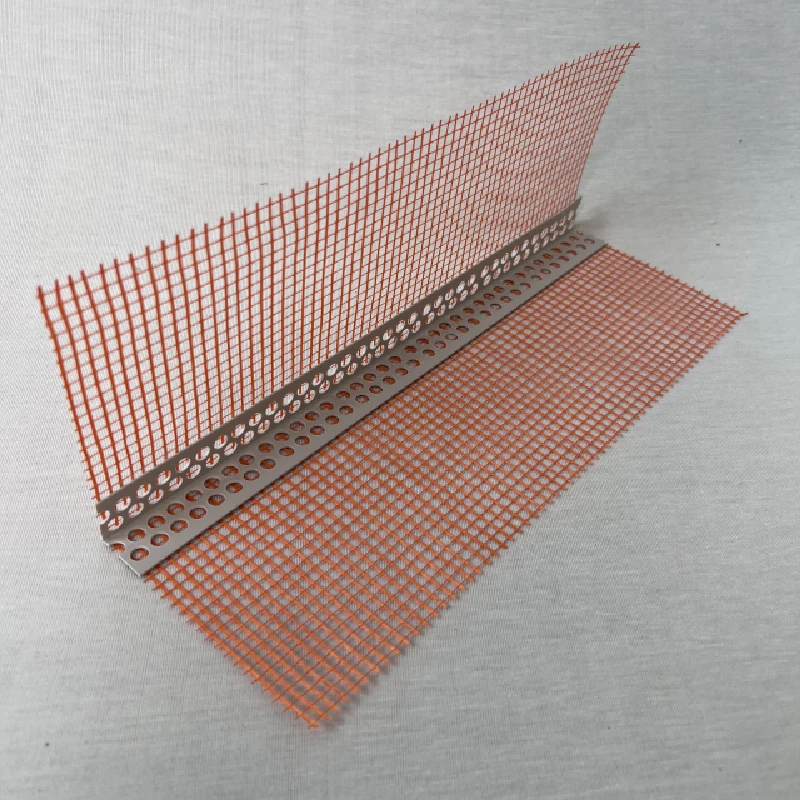
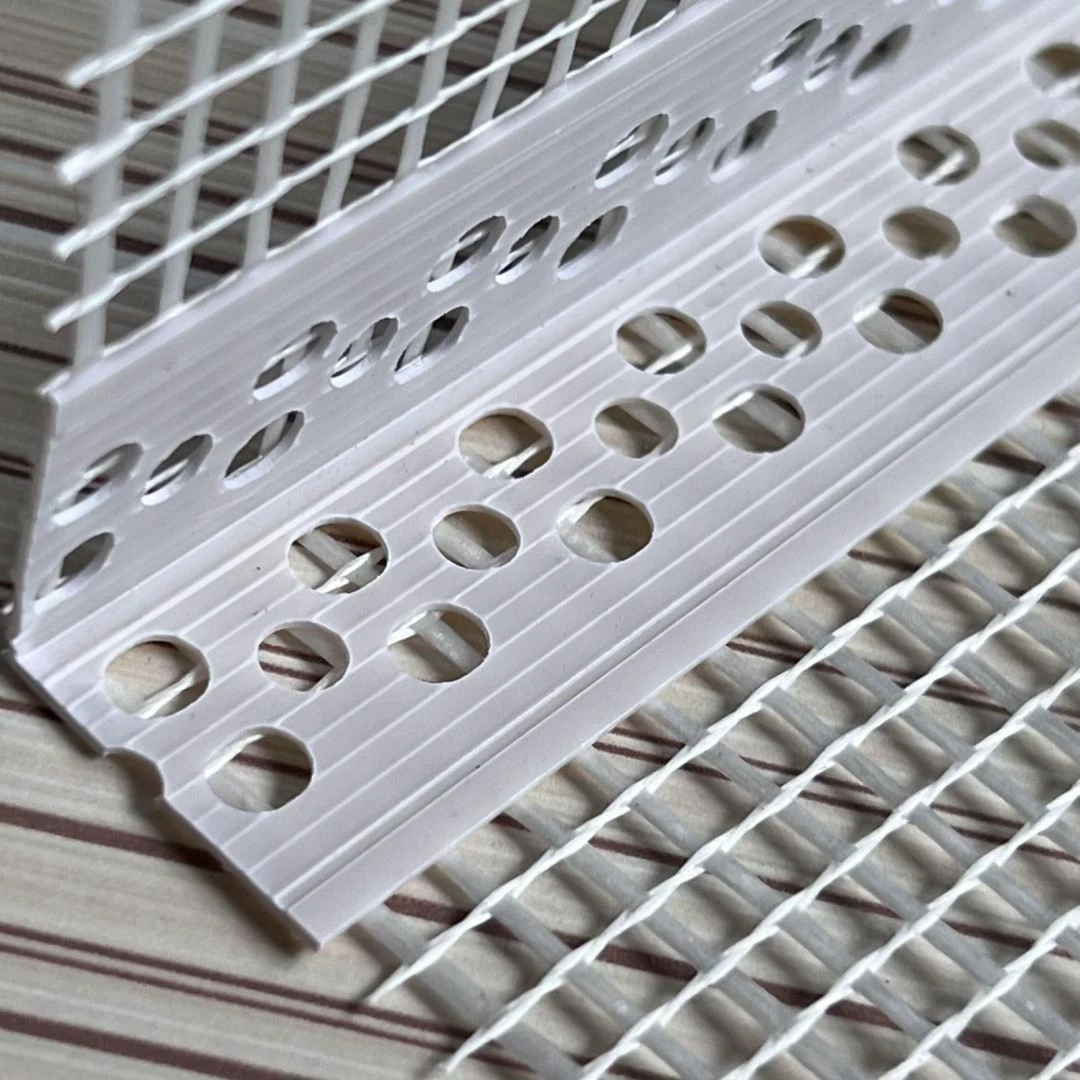
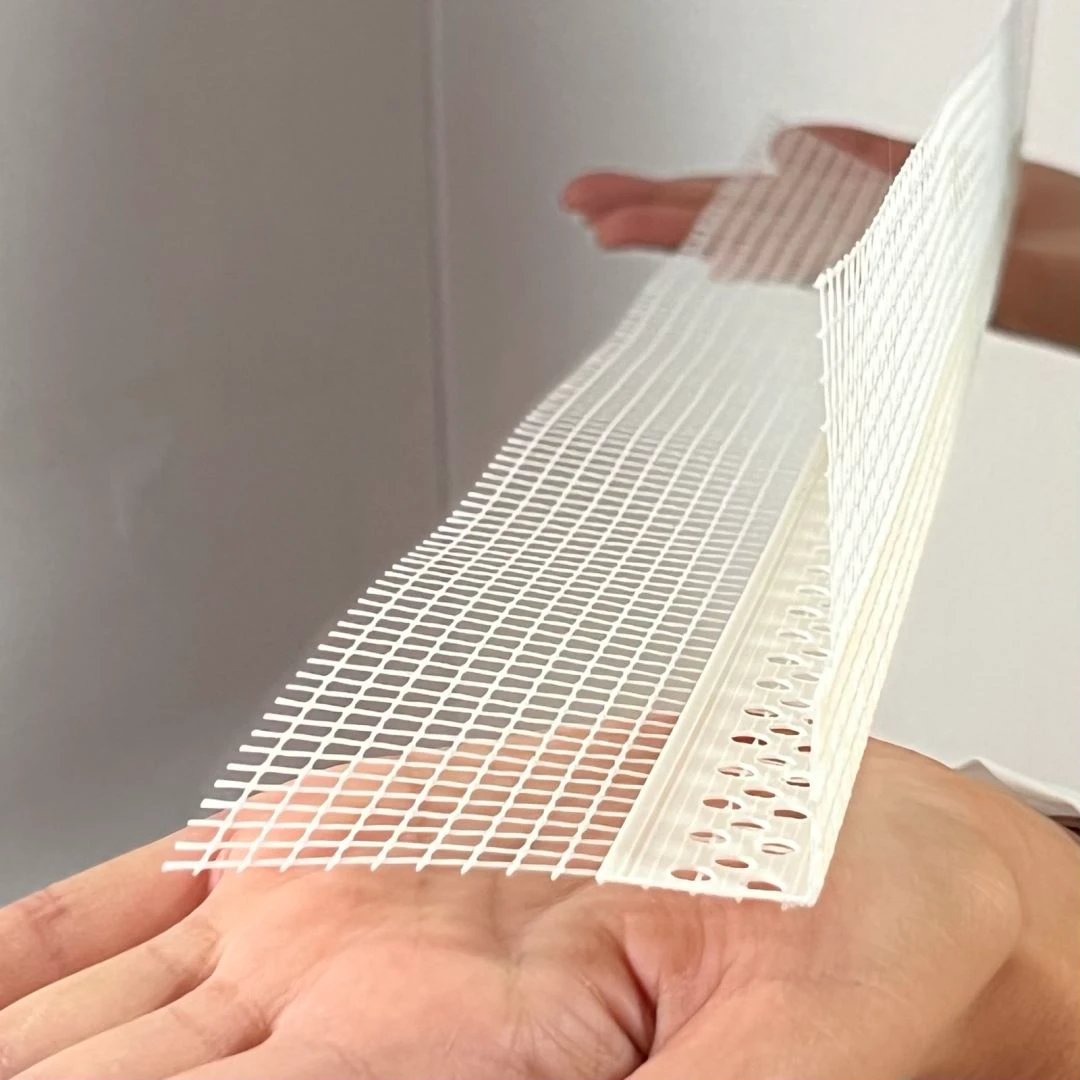
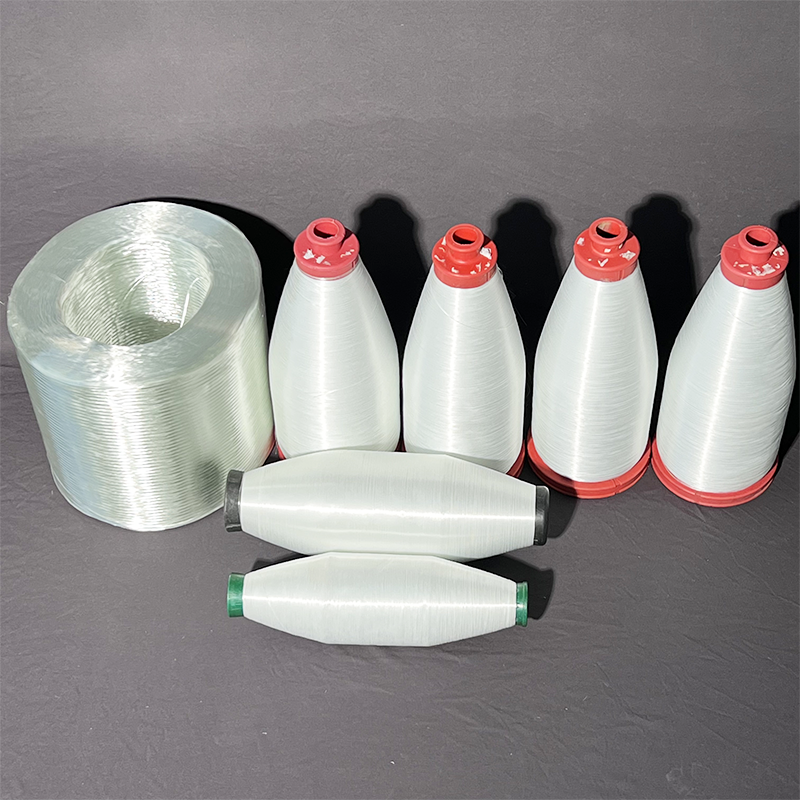
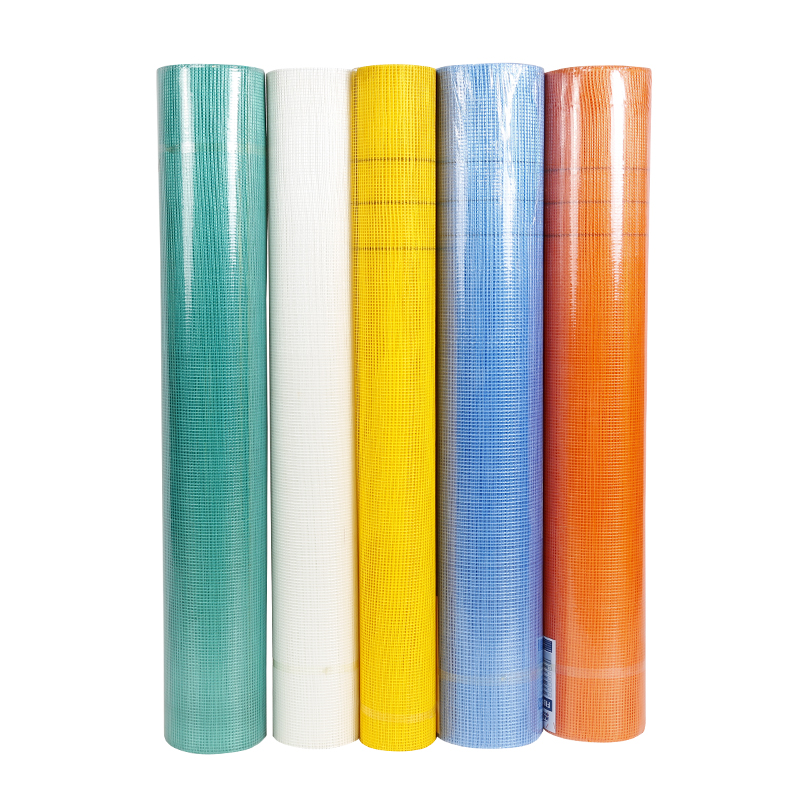
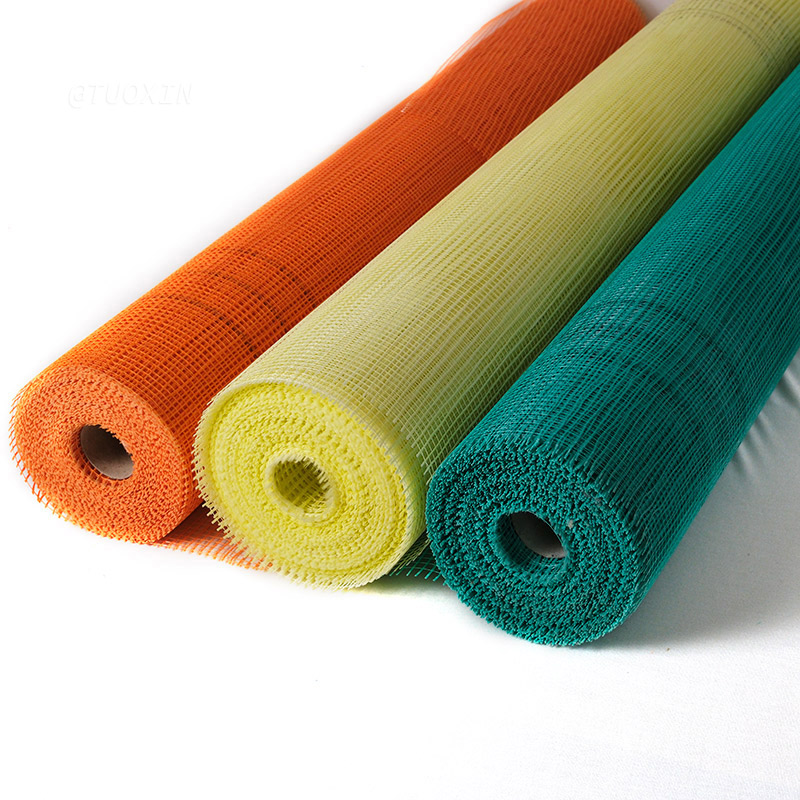
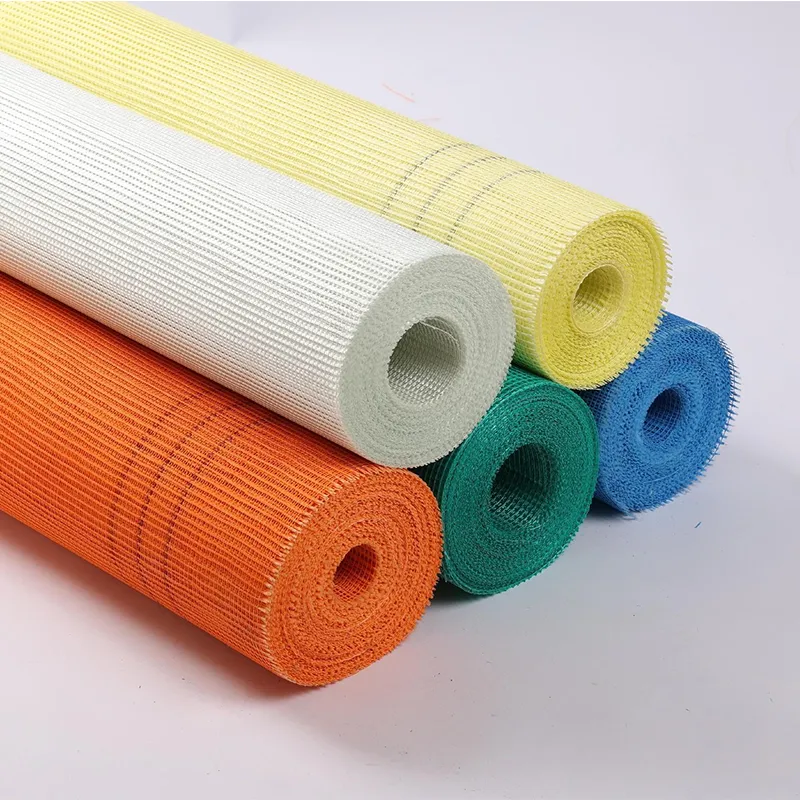
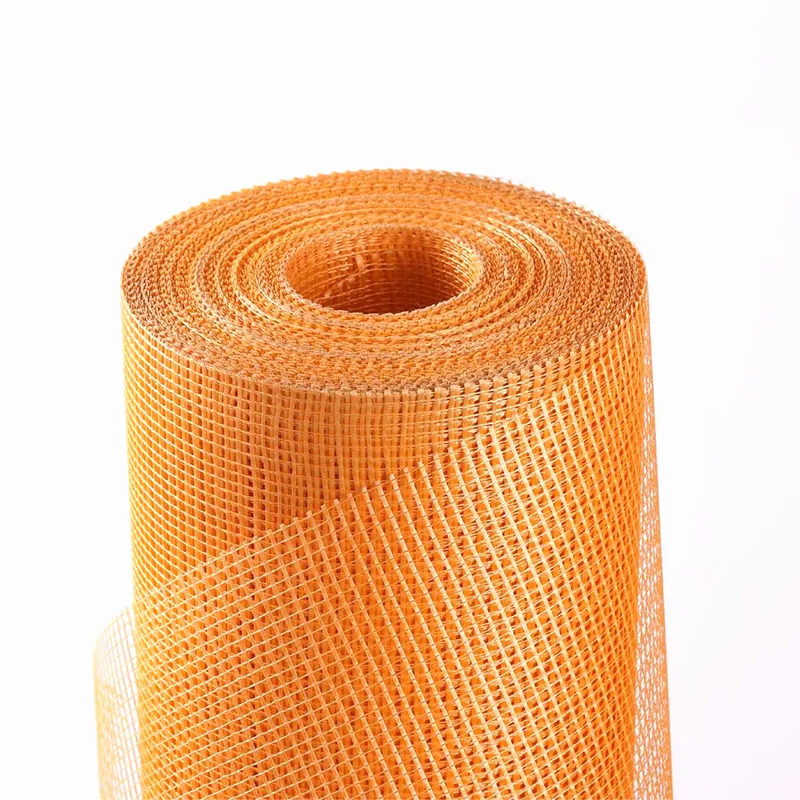
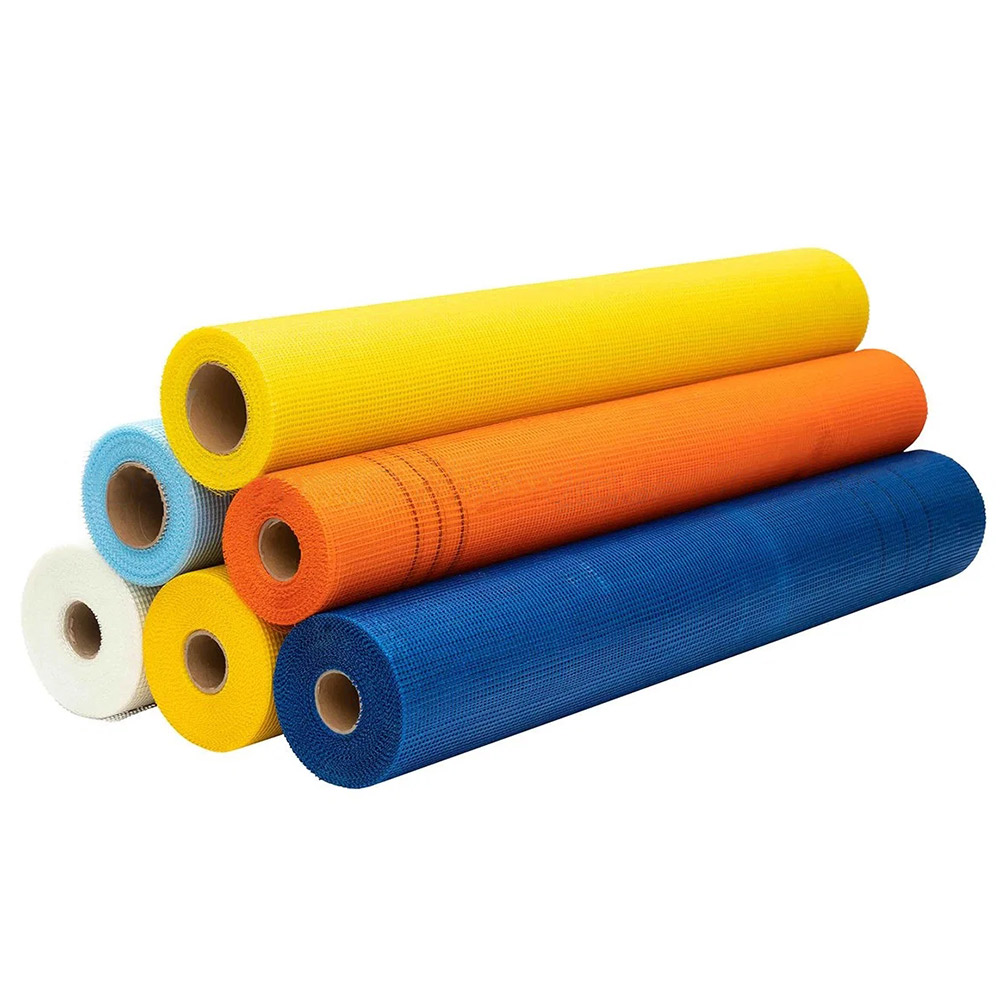
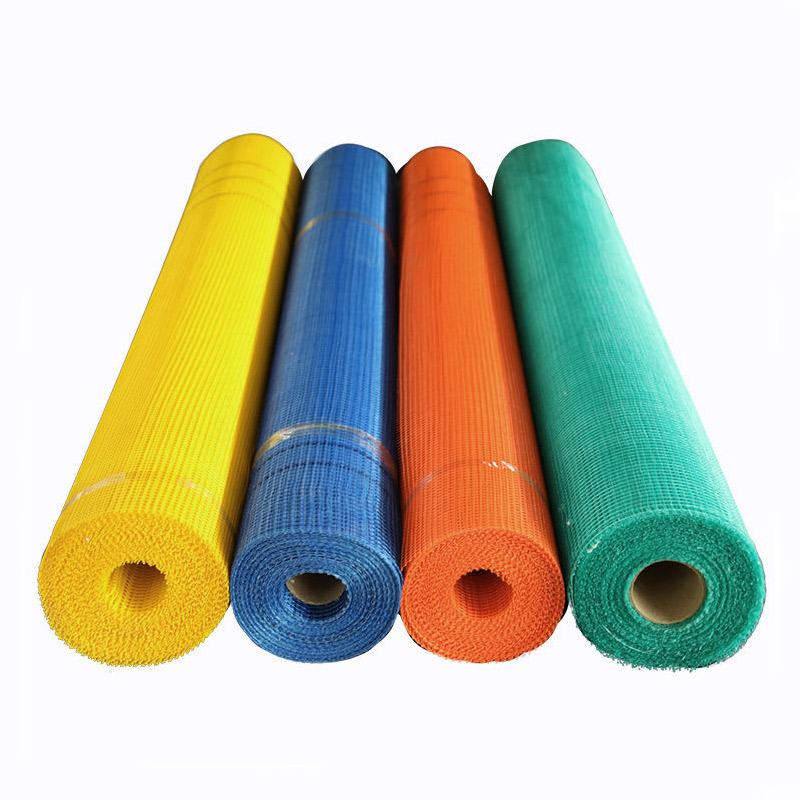
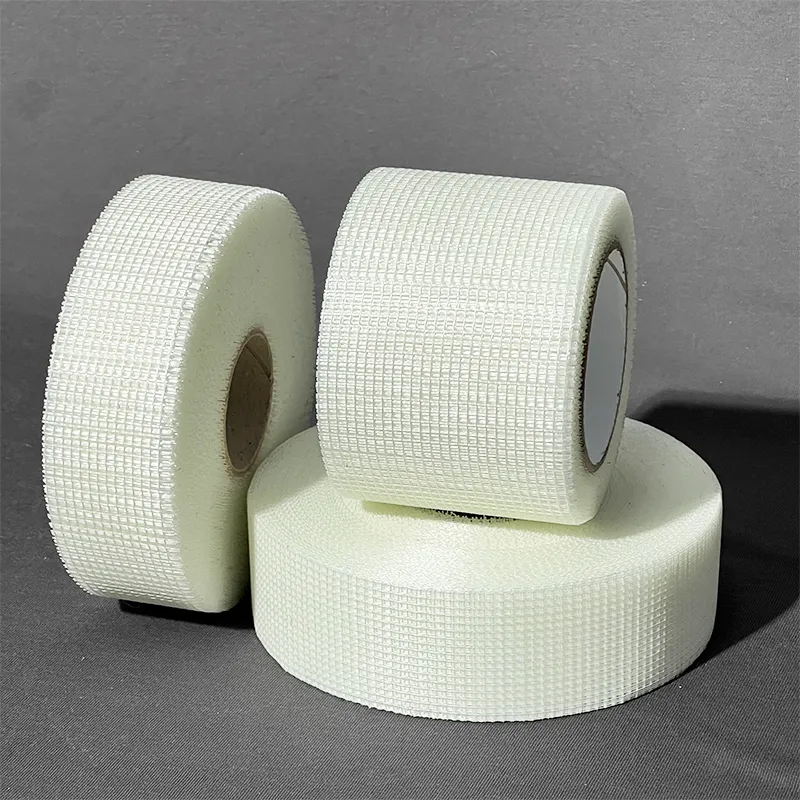
Simply put, high strength fiberglass mesh products are woven materials made from fiberglass yarns that have undergone special treatments to maximize mechanical strength and durability. They function primarily as reinforcements in a variety of composites, coatings, and structural components—think of them as tough little nets that add tensile strength.
Why fiberglass? Because it’s lightweight yet incredibly strong, resistant to chemicals and heat, and doesn’t rust or corrode like metal alternatives. When integrated into cement, polymers, or plaster, these meshes improve impact resistance, reduce cracking, and extend the lifespan of constructions.
In modern contexts, these meshes are found in everything from external wall systems to protective coatings, and they're crucial in humanitarian projects — like temporary shelters that need fast deployment but sturdy support.
Core Aspects Defining High Strength Fiberglass Mesh Products
1. Durability and Corrosion Resistance
Unlike traditional steel mesh, fiberglass doesn’t rust. This makes it ideal in humid, saline, or chemically aggressive environments. Coastal construction, wastewater plants, or underground projects all benefit from this property.
2. Lightweight Yet Strong
Fiberglass meshes can reduce structure weights substantially without compromising strength. This helps in quicker handling, easier installation, and significantly reduces transportation emissions and costs.
3. Thermal Stability
These meshes maintain performance across temperature extremes, which means they’re useful in both Arctic and desert environments — no need to switch materials depending on the project location.
4. Ease of Customization
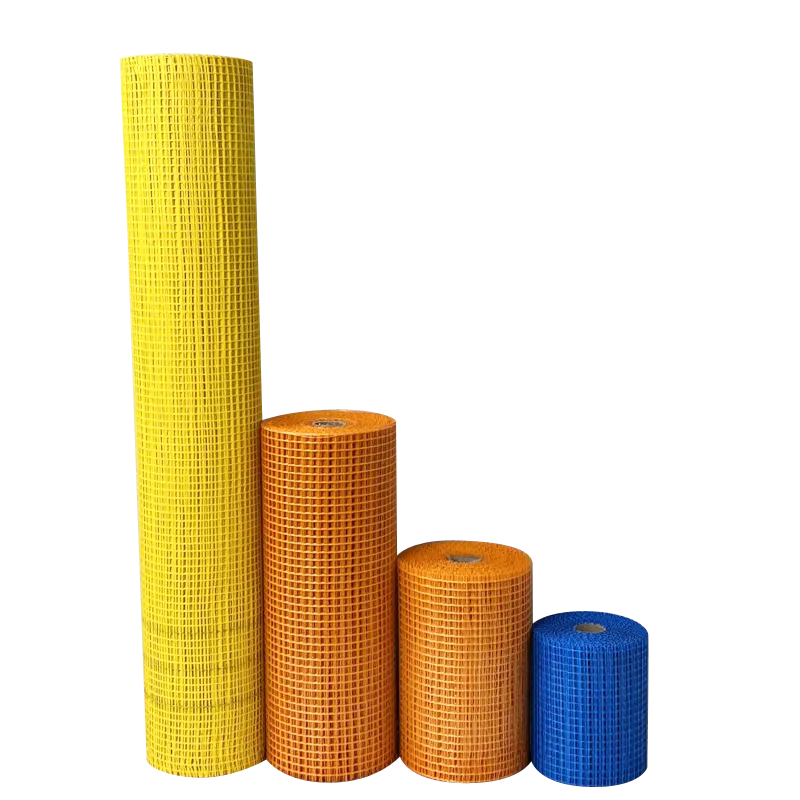
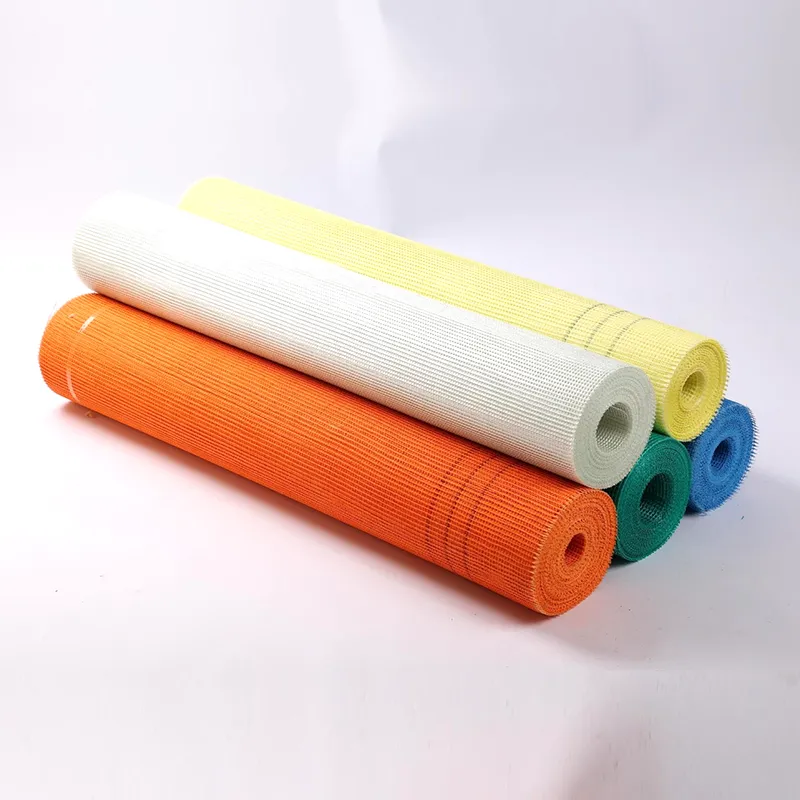
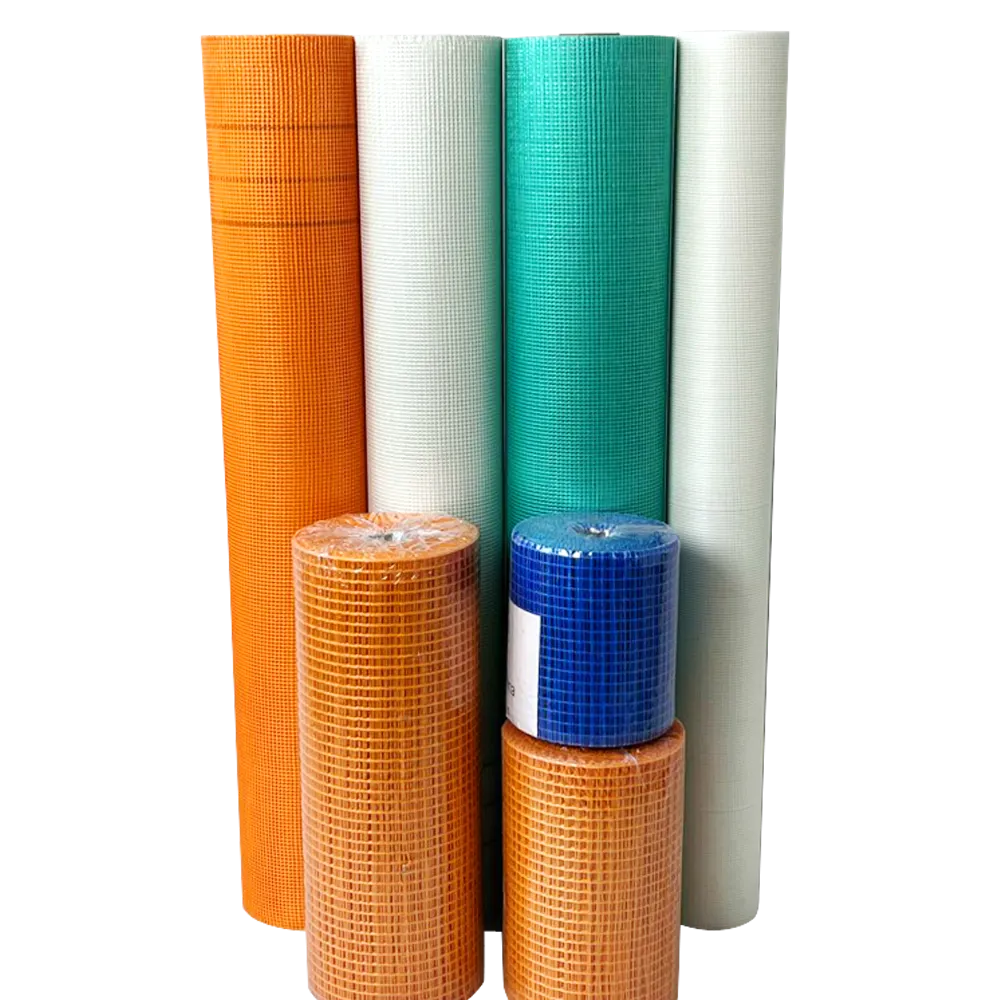
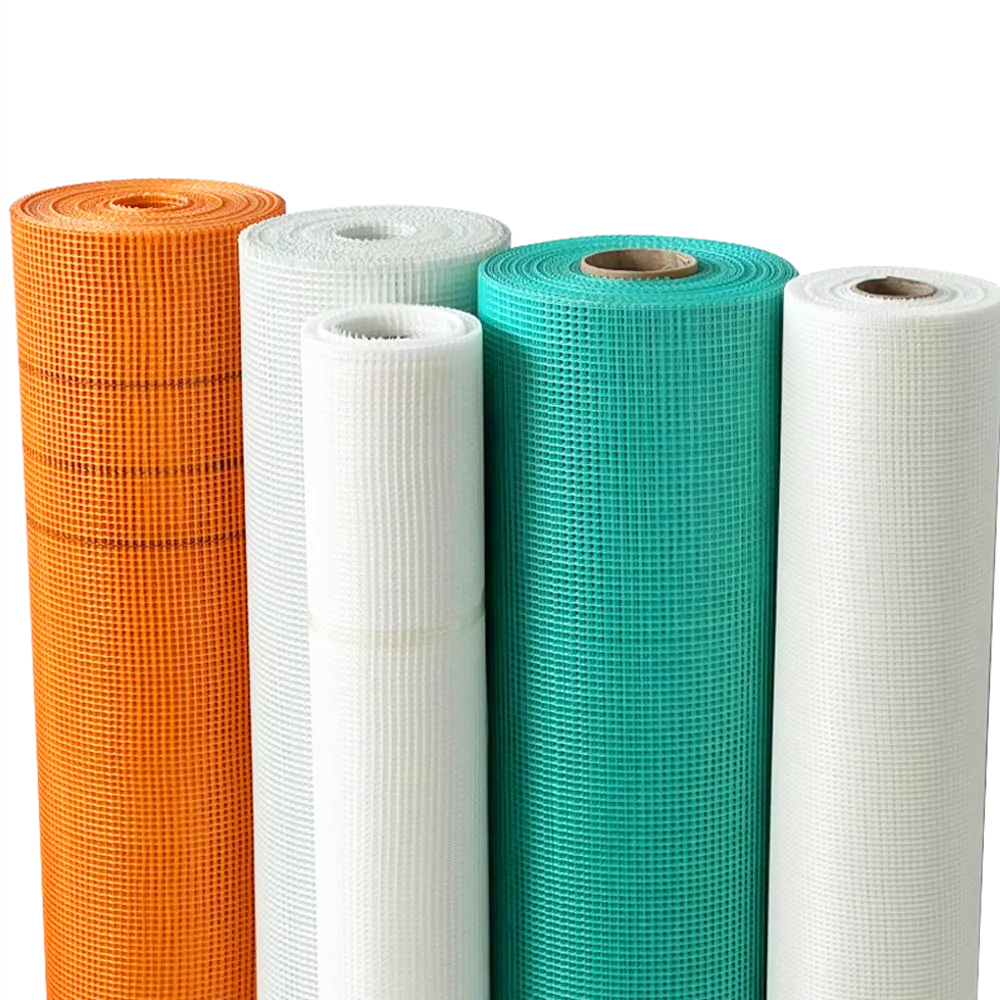
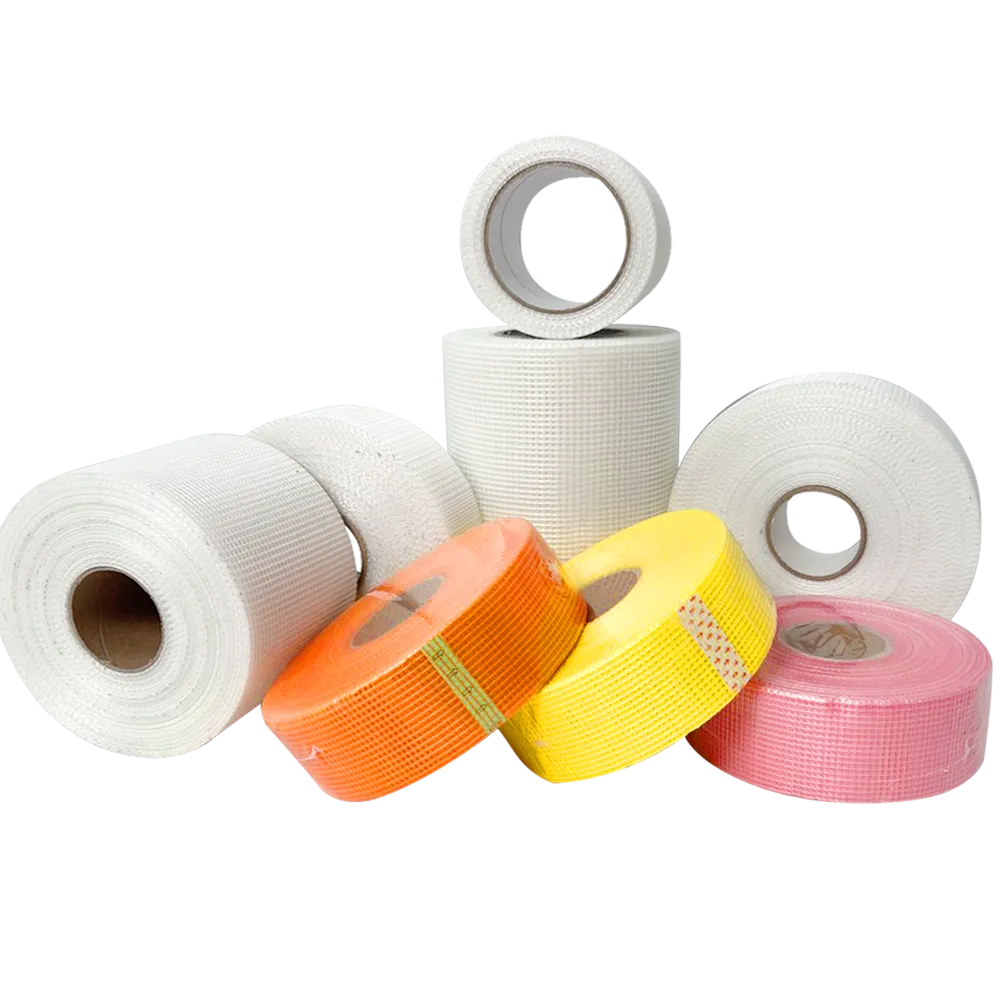
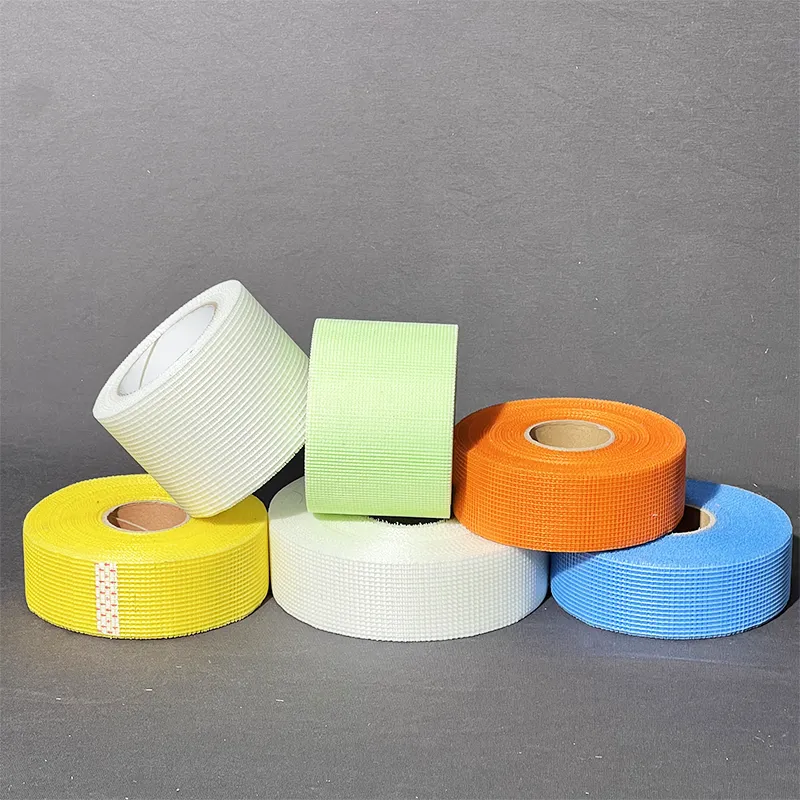
They can be woven in various thicknesses, densities, and mesh sizes depending on the application — thermal insulation, reinforcing concrete, or even certain types of filtration.
5. Cost Efficiency Over Time
While upfront prices might be higher than some alternatives, their long service life and reduced maintenance needs often translate into significant savings.
Browse our range of high strength fiberglass mesh products to see these features in action.
Mini takeaway: These core features make fiberglass mesh a versatile star player in demanding applications.
Where in the World Are These Products Making a Real Impact?
Fiberglass mesh products have a footprint that spans continents and industries. Here’s an overview:
- Construction in Seismic Zones: Japan and California often deploy fiberglass meshes in seismic retrofitting to add flexibility and tensile strength.
- Waterproofing Solutions: In tropical regions like Southeast Asia, fiberglass meshes reinforce waterproof membranes protecting buildings from heavy rainfall.
- Post-Disaster Relief Operations: NGOs utilize these materials for quick-to-deploy shelters that need to withstand harsh weather while being transportable.
- Industrial Coatings: Fabrics line corrosive tanks and pipes in petrochemical plants across the Middle East.
- Road and Bridge Construction: European infrastructure projects include it to reduce cracking and lengthen maintenance cycles.
Takeaway: Fiberglass mesh products are everywhere, quietly making structures safer, longer-lasting, and more adaptable.
Advantages of Using High Strength Fiberglass Mesh Products
Beyond the measurable properties, the benefits touch on broader, sometimes more abstract gains:
- Environmental responsibility: Reduced raw material usage and longer lifespan mean less waste.
- Safety and resilience: Structures reinforced with fiberglass mesh withstand shocks and stresses better, protecting lives.
- Economic value: Less frequent repairs, faster construction times, and lower labor costs add up.
- Innovative possibilities: Designers and engineers can push the envelope with flexible yet strong materials.
- Social impact: Durable shelters for displaced communities uphold dignity and stability.
Final thought in this section: It’s not just about concrete strength; it’s about lasting trust in materials that perform.
Product Specification Table
| Specification | Typical Value | Unit |
|---|---|---|
| Tensile Strength | ≥ 1100 | MPa |
| Mesh Size | 4x4 to 12x12 | mm |
| Weight per sqm | 130-150 | g/m² |
| Alkali Resistance | > 200 h (stable) | hours |
| Elongation at Break | 2.4-3.0 | % |
Comparing Leading Vendors of Fiberglass Mesh
| Vendor | Price Range (USD/m²) | Customization | Lead Time | Customer Rating |
|---|---|---|---|---|
| Tainuo Fiberglass | 2.50 - 3.20 | Custom mesh size & weight | 2-3 weeks | 4.7/5 |
| Fibermesh Pro Inc. | 2.80 - 3.50 | Standard sizes only | 3-4 weeks | 4.3/5 |
| Global Mesh Solutions | 2.30 - 3.00 | Limited customization | 4-5 weeks | 4.0/5 |
Looking Ahead: Innovations and Future Trends
Fiberglass mesh technology is far from static. Recent trends include:
- Eco-friendly resins and coatings: Reducing toxic components and improving recyclability.
- Smart mesh technology: Embedding sensors for real-time structural health monitoring, which can save lives.
- Hybrid composites: Combining fiberglass with carbon fibers or natural fibers for tailored properties.
- Automated manufacturing: Cutting lead times and ensuring consistent quality.
These innovations hint at a future where the mesh isn’t just something passive but an active player in building smarter, greener, stronger facilities.
Common Challenges and Expert Solutions
Despite their many advantages, fiberglass meshes do face some hurdles:
- UV degradation: Prolonged exposure to sunlight can weaken fibers. The fix? UV-resistant coatings and additives.
- Installation sensitivity: Improper handling can damage fibers. Training and clear protocols can minimize waste.
- Cost barriers: Initial costs may turn off budget-sensitive projects. But long-term savings often justify investment.
- Supply chain inconsistencies: Some markets face delays or quality variations. Building trusted partnerships helps.
With these challenges recognized, ongoing innovations continue to sharpen the value proposition of fiberglass mesh.
FAQ: Practical Questions About High Strength Fiberglass Mesh Products
- Q: How do fiberglass mesh products compare to steel mesh for reinforcement?
- A: Fiberglass meshes are lighter, non-corrosive, and easier to handle than steel. While steel has higher absolute strength, fiberglass’s corrosion resistance and thermal stability give it an edge in many harsh environments.
- Q: Can these meshes be customized for unique project needs?
- A: Absolutely. Sizes, thicknesses, and resin coatings can be tailored to specific applications, ensuring flexibility for engineers and architects.
- Q: Are fiberglass meshes suitable for outdoor structures exposed to sunlight?
- Yes, but they require UV-resistant treatments to prevent degradation over time. Most quality suppliers offer pre-treated options to extend lifespan.
- Q: What’s the typical lifespan of these products once installed?
- With proper use and environmental conditions, fiberglass mesh reinforcements can last 25+ years, often outlasting traditional materials in similar settings.
- Q: How easy is it to source these products globally?
- Leading vendors have global distribution networks and support export processes. Working with established companies eases import procedures and ensures quality.
Conclusion and Call to Action
To wrap it up, high strength fiberglass mesh products bring together strength, durability, and versatility in ways few materials can. They aren’t just building blocks — they’re enablers for safer, longer-lasting, and more sustainable infrastructure around the world. Whether you’re tackling large urban projects or quick-deploy shelters in disaster zones, these meshes offer smart solutions.
If you want to see these benefits in practice or need customized solutions, don’t hesitate to visit Tainuo Fiberglass Mesh — where innovation meets reliability.
Feel free to explore, ask questions, and consider how this often underappreciated material might fit into your next project.
References
-
Best Fiberglass Mesh Tape for RedGard Product Waterproofing GuideNewsApr.16,2026
-
Why High Strength Fiberglass Mesh Is Essential For Stucco ApplicationNewsApr.15,2026
-
Why Alkali Resistant Fiberglass Mesh Tape Is Essential For Cement Board And Tile InstallationsNewsApr.15,2026
-
Understanding The Role Of Drywall Fiberglass Mesh In Interior FinishingNewsApr.15,2026
-
Ultimate Guide To Using Fiberglass Mesh Tape For Drywall And Plaster RepairsNewsApr.15,2026
-
The Versatility Of Fiberglass Mesh In Marble And Stone MosaicNewsApr.15,2026