Nov . 29, 2025 22:20 Back to list
High Strength Fiberglass Mesh Factory: Innovating Durable & Sustainable Reinforcement Materials
Understanding the Role of a High Strength Fiberglass Mesh Factory in Today’s World
If you’ve ever wondered what makes certain construction materials tick—or why some restoration projects last decades longer than others—then stepping inside a high strength fiberglass mesh factory might just shed some light. These factories aren’t everyday manufacturing hubs; they’re key players in producing revolutionary composite products that bolster everything from buildings to infrastructure, and oddly enough, even humanitarian relief efforts. Globally, the demand for tougher, lighter, and more durable construction materials is surging. According to the International Energy Agency (IEA), sustainable construction technologies could cut building emissions by nearly 40% by 2050. Fiberglass mesh, with its impressive strength-to-weight ratio, fits snugly into this vision, aiding in the reinforcement of structures while keeping costs and carbon footprints in check. Plus, with urbanization rates soaring rapidly—UN reports project that 68% of the world’s population will live in cities by 2050—having a reliable and resilient construction material is more critical than ever. In practice, the significance of high strength fiberglass mesh factories goes beyond just making a product—they’re a linchpin for innovation that meets environmental challenges, disaster resilience, and modern architectural demands all at once.Quick Takeaway:
High strength fiberglass mesh factories drive innovation by producing materials that are crucial for the sustainable, safe, and resilient infrastructures of tomorrow.
What is a High Strength Fiberglass Mesh Factory, Really?
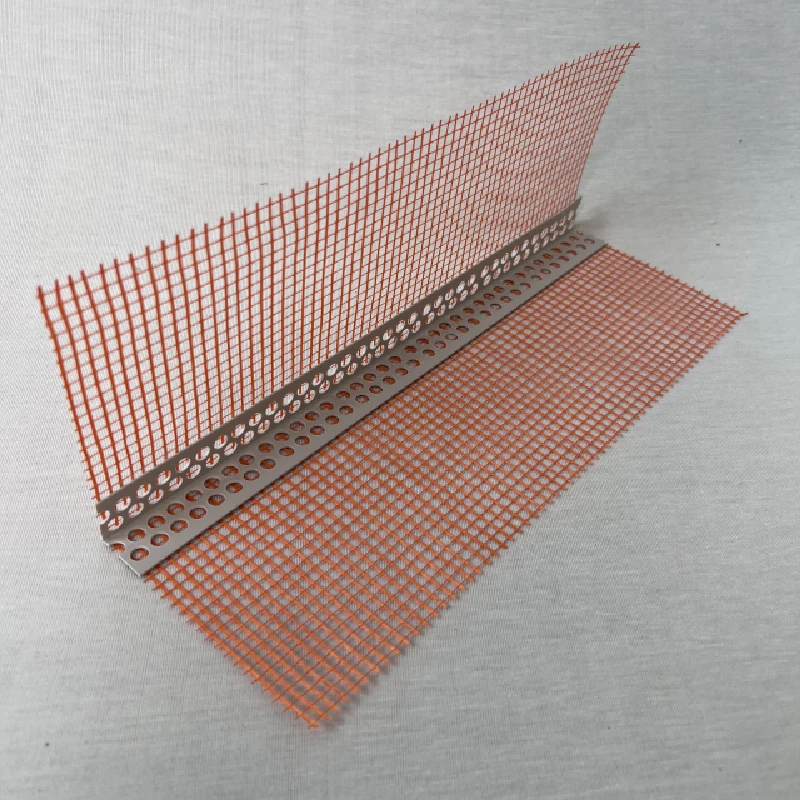
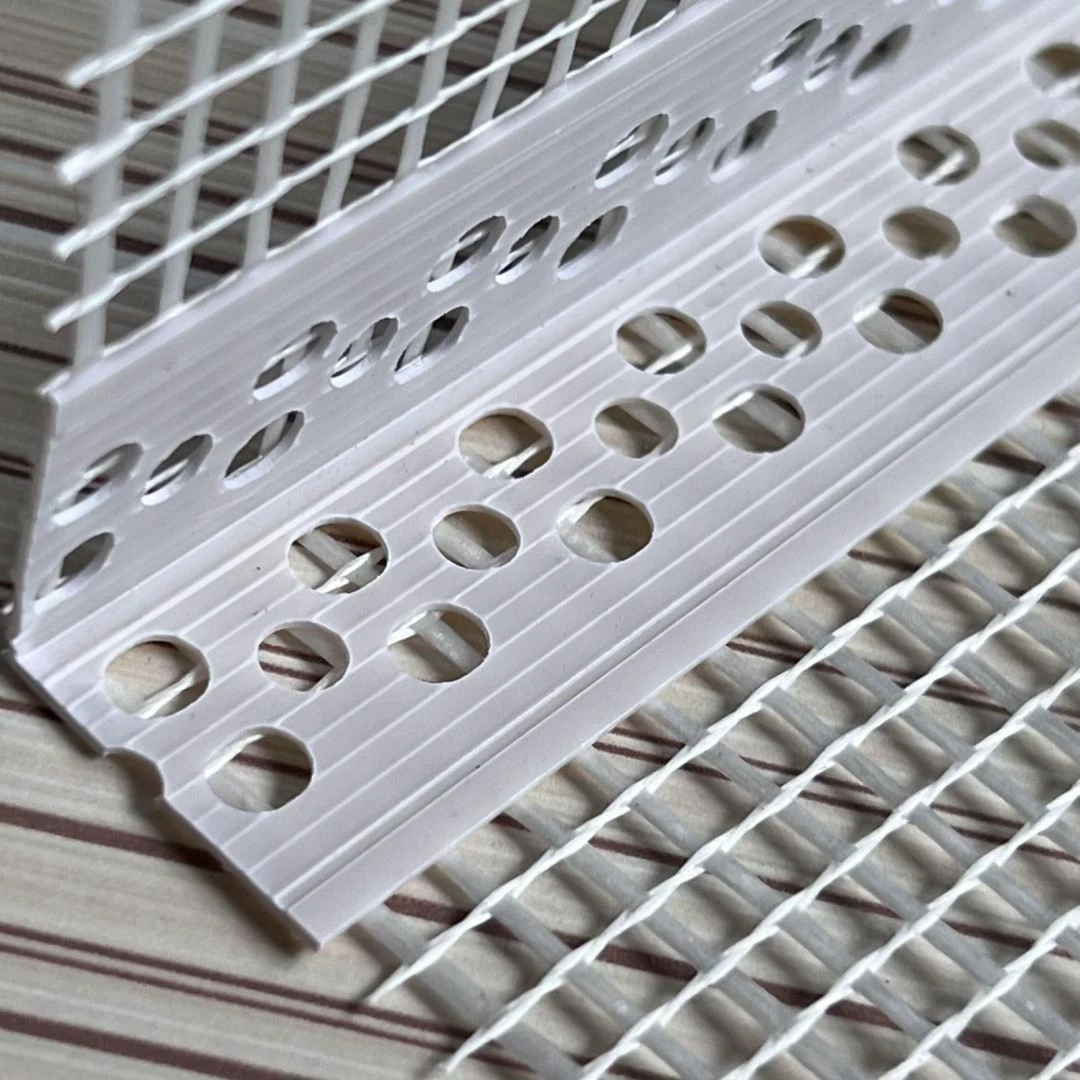
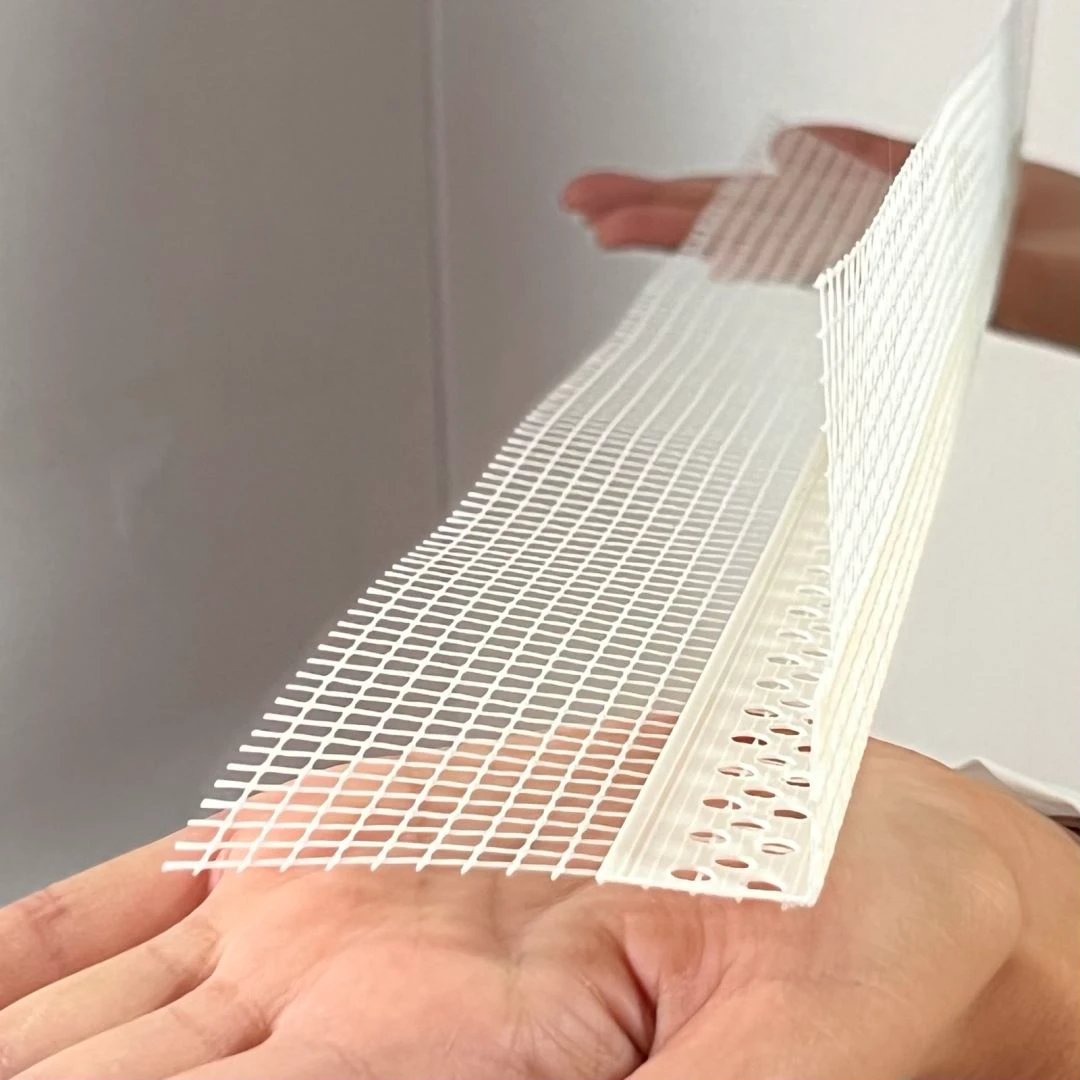
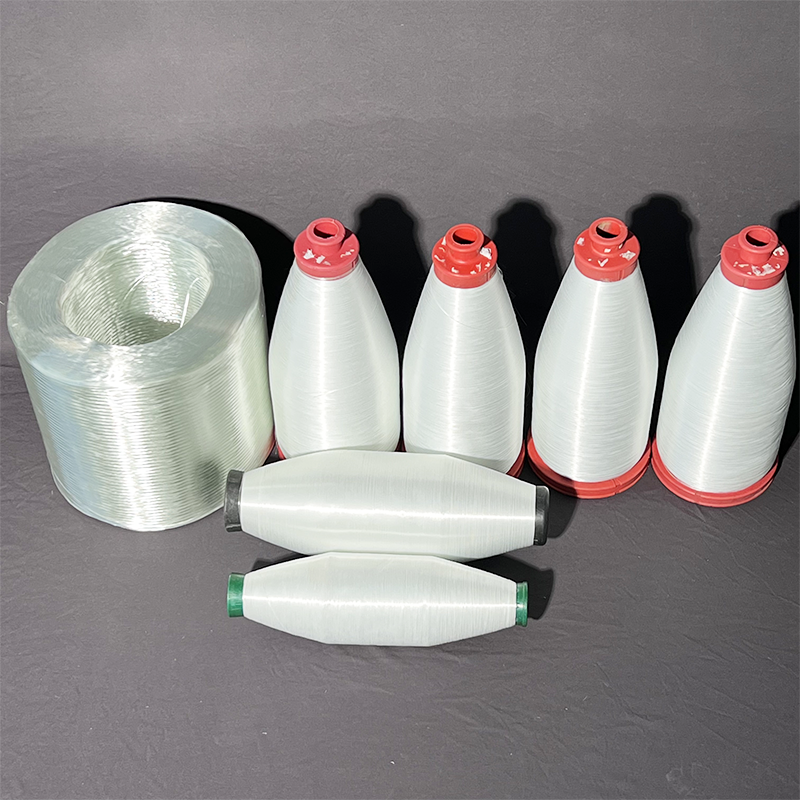
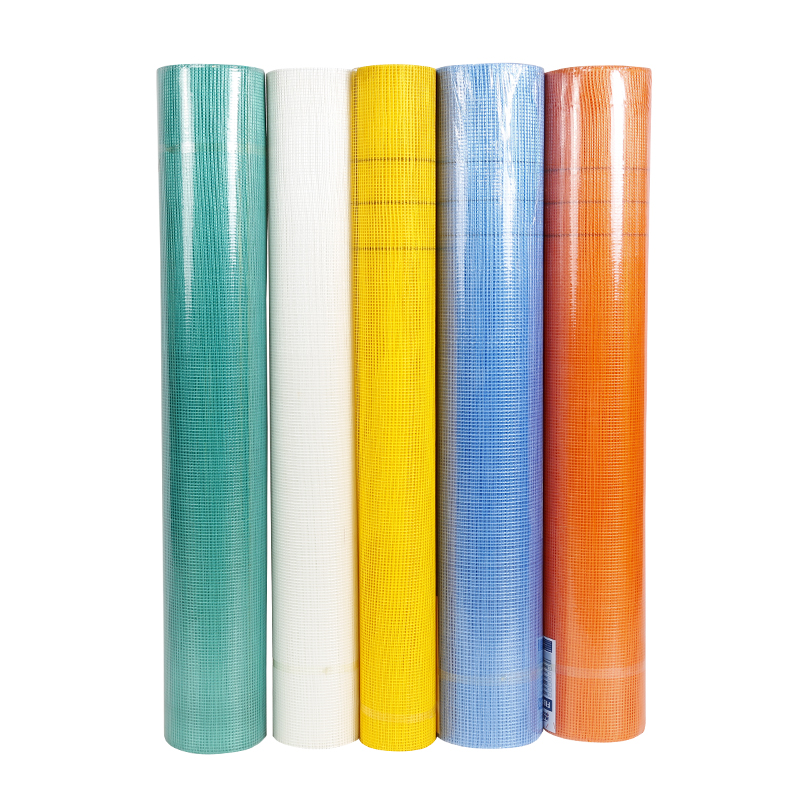
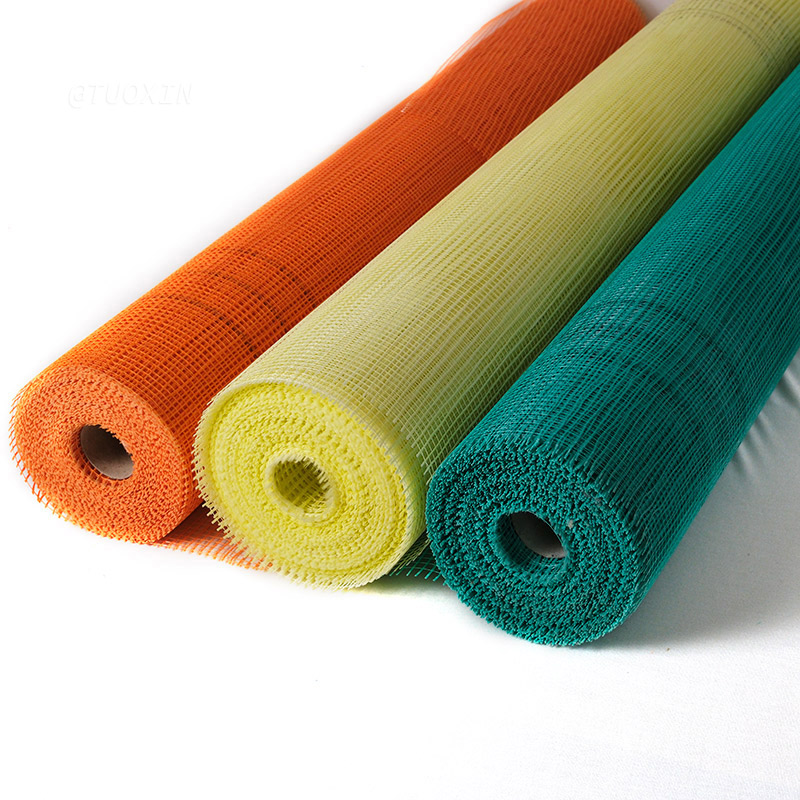
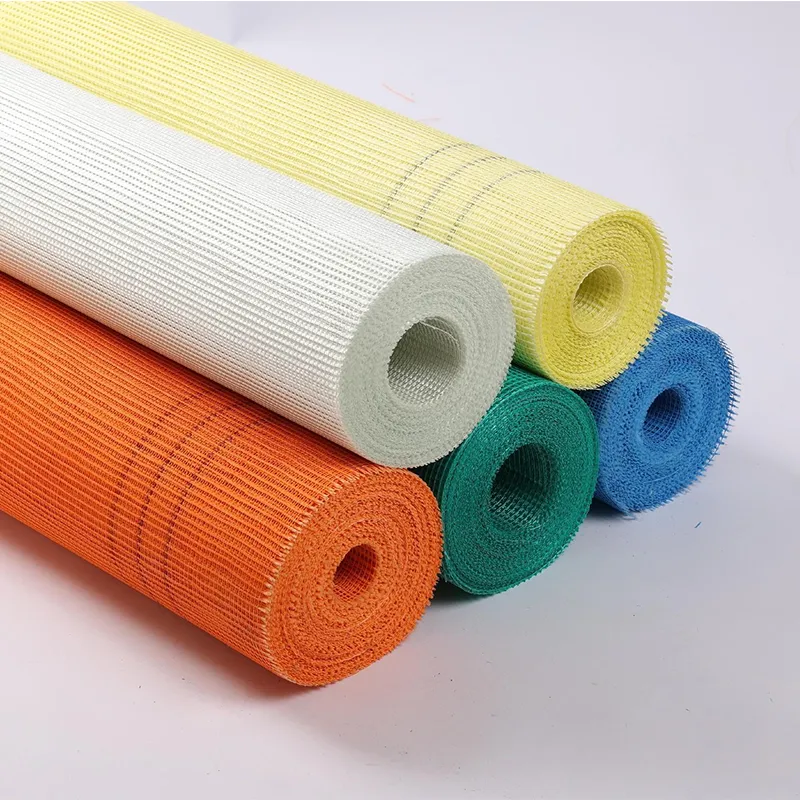
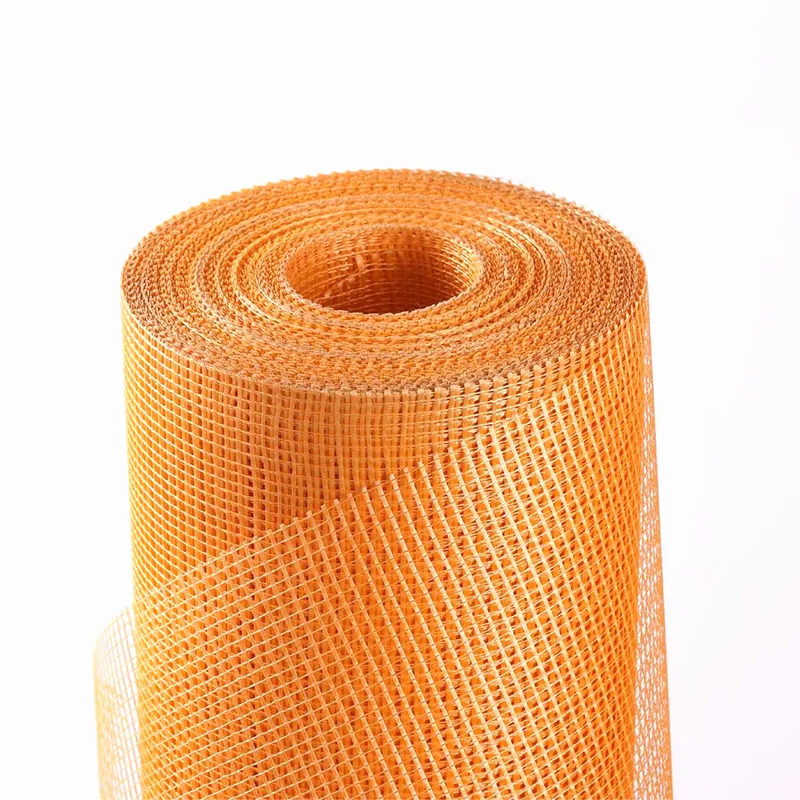
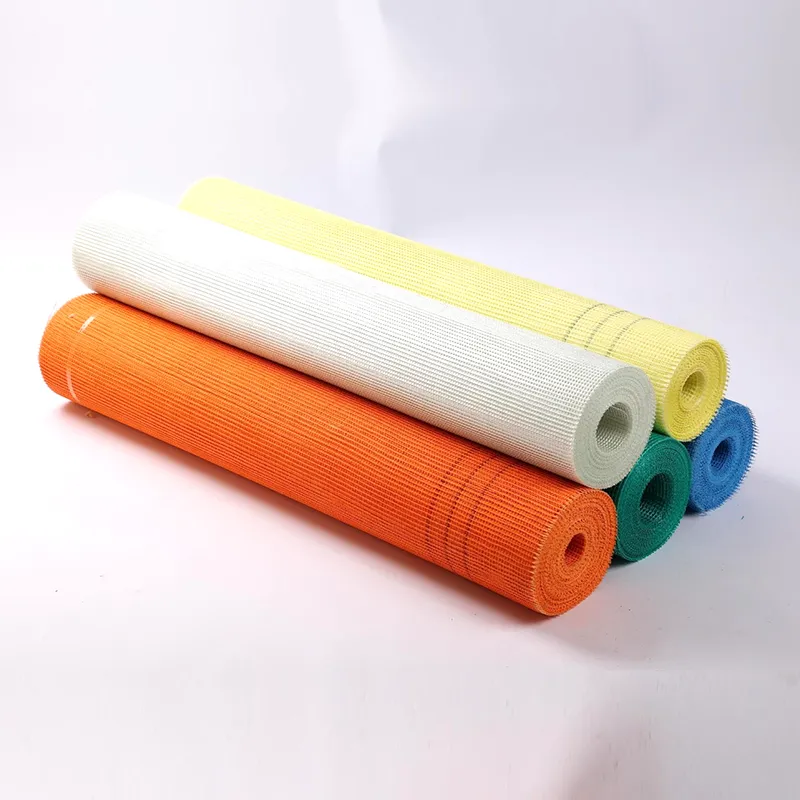
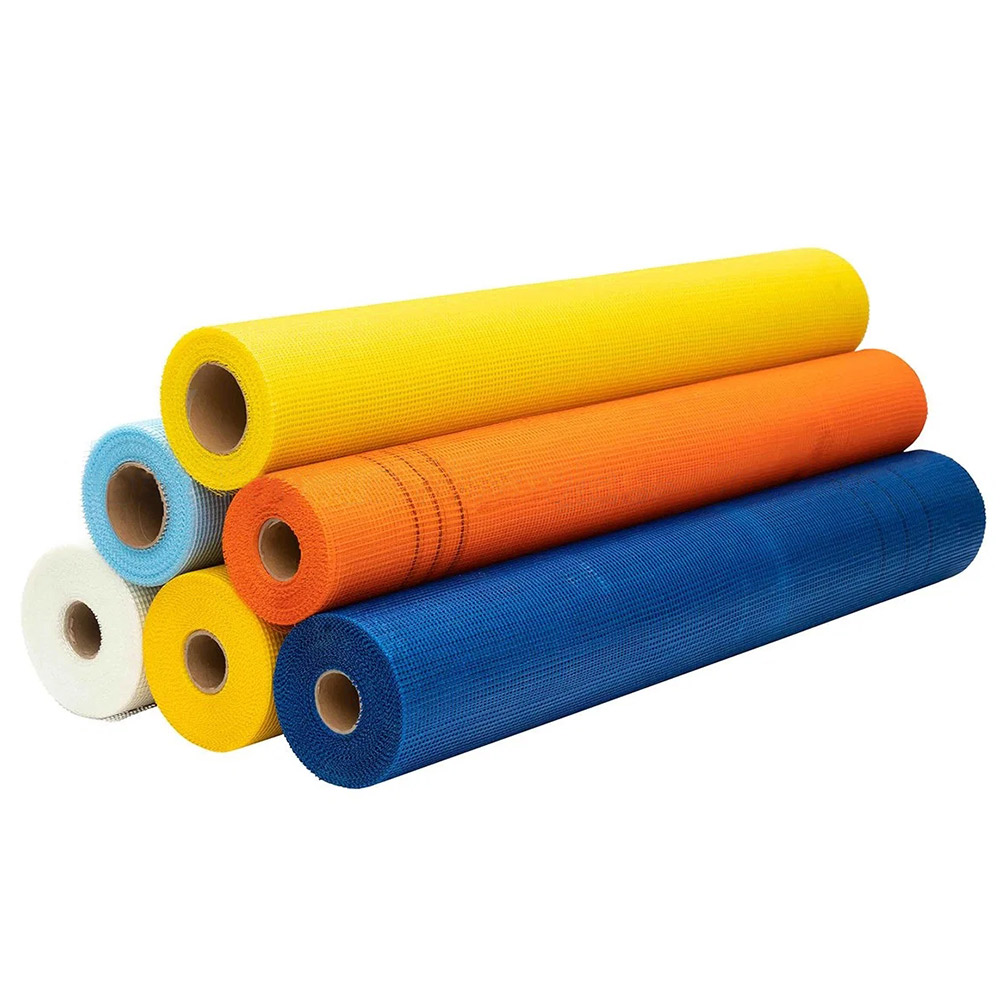
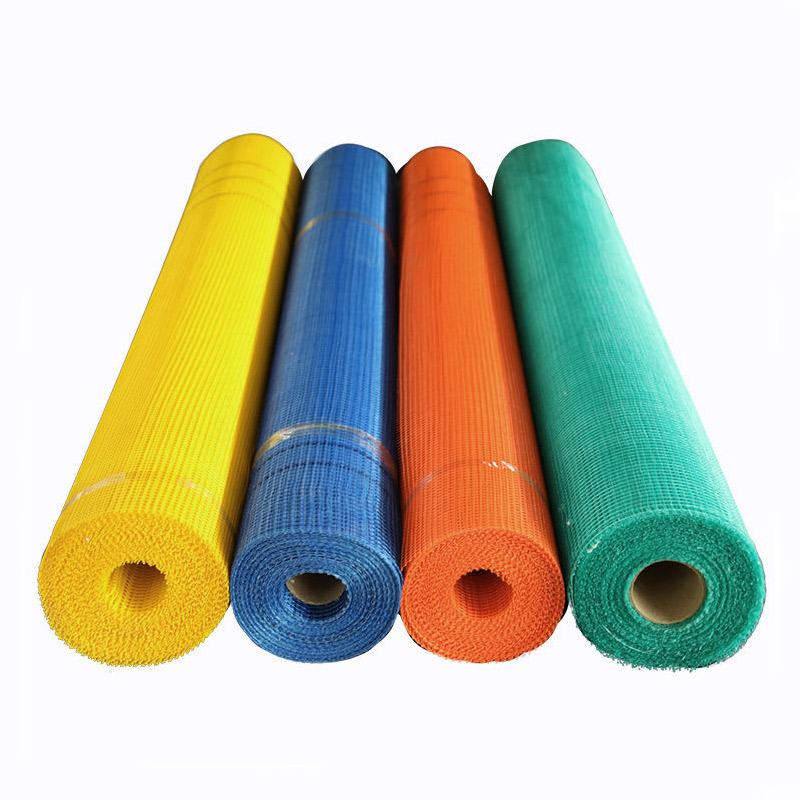
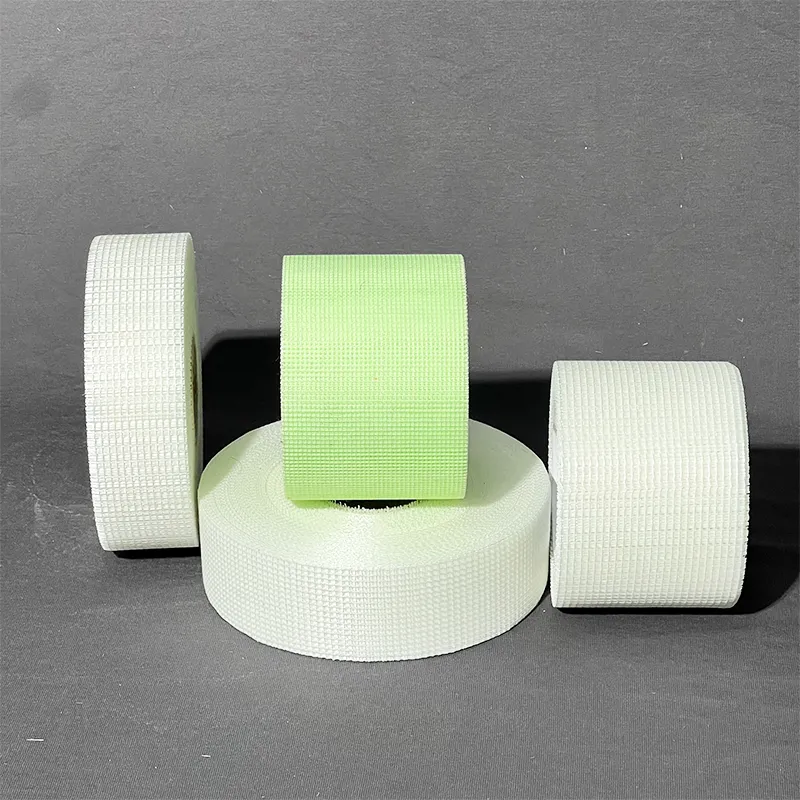
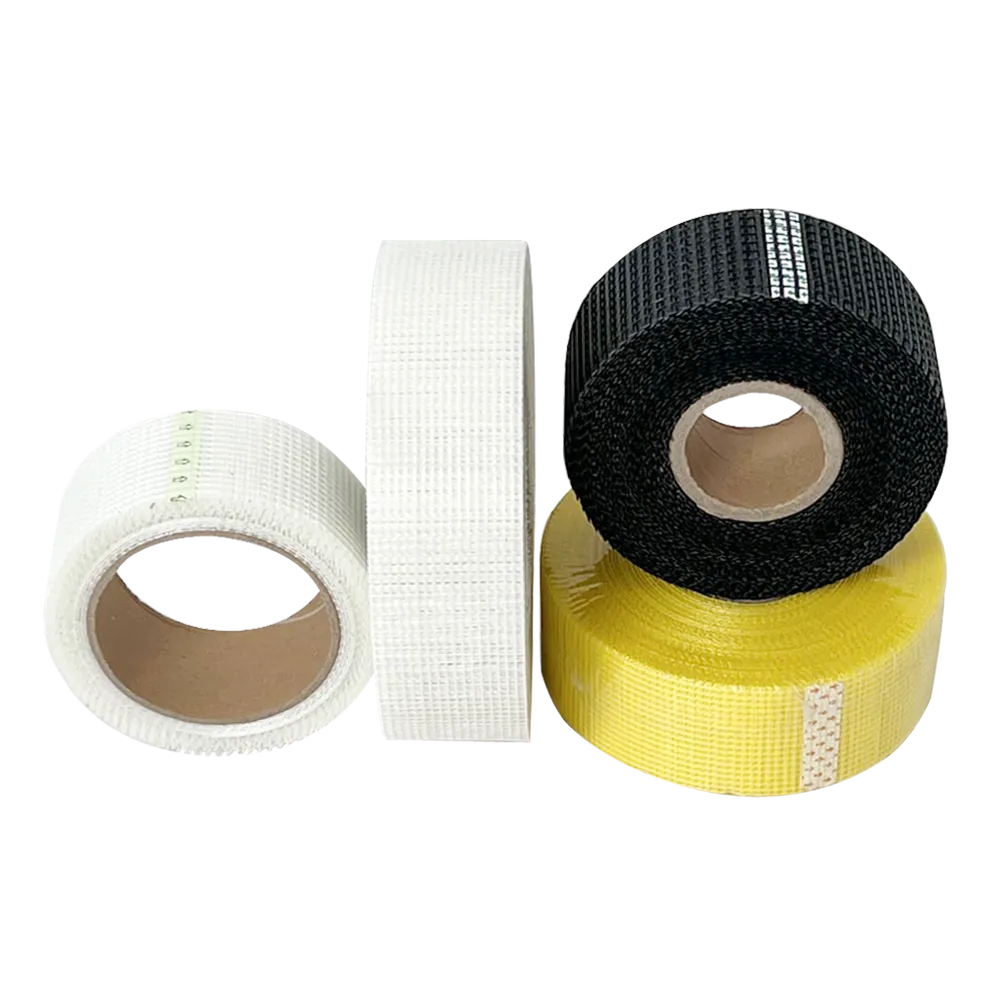
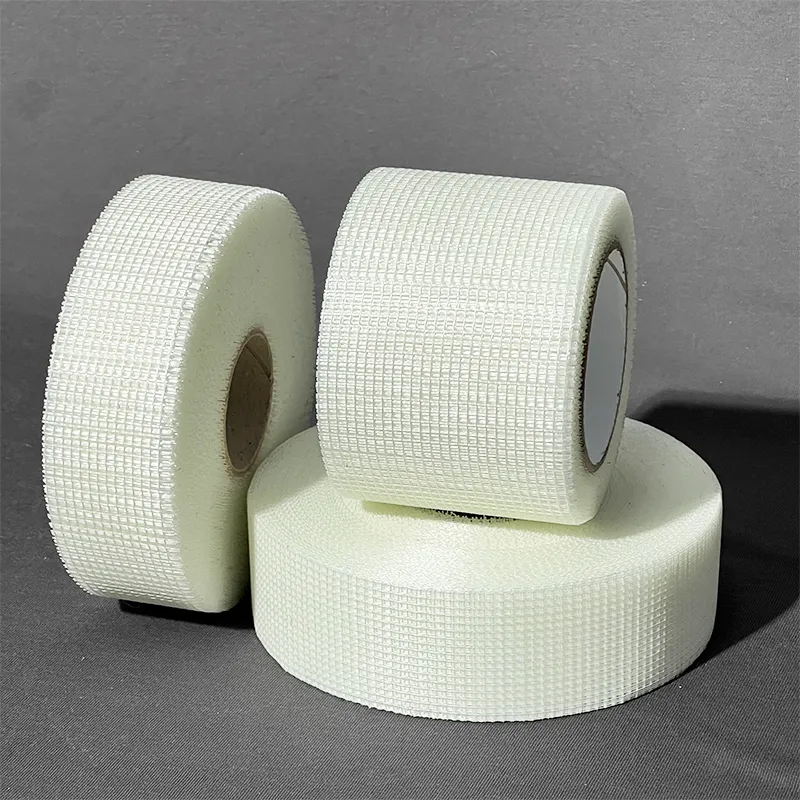
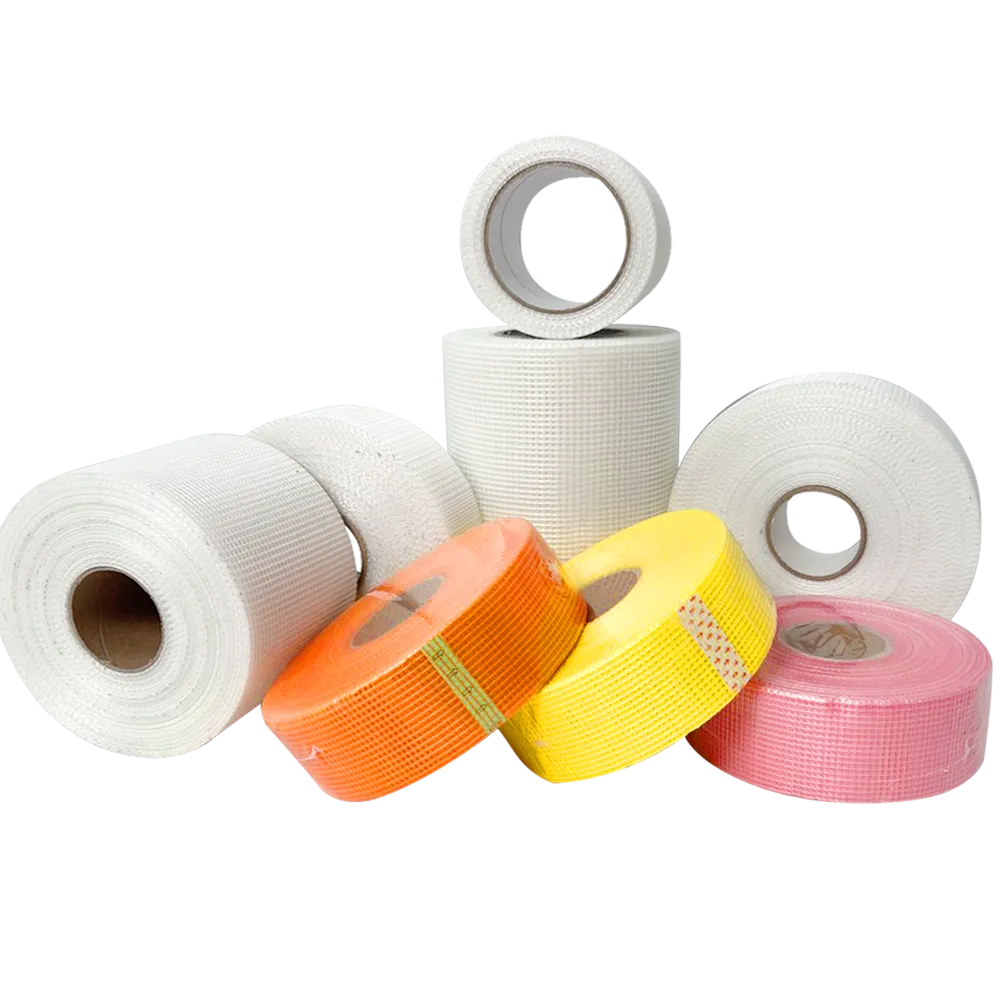
You might imagine endless reels of mesh stretching out like fishing nets—but it’s actually a sophisticated production environment focused on weaving fine glass fibers into a robust grid. A high strength fiberglass mesh factory specializes in manufacturing these grids using reinforcing fiberglass yarns or rovings, which are then coated with various resins or polymers to enhance properties like alkali resistance and flexibility. This industrial output connects deeply with modern needs. For instance, these meshes are integral in exterior wall insulation systems, waterproofing, and even floor and road reinforcements. Their use extends from construction giants to NGO projects building shelters after natural disasters. The mesh essentially acts as the "skeleton," distributing loads and preventing cracks. So, when someone says “fiberglass mesh factory,” think of a place crafting the invisible backbone that helps countless structures last longer and perform better.Key Components of High Strength Fiberglass Mesh
1. Durability and Resistance
Fiberglass mesh is specifically engineered to resist chemicals, ultraviolet rays, and alkali substances commonly found in concrete. This makes it invaluable for long-term outdoor applications where moisture and weathering are enemies.2. Scalability and Customization
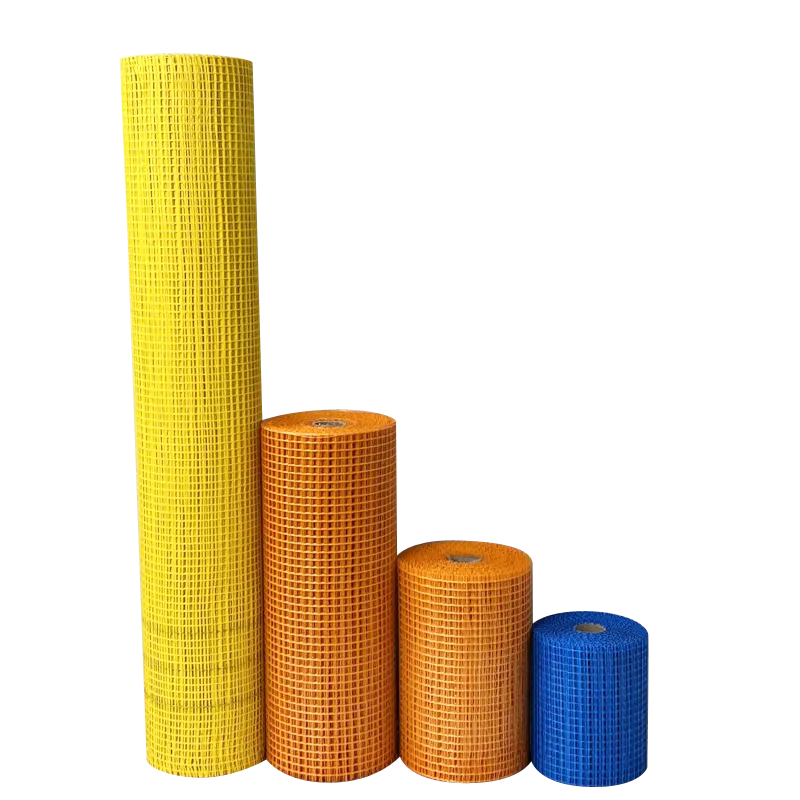
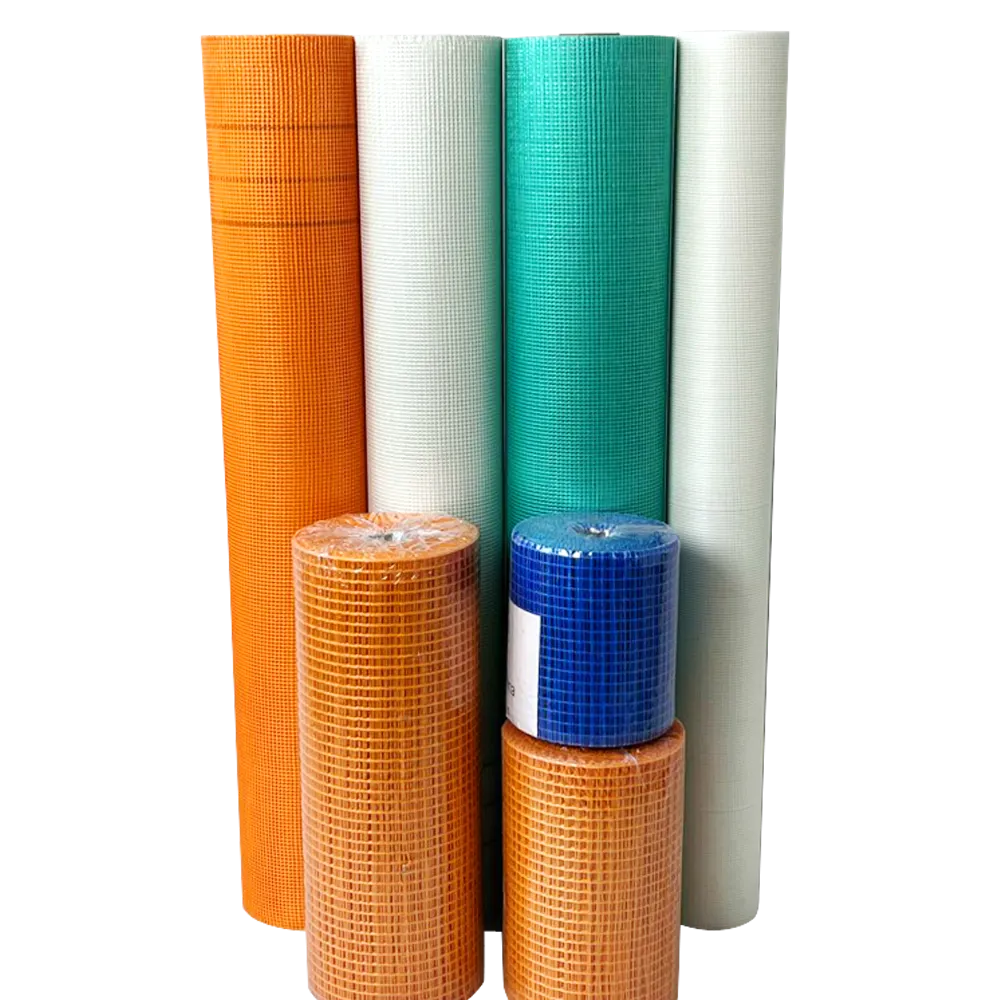
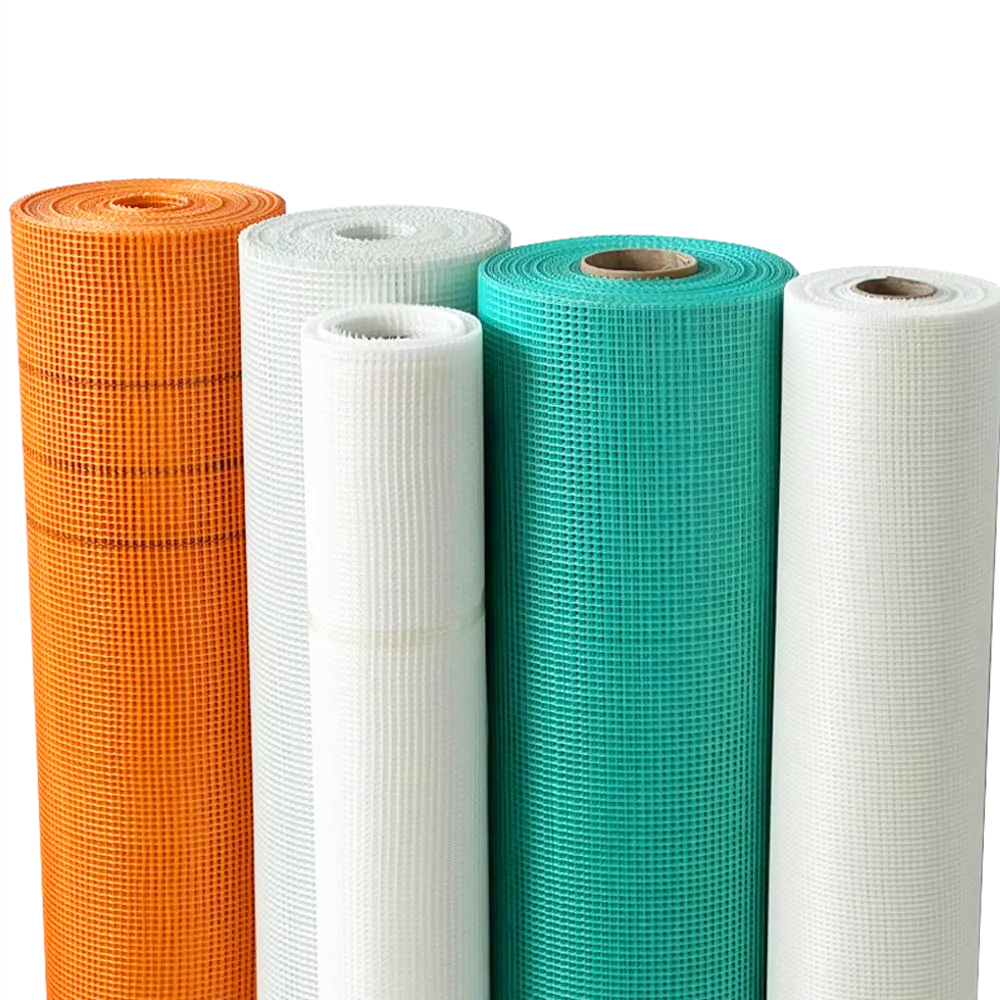
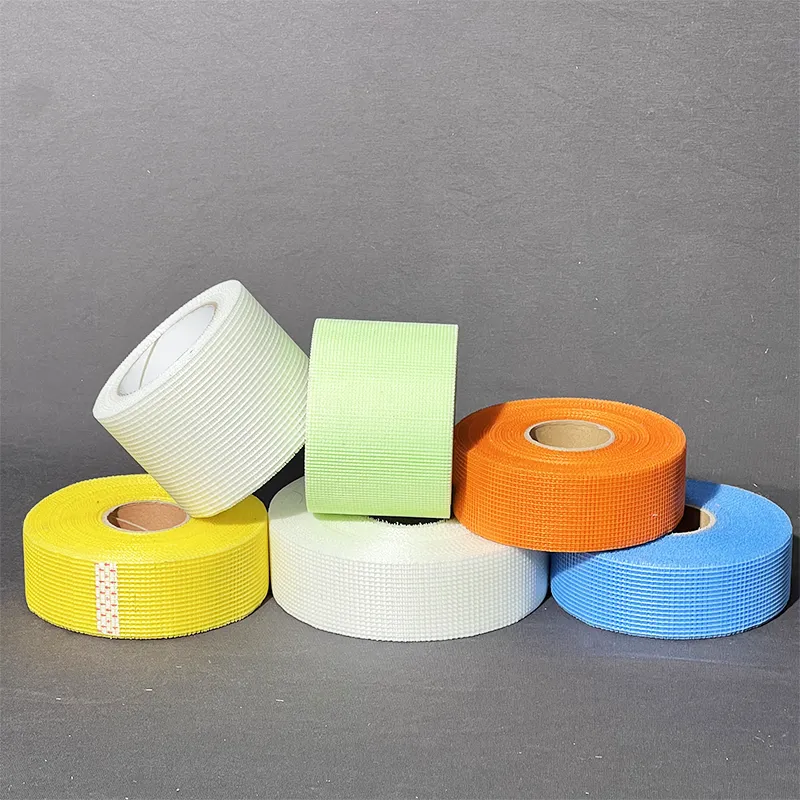
Whether producing rolls a few meters wide or custom panels, factories today can tailor mesh density, weight, and coating types based on client specifications. This flexibility allows engineers to specify meshes for everything from thin wall claddings to robust bridge decks.3. Cost-Effectiveness
While initial raw material prices can fluctuate, the overall lifecycle costs decrease drastically. Structures reinforced by fiberglass mesh typically require fewer repairs and less maintenance, which is a saving most owners appreciate.4. Lightweight Strength
Compared to steel reinforcements, fiberglass mesh offers a lighter alternative without compromising tensile strength. This cutting-edge feature helps lower shipping and installation costs.Mini Summary:
The beauty of fiberglass mesh lies in its combination of durability, adaptability, affordability, and weight advantages, making these factories’ output incredibly versatile.
Where and How Is This Mesh Used Globally?
You’ll find fiberglass mesh hidden in places that shape modern life:- Construction: From reinforcing walls in Europe’s historic city preservation projects to underpinning the fast-growing housing complexes in Asia, this mesh is everywhere.
- Infrastructure: In parts of the Middle East and Africa, where infrastructure faces harsh environmental conditions, fiberglass mesh extends the lifespan of bridges and roads.
- Disaster Relief: NGOs often depend on fiberglass mesh rebar for quick-deploy shelters that endure weather extremes after floods or earthquakes.
- Industrial Zones: Remote manufacturing hubs use these materials to improve factory floor durability, reducing downtime due to cracking.
Advantages and Why They Matter Over Time
It’s easy to look at material specs, but these aren’t the only reasons factories like high strength fiberglass mesh factory matter:- Sustainability: Using fiberglass reduces reliance on steel, whose production is energy-heavy.
- Safety: Enhanced crack resistance means fewer structural failures, literally saving lives.
- Innovation: I’ve noticed materials science is evolving rapidly, and fiberglass mesh keeps pace, enabling architects to push design limits.
- Trust: Builders gain confidence in projects backed by dependable reinforcement materials, which can translate into long-term business relationships.
Product Specification Table
| Specification | Typical Value | Unit |
|---|---|---|
| Mesh Weight | 110 - 160 | g/m² |
| Tensile Strength (Warp) | ≥ 1400 | N/50mm |
| Alkali Resistant Level | Type C (≥ 99.5%) | % |
| Mesh Size | 4x4 to 10x10 | mm |
| Roll Length | 50 - 100 | m |
Forecasting Future Trends and Innovations
There seems to be a real energy around greening fiberglass mesh factories. For one, new polymer coatings are emerging to reduce ecological harm during production. Some producers are experimenting with bio-based resins to replace traditional petroleum-derived substances. On the technology side, AI and digital scanning enable factories to tweak mesh parameters continuously for optimal strength and minimal waste. Automation is making production lines more consistent and responsive. Add to that the growing appetite for composite materials in electric vehicle manufacturing and you start to see how a high strength fiberglass mesh factory might evolve beyond construction and civil engineering into more cutting-edge spaces.Challenges and How Industry is Tackling Them
No industry is without complications. Fiberglass mesh production faces hurdles like:- Raw Material Costs: Glass fiber prices swing with global silica markets — a headache for budgeting.
- Environmental Impact: Disposal and recycling of fiberglass remain tricky; peeling meshes off surfaces isn’t trivial.
- Quality Control: Slight inconsistencies in mesh spacing or coating thickness can undermine performance.
- Competitive Materials: Carbon fiber composites sometimes overshadow fiberglass in high-end projects, demanding ongoing R&D.
Vendor Comparison Table
| Vendor | Product Range | Typical Lead Time | Sustainability Initiatives | Strength Certification |
|---|---|---|---|---|
| Tainuo Fiberglass | Wide (100+ SKUs) | 2-3 weeks | Bio-resin R&D | ISO 9001 & CE |
| Global Mesh Corp. | Moderate (50+ SKUs) | 3-4 weeks | Waste Recycling Program | ASTM D5789 |
| FibreFort Solutions | Specialized | 4-5 weeks | Green Energy-Powered Factory | ISO 14001 |
FAQ: What You’re Really Asking About High Strength Fiberglass Mesh Factories
Q1: What makes fiberglass mesh a better reinforcement choice than steel?
Fiberglass mesh resists corrosion and alkalis better than steel, which can rust. It’s lighter, easier to handle, and improves crack resistance. This often means longer-lasting structures with less maintenance.
Q2: How customizable is the fiberglass mesh from typical factories?
Very customizable. Most high strength fiberglass mesh factories tailor mesh size, weight, coating types, and roll lengths per project needs, whether it’s for insulation, façade reinforcement, or flooring.
Q3: Are these meshes environmentally friendly?
Fiberglass mesh has a lower carbon footprint than steel rebar. Some factories are working on bio-based coatings and recycling programs to further improve sustainability.
Q4: Can fiberglass mesh be used in extreme climates?
Absolutely. Due to its resistance to UV rays, alkali, and moisture, it performs well in harsh climates from deserts to coastal zones.
Bringing It All Together
When you consider the long-term benefits, a high strength fiberglass mesh factory is more than a manufacturer—it’s a cornerstone for safer, greener, and smarter construction around the world. Whether you’re an engineer, architect, or procurement specialist, keeping tabs on these factories could pay dividends for your next project. If this has piqued your interest, why not explore more about how these factories operate and how their products might fit your needs? Visit our website: https://www.tainuofiberglassmesh.com — see what the future of reinforcement looks like.Final Thought:
Innovation in material science often hides in the details—like the fibers woven into a mesh. And those details make all the difference when the stakes are high.
References
-
Best Fiberglass Mesh Tape for RedGard Product Waterproofing GuideNewsApr.16,2026
-
Why High Strength Fiberglass Mesh Is Essential For Stucco ApplicationNewsApr.15,2026
-
Why Alkali Resistant Fiberglass Mesh Tape Is Essential For Cement Board And Tile InstallationsNewsApr.15,2026
-
Understanding The Role Of Drywall Fiberglass Mesh In Interior FinishingNewsApr.15,2026
-
Ultimate Guide To Using Fiberglass Mesh Tape For Drywall And Plaster RepairsNewsApr.15,2026
-
The Versatility Of Fiberglass Mesh In Marble And Stone MosaicNewsApr.15,2026