Nov . 29, 2025 20:45 Back to list
High Strength Fiberglass Mesh Factories – Durable, Sustainable Reinforcement Solutions
The Growing Importance of High Strength Fiberglass Mesh Factories in Today's World
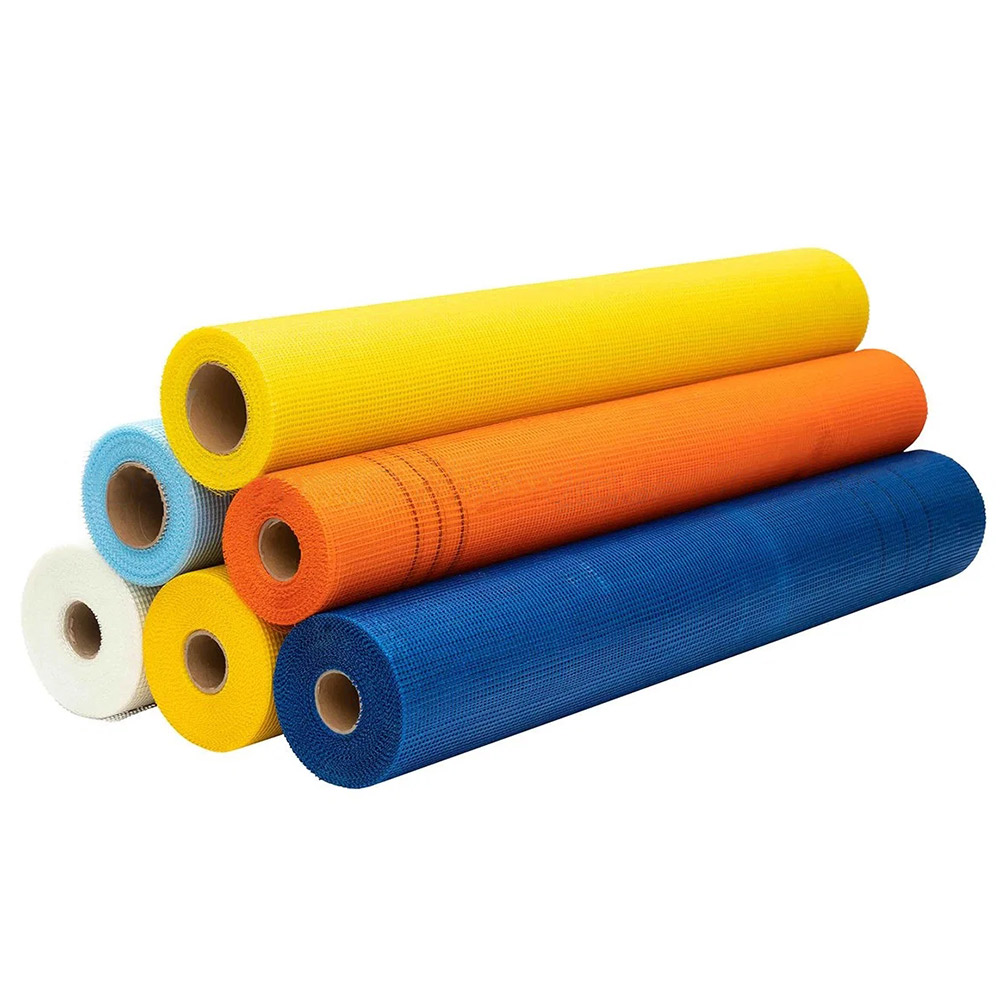
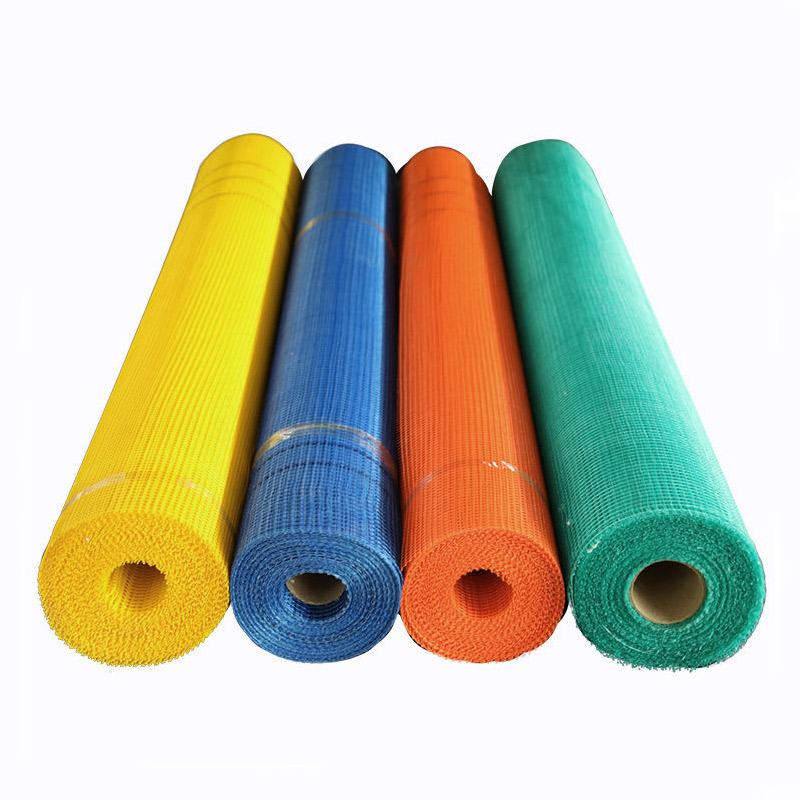
High strength fiberglass mesh factories might not make headlines like the latest smartphone or electric car manufacturer, but their impact on construction, infrastructure, and even humanitarian efforts is quietly vast. These specialized factories produce meshes that are critical in reinforcing materials, providing durability and safety in structures ranging from skyscrapers to refugee shelters.
Why does this matter globally? Well, with rapid urbanization and climate change increasing the demand for resilient infrastructure and disaster-relief solutions, understanding the role of high strength fiberglass mesh factories is more crucial than ever. Beyond just strength, these meshes contribute to sustainability, cost efficiency, and even social stability.
Global Context: Why High Strength Fiberglass Mesh Factories Are in the Spotlight
Today, industries worldwide demand materials that balance durability with sustainability. The global construction sector alone accounts for roughly 38% of CO₂ emissions, pushing governments and companies to innovate greener, stronger building solutions (UNIDO).
High strength fiberglass mesh factories help address this by producing meshes that reinforce cement, plaster, and composites efficiently — reducing material waste and improving buildings' longevity. Oddly enough, while increasing structural performance, these meshes also reduce the environmental footprint of construction projects.
However, challenges exist. Supply chain disruptions, quality inconsistencies, and energy consumption in manufacturing are hurdles these factories must overcome to meet growing global demand.
Mini takeaway: As the world modernizes, high strength fiberglass mesh factories become a critical bridge between innovation and sustainability.
Understanding High Strength Fiberglass Mesh Factories: A Simple Definition
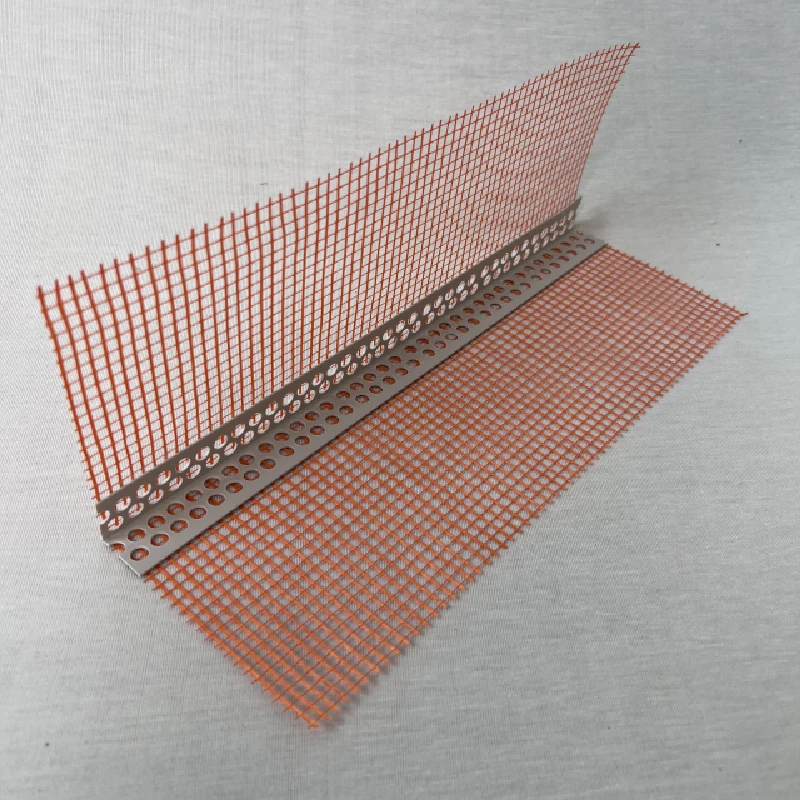
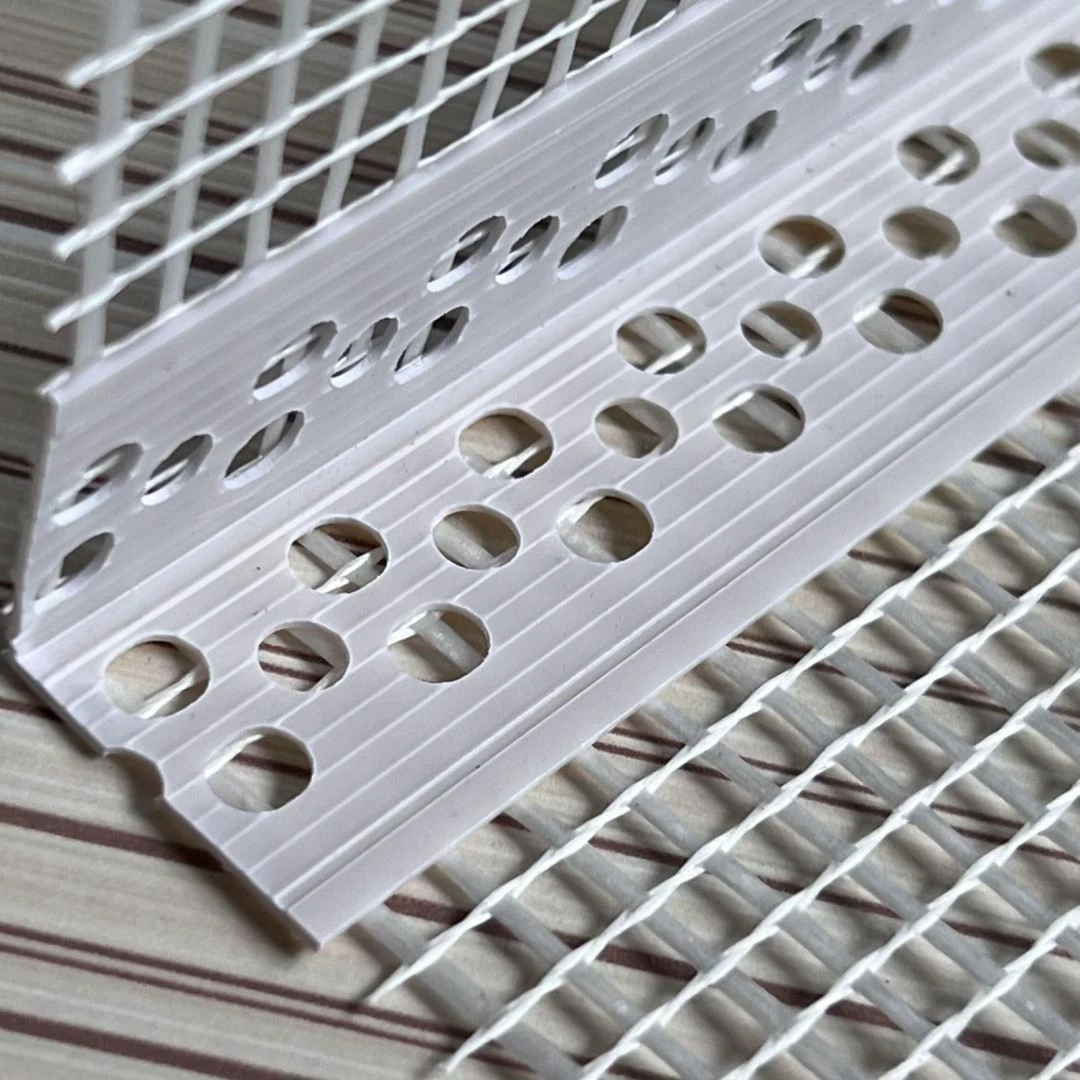
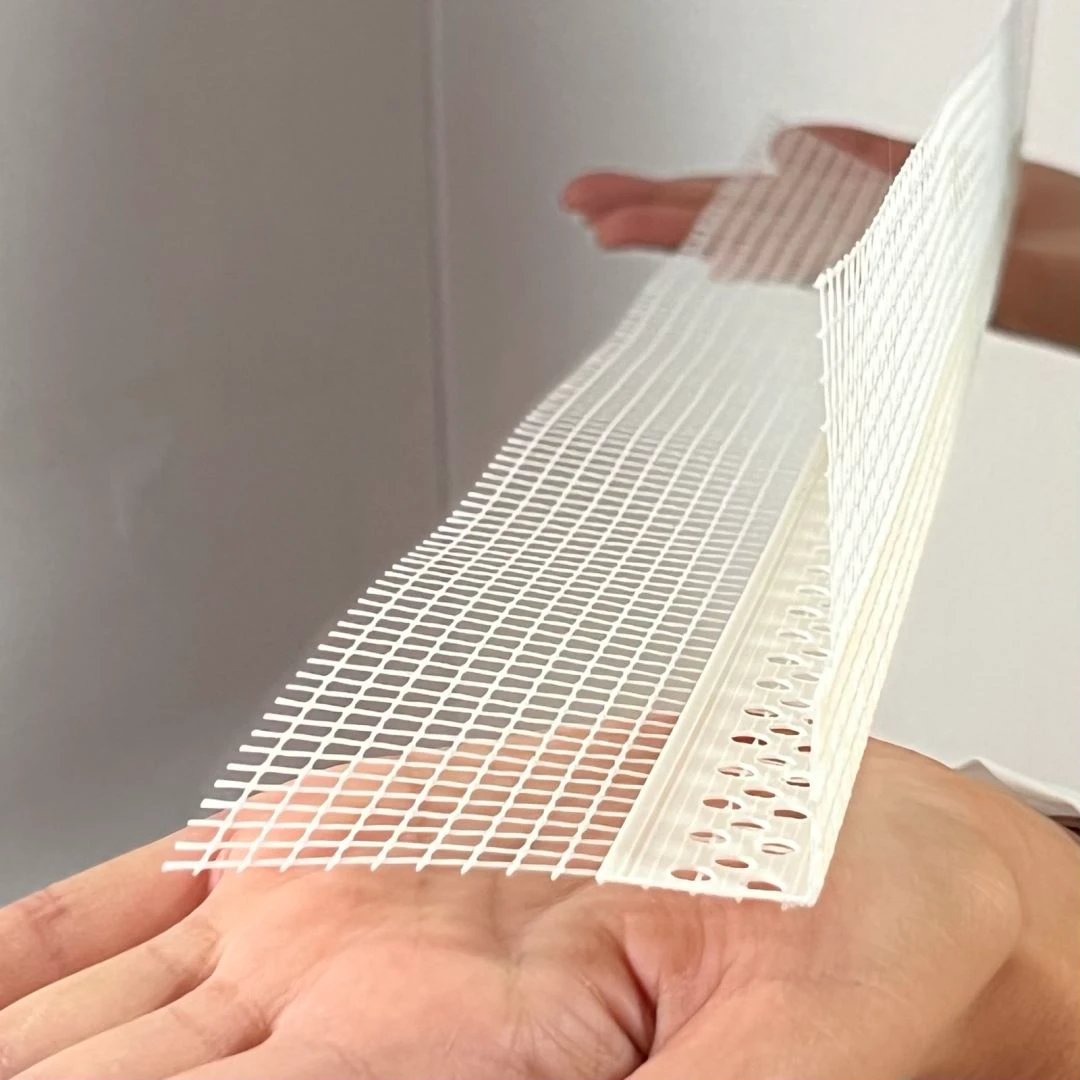
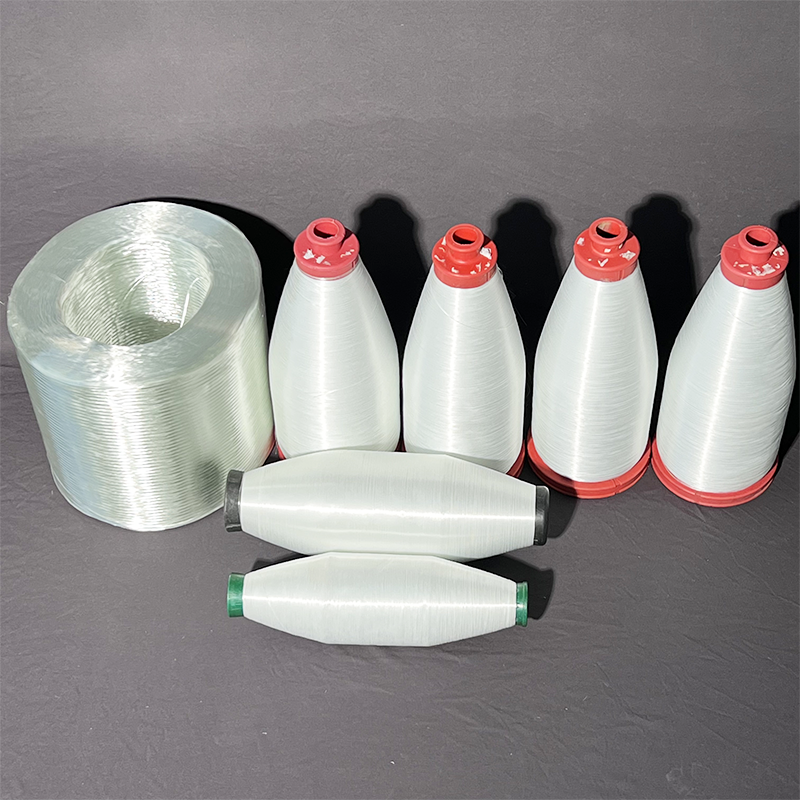
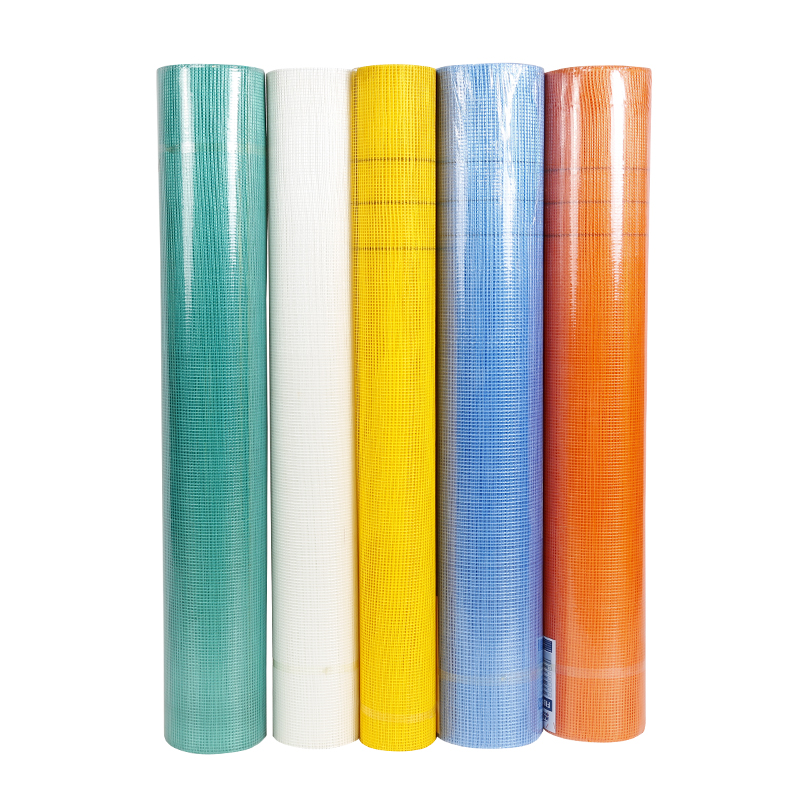
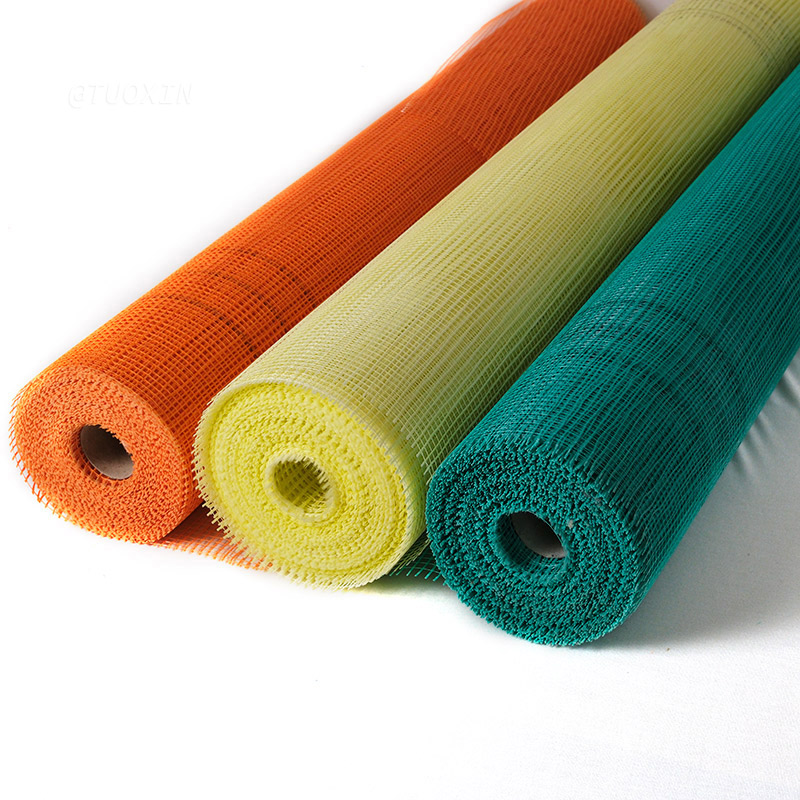
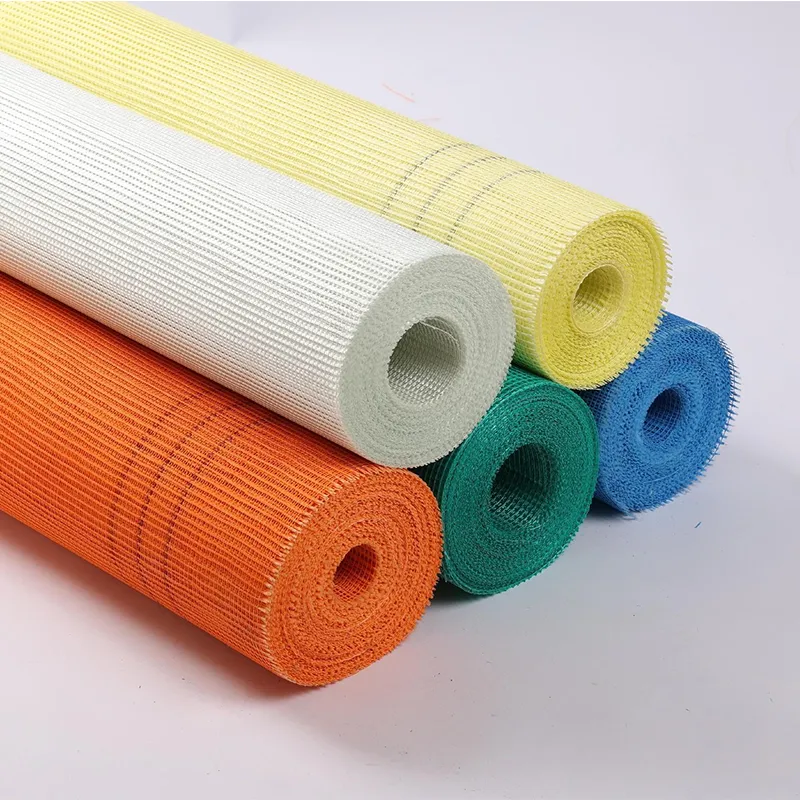
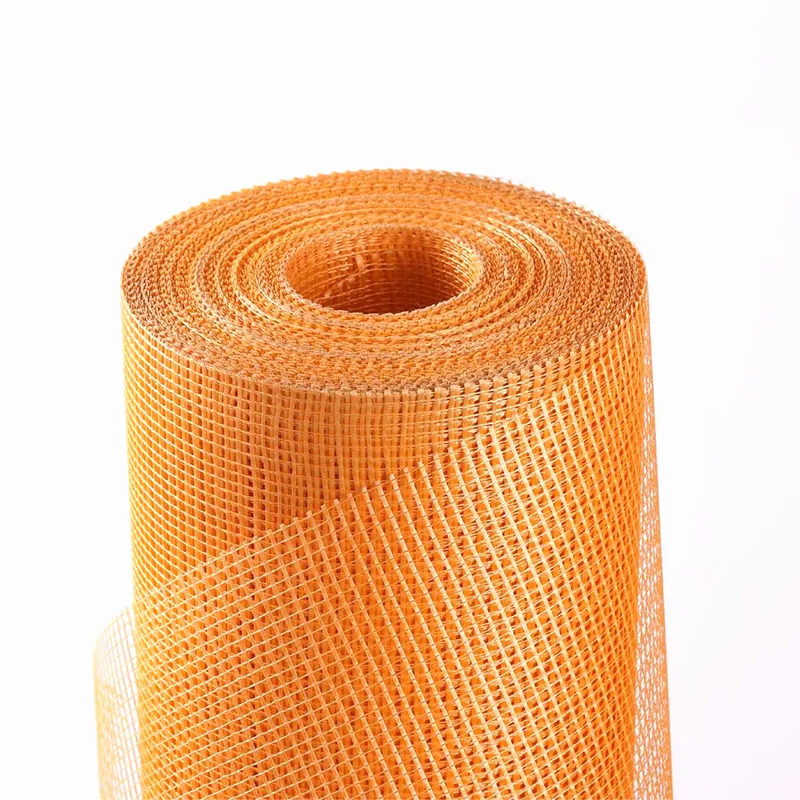
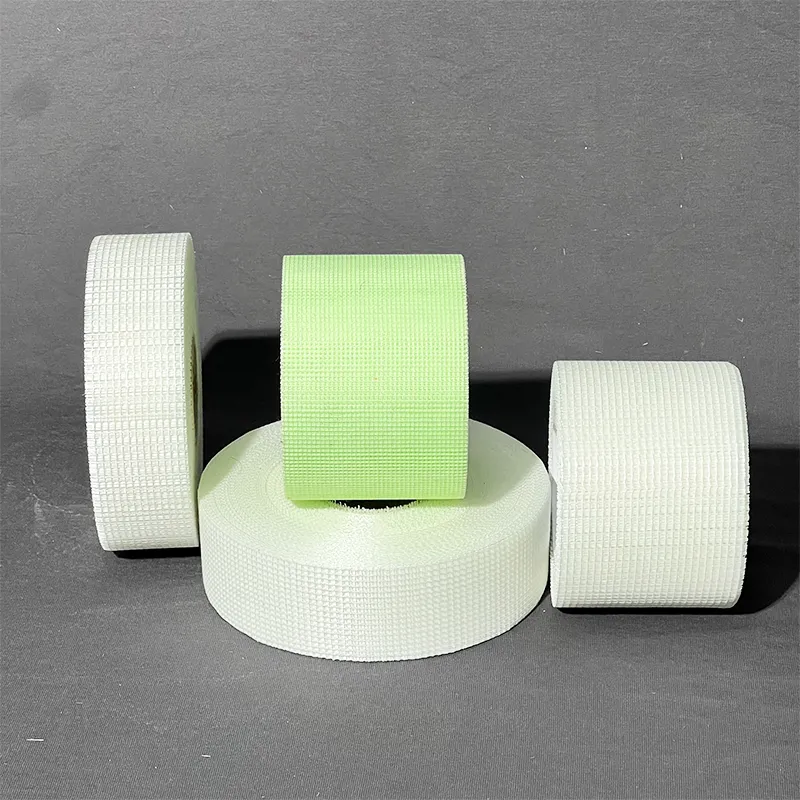
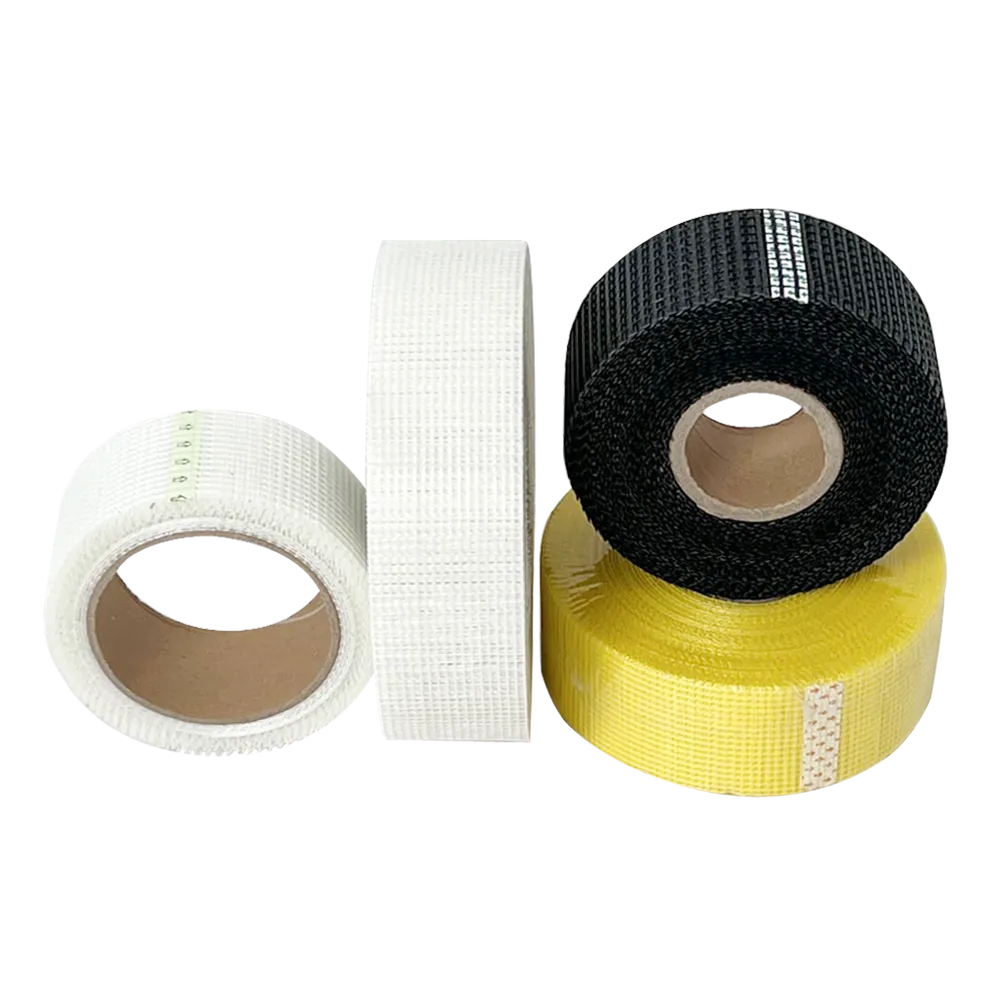
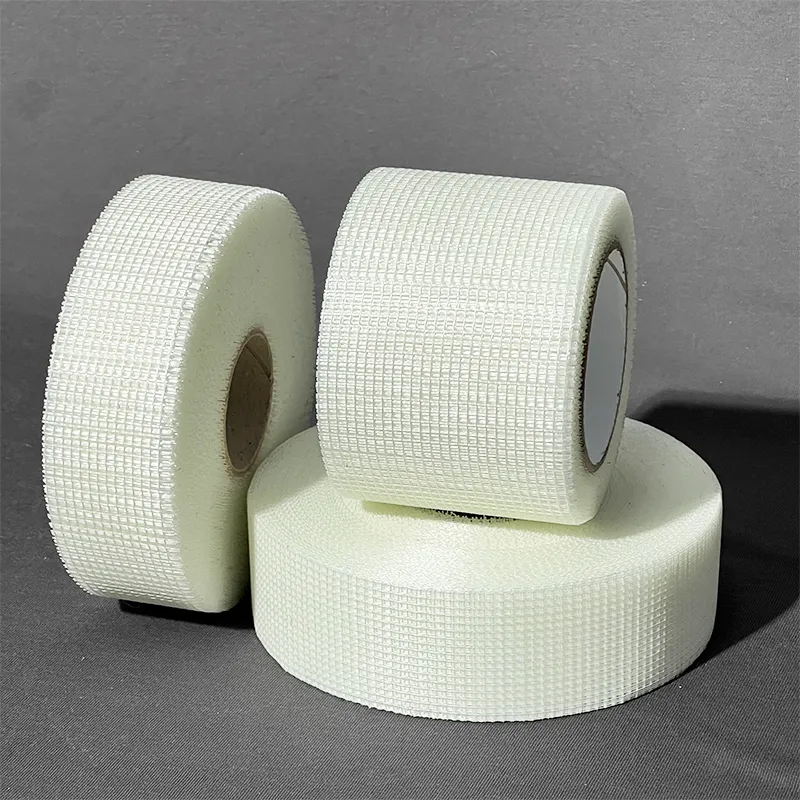
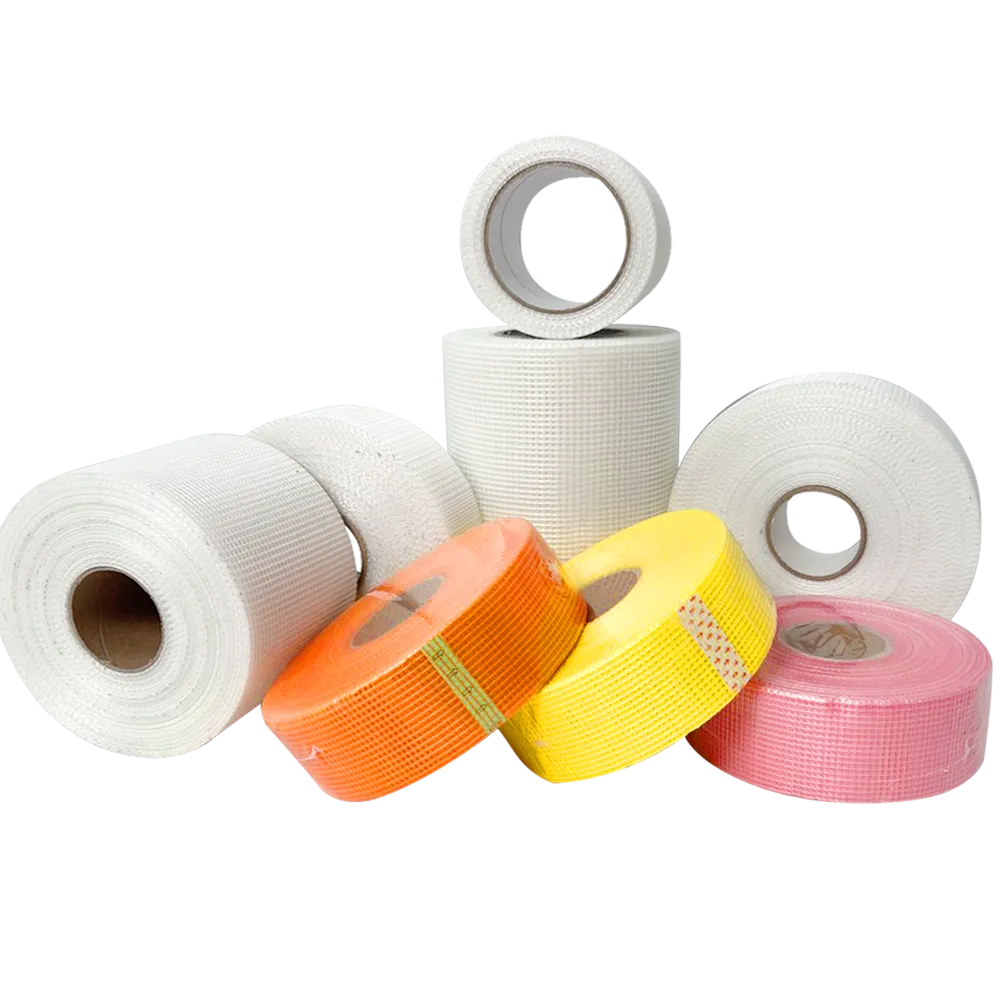
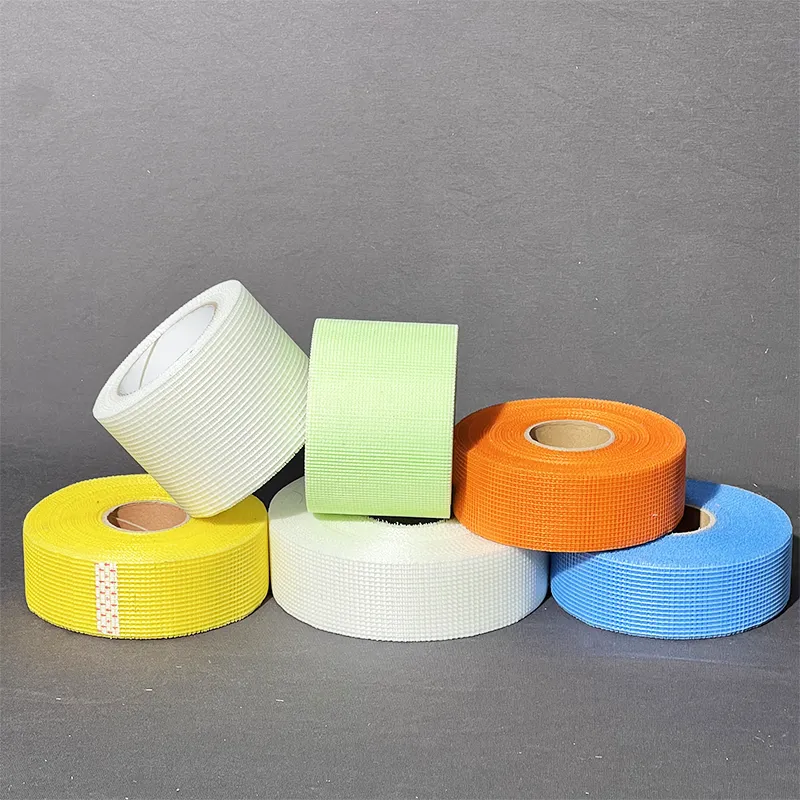
In essence, a high strength fiberglass mesh factory is an industrial facility dedicated to producing woven mats or nets made from fiberglass filaments engineered to have exceptional tensile strength and durability.
These meshes act as reinforcement in various materials, essentially acting like a skeleton that holds everything together. Whether reinforcing concrete walls, waterproof membranes, or insulation boards, the mesh improves resistance against cracks, weathering, and mechanical stress.
And it’s not just for fancy buildings. Think about post-disaster shelters or infrastructure rebuilds after floods. Fiberglass mesh factories provide materials that can be rapidly deployed to create durable, affordable, and safe communities.
Core Components That Make These Meshes So Robust
1. Durability
A key trait — fiberglass is inherently resistant to corrosion, alkalis, and UV degradation. This longevity means the mesh remains effective decades after installation without frequent replacement.
2. Scalability of Production
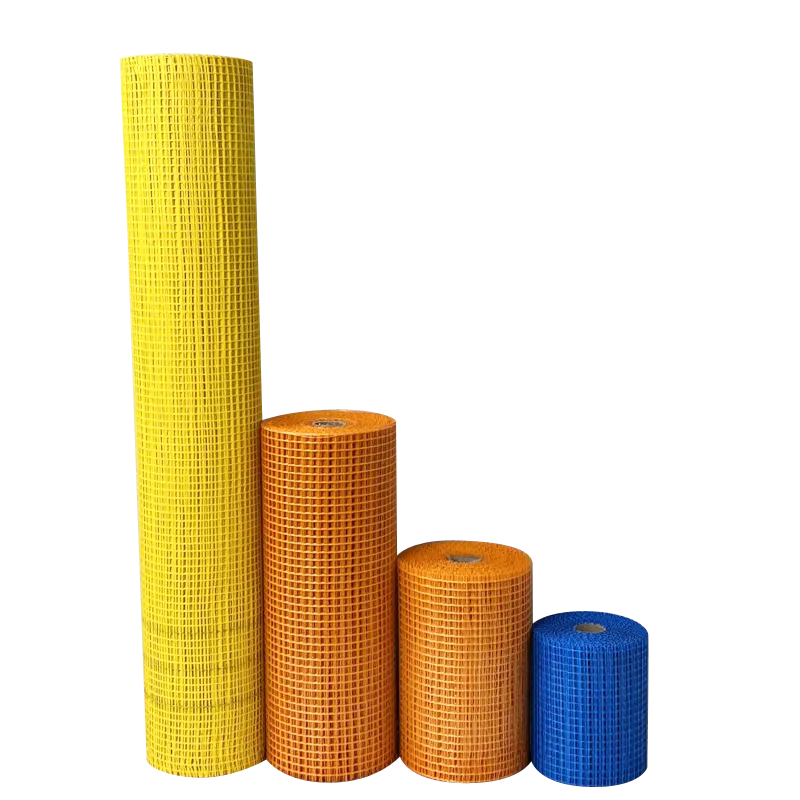
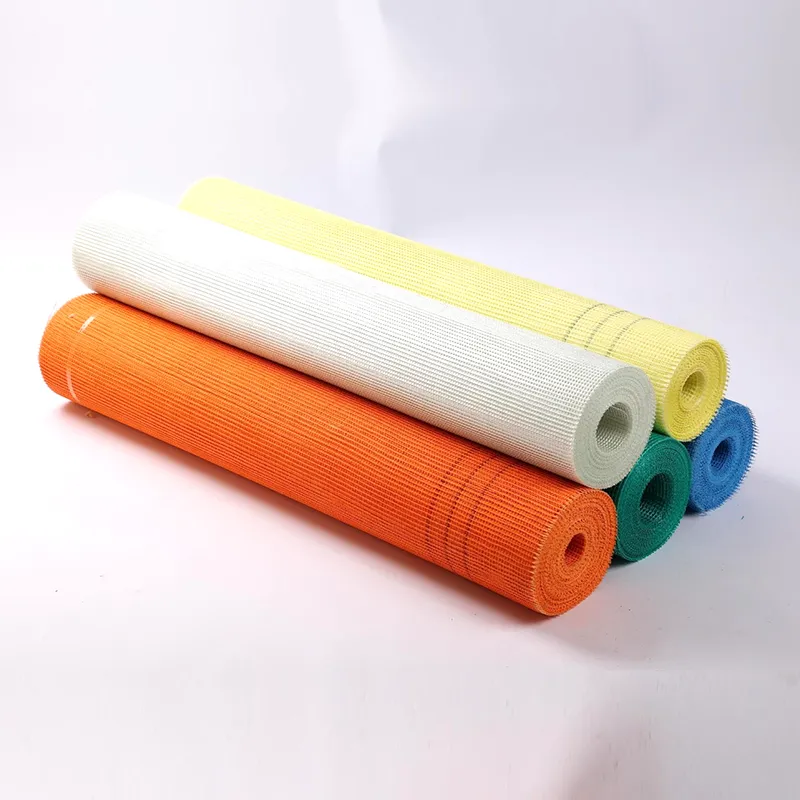
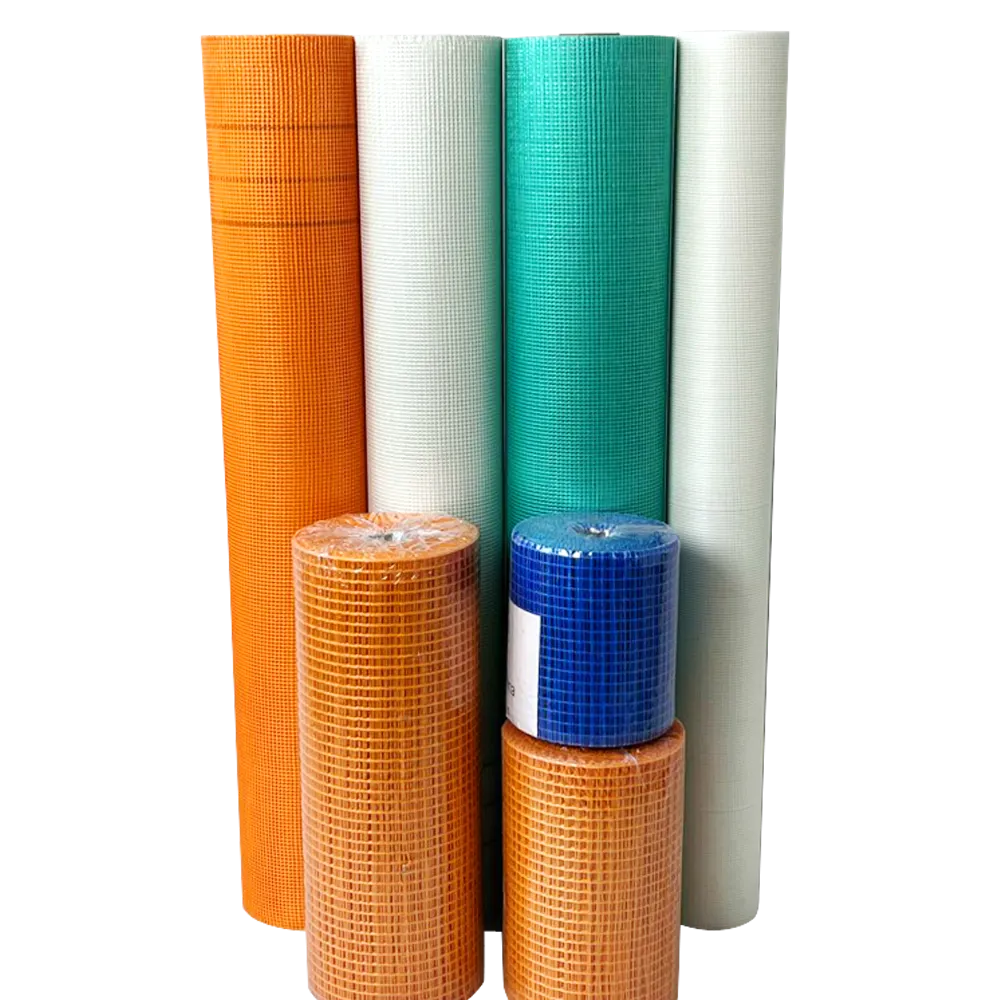
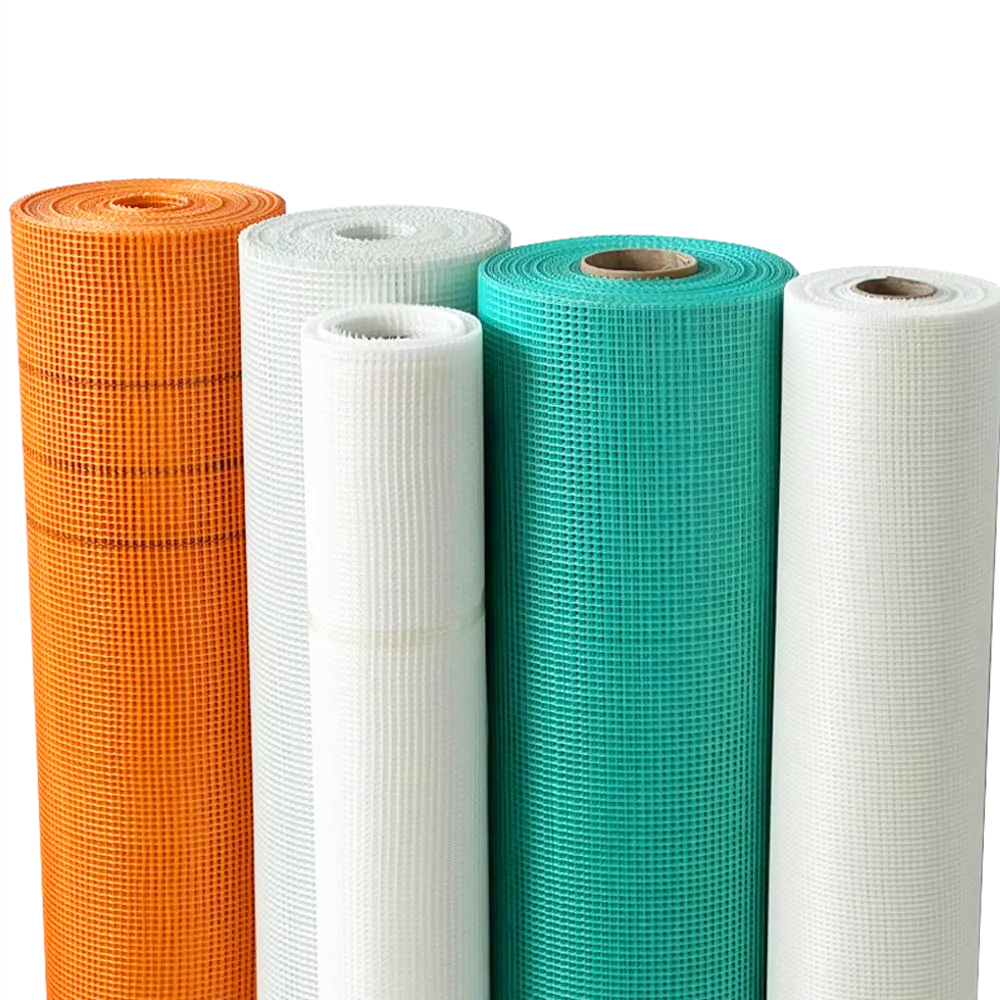
Modern factories combine automated weaving machines and quality control systems to produce meshes in various widths and strengths. This flexibility means manufacturers can cater to small-scale projects or massive infrastructure contracts alike.
3. Cost Efficiency
By enhancing structural performance, these meshes help reduce the total amount of concrete or mortar needed. Factories optimize production costs, passing savings downstream to consumers and engineers.
4. Environmental Impact
Limitations in raw material use, recycling of scrap mesh, and energy-efficient machinery are becoming standard, reflecting industry efforts toward greener manufacturing.
5. Quality Assurance
Routine tensile strength testing, mesh weight checks, and dimensional inspections are essential components in maintaining factory output consistency.
Mini takeaway: The magic isn’t just in what fiberglass mesh does, but how factories produce it reliably and sustainably.
How High Strength Fiberglass Mesh Factories Transform Industries Worldwide
From sprawling urban centers in Asia to remote industrial zones in Africa, these meshes are everywhere. Construction companies use them to strengthen walls and façades; infrastructure teams rely on them in road and bridge maintenance.
When disaster strikes, NGOs and relief organizations often turn to materials reinforced with fiberglass mesh for rapid, long-lasting shelter solutions. For example, after the 2015 Nepal earthquake, relief efforts incorporated fiberglass mesh-enhanced panels to rebuild schools and clinics quickly.
Even aerospace and automotive sectors utilize fiberglass mesh components for lightweight, high-strength parts.
| Specification | Details |
|---|---|
| E-glass Fiber Material | Yes, Alkali Resistant Coating |
| Tensile Strength | ≥ 1100 MPa |
| Mesh Size | 4mm × 4mm to 12mm × 12mm (varies) |
| Width Range | 1m to 2m typically |
| Weight (g/m²) | 80 – 180 |
| Fire Resistance | Class B1 (Flame retardant) |
Current Leaders: A Vendor Comparison
| Factory | Product Range | Quality Certifications | Sustainability Initiatives | Global Reach |
|---|---|---|---|---|
| Tainuo Fiberglass | 1-3 mm to 12 mm meshes, rolls & sheets | ISO 9001, CE | Waste recycling & solar power use | Asia, Europe, Africa, Americas |
| Global Mesh Works | Custom meshes, specialty coatings | ISO 14001, OHSAS 18001 | Carbon emission offset programs | Europe, North America |
| FiberReinforce Co. | Standard & industrial grade meshes | CE, REACH | Use of bio-based resins under test | Asia, South America |
What Benefits Do High Strength Fiberglass Mesh Factories Bring?
- Cost Savings: Reduced material usage and longer-lasting reinforcements mean less frequent repairs and rebuilds.
- Environmental Impact: Fiberglass meshes can reduce carbon footprints by enabling thinner construction layers and recycling scrap.
- Safety & Trust: Structures reinforced with fiberglass mesh have improved resistance to seismic activity and weather extremes — reassuring communities over decades.
- Innovation Potential: Factories continuously develop new coatings and mesh designs to meet evolving industry needs.
So whether you're an engineer, project manager, or even a humanitarian worker, these factories underpin modern infrastructure in ways most people overlook.
Peeking Into the Future: Trends Shaping Fiberglass Mesh Production
Automation and digital control systems are increasingly standard in mesh factories, improving quality and allowing rapid customization. Green energy integration (like solar power) and use of recycled materials point to a more sustainable future.
Researchers are exploring hybrid meshes incorporating carbon fiber and bio-based resins, pushing the envelope on strength-to-weight ratios and environmental friendliness.
In policy terms, stricter global standards (ISO, ASTM) make compliance both a challenge and a driver for quality improvements.
Facing Challenges Head-On: What Could Slow the Industry?
Supply chain volatility, especially for raw fiberglass and alkaline-resistant coatings, can disrupt deliveries and inflate costs. Many factories are investing in vertical integration to mitigate these risks.
Energy consumption for high-speed weaving and curing processes remains a big cost and environmental issue. Solutions like heat recovery and smart energy management are gaining traction.
Ensuring consistent mesh quality at scale is never trivial, but advances in inline testing technology are improving detection and reducing waste.
Mini takeaway: The industry is evolving rapidly, navigating challenges with tech-savvy, sustainability-focused solutions.
FAQs About High Strength Fiberglass Mesh Factories
- Q1: What makes fiberglass mesh different from traditional steel reinforcement?
- A1: Fiberglass mesh is lighter, non-corrosive, and easier to handle on site compared to steel. It doesn’t rust or conduct electricity, reducing long-term maintenance costs and safety risks.
- Q2: How durable are products made with fiberglass mesh?
- A2: When produced and installed correctly, fiberglass mesh reinforcements can last 30+ years, resisting weathering, cracking, and chemical damage effectively.
- Q3: Can I customize fiberglass mesh sizes or coatings for my project?
- A3: Absolutely. Most modern factories offer custom mesh sizes, weights, and surface treatments to suit specific structural or environmental needs.
- Q4: How do high strength fiberglass mesh factories contribute to sustainability?
- A4: By optimizing material usage, recycling production scraps, and reducing overall construction waste, these factories help lower the environmental impact of reinforced structures.
- Q5: What regions are the largest consumers of fiberglass mesh?
- A5: Asia, especially China and India, lead in demand due to large urban projects, with growing consumption in Africa and South America driven by infrastructure and disaster resilience needs.
Wrapping Up: Why You Should Keep an Eye on High Strength Fiberglass Mesh Factories
In the grand scheme, these factories aren’t just manufacturing sites — they’re hubs of innovation and resilience. From helping build safer cities to supporting post-disaster recovery, high strength fiberglass mesh factories play a vital role that few pause to appreciate.
If you’re working in construction, engineering, or humanitarian fields, getting to know these factories better — and their products — could unlock smarter, more sustainable project solutions.
For more insights and high-quality products, feel free to visit high strength fiberglass mesh factories.
References
-
Best Fiberglass Mesh Tape for RedGard Product Waterproofing GuideNewsApr.16,2026
-
Why High Strength Fiberglass Mesh Is Essential For Stucco ApplicationNewsApr.15,2026
-
Why Alkali Resistant Fiberglass Mesh Tape Is Essential For Cement Board And Tile InstallationsNewsApr.15,2026
-
Understanding The Role Of Drywall Fiberglass Mesh In Interior FinishingNewsApr.15,2026
-
Ultimate Guide To Using Fiberglass Mesh Tape For Drywall And Plaster RepairsNewsApr.15,2026
-
The Versatility Of Fiberglass Mesh In Marble And Stone MosaicNewsApr.15,2026