Nov . 29, 2025 19:10 Back to list
High Strength Fiberglass Mesh Supplier | Durable & Custom Solutions for Industry
The Growing Importance of High Strength Fiberglass Mesh Suppliers in Today’s Industry
If you’re curious about what exactly a high strength fiberglass mesh supplier does and why this niche area is gaining so much global traction, you’re in the right place. In simple terms, these suppliers provide specialized fiberglass mesh products characterized by exceptional tensile strength and durability. But why does this matter — especially worldwide? Because across industries—from construction to aerospace—the materials used impact safety, efficiency, and sustainability.
The rise in infrastructure projects, increased disaster resilience demands, and the shifting focus to more sustainable materials have all pushed manufacturers and engineers to seek out suppliers who can guarantee strong, reliable fiberglass mesh. Understanding this market unlocks insights about everything from global trade flows to local building standards, and frankly, it’s one of those foundational topics shaping tomorrow’s industries.
Why the World Depends on the Right Fiberglass Mesh Suppliers
On a global scale, the demand for high-quality fiberglass mesh isn’t just a vendor’s business—it’s woven into the fabric of economic development and humanitarian efforts. According to the International Trade Centre (ITC), global demand for industrial non-metallic fibers, including fiberglass-based products, has grown approximately 4.5% annually over the past five years. This isn’t random growth; it coincides with an urgent need for durable building materials that support everything from urban housing to temporary shelters.
Think about post-disaster zones where rapid, resilient construction materials can literally save lives, or remote industrial zones requiring scalable, easy-to-transport materials to reinforce infrastructure. The challenges that high strength fiberglass mesh suppliers address are part technical and part humanitarian at the same time — which is a pretty interesting mix when you consider it.
What Exactly Is a High Strength Fiberglass Mesh Supplier?
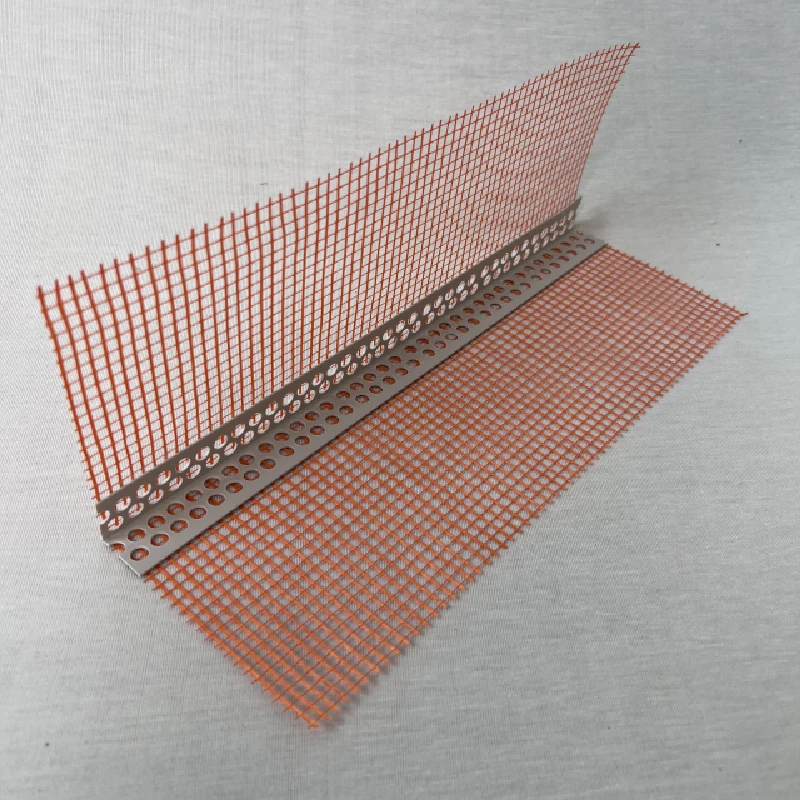
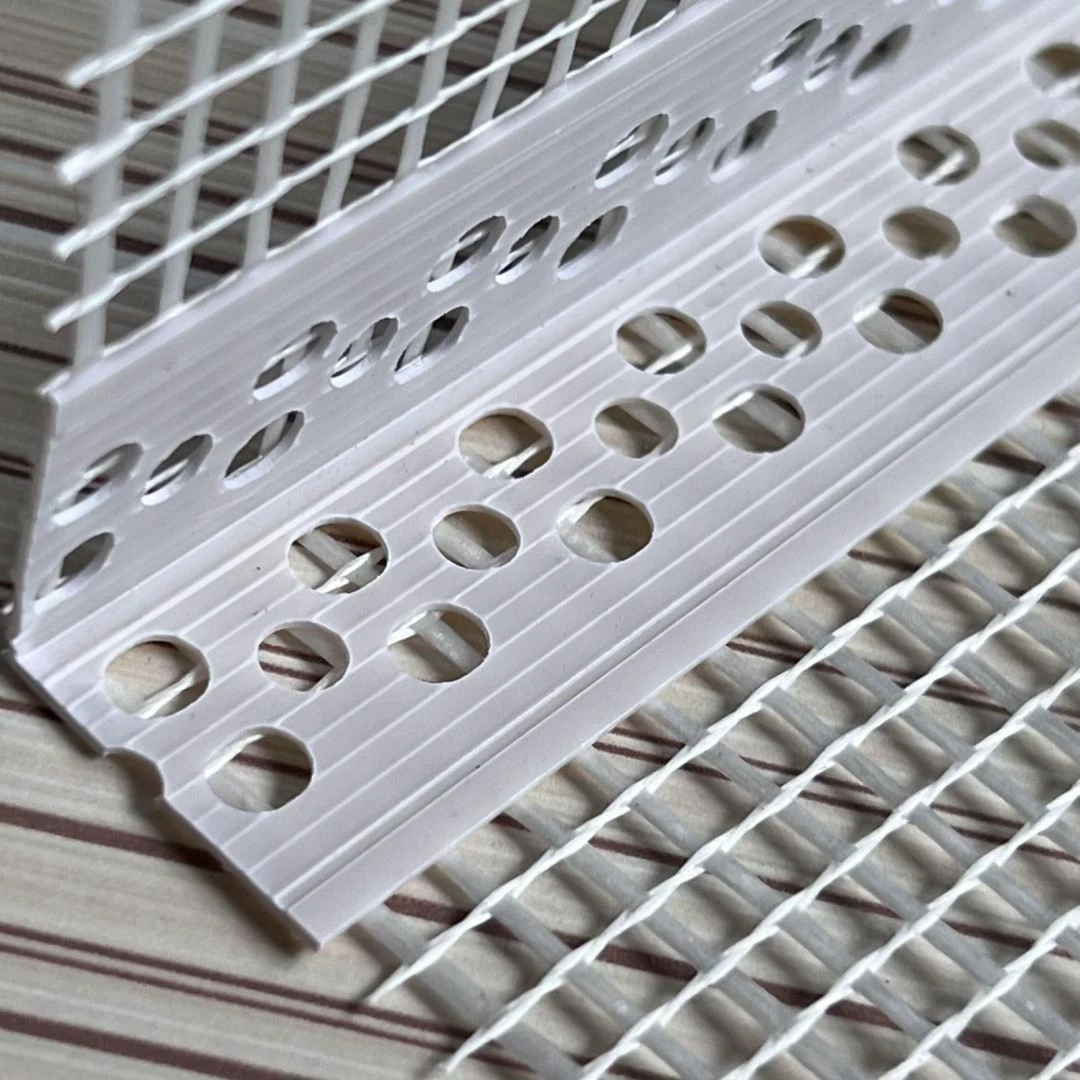
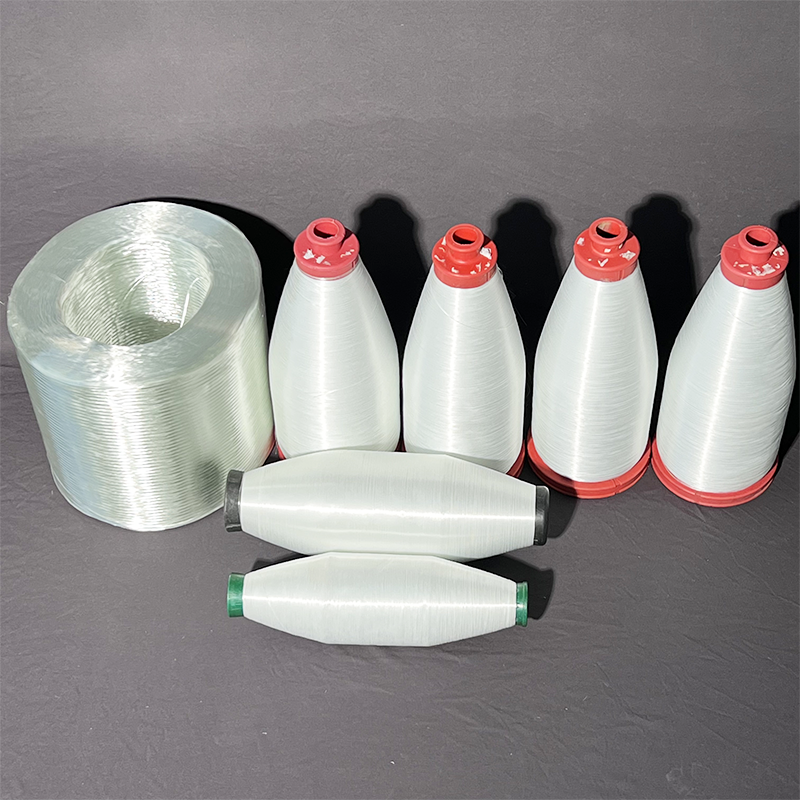
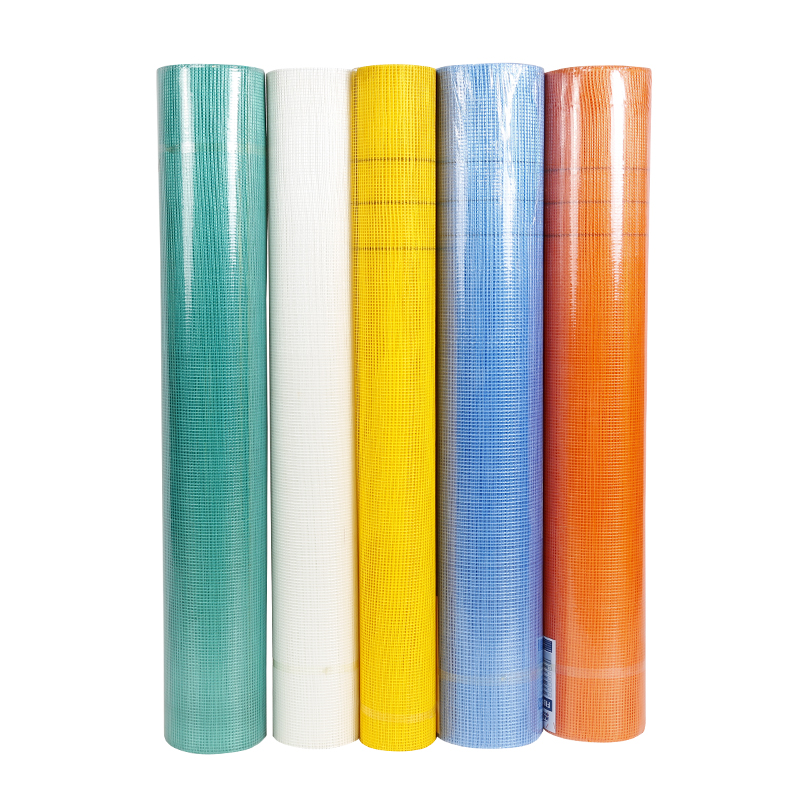
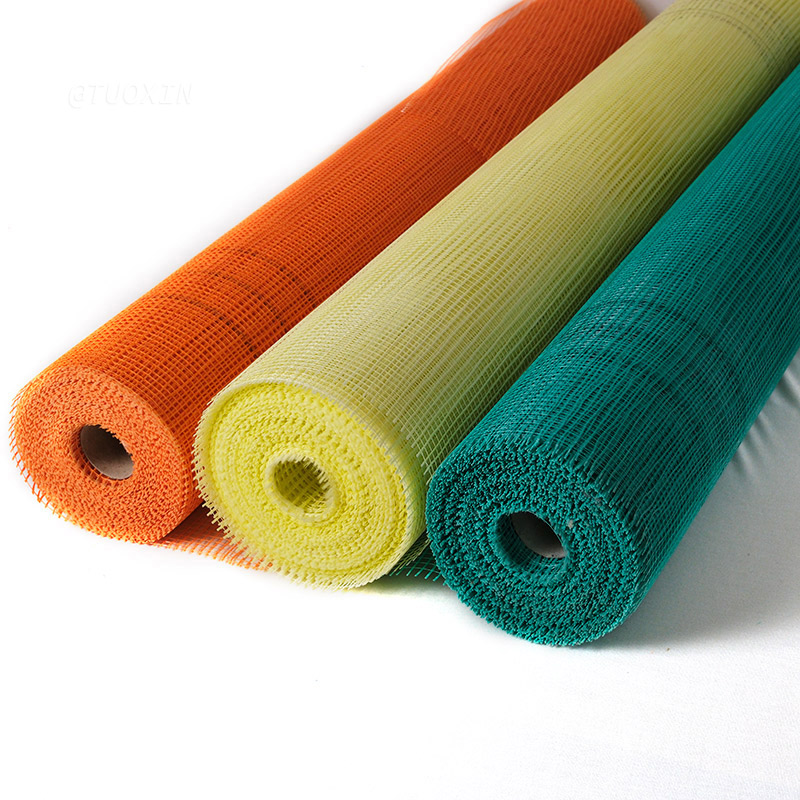
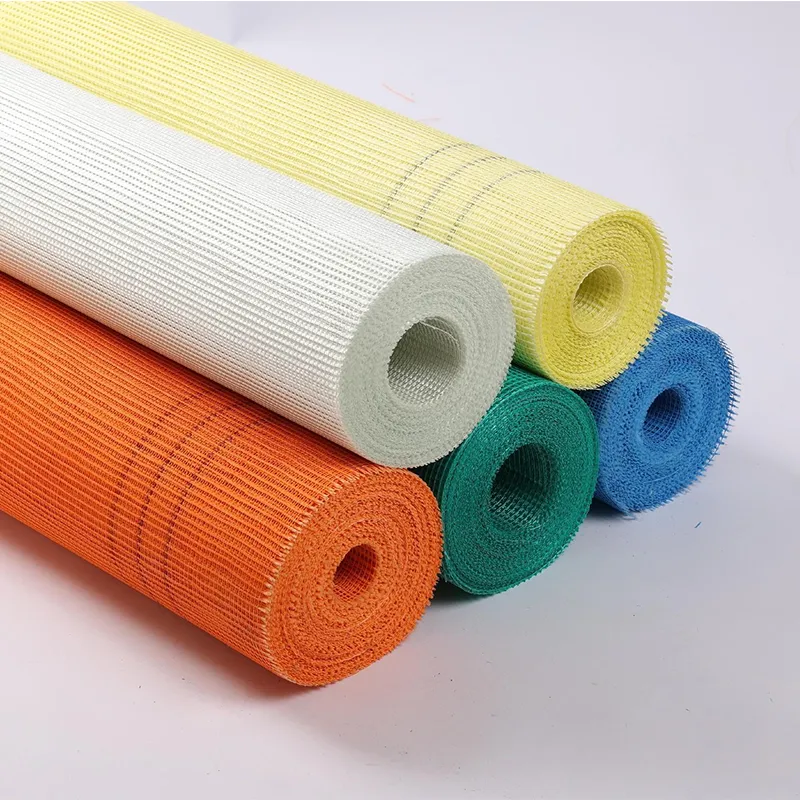
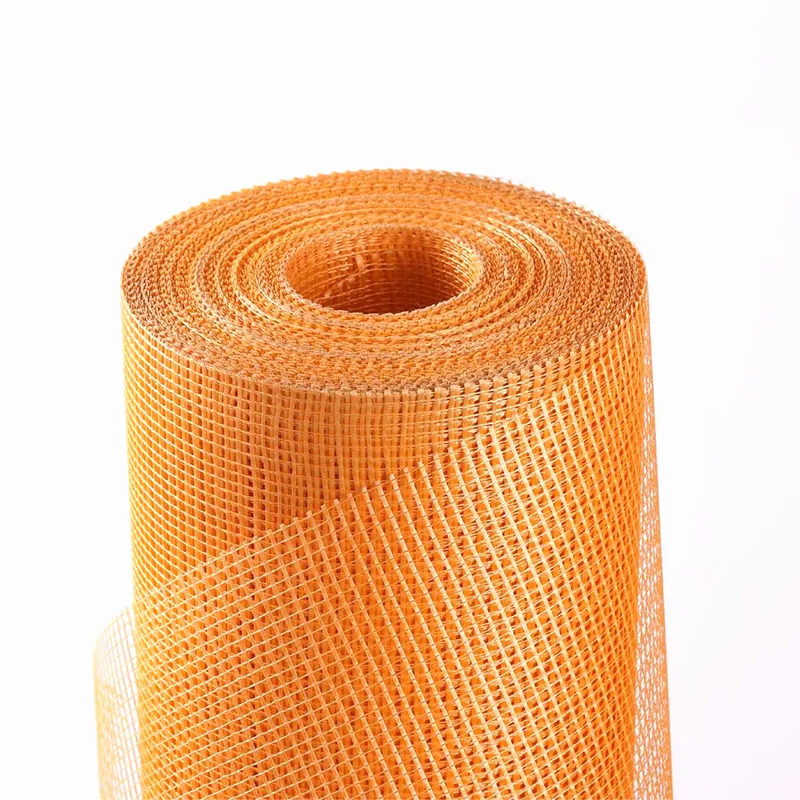
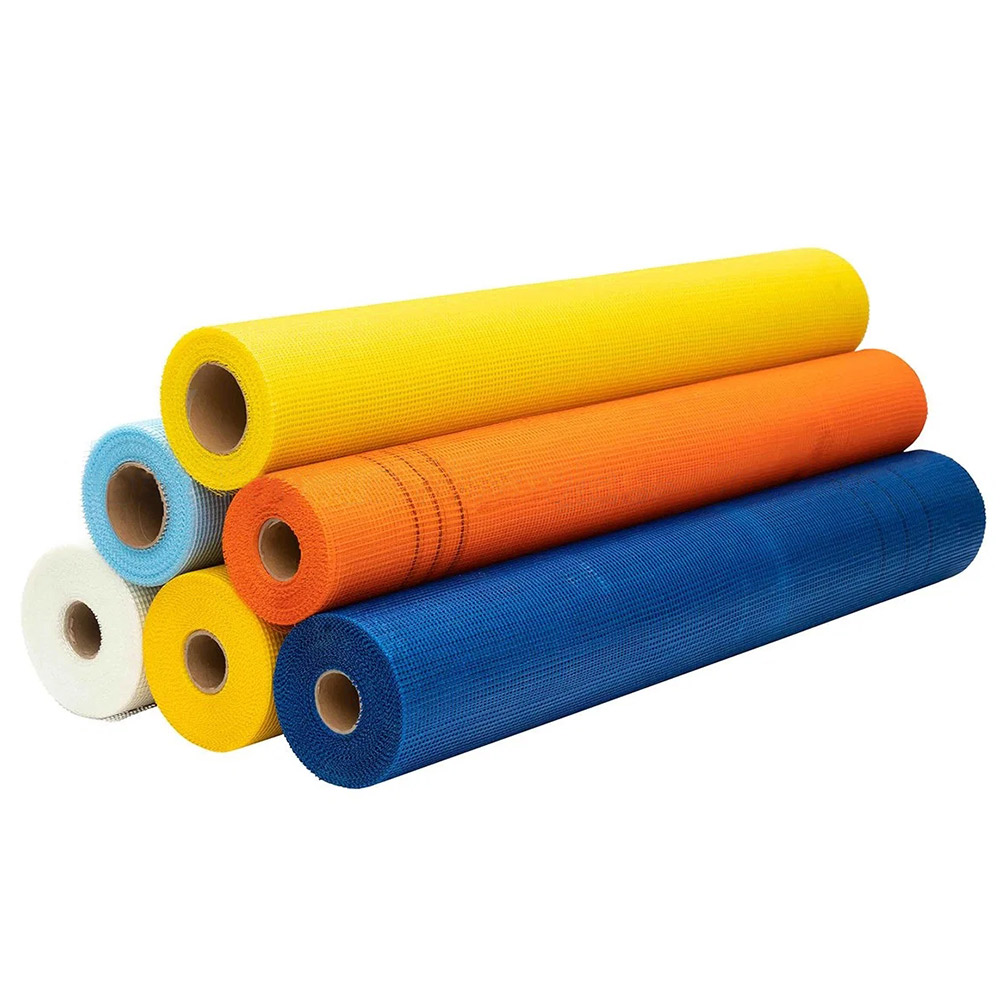
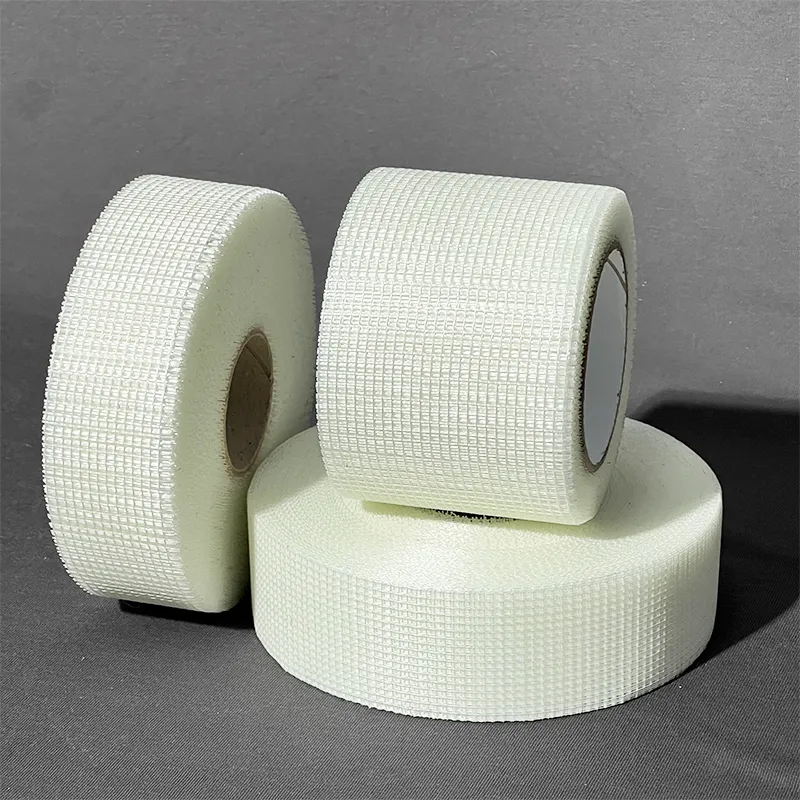
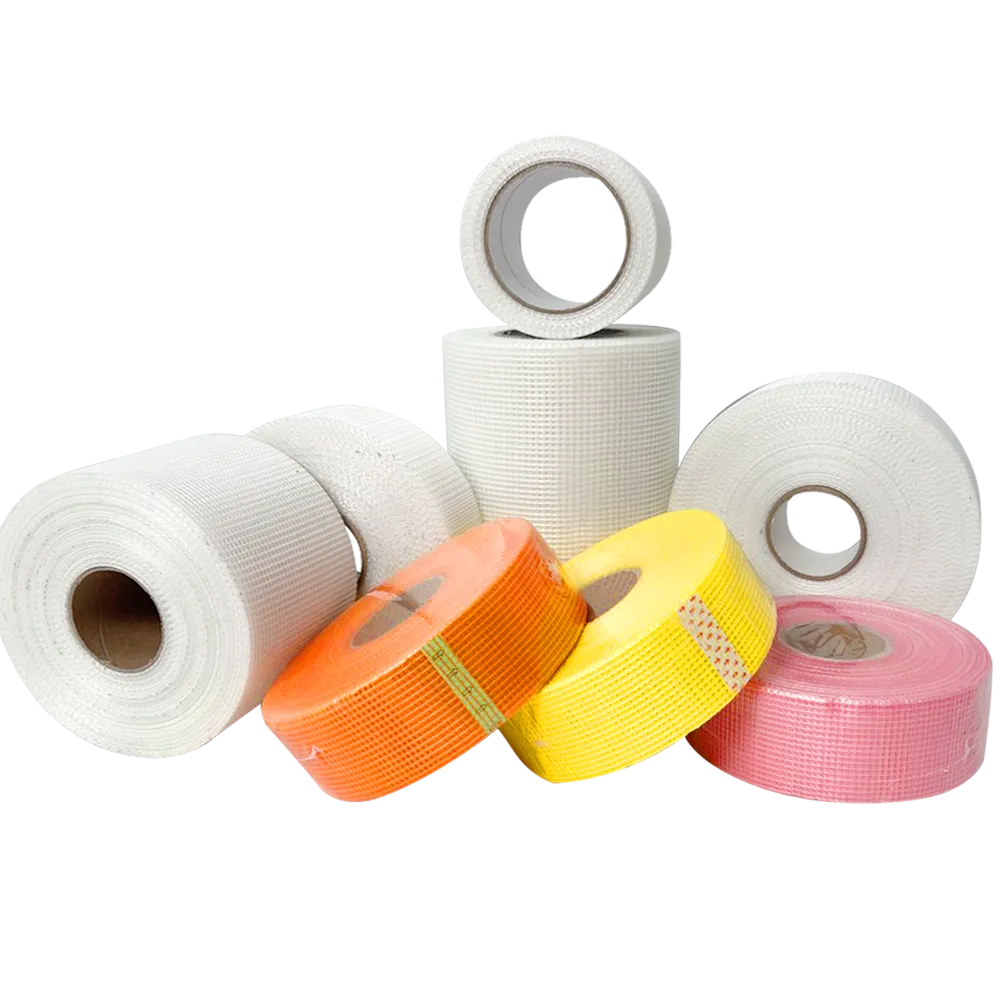
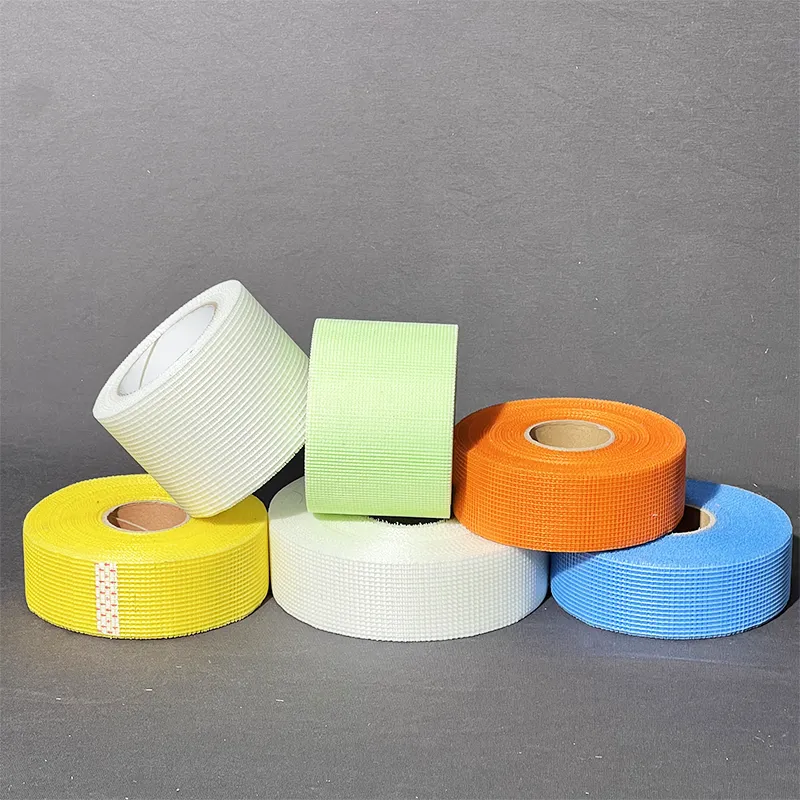
At its core, a high strength fiberglass mesh supplier is an entity, often a manufacturer or distributor, that specializes in producing and supplying fiberglass meshes engineered to withstand high mechanical stresses. These meshes are woven from fine fiberglass strands treated with coatings to enhance resistance to chemicals, UV rays, and temperature extremes.
Over the years, these products have moved from niche applications like aerospace composites to broader industry uses including external wall insulation reinforcement, waterproofing systems, and composite concrete repairs. The supplier’s role? To ensure consistent quality, compliance with international standards (like ISO 9001), and often to provide tailored solutions fitting specific project needs.
Main Features that Define the Value of Fiberglass Mesh
Durability and Tensile Strength
One of the core appeals is how these fiberglass meshes resist deformation under stress and maintain integrity over years, sometimes decades. This is particularly crucial in regions exposed to harsh weather or seismic activity.
Customization and Scalability
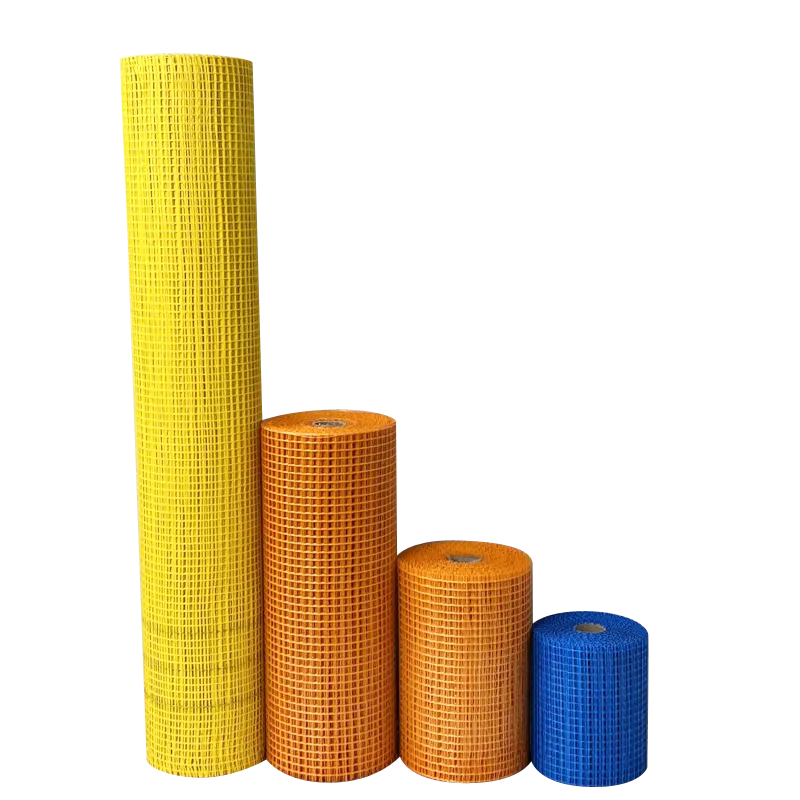
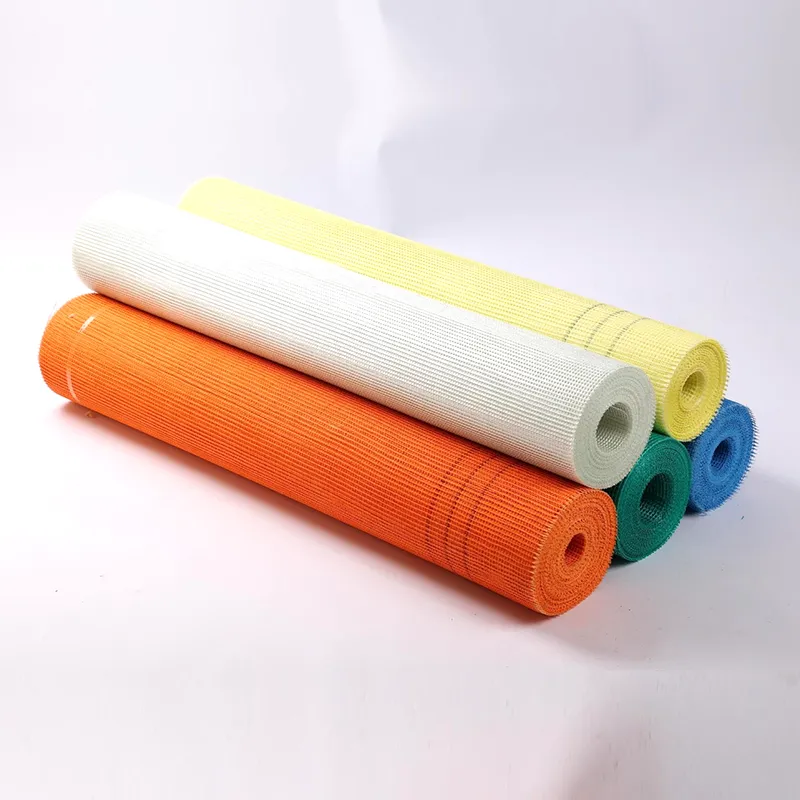
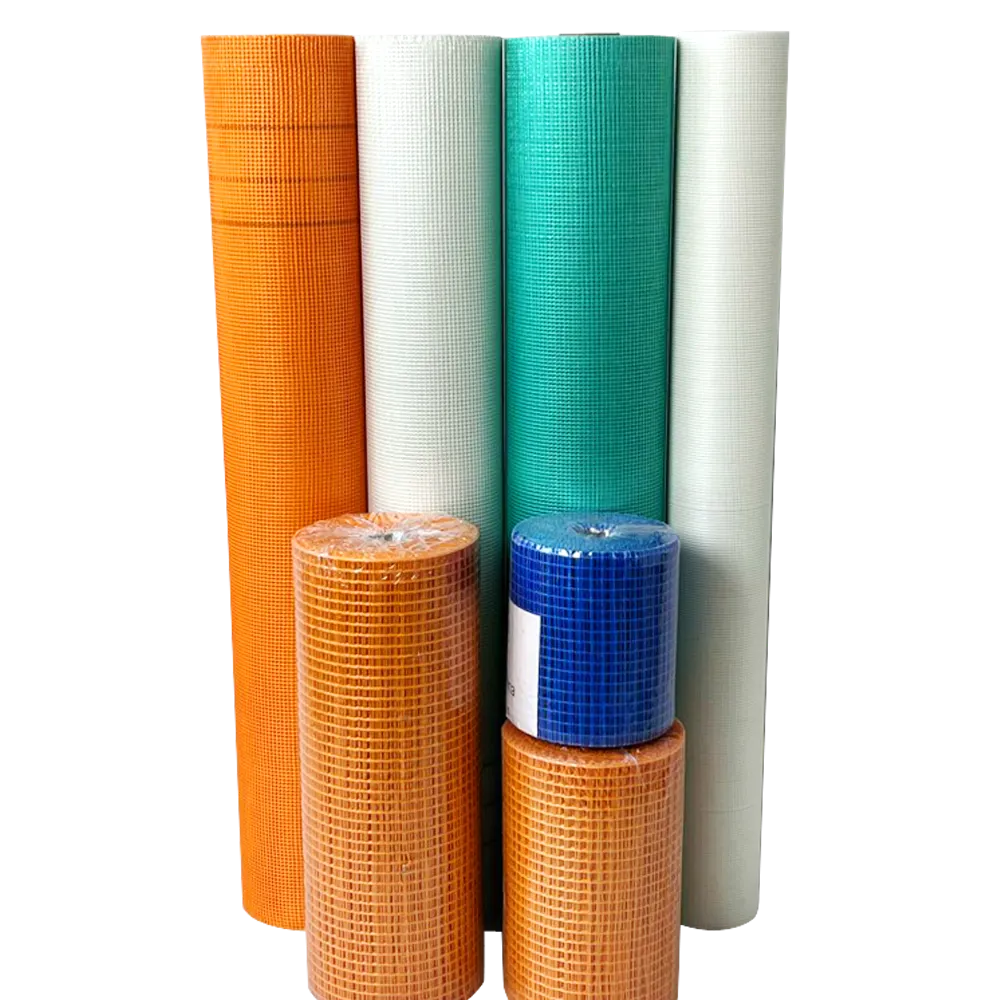
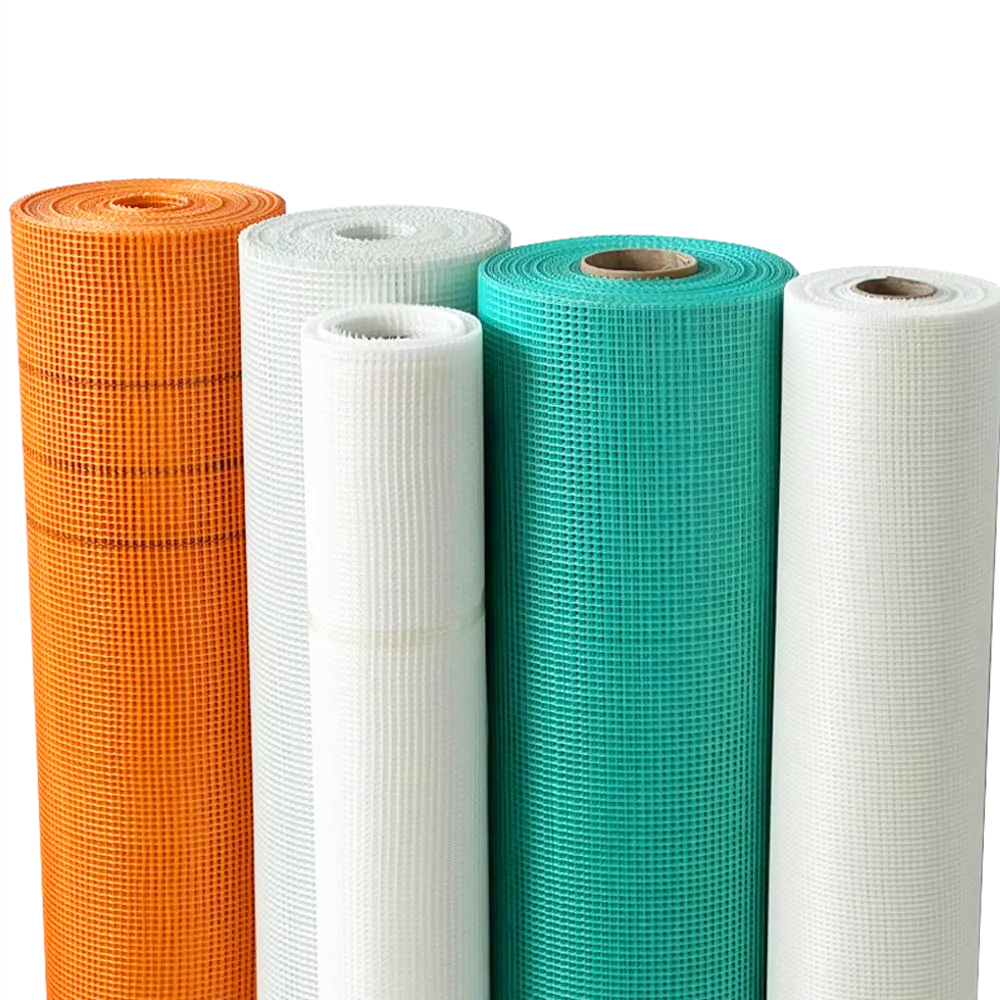
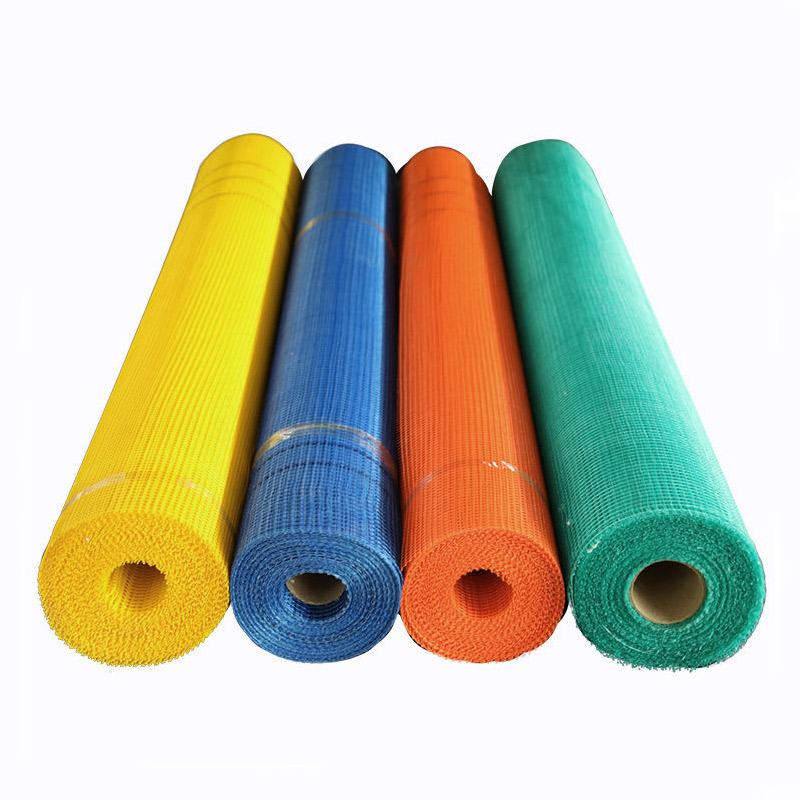
Suppliers often offer meshes in various weights, mesh sizes, and with different surface treatments, allowing for tailored solutions whether for a small architectural retrofit or a large-scale industrial project.
Cost-Effectiveness
When balanced against metal reinforcements or other composites, fiberglass mesh offers a lighter weight and cheaper installation profile without sacrificing performance.
Ease of Installation and Compatibility
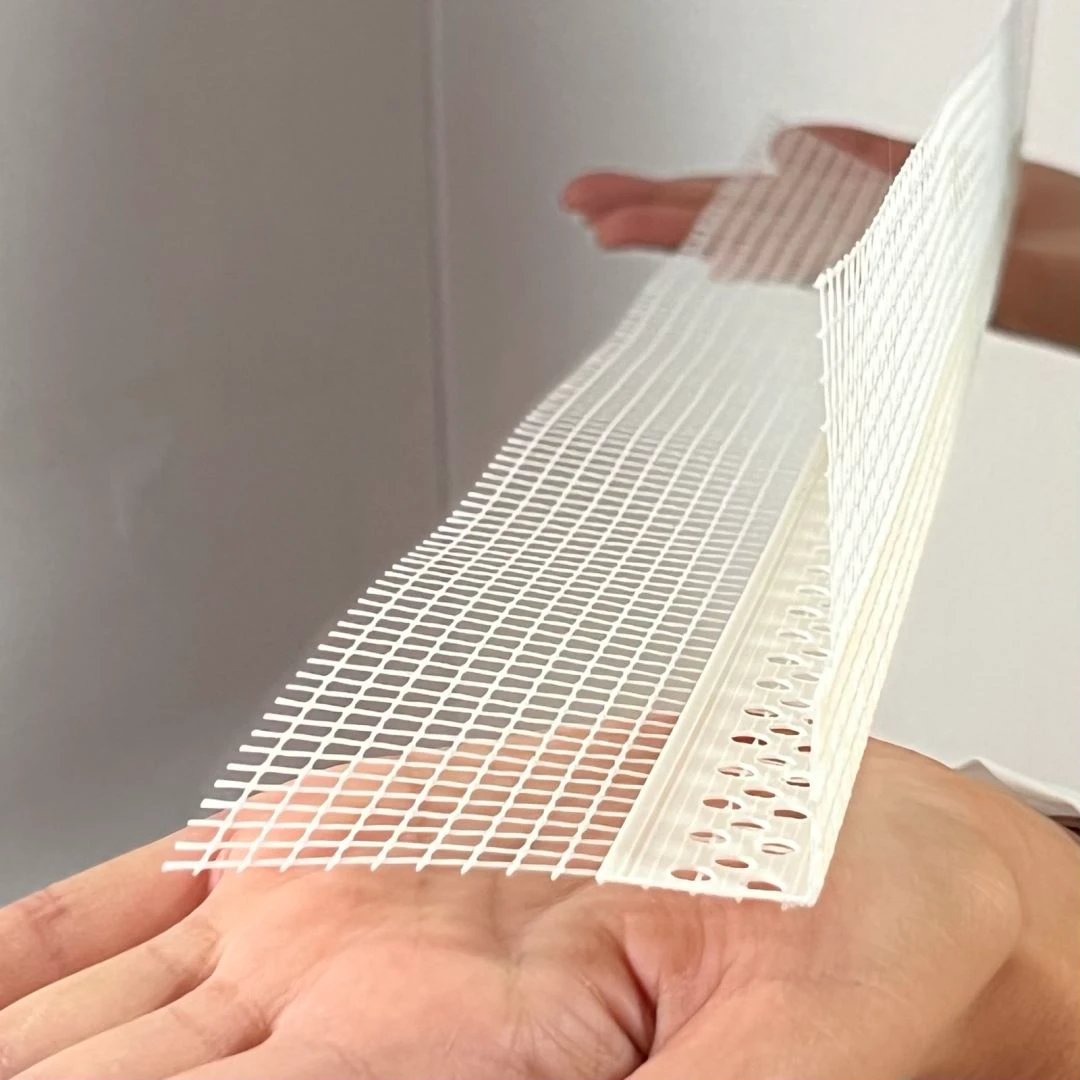
Fiberglass mesh integrates smoothly with current construction materials—think cement, plaster, or epoxy—making it a flexible choice for contractors.
Environmental Resistance
Coatings such as PVC or alkali-resistant agents protect the mesh from degradation, ensuring performance in humid, salty, or chemically aggressive environments.
Mini Takeaway:
Durability, customization, cost, and environmental resistance are the pillars that make a fiberglass mesh supplier’s products indispensable in modern industries.
Real-World Applications of High Strength Fiberglass Mesh
It’s one thing to talk specs, but seeing fiberglass mesh in action really drives home its importance. In Europe, for example, strengthened external wall insulation systems incorporating fiberglass mesh have become standard, improving building energy efficiency and resilience against cracks.
In the Middle East, where intense heat and sandstorms challenge construction materials, resistant fiberglass meshes help prolong building envelopes’ lifespan. Meanwhile, NGOs operating in disaster-prone regions of Asia-Pacific rely on rapid-deployment mesh panels to rebuild shelters quickly and safely, harnessing the mesh’s lightweight and easy-to-transport nature.
And let’s not forget industrial pipelines and offshore platforms, where corrosion resistance and mechanical strength make fiberglass mesh an ideal reinforcement component.
Product Specification Table
| Specification | Typical Value | Unit |
|---|---|---|
| Mesh Size | 4 x 4 | mm |
| Weight | 160-200 | g/m² |
| Tensile Strength (Warp / Weft) | >5000 / >4800 | N/5cm |
| Alkali Resistance | ≥ 96% | Retention Ratio |
| Thickness | 0.5 - 0.7 | mm |
Choosing the Right Supplier: A Quick Comparison
| Supplier | Product Range | Minimum Order Qty. | Delivery Time | Certifications | Custom Solutions |
|---|---|---|---|---|---|
| Supplier A | Standard & Customized Mesh | 500 sqm | 2-3 weeks | ISO9001, CE | Yes |
| Supplier B | Limited Range, Focus on Alkali Resistant | 1000 sqm | 4 weeks | ISO14001 | No |
| Supplier C | Premium High Strength Focus | 250 sqm | 1-2 weeks | ISO9001, CE, REACH | Yes |
What Are the Benefits of Working with High Strength Fiberglass Mesh Suppliers?
When engineers and construction managers choose a reliable supplier, they’re really investing in peace of mind. The benefits radiate: lower cost because of reduced material waste, enhanced environmental sustainability due to longer product lifespans, and social impact—like safer buildings that protect families and workers.
It’s also about trust. Knowing that your fiberglass mesh meets international standards and will perform under stress, weathering years of use, is no small thing. As one engineer from a major infrastructure firm once told me, “We don’t just buy mesh, we buy confidence.” That kind of relationship with a supplier makes all the difference when deadlines and safety are on the line.
Innovations Shaping the Future of Fiberglass Mesh Supply
The fiberglass mesh world isn’t standing still. In fact, digital transformation, including automation in weaving methods, is driving precise manufacturing with minimal defects. Meanwhile, sustainability is climbing on top — new bio-based coatings that reduce chemical runoff are under testing.
Green energy projects, such as solar farms and offshore wind installations, are increasingly using fiberglass composites for lightweight, durable support structures, raising demand for advanced mesh products. Also, virtual modeling and AI-driven optimization help suppliers tailor meshes for niche applications faster than ever.
Addressing Challenges Faced by Fiberglass Mesh Suppliers
Of course, challenges abound: sourcing raw materials at reasonable prices, meeting tightening environmental regulations, and managing complex logistics across global supply chains all require constant attention. But smart suppliers adopt rigorous quality control, invest in sustainable sourcing, and build agile supplier networks to keep pace.
Even more interestingly, there’s a growing role for collaboration between manufacturers and end-users—sharing feedback loops to innovate product designs and address issues like installation difficulties or unexpected chemical exposures on-site. It’s sort of the way forward when supply meets real operational experience.
FAQ: Common Questions About High Strength Fiberglass Mesh Suppliers
Q1: How can I verify the quality of fiberglass mesh before purchasing?
Look for internationally recognized certifications like ISO 9001 or CE marking. Request sample products and ask for test reports on tensile strength, alkali resistance, and mesh size precision. A reputable supplier will also provide transparent documentation and references.
Q2: Can fiberglass mesh be customized to meet specific project needs?
Yes, most high strength fiberglass mesh suppliers offer customization in terms of mesh size, weight, coating type, and roll length. Engaging suppliers early in design phases helps tailor solutions that optimize material performance and cost.
Q3: What is the typical lead time for orders from a high strength fiberglass mesh supplier?
It varies by supplier and order size but generally ranges from 1 to 4 weeks. Factors affecting delivery time include customization requirements, order volume, and shipping logistics. Working with local or well-established suppliers can help reduce lead times.
Q4: Are fiberglass meshes eco-friendly compared to other reinforcing materials?
Fiberglass mesh is more environmentally friendly than many metal alternatives because it is lighter (reducing transport emissions) and longer-lasting (reducing replacement frequency). Some suppliers are also developing bio-based coatings and recycling methods to further improve sustainability.
Q5: How does fiberglass mesh enhance safety in construction?
By reinforcing concrete or plaster, fiberglass mesh helps prevent cracks and structural failures. Its resistance to alkali and corrosion means it maintains strength over time, contributing to safer, more durable buildings—helping protect both construction workers and occupants.
Wrapping It Up: Why Trusting the Best High Strength Fiberglass Mesh Supplier Pays Off
Choosing the right high strength fiberglass mesh supplier isn’t just about buying materials. It’s about partnering with entities that bring quality, innovation, and trust into your projects. From improved durability and cost savings to global applications addressing real-world challenges, these suppliers play an essential role in shaping the built environment.
If you’re looking for reliable, high-performance mesh products tailored to your needs, I recommend starting with a recognized high strength fiberglass mesh supplier that prioritizes quality and customer collaboration.
Final Thought:
In industries where every detail counts, and safety is paramount, a strong mesh literally holds everything together. It’s worth learning more — and speaking to suppliers who really understand the stakes.
References:
-
Best Fiberglass Mesh Tape for RedGard Product Waterproofing GuideNewsApr.16,2026
-
Why High Strength Fiberglass Mesh Is Essential For Stucco ApplicationNewsApr.15,2026
-
Why Alkali Resistant Fiberglass Mesh Tape Is Essential For Cement Board And Tile InstallationsNewsApr.15,2026
-
Understanding The Role Of Drywall Fiberglass Mesh In Interior FinishingNewsApr.15,2026
-
Ultimate Guide To Using Fiberglass Mesh Tape For Drywall And Plaster RepairsNewsApr.15,2026
-
The Versatility Of Fiberglass Mesh In Marble And Stone MosaicNewsApr.15,2026