Nov . 30, 2025 19:25 Back to list
Fiberglass Sticky Mesh Product: Durable, Easy to Use Reinforcement Solution
What Is Fiberglass Sticky Mesh Product and Why It Matters Globally
Fiberglass sticky mesh product might sound like one of those niche technical materials confined to some factory floor – but in reality, it’s quietly revolutionizing several industries worldwide. From construction sites in bustling cities to remote disaster zones, this simple yet robust material provides a unique blend of flexibility, durability, and ease of application. Understanding its core benefits can help engineers, contractors, and humanitarian organizations solve persistent challenges: material fatigue, structural integrity issues, and even deployment speed in emergency repair works. At its heart, fiberglass sticky mesh product is about making structures safer, more efficient, and — ultimately — longer-lasting.
Globally, rising urbanization and climate challenges demand innovation in the materials we use daily. The fiberglass sticky mesh product fits into this narrative remarkably well.
The Global Context: Why Industry Is Turning to Fiberglass Sticky Mesh Solutions
Here's a quick nugget for you: according to the International Organization for Standardization (ISO), sustainable building materials are a top priority for reducing construction emissions globally. Now, fiberglass meshes, known for corrosion resistance and tensile strength, have attracted attention for reinforcing structures and repairs. What’s more, the market for fiberglass mesh products is estimated to grow significantly – approximately 7% CAGR through 2028 (source: industry reports).
Yet, the challenge remains: traditional meshes often suffer from poor adhesion, environmental wear, or heavy weight—problems that the sticky kind of fiberglass mesh cleverly sidesteps through specially formulated adhesives combined with fiberglass’s natural advantages.
Fiberglass Sticky Mesh Product: Definition & Industry Relevance
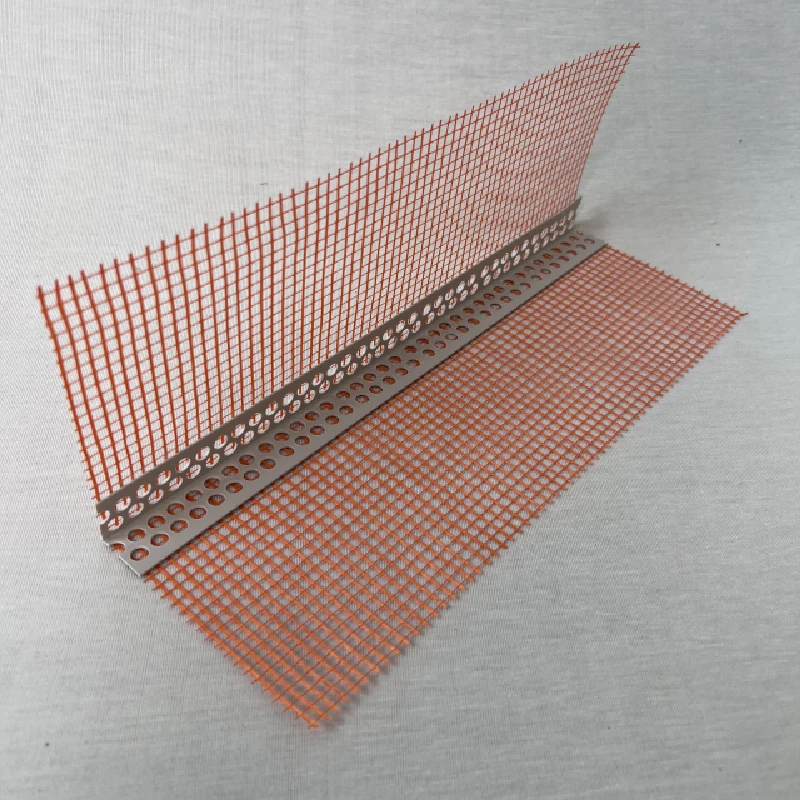
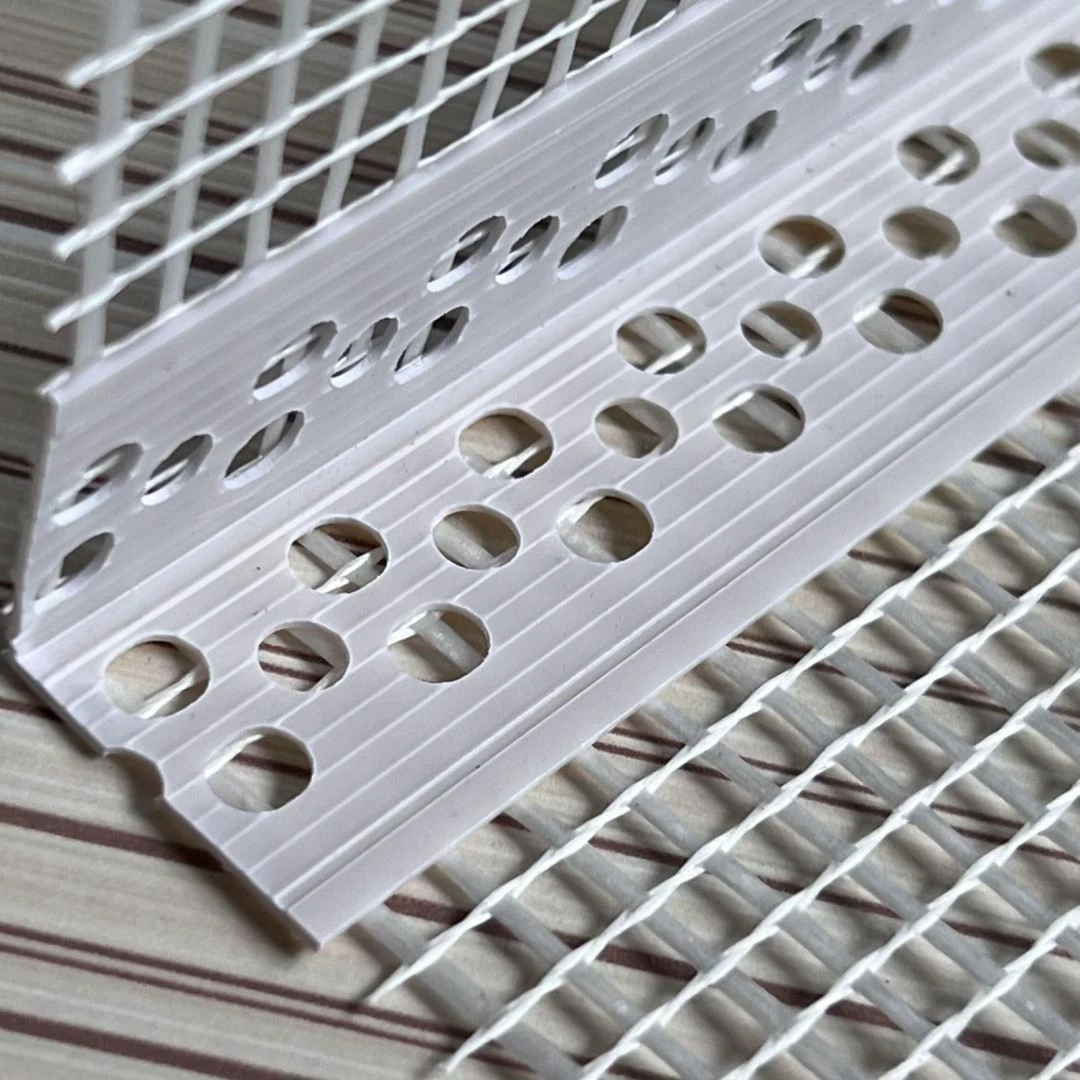
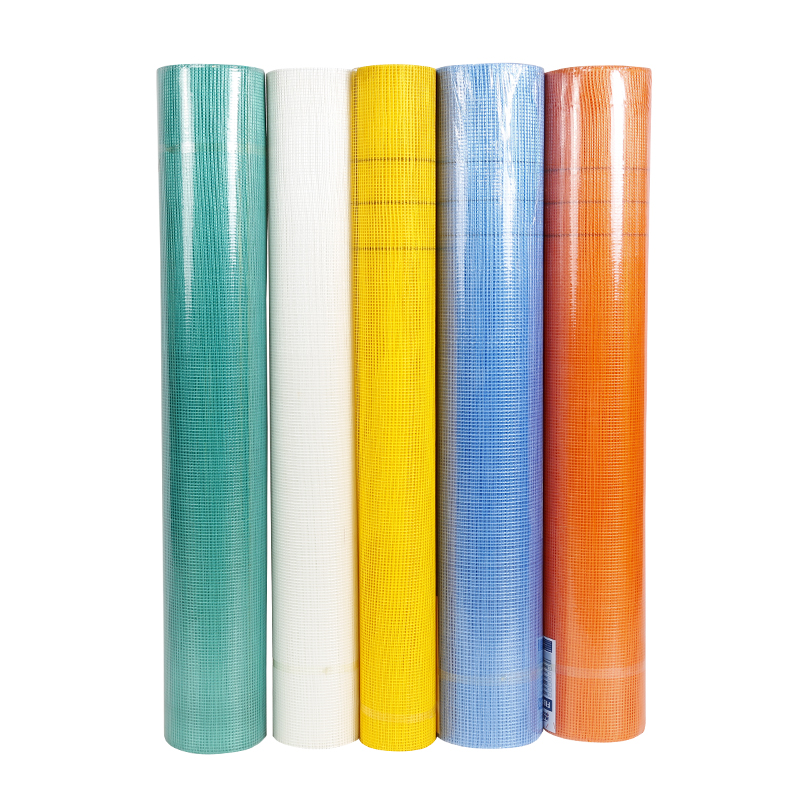
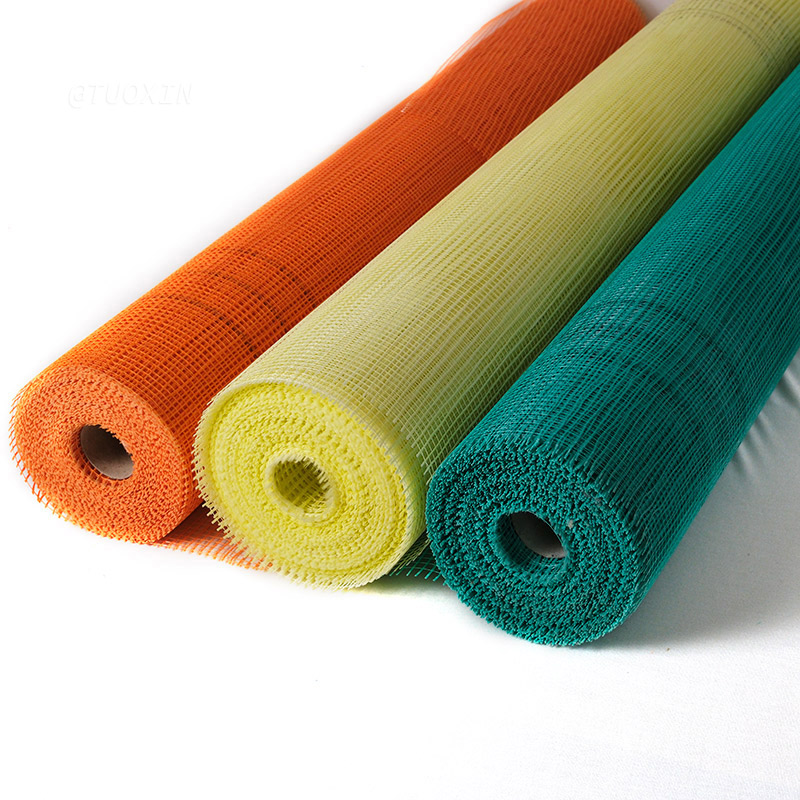
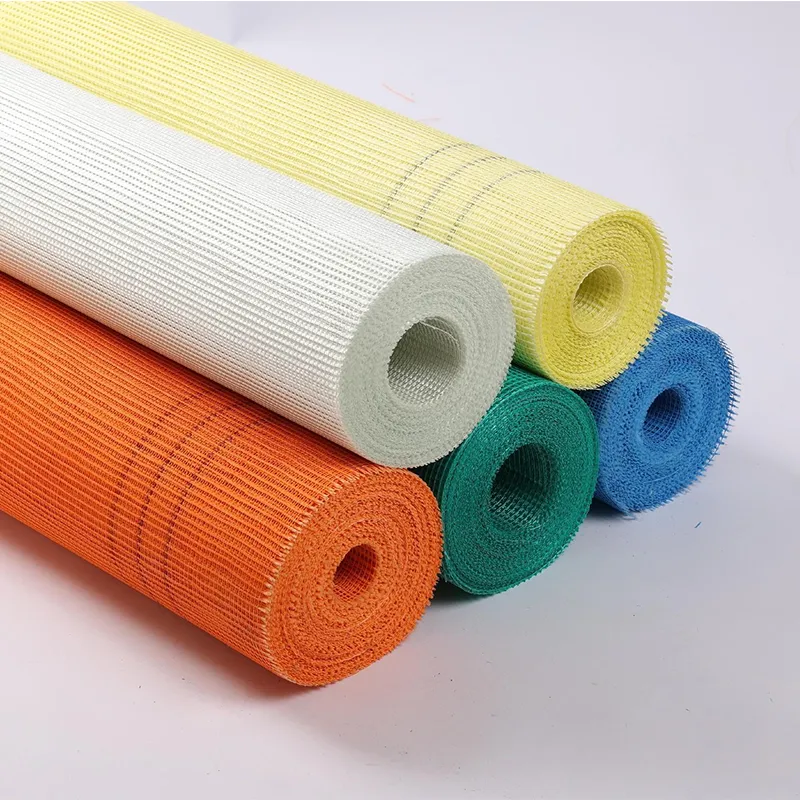
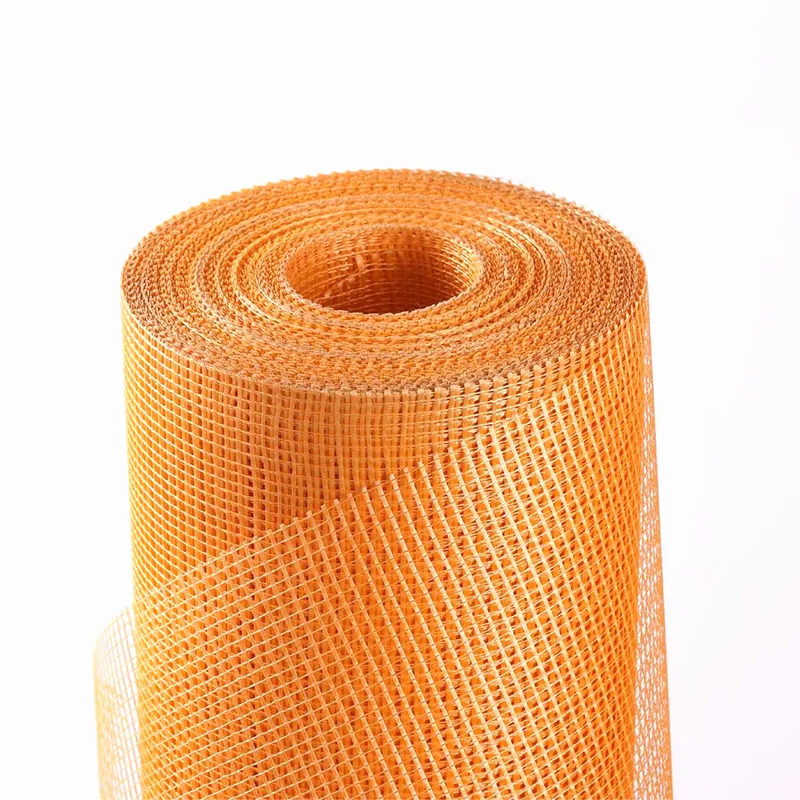
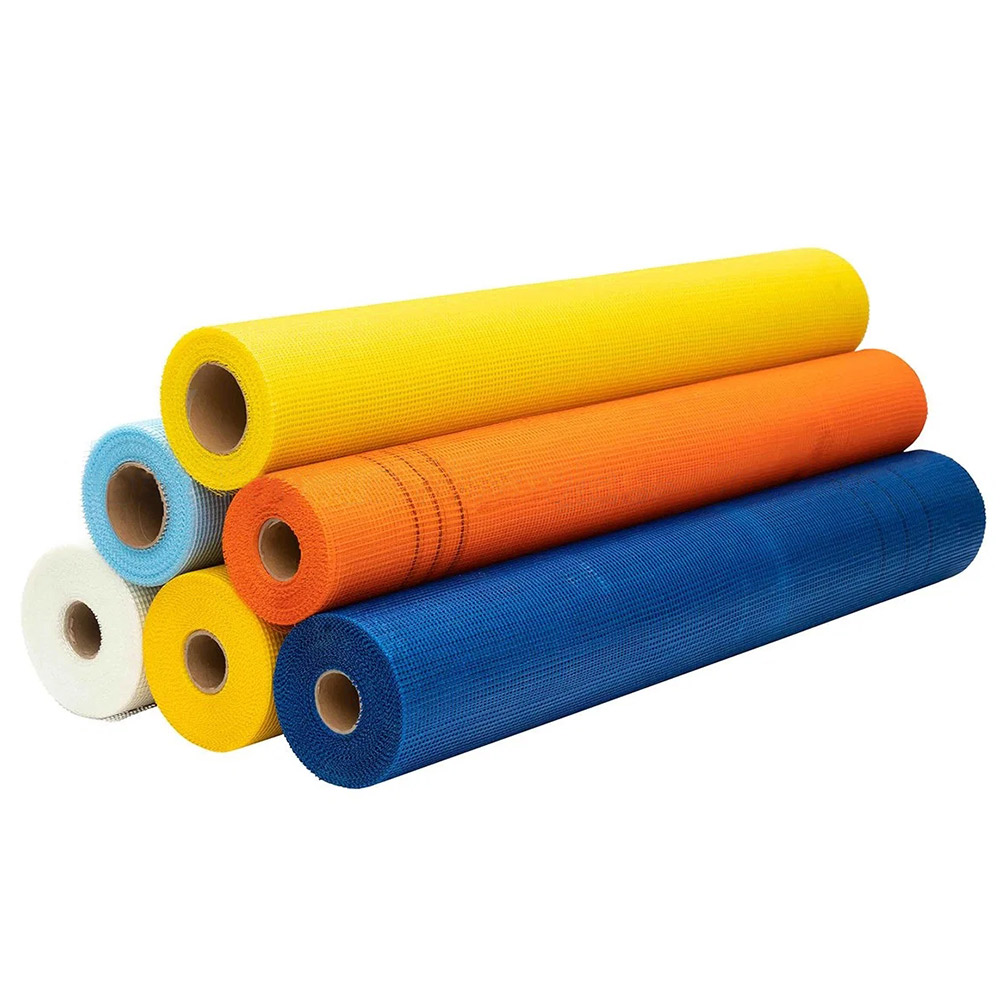
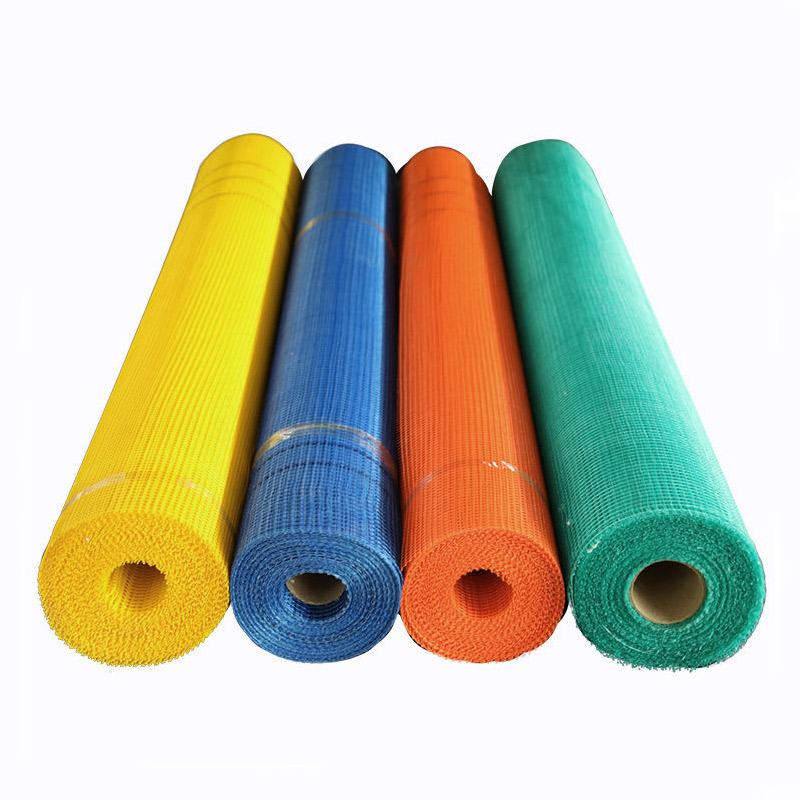
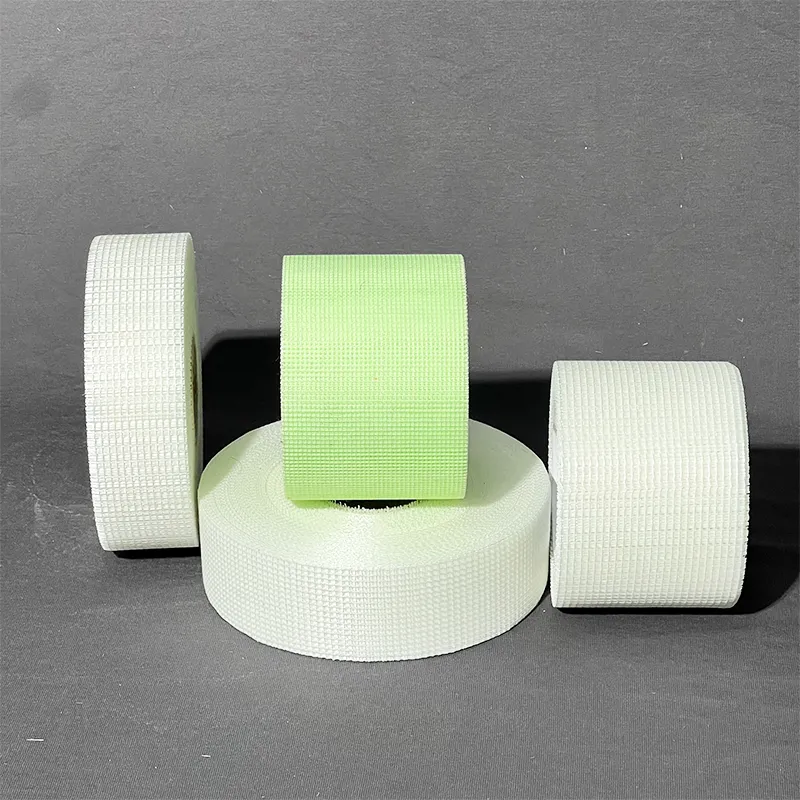
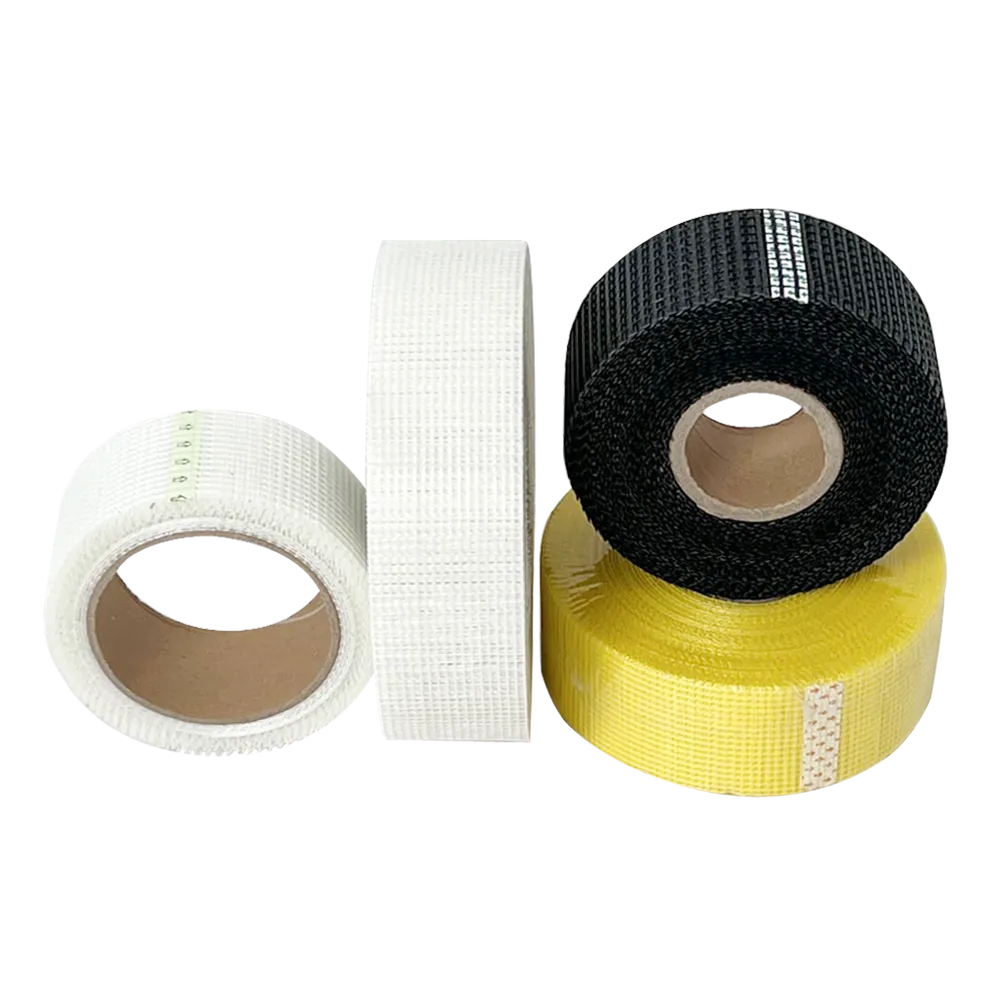
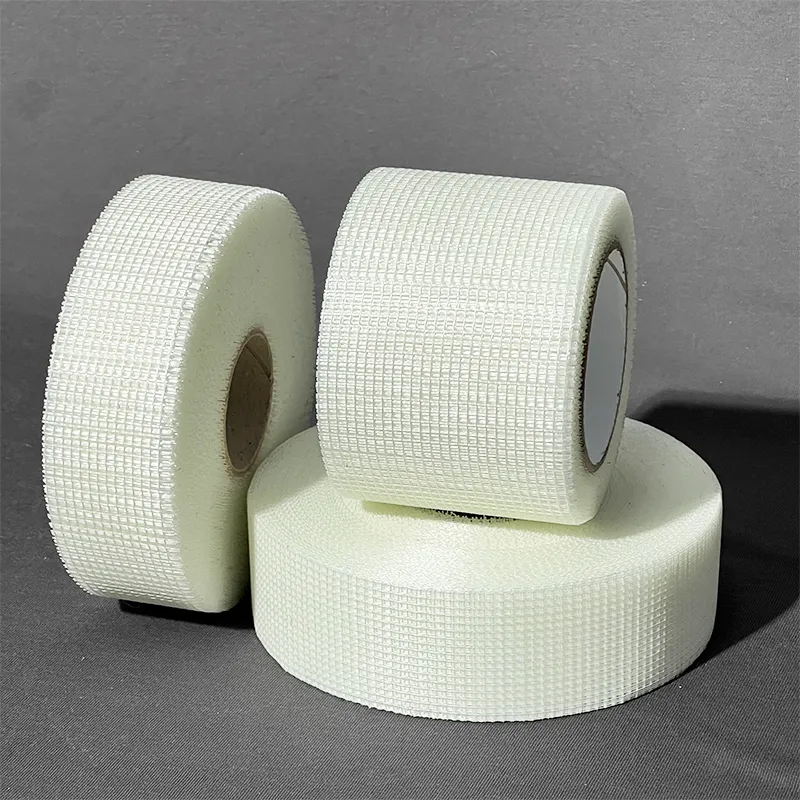
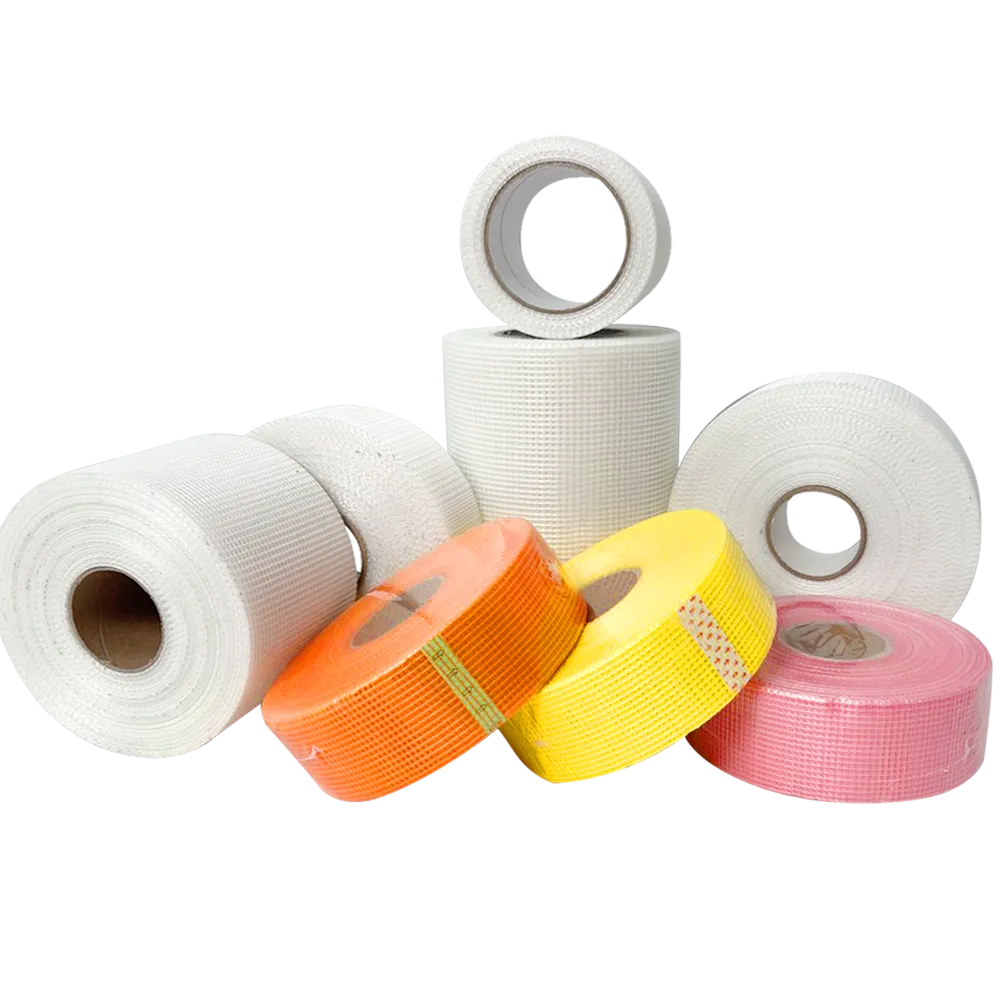
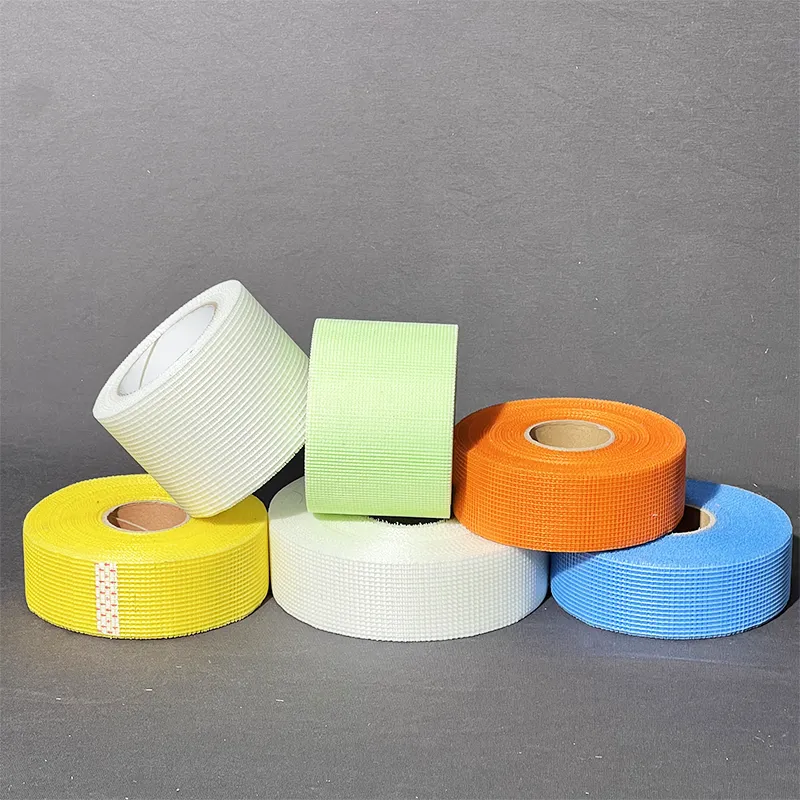
So, what exactly is a fiberglass sticky mesh product? Simply put, it’s a woven fiberglass grid combined with a pressure-sensitive adhesive backing, making installation faster and more secure without messy secondary fasteners or glues. This allows builders and repair crews to apply it directly onto surfaces – walls, roofs, pipes – where it adds reinforcement or protects from cracks, moisture, and gradual wear.
Its relevance isn’t purely industrial. Humanitarian sectors also rely on these materials in rapid shelter setups and infrastructure patching in disaster-affected regions. It’s a neat way to bring science and social good together, kind of the best of both worlds.
Key Features That Make Fiberglass Sticky Mesh Products Stand Out
1. Durability Against Environmental Stress
Fiberglass itself resists corrosion, UV rays, and temperature swings better than many synthetic meshes and metals. Add an adhesive that stays sticky under moisture and dust, and you’ve got a product that stays put through thick and thin.
2. Ease of Application and Scalability
Without the need for extra adhesives or nails, installers can cover large areas quickly. This simplicity makes it excellent for quick repairs or industrial-scale projects.
3. Cost Efficiency Over Time
Upfront costs are modest, but durability means fewer replacements and repairs. Many project managers swear by this when budgeting.
4. Lightweight and Flexible Design
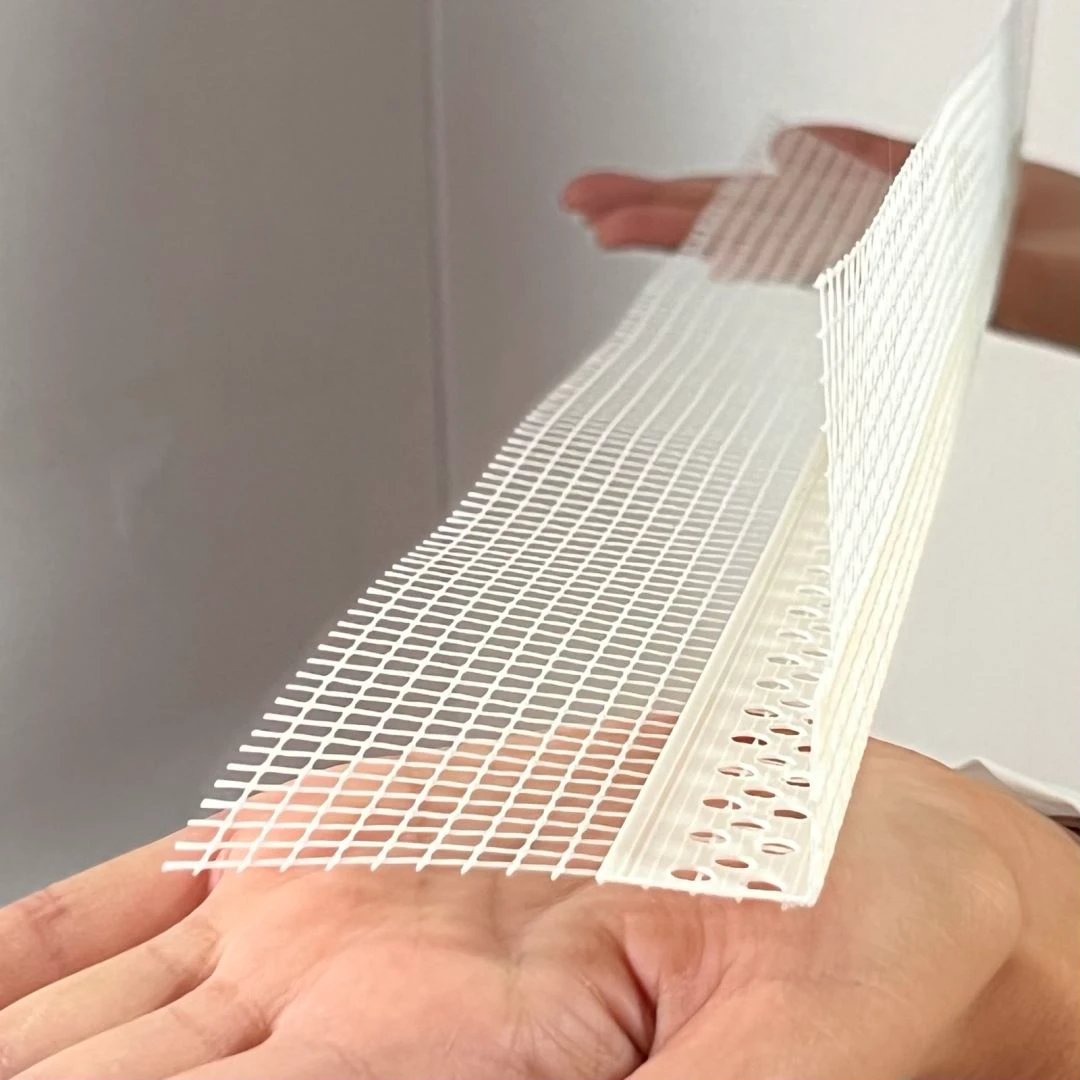
Unlike heavy steel meshes, fiberglass sticky mesh is light and bends easily around curves and corners. This makes it invaluable when retrofitting older structures.
5. Chemical Resistance
For factories and chemical plants, this mesh guards against acidic or alkaline agents better than many alternatives.
6. Customization Potential
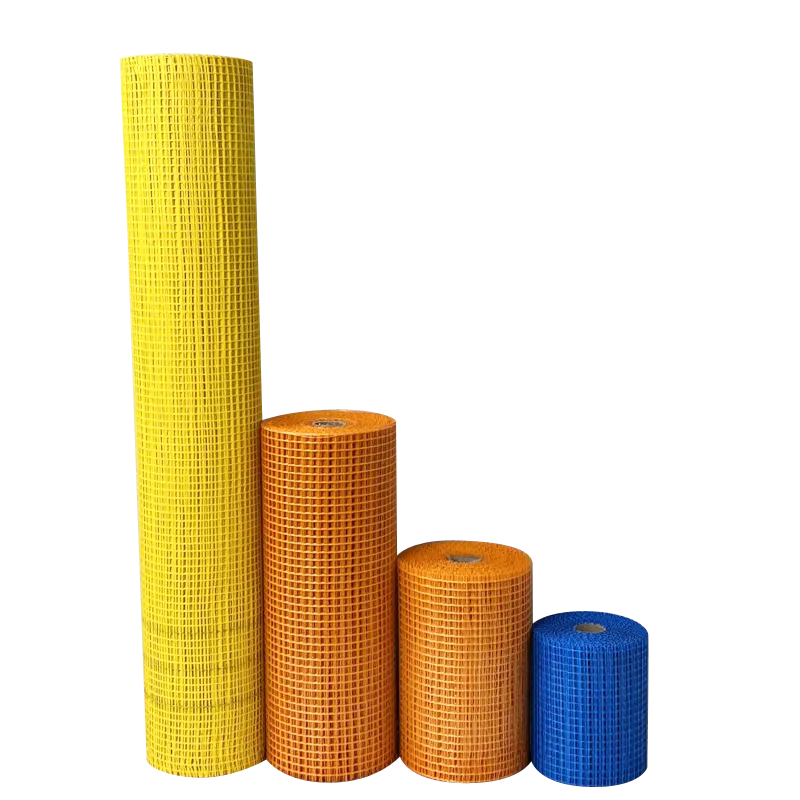
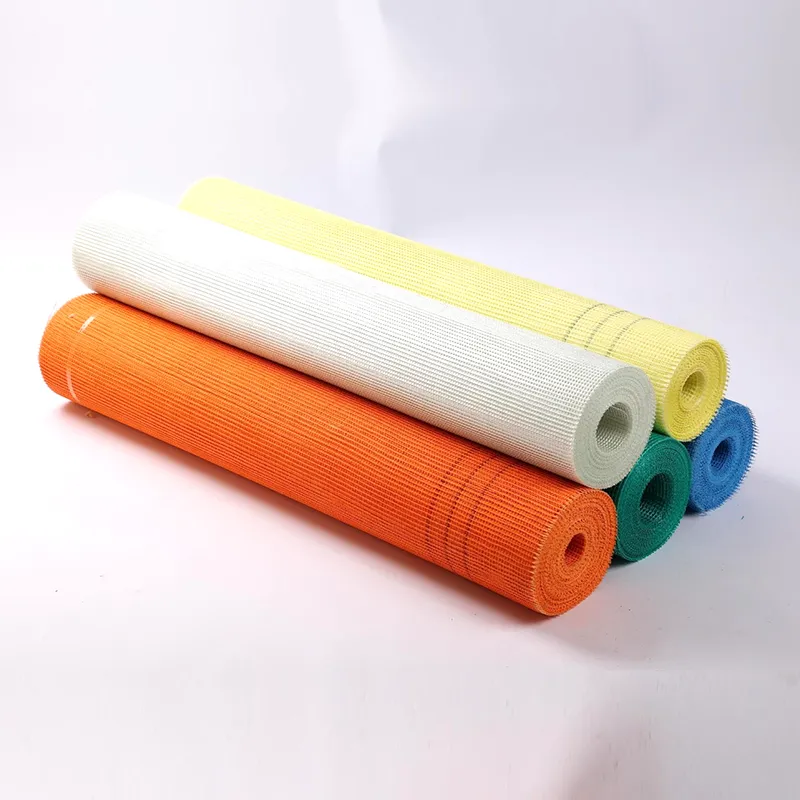
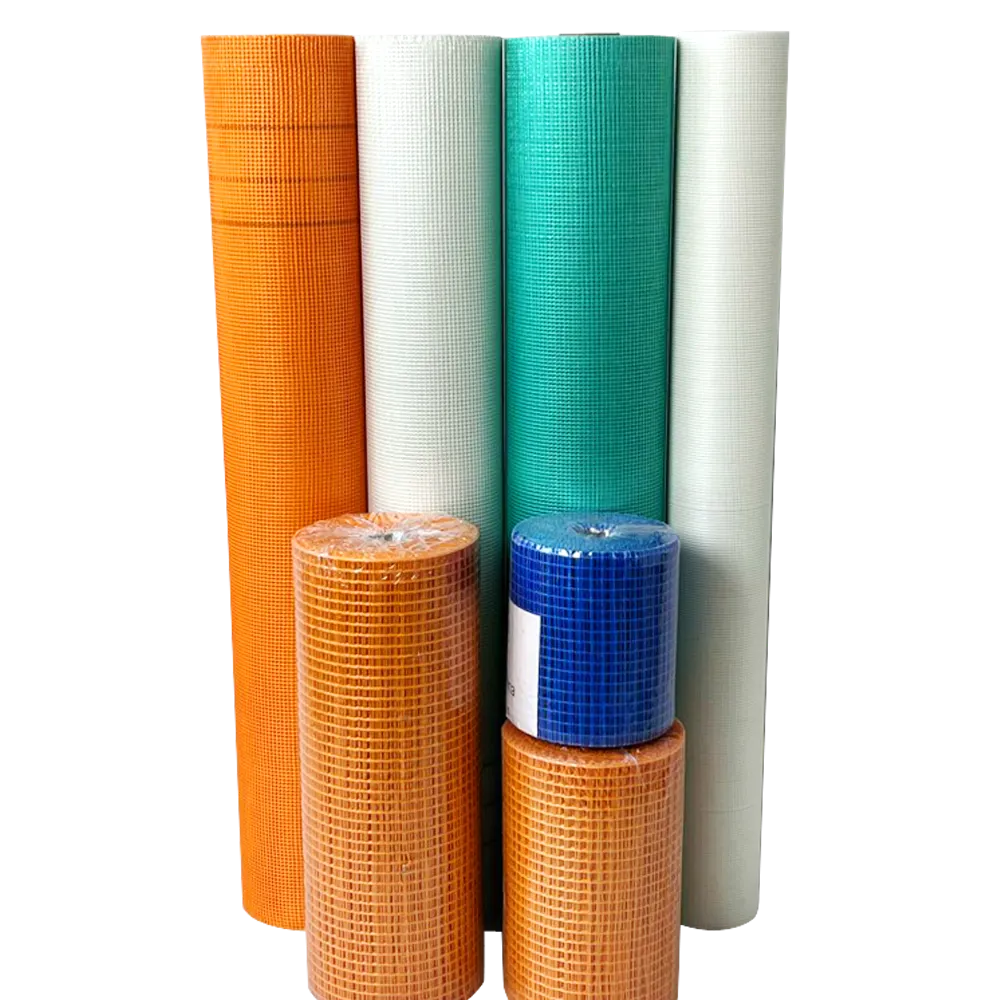
Vendors can tailor mesh densities, adhesive strengths, or sizes for specific industries or environmental conditions.
Mini takeaway: These factors work hand in hand to make fiberglass sticky mesh a versatile all-rounder in reinforcement and protection tasks.
Product Specification Table
| Specification | Details |
|---|---|
| Material | E-glass Fiberglass |
| Adhesive Type | Pressure-sensitive acrylic-based |
| Mesh Size | 4mm x 4mm, 5mm x 5mm (custom available) |
| Thickness | 0.3 - 0.4 mm |
| Tensile Strength | 350 N/cm (approx.) |
| Temperature Resistance | -40°C to 110°C |
| Roll Length | 50m, 100m |
Global Applications & Use Cases for Fiberglass Sticky Mesh
Oddly enough, this mesh finds itself everywhere: North American infrastructure repairs, European facade reinforcement, Middle Eastern industrial protections, and Southeast Asian disaster relief efforts.
- Construction industry: Used as crack prevention reinforcement in plaster and wall finishes.
- Post-disaster relief: Emergency shelter repairs in cyclone-hit areas benefit from the mesh’s quick adhesive properties and durability.
- Pipeline & chemical plants: Protective layers against corrosion and mechanical abrasion.
- Marine industry: Fiberglass sticky mesh provides added strength to composite hull repairs.
One interesting case: after the 2021 floods in Europe, volunteer teams used fiberglass sticky mesh to patch damaged temporary shelters quickly. The material’s stickiness helped them work with minimal tools and in adverse weather—saving time and increasing shelter durability.
Vendor Comparison Table: Leading Fiberglass Sticky Mesh Suppliers
| Vendor | Product Range | Adhesive Strength | Customization Options | Typical Lead Time |
|---|---|---|---|---|
| Tainuo Fiberglass | Standard & custom mesh sizes | High (acrylic-based) | Available | 2-3 weeks |
| FibroTech Solutions | Limited sizes, standard adhesive | Medium | Limited | 4-5 weeks |
| Global Mesh Corp. | Wide range, premium adhesives | Very High | Yes, advanced | 3-4 weeks |
Advantages & Long-Term Value of Using Fiberglass Sticky Mesh
What’s most compelling about fiberglass sticky mesh is how it blends cost-effectiveness with dependable performance. It means fewer callbacks for repairs, less environmental waste from replacement materials, and a safer built environment across the board. But beyond numbers, it’s something that gives project teams a little peace of mind; knowing the material won’t suddenly peel off or degrade months later is worth quite a lot.
And let’s not forget sustainability — fiberglass is inert, recyclable, and stable, with many vendors now focusing on reducing their carbon footprint during production. So, it’s a product you can choose without guilt in modern eco-conscious projects.
What’s Next? Future Trends in Fiberglass Sticky Mesh Products
Innovations keep coming. Smart adhesives that respond to humidity changes, meshes integrated with sensor technology for structural health monitoring, and bio-based resins that replace petrochemical components all loom on the horizon. Plus, with digital tools improving installation accuracy and customized fabrication, the next decade looks bright for these unassuming mesh products.
Challenges & Innovative Solutions
No product is perfect. UV degradation over very long exposure, limited peel strength on certain oily substrates, and difficulties in recycling some adhesive variants stand out as current drawbacks. However, manufacturers have begun formulating UV-stabilized adhesives and offer pre-cleaned surface treatments to maximize adhesion. Further, development in recycling methods is underway to handle mixed material waste responsibly.
FAQ: Common Questions About Fiberglass Sticky Mesh Product
- Q: How does fiberglass sticky mesh compare to traditional fiberglass mesh?
- A: The sticky mesh comes with a pressure-sensitive adhesive, making installation quicker and cleaner. Traditional meshes usually require additional glue or mechanical fastening, adding time and labor cost.
- Q: Can this mesh be used outdoors long-term?
- A: Yes, most fiberglass sticky meshes are UV resistant and withstand temperature extremes, but very long exposure may require UV-stabilized variants for best performance.
- Q: Is the sticky adhesive safe for use on painted surfaces?
- A: Generally yes, but it’s wise to test on a small area first, as some adhesives may affect delicate finishes.
- Q: What is the typical lifespan of a fiberglass sticky mesh installation?
- A: When properly applied, it can last 10+ years, depending on the environment and use case.
- Q: Where can I find reliable suppliers for custom sizes or strengths?
- Many vendors like Tainuo Fiberglass offer tailored options with varying adhesive strengths and mesh densities to suit project needs.
Wrapping It Up: Why Fiberglass Sticky Mesh Is Worth Knowing About
To put it mildly, fiberglass sticky mesh products are quietly changing the way industries approach reinforcement and protective layering globally. For anyone involved in construction, infrastructure maintenance, or humanitarian relief, understanding and utilizing these meshes can lead to smarter, leaner, and more sustainable projects. The balance of durability, ease-of-use, and cost-efficiency is rare and encouraging.
If you’re curious or ready to explore the options for your next project, visit our website: https://www.tainuofiberglassmesh.com for more information and product details.
References:
-
Best Fiberglass Mesh Tape for RedGard Product Waterproofing GuideNewsApr.16,2026
-
Why High Strength Fiberglass Mesh Is Essential For Stucco ApplicationNewsApr.15,2026
-
Why Alkali Resistant Fiberglass Mesh Tape Is Essential For Cement Board And Tile InstallationsNewsApr.15,2026
-
Understanding The Role Of Drywall Fiberglass Mesh In Interior FinishingNewsApr.15,2026
-
Ultimate Guide To Using Fiberglass Mesh Tape For Drywall And Plaster RepairsNewsApr.15,2026
-
The Versatility Of Fiberglass Mesh In Marble And Stone MosaicNewsApr.15,2026