Nov . 30, 2025 17:45 Back to list
Fiberglass Sticky Mesh Factory: Durable Solutions for Modern Construction
Fiberglass Sticky Mesh Factory: The Behind-the-Scenes Hero of Modern Construction
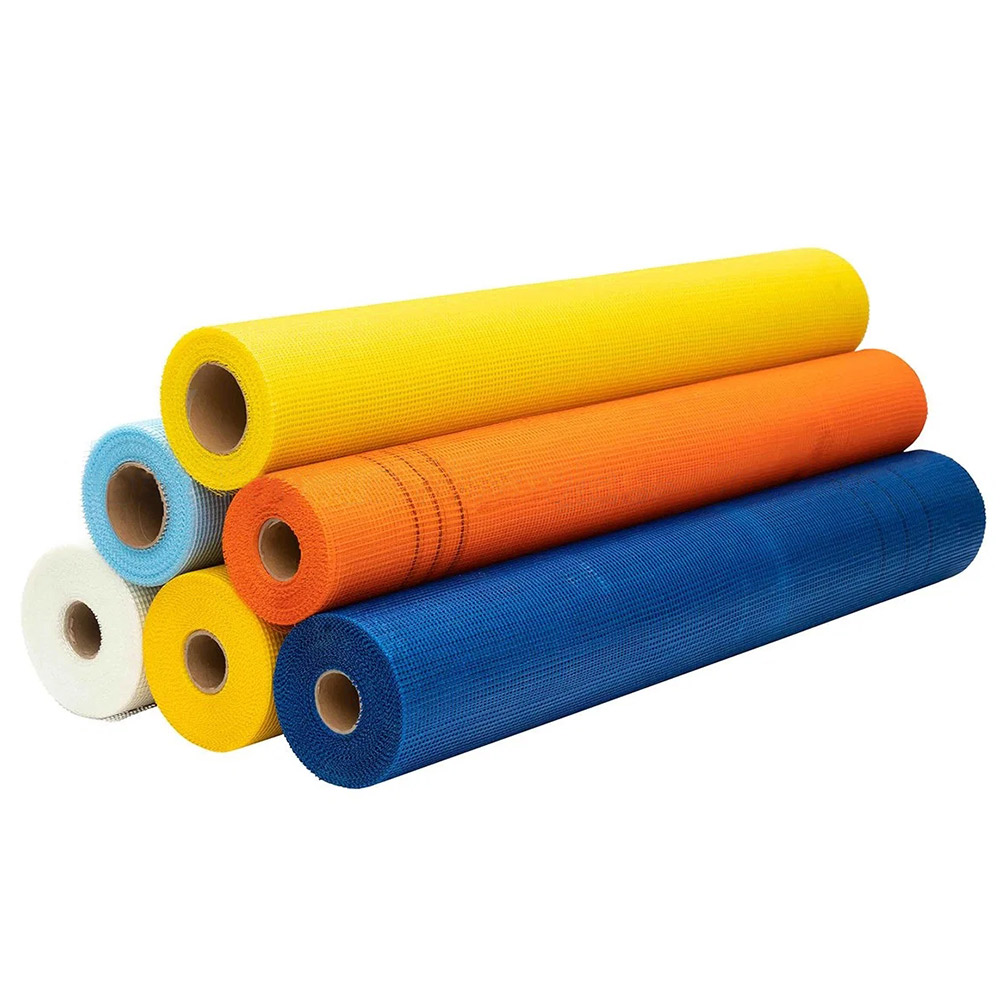
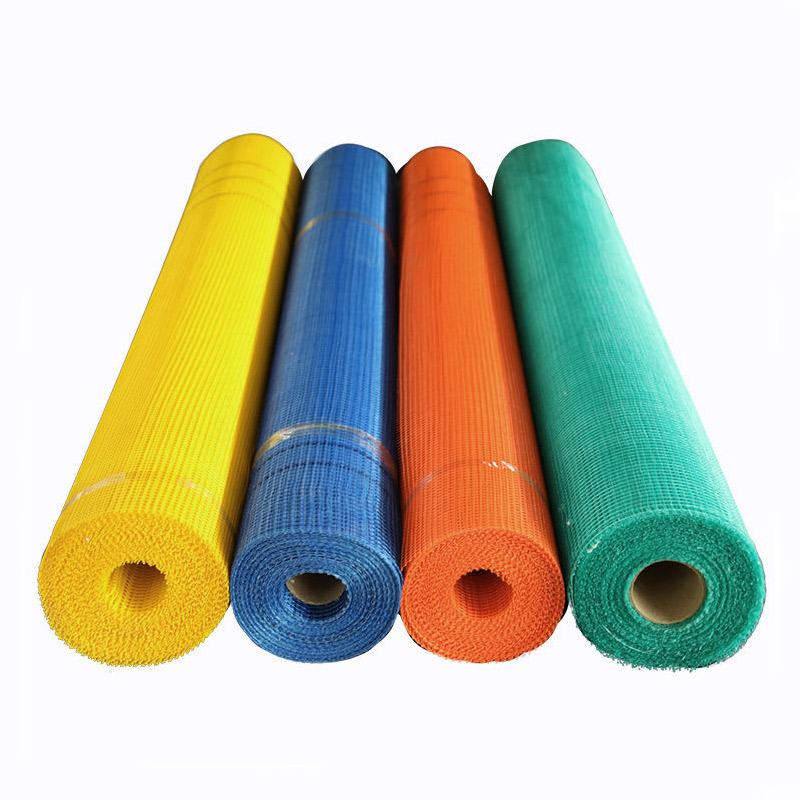
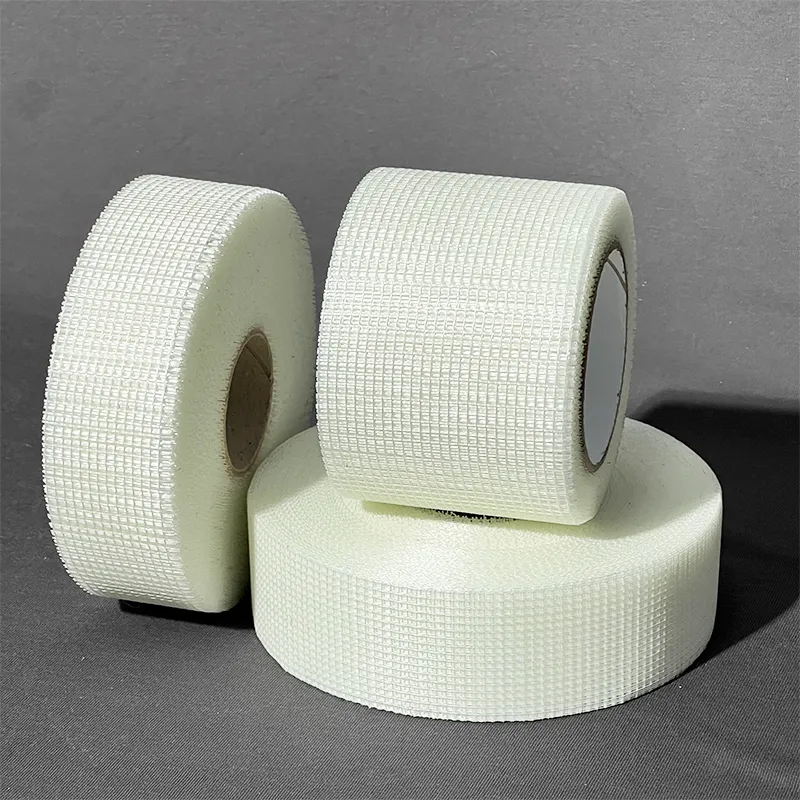
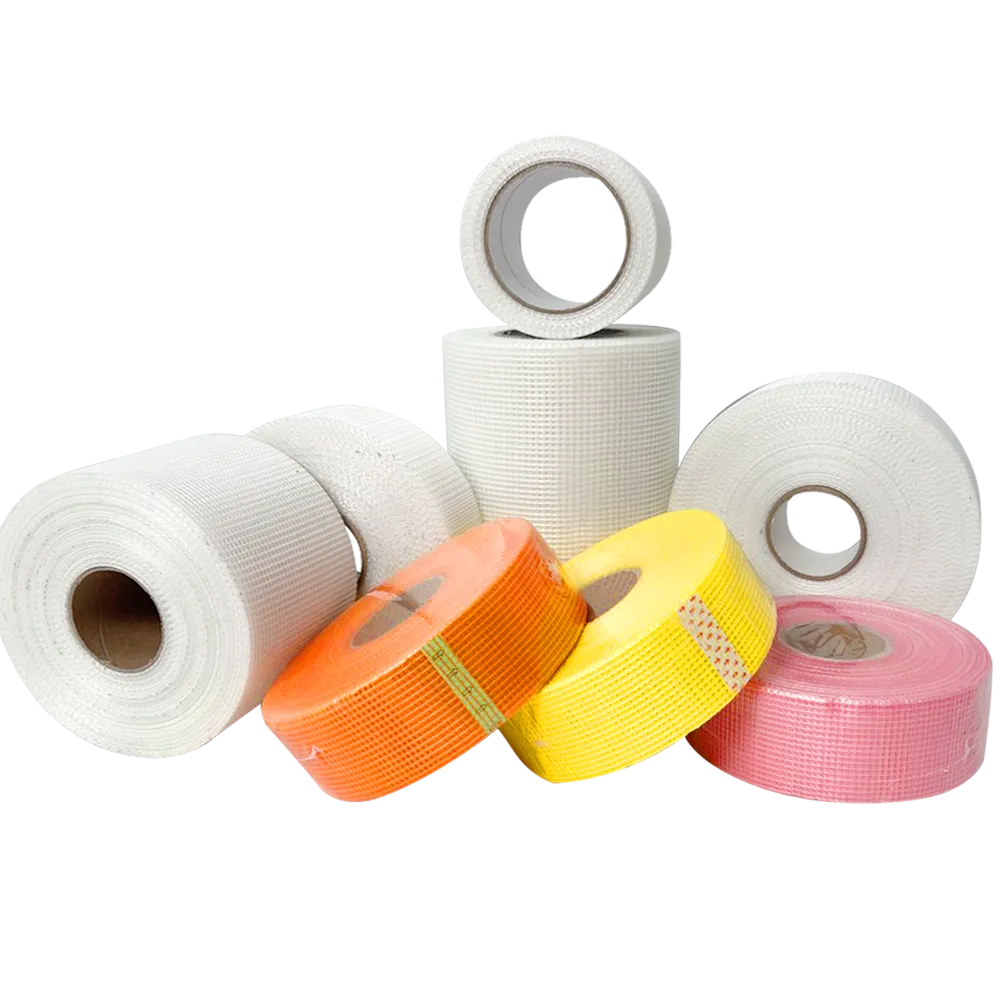
Every giant leap in construction or manufacturing is often down to some unsung hero right inside a factory kicking off a product that quietly holds it all together — literally. One such hero is the fiberglass sticky mesh factory. Before you imagine some sci-fi sticky net, think of it as a specialized production hub crafting robust fiberglass meshes that stick, reinforce, and help create safer buildings, longer-lasting infrastructure, and smarter industrial applications.
Why Should We Care About Fiberglass Sticky Mesh Factories Globally?
Fiberglass mesh is widely used across construction, automotive, aerospace, and even humanitarian relief sectors. The world is urbanizing at record speed, with over 56% of the population living in cities as reported by the United Nations (UN, 2023). This boom drives demand for materials that can make buildings stronger, lighter, and more sustainable. Fiberglass meshes provide excellent reinforcement in cement, drywall, and protective coatings — their significance growing as countries seek smarter infrastructure investment and disaster-resilient housing.
Yet, producing these meshes isn’t trivial. The factories behind them configure raw fiberglass threads into sticky, polymer-coated webs that must balance strength, adhesion, and flexibility. Getting this right can mean the difference between a crack-resistant wall and a repair nightmare down the line.
Mini takeaway: Behind many durable buildings and innovative solutions, there’s a fiberglass sticky mesh factory quietly stitching strength into our future.
Setting the Scene: Global Context for Fiberglass Sticky Mesh Production
According to ISO standards on composite materials, global demand for fiberglass-reinforced products has been climbing roughly 5% annually. The World Bank notes a surge in infrastructure investments in Asia, Africa, and South America — many regions where traditional building materials often fall short due to weather or seismic challenges.
However, one major hurdle is the inconsistent quality of reinforcement meshes, leading to premature aging of structures or costly maintenance. A robust fiberglass sticky mesh factory equipped for high-quality production and innovation can close that gap — creating not only better products but offering peace of mind in construction and industrial use.
What Exactly Is a Fiberglass Sticky Mesh Factory?
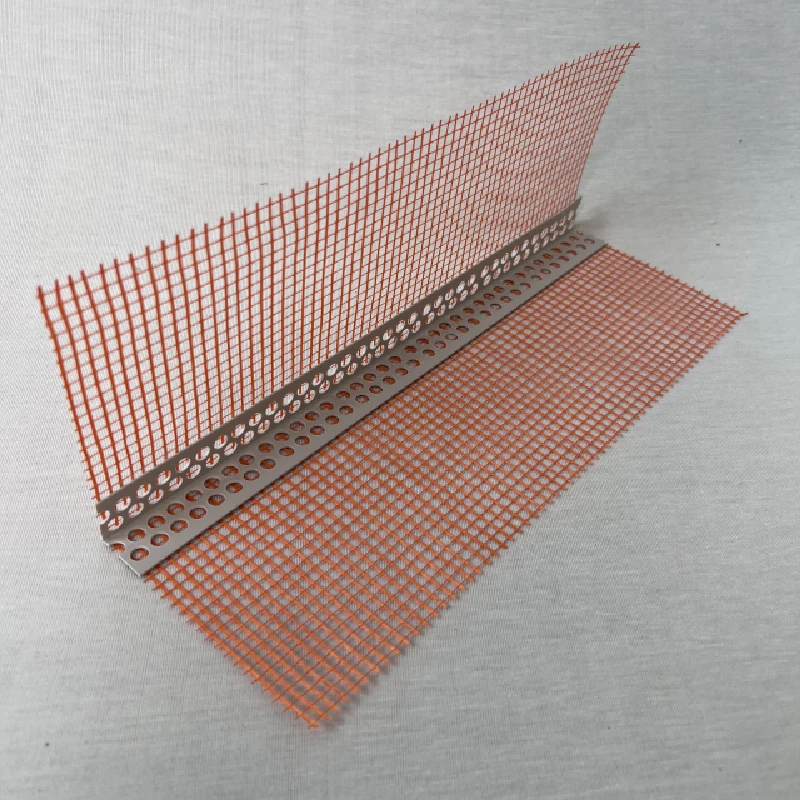
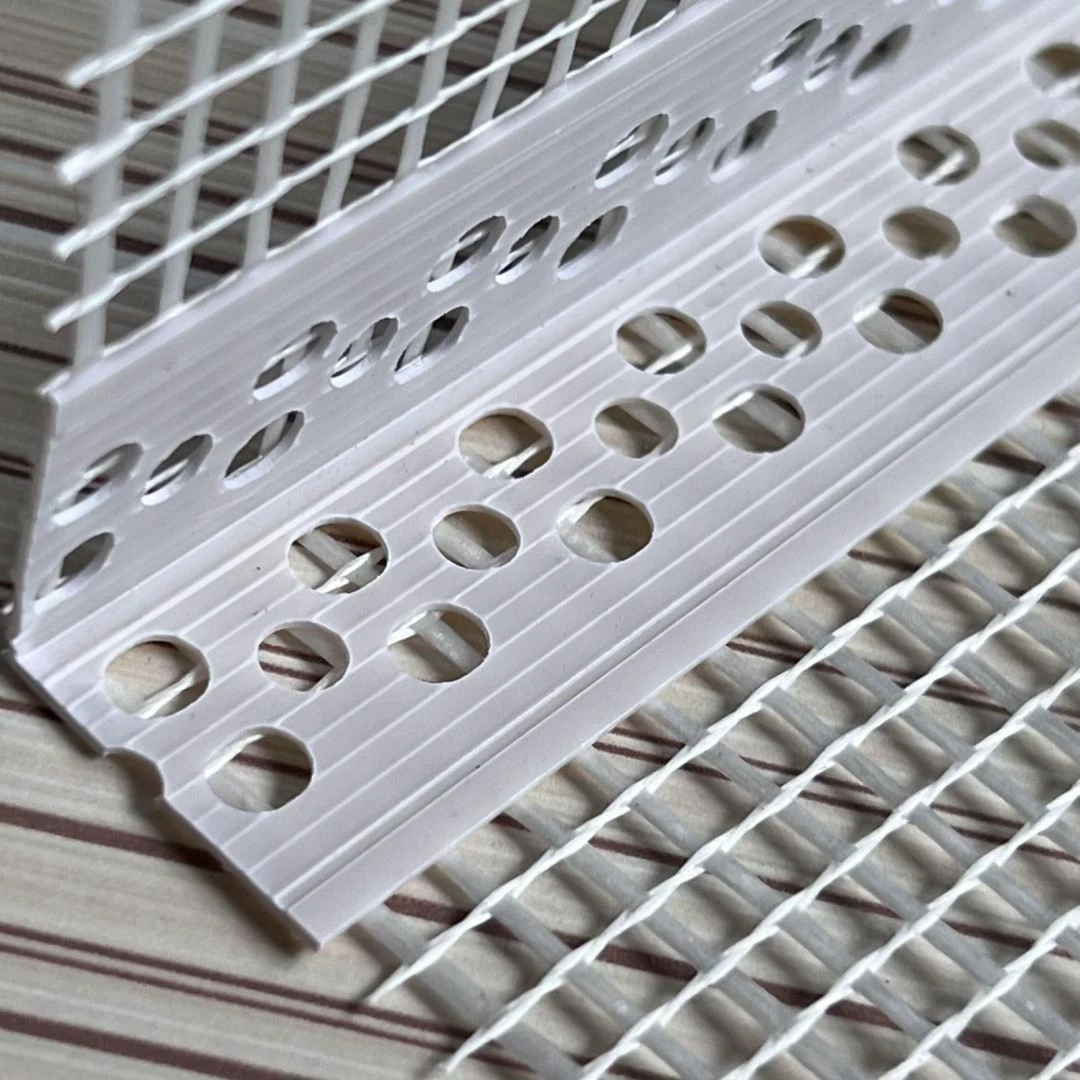
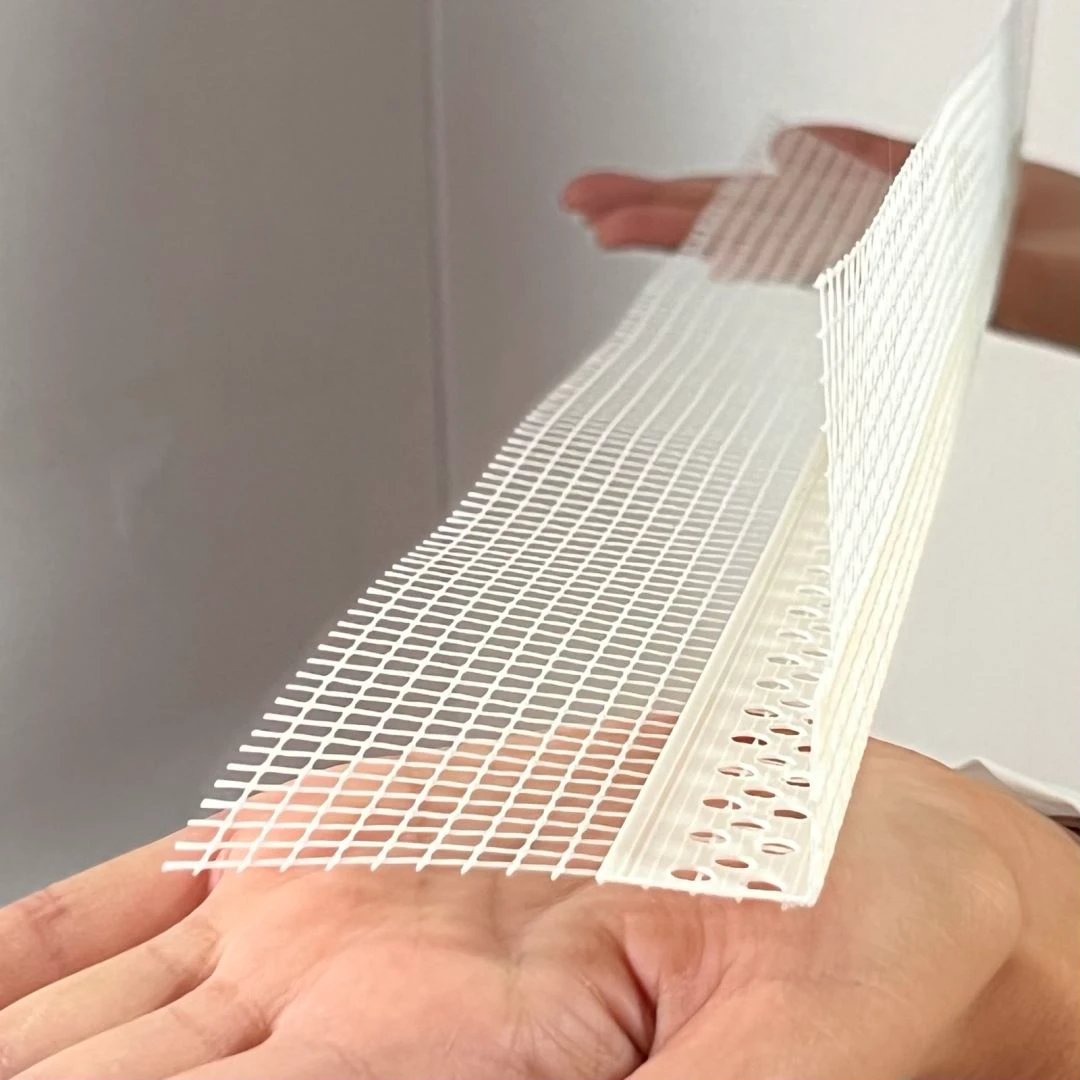
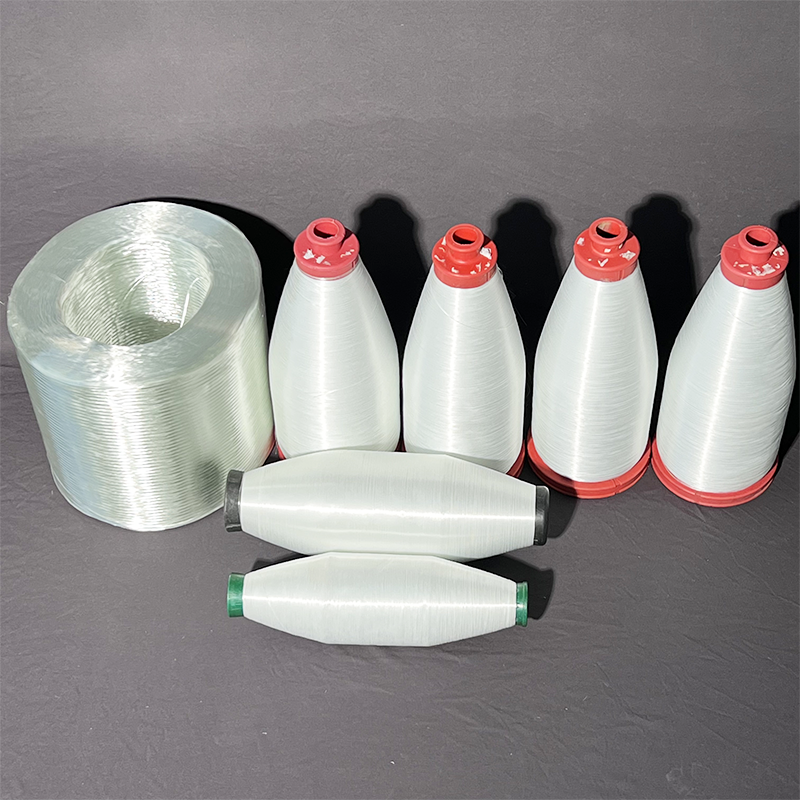
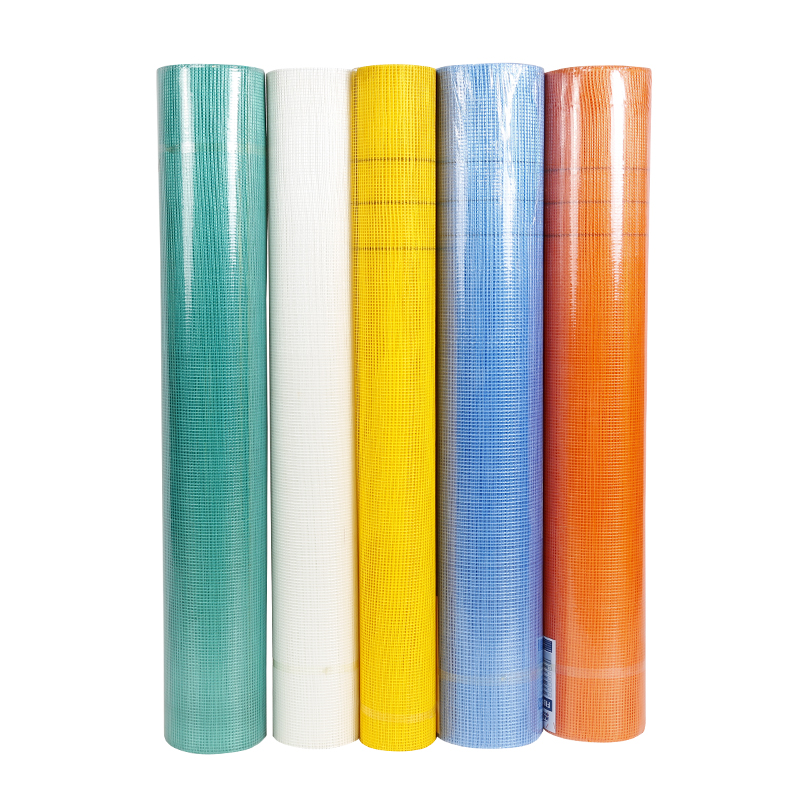
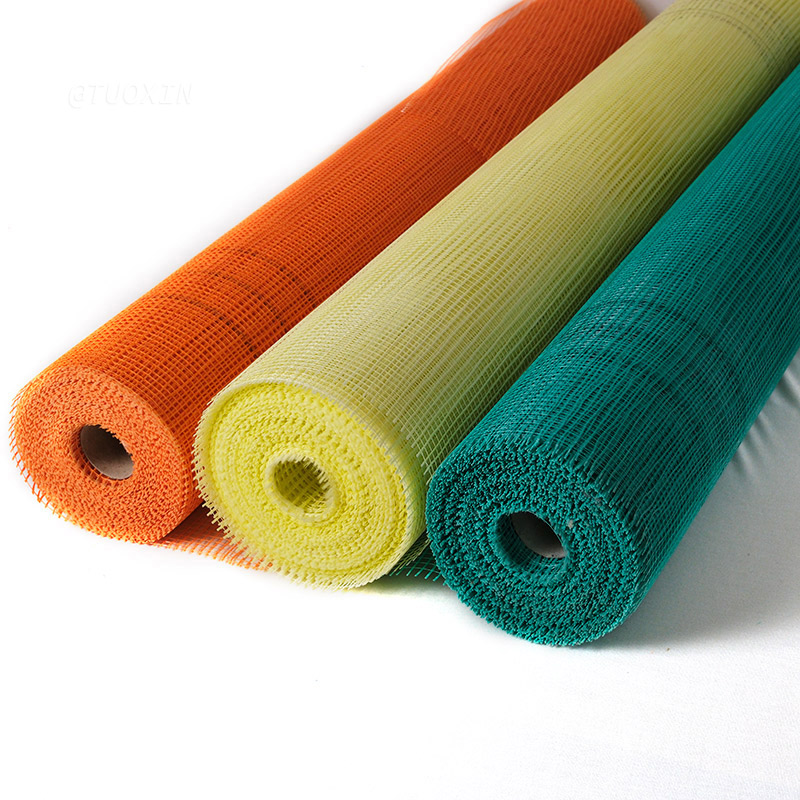
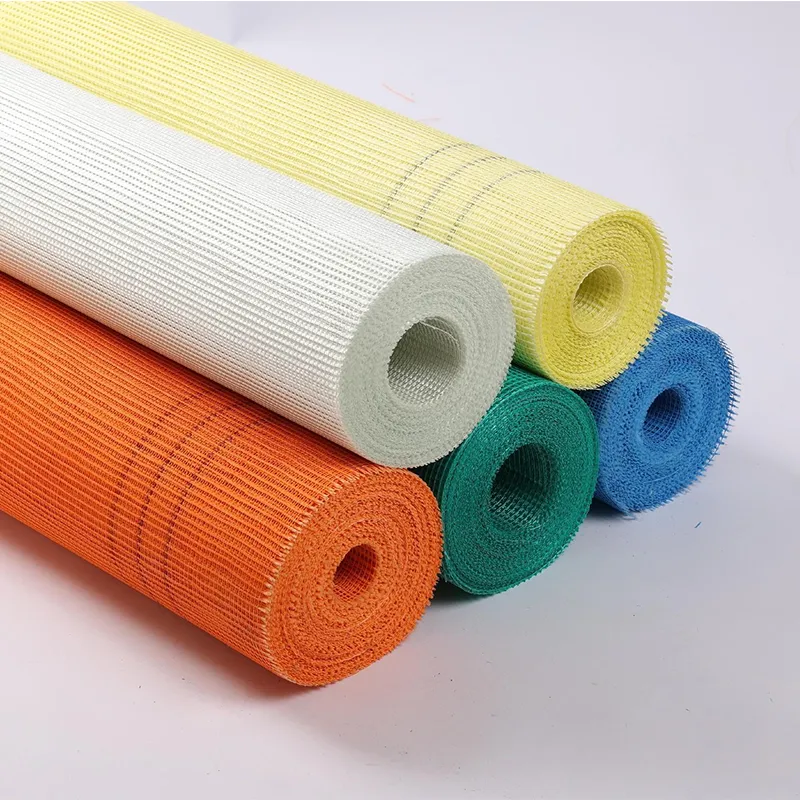
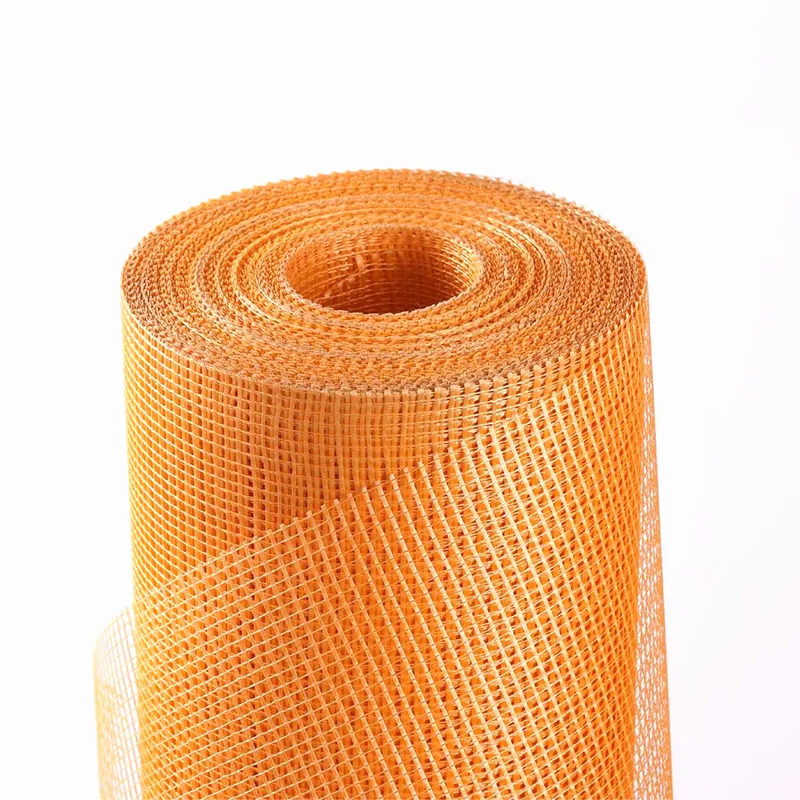
At its core, a fiberglass sticky mesh factory converts continuous glass fibers into a strong mesh sheet coated with an adhesive polymer. This sticky layer ensures the mesh bonds well with various substrates, like plaster, cement, and synthetic resins.
This isn’t just a manufacturing plant; it’s a hub of technical precision — managing fiber tension, coating viscosity, drying temperatures, and dimensional stability. The outcome? Meshes that reinforce walls & ceilings, prevent cracks, and improve water resistance — vital qualities in tough climates or fast-paced industrial sites.
Interestingly, these factories often partner closely with material scientists and civil engineers to continually improve products — reflecting a curious marriage of manufacturing discipline and modern technological demands.
Key Factors Behind Effective Fiberglass Sticky Mesh Production
1. Durability
Durability goes way beyond just “not tearing.” It’s about consistent tensile strength, resistance to alkali (used in cement), and ability to retain properties under weathering. Fiberglass meshes must perform for decades if they’re going to keep buildings safe without constant maintenance.
2. Adhesion Quality
The sticky polymer coating is the secret sauce. It causes the mesh to chemically bond with cement or plaster, which many people overlook. Poor adhesion means the mesh peels off, ruining the reinforcement effect. Leading factories finely tune their coating formulas to optimize this critical factor.
3. Scalability & Customization
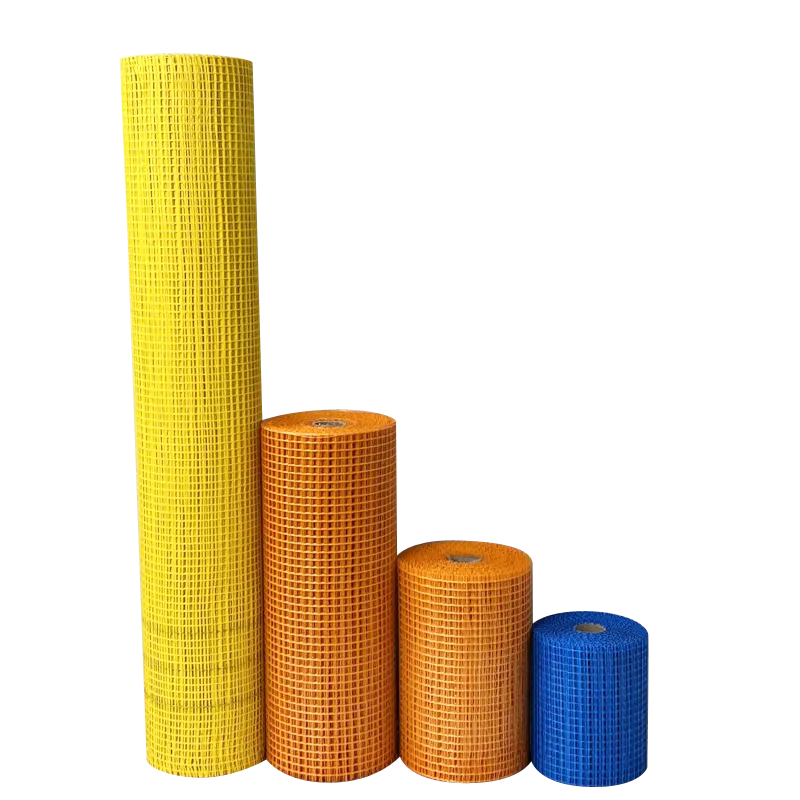
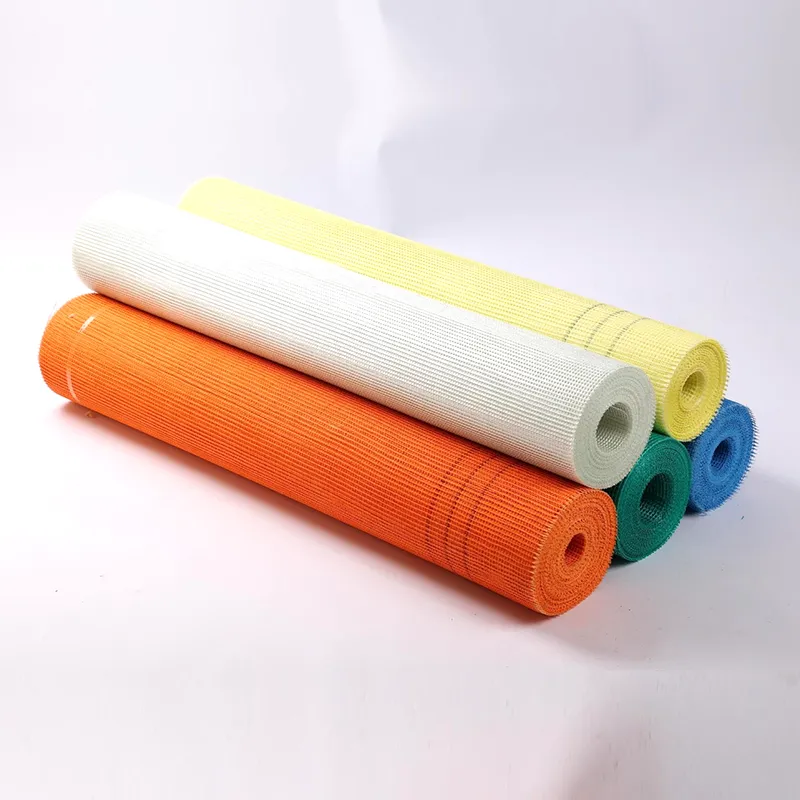
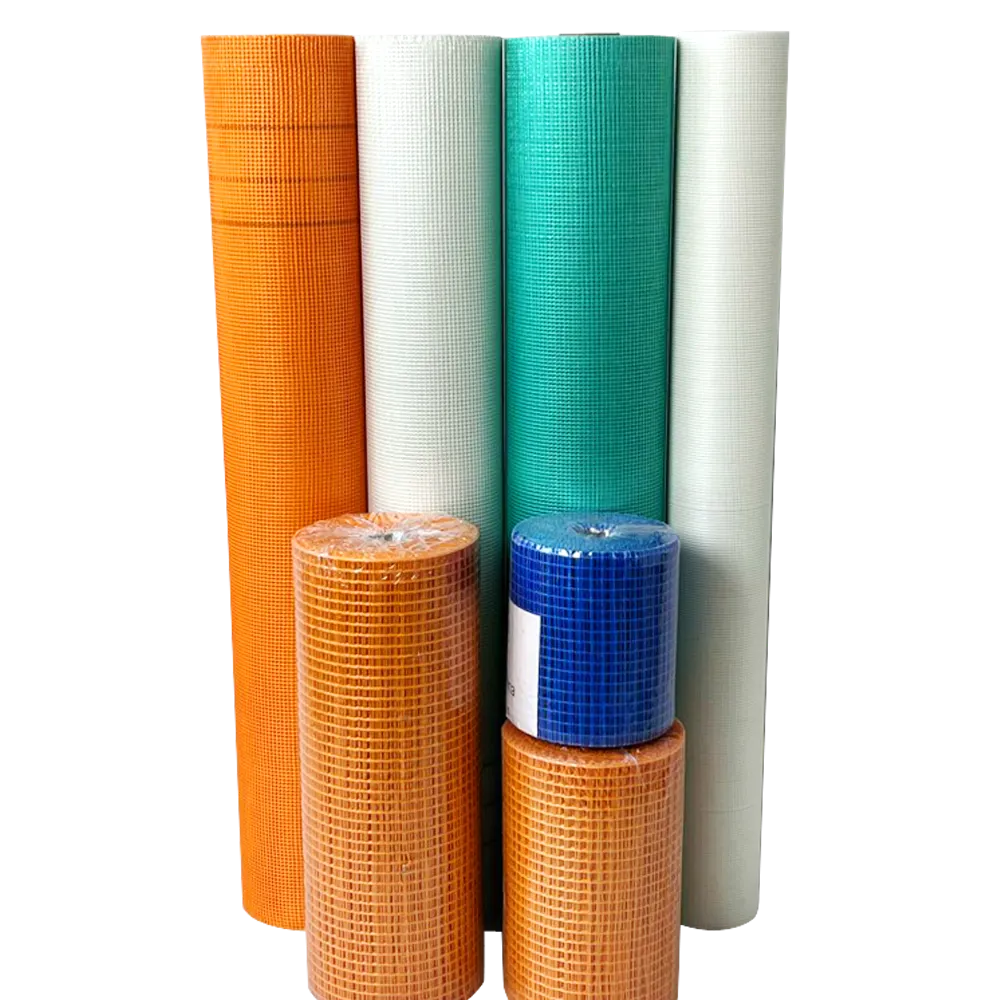
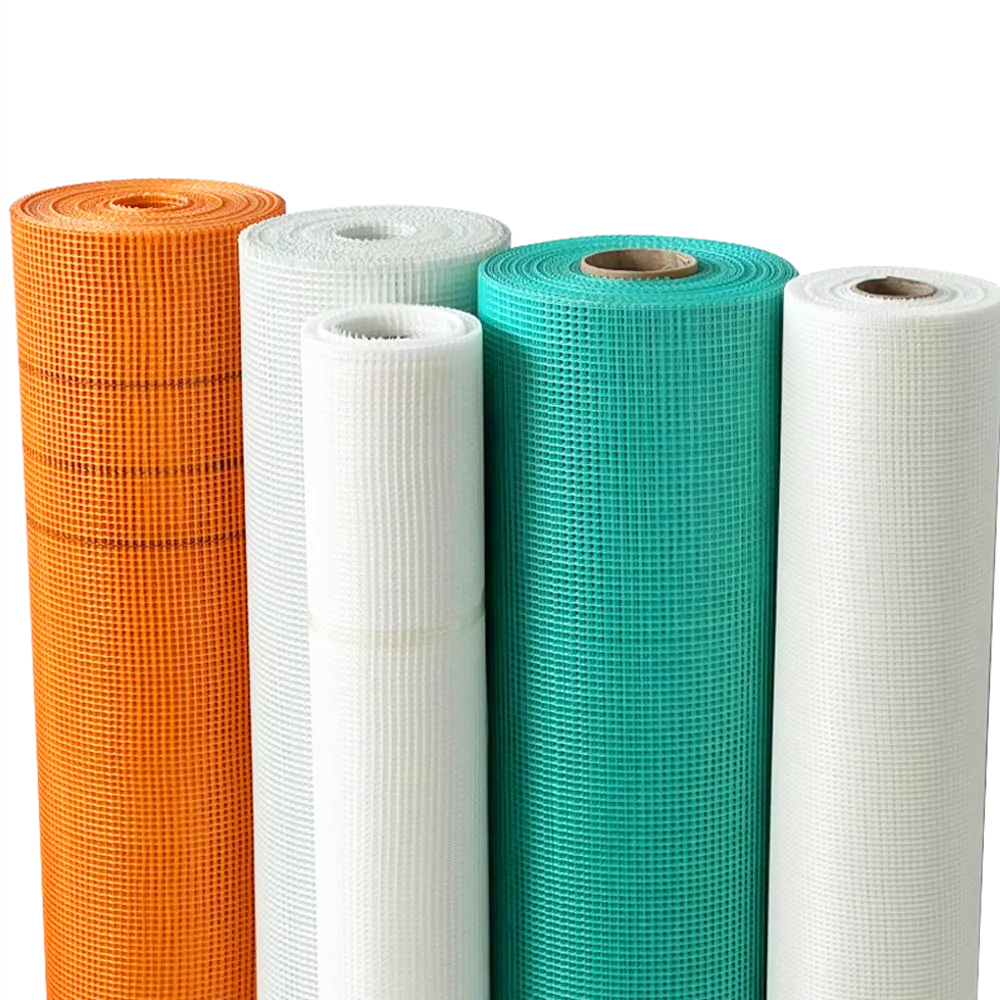
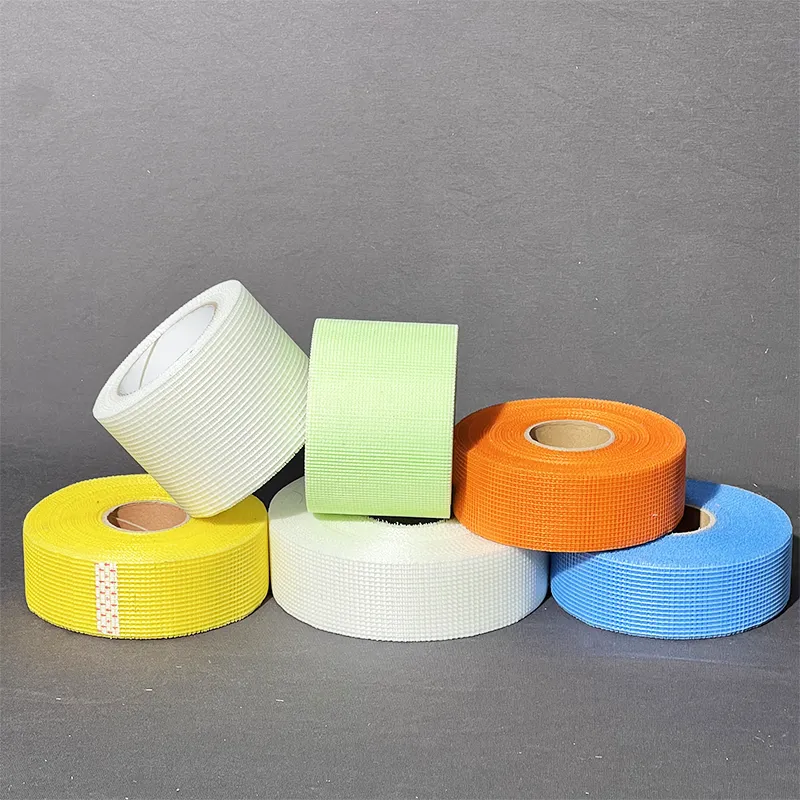
Markets differ. Some need ultra-fine mesh for smooth finishes in luxury homes; others want heavy-duty, coarse mesh for industrial warehouses. A good fiberglass sticky mesh factory offers scalable lines and customization options — from mesh size to polymer type and thickness — to meet varied specs.
4. Environmental Considerations
More manufacturers now strive for low-VOC (volatile organic compounds) coatings and recyclable fiberglass to reduce carbon footprints. It may seem minor, but over thousands of square meters shipped worldwide, it adds up to serious sustainability efforts.
5. Testing and Quality Control
Specifically, advanced fiber testing equipment measures tensile strength, elongation, alkali resistance, and adhesion strength before shipping. It’s often a factory’s pride to keep defect rates extremely low.
Mini takeaway: It’s a balancing act — stickiness must meet strength, customization meets environmental care, and precision craftsmanship meets mass demand.
Real-World Uses and Global Impact
The practical applications of fiberglass sticky meshes are vast:
- Construction: Reinforcing walls, stucco, drywall ceilings, and thermal insulation systems worldwide.
- Disaster relief projects: Quick repairs to earthquake-damaged homes in Asia rely on lightweight, adhesive meshes for makeshift reinforcements.
- Automotive Industry: Used to reinforce composite panels and interior surfaces, helping cut vehicle weight and improve fuel efficiency.
- Infrastructure in coastal regions: Fiberglass mesh resists corrosion from salt and humidity better than traditional steel rebar.
For example, a housing reconstruction NGO in the Philippines praised a meshed-based wall plaster system sourced directly from a fiberglass sticky mesh factory for its resilience and rapid installation time during post-typhoon projects.
Specification Table: Typical Fiberglass Sticky Mesh Product Parameters
| Specification | Value | Unit |
|---|---|---|
| Mesh Count | 10 x 10 | threads per inch |
| Weight | 145 | g/m² |
| Tensile Strength | 450 | N/cm |
| Alkali Resistance | >95 | % |
| Adhesion Strength | >3.5 | N/cm² |
How Do Leading Vendors Compare?
| Feature | Vendor A | Vendor B | Vendor C |
|---|---|---|---|
| Customization Options | High (mesh & coatings) | Medium (mesh only) | High (coating & eco-grade) |
| Production Capacity | 10,000 m²/day | 5,500 m²/day | 8,000 m²/day |
| Sustainability | Recyclable fiberglass | Standard fiberglass | Low-VOC polymers |
| Lead Time | 3 weeks | 2 weeks | 4 weeks |
| Typical Application | High-end construction | General industrial | Eco-conscious projects |
Advantages and Long-Term Value of Fiberglass Sticky Mesh
So, why do so many industries swear by fiberglass sticky mesh? Well, it’s not just about economics or specs. The advantages tick many boxes:
- Cost effectiveness: Longer service life of buildings means fewer repairs.
- Sustainability: Lightweight, recyclable materials reduce resource use.
- Safety & stability: Mesh reduces crack propagation, improving structural integrity.
- Versatility: Works seamlessly in traditional and innovative building techniques.
- Emotional impact: A safer home lends dignity and peace of mind — priceless for families.
Looking Ahead: Future Trends in Fiberglass Sticky Mesh Factories
In real terms, the future belongs to smarter factories embracing automation for consistent quality and faster production. We’re already seeing:
- Nanotechnology coatings that improve longevity by resisting UV and chemical breakdown.
- Digital quality control where AI detects fiber breaks in real time.
- Eco-friendlier polymers offering reduced emissions during manufacturing and greater recyclability.
- Integration with green energy initiatives, powering factories with solar and wind.
This kind of innovation ensures the fiberglass sticky mesh factory remains central—not just to construction, but to ambitious global sustainability goals.
Challenges and How Experts Are Overcoming Them
Of course, it’s not without obstacles. Many report challenges like:
- Ensuring uniform coating thickness on large mesh sheets.
- Balancing cost pressures with increasingly eco-conscious customers.
- Logistics delays impacting supply chains for large infrastructure projects.
Experts suggest enhanced R&D investments coupled with digital transformation to solve these. Plus, partnerships with logistics providers and material scientists accelerate problem-solving.
FAQ About Fiberglass Sticky Mesh Factory
Q1: What differentiates fiberglass sticky mesh from regular fiberglass mesh?
A: The key difference is the polymer coating that makes the mesh “sticky.” This ensures better adhesion to wall surfaces or industrial substrates, improving reinforcement performance, which regular uncoated meshes lack.
Q2: How long does a fiberglass sticky mesh typically last in construction?
A: When properly installed, these meshes can last 20-30 years or more. Their alkali resistance and toughness help prevent cracks and deterioration in structural applications.
Q3: Can the fiberglass sticky mesh be customized for unique projects?
A: Absolutely. Different mesh sizes, coating types, and weights are available to suit needs—from fine finishes in residential homes to heavy-duty industrial reinforcements.
Q4: How do international buyers typically source from a fiberglass sticky mesh factory?
A: Many factories maintain export-ready lines and collaborate with freight forwarders familiar with handling specialty goods. Some even assist with customs paperwork to smooth international shipping.
Q5: Is using fiberglass sticky mesh sustainable for eco-building efforts?
A: Many factories now use recyclable fiberglass and eco-friendly polymer coatings, aligning closely with green building certifications and reducing environmental impact.
Wrapping Up: Why the Fiberglass Sticky Mesh Factory Matters Now More Than Ever
In the broad sweep of global infrastructure, the seemingly small role of a fiberglass sticky mesh factory cascades into big, tangible outcomes: safer homes, longer-lasting buildings, cost savings, and environmental advances. It’s a quiet revolution that manufacturers, builders, and communities worldwide can nod to and depend on, even if they never see the mesh itself.
If you’re curious or ready to source meshes tailored to your project’s needs, visit our website and explore what modern factories can offer in strength and sustainability.
References
-
Best Fiberglass Mesh Tape for RedGard Product Waterproofing GuideNewsApr.16,2026
-
Why High Strength Fiberglass Mesh Is Essential For Stucco ApplicationNewsApr.15,2026
-
Why Alkali Resistant Fiberglass Mesh Tape Is Essential For Cement Board And Tile InstallationsNewsApr.15,2026
-
Understanding The Role Of Drywall Fiberglass Mesh In Interior FinishingNewsApr.15,2026
-
Ultimate Guide To Using Fiberglass Mesh Tape For Drywall And Plaster RepairsNewsApr.15,2026
-
The Versatility Of Fiberglass Mesh In Marble And Stone MosaicNewsApr.15,2026