Nov . 30, 2025 21:00 Back to list
Durable Fiberglass Sticky Mesh Products for Modern Construction & Repair | Tainuo
What Are Fiberglass Sticky Mesh Products and Why They Matter Globally
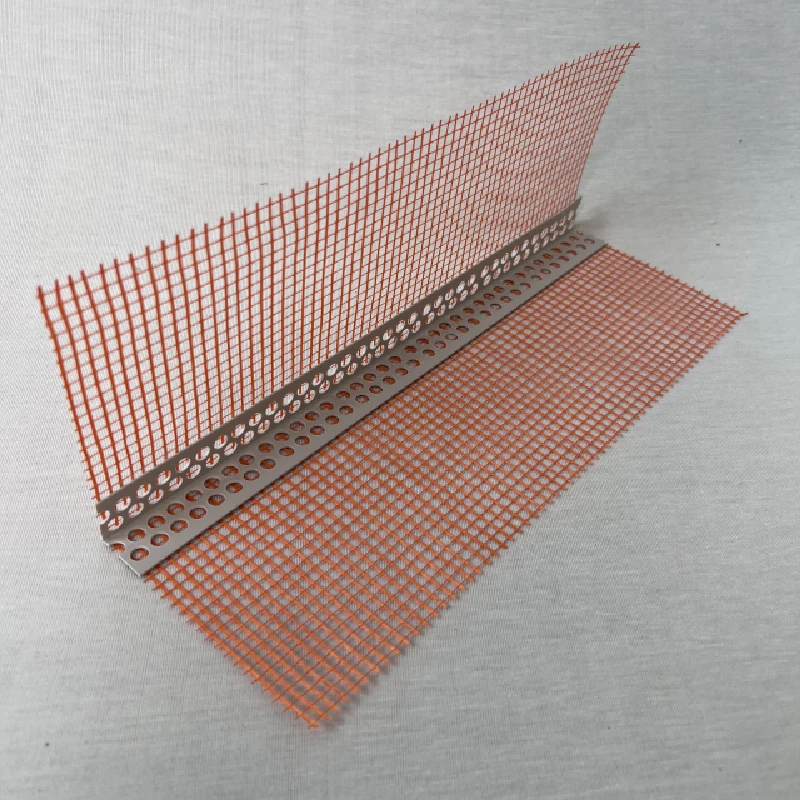
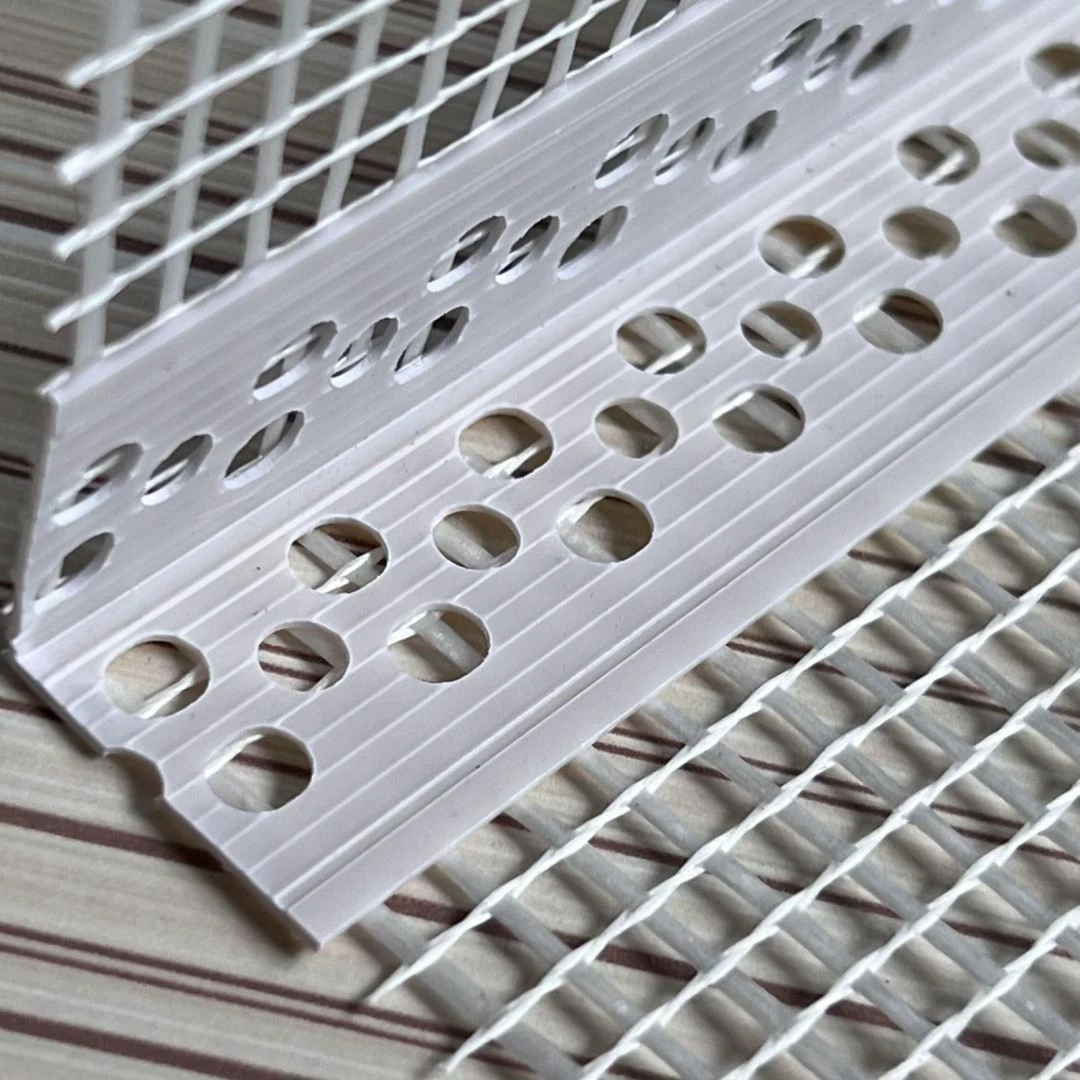
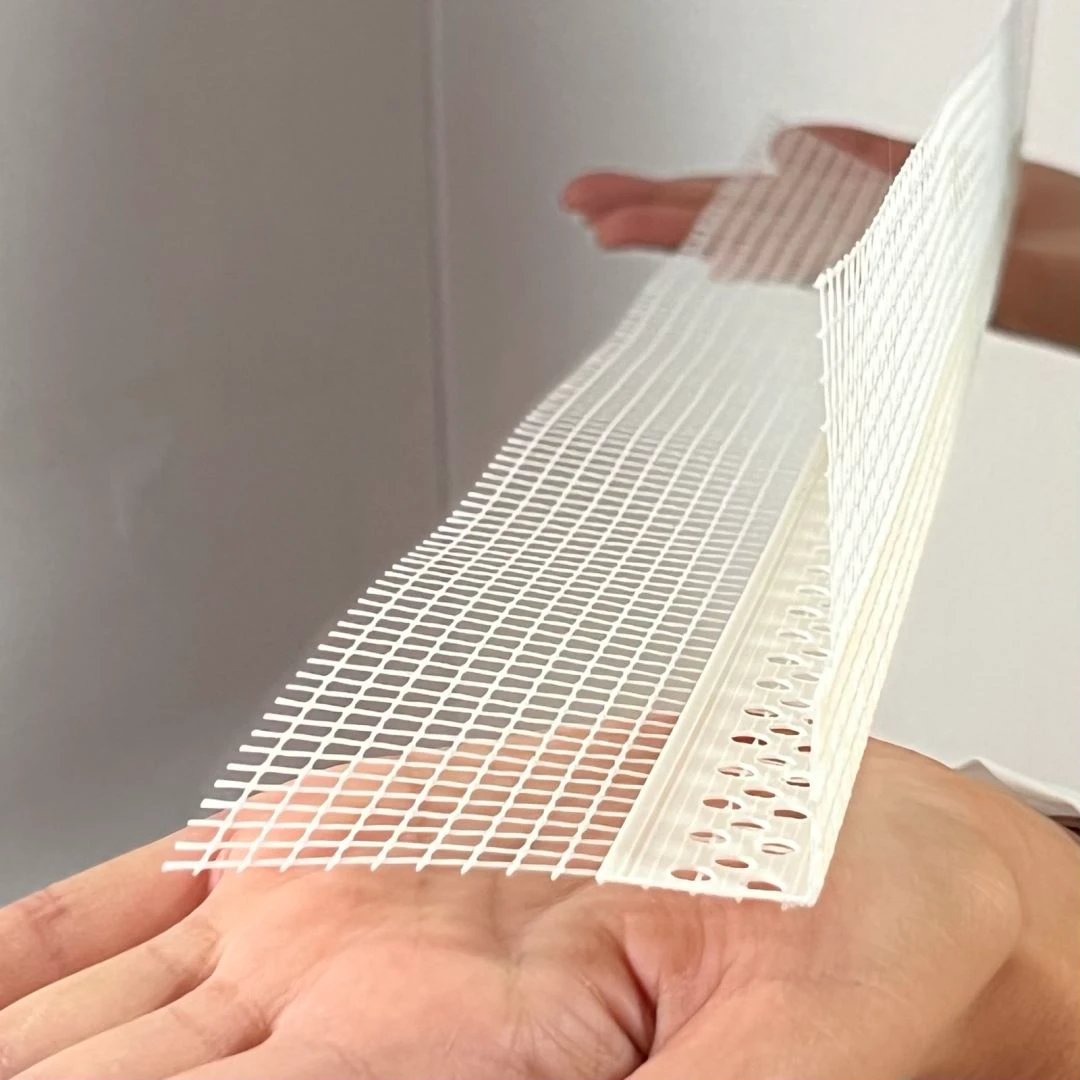
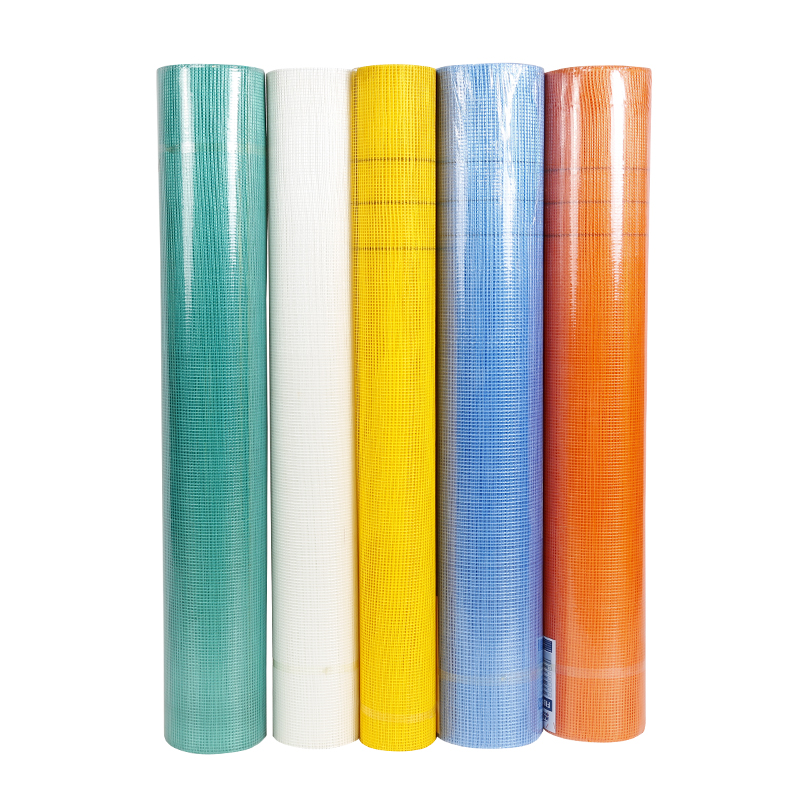
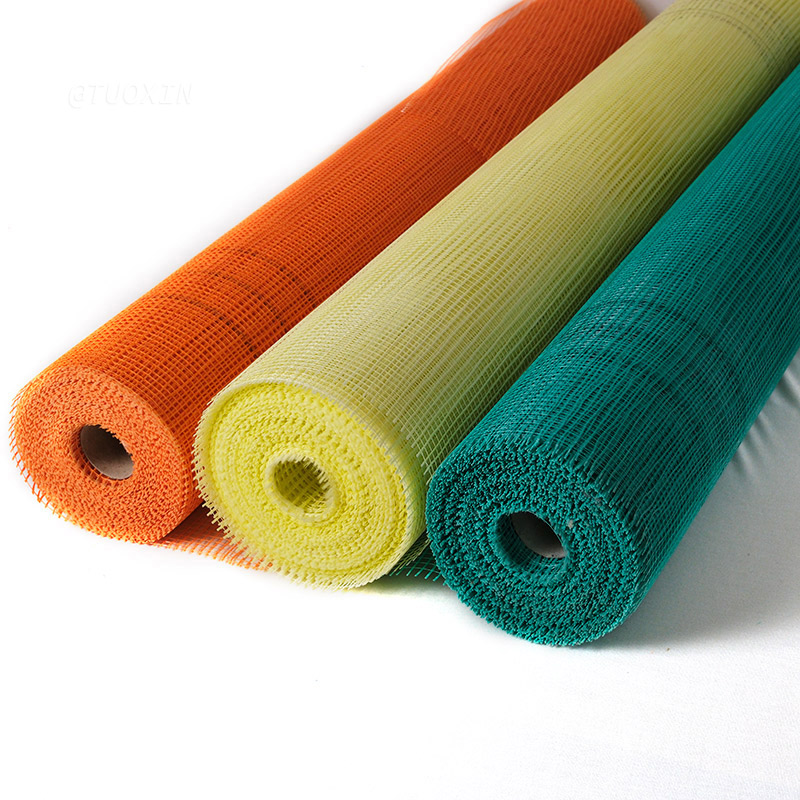
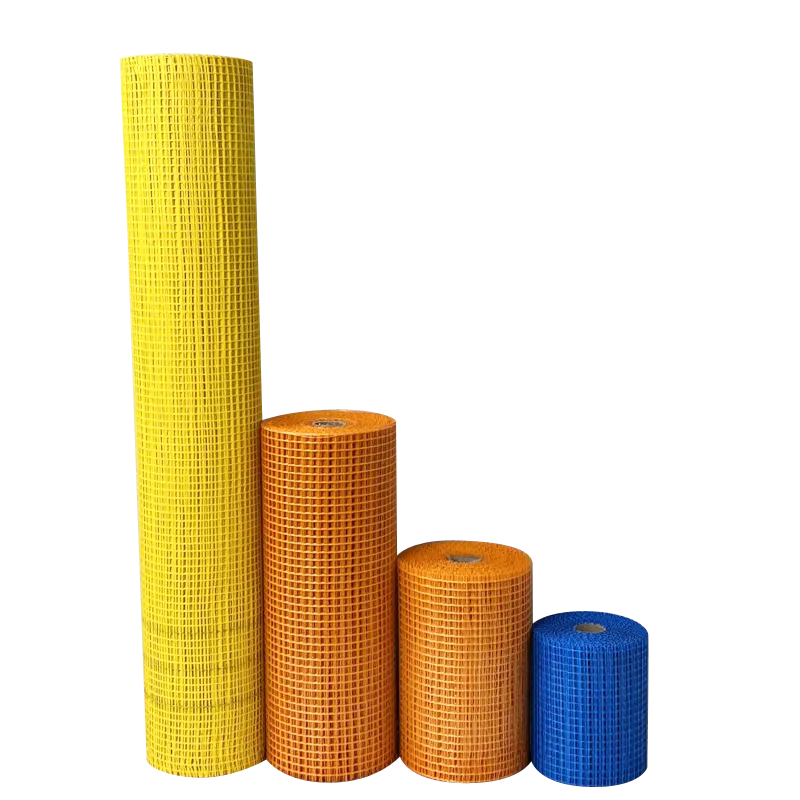
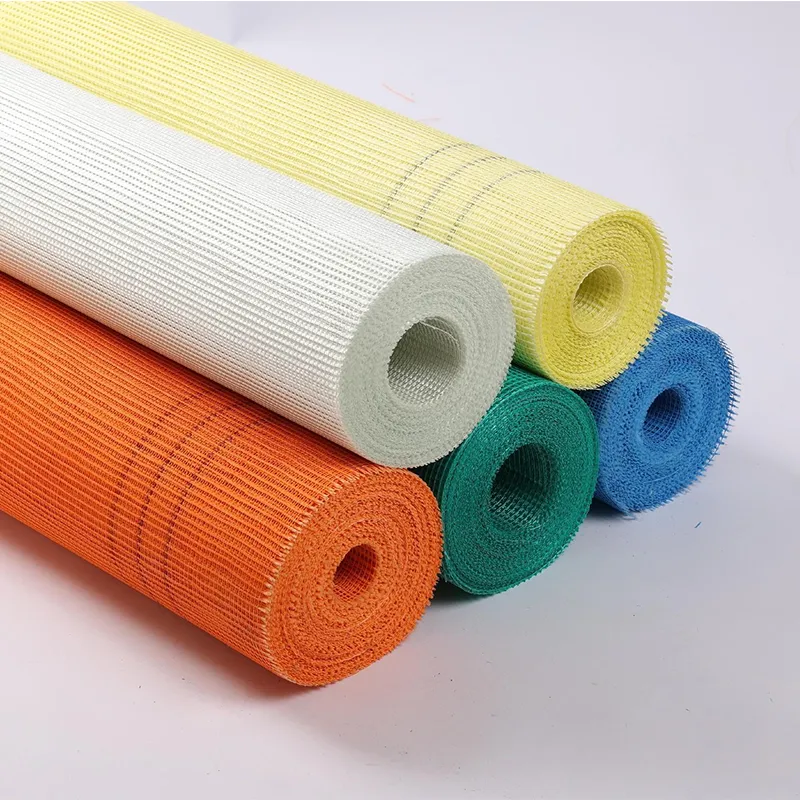
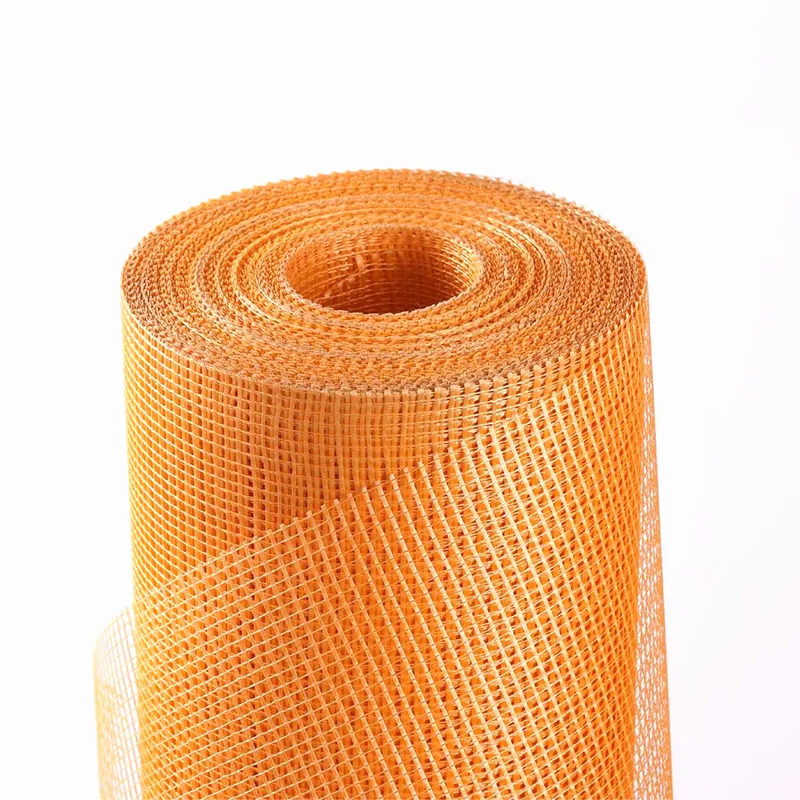
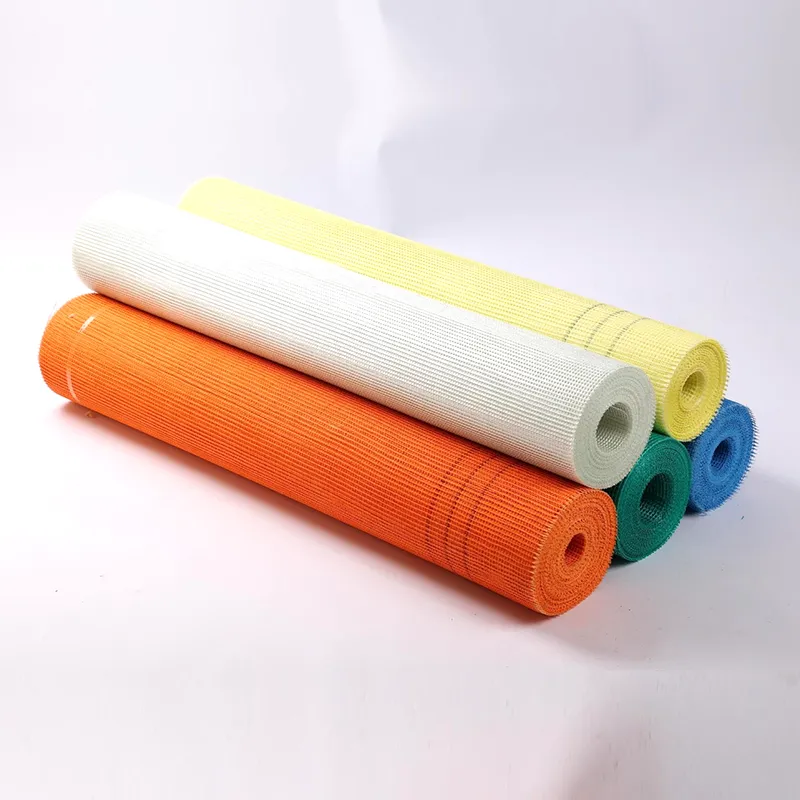
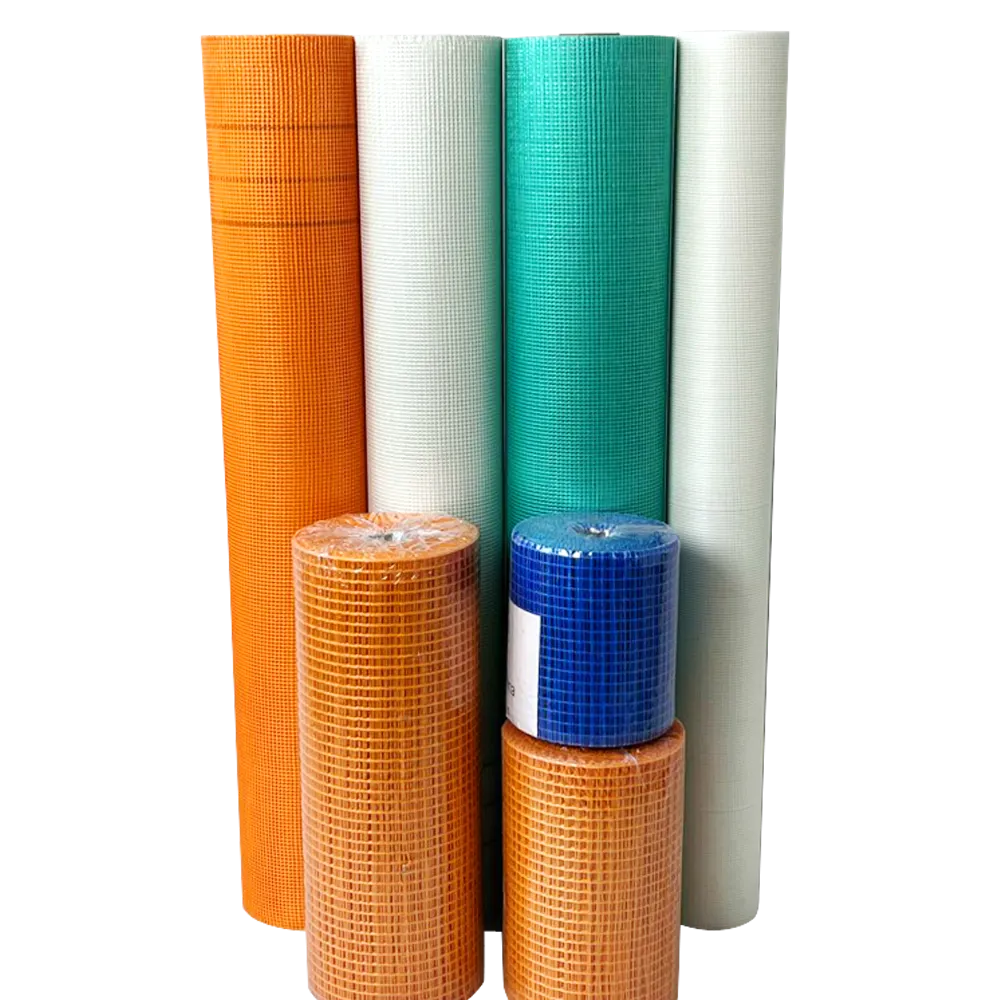
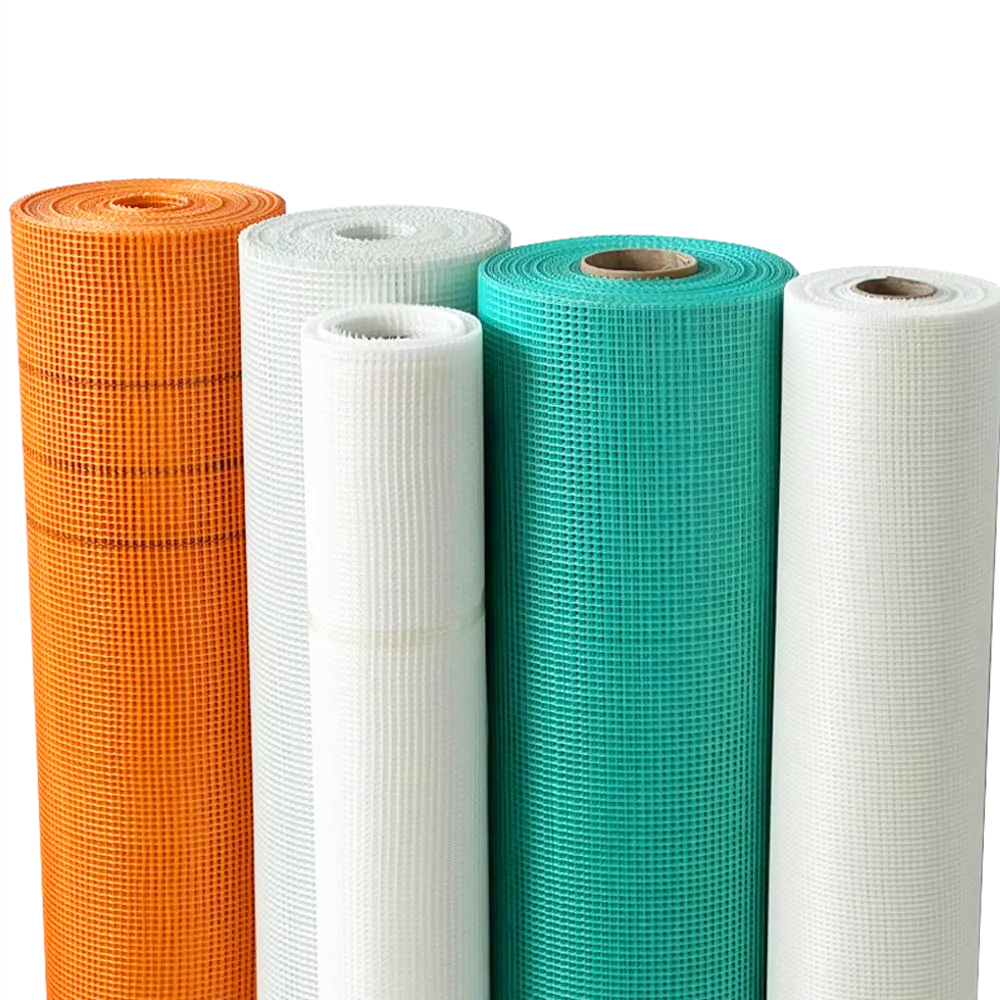
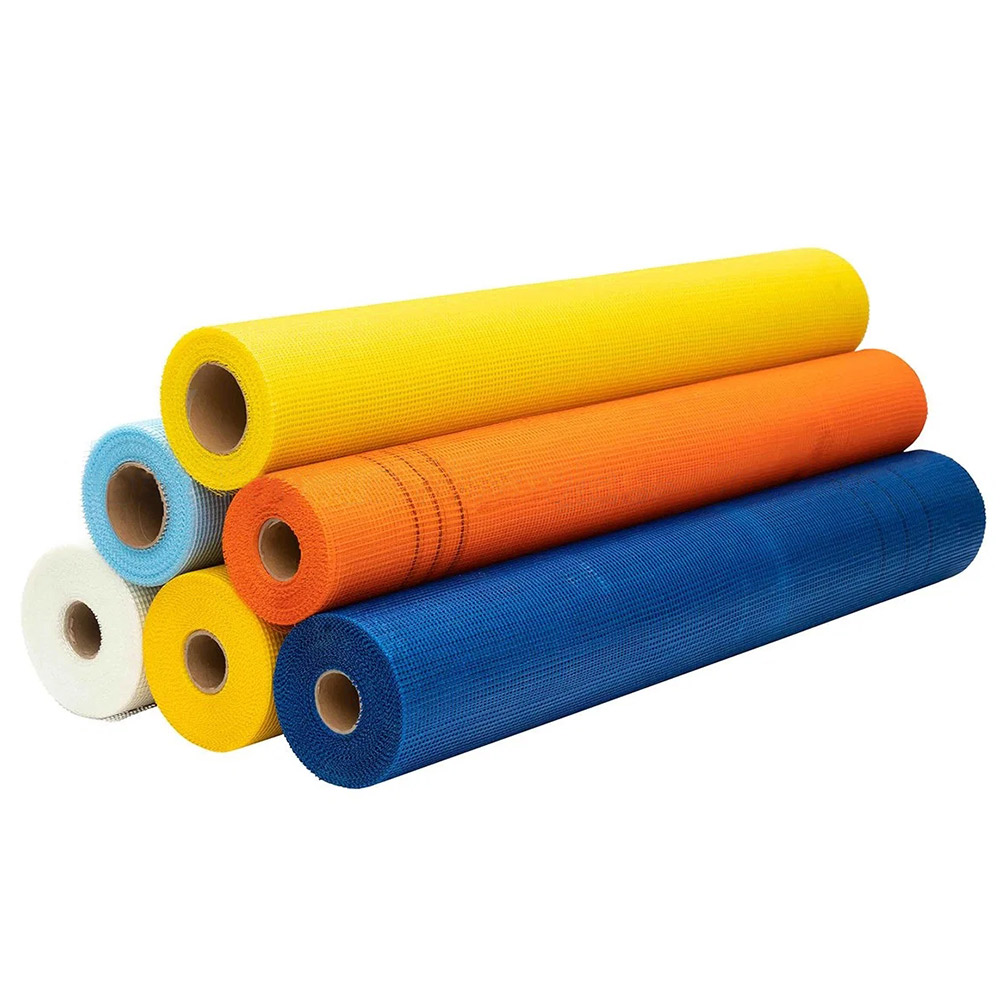
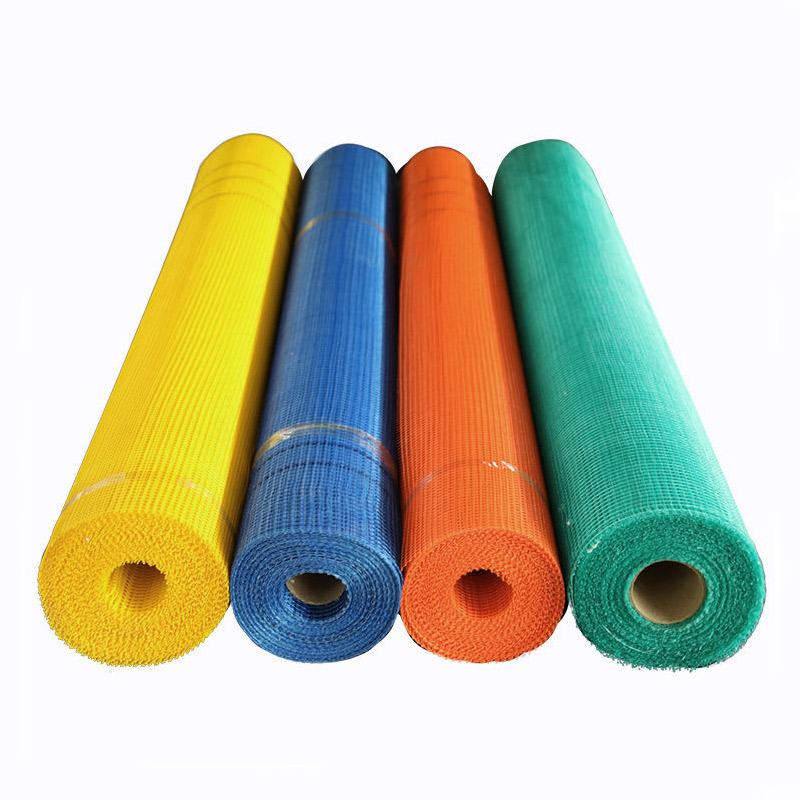
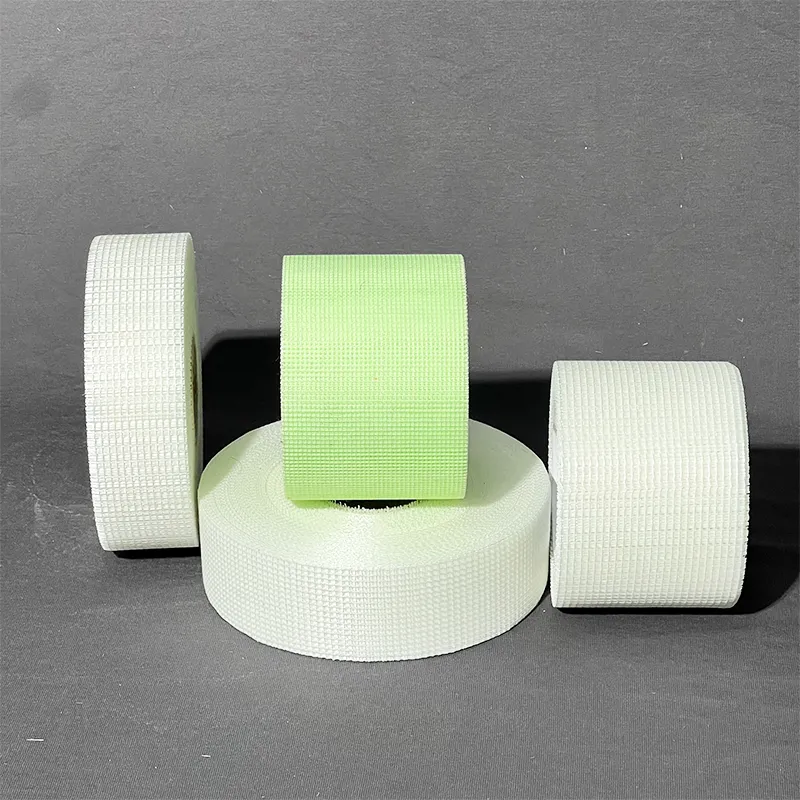
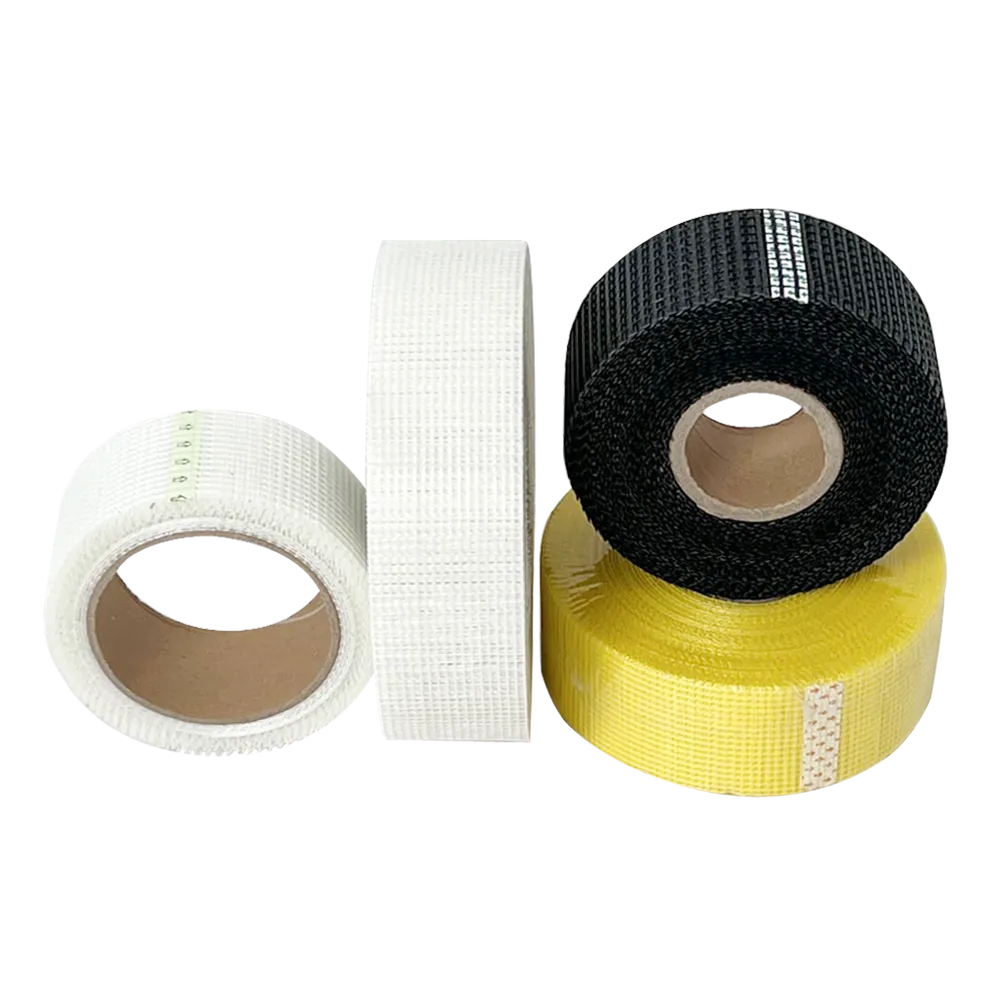
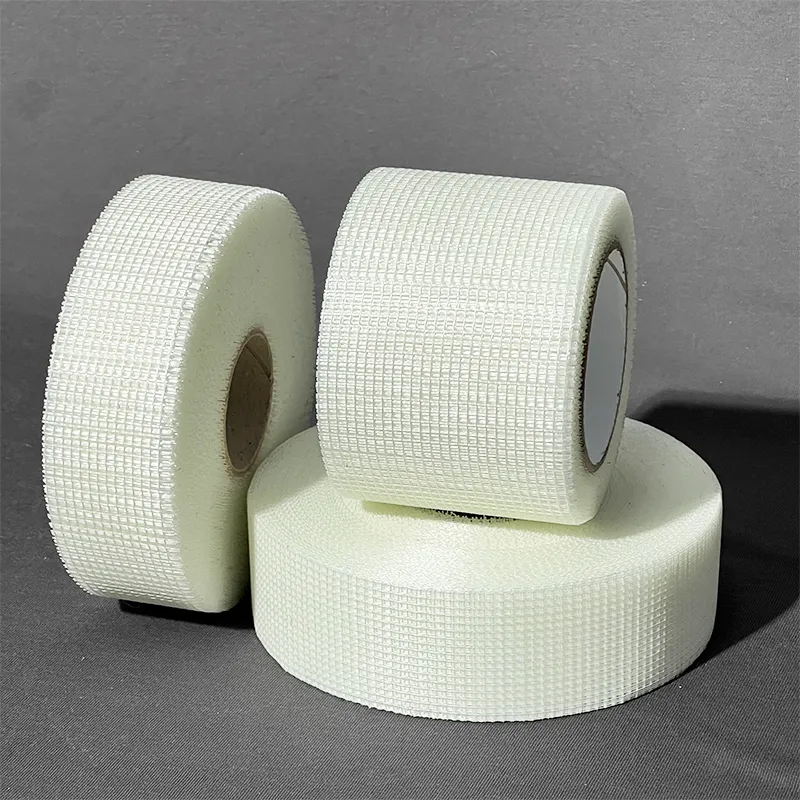
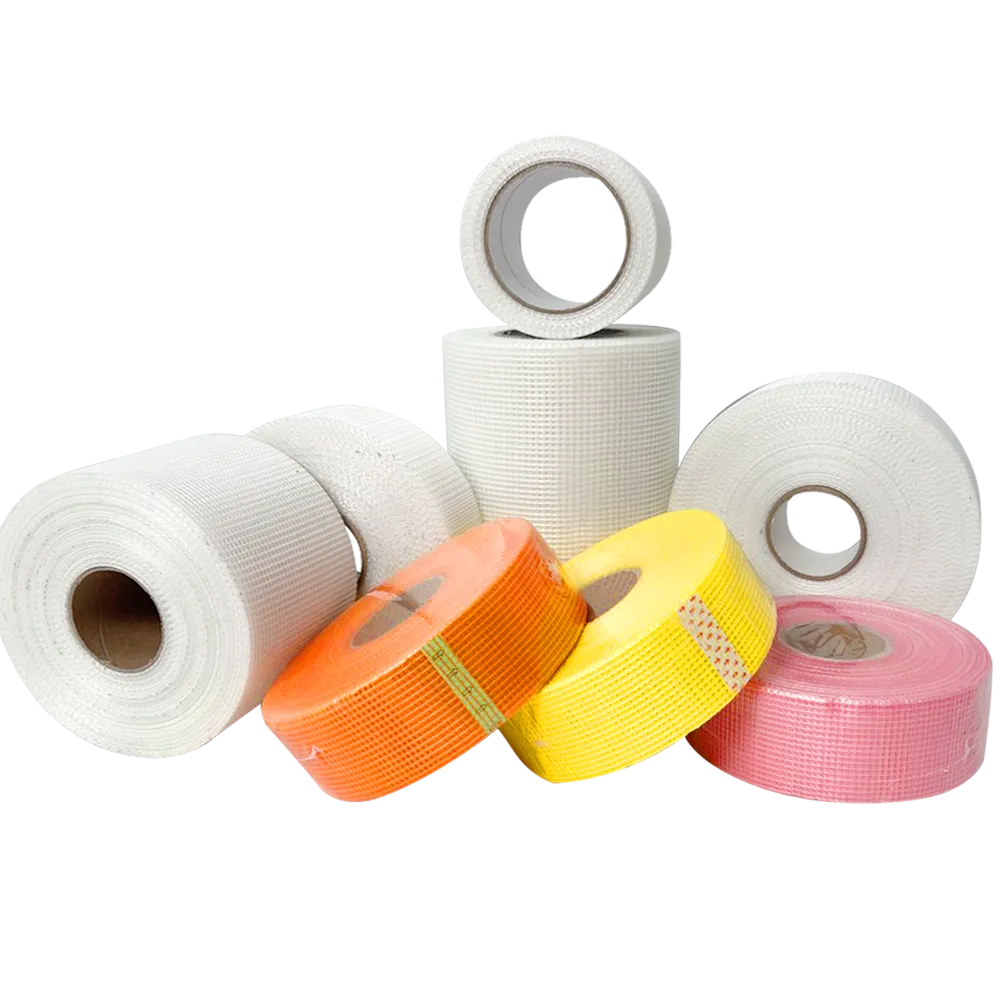
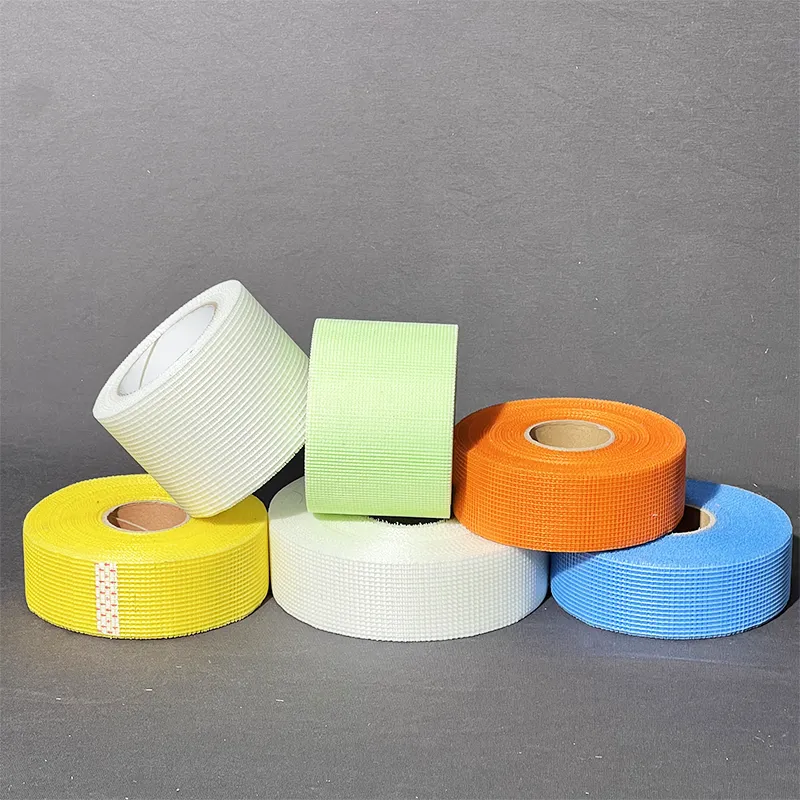
Fiberglass sticky mesh products might not be household names, but they play a surprisingly big part in various industries and communities worldwide. At their core, these are specialized mesh sheets made from fiberglass – a durable, resistant material – combined with an adhesive layer that lets them stick easily to surfaces. Why is this important? Well, these meshes solve real problems like cracking walls, insulating spaces, or reinforcing structures in places where traditional methods just fall short.
With the world facing increasing infrastructure challenges, from severe weather events to aging buildings, understanding how these fiberglass meshes operate and benefit industries is more than technical jargon — it can literally mean the difference between quick restoration and costly delays.
Global Context: The Rising Demand for Fiberglass Sticky Mesh Products
Globally, the construction and industrial maintenance sectors are evolving fast. According to the International Organization for Standardization (ISO), durability and sustainability are key metrics now. Meanwhile, the World Bank informs us that urbanization rates are skyrocketing, putting pressure on housing quality and repair materials.
Enter fiberglass sticky mesh products: a lightweight, cost-effective, and flexible answer to challenges like wall crack reinforcement, thermal insulation support, and even temporary weatherproofing. For NGOs rebuilding after disasters or companies working in harsh climates, these meshes offer a practical edge.
Mini takeaway: The global push toward sustainable, quick-building materials makes fiberglass sticky mesh products increasingly valuable across many sectors.
Defining Fiberglass Sticky Mesh Products
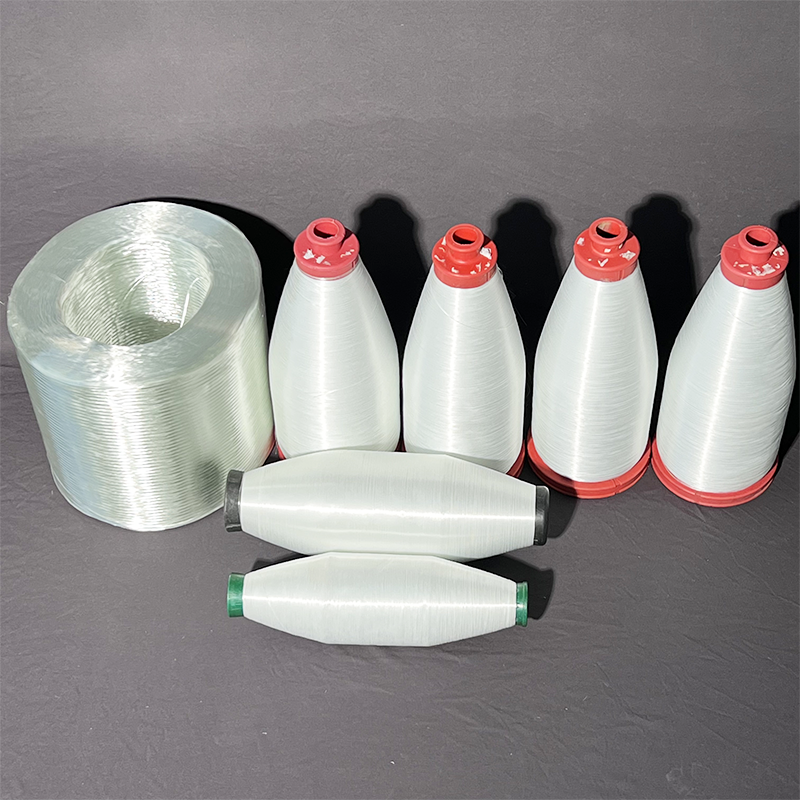
Simply put, fiberglass sticky mesh products are thin web-like sheets made from woven fiberglass threads coated with a sticky, pressure-sensitive adhesive. This adhesive allows the mesh to attach firmly to surfaces such as concrete, drywall, or plaster without requiring separate bonding agents.
While fiberglass itself is known for its strength, thermal resistance, and flexibility, the innovation here lies in the "sticky" factor — the mesh can be applied instantly, cut to size, and integrated into repair or construction workflows with minimal fuss. This makes them ideal for quick fixes or permanent reinforcement needs, especially in environments where drying times or messy glue applications are problematic.
These products tie neatly into modern industry needs, such as:
- Ensuring structural stability in renovation projects
- Improving fire resistance and thermal insulation
- Boosting durability in public infrastructure or disaster relief housing
Key Features of Fiberglass Sticky Mesh Products
1. Durability and Strength
The fiberglass weave provides impressive tensile strength and resistance to tearing. Even under stress, these meshes remain robust, maintaining the integrity of walls or surfaces they reinforce. This lets engineers and builders count on them even in challenging environments.
2. Easy Application and Adhesion
The sticky backing simplifies installation — no need for mixing adhesives or waiting hours for drying. It's a timesaver and reduces material waste, which, frankly, every project appreciates. Because it adheres well to rough or smooth surfaces, it’s versatile.
3. Resistance to Environmental Factors
Fiberglass itself is resistant to moisture, chemicals, and fire. So, these meshes protect underlying layers from mold, corrosion, or heat damage — a huge plus for long-term resilience.
4. Flexibility and Adaptability
Whether applied over curved surfaces or flat walls, the mesh bends without breaking. This flexibility makes it suitable for large-scale exterior repairs or small indoor patch jobs.
5. Cost Efficiency
While not the cheapest fix upfront, the increased longevity and reduced labor make fiberglass sticky meshes budget-friendly over time. Plus, faster installations mean projects close sooner, which often translates to savings in larger construction cycles.
Mini takeaway:
These core traits combine for a product that’s easy to use but incredibly tough — a rare balance in building materials.
Global Applications: Real Stories with Fiberglass Sticky Mesh Products
From Asia’s seismic retrofit programs to European historic building preservation projects, these meshes are everywhere. Here's a quick snapshot:
- Post-disaster recovery: NGOs use fiberglass sticky mesh products for rapid wall stabilization in earthquake-damaged regions in Nepal and Indonesia.
- Industrial maintenance: In remote oil rigs or factories, the mesh reinforces walls against chemical corrosion or physical stress.
- Infrastructure upgrades: European cities rely on them for sustainable retrofitting of public housing, reducing thermal loss.
- DIY and home renovations: Popular among contractors and homeowners for crack repair and improving wall uniformity.
This flexibility of use across various sectors and regions underscores its broad appeal.
Advantages and Long-Term Benefits
In practical terms, these meshes deliver safety, durability, and cost savings. But beyond numbers, they inspire trust among builders knowing that surfaces will hold up and users enjoy safer spaces.
- Safety: Enhanced fire resistance and mold prevention protect occupants’ well-being.
- Sustainability: Their long life reduces material replacements and waste — big wins in sustainable building.
- Innovation: Cutting-edge adhesive technologies and fiberglass formulations improve performance continuously.
- Social impact: Faster rebuilding after disasters means communities recover dignity sooner.
Product Specification Table
| Specification | Typical Value | Unit |
|---|---|---|
| Mesh Weight | 80 - 150 | g/m² |
| Adhesive Type | Pressure Sensitive Acrylic | - |
| Tensile Strength | > 400 | N/50mm |
| Elongation | 3 - 5% | % |
| Temperature Resistance | -40 to 150 | °C |
Vendor Comparison: Top Suppliers of Fiberglass Sticky Mesh Products
| Vendor | Product Range | Price Range (per m²) | Key Strength | Delivery Time |
|---|---|---|---|---|
| Fiberglass Co. | Standard & High Strength Mesh | $2.50 – $4.00 | Quick adhesive tech | 5–7 days |
| MeshMaster Inc. | Eco-friendly & anti-fungal mesh | $3.00 – $4.50 | Sustainability focus | 7–10 days |
| Taino Fiberglass | Wide range including customized sizes | $2.75 – $3.75 | Customizability & quick shipping | 3–5 days |
Future Trends Shaping Fiberglass Sticky Mesh Technology
Looking ahead, the industry is buzzing about integrating green materials and digital manufacturing techniques like 3D printing with fiberglass composites. Imagine meshes with embedded sensors that monitor stress or cracks before failure — not science fiction anymore.
Automation in production also means increased consistency and affordability. Plus, emerging bio-based adhesives could replace synthetic ones for better eco-credentials. It's a fine balance of durability, cost, and sustainability driving innovation.
Challenges and How Experts Are Facing Them
As with any technology, there are hurdles. Sticky meshes sometimes struggle with very dusty or oily surfaces which reduce adhesion, and extreme UV exposure can eventually degrade certain adhesives.
To tackle this, specialists recommend surface pre-treatments or advanced multi-layer coatings that preserve bonding longer. Also, user training ensures proper application, maximizing product lifespan.
Many manufacturers are experimenting with weather-resistant formulations or hybrid meshes combining fiberglass with polymers to boost performance in harsh conditions.
Frequently Asked Questions About Fiberglass Sticky Mesh Products
Q1: How long does fiberglass sticky mesh last once applied?
A: Generally, high-quality fiberglass sticky mesh products can last over 10 years, especially indoors or in protected environments. Factors like UV exposure, surface preparation, and climate play roles, but with proper installation, durability is excellent.
Q2: Can I apply the mesh directly on painted surfaces?
A: It's best to avoid painted or greasy surfaces, as adhesion won't be optimal. Removing old paint flakes and cleaning the surface ensures the mesh sticks firmly and performs well over time.
Q3: Are these meshes safe for indoor air quality?
A: Yes, fiberglass sticky meshes typically emit no harmful VOCs after curing, making them safe for indoor use. It's always wise to check product certifications or MSDS sheets for specific health-related data.
Q4: How do fiberglass sticky mesh products improve insulation?
A: While the mesh itself doesn’t insulate, it supports and stabilizes insulation layers, preventing cracks or gaps that reduce thermal efficiency.
Q5: Where can I buy reliable fiberglass sticky mesh products?
A: Established suppliers like fiberglass sticky mesh products vendors provide quality items with technical support and customization options.
Conclusion: Why Fiberglass Sticky Mesh Products Are a Solid Investment
To wrap it up, fiberglass sticky mesh products combine the durability of fiberglass with the convenience of adhesive backing, forming an ideal solution for reinforcement, repair, and insulation support worldwide. They offer reliable, affordable, and fast fixes that match today’s demands for efficiency and sustainability. If you’re in construction, disaster relief, or just tackling home repairs, these meshes deserve a spot on your shortlist.
Interested in exploring the full range? Visit our website: fiberglass sticky mesh products to learn more about options, innovations, and how to get started.
References
-
Best Fiberglass Mesh Tape for RedGard Product Waterproofing GuideNewsApr.16,2026
-
Why High Strength Fiberglass Mesh Is Essential For Stucco ApplicationNewsApr.15,2026
-
Why Alkali Resistant Fiberglass Mesh Tape Is Essential For Cement Board And Tile InstallationsNewsApr.15,2026
-
Understanding The Role Of Drywall Fiberglass Mesh In Interior FinishingNewsApr.15,2026
-
Ultimate Guide To Using Fiberglass Mesh Tape For Drywall And Plaster RepairsNewsApr.15,2026
-
The Versatility Of Fiberglass Mesh In Marble And Stone MosaicNewsApr.15,2026