Feb . 03, 2026 17:07 Back to list
Fiberglass Mesh Netting: A Reliable Reinforcement Solution for Plastering and Surface Finishing
In modern construction and renovation projects, surface durability and crack prevention are critical concerns. Whether for interior walls, exterior façades, or renovation work, reinforcement materials play a vital role in ensuring long-lasting finishes. Among the most widely used solutions is fiberglass mesh netting, a versatile and efficient material designed to strengthen plastered surfaces and improve overall structural performance. Thanks to its strength, flexibility, and resistance to environmental factors, fiberglass mesh has become an industry standard in plastering systems worldwide.
What Is Fiberglass Netting and How Does It Work?
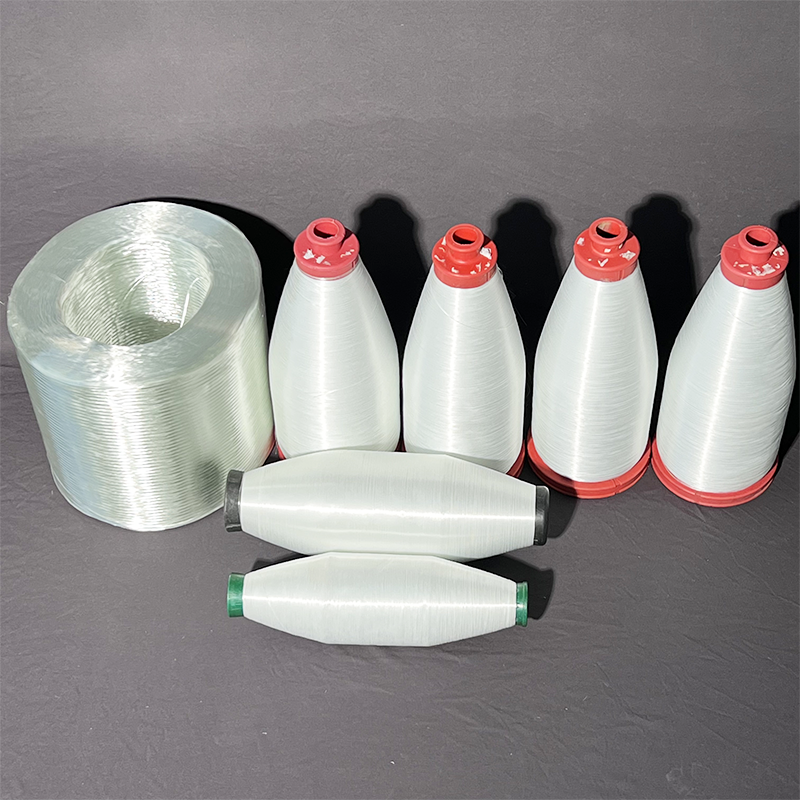
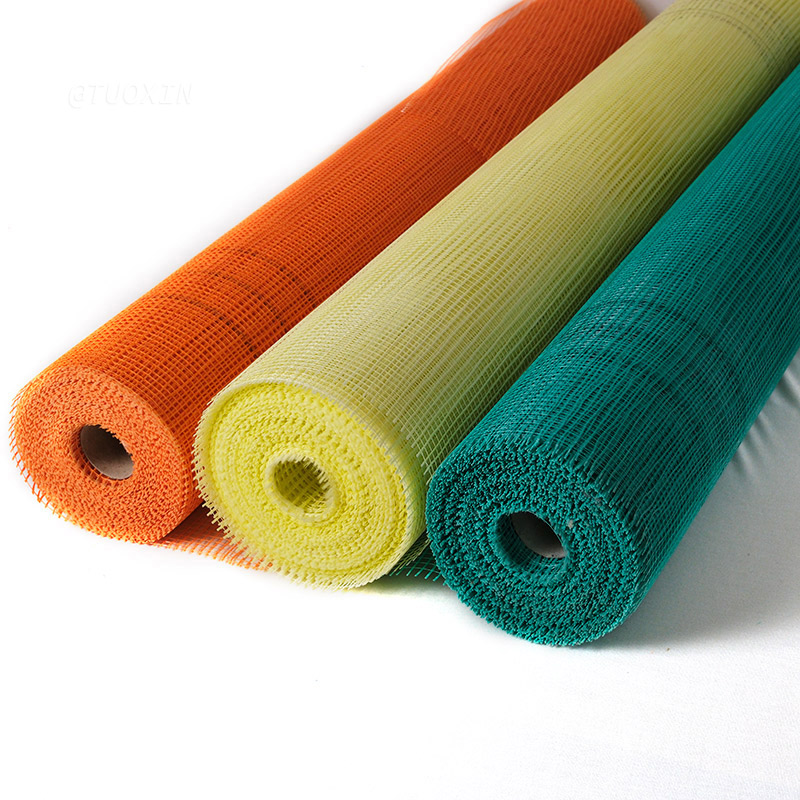
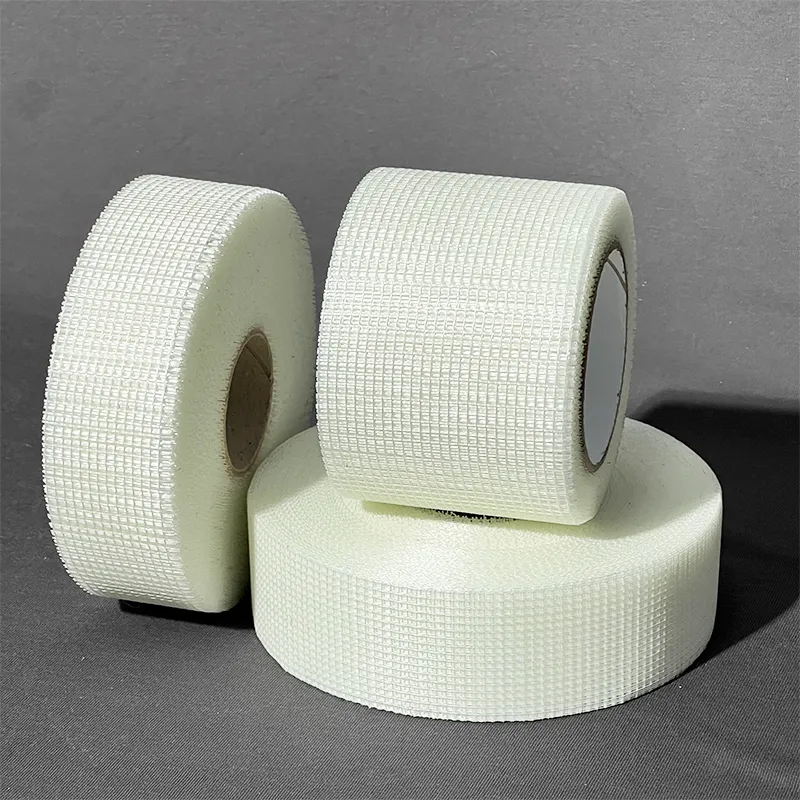
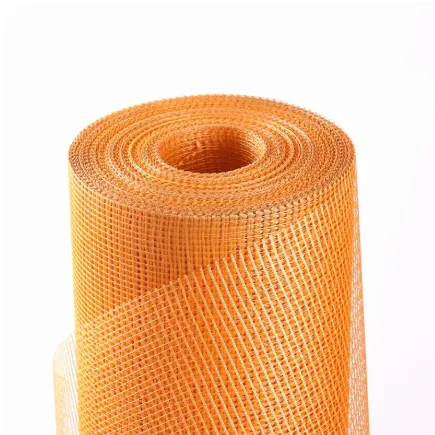
Fiberglass netting is a woven mesh made from high-strength fiberglass yarns, typically treated with an alkali-resistant coating. This coating allows the mesh to maintain its integrity when embedded in cement-based or lime-based plaster, which are naturally alkaline environments. Without this protection, reinforcement materials can degrade over time, leading to surface failure.
The structure of fiberglass netting mesh allows it to distribute stress evenly across a plastered surface. When plaster dries and cures, it undergoes shrinkage and thermal movement, which often leads to cracking. Fiberglass mesh absorbs and redistributes these stresses, reducing crack formation and improving the durability of the finished surface.
Another key advantage is compatibility. Fiberglass mesh netting works seamlessly with a wide range of plastering materials, including cement plaster, gypsum plaster, lime plaster, and polymer-modified renders. Its lightweight nature makes it easy to handle, cut, and install, even on large surfaces or complex architectural details.
Fiberglass Mesh Roll for Plastering: Advantages and Practical Benefits
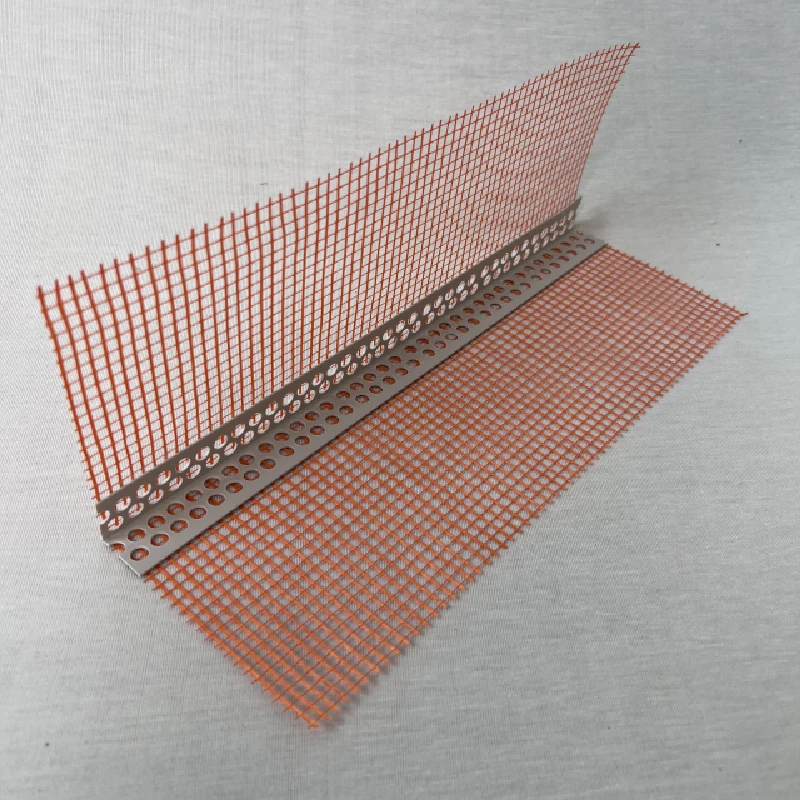
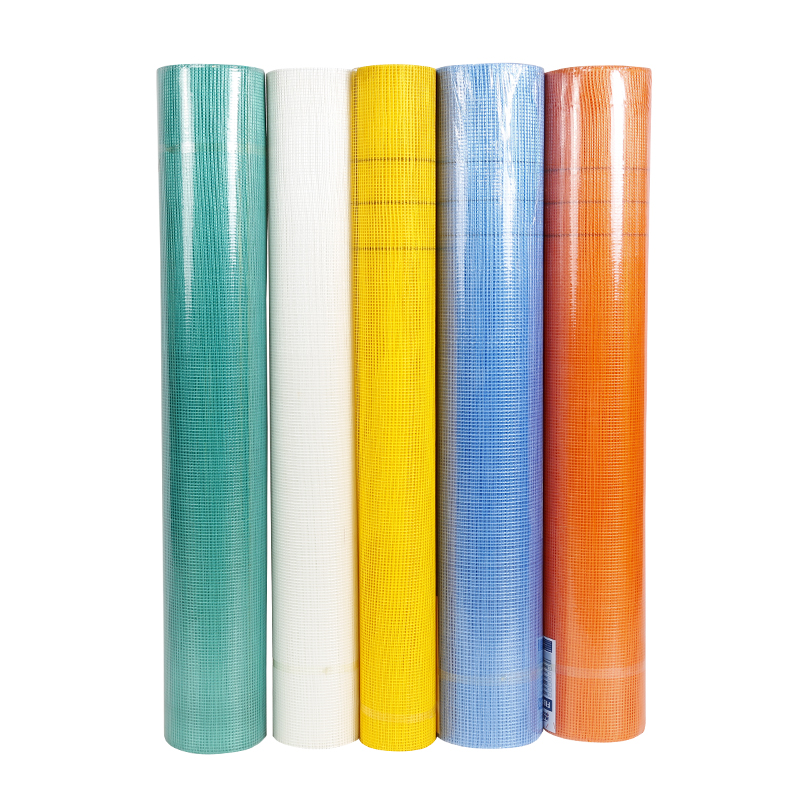
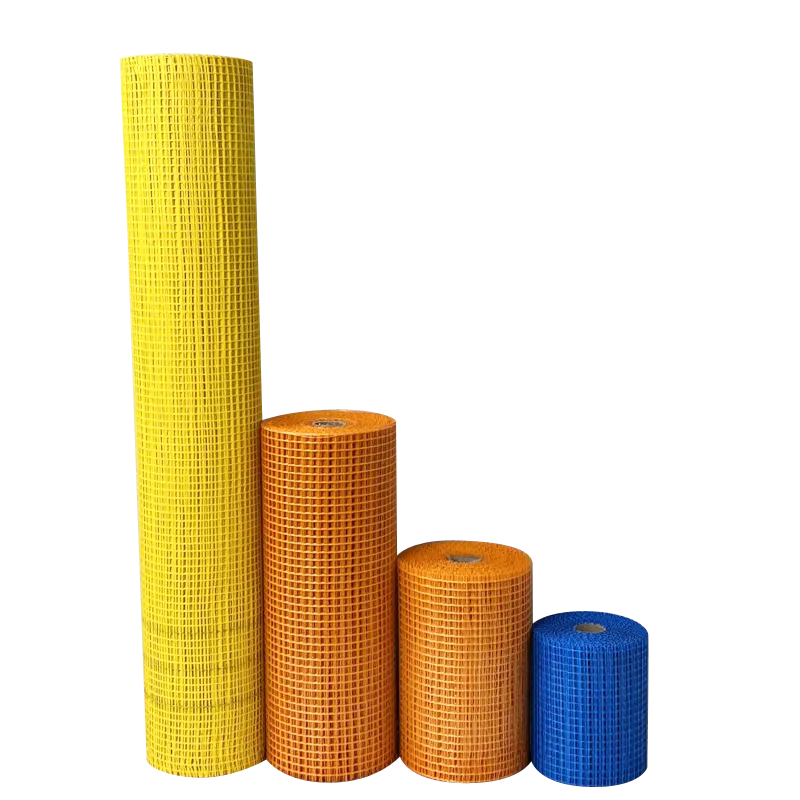
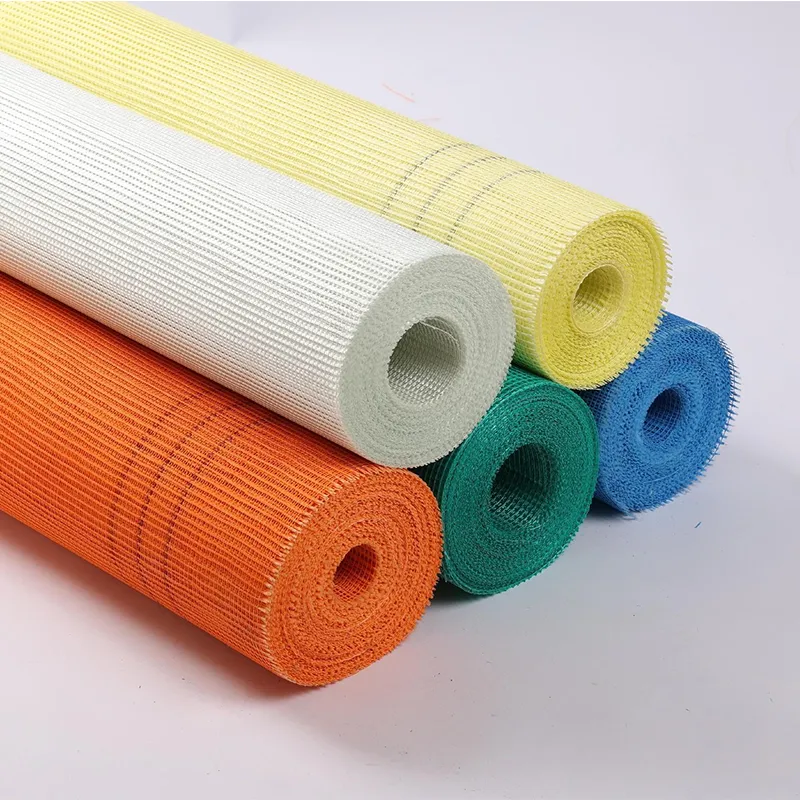
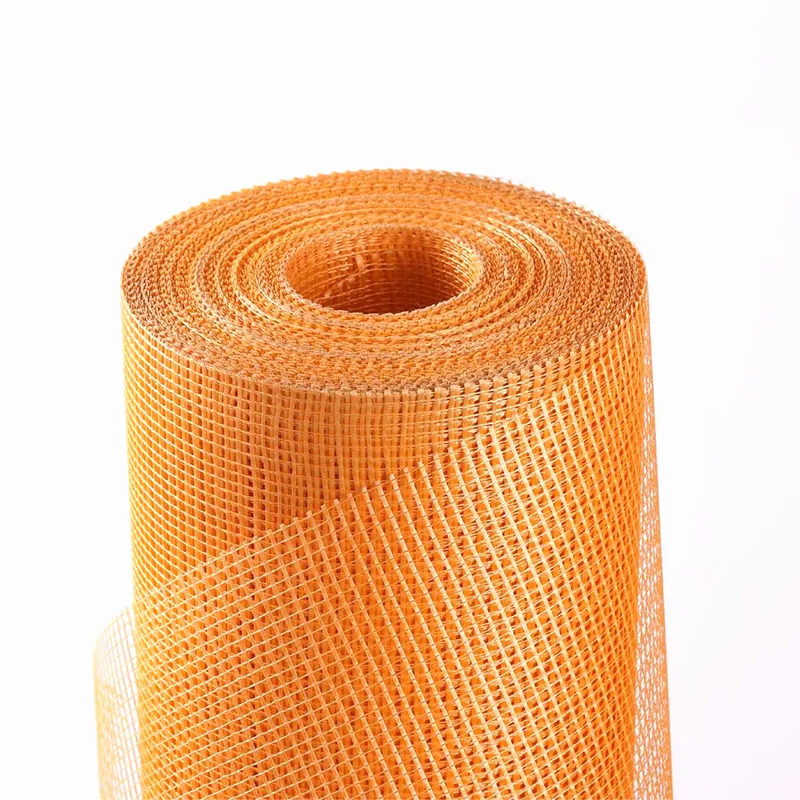
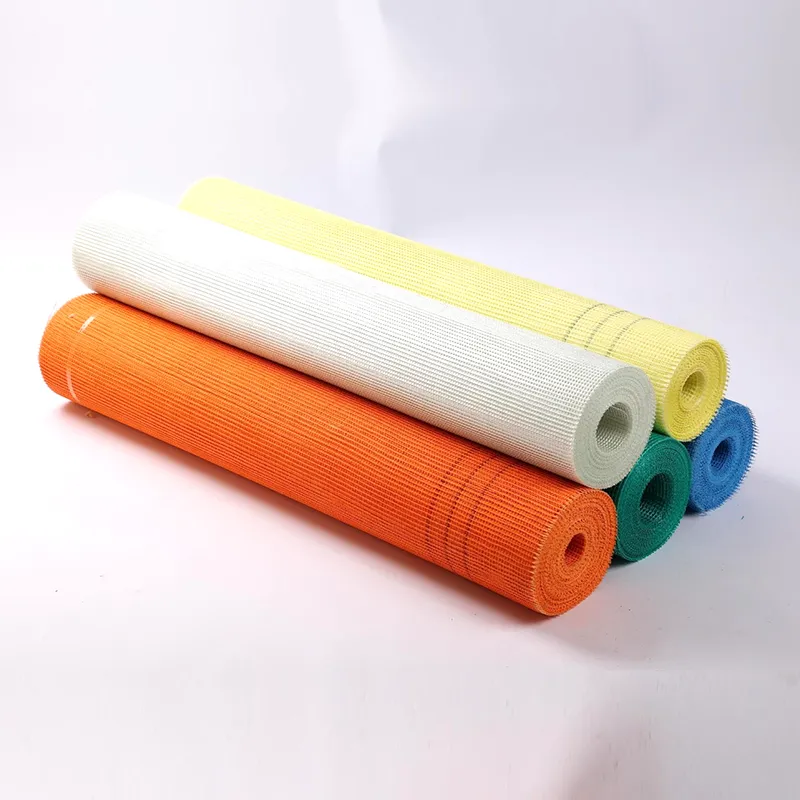
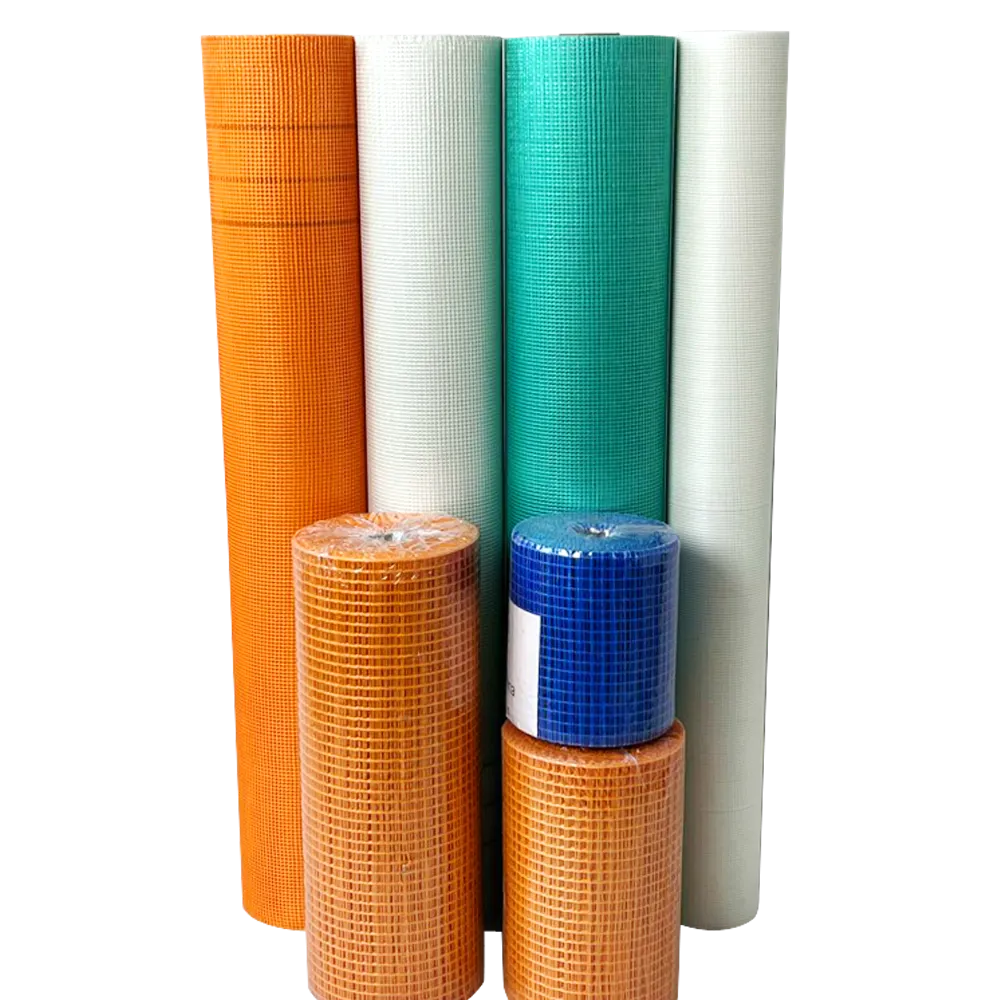
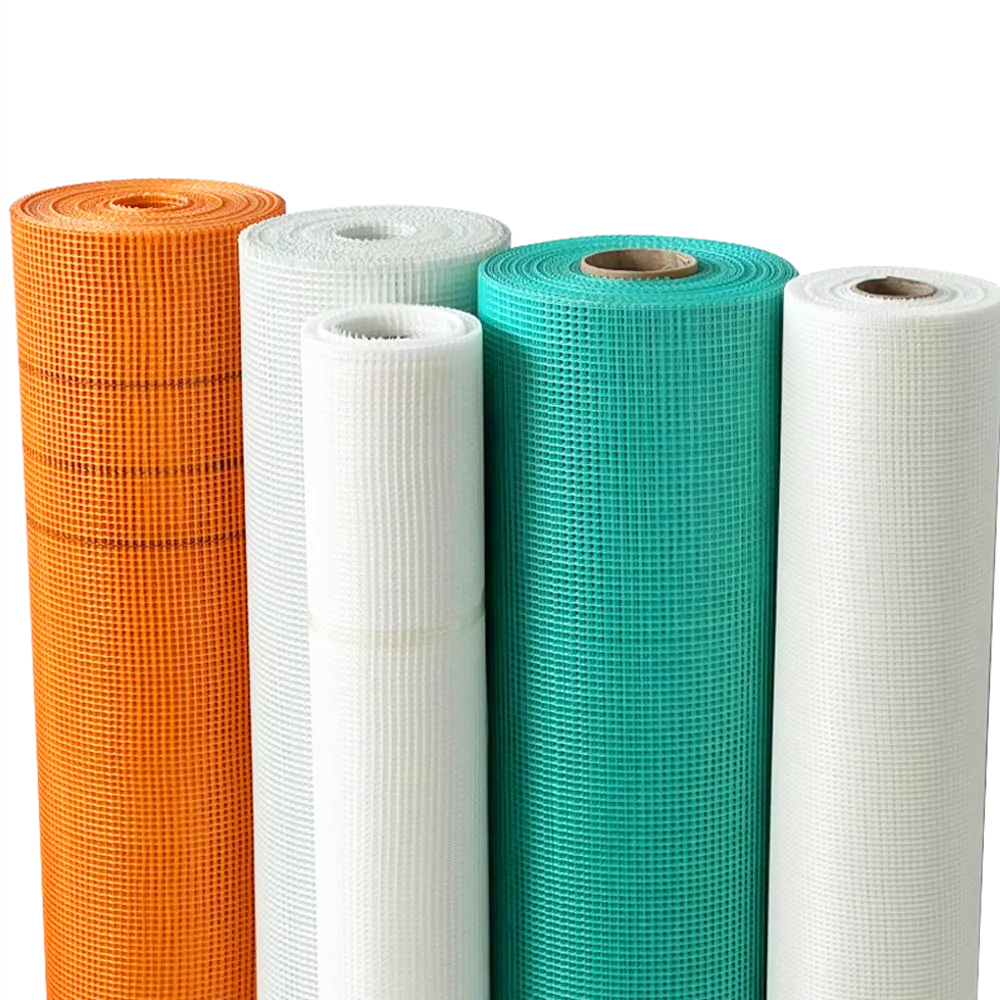
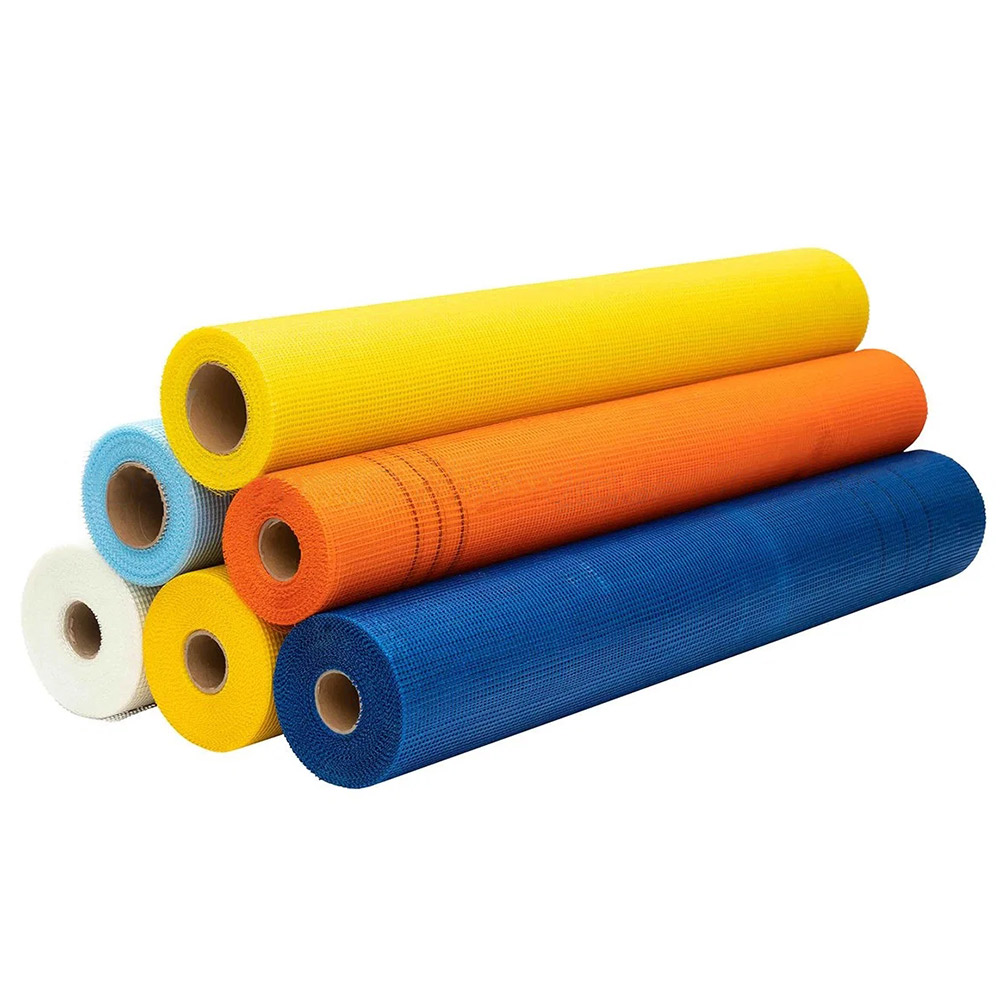
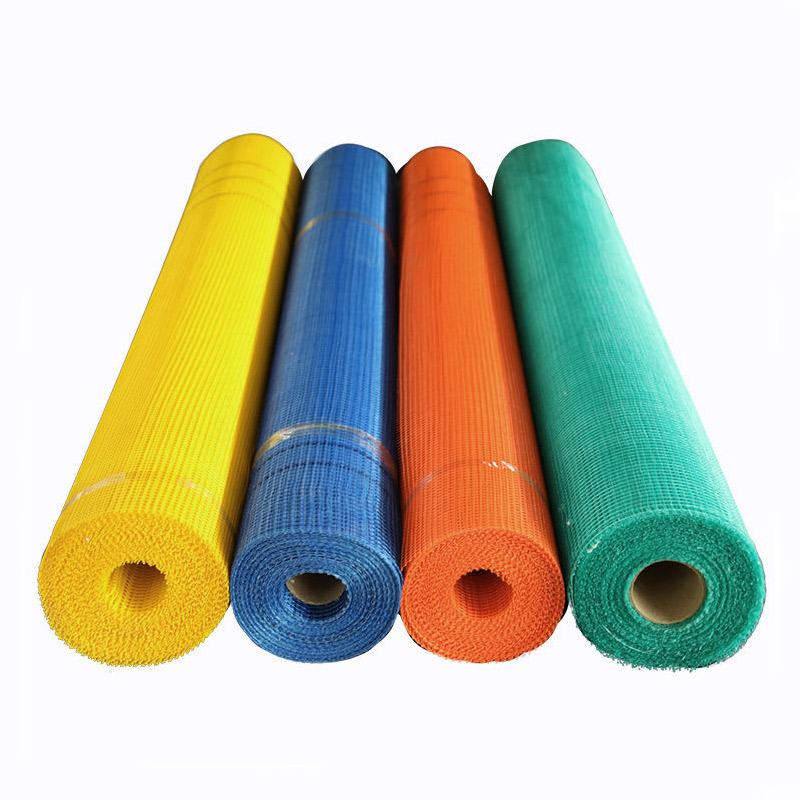
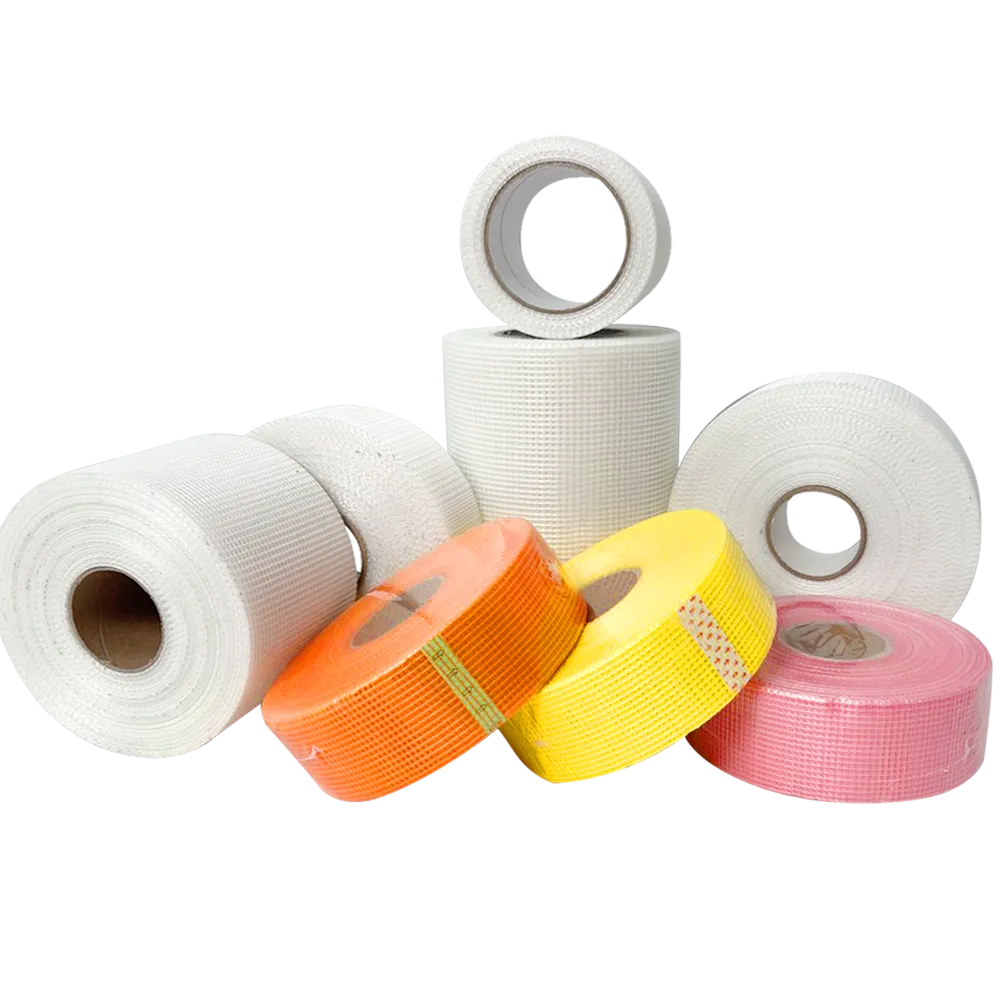
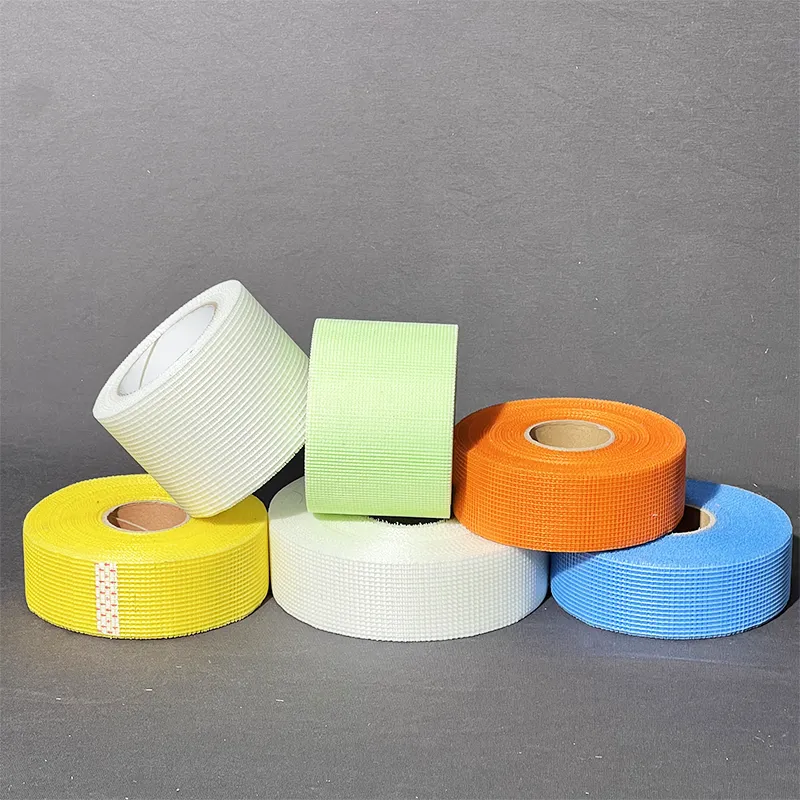
A fiberglass mesh roll for plastering is typically supplied in rolls of varying widths and lengths, making it suitable for both small repairs and large-scale construction projects. This roll format allows for continuous application, minimizing joints and overlaps that could weaken reinforcement.
One of the most significant benefits of using a fiberglass mesh roll for plastering is improved crack resistance. The mesh acts as a reinforcing skeleton within the plaster layer, controlling micro-cracks before they develop into visible surface defects. This is especially important in areas prone to movement, such as wall joints, corners, door and window openings.
Ease of installation is another major advantage. Contractors can embed the mesh directly into the base coat of plaster, ensuring full coverage and strong bonding. Unlike metal mesh, fiberglass mesh does not rust, eliminating corrosion-related staining or deterioration over time. This makes plastering fiberglass mesh ideal for both interior and exterior applications.
In addition, fiberglass mesh is lightweight yet strong, reducing transportation costs and installation labor. Its flexibility allows it to conform to uneven surfaces and curves, making it suitable for decorative elements, arches, and detailed façade designs.
Plastering Fiberglass Mesh in Exterior Insulation and Rendering Systems
Plastering fiberglass mesh is a core component of exterior insulation finishing systems (EIFS) and rendering applications. In these systems, the mesh is embedded into a reinforcing base coat that sits between insulation boards and the final finish. This layer provides impact resistance and prevents cracking caused by temperature changes, wind loads, and building movement.
For exterior use, plastering fibreglass mesh (the British spelling commonly used in many regions) is specifically engineered to withstand harsh weather conditions, UV exposure, and moisture. Its alkali-resistant properties ensure long-term stability, even in demanding environments.
In renovation and repair projects, plastering fibreglass mesh is often applied over existing surfaces to stabilize old plaster and prevent further cracking. This approach extends the lifespan of walls without the need for complete removal and replacement, saving both time and cost.
The mesh also improves adhesion between layers of plaster, creating a more unified and resilient surface. As a result, finishes remain smooth and intact for longer periods, enhancing both aesthetics and performance.
Applications of Fiberglass Netting Mesh in Construction
The versatility of fiberglass netting mesh makes it suitable for a wide range of construction and finishing applications, including:
Interior wall and ceiling plastering
Exterior wall rendering and façade systems
Repair and renovation of cracked plaster
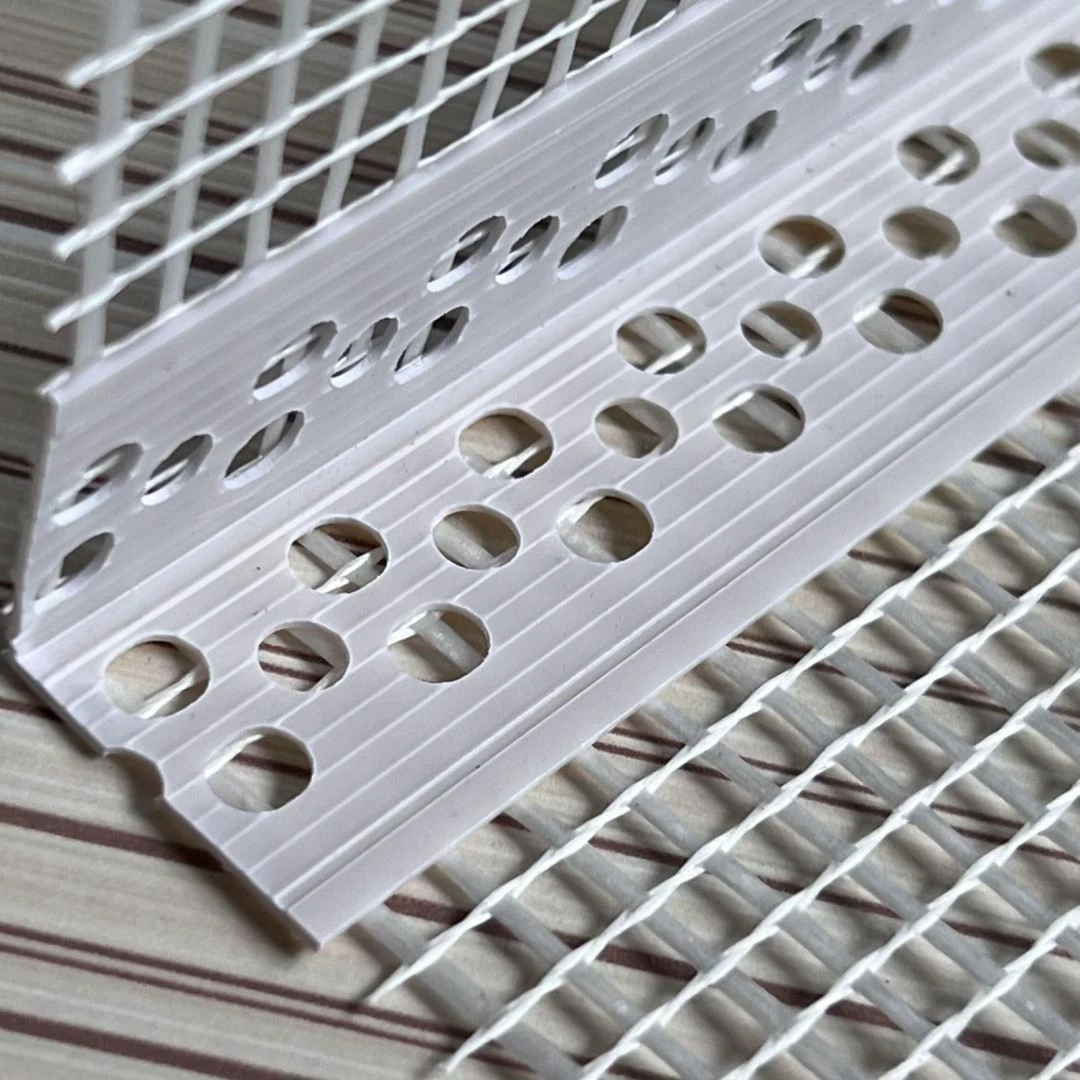
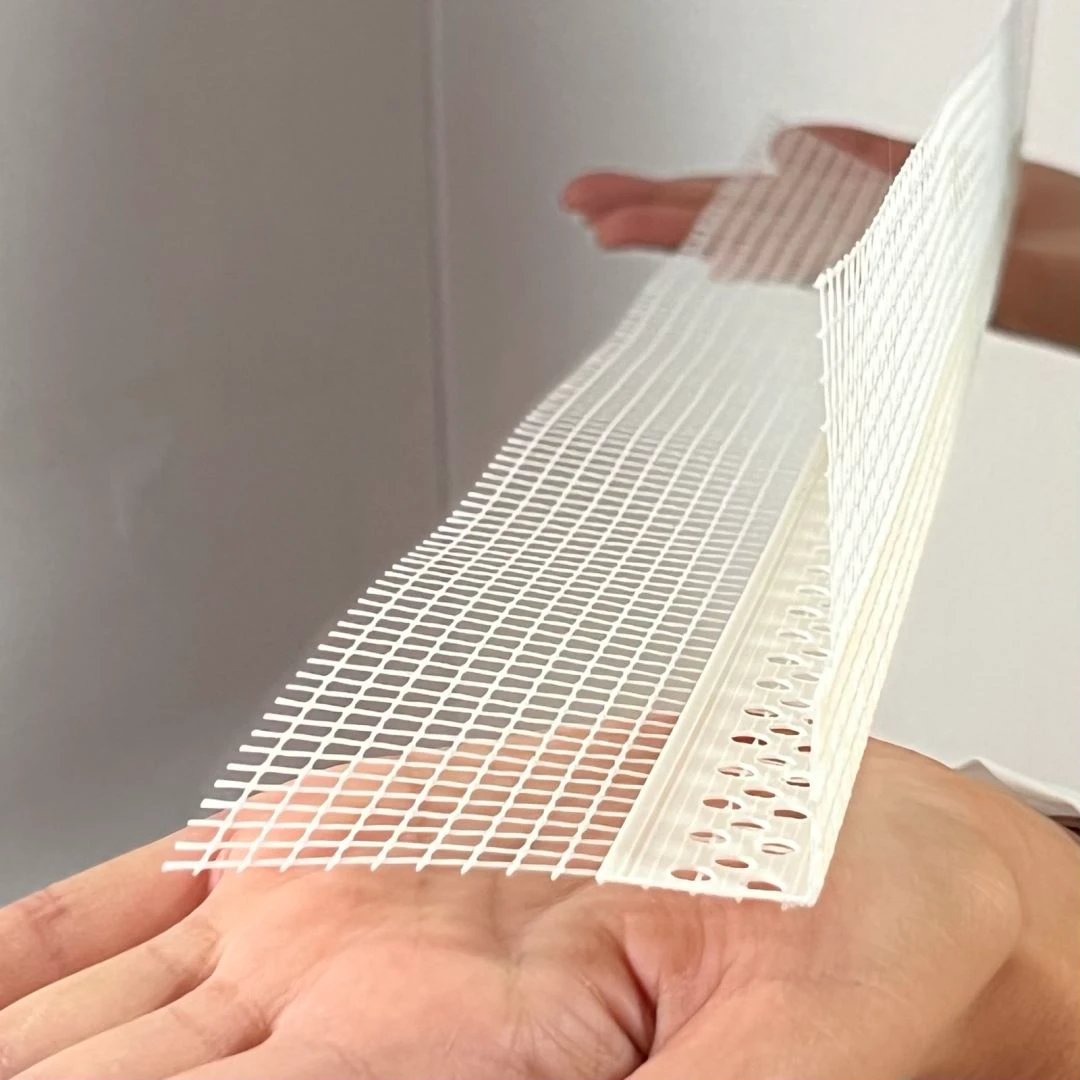
Reinforcement around openings and corners
Decorative moldings and architectural details
In each of these applications, fiberglass mesh netting provides reliable reinforcement without adding unnecessary weight or complexity. Its non-metallic nature ensures compatibility with modern construction materials and techniques.
Different mesh weights and aperture sizes are available to meet specific project requirements. Lightweight meshes are commonly used for interior plastering, while heavier meshes offer additional strength for exterior and high-impact areas.
Why Fiberglass Mesh Is the Preferred Choice for Plastering
Compared to traditional reinforcement options, fiberglass mesh offers several long-term advantages. It does not corrode, rot, or deteriorate under moisture exposure, making it ideal for humid or variable climates. Its consistent weave and tensile strength provide predictable performance, which is essential for professional construction standards.
Safety is another consideration. Fiberglass netting has smooth edges and is easy to cut, reducing the risk of injury during installation. This improves on-site efficiency and worker comfort.
As sustainability becomes increasingly important, fiberglass mesh also contributes to longer-lasting buildings with reduced maintenance needs. Durable plaster systems reinforced with fiberglass mesh require fewer repairs over their lifespan, lowering material consumption and overall environmental impact.
From basic wall plastering to advanced exterior rendering systems, fiberglass mesh netting has proven to be an indispensable reinforcement material. Whether supplied as fiberglass netting, fiberglass netting mesh, or a fiberglass mesh roll for plastering, it delivers strength, flexibility, and durability that modern construction demands.
By using high-quality plastering fiberglass mesh or plastering fibreglass mesh, builders and contractors can achieve smoother finishes, improved crack resistance, and longer-lasting surfaces. As construction techniques continue to evolve, fiberglass mesh will remain a key component in reliable, high-performance plastering and finishing systems.
-
Best Fiberglass Mesh Tape for RedGard Product Waterproofing GuideNewsApr.16,2026
-
Why High Strength Fiberglass Mesh Is Essential For Stucco ApplicationNewsApr.15,2026
-
Why Alkali Resistant Fiberglass Mesh Tape Is Essential For Cement Board And Tile InstallationsNewsApr.15,2026
-
Understanding The Role Of Drywall Fiberglass Mesh In Interior FinishingNewsApr.15,2026
-
Ultimate Guide To Using Fiberglass Mesh Tape For Drywall And Plaster RepairsNewsApr.15,2026
-
The Versatility Of Fiberglass Mesh In Marble And Stone MosaicNewsApr.15,2026