Feb . 03, 2026 17:05 Back to list
Fiberglass Mesh for Concrete: Strengthening Modern Concrete Reinforcement Systems
Concrete is one of the most widely used construction materials in the world, valued for its compressive strength, durability, and versatility. However, concrete is naturally weak in tension and prone to cracking over time due to shrinkage, temperature changes, and structural stress. To overcome these limitations, reinforcement materials are essential. Among the most effective and increasingly popular solutions is fiberglass mesh for concrete. From large-scale structural applications to decorative concrete countertops, fiberglass mesh has become a reliable reinforcement material across the construction industry.
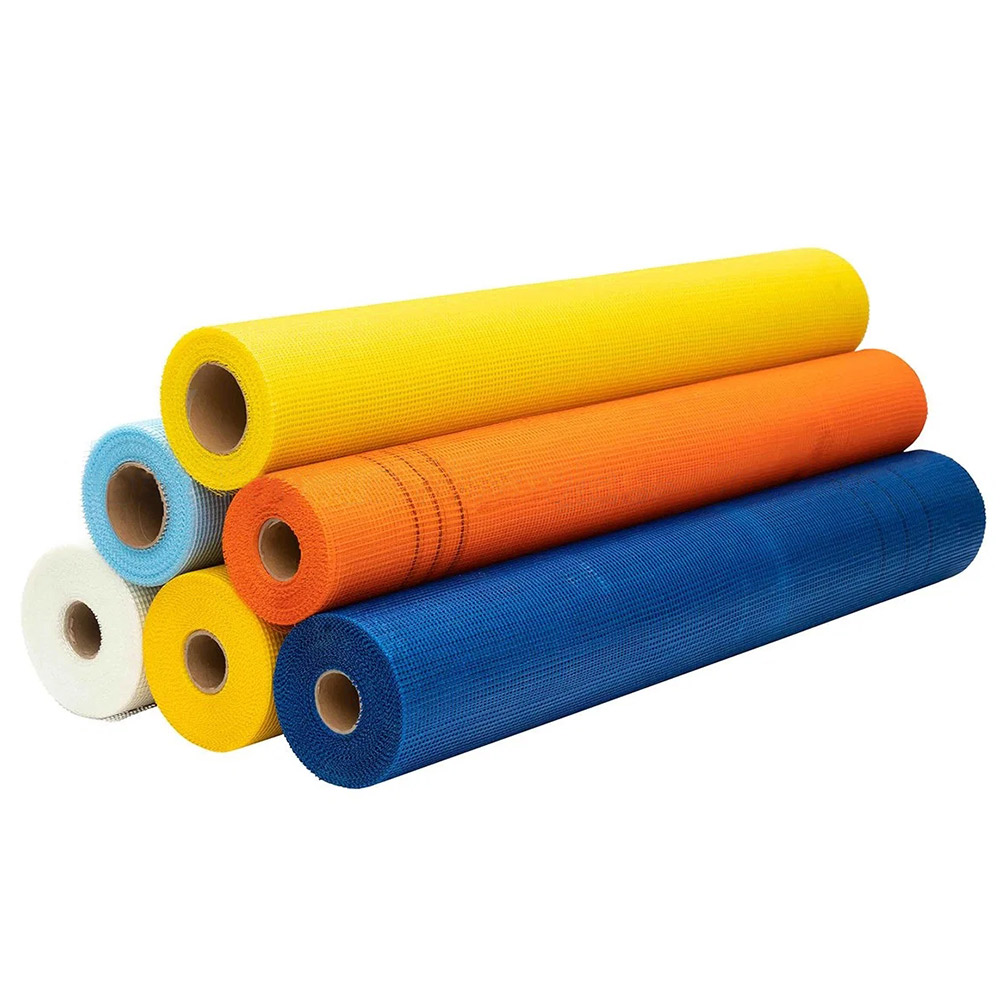
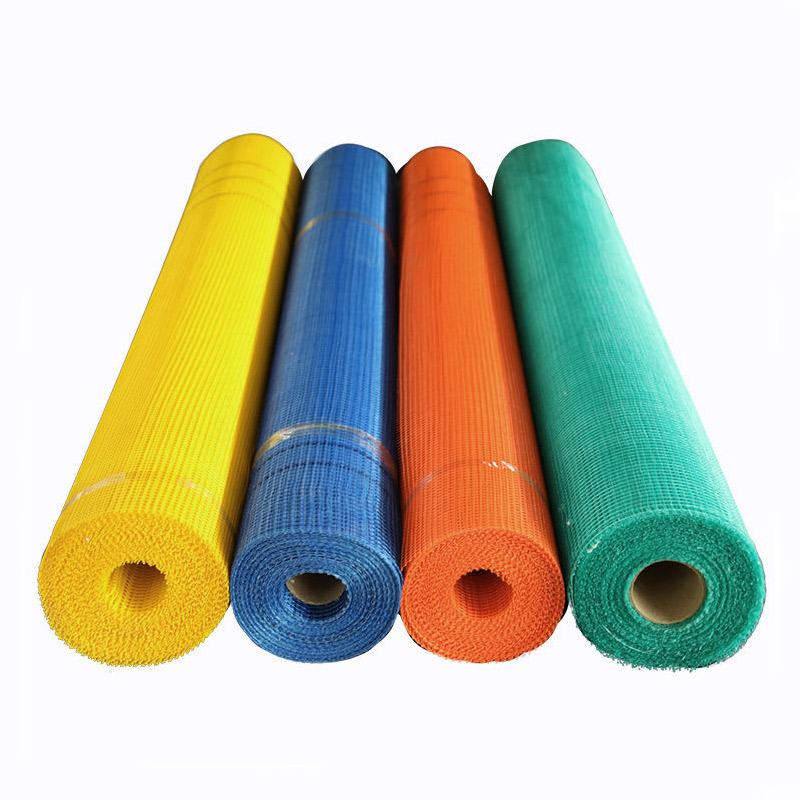
Understanding Fiber Glass Mesh for Concrete and Its Composition
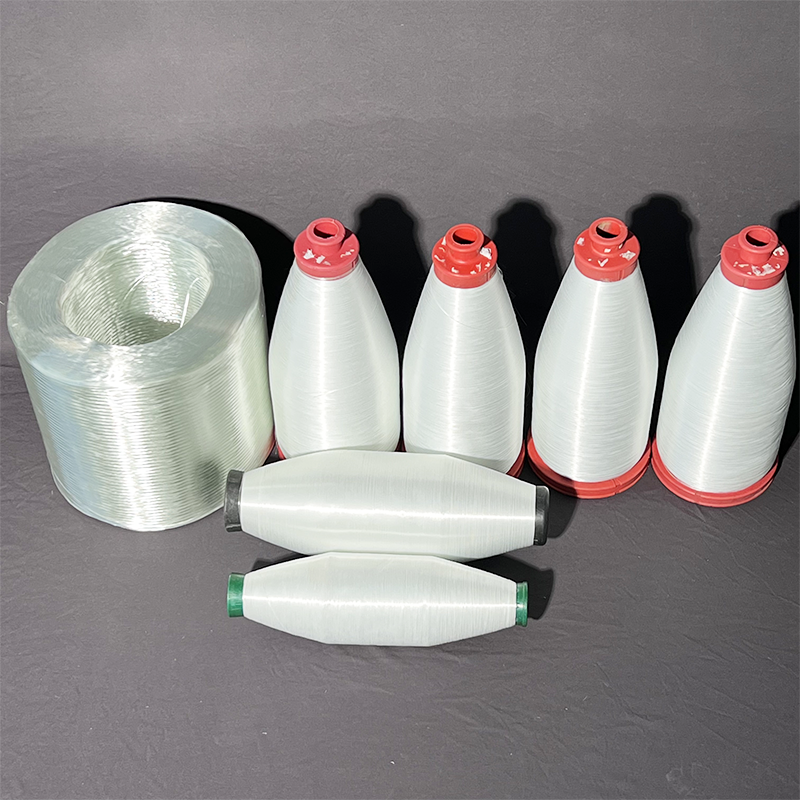
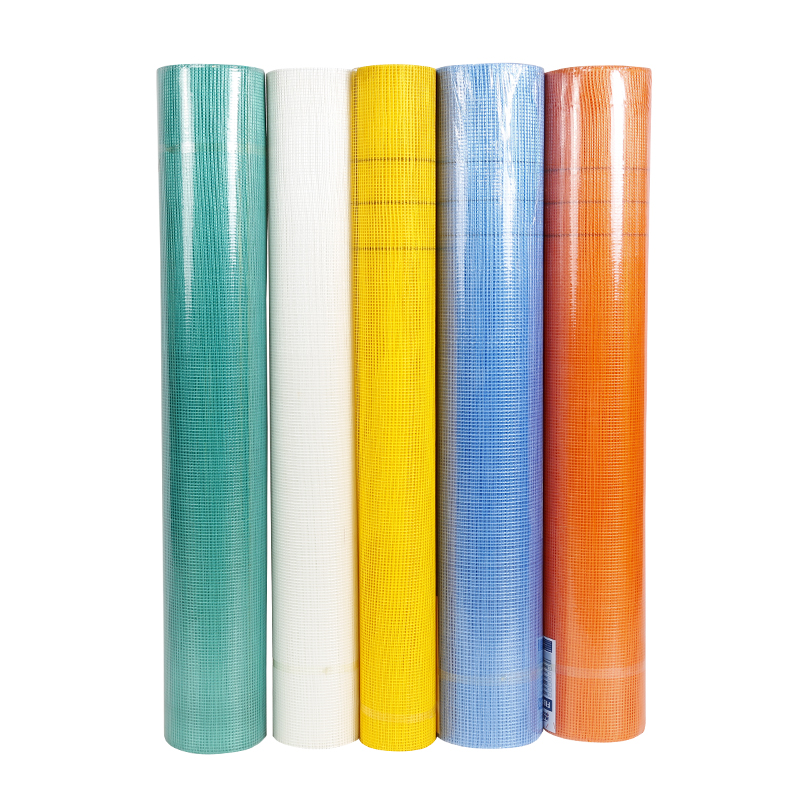
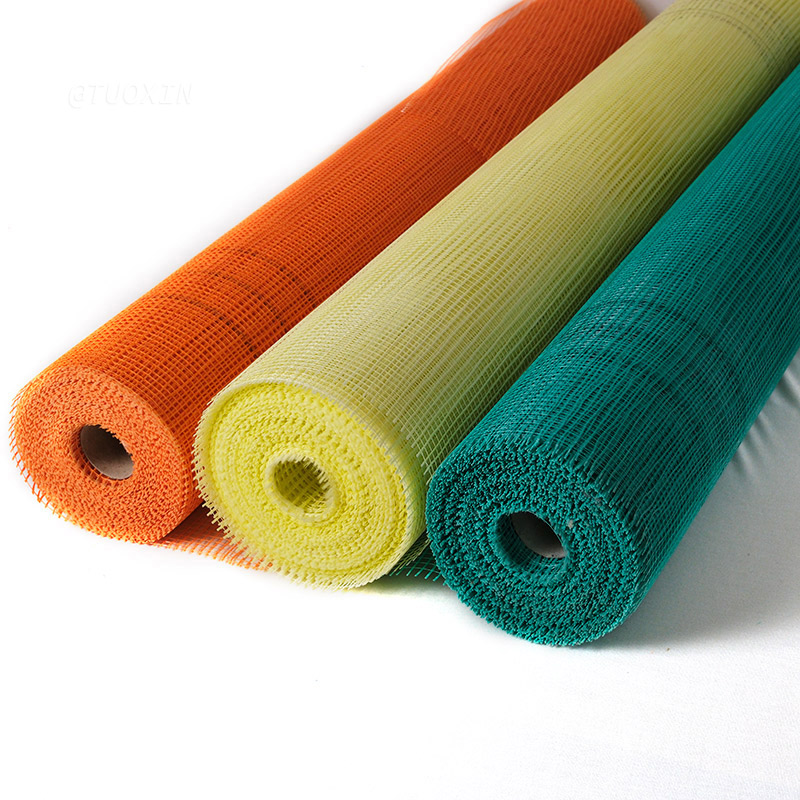
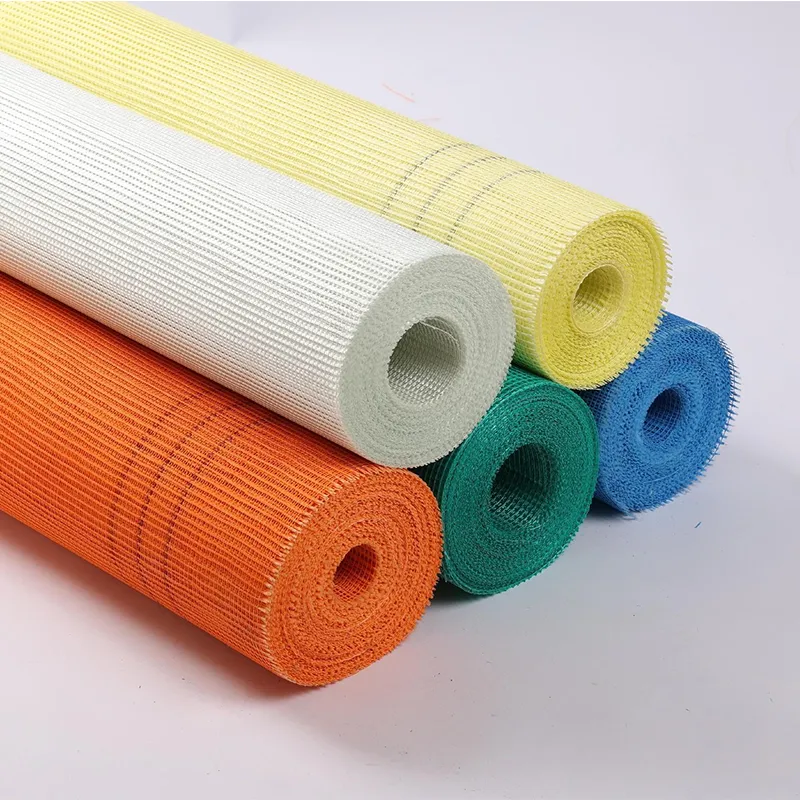
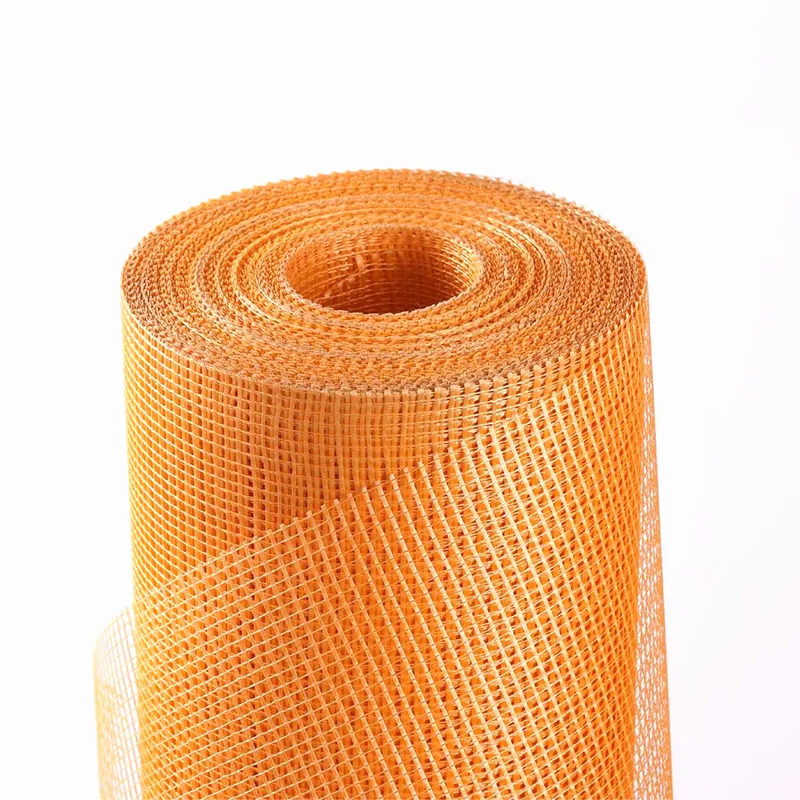
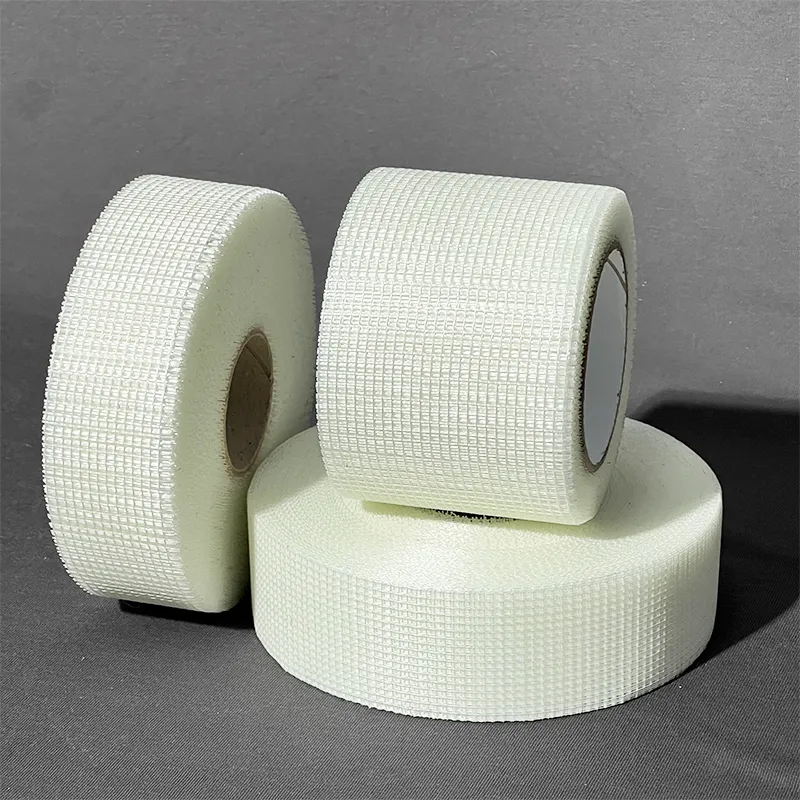
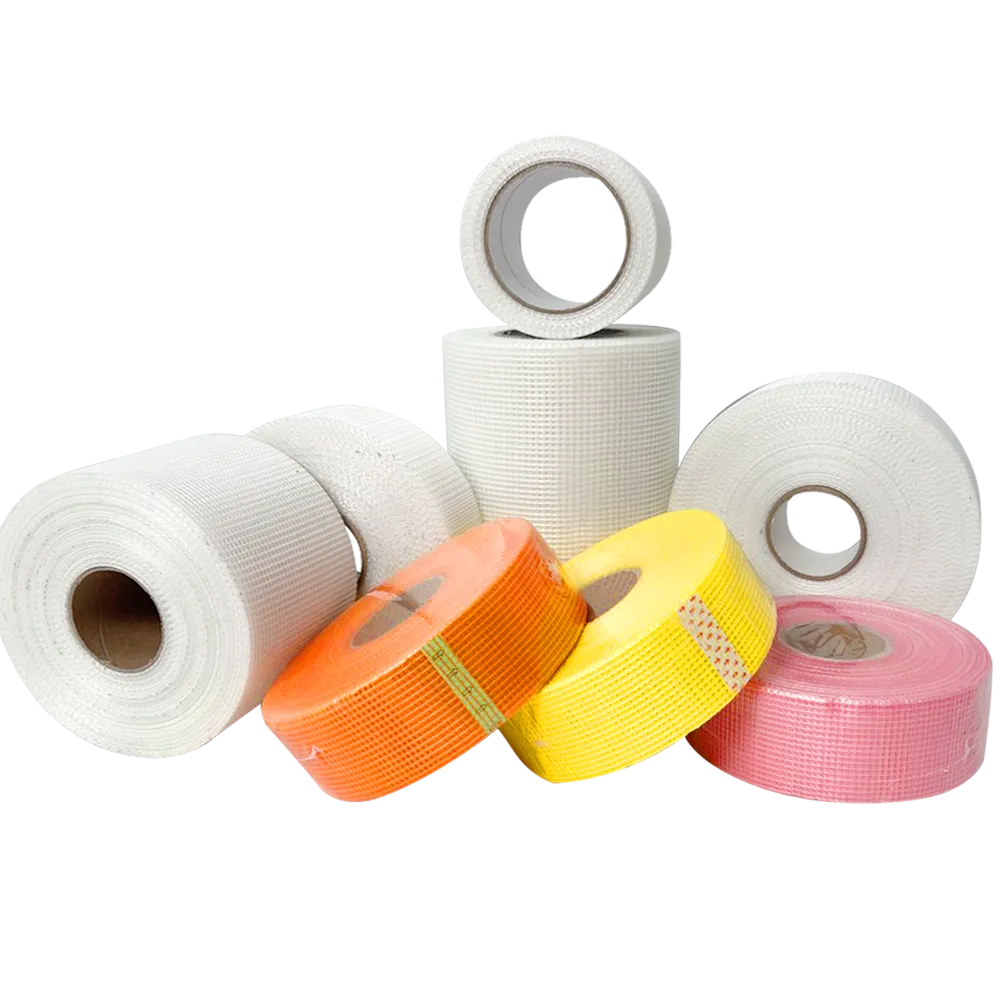
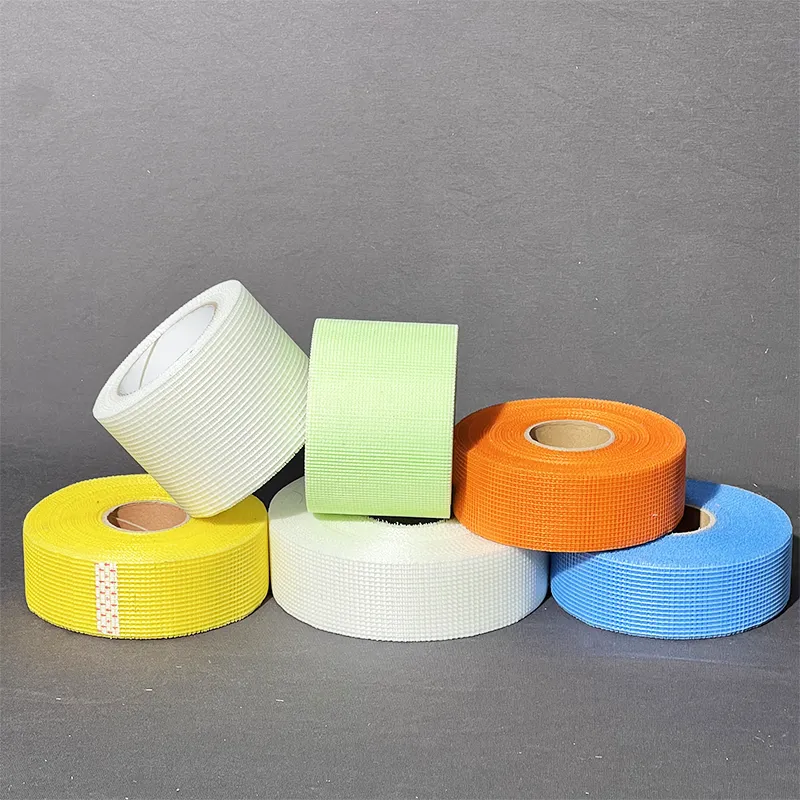
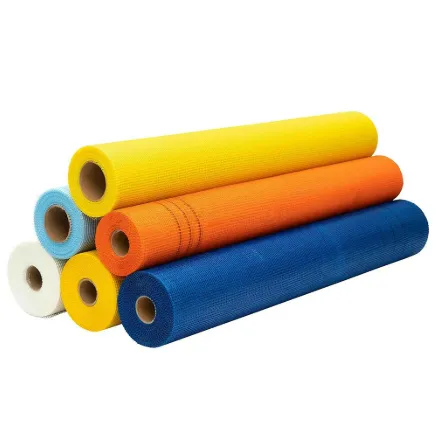
Fiber glass mesh for concrete is a woven reinforcement material made from high-strength fiberglass yarns. These yarns are typically coated with an alkali-resistant (AR) treatment, allowing the mesh to withstand the highly alkaline environment of concrete without degrading over time. This alkali resistance is critical, as untreated fiberglass can weaken when exposed to cement-based materials.
Unlike traditional steel reinforcement, fiberglass mesh is lightweight, flexible, and corrosion-resistant. It does not rust, which makes it particularly suitable for environments where moisture, chemicals, or salt exposure would compromise metal reinforcement. This durability significantly extends the service life of concrete structures.
Another important advantage of fiberglass mesh for concrete reinforcement is its uniform load distribution. The mesh structure spreads stress evenly throughout the concrete, reducing localized cracking and improving tensile performance. This makes it an ideal reinforcement solution for thin concrete sections, overlays, and architectural elements where steel rebar may be impractical or excessive.
Fiberglass Mesh for Concrete Reinforcement: Performance and Benefits
Fiberglass mesh for concrete reinforcement is widely used to control cracking and enhance the structural integrity of concrete elements. When embedded within concrete, the mesh acts as a secondary reinforcement system that improves flexural strength and impact resistance.
One of the primary benefits is crack control. Concrete naturally shrinks as it cures, often leading to micro-cracks that can expand over time. Fiberglass mesh limits the width and propagation of these cracks, helping maintain both structural performance and visual appearance. This is especially important in slabs, walls, and precast panels.
Weight reduction is another significant advantage. Compared to steel wire mesh, fiberglass mesh for concrete is much lighter, making transportation, handling, and installation easier and more cost-effective. Contractors can cut and place the mesh quickly, reducing labor time and improving overall project efficiency.
Additionally, fiberglass mesh is non-conductive and non-magnetic, which makes it suitable for specialized applications such as electrical facilities, laboratories, and medical buildings. Its resistance to chemicals and moisture further enhances its performance in aggressive environments, including industrial floors and marine structures.
Fiberglass Mesh for Concrete Countertops and Architectural Applications
Decorative and architectural concrete has grown rapidly in popularity, particularly in interior design. Fiberglass mesh for concrete countertops plays a crucial role in these applications, where thin profiles and refined finishes are required.
Concrete countertops are often much thinner than structural slabs, making traditional steel reinforcement impractical. Fiberglass mesh provides the necessary tensile strength without adding bulk. When embedded within the countertop mix, the mesh helps prevent cracking during curing, transportation, and long-term use.
Another benefit of fiberglass mesh for concrete countertops is design flexibility. The mesh can easily conform to complex shapes, curves, and cutouts for sinks or fixtures. This allows designers and fabricators to create customized pieces without compromising structural integrity.
In architectural panels, façade elements, and decorative overlays, fiberglass mesh for concrete reinforcement enhances durability while maintaining a lightweight structure. This combination is particularly valuable in modern construction, where aesthetics and performance must work together seamlessly.
Applications of Fibreglass Mesh for Concrete in Construction
Across global markets, the British spelling fibreglass mesh for concrete is commonly used, but the material properties and applications remain the same. Fiberglass mesh is widely adopted in both residential and commercial construction projects.
Typical applications include:
Concrete wall reinforcement
Floor slabs and overlays
Precast concrete panels
Stucco and render systems
Bridge decks and infrastructure repairs
In repair and renovation projects, fibreglass mesh for concrete is especially effective. It can be applied over existing surfaces to reinforce repair mortars and prevent recurring cracks. Its compatibility with cement-based materials ensures strong bonding and long-lasting results.
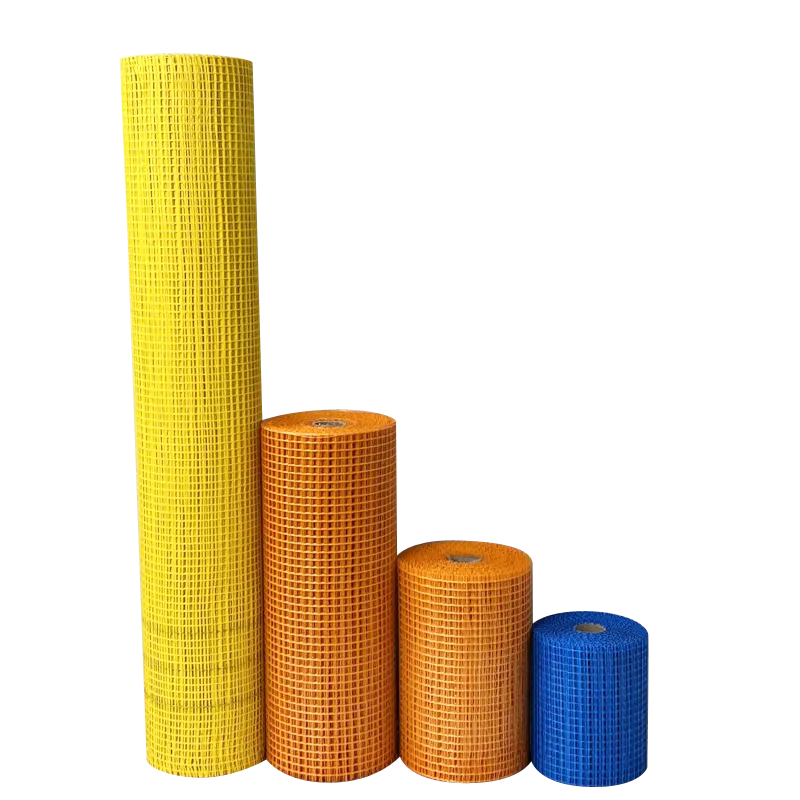
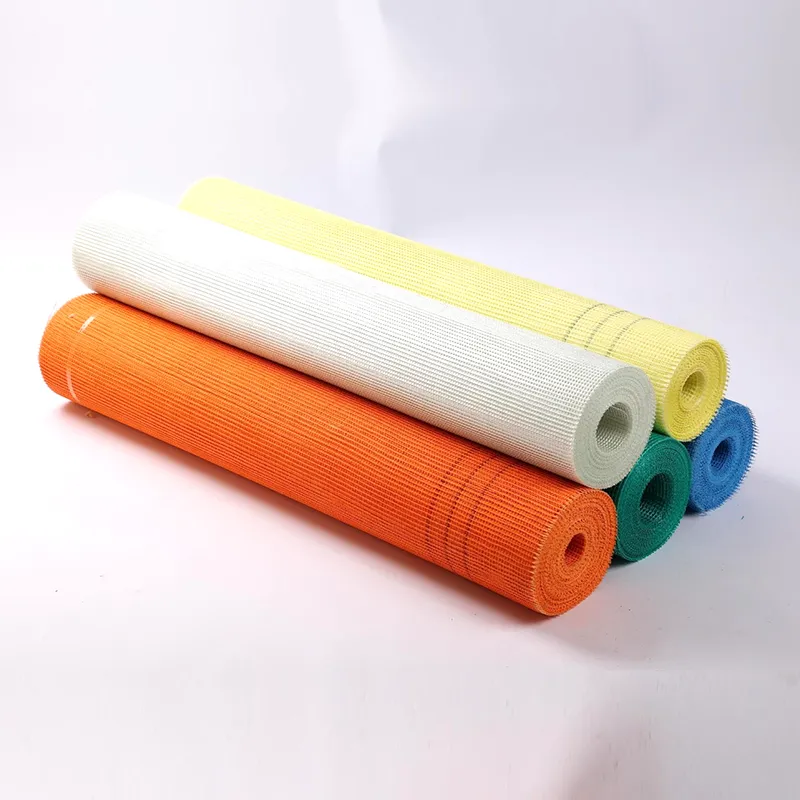
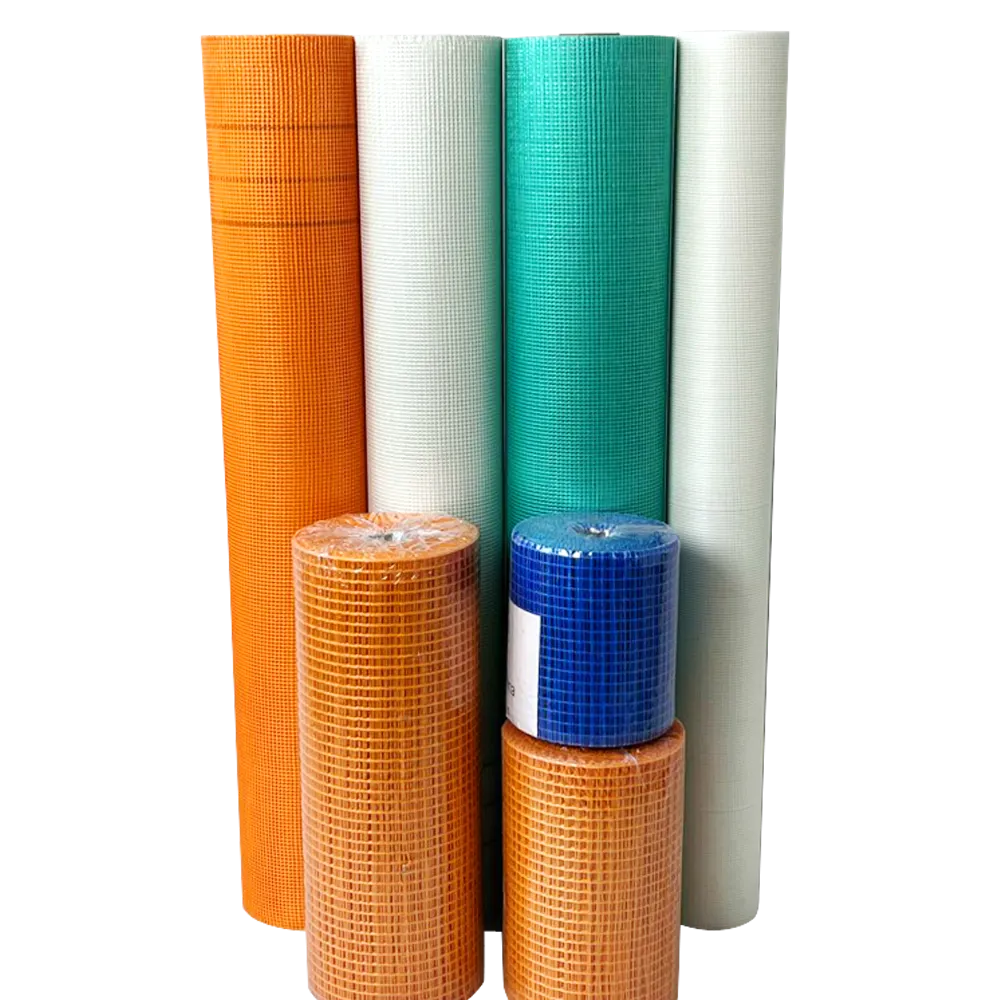
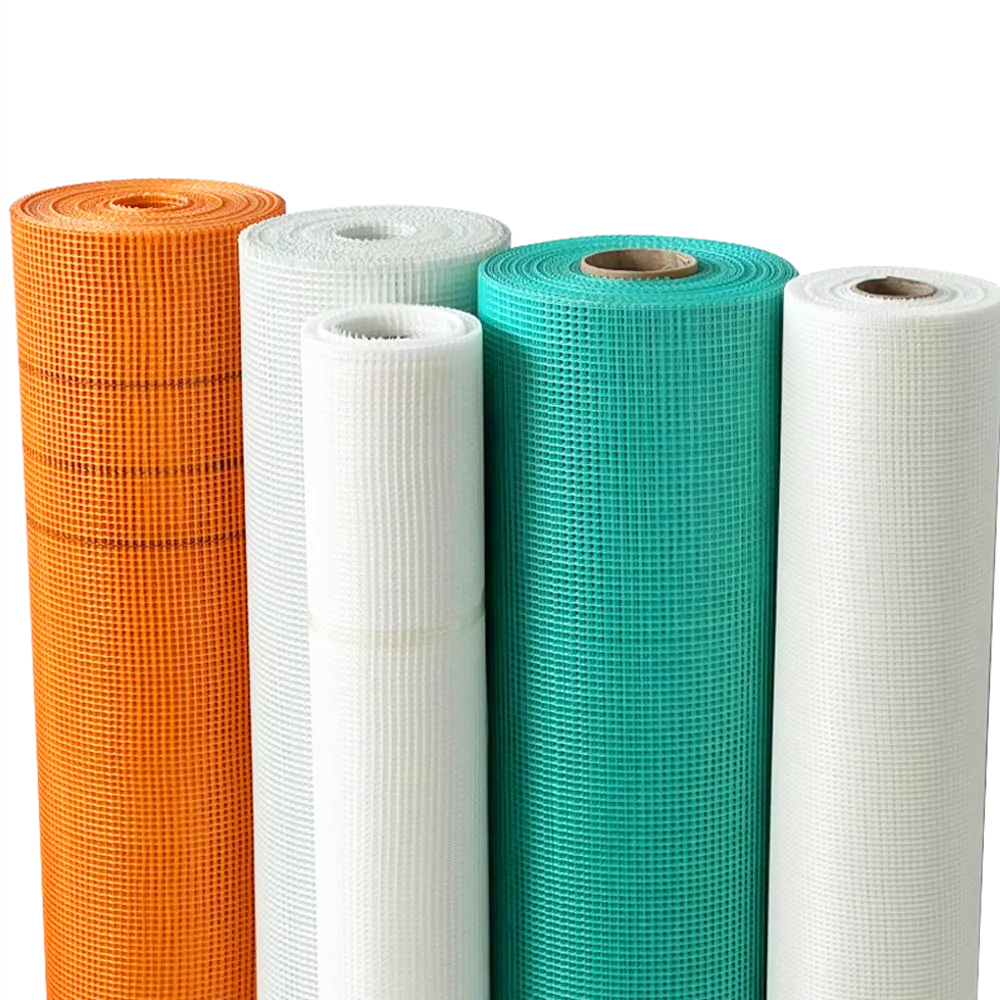
The mesh is available in various weights, mesh sizes, and roll widths, allowing engineers and contractors to select the most appropriate option for each application. Lightweight meshes are often used for surface reinforcement, while heavier grades are designed for higher load-bearing requirements.
Why Fiberglass Mesh Is Replacing Traditional Reinforcement
As construction standards evolve, there is a growing demand for materials that offer durability, sustainability, and efficiency. Fiberglass mesh for concrete meets these demands by providing long-term performance with minimal maintenance.
Unlike steel reinforcement, fiberglass mesh does not corrode, which significantly reduces lifecycle costs. Structures reinforced with fiberglass mesh require fewer repairs and retain their integrity for longer periods. This makes fiberglass mesh an attractive option for projects focused on sustainability and long-term value.
Moreover, installation safety is improved. Fiberglass mesh has no sharp edges, reducing the risk of injuries on construction sites. Its flexibility and ease of cutting further enhance on-site efficiency.
From structural reinforcement to decorative concrete design, fiberglass mesh for concrete has proven to be a versatile and reliable material. Whether used as fiberglass mesh for concrete reinforcement, in architectural panels, or as fiberglass mesh for concrete countertops, it delivers strength, durability, and flexibility that traditional reinforcement materials often cannot match.
As construction continues to prioritize efficiency, longevity, and innovative design, fibreglass mesh for concrete will remain a key component in modern concrete reinforcement systems. Its ability to enhance performance while simplifying installation ensures its continued adoption across a wide range of construction and architectural applications.
-
Best Fiberglass Mesh Tape for RedGard Product Waterproofing GuideNewsApr.16,2026
-
Why High Strength Fiberglass Mesh Is Essential For Stucco ApplicationNewsApr.15,2026
-
Why Alkali Resistant Fiberglass Mesh Tape Is Essential For Cement Board And Tile InstallationsNewsApr.15,2026
-
Understanding The Role Of Drywall Fiberglass Mesh In Interior FinishingNewsApr.15,2026
-
Ultimate Guide To Using Fiberglass Mesh Tape For Drywall And Plaster RepairsNewsApr.15,2026
-
The Versatility Of Fiberglass Mesh In Marble And Stone MosaicNewsApr.15,2026