Dec . 01, 2025 11:40 Back to list
Fiberglass Mesh for Plastering Factories – Durable, Cost-Effective Reinforcement Solutions
Fiberglass Mesh for Plastering Factories: A Modern Essential in Construction
Fiberglass mesh for plastering factories might sound like niche industry jargon, but it's actually a cornerstone material shaping modern construction worldwide. Its significance spans beyond just reinforcing plaster—it influences productivity, sustainability, and the quality of buildings in both booming metropolises and post-crisis rebuilding zones. Understanding this material’s role can give manufacturers, contractors, and planners a real edge in delivering safer, longer-lasting structures while keeping costs manageable.
Why Fiberglass Mesh Matters Globally
Globally, the construction sector faces challenges including the need for resilient infrastructure, cutting costs, and meeting environmental standards. The United Nations International Strategy for Disaster Reduction (UNISDR) stresses that improving building resilience reduces loss from natural disasters, and here fiberglass mesh plays an often underappreciated role.
According to ISO standards, reinforced plaster systems using fiberglass mesh significantly enhance crack resistance and improve structural integrity. This helps reduce maintenance over the lifecycle of buildings, which globally is a massive cost saver — especially in fast-growing regions like Southeast Asia, Latin America, and parts of Africa. It's also worth noting that plastering factories adopting fiberglass mesh are often central to regional construction supply chains, influencing building quality at scale.
But the problem is straightforward: improper plaster reinforcement leads to cracking, water seepage, and ultimately unsafe structures. Fiberglass mesh for plastering factories answers this by enabling more reliable and flexible reinforcement solutions.
Mini takeaway: Fiberglass mesh isn't just an incremental upgrade—it's a key player in making buildings safer and more durable worldwide, a necessity given rising urban demands and unpredictable climates.
What Exactly Is Fiberglass Mesh for Plastering Factories?
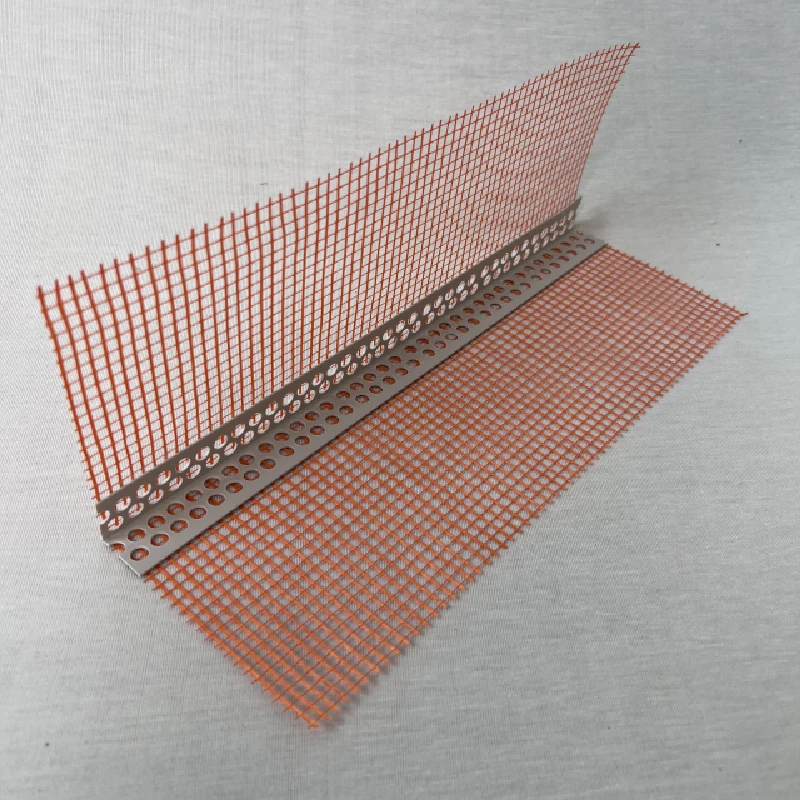
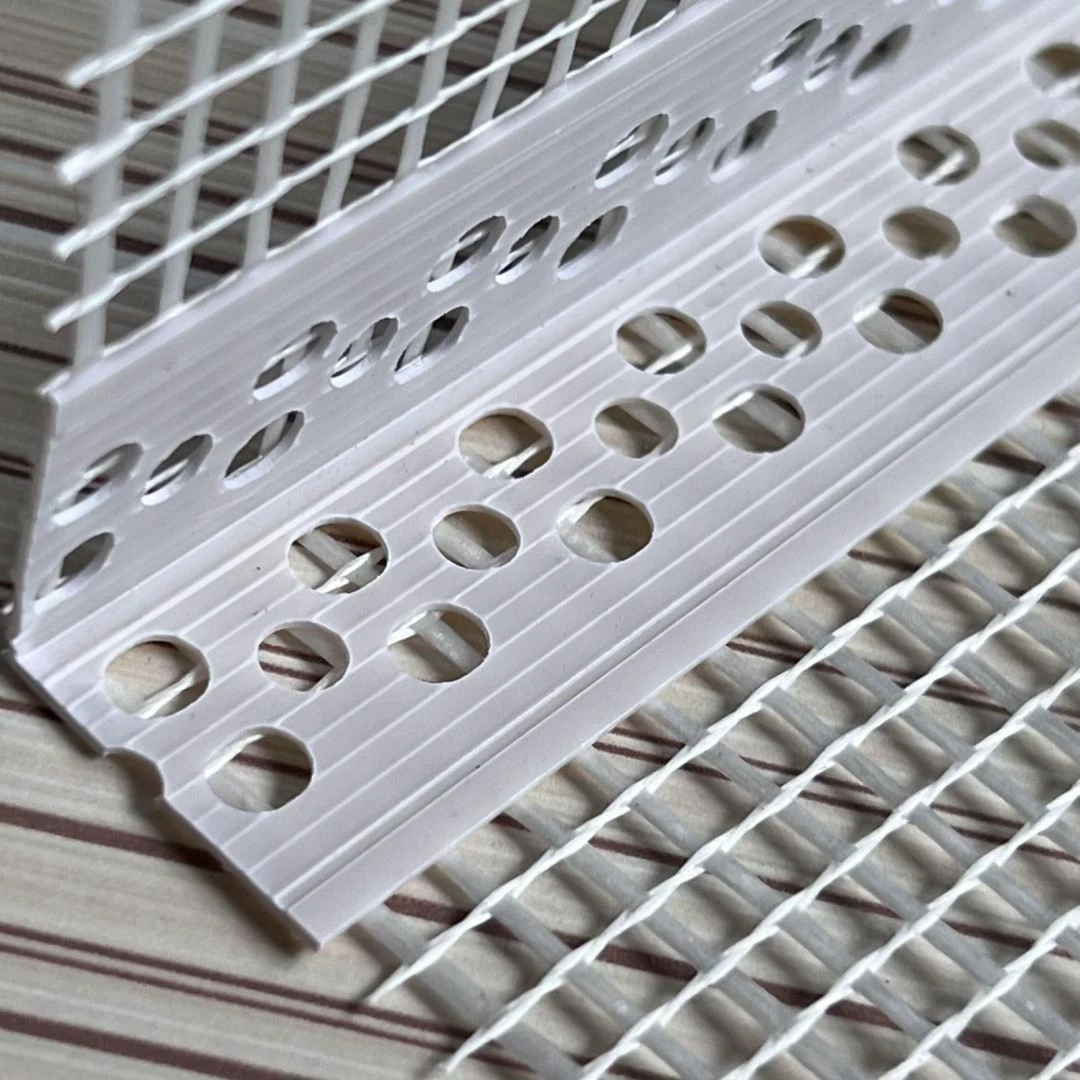
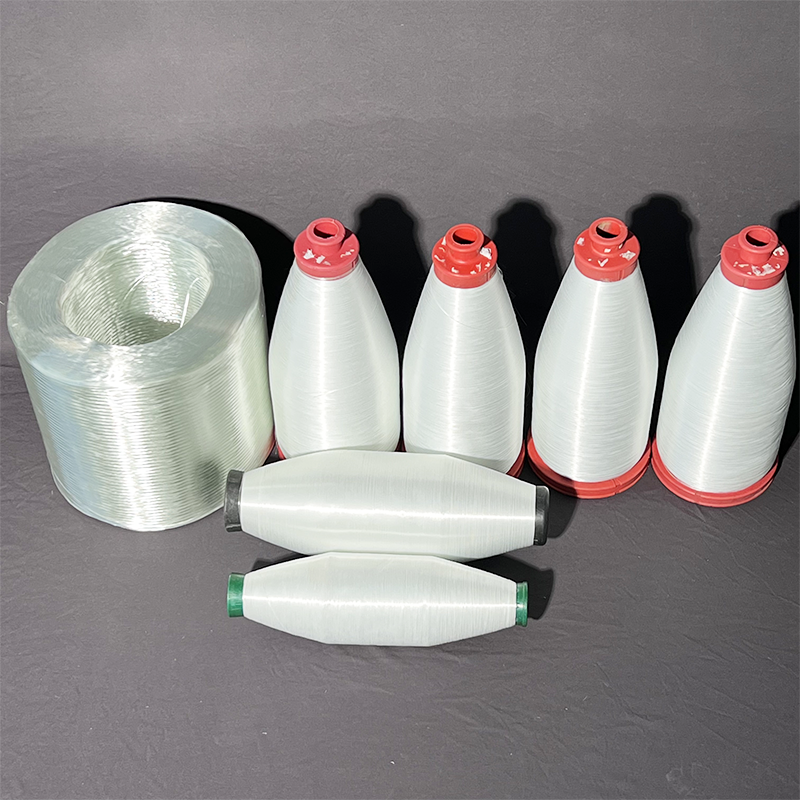
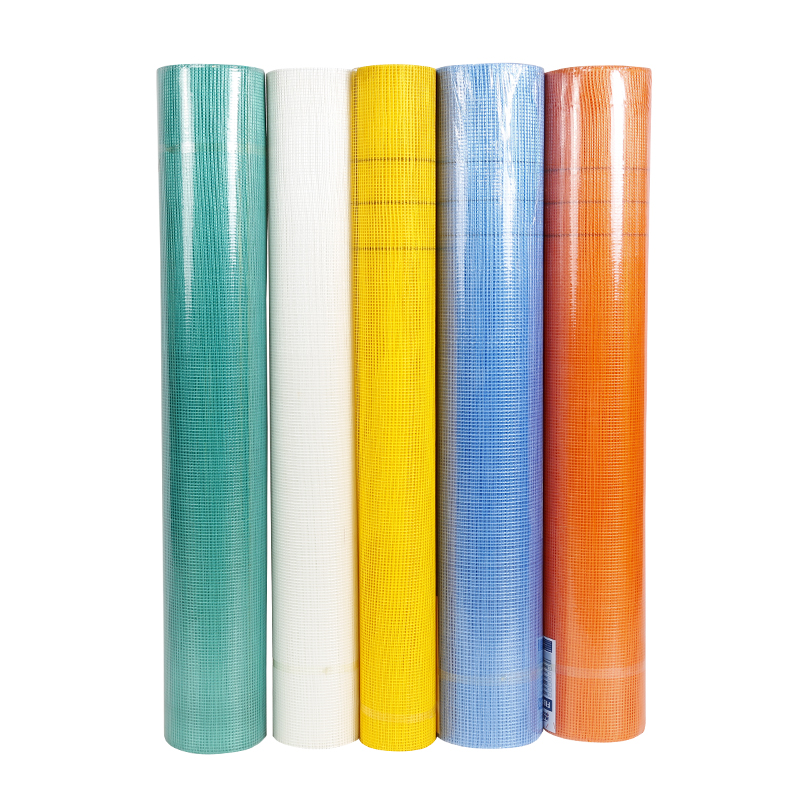
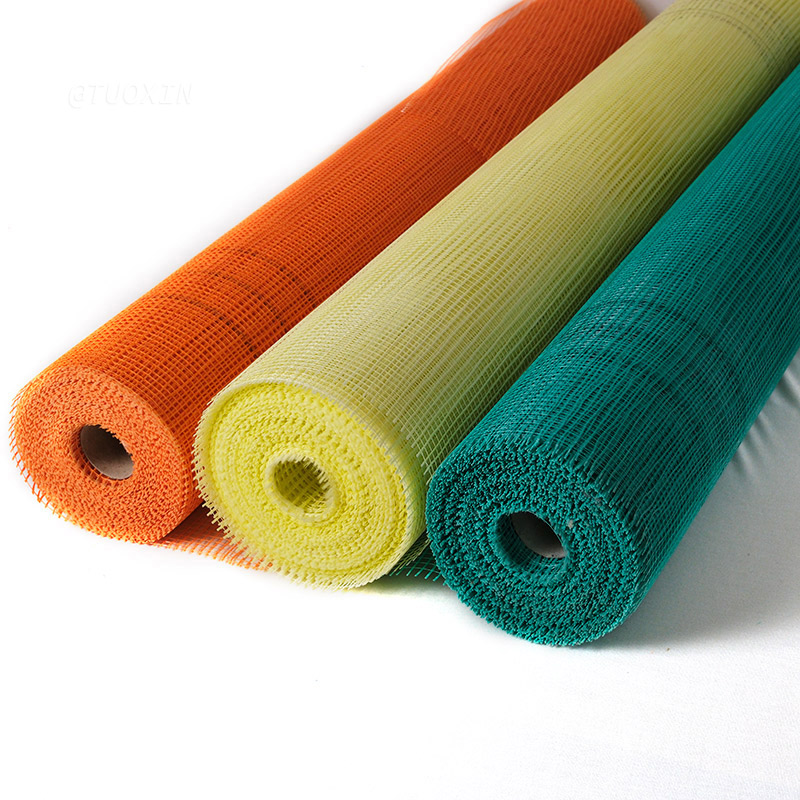
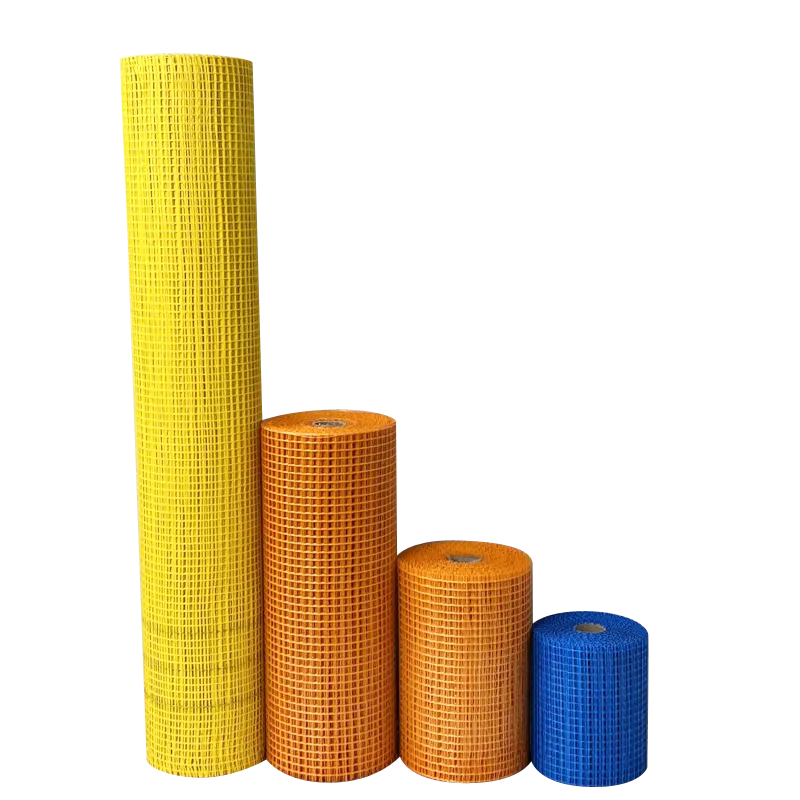
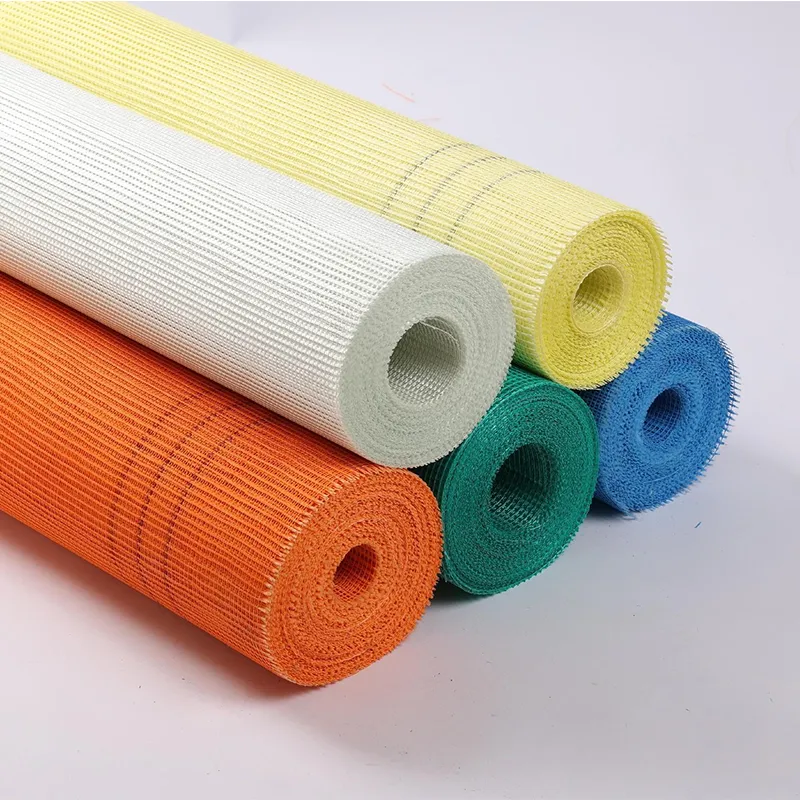
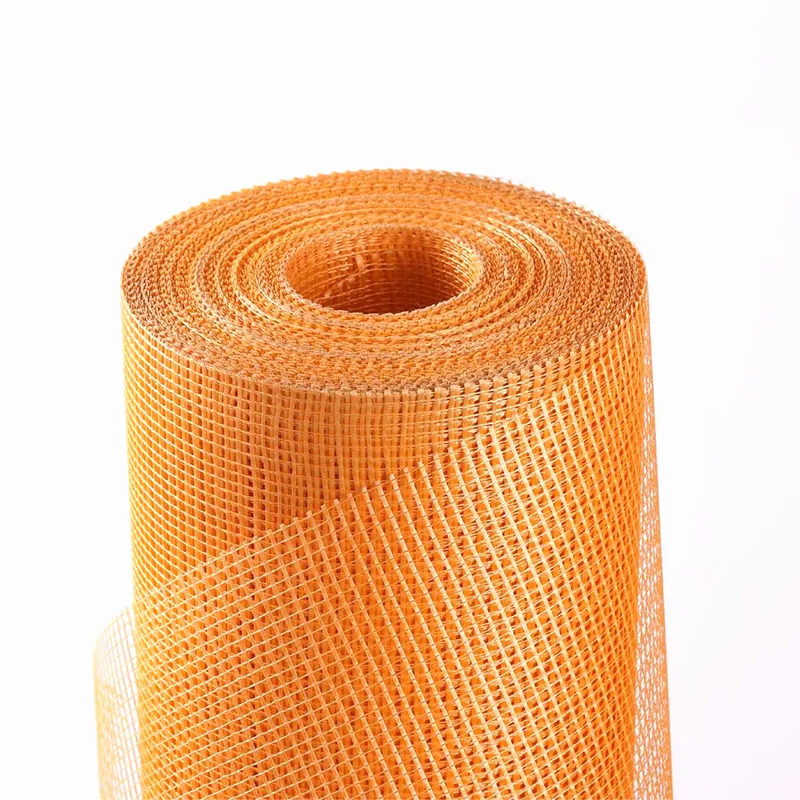
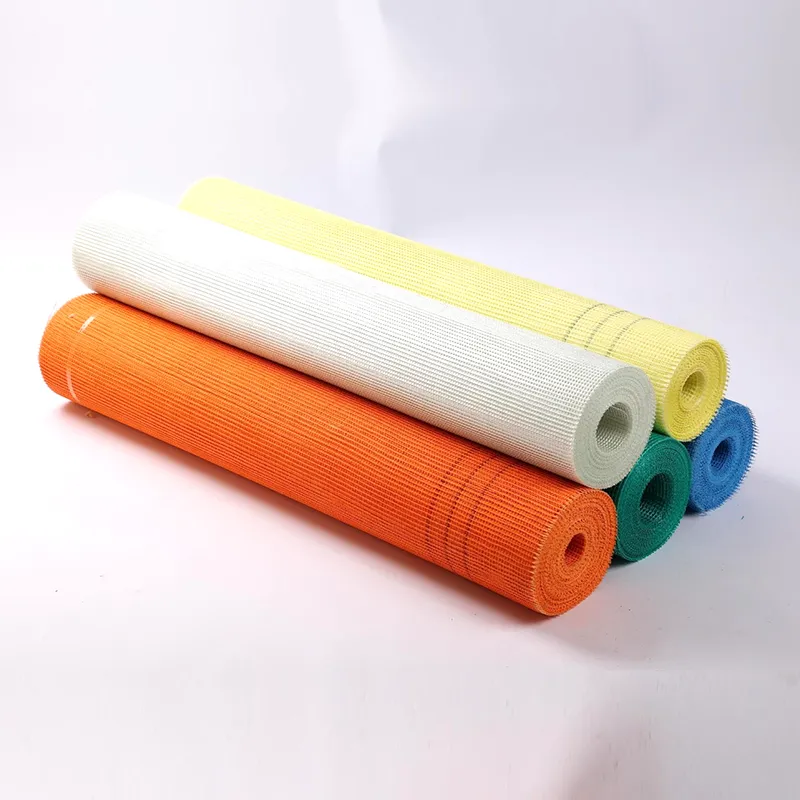
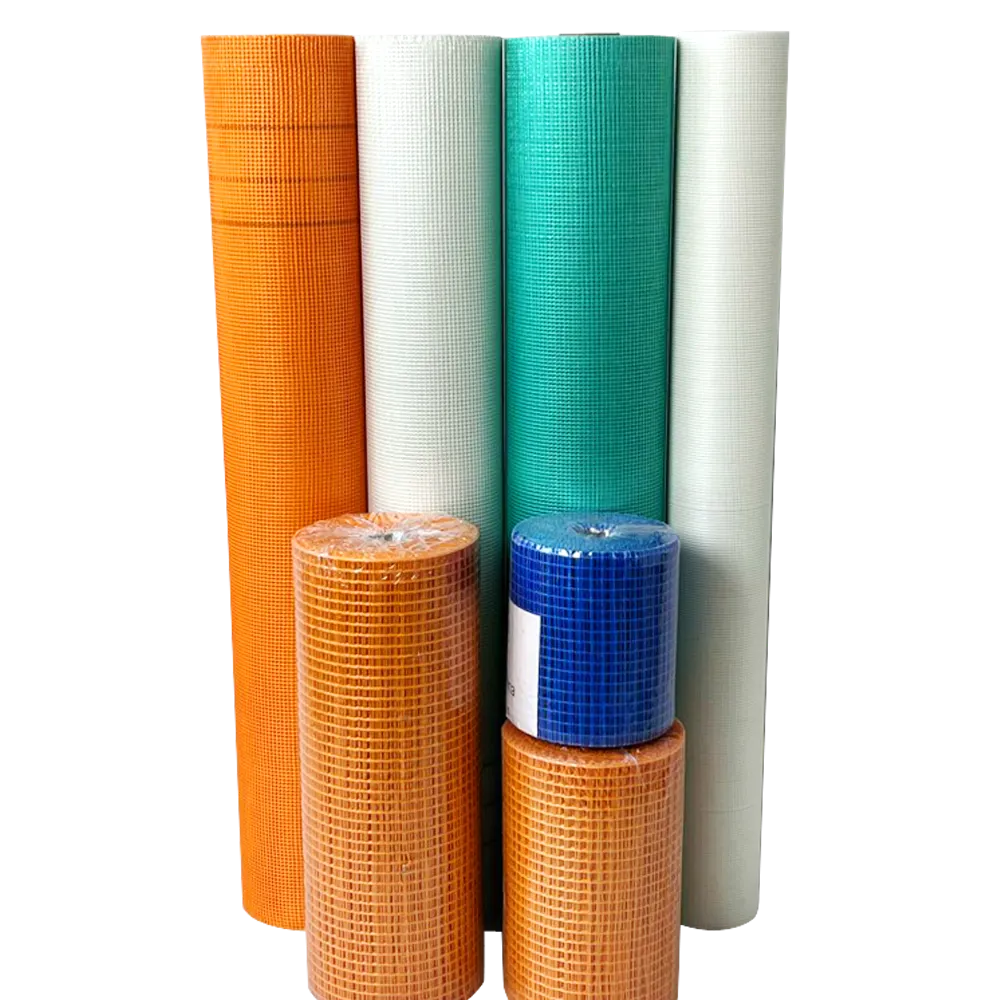
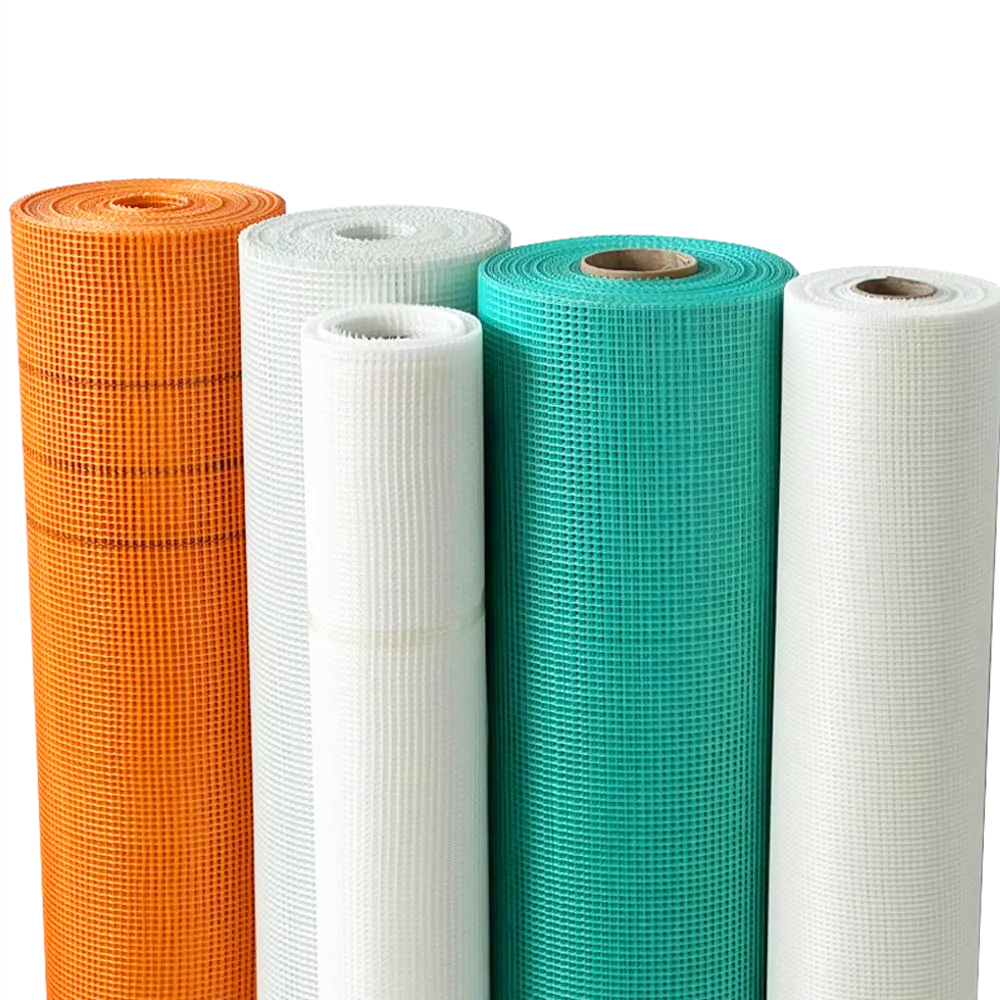
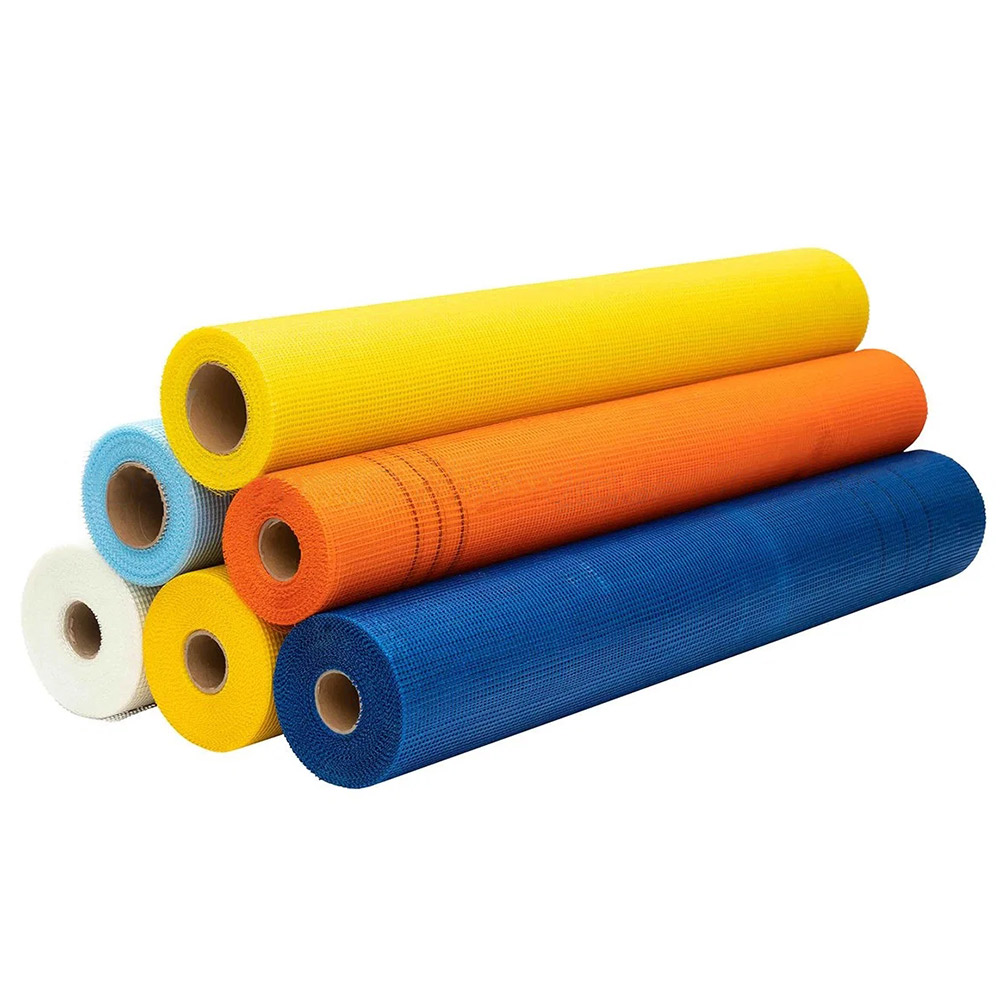
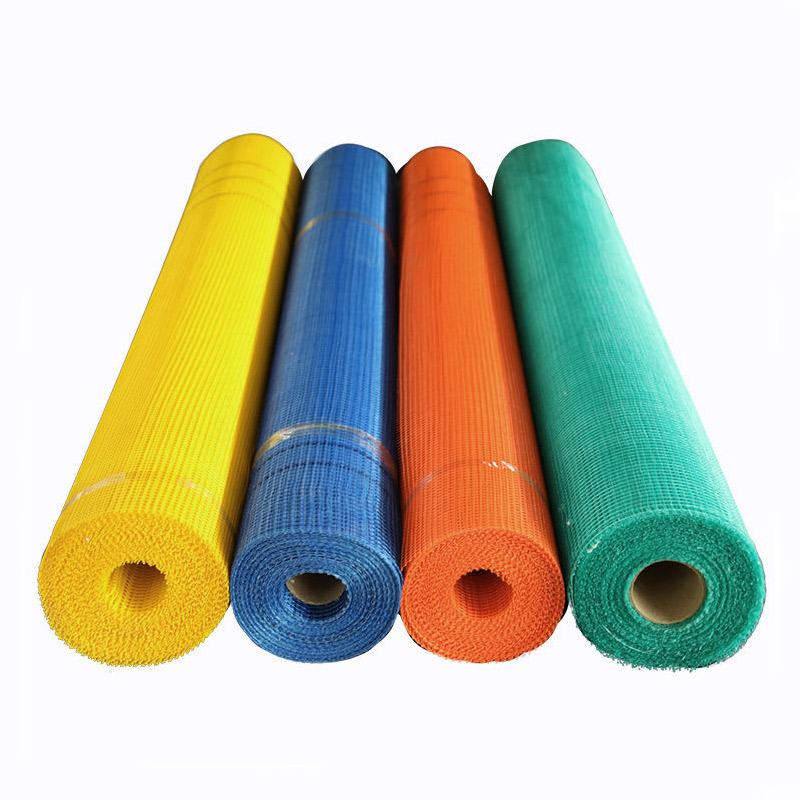
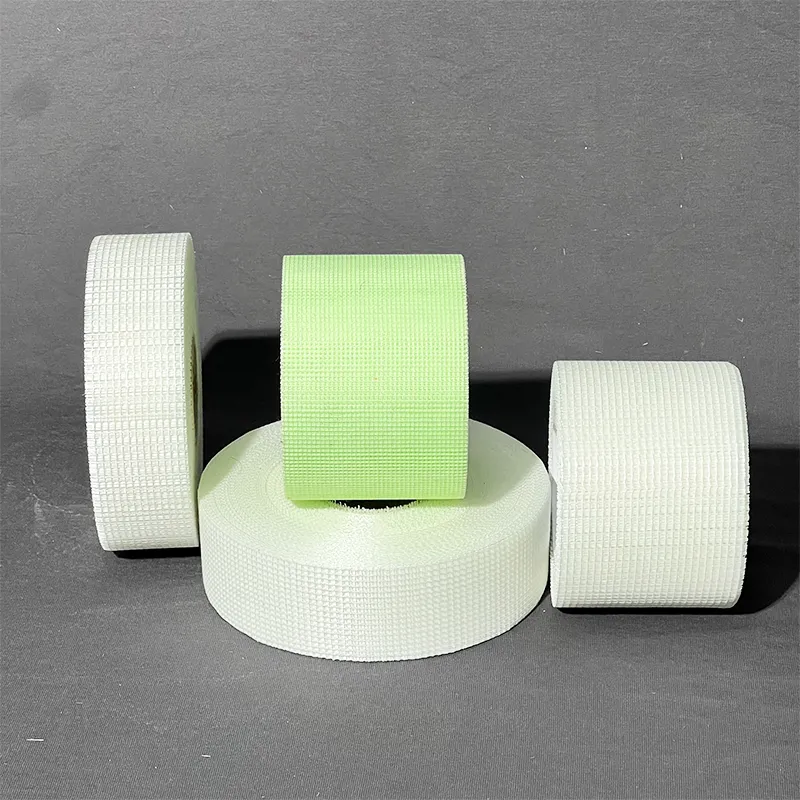
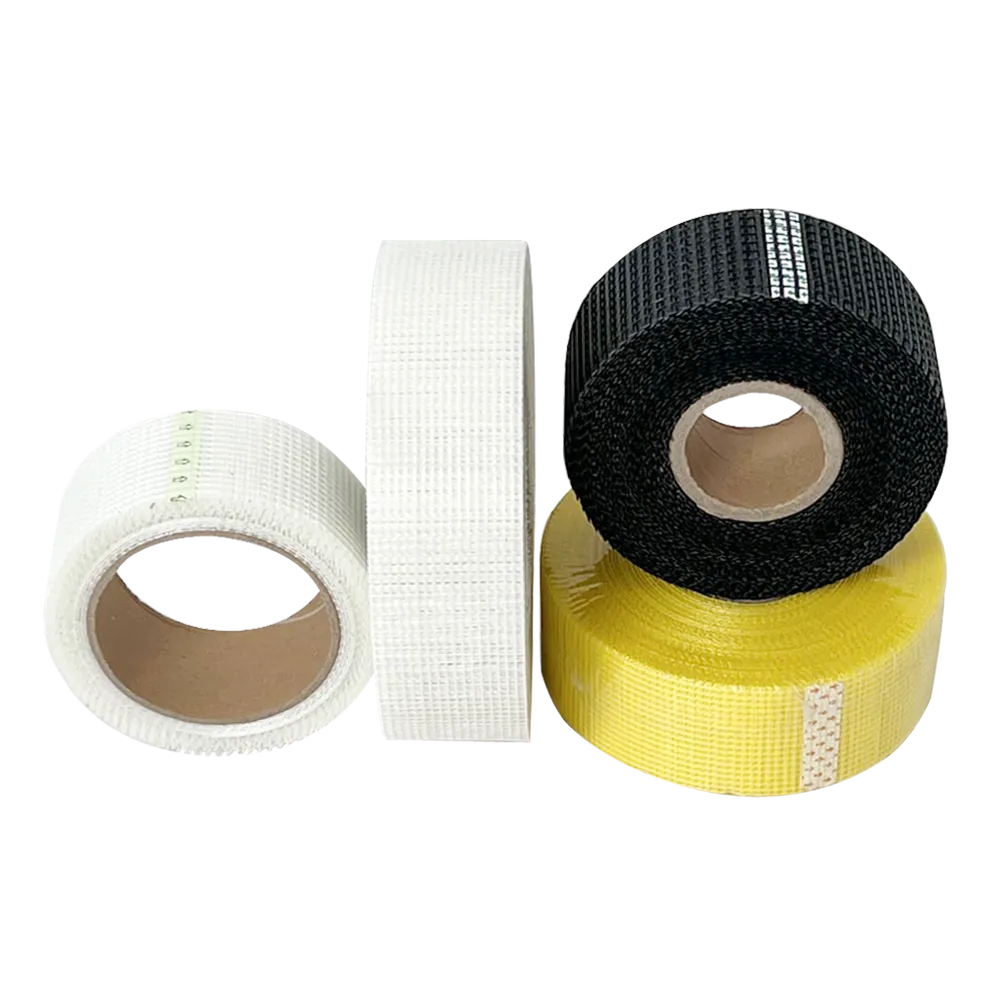
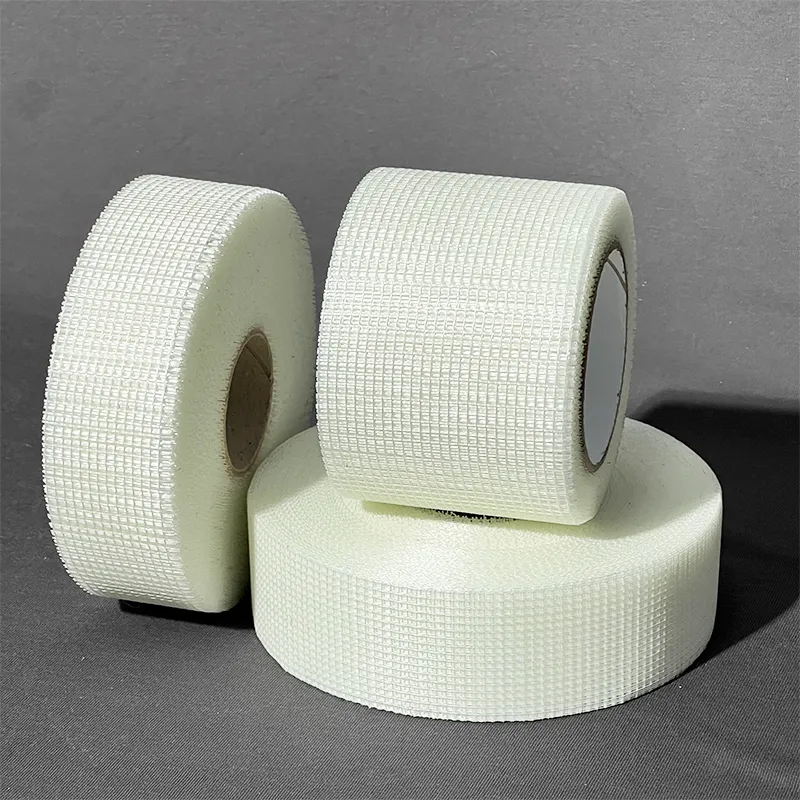
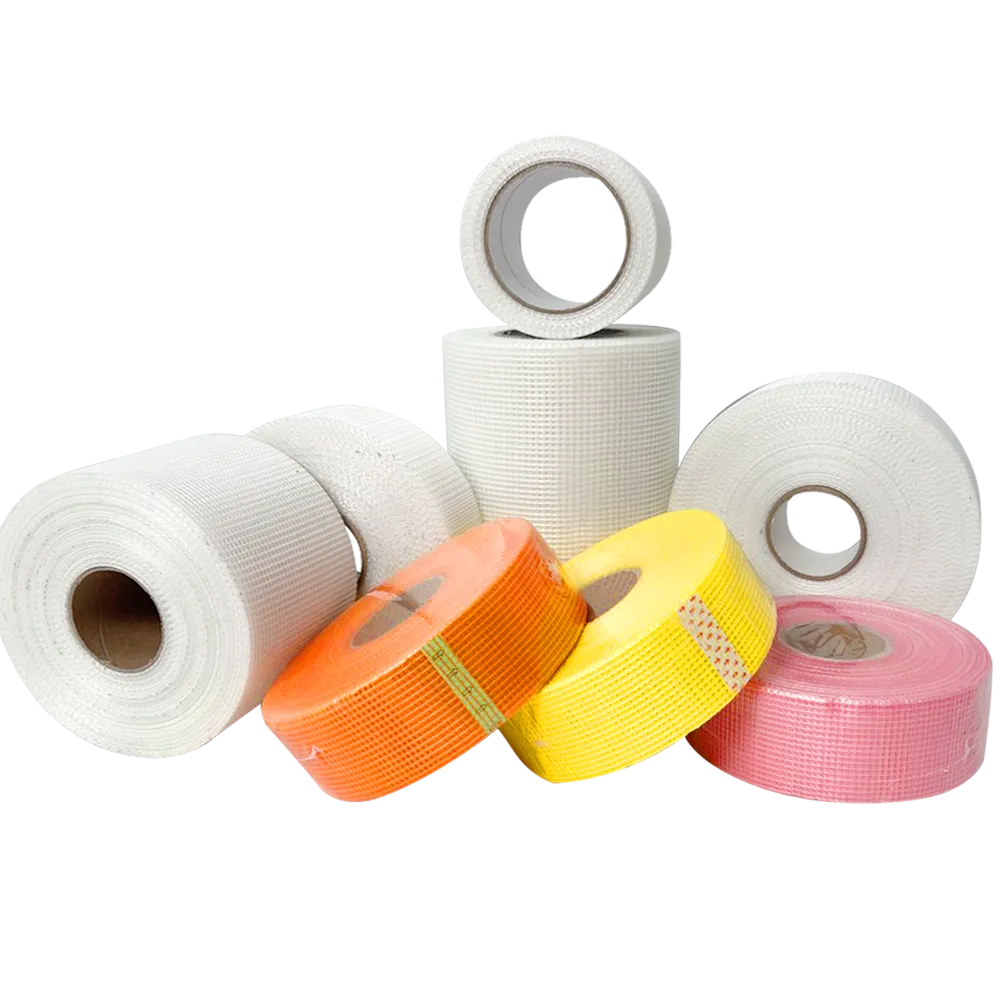
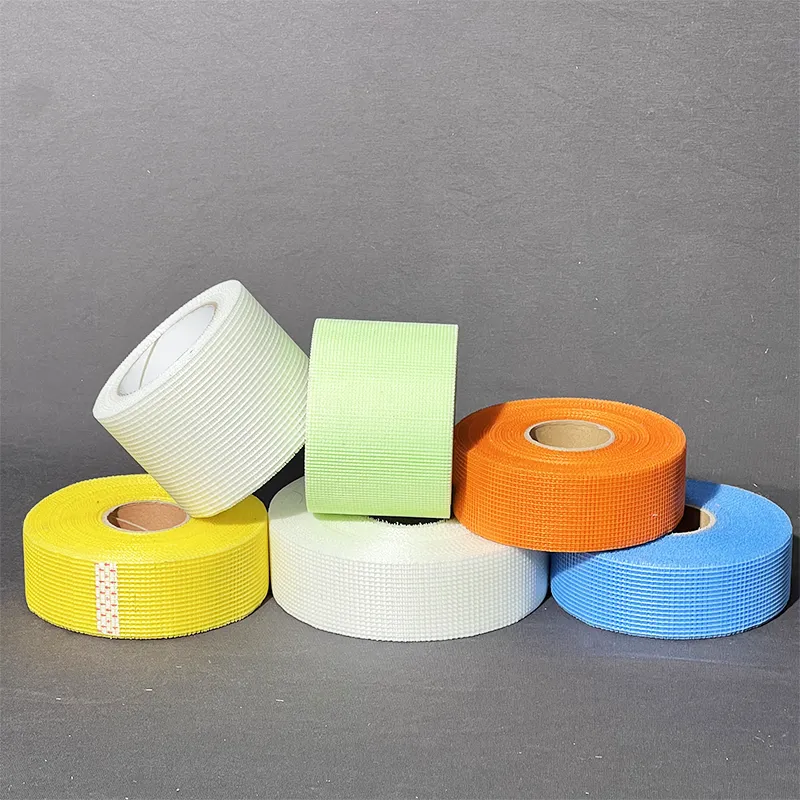
In simplest terms, fiberglass mesh is a woven fabric made from fine glass fibers. These fibers are combined and treated (often alkali-resistant coatings) to ensure they don't degrade quickly when embedded in plaster or other building mortars.
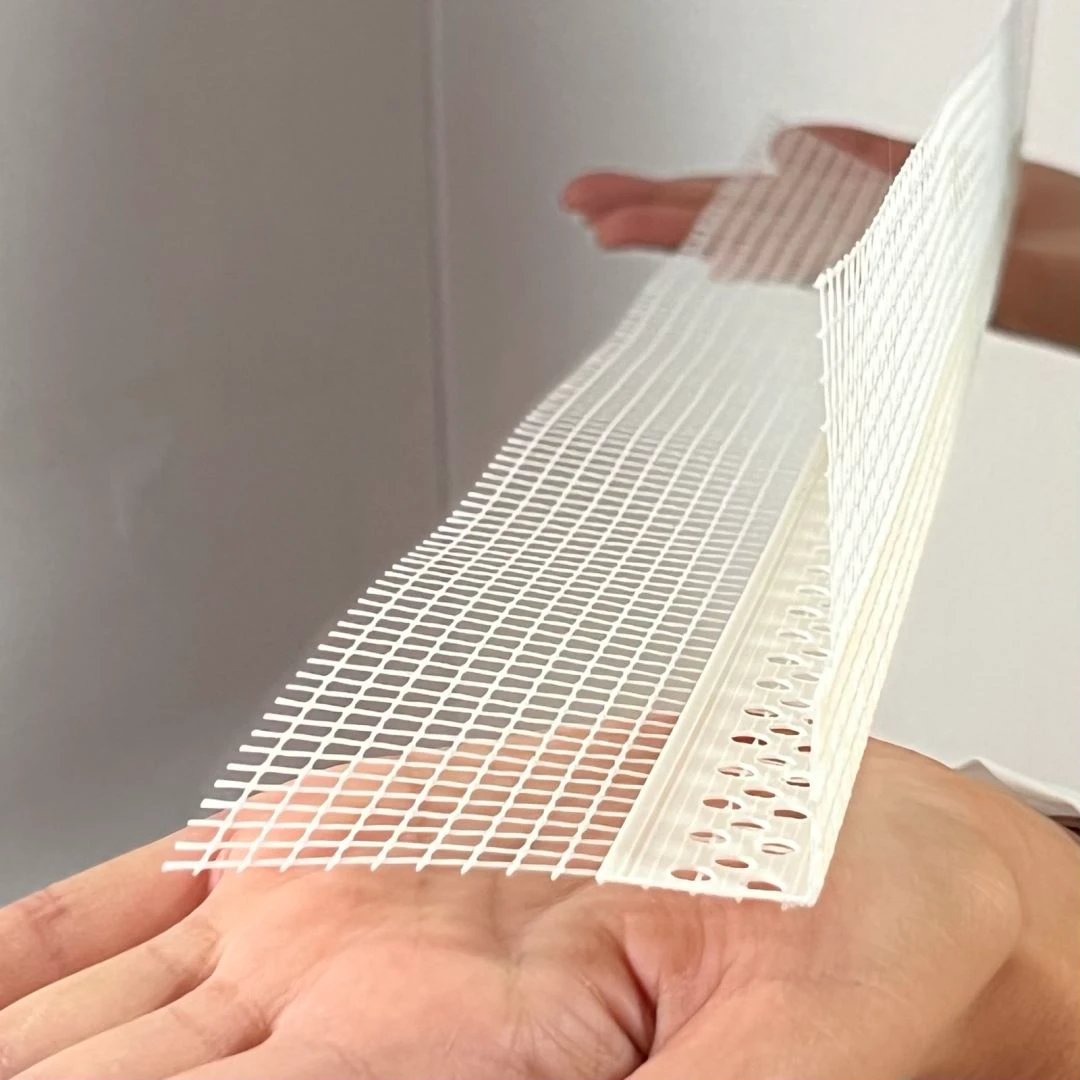
Plastering factories typically produce ready-mix plasters or prefabricated panels, and incorporate fiberglass mesh to reinforce these products. The mesh acts like a 'bone structure,' dispersing stress across the plaster, preventing cracks or breaks, and improving flexibility. It's a low-cost alternative to traditional metal reinforcements and compatible with modern, lightweight building materials.
More broadly, this material supports modern industry needs and humanitarian construction efforts alike. For example, in earthquake-prone areas or refugee shelters, plaster reinforced with fiberglass mesh can be assembled quickly yet hold up under strain, helping improve the safety of fragile buildings.
Core Components That Make Fiberglass Mesh Effective
Durability
The fibers are made specifically from alkali-resistant glass, preventing them from dissolving or degrading when embedded in cement or plaster. This property extends the lifespan of reinforced plaster surfaces dramatically.
Flexibility
Unlike rigid metal meshes, fiberglass mesh can slightly flex with building movement, minimizing cracks caused by thermal expansion or settling.
Lightweight and Easy to Handle
This makes transportation and onsite installation simpler—important in large factories or remote sites.
Cost Efficiency
Fiberglass mesh is cheaper than steel alternatives but offers comparable reinforcement benefits, reducing raw material costs in plastering production.
Compatibility with Various Plaster Types
It works well with cement, gypsum, lime, or synthetic plasters, giving factories flexibility to innovate with different product lines.
Mini takeaway: Fiberglass mesh's durability and adaptability make it a practical reinforcement material for plastering factories aiming for quality and efficiency.
Product Specification Table
| Specification | Typical Properties | Unit |
|---|---|---|
| Mesh Size | 4 x 4, 5 x 5 | mm |
| Weight | 50 - 160 | g/m² |
| Tensile Strength | ≥ 1100 | N/5cm |
| Alkali Resistance | ≥ 200 (After 56 days) | % |
| Roll Length | 50 - 100 | m |
Real-World Applications of Fiberglass Mesh
Fiberglass mesh is particularly valued in constructing residential and commercial plaster systems, roofing panels, and facade reinforcements worldwide.
- Post-disaster reconstruction: In earthquake zones like Turkey and Nepal, plastering factories utilize fiberglass mesh to produce panels that can withstand seismic shocks.
- Remote industrial zones: In mining or oil extraction areas in Australia, prefabricated plaster panels reinforced with fiberglass mesh resist harsh weather conditions.
- Emerging urban developments: Southeast Asia’s rapid urbanization leans on cost-effective building materials; fiberglass mesh-reinforced plaster aids this without compromising on durability.
For factory operators or contractors interested, fiberglass mesh for plastering factories remains a go-to option to secure consistent quality and workflow efficiency.
Mini takeaway: This mesh is everywhere - from high-rise condos to emergency shelters. It’s a quiet enabler bridging industry demand with real on-the-ground conditions.
Long-Term Benefits of Using Fiberglass Mesh
Using fiberglass mesh means fewer patch jobs, less water damage, and greater structural safety. This translates into lower lifetime costs and higher occupant confidence in building integrity.
Environmentally, fiberglass products often support sustainable building codes due to their longevity and compatibility with eco-friendly plasters. The mesh's resilience reduces waste and demolition frequency, widely regarded as a social benefit in construction ethics.
On a human level, safer and more durable buildings mean peace of mind for homeowners and workers. It's not just a material—it's a layer of trust. Many engineers say incorporating fiberglass mesh is like adding "invisible armor" to plaster surfaces.
Innovations & Future Trends
Looking ahead, manufacturers are experimenting with bio-based resins that coat fiberglass mesh, enhancing biodegradability while maintaining strength. Digital printing and automation are beginning to streamline mesh integration in plaster panels at scale.
Green building certifications increasingly reward plastering factories that standardize fiberglass mesh use because it contributes to sustainability targets and improves energy efficiency of wall systems.
There's also work ongoing on nanotechnology-enhanced fiberglass fibers, offering super-strong, ultra-lightweight options for the next decade.
Challenges and Some Clever Fixes
Of course, fiberglass mesh isn't flawless. Some factories report installation challenges, like mesh wrinkling or difficulty bonding with specialty plasters. Others grapple with inconsistent quality among suppliers.
To address this:
- Training programs for onsite workers reduce errors during embedding and plaster application.
- Rigorous quality control—testing for mesh tensile strength and alkali resistance before shipment—is standard for top factories.
- Customization: Some vendors offer mesh tailored to specific plaster formulas, minimizing adhesion problems.
It's a bit like all tech — when things are done right, it hums; if overlooked, issues pop up. But most industrial players recognize these challenges early and find solutions swiftly.
Vendor Comparison Table
| Vendor | Mesh Weight Range (g/m²) | Alkali Resistance (%) | Customization Options | Typical Lead Time |
|---|---|---|---|---|
| Tainuo Fiberglass | 50 - 160 | ≥200 | Full (mesh size, coating) | 2-3 weeks |
| Global Mesh Co. | 60 - 140 | 180 | Limited | 3-4 weeks |
| Eco Fiber Tech | 40 - 100 | ≥210 | Focused on eco-coatings | 4 weeks+ |
FAQ: Frequently Asked Questions About Fiberglass Mesh for Plastering Factories
1. How does fiberglass mesh improve plastering quality?
When embedded in plaster, fiberglass mesh distributes stress evenly, preventing cracks and shrinkage. This results in smoother, longer-lasting surfaces that require less maintenance over time — a game-changer for factories producing large volumes.
2. Can fiberglass mesh be used with all types of plaster?
Yes, it's compatible with cement-based, lime, gypsum, and synthetic plasters. However, coating and mesh specification might vary depending on the plaster type to ensure optimal bonding and durability.
3. What are the environmental benefits of using fiberglass mesh?
By extending the lifespan of plastered surfaces, fiberglass mesh reduces frequency of repairs and rebuilds. This minimizes construction waste and energy consumption, aligning with sustainable building practices.
4. How can plastering factories import quality fiberglass mesh reliably?
Working with certified suppliers who provide transparent quality tests and customization options is key. Factories should also consider lead times, shipping conditions, and post-delivery support to ensure consistent supply.
5. Is fiberglass mesh fire resistant?
Fiberglass itself is non-combustible and can enhance fire resistance of plastered walls. Often it contributes to buildings meeting fire safety codes, but overall system design matters most.
Wrapping Up: Why Fiberglass Mesh Is a Smart Investment
In the grand scheme, fiberglass mesh for plastering factories is more than a technical accessory. It’s a durability booster, a cost saver, and a contributor to global construction resilience. Whether you’re ramping up production, ensuring safety in risky zones, or just prioritizing long-term customer satisfaction, this mesh offers a quiet but powerful advantage.
Curious to learn more or get your hands on quality fiberglass mesh for plastering? Visit our website: https://www.tainuofiberglassmesh.com.
Mini takeaway: The future of strong, eco-friendly plaster lies in materials like fiberglass mesh. It’s one of those subtle innovations that build the world — literally.
References:
-
Best Fiberglass Mesh Tape for RedGard Product Waterproofing GuideNewsApr.16,2026
-
Why High Strength Fiberglass Mesh Is Essential For Stucco ApplicationNewsApr.15,2026
-
Why Alkali Resistant Fiberglass Mesh Tape Is Essential For Cement Board And Tile InstallationsNewsApr.15,2026
-
Understanding The Role Of Drywall Fiberglass Mesh In Interior FinishingNewsApr.15,2026
-
Ultimate Guide To Using Fiberglass Mesh Tape For Drywall And Plaster RepairsNewsApr.15,2026
-
The Versatility Of Fiberglass Mesh In Marble And Stone MosaicNewsApr.15,2026