Dec . 02, 2025 07:45 Back to list
Essential Insights from a Leading Mesh Fiberglass Tape Factory | Quality & Innovation
mesh fiberglass tape factory: Understanding its Global Importance and Benefits
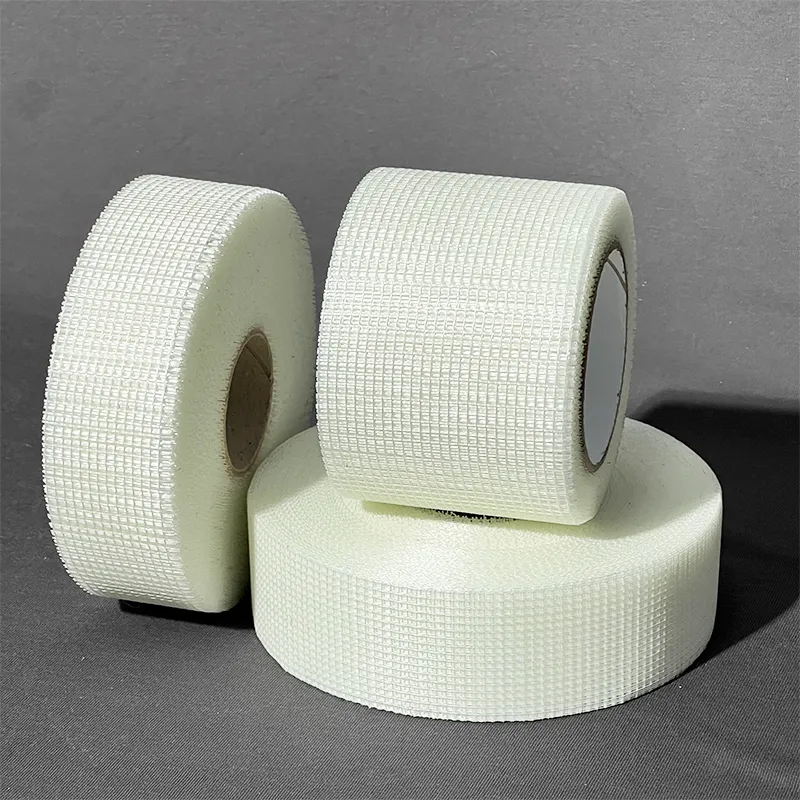
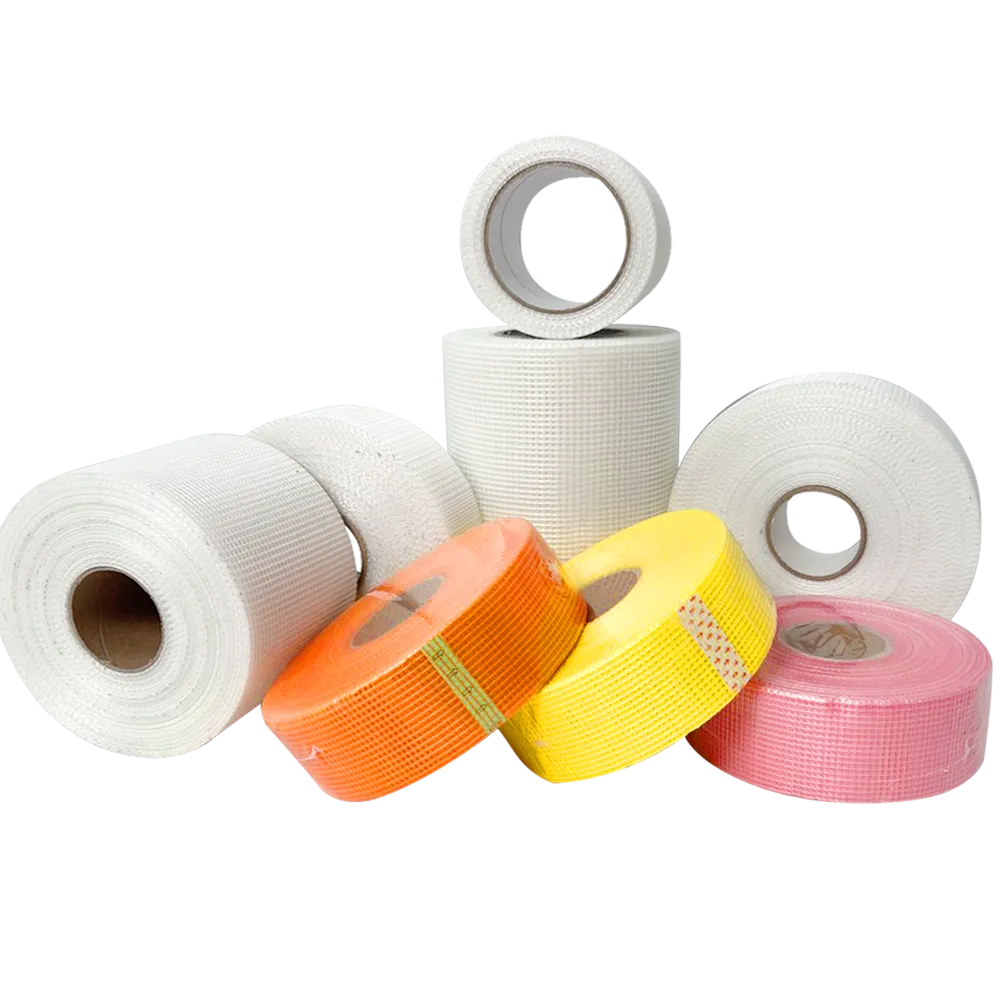
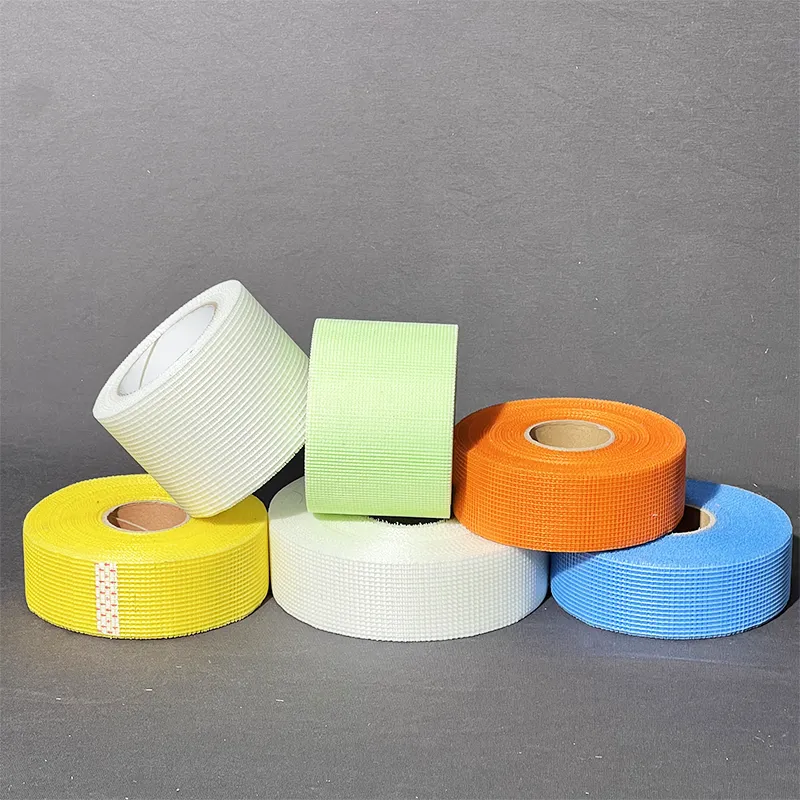
If you’ve ever walked through a construction site or peeked into a home renovation project, you might have spotted that subtle, grid-like tape used around drywall seams — that’s mesh fiberglass tape. Behind its humble appearance lies a fascinating story of industrial innovation and global significance. The mesh fiberglass tape factory is where this simple but indispensable material is crafted, serving myriad industries worldwide. Understanding how these factories operate and why their products matter unlocks insights into durability, safety, and sustainability in construction and many other sectors.
Worldwide, infrastructure and building quality are critical to economic development and human welfare. According to the United Nations, investing in resilient infrastructure is key to sustainable development. That’s where mesh fiberglass tape comes in — it plays a quiet but crucial role in reinforcing walls and preventing cracks, ultimately improving building safety and longevity.
Introduction: Why the mesh fiberglass tape factory matters globally
The global construction industry is predicted to grow at an annual rate of about 5% through 2027, driven largely by urbanization and infrastructure upgrades in emerging markets ([Global Construction Perspectives and Oxford Economics](https://globalconstruction2025.com/)). Yet with this growth comes challenges: ensuring building durability, cutting costs, and deploying materials that meet modern environmental standards.
Enter the mesh fiberglass tape factory, which provides a product tailored to these needs. These tapes not only support plasterboard joints but also resist mold, help prevent cracks, and ensure smooth finishes — all critical in both residential and commercial construction worldwide. Oddly enough, despite their pervasiveness, many people don’t know where these tapes come from or how they’re produced.
Definition & Meaning: What is a mesh fiberglass tape factory?
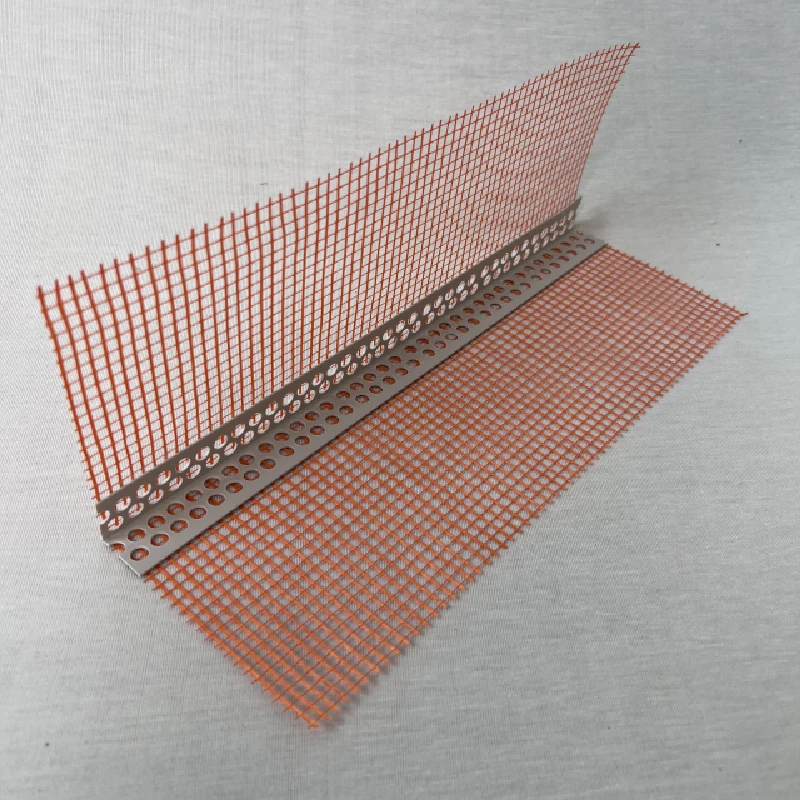
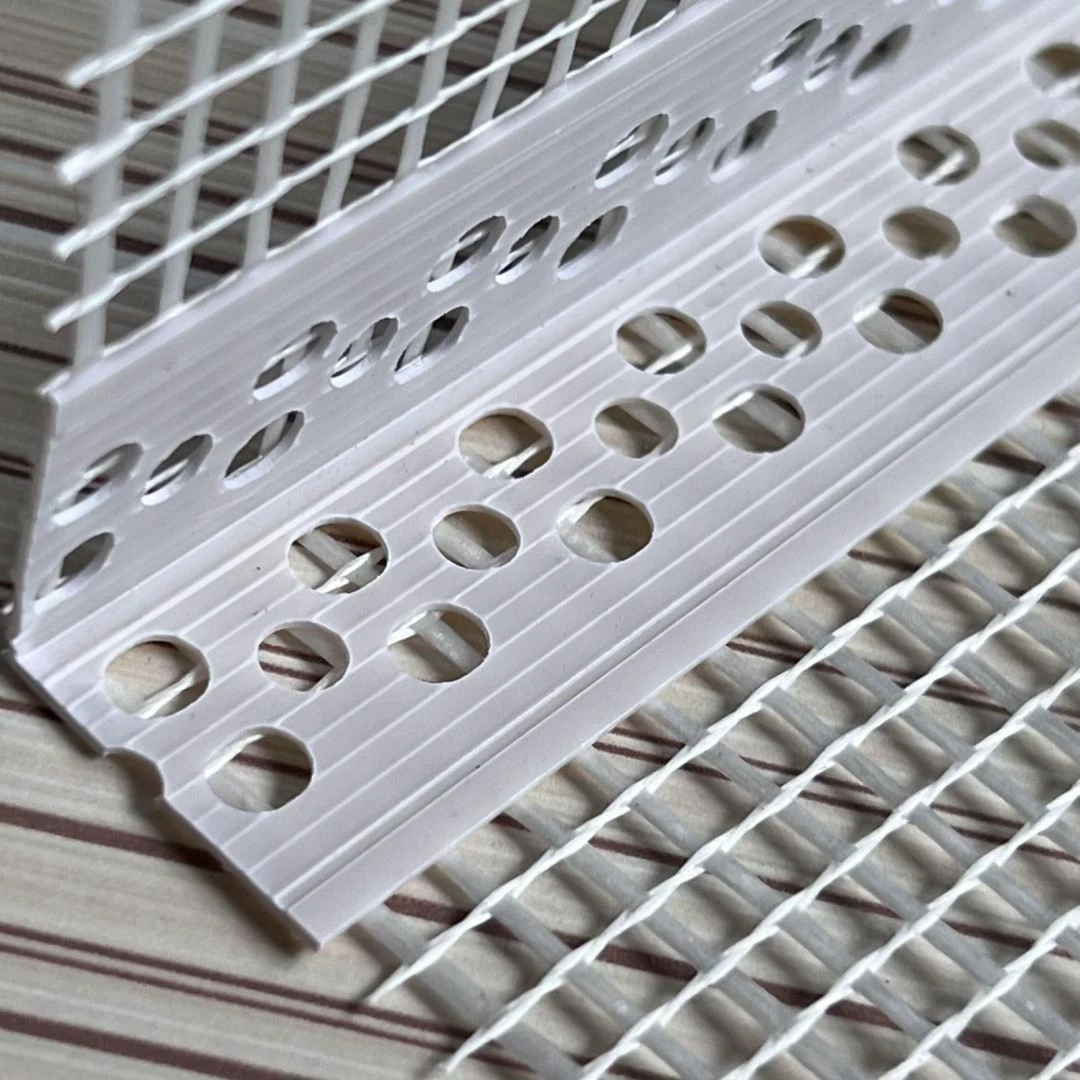
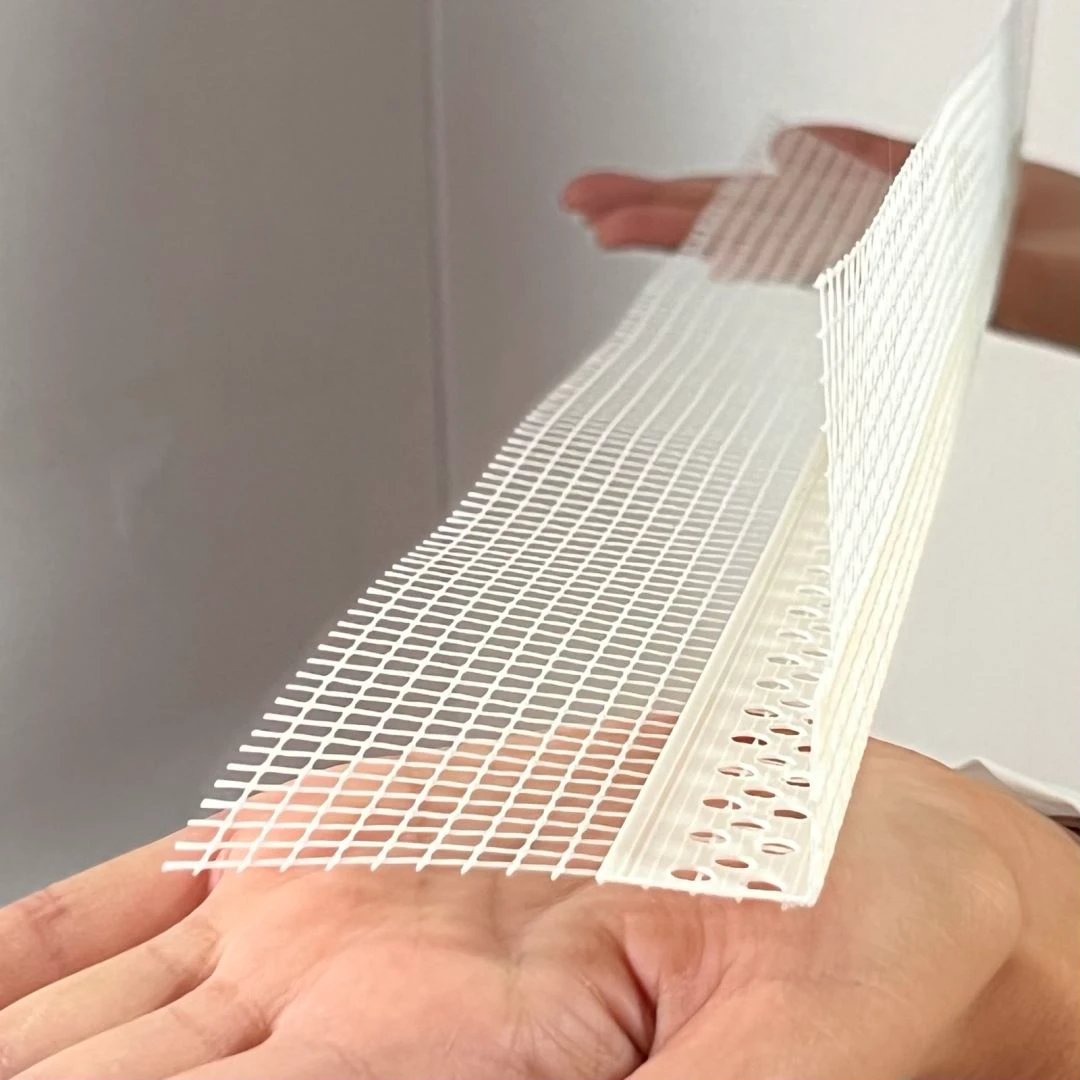
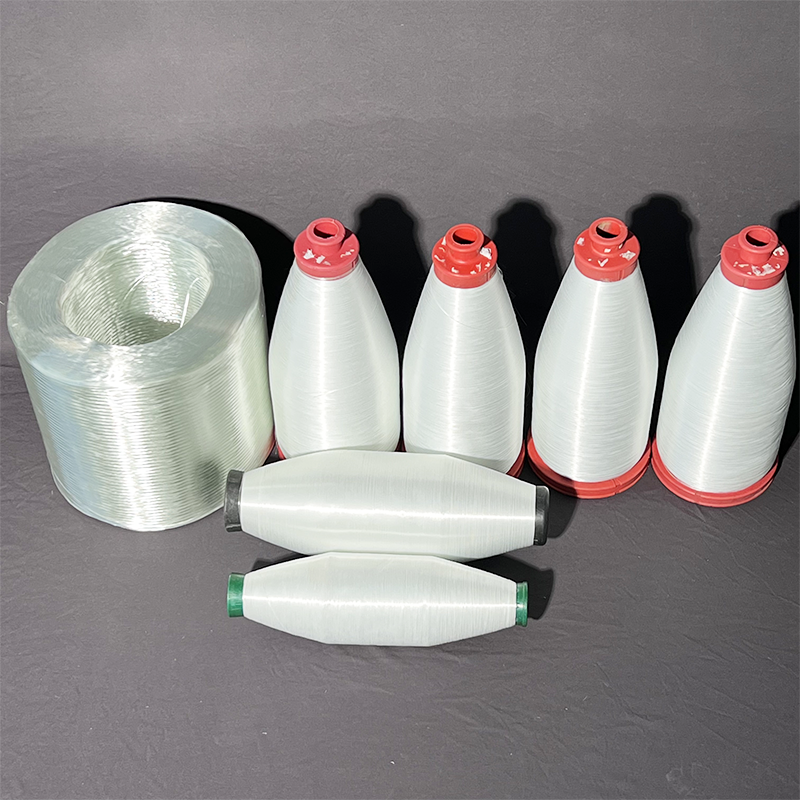
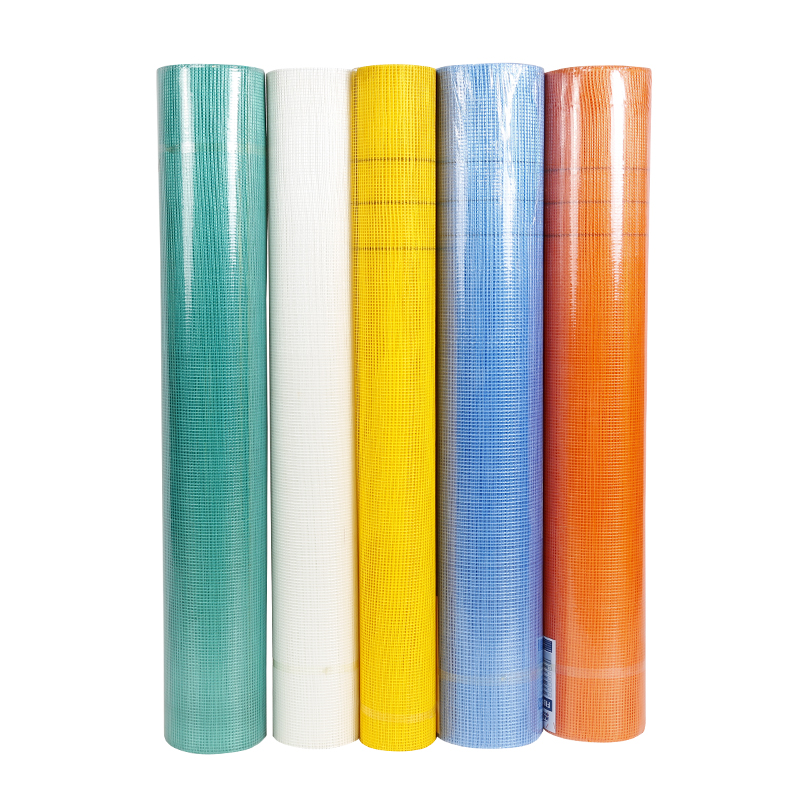
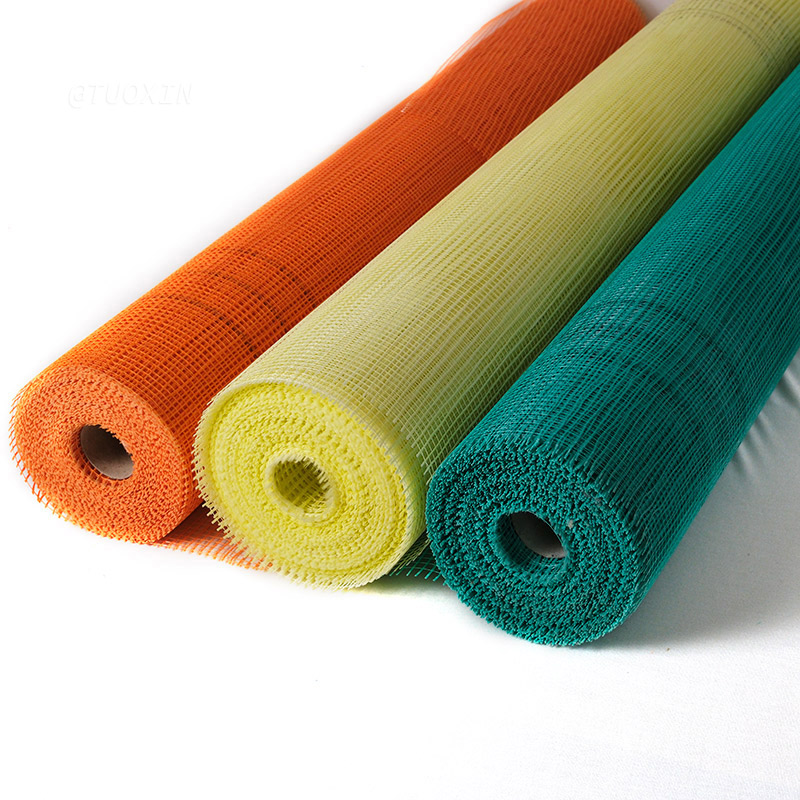
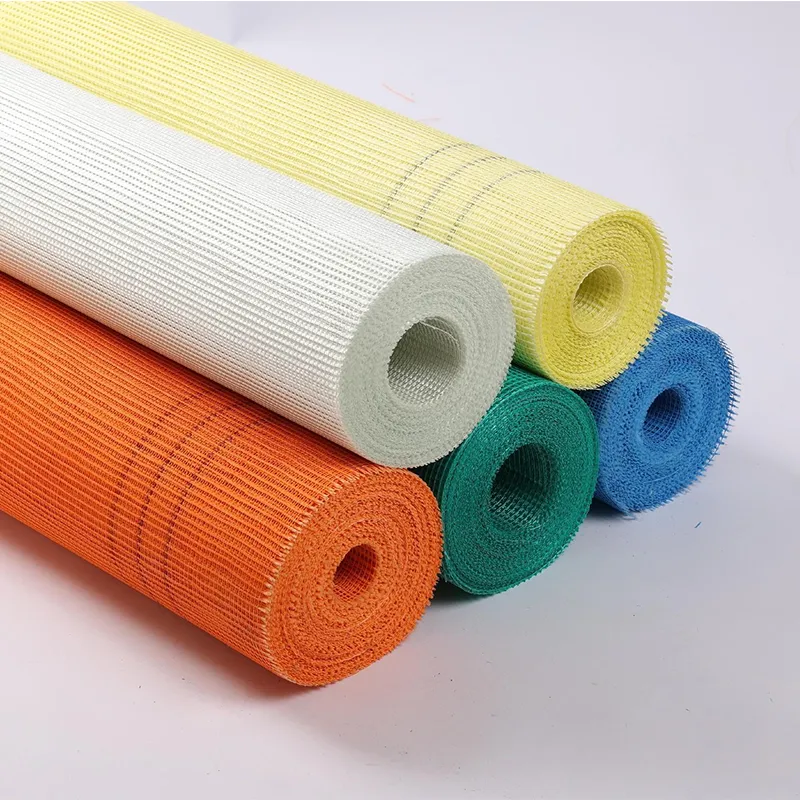
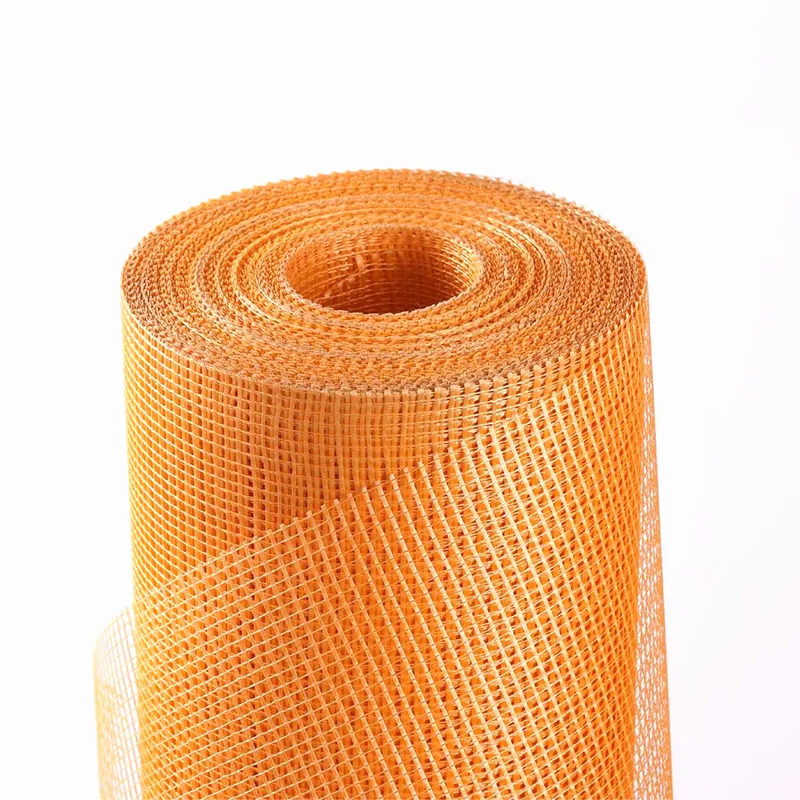
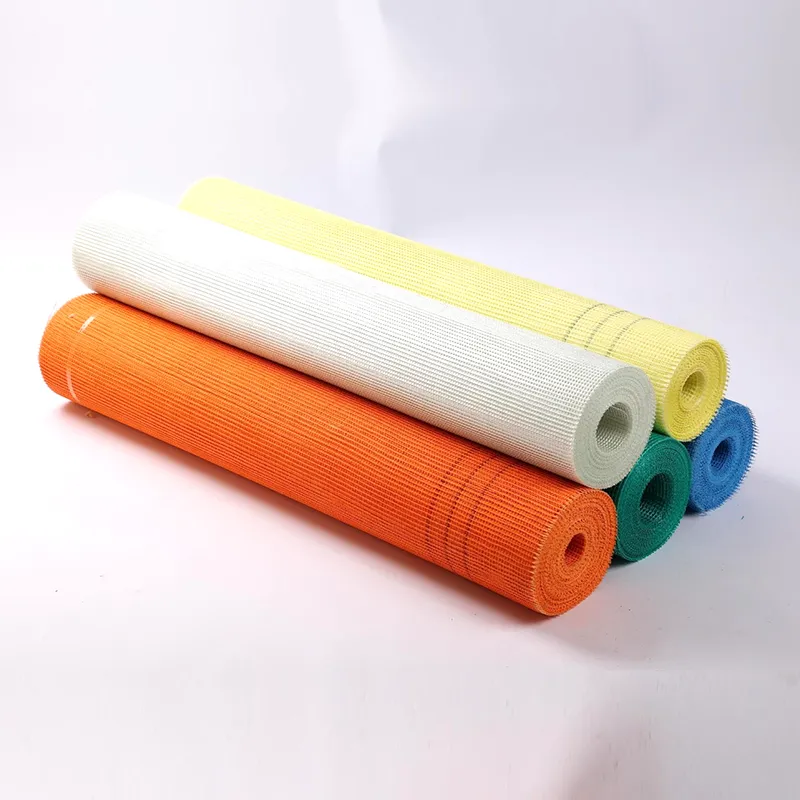
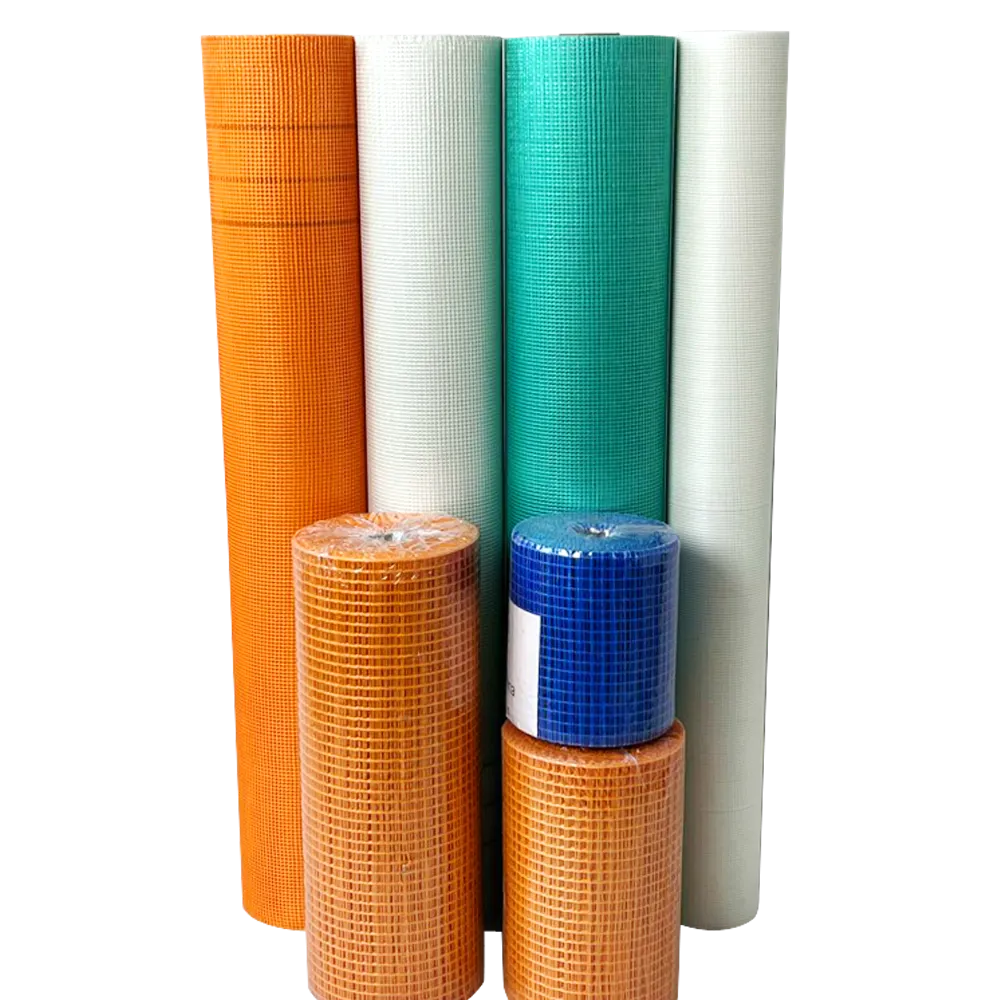
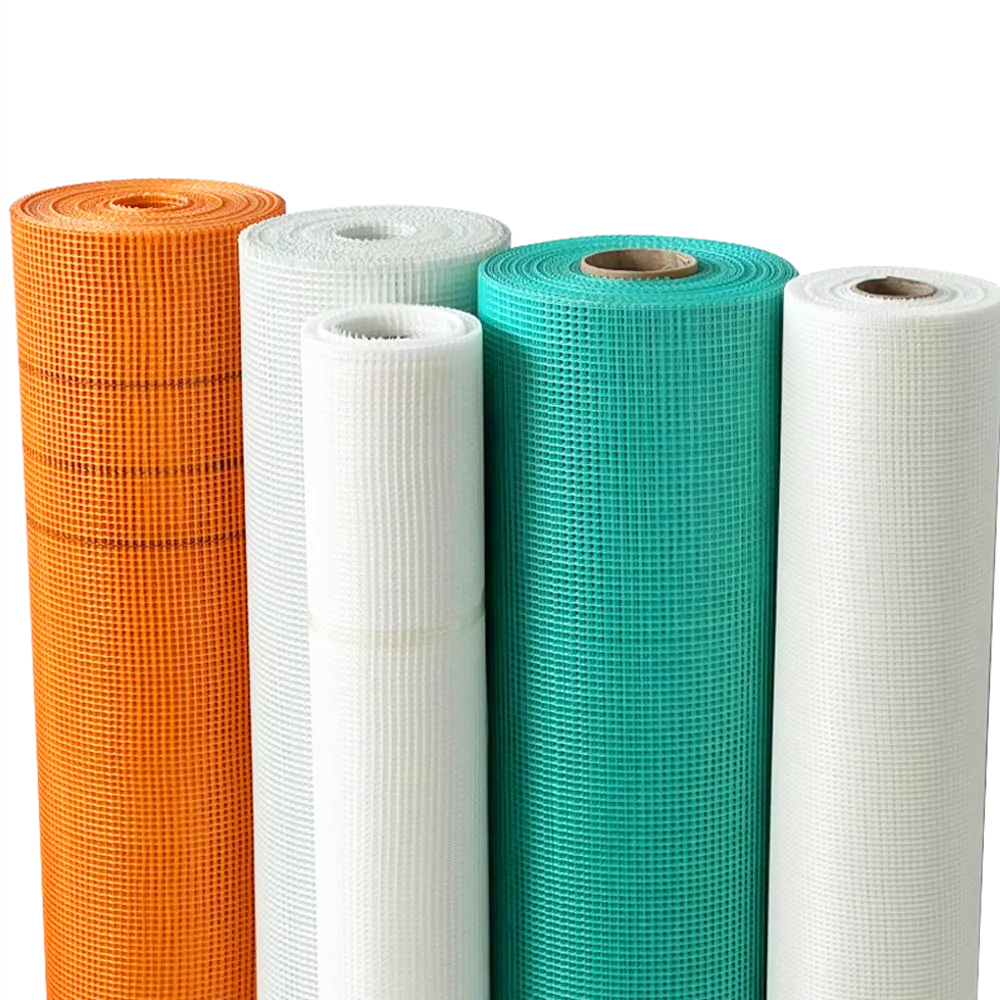
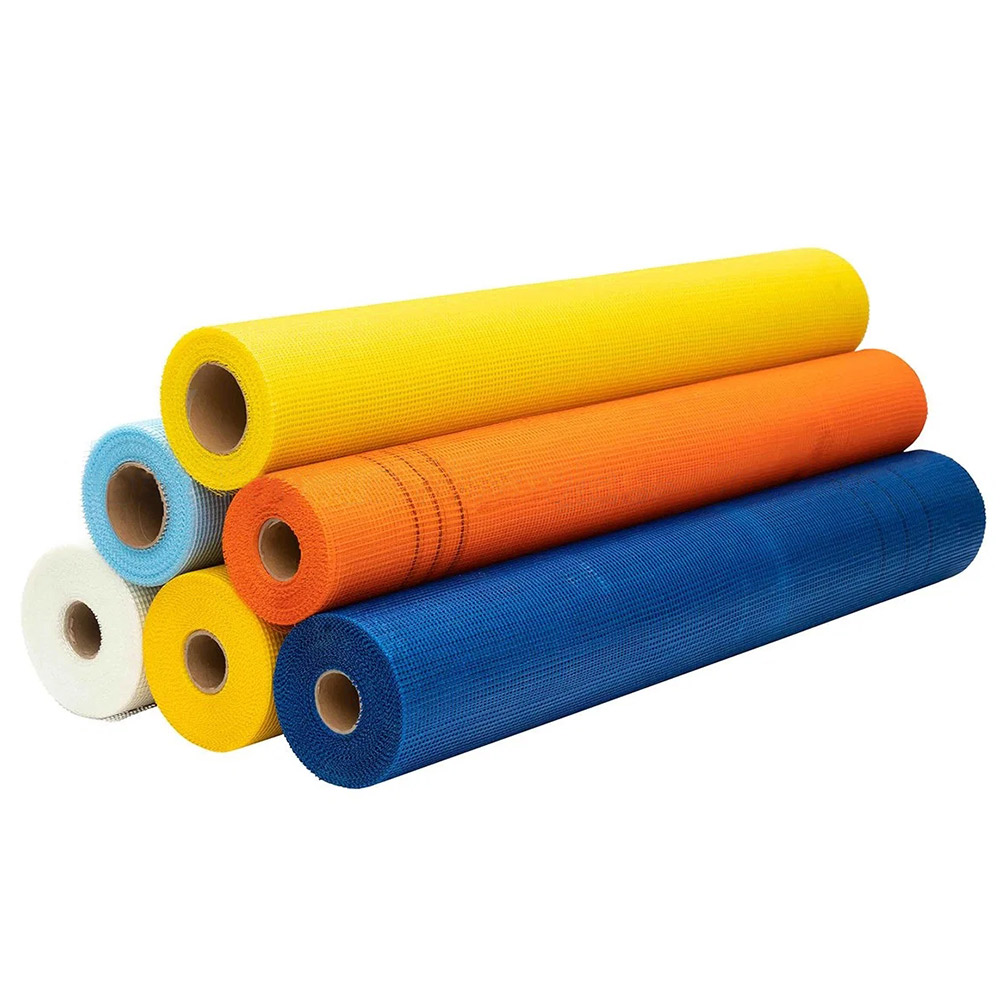
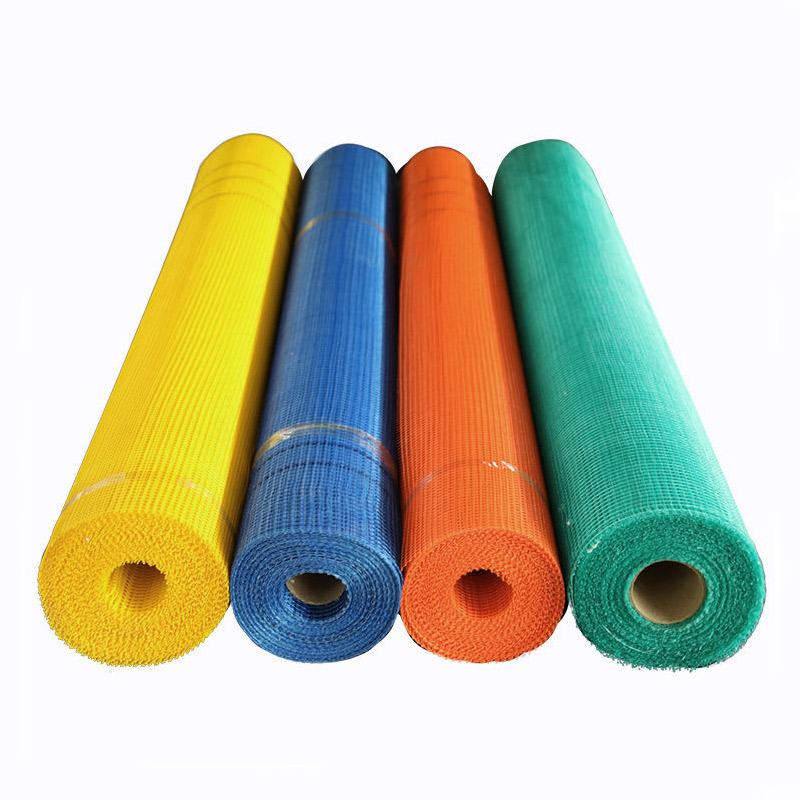
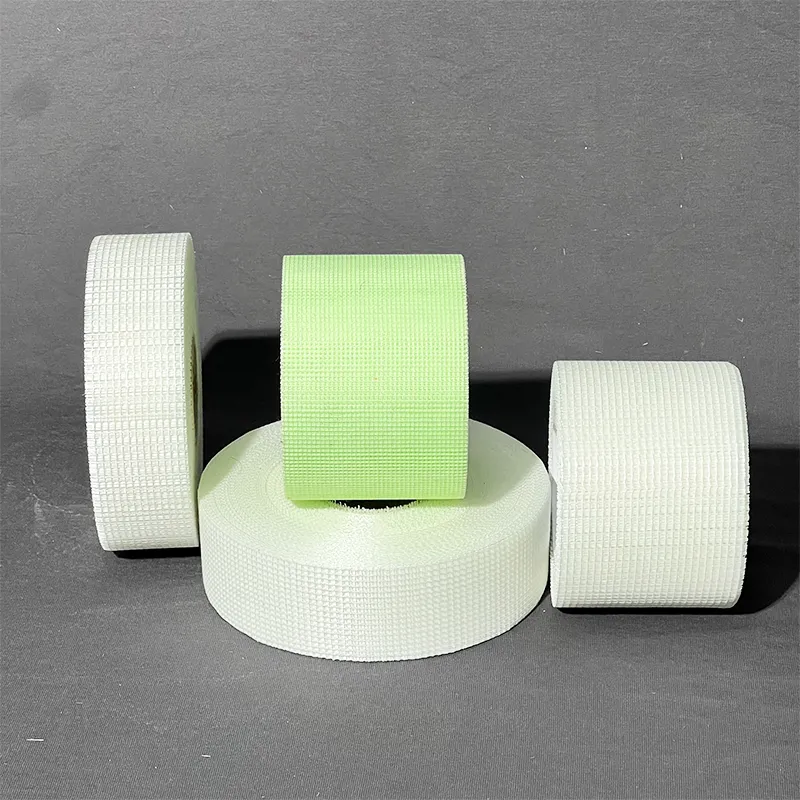
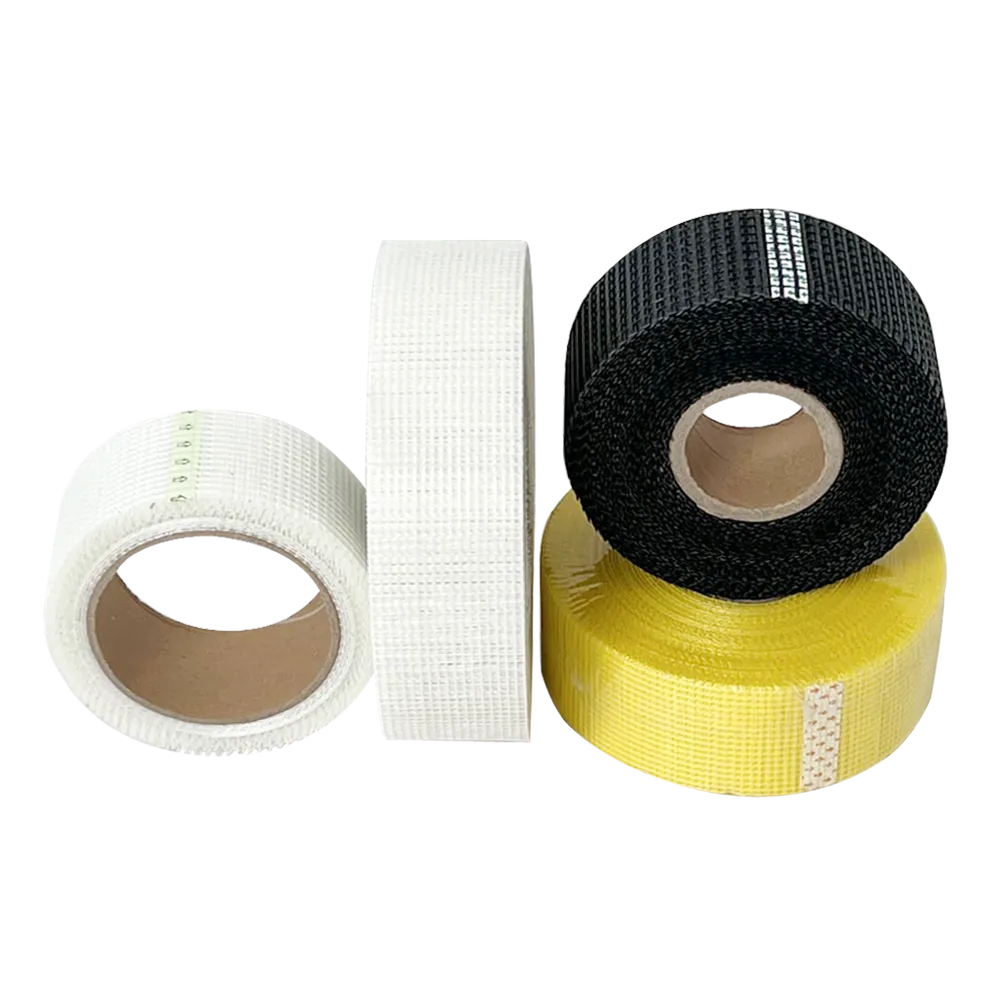
Simply put, a mesh fiberglass tape factory manufactures tape made from woven fiberglass strands, coated with an adhesive or embedded in a mesh structure designed to reinforce drywall joints and cracks in walls. It combines the strength of fiberglass with a handy, easy-to-apply tape form.
This factory isn’t just about rolling out tape — it’s about precision engineering, material science, and strict quality control. Given fiberglass’s resistance to heat, corrosion, and moisture, these tapes are often the backbone (pun intended) of robust modern interiors and even humanitarian housing projects where durability and speed are essential.
Key Components of Mesh Fiberglass Tape
1. Durability
The fiberglass strands offer resistance to cracking, shriveling, and wear. This means homes and commercial buildings maintain their integrity longer — often with less maintenance over the years.
2. Scalability in Production
Factories producing mesh fiberglass tape can scale up or down quickly depending on demand, often fulfilling orders for gigantic infrastructure projects or small-scale renovations alike.
3. Cost Efficiency
Compared to traditional paper tapes, fiberglass mesh tape generally reduces labor time and repair costs, thanks to its mold and moisture resistance. This keeps overall project budgets in check.
4. Ease of Application
Mesh tapes come ready with adhesive backing, allowing for fast, clean bonding to surfaces — especially useful in disaster relief or rapid housing setups.
5. Environmental Resistance
It’s tolerant of moisture and won’t deteriorate in humid conditions. This is critical in tropical or flood-prone areas.
In short, these tapes blend small details of material science with big-picture building needs.
Global Applications & Use Cases
The applications of mesh fiberglass tape stretch far beyond your typical home improvement. In the U.S. and Europe, it’s a staple for drywall finishers. But oddly enough, its importance shines in places dealing with rapid housing demands — think refugee camps or post-disaster zones.
- Disaster Relief Construction: NGOs erecting temporary shelters often rely on fiberglass tape for quick assembly and long-term reliability.
- Industrial Zones in Asia: Facilities exposed to harsh chemicals and humidity benefits from the tape’s resistance features.
- Aerospace & Automotive: Though less obvious, it’s sometimes used to reinforce components inside cabins and panels where lightweight strength matters.
In places like Southeast Asia, where both climate and economic factors pressure building methods, mesh fiberglass tape production has scaled dramatically to meet demand. This reflects well on local mesh fiberglass tape factories delivering adequately customized products for Asian and Middle Eastern markets.
Global use shows the mesh fiberglass tape’s versatility — vital for resilience everywhere from luxury condos to crisis shelters.
Product Specification Summary
| Specification | Details |
|---|---|
| Material | Woven fiberglass strands with adhesive backing |
| Width Options | 25mm, 48mm, 72mm |
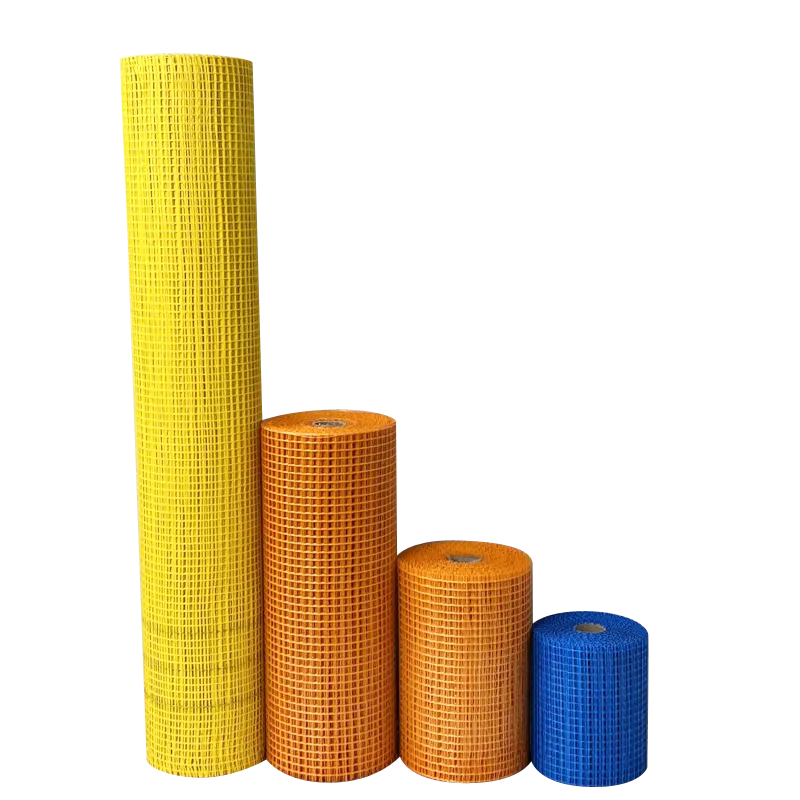
| Lengths Available | 10m, 20m, 50m rolls |
| Tensile Strength | >350 N/cm |
| Temperature Resistance | Up to 120°C |
| Moisture Resistance | High (Resistant to mold and mildew) |
Vendor Comparison: Leading Mesh Fiberglass Tape Factories
| Vendor | Production Capacity | Customization Options | Environmental Standards | Global Shipping |
|---|---|---|---|---|
| Tainuo Fiberglass Mesh | 100+ tons/month | Width, length, adhesive types | ISO 14001 Certified | Yes |
| Global Mesh Tape Ltd. | 80 tons/month | Lengths only | Environmental compliance | Selective regions |
| Fiberglass Solutions Inc. | 60 tons/month | Standard products only | Pending Certifications | Limited |
Advantages & Long-Term Value of Mesh Fiberglass Tape
Beyond just holding drywall together, the mesh fiberglass tape delivers real benefits to builders, homeowners, and communities alike.
- Cost Savings: Less time spent on repairs, fewer cracks, longer renovations intervals.
- Sustainability: Many factories, including leading ones like mesh fiberglass tape factory, now implement eco-friendly production methods reducing carbon footprints.
- Resilience: Improved protection against moisture prevents mold growth, creating healthier living conditions.
- Trust & Safety: Builders gain confidence in their materials, ensuring compliance with standards.
Emotionally, this tape is also a guardian of comfort and dignity — it’s part of what keeps homes safe and families secure. So in real terms, it’s a small investment that pays off in quality of life, year after year.
Future Trends & Innovations in Mesh Fiberglass Tape Manufacturing
Innovation in this sector is quietly progressing. Some factories are experimenting with bio-based resins and fully recyclable tapes, aligning with global sustainability goals highlighted by the ISO. Digitally integrated production lines now monitor quality in real time, minimizing waste and improving consistency.
On the horizon, expect advancements like:
- Nanotechnology coatings for antimicrobial properties.
- Smart tapes with embedded sensors to detect structural stress.
- Greater automation for faster response in emergency deployments.
Oddly enough, it feels like a humble product but its future looks quite high-tech.
Challenges & Solutions in the Industry
Despite all its advantages, mesh fiberglass tape production faces hurdles:
- Raw Material Fluctuations: Supply chain disruptions can affect fiberglass availability. Solution? Diversification of suppliers and better inventory management.
- Environmental Concerns: Traditional adhesives sometimes contain solvents. Green chemistry alternatives are being researched and adopted.
- Quality Control: Ensuring every roll meets specs is tough but increasingly tackled with computer vision and automated inspections.
Expert manufacturers like mesh fiberglass tape factory often lead the charge in piloting innovative fixes, meaning customers benefit from reliable, cutting-edge products.
FAQ About mesh fiberglass tape factory
- What differentiates fiberglass mesh tape from paper tape?
- Fiberglass mesh tape is mold resistant, stronger, and easier to apply due to its adhesive backing. Unlike paper tape, it won’t wrinkle and provides superior crack resistance, especially in humid environments.
- How can I be sure my products come from a reliable mesh fiberglass tape factory?
- Look for certifications like ISO 9001 and ISO 14001. Trusted factories provide transparent specs and have robust quality assurance protocols. Visiting the factory or requesting sample testing is also a good practice.
- Is mesh fiberglass tape suitable for outdoor application?
- Generally, yes. Its moisture and temperature resistance allow use in enclosed outdoor projects, but it’s best combined with appropriate coatings or sealants to maximize lifespan.
- Can mesh fiberglass tape be recycled or reused?
- Most tape is used once and discarded, but some manufacturers are exploring recyclable adhesives and fiberglass blends. Recycling infrastructure for these materials is still emerging.
Conclusion & Call to Action
In the grand scheme of construction and material manufacturing, the mesh fiberglass tape factory plays a quietly vital role. It’s not just about making tape; it’s about crafting resilience, sustainability, and trust into modern buildings worldwide. Whether for everyday home repairs or vast infrastructure projects, its impact extends globally.
If you want to learn more, check out the offerings from the mesh fiberglass tape factory for tailored solutions that combine quality, innovation, and environmental responsibility.
It’s clear that something as simple as mesh fiberglass tape speaks volumes about progress when you look closely.
Quick reflection: While fiberglass mesh tape isn’t often in the limelight, its evolution reflects broader industrial shifts toward smarter, greener building materials. It feels like a small component, but with outsized influence.
References:
1. United Nations Statistics Division
2. Global Construction Perspectives and Oxford Economics
3. ISO 14001 Environmental Management
-
Best Fiberglass Mesh Tape for RedGard Product Waterproofing GuideNewsApr.16,2026
-
Why High Strength Fiberglass Mesh Is Essential For Stucco ApplicationNewsApr.15,2026
-
Why Alkali Resistant Fiberglass Mesh Tape Is Essential For Cement Board And Tile InstallationsNewsApr.15,2026
-
Understanding The Role Of Drywall Fiberglass Mesh In Interior FinishingNewsApr.15,2026
-
Ultimate Guide To Using Fiberglass Mesh Tape For Drywall And Plaster RepairsNewsApr.15,2026
-
The Versatility Of Fiberglass Mesh In Marble And Stone MosaicNewsApr.15,2026