Dec . 02, 2025 08:20 Back to list
Comprehensive Guide to Mesh Fiberglass Tape Product: Uses, Benefits, and Industry Insights
Understanding the Mesh Fiberglass Tape Product: Versatility for Modern Industry
In today’s fast-evolving industrial landscape, materials like mesh fiberglass tape product quietly but firmly shape the way we build, reinforce, and innovate. Its role may not hit the headlines often, but this durable, flexible tape is essential in everything from construction to aerospace. Why does understanding this product matter? Globally, industries demand materials that can withstand harsh conditions while being cost-effective and versatile. Mesh fiberglass tape neatly fits that bill and continues to expand its footprint across sectors.
Global Context: Why Mesh Fiberglass Tape Matters More Than Ever
Globally, infrastructure is growing at an unprecedented rate. The United Nations estimates more than 55% of the world population lived in urban areas as of 2018, a figure rising steadily. This urbanization fuels demand for innovative construction and repair materials. Meanwhile, sustainability goals (ISO 14001 standards, for example) push industries toward materials that increase longevity and reduce waste. Enter mesh fiberglass tape—a product designed for strength, flexibility, and resilience, making it a critical component in building safer, more durable environments.
However, one practical challenge remains: traditional reinforcement materials either lack durability or prove too rigid. Mesh fiberglass tape addresses this by offering a hybrid solution that is both lightweight and strong, meeting demands across continents, from the cold climates of Scandinavia to humid tropical zones in Southeast Asia.
What Exactly Is Mesh Fiberglass Tape?
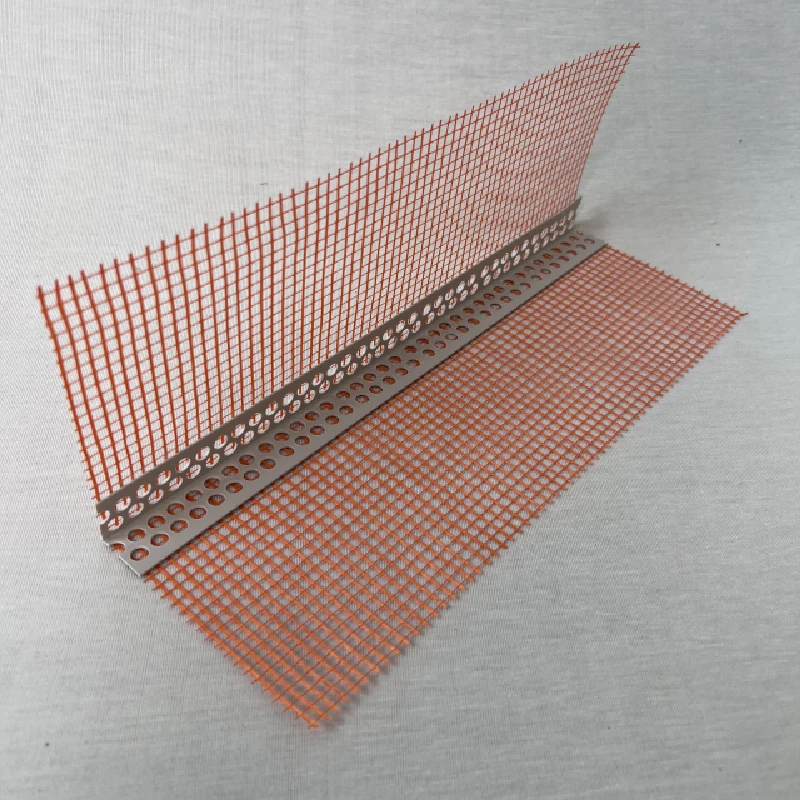
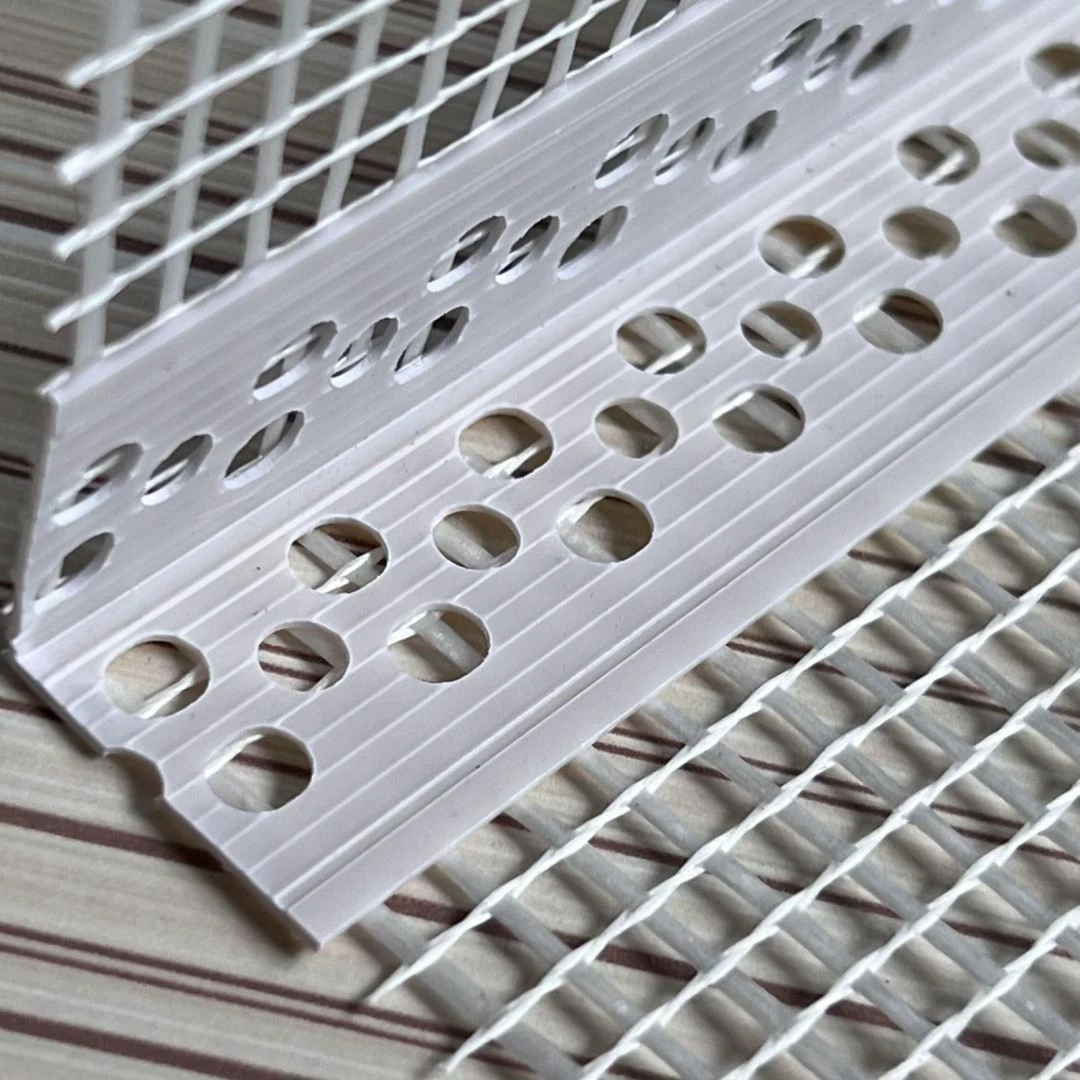
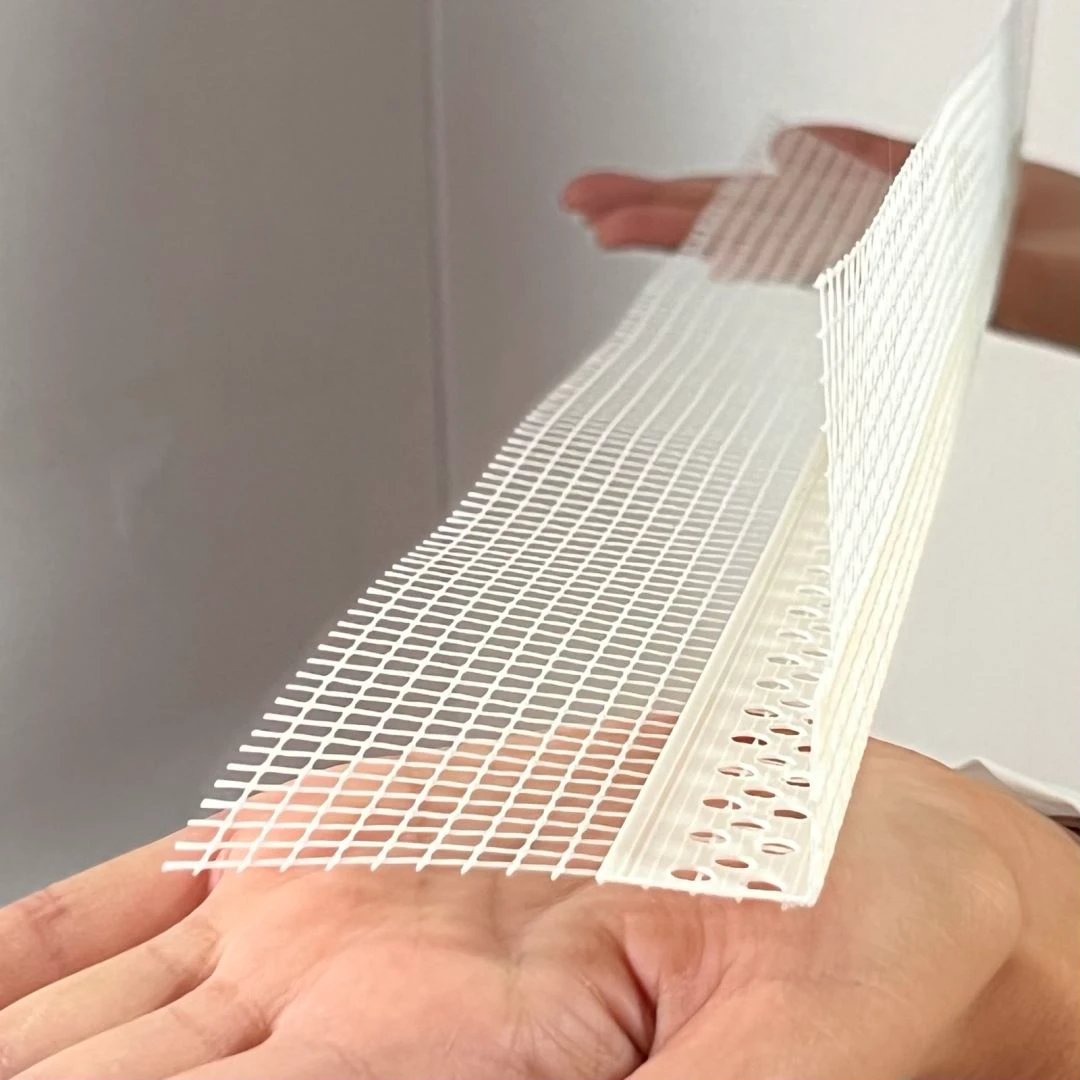
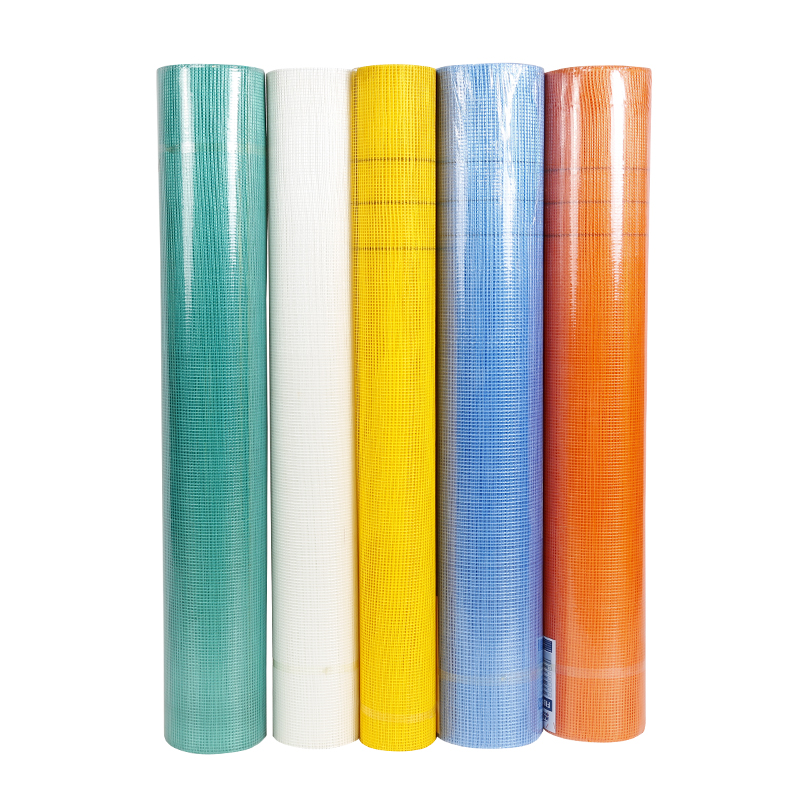
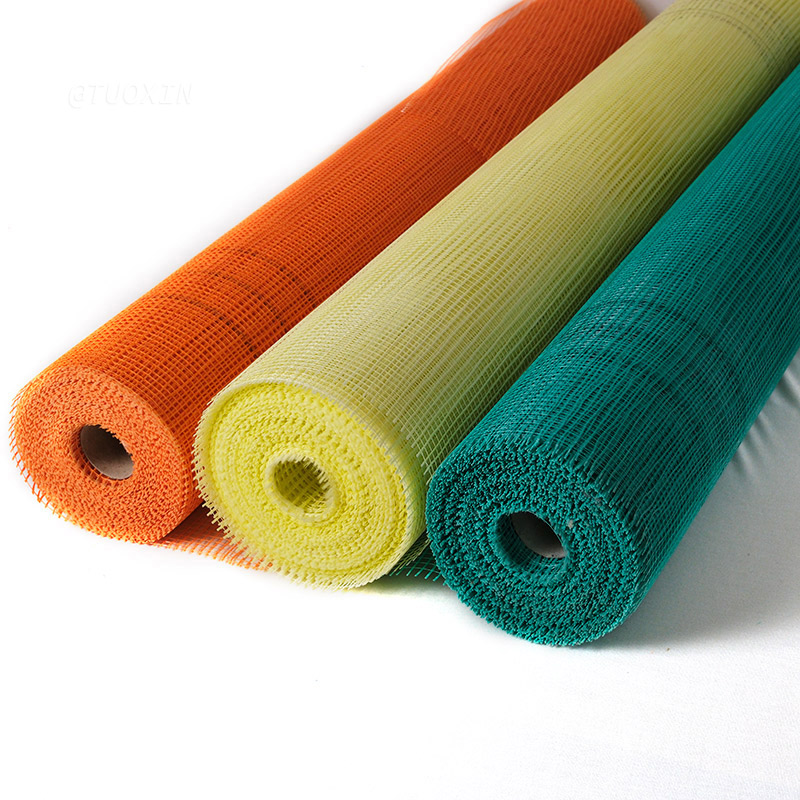
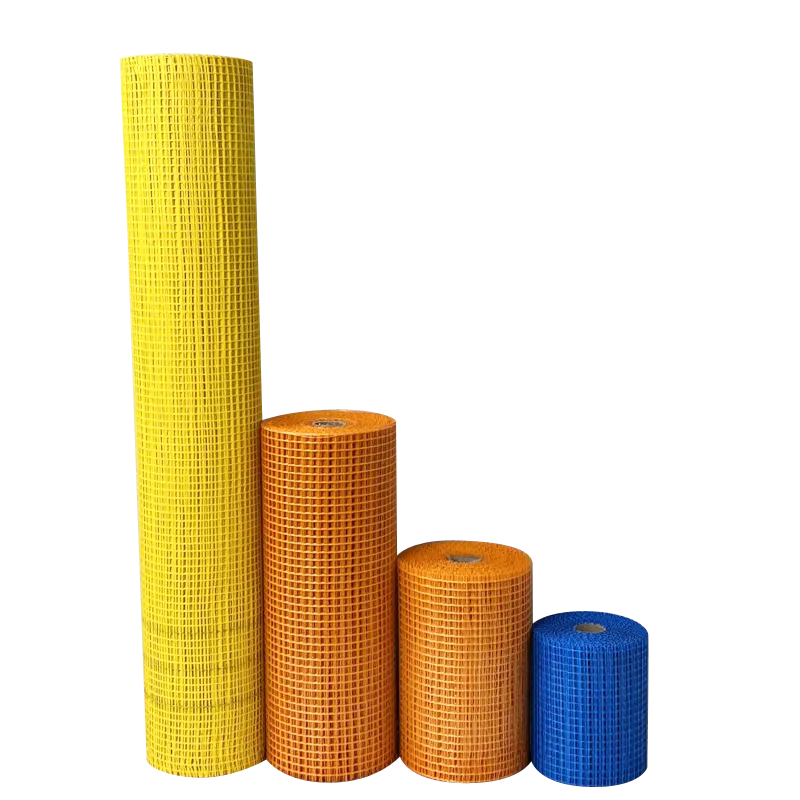
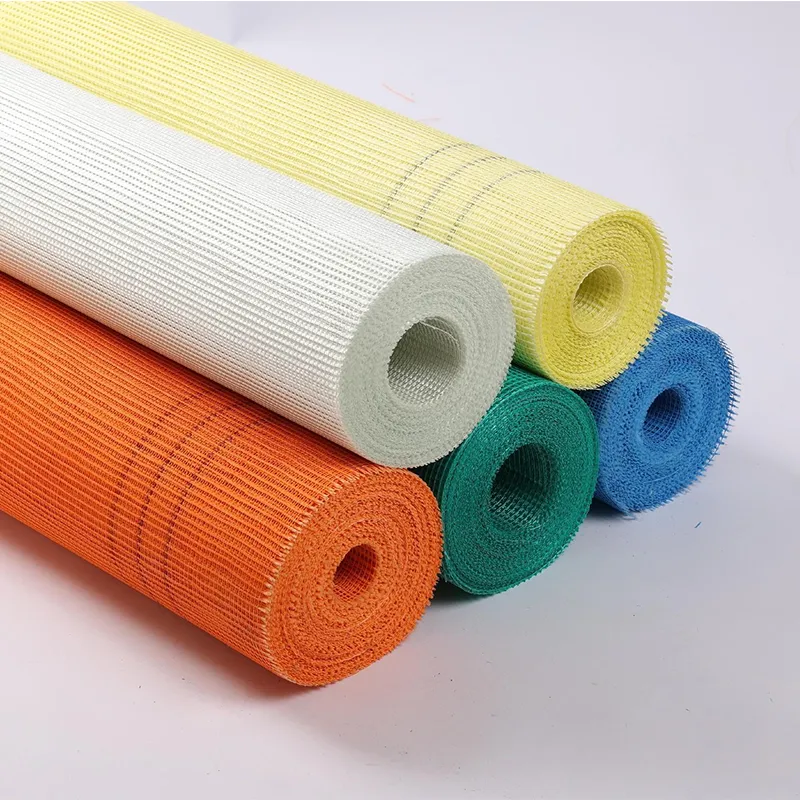
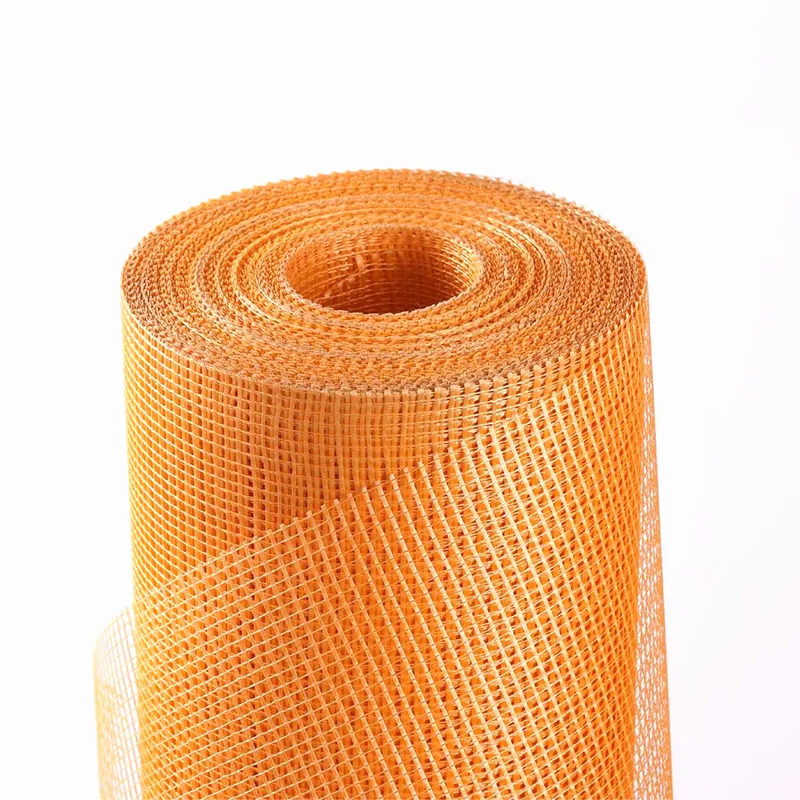
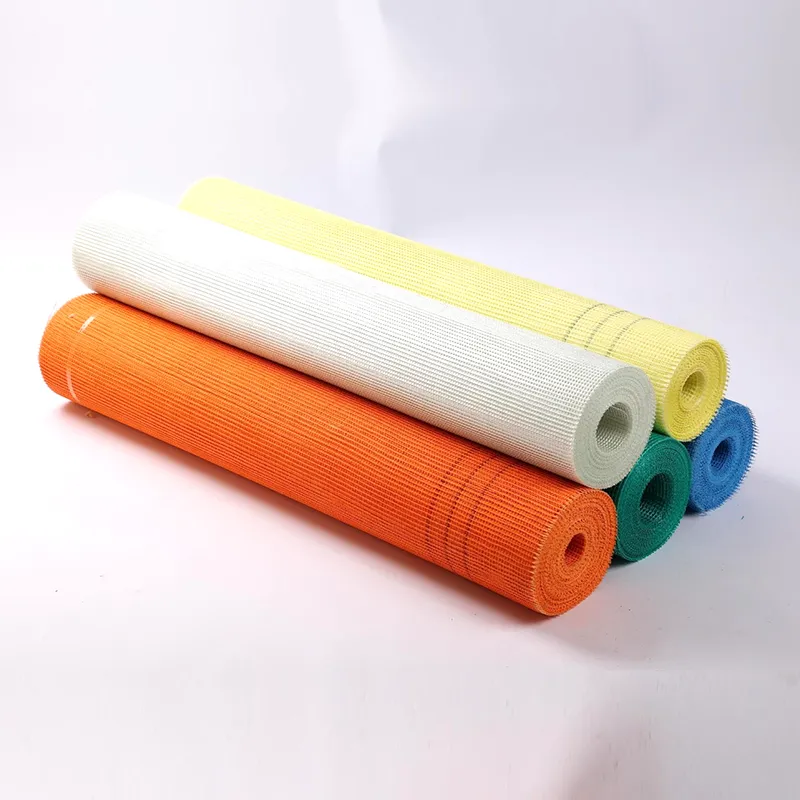
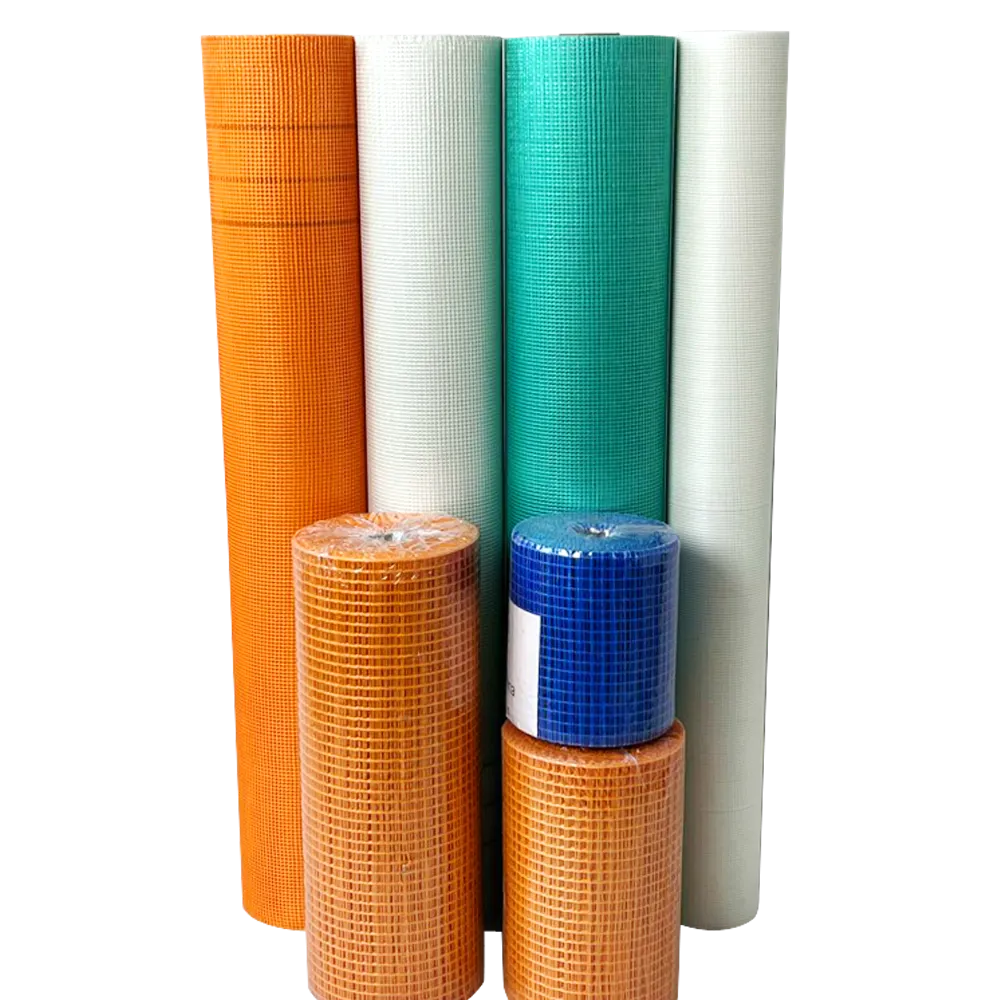
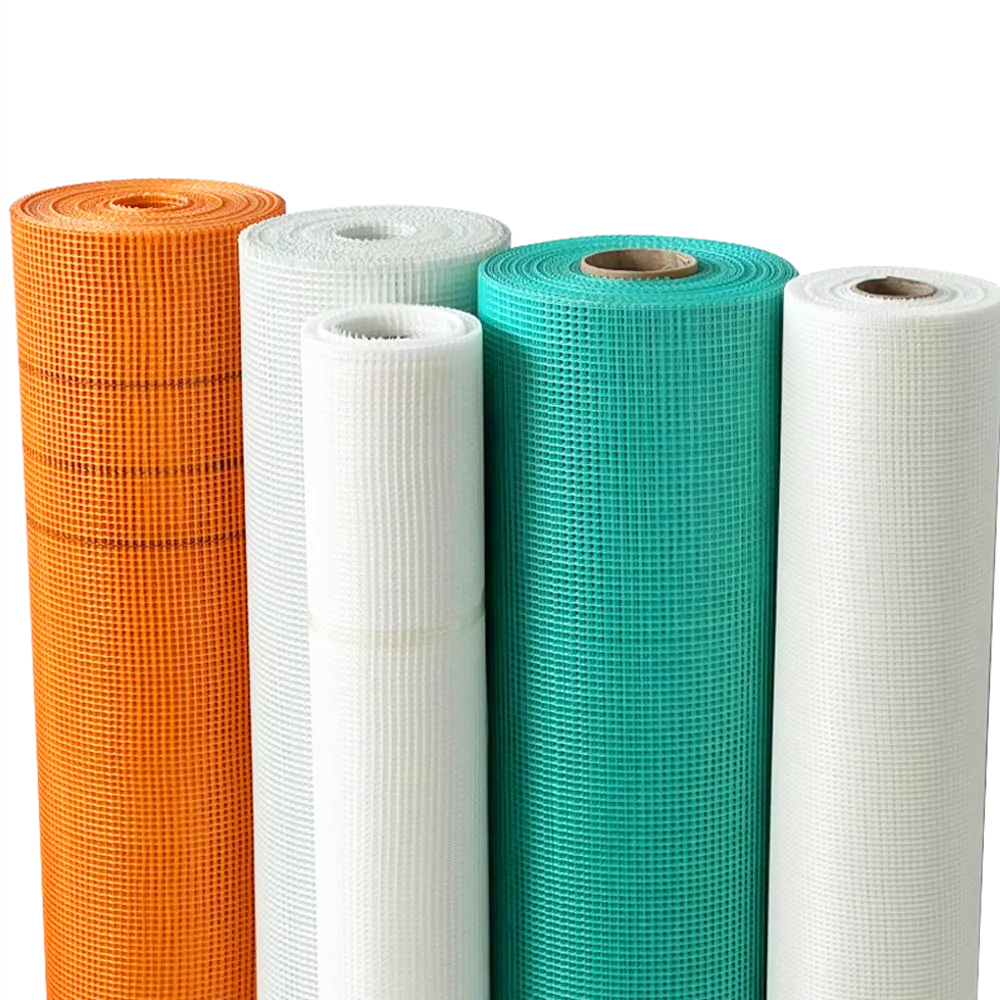
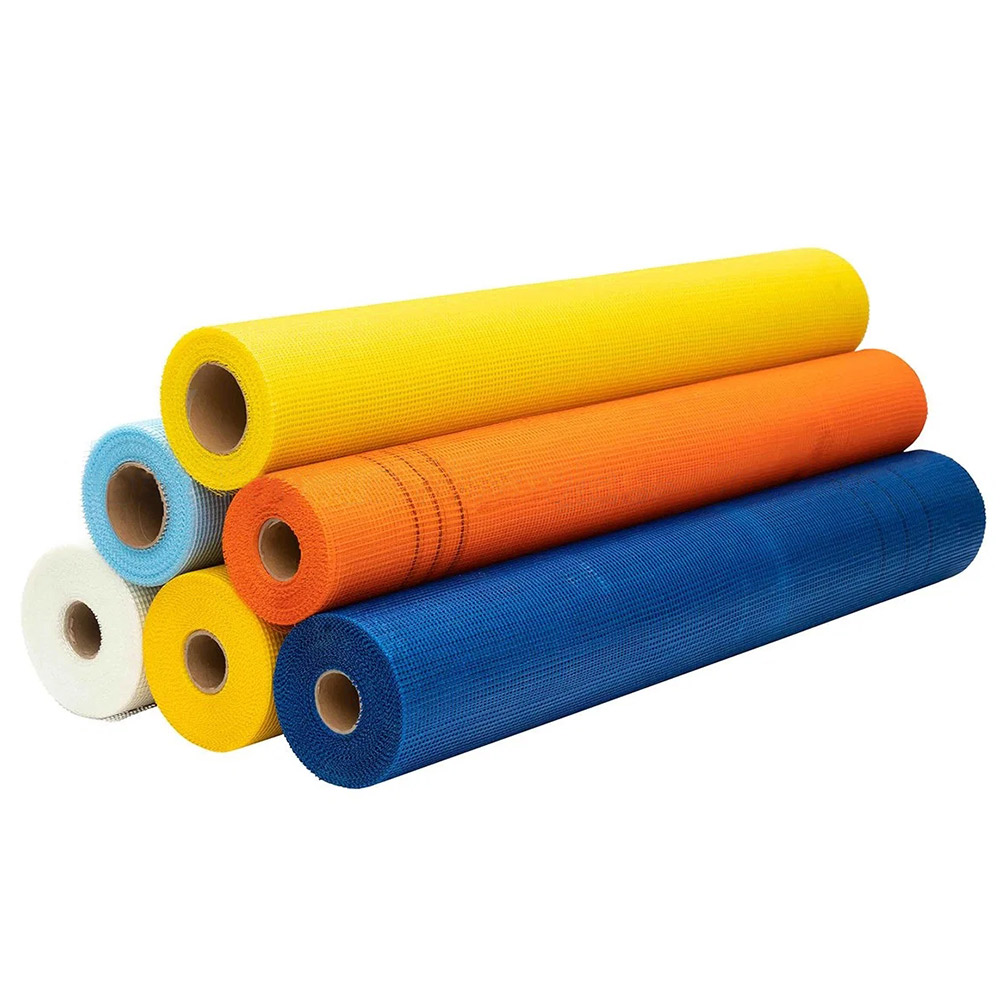
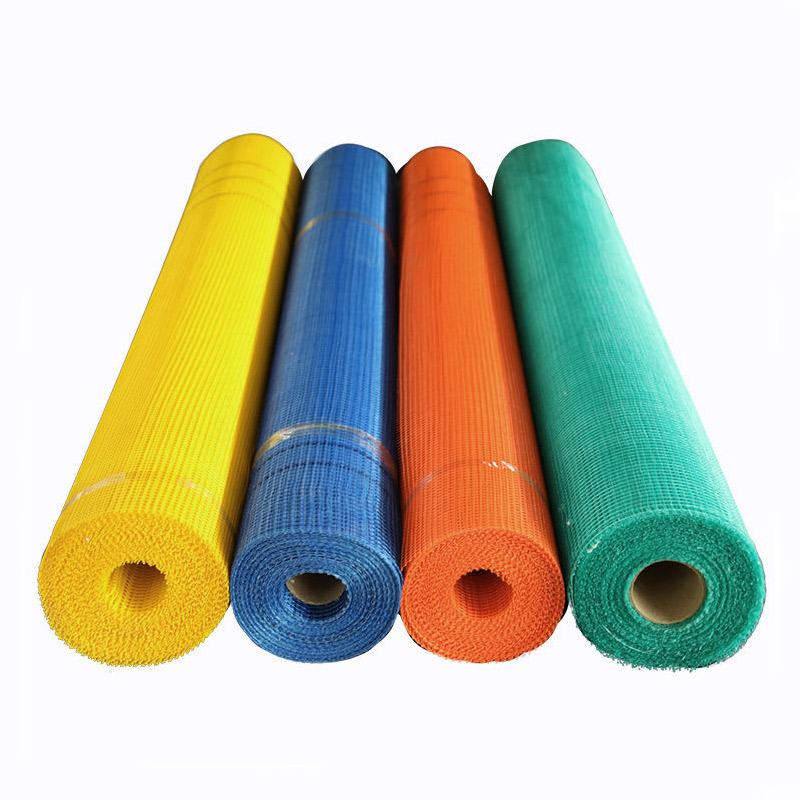
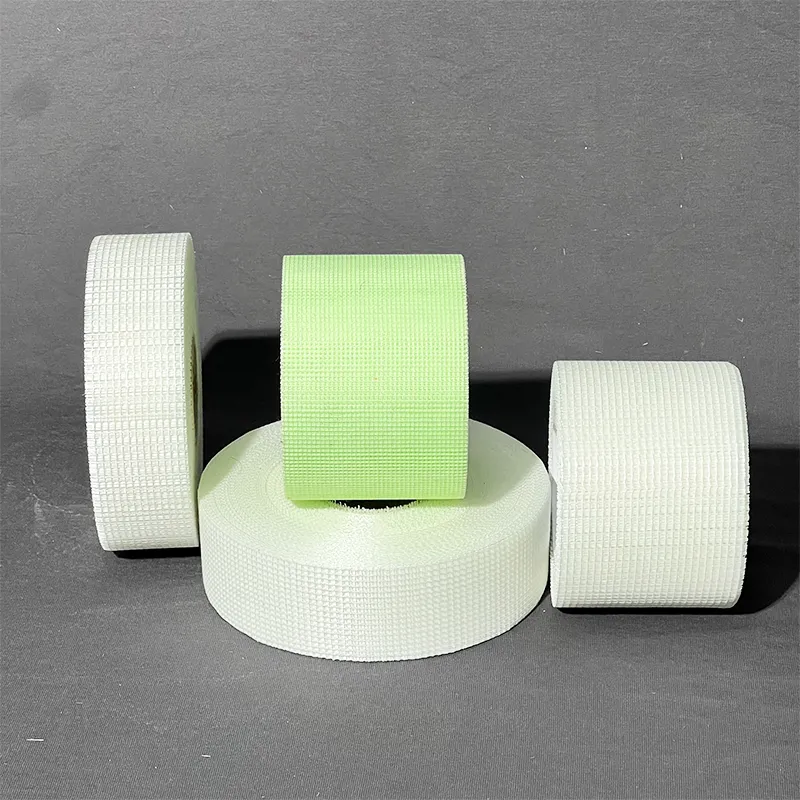
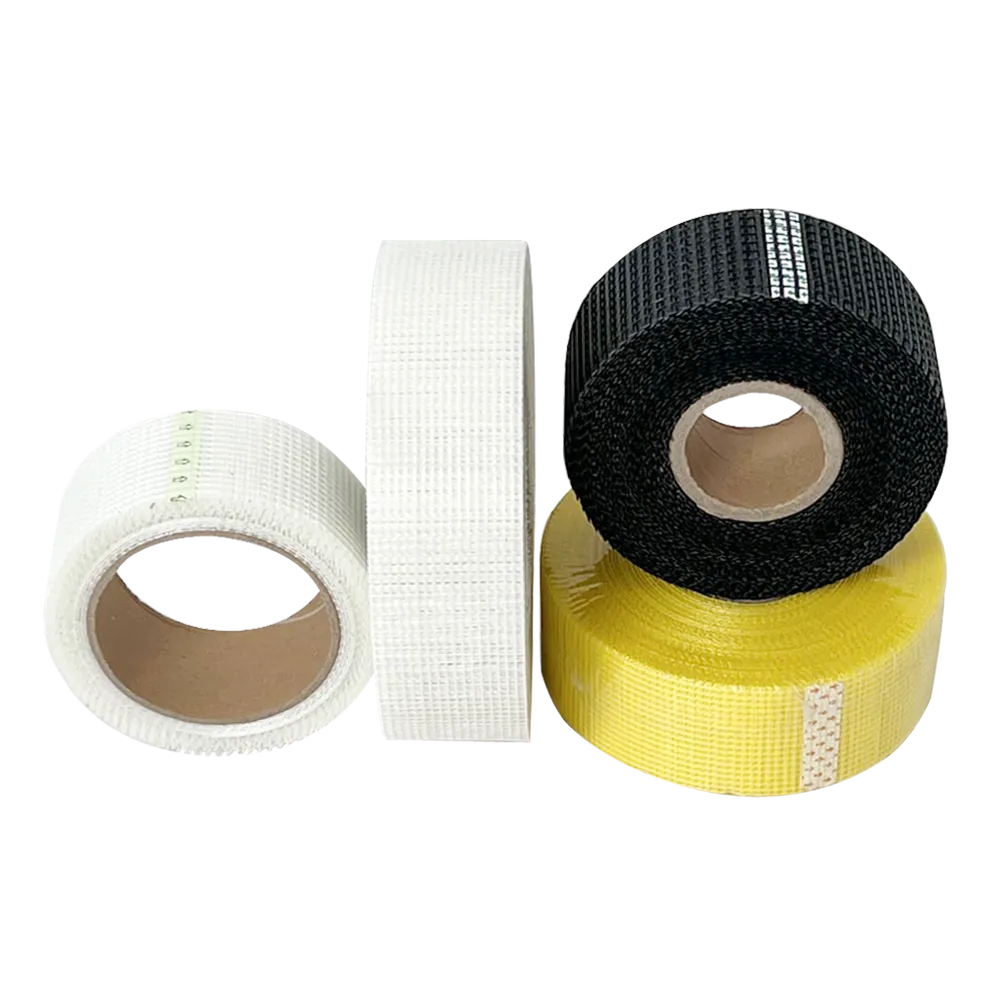
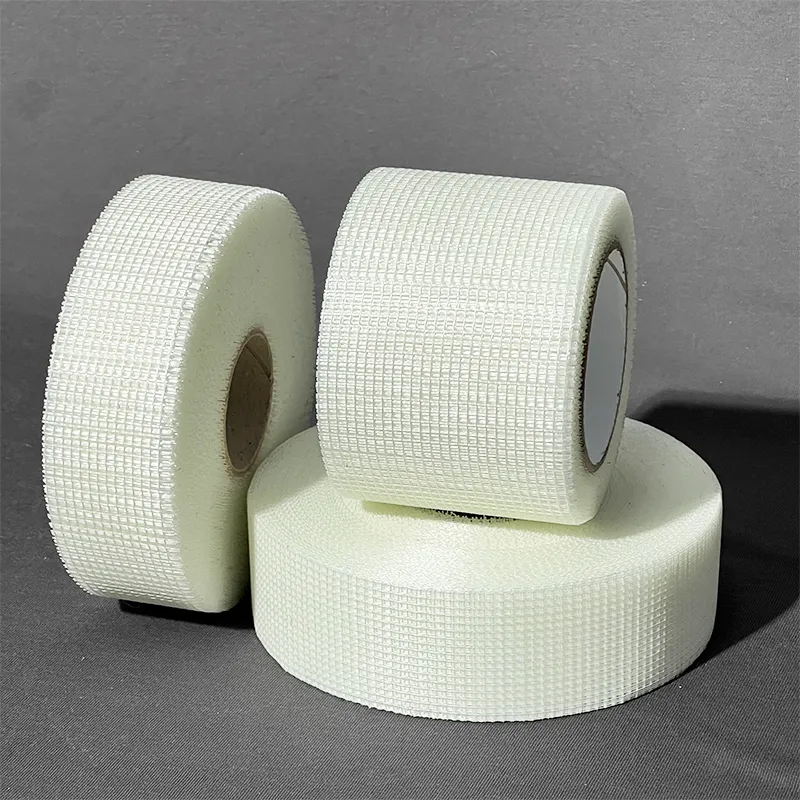
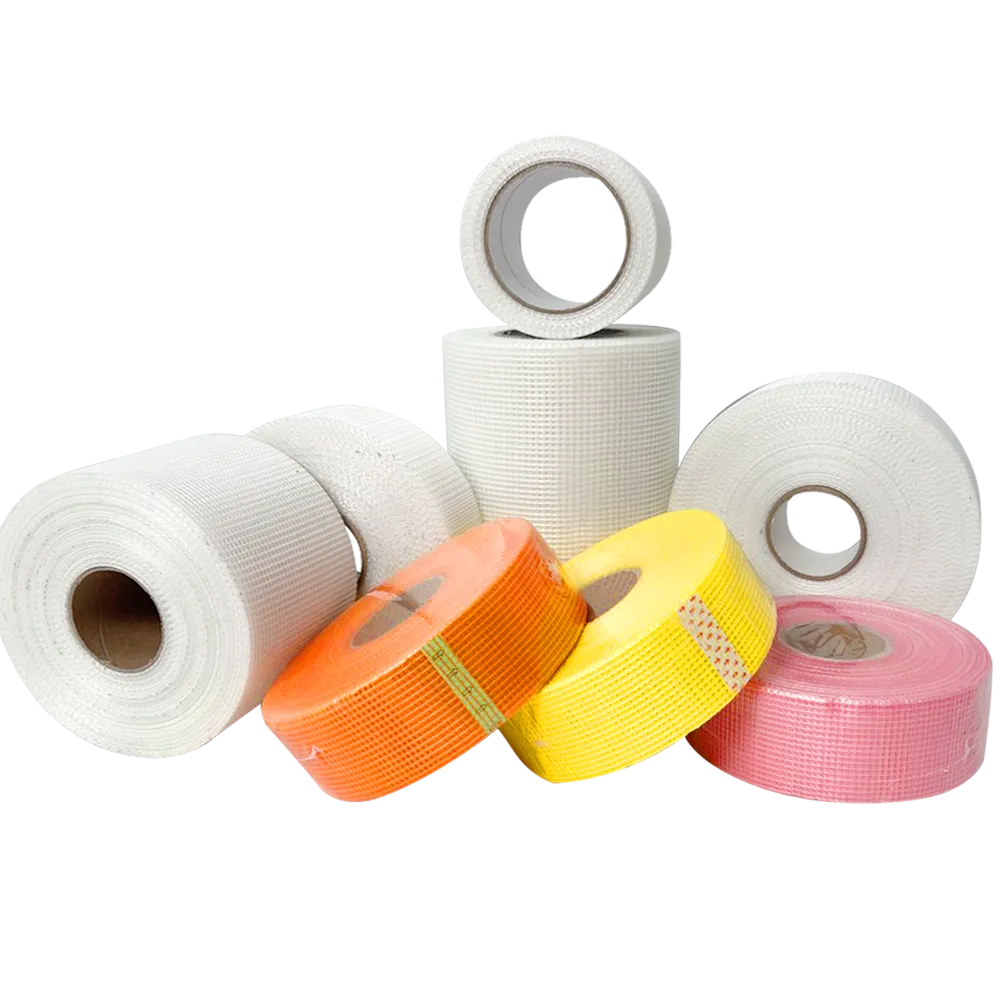
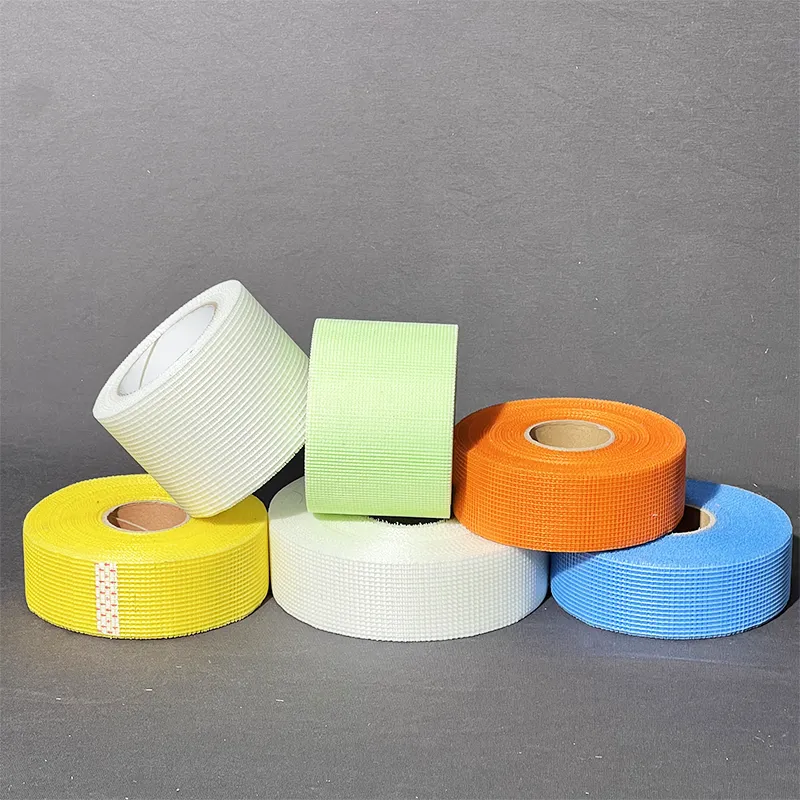
In simple terms, mesh fiberglass tape consists of interwoven fiberglass strands forming a grid-like or mesh pattern, often coated with an adhesive to enhance bonding capabilities. It’s primarily used to reinforce drywall joints, concrete repairs, and sometimes in composite material fabrication. The tape’s unique weave allows for flexibility without sacrificing tensile strength.
Its industrial relevance stretches beyond mere construction. For instance, humanitarian agencies use this tape in rapid shelter repairs after natural disasters due to its ease of application combined with durability—qualities that help communities get back on their feet faster.
Core Components & Key Factors Behind Mesh Fiberglass Tape’s Success
1. Durability
The fiberglass material naturally resists corrosion, mold, and moisture—a huge advantage over organic fibers commonly found in tapes or mesh products. This means longer life spans and fewer replacements.
2. Flexibility
Thanks to its woven structure, the tape bends without breaking, making it highly adaptable to uneven surfaces—a boon for complex structural repairs.
3. Cost Efficiency
When compared to metal reinforcements or specialty composites, mesh fiberglass tape offers a budget-friendly solution without compromising on reliability.
4. Ease of Use
Installation requires minimal specialized tools or training, which expands its appeal across professional tradespeople and DIY enthusiasts alike.
5. Environmental Compatibility
Fiberglass is non-toxic and, when managed properly, contributes less to landfill waste than some synthetic alternatives. Plus, its strength reduces the overall material volume required.
Typical Specifications of a Standard Mesh Fiberglass Tape Product
| Specification | Details |
|---|---|
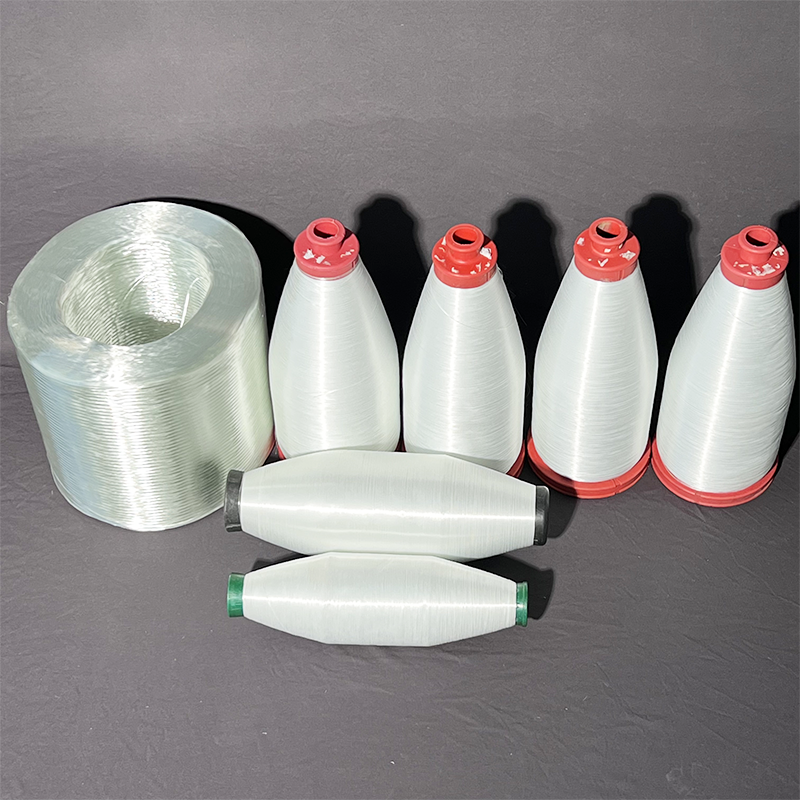
| Material | E-glass fiberglass yarns |
| Weave Type | Open mesh grid (4mm x 4mm) |
| Width | 50 mm, 75 mm, 100 mm (varies) |
| Thickness | 0.15 – 0.25 mm |
| Tensile Strength | Up to 400 N/cm (depends on product grade) |
| Adhesive Type (if coated) | Acrylic-based or water-resistant adhesive |
Who Uses Mesh Fiberglass Tape? Global Applications & Use Cases
- Construction Industry: Widely used to reinforce drywall joints, prevent cracks, and repair concrete structures, especially in urban centers undergoing rapid development like China and the Middle East.
- Disaster Relief & Humanitarian Agencies: Organizations use it for fast, durable repairs to temporary shelters in earthquake-prone regions such as Nepal and Indonesia.
- Automotive & Aerospace: Incorporated into composites for panels and parts needing lightweight strength.
- Marine Industry: Used in yacht hull repairs where corrosion resistance is critical.
For a closer look into specialized mesh fiberglass products, check out mesh fiberglass tape product resources provided by leading manufacturers.
Comparing Leading Vendors of Mesh Fiberglass Tape
| Vendor | Product Range | Price Approx. (USD/m) | Unique Selling Point |
|---|---|---|---|
| Tainuo Fiberglass | Standard and waterproof mesh tapes | 0.10 – 0.20 | Environmentally friendly adhesive |
| FiberMax Corp | Heavy-duty tapes for industrial use | 0.15 – 0.25 | High tensile strength options |
| Global Mesh Solutions | Custom widths and coated tapes | 0.12 – 0.22 | Customizable adhesive formulas |
Advantages and Long-Term Value of Mesh Fiberglass Tape
The benefits are more than skin-deep. Beyond saving money on repairs, this tape extends the life of structures, improving safety and reducing downtime—a big deal for industries reliant on uninterrupted operations. Emotionally, there’s reassurance in its reliability; communities recovering from disasters often value materials that symbolize resilience. Socially, because it contributes less to construction waste, it aligns with growing environmental consciousness. And frankly, its versatility means engineers can trust it in unexpected scenarios...
Future Trends: What’s Next for Mesh Fiberglass Tape?
Looking ahead, innovation centers on making mesh fiberglass tape even greener: bio-based resins replacing older adhesives, and finer fiber weaves enhancing strength without weight. Automation in manufacturing ensures more consistent quality, and digital tracking technologies could soon allow users to verify tape authenticity and specs instantly, improving supply chain transparency. The surge in green building standards globally demands materials that not only perform but promote circular economies—mesh fiberglass tape is evolving to meet that need.
Challenges & Innovative Solutions
Challenges persist, like UV degradation outdoors and limited adhesion to certain plastic substrates. However, ongoing R&D delivers UV-stabilized coatings and hybrid adhesive formulas to overcome these issues. Importantly, education on proper application techniques reduces user error, a surprisingly common factor in product failures.
FAQ: Frequently Asked Questions About Mesh Fiberglass Tape Product
- Q: How do I choose the right mesh fiberglass tape for my project?
A: Consider the substrate type, environmental exposure, and required tensile strength. Standard tapes work for general drywall; heavy-duty variants suit industrial repairs. - Q: Can mesh fiberglass tape withstand outdoor weathering?
A: Some products feature UV-resistant coatings for limited outdoor use, but additional protective layers may be recommended for prolonged exposure. - Q: Is the adhesive on mesh fiberglass tape safe for indoor air quality?
A: Leading brands use low-VOC, acrylic-based adhesives ensuring minimal off-gassing and compliance with indoor environmental standards. - Q: How should I store mesh fiberglass tape to maintain its properties?
A: Keep it in a cool, dry place away from direct sunlight, ideally in sealed packaging to prevent dust contamination.
Conclusion: The Lasting Impact of Mesh Fiberglass Tape
In a nutshell, the mesh fiberglass tape product is much more than a simple construction aid. It embodies durability, adaptability, and sustainability—qualities needed to meet global challenges head-on. If you’re exploring reliable reinforcement materials, I’d suggest starting from a trusted source like mesh fiberglass tape product suppliers who combine quality with innovation. Trust me, your projects and clients will thank you.
Mini takeaway: Mesh fiberglass tape stands at an intersection of tradition and innovation—simple yet vital in reinforcing the world around us.
References
-
Best Fiberglass Mesh Tape for RedGard Product Waterproofing GuideNewsApr.16,2026
-
Why High Strength Fiberglass Mesh Is Essential For Stucco ApplicationNewsApr.15,2026
-
Why Alkali Resistant Fiberglass Mesh Tape Is Essential For Cement Board And Tile InstallationsNewsApr.15,2026
-
Understanding The Role Of Drywall Fiberglass Mesh In Interior FinishingNewsApr.15,2026
-
Ultimate Guide To Using Fiberglass Mesh Tape For Drywall And Plaster RepairsNewsApr.15,2026
-
The Versatility Of Fiberglass Mesh In Marble And Stone MosaicNewsApr.15,2026