Dec . 02, 2025 07:05 Back to list
Mesh Fiberglass Tape Factories: Global Insights, Applications, and Future Trends
Mesh Fiberglass Tape Factories: What They Are and Why They Matter Globally
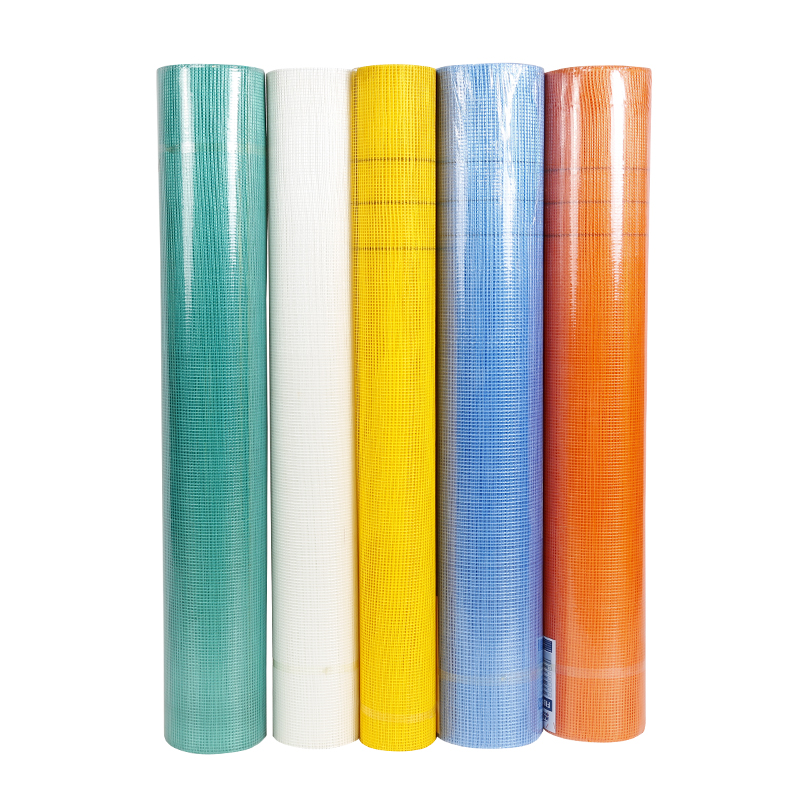
Mesh fiberglass tape factories might sound like something straight out of an industrial supply catalog, but they’re far more significant than mere production sites. These factories manufacture a specialized, high-strength tape made from woven fiberglass mesh, widely used in construction, aerospace, and even humanitarian aid industries. Globally, understanding the role of these factories unlocks a deeper appreciation of sustainable building materials, disaster resilience, and industrial innovation. So why does it matter? The answer is straightforward: mesh fiberglass tape has versatile applications that improve safety, reduce costs, and promote durability across sectors worldwide.
Introduction: The Global Relevance of Mesh Fiberglass Tape Factories
According to the International Organization for Standardization (ISO), fiberglass materials have been gaining traction because of their unique blend of durability and lightweight properties (ISO standards). Mesh fiberglass tape factories supply these crucial materials that help strengthen walls, ceilings, and other infrastructures without adding significant weight or complexity.
Given the rising global focus on sustainable construction and disaster-resistant building, these factories are more than mere manufacturing units—they’re hubs that tackle challenges like resource scarcity and infrastructure resilience. For example, in 2022, the global fiberglass market was projected to grow at over 7% annually, showing just how demand for these tapes is tied directly to massive infrastructure projects and repair work worldwide (Statista data).
The challenge many countries face is balancing cost, environmental impact, and construction quality. Mesh fiberglass tape—manufactured efficiently by these factories—offers a practical solution by providing a durable yet affordable reinforcement material that often replaces more carbon-intensive options like metals.
Defining Mesh Fiberglass Tape Factories
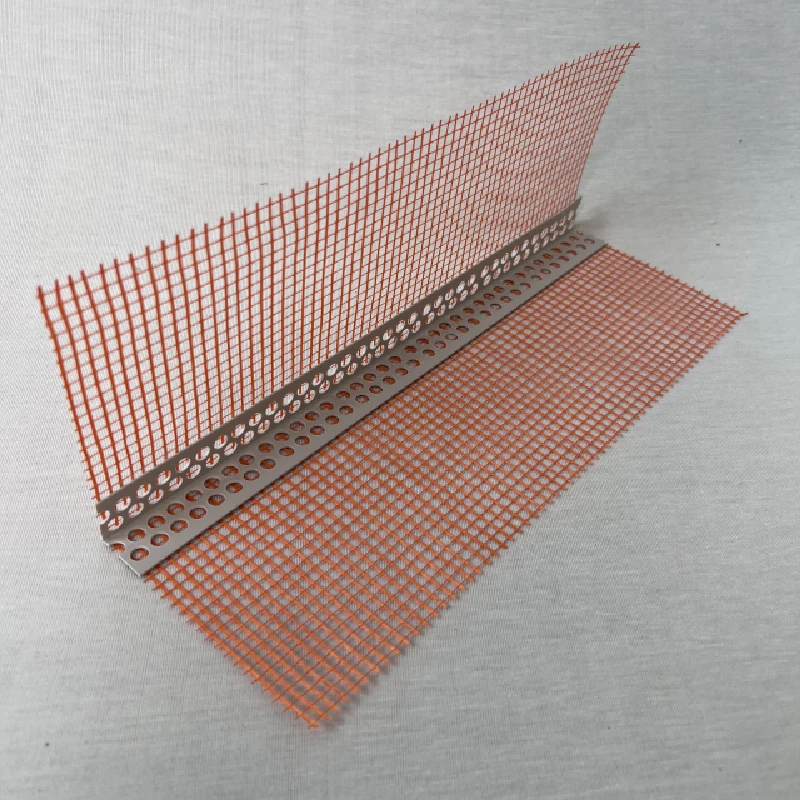
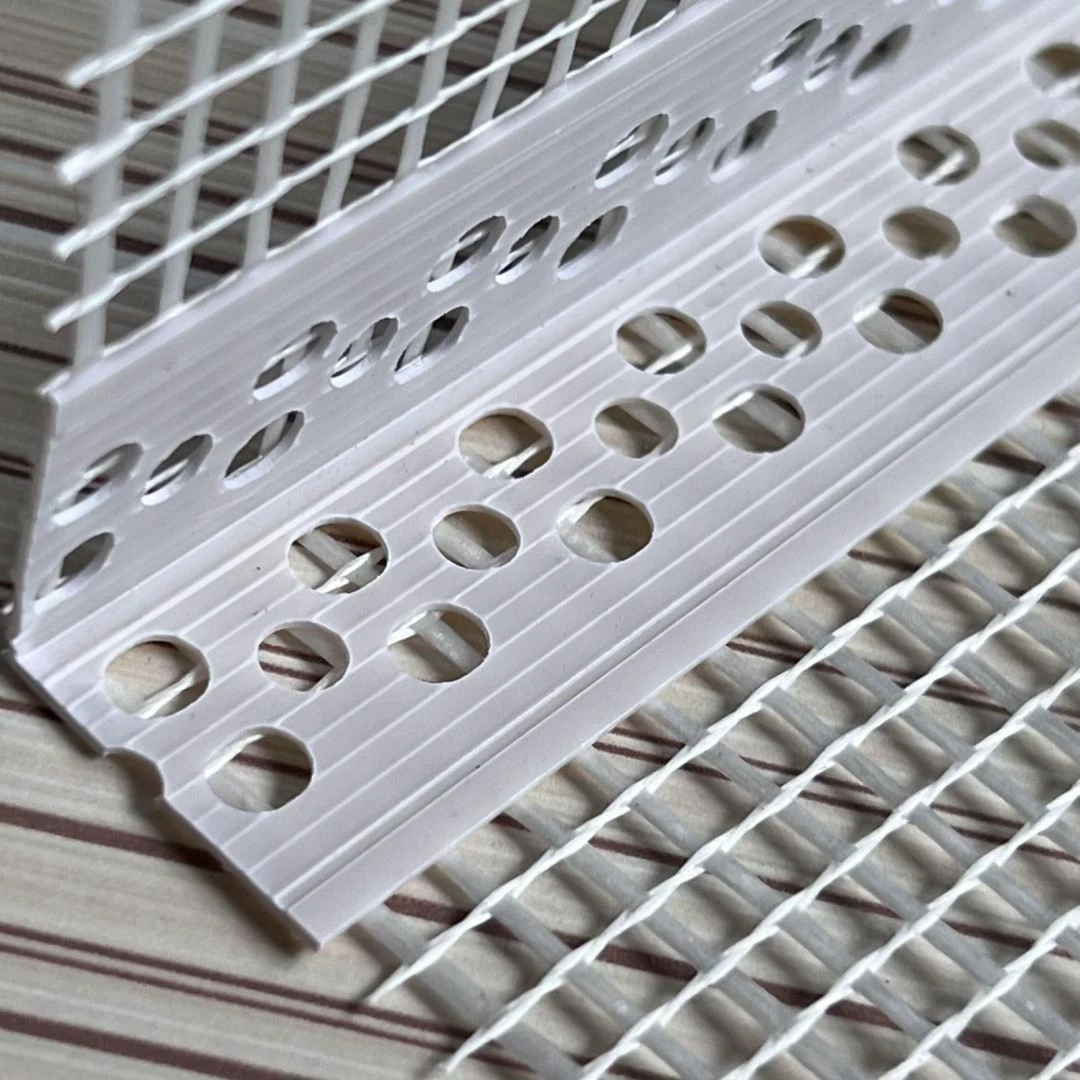
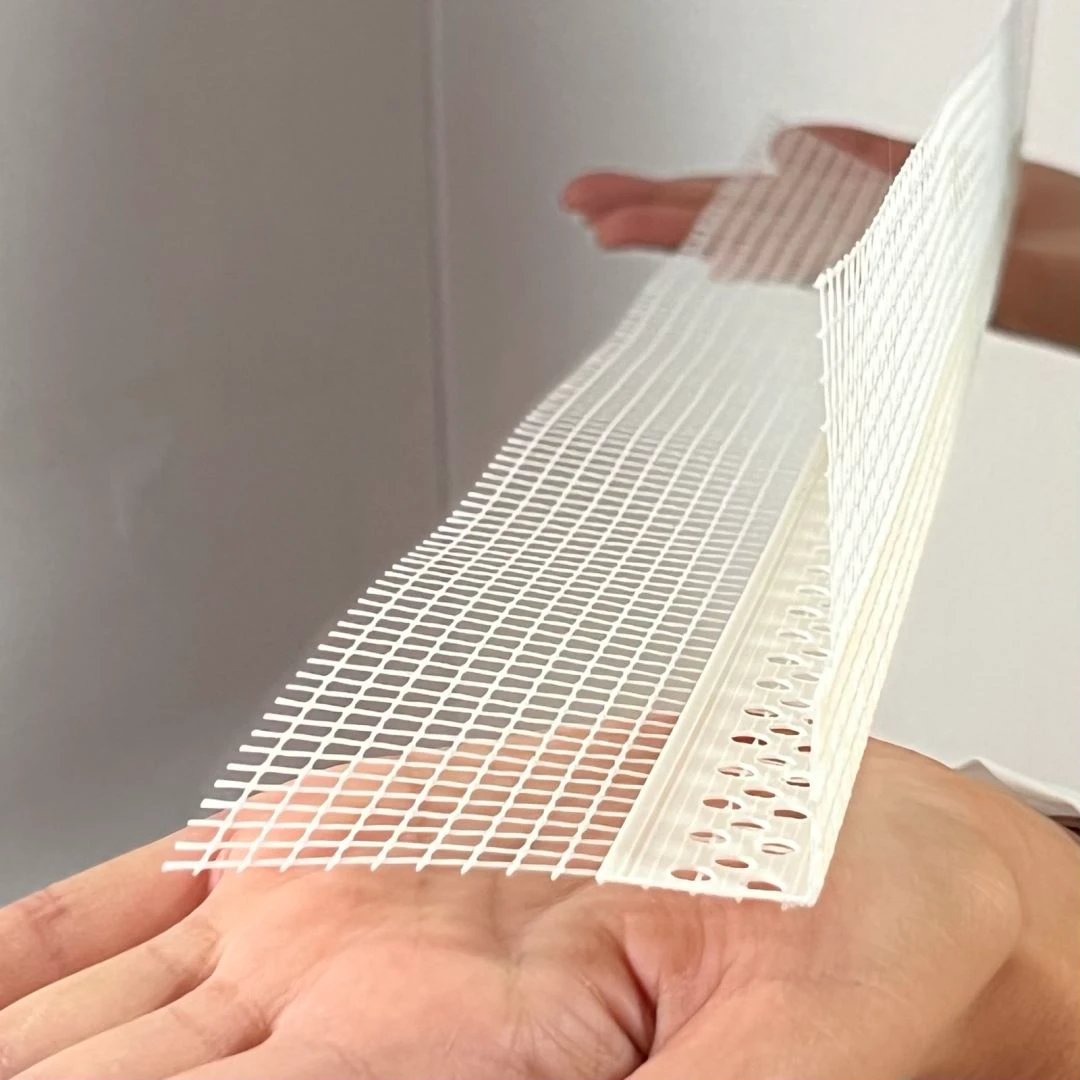
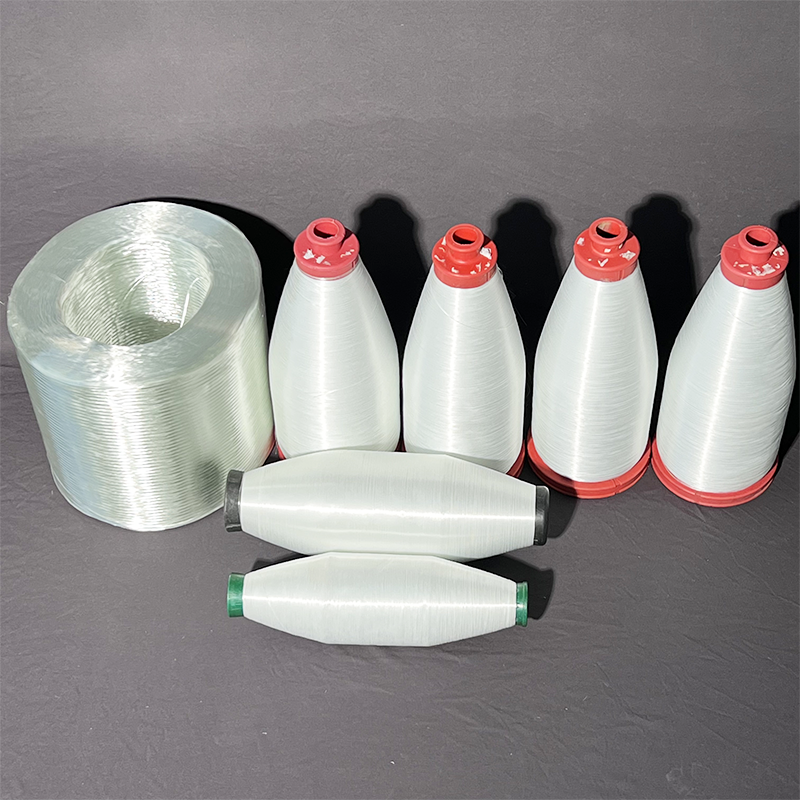
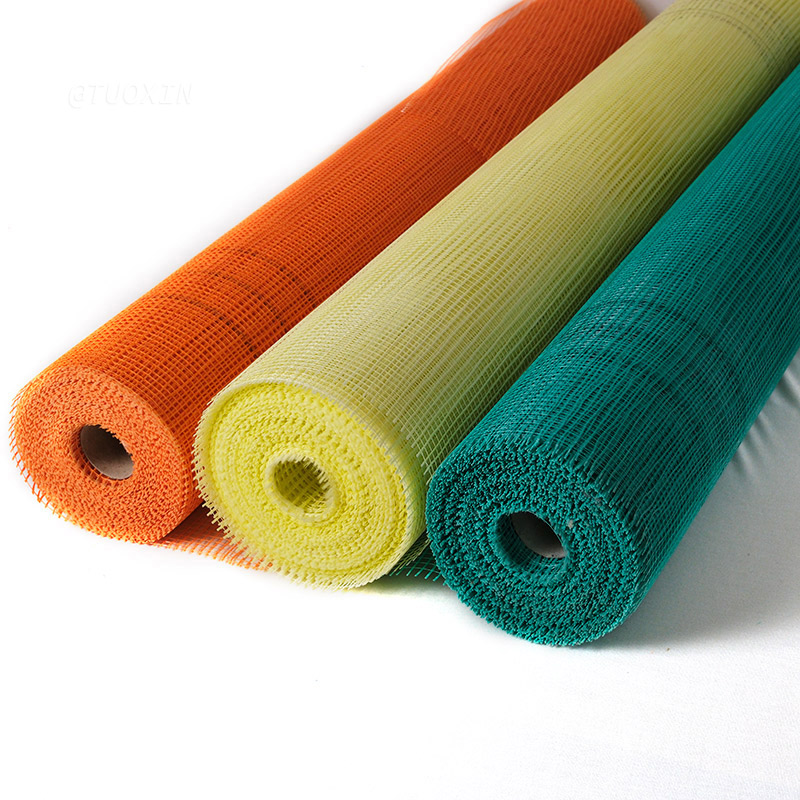
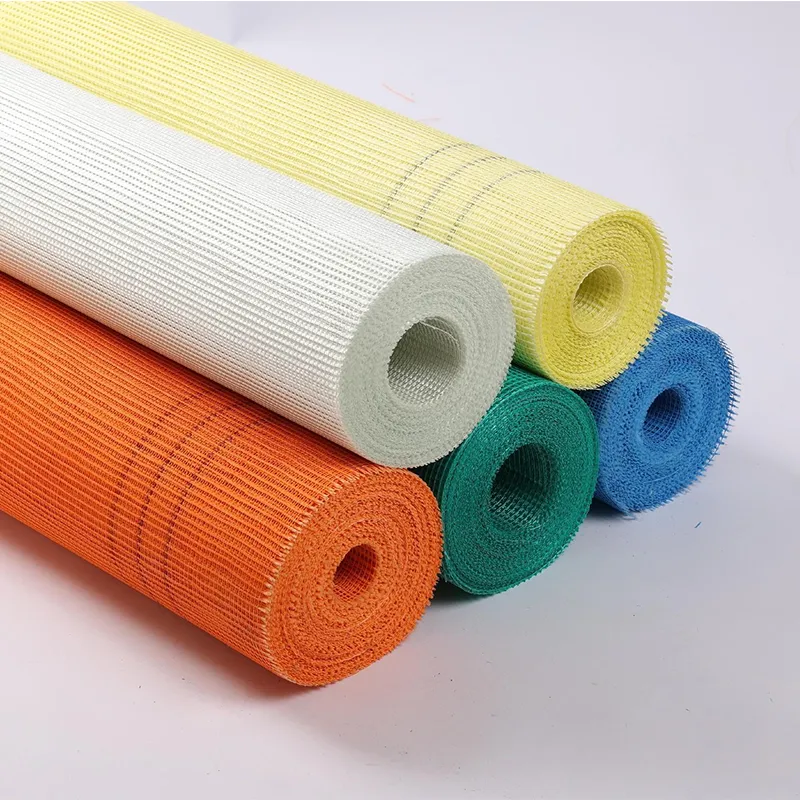
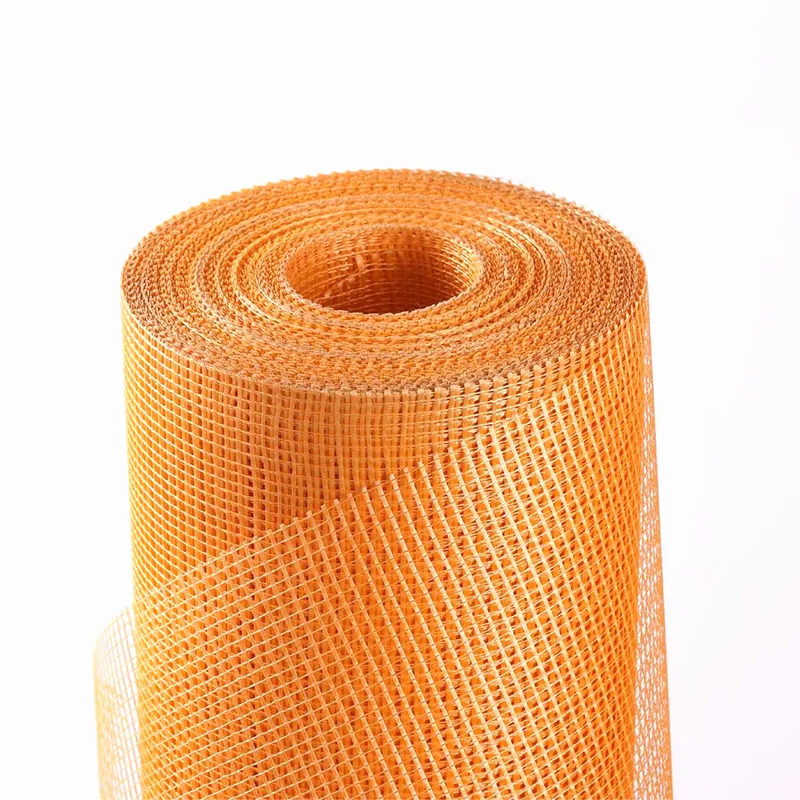
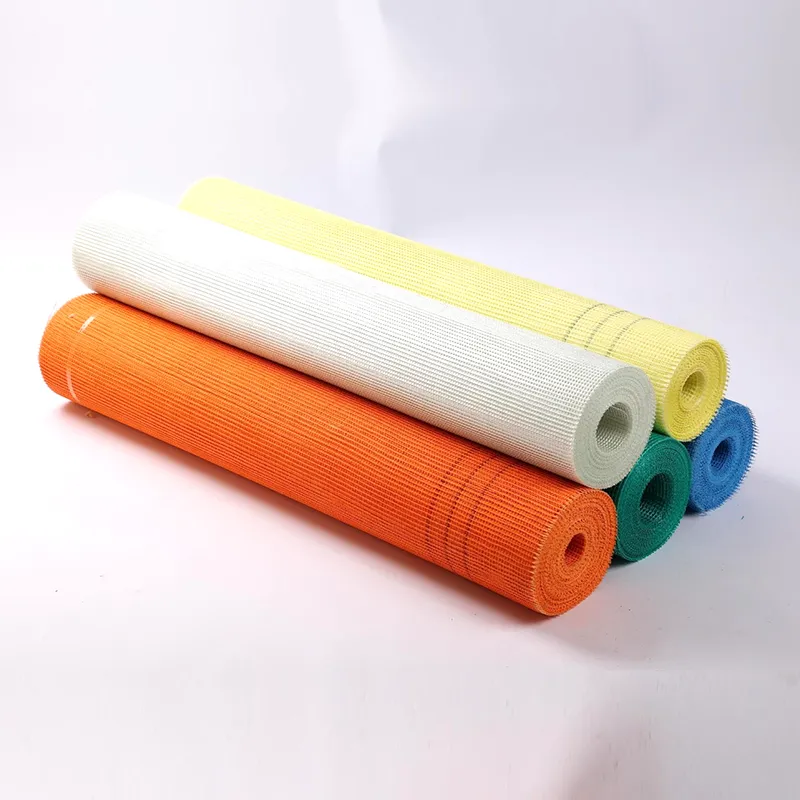
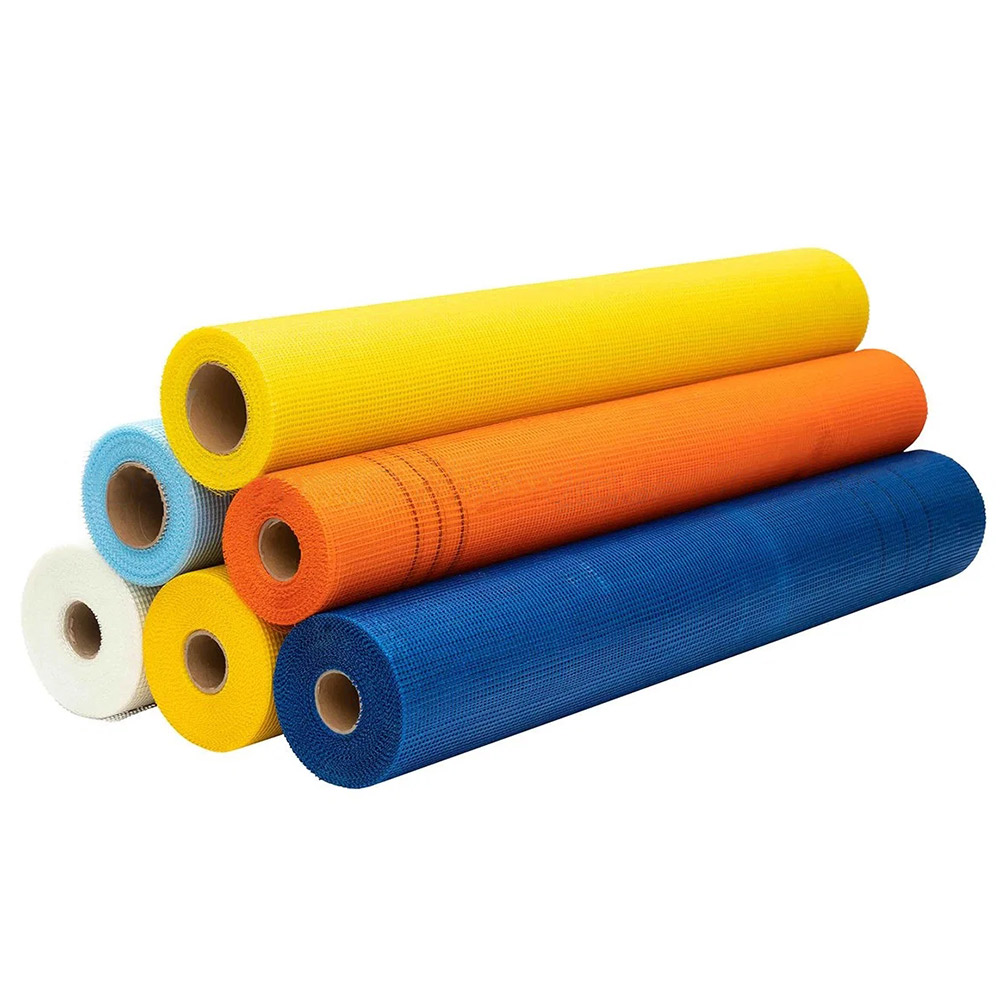
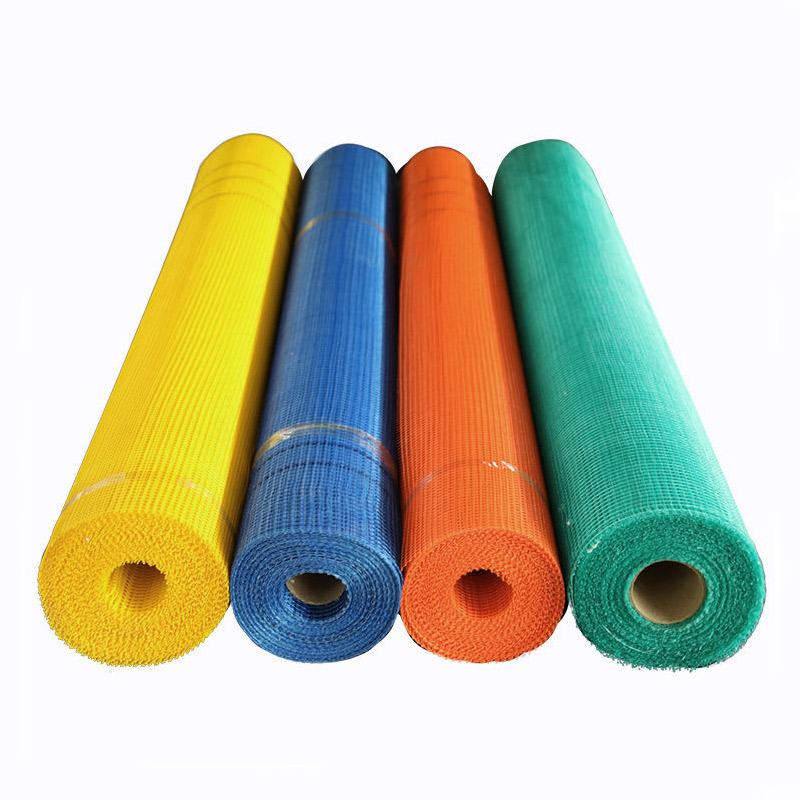
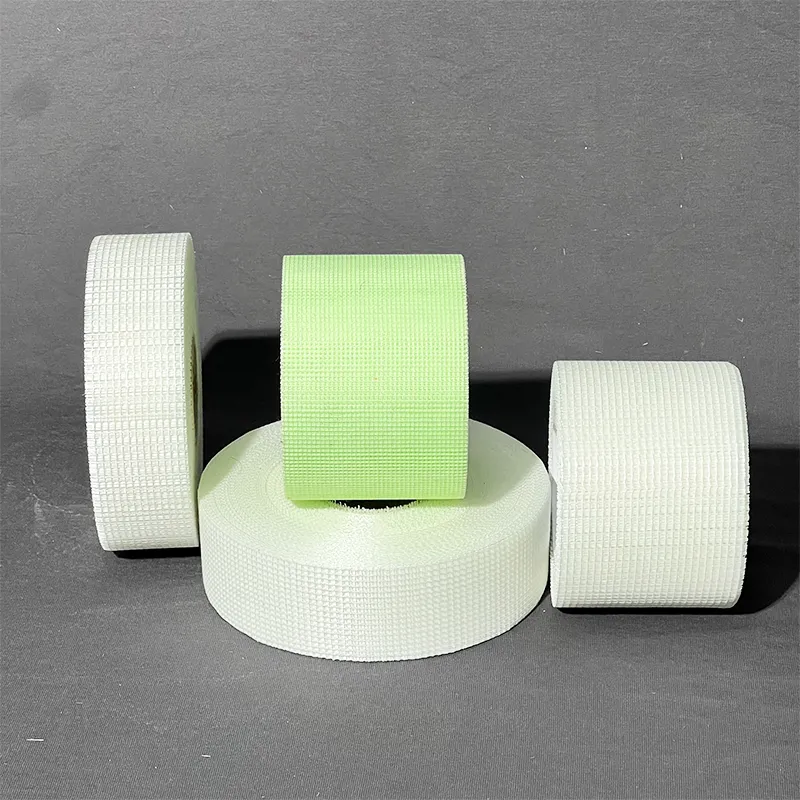
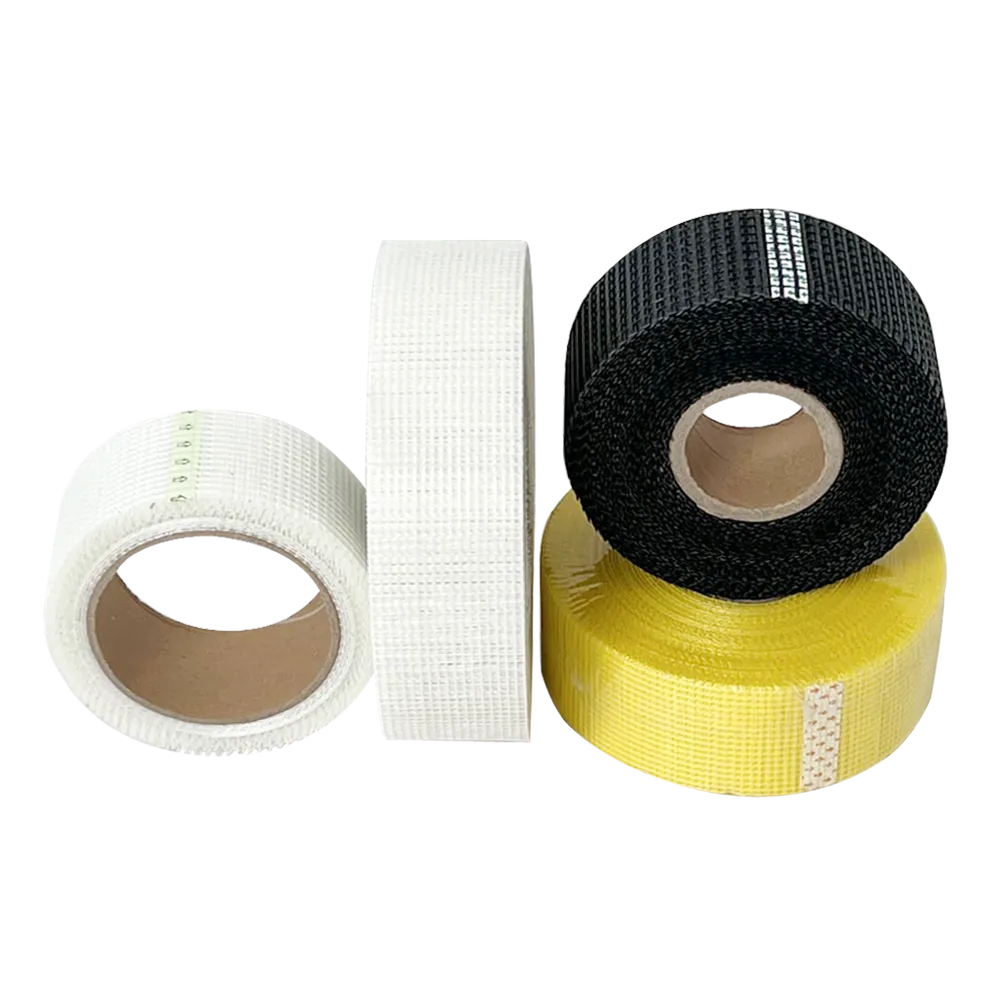
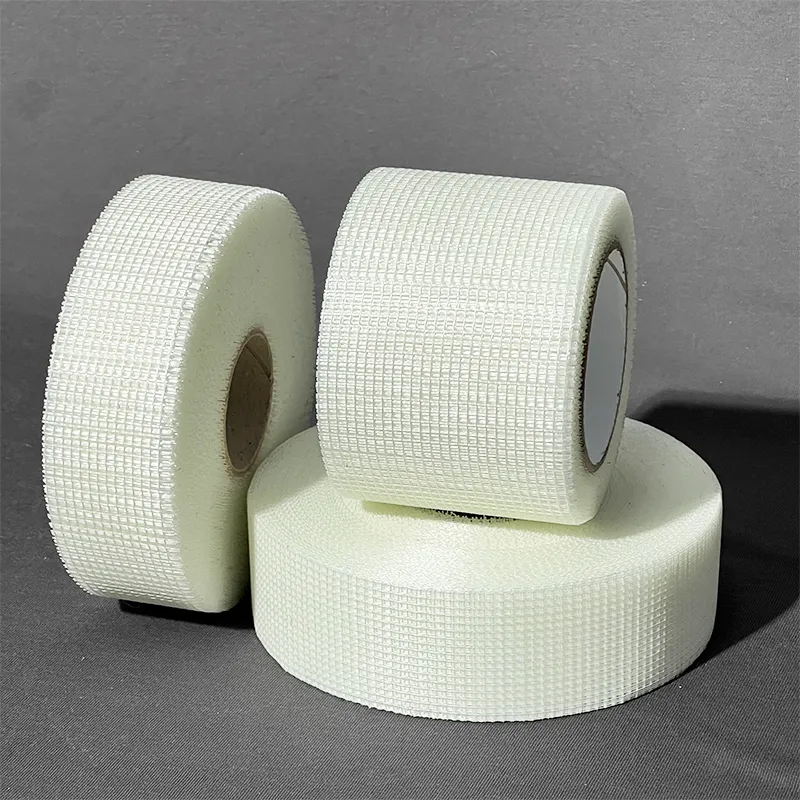
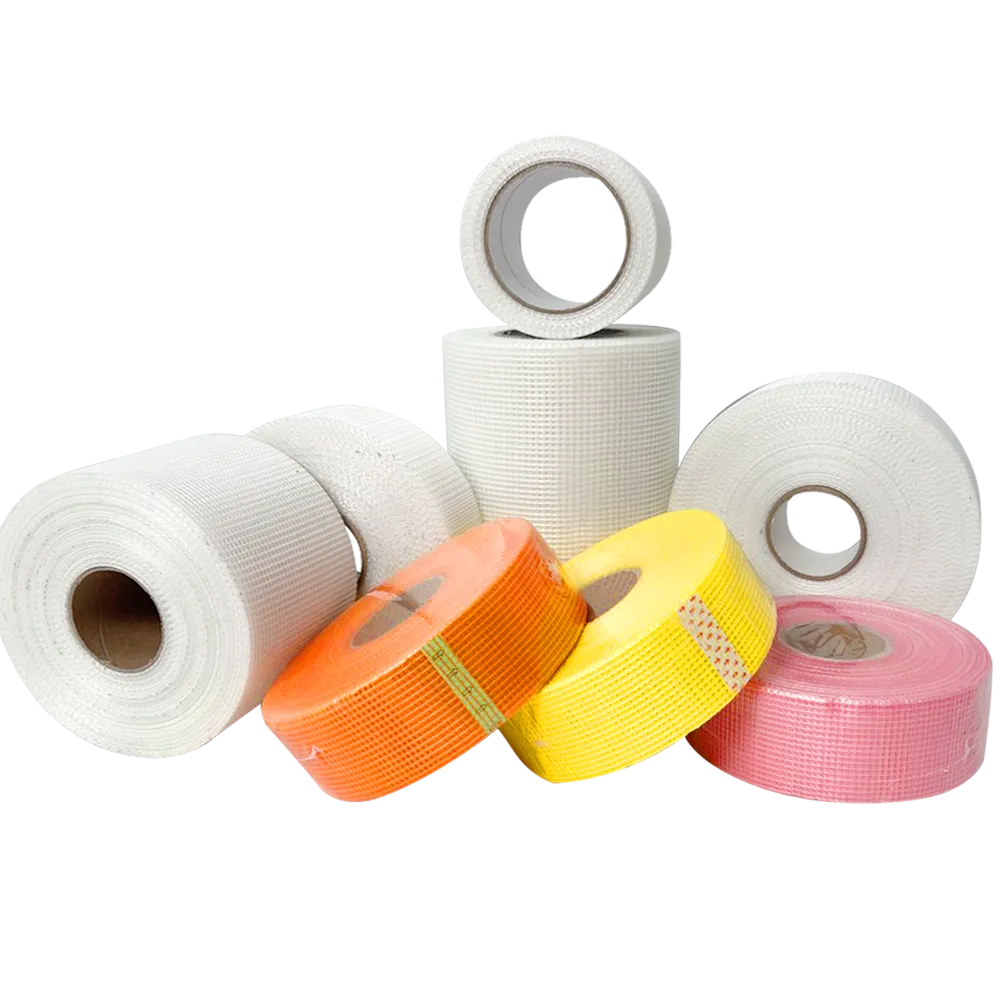
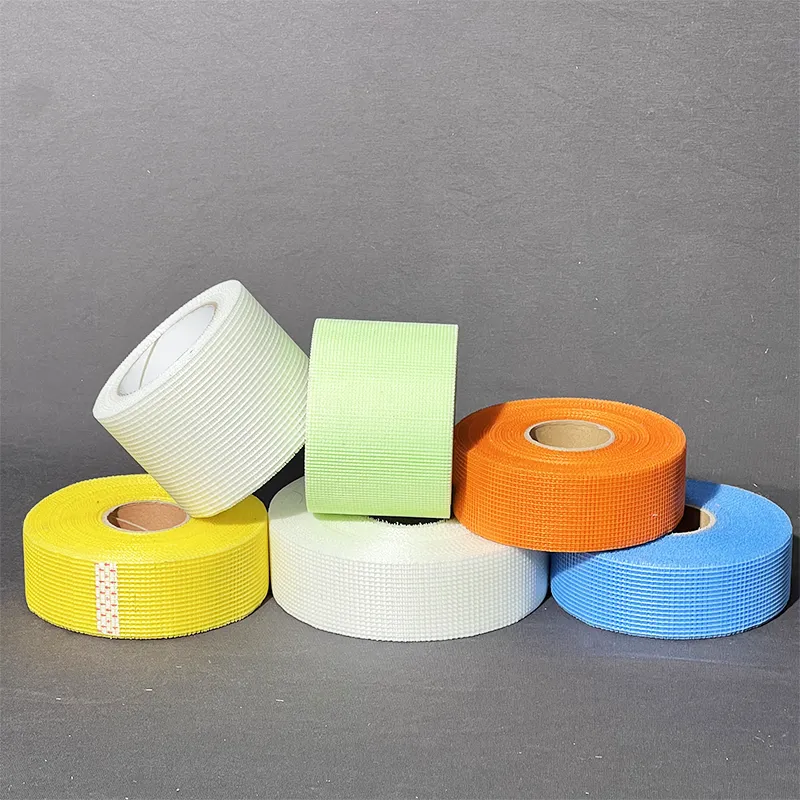
Put simply, mesh fiberglass tape factories produce adhesive tapes consisting of fiberglass yarn woven into a mesh. This mesh tape is typically used as a reinforcing layer in various building materials, including drywall joints, concrete, roofing, and insulation systems. The fiberglass provides tensile strength and flexibility, while the mesh structure allows for easy application and strong bonding.
In modern industry, these factories form the backbone for producing reliable composite materials essential for everything from industrial wear-resistance to humanitarian construction projects like temporary shelters or infrastructure repair kits.
Key Factors Behind Mesh Fiberglass Tape Production
Durability
Fiberglass mesh tapes are prized for their resistance to corrosion, moisture, and temperature changes. This durability makes them a go-to choice in harsh environmental conditions — think coastal, industrial, or disaster-prone regions.
Scalability
These factories can produce mesh tapes in large volumes to meet global demand, supporting both small-scale home renovations and large-scale infrastructure projects. The scalability also means a consistent supply chain—a major point in world regions with fast-growing construction needs.
Cost Efficiency
Compared to metal or synthetic alternatives, fiberglass mesh tape is generally more affordable without sacrificing performance. This balance supports wider use especially in emerging markets.
Customization
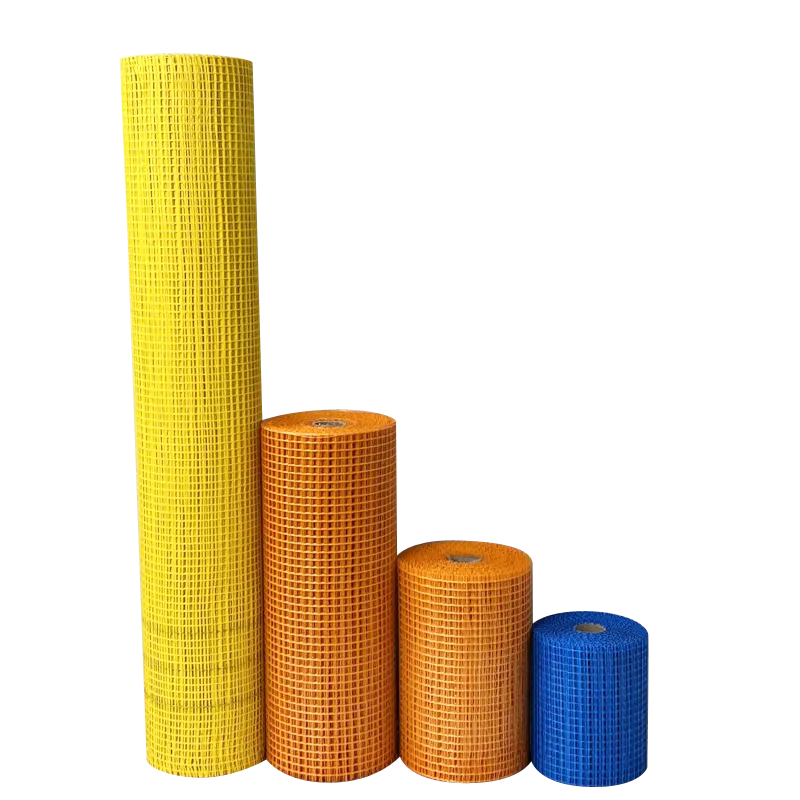
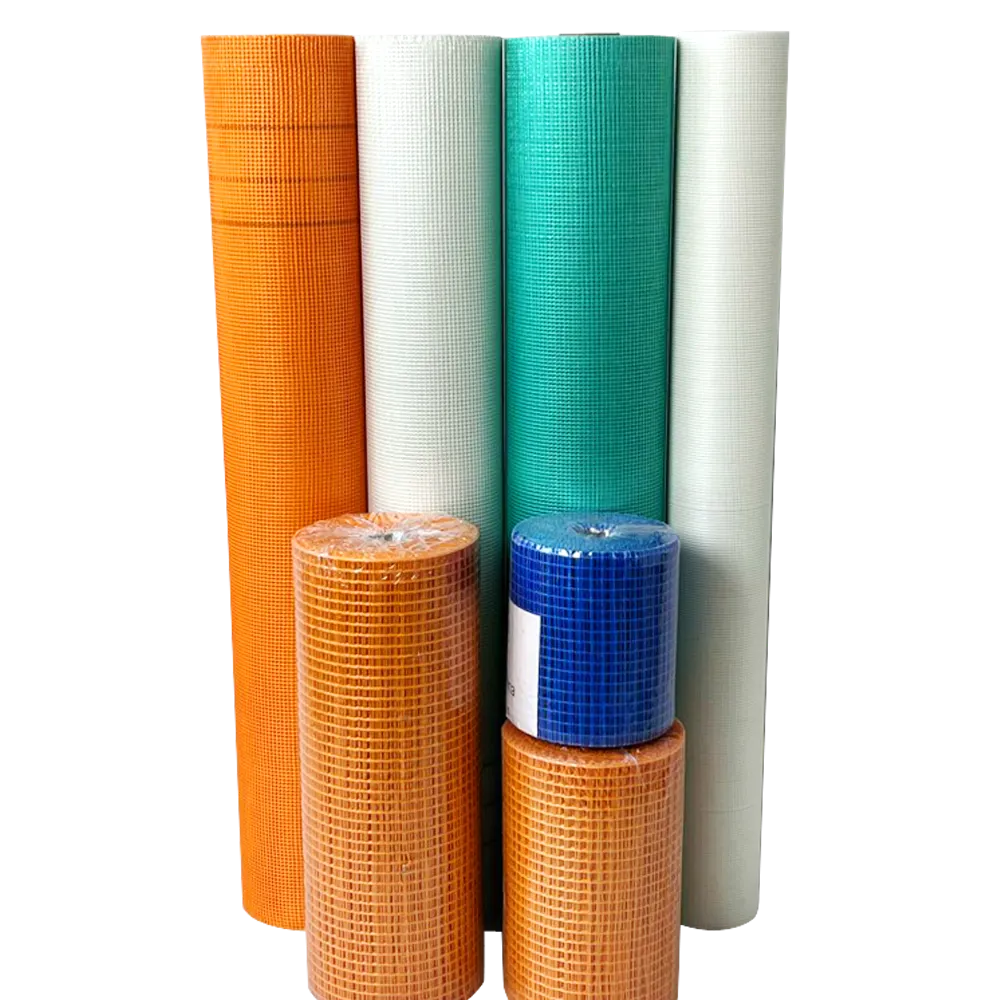
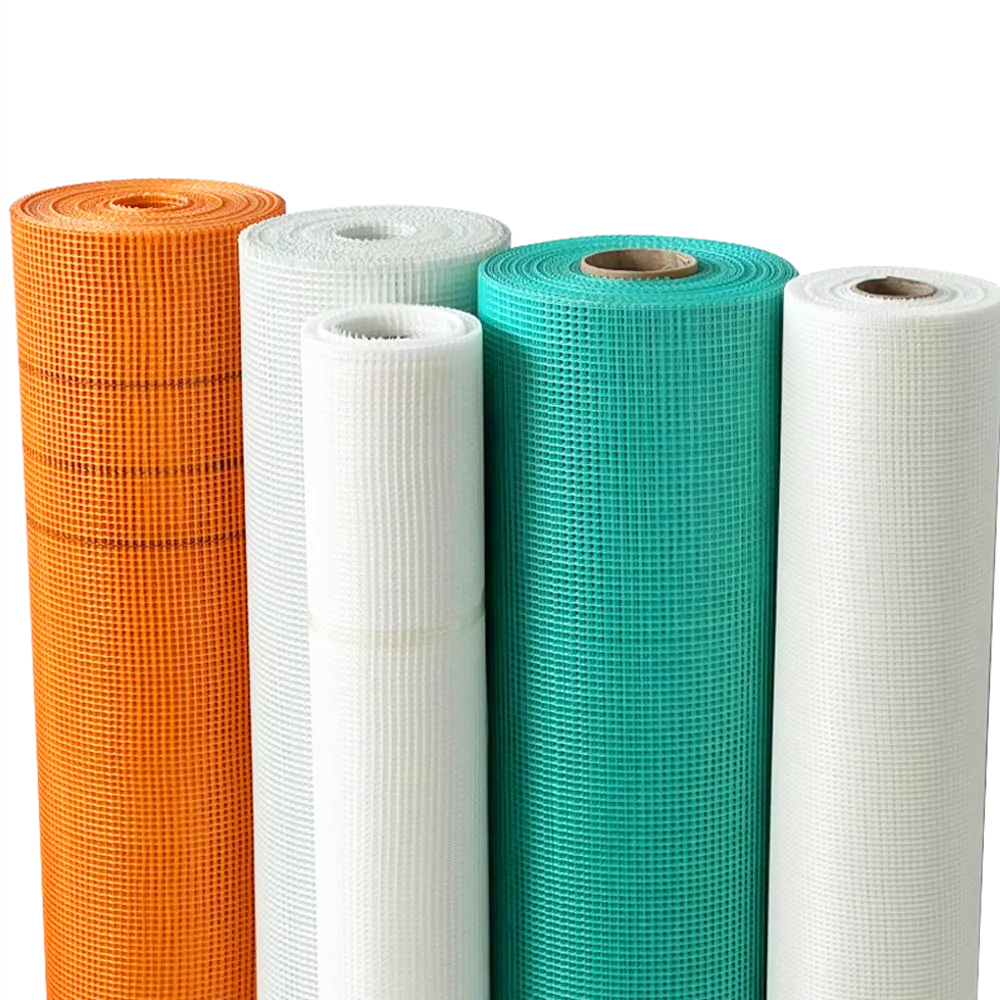
Factories often adjust mesh size, tape width, and resin impregnation to fit specific industry needs. This customization enhances product versatility, from fine drywall finishing to heavy-duty industrial repairs.
Environmental Impact
While fiberglass production does have some environmental footprint, many modern factories are adopting cleaner technologies and recycling methods to reduce waste—aligning with global sustainability goals.
Product Specification Table
| Specification | Typical Value | Unit |
|---|---|---|
| Mesh Count | 30 x 30 | holes per inch |
| Tape Width | 50 | mm |
| Tensile Strength | 1200 | N/mm |
| Weight | 65 | g/m² |
| Resin Type | PVC, Vinyl | - |
Global Applications and Real-World Use Cases
You might think this product sits quietly in warehouses, but in reality, mesh fiberglass tapes find themselves at the front lines of many critical operations:
- Post-Disaster Relief Operations: After earthquakes or hurricanes, repair materials need to be lightweight, strong, and rapidly deployable. Mesh fiberglass tape is perfect for reinforcing temporary shelters and repairing damaged walls.
- Construction Industry: From North America to Asia, builders use these tapes to reinforce drywall joints and prevent cracks, ensuring long-lasting finishes.
- Industrial Repairs: In oil rigs or factories, this tape stabilizes insulation and avoids corrosion, even under intense conditions.
- Remote and Emerging Markets: Especially in areas lacking supply chains, these factories' outputs help communities stabilize housing and infrastructure affordably.
For instance, in Southeast Asia’s rebuilding efforts after typhoons, mesh fiberglass tape factories have played an unexpectedly pivotal role in making reconstruction faster and more resilient.
Vendor Comparison Table
| Factory | Annual Output (tons) | Customization Level | Sustainability Practices | Global Shipping |
|---|---|---|---|---|
| Tainuo Fiberglass | 3000 | High (mesh, resin, width) | ISO14001 certified | Yes |
| Global Mesh Co. | 2200 | Medium (standard sizes) | Basic recycling program | Limited |
| FibraPlus Industries | 1800 | Low (mostly standard widths) | None reported | No |
Advantages and Long-Term Value
Let’s be honest: the strength of mesh fiberglass tape isn’t just in its fibers but in what it represents for users worldwide. It’s about safety — knowing walls won’t crack in decades. It’s about dignity — affordable, reliable housing for families. It’s about innovation — moving from traditional metal reinforcements to lighter, polyester-resin bonded mesh that lasts.
Environmentally? While no product is perfect, many mesh fiberglass tape factories are investing in greener technologies to reduce emissions and waste. Plus, the longer lifespan of these tapes means fewer repairs and less material needed over time — adding up to sustainable savings.
Future Trends and Innovations in Mesh Fiberglass Tape Factories
Oddly enough, the future of these factories points to even more exciting tech. Automated weaving machines powered by AI can now customize mesh density based on precise engineering specifications. New resin formulas are trending towards bio-based and lower-VOC (volatile organic compounds) options, contributing to greener footprints.
Digital supply chains are improving logistics, especially for international shipments, ensuring that factories like mesh fiberglass tape factories can respond faster to global demands. And in some regions, 3D printing blended with fiberglass mesh is being explored to create complex composite parts—a cutting-edge fusion of materials science and manufacturing.
Challenges and Solutions
As with any production sector, challenges persist. The raw material supply for fiberglass can fluctuate due to geopolitical or environmental pressures. Moreover, ensuring consistent quality across batches is tough when demand spikes.
However, leading factories adopt rigorous quality control measures (ISO 9001 standards) and are diversifying suppliers to mitigate risks. Investing in staff training and R&D ensures product innovations continue despite market turbulence.
FAQ: Frequently Asked Questions About Mesh Fiberglass Tape Factories
- Q: How long does mesh fiberglass tape typically last in construction?
A: Under ideal conditions, mesh fiberglass tape can last 25 to 30 years, sometimes longer if properly installed and maintained. Its resistance to moisture and UV damage helps ensure longevity. - Q: Are mesh fiberglass tapes safe for indoor use regarding chemical emissions?
A: Most modern mesh fiberglass tapes use low-VOC resins, making them safe for indoor environments. Always check product certifications and opt for ISO or ASTM-compliant products. - Q: How do mesh fiberglass tape factories address environmental sustainability?
A: Leading factories implement waste recycling programs, shift to renewable energy sources, and develop bio-based resin materials, aligning with global sustainability standards. - Q: Can I order customized mesh widths or strengths for specialized projects?
A: Yes. Many mesh fiberglass tape factories offer customization for mesh size, tape width, and tensile strength based on client needs. - Q: How do these factories support disaster-relief organizations?
A: They often expedite production and shipping, provide lightweight and durable materials critical for erecting temporary shelters, and sometimes partner directly with NGOs for bulk supplies.
Conclusion + Call to Action
To sum up, mesh fiberglass tape factories hold an essential role well beyond their production floors. They power a global supply chain that bolsters construction resilience, enables rapid disaster response, and pushes sustainable materials forward. Whether you’re an engineer, builder, or humanitarian, understanding this industry opens doors to smarter, safer, and greener solutions.
Interested in learning more or sourcing high-quality fiberglass mesh tape? Visit our website: mesh fiberglass tape factories to explore products and services tailored to your needs.
Reflecting on the impact of such a specialized material reminds me that often, the most unassuming products quietly shape the world's progress in ways we rarely notice—from homes made safer to disasters less devastating. And frankly, that’s pretty inspiring.
References
-
Best Fiberglass Mesh Tape for RedGard Product Waterproofing GuideNewsApr.16,2026
-
Why High Strength Fiberglass Mesh Is Essential For Stucco ApplicationNewsApr.15,2026
-
Why Alkali Resistant Fiberglass Mesh Tape Is Essential For Cement Board And Tile InstallationsNewsApr.15,2026
-
Understanding The Role Of Drywall Fiberglass Mesh In Interior FinishingNewsApr.15,2026
-
Ultimate Guide To Using Fiberglass Mesh Tape For Drywall And Plaster RepairsNewsApr.15,2026
-
The Versatility Of Fiberglass Mesh In Marble And Stone MosaicNewsApr.15,2026