Nov . 29, 2025 06:20 Back to list
Durable Fiberglass Reinforcement Mesh Products for Modern Construction
Understanding Fiberglass Reinforcement Mesh Products: A Modern Industrial Essential
Fiberglass reinforcement mesh products have quietly positioned themselves as indispensable components across industries worldwide. While it might sound niche, their impact stretches from construction sites in emerging economies to large-scale infrastructure projects in developed countries. At its heart, this mesh brings together lightweight durability and cost efficiency — a magic blend for builders, engineers, and innovators alike.
But why the buzz? Globally, the demand for sustainable, robust building materials is skyrocketing. Think about post-disaster reconstruction, urban expansion, or even simple infrastructure upgrades. Fiberglass mesh answers many of these needs by reinforcing materials without the bulk or susceptibility to corrosion that steel or traditional reinforcements struggle with.
Mini takeaway: Fiberglass reinforcement mesh products matter because they offer a reliable, sustainable way to strengthen structures worldwide, easing pressures on resources and budgets.
Global Industry Context: Why Fiberglass Mesh Is More Relevant Than Ever
According to the International Organization for Standardization (ISO) and UN Habitat reports, infrastructure investment worldwide is expected to surpass $3.7 trillion annually by 2030. That’s a huge market where materials that protect, prolong, and enhance construction elements are critical.
At the same time, climate change and natural disasters are forcing engineers to rethink traditional building methods. For instance, corrosion of steel rebar is a notorious cause of failure in reinforced concrete, especially in coastal environments or regions with high salt exposure. Fiberglass reinforcement mesh sidesteps many of these issues by offering corrosion resistance, thereby extending the lifespan of structures.
In other words, it's not just about building stuff; it’s about building smarter and more resiliently.
Mini takeaway: As global demand for durable, eco-friendly construction materials grows, fiberglass mesh stands out as a resilient solution against traditional reinforcement challenges.
What Exactly Are Fiberglass Reinforcement Mesh Products?
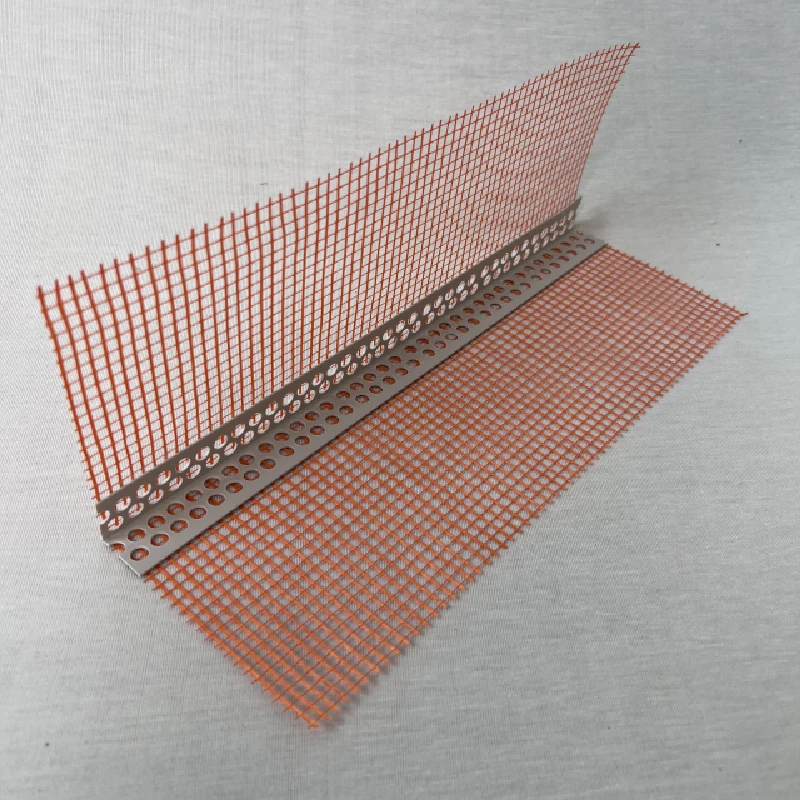
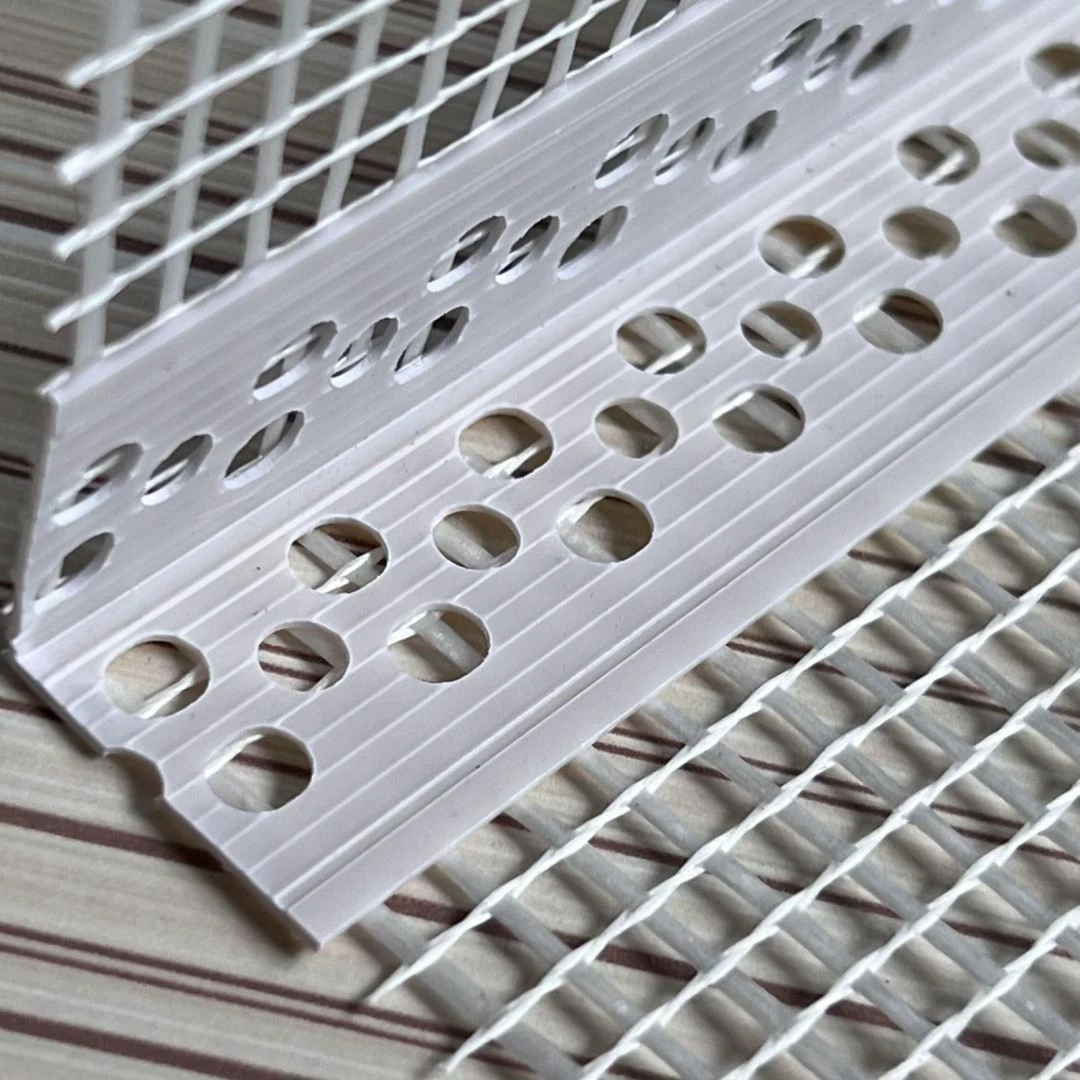
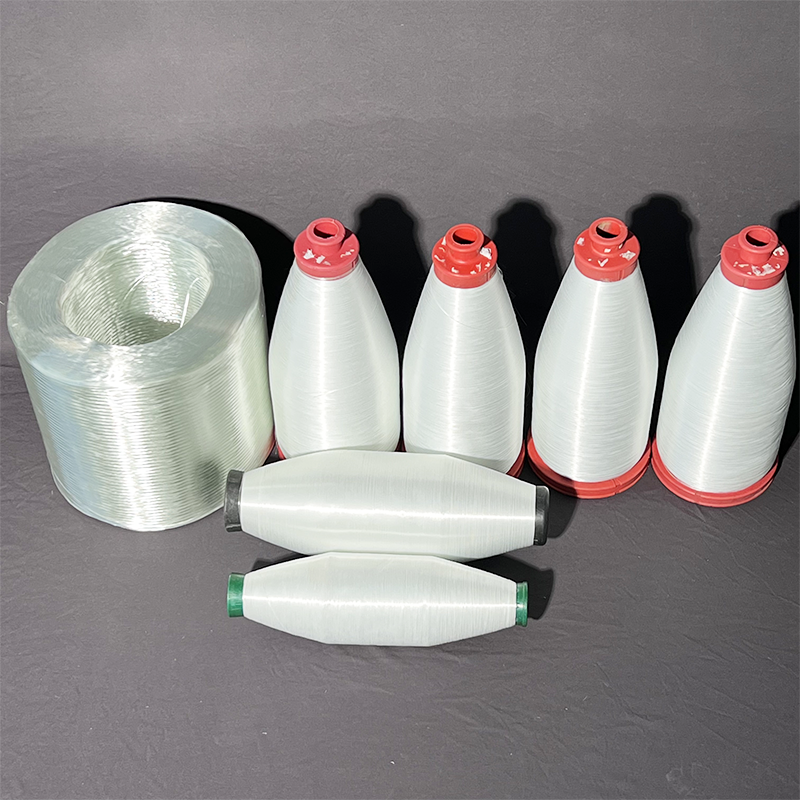
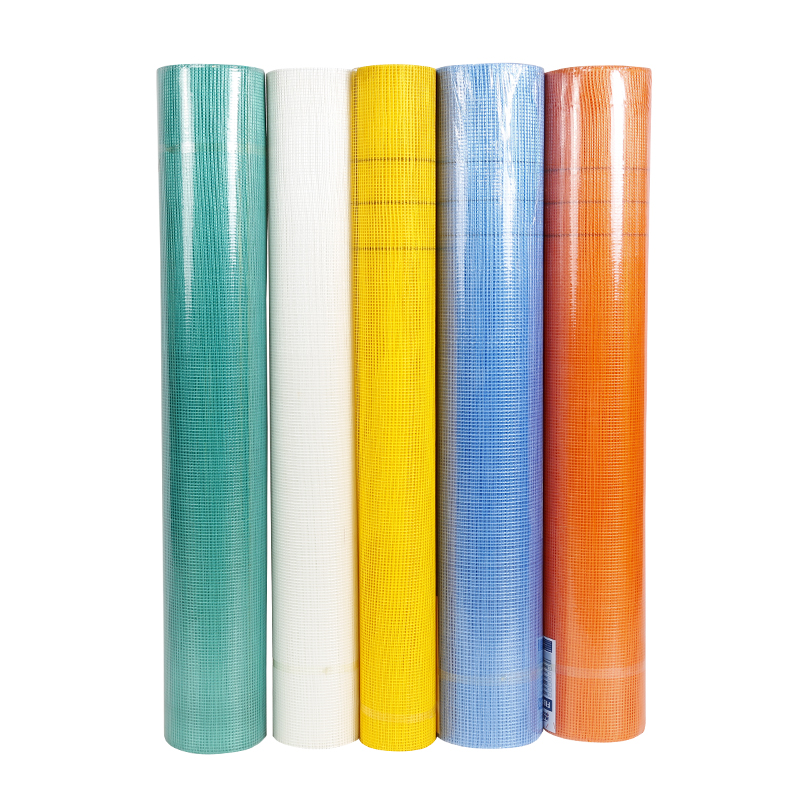
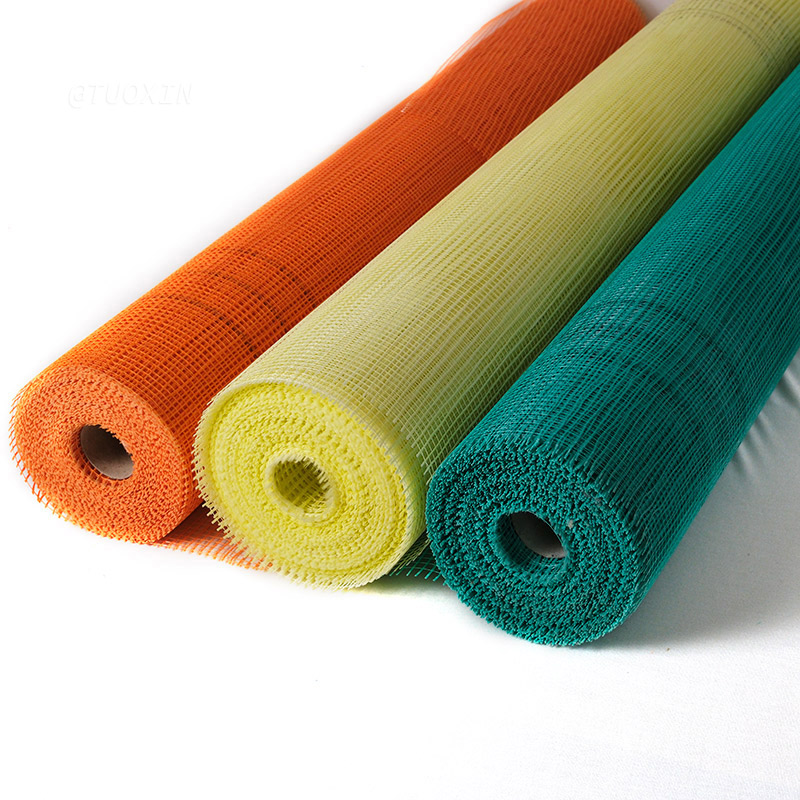
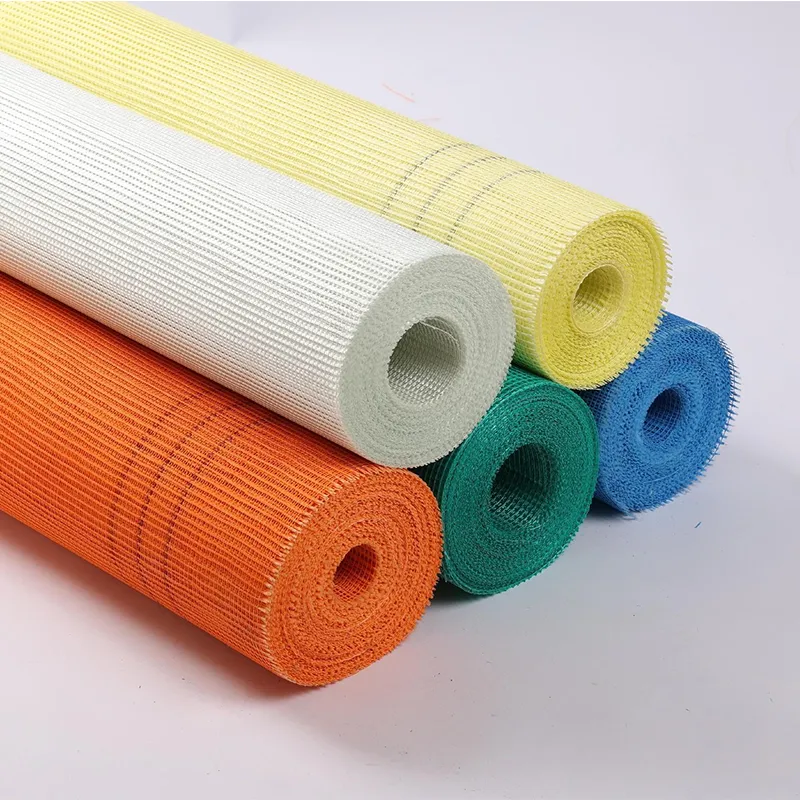
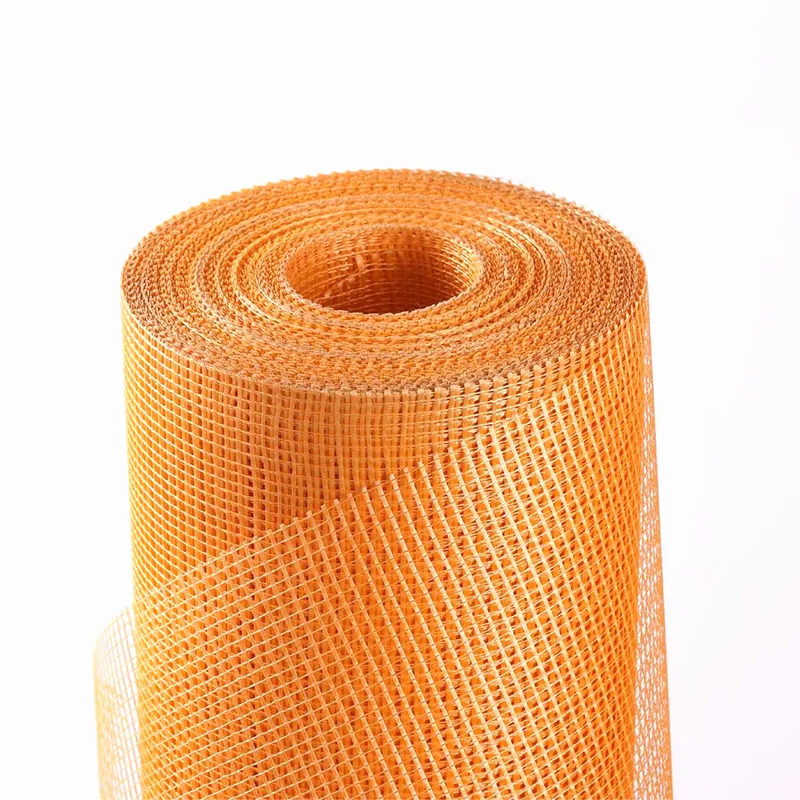
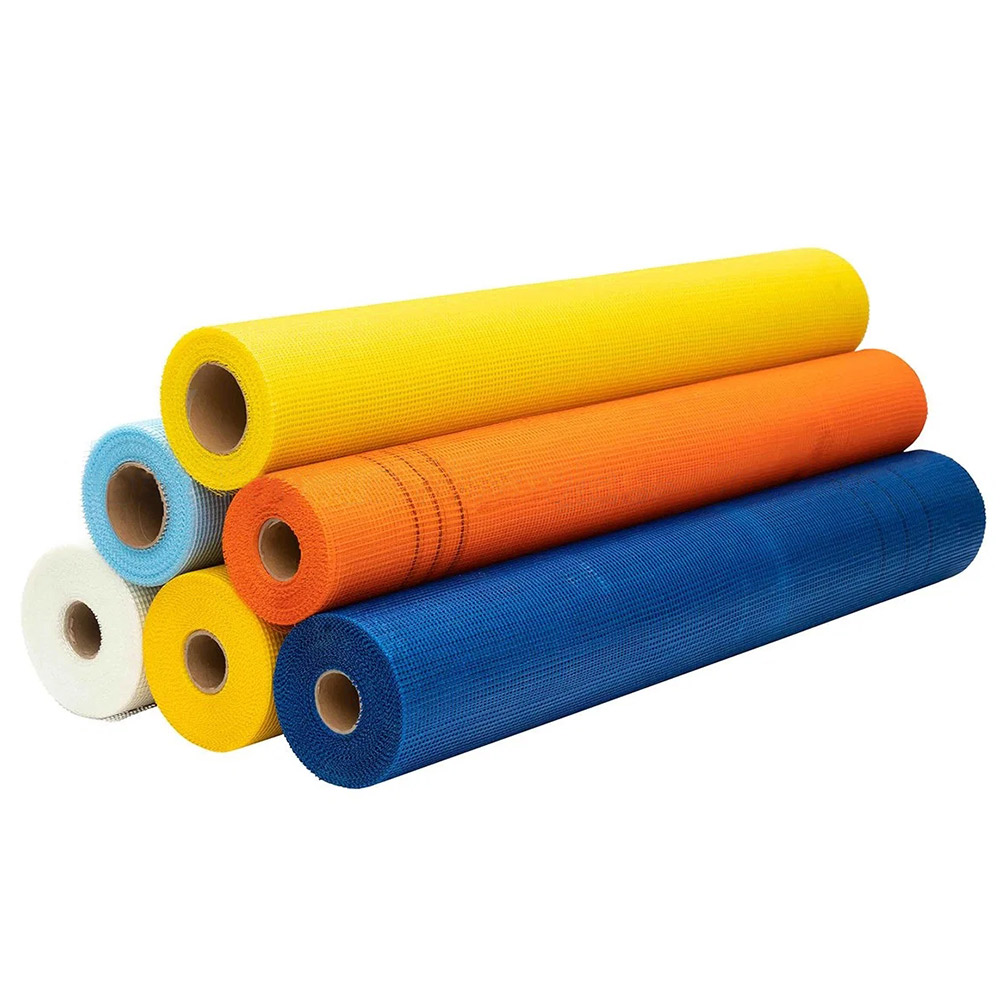
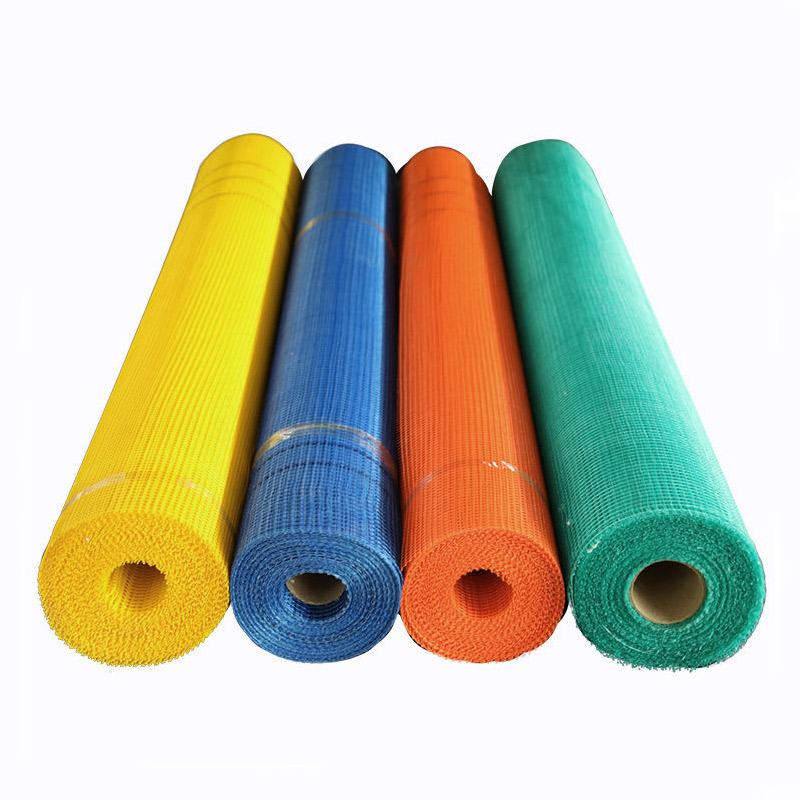
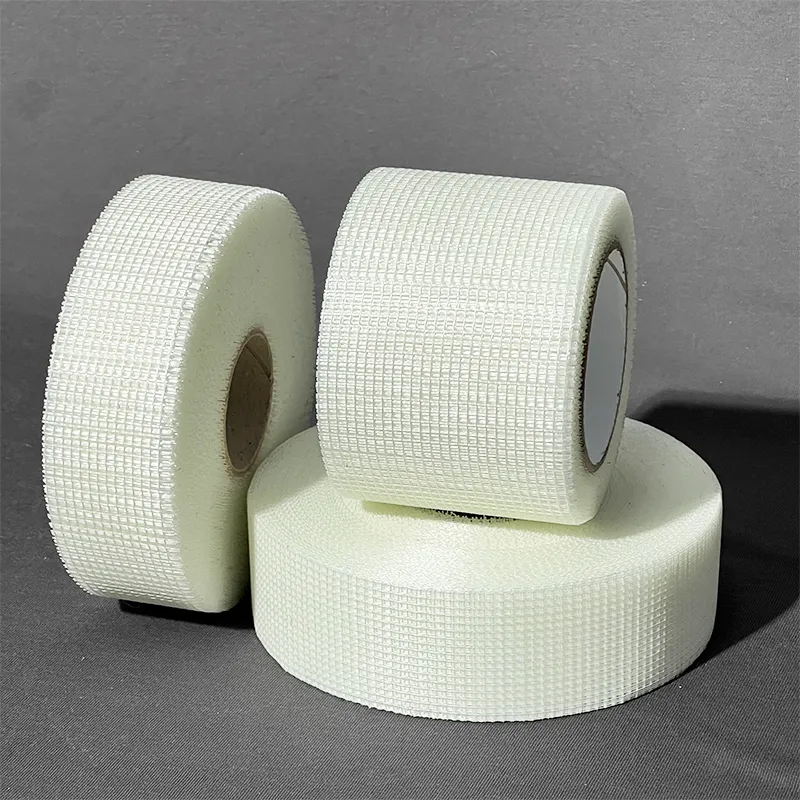
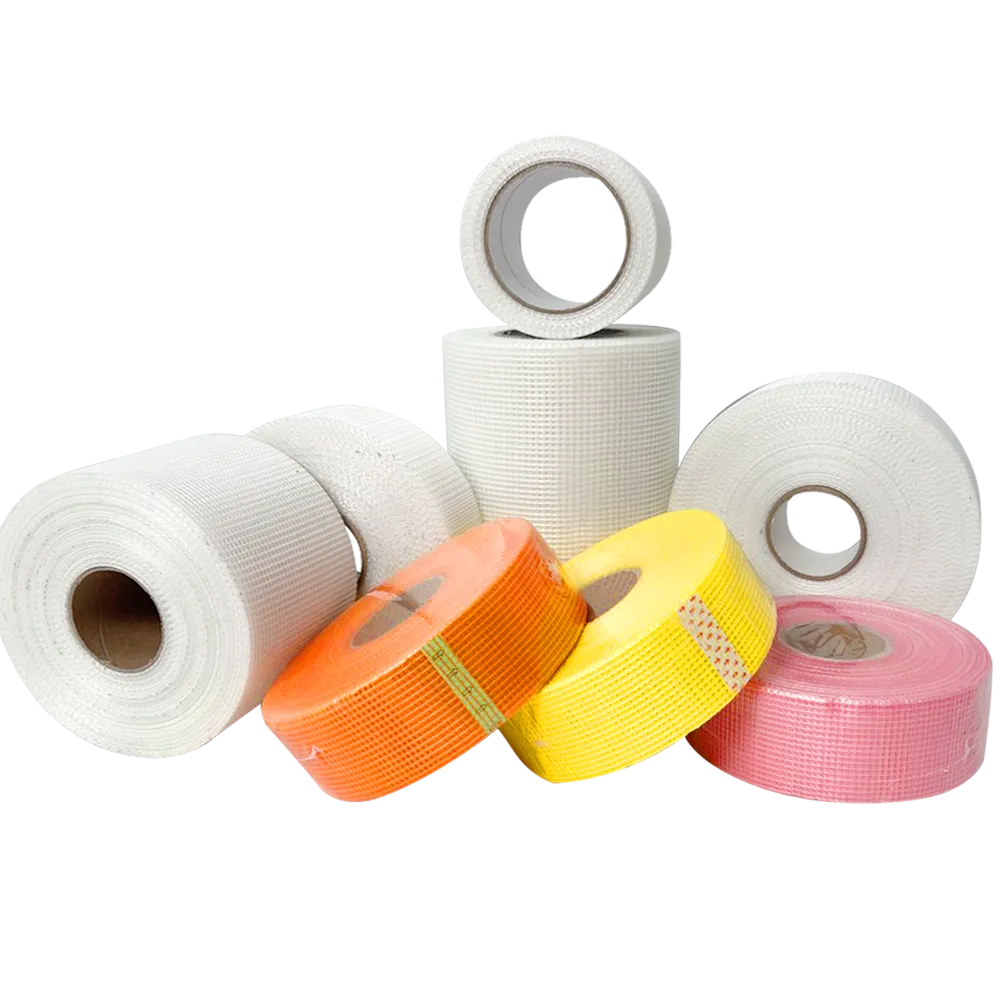
Simply put, fiberglass reinforcement mesh products are grids made from fine fiberglass threads woven or knitted into a wide net-like fabric. These meshes are embedded into various materials — like concrete, plaster, or mortar — to provide extra strength and crack resistance.
They are a modern-day superhero for structural reinforcement—lightweight yet tough, non-corroding but strong. This mesh is often coated with special alkali-resistant materials to withstand the harsh chemical environments inside cement and concrete. Manufacturers design these products to meet industry-specific standards, making them reliable reinforcements in everything from sidewalks to high-rise buildings.
Mini takeaway: Fiberglass mesh is essentially a corrosion-resistant, strength-enhancing fabric critical in modern construction and maintenance.
Core Features That Define Fiberglass Reinforcement Mesh Products
1. Durability and Chemical Resistance
Unlike steel, which rusts over time, fiberglass mesh resists chemical degradation. Alkali-resistant coatings ensure it survives the harsh alkaline environment inside cement mixtures. This durability means buildings and roads last longer with less maintenance.
2. Lightweight and Easy to Handle
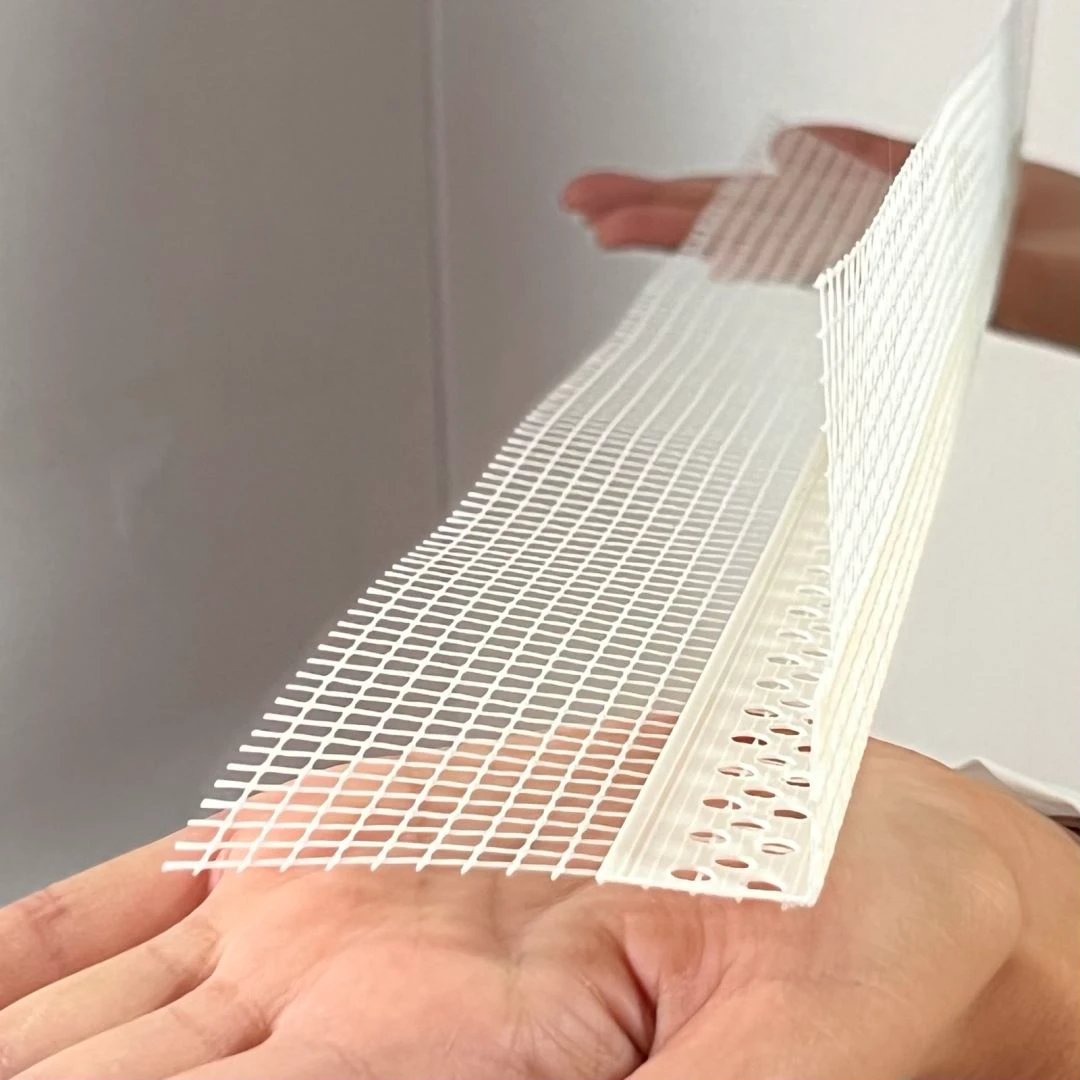
An interesting fact often overlooked: fiberglass mesh is significantly lighter than traditional steel mesh. This makes transport, cutting, and installation easier — saving on labor costs and reducing project timelines.
3. Cost Efficiency
While initial material costs might be similar or slightly higher than steel wire mesh, the longevity and reduced maintenance dramatically lower total life-cycle expenses.
4. Versatility
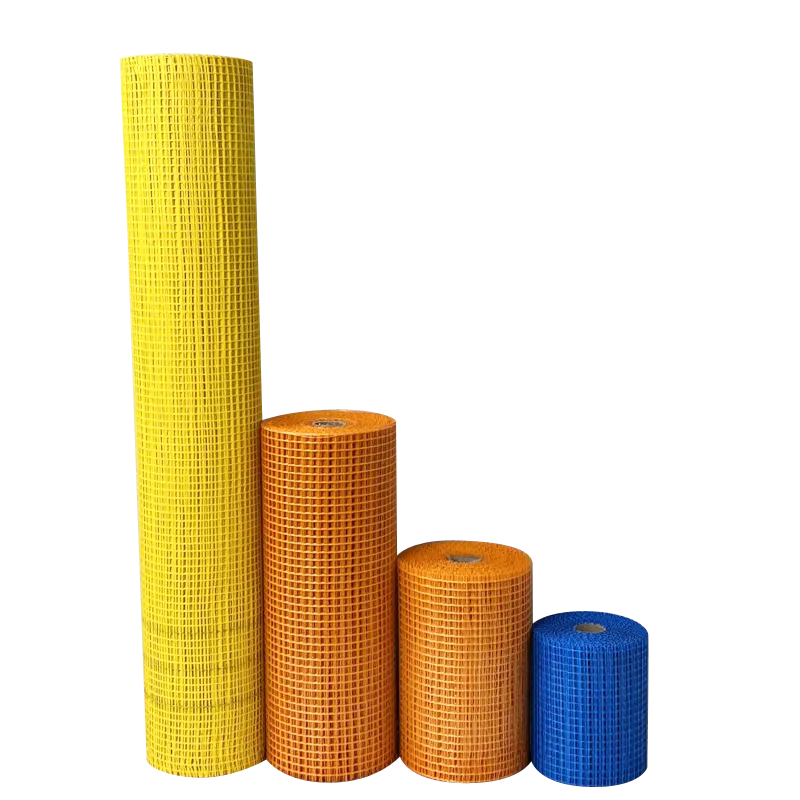
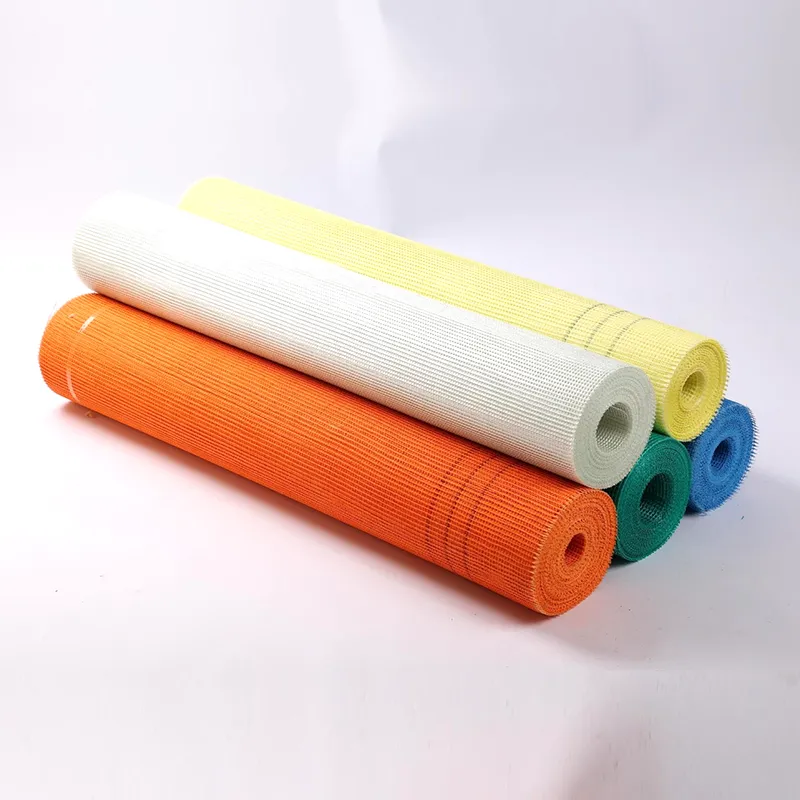
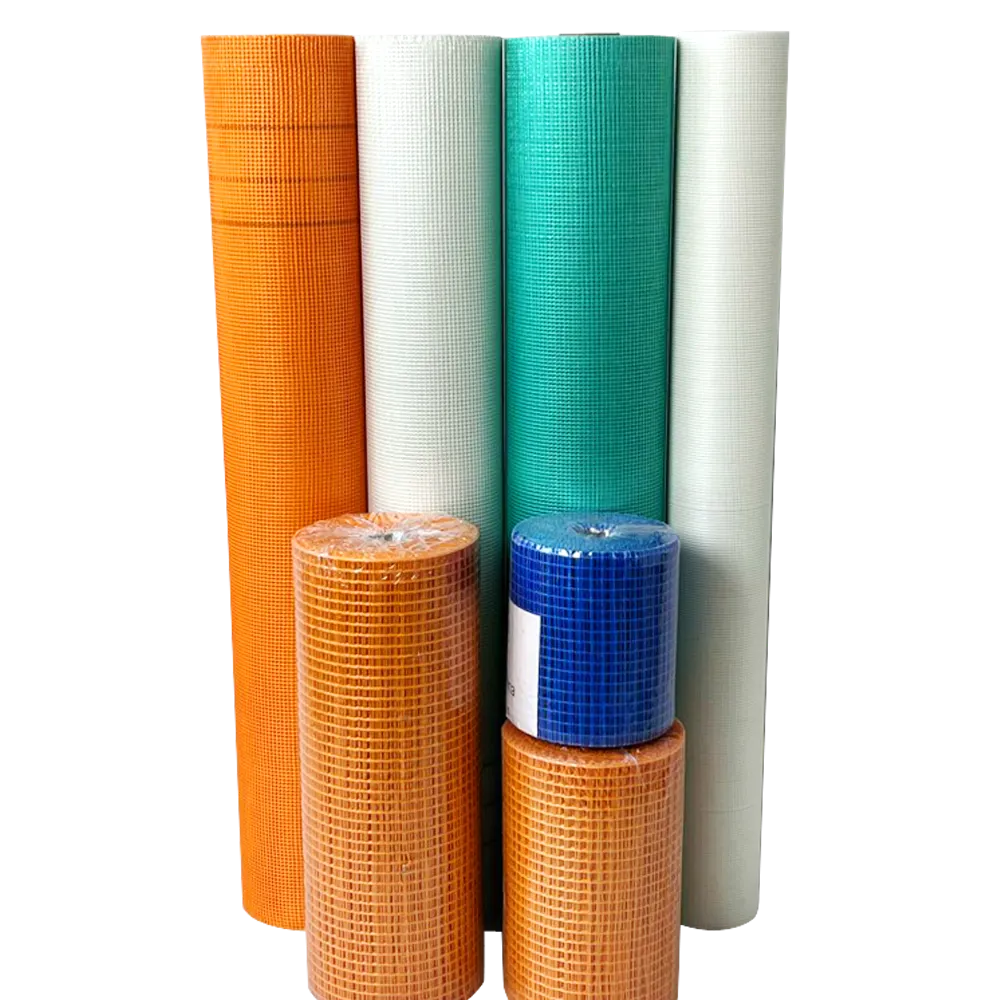
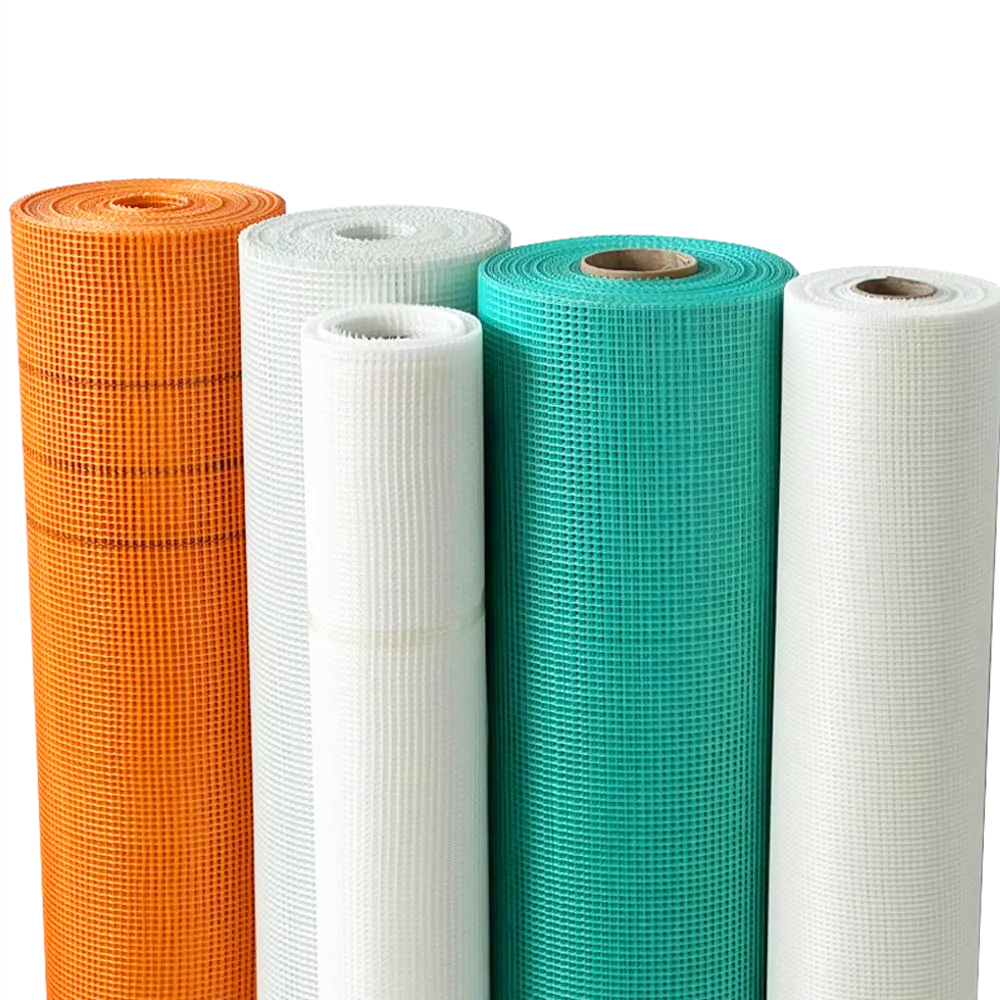
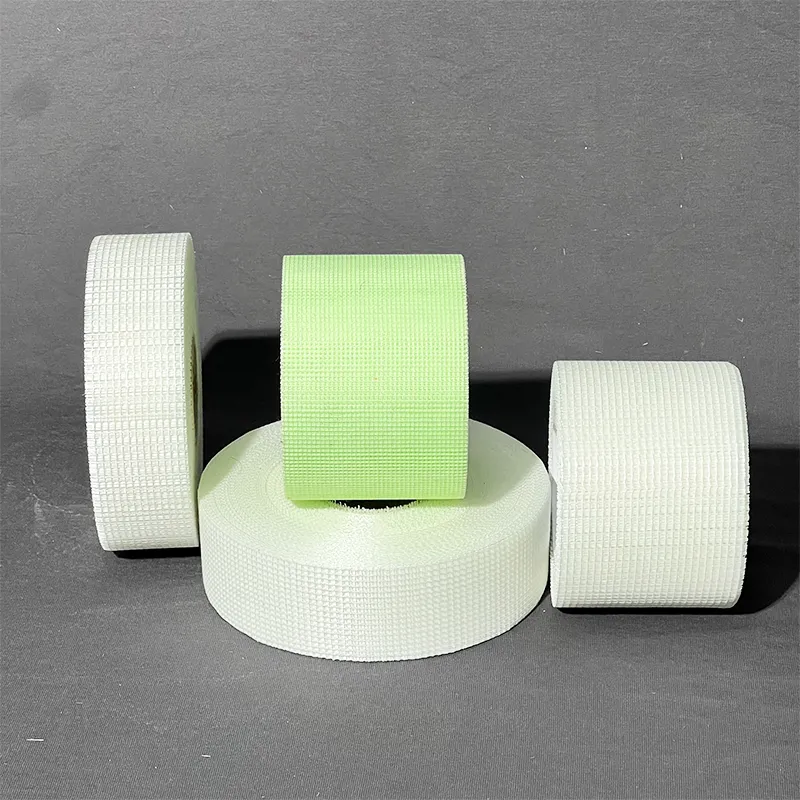
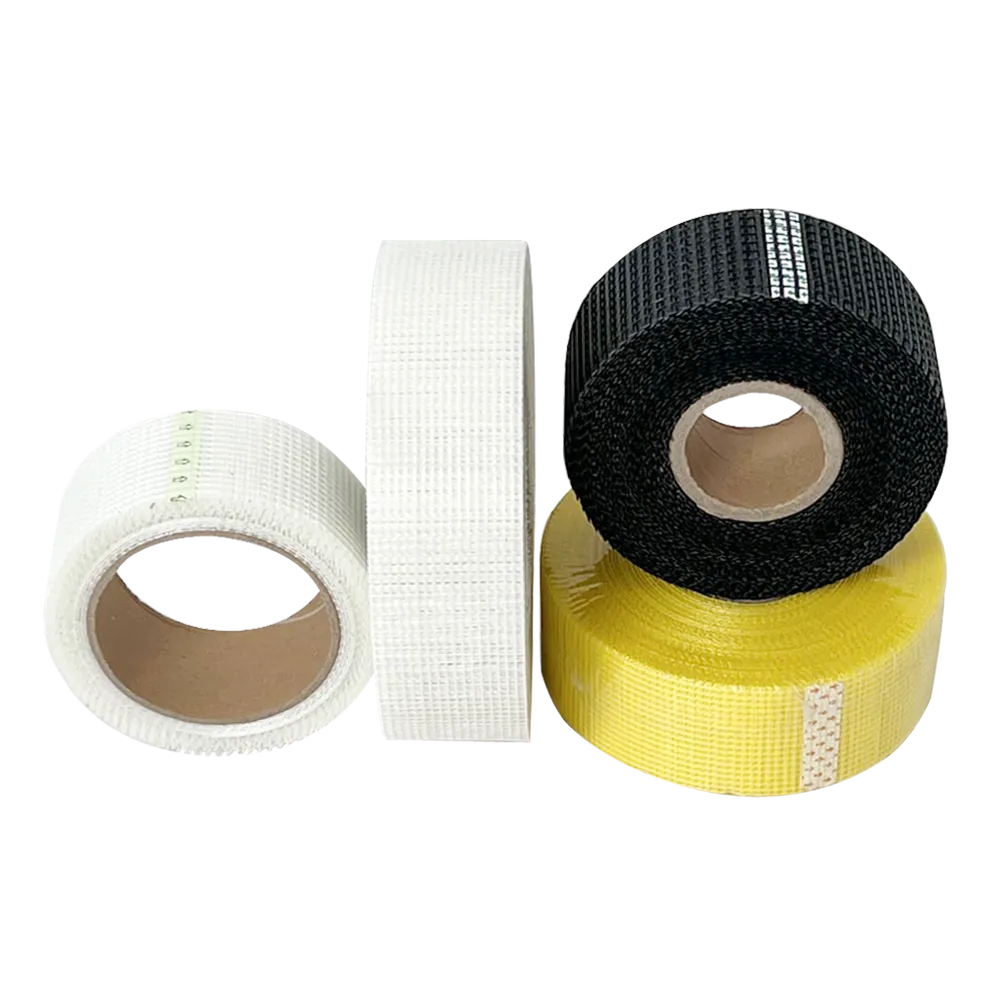
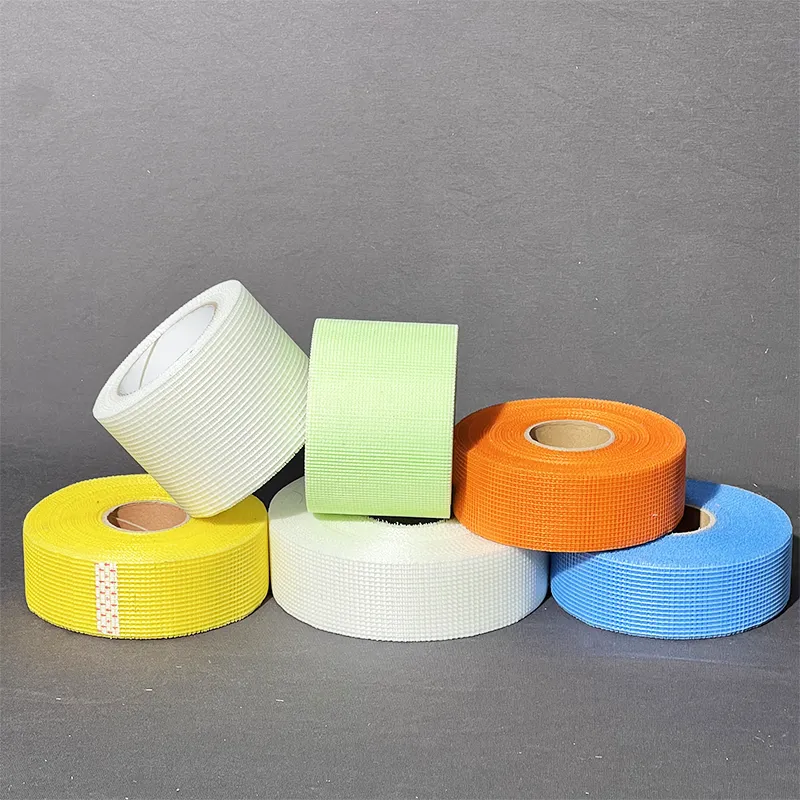
Available in various grid sizes, weights, and coatings, fiberglass reinforcement mesh products can be tailored to specific applications—from drywall joint tapes to road pavement reinforcement.
5. Environmental Impact
Fiberglass production consumes less energy than steel fabrication and resists corrosion, which reduces the need for repairs or replacements — translating into less waste overall.
Mini takeaway: These meshes offer a combo of toughness, versatility, and eco-friendly design that many industries crave.
How Fiberglass Reinforcement Mesh Products Are Making a Difference Globally
In practical terms, these meshes are everywhere. In China, massive urban expansion sees fiberglass mesh used extensively in prefabricated concrete panels, cutting down on cracking and increasing seismic stability. Meanwhile, in Europe, they’re a staple in repair works where traditional reinforcement methods aren’t feasible due to corrosion risks.
Relief agencies operating in disaster-prone zones in South Asia have adopted fiberglass mesh in temporary shelter construction. Its lightweight nature makes swift deployment possible, while its strength provides safety assurances to vulnerable communities.
Even the oil and gas sector, particularly in offshore platforms, utilizes fiberglass mesh to fortify concrete components exposed to saltwater and harsh chemicals.
fiberglass reinforcement mesh products also find space in industrial flooring, airport runways, and bridge decks — places where cracking and structural fatigue can have costly consequences.
Mini takeaway: From disaster relief shelters to skyward urban growth, these products are quietly propping up modern infrastructure worldwide.
The Advantages That Keep Engineers Coming Back
- Long-Term Reliability: Structures reinforced with fiberglass mesh exhibit reduced cracking and improved lifespan.
- Corrosion Resistance: They hold up well in saltwater and chemical-rich environments, unlike steel alternatives.
- Cost-Effective Maintenance: Less frequent repairs and restaurations result in sizable savings.
- Lightweight Handling: Reduces labor fatigue and enables faster project delivery.
- Sustainability: Reduced raw material usage and longer product life support green building principles.
On a deeper note, the social impact is also worth mentioning. By enabling sturdier and safer housing, the mesh contributes to community resilience and dignity, especially for vulnerable populations.
Mini takeaway: These products aren’t just materials; they improve quality of life by supporting sustainable, strong, and safe construction worldwide.
Spotlight on Specifications
| Specification | Typical Range / Value | Notes |
|---|---|---|
| Mesh Size | 4mm x 4mm to 25mm x 25mm | Depends on application load-bearing needs |
| Coating | Alkali resistant polymer | Protects against concrete alkalinity |
| Weight | 70-150 g/m² | Varies by mesh density |
| Tensile Strength | > 1500 N/5cm | Ensures robustness under stress |
| Roll Size | 1m x 50m, 2m x 50m | Common standard dimensions |
Vendor Comparison: What to Look for When Choosing Fiberglass Mesh Suppliers
| Feature | Supplier A | Supplier B | Supplier C |
|---|---|---|---|
| Product Range | Broad (various mesh sizes) | Limited | Moderate |
| Alkali Resistance Quality | High | Medium | High |
| Customization Options | Available | None | Available |
| Global Shipping | Yes | No | Yes |
| Price Range | Medium-High | Low | Medium |
Innovations and Emerging Trends in Fiberglass Reinforcement Mesh
As green building rises, so does the push for more environmentally friendly materials. The fiberglass mesh industry is responding with bio-based coatings and recycled material integration, which helps reduce carbon footprints without compromising performance.
One exciting frontier is the integration of sensor technology within fiberglass mesh. Embedded sensors could monitor structural health in real time, predicting failures before they appear visually, thus shifting maintenance from reactive to proactive.
Additionally, automation in mesh manufacturing now allows for greater precision and scale, cutting down defects and optimizing waste, which is a win across the board.
Mini takeaway: The fiberglass mesh landscape is evolving rapidly, blending technology and sustainability to meet 21st-century construction demands.
Common Challenges and How Experts Solve Them
Despite all the benefits, fiberglass reinforcement mesh isn’t a silver bullet. One challenge often mentioned is the risk of improper installation — if embedded incorrectly in concrete, it can fail to deliver strength benefits.
Innovative training modules combined with detailed installation guides are helping contractors get this right. Another issue is UV degradation if the mesh is left exposed long-term. Solutions include UV-resistant coatings or ensuring mesh gets covered promptly after installation.
Lastly, sourcing high-quality alkali-resistant coatings is critical; inferior coatings degrade under alkaline exposure, limiting durability. Collaborative vendor-auditing systems and third-party certifications are improving supply chain transparency.
Mini takeaway: Like any material, fiberglass mesh’s success hinges on good practices and ongoing product quality assurance.
FAQ: Your Top Questions on Fiberglass Reinforcement Mesh Products
- Q1: How does fiberglass mesh improve concrete durability?
- Fiberglass mesh adds tensile strength and crack resistance to concrete structures. Unlike steel, it doesn't rust, so it maintains structural integrity longer, particularly in harsh environmental conditions.
- Q2: Can fiberglass reinforcement mesh be used in wet or coastal environments?
- Absolutely. Its alkali-resistant coating and corrosion-proof nature make it ideal for coastal applications where saltwater exposure would quickly degrade steel reinforcements.
- Q3: Is installation of fiberglass mesh complicated?
- While lightweight and flexible, proper placement within materials like concrete or plaster is important. Most professionals find it straightforward, but training and adherence to guidelines ensure optimal performance.
- Q4: What customization options are available?
- Mesh sizes, coatings, roll lengths, and weights can be customized depending on load-bearing requirements or specific environmental challenges.
- Q5: Where can I source reliable fiberglass reinforcement mesh products?
- Many suppliers now offer global shipping and customization — for instance, check trusted fiberglass reinforcement mesh products vendors who comply with international standards.
Wrapping Up: Durable, Sustainable, and Ready for Tomorrow
Fiberglass reinforcement mesh products have earned their spot as a go-to reinforcer in the world of construction and industrial design. Their unique blend of high durability, light weight, and environmental resistance unlocks new possibilities, from high-rise buildings to emergency shelters. In the bigger picture, they represent a meaningful shift toward smarter, more sustainable building practices, helping societies prepare for a more resilient future.
If you're curious to learn more or to source quality fiberglass reinforcement mesh products tailored for your specific needs, feel free to visit our website: https://www.tainuofiberglassmesh.com — it might just be the small step your next project needs.
Industry insiders keep a close watch on fiberglass reinforcement meshes — and frankly, it feels like just the beginning...
References
-
Best Fiberglass Mesh Tape for RedGard Product Waterproofing GuideNewsApr.16,2026
-
Why High Strength Fiberglass Mesh Is Essential For Stucco ApplicationNewsApr.15,2026
-
Why Alkali Resistant Fiberglass Mesh Tape Is Essential For Cement Board And Tile InstallationsNewsApr.15,2026
-
Understanding The Role Of Drywall Fiberglass Mesh In Interior FinishingNewsApr.15,2026
-
Ultimate Guide To Using Fiberglass Mesh Tape For Drywall And Plaster RepairsNewsApr.15,2026
-
The Versatility Of Fiberglass Mesh In Marble And Stone MosaicNewsApr.15,2026