Nov . 29, 2025 04:40 Back to list
Durable & Cost-Efficient Fiberglass Reinforcement Mesh Product: Global Applications & Trends
Why Fiberglass Reinforcement Mesh Products Matter Worldwide
If you’ve ever wondered what holds a building’s plaster or concrete together just a bit better to prevent cracks, or how certain surfaces withstand the test of time despite natural wear and tear, chances are you ran into fiberglass reinforcement mesh products. These seemingly simple grids of glass fibers have quietly revolutionized construction, infrastructure, and even humanitarian relief industries on a global scale.
In fact, understanding the ins and outs of fiberglass reinforcement mesh products isn’t just a niche engineering curiosity — it’s central to creating safer, more durable environments worldwide. From earthquake-prone cities in Asia to vast infrastructure projects in Europe and arid, remote sites in Africa, this product plays a pivotal role in reducing maintenance costs and enhancing structural resilience. But let’s not get ahead of ourselves — here’s the bigger picture.
The Global Context: How Fiberglass Reinforcement Mesh Supports a Growing World
The UN's World Urbanization Prospects report pointed out that over 56% of the world’s population now lives in urban areas, a figure expected to rise dramatically by 2050. This urban expansion drives demand for buildings and infrastructure that not only are economical to build but also durable under diverse environmental stressors.
Fiberglass reinforcement mesh products have responded to this challenge with aplomb. Globally, construction-related maintenance accounts for billions in recurring costs, much of it due to premature wear or cracking in cement-based materials. By integrating a strong yet lightweight reinforcement material, fiberglass meshes help reduce such burdens significantly.
Oddly enough, despite the material’s prevalence, the challenge remains: how do you optimize these products to handle everything from extreme temperatures to seismic activity without breaking the bank? That’s what drives ongoing innovation in this space.
Mini takeaway: The expanding urban landscape coupled with rising maintenance costs places fiberglass reinforcement mesh products at the heart of sustainable infrastructure growth worldwide.
Understanding Fiberglass Reinforcement Mesh Products
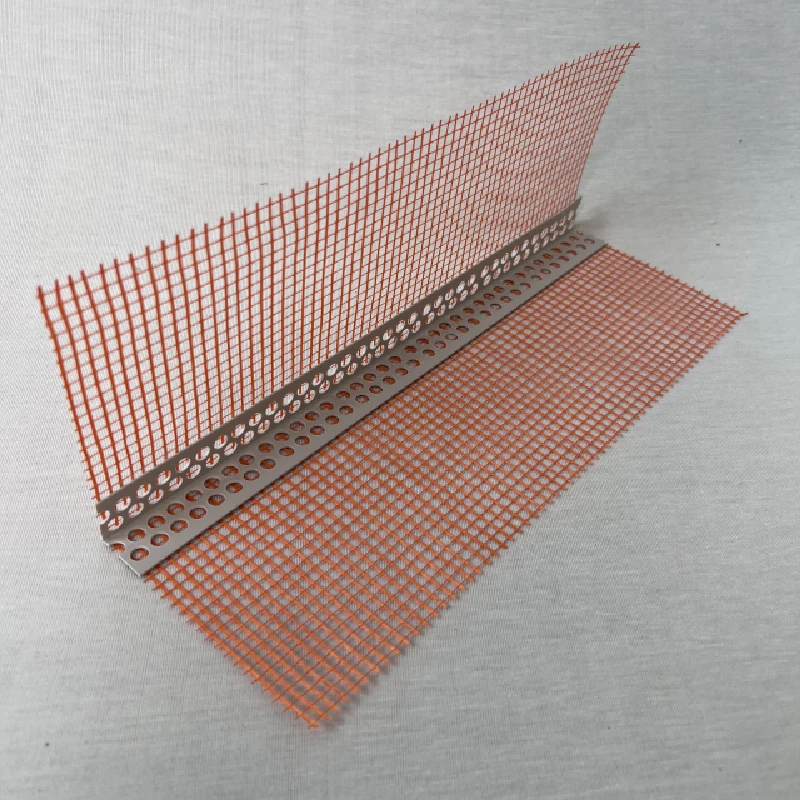
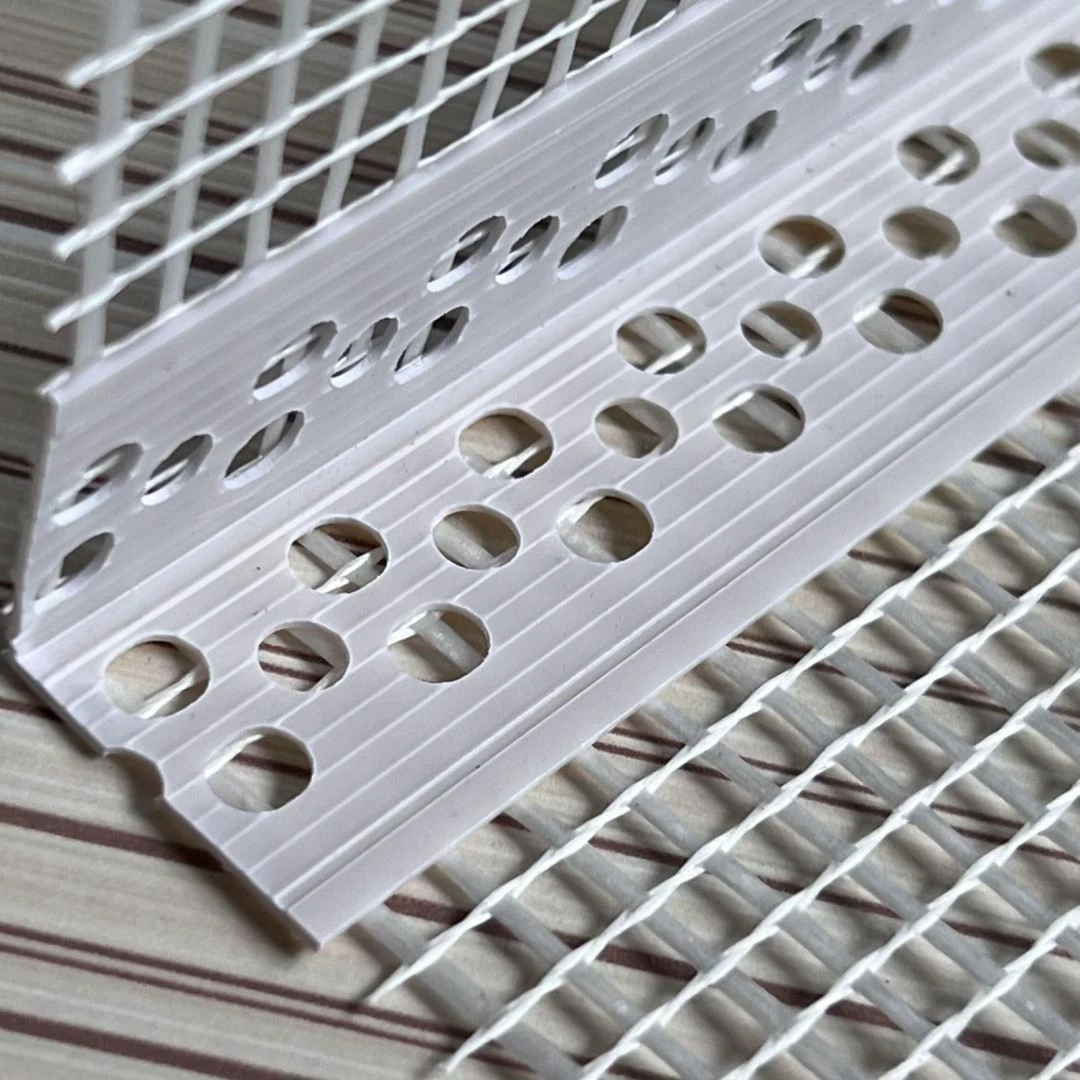
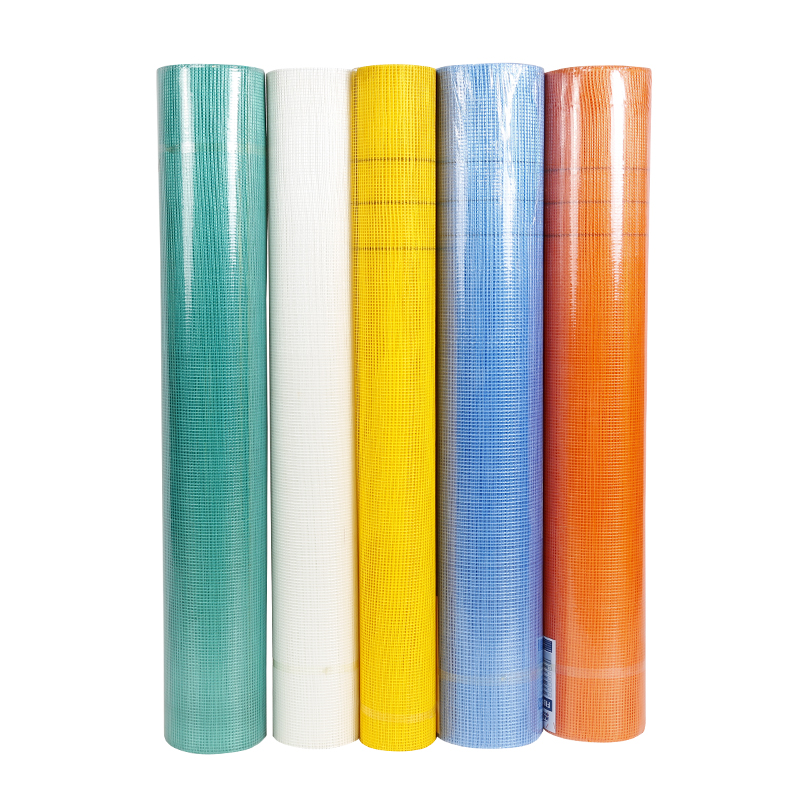
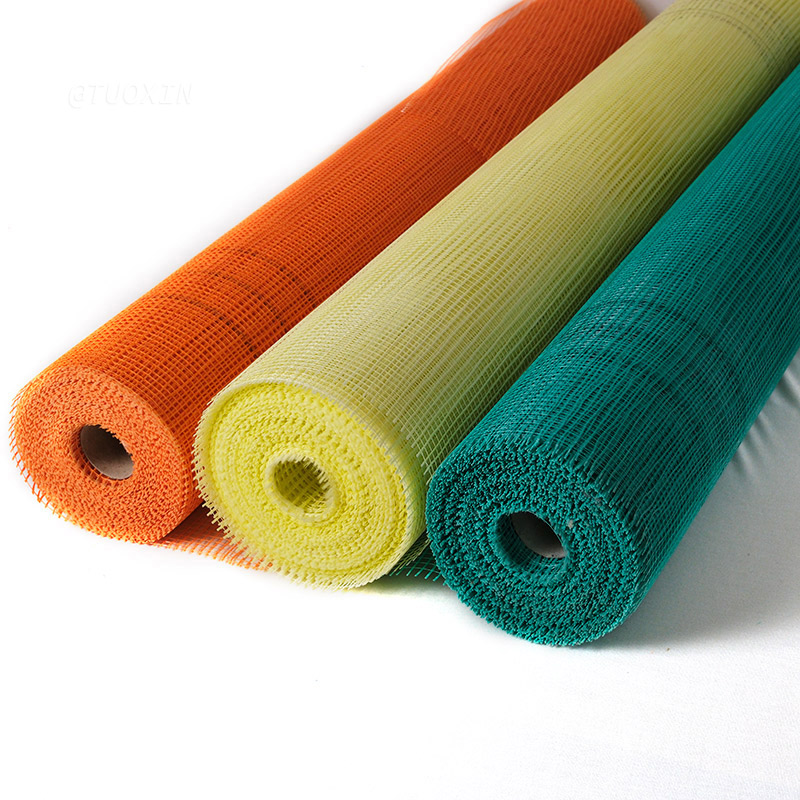
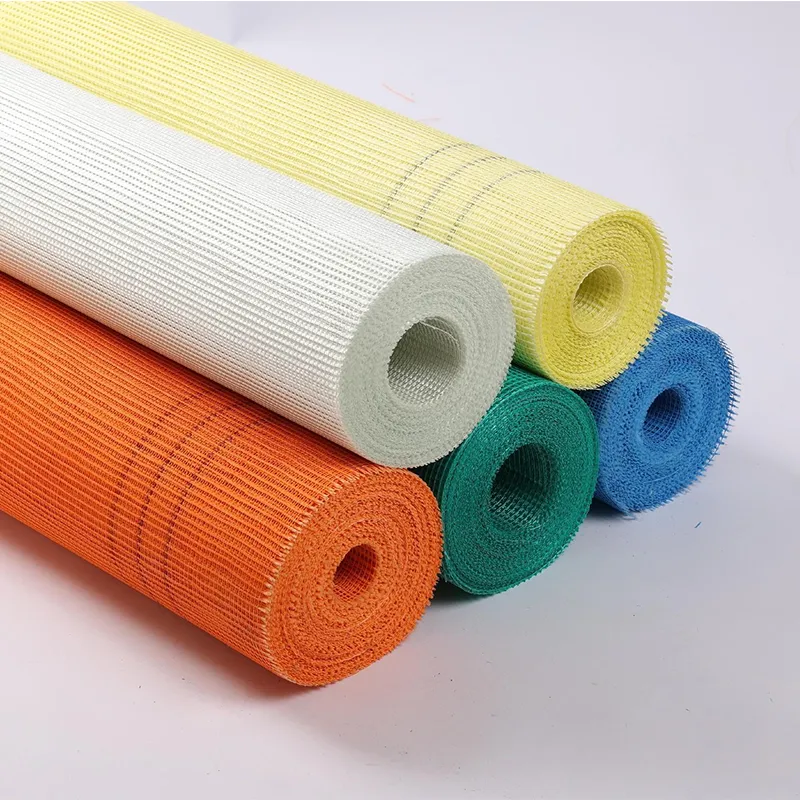
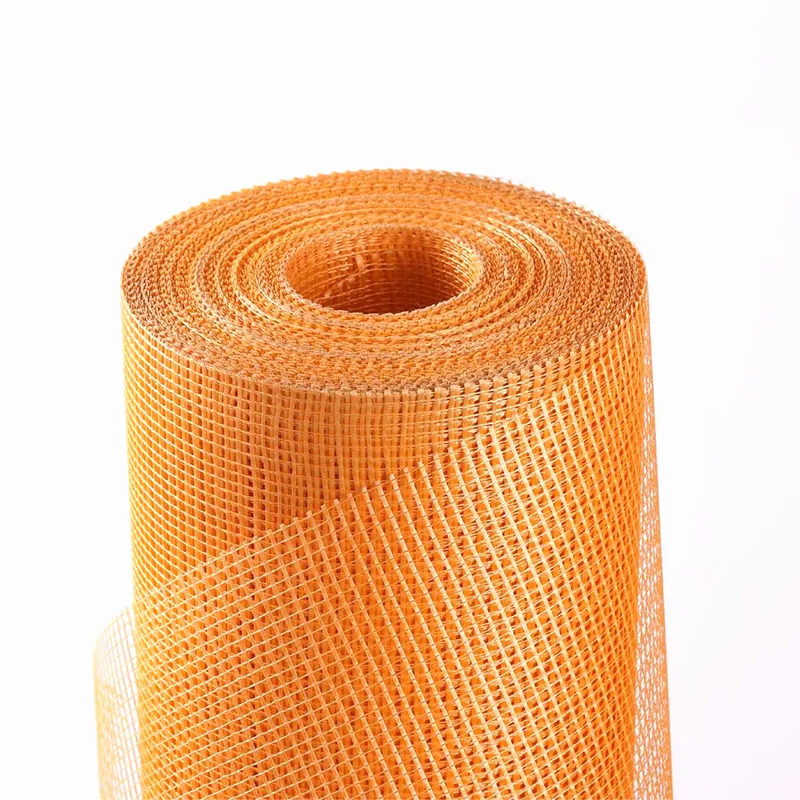
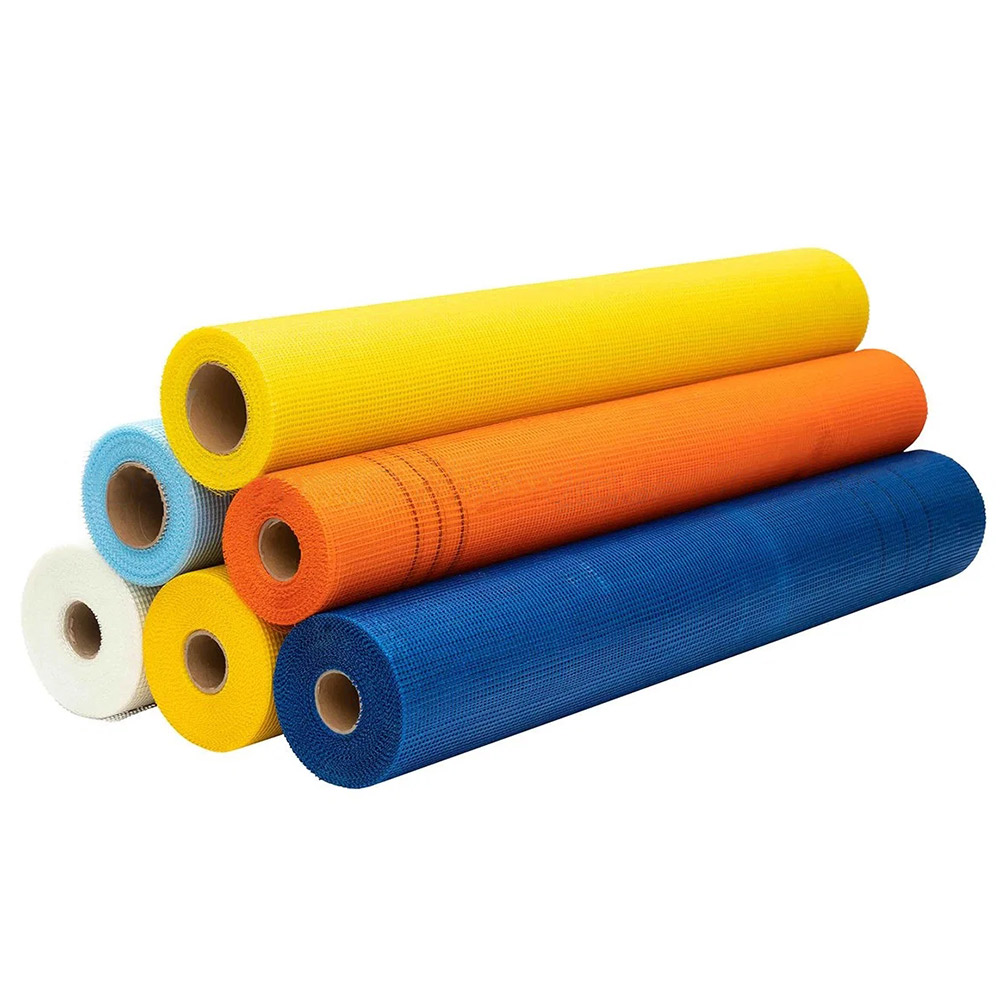
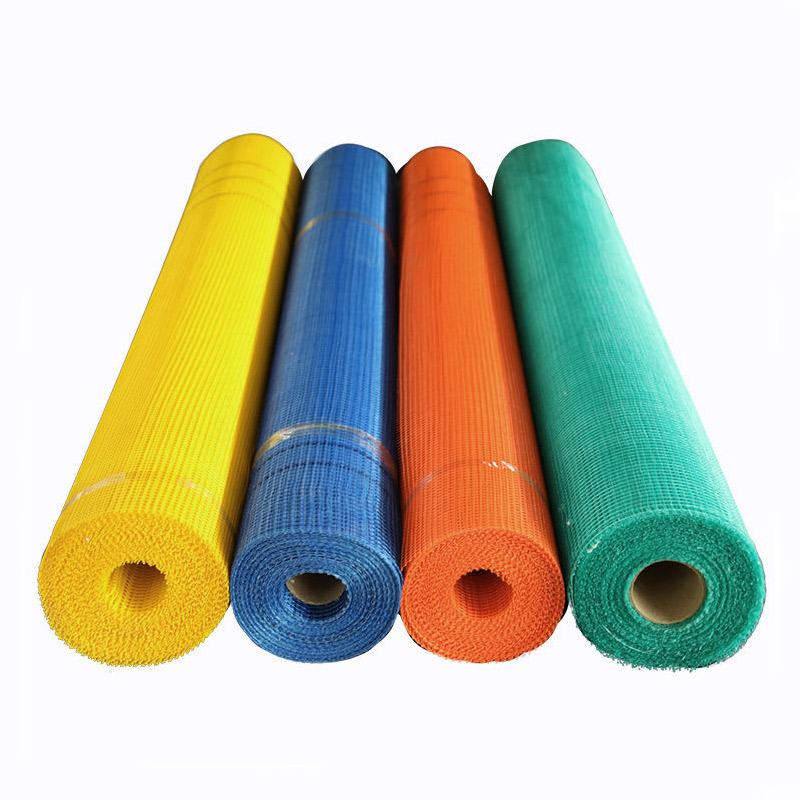
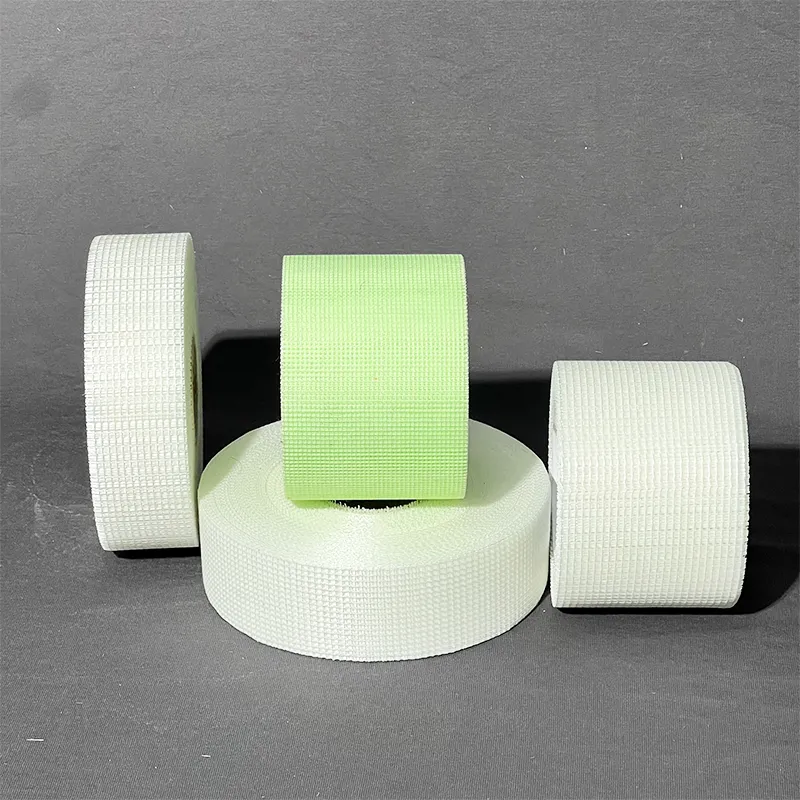
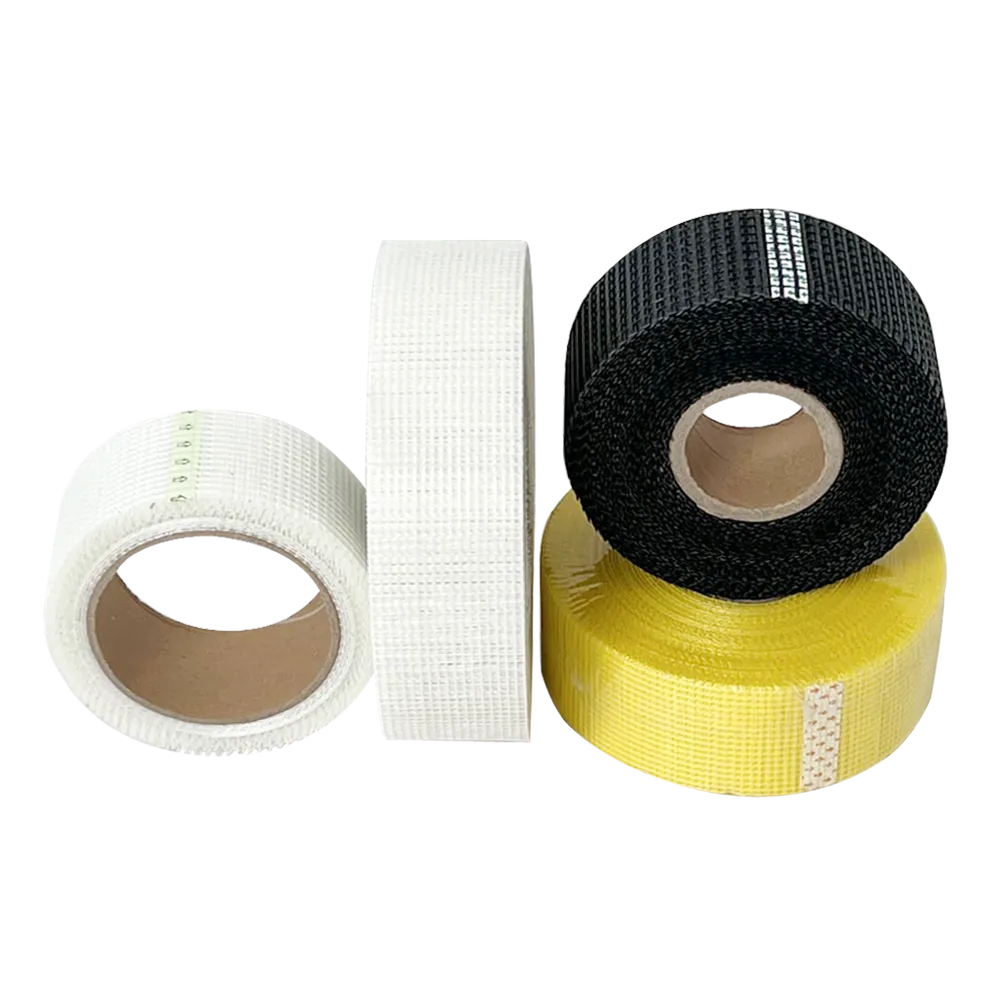
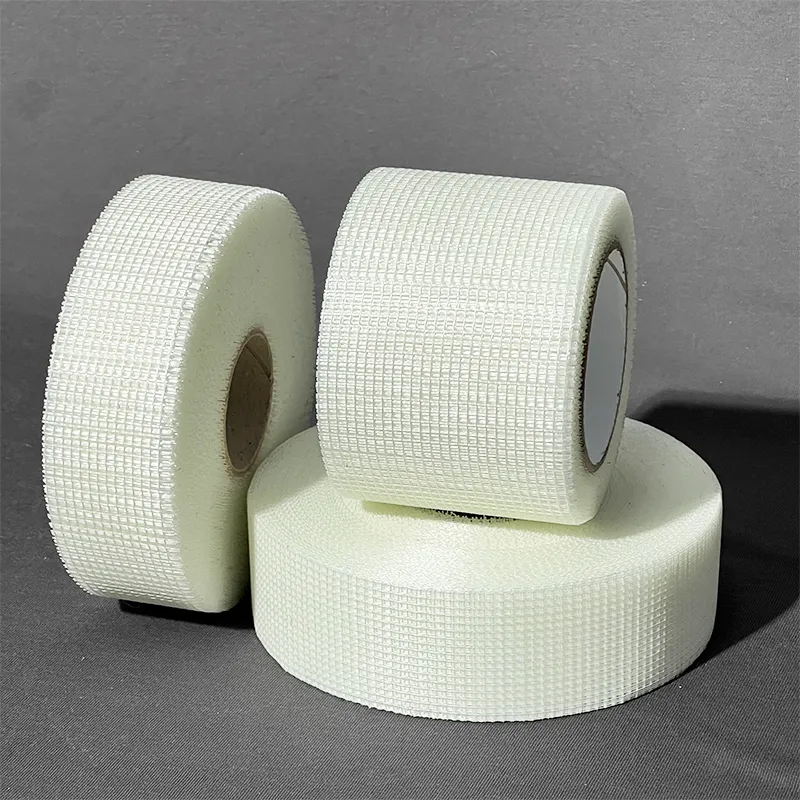
So, what exactly is a fiberglass reinforcement mesh product? Put simply, it's a grid-like fabric made from woven or knitted fiberglass yarns. Think of it as a very strong net layered inside plaster, cement, or polymer coatings to add tensile strength and prevent cracks.
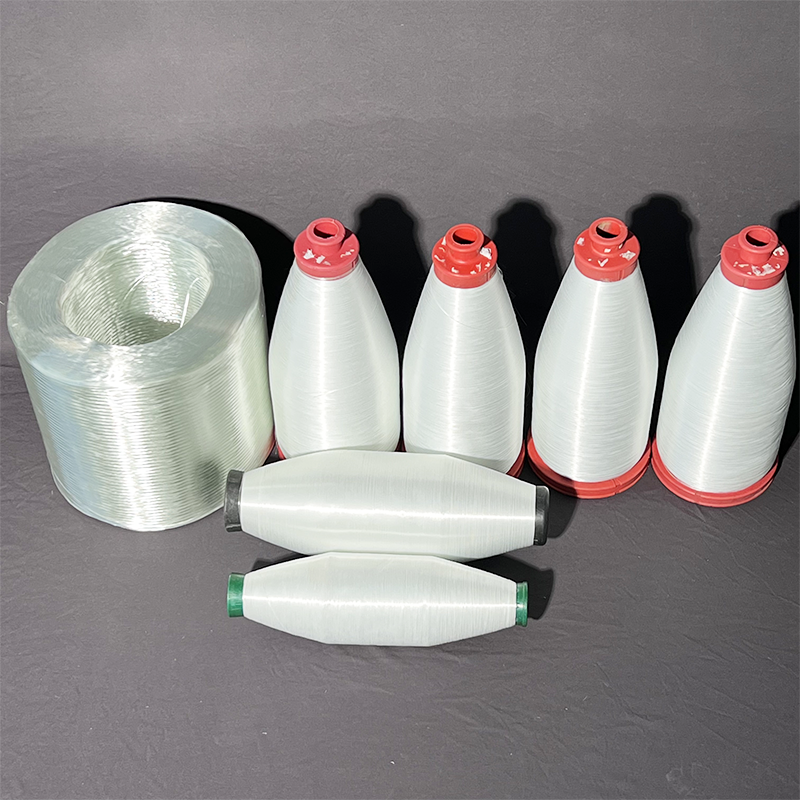
It’s not just any netting; the fiberglass strands undergo special treatments like alkali resistance coatings to survive the harsh environment inside cementitious materials. This connection between advanced materials and practical construction needs has engineered modern-day mesh products into indispensable reinforcements for walls, ceilings, facades, and even flooring.
The connection to humanitarian needs is also intriguing. Fiberglass mesh-based modular solutions are sometimes deployed in fast housing or emergency shelters, offering speed and durability where traditional materials fall short.
Key Factors Behind Fiberglass Reinforcement Mesh Products
Durability: Lasting Against Time and Elements
Durability is the name of the game. Thanks to specially treated fiberglass yarns, these meshes withstand moisture, alkalinity, heat, and UV radiation. This longevity means fewer repairs, less downtime, and notably, longer service life for the structures.
Cost Efficiency: Quality at the Right Price
While steel reinforcements have been traditionally used, fiberglass mesh offers a cost-effective alternative without compromising performance. Not to mention, it cuts down on labor due to easier handling and installation.
Lightweight & Easy Handling
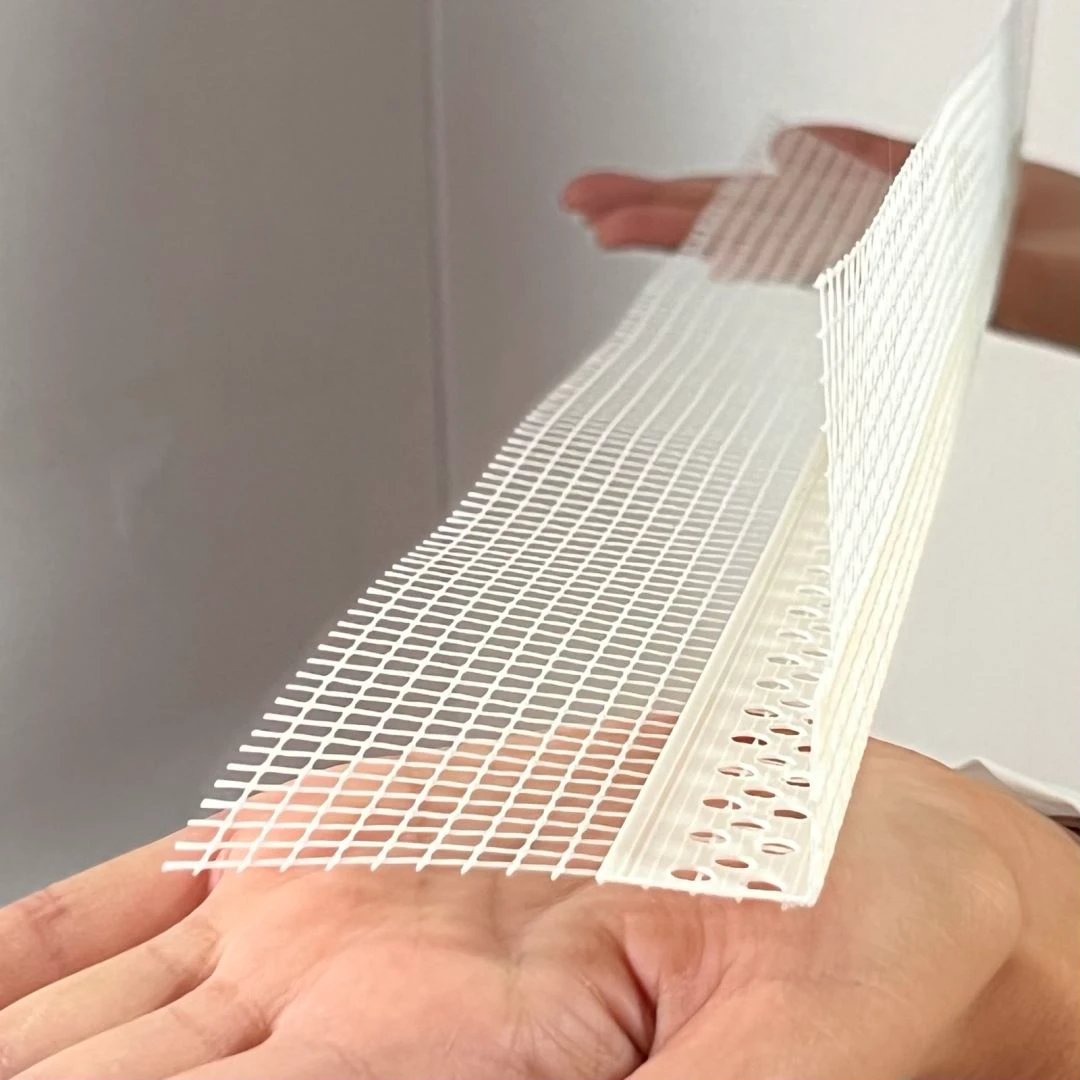
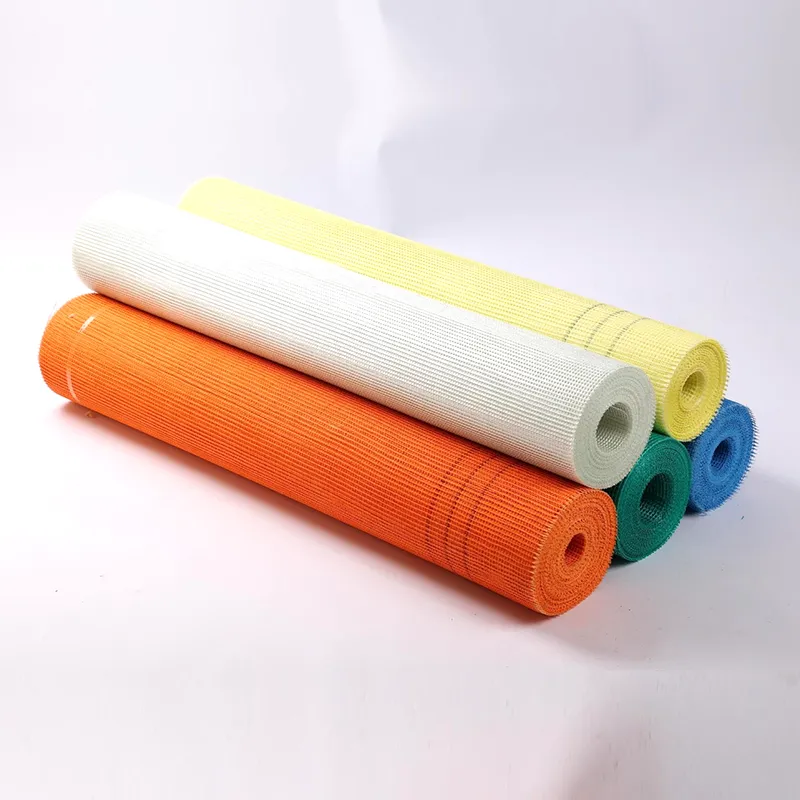
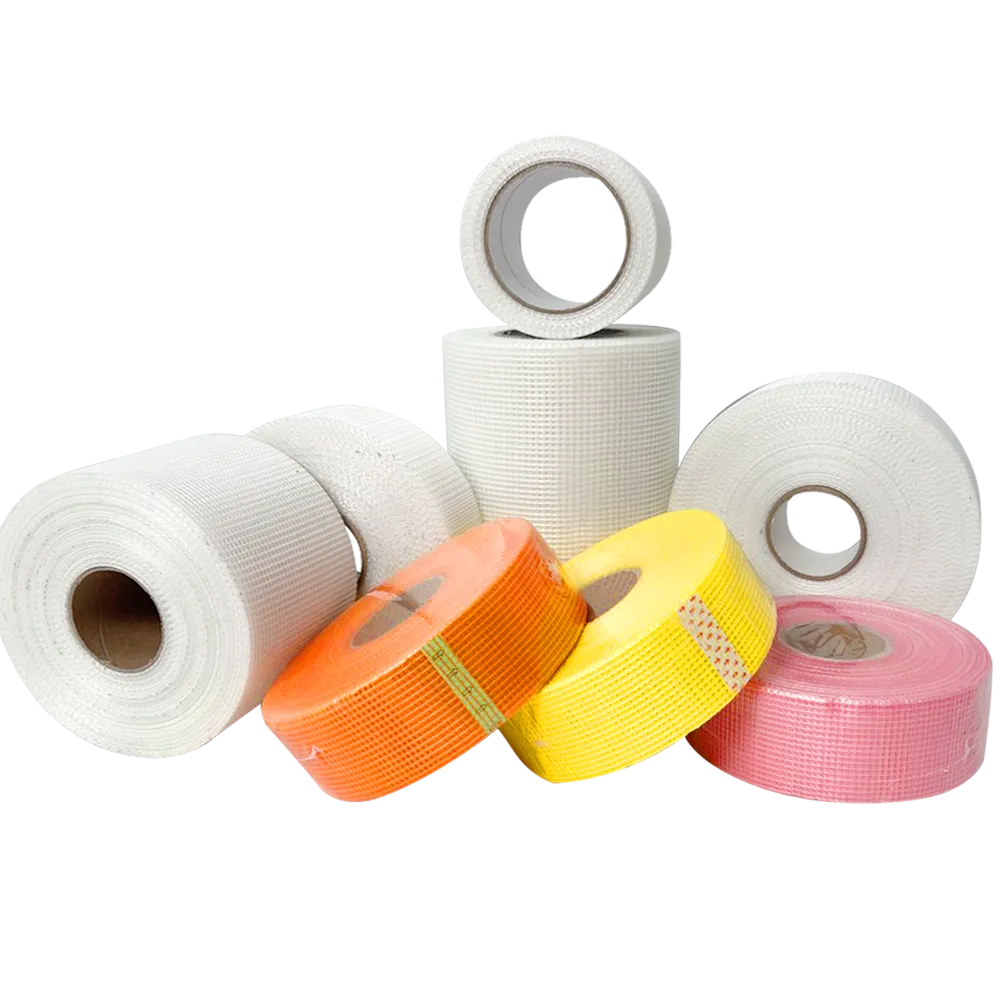
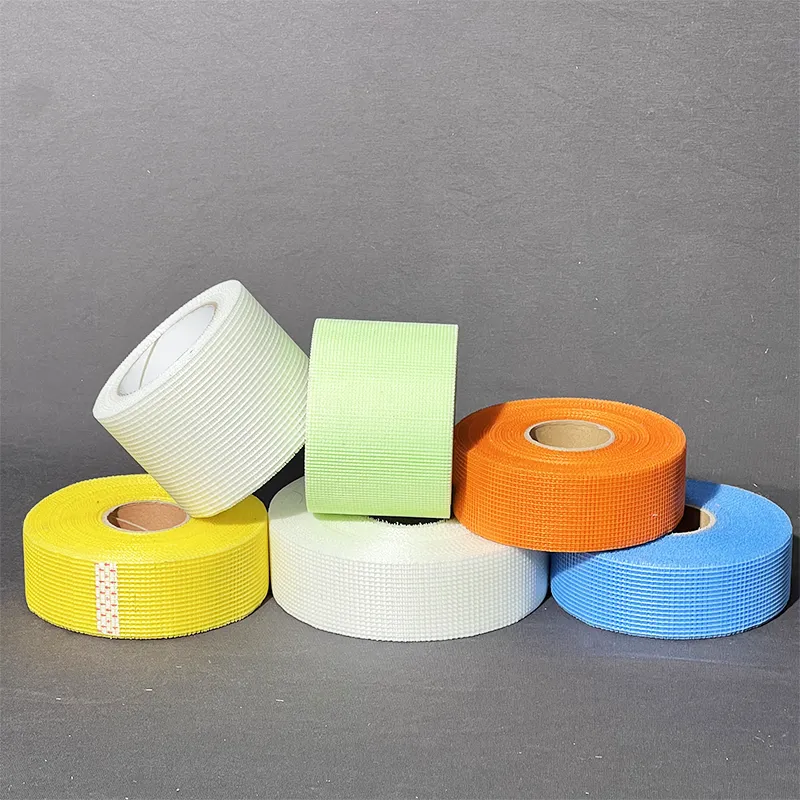
Because fiberglass mesh weighs a fraction of steel alternatives, shipping and on-site manipulation are simpler, reducing overall project time. It often arrives in rolls ready to apply, which suits large-scale and modular projects alike.
Customization & Scalability
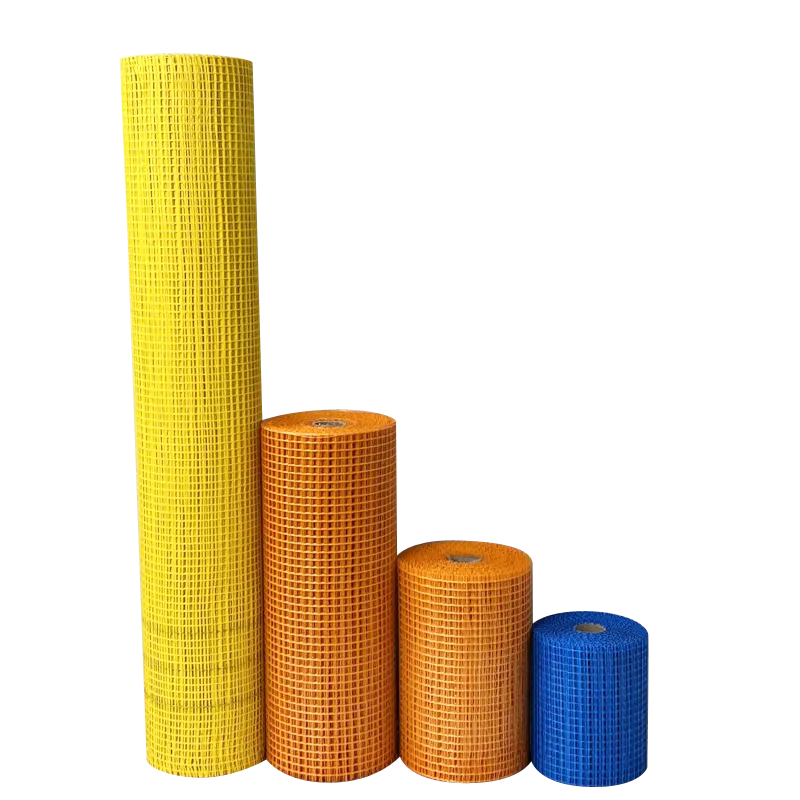
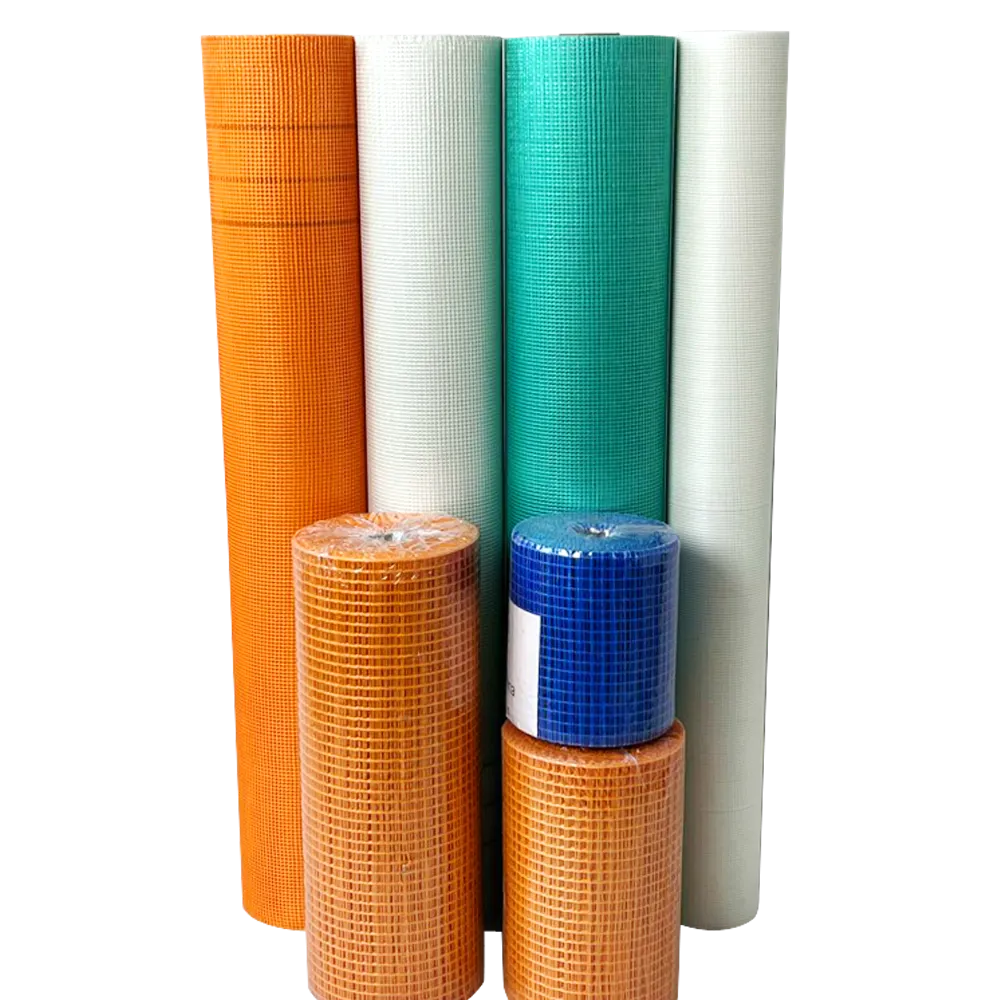
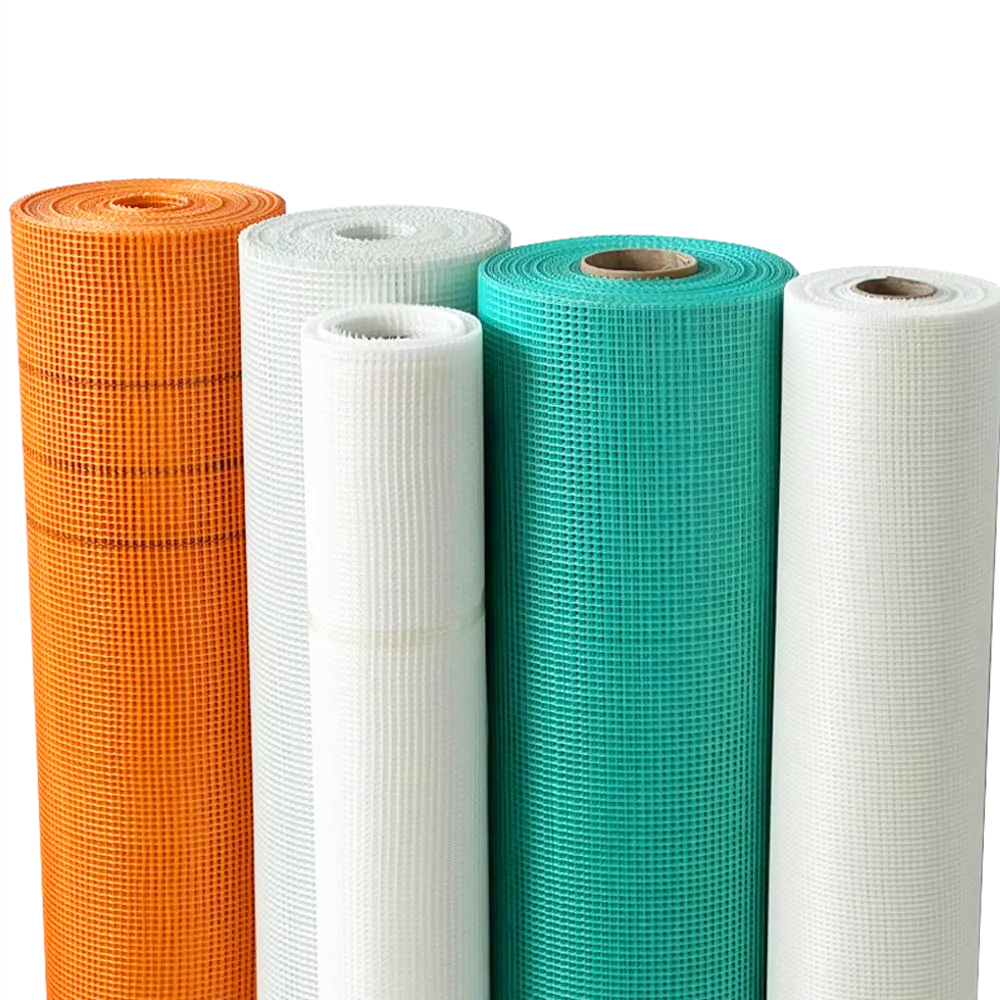
Modern manufacturers can produce meshes in different weights, weave densities, and coatings to match project needs precisely. This adaptability lends itself well to diverse applications — from thin façade reinforcements to heavier structural strengthening.
Environmental Compatibility
Fiberglass mesh meshes are recyclable and often contribute to green building certifications by reducing raw material consumption. The push towards sustainable materials keeps this product relevant in an evolving eco-conscious market.
Mini takeaway: The blend of strength, economy, and environmental sensitivity makes fiberglass reinforcement mesh products a linchpin in modern construction.
Global Applications and Real-World Use Cases
From bustling cities to fragile environments, fiberglass reinforcement mesh products find home in numerous settings:
- Post-disaster Reconstruction: After earthquakes or floods, rapid yet resilient repairs are vital. Fiberglass mesh aids in restoring damaged walls and ceilings quickly, often featured in emergency shelter upgrades.
- Infrastructure Projects in Asia and Europe: Bridges, tunnels, and roads benefit from the mesh's crack resistance, prolonging lifespan amid heavy traffic and harsh weather.
- Remote Industrial Installations: In deserts or Arctic zones, the mesh strengthens lining materials where access for repairs is costly or dangerous.
- Residential and Commercial Buildings: Many green retrofit projects incorporate fiberglass mesh for thermal insulation systems (ETICS) due to its lightweight, durability, and ease of integration.
For those curious about specific product options, consider fiberglass reinforcement mesh product ranges that cater to these sectors.
Product Specification Table
| Specification | Typical Range | Notes |
|---|---|---|
| Yarn Diameter | 5–10 µm | Depends on mesh grade |
| Mesh Opening Size | 5 x 5 mm to 10 x 10 mm | Controls reinforcement type |
| Weight | 60–160 g/m² | Higher weight for heavy-duty applications |
| Alkali Resistance | > 96% retention | Key for durability in cement |
| Roll Dimensions | 1m x 50m or customized | Flexible to project size |
Comparing Vendors: What Sets Fiberglass Mesh Suppliers Apart?
| Feature | Tainuo Fiberglass | Global Mesh Co. | EcoReinforce Ltd. |
|---|---|---|---|
| Alkali Resistance | >98% | >95% | >97% |
| Custom Roll Sizes | Available | Limited | Available |
| Sustainability Initiatives | Recyclable packaging | Standard | Green-certified production |
| Lead Time | 2-3 weeks | 3-4 weeks | 4-5 weeks |
The Advantages & Long-Term Value of Using Fiberglass Mesh
When construction managers consider fiberglass reinforcement mesh products, they’re usually after a twofold goal: improve project quality and reduce lifetime costs. And these meshes deliver both.
- Safety & Reliability: The mesh prevents microscopic fissures turning into structural weaknesses — a literal life-saver in certain seismic zones.
- Sustainability: Longevity reduces repair frequency and waste. Plus, they integrate well with eco-friendly materials.
- Emotional Impact: Communities get a sense of dignity and security when their homes or public buildings visibly resist time’s ravages.
- Innovation & Trust: It feels reassuring when technology quietly works behind the scenes, silently protecting what matters most.
Future Trends and Innovations in Fiberglass Reinforcement
Looking ahead, the sector is buzzing with smart coatings designed to make fiberglass meshes even more resistant to aggressive environments. Nanotechnology is entering the fray, promising enhanced bonding with various substrates.
There is also an increasing push to integrate these meshes with digital monitoring tools to provide real-time feedback on stress or damage — turning passive reinforcement into active protection.
Oddly, the green energy sector is exploring these meshes within solar panel installations, using their light weight and durability to improve product lifespan and reduce material fatigue under strong sun exposure.
Challenges & Expert Solutions
One recurrent challenge is ensuring mesh compatibility with new eco-concrete mixtures, which can differ chemically from traditional types. Experts advise thorough pre-testing and adjusted alkali-resistant coatings to avoid unexpected degradation.
Another limitation: while fiberglass mesh is resistant, it can be vulnerable to sharp physical impacts or cuts. So correct installation training and rigorous quality inspections remain crucial.
FAQ: Practical Questions About Fiberglass Reinforcement Mesh Products
- What makes fiberglass reinforcement mesh products better than steel mesh?
- Fiberglass mesh is lighter, non-corrosive, and easier to install. Unlike steel, it does not rust, which significantly improves the durability of cement-based structures, especially in humid or marine environments.
- How long can fiberglass mesh reinforced structures last?
- With proper installation, fiberglass mesh reinforcement can help structures last upwards of 30 years, reducing maintenance efforts and enhancing safety significantly over steel alternatives.
- Can fiberglass mesh be customized for different construction needs?
- Absolutely. Manufacturers can produce meshes with varied weight, weave patterns, and coatings tailored for anything from thin decorative finishes to heavy structural reinforcements.
- Is fiberglass mesh eco-friendly?
- Yes, it contributes to sustainability by reducing material consumption, lowering waste through enhanced durability, and is often recyclable. Some vendors use green production processes as well.
- How easily can NGOs or international firms source these products?
- Suppliers like Tainuo provide export-ready products with customizable order sizes and streamlined logistics to assist humanitarian and industrial projects worldwide.
Conclusion: Why You Should Consider Fiberglass Reinforcement Mesh
Whether it’s for your next upgrade project, earthquake-resistant housing, or a sustainable retrofit, fiberglass reinforcement mesh products offer a compelling package of strength, economy, and environmental responsibility. Their quiet yet vital presence in construction and infrastructure development worldwide signals an ongoing commitment to build better—and smarter—for the future.
Curious to explore specific options or discuss how these products can fit your project? Visit us at https://www.tainuofiberglassmesh.com — the gateway to cutting-edge fiberglass mesh solutions.
Mini takeaway: With rising worldwide demands for stronger, cost-efficient, and greener building materials, fiberglass reinforcement mesh products are becoming an unmissable cornerstone of modern construction.
References
-
Best Fiberglass Mesh Tape for RedGard Product Waterproofing GuideNewsApr.16,2026
-
Why High Strength Fiberglass Mesh Is Essential For Stucco ApplicationNewsApr.15,2026
-
Why Alkali Resistant Fiberglass Mesh Tape Is Essential For Cement Board And Tile InstallationsNewsApr.15,2026
-
Understanding The Role Of Drywall Fiberglass Mesh In Interior FinishingNewsApr.15,2026
-
Ultimate Guide To Using Fiberglass Mesh Tape For Drywall And Plaster RepairsNewsApr.15,2026
-
The Versatility Of Fiberglass Mesh In Marble And Stone MosaicNewsApr.15,2026