Nov . 29, 2025 07:55 Back to list
Reliable Fiberglass Reinforcement Mesh Suppliers | Durable & Lightweight Construction Solutions
Understanding Fiberglass Reinforcement Mesh Suppliers: Why It Matters Globally
Fiberglass reinforcement mesh might sound like some ultra-technical industrial jargon, but frankly, it’s at the heart of modern infrastructure resilience, especially where strength and weight savings matter. Essentially, these are the unsung heroes helping buildings, roads, and even humanitarian shelters stand their ground. And behind the scenes are the specialized fiberglass reinforcement mesh suppliers who make this possible. Understanding who they are and how they operate is more than just trivia: it’s a key to grasping how sustainable construction and disaster readiness evolve globally. In a world where climate change keeps pushing infrastructure to its limits — more storms, earthquakes, and floods — reliable materials like fiberglass mesh aren’t just beneficial; they’re vital. The elasticity, durability, and corrosion resistance of fiberglass mesh strengthen concrete and plaster, reducing cracks and increasing lifespan. This means safer homes, longer-lasting roads, and more dependable industrial facilities. So yes, understanding these suppliers and their products can sound “technical,” but it’s really about appreciating the backbone of tomorrow’s safer built environment. ---The Global Context: Why Fiberglass Reinforcement Mesh Suppliers Are Critical
Globally, construction and infrastructure industries are massive — accounting for roughly 13% of global GDP according to the World Bank (2023). The increasing push for sustainable, cost-effective, and high-performance construction materials has spotlighted fiberglass reinforcement meshes. These suppliers serve markets worldwide, from booming urban centers in Asia to post-disaster reconstruction efforts in Africa and Latin America. A key challenge is balancing material performance with affordability — especially in developing regions where infrastructure resilience is crucial but budgets are tight. Fiberglass mesh suppliers help bridge that gap by offering corrosion-resistant, lightweight, and durable reinforcement options compared to steel rebar alternatives. Plus, adherence to international standards like ISO 9001 ensures product consistency, boosting confidence among engineers and contractors worldwide. Without reliable suppliers who can meet quality, volume, and delivery demands, many infrastructure projects risk delays or compromised safety — no small matter when infrastructure failures can affect millions of people. Mini takeaway: Without these dedicated suppliers maintaining quality and scale, the shift toward innovative, resilient building materials would stall. ---What Exactly Are Fiberglass Reinforcement Mesh Suppliers?
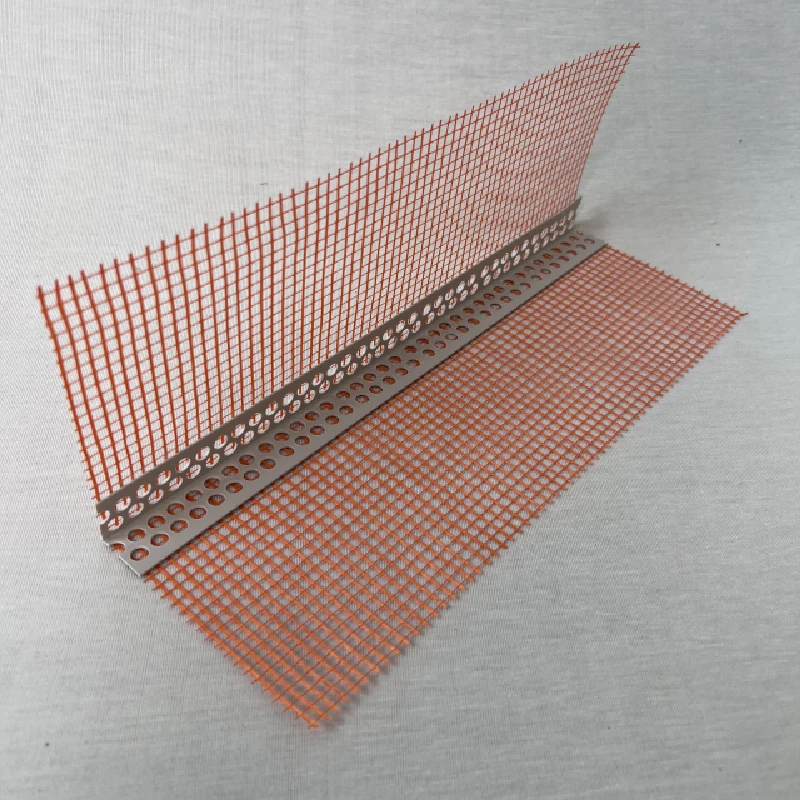
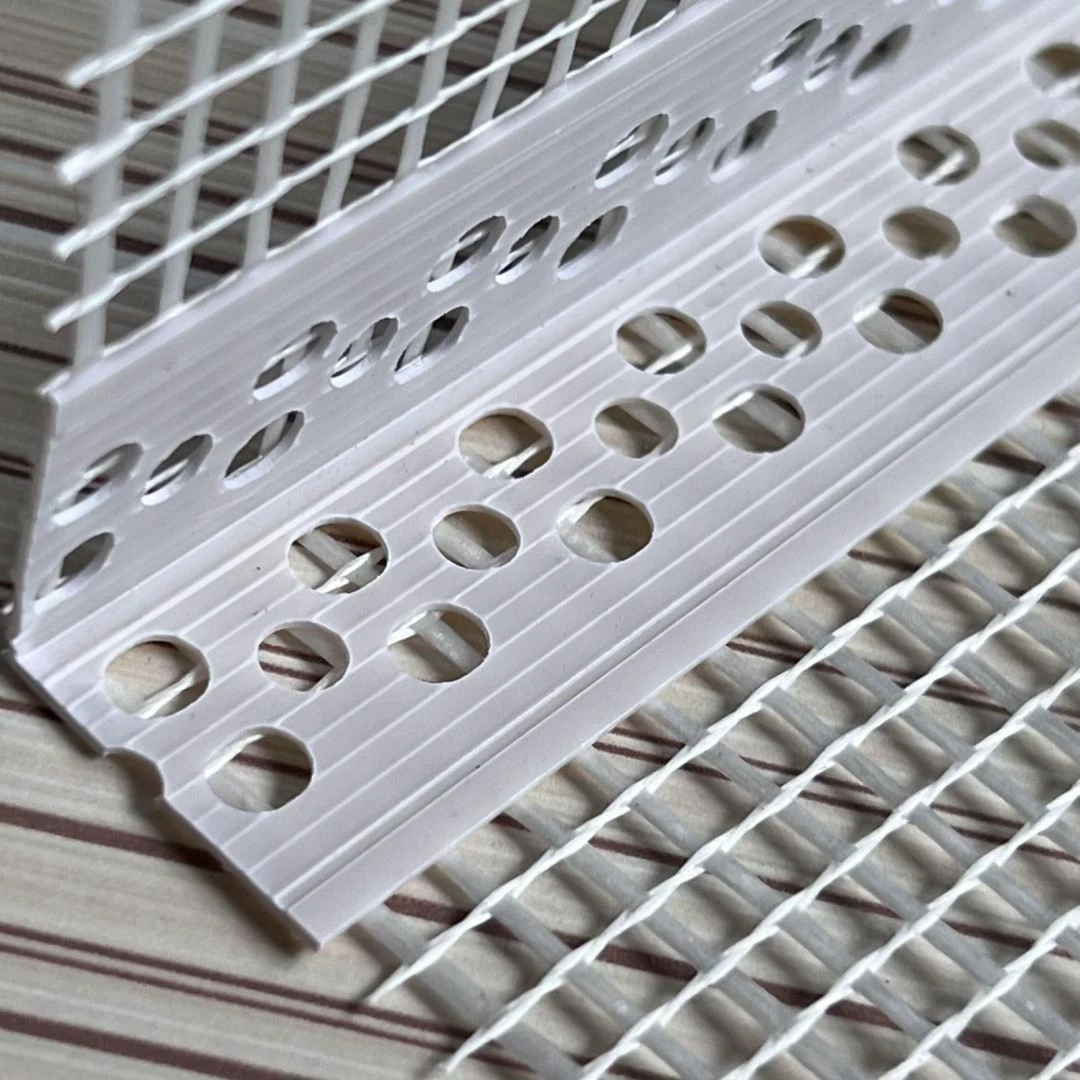
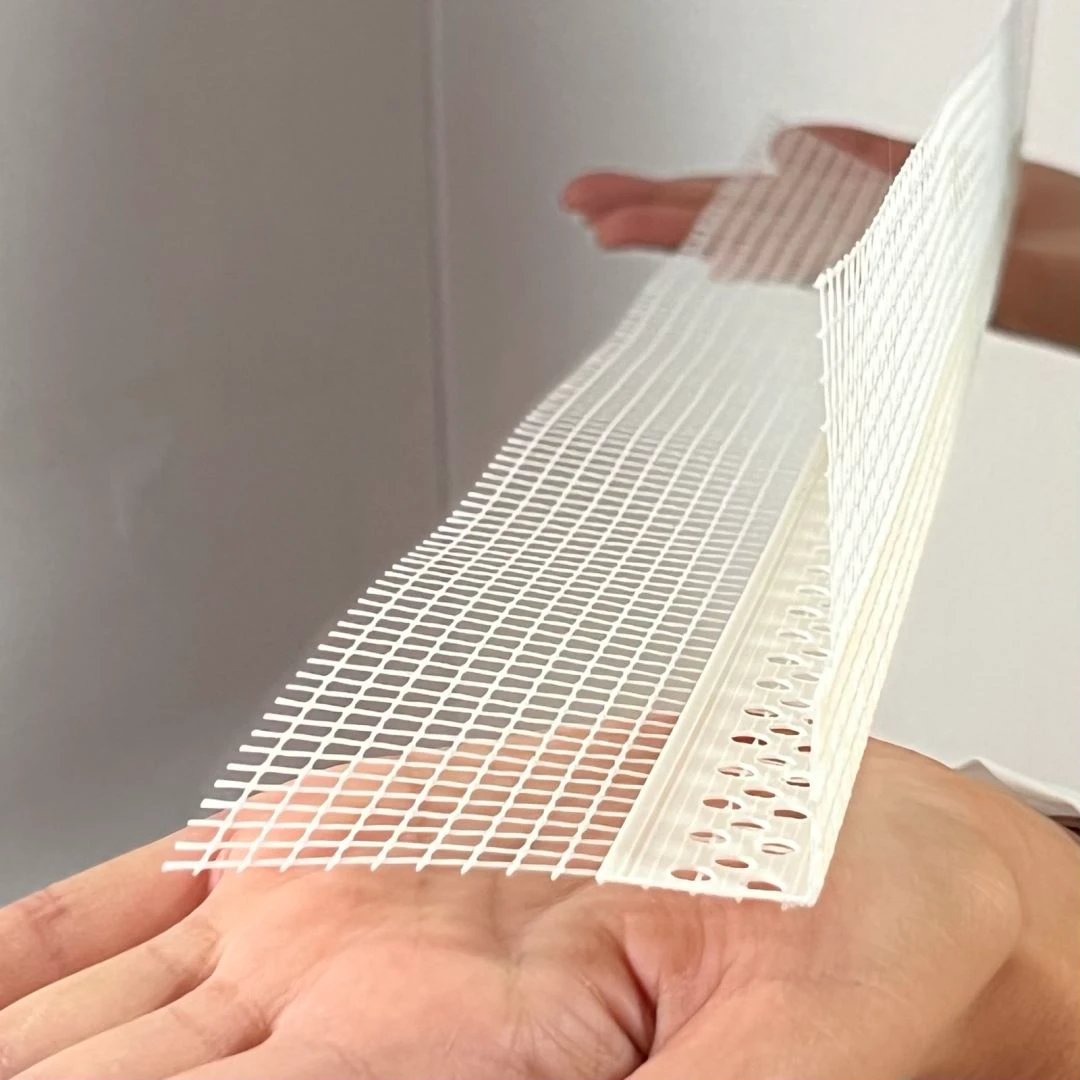
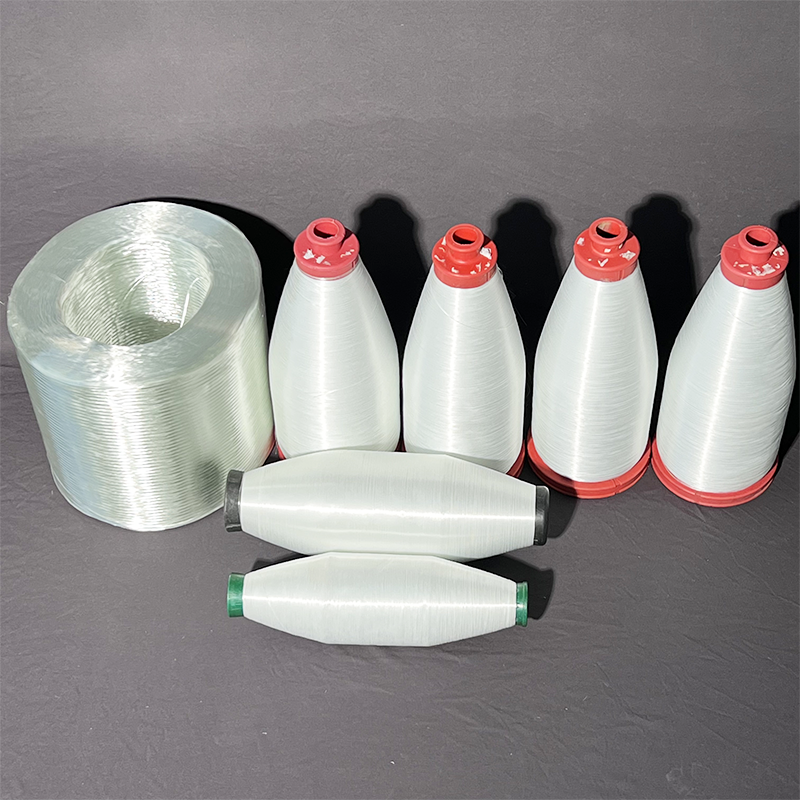
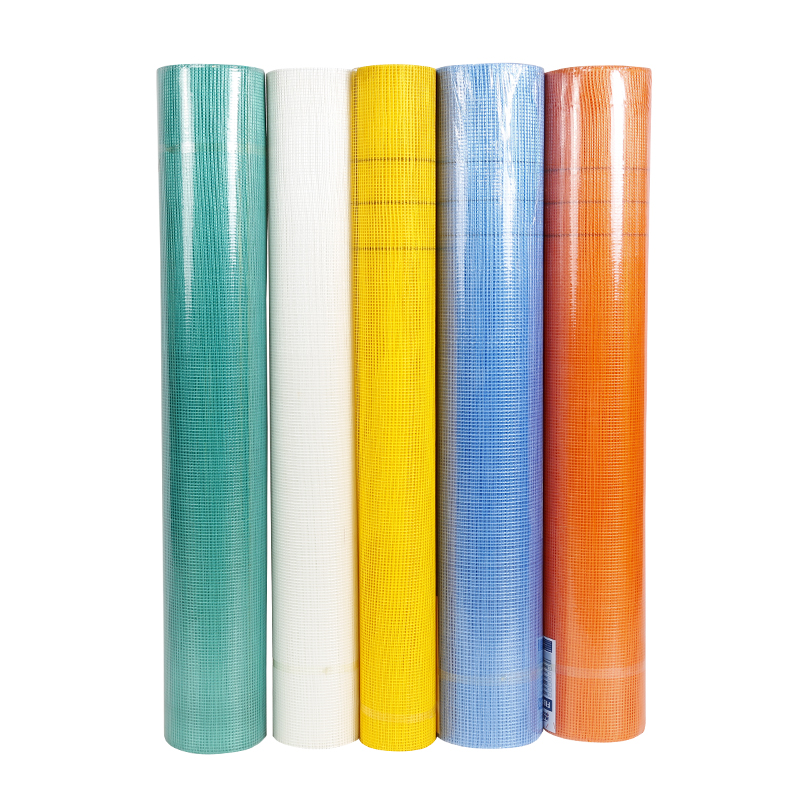
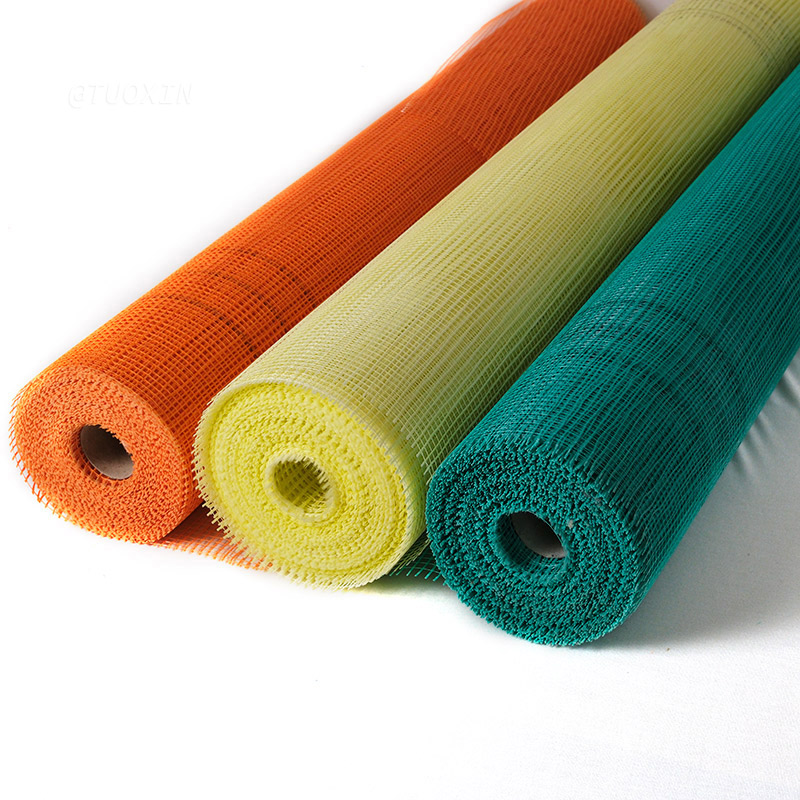
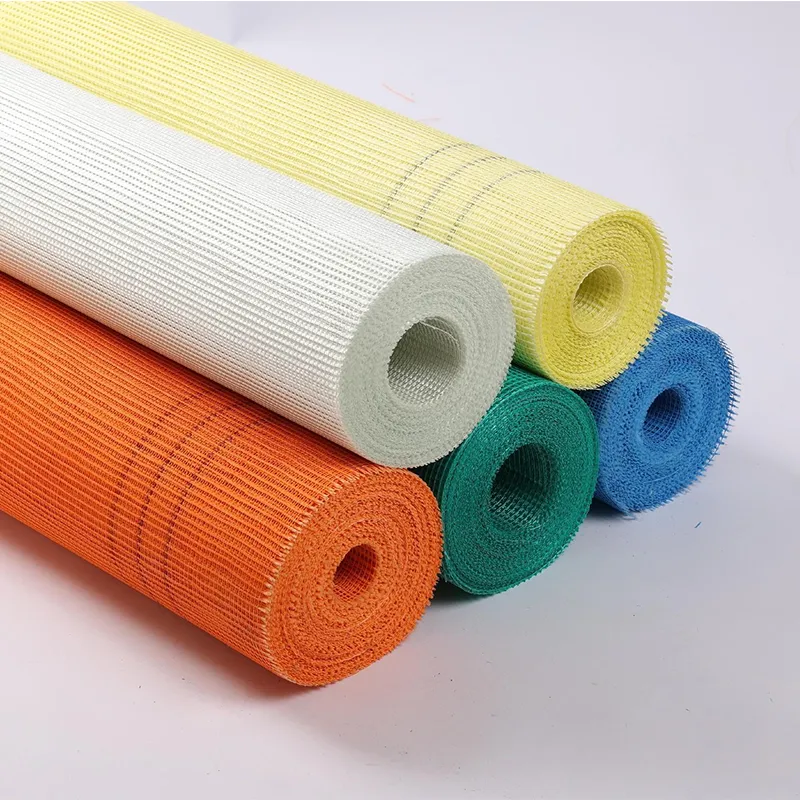
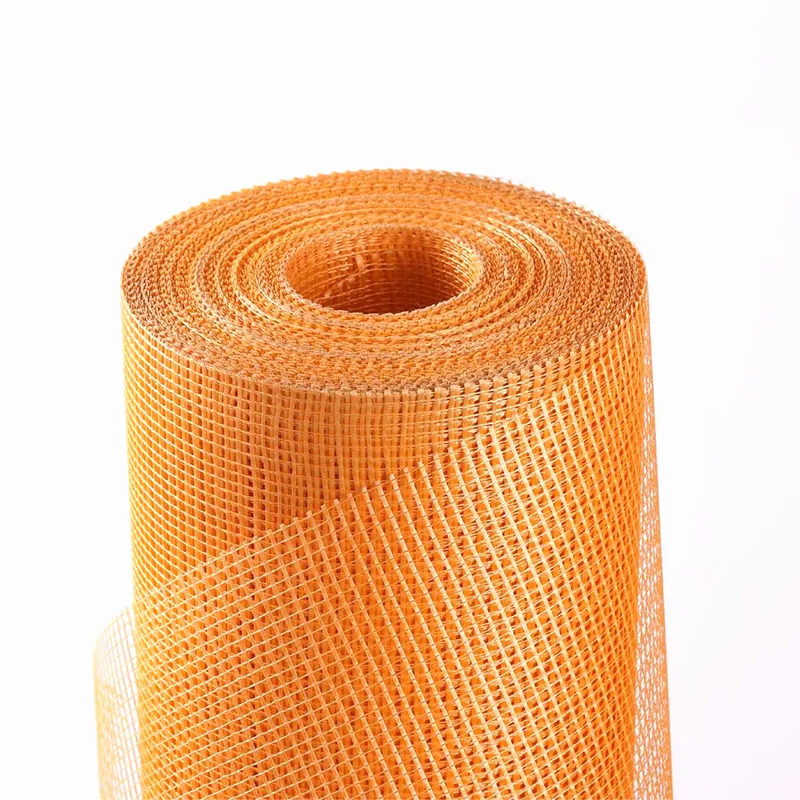
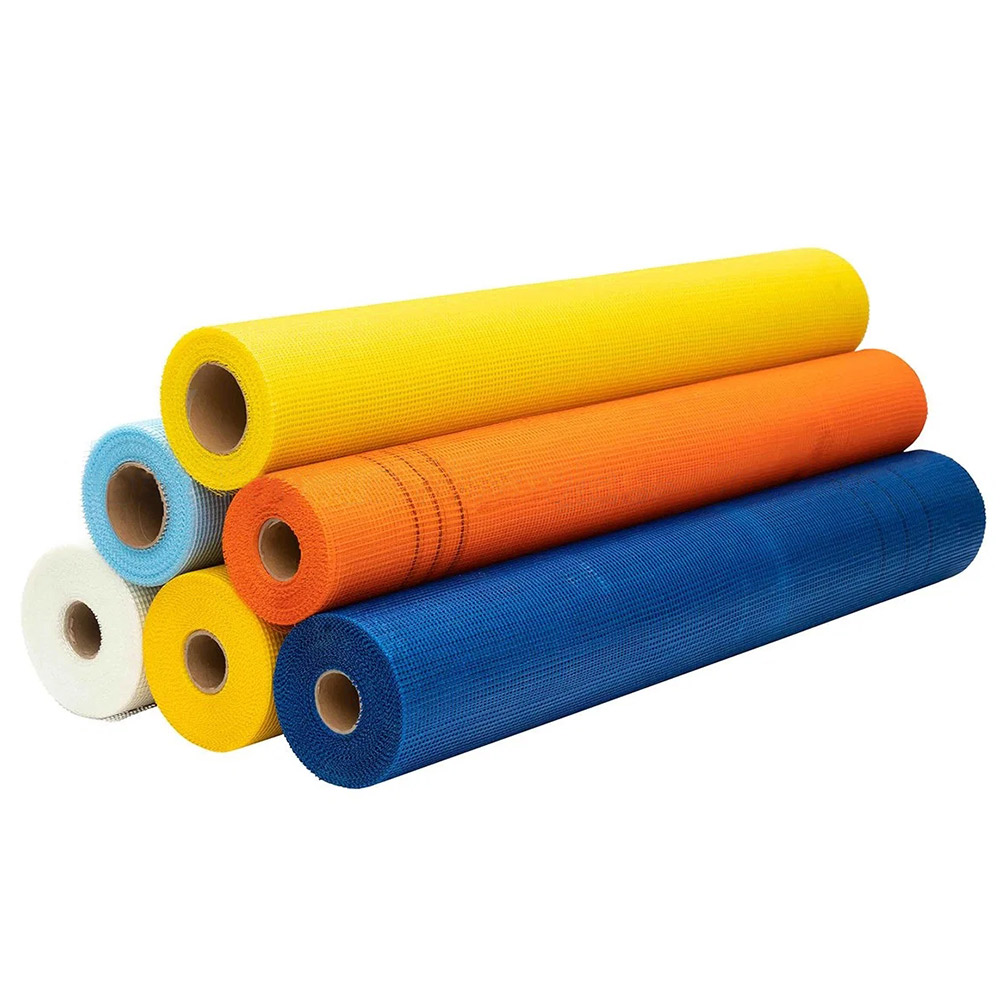
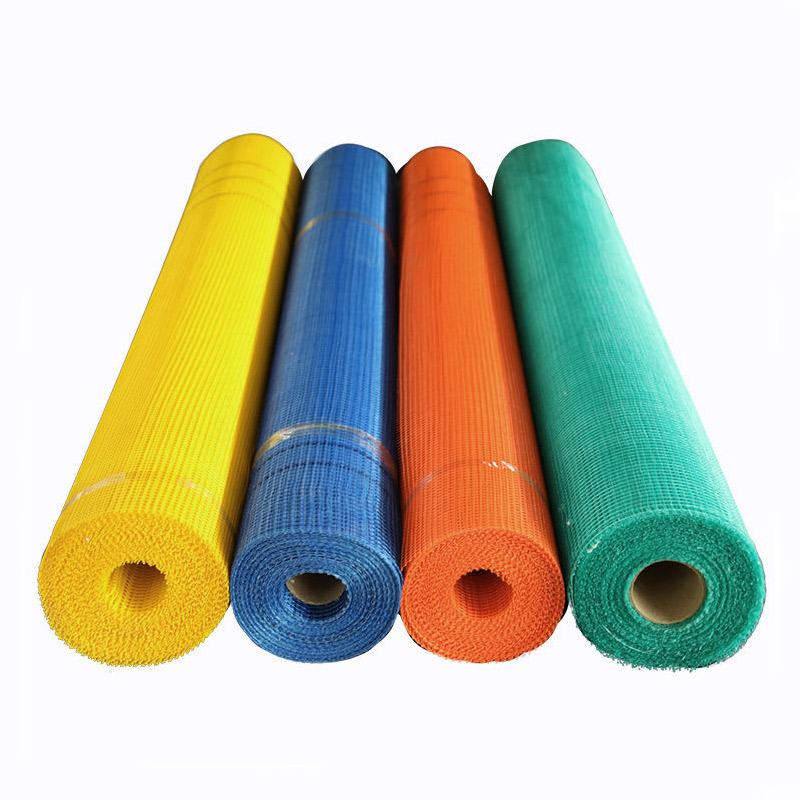
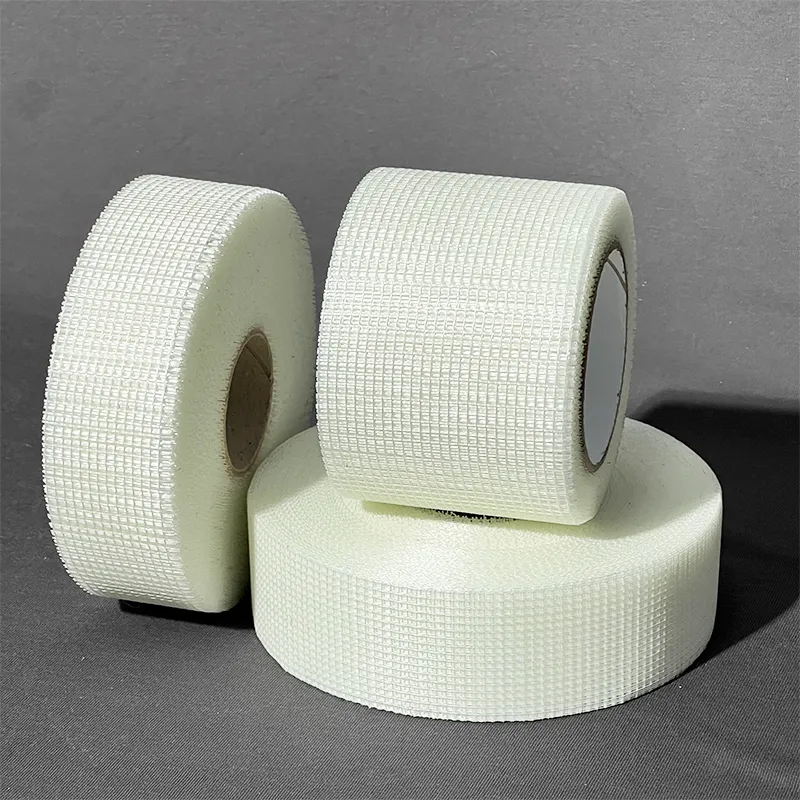
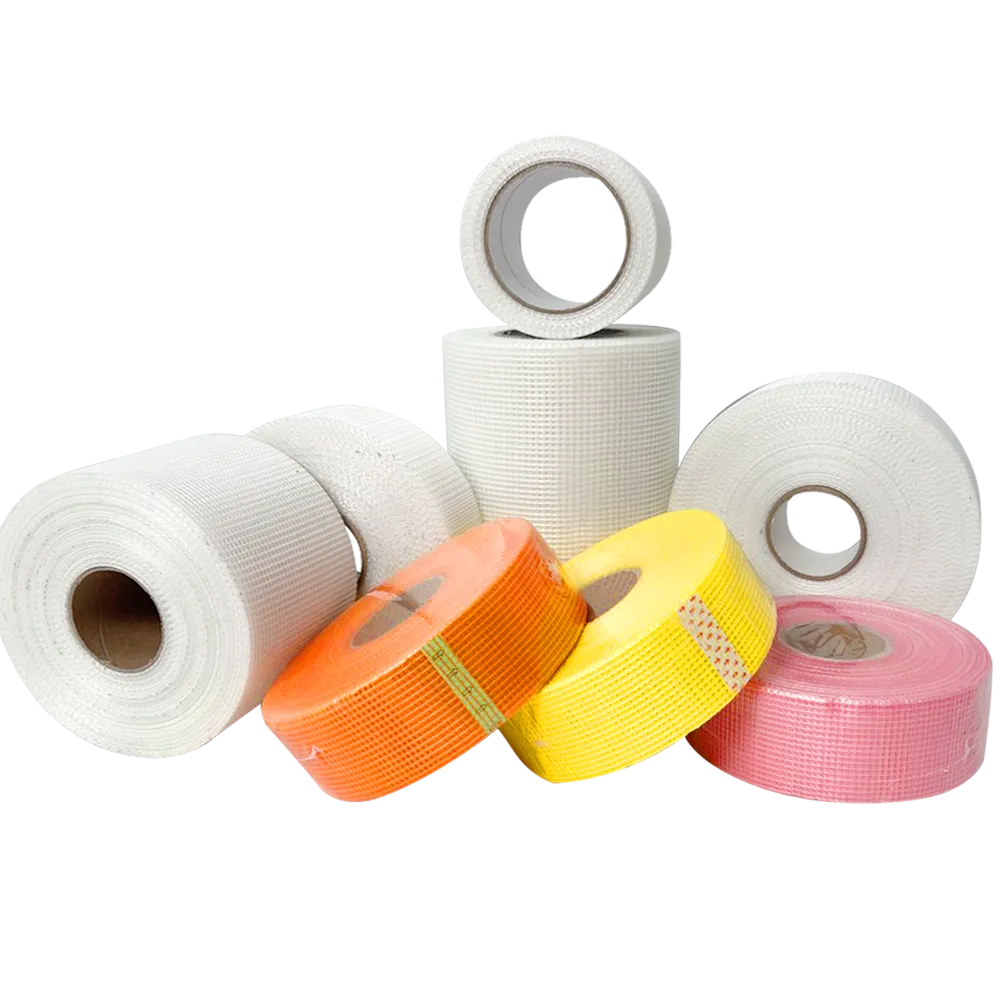
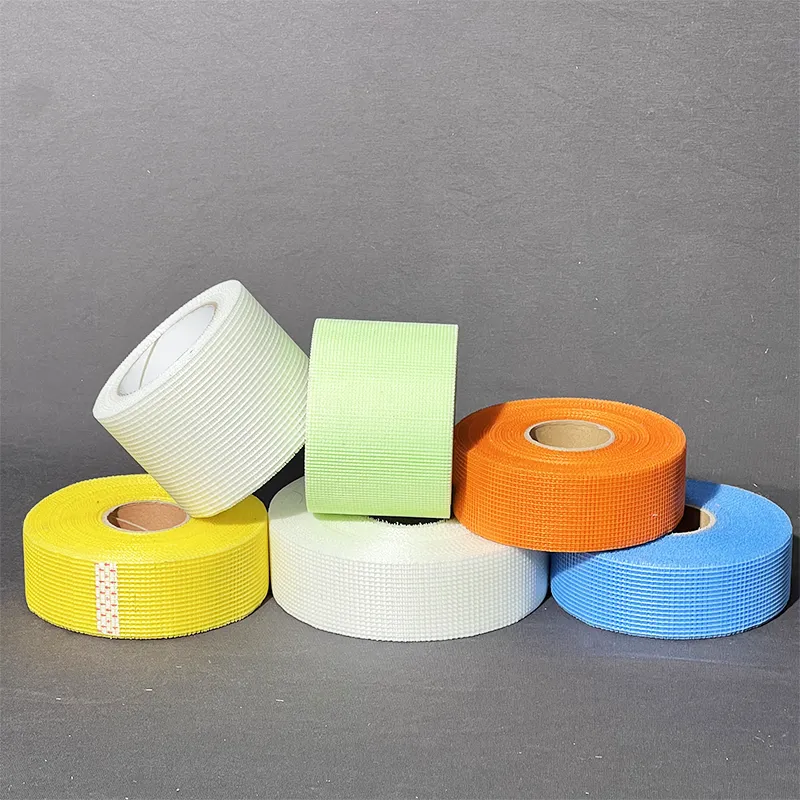
Put simply, fiberglass reinforcement mesh suppliers are companies or entities that manufacture, distribute, and sometimes customize fiberglass mesh products used to reinforce concrete, plaster, and other building materials. These suppliers source raw fiberglass fibers, weave or knit them into mesh sheets or rolls, coat them with protective resins, and supply them to manufacturers or directly to construction projects. This mesh serves as an alternative or supplement to traditional materials like steel bars, offering high tensile strength, corrosion resistance, and easier handling. For modern industries like pre-fab housing, road rehab, and even military-grade shelters, these suppliers enable a smoother integration of fiberglass composites into everyday structures. Beyond industrial uses, some humanitarian organizations rely heavily on fiberglass mesh suppliers to secure fast-deploy shelters that withstand harsh conditions without heavy logistics or rust risks. ---Core Components that Define Quality Fiberglass Mesh
Durability
Fiberglass mesh resists corrosion, ultraviolet degradation, and chemical exposure far better than steel reinforcements. This longevity means fewer repairs and safer structures especially in coastal or industrial zones.Lightweight Construction
The mesh’s light profile reduces transport costs and makes installation more manageable. This comes as a huge relief where labor or equipment availability is uneven — think remote mountainous construction.Scalability & Customization
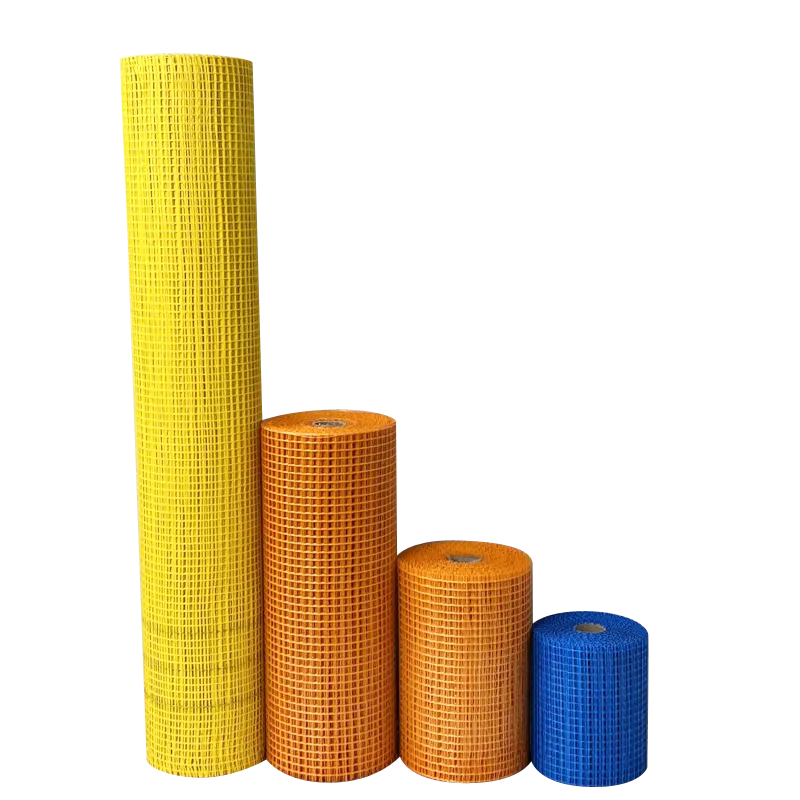
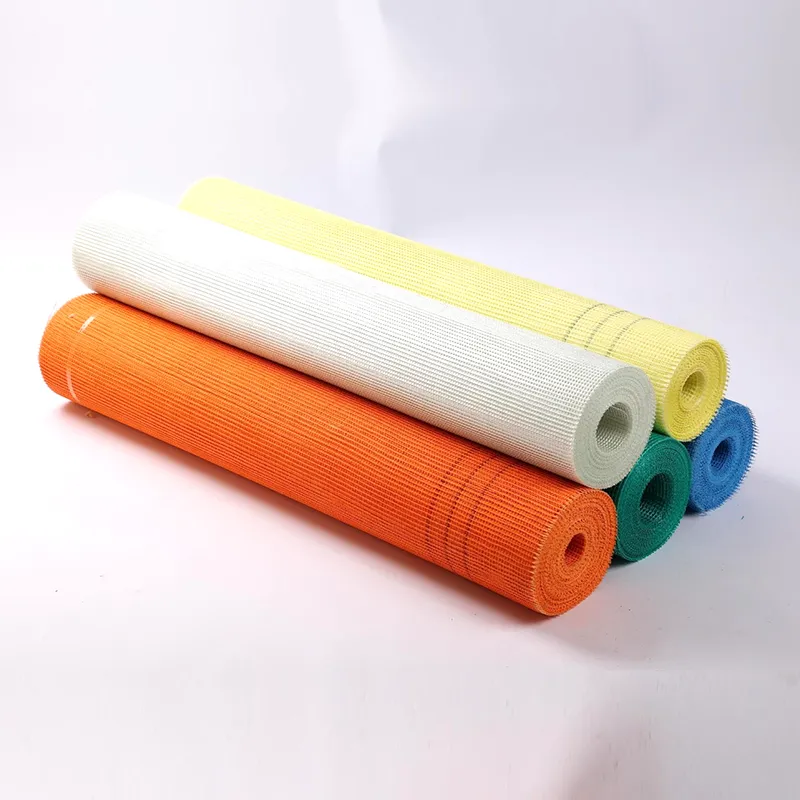
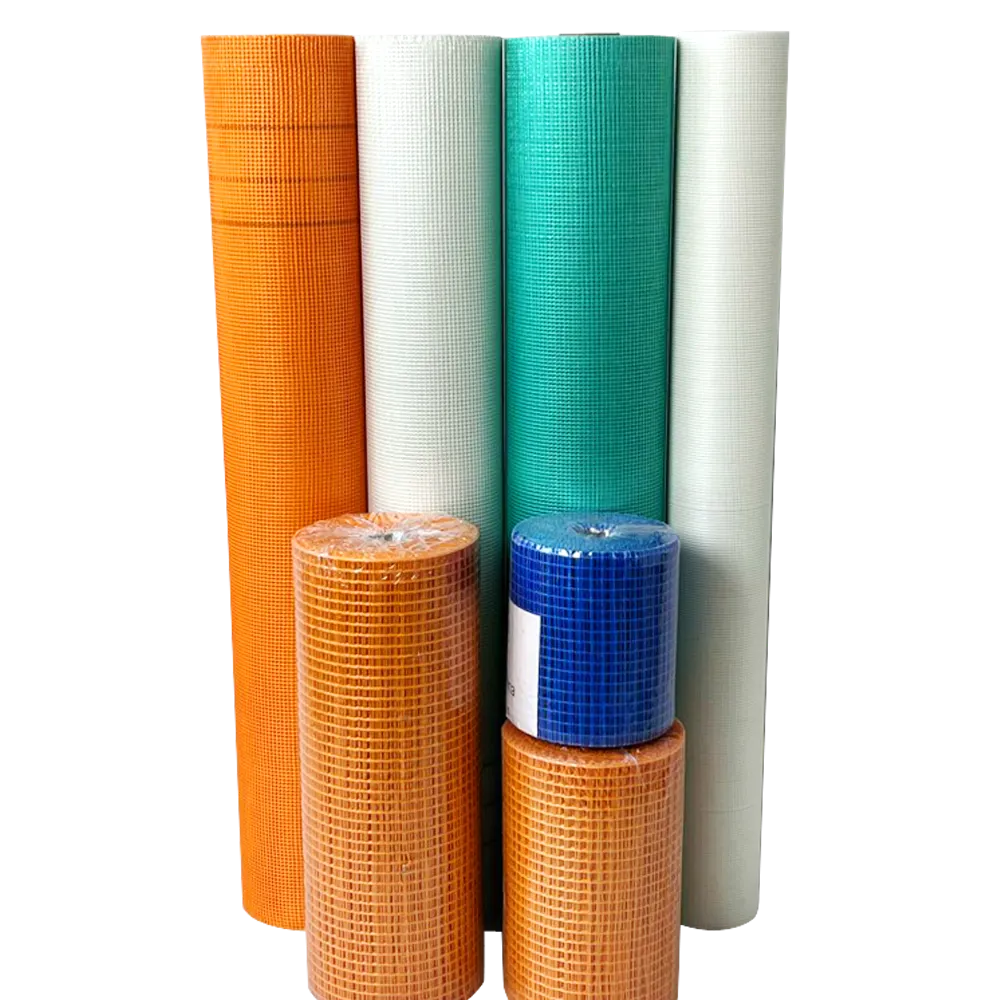
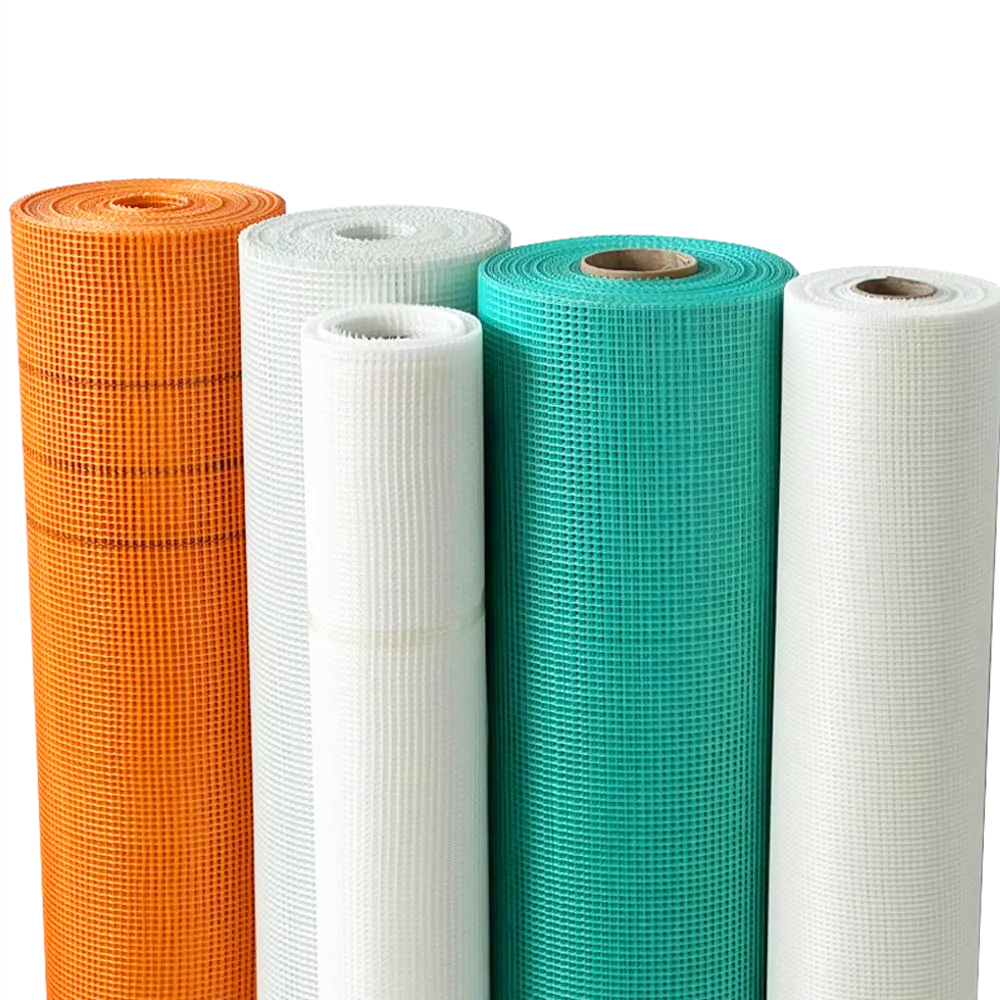
Suppliers often offer meshes in various grades, densities, widths, and resin treatments depending on project needs, from tiny cracks in walls to massive bridge decks. Flexibility matters in how the mesh performs under different stresses.Cost Efficiency
While initial material costs can sometimes be higher than traditional steel, the life cycle savings from reduced maintenance and simpler logistics often turn the balance in favor of fiberglass mesh.Environmental Impact
Fiberglass meshes contribute toward LEED certifications and sustainable building mandates due to lower embodied energy versus steel and decreased corrosion-related waste. Mini takeaway: Quality fiberglass mesh balances technical specifications with practical deliverables — strength where needed, lightness, and eco-friendliness. ---Global Use Cases: Where and How Fiberglass Mesh Makes a Difference
Across the globe, fiberglass mesh plays diverse roles. In Mediterranean countries prone to seismic activity, it’s used to reinforce cement facades and prevent cracking during tremors. In the US and Canada, it’s standard in road repair and airport runway overlays for extended longevity. In developing regions like Sub-Saharan Africa, NGOs depend on fiberglass mesh suppliers to provide materials for mold-resistant housing solutions that withstand floods and humidity, reducing disease risks. Similarly, in disaster relief — think typhoon-hit Southeast Asia — the mesh supports quick-build shelters that won’t corrode or break down in salty air. Even niche industrial players, like petrochemical plants, prefer fiberglass mesh due to its chemical resistance and lightness, facilitating safer structural reinforcements. Overall, the diversity of applications highlights how critical strong supplier networks are for timely delivery and customization. ---Advantages & Long-Term Value of Partnering with Reliable Suppliers
Reliability is more than “on-time delivery.” It’s about trust in product quality, consistent innovations, and knowing that supplier expertise can guide ideal mesh selection. Many engineers say that going with lesser-known or inconsistent suppliers adds hidden costs — rework, failure risks, or certification headaches. The long-term benefits are tangible: - Cost savings from increased durability and lower maintenance. - Sustainability through recyclable or low-energy materials. - Safety & dignity by enabling stronger, longer-lasting homes. - Innovation through access to latest resin coatings or mesh weaves. - Enhanced project timelines with reliable supply chains. It’s comforting, honestly, to rely on suppliers who don’t just sell product but understand infrastructure’s changing needs — especially as standards get tighter. ---Future Trends & Innovations in Fiberglass Reinforcement Mesh
Looking ahead, the industry hums with innovation: - Eco-friendly resins: New biodegradable coatings reduce environmental impact during production and disposal. - Automation: Precision weaving and nanotechnology improve mesh strength and uniformity. - Digital integration: QR codes or smart tags embedded in meshes for supply chain transparency and quality tracking. - Hybrid materials: Combining fiberglass with carbon or basalt fibers to tailor meshes for extreme environments. - Green building standards: Increasingly, suppliers align with stricter LEED or BREEAM criteria, pushing further carbon footprint reductions. These trends show how suppliers aren’t static but evolve alongside broader industrial shifts toward smarter, cleaner construction. ---Common Challenges & Expert Solutions
No industry is free of hurdles. For fiberglass mesh suppliers, the main issues include: - Raw material price volatility: Glass fiber costs fluctuate with energy markets. - Supply chain disruptions: Global logistics can bottleneck, especially post-pandemic or amid geopolitical tensions. - Standardization gaps: Different countries require varying certifications, complicating exports. - Installation training: Users unfamiliar with fiberglass mesh handling may install improperly, risking failure. Suppliers are combating these via diversified sourcing, building regional warehouses, collaborating on international standards, and hosting training webinars or on-site programs. ---FAQ: Questions About Fiberglass Reinforcement Mesh Suppliers
Q1: How do fiberglass reinforcement meshes compare to traditional steel reinforcements?A1: Fiberglass mesh offers similar tensile strength but excels in corrosion resistance and lightweight handling. It reduces maintenance needs in moisture-prone environments and simplifies installation—though initial costs can be higher. It’s ideal where durability and longevity are prioritized over minimal upfront expense. Q2: Can these meshes be customized for different industrial projects?
A2: Absolutely. Suppliers often provide various mesh densities, resin coatings, widths, and lengths tailored to project requirements—whether reinforcing walls, roads, or specialized structures. Engaging with suppliers early ensures optimal mesh selection. Q3: Are fiberglass meshes environmentally friendly?
A3: Generally yes. They have lower embodied energy compared to steel rebar, resist corrosion (reducing waste), and some manufacturers now offer biodegradable resin options. This supports green building certifications. Q4: How do suppliers assure product quality across international markets?
A4: Most reputable suppliers adhere to ISO 9001 and related certifications. They maintain rigorous testing protocols and often provide samples, technical data sheets, and third-party quality reports to build buyer confidence. Q5: Where can I find reliable fiberglass reinforcement mesh suppliers?
A5: Fiberglass reinforcement mesh suppliers directories, trade fairs, and industry forums are great starting points. Vet suppliers based on certifications, client reviews, and after-sales support. ---
Fiberglass Reinforcement Mesh Specifications
| Specification | Typical Value | Notes |
|---|---|---|
| Mesh Size | 4x4 mm to 12x12 mm | Varies by application |
| Tensile Strength | >1100 MPa | Typically 1100–1400 MPa |
| Thickness | 0.5–1.2 mm | Depends on fiber density/coating |
| Weight (per m²) | 200–500 g | Lightweight advantage |
| Coating | Alkali-resistant resin | For durability in cement |
Vendor Comparison Snapshot
| Vendor | Product Range | Certifications | Lead Time | Notable Strength |
|---|---|---|---|---|
| Tainuo Fiberglass Mesh Co. | Wide (4-12 mm mesh sizes) | ISO 9001, CE | 2-4 weeks | Custom resin coatings, strong export support |
| GlobalGlass Reinforcements | Mid-range mesh sizes | ISO 14001 | 3-5 weeks | Sustainability focus, eco-friendly materials |
| FiberWeave Inc. | Specialized narrow-width meshes | CE, ASTM | 1-3 weeks | Fast lead times, innovation in hybrid fibers |
In Closing: Why Choosing Your Fiberglass Reinforcement Mesh Supplier Matters
Choosing reliable fiberglass reinforcement mesh suppliers is more than ticking off a materials list. It’s about partnering with industry experts who help futureproof your projects — whether urban skyscrapers, coastal defenses, or emergency relief structures. Their products carry the promise of strength, durability, and innovation wrapped in lightweight packages that lower costs and carbon footprints. As infrastructure demands get tougher worldwide, those who appreciate this nuanced market edge will gain long-term benefits in safety, sustainability, and peace of mind. Thinking about your next project? Explore trusted fiberglass reinforcement mesh suppliers for quality, innovation, and unmatched support. ---References:
Latest news
-
Best Fiberglass Mesh Tape for RedGard Product Waterproofing GuideNewsApr.16,2026
-
Why High Strength Fiberglass Mesh Is Essential For Stucco ApplicationNewsApr.15,2026
-
Why Alkali Resistant Fiberglass Mesh Tape Is Essential For Cement Board And Tile InstallationsNewsApr.15,2026
-
Understanding The Role Of Drywall Fiberglass Mesh In Interior FinishingNewsApr.15,2026
-
Ultimate Guide To Using Fiberglass Mesh Tape For Drywall And Plaster RepairsNewsApr.15,2026
-
The Versatility Of Fiberglass Mesh In Marble And Stone MosaicNewsApr.15,2026
Products categories