Nov . 28, 2025 09:50 Back to list
Comprehensive Guide to Plaster Fiberglass Mesh Product: Strength, Sustainability, and Innovation
Unpacking the Appeal of Plaster Fiberglass Mesh Product in Modern Construction
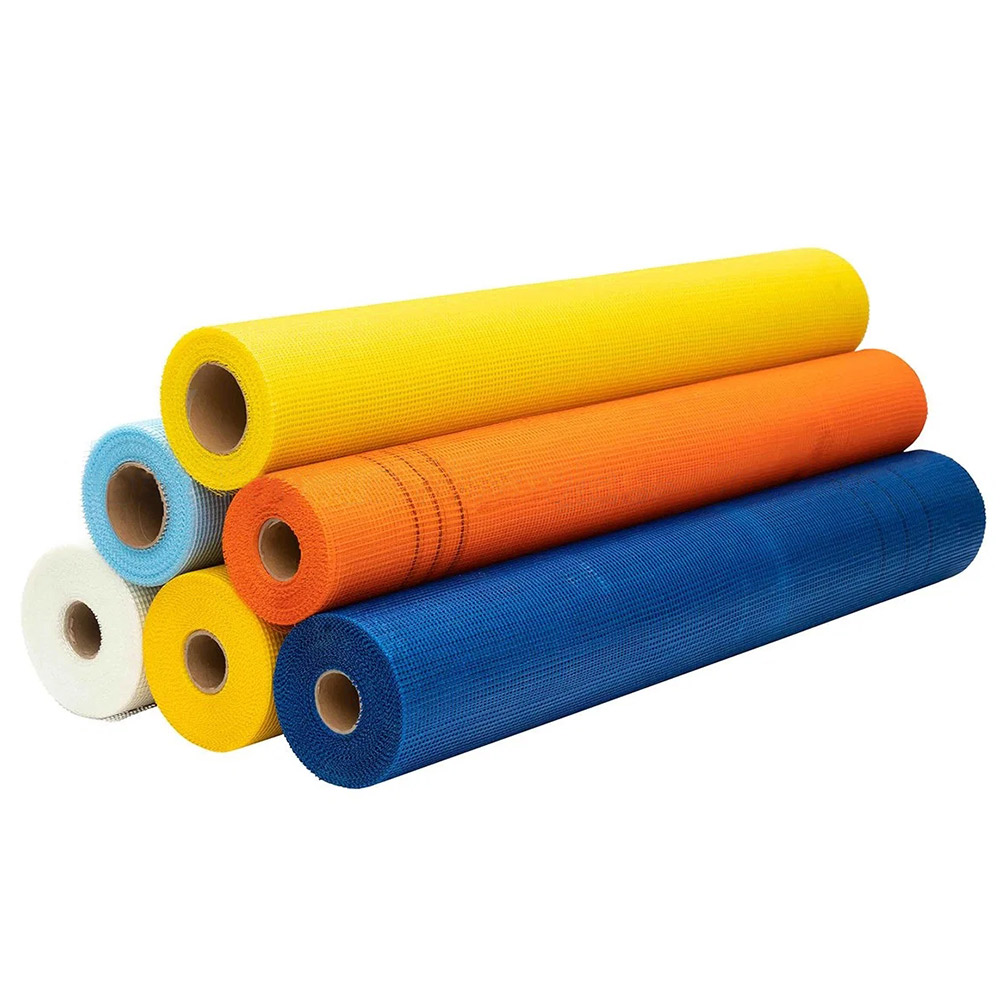
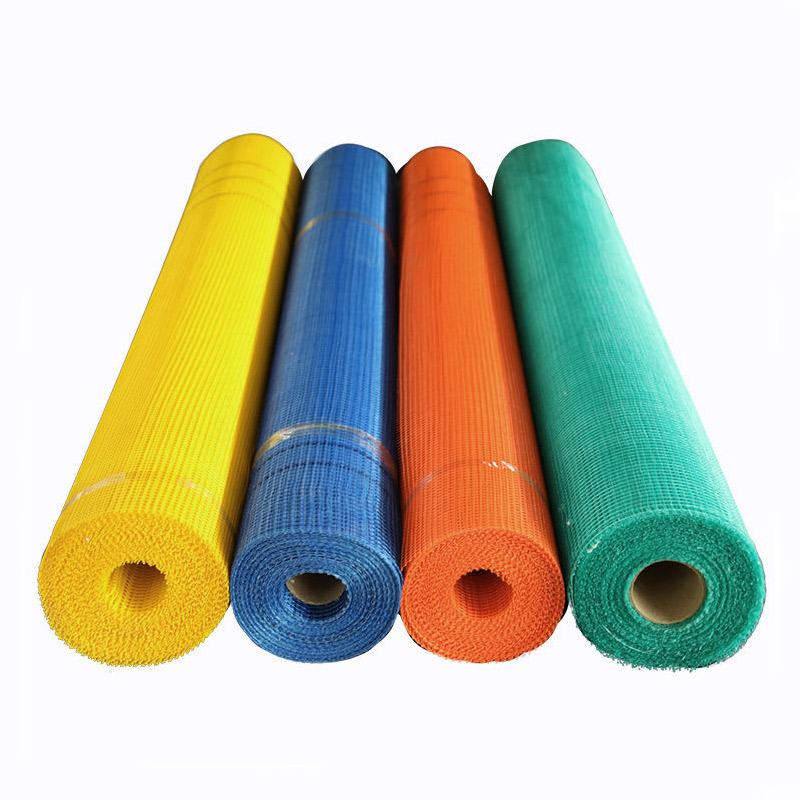
If you’ve ever wandered through a construction site or peeked at renovation work, you might've noticed layers of mesh embedded in plaster or cement. That mesh? Often, it’s a plaster fiberglass mesh product—a deceptively simple-looking material that plays a huge role in strengthening surfaces and extending their lifespan. Globally, as buildings age and environmental stresses increase, understanding this product has become crucial not only for architects and contractors but also for sustainability advocates and disaster recovery teams.
Why does it matter beyond the construction industry? The answer boils down to durability, safety, and cost-efficiency, impacting everything from residential homes in Europe to emergency shelters in Asia, and even infrastructure in harsh climates.
The Global Context: Why Plaster Fiberglass Mesh Product Is Gaining Traction
Construction and renovation demand materials that can hold up to time, weather, and human activity. According to the United Nations Statistics Division, global urbanization is driving construction rates to unprecedented levels, with roughly 2 billion people expected to live in urban areas by 2050. The challenge? Building quicker, better, and more sustainably.
This is where plaster fiberglass mesh products come in. Traditional plaster often cracks with temperature swings or settling foundations. Embedding fiberglass mesh adds tensile strength and resistance to cracking. Industrial standards like ISO 9001 have helped promote consistent quality in these meshes, which is crucial for scaling production worldwide.
Yet, even with its benefits, many regions struggle to implement these solutions properly — either due to cost, lack of awareness, or supply chain issues. That’s the gap this product hopes to help bridge.
What Exactly Is a Plaster Fiberglass Mesh Product?
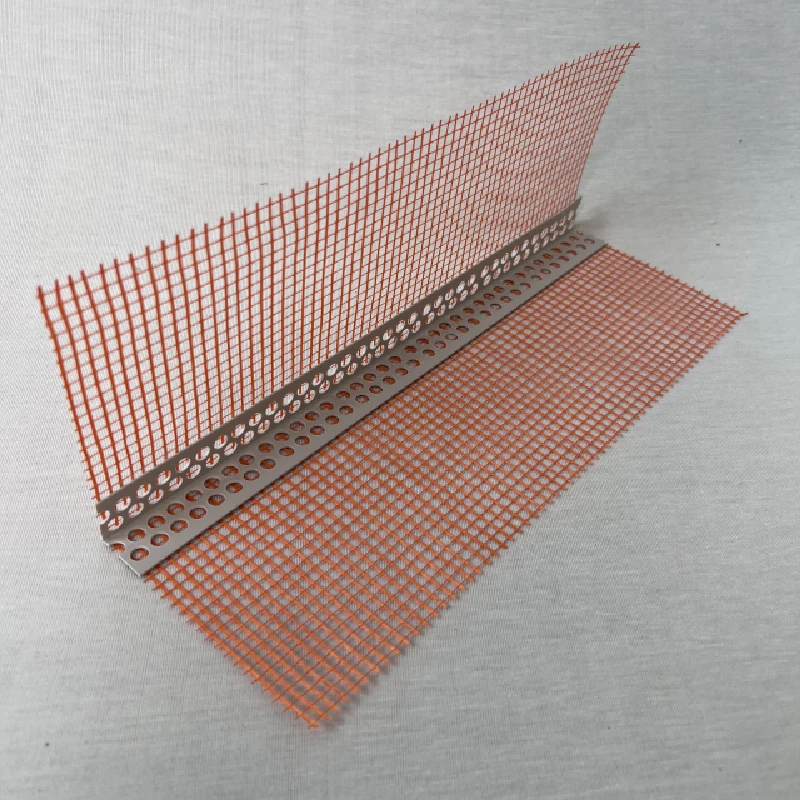
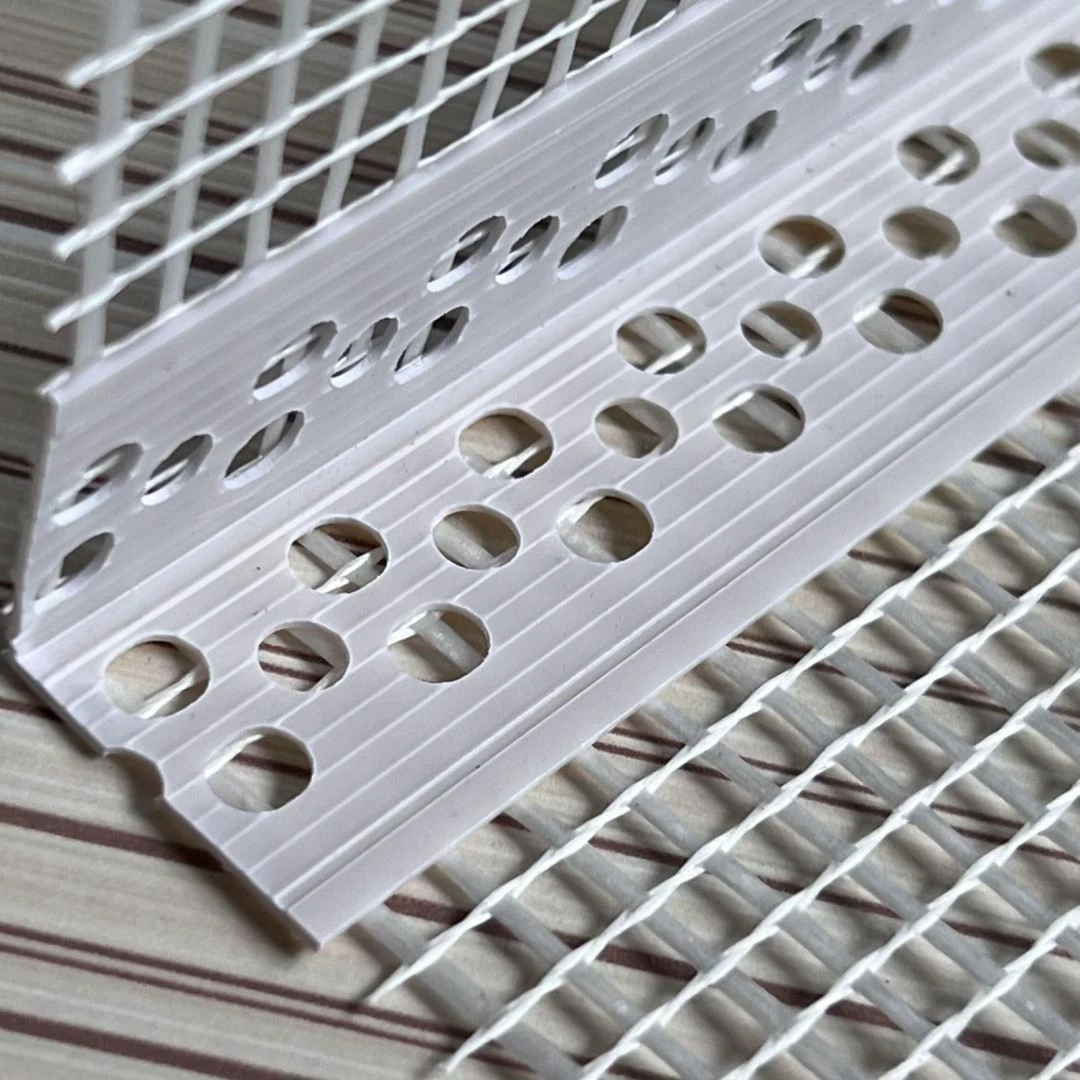
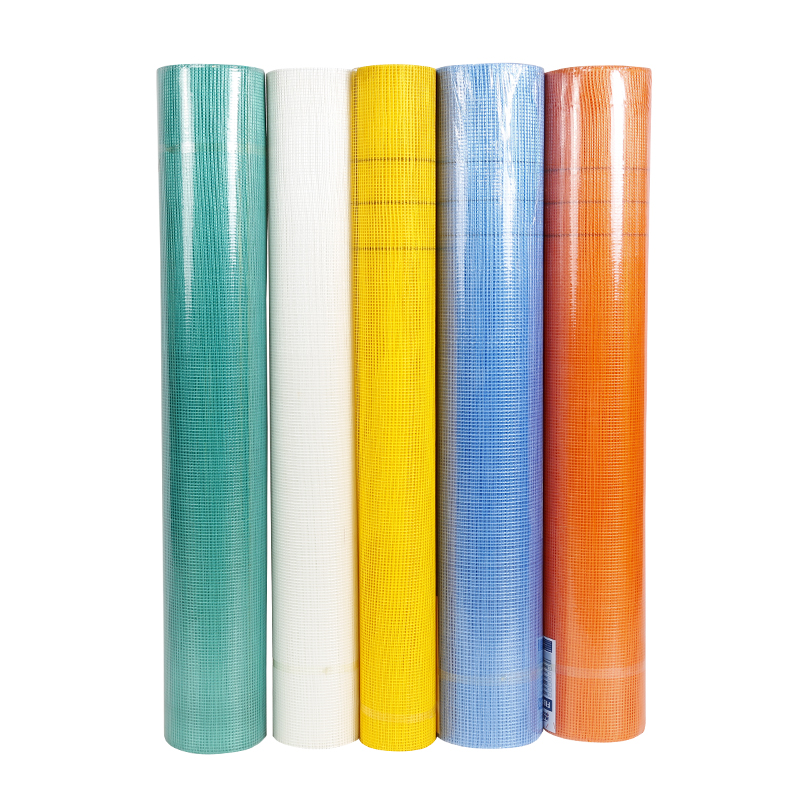
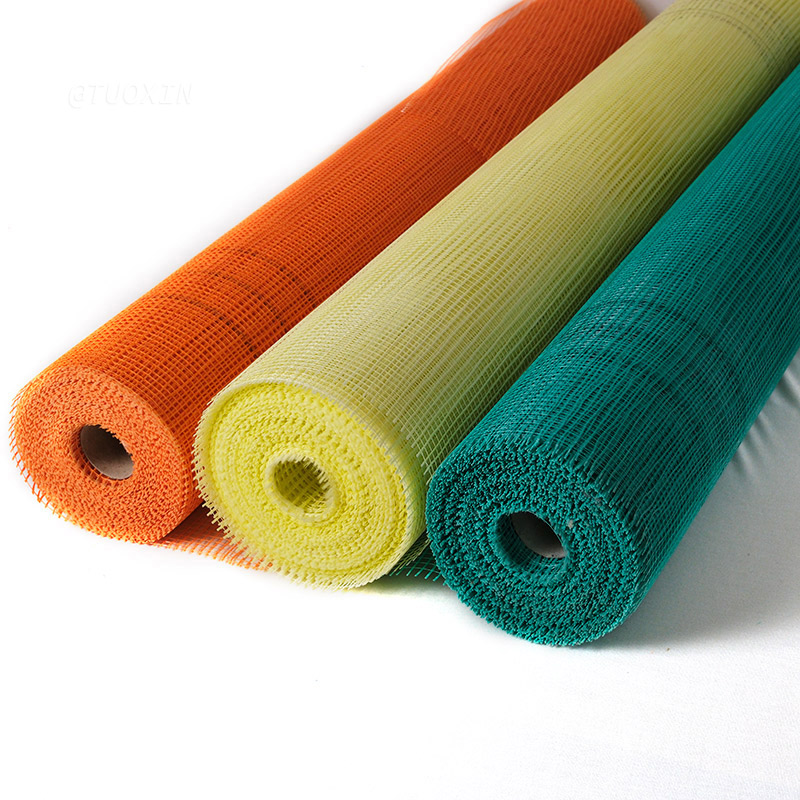
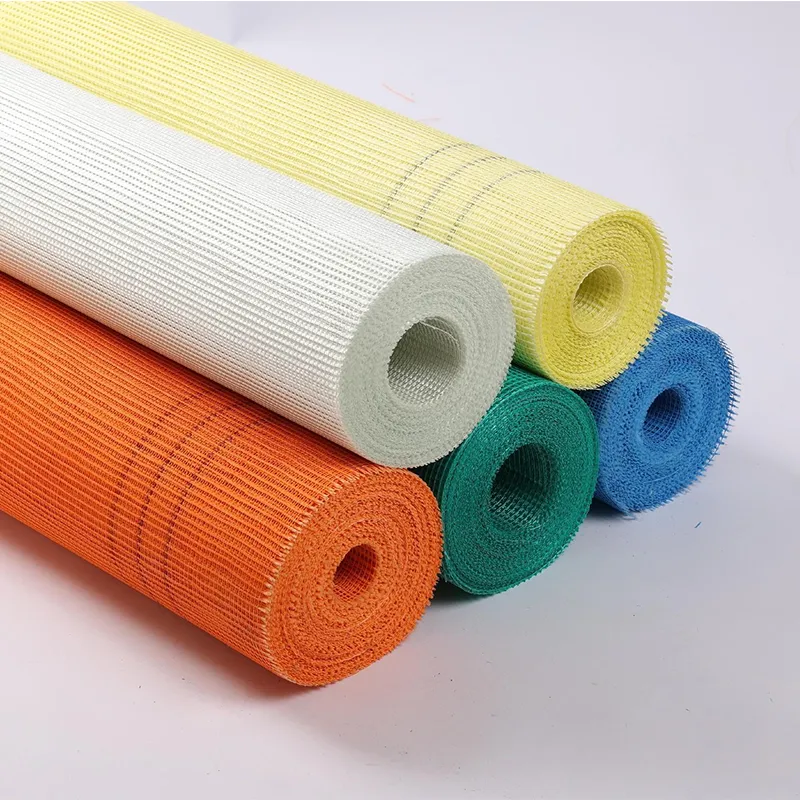
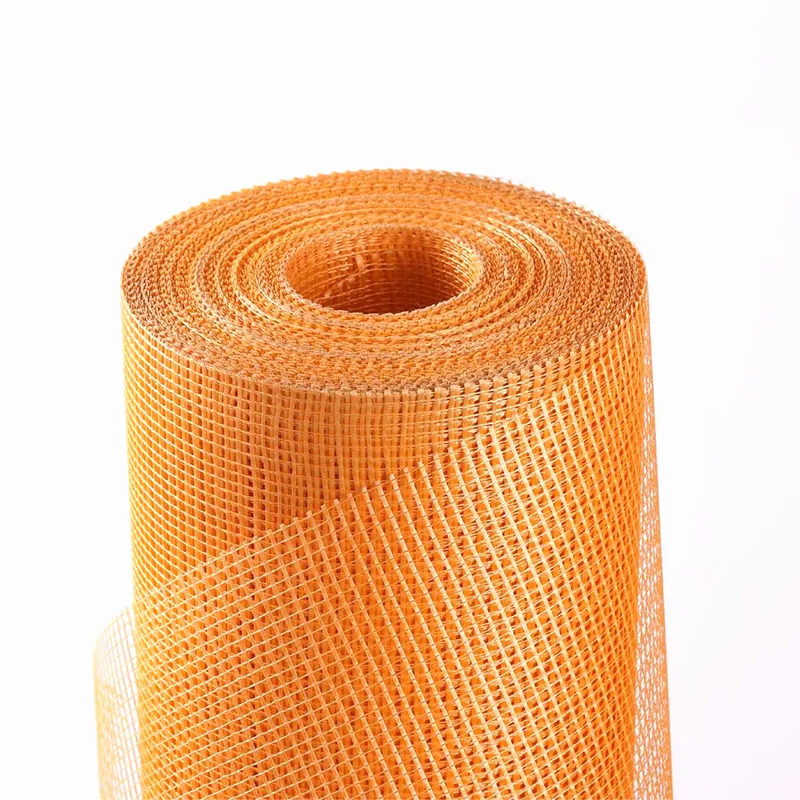
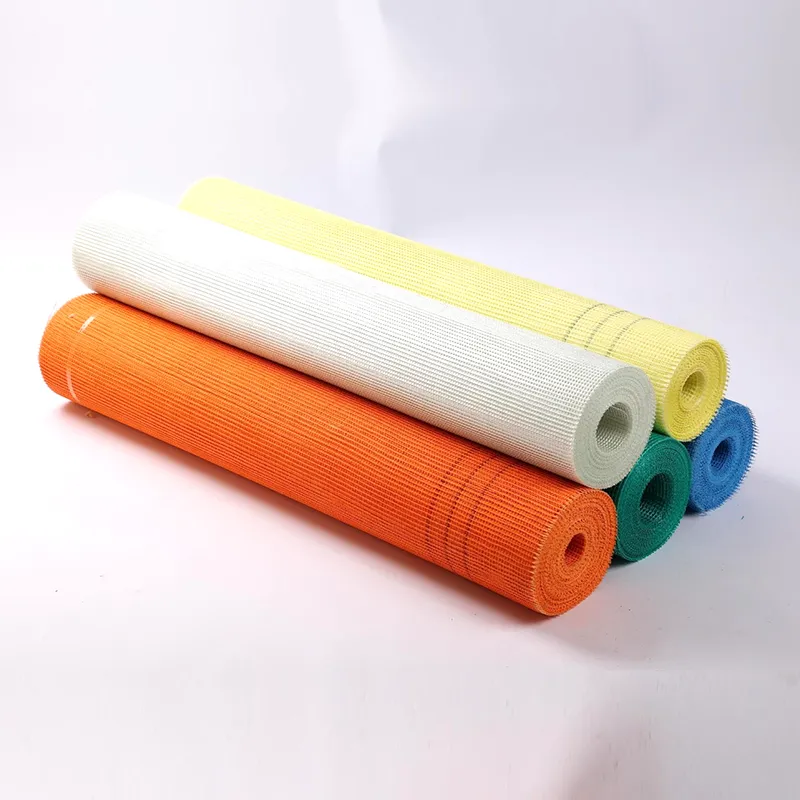
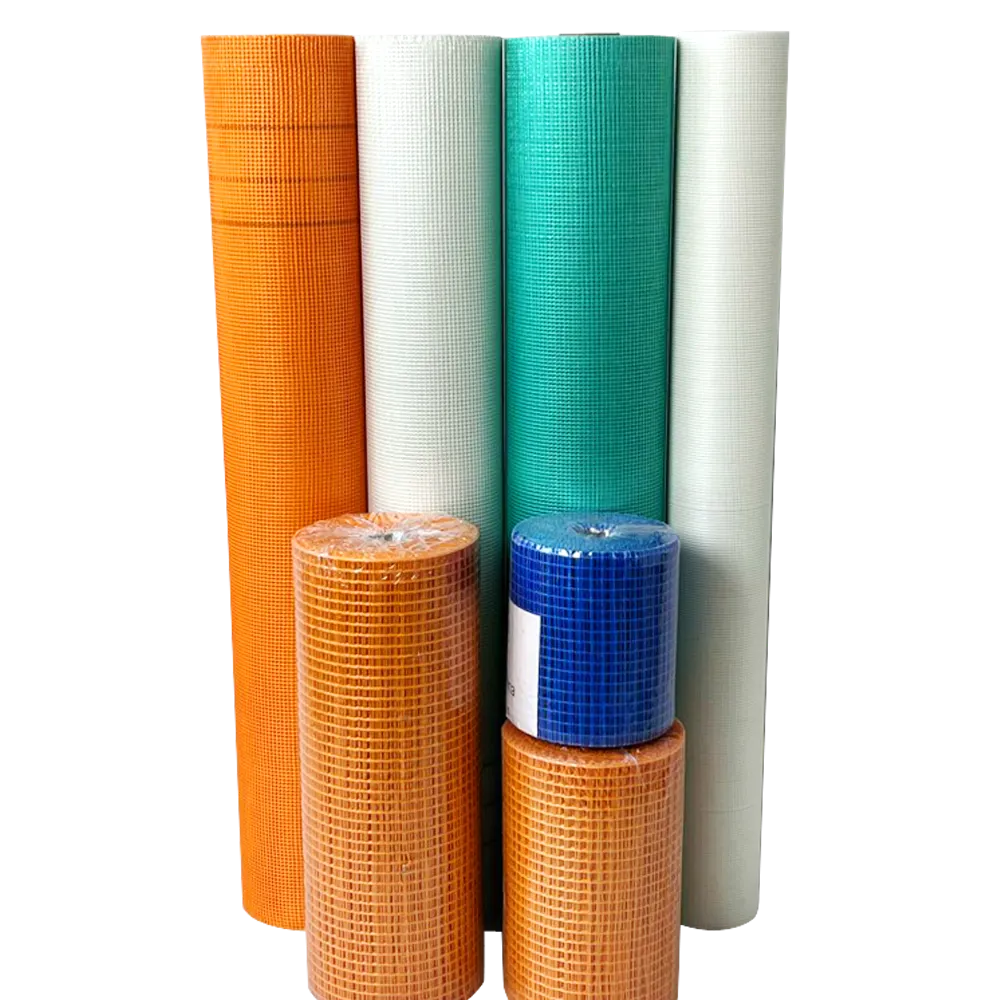
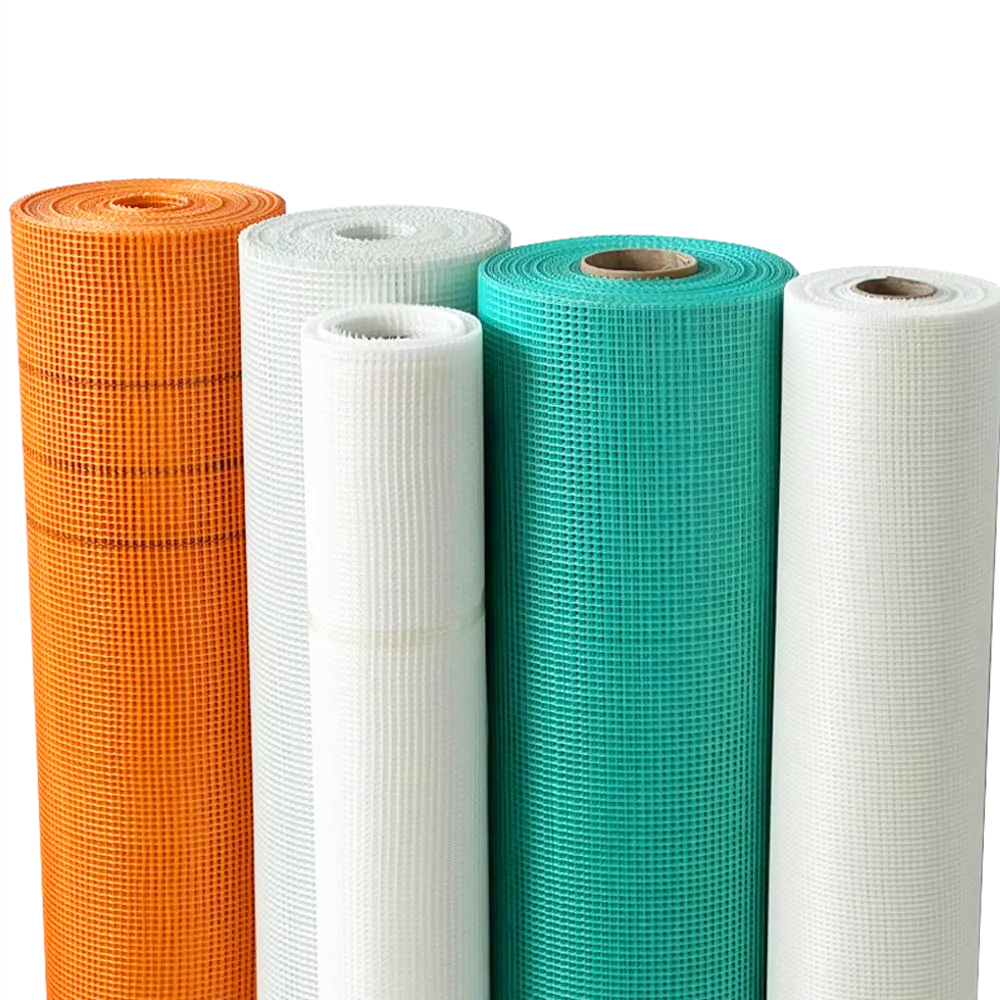
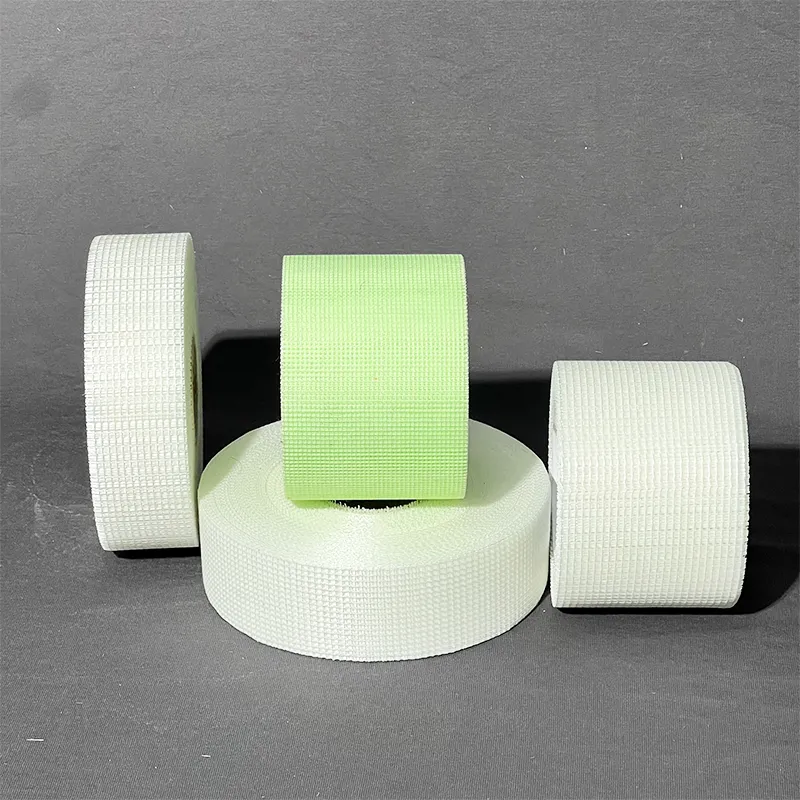
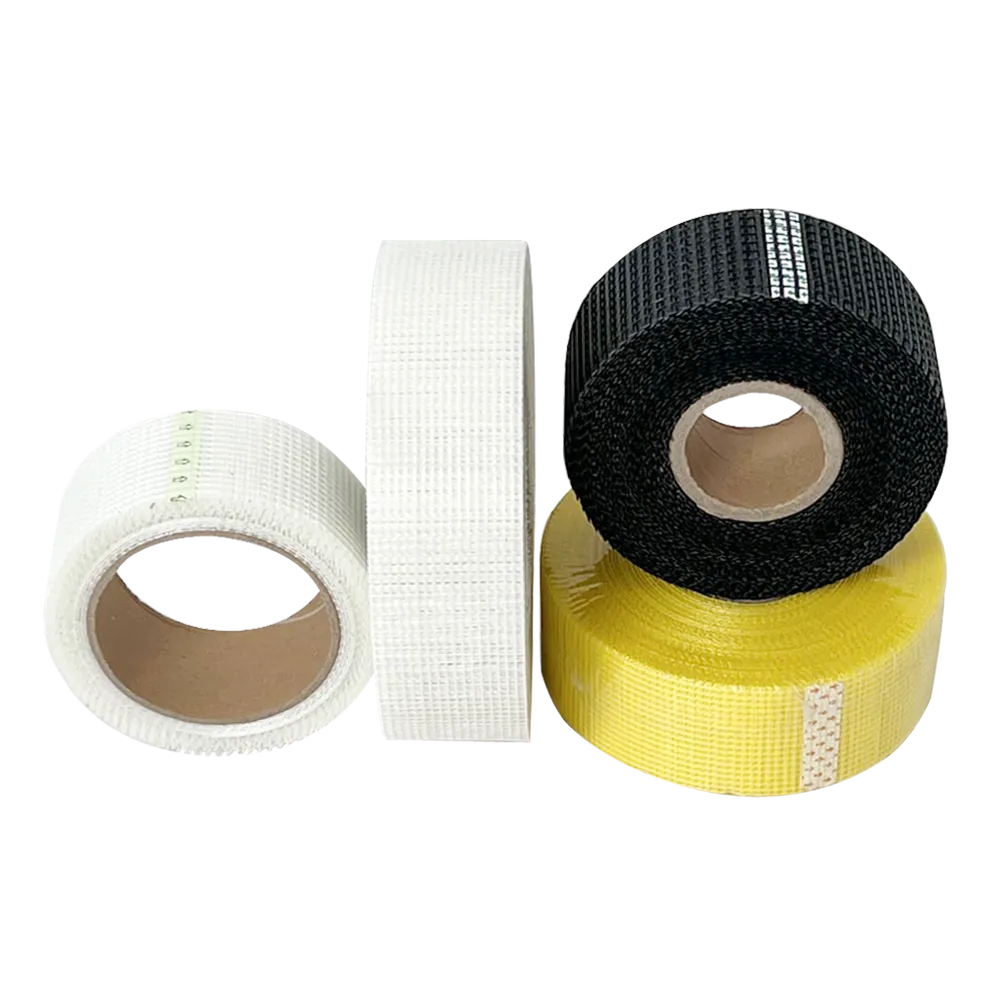
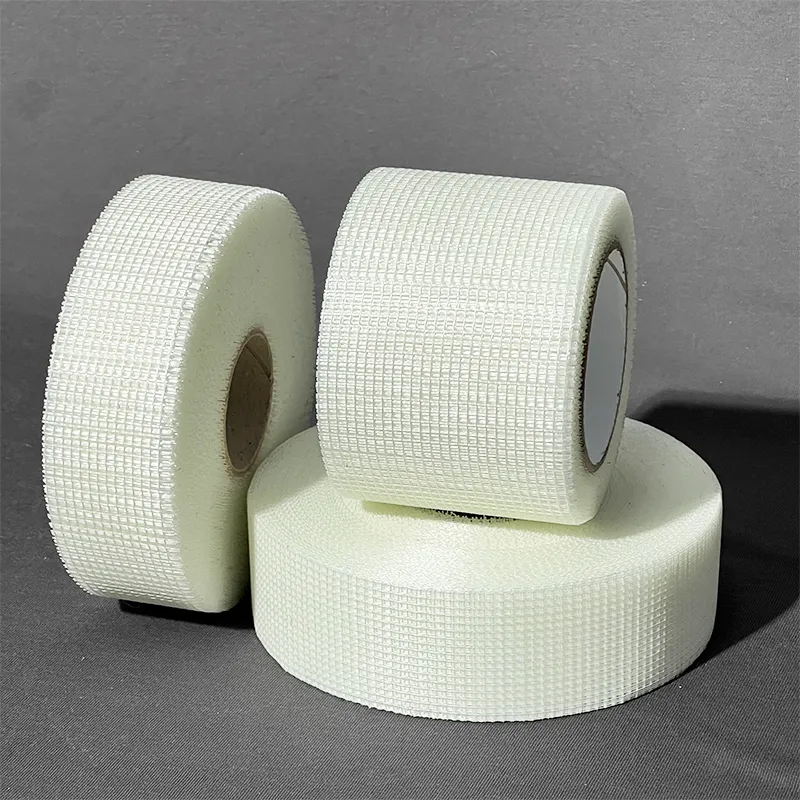
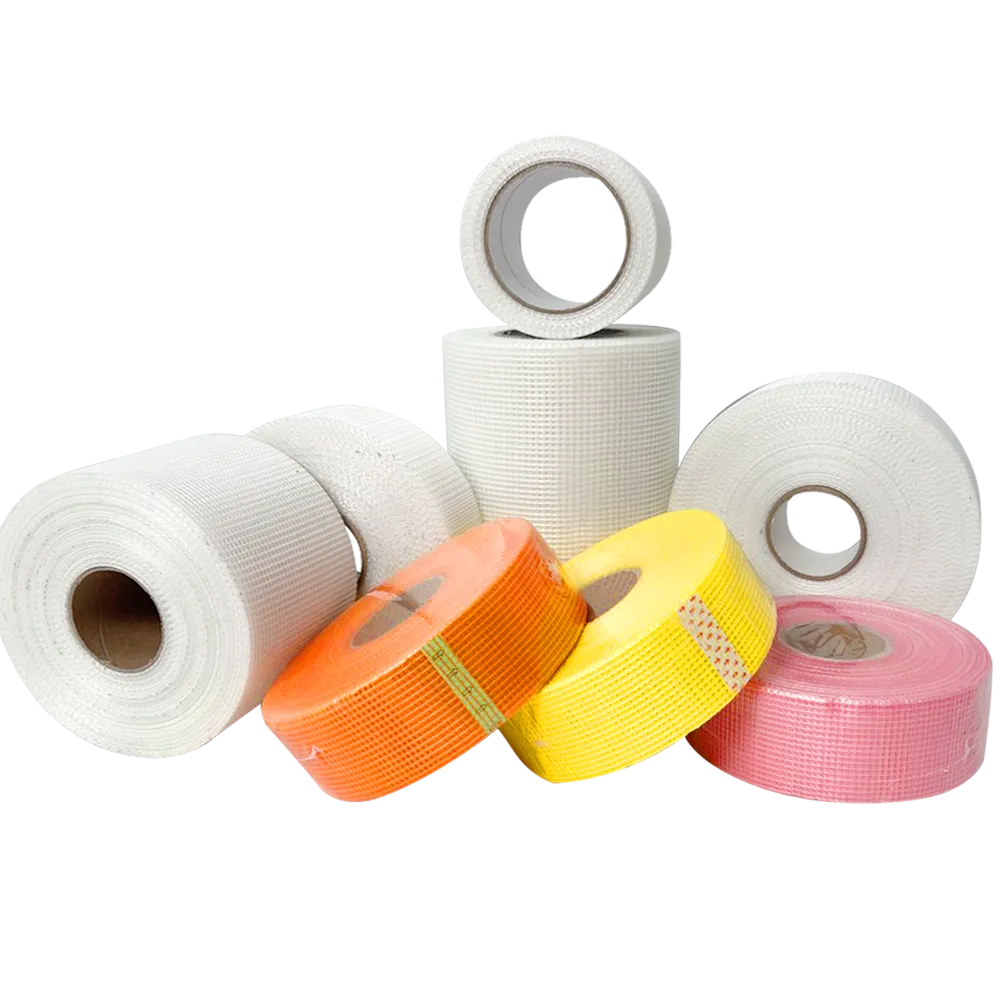
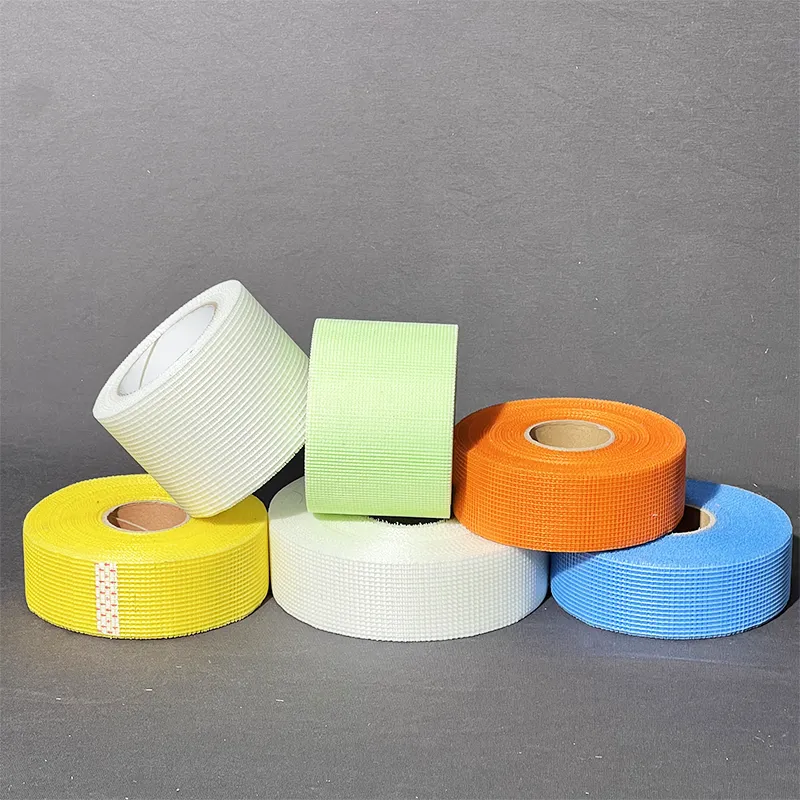
In plain terms, a plaster fiberglass mesh product is a woven or knitted material made from fine fiberglass strands, designed to embed within plaster or mortar layers. Think of it as a skeleton reinforcing a body — albeit invisible once applied. Unlike metal meshes, fiberglass doesn’t rust, and it's lighter yet still strong enough to prevent cracking and improve impact resistance.
The material connects traditional plastering methods to modern needs, proving especially vital in both civil engineering projects and humanitarian construction, like quick-build shelters.
Core Components and Key Features
Durability
Fiberglass mesh inherently resists alkali and corrosion, ensuring the plaster layer remains intact for years. It effectively distributes stresses, preventing fissures—a crucial factor in earthquake-prone or fluctuating environments.
Flexibility & Workability
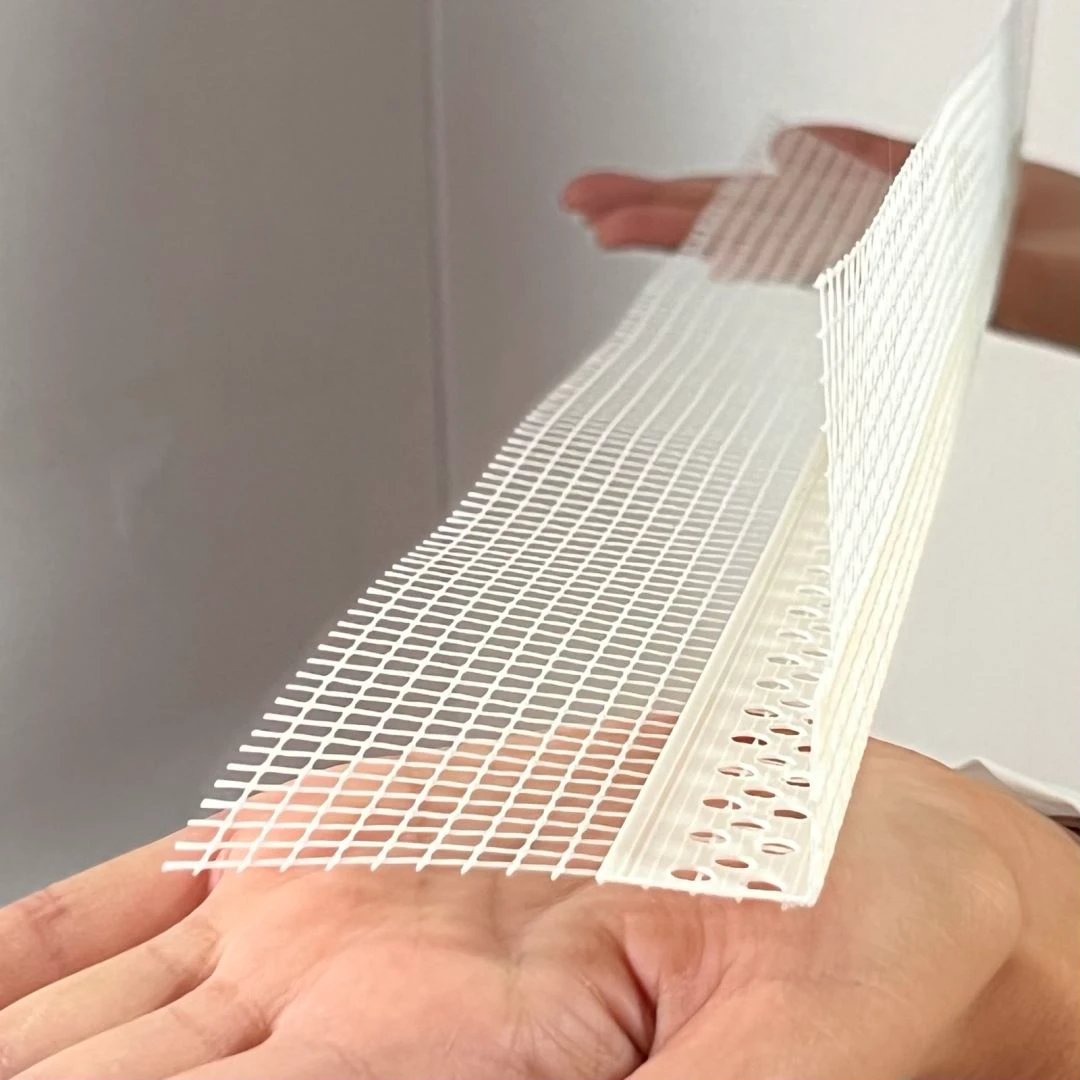
One of the reasons contractors love plaster fiberglass mesh products is their easy handling. The mesh can be cut and fitted with basic tools without fraying, which speeds up installation on uneven surfaces.
Cost Efficiency
Compared to alternatives (like metal lattices), fiberglass mesh is remarkably inexpensive over a building’s lifetime. Lesser repair needs mean fewer expenses down the road.
Fire Resistance
Fiberglass offers enhanced fire resistance, which is paramount in urban constructions where safety codes are increasingly strict.
Environmental Sustainability
Manufacturers are now developing eco-friendlier fiberglass resins and recycling programs. Plus, longer-lasting surfaces mean less waste—a silent but impactful green benefit.
Mini takeaway:
It feels like this product’s success hinges on a combination of strength, ease, and cost-effectiveness — no small feat in construction.
Real-World Uses Across the Globe
Plaster fiberglass mesh products aren’t just theoretical helpers; they perform crucial roles across various contexts:
- Post-disaster rebuilding: After earthquakes or floods in countries like Nepal or the Philippines, quick deployment of crack-resistant plaster meshes speeds up shelter repairs.
- Industrial facilities: In remote areas like Siberia or Canadian oil fields, these meshes ensure wall integrity in harsh climates.
- Residential and commercial buildings: Cities across Europe and the US increasingly mandate fiberglass mesh in facade renovations, reducing maintenance cycles and enhancing safety.
Comparison: Vendors Providing Fiberglass Mesh Products
| Vendor | Mesh Weight (g/m²) | Roll Size (m) | Price Range (USD) | Special Feature |
|---|---|---|---|---|
| Tainuo Fiberglass Mesh | 80–150 | 1 x 50 | $25–$40 | Alkali-resistant, eco-friendly resin |
| GlobalBuild Supplies | 100–120 | 1 x 60 | $30–$45 | Wide temperature range tolerance |
| EcoTex Mesh | 90–140 | 1.2 x 50 | $28–$42 | Recycled fiberglass content |
Advantages and Long-Term Benefits
Let’s be honest: the best products save money but also bring peace of mind. With plaster fiberglass mesh products, the tangible benefits are pretty compelling:
- Reduced cracking and maintenance: Less patchwork means fewer disruptions and saved labor costs.
- Enhanced structural safety: Improved load distribution builds trust with occupants, crucial for sensitive infrastructure.
- Eco-impact : Longer service life means less demolition waste.
- Comfort and aesthetics: Fiberglass mesh supports smooth, crack-free wall surfaces, keeping properties looking fresh.
On the emotional side, a reliable wall protects families, businesses, and communities from unexpected failures—which often means security and dignity in the face of harsh weather or aging.
Where the Market Is Heading: Trends & Innovations
What’s next for plaster fiberglass mesh products? Industry watchers point to growing use of bio-resins and digital manufacturing techniques to enhance product customization. Smart meshes embedded with sensors—to detect stresses or early damage—are no longer sci-fi.
Also, green building certifications increasingly reward using materials that improve energy efficiency and longevity, so expect higher specifications for alkali resistance, fire retardance, and recyclability.
Challenges Along the Way and Smart Solutions
No product is a silver bullet, and fiberglass mesh products have their quirks. For example, inconsistent installation techniques can reduce effectiveness. Also, cost competition means suppliers sometimes cut corners.
Expert advice? Prioritize quality-certified products, train installers properly, and insist on mesh specifications tailored to your climate and structure type. Some vendors now offer on-site training or digital tutorials, which can be a game changer.
Quick FAQ: Plaster Fiberglass Mesh Products in Practice
- Q: How long does plaster fiberglass mesh typically last embedded in walls?
- A: With proper installation, it can last for decades—often exceeding 30 years—because fiberglass resists corrosion and alkali damage.
- Q: Can plaster fiberglass mesh be used outdoors or only indoors?
- A: Absolutely, it’s designed for both. Outdoor use requires alkali-resistant types to combat weathering, which most commercial meshes include.
- Q: Is it difficult to cut or handle plaster fiberglass mesh onsite?
- A: Not at all. The mesh is flexible and can be cut with regular scissors or knives without fraying, which makes installation smooth.
- Q: How does the mesh improve fire resistance in walls?
- A: Fiberglass won’t burn or melt easily and adds a layer that slows heat transmission—helping meet stricter fire codes.
- Q: What should I look for when choosing a plaster fiberglass mesh product supplier?
- A: Check for quality certifications (like ISO 9001), material specs (alkali-resistance), and positive user reviews. Also see if they provide technical support or training.
Wrapping It Up: Why This Product Should Be on Your Radar
To sum up, the plaster fiberglass mesh product isn’t just a component — it’s part of the backbone supporting modern construction’s move toward durability, safety, and sustainability. Whether you’re a builder in a cold region or an NGO setting up emergency housing, the right mesh can save both money and heartache.
Curious to explore the latest innovations or find reliable suppliers? Visit https://www.tainuofiberglassmesh.com for detailed product info, certifications, and expert guidance.
Product Specifications at a Glance
| Specification | Details |
|---|---|
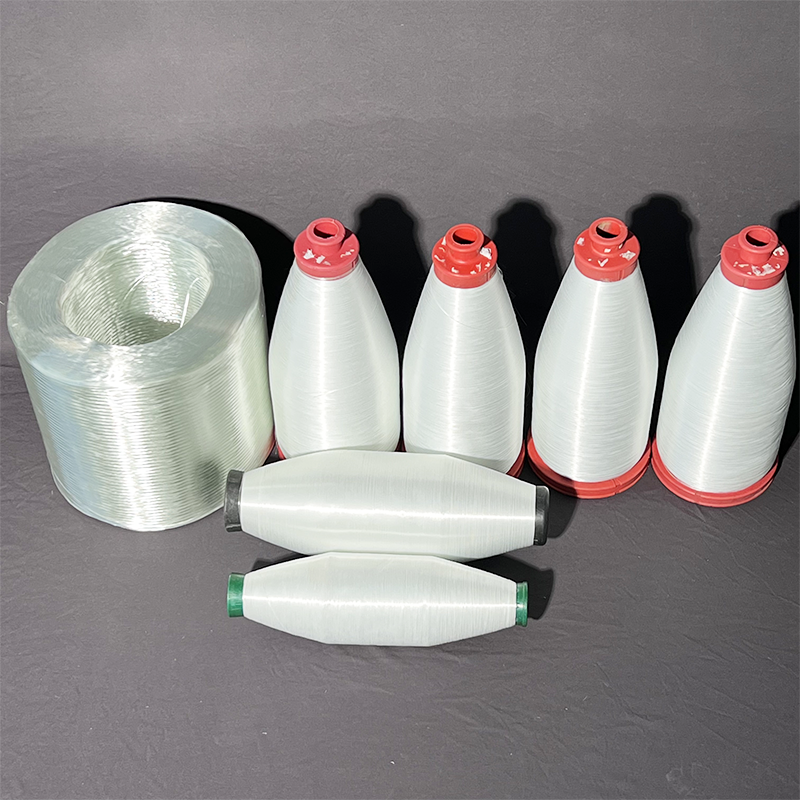
| Material | Fiberglass yarn with alkali-resistant coating |
| Weight Range | 80–150 g/m² |
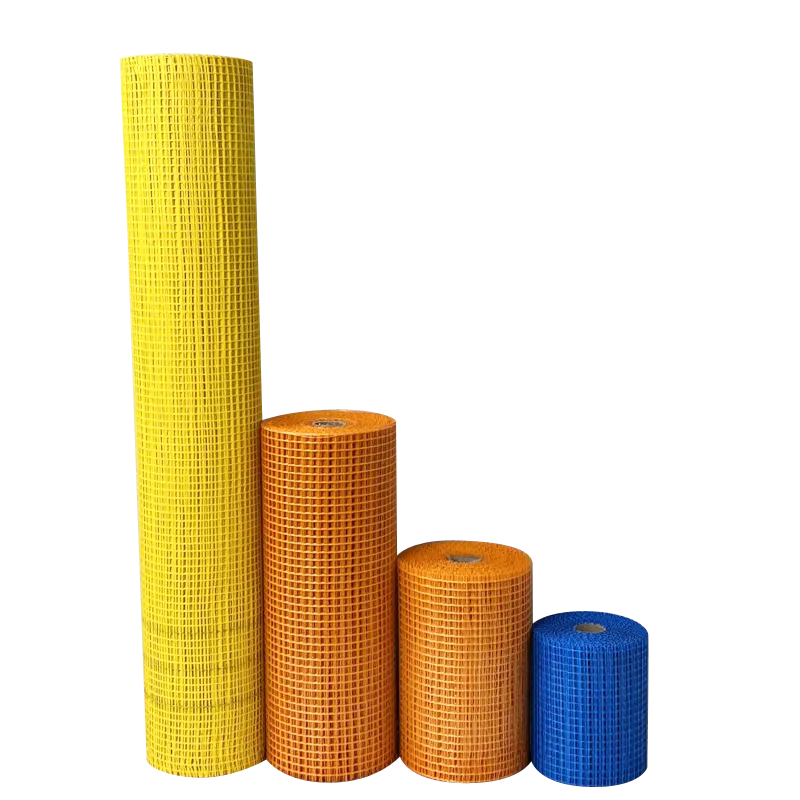
| Roll Width | 1.0 or 1.2 meters |
| Roll Length | 50 meters standard |
| Fire Rating | Class A (non-combustible) |
| Temperature Resistance | -40°C to +130°C |
Final thoughts
In a fast-evolving construction world, simple materials like plaster fiberglass mesh products quietly but firmly hold the line. They’re sort of unsung heroes—never flashy, but pretty much essential. Keep an eye out for how their role grows with building technologies and sustainability demands.
References:
-
Best Fiberglass Mesh Tape for RedGard Product Waterproofing GuideNewsApr.16,2026
-
Why High Strength Fiberglass Mesh Is Essential For Stucco ApplicationNewsApr.15,2026
-
Why Alkali Resistant Fiberglass Mesh Tape Is Essential For Cement Board And Tile InstallationsNewsApr.15,2026
-
Understanding The Role Of Drywall Fiberglass Mesh In Interior FinishingNewsApr.15,2026
-
Ultimate Guide To Using Fiberglass Mesh Tape For Drywall And Plaster RepairsNewsApr.15,2026
-
The Versatility Of Fiberglass Mesh In Marble And Stone MosaicNewsApr.15,2026