Nov . 27, 2025 20:55 Back to list
High-quality Plaster Fiberglass Mesh Factory – Durable, Scalable & Eco-Friendly Mesh Solutions
Understanding the Importance of a Plaster Fiberglass Mesh Factory
If you’re in the construction or renovation business, you’ve likely come across plaster fiberglass mesh as a reliable go-to material. But what exactly happens behind the scenes at a plaster fiberglass mesh factory? And why does it matter so much globally? To put it simply, these factories manufacture the tough, lightweight mesh that reinforces plaster, preventing cracks and wear—key for building longevity.
Globally, the demand for durable construction materials has skyrocketed. According to ISO construction standards, materials that enhance building sustainability and safety are essential for urban expansion and disaster resilience. Plaster fiberglass mesh factories play a pivotal role here, producing material that’s not only strong and flexible but also resistant to mold, heat, and corrosion. Understanding these factories can help architects, builders, and supply chain managers grasp how modern buildings withstand environmental pressures.
Mini takeaway: Behind every sturdy plastered wall, there’s an often-overlooked fiberglass mesh carefully fabricated in specialized factories—these sites are foundational for the durability and safety of modern structures worldwide.
Global Significance: Why Plaster Fiberglass Mesh Production Matters
Over the last decade, the construction sector has seen a steady push for materials that reduce waste, resist natural elements, and boost energy efficiency. Data from the World Bank shows that the global construction industry is expected to reach nearly $15 trillion by 2030.
Given this scale, a plaster fiberglass mesh factory is not just any production site; it’s a critical node in an immense supply chain. These factories address several persistent challenges:
- Minimizing cracking in plaster finishes, which reduces costly repairs.
- Enhancing fire resistance and thermal insulation inside buildings.
- Supporting rapid rebuilding in disaster-prone regions.
- Providing cost-effective, lightweight materials that reduce transport emissions.
In short, the rising global urbanization trend demands resilient materials, and these factories ensure the supply matches this growing need.
Mini takeaway: A plaster fiberglass mesh factory is far from niche — it’s a linchpin in the construction sector’s push toward sustainability and durability.
What Is a Plaster Fiberglass Mesh Factory?
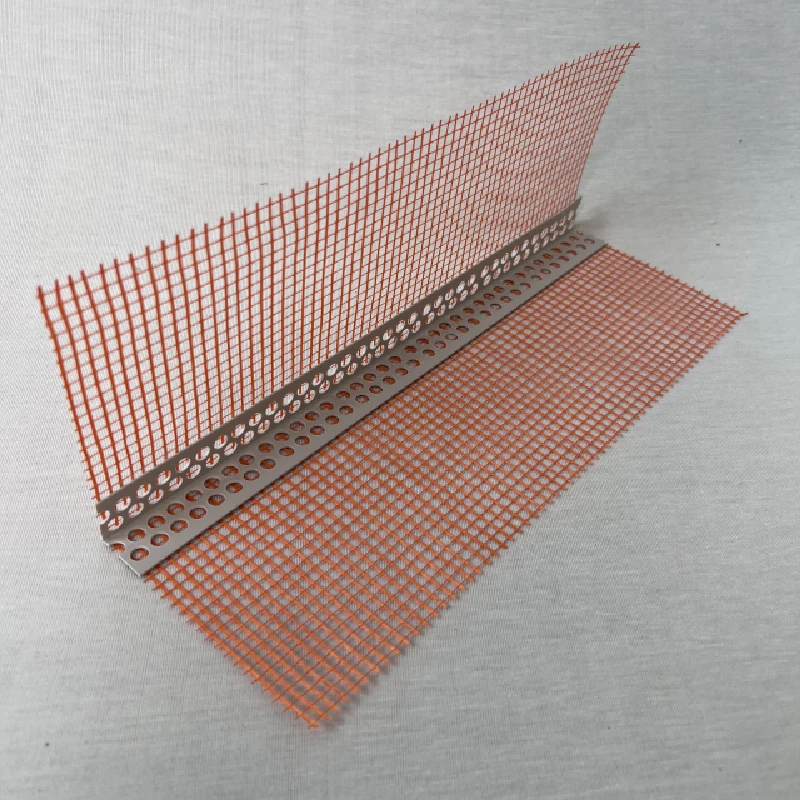
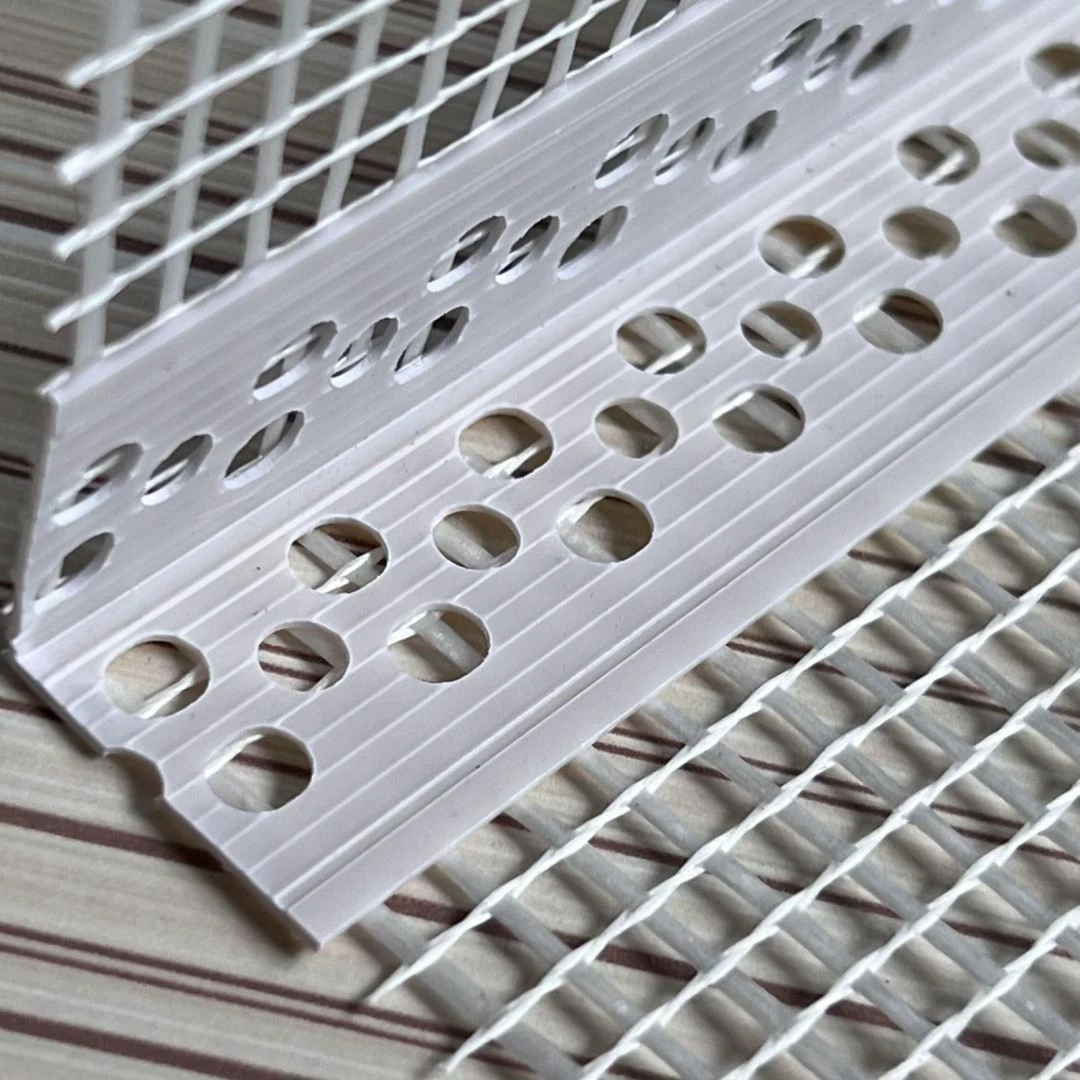
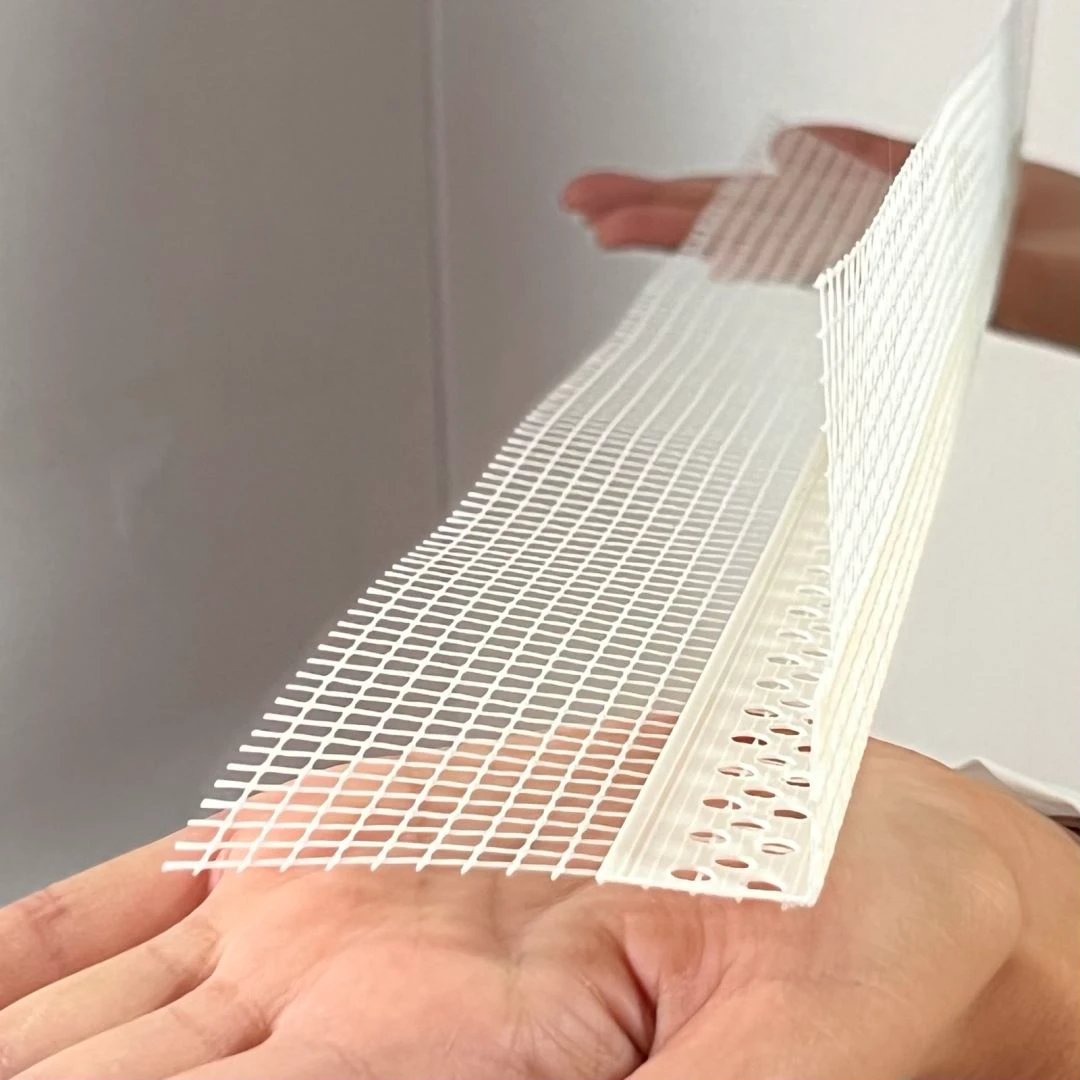
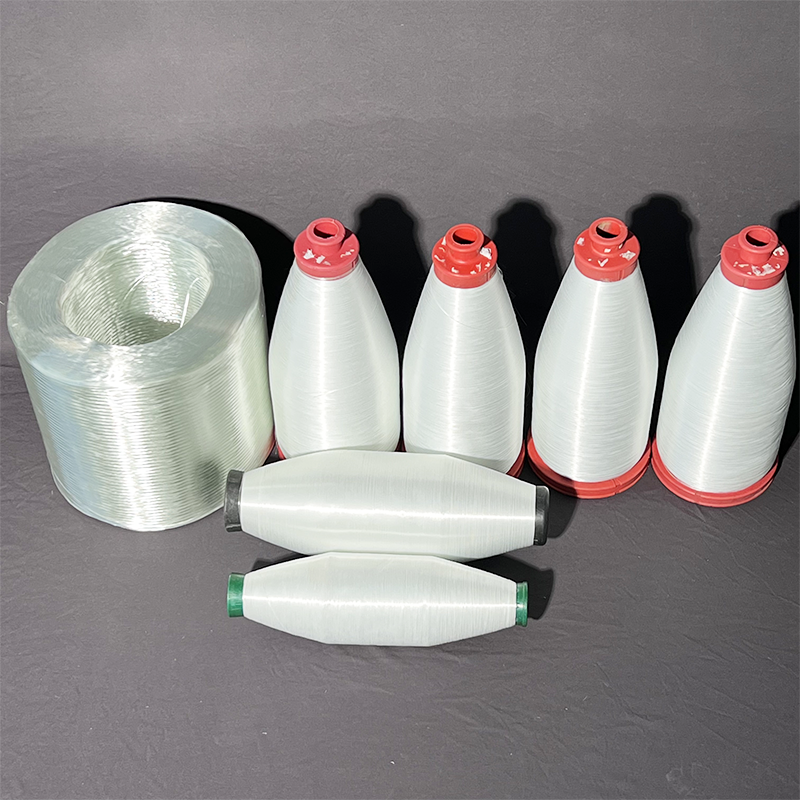
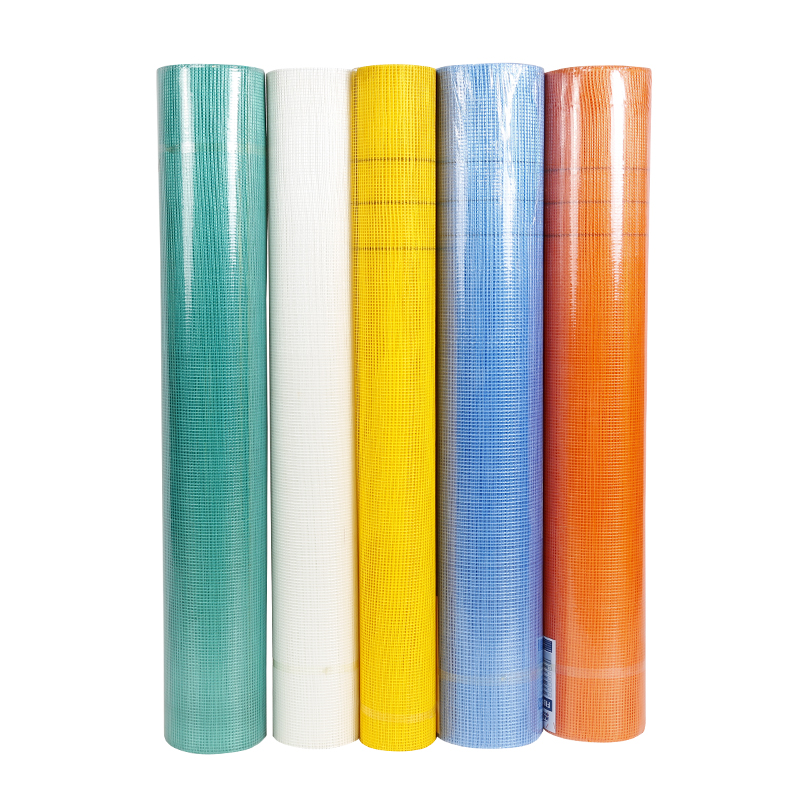
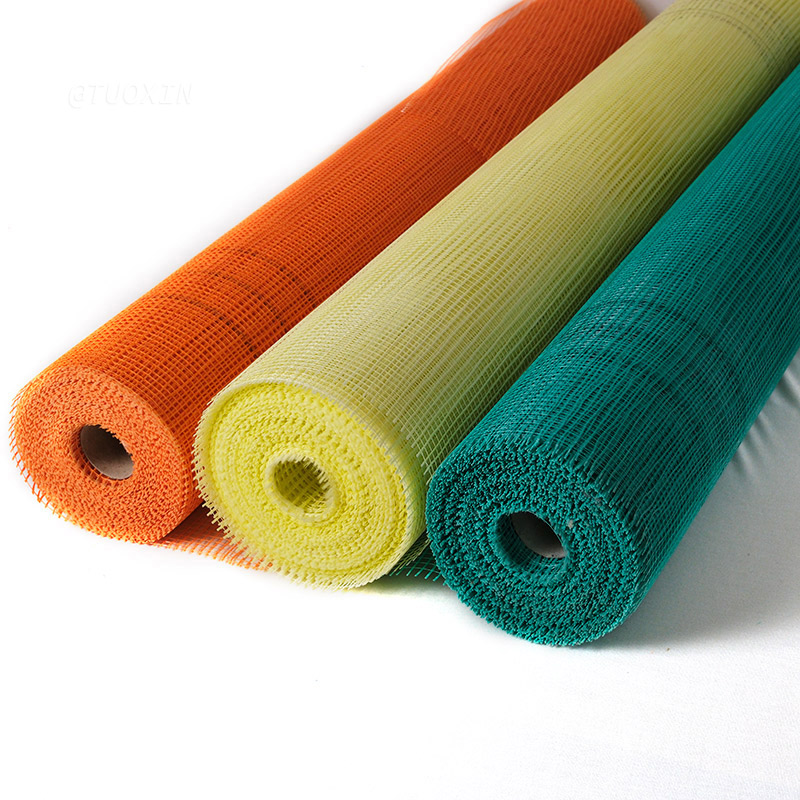
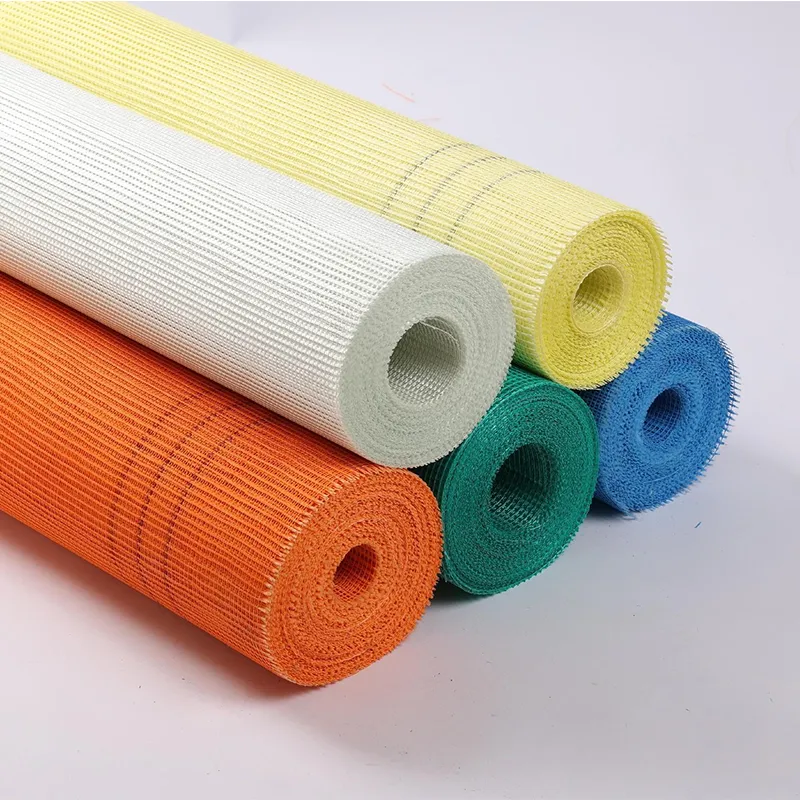
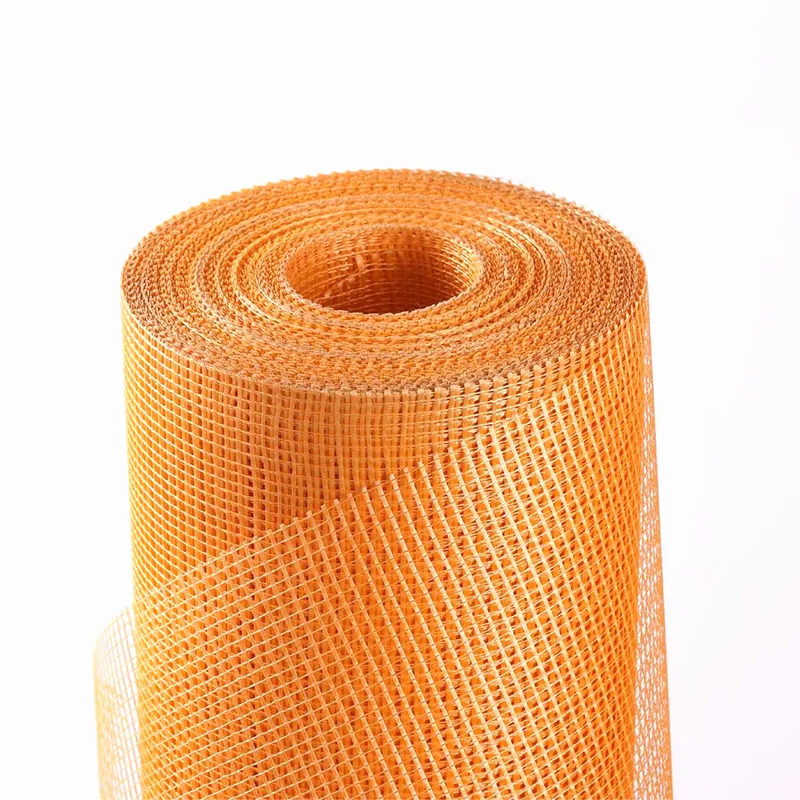
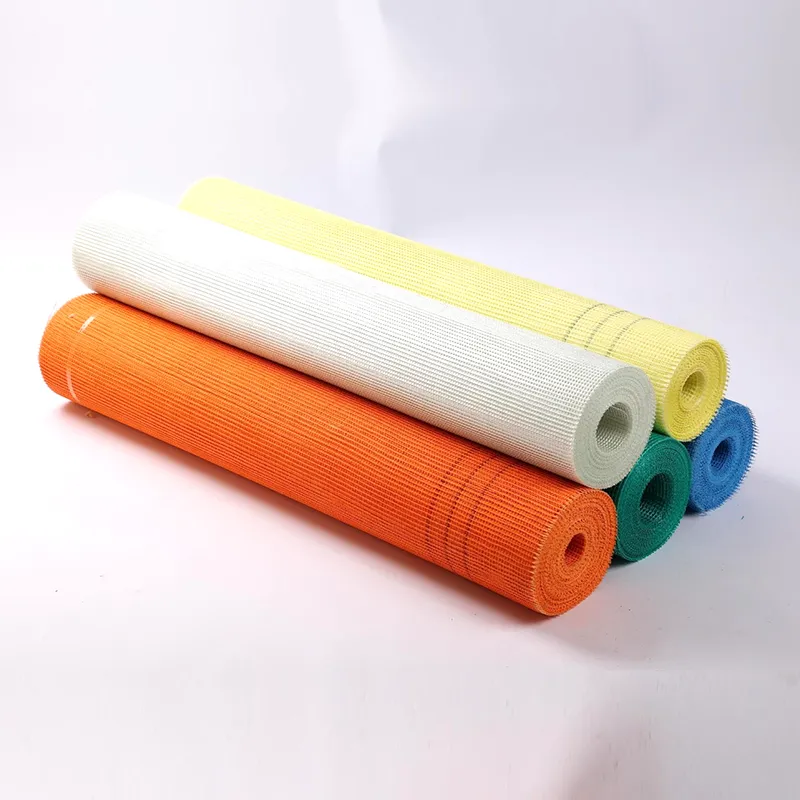
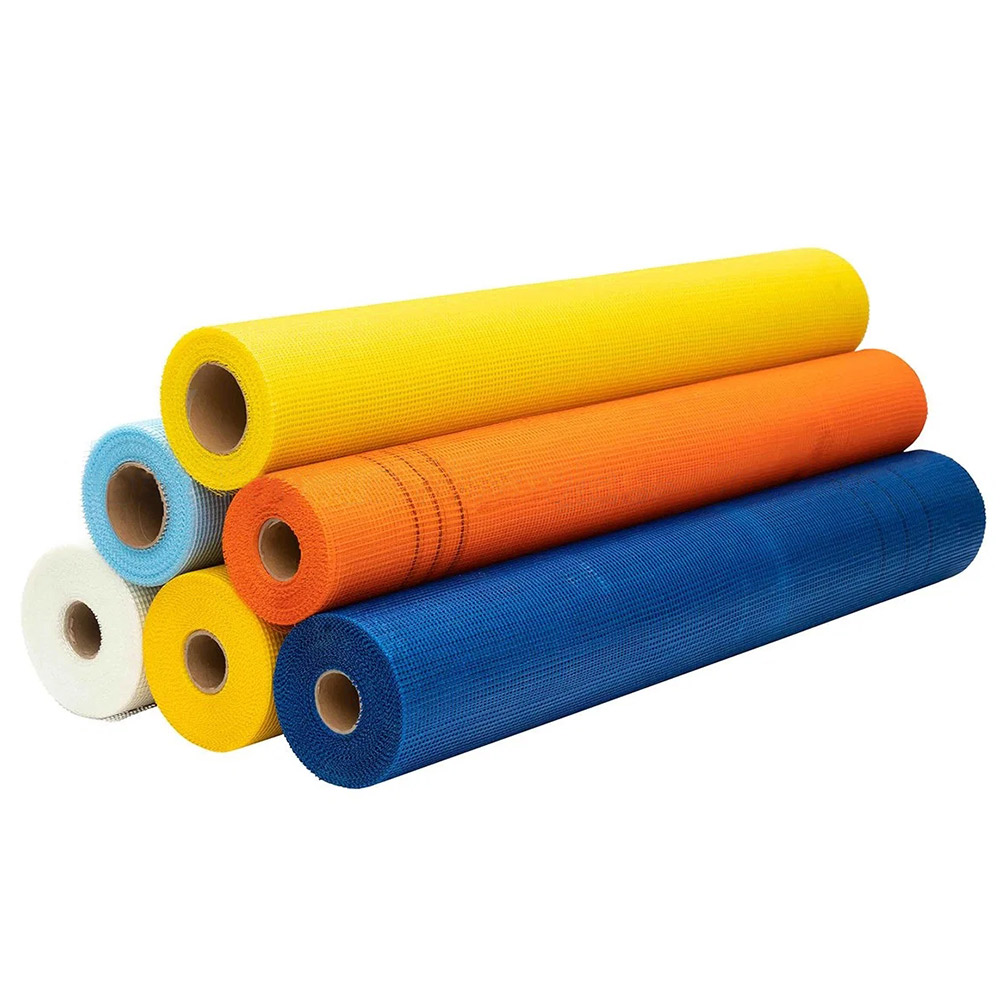
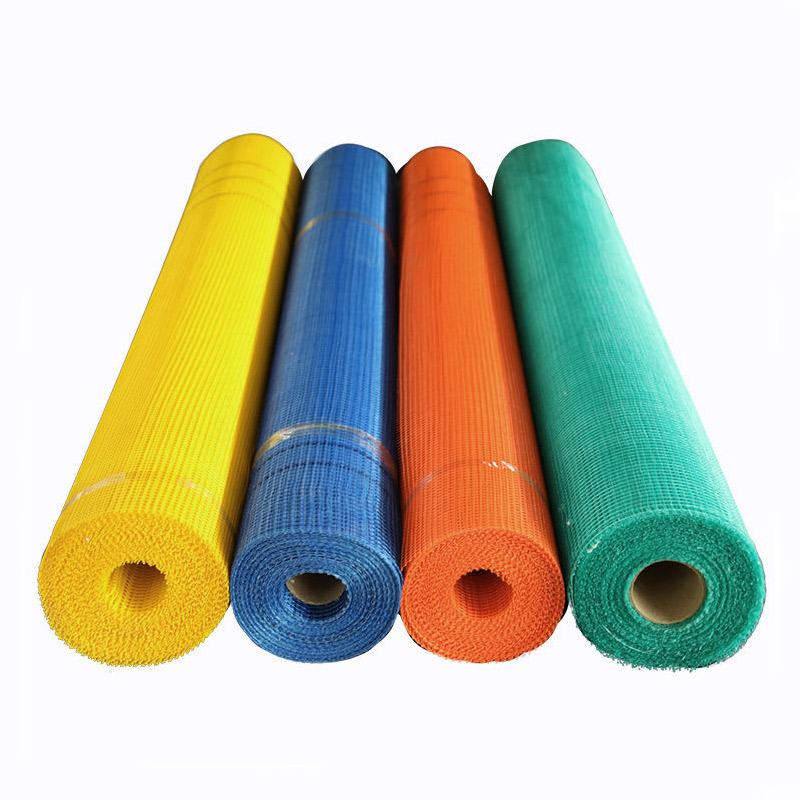
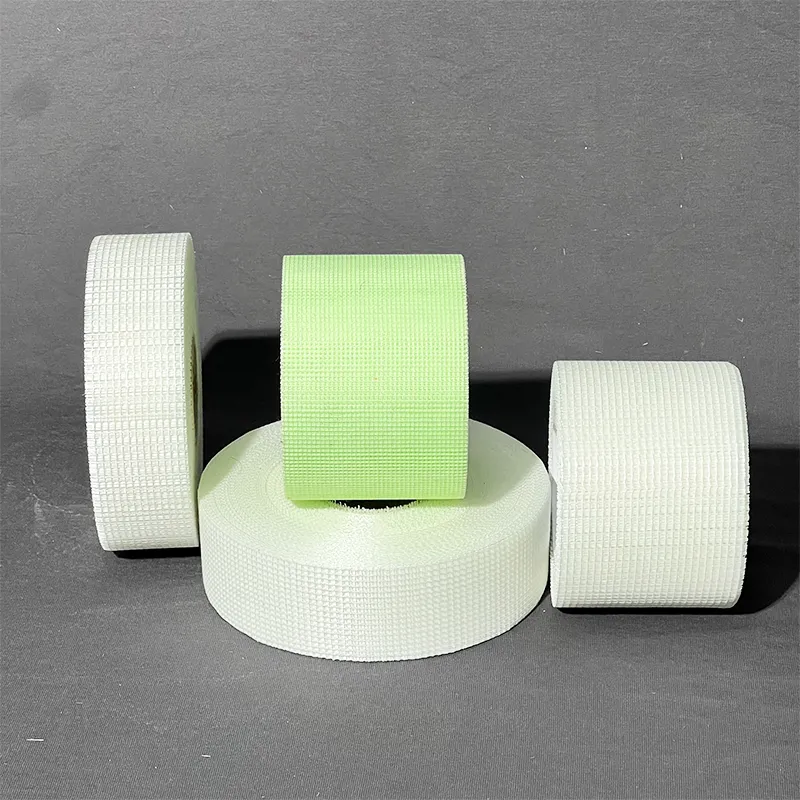
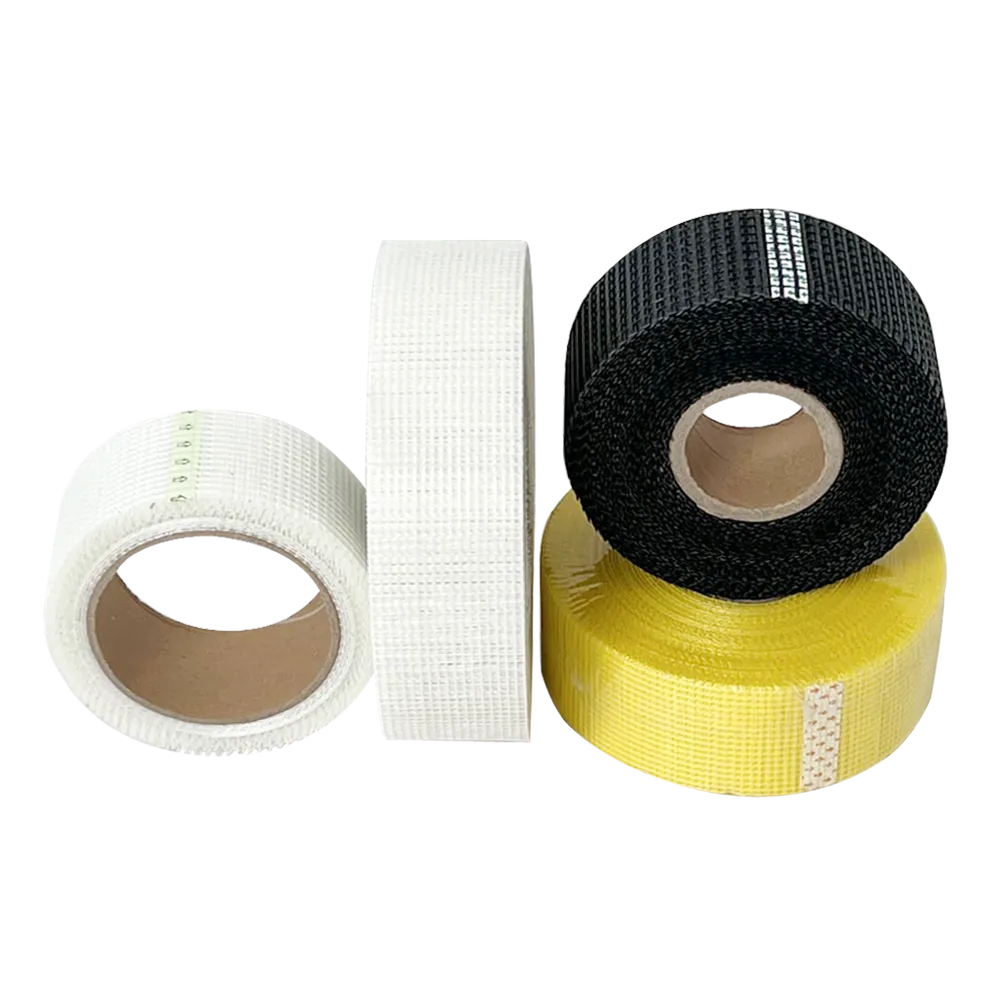
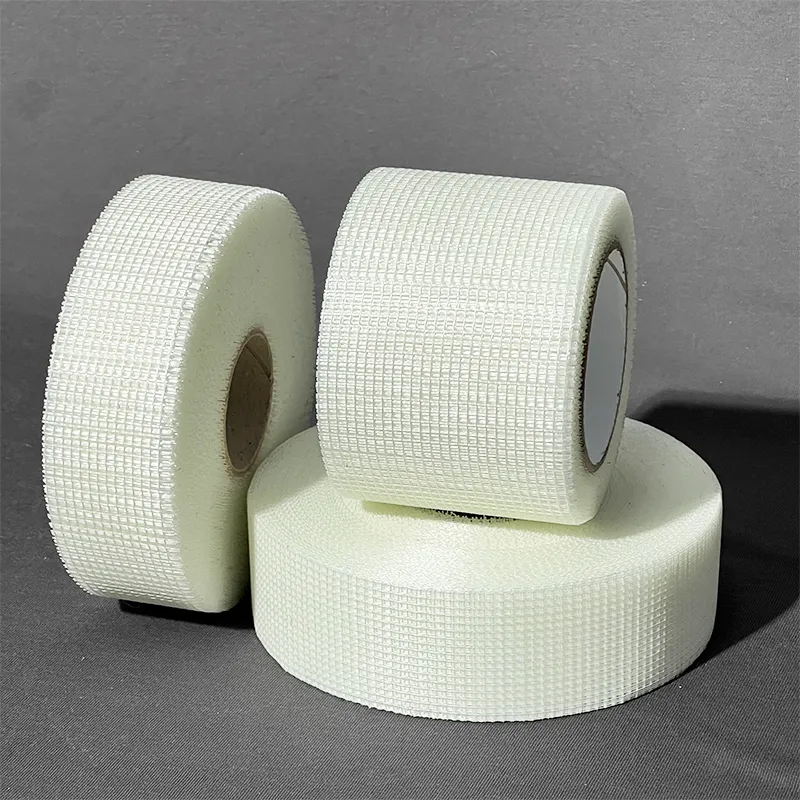
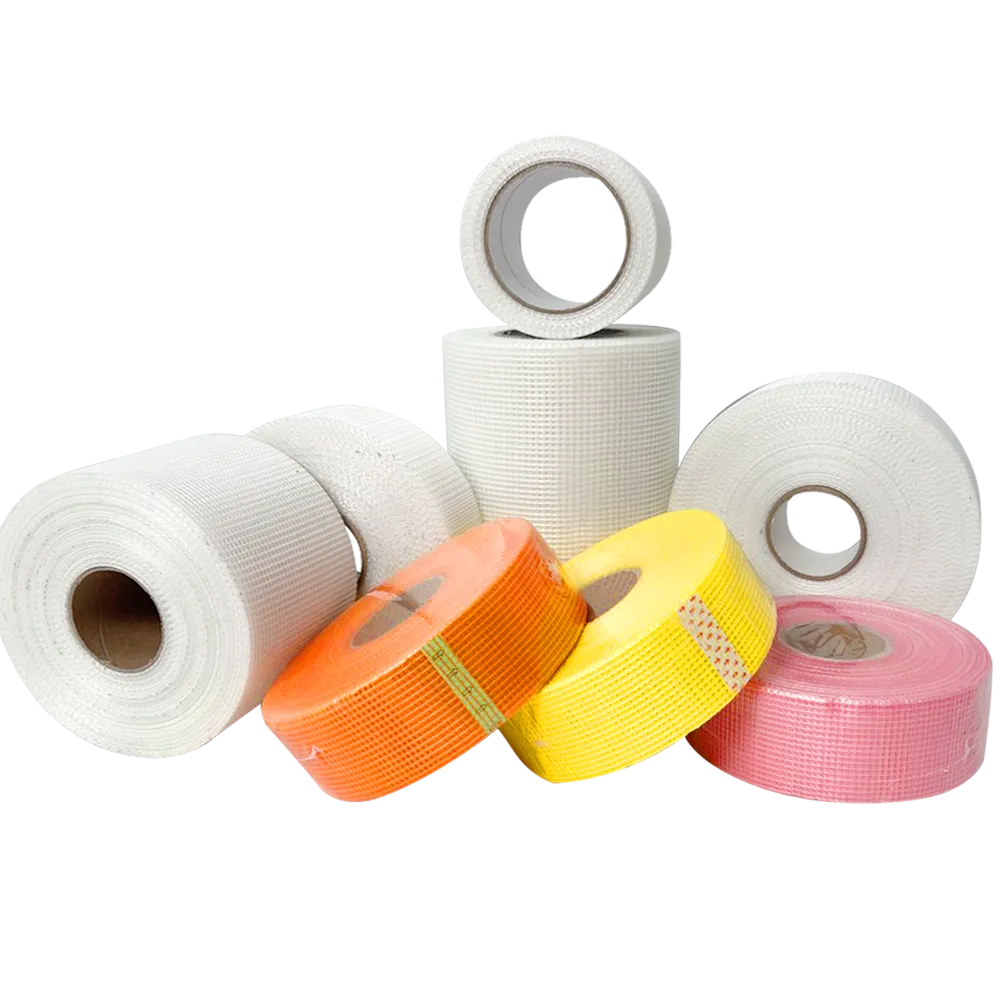
At its core, a plaster fiberglass mesh factory transforms raw fiberglass fibers into woven, sometimes coated mesh roll stock designed to strengthen plaster or stucco finishes. Fiberglass strands are drawn, spun, and woven together under strict quality controls. Then, coatings – often PVC-based – may be added for extra resistance against alkalinity and moisture.
These factories bridge modern material science and practical building needs. They address a simple but important question: how can plaster, which is usually brittle and prone to cracking, be reinforced effectively? The answer lies in this mesh, and the factories that make it play an essential role that stretches from commercial high-rises to humanitarian shelter kits.
Core Components to Consider in a Plaster Fiberglass Mesh Factory
1. Durability & Strength
Fiberglass mesh must be strong yet flexible enough to mold to various wall shapes. The factory’s weaving techniques and fiber quality ultimately determine crack resistance and lifespan once installed.
2. Coating Technology
Many factories use PVC or other polymer coatings to give mesh resistance to water, alkalis, and UV. This step is crucial in enhancing long-term performance on plastered surfaces.
3. Scalability of Production
Given global demand, a modern factory should efficiently scale production without compromising quality—think continuous line weaving and automated inspections.
4. Customization
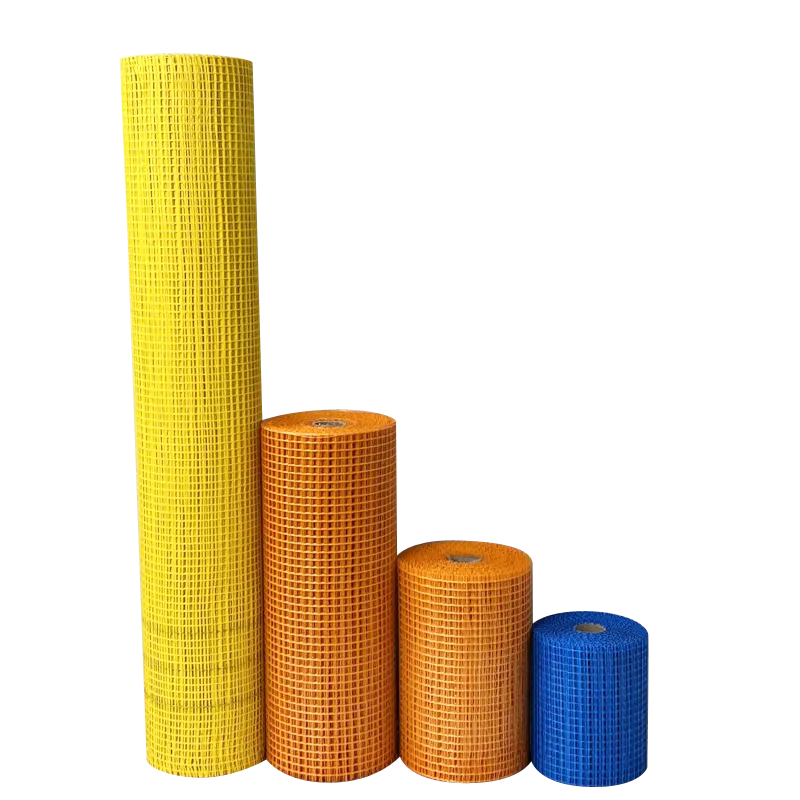
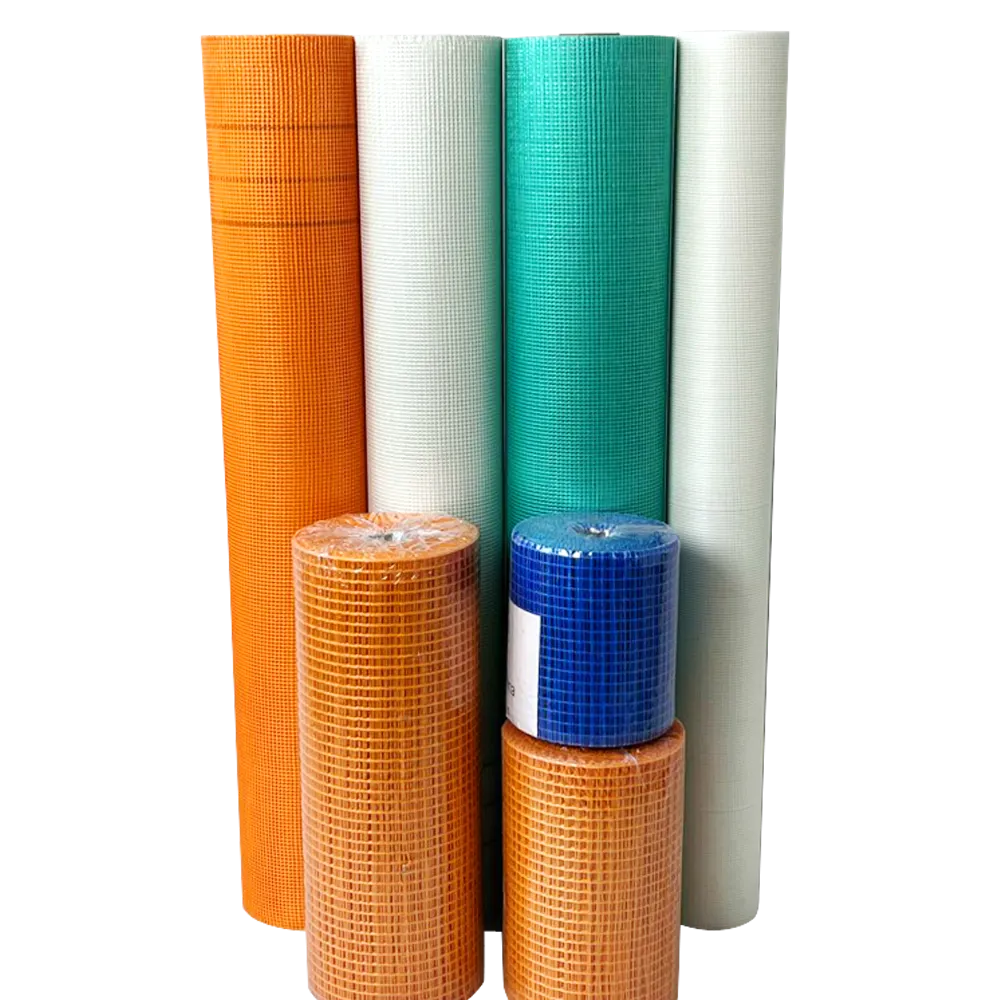
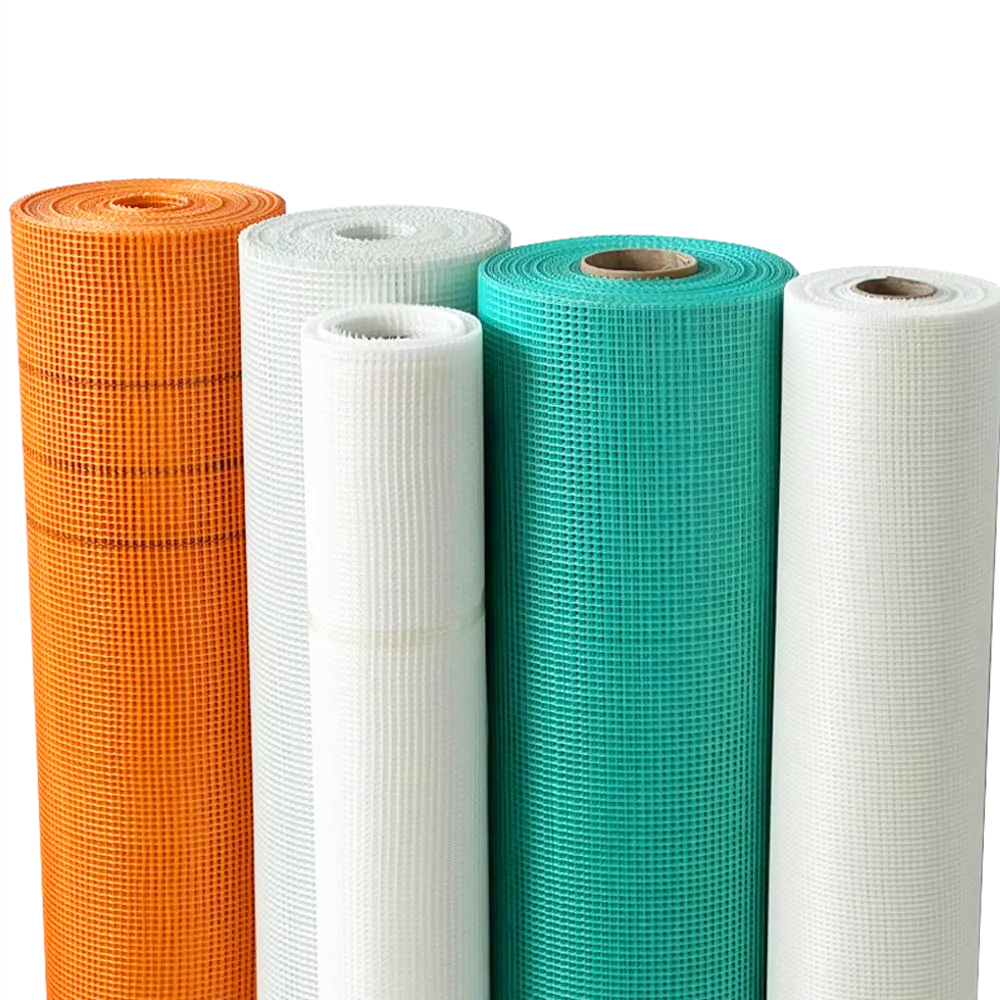
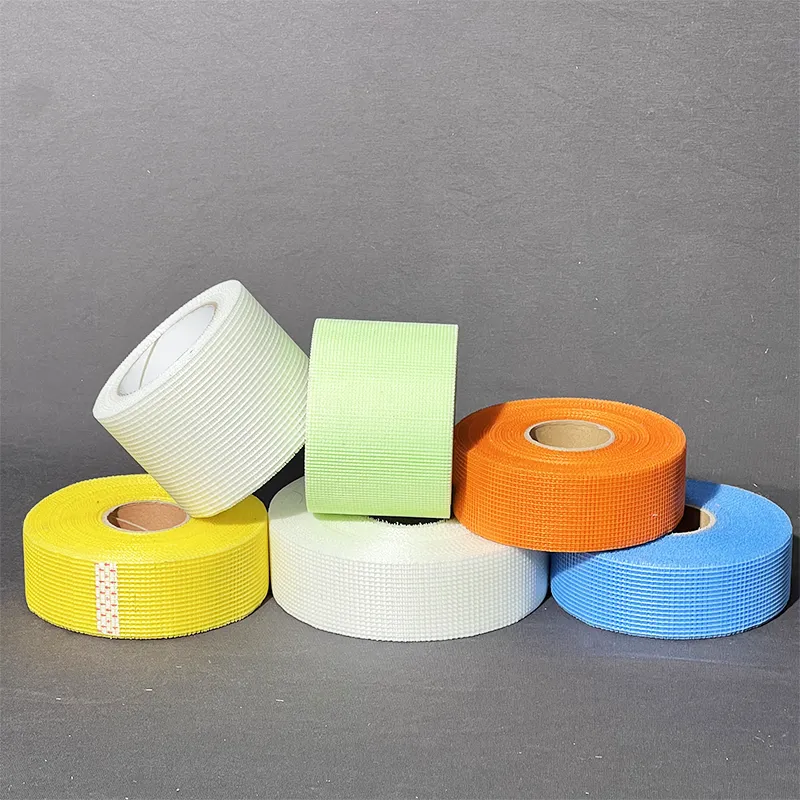
Different projects require different mesh sizes and strengths. The best factories offer tailored solutions, including custom roll widths and tensile strengths.
5. Environmental Compliance
Factories abiding by ISO 14001 and local regulations ensure minimal environmental impact. Sustainable sourcing of raw fiberglass is also an emerging focus.
Mini takeaway: Not all plaster fiberglass mesh factories are created equal; factors like coating quality, scaling ability, and customization significantly affect product performance.
Global Use Cases: Where Real-World Applications Shine
The mesh produced by these factories is ubiquitous but often unnoticed. Here are some places and scenarios where it really counts:
- Post-disaster rebuilding: In regions hit by earthquakes or hurricanes, rapid deployment of plaster meshes helps restore homes quickly while preventing future damage.
- Commercial construction: High-rise buildings worldwide employ these meshes in interior and exterior walls for crack resistance.
- Industrial zones: Factories in remote areas use fiberglass mesh to ensure that protective coatings on machinery housing last longer amidst challenging conditions.
- Historic restoration: Sensitive repairs to cultural buildings benefit from lightweight meshes that don’t add bulk or weight.
A compelling example is the Southeast Asian region, where increasing urban growth combined with intense weather demands resilient construction. Many local governments and NGOs rely on mesh products from trusted plaster fiberglass mesh factory suppliers to help their infrastructure hold up for decades.
Advantages and Long-Term Value of Fiberglass Mesh
When building or renovating, selecting the right reinforcement can make or break your project’s longevity. The tangible benefits include:
- Cost-effectiveness: Less need to re-plaster or repair walls means long-term savings.
- Sustainability: Durable mesh reduces material waste, and lightweight rolls lower transportation energy.
- Enhanced safety and comfort: Improved fire resistance and structural stability protect occupants.
- Emotional value: Both builders and homeowners gain peace of mind knowing their spaces can withstand daily wear and extreme weather.
It’s a compelling combination — logical savings and an emotional sense of security. After all, buildings are more than just structures; they’re the scenes of our lives.
Emerging Trends and Innovations in Fiberglass Mesh Manufacturing
Looking ahead, the plaster fiberglass mesh factory landscape is gearing toward several exciting developments:
- Eco-friendly coatings: New biopolymer coatings aim to replace PVC-based ones to reduce environmental footprint.
- Digital automation: Factories adopting machine vision for flawless quality control and reduced waste.
- Recyclability initiatives: Programs to reuse or recycle mesh waste to close the loop in material lifecycles.
- Smart textiles: Experimental meshes embedded with sensors to monitor wall integrity over time.
These advancements reflect the overall construction sector’s push toward greener, smarter, and more resilient buildings.
Common Challenges and How They’re Being Tackled
Running a plaster fiberglass mesh factory isn't without headaches. Some common issues include:
- Maintaining consistent quality at scale: Large-volume production risks variability in fiber tension or coating thickness.
- Raw material pricing: Fluctuating fiberglass fiber costs affect profitability.
- Environmental waste: Excess trimmings and defective rolls can add up.
Thankfully, many factories invest in automation and stricter QC routines to catch flaws early. Plus, partnerships with recycler firms and sourcing diversification help ease material cost pressures.
It’s a classic case of balancing high-tech with green tech, often leaning on experienced engineers to spot and fix bottlenecks before they snowball.
Frequently Asked Questions about Plaster Fiberglass Mesh Factory
Q1: How does fiberglass mesh improve plaster durability?
A: Fiberglass mesh reinforces plaster by distributing stresses over a larger area. This reduces crack propagation and enhances resistance to impacts, ensuring longer-lasting surfaces.
Q2: Can the mesh rolls be customized for different projects?
A: Absolutely. Many factories provide custom widths, roll lengths, and tensile strengths tailored to specific construction or restoration needs.
Q3: Is fiberglass mesh suitable for both interior and exterior applications?
A: Yes. Properly coated mesh is resistant to UV, moisture, and alkalinity, making it versatile for indoor and outdoor use.
Q4: What environmental standards should I look for when selecting a factory?
A: Look for ISO 14001 certification and evidence of eco-friendly production practices, including waste management and sustainable raw material sourcing.
Q5: How do I find a reliable plaster fiberglass mesh factory?
A: Consider vendors with robust quality controls, scalable operations, and a track record supplying large infrastructure or humanitarian projects. You can start by visiting a trusted plaster fiberglass mesh factory website.
Product Specification Table
| Specification | Standard Value | Typical Range | Notes |
|---|---|---|---|
| Mesh Size | 4mm × 4mm | 2mm – 6mm | Common for wall reinforcement |
| Tensile Strength | > 1100 N/cm | 900 – 1300 N/cm | Depends on fiber type |
| Roll Width | 100 cm | 50 – 150 cm | Custom widths available |
| Coating Type | PVC | PVC, PE, or bio-polymers | Improves durability |
| Weight | 110 g/m² | 90 – 150 g/m² | Varies by mesh density |
Vendor Comparison Table
| Feature | Vendor A (Tainuo) | Vendor B | Vendor C |
|---|---|---|---|
| Production Capacity | 50,000 rolls/month | 35,000 rolls/month | 40,000 rolls/month |
| ISO Certified | Yes (ISO 9001, 14001) | Yes (ISO 9001) | No |
| Customization Options | Extensive | Limited | Standard only |
| Eco-friendly Initiatives | Recycling & bio-coatings pilot | Traditional PVC only | No |
| Price Range (per roll) | $12 - $18 | $10 - $15 | $8 - $14 |
Wrapping Up
Building strong, durable walls isn’t a random stroke of luck—it’s the product of meticulous manufacturing that starts at a plaster fiberglass mesh factory. These factories churn out the vital fabric that reinforces plaster, underpinning safer, longer-lasting, and more sustainable buildings worldwide. As we push toward greener production methods and automation, the plaster fiberglass mesh industry is quietly evolving with the times.
So, the next time you admire a crack-free plaster wall or marvel at a sleek stucco façade on a towering building, remember there’s all this expertise and innovation woven right in. If you’re interested in learning more or sourcing premium fiberglass mesh, visit our website: plaster fiberglass mesh factory.
References:
-
Best Fiberglass Mesh Tape for RedGard Product Waterproofing GuideNewsApr.16,2026
-
Why High Strength Fiberglass Mesh Is Essential For Stucco ApplicationNewsApr.15,2026
-
Why Alkali Resistant Fiberglass Mesh Tape Is Essential For Cement Board And Tile InstallationsNewsApr.15,2026
-
Understanding The Role Of Drywall Fiberglass Mesh In Interior FinishingNewsApr.15,2026
-
Ultimate Guide To Using Fiberglass Mesh Tape For Drywall And Plaster RepairsNewsApr.15,2026
-
The Versatility Of Fiberglass Mesh In Marble And Stone MosaicNewsApr.15,2026