Nov . 28, 2025 11:25 Back to list
Understanding Plaster Fiberglass Mesh Products: Global Uses & Advantages
The Rising Importance of Plaster Fiberglass Mesh Products Globally
Plaster fiberglass mesh products might sound like niche construction jargon, but understanding them is becoming increasingly relevant worldwide. In an era where building durability, safety, and sustainability are top priorities — from earthquake-prone regions to urban refurbishments — these mesh products silently reinforce structures, reduce costly repairs, and contribute to efficient construction cycles. They matter because they address real problems like wall cracking in plaster and render, improve insulation, and minimize the environmental impact of resourcing. Basically, plaster fiberglass mesh products are unsung heroes ensuring that buildings stand strong, saving money and lives in the long haul.
Mini takeaway: Globally, stronger, more reliable building materials like plaster fiberglass meshes help tackle aging infrastructure and natural disaster resilience — urgent issues according to reports by the UN and ISO standards on construction sustainability.
Why the World Needs Better Building Materials: A Global Snapshot
Worldwide construction is booming, especially in developing regions where urban populations are rapidly growing. The World Bank estimates that over 2 billion people will need affordable, durable housing within the next decade. That’s a colossal demand on building materials and technology. Simultaneously, new regulations emphasize reducing waste and extending the lifespan of buildings to lower the carbon footprint.
Enter plaster fiberglass mesh products. These materials reduce plaster cracking on walls, which is one of the most common defects in construction. In regions with hot-cold temperature swings, or seismic activities, these meshes maintain plaster integrity better than traditional cloth-based alternatives. Problem solved? Well, partly. The technology’s improving, and quality products meet international certifications (like ISO 9001), giving architects and construction managers options beyond the brittle, inflexible meshes of yesteryears.
Mini takeaway: The global construction surge and rural-to-urban migration highlight a real need for reliable mesh products to enhance building quality and sustainability.
Defining Plaster Fiberglass Mesh Products: What’s in a Name?
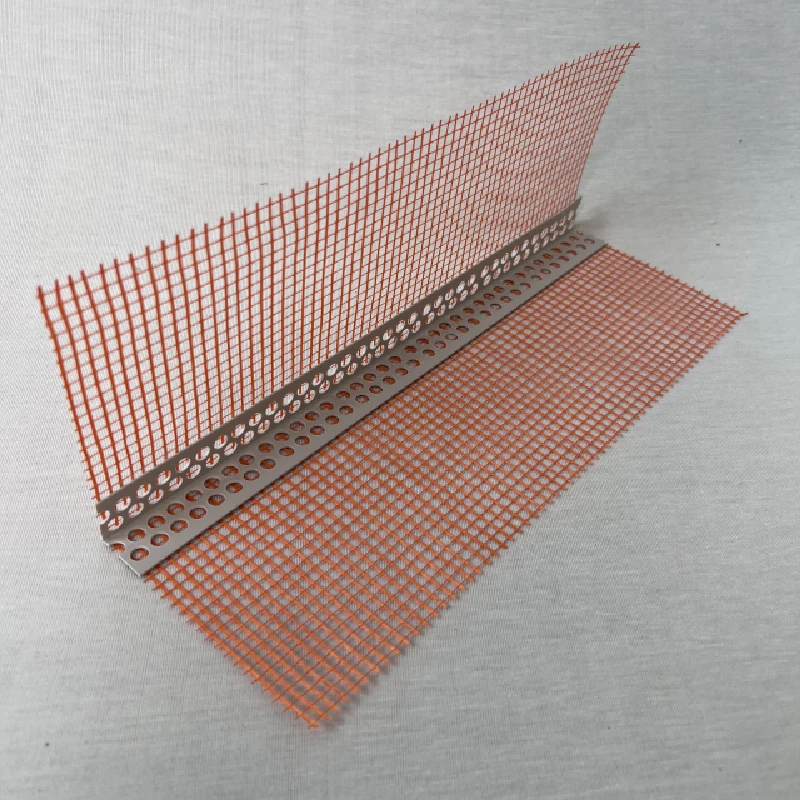
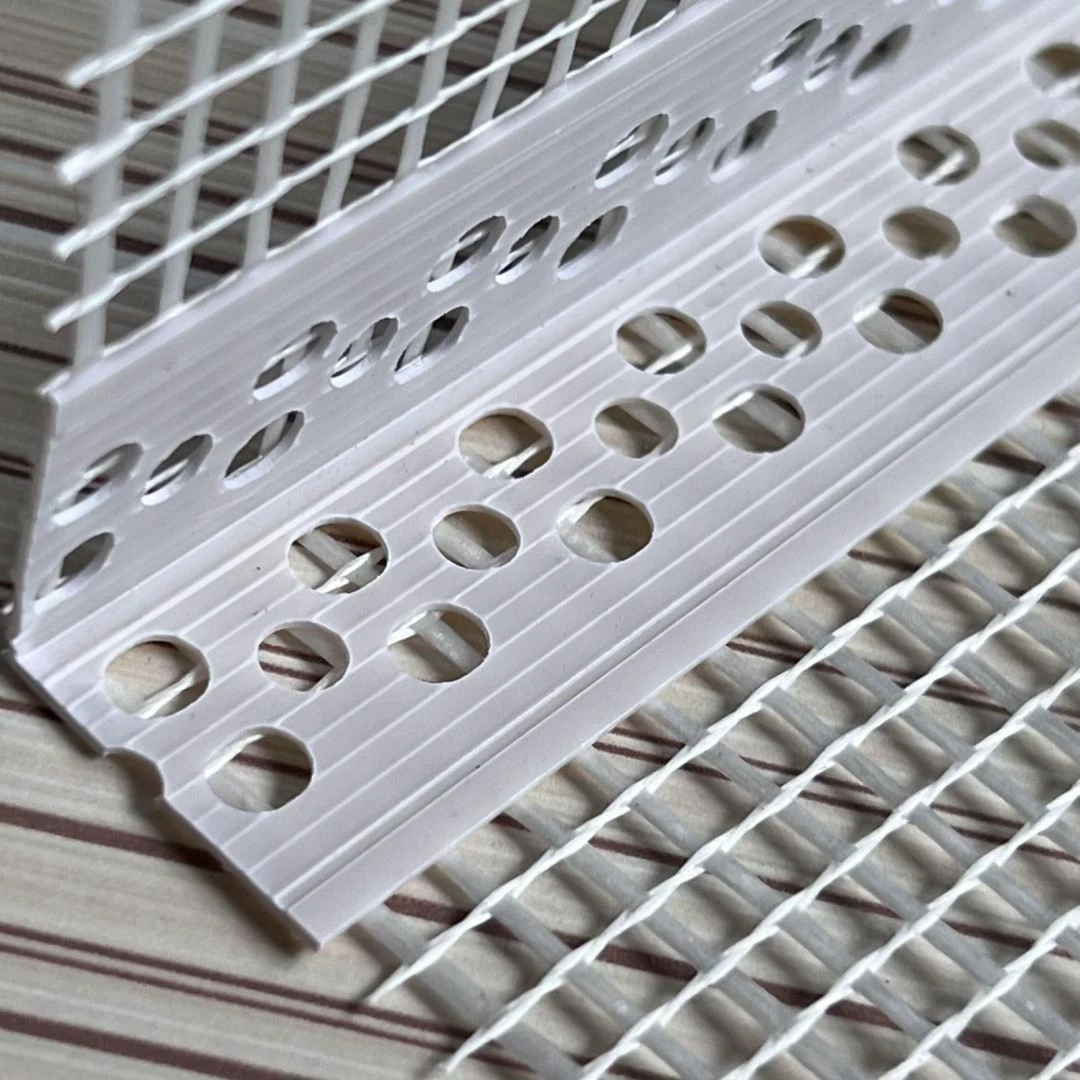
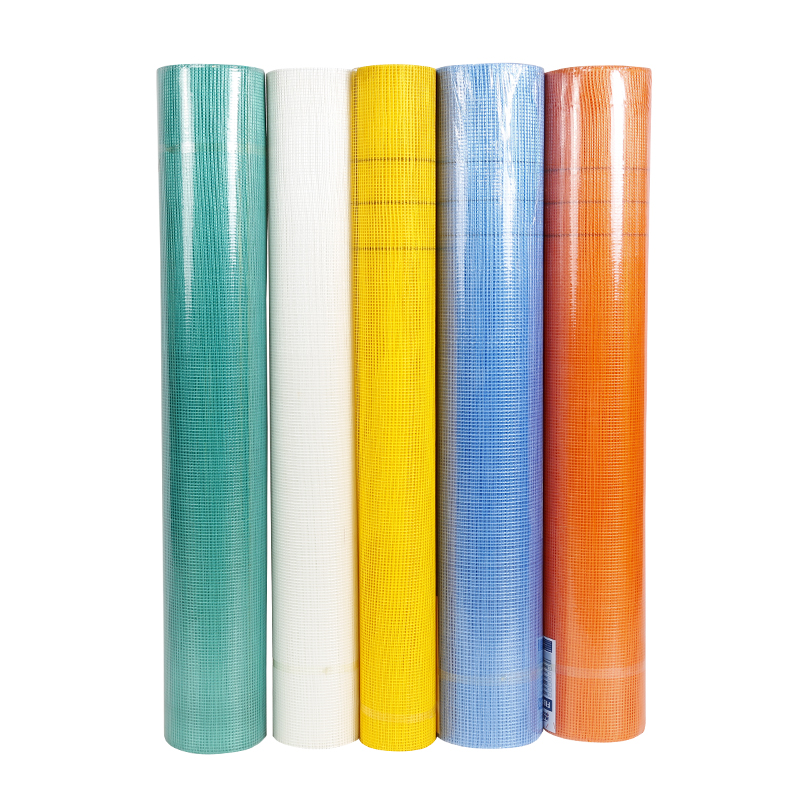
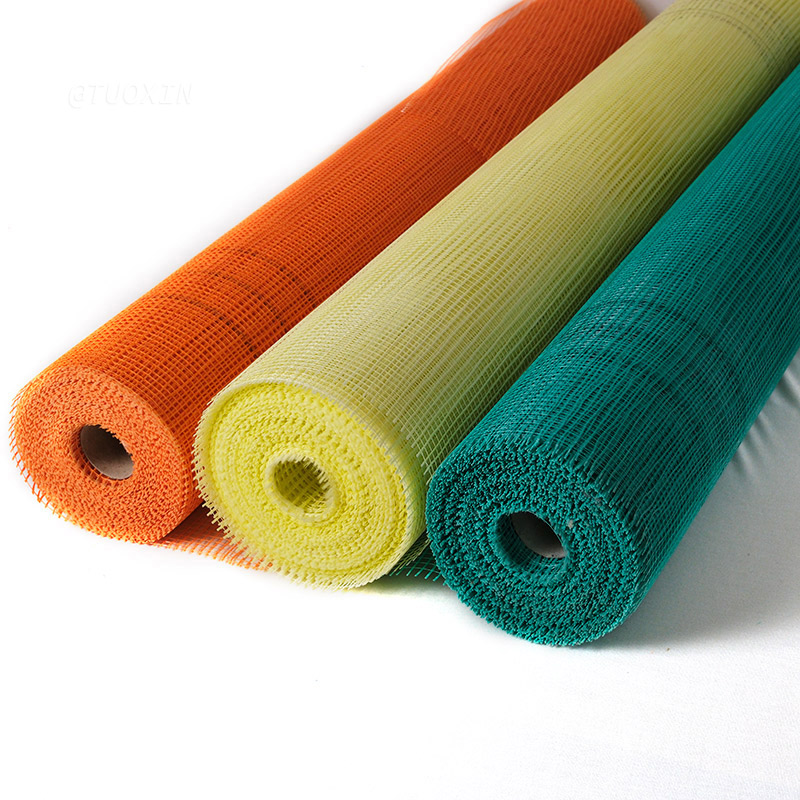
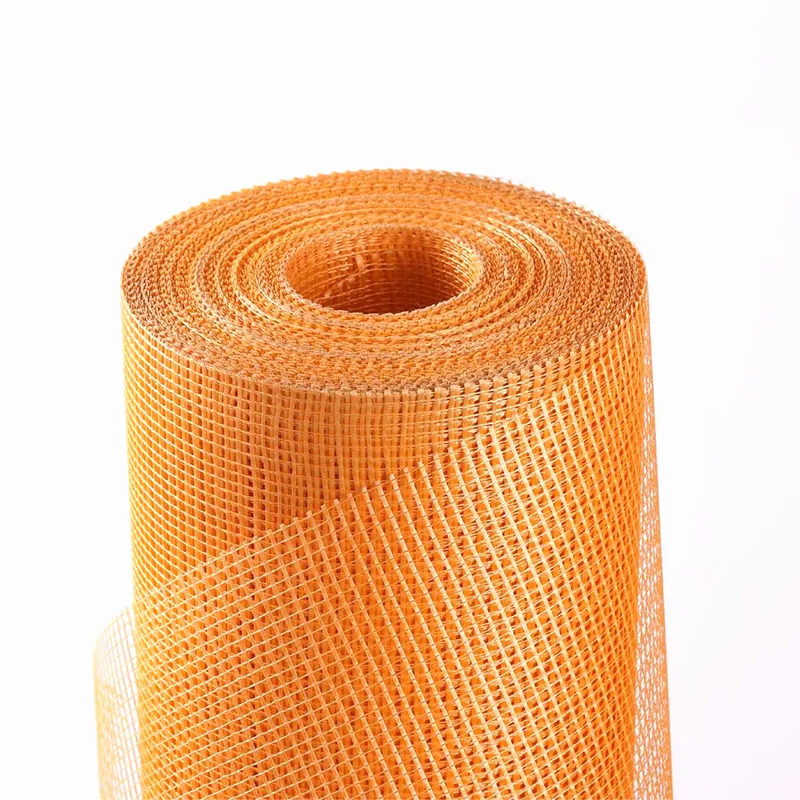
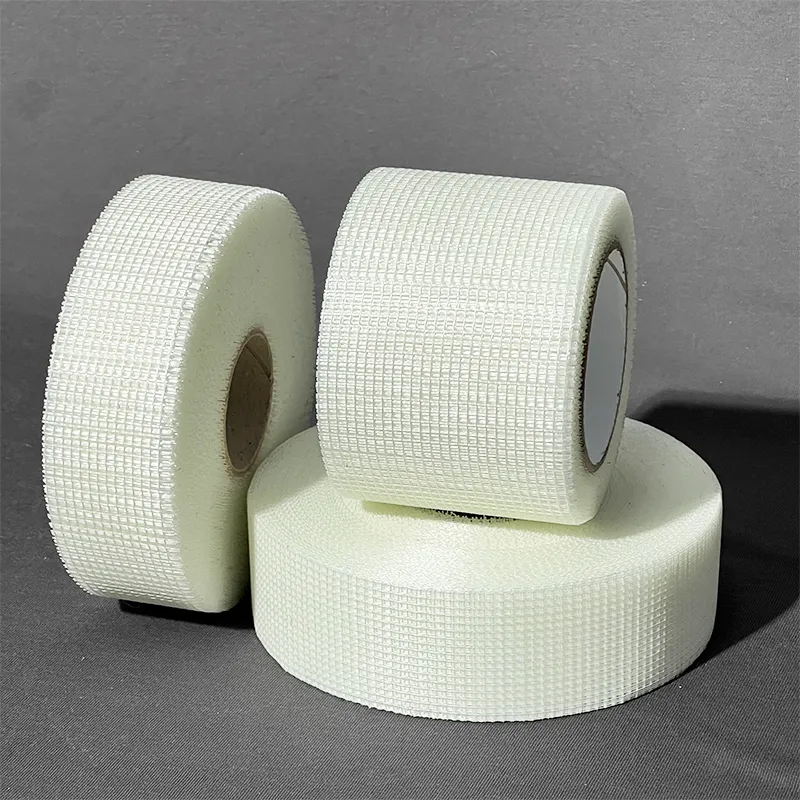
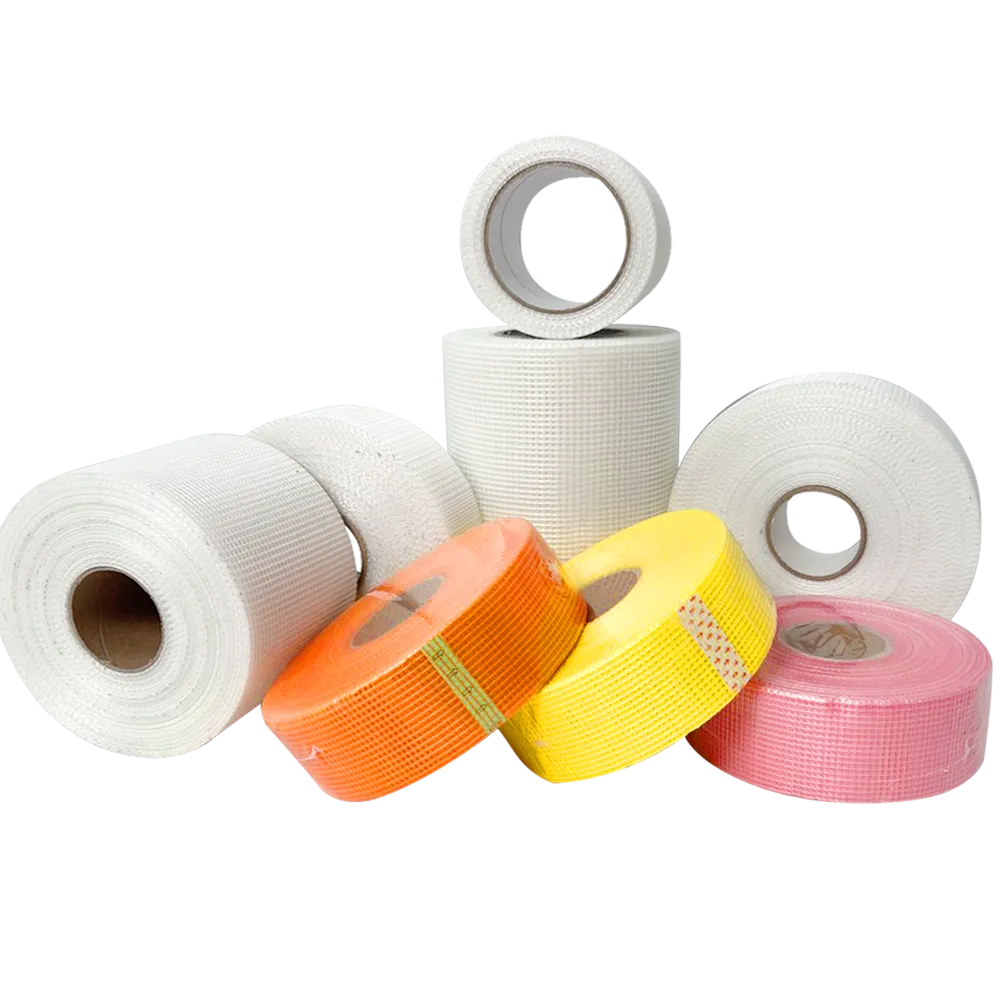
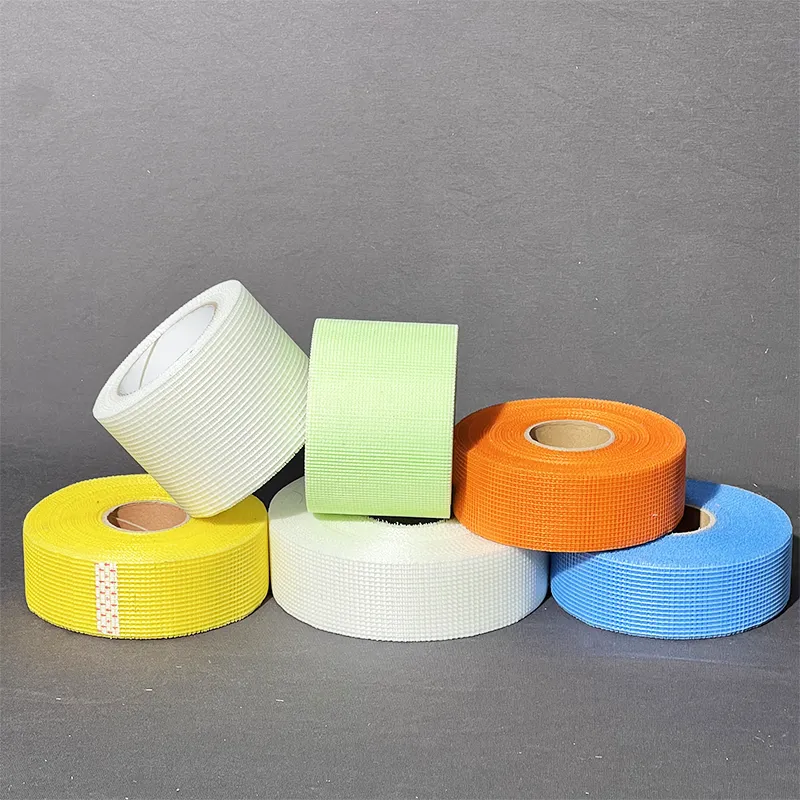
At its core, plaster fiberglass mesh is a woven fabric made from fine fiberglass strands, designed specifically to reinforce plaster or wall render applications. Imagine a super-fine net, strong yet flexible, capable of binding the plaster layers to underlying surfaces. Unlike metal meshes, fiberglass is rustproof, lightweight, and resistant to alkali degradation — common in cement-based plasters.
Modern plaster fiberglass mesh products serve both industrial needs and humanitarian efforts. NGOs repairing earthquake-damaged buildings or UN housing projects in refugee camps rely on such materials to speed up repairs while preventing future cracks. It’s a perfect example where sturdy simplicity meets advanced material science, ultimately enhancing living conditions and infrastructure resilience.
Mini takeaway: These products blend durability and affordability, making them indispensable for modern construction, retrofit projects, and humanitarian building efforts.
Core Components Behind Effective Plaster Fiberglass Mesh Products
Durability and Alkali Resistance
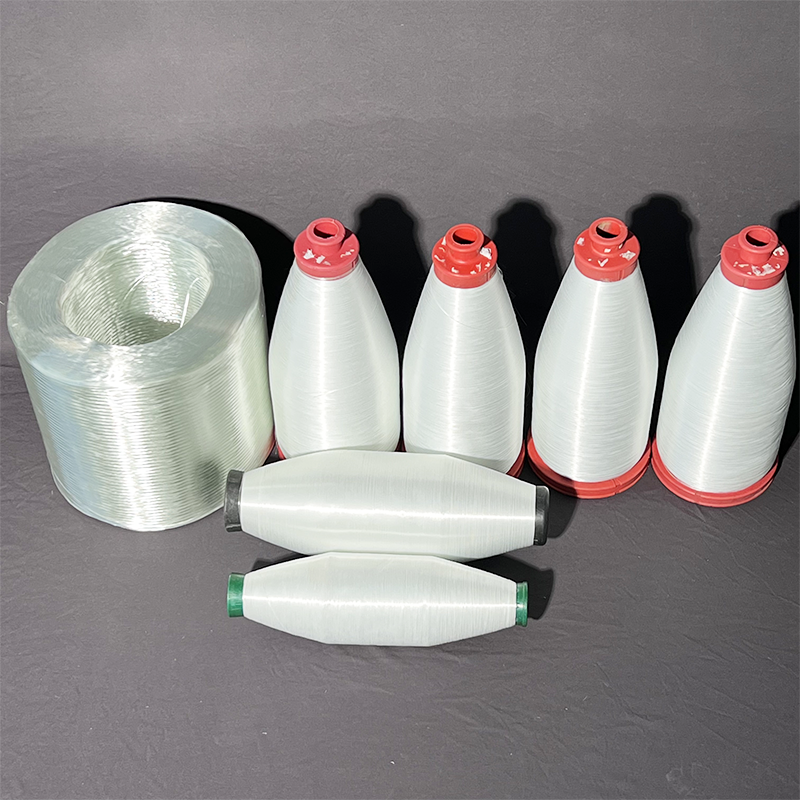
The base fiberglass threads are coated with a protective alkali-resistant layer to withstand prolonged plaster contact without degradation. This coating extends the mesh’s lifespan, crucial for facades exposed to rain, UV rays, or pollution.
Flexibility and Tensile Strength
Depending on weave density and fiber thickness, meshes vary in flexibility and tensile strength. Light mesh is easier to cut and install over curves or corners, whereas heavy-duty mesh delivers higher tear resistance in industrial settings.
Cost Efficiency Without Sacrificing Quality
Economical production methods have made these meshes affordable even for large-scale projects. Plus, long-term savings are realized by reducing repair cycles and plaster damage.
Ease of Installation
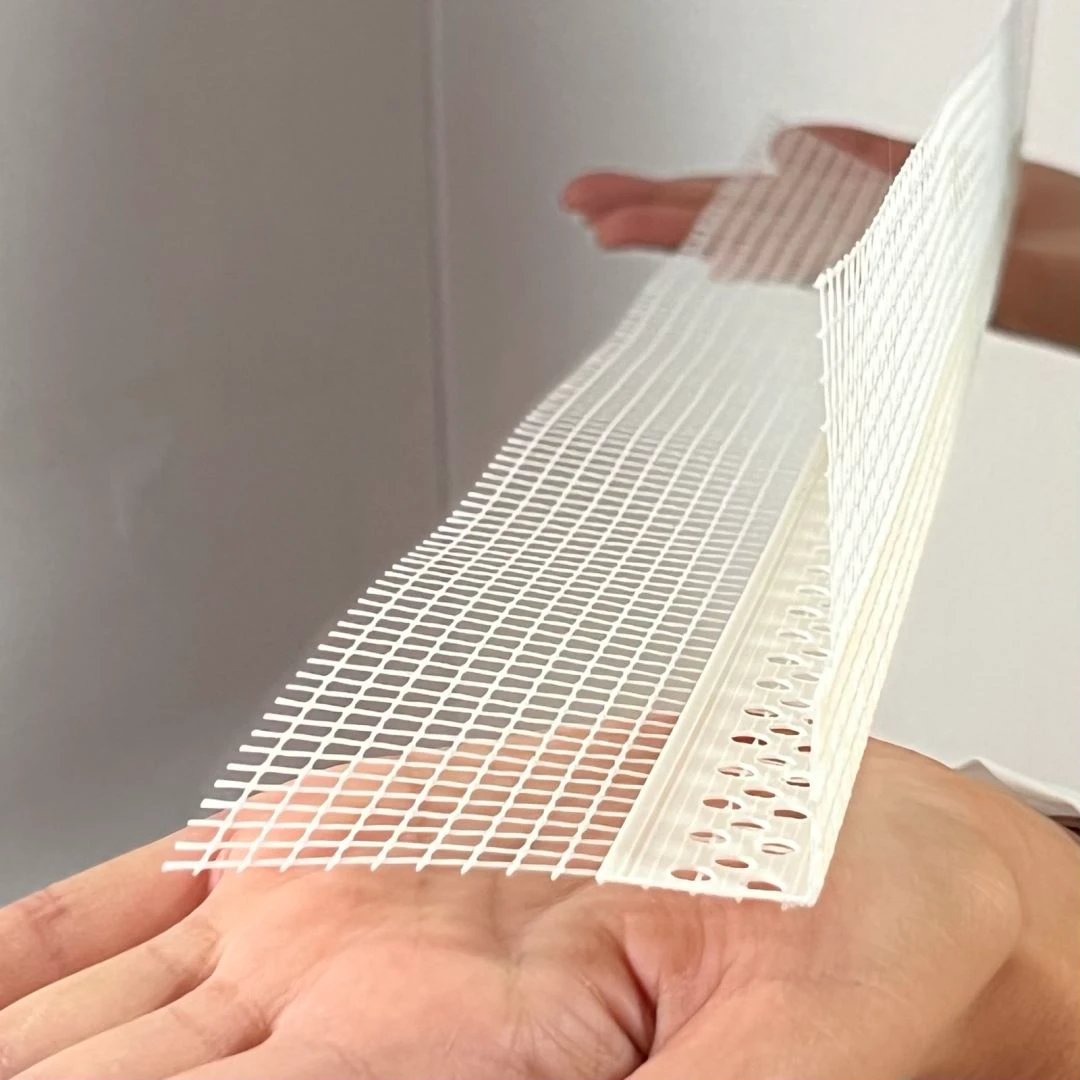
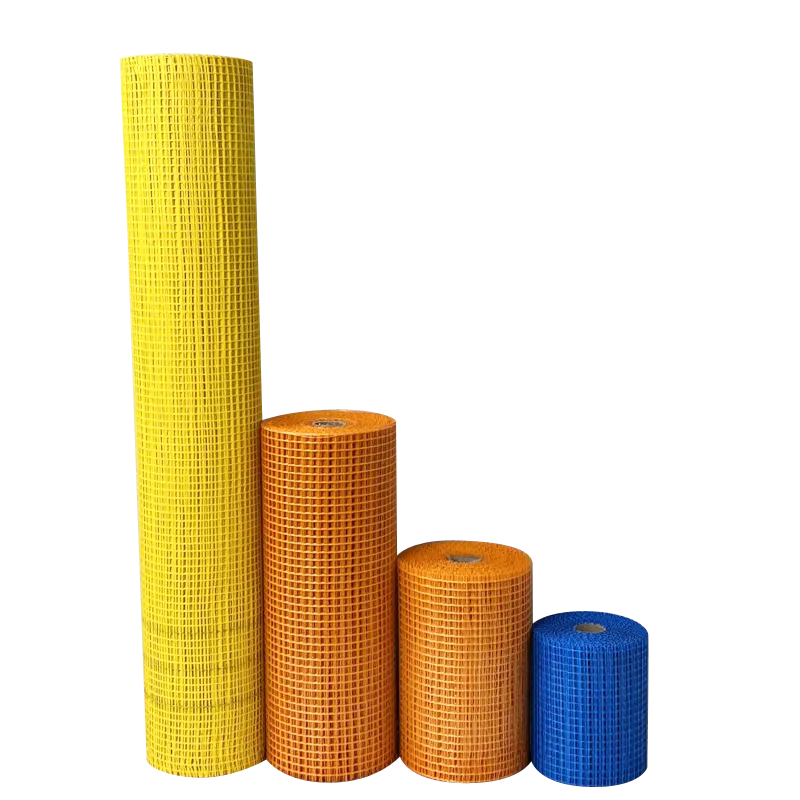
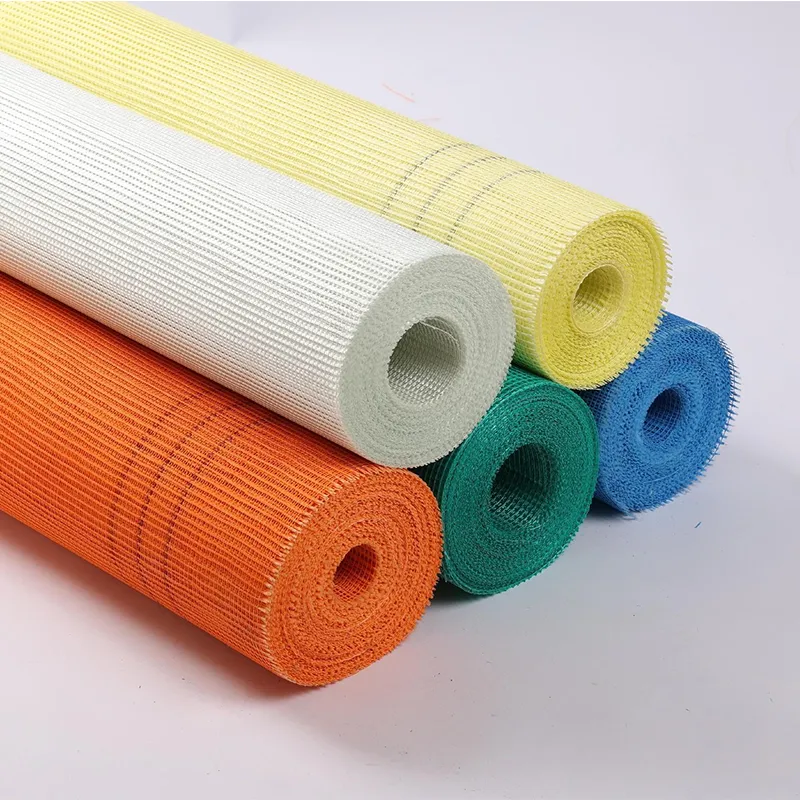
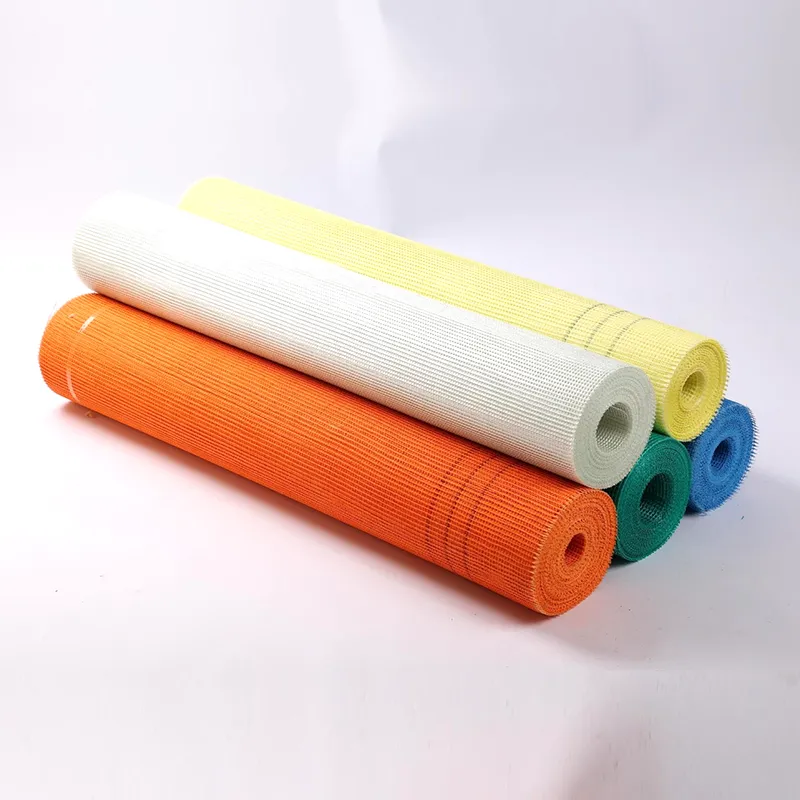
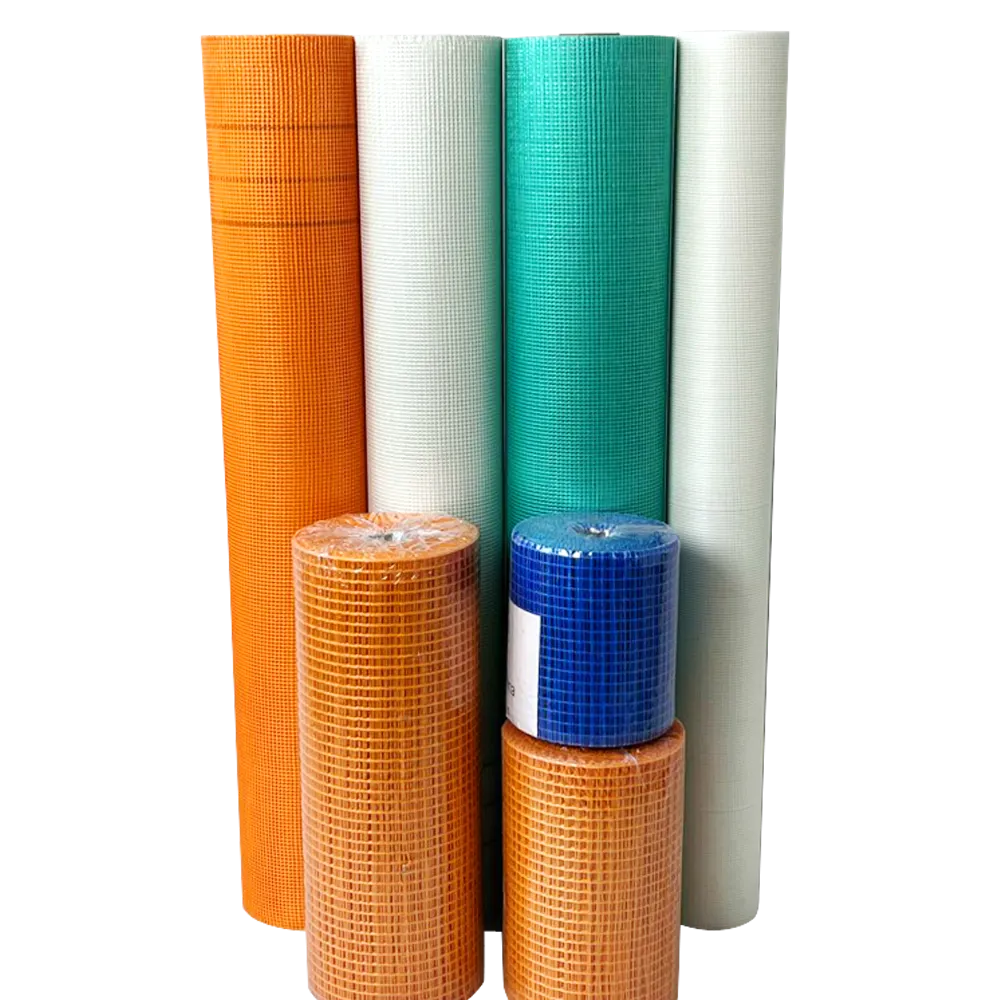
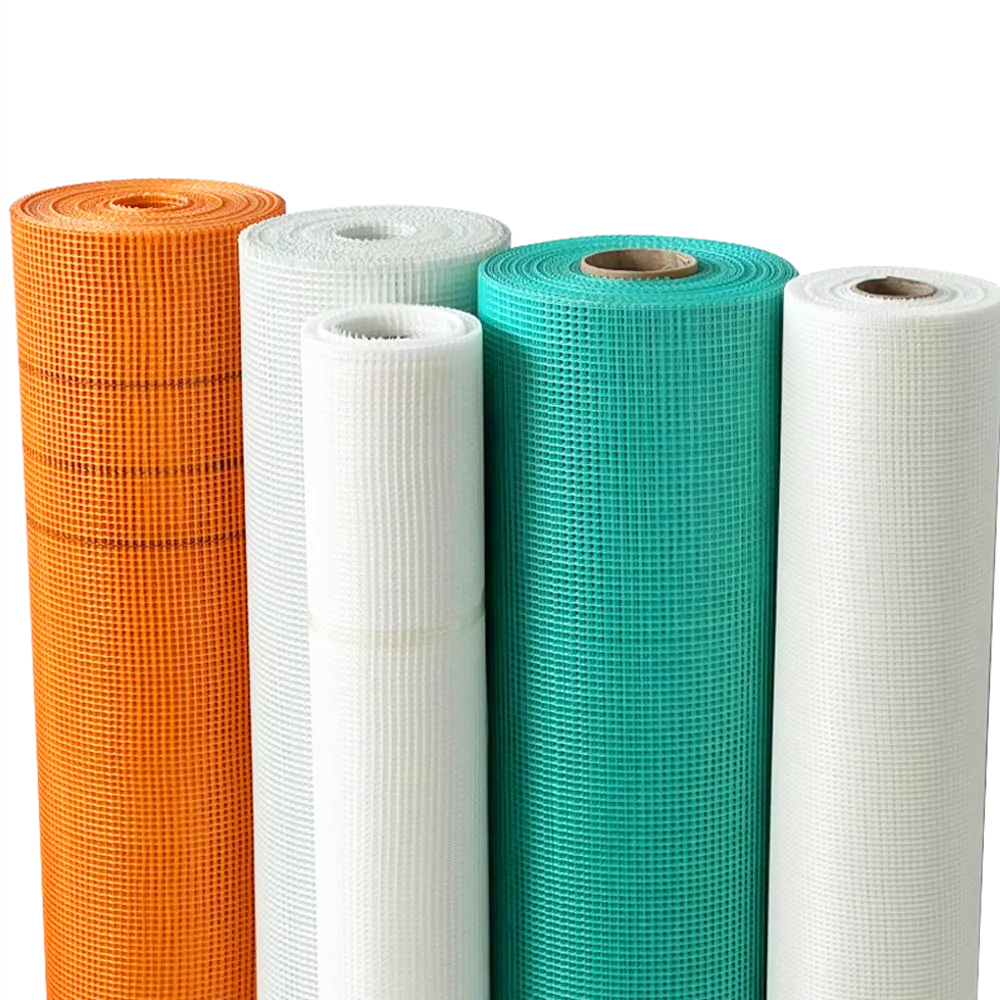
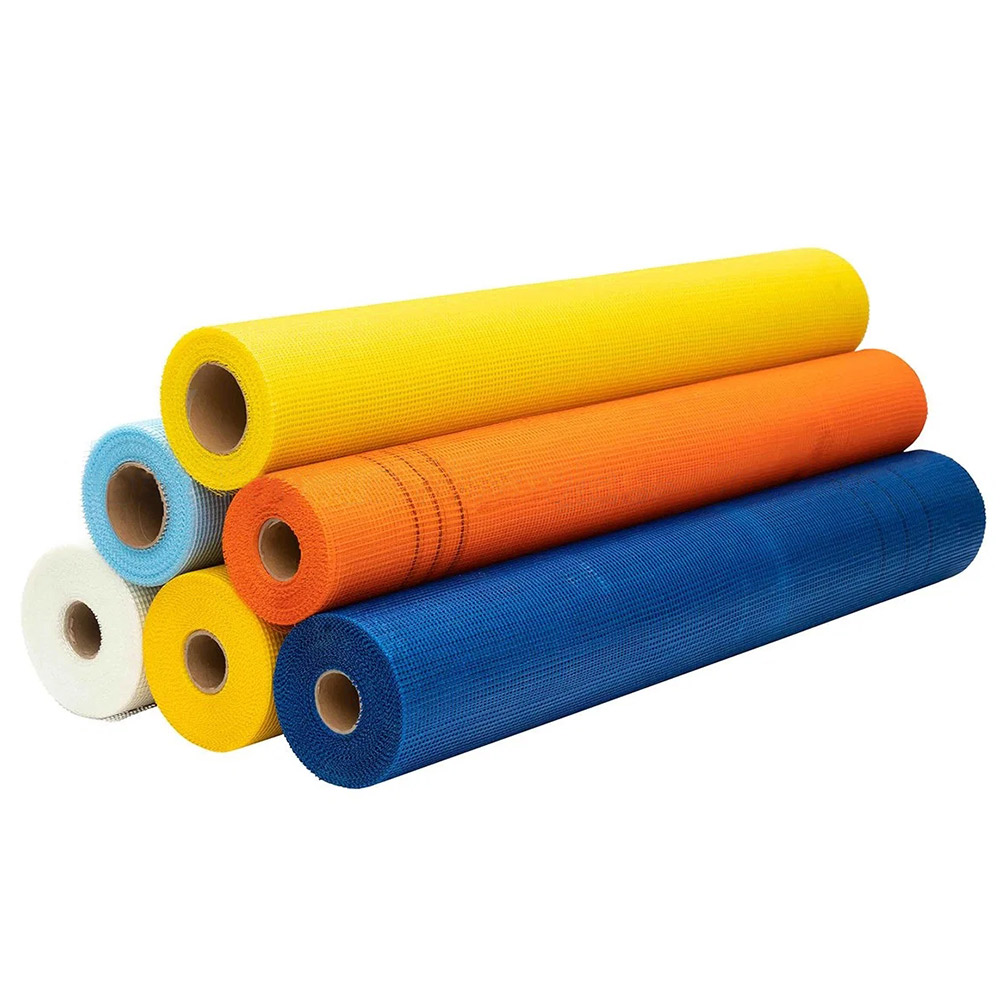
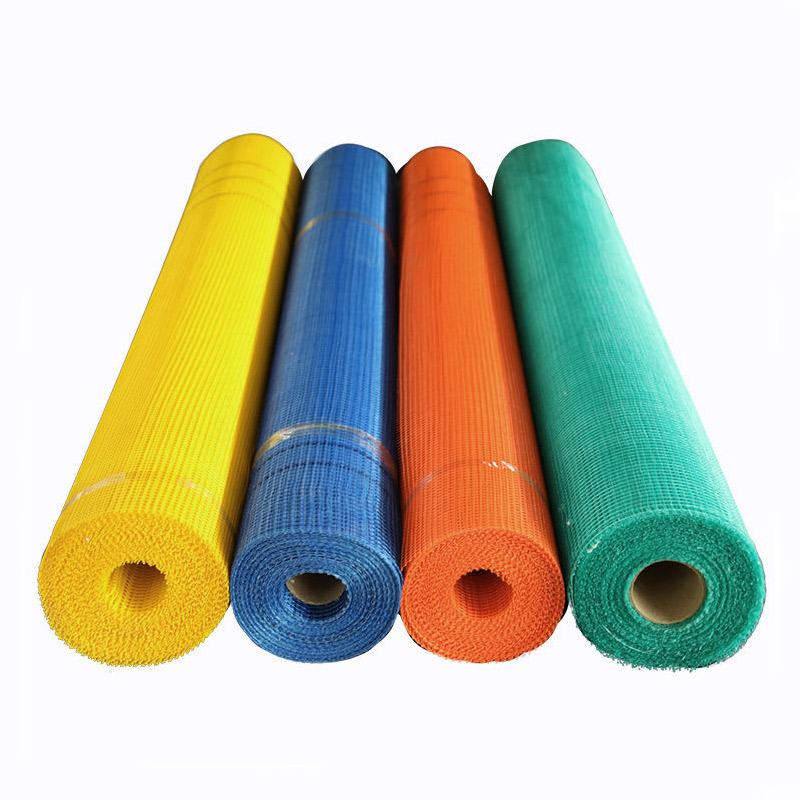
Most plaster fiberglass mesh products come in rolls with consistent width options (1m, 1.2m) and lightweight design. This lets workers install them rapidly, reducing labor costs and project timelines.
Environmental Compatibility
Many local and global regulations now push for eco-friendly construction materials. Fiberglass meshes have a relatively low carbon footprint compared to metal or synthetic alternatives and are often recyclable if removed correctly.
Mini takeaway: Durability, strength, affordability, and eco-friendliness form the backbone of effective plaster fiberglass mesh products.
Real-World Uses: Where These Meshes Make a Difference
- Urban Housing Renovations: In European and North American cities, plaster fiberglass mesh reinforces building facades during energy-efficient retrofits.
- Post-Disaster Relief: After earthquakes in Turkey and Nepal, NGOs use fiberglass mesh products to rebuild cracked walls quickly and affordably.
- Industrial Facility Maintenance: Factories in Southeast Asia employ mesh fabrics on interior plaster to withstand chemical vapors and temperature changes.
- Remote Infrastructure: In harsh climates across Canada and Russia, maintenance teams reinforce plaster surfaces exposed to frost — minimizing costly repairs over winter.
Regionally, some manufacturers customize mesh density and coatings to suit local weather, regulations, and resources. This adaptability lets the product serve various industries, proving its worth beyond basic construction.
Mini takeaway: Plaster fiberglass mesh products have a wide footprint — from city renovations to remote industrial installations, contributing to infrastructure resilience and cost savings.
Table: Typical Product Specifications for Plaster Fiberglass Mesh
| Specification | Value/Range | Remarks |
|---|---|---|
| Mesh Weight | 45–160 g/m² | Light to heavy-duty options |
| Roll Width | 1 m / 1.2 m | Standard widths for easy handling |
| Roll Length | 50–100 m | Depends on supplier |
| Alkali Resistance | ≥120 hours (alkali solution test) | Crucial for durability |
| Tensile Strength | >400 N/5cm | Ensures mesh doesn’t tear |
Comparing Leading Vendors of Plaster Fiberglass Mesh Products
| Vendor | Product Range | Certifications | Distribution Reach | Average Price (USD/m²) |
|---|---|---|---|---|
| Tainuo Fiberglass Mesh | 45-160 g/m², various coatings | ISO 9001, CE | Global, with online ordering | 0.15 - 0.25 |
| MeshPro International | Lightweight to ultra-heavy meshes | ISO 14001 | Europe, Asia | 0.18 - 0.30 |
| FibraBuild Corp. | Medium weight with alkali protection | CE, ISO 9001 | North America, Australia | 0.20 - 0.27 |
Advantages and Long-Term Value of Using These Meshes
- Cost Savings: Less frequent repairs reduce maintenance budgets significantly.
- Longevity: Buildings last longer with intact plaster surfaces.
- Sustainability: Fiberglass mesh is recyclable and offsets demand for harsher materials.
- Safety and Comfort: Cracks often let in moisture and pests; meshes help preserve indoor air quality and structure.
- Trust and Innovation: Clients and architects value materials that bring proven durability and ease of use.
Emotionally, it feels reassuring to know that behind a freshly plastered wall lies a robust mesh holding everything together. It’s kind of like the quiet skeleton that keeps a body upright — not flashy but absolutely essential.
What's Next? Future Trends in Plaster Fiberglass Mesh Products
The industry isn’t standing still. Research explores incorporating nanomaterials to boost resistance and self-healing capabilities in mesh fibers. Also, digitization is impacting quality control — AI-powered cameras detect weave consistency during manufacturing.
Green energy policies prompt manufacturers to optimize production lines to lower emissions, while a rise in 3D printing in construction may demand new mesh shapes or materials compatible with printed plaster facades.
Automation in installation—think robotic mesh placement on high-rises—could improve precision and speed, cutting costs even further. Innovative coatings to improve UV protection and waterproofing will shape the next generation.
Common Challenges and How Industry Leaders Are Solving Them
Despite many benefits, plaster fiberglass mesh products face issues such as inconsistent mesh quality between manufacturers and occasional improper installation by field crews. Some meshes fall short in extreme alkali environments, weakening prematurely.
Innovative solutions include better training for installers, tighter factory process controls verified by ISO audits, and offering meshes with enhanced hybrid coatings combining alkali resistance and flexibility. Suppliers are also creating installation toolkits and video guides — small gestures with big impact on successful usage.
FAQs About Plaster Fiberglass Mesh Products
- What types of plaster fiberglass mesh are best for exterior walls in humid climates?
- Look for meshes with high alkali resistance (≥120 hours) and waterproof coatings to prevent mold and degradation. Coated fiberglass meshes specifically designed for humid environments perform best.
- Can fiberglass mesh prevent all cracks in plaster surfaces?
- No material can completely eliminate all cracks, especially if structural issues exist. However, fiberglass mesh significantly reduces the likelihood and severity of surface cracks due to shrinkage or minor stress.
- Is the installation process complicated?
- Not really. Fiberglass mesh comes in rolls and is generally lightweight and easy to cut. Proper overlap, embedding in fresh plaster, and ensuring full coverage are key steps. Most skilled masons can install it without trouble.
- Where can I buy reliable plaster fiberglass mesh products?
- Many suppliers offer online ordering these days. Tainuo Fiberglass Mesh is popular for consistent quality and global shipping.
- Are these mesh products eco-friendly?
- Compared to metal meshes and synthetic fabrics, fiberglass meshes have a lower environmental impact, are recyclable, and help extend building lifespan — indirectly reducing waste.
Wrapping Up: Why Plaster Fiberglass Mesh Matters in Construction Today
In short, plaster fiberglass mesh products are a quietly transformative element in modern construction. They help walls stand firm and last longer, offer cost savings over time, and align with global moves toward sustainable, quality building practices. Their use spans continents, industries, and even humanitarian efforts—proving a versatility that’s rare in building materials.
If you’re in construction, renovation, or infrastructure maintenance, it pays to get familiar with the advantages of these meshes. For more reliable options and detailed product lines, don’t hesitate to visit tainuofiberglassmesh.com. After all, strong walls start with strong foundations… and a smart mesh.
References:
-
Best Fiberglass Mesh Tape for RedGard Product Waterproofing GuideNewsApr.16,2026
-
Why High Strength Fiberglass Mesh Is Essential For Stucco ApplicationNewsApr.15,2026
-
Why Alkali Resistant Fiberglass Mesh Tape Is Essential For Cement Board And Tile InstallationsNewsApr.15,2026
-
Understanding The Role Of Drywall Fiberglass Mesh In Interior FinishingNewsApr.15,2026
-
Ultimate Guide To Using Fiberglass Mesh Tape For Drywall And Plaster RepairsNewsApr.15,2026
-
The Versatility Of Fiberglass Mesh In Marble And Stone MosaicNewsApr.15,2026