Nov . 27, 2025 03:00 Back to list
AR Fiberglass Mesh Products – Durable Reinforcement for Modern Construction
Understanding AR Fiberglass Mesh Products: Why They Matter Today
At first glance, ar fiberglass mesh products might seem like some obscure industrial material, but in fact, they're quietly at the heart of many critical applications worldwide. Whether it’s strengthening construction materials, reinforcing composites, or even aiding humanitarian construction efforts, these high-performance meshes offer durability, flexibility, and cost-effectiveness. As urbanization and infrastructure demands grow, knowing what these products are and how they function is key to advancing industry standards and sustainable construction.
Setting the Scene: The Global Importance of AR Fiberglass Mesh
Globally, the construction and manufacturing industries face enormous pressure to deliver safer, more resilient infrastructure with reduced environmental impact. According to the United Nations Environment Programme (UNEP), the building sector accounts for nearly 40% of global energy-related carbon emissions. Here, ar fiberglass mesh products play an unsung role. Their integration can reduce dependence on traditional, heavier reinforcement materials, decrease construction waste, and enhance building durability, especially in seismic and extreme weather zones.
Still, a problem persists. Many regions rely on outdated reinforcement methods that don’t deliver consistent longevity or flexibility. Plus, supply chains for high-quality reinforcement products can be limited, especially in emerging markets. That’s where advanced fiberglass mesh innovations come into play — providing scalable, cost-efficient solutions worldwide.
What Exactly Are AR Fiberglass Mesh Products?
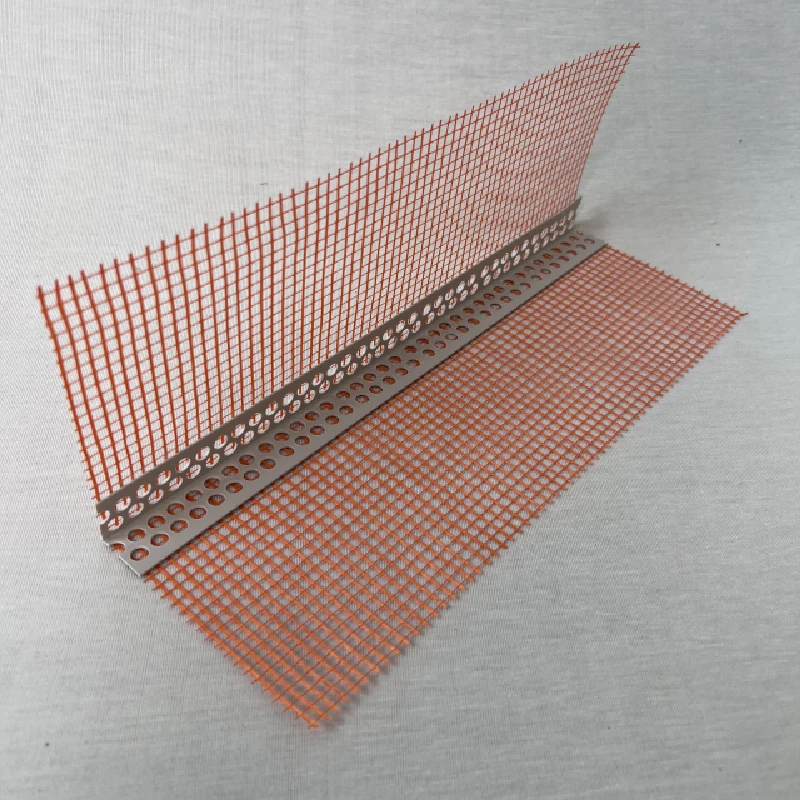
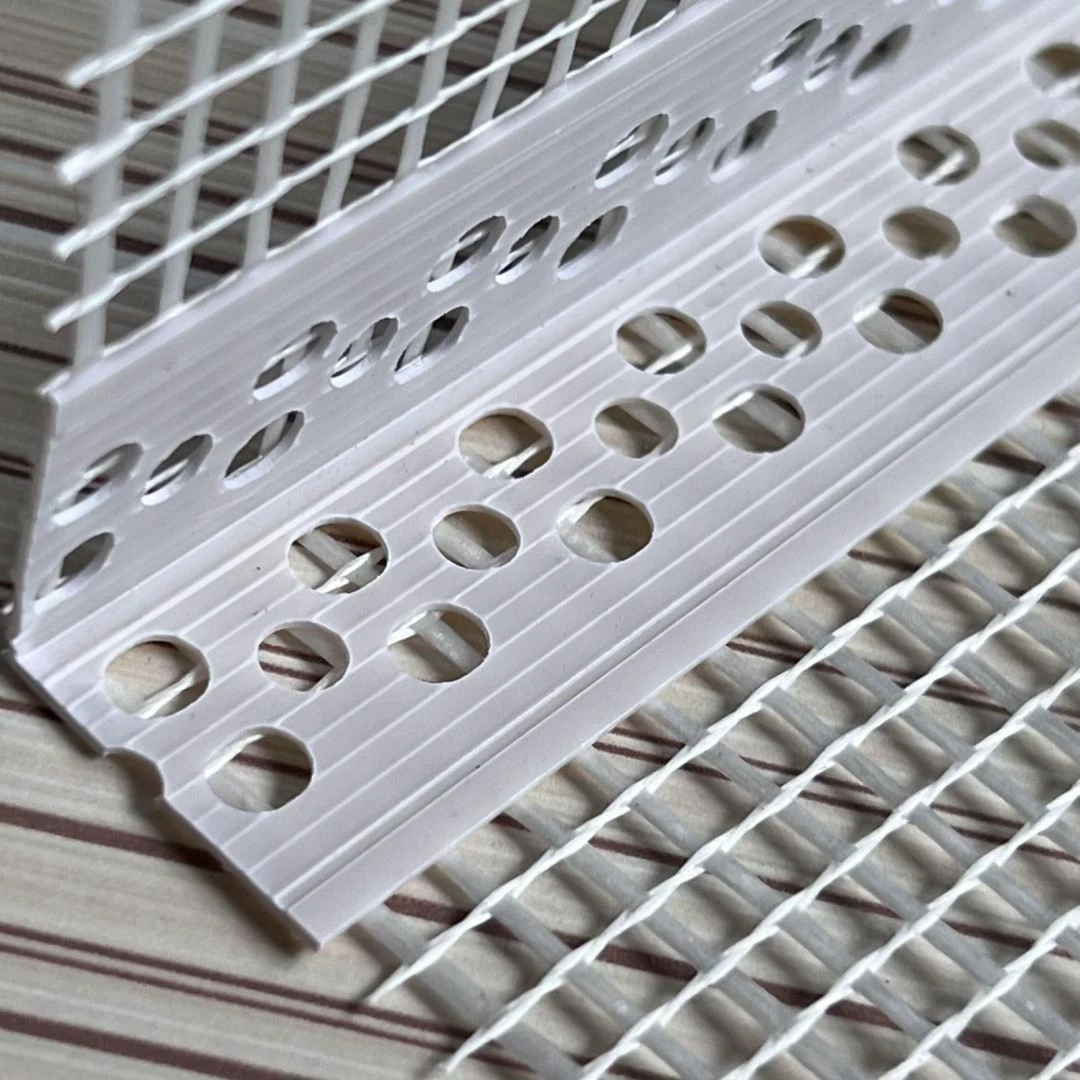
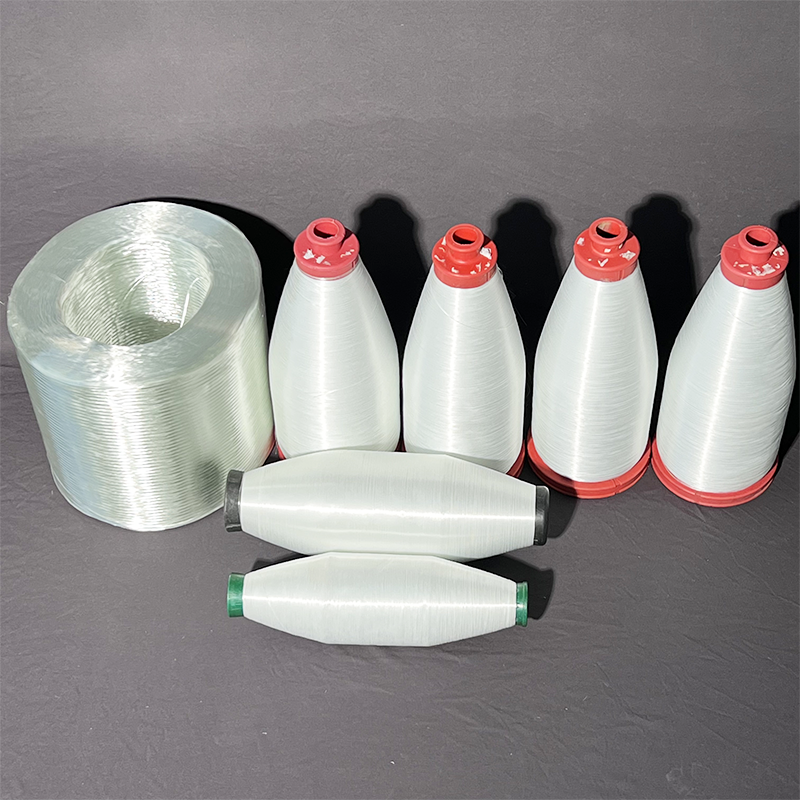
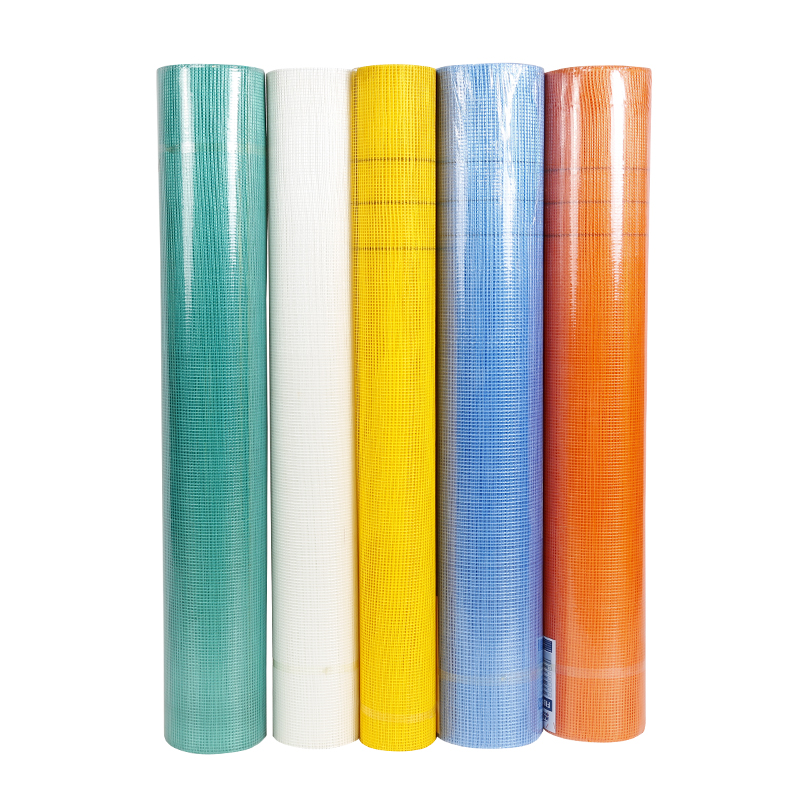
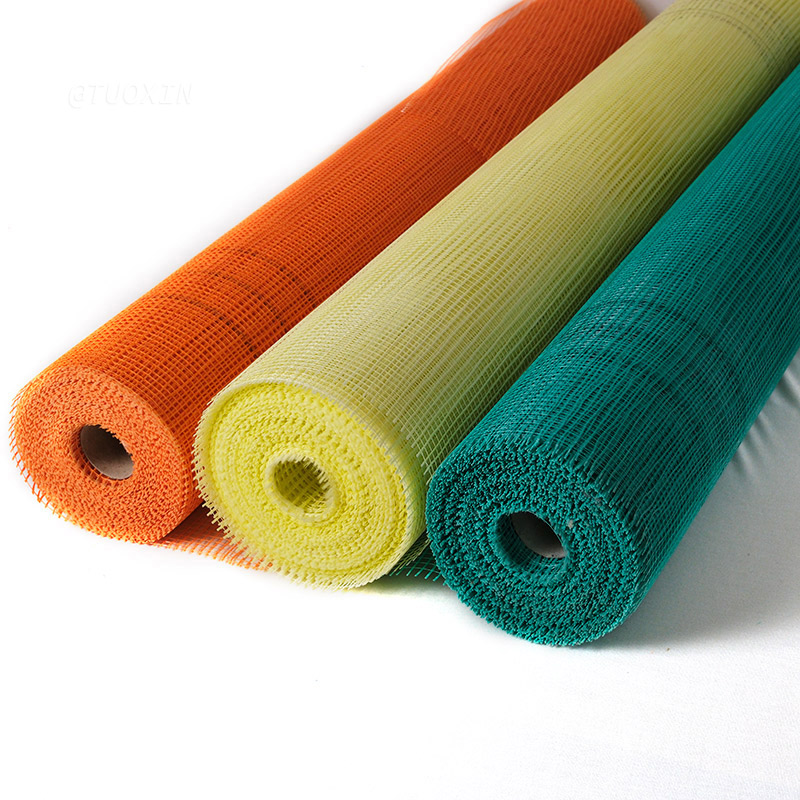
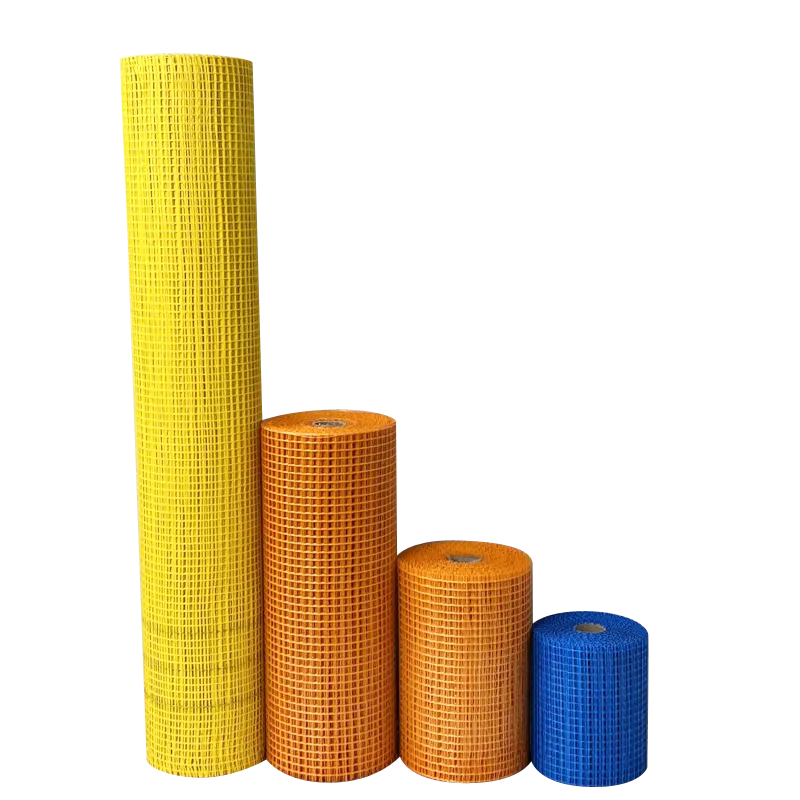
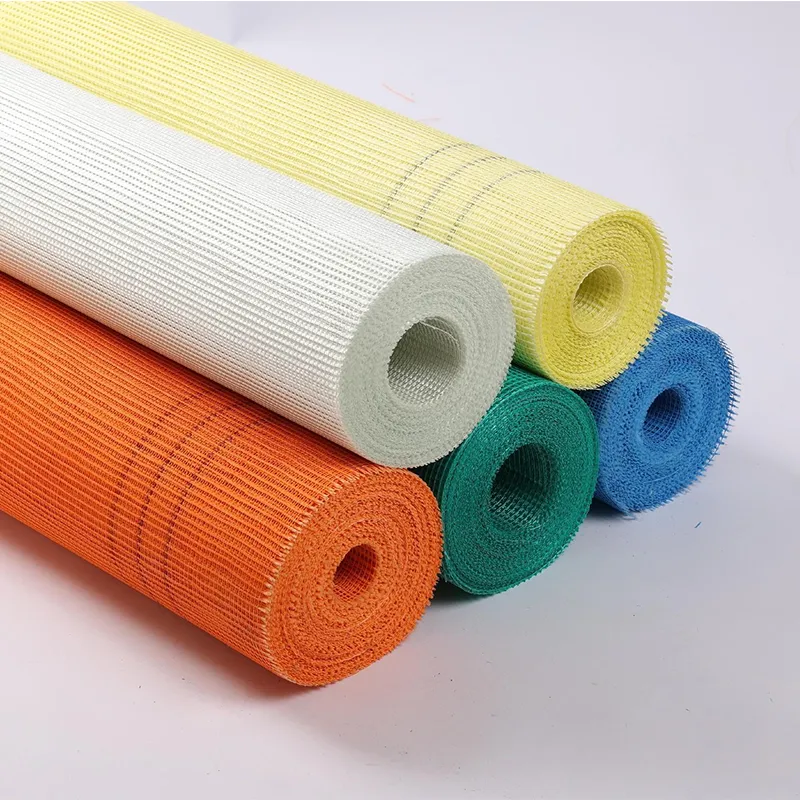
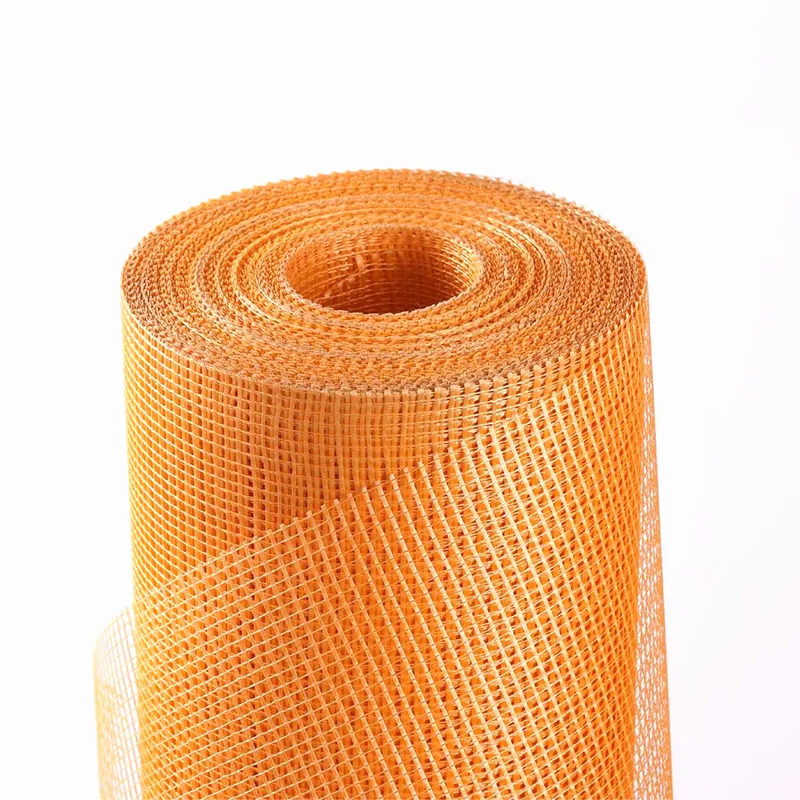
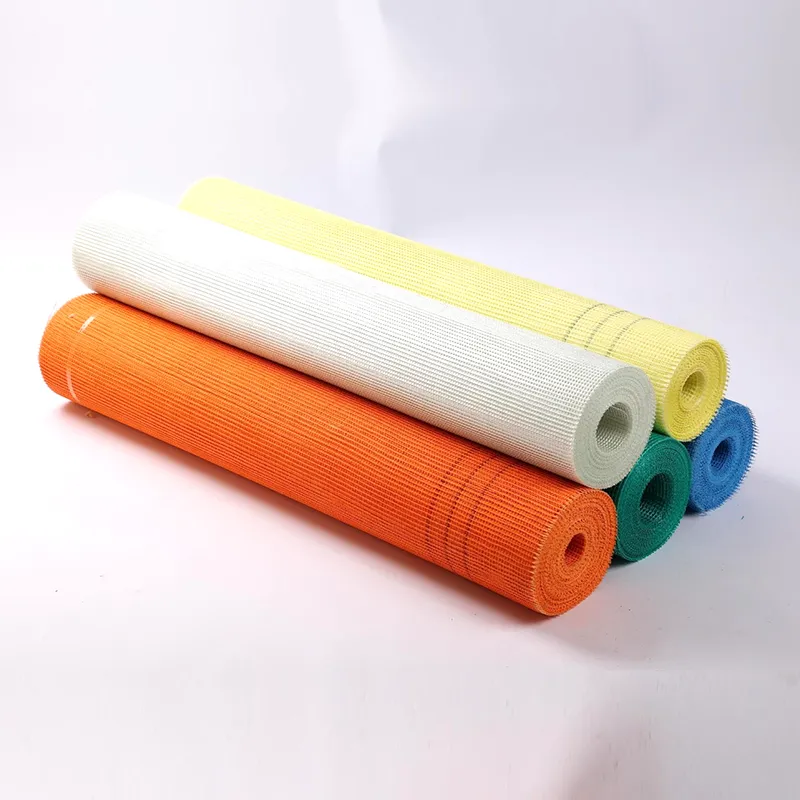
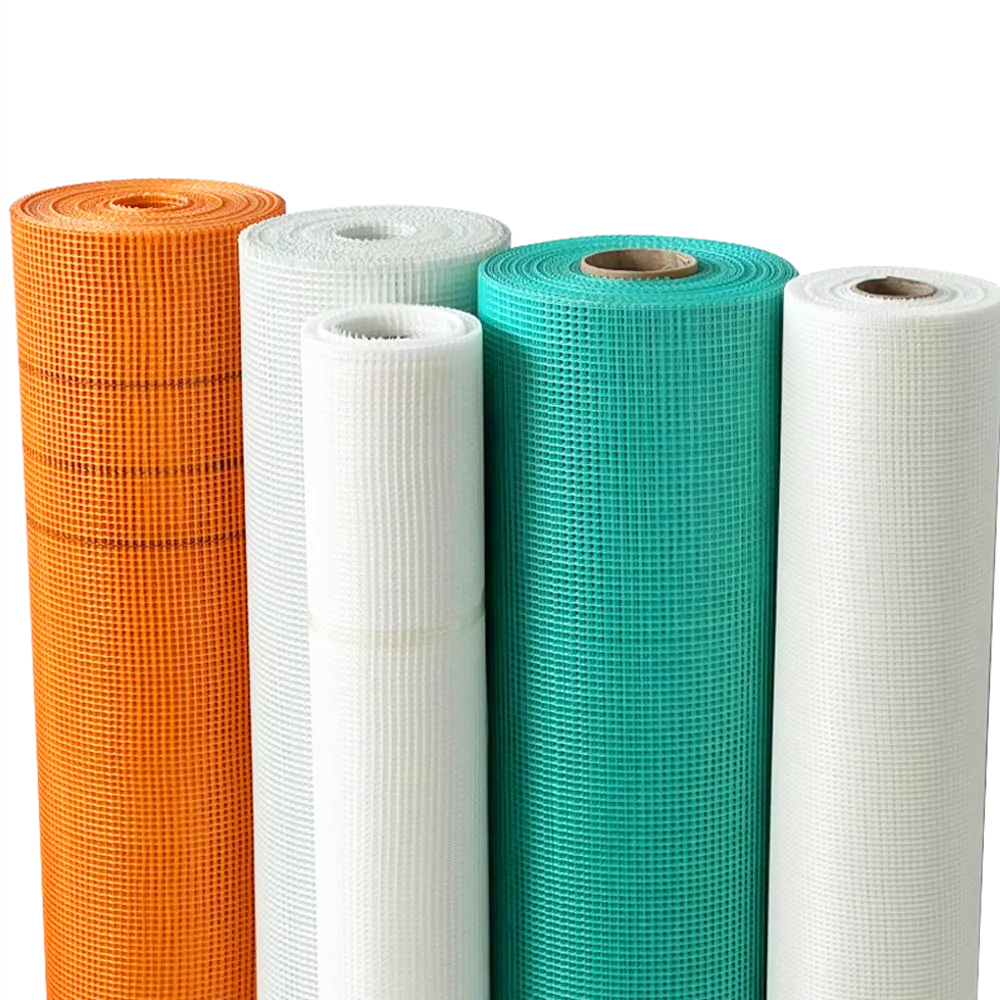
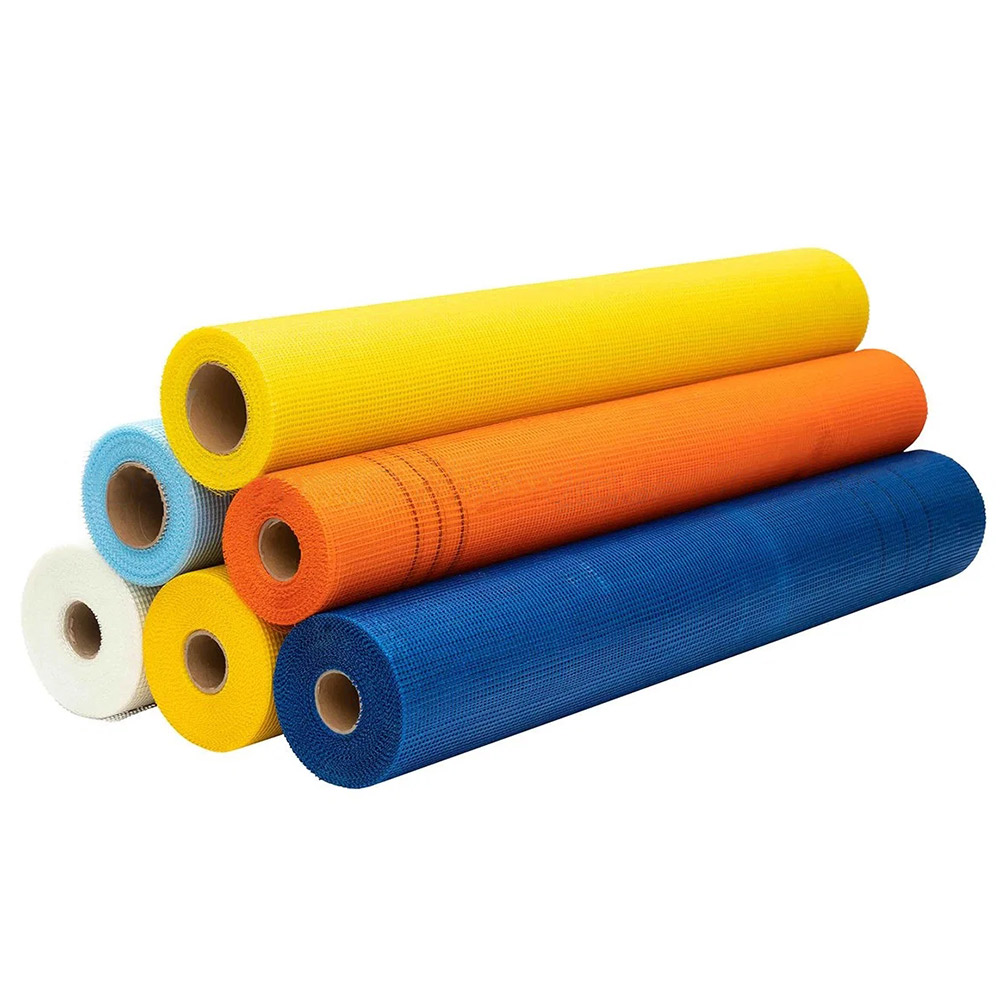
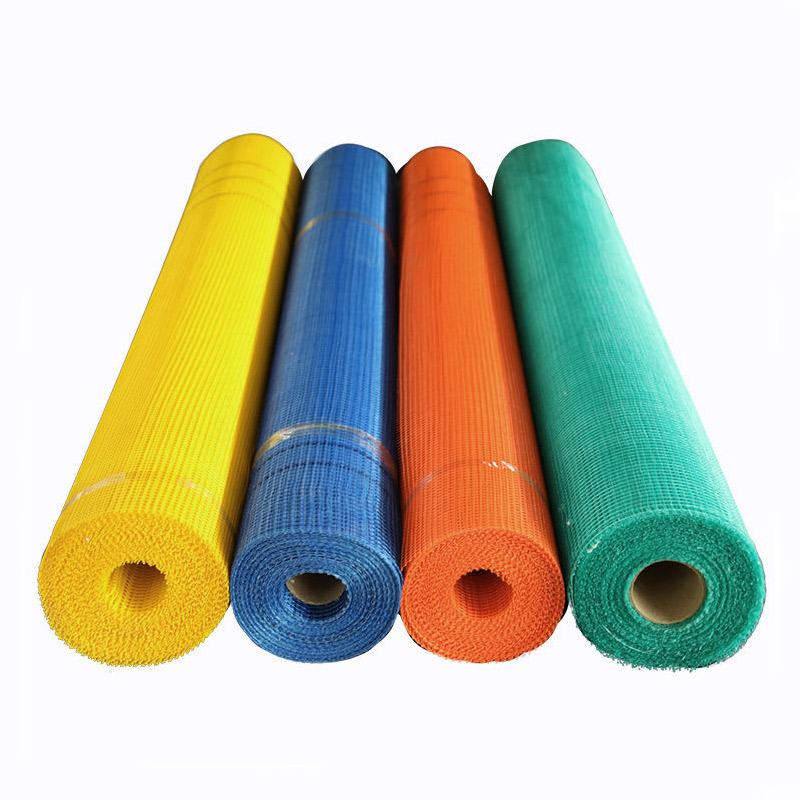
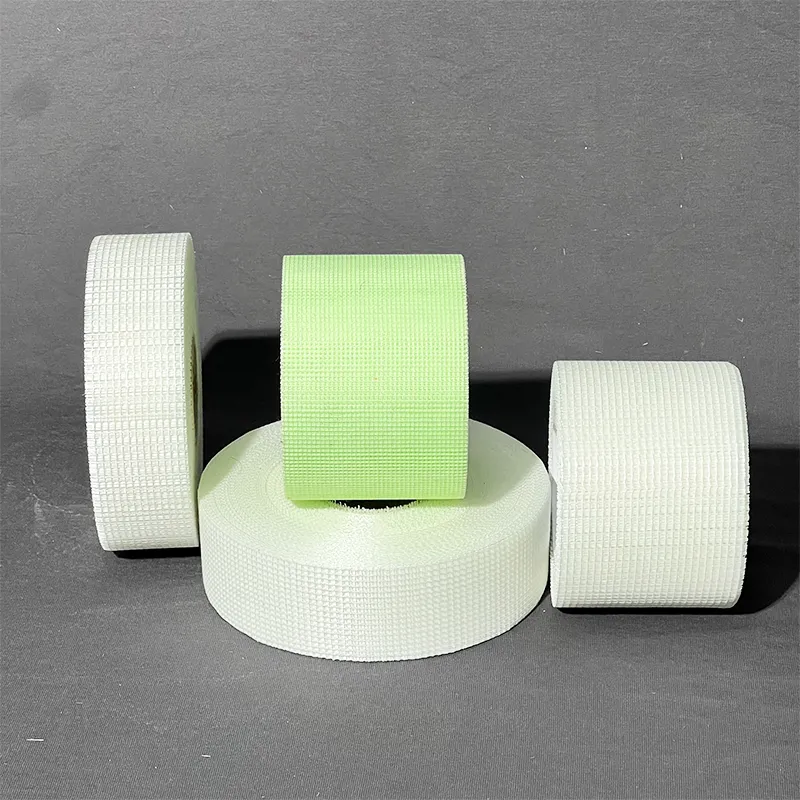
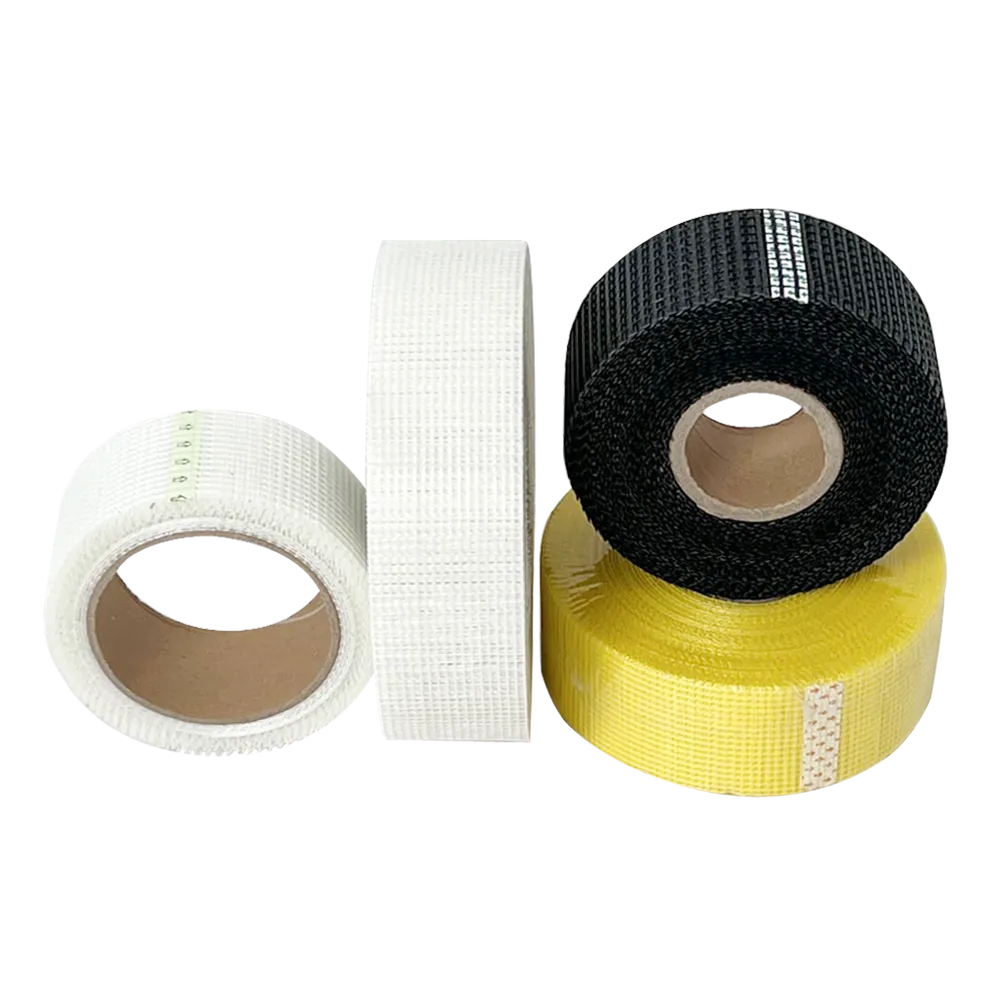
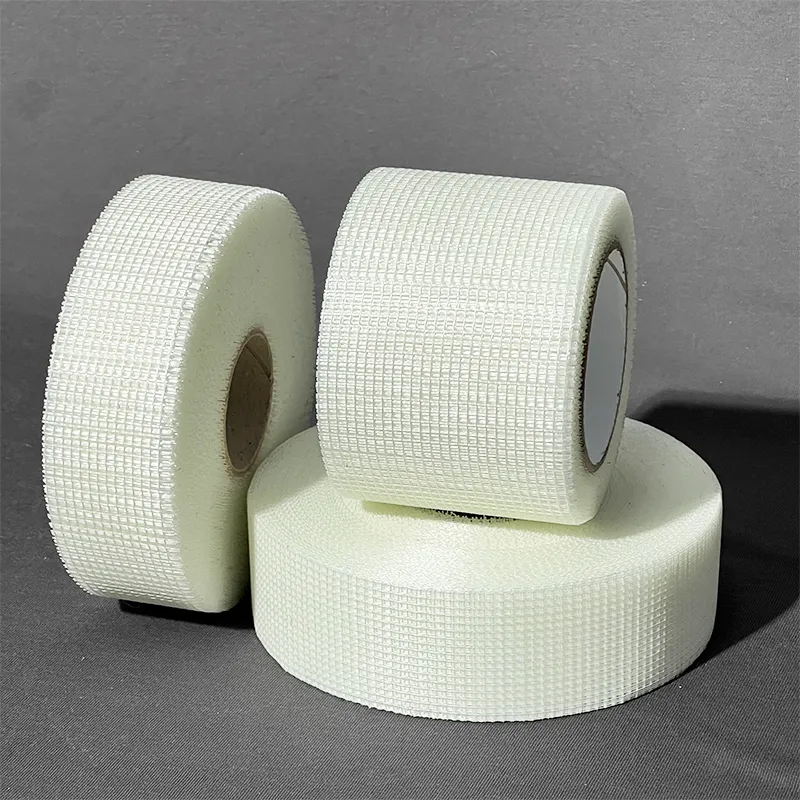
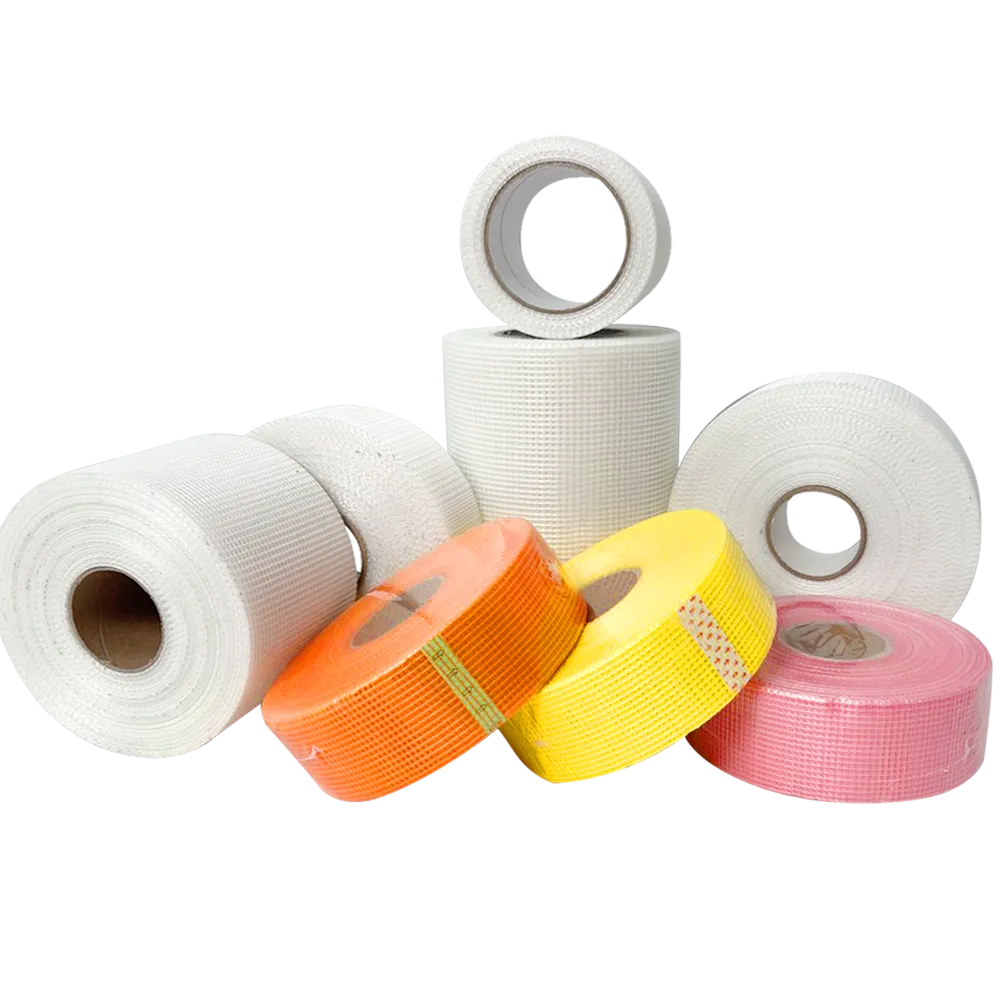
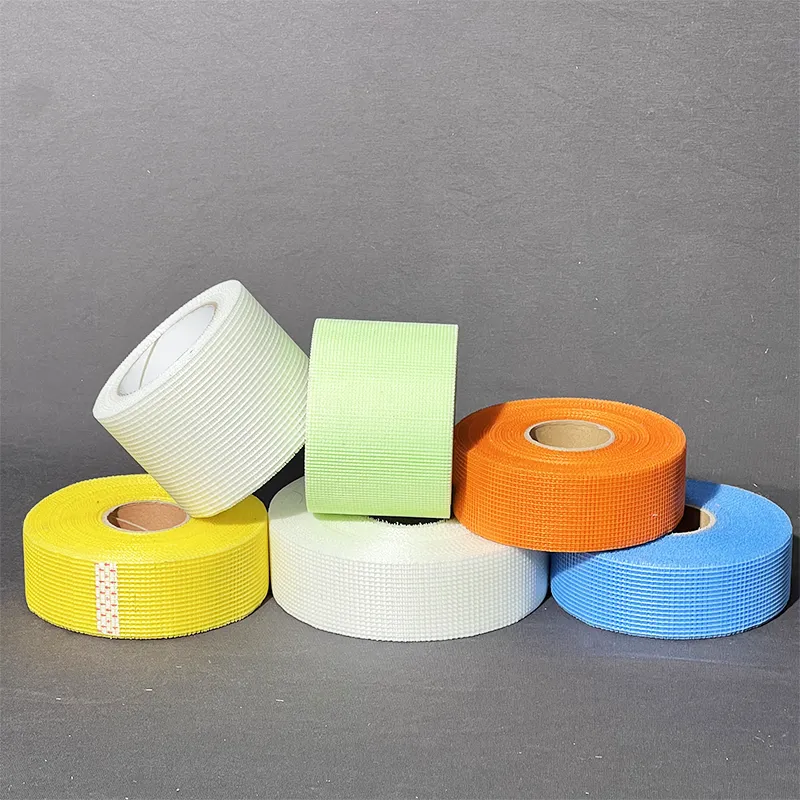
Simply put, ar fiberglass mesh products are fabric-like grids made from alkali-resistant fiberglass yarns woven into a mesh pattern. The “AR” stands for alkali-resistant, which means these fibers resist degradation when embedded in highly alkaline materials like cement or concrete. This resistance ensures long-lasting structural reinforcement over decades.
They’re widely used in reinforcing cement, drywall, plaster, and composite materials, providing tensile strength while being lightweight and easy to handle. Think of them as the unseen champions holding walls and panels together, preventing cracks and failure.
Core Features That Make AR Fiberglass Mesh So Effective
1. Alkali Resistance
This is the defining characteristic. The fiberglass yarns are coated with a special chemical treatment that protects them from the harsh alkaline environment within cement mixtures. Without this, standard fiberglass would deteriorate quickly, leading to reinforcement failure.
2. High Tensile Strength
Though seemingly delicate, these meshes offer remarkable tensile strength, distributing stress evenly to mitigate cracking. Engineers often note how these meshes add resilience without drastically increasing weight.
3. Lightweight and Flexible
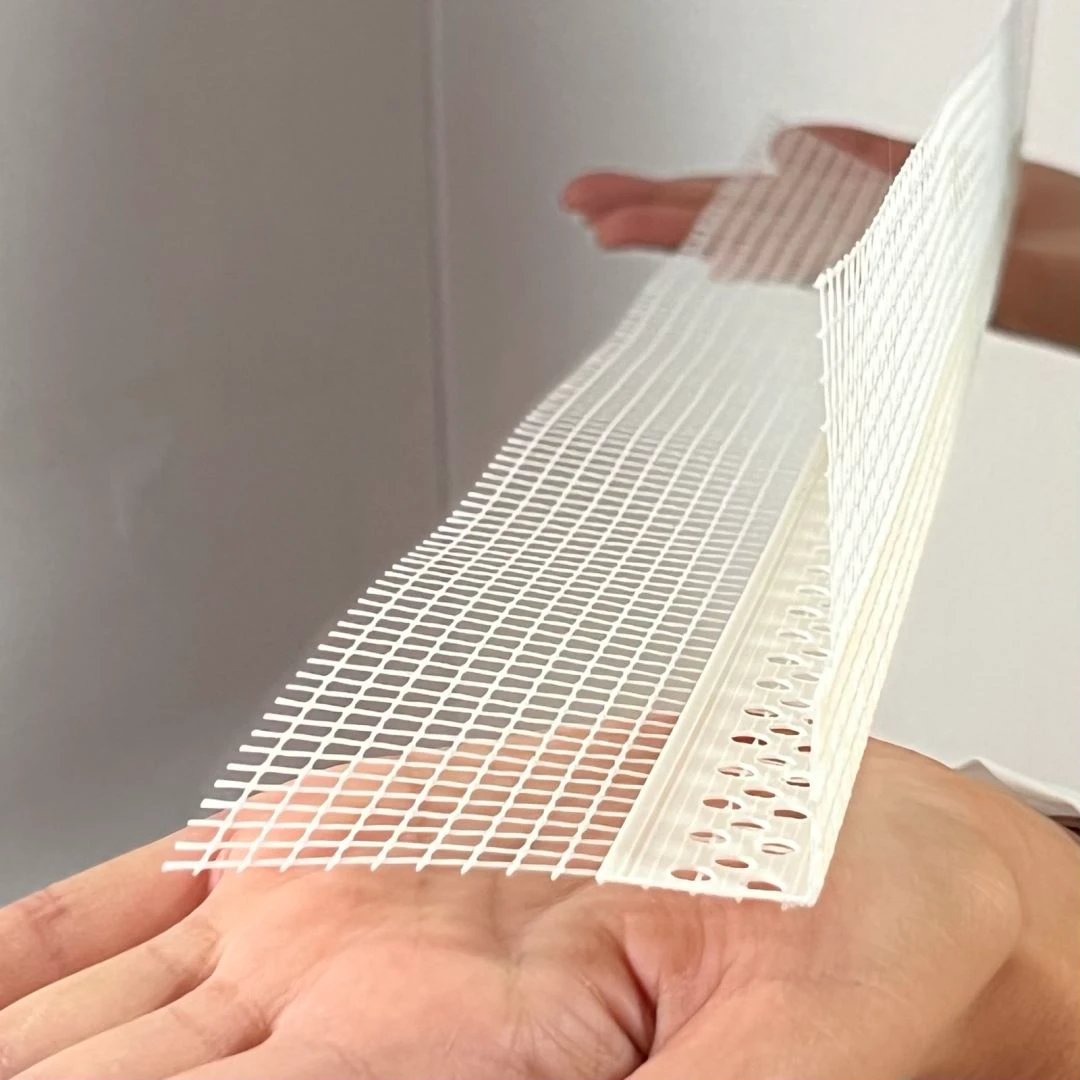
Compared to steel reinforcement bars, fiberglass mesh is super light and flexible. This makes installation faster, especially in complex shapes or tight spaces.
4. Cost Efficiency
While initial costs may seem higher than basic reinforcements, the long-term savings in durability, reduced maintenance, and faster project turnaround often offset this.
5. Environmental Resistance
These products are non-corrosive, resisting moisture, chemicals, and temperature fluctuations which are common culprits in structural failures.
How AR Fiberglass Mesh Products Are Used Across the Globe
From the skyscrapers of Shenzhen to rural road repair projects in East Africa, AR fiberglass mesh is everywhere once you start looking. Its global application is vast, covering industries including construction, automotive composites, marine engineering, and even aerospace components.
- Post-disaster reconstruction: Rapid rebuilding after earthquakes or floods often relies on these mesh products to reinforce walls that can better withstand future shocks.
- Industrial coatings and roofing: Fiberglass meshes serve as base layers, providing added strength and crack resistance in harsh environmental conditions.
- Agriculture and environmental tech: Meshes stabilize soil or as part of green building materials.
- New infrastructure projects: Bridges, tunnels, and high-rise buildings incorporate fiberglass mesh for internal structural integrity.
For NGOs and governments focused on sustainable development, these mesh products provide a great balance between cost, durability, and ease of transport to remote locations.
Advantages and Long-term Value of AR Fiberglass Mesh Products
Why switch to or invest in AR fiberglass mesh? A few reasons stand out:
- Cost savings over time: Fewer structural repairs and longer lifespans reduce maintenance budgets.
- Sustainability: Lightweight materials mean less carbon footprint during transport and installation.
- Safety and durability: Better crack resistance prevents catastrophic failures and enhances occupant safety.
- Emotional reassurance: There’s growing trust globally in products that deliver consistent, proven results — which builds confidence among builders and owners alike.
In real terms, using AR fiberglass mesh means fewer worries about expensive retrofits, more efficiency on site, and infrastructure that stands the test of time and nature.
Looking Ahead: Emerging Trends and Innovations
Interestingly, the field is evolving. Researchers are experimenting with nano-coatings to boost alkali resistance even further while reducing mesh thickness. Others are combining fiberglass with bio-based resins to create greener composite materials. There’s talk of incorporating smart sensors in the mesh to monitor structural health in real-time — a hybrid of materials science and digital tech. Frankly, this could redefine how we approach construction monitoring.
On the policy front, stricter building codes worldwide are nudging more projects to adopt advanced mesh reinforcement for compliance, boosting market demand — which should make ar fiberglass mesh products even more accessible.
Challenges and How Experts Suggest Solving Them
It’s not all smooth sailing. A couple of pain points:
- Supply chain inconsistencies: Not all fiberglass mesh products are created equal. Some cheaper versions lack proper alkali resistance, leading to early failures. Quality control and certifications like ISO 9001 can be critical here.
- Installation knowledge: Improper handling or wrong mesh choice for a specific application can reduce effectiveness. Training programs and field demos help bridge that gap.
- Cost concerns in low-income areas: Upfront costs may deter adoption, though life-cycle cost analysis often sways decision-makers.
Innovative approaches include local production partnerships, modular mesh kits for fast deployment, and blended materials to reduce costs without sacrificing performance.
Product Specification Table: Typical AR Fiberglass Mesh Products
| Specification | Standard Value | Unit |
|---|---|---|
| Mesh Size | 5×5 to 10×10 | mm |
| Yarn Diameter | 0.22 – 0.30 | mm |
| Tensile Strength (Warp/Weft) | > 1100 / > 1100 | N/5cm |
| Weight | 145 – 160 | g/m² |
| Alkali Resistance | ≥ 80% | Retention after 28 days |
| Roll Length | 50 – 100 | m |
Vendor Comparison: Leading AR Fiberglass Mesh Manufacturers
| Vendor | Quality Certification | Range of Mesh Sizes | Pricing | Global Shipping |
|---|---|---|---|---|
| Tainuo Fiberglass | ISO 9001, CE | 5×5 – 10×10 mm | Competitive | Yes |
| Global Mesh Corp. | ISO 14001 | 6×6 – 12×12 mm | Moderate | Yes |
| FiberTech Solutions | CE, REACH | 4×4 – 8×8 mm | Premium | Limited |
Frequently Asked Questions About AR Fiberglass Mesh Products
Q1: How does alkali resistance impact the lifespan of fiberglass mesh in construction?
Alkali resistance ensures fiberglass meshes do not degrade when embedded in cementitious materials with high pH levels. This chemical resistance is essential for long-term durability, often extending the effective lifespan of reinforced structures beyond 30 years.
Q2: Can AR fiberglass mesh products be used for outdoor applications?
Absolutely. Their non-corrosive nature and resistance to moisture and UV exposure make them ideal for outdoor uses, including facades, roofing reinforcements, and infrastructure exposed to weather extremes.
Q3: Are there sustainable advantages to using fiberglass mesh over steel rebar?
Yes. Fiberglass mesh is lighter, leading to lower transport emissions. It also eliminates corrosion issues, reducing maintenance and replacement cycles, which contributes to lower overall environmental impact.
Q4: How can NGOs source quality AR fiberglass mesh for remote construction projects?
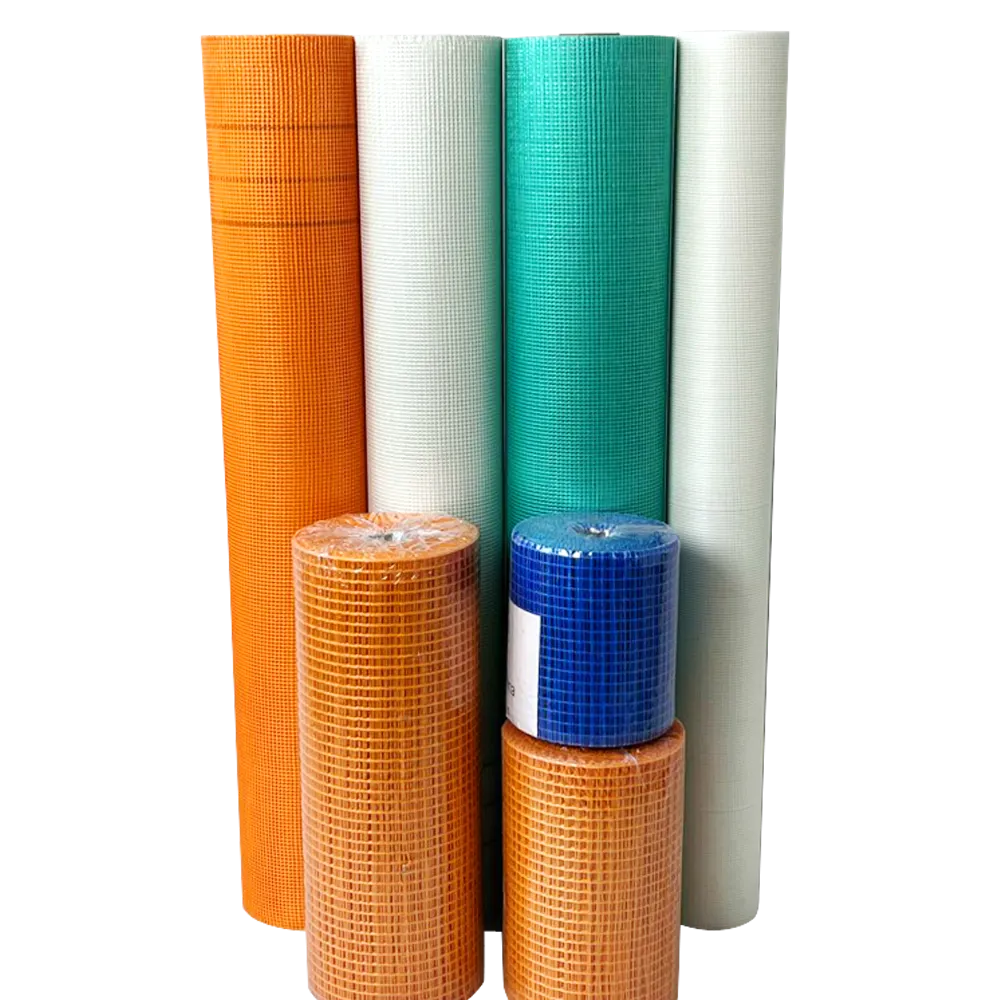
Working with certified suppliers offering international shipping is key. Many vendors like tainuofiberglassmesh.com specialize in packaging modular mesh rolls suited for easy transport and fast deployment.
Q5: What are typical costs and considerations when choosing fiberglass mesh products?
Costs vary based on mesh size, weight, and vendor. It’s important to factor in long-term durability and installation ease. Consulting technical datasheets ensures product suitability for specific projects.
Wrapping It Up: Why AR Fiberglass Mesh Products Are Here to Stay
We live in a world where infrastructure resilience is no longer optional but essential. AR fiberglass mesh products quietly underpin many of these efforts by offering a smart, reliable, and sustainable reinforcement solution. Whether tackling disaster relief rebuilding or shaping next-gen skyscrapers, these meshes deliver tangible benefits for engineers, builders, and communities alike.
If you're looking to explore quality AR fiberglass mesh products, consider visiting our website: https://www.tainuofiberglassmesh.com. With comprehensive product lines, certifications, and global support, it’s a solid starting point for your projects.
1. Wikipedia: Fiberglass
2. UN Environment Programme Reports
3. ISO 9001 Quality Management Standard
-
Best Fiberglass Mesh Tape for RedGard Product Waterproofing GuideNewsApr.16,2026
-
Why High Strength Fiberglass Mesh Is Essential For Stucco ApplicationNewsApr.15,2026
-
Why Alkali Resistant Fiberglass Mesh Tape Is Essential For Cement Board And Tile InstallationsNewsApr.15,2026
-
Understanding The Role Of Drywall Fiberglass Mesh In Interior FinishingNewsApr.15,2026
-
Ultimate Guide To Using Fiberglass Mesh Tape For Drywall And Plaster RepairsNewsApr.15,2026
-
The Versatility Of Fiberglass Mesh In Marble And Stone MosaicNewsApr.15,2026