Nov . 27, 2025 01:10 Back to list
AR Fiberglass Mesh Product - Durable & Sustainable Reinforcement Material
Understanding AR Fiberglass Mesh Product: What It Is and Why It Matters
In a world progressively relying on durable, lightweight, and efficient materials, the ar fiberglass mesh product stands out as a quietly essential innovation. This product, often overlooked outside tech or industrial circles, carries global significance due to its remarkable ability to strengthen infrastructure, improve safety, and support sustainability efforts. Whether you’re in construction, manufacturing, or emergency response, knowing what this mesh is and why it matters can save costs, time, and even lives down the road.
So, why the buzz? Well, fiberglass reinforced materials, especially alkali-resistant (AR) fiberglass mesh, respond to pressing global challenges — from climate-resilient construction demands to sustainable building methods that reduce environmental impact. On a practical level, they help keep buildings standing longer and maintenance minimal, which is ever more vital in areas with extreme weather or seismic activity.
Mini takeaway: AR fiberglass mesh products are not just technical fabrics—they're key players in building safer, greener, and more durable modern structures worldwide.
Global Context: Why AR Fiberglass Mesh Is Gaining Momentum
According to the United Nations Environment Programme, the construction sector accounts for roughly 39% of global carbon emissions (1), so materials that enhance durability and reduce repair frequency are high on the sustainability agenda. Enter ar fiberglass mesh product — designed to resist alkali corrosion common in cement and mortar, making it invaluable for reinforcing structures and extending lifespans.
Plus, as the World Bank highlights (2), infrastructure resilience is a growing priority especially in vulnerable regions prone to natural disasters. Incorporating AR fiberglass mesh helps mitigate damage from earthquakes, floods, or heavy winds because of its lightweight but tough nature. The question a lot of engineers now wrestle with is: how to combine modern materials that don’t just last but promote sustainability? AR fiberglass mesh is one attractive answer.
Mini takeaway: With global shifts towards resilience and sustainability, AR fiberglass mesh meshes perfectly into today’s and tomorrow’s construction challenges.
What Exactly Is AR Fiberglass Mesh?
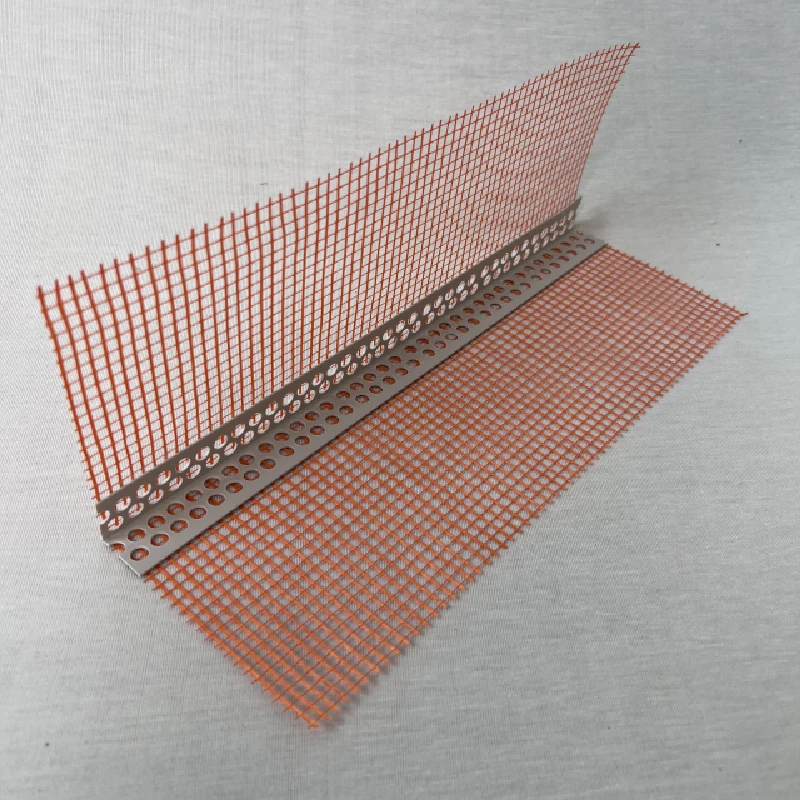
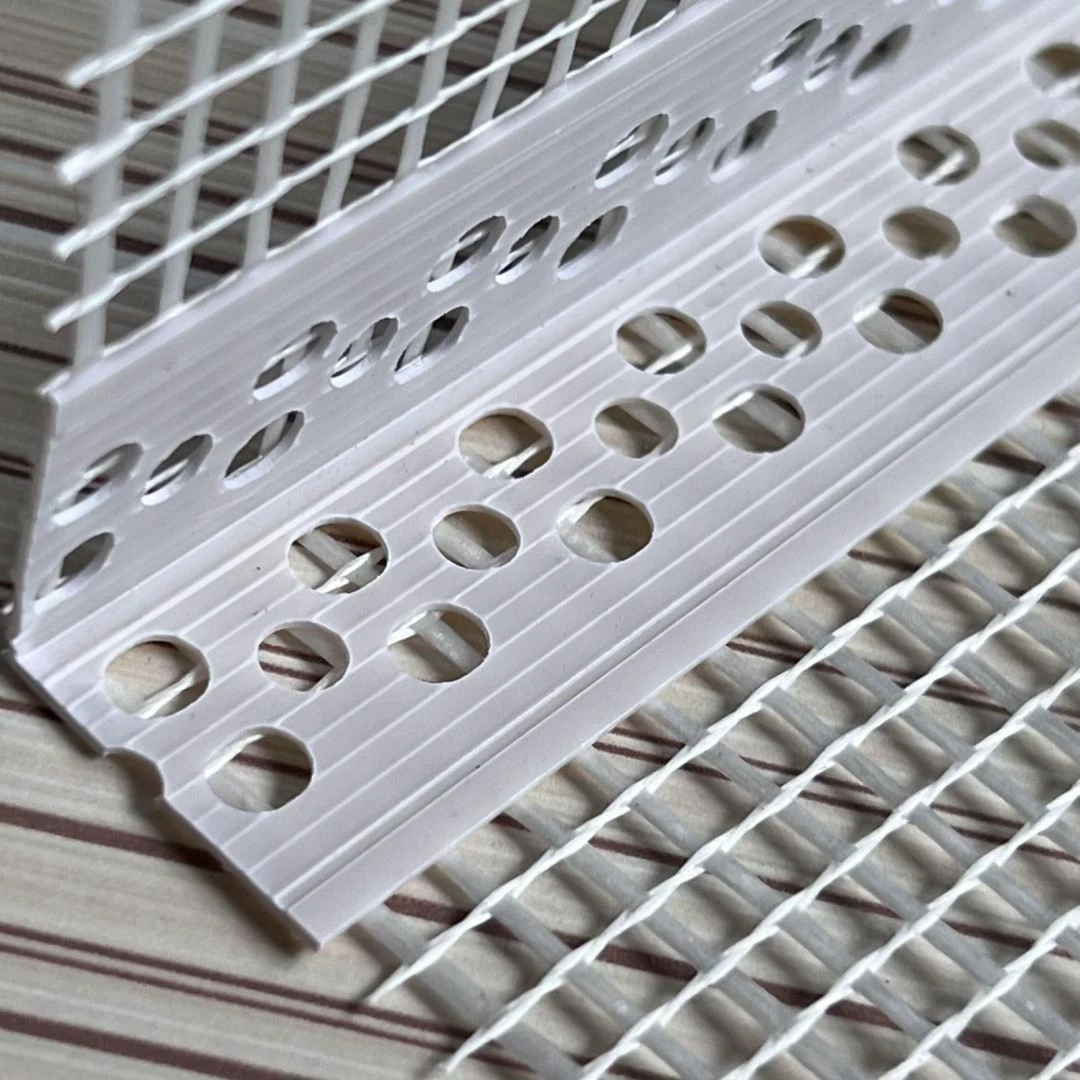
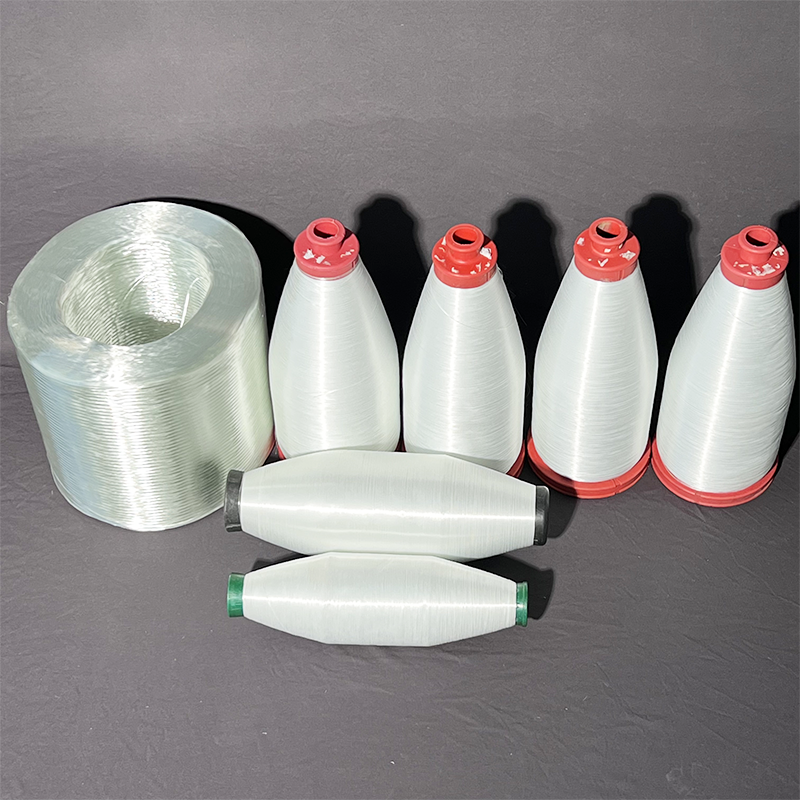
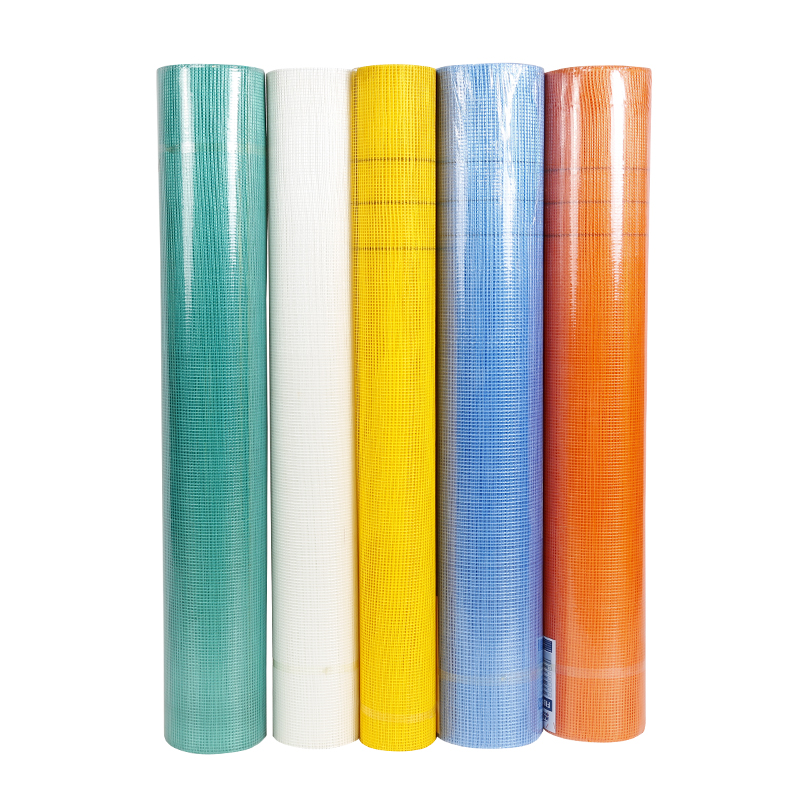
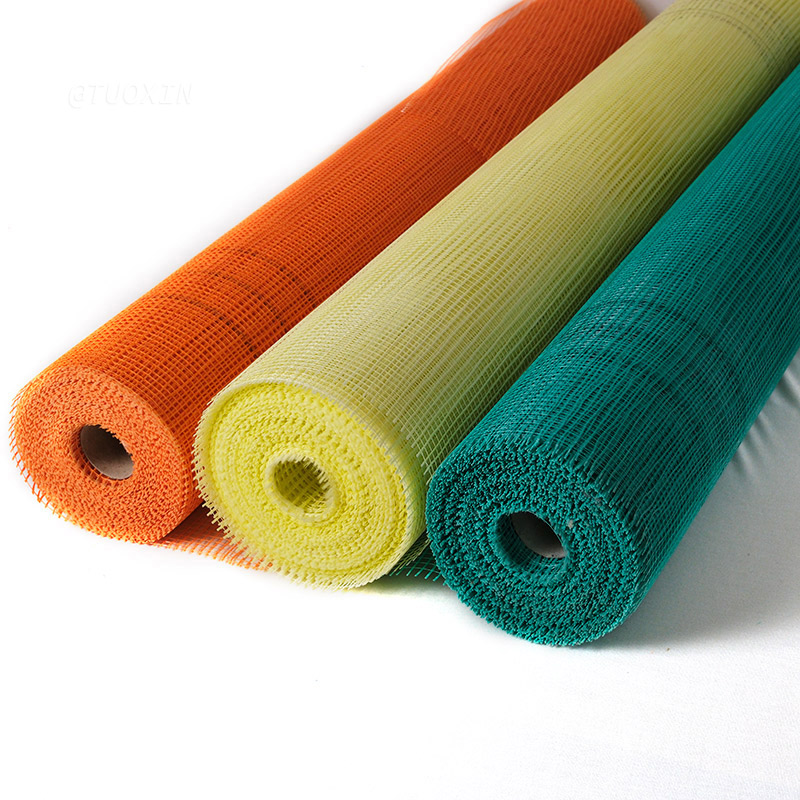
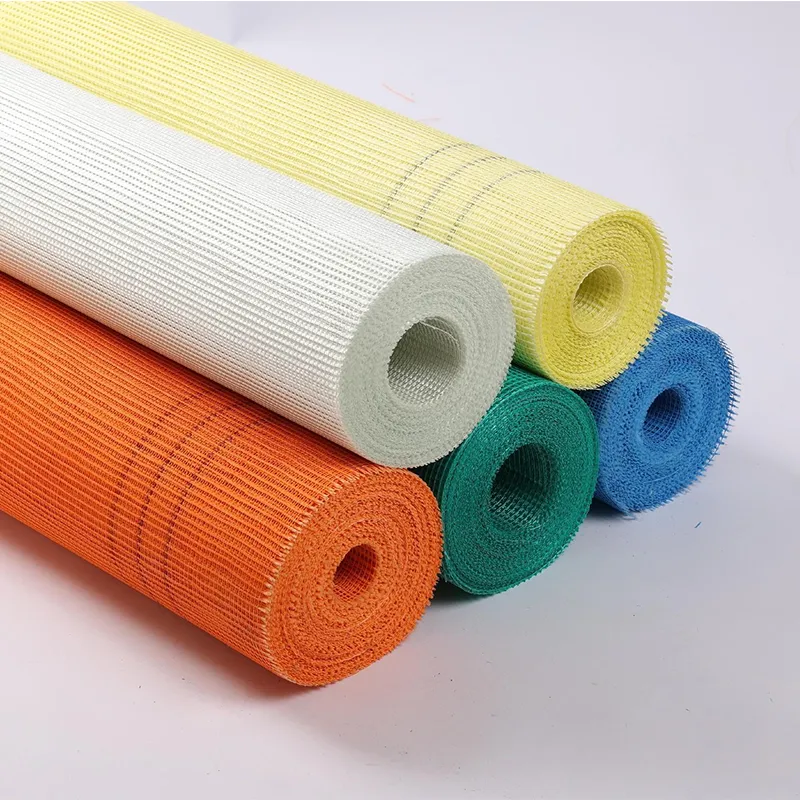
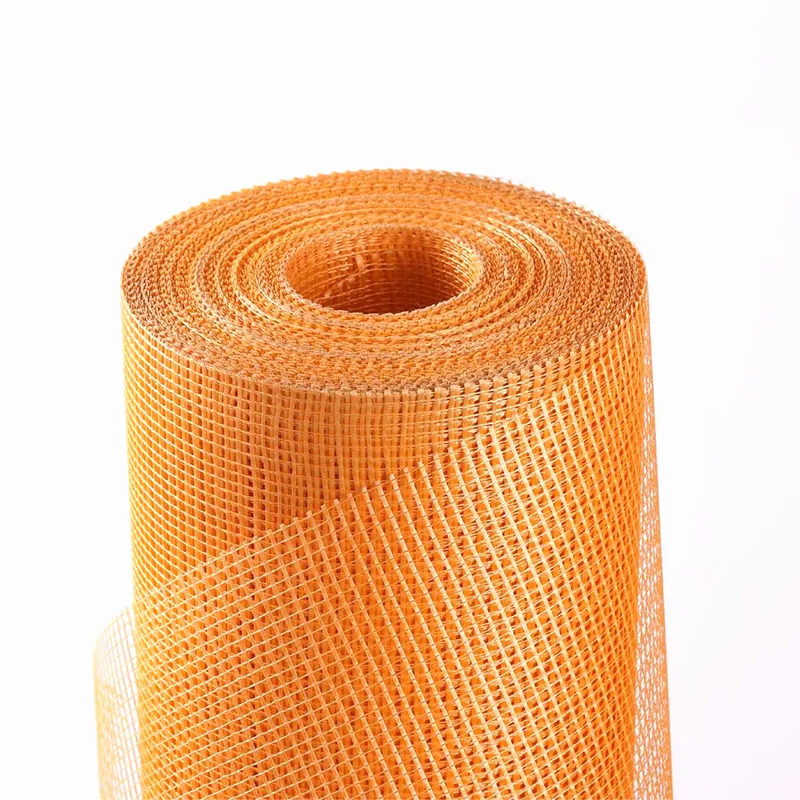
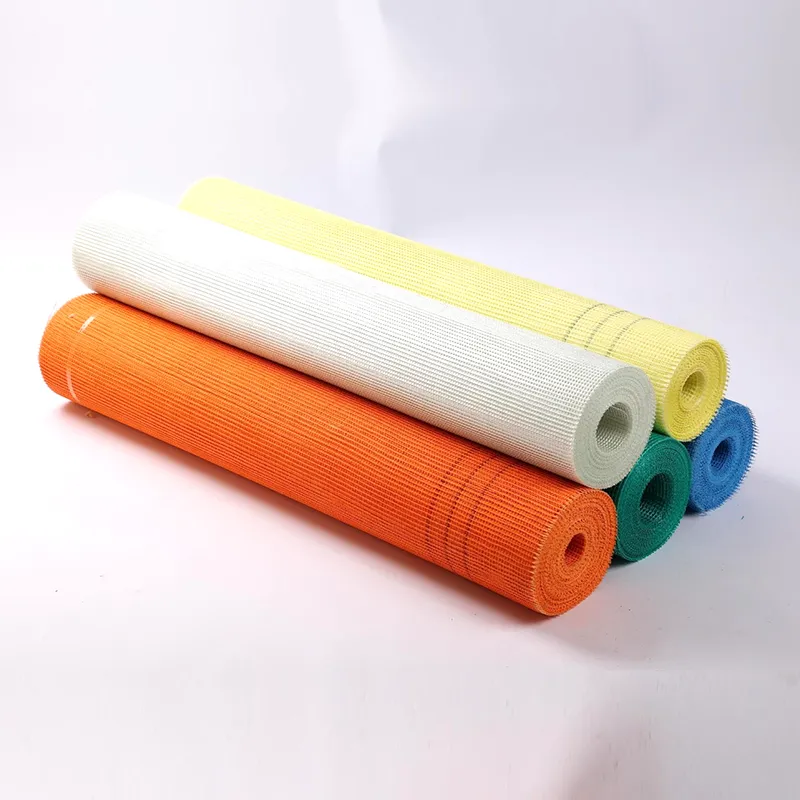
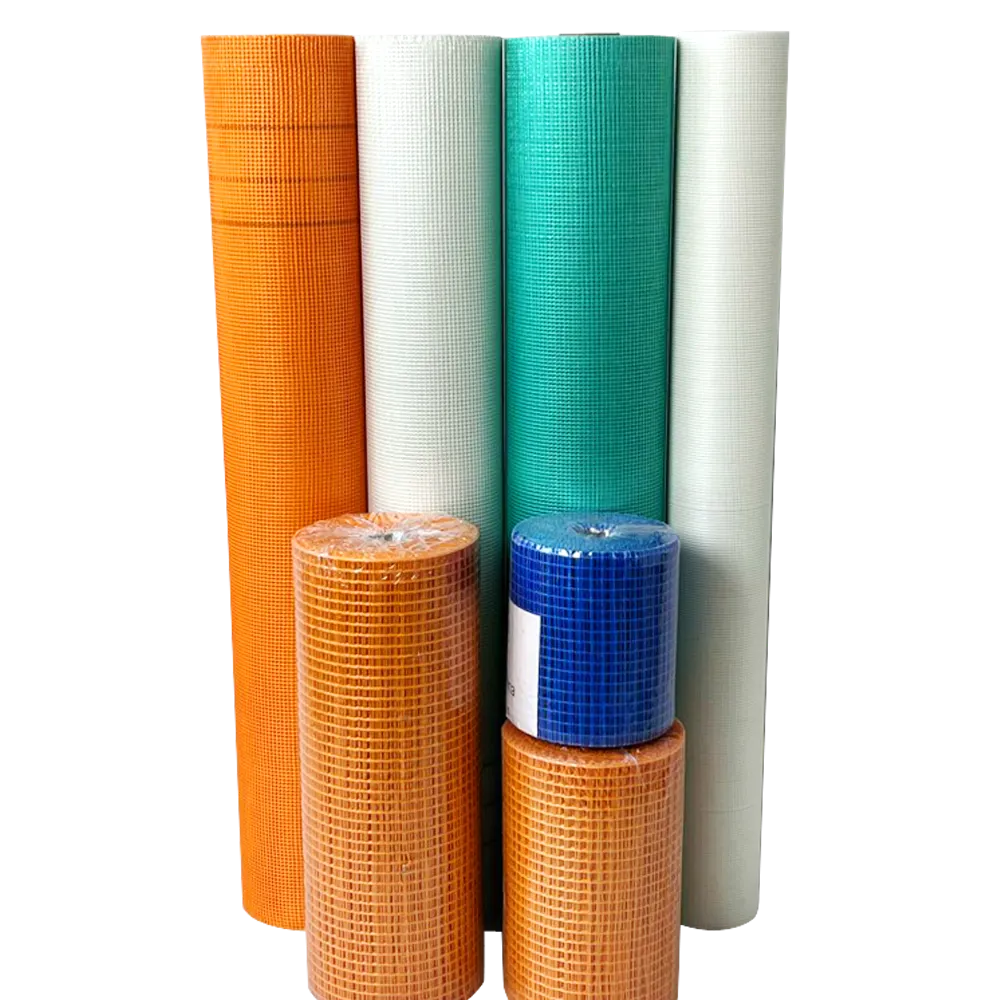
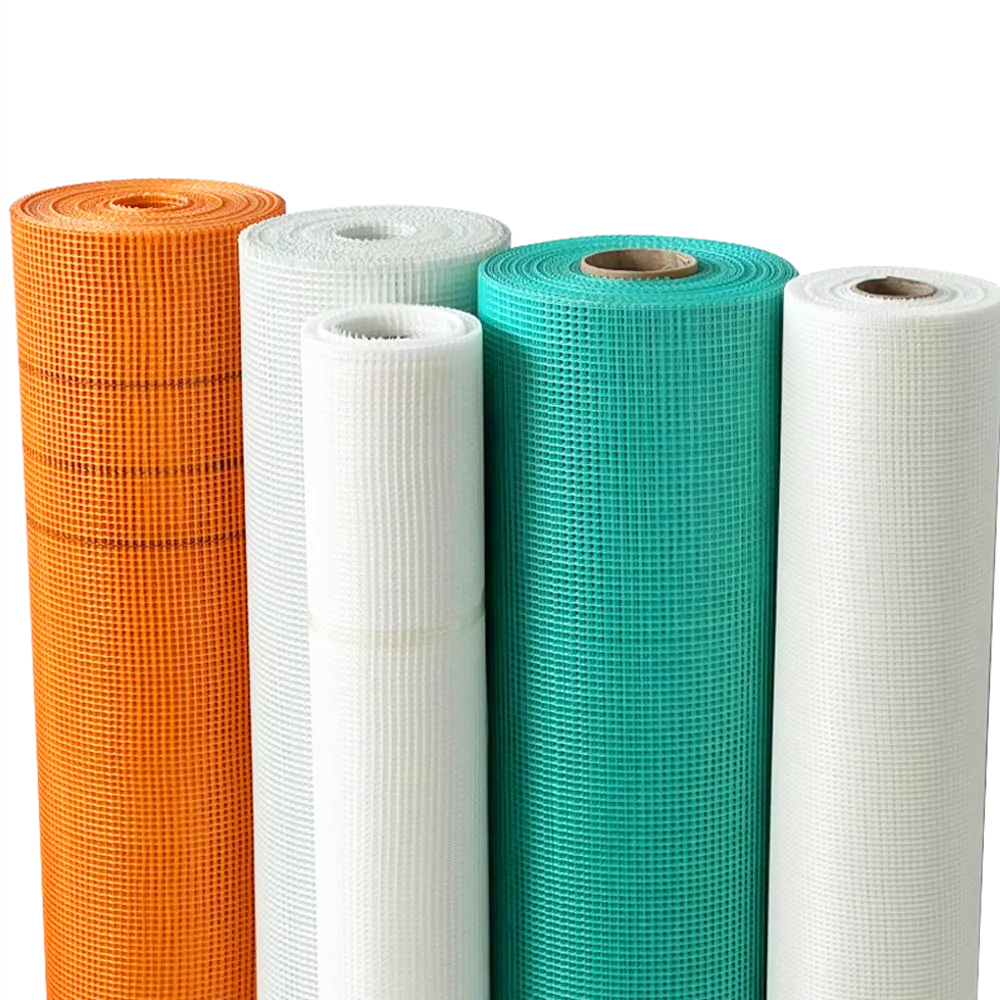
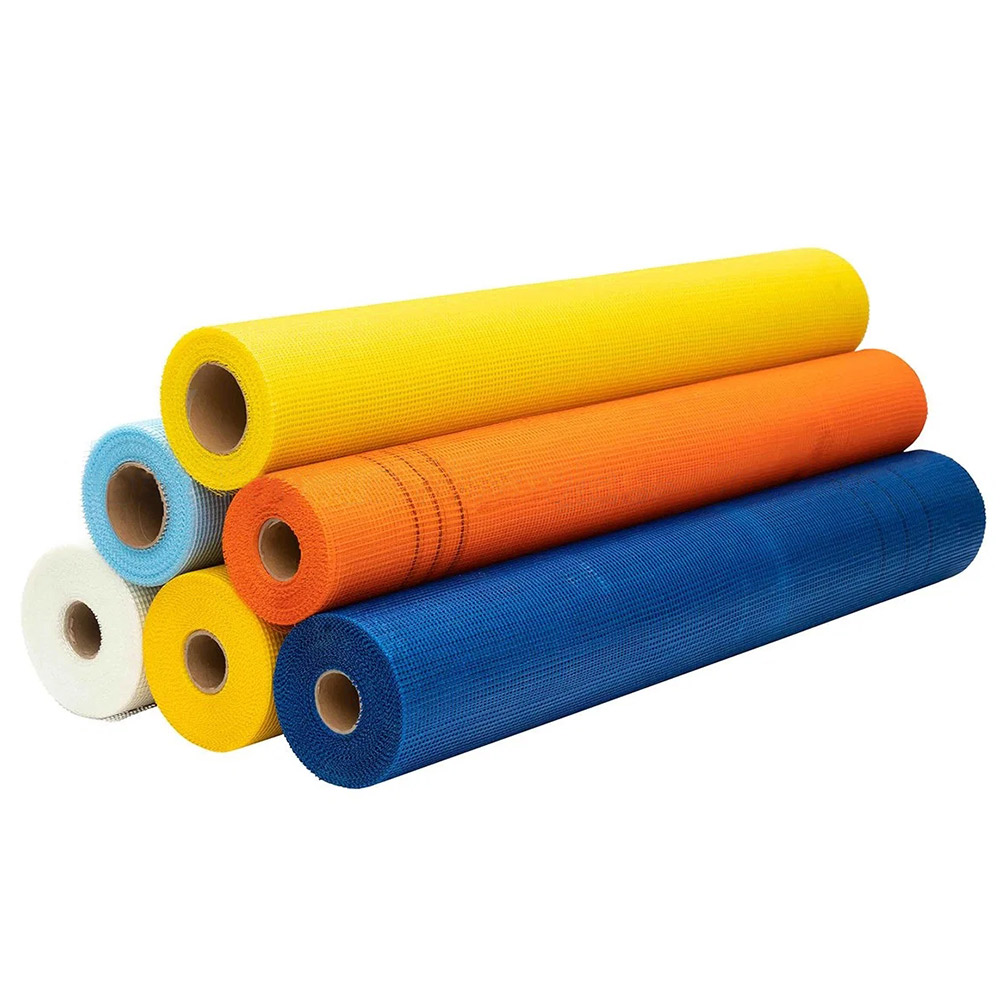
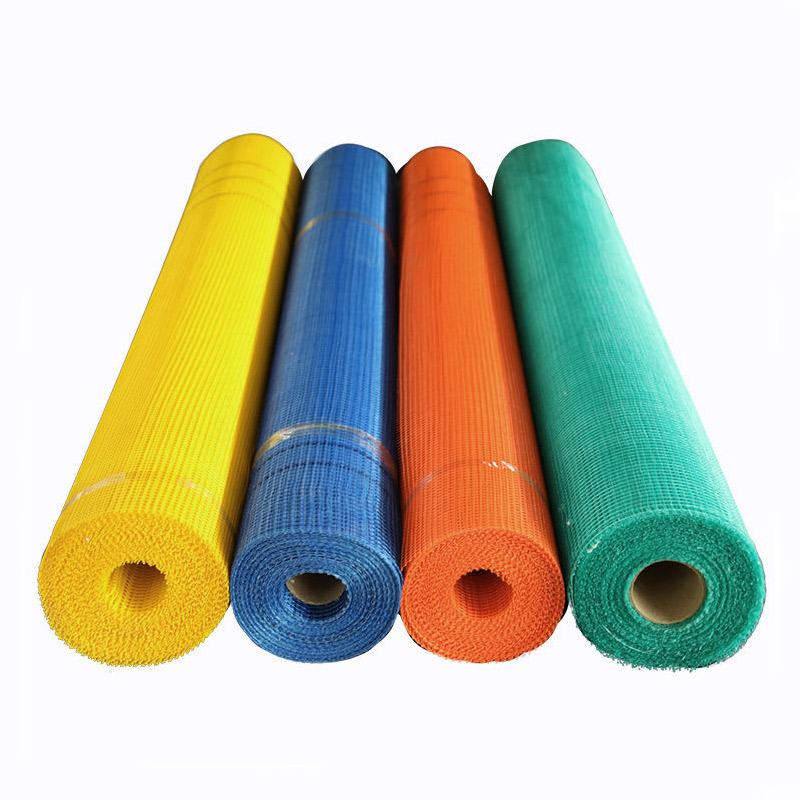
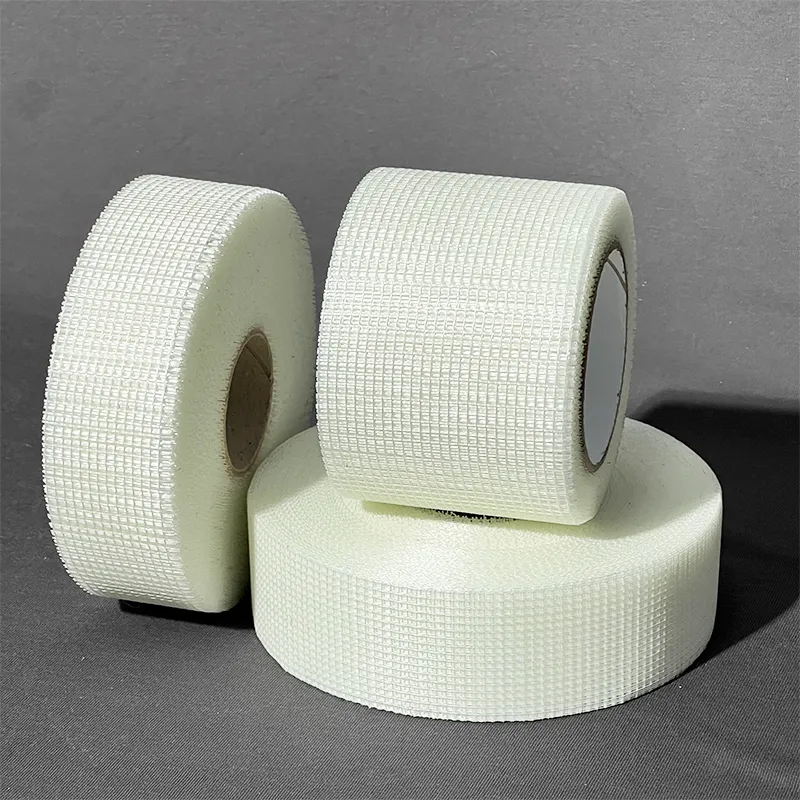
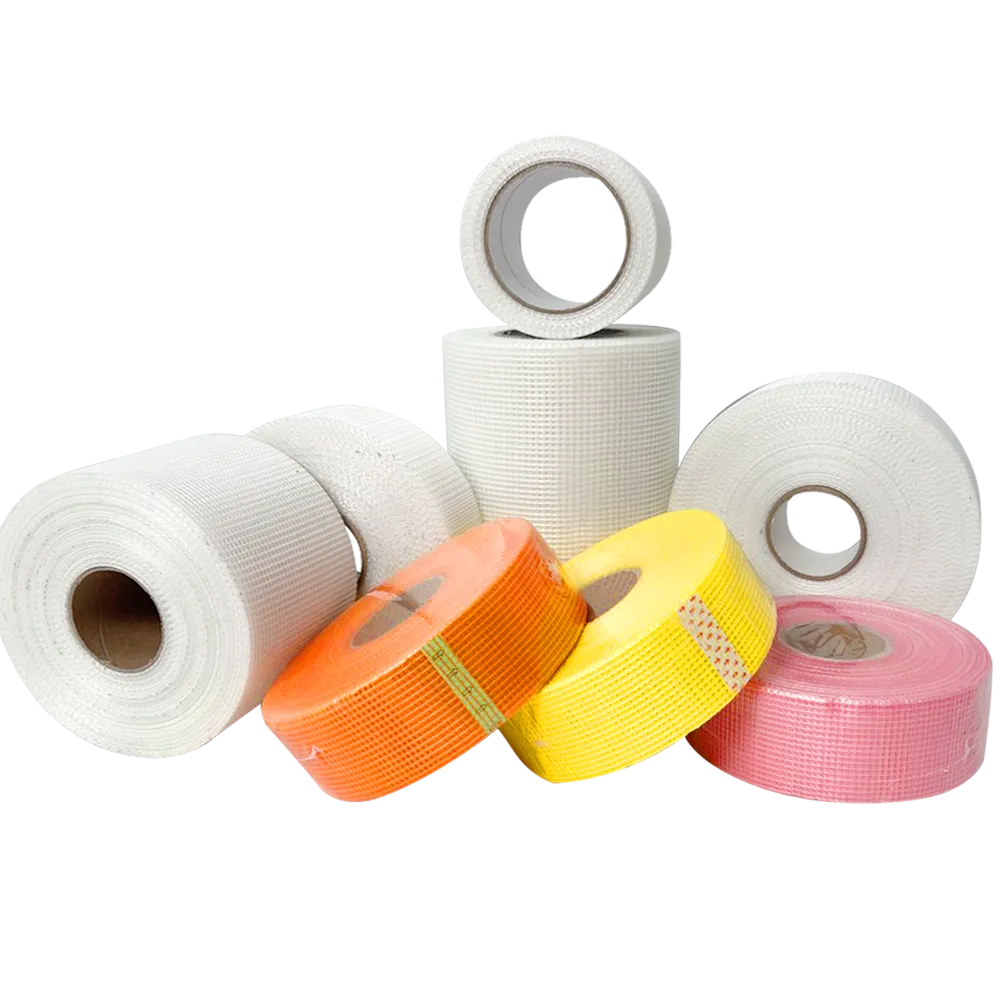
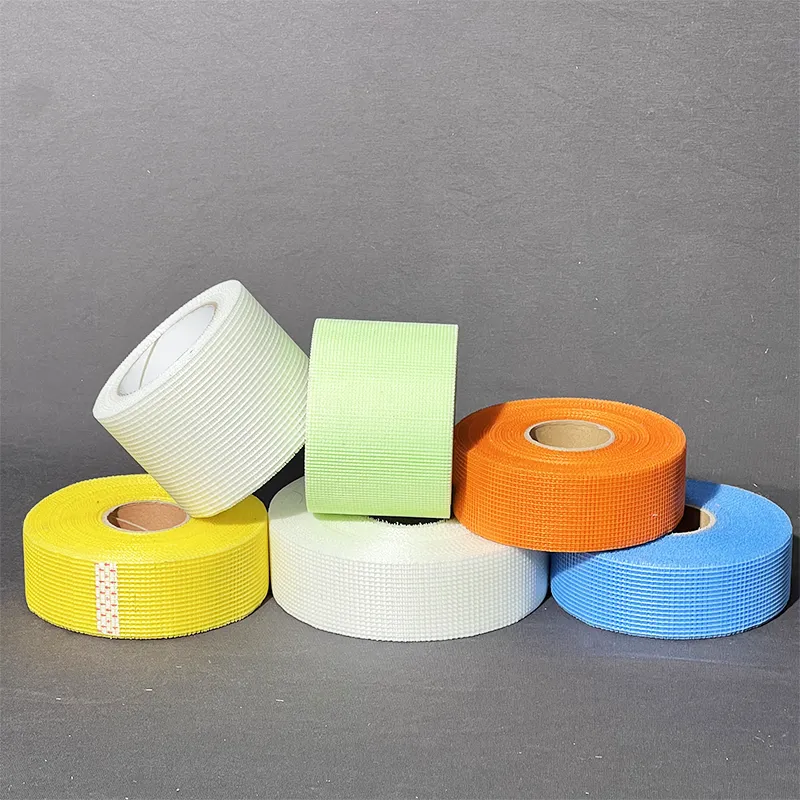
At its core, AR fiberglass mesh product is a fabric made from fiberglass yarns treated to resist alkali environments—mainly the harsh chemical components in cement-based materials. This treatment ensures the mesh maintains its strength and flexibility over time without degrading.
Think of it as a skeletal reinforcement inside plaster, concrete, or stucco that prevents cracking, shrinking, and structural failure. Unlike traditional metal meshes, the AR fiberglass mesh won’t rust or corrode, which adds to longevity and reduces maintenance headaches.
Its relevance stretches beyond industry since these meshes are instrumental in humanitarian aid rebuilds, refugee shelter projects, and developing countries’ construction efforts, where cost-efficiency and durability are prized equally.
Key Features of AR Fiberglass Mesh
- Alkali Resistance: Withstands highly alkaline materials like cement without deteriorating.
- Lightweight Strength: Provides solid structural reinforcement without adding heavy bulk.
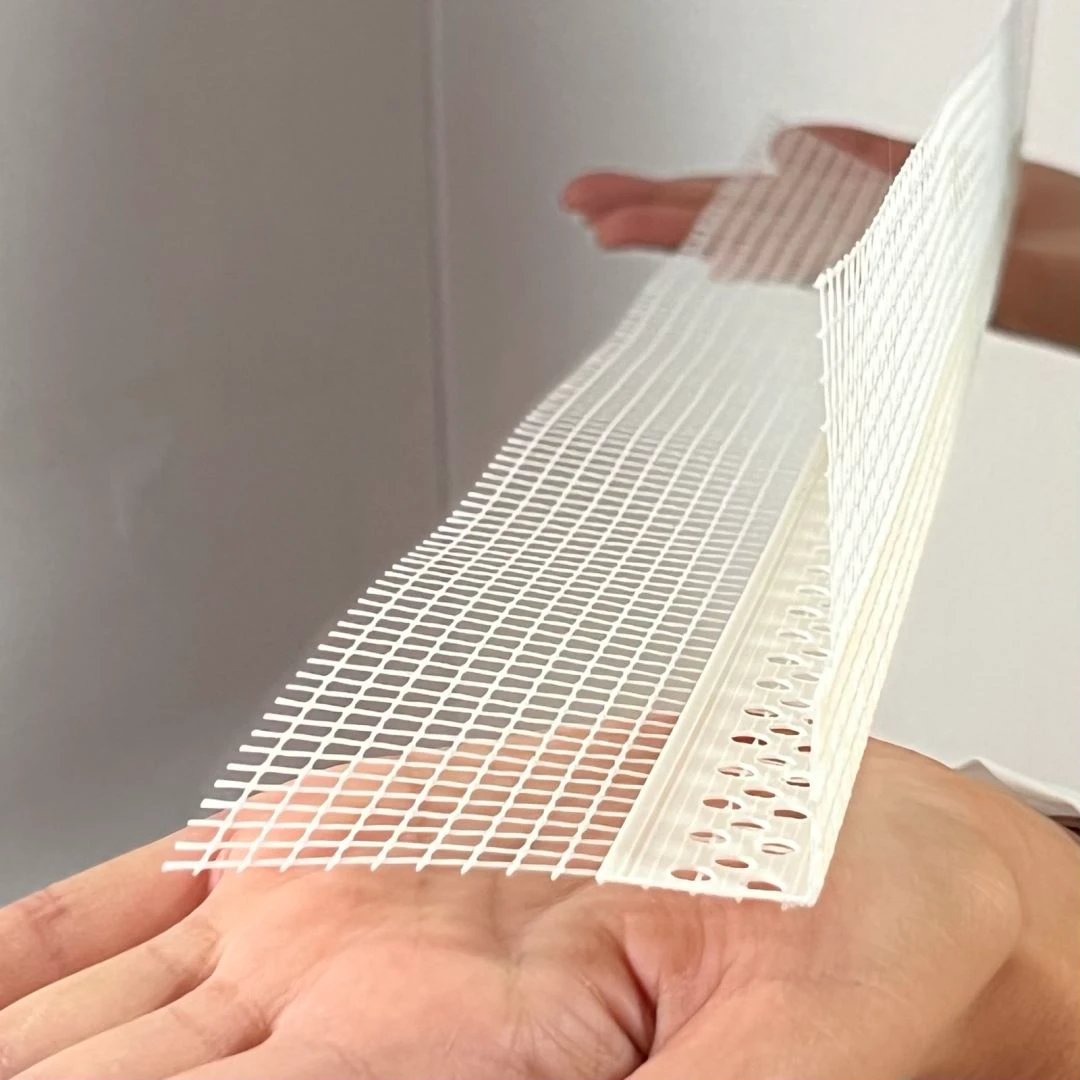
- Flexibility: Easy to shape and cut, adapting to various construction needs.
- Corrosion and Rust Proof: Unlike metal meshes, it won’t corrode, improving safety and durability.
- Economic Efficiency: Reduces repair costs and extends lifespan, saving money long term.
Mini takeaway: Essentially, AR fiberglass mesh brings durability and stability to construction, without the weight or corrosion risks.
Delving Into Core Components of AR Fiberglass Mesh Product
Durability
The backbone of AR fiberglass mesh's appeal is its outstanding durability. Being resistant to alkali and chemical attack inside cementitious environments means cracks and degradation often seen in traditional reinforced materials are dramatically diminished.
Cost Efficiency
Initially, fiberglass meshes cost slightly more than regular plastic or metal meshes, but their longevity and maintenance reduction make them far cheaper over a building’s life cycle. This is especially crucial in large-scale projects or regions where infrastructure budgets are tight.
Scalability & Flexibility
Whether you’re patching a small wall or reinforcing multi-storey buildings, the AR fiberglass mesh is easy to handle, roll out, and install. Installers appreciate this flexibility, shortening labor time.
Lightweight
At roughly a quarter the weight of metal reinforcements, the mesh reduces load stress on the structure, vital for earthquake-prone zones and retrofit projects.
Environmental Impact
This product supports greener construction by enhancing building lifespans and reducing demand for raw material consumption caused by frequent repairs.
Mini takeaway: AR fiberglass mesh balances strength with lightweight flexibility and long-term cost savings, a blend very few materials can claim.
Global Applications & Real-World Use Cases
The ar fiberglass mesh product finds its way into numerous industries and regions globally, including:
- Construction & Renovation: Widely used in exterior insulation finishing systems (EIFS), wall reinforcement, and stucco.
- Disaster Relief & Humanitarian Aid: International aid agencies implement these meshes in rapid housing rebuild projects where speed and durability are critical.
- Marine and Infrastructure: In coastal cities vulnerable to saltwater corrosion, AR fiberglass mesh protects concrete piers and bridges.
- Industrial Zones: Factories and warehouses use it in flooring and containment structures to withstand chemical exposure.
For instance, in Southeast Asia, where typhoons are frequent, engineers commonly rely on AR fiberglass mesh-enhanced materials to retrofit aging buildings. Similarly, UN reconstruction programs have adopted these meshes to fast-track housing solutions in post-earthquake Nepal.
Mini takeaway: The versatility of AR fiberglass mesh means it’s everywhere from disaster zones to megacities — a silent guardian supporting modern infrastructure.
Advantages & Long-Term Value
- Longevity: Reduces structural degradation and cracks for decades.
- Safety: Adds resilience to buildings during extreme events, protecting occupants.
- Sustainability: Minimizes resource consumption and reduces waste over time.
- Cost-effective: Lower repair and maintenance budgets free funds for other priorities.
- Trust & Innovation: Many architects and engineers feel confident relying on this advanced material for modern designs.
On an emotional level, knowing a family’s home or a school they build will last without cracks or collapse adds dignity and stability — factors often overlooked but so crucial.
Product Specification Table
| Specification | Details |
|---|---|
| Material | Alkali-resistant fiberglass yarn |
| Mesh Size | 4mm x 4mm (typical standard) |
| Weight | 90 gsm to 160 gsm |
| Tensile Strength | Up to 1000 N/5cm |
| Alkali Resistance | >99% retention after 28-day alkali solution immersion |
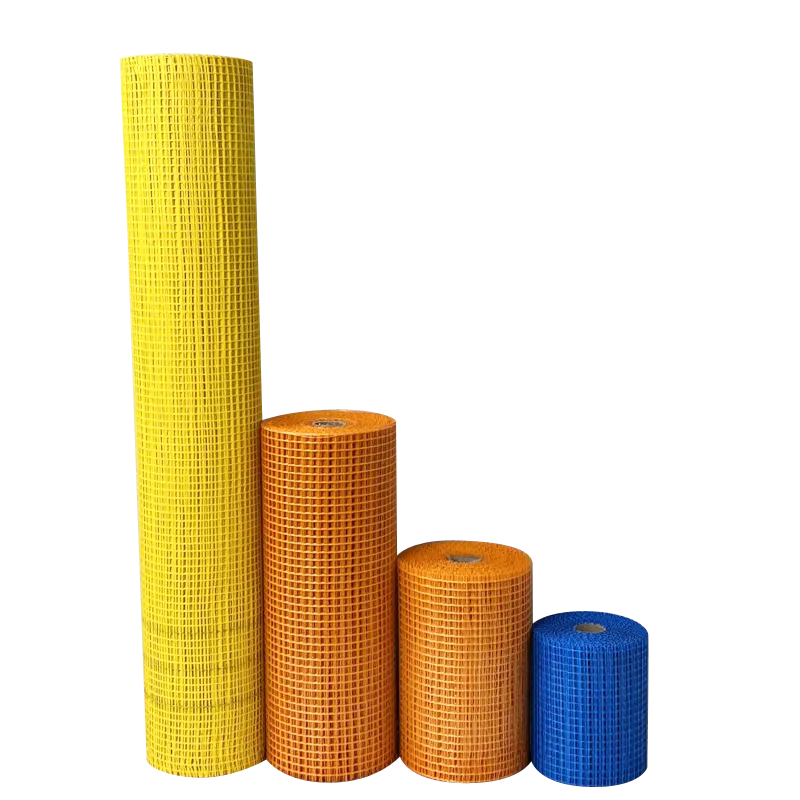
| Roll Dimensions | 1m width x 50m length (standard) |
Vendor Comparison: Leading AR Fiberglass Mesh Providers
| Vendor | Price per roll | Quality Certification | Lead Time | Global Shipping |
|---|---|---|---|---|
| Tainuo Fiberglass Mesh | $85 - $95 | ISO9001, CE | 2 weeks | Yes |
| Global Mesh Inc. | $90 - $100 | ISO9001 | 3 weeks | Limited |
| FibraGuard Co. | $80 - $90 | CE, ASTM compliant | 1 week | Yes |
Challenges & Solutions in Using AR Fiberglass Mesh
Despite the advantages, some common obstacles remain. For starters, improper installation can reduce the mesh’s effectiveness — something many novices underestimate. Also, adhesives or coatings incompatible with fiberglass may cause weak spots. Some users worry about cost premiums compared to simpler materials, although this often ignores lifecycle savings.
Experts recommend thorough training for installers, compatibility testing with materials, and sourcing from reputable suppliers like ar fiberglass mesh product specialists. Newer formulations also improve fire resistance and UV protection, easing previous concerns.
Frequently Asked Questions About AR Fiberglass Mesh Product
A1: Properly installed AR fiberglass mesh can easily last 30 to 50 years or more inside concrete structures, thanks to its alkali resistance and corrosion-free composition. Real-world factors like environmental conditions and installation quality do impact longevity.
A2: Yes, it works well in both scenarios. For renovations, it helps patch and reinforce existing concrete or plaster layers, reducing future cracks or spalling, while in new builds, it provides structural reinforcement from day one.
A3: Compared to metal reinforcements, AR fiberglass mesh is lighter and extends building lifespans, indirectly lowering resource use and waste. Some manufacturers also incorporate recycled materials and comply with sustainability standards.
A4: Factors like mesh weight (gsm), tensile strength, and mesh size depend on your project's structural needs. Consulting product datasheets and technical support—such as from ar fiberglass mesh product vendors—will help tailor your choice.
Future Trends in AR Fiberglass Mesh Products
Looking ahead, innovations include combining AR fiberglass mesh with smart fibers that monitor structural stress digitally, potentially alerting maintenance crews before cracks even form. Sustainability further drives material development — some companies experiment with bio-based coatings to reduce environmental footprints.
Also, automation in manufacturing is improving uniformity and cost-efficiency. And as green building certifications rise, AR fiberglass mesh will likely be specified increasingly as a “green” reinforcement option. All told, the future’s pretty exciting — even if fiberglass mesh itself is a subtle backstage hero.
Conclusion: Why AR Fiberglass Mesh Products Are Worth Your Attention
From strengthening skyscrapers to patching humble emergency shelters, AR fiberglass mesh products quietly underpin much of modern construction’s reliability and sustainability. Their ability to resist chemical decay, reduce repair cycles, and adapt across industries makes them indispensable worldwide.
If you haven’t yet explored this tool in your projects or supply chain, it’s about time. The blend of economic, safety, and environmental value is hard to beat. Visit ar fiberglass mesh product today to discover how this versatile material might just solve one of your toughest building challenges.
1. United Nations Environment Programme, 2021, unep.org
2. World Bank Infrastructure Report, 2022, worldbank.org
3. ISO 178:2019 – Plastics – Determination of flexural properties
-
Best Fiberglass Mesh Tape for RedGard Product Waterproofing GuideNewsApr.16,2026
-
Why High Strength Fiberglass Mesh Is Essential For Stucco ApplicationNewsApr.15,2026
-
Why Alkali Resistant Fiberglass Mesh Tape Is Essential For Cement Board And Tile InstallationsNewsApr.15,2026
-
Understanding The Role Of Drywall Fiberglass Mesh In Interior FinishingNewsApr.15,2026
-
Ultimate Guide To Using Fiberglass Mesh Tape For Drywall And Plaster RepairsNewsApr.15,2026
-
The Versatility Of Fiberglass Mesh In Marble And Stone MosaicNewsApr.15,2026