Nov . 27, 2025 08:05 Back to list
AR Fiberglass Mesh Manufacturers: Durable, Eco-Friendly Construction Reinforcements
Understanding AR Fiberglass Mesh Manufacturers: Why They Matter Globally
At first glance, "AR fiberglass mesh manufacturers" might sound like a niche industry jargon, best left to factories tucked away somewhere. But, if you stop for a moment, you'll realize these manufacturers deliver products critical to the construction, infrastructure, and even disaster-resilient housing sectors worldwide.
Why does this matter on a global scale? Because the durability, safety, and sustainability of buildings—from urban towers in New York to emergency shelters in earthquake zones—often hinge on the quality of materials like alkali-resistant (AR) fiberglass mesh. Understanding these manufacturers means grasping how construction innovations meet rising safety standards, resist natural wear, and contribute to eco-friendly practices.
Mini takeaway: AR fiberglass mesh manufacturers play a subtle, yet indispensable role in making modern buildings stronger and safer worldwide.
The Global Context: Why This Industry is Becoming Essential
Construction and infrastructure collectively account for a huge part of the global economy—built environment investments ring in the trillions annually (source: World Bank). Within this, materials that can withstand harsh conditions, resist corrosion, and reinforce concrete help reduce maintenance costs and improve longevity.
ISO standards increasingly push for durable, sustainable materials, and HERE is where AR fiberglass mesh manufacturers fit in. Manufactured from alkali-resistant fibers, these meshes help combat structural degradation caused by alkali reactions commonly found in cementitious materials.
Yet, a challenge persists: too many projects still rely on subpar reinforcing textiles, leading to cracks, corrosion, or costly retrofits. The solution? Tapping into reliable, quality-focused AR fiberglass mesh suppliers to raise the bar worldwide.
Mini takeaway: Upgrading to high-quality AR fiberglass mesh aligns with global sustainability goals and structural safety standards.
What Exactly Are AR Fiberglass Mesh Manufacturers?
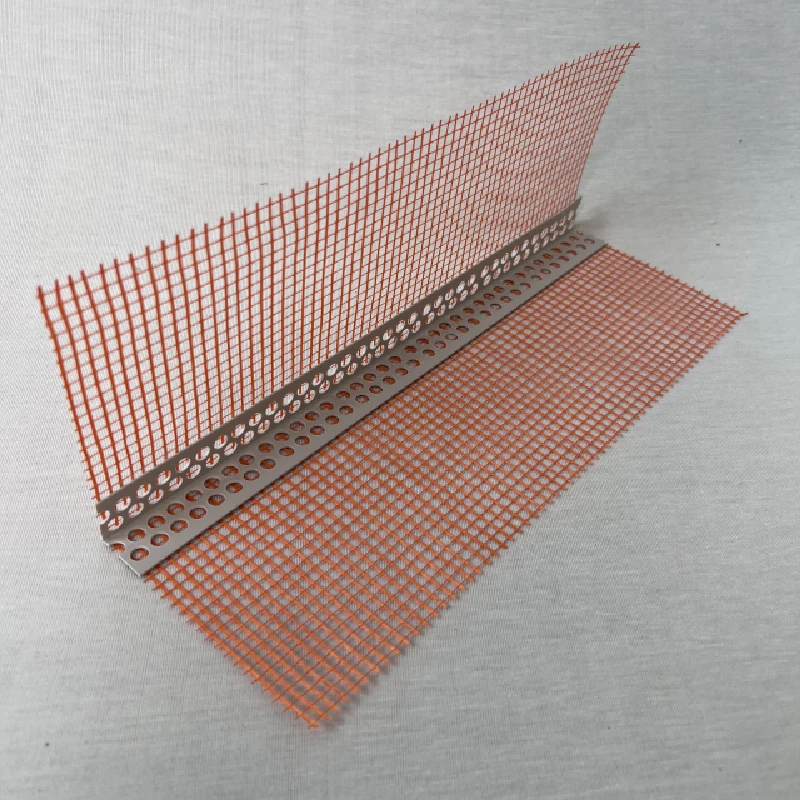
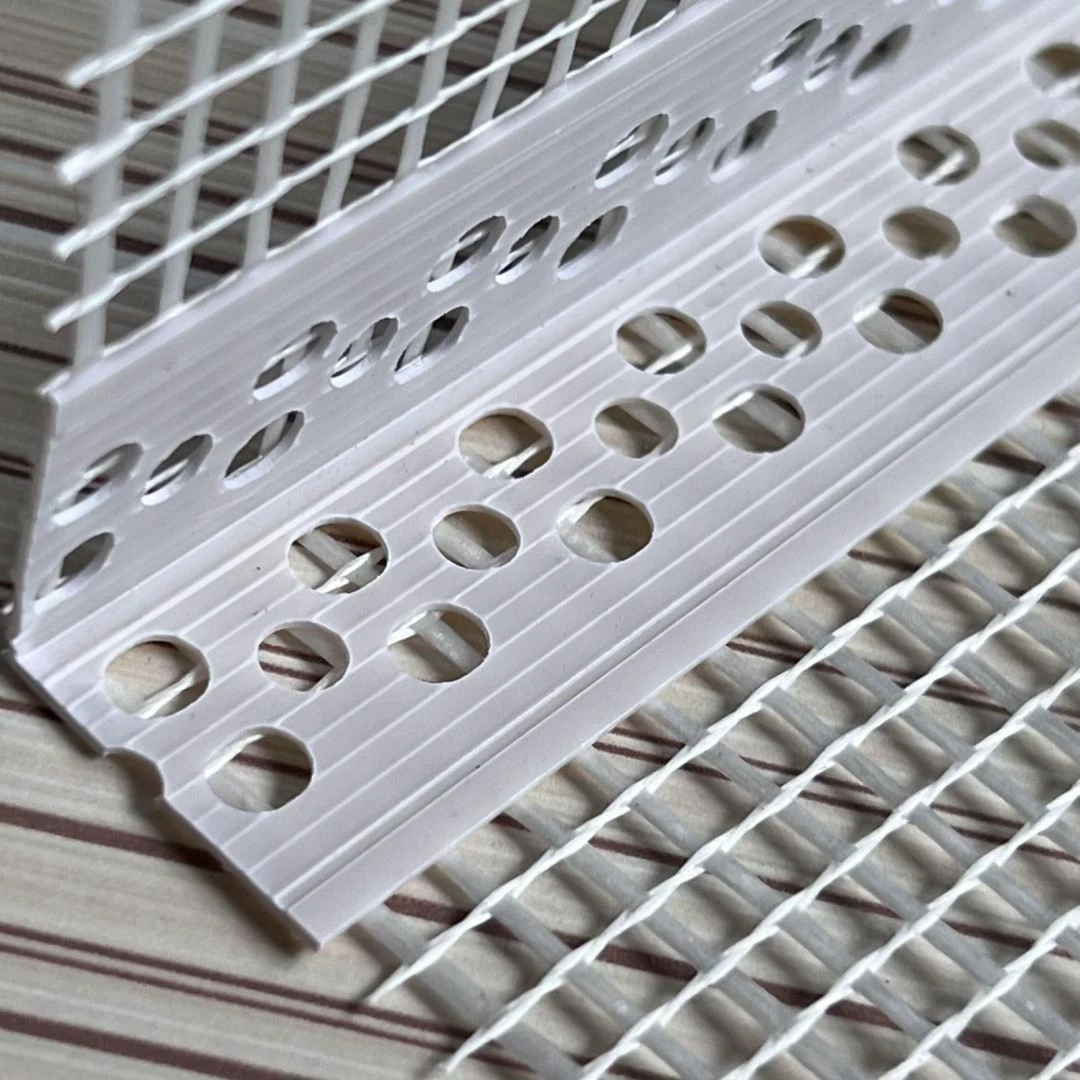
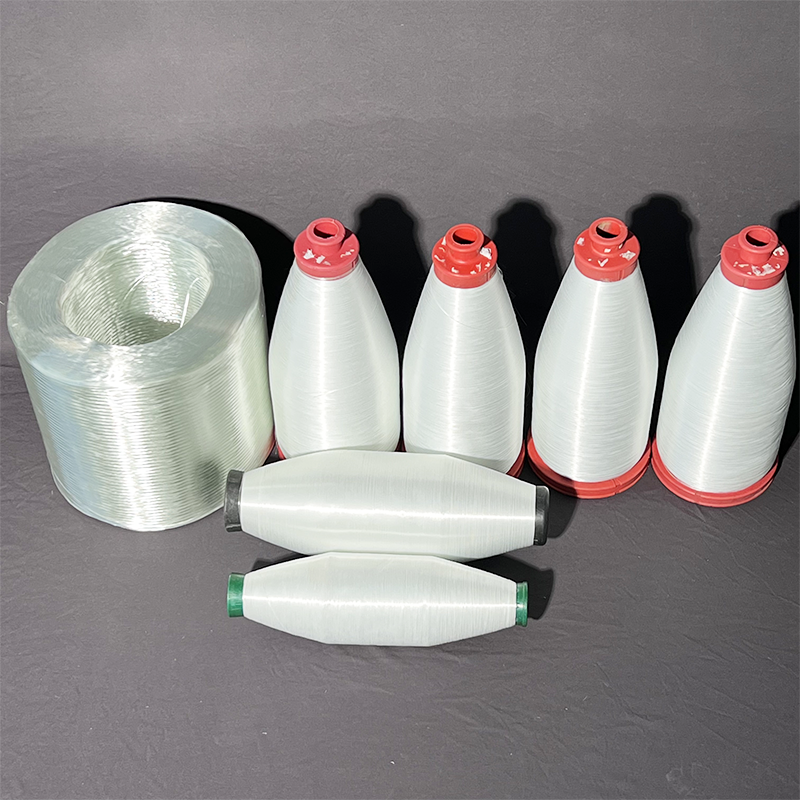
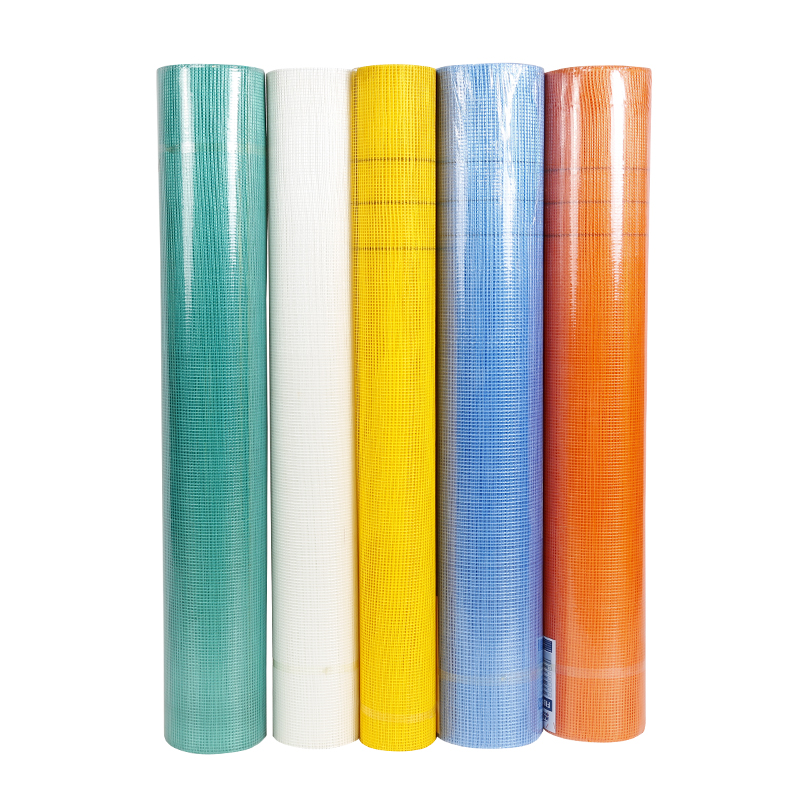
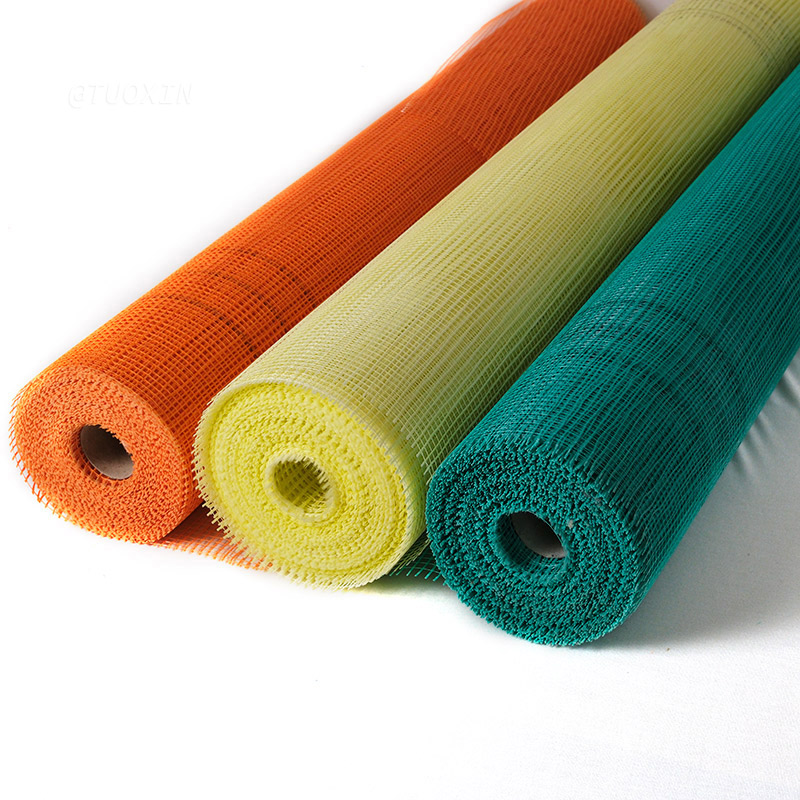
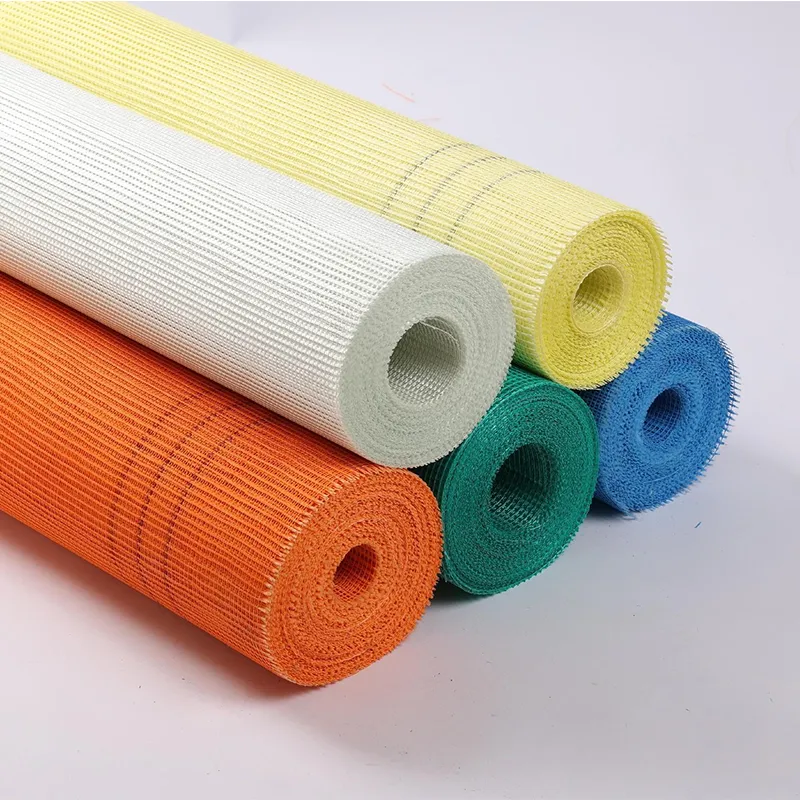
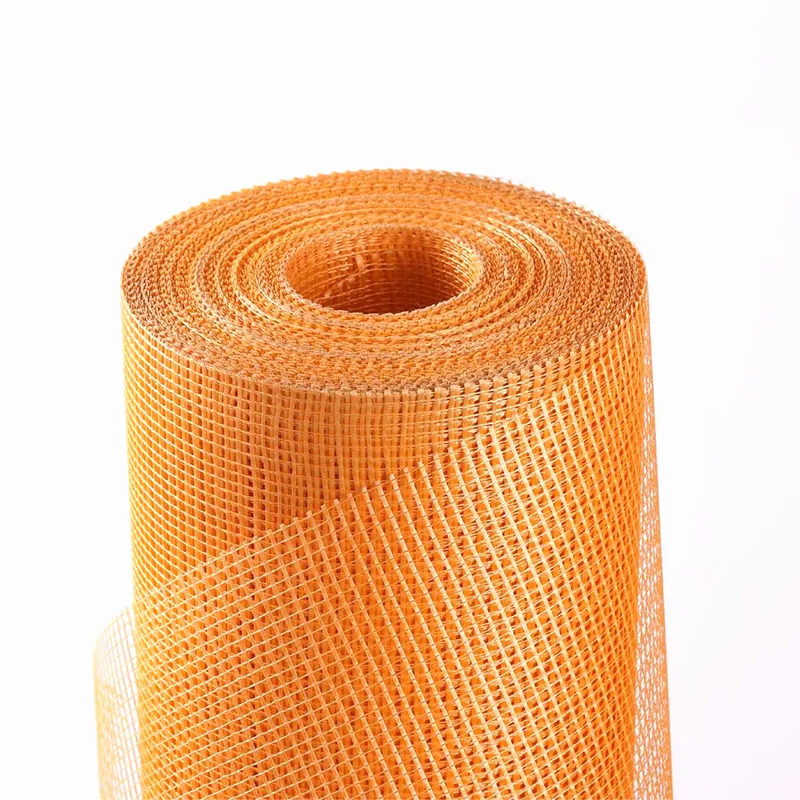
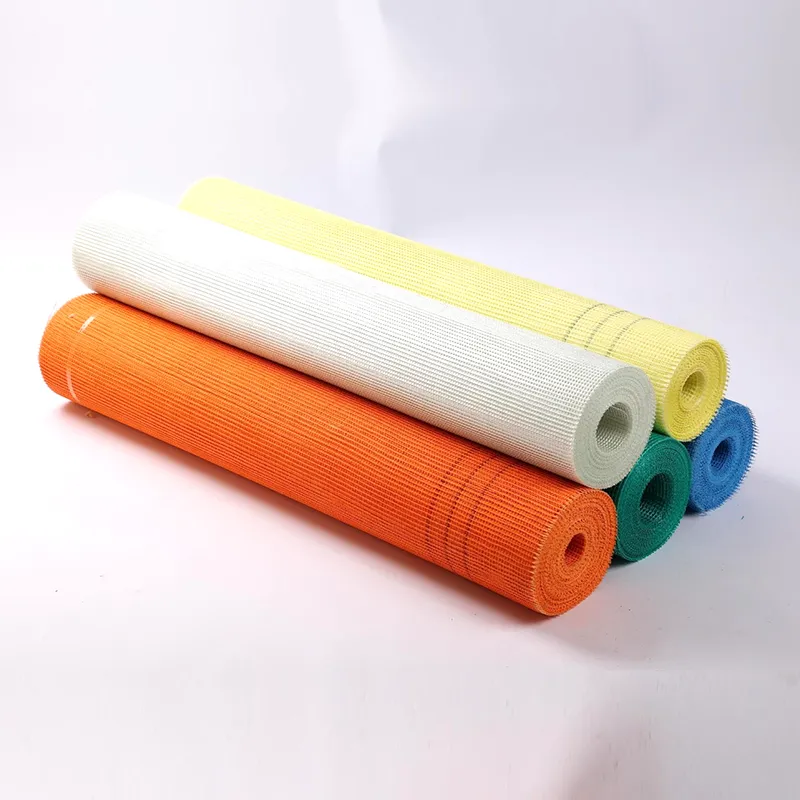
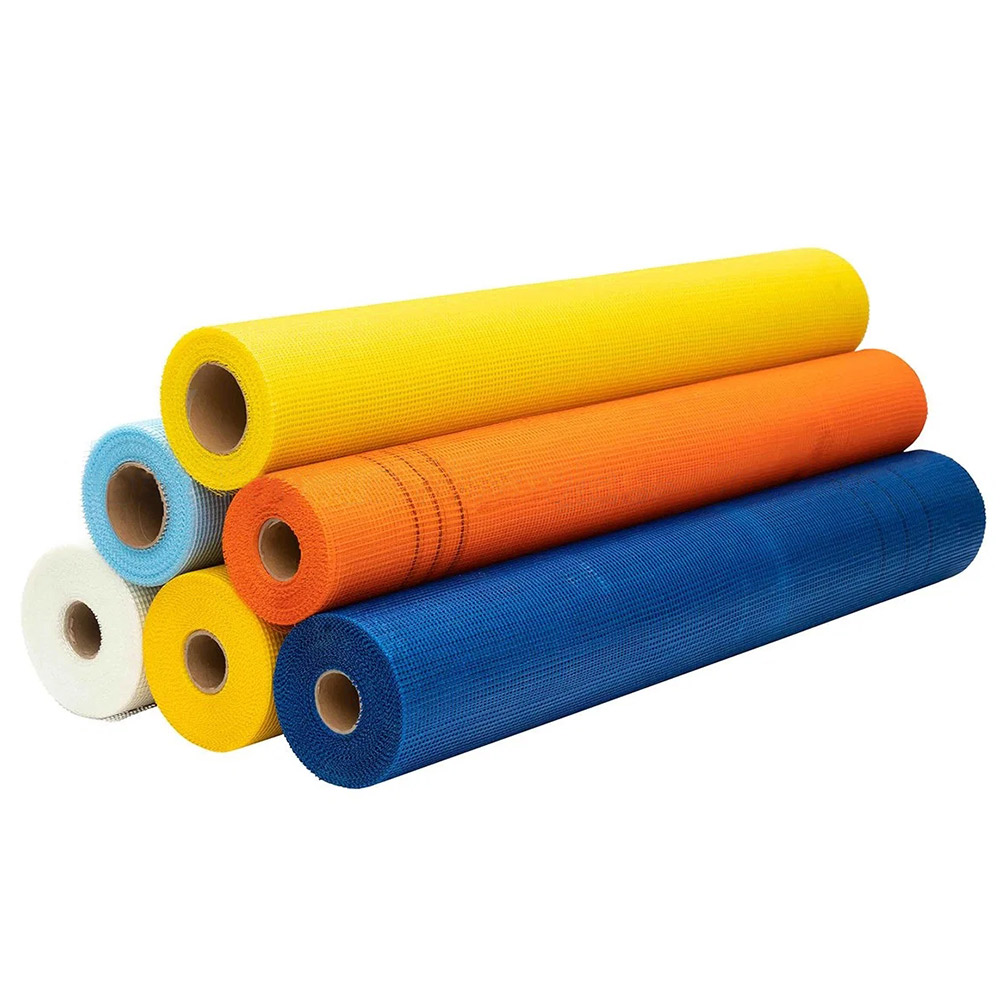
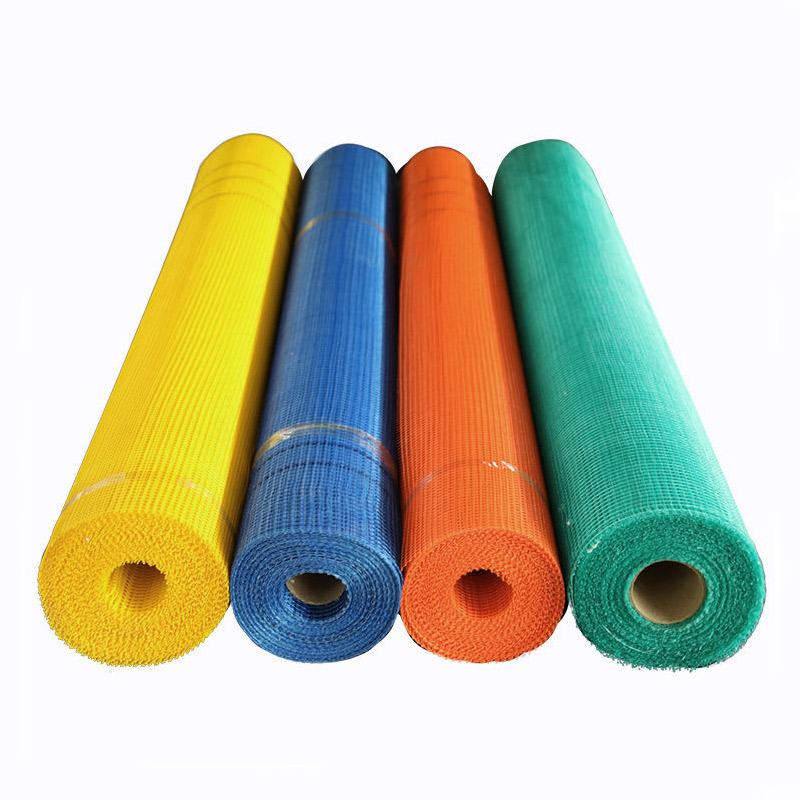
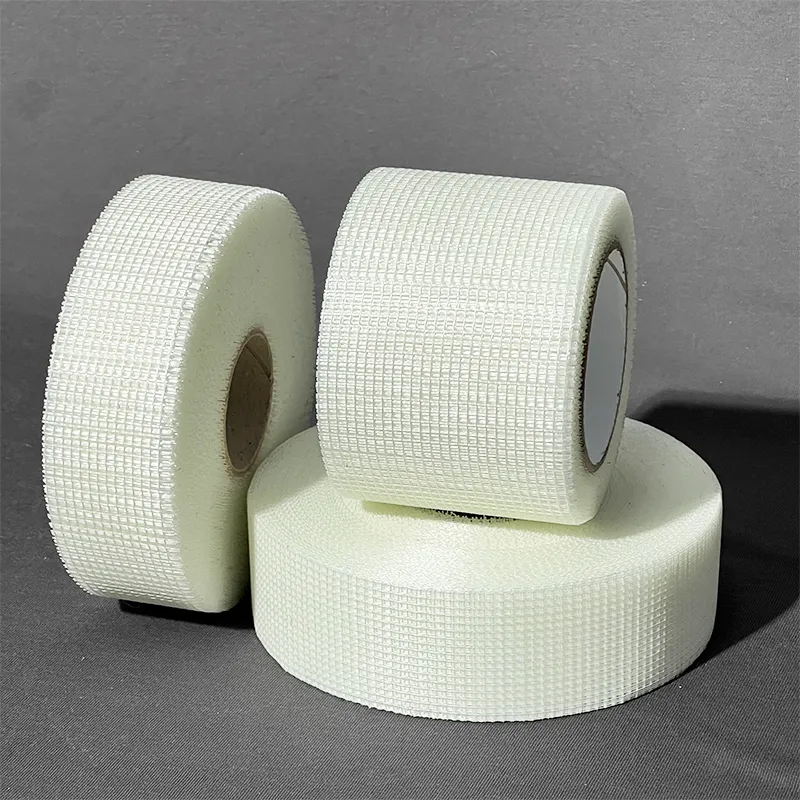
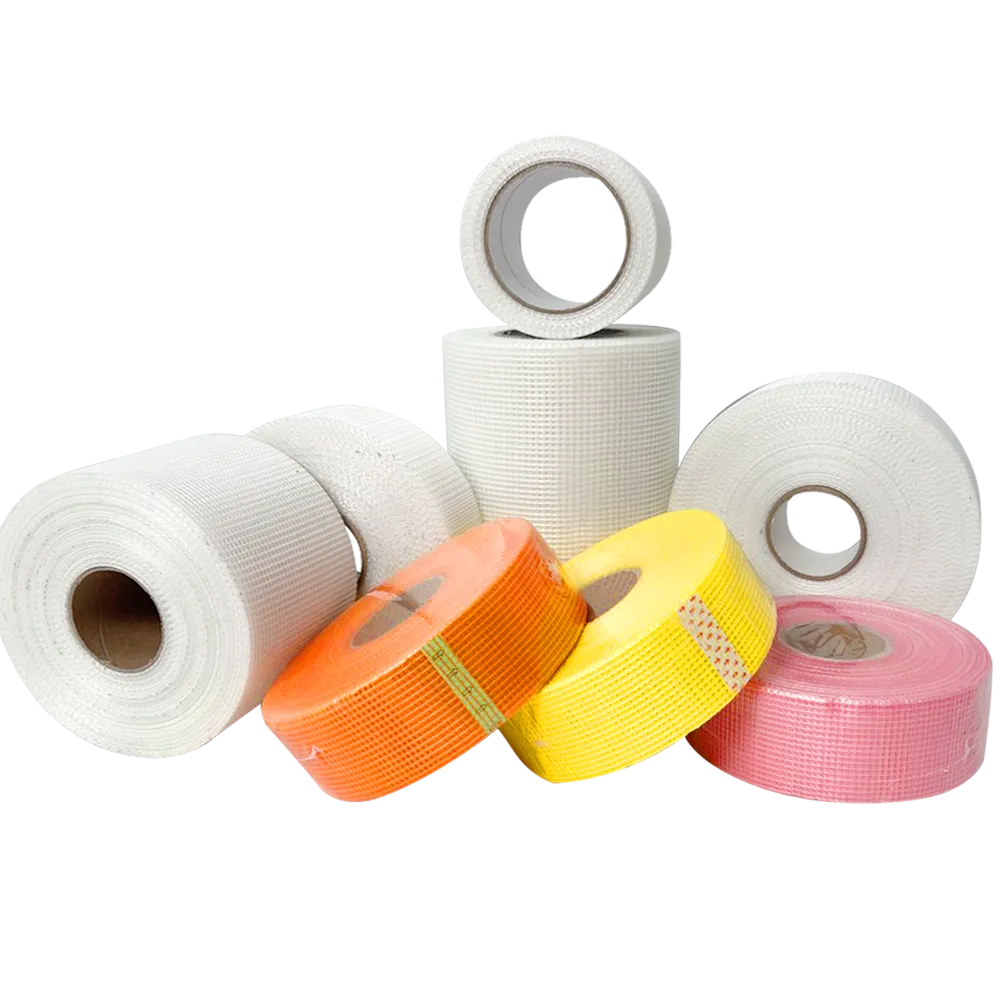
Simply put, AR fiberglass mesh manufacturers produce a grid-like fabric made from high-tensile fiberglass yarns specially coated to resist alkalis.
This is vital because traditional fiberglass would degrade rapidly in the alkaline environment of cement or mortar. These alkali-resistant coatings protect the mesh, ensuring it remains durable over decades when embedded in concrete.
Industries rely heavily on this product as a reinforcement material in applications like:
- Exterior insulation and finish systems (EIFS)
- Waterproofing layers
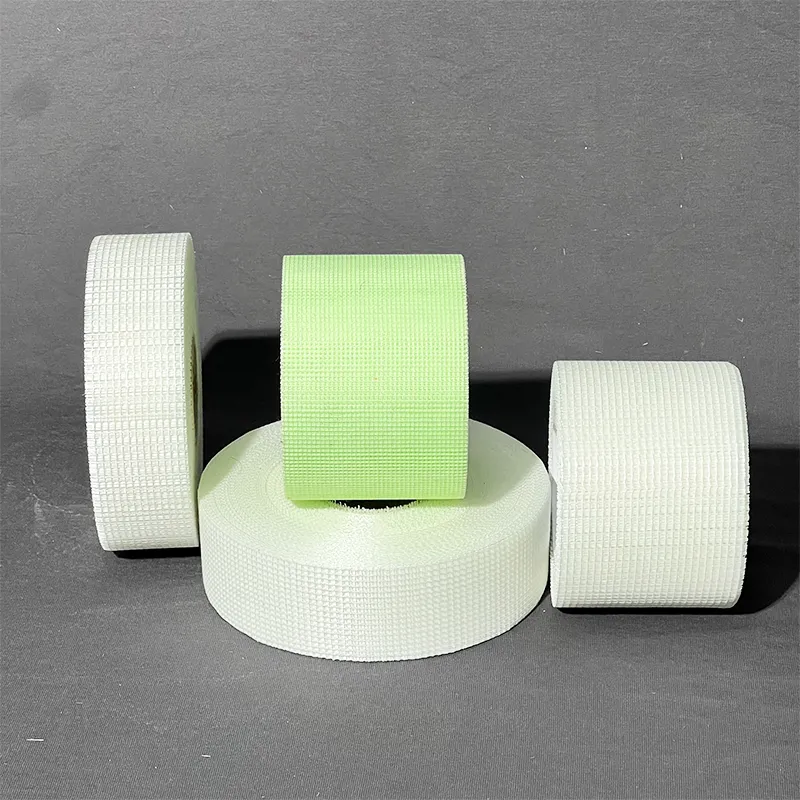
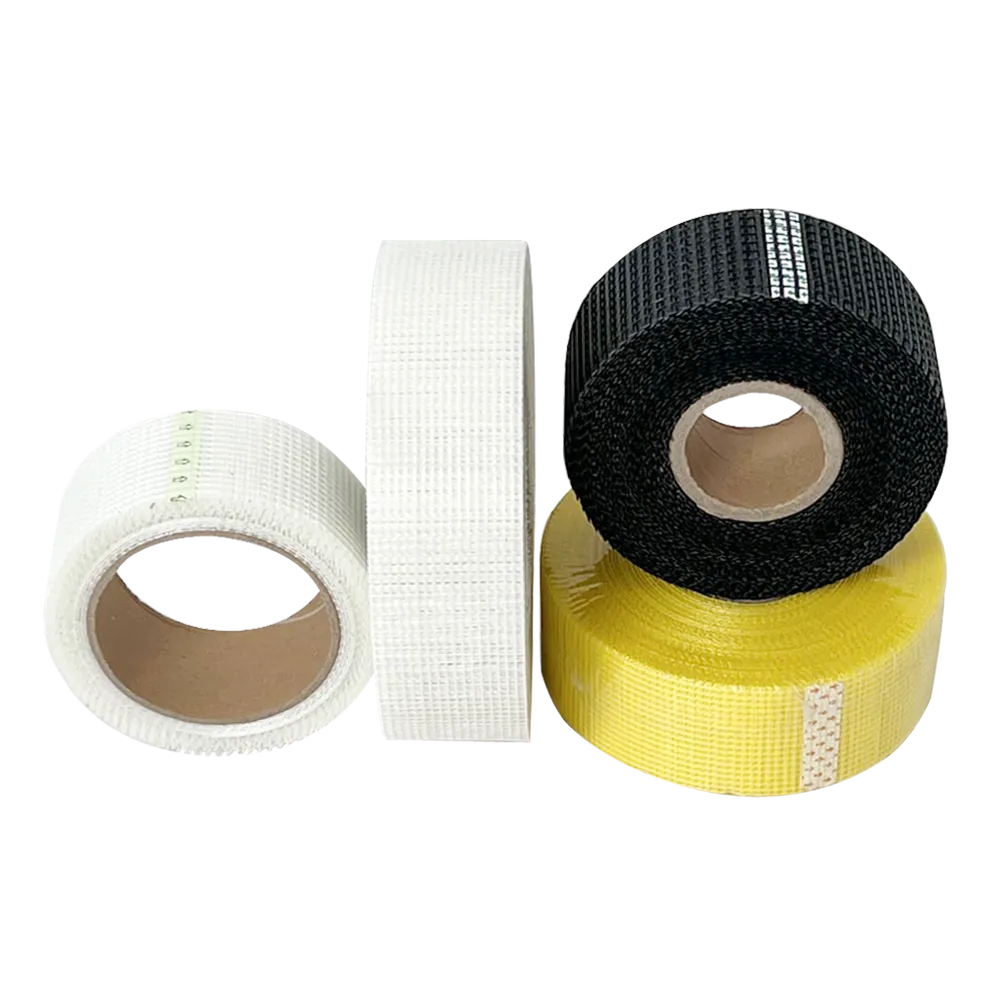
- Drywall and plaster mesh reinforcement
- Industrial flooring and bridge decks
At its core, it’s a tiny hero fiber product that prevents cracking, improves tensile strength, and extends the lifespan of many structures.
Mini takeaway: AR fiberglass mesh is a specially coated fabric made to strengthen and protect concrete and plaster from cracking and degradation.
Key Features You Can Expect From AR Fiberglass Mesh
1. Durability
The mesh’s alkali-resistant coating works like a suit of armor, making it last 20 years or more inside concrete environments without losing strength. Many engineers say this durability translates directly into far fewer repairs and long-term savings.
2. Flexibility & Ease of Use
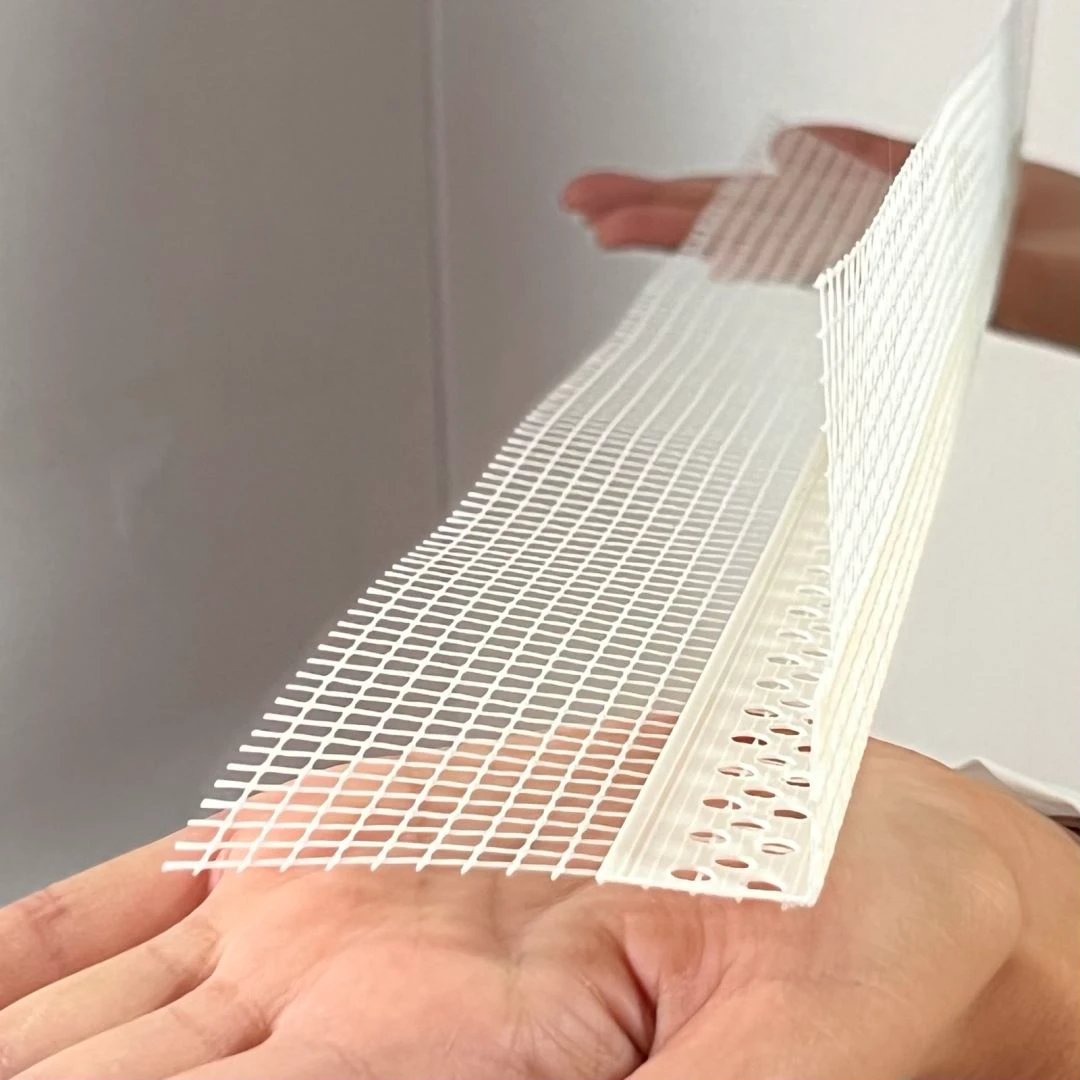
Despite its toughness, the mesh is surprisingly lightweight and flexible, allowing quick installation by workers without heavy tools. This speeds up construction timelines, especially important in fast-track projects.
3. Cost Efficiency
While the initial price may be higher than ordinary fiberglass mesh, AR variants reduce failures and maintenance, which means savings over a structure’s life cycle.
4. Scalability & Customization
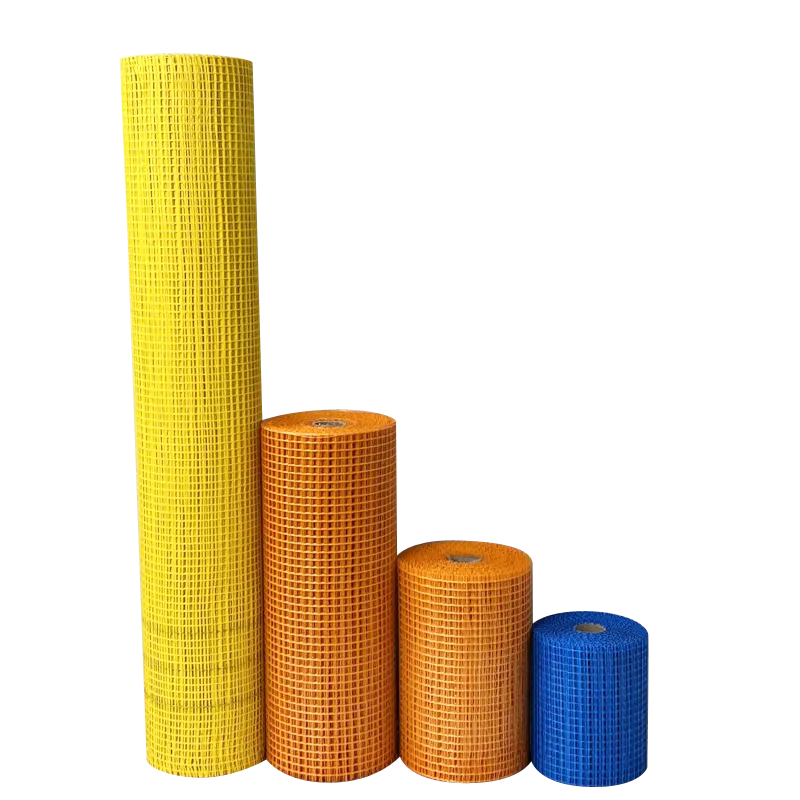
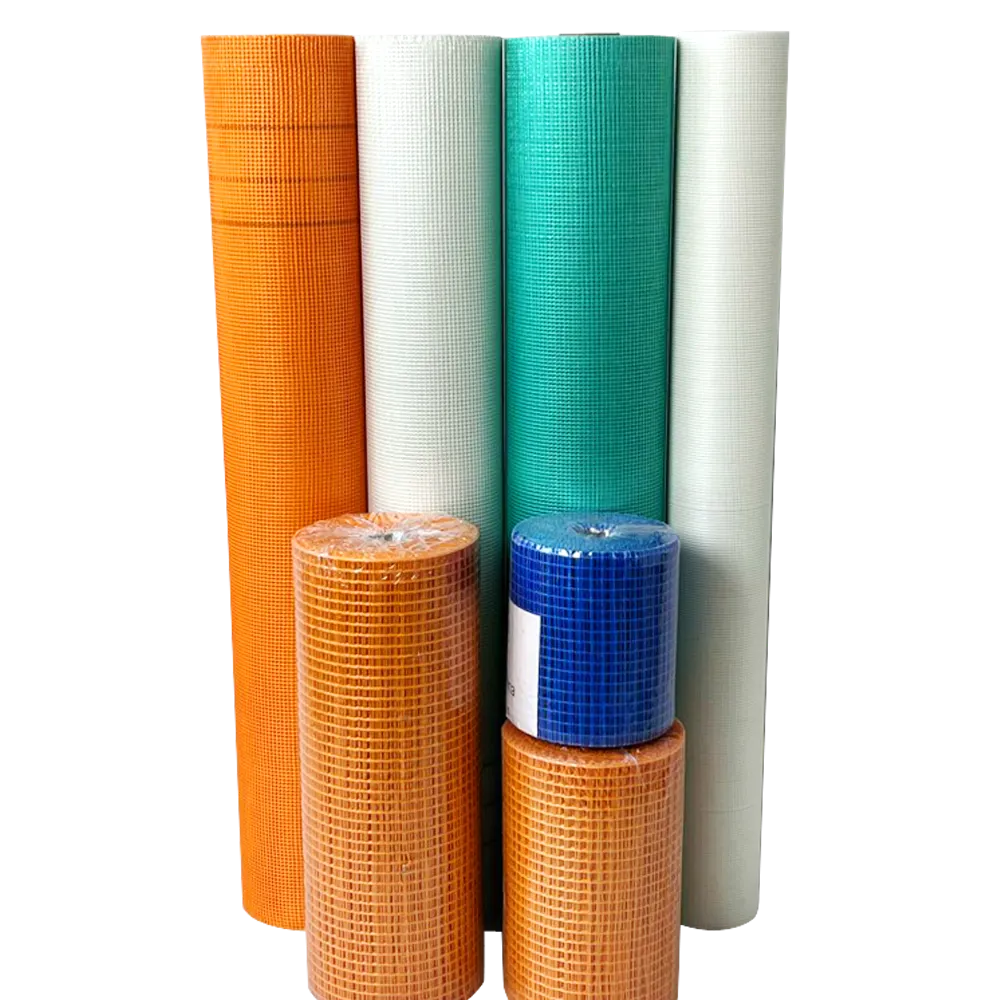
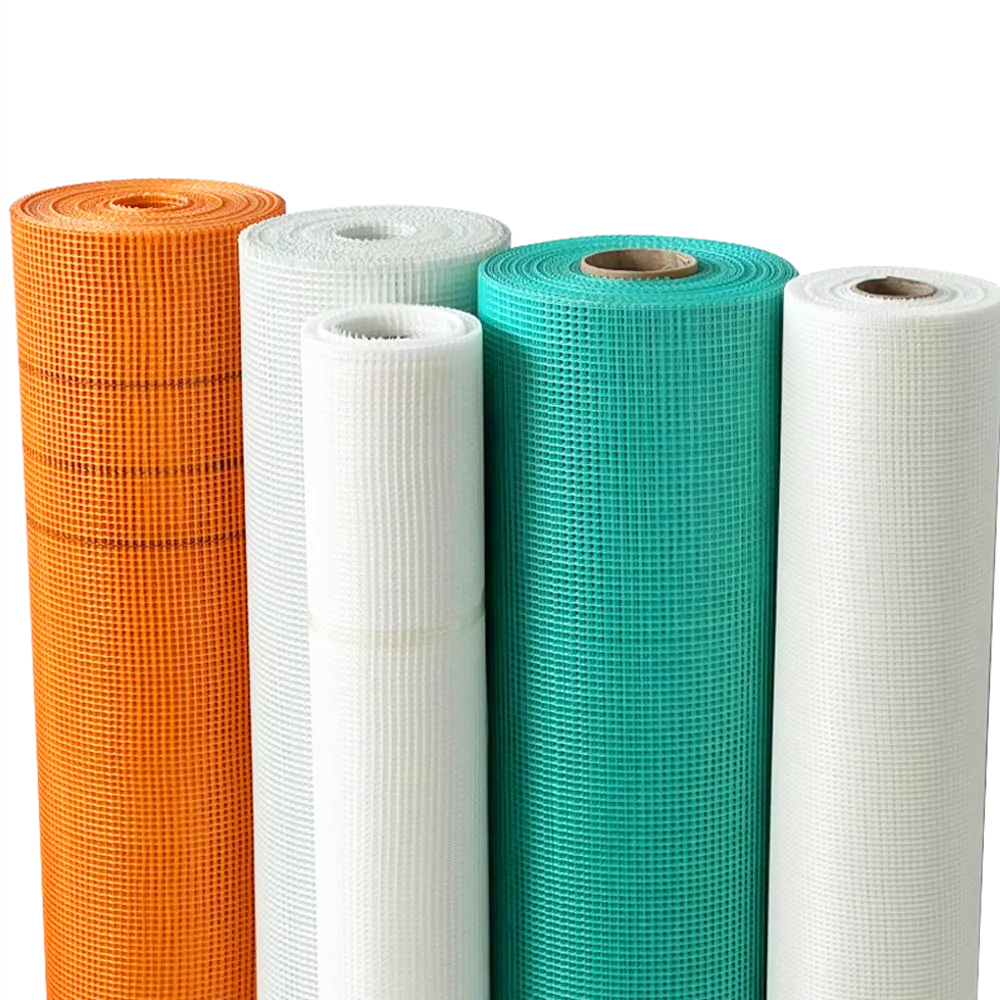
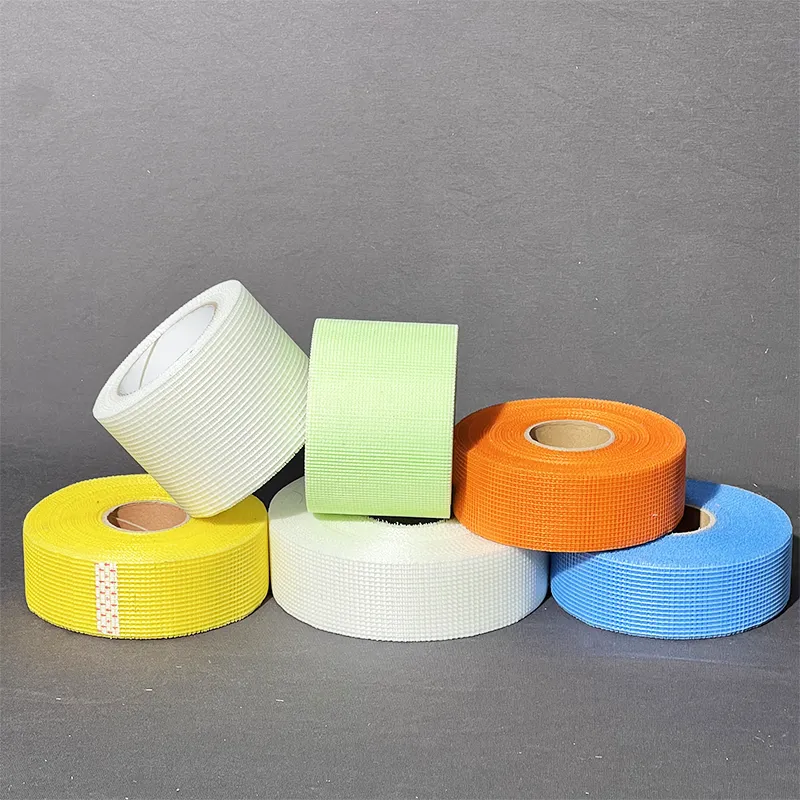
Many manufacturers offer varied mesh densities, widths, and roll sizes to fit diverse project needs—from intricate plaster repairs to large-scale commercial installations.
5. Compatibility
These meshes excel at bonding with cement-based mixtures without losing tensile properties, ensuring reinforcements hold firm in walls, floors, or roofs.
Mini takeaway: AR fiberglass mesh manufacturers provide products that are durable, flexible, cost-effective, and can be tailored to specific construction demands.
Global Applications and Real-World Use Cases
This isn’t just about fancy buildings or smart homes. AR fiberglass mesh is ingrained in real-world projects worldwide:
- Post-disaster relief: NGOs use AR fiberglass mesh in rapid housing rebuilds after earthquakes or hurricanes to keep homes safe and standing.
- Industrial zones in Asia: Factories require flooring that withstands chemicals and heavy machinery; AR mesh provides reinforcement against early cracking.
- European retrofits: Older buildings strengthened with AR fiberglass mesh gain renewed resistance to weather and wear.
- Green construction: Builders focused on sustainability rely on AR mesh to extend structures' life spans, reducing waste. ul>
- Improved bio-based alkali-resistant coatings to reduce toxic waste
- Integration with digital tracking for quality and supply chain transparency
- Nanotechnology enhancements for ultra-lightweight but stronger meshes
- IoT-enabled monitoring in construction materials for real-time feedback
- Automated production lines reducing human error and costs
- Global supply chain disruptions delaying deliveries
- Difficulty in quality control when scaling production
- Cost pressures hampering R&D investments
- Market confusion around genuine alkali resistance
- Q1: How do alkali-resistant fiberglass meshes improve building durability?
- A1: Their special coating protects fibers from corrosive cement alkalis, preventing cracking and structural failures. As a result, reinforced sections last far longer without costly repairs.
- Q2: What industries most commonly use AR fiberglass mesh?
- A2: Mainly construction sectors involved in plaster reinforcement, EIFS, waterproofing, and industrial flooring—practically anywhere concrete or mortar reinforcement is needed.
- Q3: Can AR fiberglass mesh be customized for unique project needs?
- A3: Yes, many manufacturers offer variations in mesh density, roll size, and coatings to meet specific performance or installation requirements.
- Q4: How do I verify the quality of AR fiberglass mesh before purchase?
- A4: Look for internationally recognized certifications like ISO, ASTM, or CE marks, plus detailed product data sheets and alkali resistance testing reports.
- Q5: Is AR fiberglass mesh eco-friendly?
- A5: Many modern manufacturers are adopting eco-friendly coatings and recycling processes, reducing environmental impact compared to traditional materials.
Mini takeaway: From disaster relief to sustainable urban projects, AR fiberglass mesh manufacturers support diverse industries worldwide.
Product Specification Table: Typical AR Fiberglass Mesh
| Specification | Details |
|---|---|
| Warp yarn count | 12×12 threads/cm |
| Mesh size | 5×5 mm |
| Weight per sqm | 160 g/m² |
| Tensile strength | ≥ 1100 N/5 cm |
| Alkali resistance | ≥ 2000 hours in 1% NaOH |
| Roll width | 1 m / 2 m |
Comparing Leading AR Fiberglass Mesh Manufacturers
| Manufacturer | Product Quality | Customization | Global Reach | Sustainability Focus |
|---|---|---|---|---|
| Tainuo Fiberglass Mesh Co. | High - ISO certified | Wide range | Asia, Europe, Americas | Eco-friendly coatings |
| Fiberglass Solutions Ltd. | Medium - CE marked | Limited sizes | Europe, Middle East | Standard resin use |
| Global Mesh Corp. | High - ASTM compliant | Custom colors available | Worldwide | Investing in recycling |
Advantages and the Long-Term Value AR Fiberglass Mesh Brings to Construction
When you think about it, AR fiberglass mesh is really more than just fabric; it's a promise of resilience. It keeps buildings standing strong, especially in places where weather or natural events threaten structural integrity.
From a cost perspective, it prevents unsightly cracks and structural damages that plague cheaper materials, reducing life-cycle costs. Emotionally, it promotes safety and trust for occupants—after all, who wants to worry about their walls crumbling?
Eco-conscious architects also appreciate that many AR fiberglass meshes today incorporate sustainable treatments, reducing environmental footprints. It feels like a gentle nudge towards greener construction practices.
Mini takeaway: AR fiberglass mesh offers cost savings, safety assurances, and supports sustainable building trends.
What’s Next? Trends & Innovation in AR Fiberglass Mesh Manufacturing
The textile world meets chemistry and automation here: manufacturers are exploring:
This shift won’t happen overnight, of course, but you can bet the smart factories leading this charge are also leaders in sustainability and innovation.
Mini takeaway: Expect greener, smarter, and even stronger AR fiberglass mesh products in the near future.
Facing Challenges: How the Industry Is Overcoming Them
Not everything is smooth sailing. Challenges include:
Manufacturers respond by investing in standardized testing (like ISO 10257), enhancing supplier relationships, and educating buyers. For those keen to get trustworthy AR fiberglass mesh, reaching out to reliable suppliers makes a world of difference.
Mini takeaway: Quality assurance and supplier transparency are key solutions to industry challenges.
FAQ: Your Questions About AR Fiberglass Mesh Manufacturers Answered
Conclusion: Building Safer, Smarter Futures with AR Fiberglass Mesh
After all is said and done, AR fiberglass mesh manufacturers deliver not just a product but a cornerstone for safer, longer-lasting infrastructure worldwide. Their mesh bridges innovations in material science with practical needs, creating opportunities to build resilient and sustainable environments.
Interested in finding trusted AR fiberglass mesh products? Visit our website: https://www.tainuofiberglassmesh.com and connect with industry-leading solutions tailored for your projects.
References
-
Best Fiberglass Mesh Tape for RedGard Product Waterproofing GuideNewsApr.16,2026
-
Why High Strength Fiberglass Mesh Is Essential For Stucco ApplicationNewsApr.15,2026
-
Why Alkali Resistant Fiberglass Mesh Tape Is Essential For Cement Board And Tile InstallationsNewsApr.15,2026
-
Understanding The Role Of Drywall Fiberglass Mesh In Interior FinishingNewsApr.15,2026
-
Ultimate Guide To Using Fiberglass Mesh Tape For Drywall And Plaster RepairsNewsApr.15,2026
-
The Versatility Of Fiberglass Mesh In Marble And Stone MosaicNewsApr.15,2026