Nov . 22, 2025 22:00 Back to list
160g Fiberglass Mesh Rolls Supplier – Quality, Durability, & Global Applications
Understanding 160g Fiberglass Mesh Rolls Supplier: Why It Matters Globally
If you’re not already familiar with 160g fiberglass mesh rolls, maybe now’s a good time to take a closer look. This material might sound like some obscure industrial jargon, but trust me, it’s quietly playing a huge role across construction, insulation, renovation, and even disaster management worldwide. A reliable 160g fiberglass mesh rolls supplier is at the backbone of ensuring consistent quality and supply. Understanding this sector is more than just for construction pros—it’s about global infrastructure resilience and sustainability.
The importance stretches far beyond a handful of factories or construction sites. As urbanization accelerates and infrastructure demands grow globally, the need for strong, lightweight construction materials that adapt to various environments is the challenge we’re all facing. Fiberglass mesh, particularly at the 160g weight class, hits this sweet spot: balancing strength with flexibility and cost-efficiency. Let’s dive in and see why this matters.
Setting the Stage: The Global Context of Fiberglass Mesh Supply
Worldwide construction has been booming — the UN reports an expected 2 billion people added to cities by 2050, putting immense pressure on construction materials markets. Meanwhile, environmental regulations and sustainability goals push industries toward engineered products like fiberglass mesh that improve building efficiency and lifespan. According to ISO standards for composite materials, fiberglass meshes offer excellent durability and resistance to many environmental stressors.
But sourcing quality 160g fiberglass mesh rolls isn’t without headaches. Many developing regions report delays or price volatility, which affects everything from civil engineering projects to roofing or insulation jobs. The challenge lies in bridging manufacturing capacity with those critical demand zones. That’s where dependable suppliers matter — they can literally change timelines and project viability worldwide.
What Exactly Is a 160g Fiberglass Mesh Rolls Supplier?
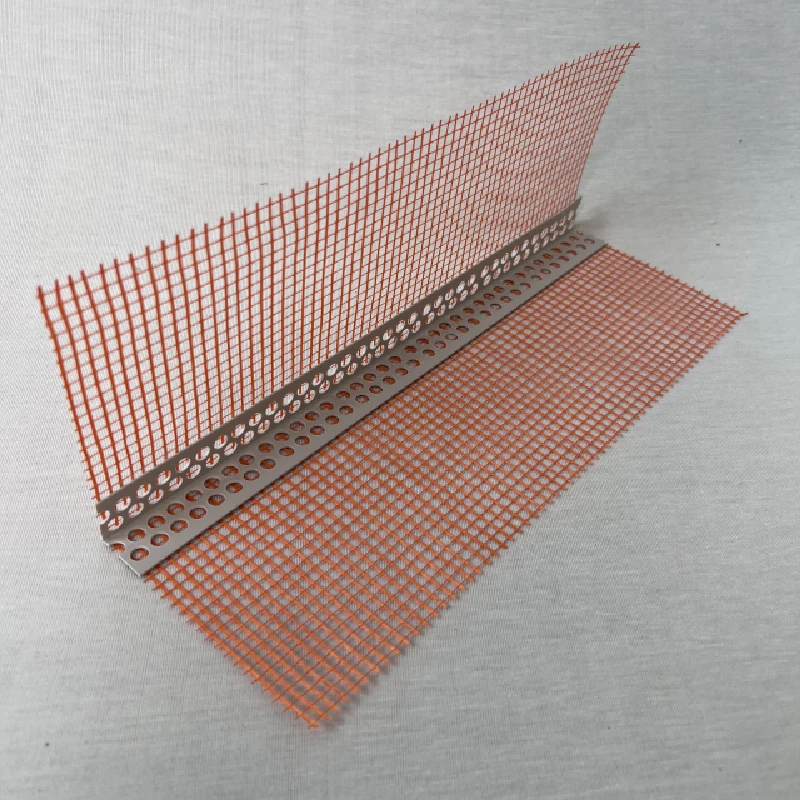
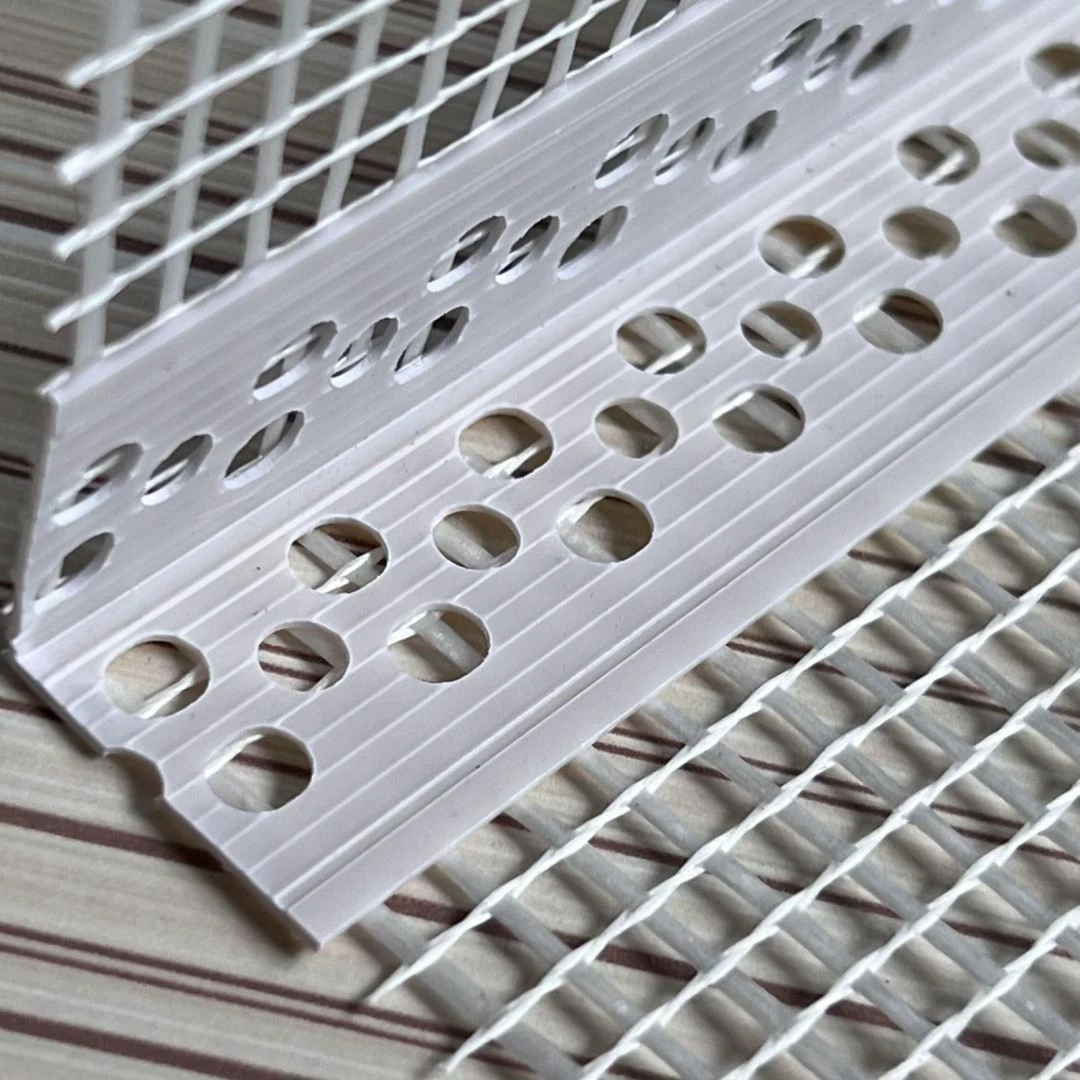
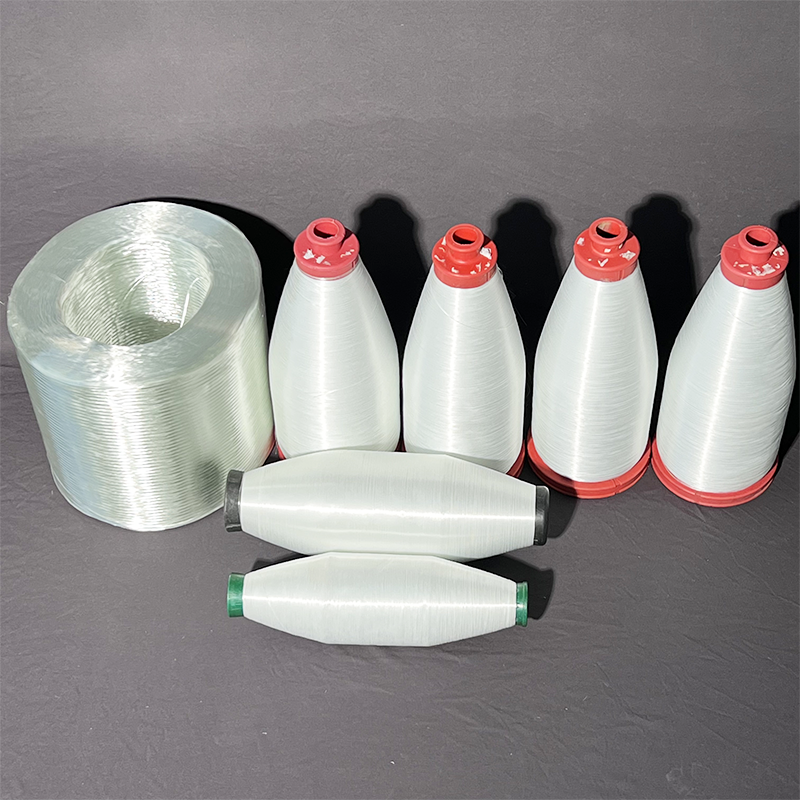
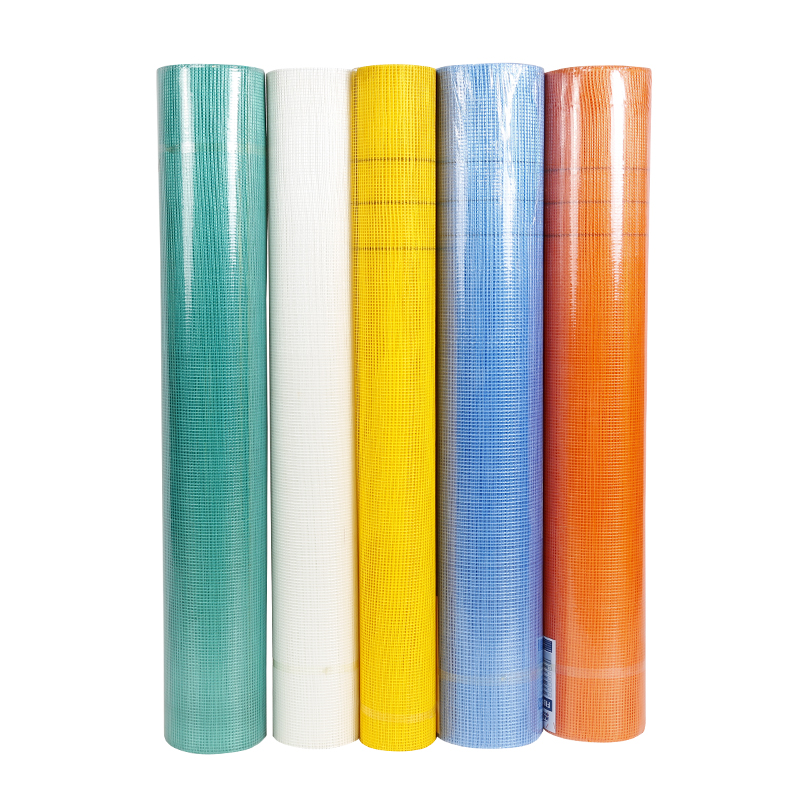
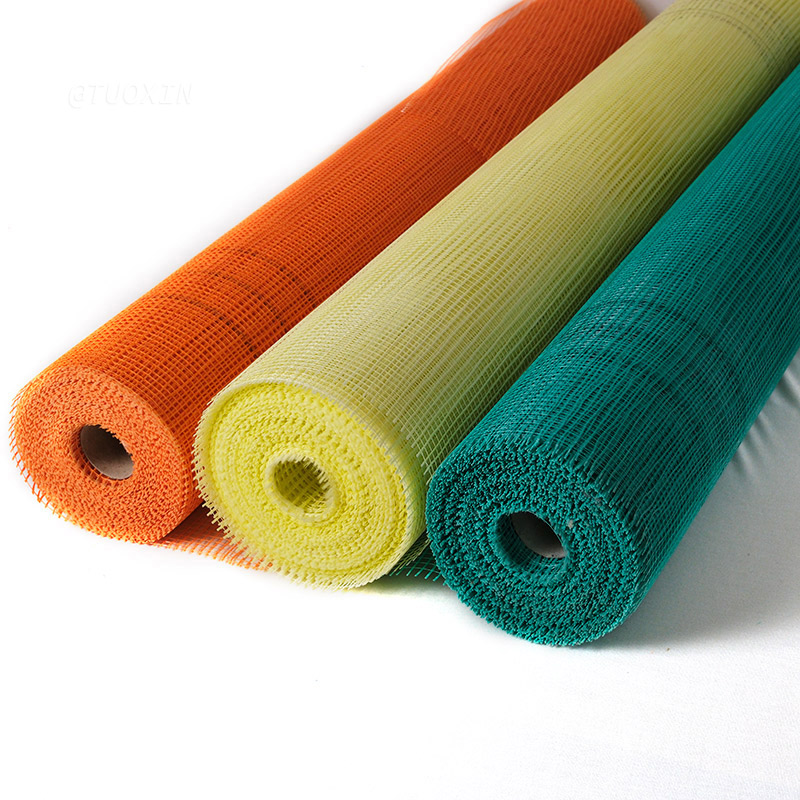
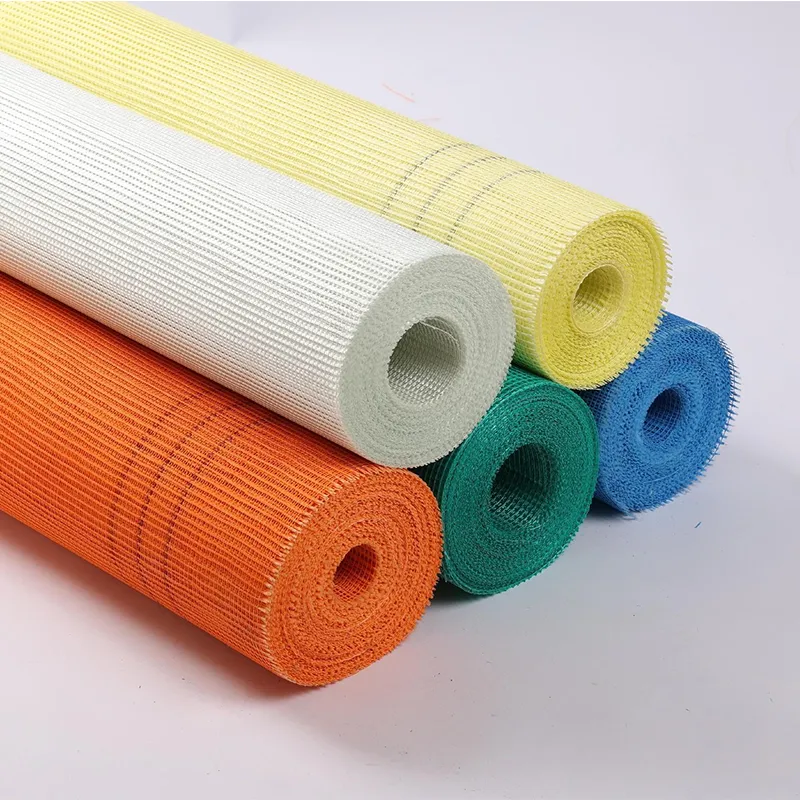
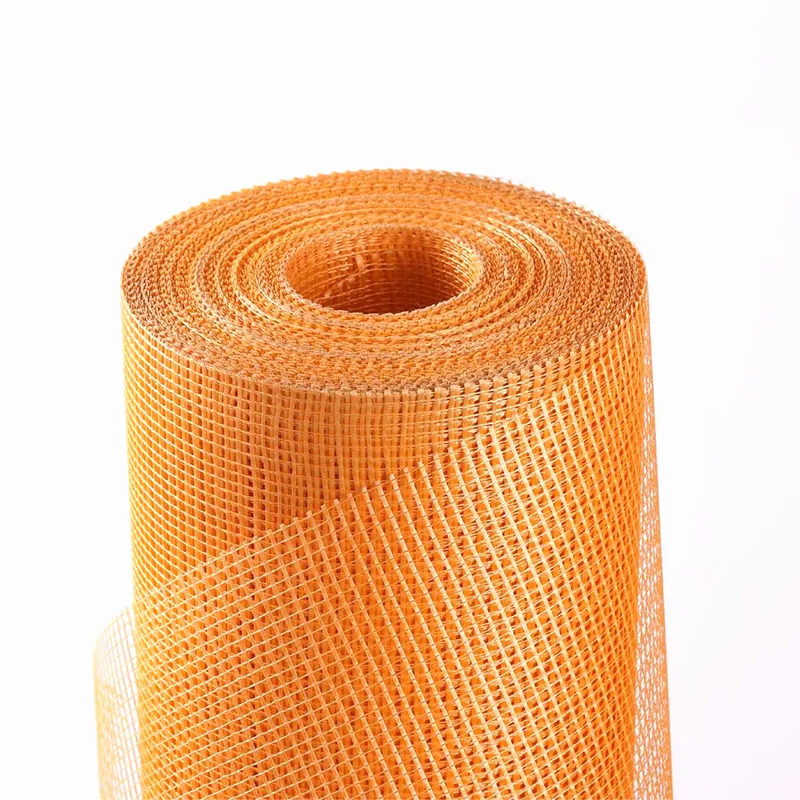
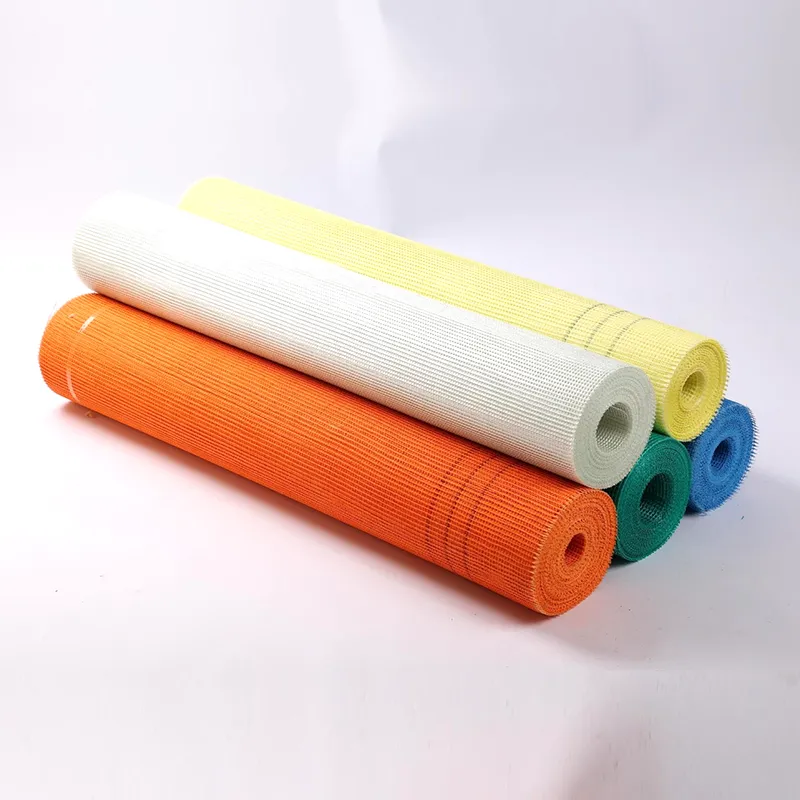
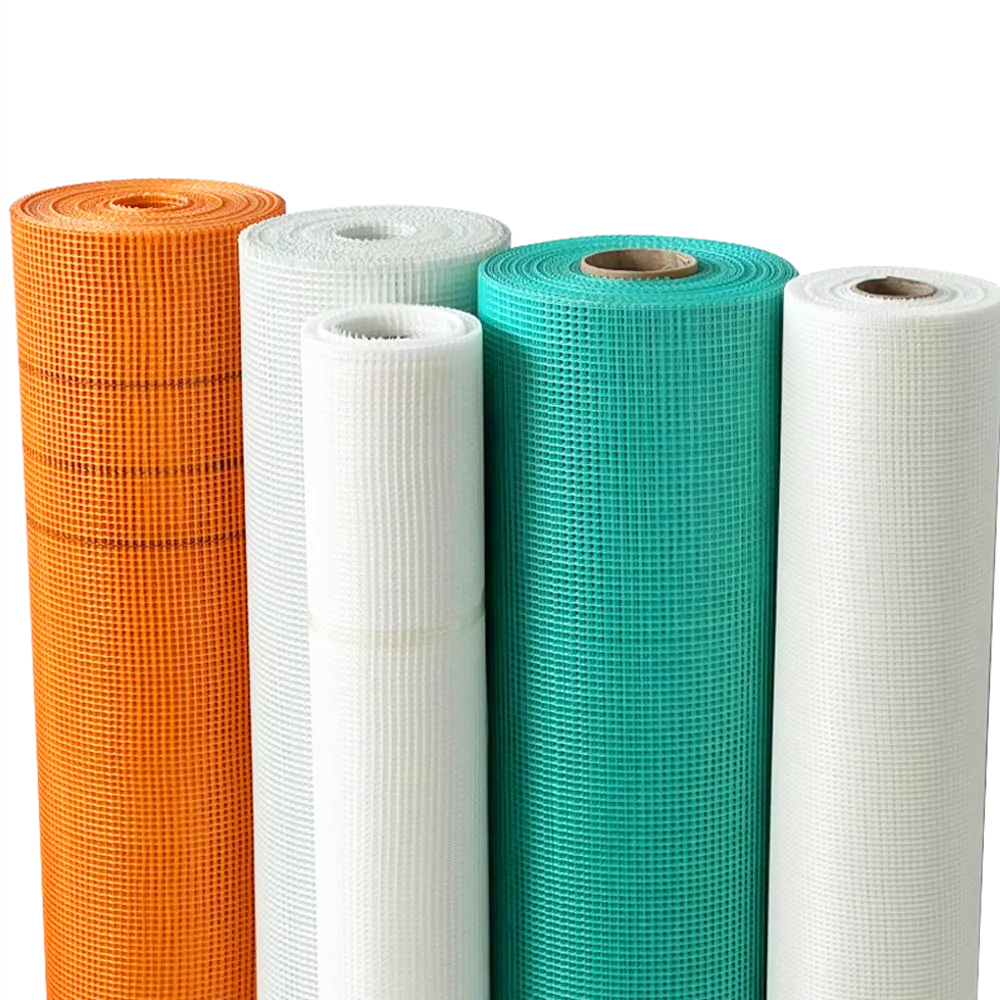
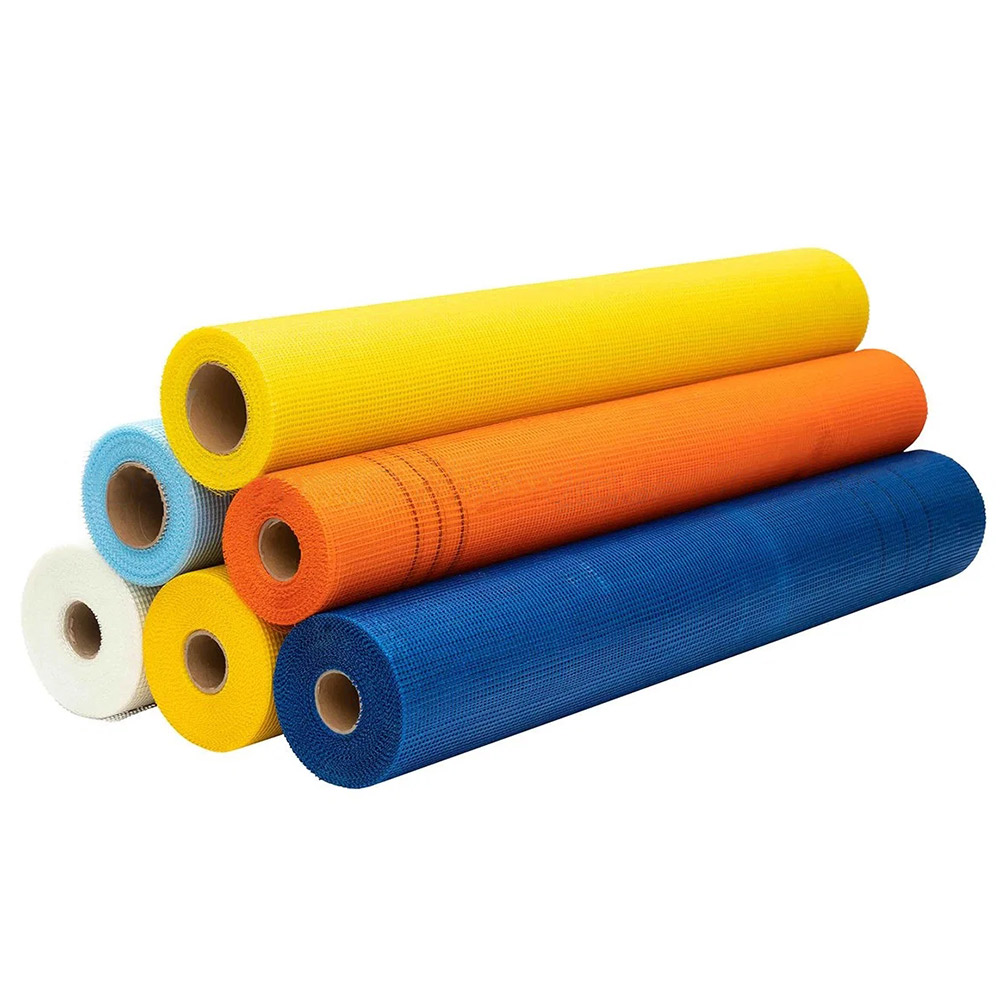
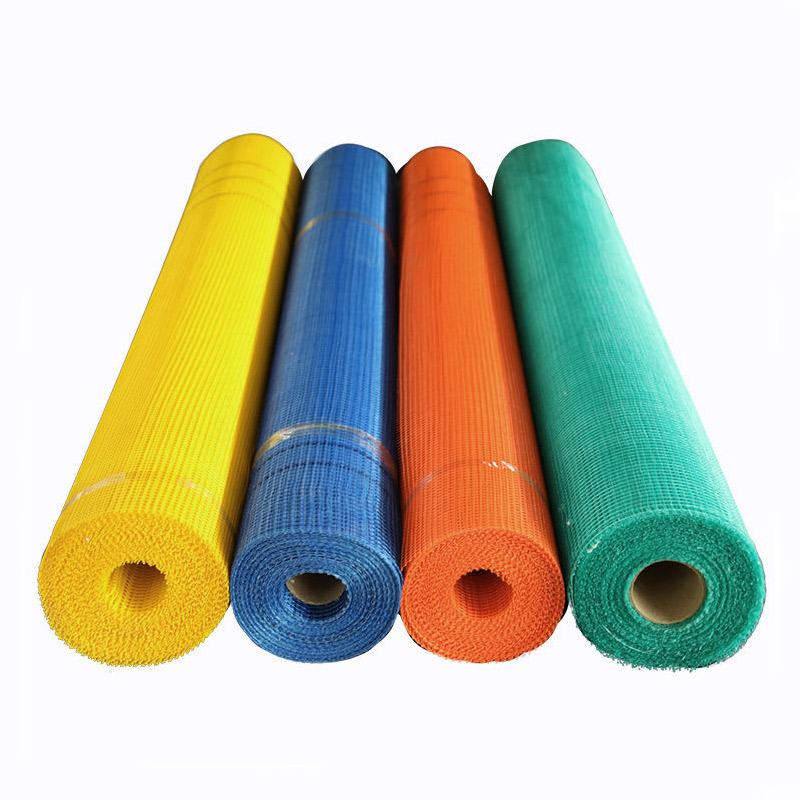
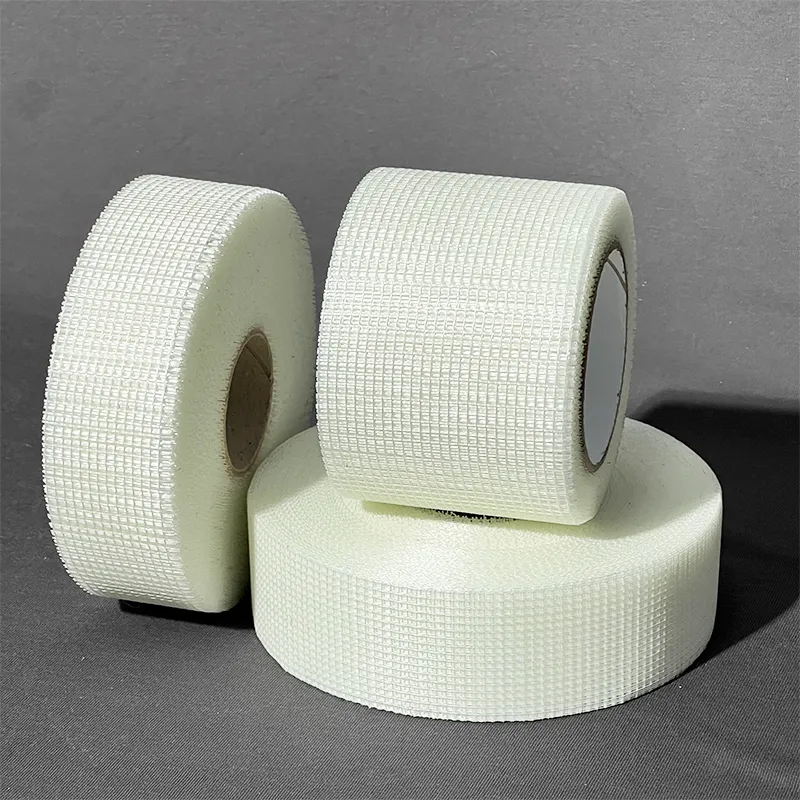
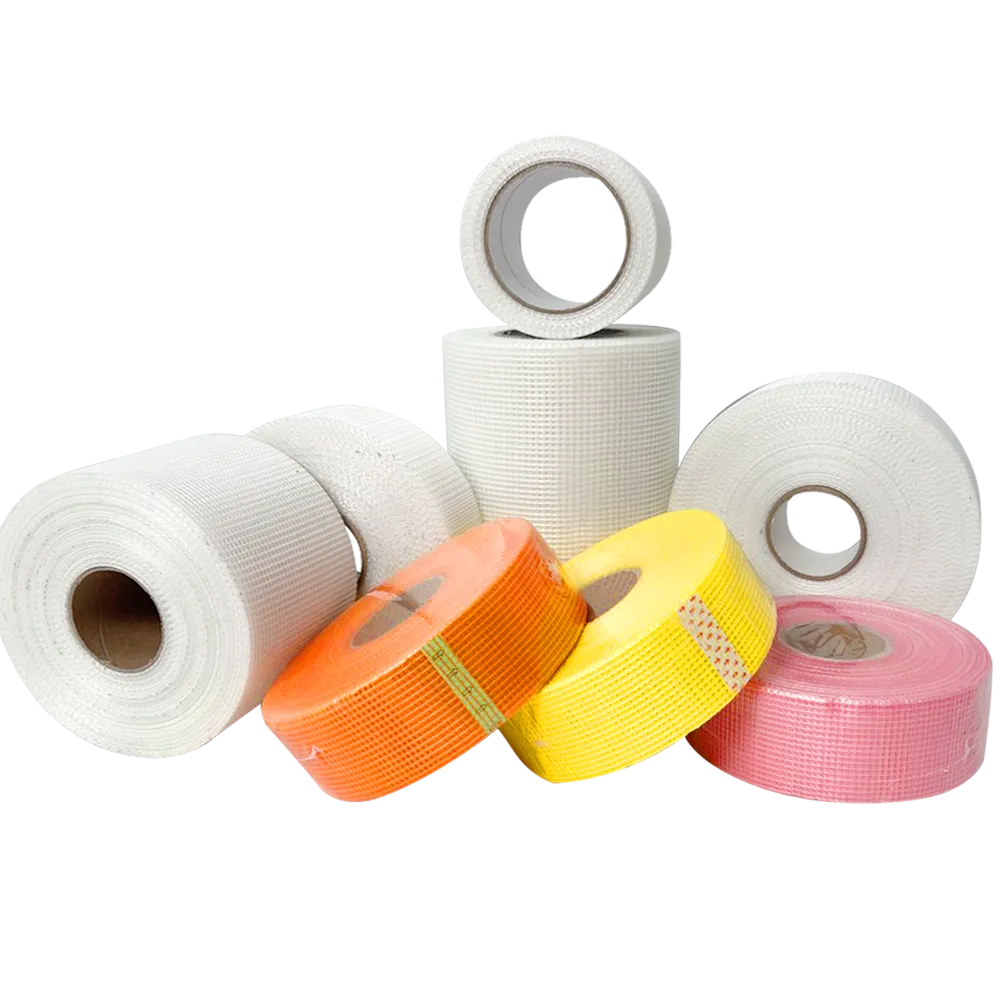
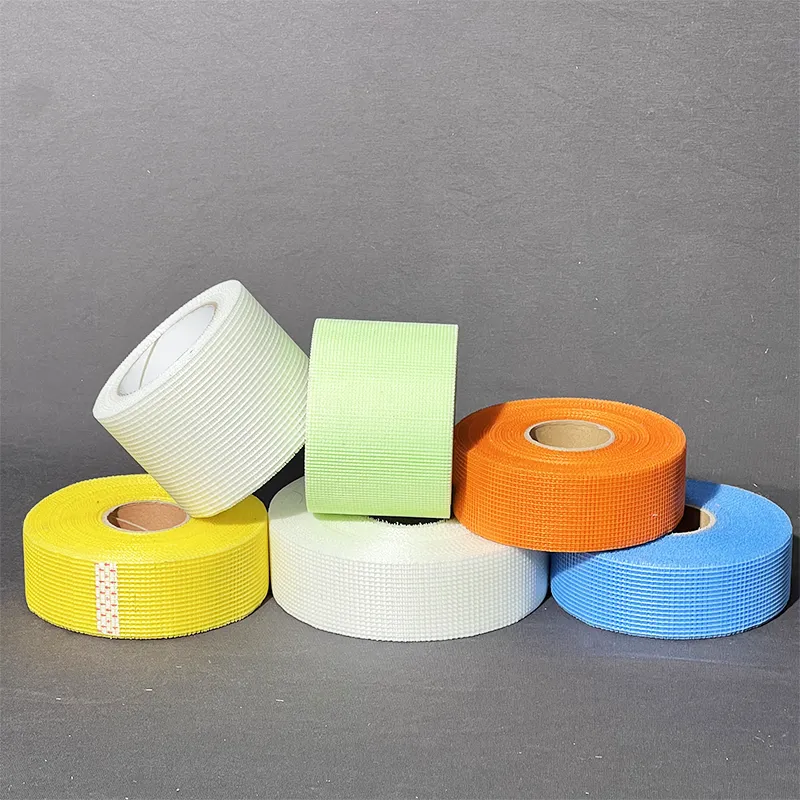
Simply put, a 160g fiberglass mesh rolls supplier is a company or entity that produces and/or distributs fiberglass mesh rolls weighing roughly 160 grams per square meter. Fiberglass mesh itself is a weave of glass fibers crafted into a grid, prized for reinforcing surfaces—think plaster, concrete, or insulation facades—and preventing cracks or structural failure.
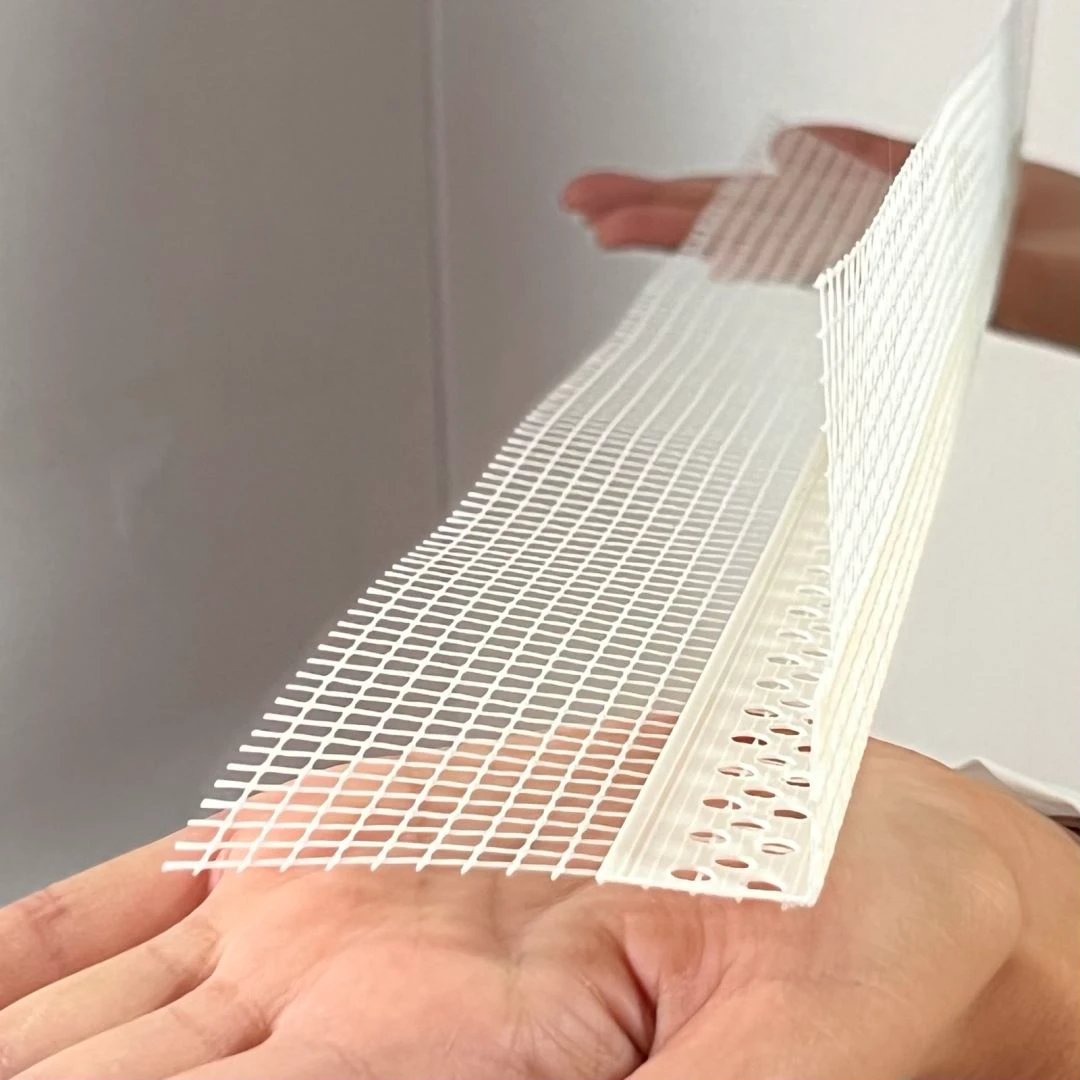
You can picture these rolls like a flexible fabric tapestry, albeit industrial grade, rolled and shipped to factories, construction sites, or disaster relief organizations. From modern skyscrapers in Dubai to refugee shelters in earthquake zones, these meshes lend strength, durability, and crucial fire resistance.
Key Characteristics: What Makes 160g Fiberglass Mesh Special?
- Weight & Density: The 160g/m² weight means a balanced mesh that’s neither too heavy to handle nor too flimsy to reinforce effectively.
- Weave Pattern: Typically plain or twill weaves for different strength and flexibility needs.
- Alkali-Resistance: Vital for longevity when embedded in cement or plaster.
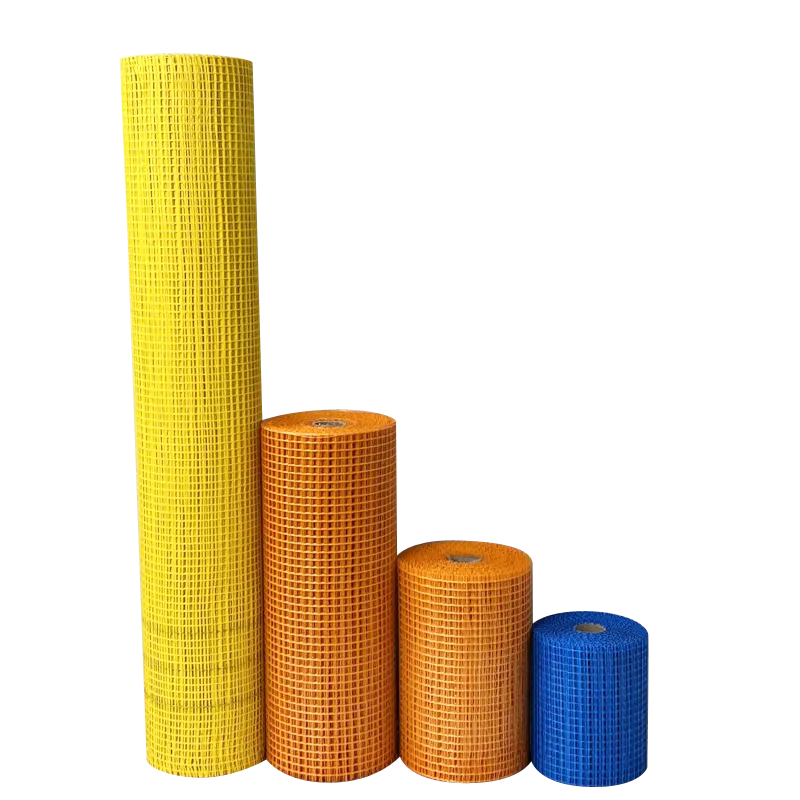
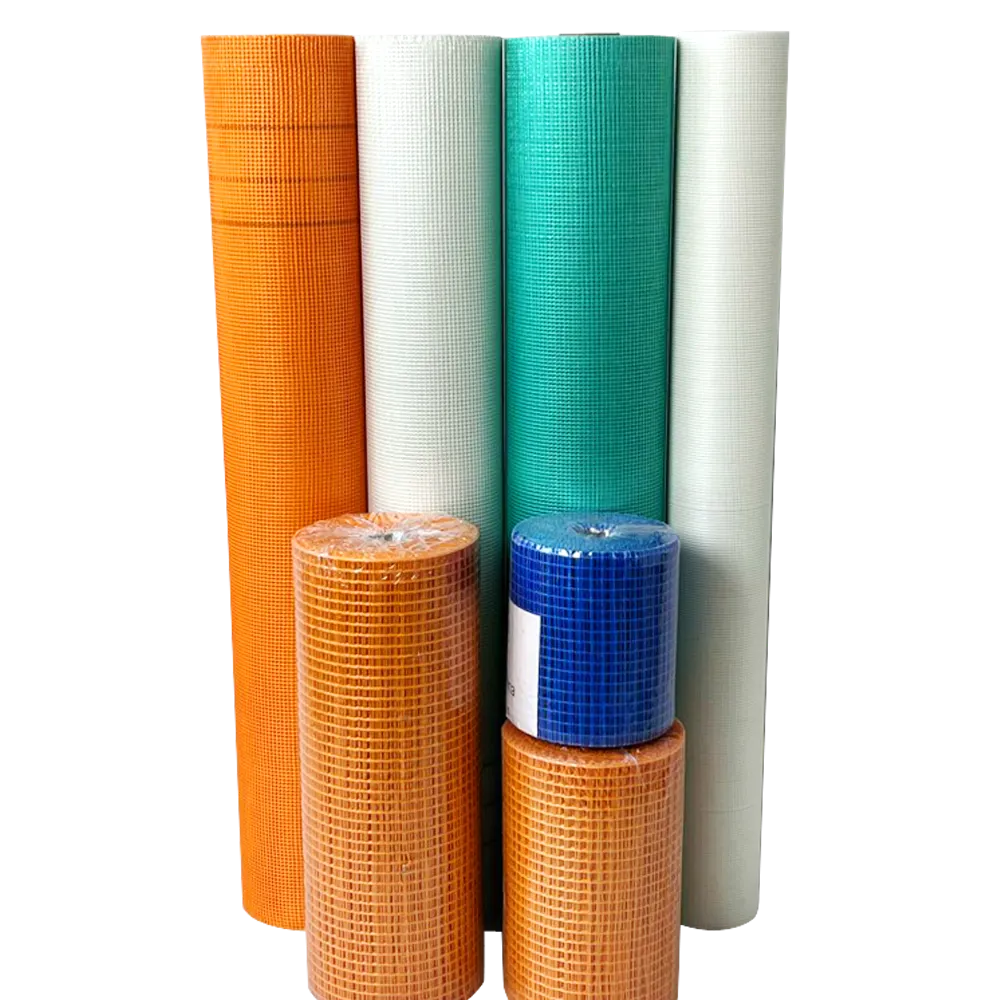
- Roll Dimensions: Length and width vary — commonly 1m to 2m wide and up to 50 meters long.
Essentially, the 160g fiberglass mesh stands out for blending performance with cost efficiency, which is why suppliers specializing in this weight category see consistent demand globally.
Core Features That Define the 160g Fiberglass Mesh
Durability: Built to Last
Fiberglass mesh resists corrosion, UV rays, and weathering far better than traditional metal meshes. At 160g, it strikes a solid balance where it offers long lifespan without undue bulk. Many engineers say this durability is what boosts structural integrity and reduces maintenance cycles—sort of a “set it and forget it” advantage.
Flexibility & Scalability
Lightweight and malleable, 160g meshes are easy to cut and handle on-site, which means less labor time and lower risk of waste or damage during installation. Their roll format means you can scale orders up or down depending on project size — crucial for vendors and end users alike.
Cost Efficiency
By using fiberglass mesh rolls instead of heavier or less reliable materials, project managers often see direct cost savings on transport, installation labor, and future repairs. Plus, as new suppliers emerge, prices stabilize, making it more accessible to emerging markets without sacrificing quality.
Environmental Resistance
Its alkali-resistance allows it to maintain strength when embedded in cement or plaster, extending a building’s expected lifetime. This means less structural decay, fewer replacements, and effectively less environmental footprint over time.
Product Specification Table
| Specification | Description |
|---|---|
| Weight | 160 grams per square meter (gsm) |
| Roll Width | 1.0 - 2.0 meters |
| Roll Length | 30 - 50 meters |
| Weave Type | Plain or twill weave |
| Alkali Resistance | High, suitable for concrete environments |
How 160g Fiberglass Mesh Rolls Are Used Around the World
Oddly enough, these mesh rolls pop up in places you might not expect. From high-rise construction projects in Asia, where wind and earthquake resilience demand reinforced walls, to renovation projects in Europe aiming for energy efficiency through external insulation, these rolls are everywhere. I've spoken with project managers who praise the easy-to-handle rolls that speed up retrofit installations dramatically.
In humanitarian sectors, durable meshes are critical in disaster relief efforts where quick-deploy shelters need reinforcement against harsh elements. NGOs and government agencies in areas prone to floods or earthquakes seek reliable 160g fiberglass mesh rolls supplier partnerships to ensure stockpiles are ready for emergencies.
Even in industrial settings—think factories or pipelines—fiberglass mesh strengthens protective coatings, preventing cracks that could lead to expensive downtime.
Vendor Comparison: Finding the Right Supplier
| Feature | Supplier A | Supplier B | Supplier C |
|---|---|---|---|
| Quality Certs (ISO) | ISO 9001 & ISO 14001 | ISO 9001 only | ISO 9001 & ASTM Compliant |
| Max Roll Width | 2.0 meters | 1.5 meters | 2.0 meters |
| Bulk Order Discounts | Available | Limited | Available |
| Lead Time | 2 weeks | 4 weeks | 3 weeks |
| Global Shipping | Yes | Limited regions | Yes |
Advantages & Long-term Value of 160g Fiberglass Mesh Meshes
Beyond just specs, projects benefit from reduced cracking, better thermal insulation, and higher resilience—all of which lower lifetime costs dramatically. On a human level, these meshes help protect families by making buildings safer and longer-lasting. I suppose there’s something reassuring about knowing that materials behind the walls won’t fail come the next storm or tremor.
Plus, since fiberglass mesh rolls are recyclable and reduce resource waste compared to metal alternatives, many suppliers and governments see them as a small but meaningful step in sustainable construction.
Upcoming Innovations & Trends
The industry isn’t standing still. In fact, we’re looking at smarter composites that integrate sensors for structural health monitoring—imagine rolls that can “tell” engineers when micro-cracks start, quite futuristic if you ask me. There’s also growing focus on bio-based resins combined with fiberglass to further push eco-credentials.
Automation in production lines is smoothing out inconsistencies, allowing suppliers to promise ever higher quality standards. From a policy angle, tighter building codes globally are increasing demand for these reinforced meshes, pushing suppliers to innovate or lose out.
Challenges & How Experts Address Them
Naturally, no material is perfect. Some suppliers face supply chain disruptions, and inconsistencies in alkali resistance can affect long-term durability if not carefully monitored. Plus, the global pandemic revealed how fragile international logistics can be.
To combat these problems, many leading suppliers adopt strict ISO certification processes and local warehousing strategies to speed delivery and improve product reliability. Collaborations with end users to tailor mesh properties to specific climates or construction methods are growing, too.
FAQ: Frequently Asked Questions About 160g Fiberglass Mesh Rolls Supplier
- What industries benefit most from 160g fiberglass mesh rolls?
- This lightweight yet durable mesh is most popular in construction for exterior insulation finishing systems (EIFS), concrete reinforcement, and renovation projects. It also sees usage in disaster relief for strengthening fragile shelters.
- How do I verify a supplier's quality for fiberglass mesh rolls?
- Look for ISO 9001 and other relevant certifications, alkali resistance testing reports, and ask for samples to assess weave and material consistency. Trusted suppliers will openly share test results.
- Can fiberglass mesh rolls be customized?
- Yes, many suppliers offer custom widths, lengths, and weave patterns depending on project needs. It’s best to discuss specifications directly with your 160g fiberglass mesh rolls supplier.
- Are fiberglass meshes environmentally friendly?
- Compared to metal reinforcements, fiberglass mesh is lighter and often recyclable, reducing carbon footprint. However, environmental impact varies depending on production methods and raw materials.
- What causes delays in fibro glass mesh roll supply?
- Common factors include raw material shortages, international shipping bottlenecks, and spikes in demand from construction booms. Choosing suppliers with multiple production sites can mitigate risks.
In Closing: Why A Good 160g Fiberglass Mesh Rolls Supplier Is Your Project’s Best Ally
With so much riding on the quality of these meshes—from building safety to cost management—it’s clear that working with a reliable 160g fiberglass mesh rolls supplier isn’t just preferable, it’s essential. Whether you’re an engineer, procurement officer, or NGO logistics lead, having a trusted source ensures your projects stay on track and budgets manageable.
Curious to see what’s currently available? Visit our website, browse detailed product catalogs, and get in touch. It’s one small step toward smarter, stronger, and safer buildings for everyone.
Mini Takeaways:
- 160g fiberglass mesh combines strength with flexibility, ideal for diverse construction needs.
- Reliable suppliers ensure quality, timely delivery, and sustainability compliance.
- Applications span from skyscrapers to disaster relief shelters—very versatile material.
- Future trends focus on smart composites and greener production processes.
References:
-
Best Fiberglass Mesh Tape for RedGard Product Waterproofing GuideNewsApr.16,2026
-
Why High Strength Fiberglass Mesh Is Essential For Stucco ApplicationNewsApr.15,2026
-
Why Alkali Resistant Fiberglass Mesh Tape Is Essential For Cement Board And Tile InstallationsNewsApr.15,2026
-
Understanding The Role Of Drywall Fiberglass Mesh In Interior FinishingNewsApr.15,2026
-
Ultimate Guide To Using Fiberglass Mesh Tape For Drywall And Plaster RepairsNewsApr.15,2026
-
The Versatility Of Fiberglass Mesh In Marble And Stone MosaicNewsApr.15,2026