Nov . 22, 2025 12:00 Back to list
Leading 160g Fiberglass Mesh Rolls Companies | Global Applications & Benefits
Understanding 160g Fiberglass Mesh Rolls Companies and Their Global Impact
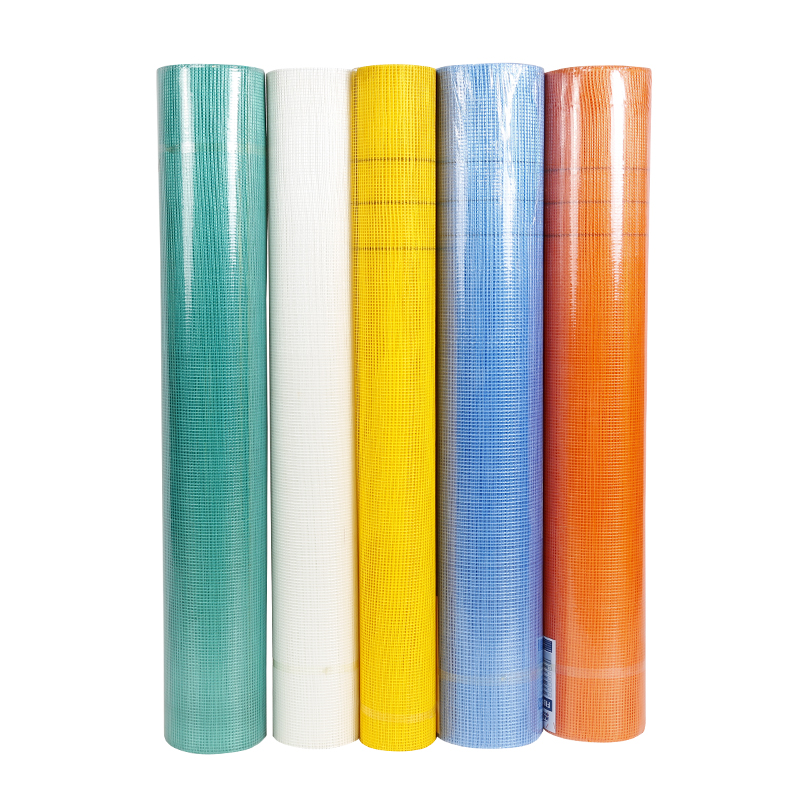
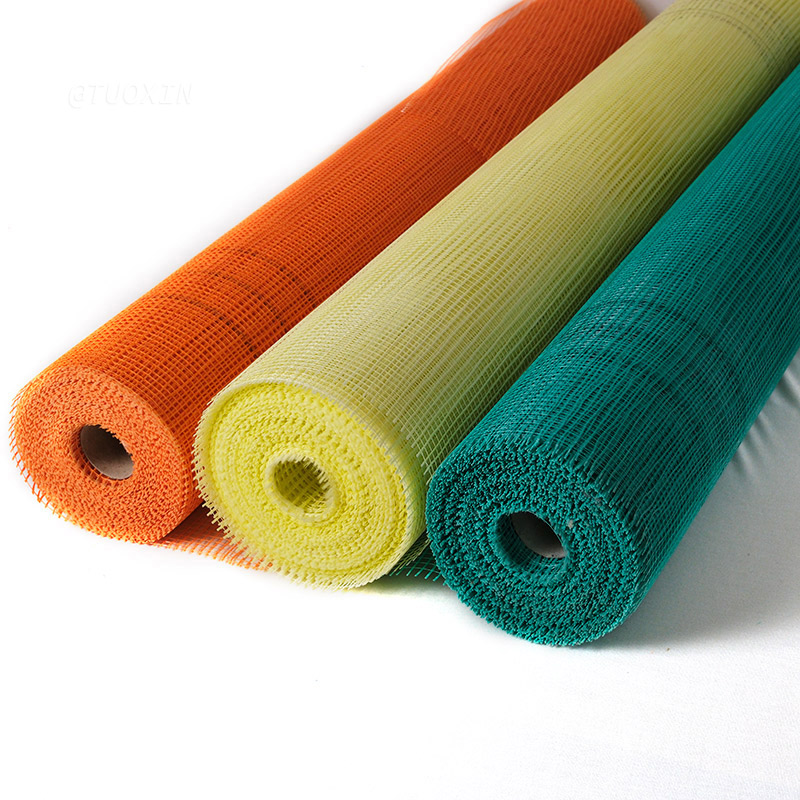
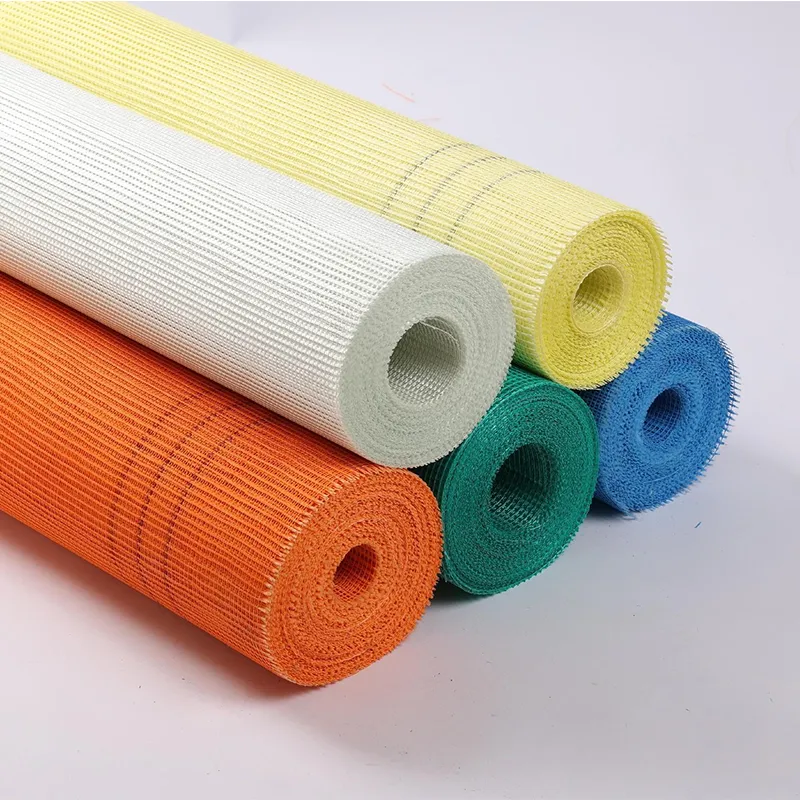
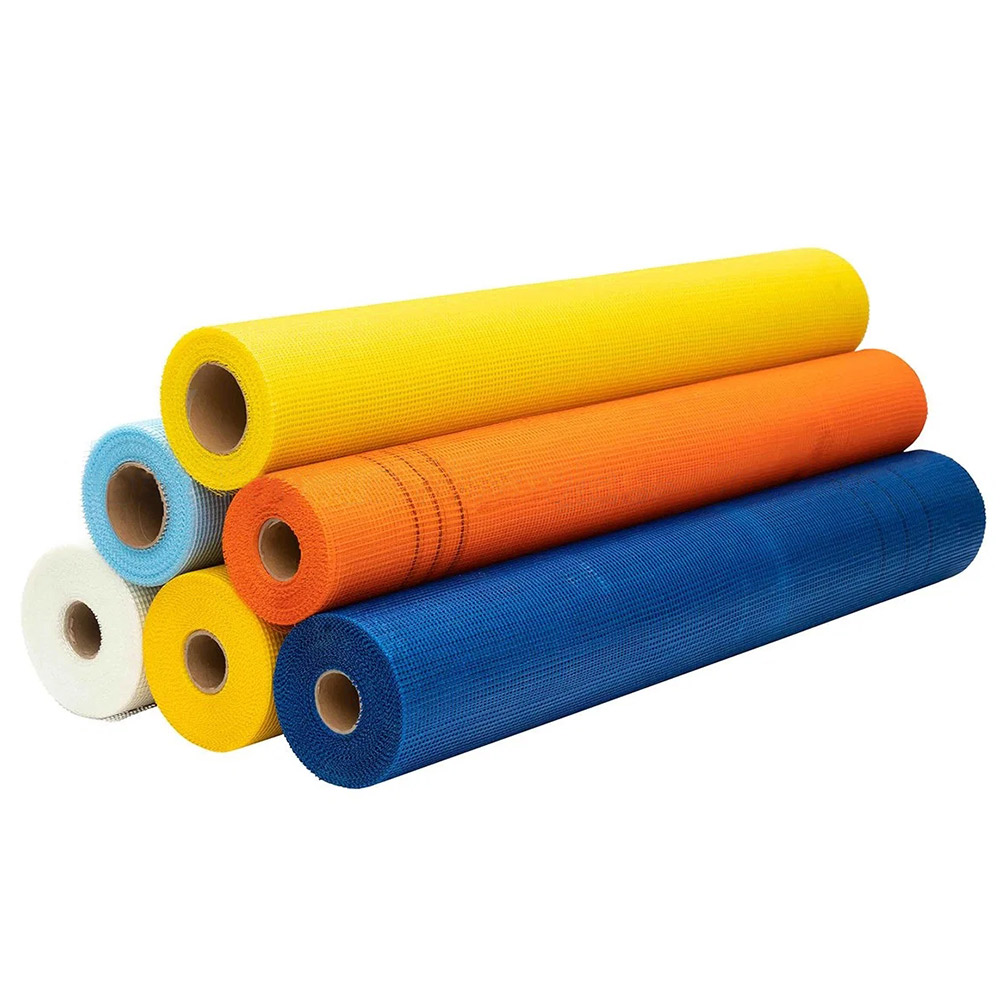
If you’ve ever wandered through a construction site or inspected a durable façade, you might have come across fiberglass mesh rolls — specifically those weighing 160g. These lightweight yet tough materials are quiet workhorses in industries ranging from building reinforcement to industrial filtration. But why does it matter, and why should a global audience pay attention?
160g fiberglass mesh rolls companies are at the heart of producing this essential building material. Their production quality, innovation, and supply chain efficiencies subtly power everything from energy-efficient homes to disaster-resistant infrastructures. In today’s world — where sustainability, cost-effectiveness, and safety are the pillars of progress — understanding who these companies are, what they do, and how their products function is key for engineers, architects, and procurement managers alike.
The Global Context: Why 160g Fiberglass Mesh Rolls Companies Matter
Fiberglass mesh, especially at the 160-gram per square meter grade, has seen a spike in global demand. According to the International Organization for Standardization (ISO), modern construction standards increasingly rely on composite materials that combine strength with light weight. The World Bank estimates that infrastructure spending in emerging markets will grow by nearly 5% annually through 2030, much of which incorporates advanced reinforcement materials.
But here’s the challenge: building projects nowadays juggle multiple demands — environmental footprint, cost containment, regulatory compliance, and sheer reliability. This drives the need for dependable 160g fiberglass mesh rolls companies capable of delivering high-quality products that fit these criteria. From earthquake-resilient housing in Asia to revitalizing aging bridges in Europe, the mesh plays a critical role in reinforcing structures without adding excessive weight.
Defining 160g Fiberglass Mesh Rolls Companies: Behind the Scenes
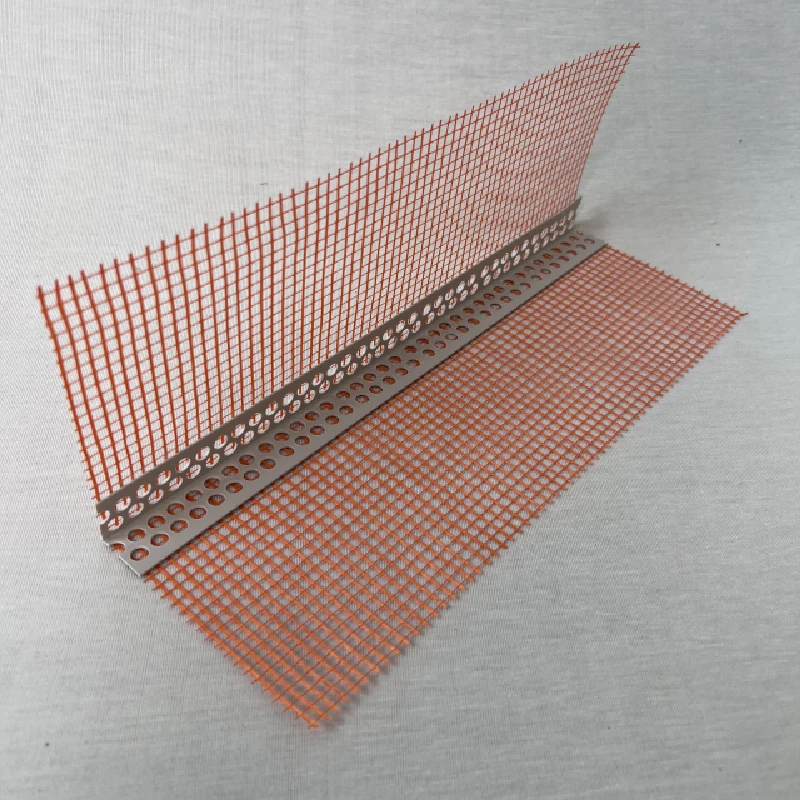
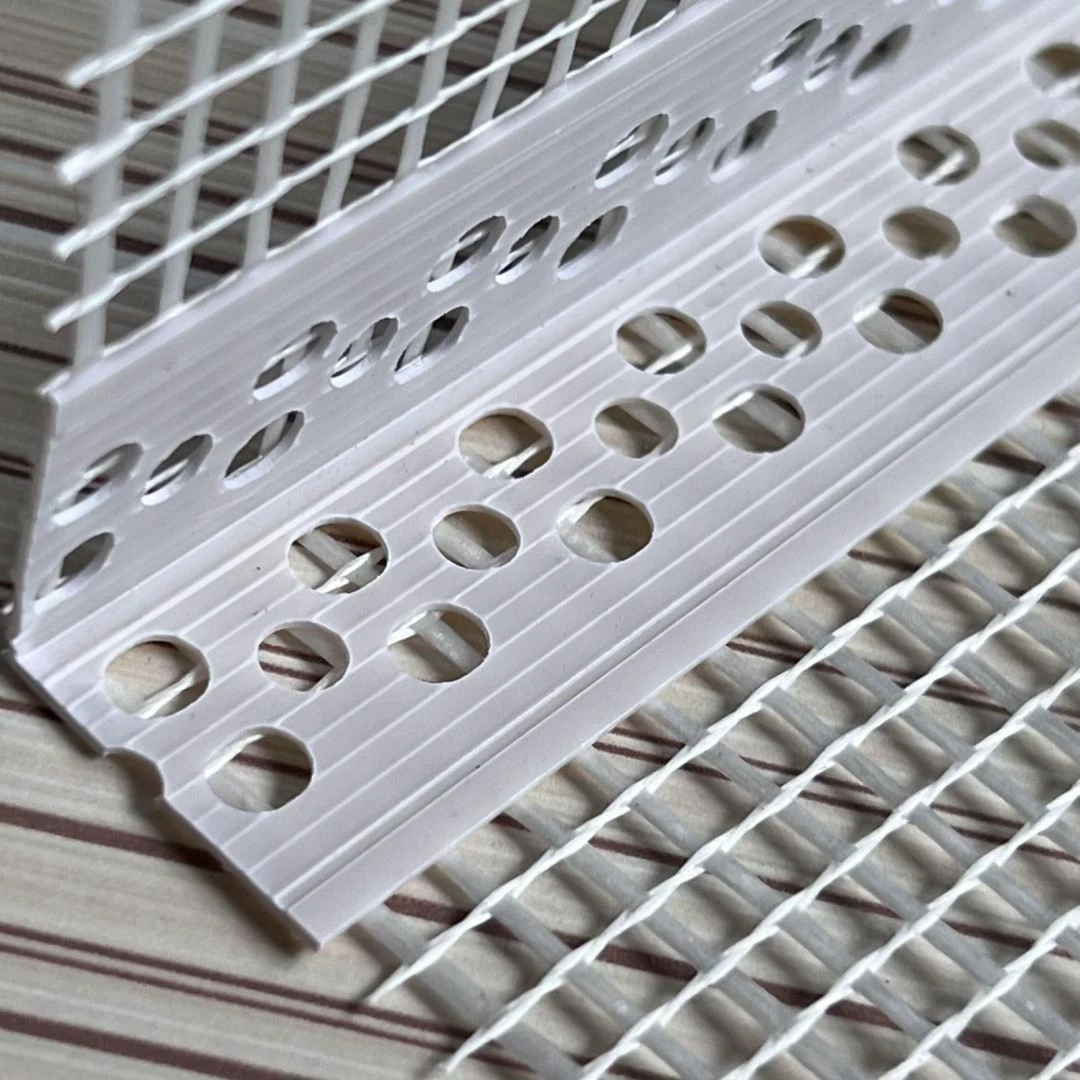
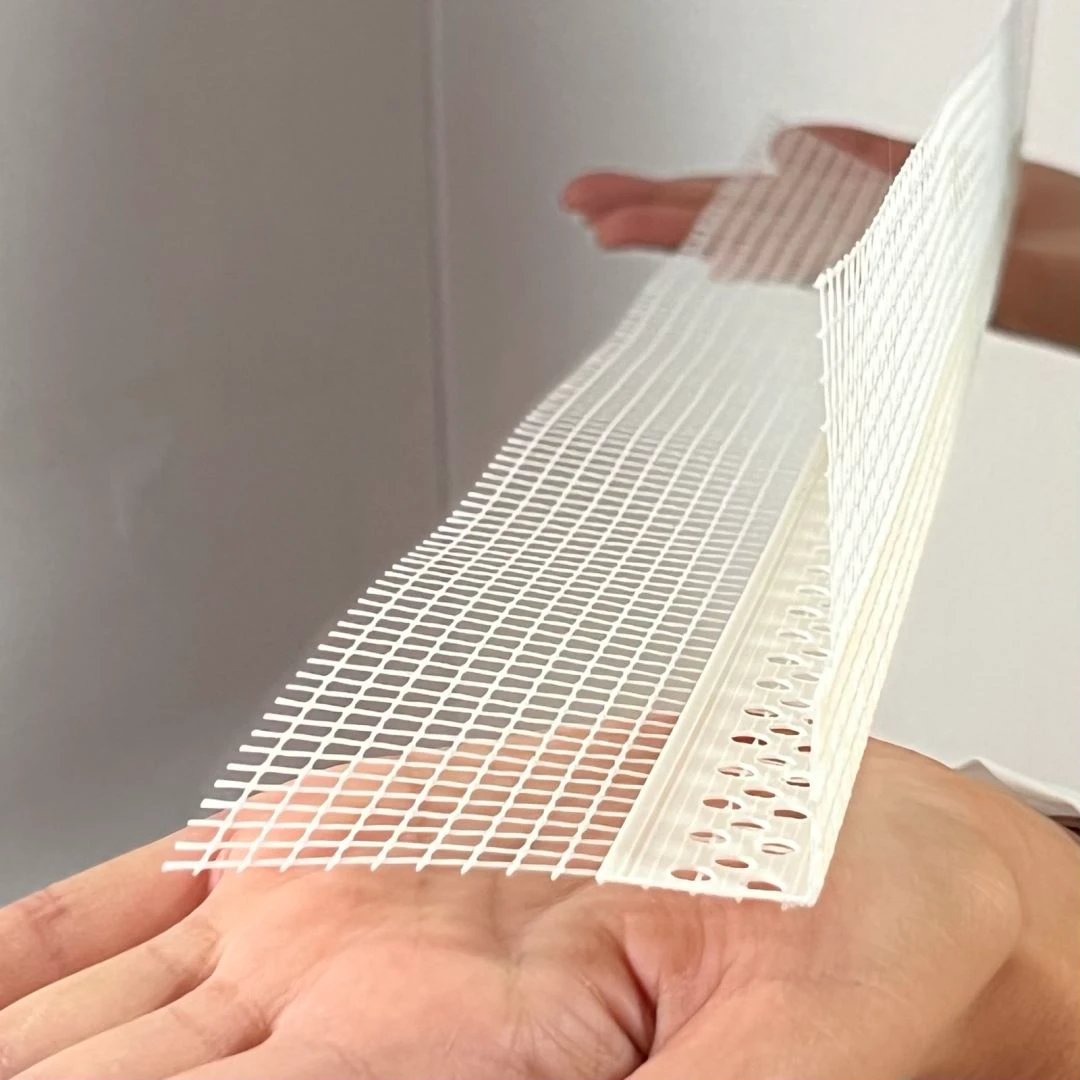
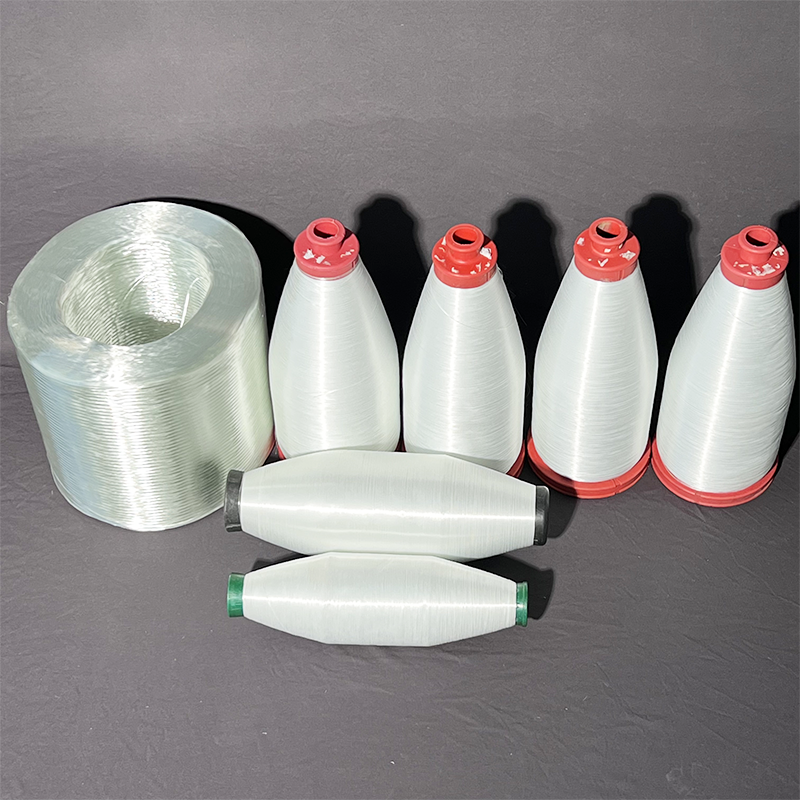
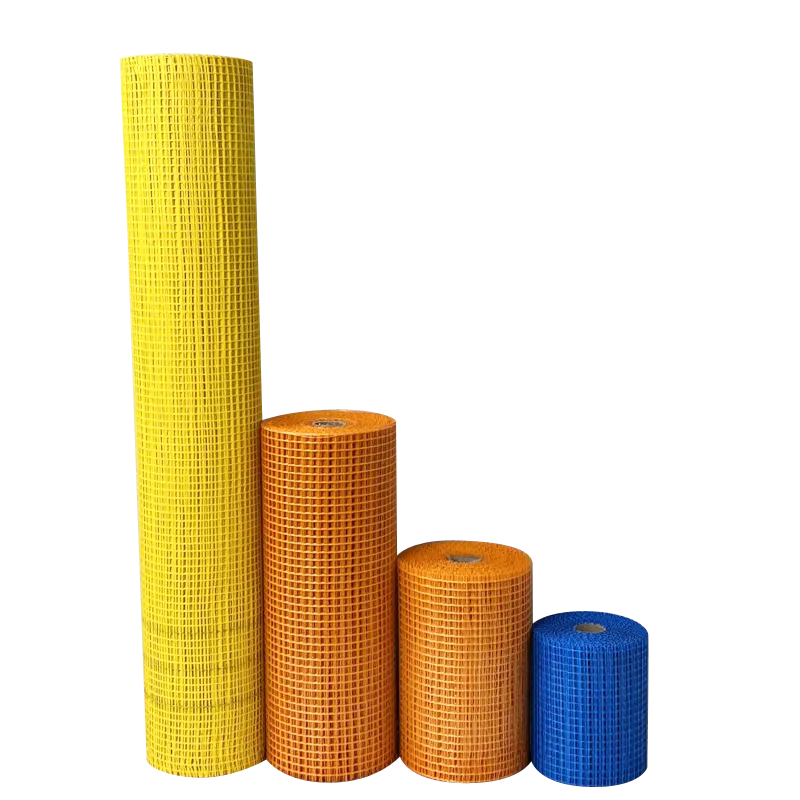
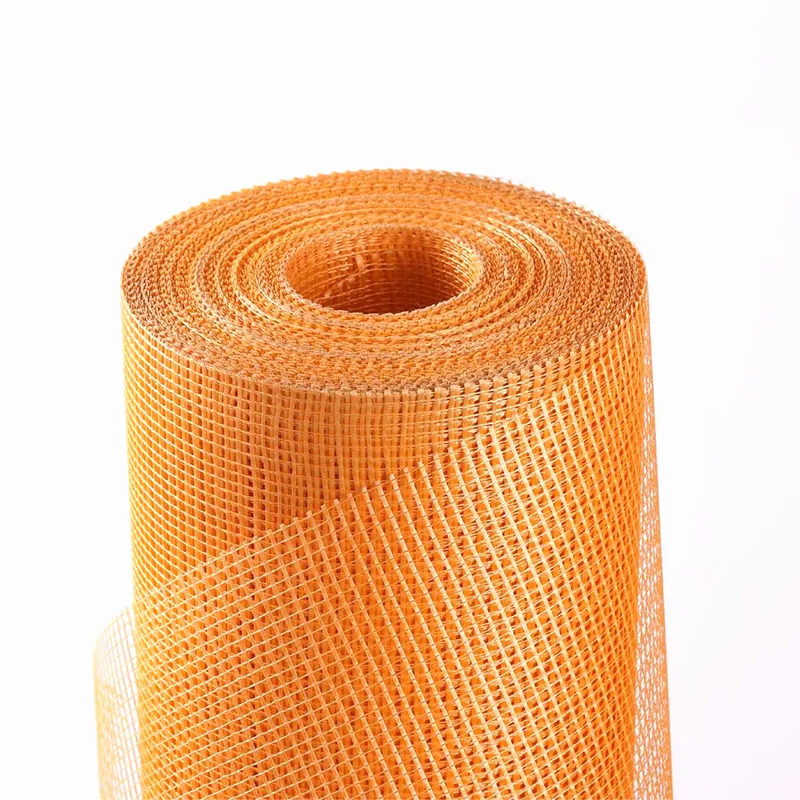
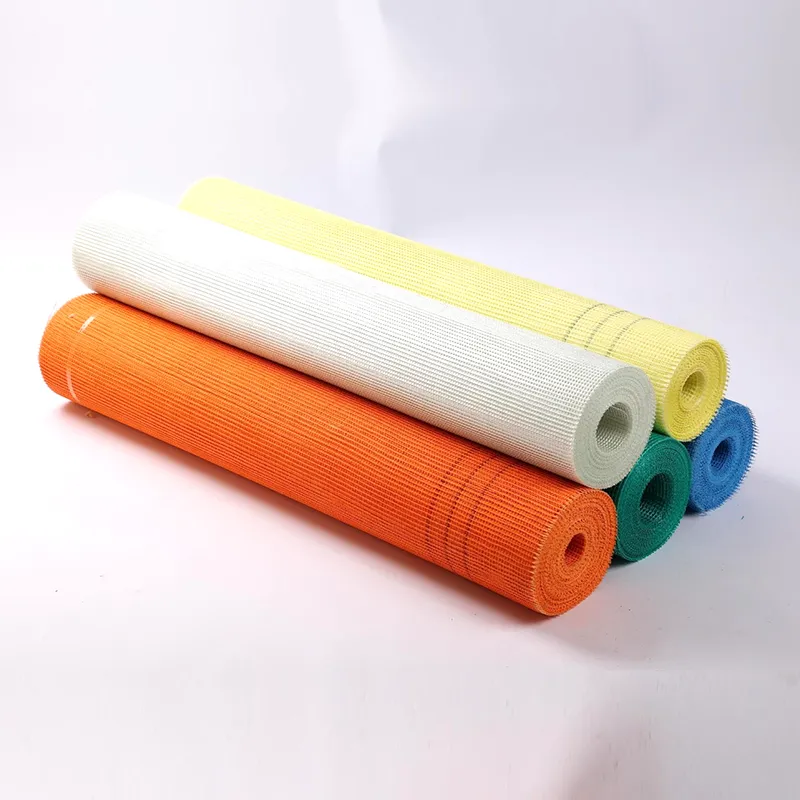
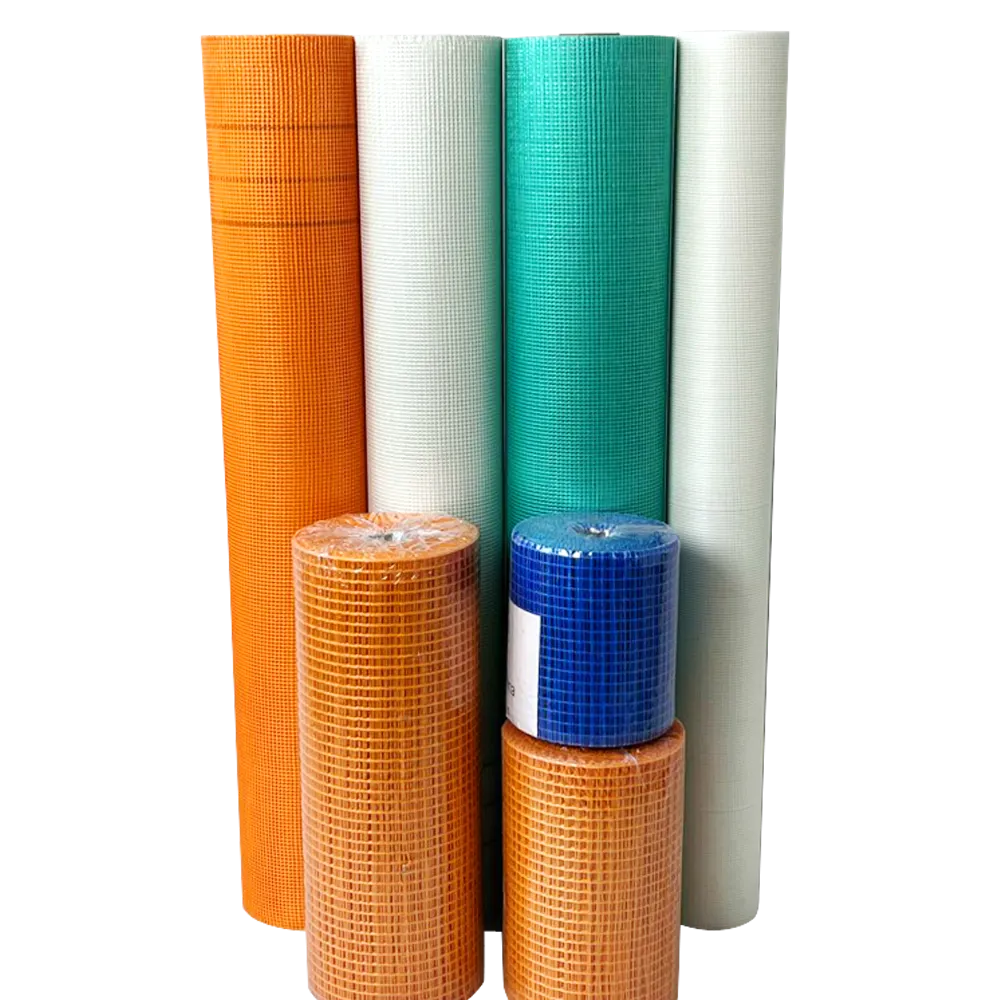
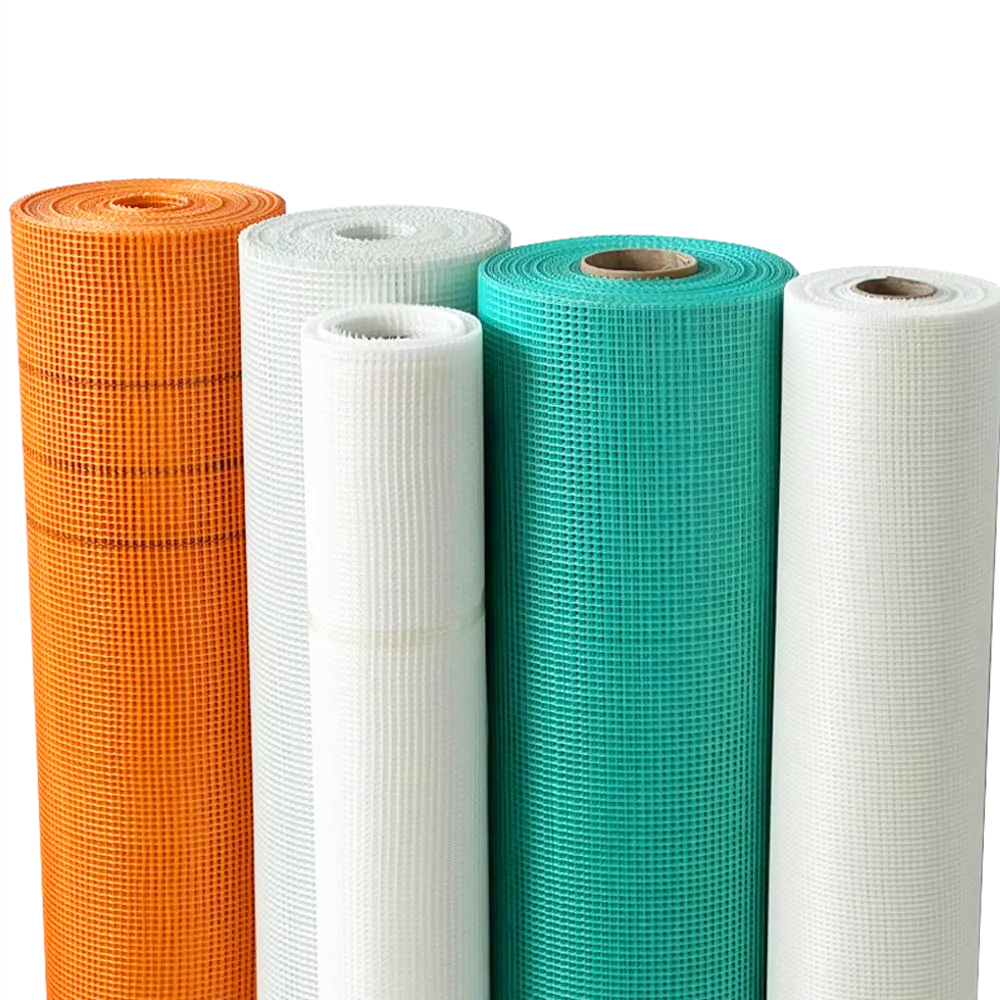
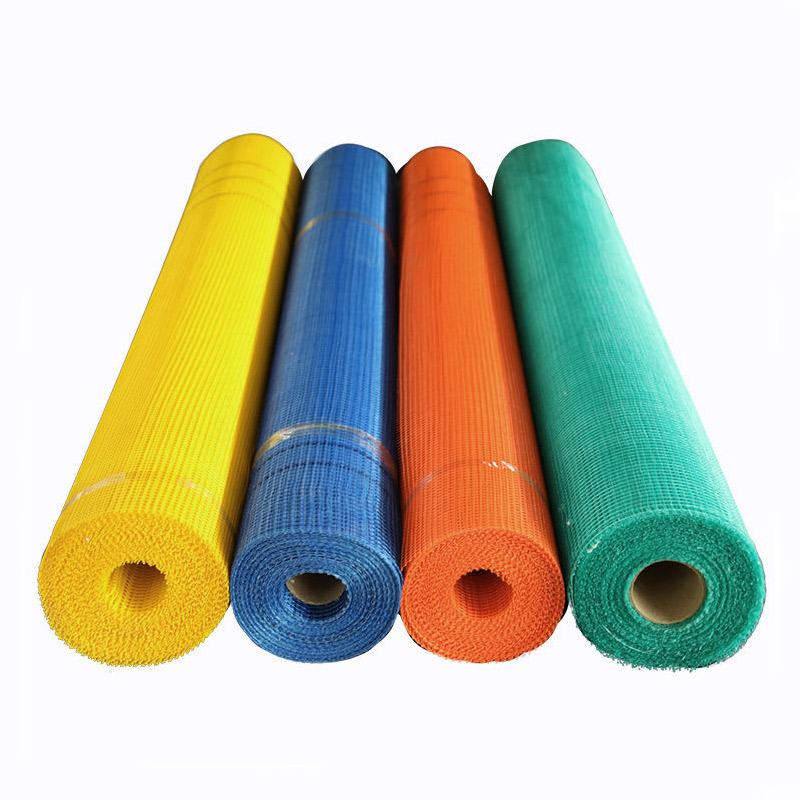
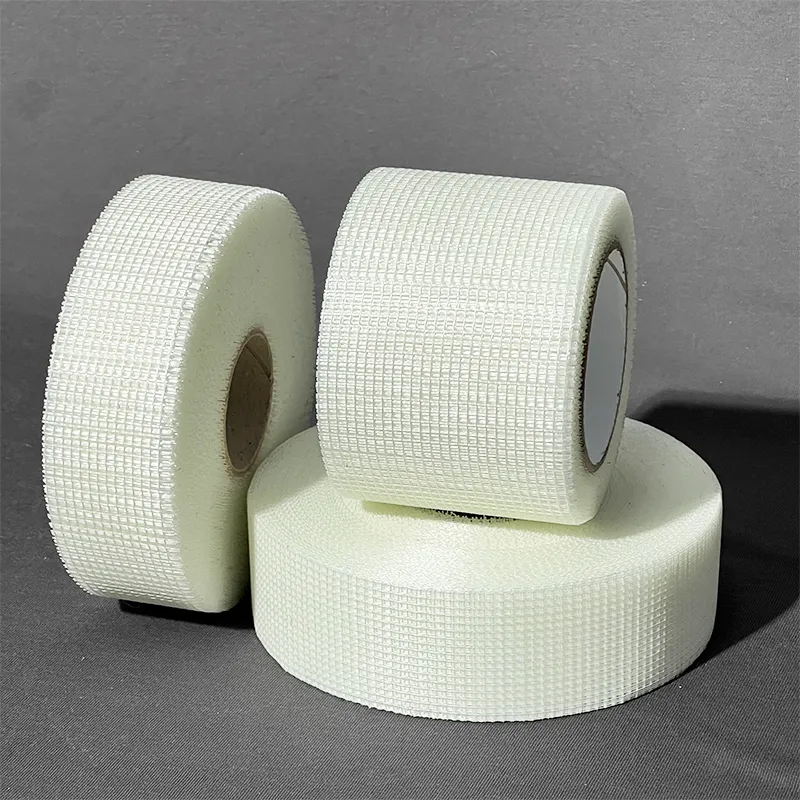
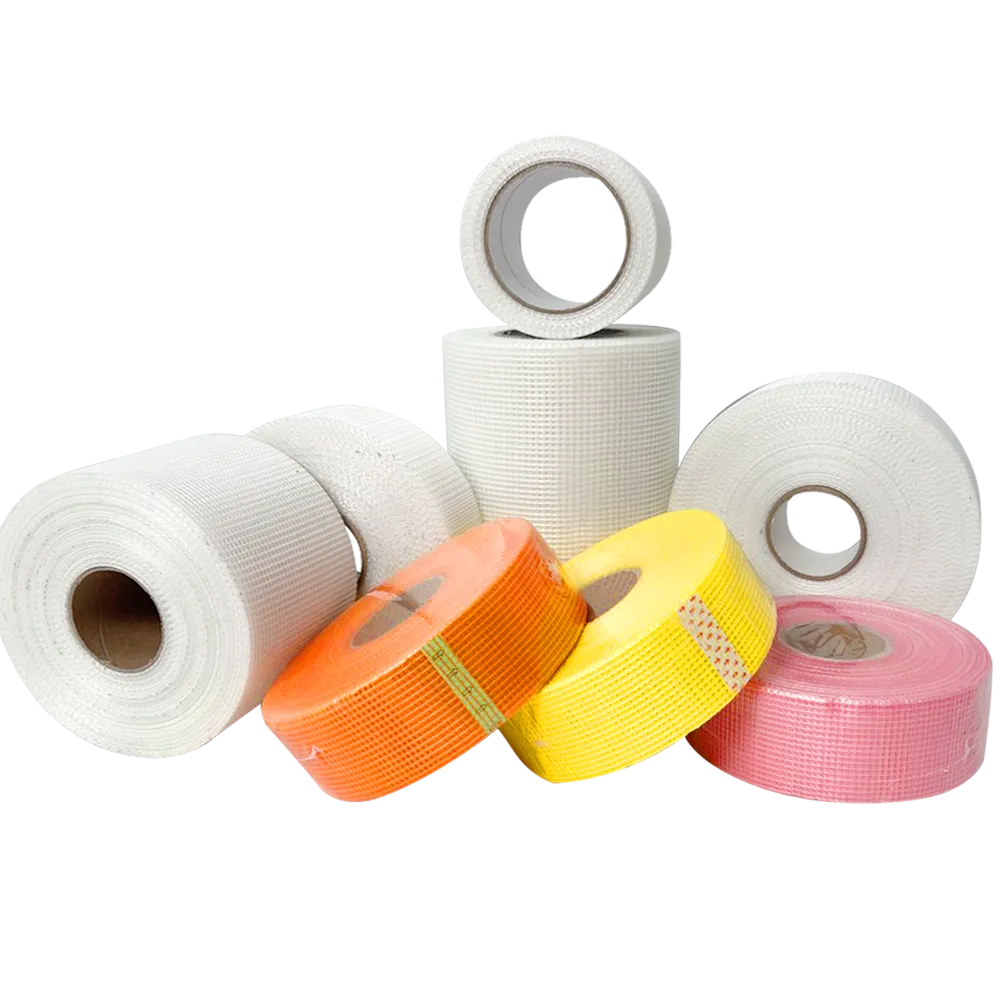
Put simply, these companies manufacture rolls of fiberglass fabric woven and treated to weigh approximately 160 grams per square meter. This specification balances durability with lightweight flexibility. Many engineers appreciate this grade because it’s heavy enough to provide excellent tensile strength and resistance to cracking — yet not so heavy that it complicates installation or transportation.
These suppliers don’t just spin fibers and wind rolls. They treat the mesh with chemical coatings that improve adhesion to cement mortars and expand its weather resistance. This makes the mesh indispensable for modern exterior insulation finishing systems (EIFS), interior wall reinforcement, and even industrial filtration membranes. In a way, these companies are quietly driving innovation in both infrastructure resilience and humanitarian relief by providing materials necessary for fast, efficient builds.
Key Factors Influencing 160g Fiberglass Mesh Quality and Use
Durability and Weather Resistance
The 160g fiberglass mesh is engineered to withstand UV exposure, moisture, and chemical corrosion. For projects exposed to the elements — say a coastal windbreaker or solar panel backing — this is absolutely vital. Many fabricators apply alkali-resistant coatings to ensure the mesh doesn’t degrade inside cement mixes.
Cost Efficiency and Resource Optimization
From raw material sourcing to production efficiencies, 160g fiberglass mesh rolls companies strive to reduce costs without compromising quality. For contractors on tight budgets, using a mesh that balances price and performance can mean the difference between project success and overruns.
Scalability and Supply Chain Reliability
Big infrastructural projects require consistent volumes of fiberglass mesh. Companies with robust manufacturing capacities and reliable logistics help avoid delays, which otherwise can stall entire construction timelines, leading to frustrating cost escalations.
Customization and Product Innovation
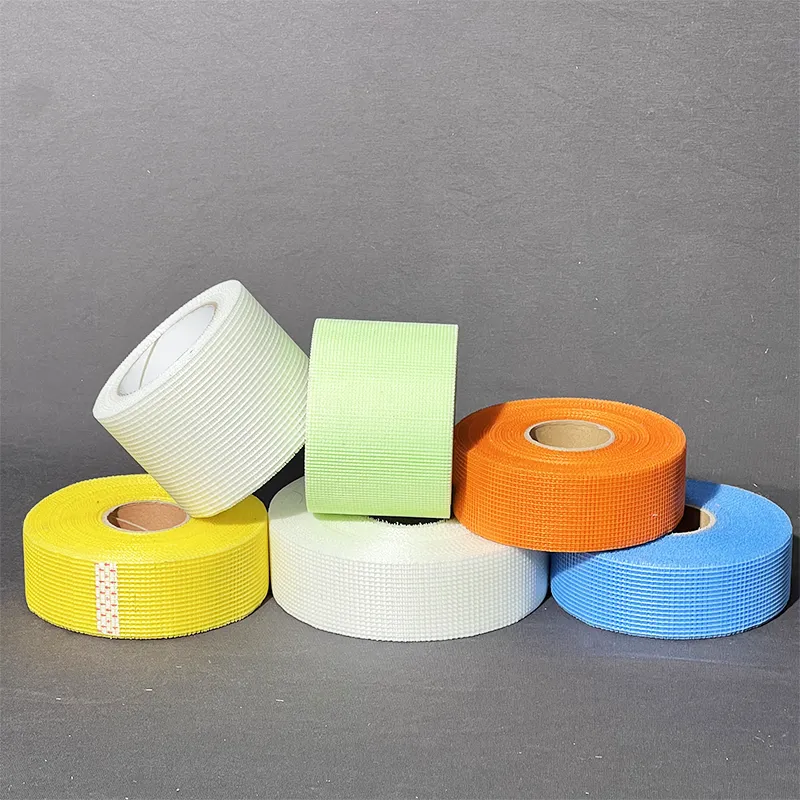
Not all projects are cut from the same cloth — quite literally. Some companies provide specialized meshes with varying weaving patterns, tensile strengths, or chemical treatments to suit niche applications, from seismic reinforcement to breathable façades.
Environmental Sustainability
More players in this industry are adopting greener manufacturing processes, using recycled glass fibers, and reducing VOC emissions in coatings. This reflects a broader shift in industrial materials towards sustainability champions and circular economy principles.
In short, companies producing 160g fiberglass mesh rolls juggle a complex mix of durability, cost, customization, and green concerns — all while meeting industry demands globally.
Where the Rubber Meets the Road: Global Applications & Use Cases
- Construction Sector: Reinforcing exterior insulation systems, plaster, stucco, and concrete overlays. In places like the Mediterranean or Southeast Asia, this extends building longevity against harsh weather.
- Disaster Relief: In earthquake-prone regions such as Chile or Japan, lightweight fiberglass mesh allows rapid repair and strengthening of damaged structures, enhancing safety quickly.
- Industrial Filtering: Specialized meshes help in air and liquid filtration, supporting industries including chemical processing and HVAC.
- Renewable Energy: Supporting infrastructure in solar farms, where the material’s corrosion resistance improves lifespan of mounting structures.
In fact, NGOs involved in post-disaster housing increasingly prefer 160g fiberglass mesh rolls companies offering certified products to meet strict international shelter standards.
Advantages & Lasting Value of Partnering With 160g Fiberglass Mesh Producers
Why put so much faith in this stuff? The benefits are pretty compelling — from a logistical, financial, and human perspective.
- Cost Savings: Longer-lasting reinforcements reduce the need for frequent repairs.
- Sustainability: Lightweight materials cut down on transport fuel emissions and raw material waste.
- Safety & Trust: Resistant to cracking and environmental wear, helping to protect inhabitants and equipment alike.
- Innovation: Many companies are pushing boundaries with hybrid textiles and automated manufacturing.
There’s also a quiet dignity in knowing your building won’t crumble, your factory won’t face costly downtime, or a shelter will withstand a storm — innovations like this mesh quietly help preserve that.
Looking Ahead: Future Trends in Fiberglass Mesh Technology
Fiber tech isn’t resting. Some interesting innovations are on the horizon:
- Green Production: Using recycled glass fibers and bio-based resins reduces carbon footprints.
- Smart Textiles: Embedding sensors into fiberglass mesh for structural health monitoring.
- Automation: AI-powered production lines improving quality control.
- Hybrid Materials: Combining fiberglass with carbon fibers for ultra-high-strength meshes.
These trends suggest that 160g fiberglass mesh will only get smarter, greener, and more adaptable in the next decade.
Challenges Facing 160g Fiberglass Mesh Rolls Companies — And How They Cope
Supply chain hiccups remain a big pain point globally — raw materials fluctuate in price, and shipping delays ripple through projects. Also, some users report installation issues due to inconsistent mesh quality across brands.
To address these:
- Standardization: Industry bodies are pushing for stricter production specs and certifications.
- Quality Control: Many companies now deploy real-time optical scanners to catch defects early.
- Customer Education: Offering installation training to ensure the mesh performs as intended.
Frankly, adapting to these challenges is what separates leading companies from the rest.
FAQ: Common Questions About 160g Fiberglass Mesh Rolls Companies
-
Q: What makes 160g fiberglass mesh rolls better than heavier or lighter variants?
A: 160g balances strength with ease of handling. Heavier mesh might be tougher but harder to install and more expensive; lighter mesh may lack durability. -
Q: How long can fiberglass mesh reinforced walls last?
A: Properly installed, fiberglass mesh can extend wall lifespan by 10-20 years, especially by preventing cracks and weather damage. -
Q: Are these meshes eco-friendly?
A: Many companies now produce alkali-resistant, low-VOC coated mesh using recycled fibers, supporting sustainable construction goals. -
Q: How can international buyers ensure quality from overseas 160g fiberglass mesh rolls companies?
A: Look for ISO certifications, request samples, and possibly third-party lab tests before large purchases. -
Q: Is customization available for specific project needs?
A: Yes, many suppliers offer customized weaving patterns, roll lengths, and coating formulations to suit unique uses.
Product Specification Table: Typical 160g Fiberglass Mesh Roll
| Specification | Details |
|---|---|
| Material | Alkali-Resistant Fiberglass |
| Weight per Area | 160 grams/m² |
| Roll Width | 1 meter (custom options available) |
| Roll Length | 50 meters standard |
| Tensile Strength | 600 N/cm (woven direction) |
| Chemical Coating | Alkali resistant, UV stabilized |
Vendor Comparison Table: Top 3 160g Fiberglass Mesh Rolls Companies
| Company | Product Range | Certifications | Global Reach | Customization | Price Competitiveness |
|---|---|---|---|---|---|
| FibraCore Industries | 160g, 200g, 300g mesh rolls | ISO 9001, CE | Europe, Asia, Americas | Custom widths & coatings | Mid-Range |
| GlassMesh Solutions | Standard 160g rolls only | ISO 14001 | North America & Europe | Limited | Premium |
| Asia Pacific Mesh Corp. | 160g, 180g, customized patterns | ISO 9001, RoHS | Asia-Pacific focus, emerging markets | High customization | Budget-Friendly |
Wrapping Up: Why 160g Fiberglass Mesh Rolls Companies Are Worth Watching
In the end, the humble 160g fiberglass mesh roll represents more than just woven glass fibers. It’s a linchpin in advancing safer, smarter, and greener infrastructure globally. Especially when sourced from reliable 160g fiberglass mesh rolls companies that harmonize quality with innovation, the benefits span economic, environmental, and humanitarian domains.
If you’re involved in construction, industrial manufacturing, or disaster recovery planning, keeping tabs on these producers and their evolving technologies might just save you time—and a headache or two.
Take a peek at what’s available and consider how the right fiberglass mesh could be the quiet hero of your next project.
-
Best Fiberglass Mesh Tape for RedGard Product Waterproofing GuideNewsApr.16,2026
-
Why High Strength Fiberglass Mesh Is Essential For Stucco ApplicationNewsApr.15,2026
-
Why Alkali Resistant Fiberglass Mesh Tape Is Essential For Cement Board And Tile InstallationsNewsApr.15,2026
-
Understanding The Role Of Drywall Fiberglass Mesh In Interior FinishingNewsApr.15,2026
-
Ultimate Guide To Using Fiberglass Mesh Tape For Drywall And Plaster RepairsNewsApr.15,2026
-
The Versatility Of Fiberglass Mesh In Marble And Stone MosaicNewsApr.15,2026