Nov . 23, 2025 09:30 Back to list
160g Fiberglass Mesh Rolls Factories – Durable, Cost-Effective Reinforcement Solutions
Understanding 160g Fiberglass Mesh Rolls Factories: A Global Perspective
You might not realize it, but 160g fiberglass mesh rolls are quietly powering some of the most critical industries worldwide. From building reinforcements to disaster-resilient housing, these fiberglass meshes have become indispensable materials, and the factories that produce them hold a surprisingly important spot in the global supply chain. But why does it matter? In an era where infrastructure sustainability, industrial safety, and innovative construction techniques are top priorities — understanding how these factories operate and what their products offer is actually pretty crucial. It’s not just about a roll of mesh; it’s about strength, flexibility, and cost-effective solutions that touch everything from urban development to humanitarian aid.
Why Focus on 160g Fiberglass Mesh Rolls Factories?
Globally, industries are more focused than ever on durable yet lightweight materials, especially in construction and manufacturing. According to ISO standards, fiberglass mesh is a top choice for enhancing concrete tensile properties and preventing cracks. Today, over 60% of new infrastructure projects in Asia-Pacific and parts of Europe use fiberglass mesh to improve longevity and safety. However, raw material shortages and inconsistent product quality remain a challenge — that’s where reliable factories producing 160g fiberglass mesh rolls come in.
In short, these factories help solve real-world problems: from increasing building safety against earthquakes to bringing affordable reinforcements to remote regions where construction materials may be scarce or unreliable.
What Exactly Are 160g Fiberglass Mesh Rolls Factories?
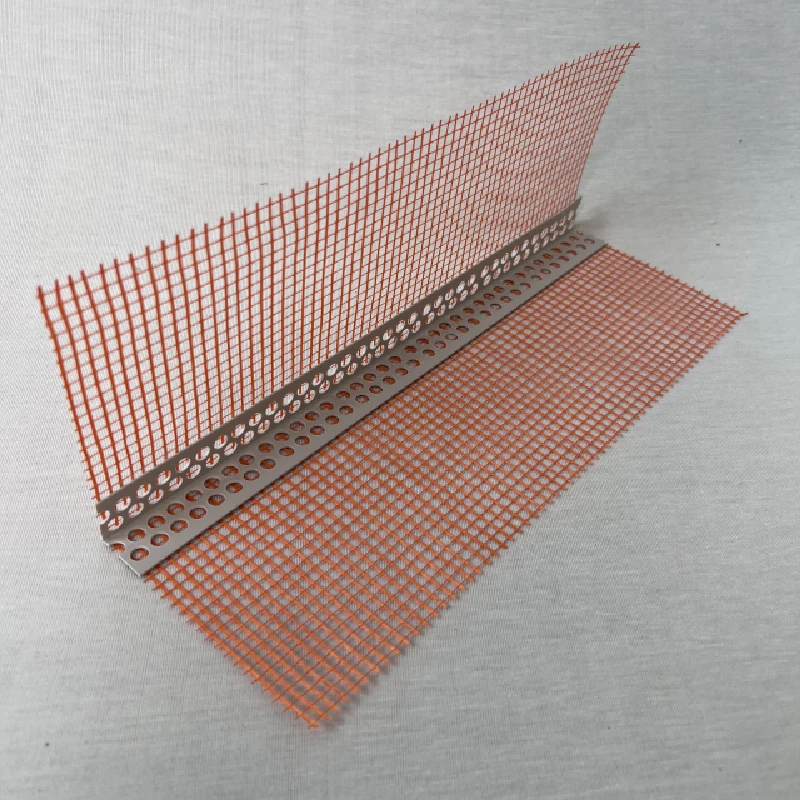
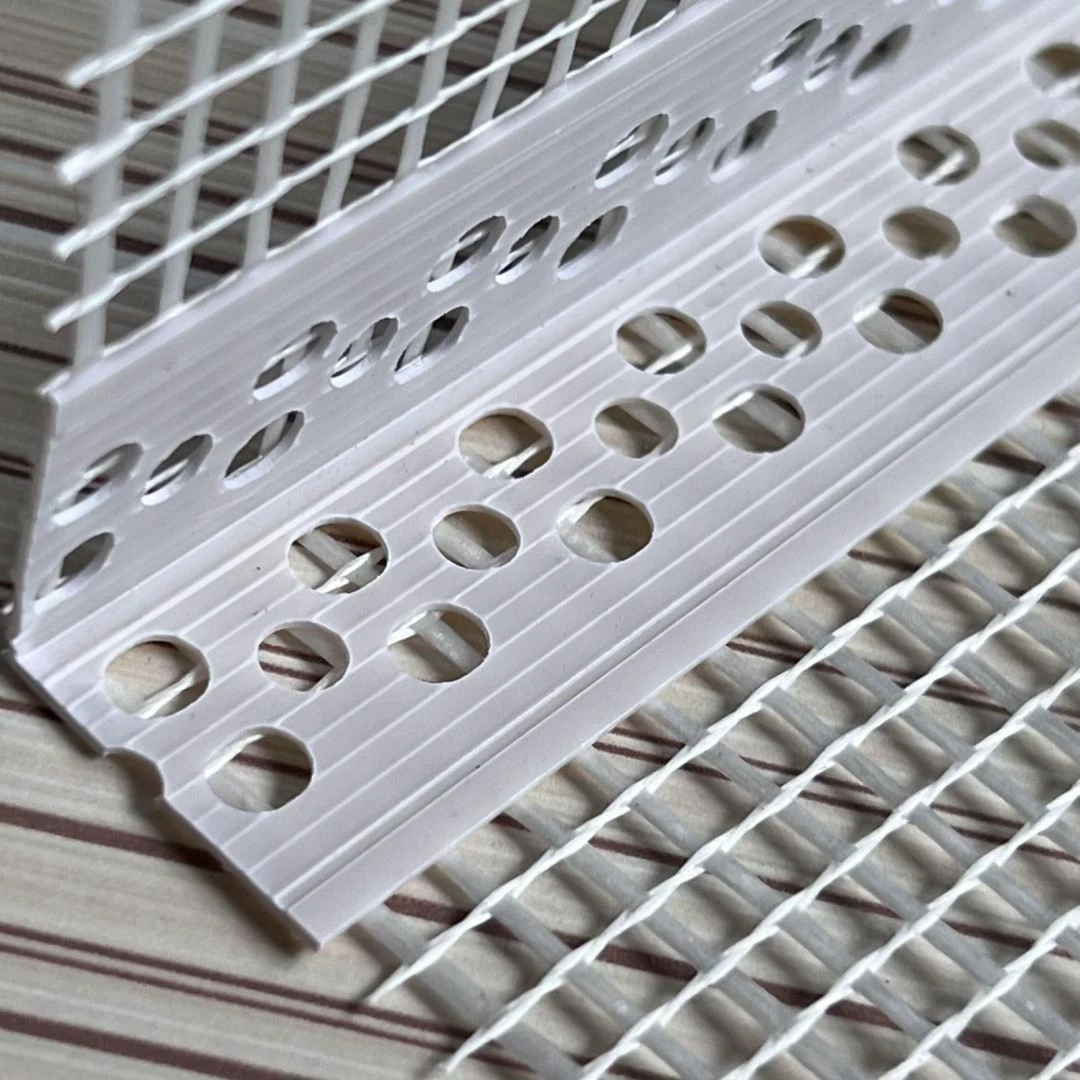
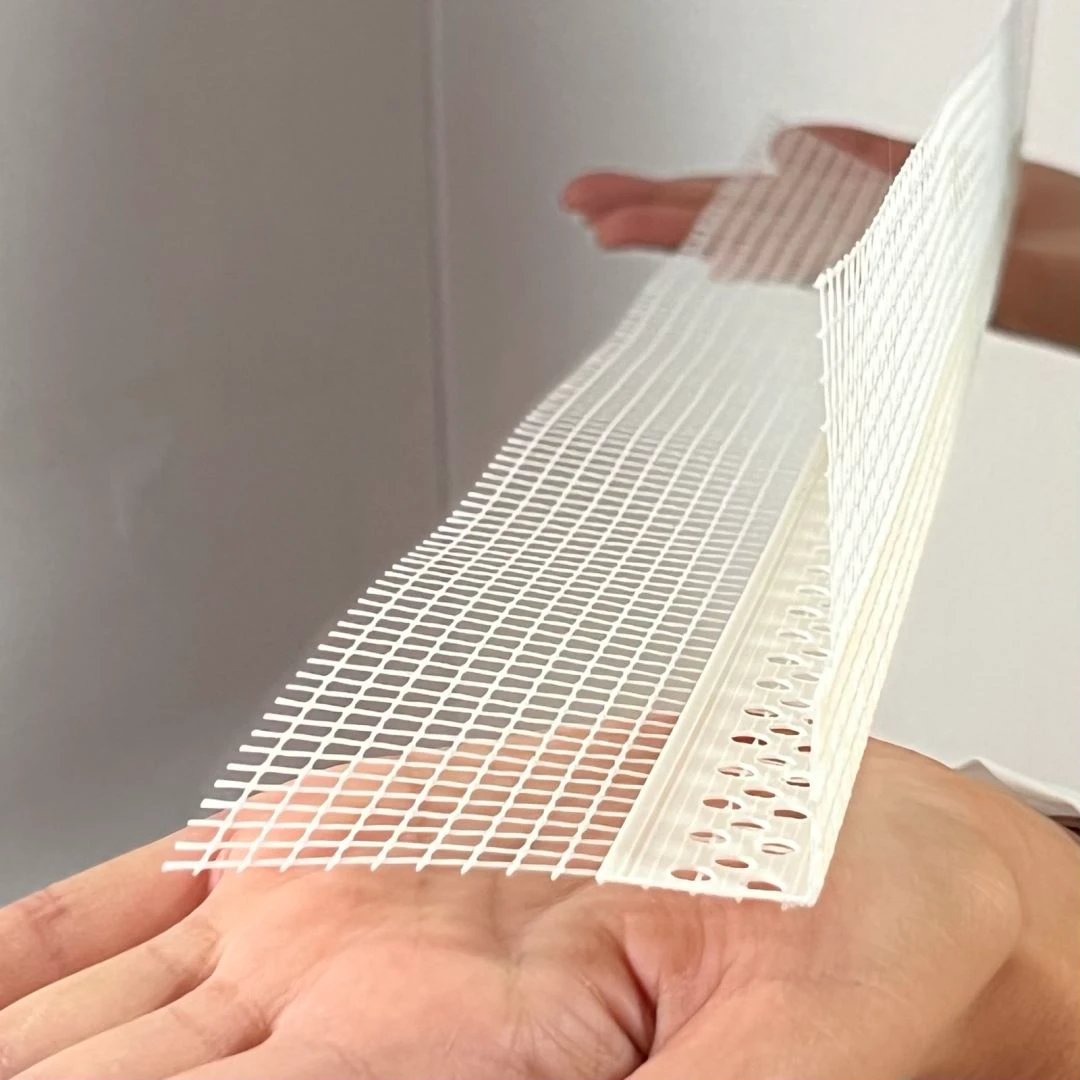
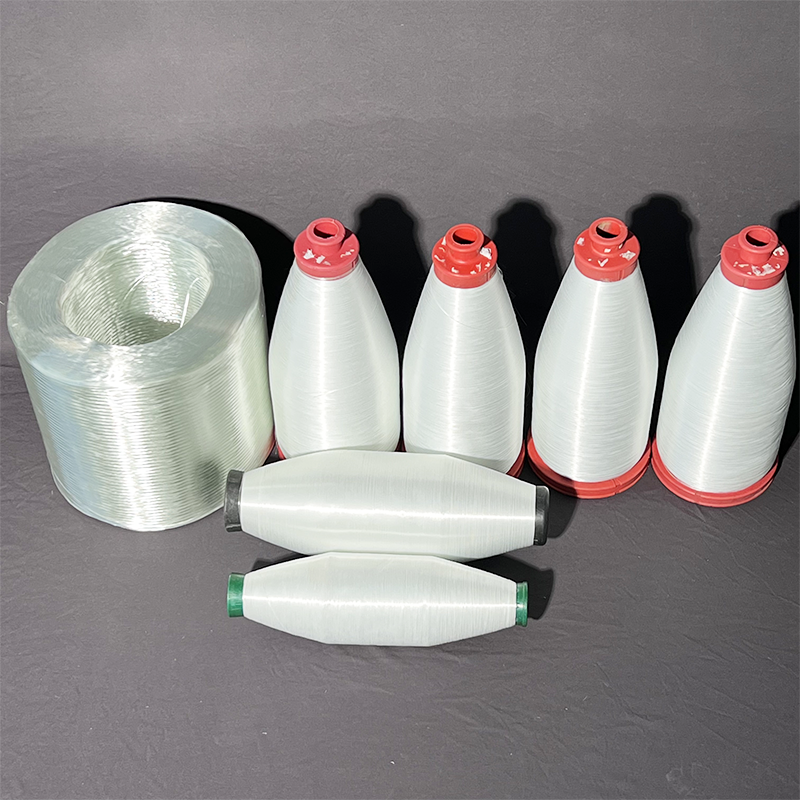
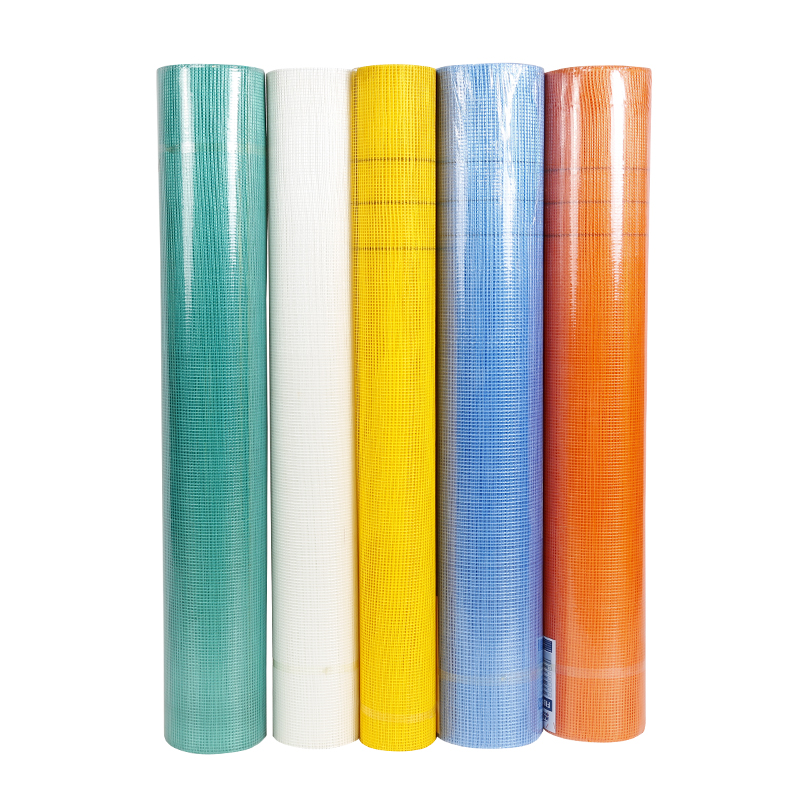
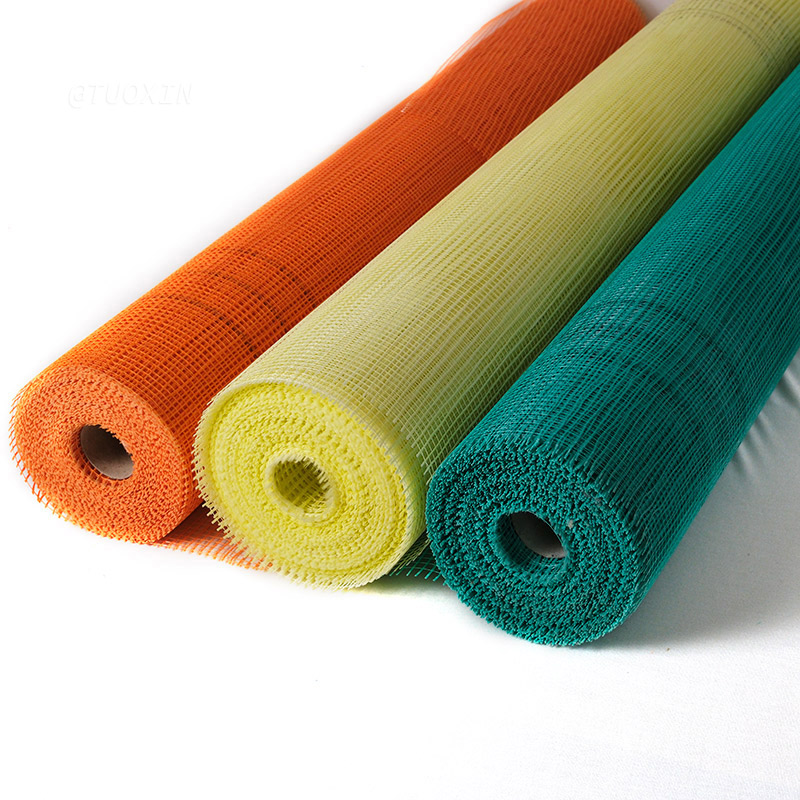
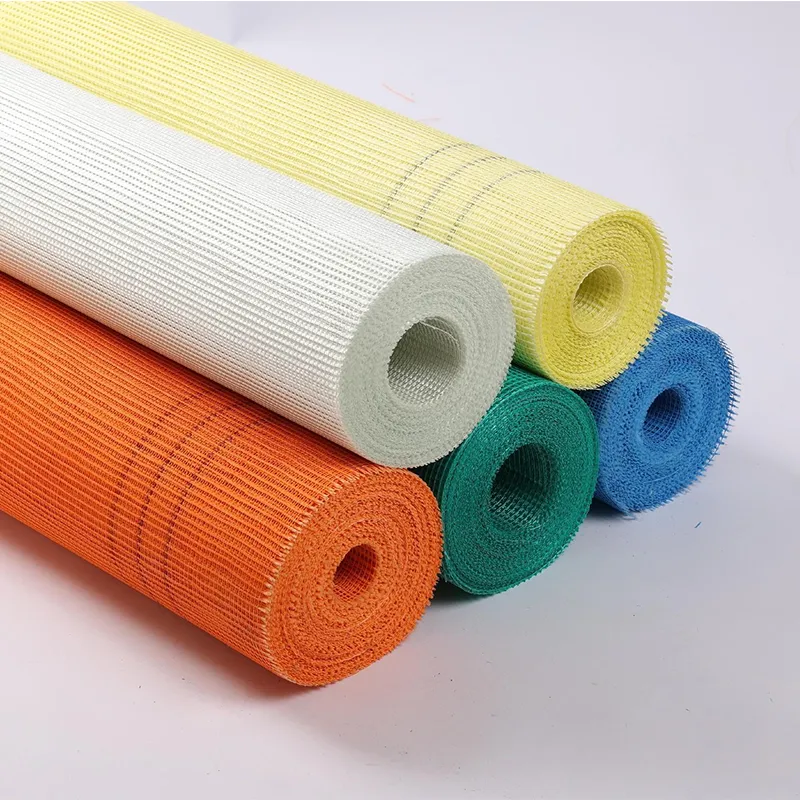
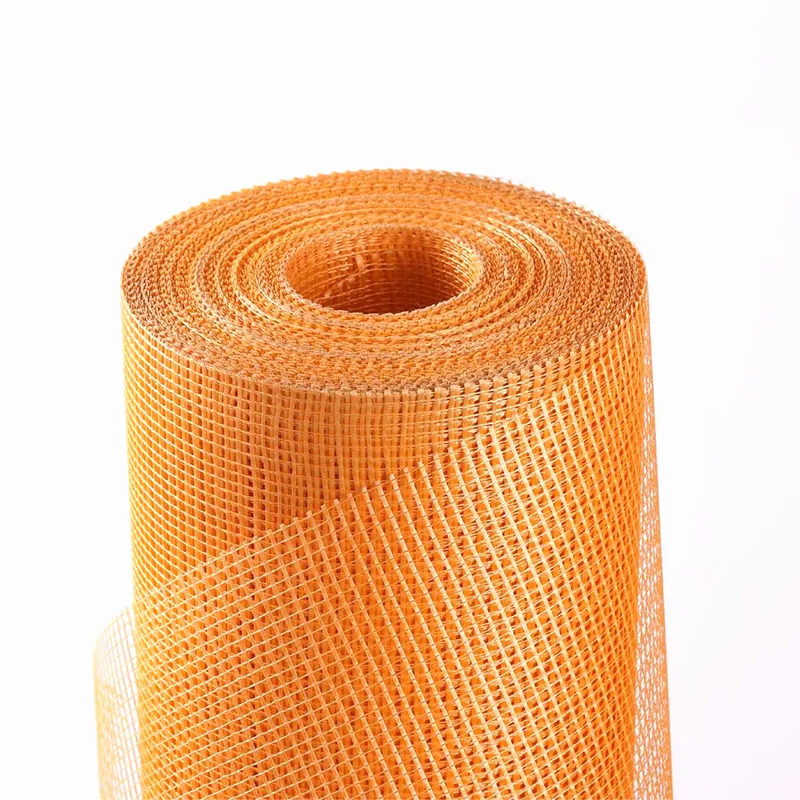
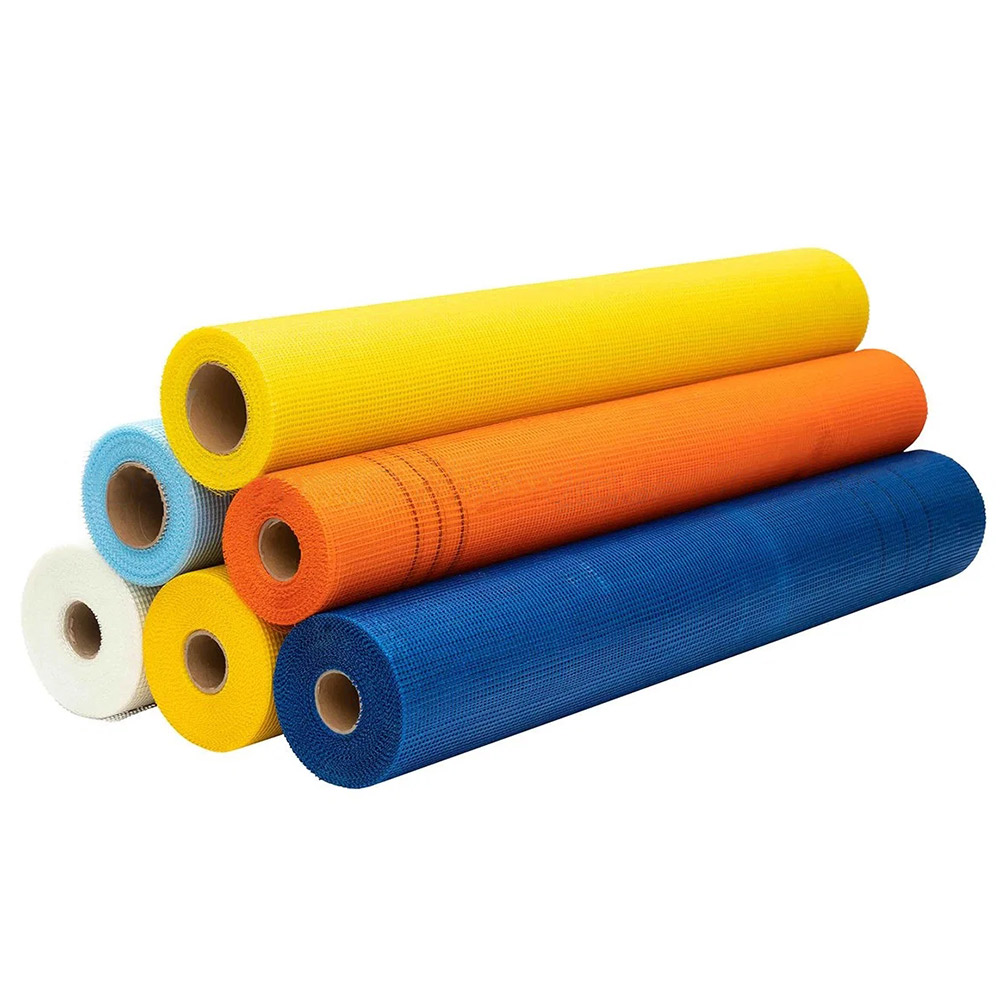
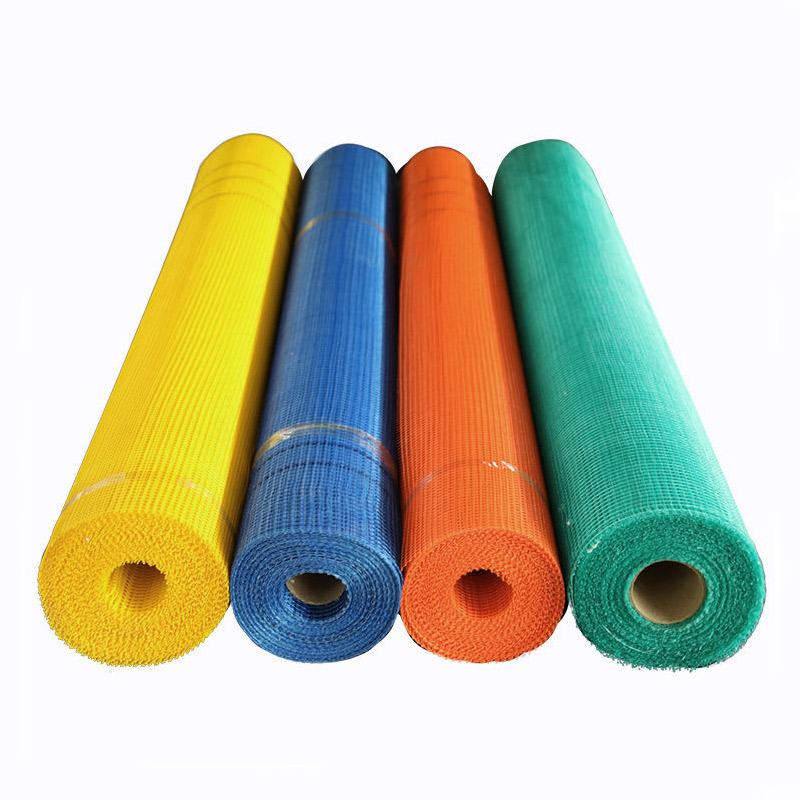
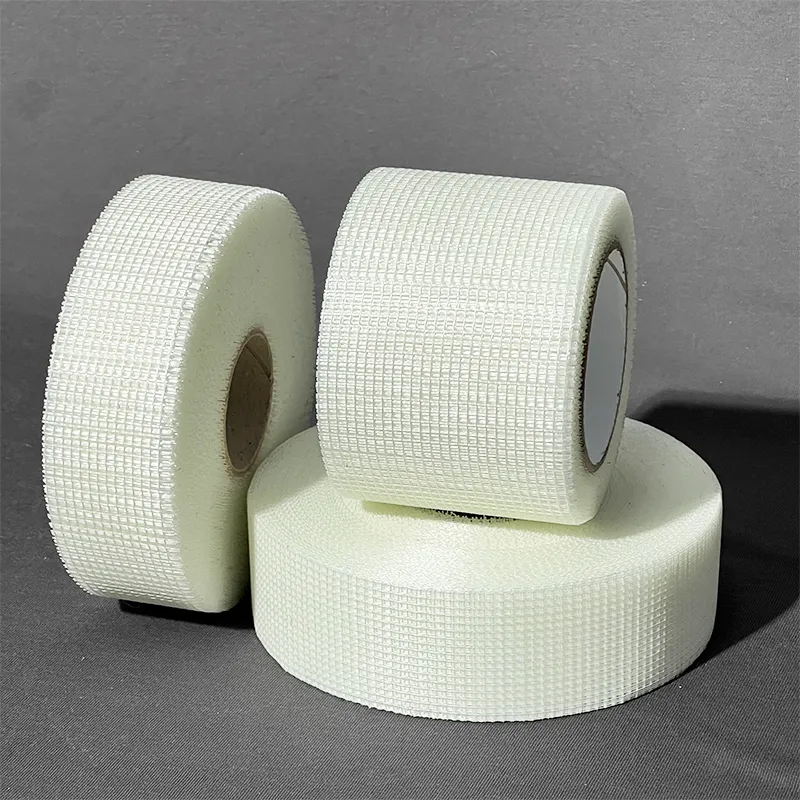
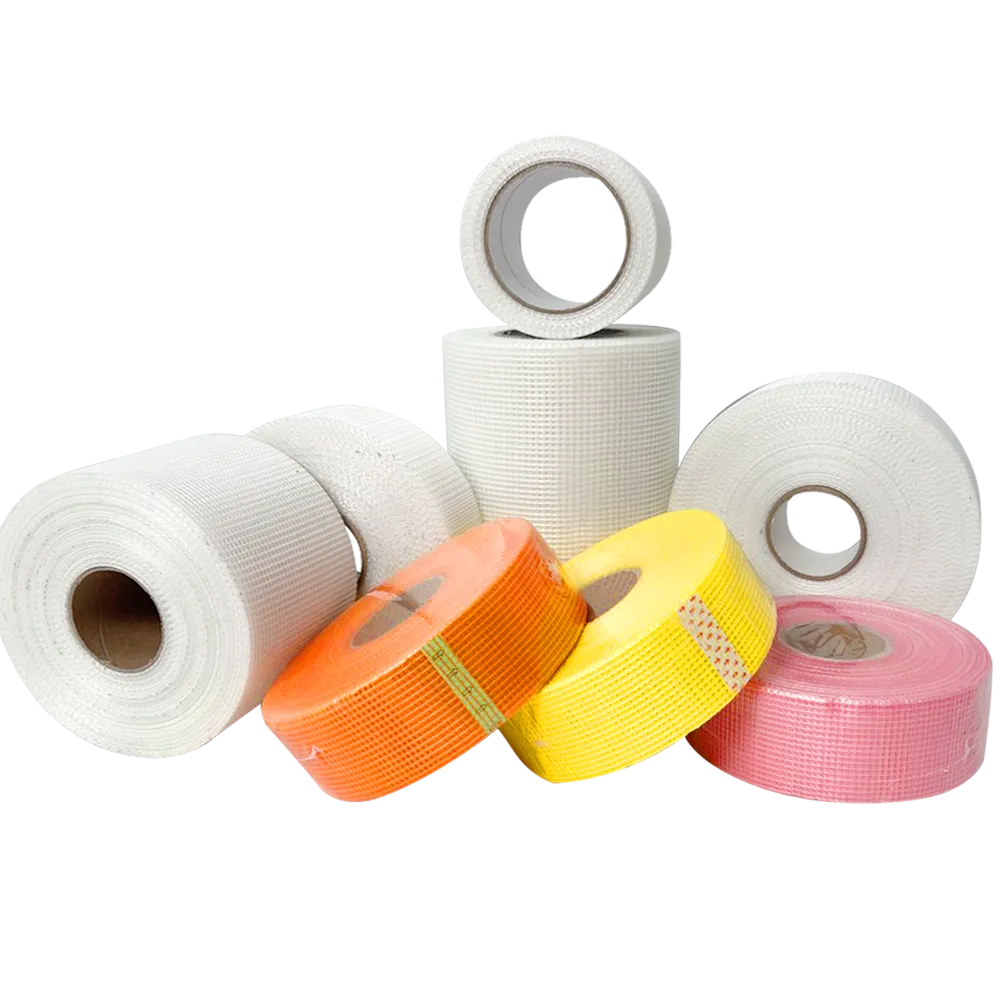
Let’s unpack the term — 160g refers to the weight per square meter of the fiberglass mesh. This weight gives a good balance between strength and flexibility, making it a popular specification. The mesh itself is a network of woven fiberglass fibers, designed to reinforce plaster, concrete, and other construction materials.
Factories specialized in 160g fiberglass mesh roll production are where all the technical expertise comes together. They’re equipped with weaving looms, coating machines (often PVC or other protective layers), and quality control systems to ensure each roll meets industry standards. It’s a niche but vital part of the supply chain that supports not only modern construction but also humanitarian projects requiring lightweight, durable materials.
Core Components to Look for in 160g Fiberglass Mesh Rolls
1. Durability and Tensile Strength
A lot of engineers praise the tensile strength of 160g mesh as a kind of sweet spot. You get enough weight to resist tearing or premature degradation without adding unnecessary bulk to your mix. Factories focus on controlled fiber weaving patterns to guarantee consistent strength.
2. Coating and Weather Resistance
This is where innovation often happens. A good fiberglass mesh factory doesn't just produce raw mesh — it applies coatings, usually PVC or acrylic, to protect it from alkaline environments and UV radiation. This dramatically extends the mesh's lifespan on-site.
3. Scalability of Production
It’s interesting to note how modern factories scale production. Some specialize in smaller batches for customized projects, while others churn out thousands of rolls monthly for large infrastructure needs. Scalability often hinges on automation levels and supply chain efficiency.
4. Cost Efficiency
Raw material sourcing, labor skills, and technological efficiencies dictate costs. Factories that blend smart automation with quality checks tend to offer more affordable, yet trustworthy meshes — important for big contractors and NGOs alike.
5. Customization Options
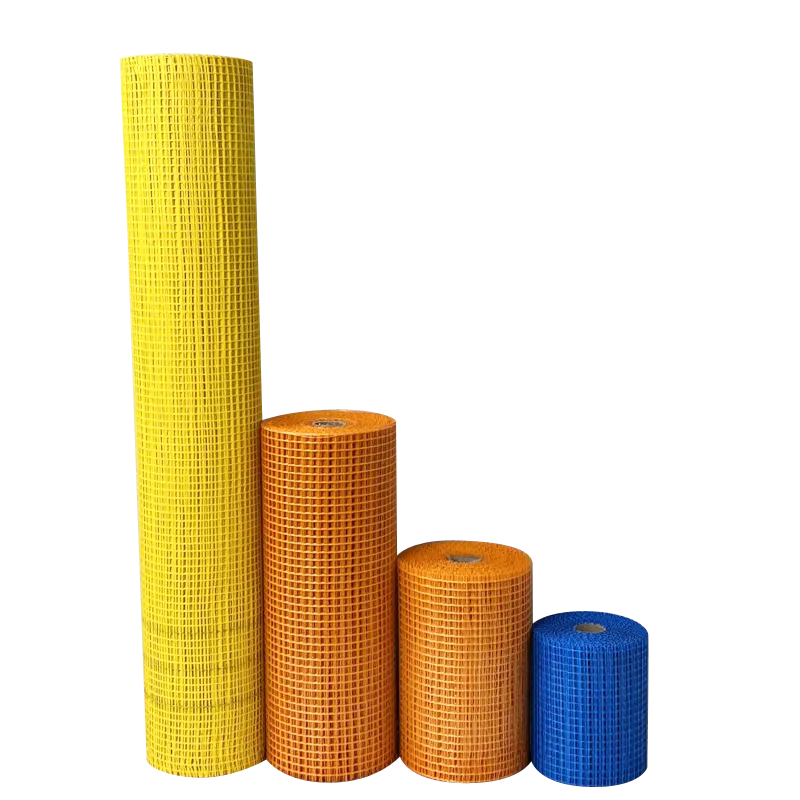
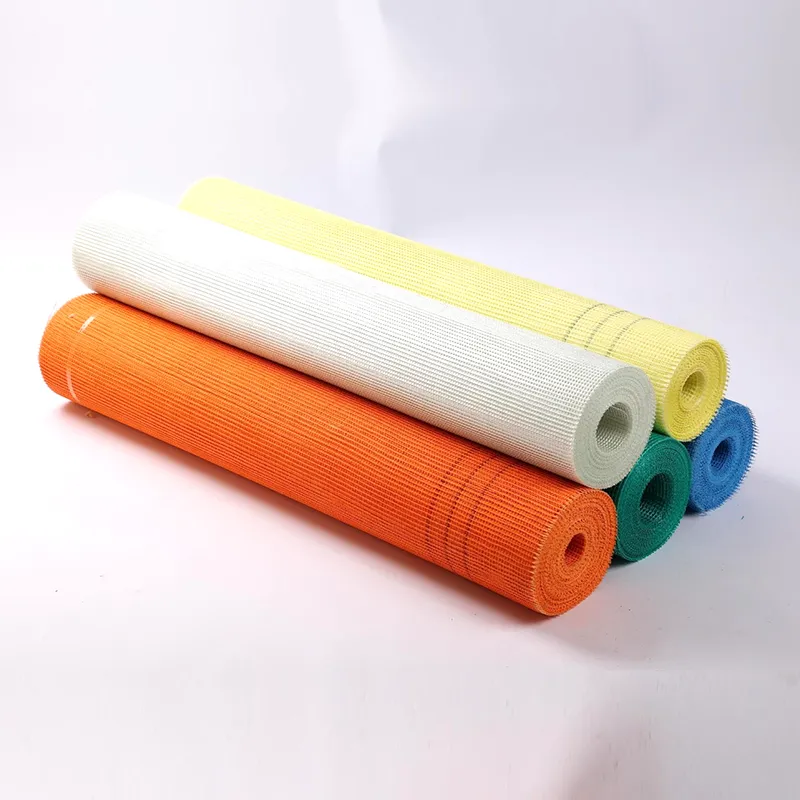
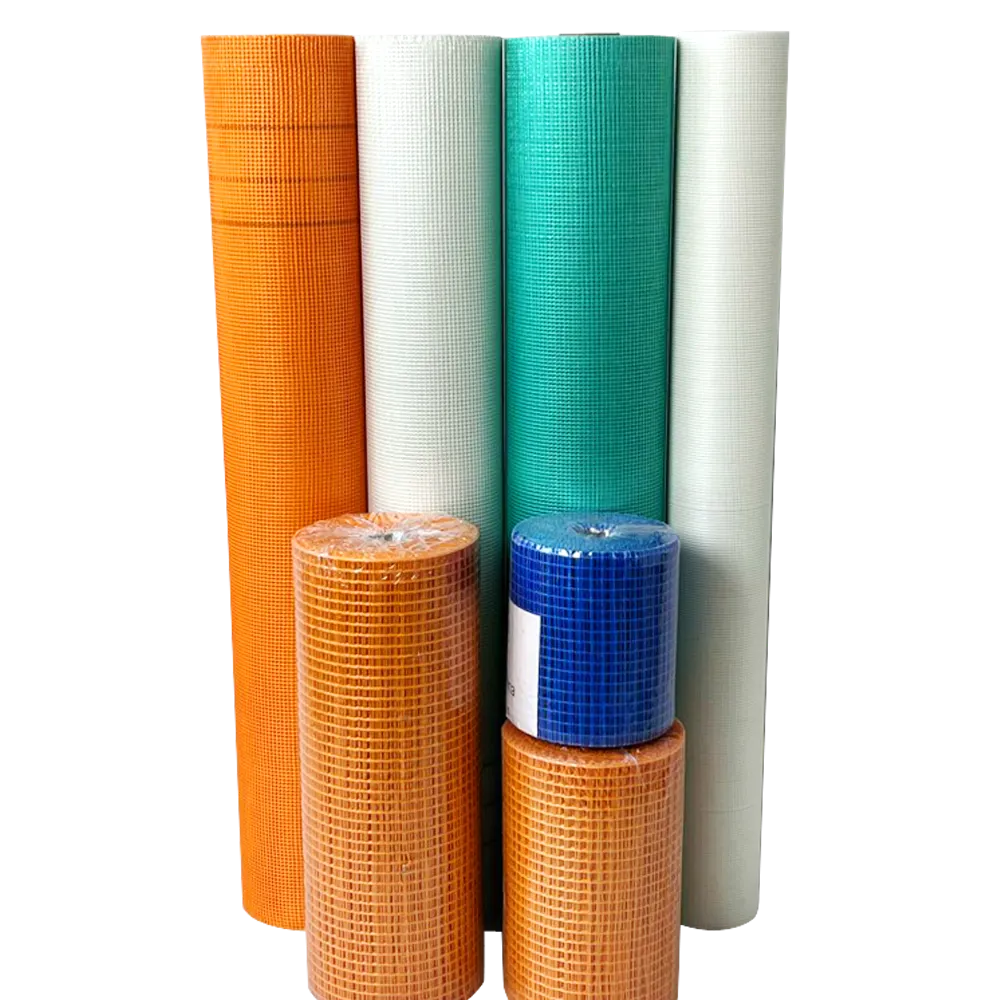
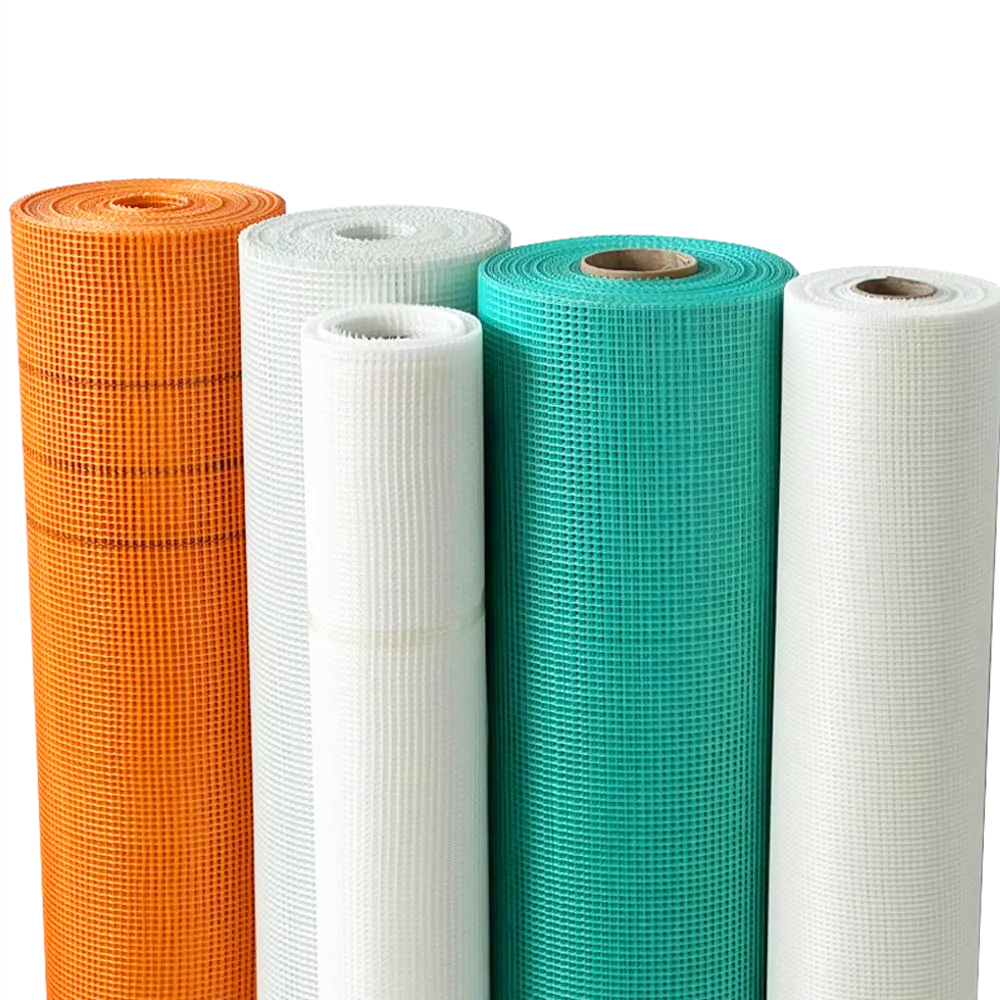
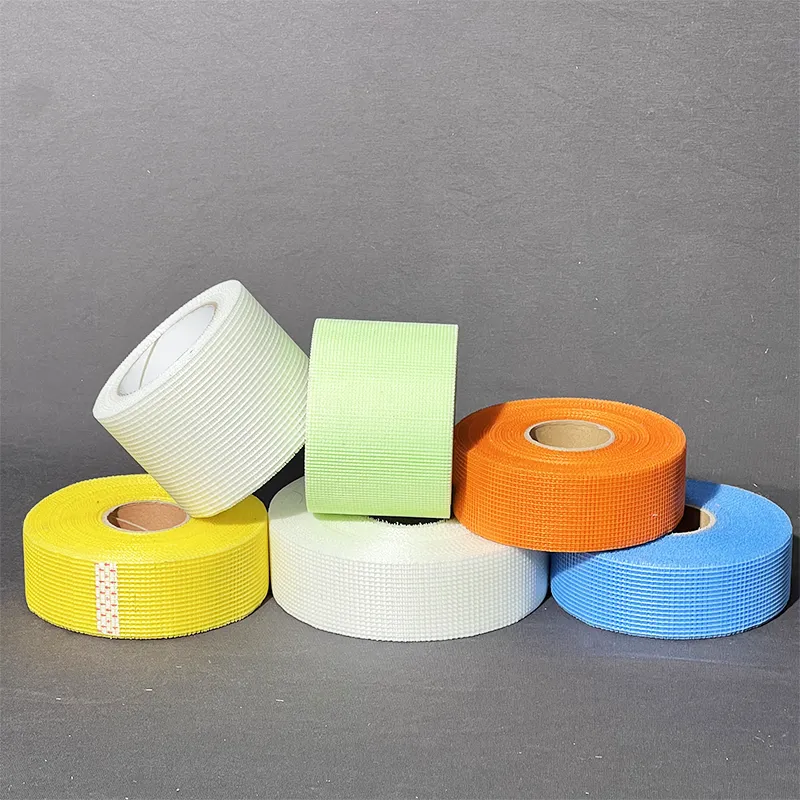
More advanced factories offer customization — mesh size, coating thickness, roll dimensions — specifying based on client needs. For example, some construction firms request wider rolls for faster wall covering in large builds.
Product Specification Table: 160g Fiberglass Mesh Rolls
| Specification | Details |
|---|---|
| Mesh Weight | 160g/m² |
| Material | Fiberglass yarn, PVC coated |
| Mesh Size | 5x5 mm to 10x10 mm (customizable) |
| Roll Width | 0.5 m to 2 m |
| Roll Length | 50 m standard (custom rolls available) |
| Tensile Strength | > 1100 N/5cm |
Comparing Leading 160g Fiberglass Mesh Rolls Factories
| Factory Name | Production Capacity | Customization | Certifications | Lead Time |
|---|---|---|---|---|
| Tainuo Fiberglass Mesh Co. | 500,000 rolls/year | Yes, full range | ISO 9001, CE | 2-4 weeks |
| FiberTex Industries | 320,000 rolls/year | Limited | ISO 9001 | 3-5 weeks |
| Global Mesh Solutions | 200,000 rolls/year | Yes, but premium pricing | CE, SGS | 4-6 weeks |
Global Applications and Impact of 160g Fiberglass Mesh Rolls
These fiberglass meshes show up in more places than you might expect. In Europe, for instance, 160g fiberglass mesh is integral to the External Thermal Insulation Composite Systems (ETICS) used on skyscrapers. In developing countries, these meshes strengthen affordable housing against earthquakes and extreme weather. During post-disaster relief efforts in Southeast Asia, NGOs rely on fiberglass meshes as reinforcing material for quick rebuilding — because it’s lightweight, easy to transport, and extremely durable.
Beyond construction, fiberglass mesh from these factories finds its way into road pavements, wind turbine blades, and even sports equipment. The versatility is frankly one of the reasons demand keeps expanding.
Mini Takeaway
Whether you’re working on a billion-dollar urban project or a small relief shelter, fiberglass mesh sourced from reliable factories is a game-changer. It offers strength, adaptability, and affordability in one roll.
Advantages & Long-Term Value of Using Quality Fiberglass Mesh
- Cost Savings: Reduces maintenance by minimizing cracks and damage.
- Safety: Enhances structural integrity, preventing structural failures.
- Sustainability: Many fiberglass meshes are recyclable and improve energy efficiency when used in insulation.
- Trust & Reliability: Knowing your mesh comes from certified factories reduces project risks.
The Future: Innovations and Emerging Trends in 160g Fiberglass Mesh Rolls Production
There’s lots happening “under the hood.” Factories now experiment with bio-based coatings, reducing reliance on PVC, which can be environmentally taxing. Digital weaving techniques enabled by IoT and Industry 4.0 ensure tighter quality control and more efficient production lines. Sustainability certifications, like the UN Environmental Programme guidelines, push manufacturers toward greener supply chains.
The integration of AI-based sensors to monitor roll quality in real-time is also gaining traction, making future 160g fiberglass mesh rolls not only stronger but smarter — in ways we’re just beginning to grasp.
Common Challenges and How Leading Factories Overcome Them
One persistent issue: batch inconsistency due to raw material quality. Many factories have stepped up by partnering closer with suppliers and adding multi-stage inspections. Other challenges include shipping delays due to fragile packaging needs — innovative factories now use reinforced tubes or vacuum packing, reducing damage during transit.
We also see efforts to reduce energy consumption in production, often by upgrading to more efficient looms and recycling scrap fibers. A small detail, but when multiplied over millions of rolls, it really moves the needle.
FAQ: Common Questions About 160g Fiberglass Mesh Rolls Factories
- Q: How do 160g fiberglass mesh rolls compare to heavier or lighter versions?
- A: The 160g weight offers a balanced solution—strong enough for standard reinforcing needs without being too stiff or costly. Heavier meshes may be needed for extreme load, but 160g is ideal for most industrial applications.
- Q: Can molds or coatings on fiberglass meshes affect environmental safety?
- A: Yes, coatings like PVC can have environmental impacts, but many modern factories use eco-friendlier alternatives or ensure that coatings meet strict safety and recycling standards.
- Q: What should buyers look for when selecting a 160g fiberglass mesh roll factory?
- A: Key factors include certification (ISO, CE), production capacity, customization options, and consistent quality assurance processes.
- Q: How long does a roll of 160g fiberglass mesh last in outdoor construction?
- A: When properly coated and installed, these mesh rolls can last 10+ years, resisting corrosion and UV degradation effectively.
- Q: Are there options for importing fiberglass mesh rolls internationally?
- A: Absolutely. Many factories export worldwide, offering logistics support and compliance documentation to ease customs and shipping.
Wrapping Up & Your Next Step
In the bigger picture, 160g fiberglass mesh rolls factories are quietly but surely fueling construction resilience and efficiency across the world. They provide more than a product; they deliver trust, innovation, and future-ready solutions that keep infrastructure safer and more sustainable.
Feeling curious to explore further? Check out 160g fiberglass mesh rolls factories from trusted suppliers who have shaped this market.
References
-
Best Fiberglass Mesh Tape for RedGard Product Waterproofing GuideNewsApr.16,2026
-
Why High Strength Fiberglass Mesh Is Essential For Stucco ApplicationNewsApr.15,2026
-
Why Alkali Resistant Fiberglass Mesh Tape Is Essential For Cement Board And Tile InstallationsNewsApr.15,2026
-
Understanding The Role Of Drywall Fiberglass Mesh In Interior FinishingNewsApr.15,2026
-
Ultimate Guide To Using Fiberglass Mesh Tape For Drywall And Plaster RepairsNewsApr.15,2026
-
The Versatility Of Fiberglass Mesh In Marble And Stone MosaicNewsApr.15,2026