Nov . 24, 2025 07:00 Back to list
160g Fiberglass Mesh Rolls Product – Durable, Lightweight Reinforcement Solution
Understanding the Importance of 160g Fiberglass Mesh Rolls Product
At first glance, fiberglass mesh rolls might seem like just another industrial material tucked away in supply catalogs. But when you zero in on the 160g fiberglass mesh rolls product, you quickly realize it’s a quietly crucial player across construction, insulation, and even humanitarian sectors worldwide. Why does this matter globally? Because in many places, especially where infrastructure resilience is essential — be it earthquake zones, coastal cities, or developing regions — this mesh ensures safety, longevity, and cost-effectiveness in building practices.
For anyone invested in smart materials or infrastructure investments, knowing how fiberglass mesh works—and why a particular weight like 160 grams per square meter (g/m²) is so popular—can help unlock better project outcomes while reducing risks and material waste.
The Global Context of 160g Fiberglass Mesh Rolls Product
Globally, the demand for lightweight yet sturdy construction materials is rising sharply. According to ISO standards and UN construction sustainability reports, materials like fiberglass mesh help meet tighter regulations on energy efficiency, durability, and disaster preparedness. Recent statistics show the global fiberglass market expanding at roughly 7% annually, with mesh rolls representing a critical application segment.
But here’s the tricky thing: traditional reinforcement materials—steel rebar, wood laths—while common, come with limitations in corrosion, flexibility, and weight. That’s where the 160g fiberglass mesh rolls product steps in, balancing strength with adaptability in challenging environments. For instance, coastal cities battling salt corrosion or cold climates facing freeze-thaw cycles find fiberglass mesh indispensable for external wall reinforcements and insulation boards.
Mini takeaway:
- Fiberglass mesh supports global sustainability and safety agendas.
- Its demand stems from both regulatory pressure and practical performance.
What Exactly Is the 160g Fiberglass Mesh Rolls Product?
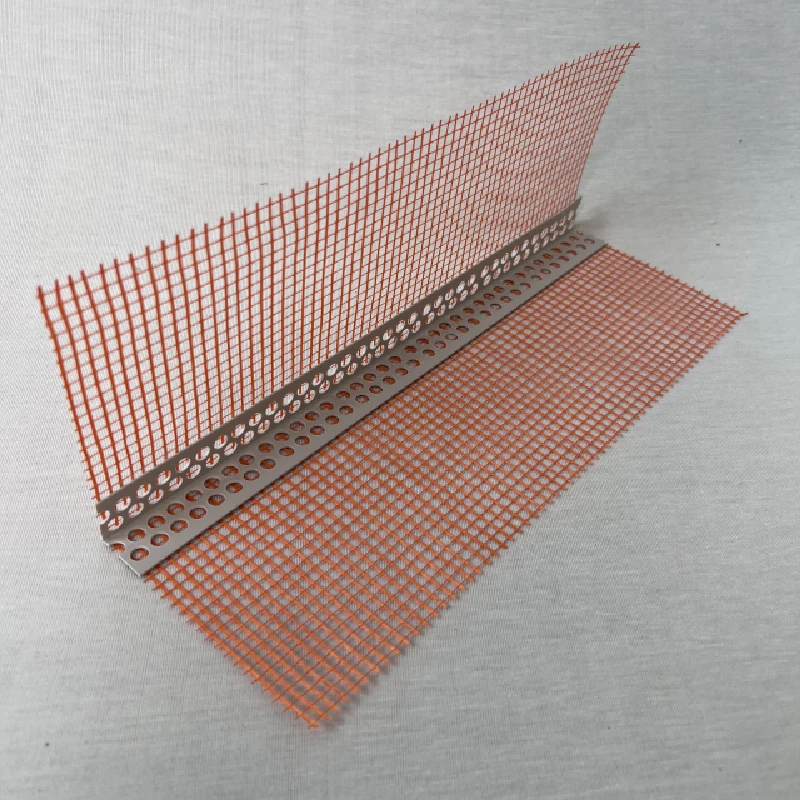
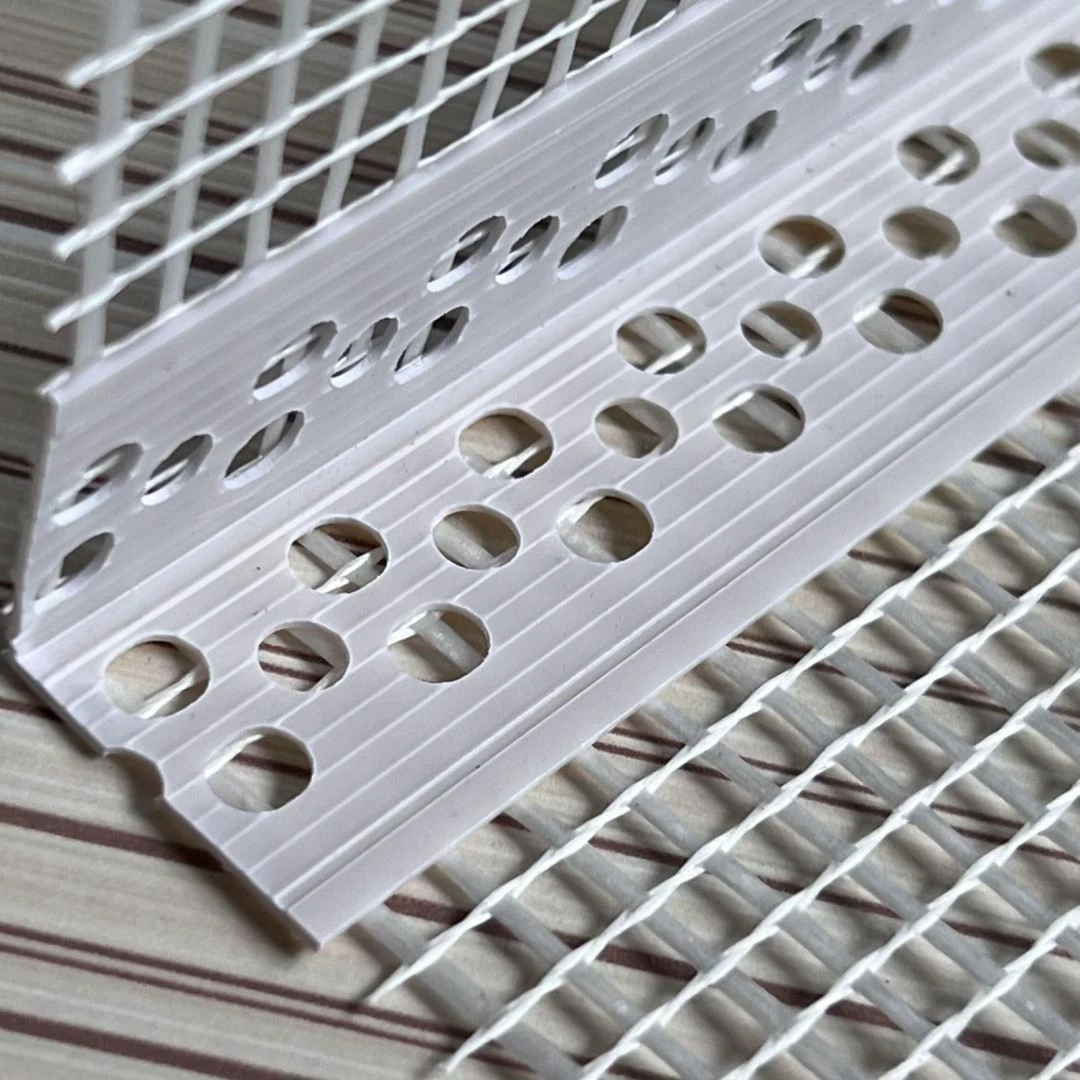
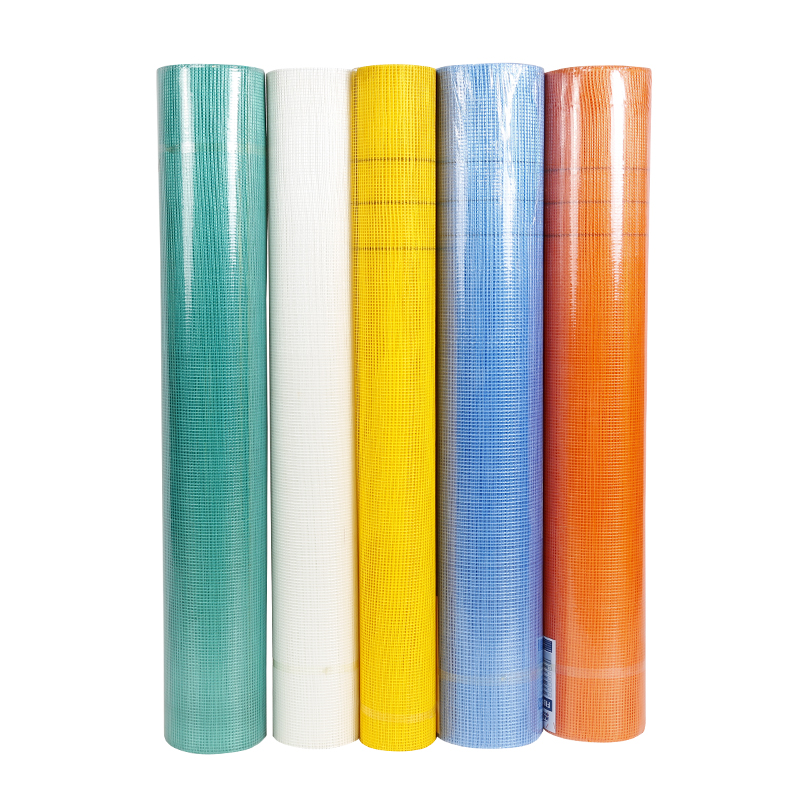
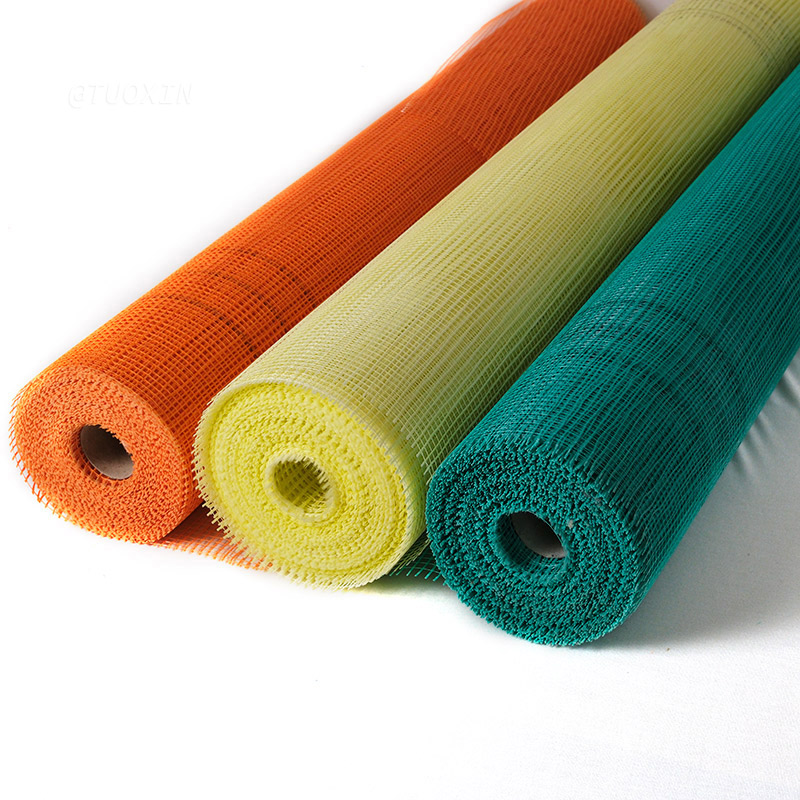
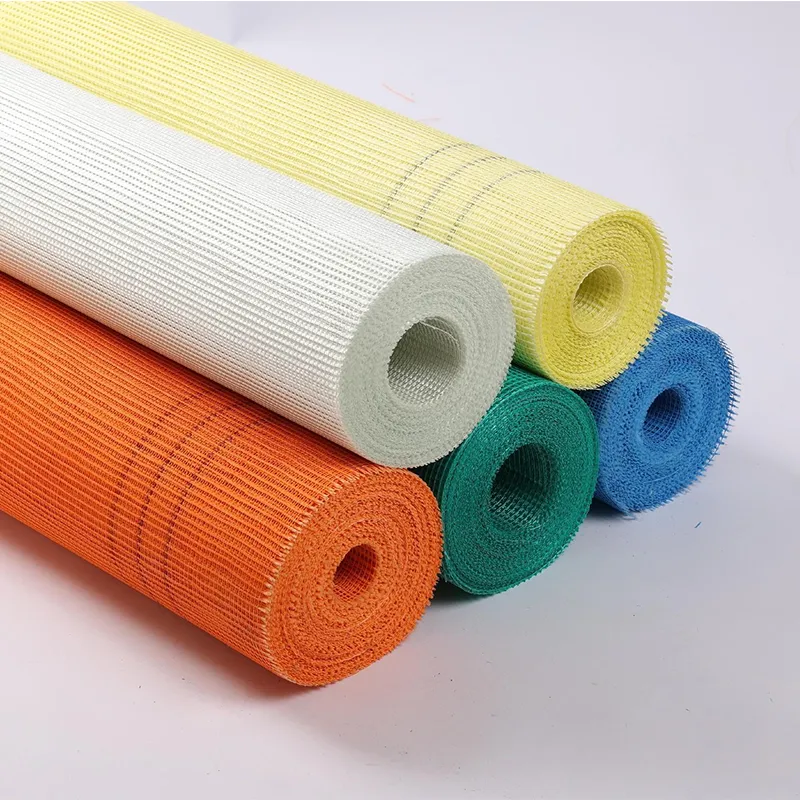
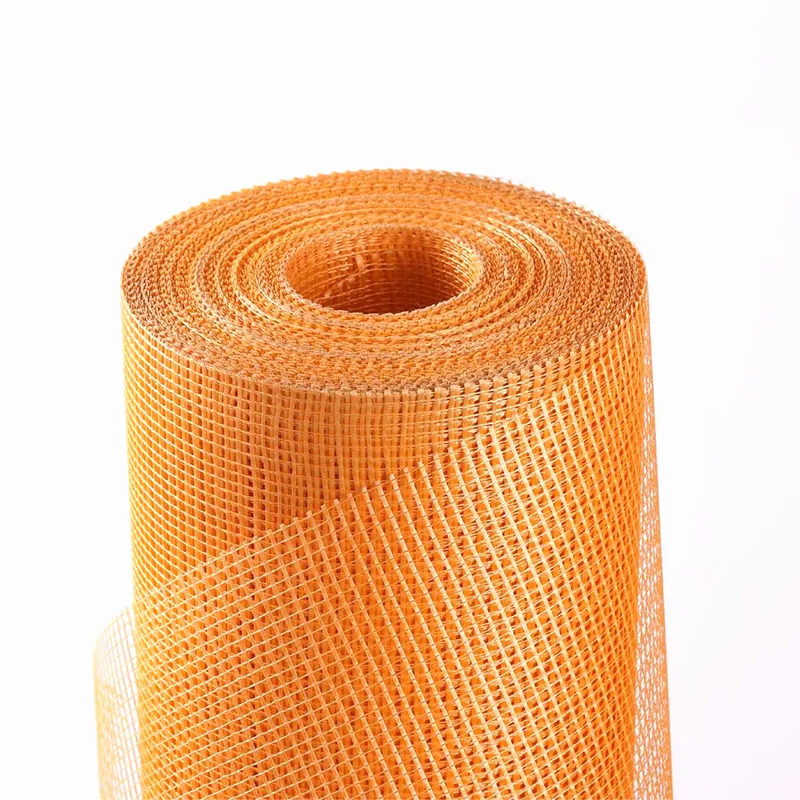
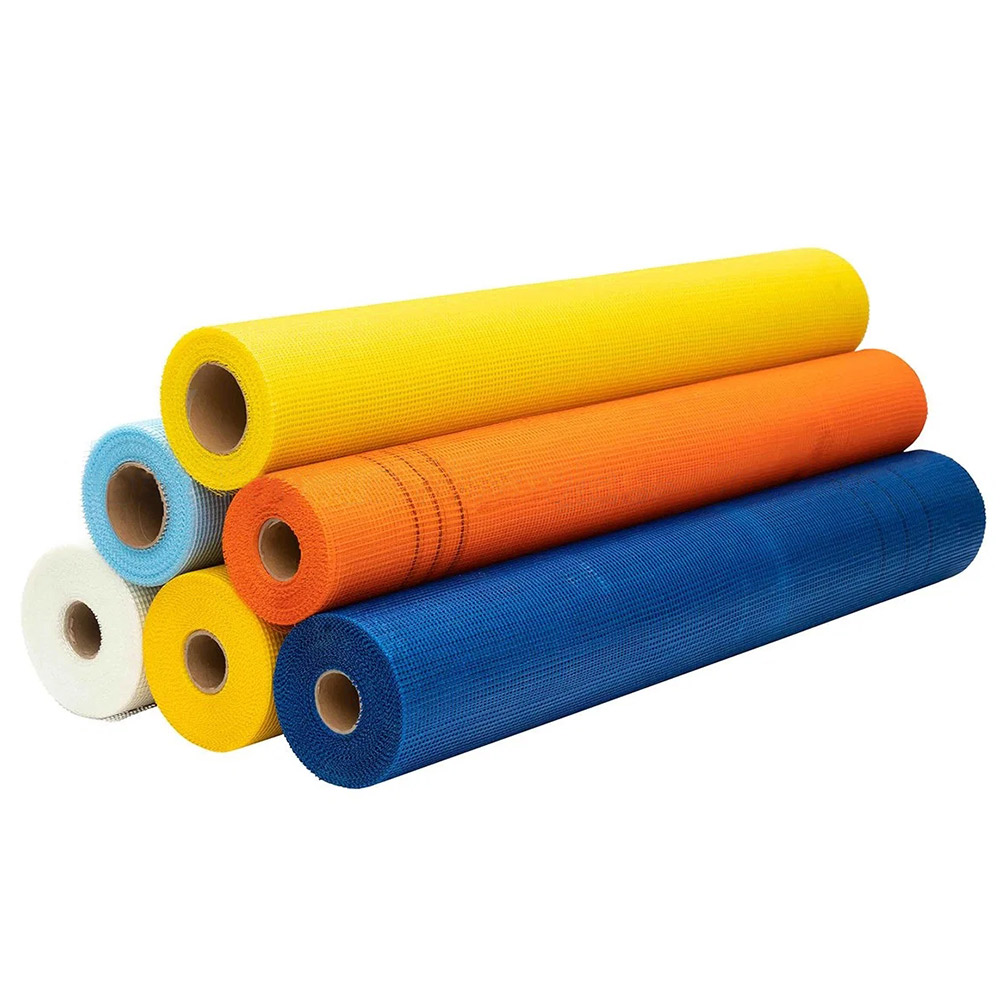
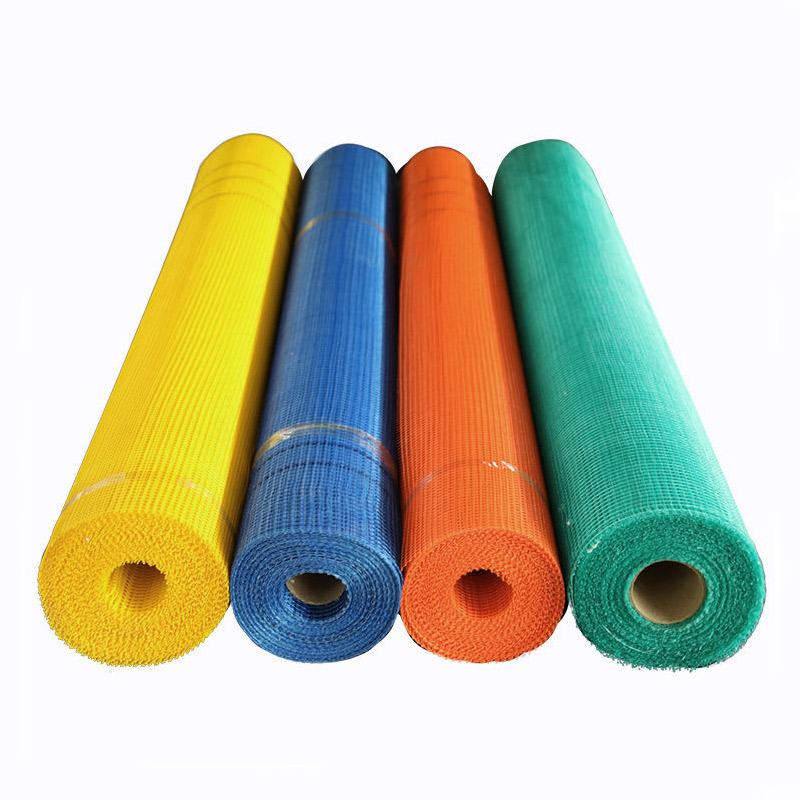
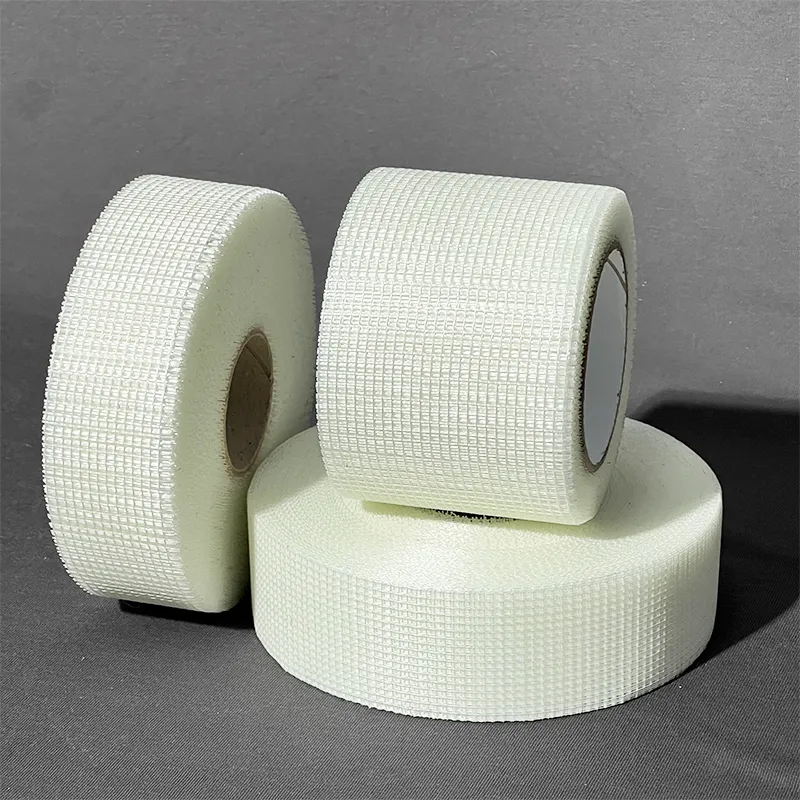
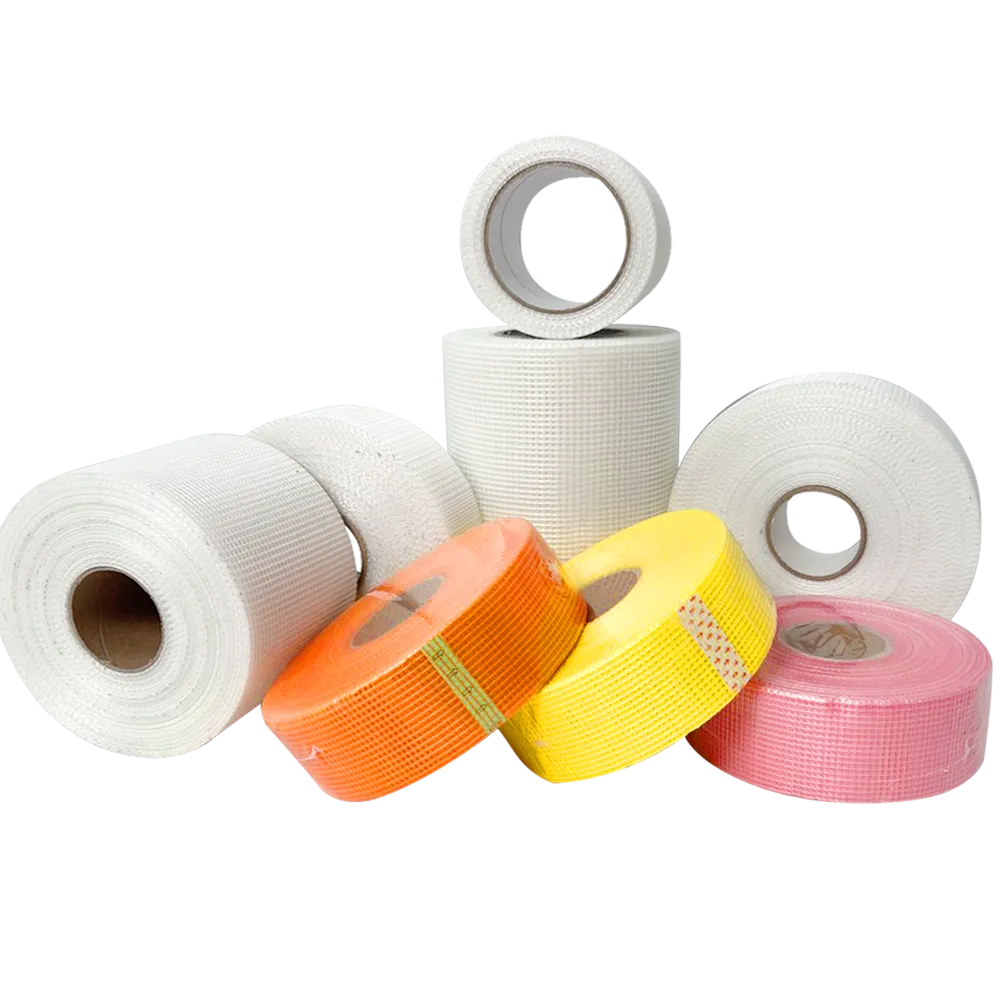
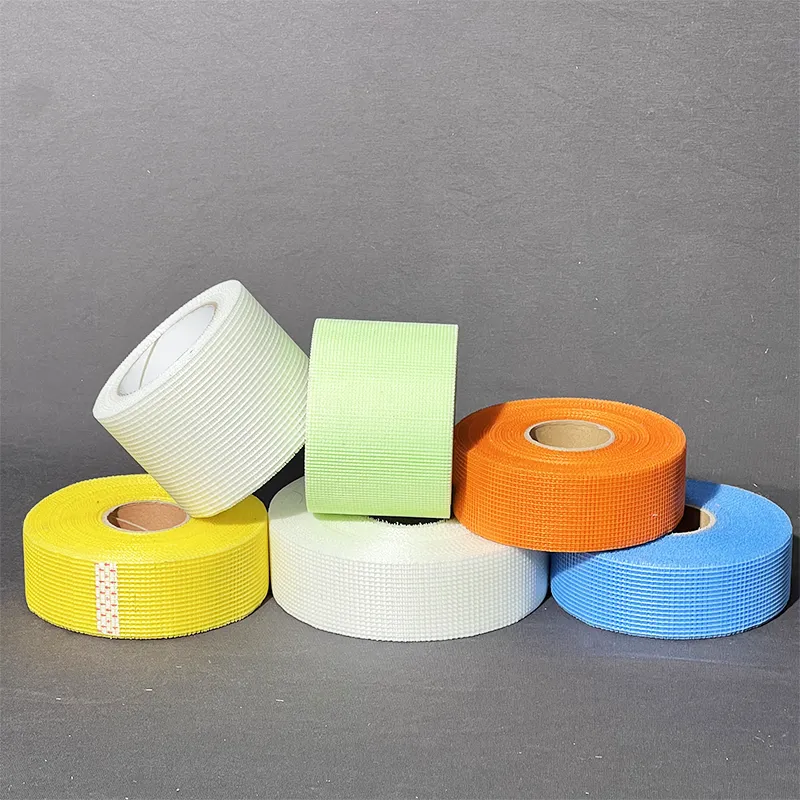
It’s basically a grid—or net—made of woven fiberglass yarns weighing approximately 160 grams per square meter. Think of it as a lightweight fabric, but designed for structural reinforcement. This product enhances plaster, mortar, and other composite materials, preventing cracking, enhancing tensile strength, and improving overall integrity.
More than just a raw material, it represents a modern engineering response to longstanding building industry problems: fragility, vulnerability to environmental stress, and the constant balancing act between durability and cost.
Mini takeaway:
- 160g mesh is a specialized reinforcement fabric.
- It blends technical design with practical construction needs.
Core Features of 160g Fiberglass Mesh Rolls
Durability and Corrosion Resistance
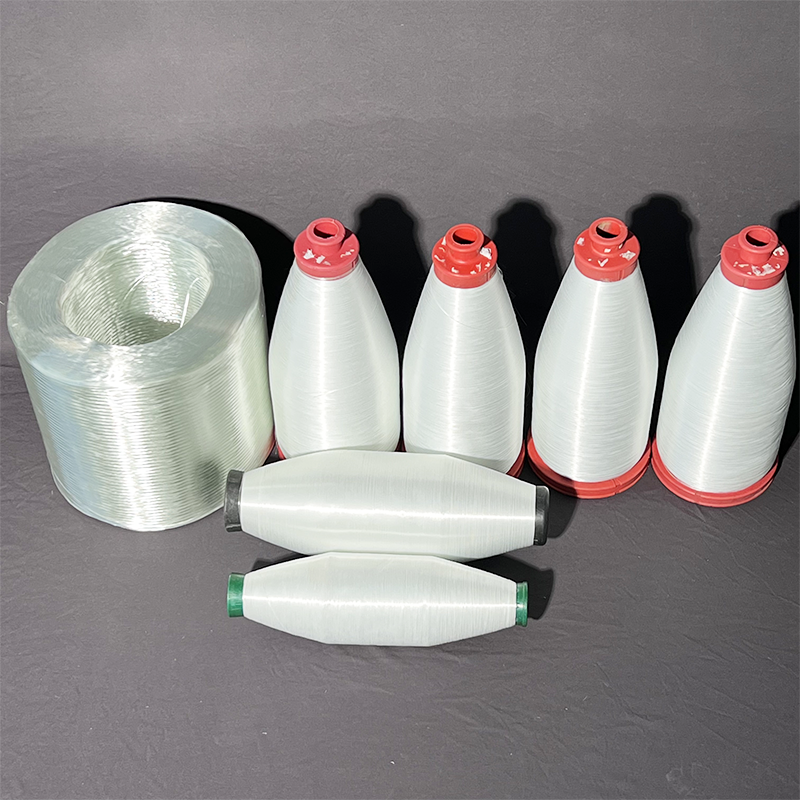
The fiberglass fibers are often coated with alkali-resistant (AR) substances, improving lifespan well beyond typical materials exposed to moisture and chemicals. This means structures reinforced with 160g mesh stand up better to weather extremes.
Flexibility and Weight
At 160 grams per square meter, the roll balances being sturdy yet easy to handle and cut on-site. It doesn’t add unnecessary weight, which is crucial when retrofitting older buildings or lightweight panels.
Cost Efficiency
Compared to steel or other reinforcements, fiberglass mesh is more affordable, requires less maintenance, and speeds up construction times, translating to lower overall project costs.
Thermal and Acoustic Insulation Support
Though not an insulator itself, the mesh can help maintain insulation board integrity, preventing cracks and conserving energy.
Easy Installation
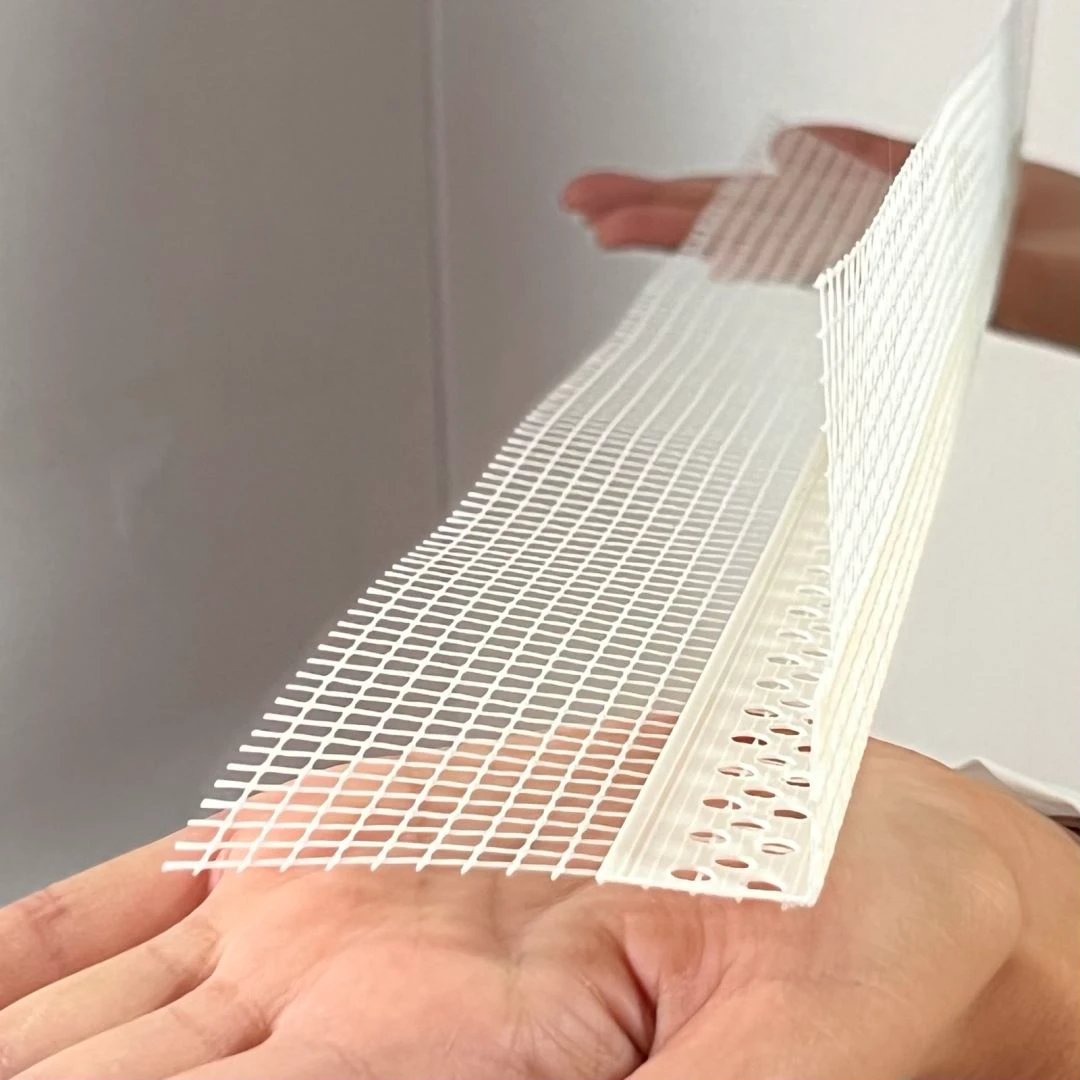
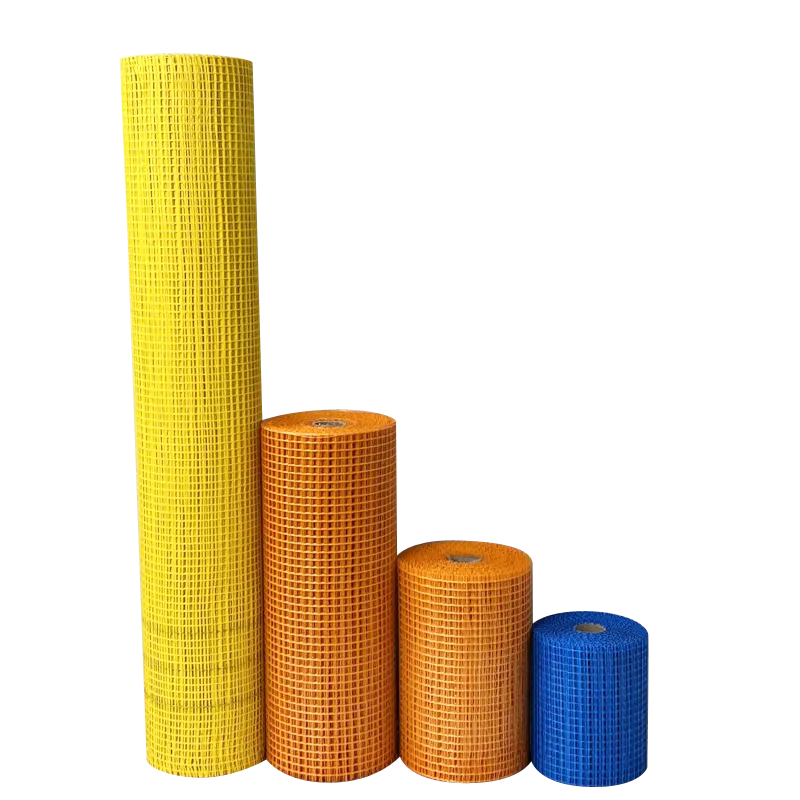
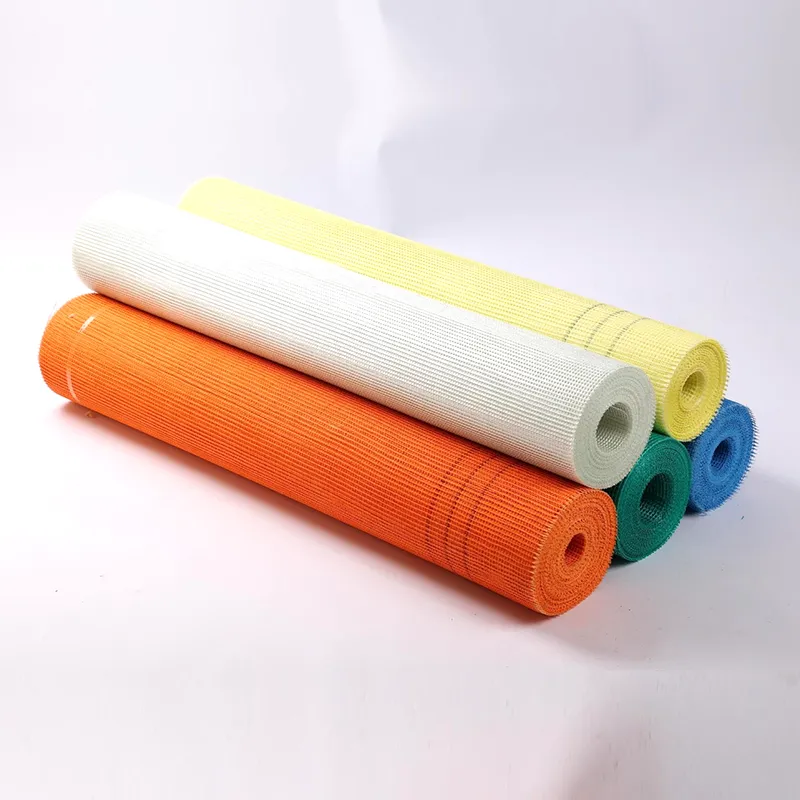
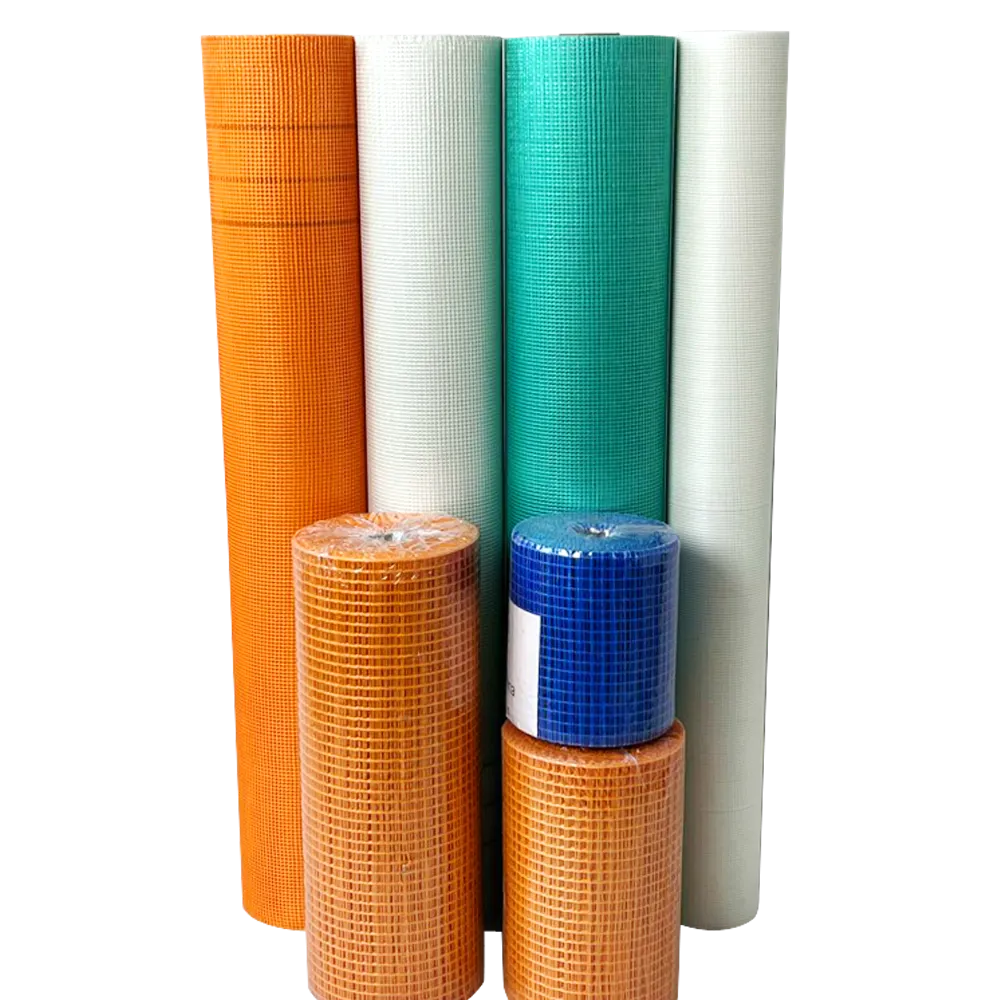
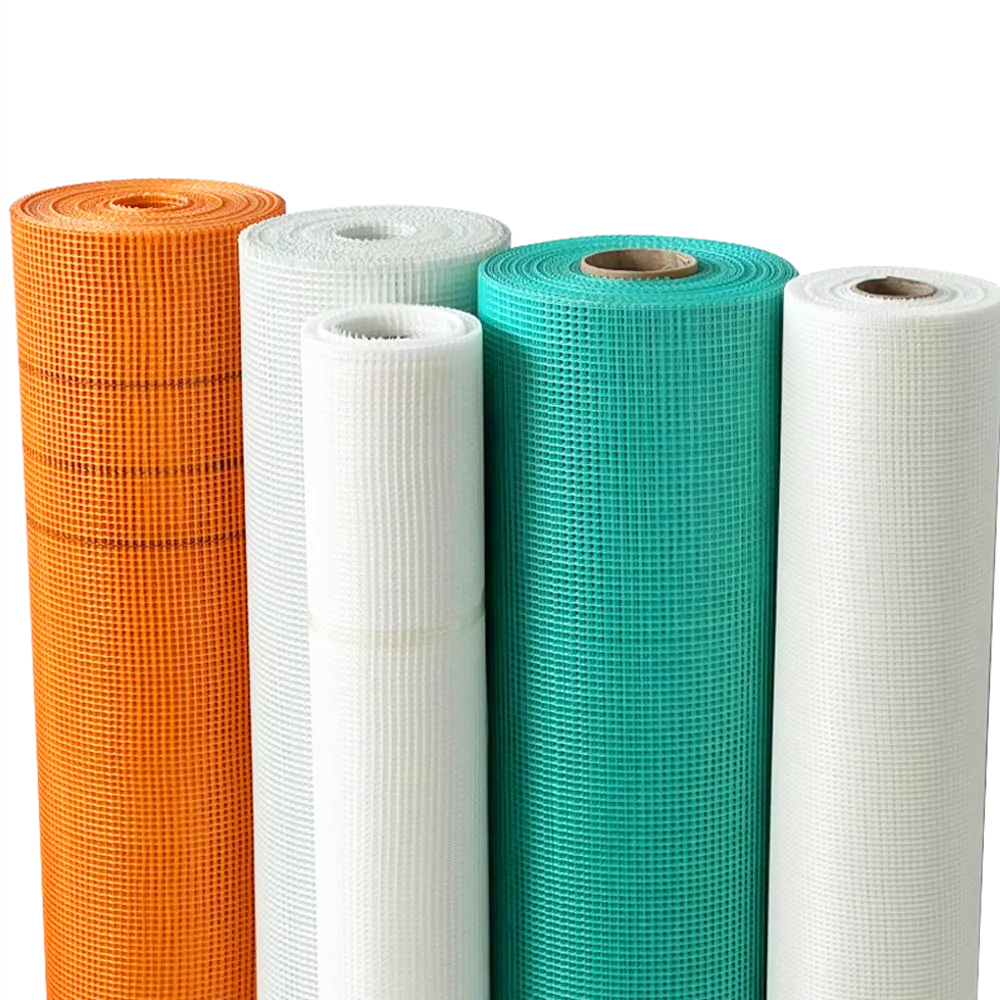
The rolls come in manageable widths and lengths, allowing for quicker on-site application versus custom reinforcements.
Mini takeaway:
- 160g fiberglass mesh is durable, lightweight, cost-effective, and installer-friendly.
- Its AR coating is key to performance in harsh environments.
Applications Across the Globe
The 160g fiberglass mesh rolls product finds broad use in sectors like construction, infrastructure refurbishment, and disaster relief. For example:
- Europe: Widely used in exterior insulation finishing systems (EIFS) to fulfill stringent energy codes.
- Asia: Industrial zones favor it for factory wall reinforcements, due to rapid construction timelines.
- North America: Post-hurricane rebuilding uses mesh rolls to reinforce storm-resistant walls.
- Humanitarian Aid: NGOs incorporate it into fast-assembly shelters for earthquake or flood-affected zones, leveraging the mesh’s lightweight yet durable nature.
Oddly enough, one company reported faster project completion times by 15% just by switching to fiberglass mesh rolls over traditional methods — a subtle but meaningful impact.
Mini takeaway:
- The product’s versatility suits diverse climates and industries.
- Its role in disaster relief highlights social impact beyond industrial use.
160g Fiberglass Mesh Product Specifications
| Specification | Detail |
|---|---|
| Material | Alkali-resistant fiberglass yarn |
| Weight | 160 g/m² |
| Roll Width | 1 m or 2 m |
| Roll Length | 50 m standard |
| Tensile Strength | Min. 1100 N/5cm warp / 1000 N/5cm weft |
| Alkali Resistance | >200 hours in alkali solution (ASTM standard) |
Vendor Comparison: Popular Suppliers of 160g Fiberglass Mesh Rolls Product
| Feature | Tainuo Fiberglass | Global Mesh Inc. | BuildNet Supplies |
|---|---|---|---|
| Price per Roll | $80 | $85 | $78 |
| Roll Length | 50 m | 45 m | 50 m |
| AR Treatment | Standard | Premium (extra coating) | Standard |
| Lead Time | 7 days | 14 days | 10 days |
| Customization | Available | Limited | Yes |
Advantages and Long-Term Value
When you incorporate 160g fiberglass mesh rolls product into construction or renovation, the benefits ripple across budgets, timelines, and even social factors. Engineers often note that fewer cracks mean less maintenance, which leads to huge savings in the long haul. Think of it as an investment not only in the physical integrity of a building but also in occupant safety and peace of mind.
Plus, since fiberglass is inert and doesn’t rust or corrode, there's a strong environmental advantage — less frequent demolition and replacement, reducing landfill waste and resource consumption.
Another angle: contractors like how easy it is to work with. Faster installations translate to happier clients, shortened project schedules, and more reliable outcomes. You rarely hear someone complain about 160g mesh rolls.
Mini takeaway:
- Long-term savings through durability and maintenance reduction.
- Supports sustainable building practices.
- Contributes to occupant safety and structure trustworthiness.
The Future: Trends and Innovations
Looking ahead, the fiberglass mesh industry is seeing pushes towards enhanced sustainability — like bio-based resins and lower energy manufacturing methods. Imagine a 160g fiberglass mesh roll crafted not only to last but also to leave a smaller carbon footprint.
Smart textiles might play a role too: integrating sensors with fiberglass mesh to monitor stress, cracks, or humidity levels in walls. It sounds a bit sci-fi, but ongoing research hints this hybridization will be commonplace in the next decade.
Regulatory landscapes tighten as well. Green building certifications increasingly require rigorous reinforcement quality, nudging vendors to innovate coatings and weave patterns that optimize strength-to-weight ratios.
Mini takeaway:
- Green manufacturing and bio-composites are the new frontier.
- IoT-enabled mesh could transform structural monitoring.
- Regulatory pressures guide future product upgrades.
Challenges and How to Address Them
Even the best materials have hurdles. For 160g fiberglass mesh rolls, common issues include:
- Handling Damage: The mesh can snag or tear if not stored properly on site.
- Compatibility: Not every mortar or plaster perfectly bonds without trial.
- Supply Chain Delays: Demand spikes sometimes outpace production, leading to longer lead times.
Industry experts recommend strict storage protocols (cool, dry places), running test patches before full application, and establishing partnerships with reliable vendors who prioritize stock availability and customization.
FAQ: Common Questions About 160g Fiberglass Mesh Rolls Product
- What makes 160g fiberglass mesh better than lighter or heavier variants?
- 160g strikes a balance between strength and ease of installation. Lighter meshes may lack durability, while heavier rolls can be harder to handle and more costly.
- Can fiberglass mesh rolls be used on both interior and exterior surfaces?
- Yes, especially if coated with alkali-resistant layers; they protect against moisture and chemical damage in various environments.
- How should one store fiberglass mesh rolls before use?
- Store them in a clean, dry, and shaded area to prevent damage from moisture or UV exposure, which can degrade strength.
- Is customization available for different project needs?
- Absolutely. Vendors can often tailor roll widths, lengths, and coating levels based on specific applications.
- Are fiberglass mesh rolls recyclable or environmentally friendly?
- While fiberglass isn’t biodegradable, it’s inert and durable, contributing to longer building lifespans and less frequent replacements, which is ecologically beneficial overall.
Wrapping It Up: Why 160g Fiberglass Mesh Rolls Product Matters
To truly appreciate the impact of the 160g fiberglass mesh rolls product, it's essential to see it not just as a technical item but as a linchpin in modern construction and disaster resilience. Its global applications span continents and sectors, quietly but effectively upgrading the way we build and sustain critical infrastructure.
Want to explore quality options or place an order? Visit Tainuo Fiberglass Mesh for comprehensive product details and expert support.
Final mini reflection:
Materials might be the unsung heroes in construction, but choosing the right fiberglass mesh can make the difference between fleeting repairs and structures built to endure. The 160g fiberglass mesh rolls product definitely fits the bill.
References
-
Best Fiberglass Mesh Tape for RedGard Product Waterproofing GuideNewsApr.16,2026
-
Why High Strength Fiberglass Mesh Is Essential For Stucco ApplicationNewsApr.15,2026
-
Why Alkali Resistant Fiberglass Mesh Tape Is Essential For Cement Board And Tile InstallationsNewsApr.15,2026
-
Understanding The Role Of Drywall Fiberglass Mesh In Interior FinishingNewsApr.15,2026
-
Ultimate Guide To Using Fiberglass Mesh Tape For Drywall And Plaster RepairsNewsApr.15,2026
-
The Versatility Of Fiberglass Mesh In Marble And Stone MosaicNewsApr.15,2026