Nov . 23, 2025 19:30 Back to list
160g Fiberglass Mesh Rolls Factory | Durable & Cost-Efficient Reinforcement Solutions
What Exactly Are 160g Fiberglass Mesh Rolls? And Why Should You Care?
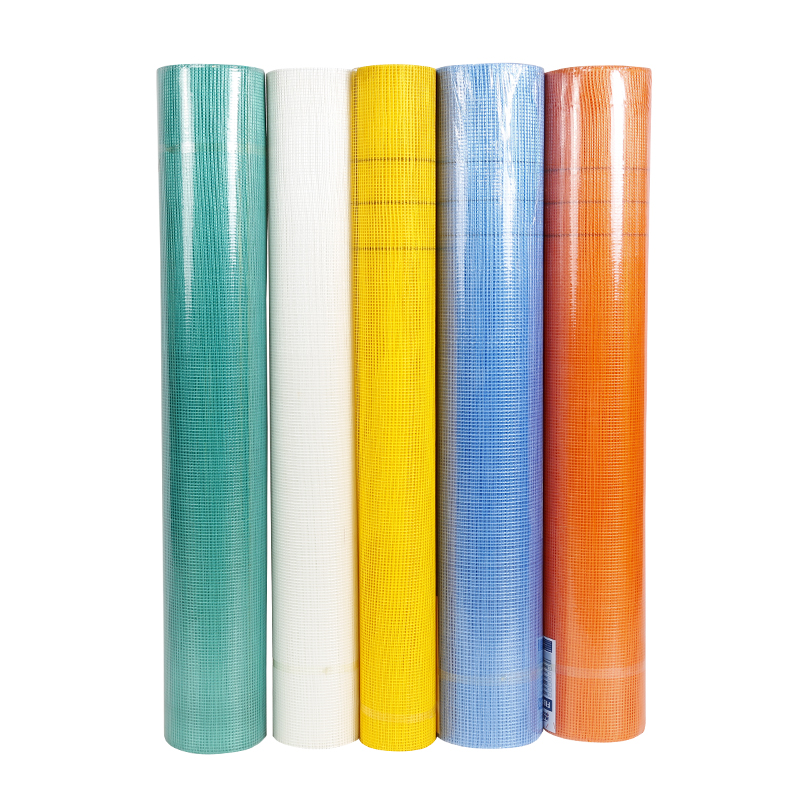
If you're in construction, renovation, or materials procurement, the mention of 160g fiberglass mesh rolls might ring a bell. These rolls are the fabric backbone of many modern exterior and interior reinforcing applications — from plaster walls to EIFS systems. But as the demand for durable, cost-efficient building materials grows, especially amid rapid urbanization and global infrastructure upgrades, understanding what a 160g fiberglass mesh rolls factory offers becomes crucial.
Globally, building failures due to inadequate reinforcements cost billions annually, according to reports by organizations like the International Organization for Standardization (ISO). Reinforcement meshes, particularly the 160 grams per square meter fiberglass mesh, help reduce cracks and structural wear, offering longevity and safety — two things every builder and stakeholder prizes. Frankly, it's one of those unsung heroes in building tech you kind of overlook until you realize the hardship avoided thanks to it.
Seeing the Big Picture: 160g Fiberglass Mesh Rolls Factory in Today’s Market
The scale at which cement-based and polymer-based wall systems are deployed globally is staggering. According to data from the United Nations and the World Bank, the global construction market is projected to reach over $10 trillion by 2030. Reinforcements like fiberglass meshes are embedded deeply into this growth narrative because they reduce cost overruns and improve material performance.
Yet, here’s the rub: many contractors face inconsistent quality, supply chain bottlenecks, and sometimes unclear specifications. This is why factories specializing in 160g fiberglass mesh rolls are so critical — they ensure uniformity, reliable output, and enable scale at decreasing unit prices. In regions rebuilding after natural disasters or expanding affordable housing, such materials aren't just products, they’re solutions.
So, What Exactly Is a 160g Fiberglass Mesh Roll Factory?
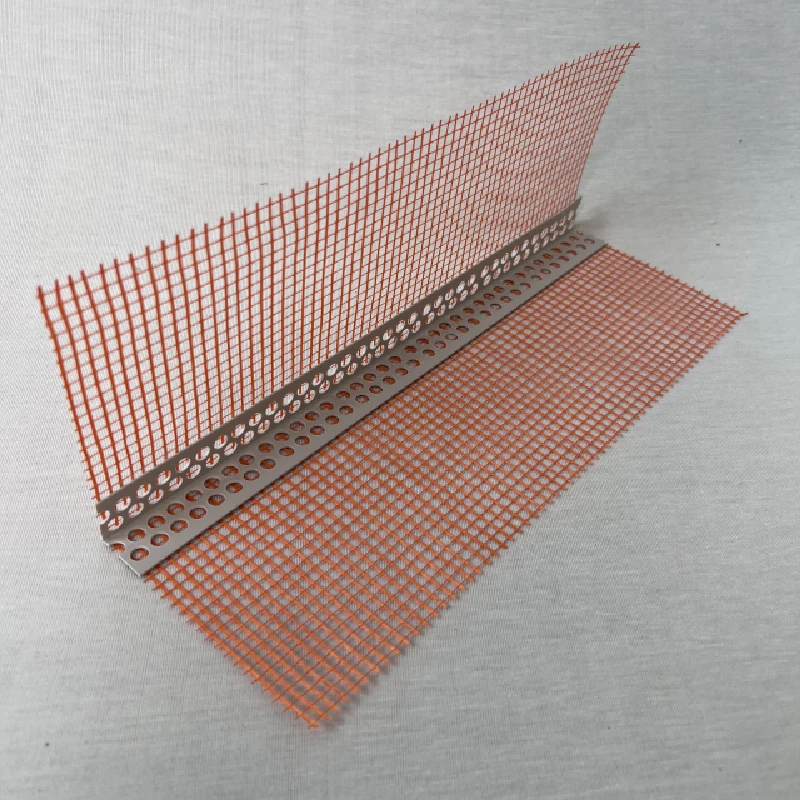
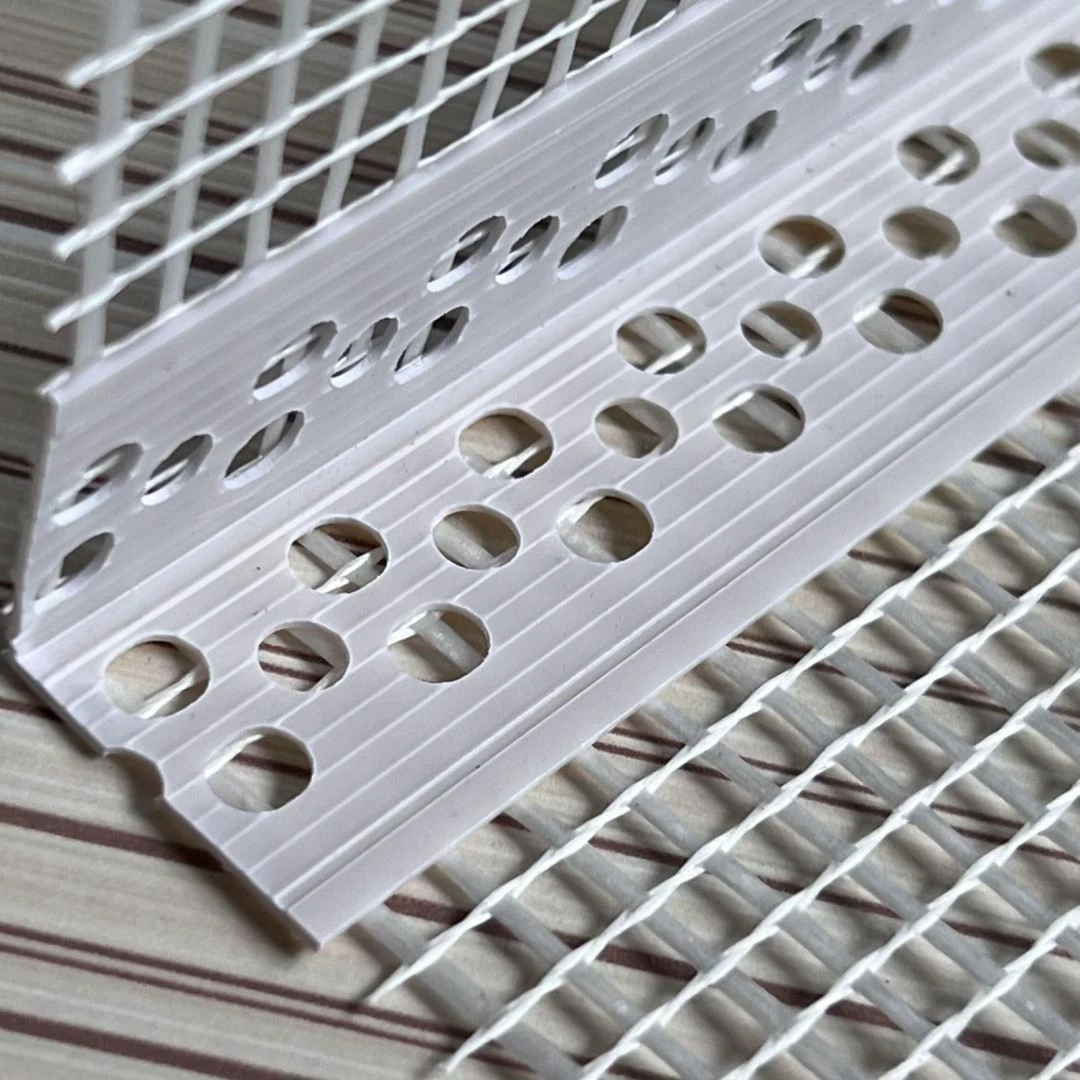
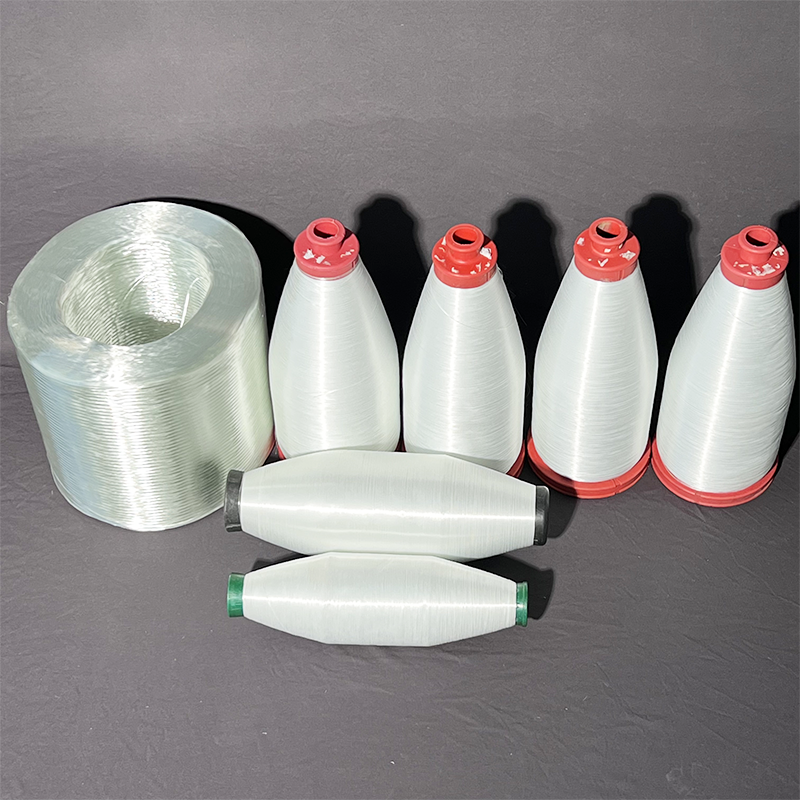
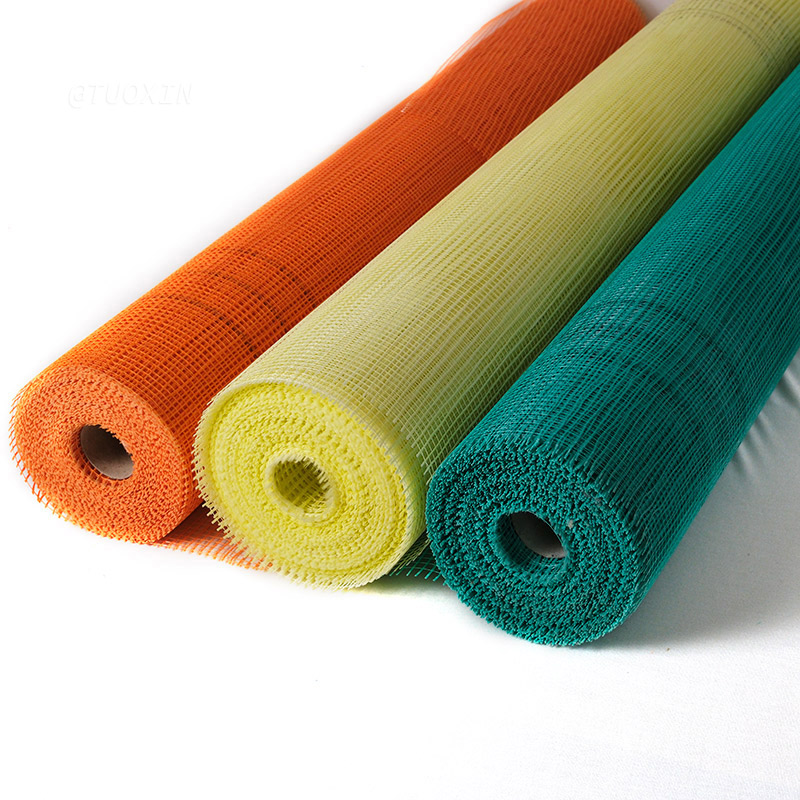
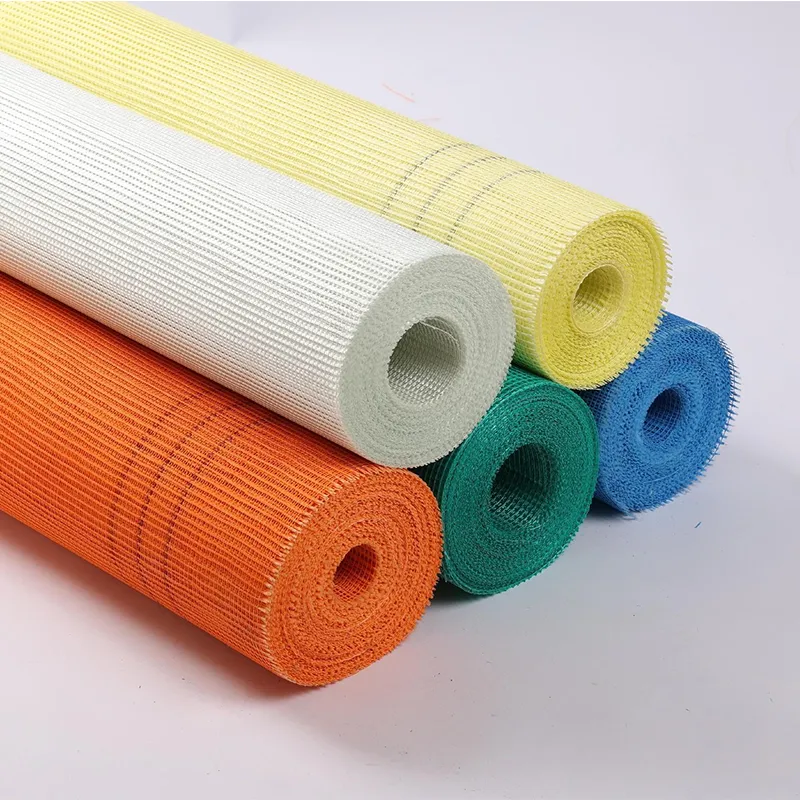
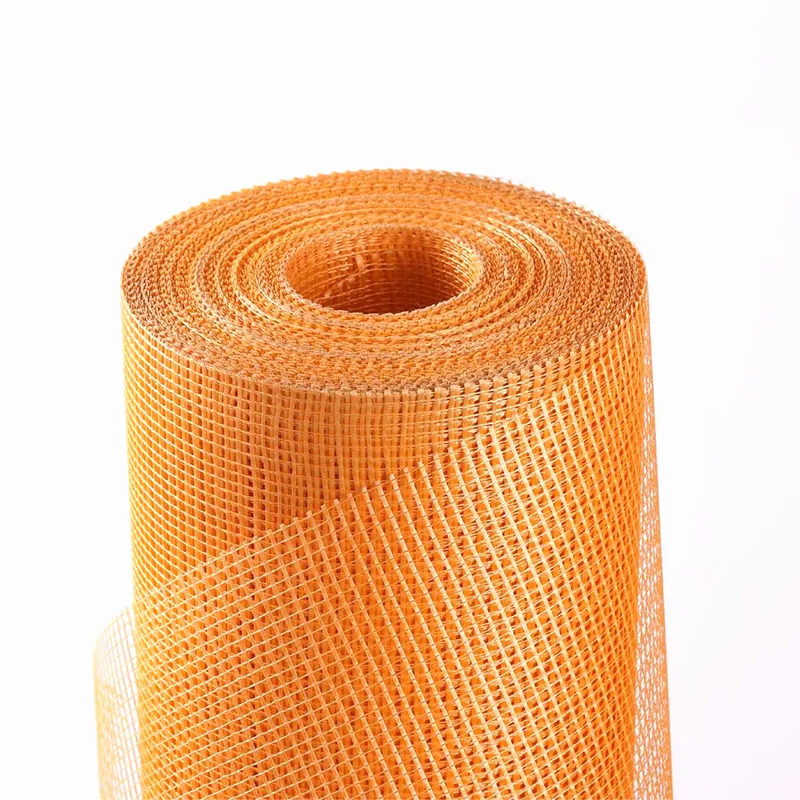
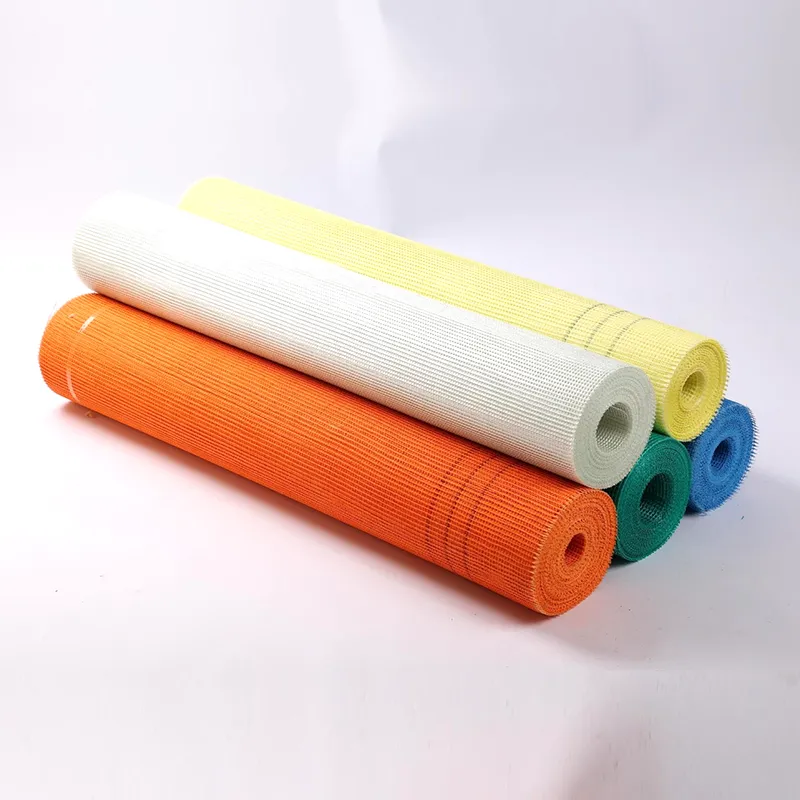
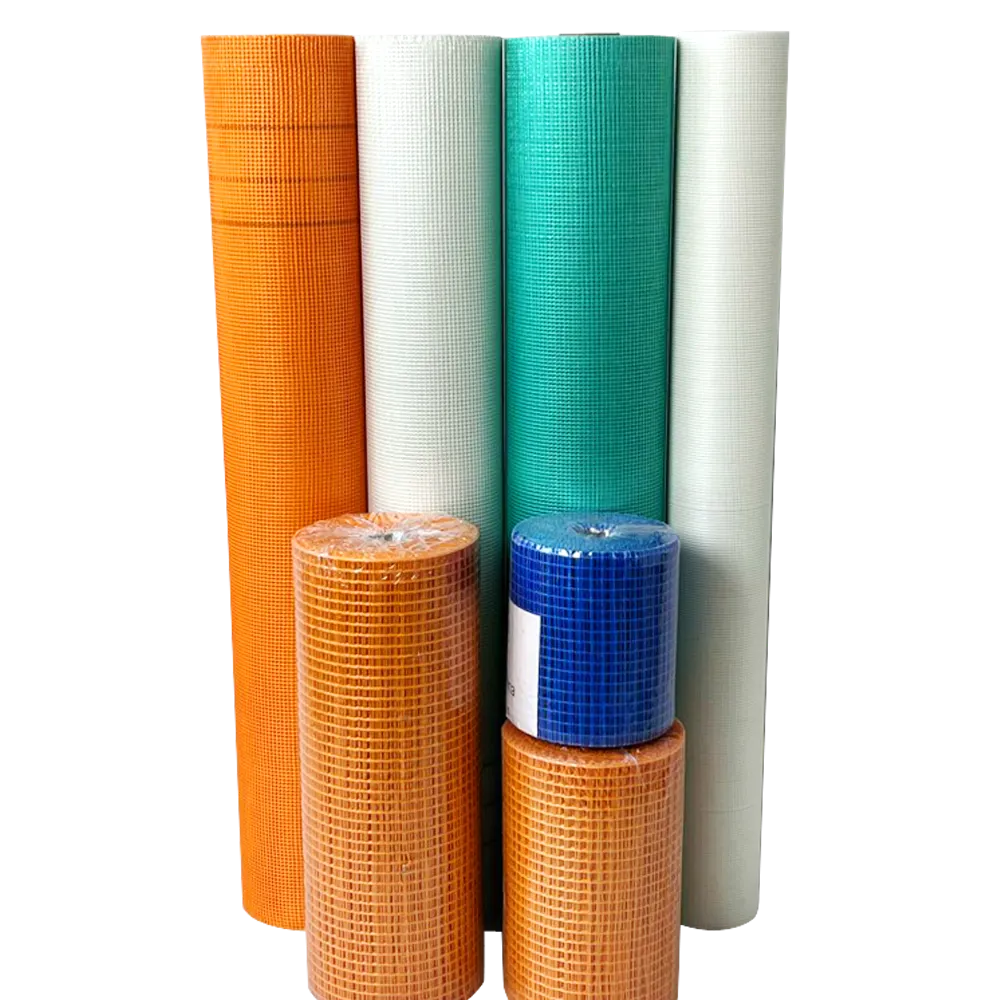
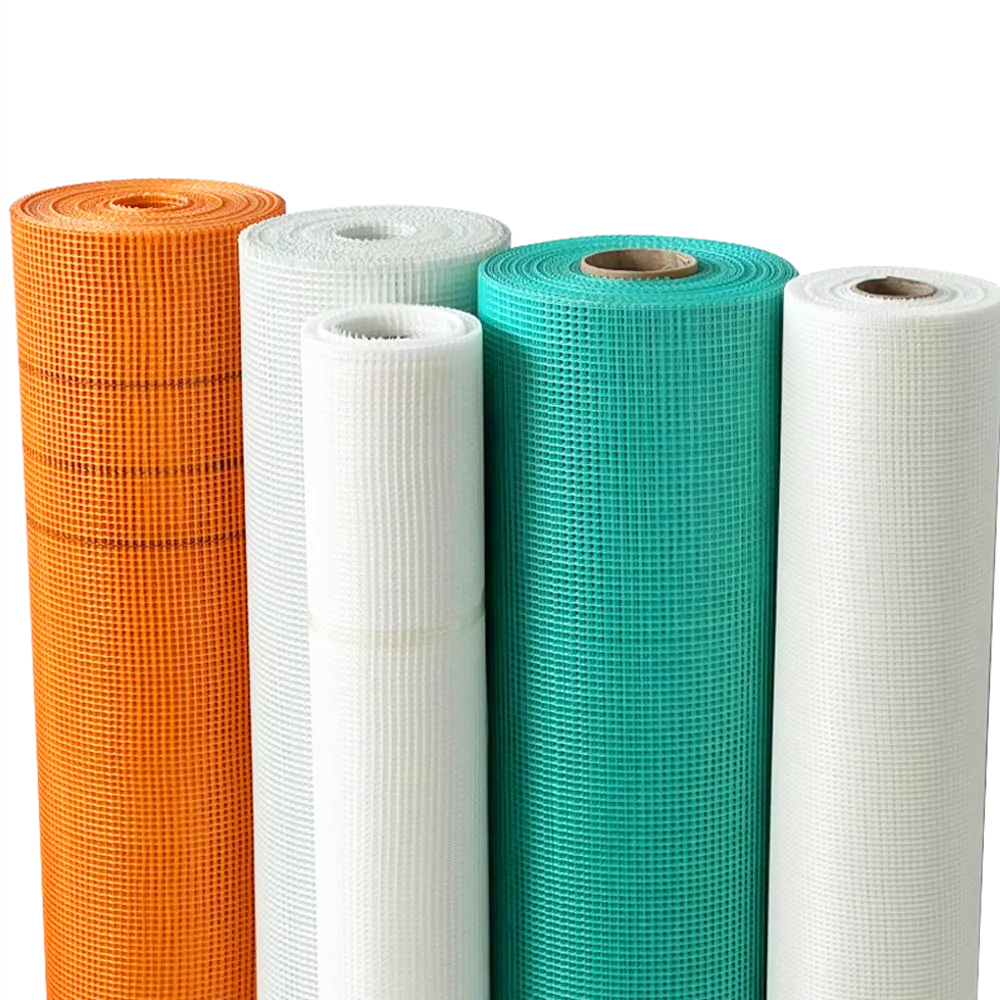
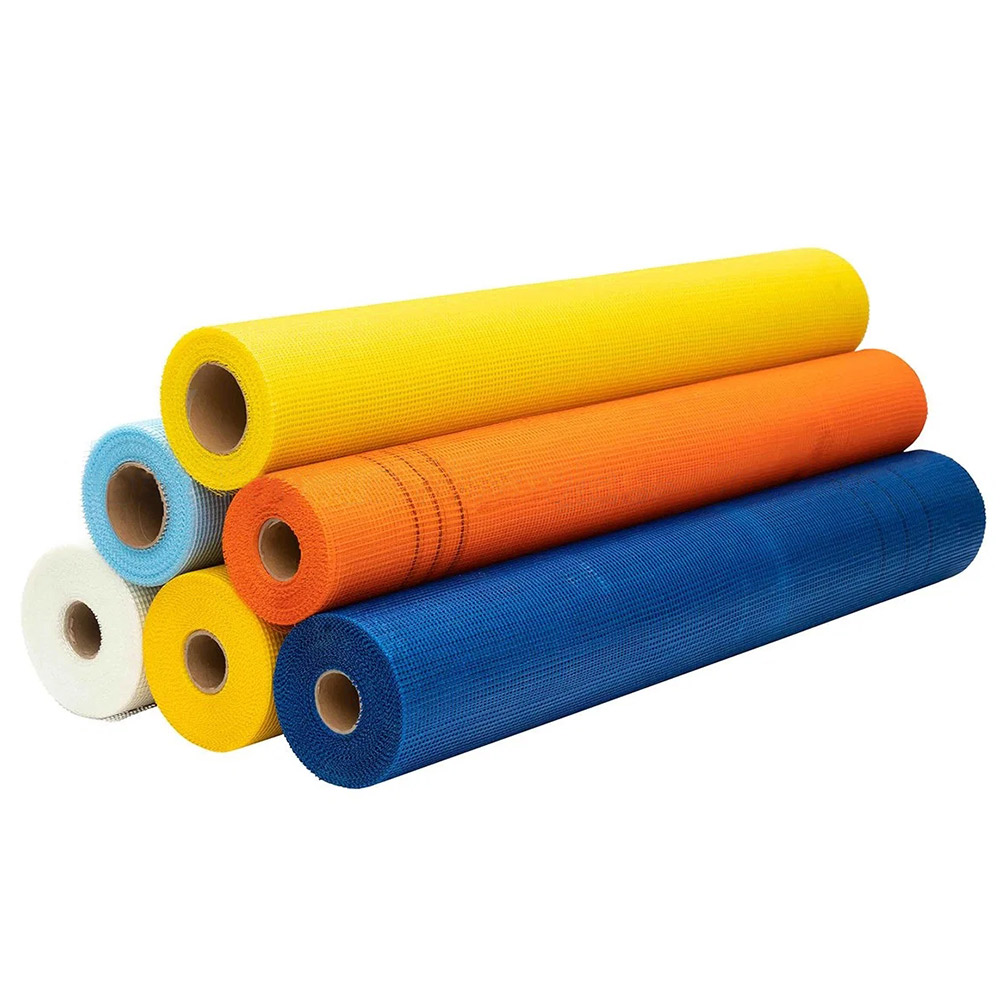
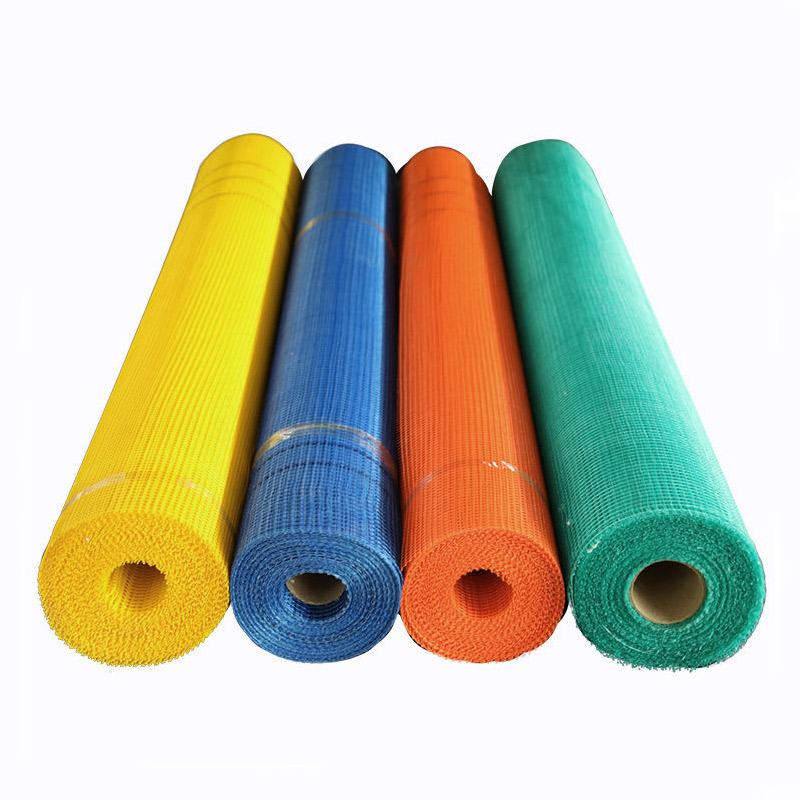
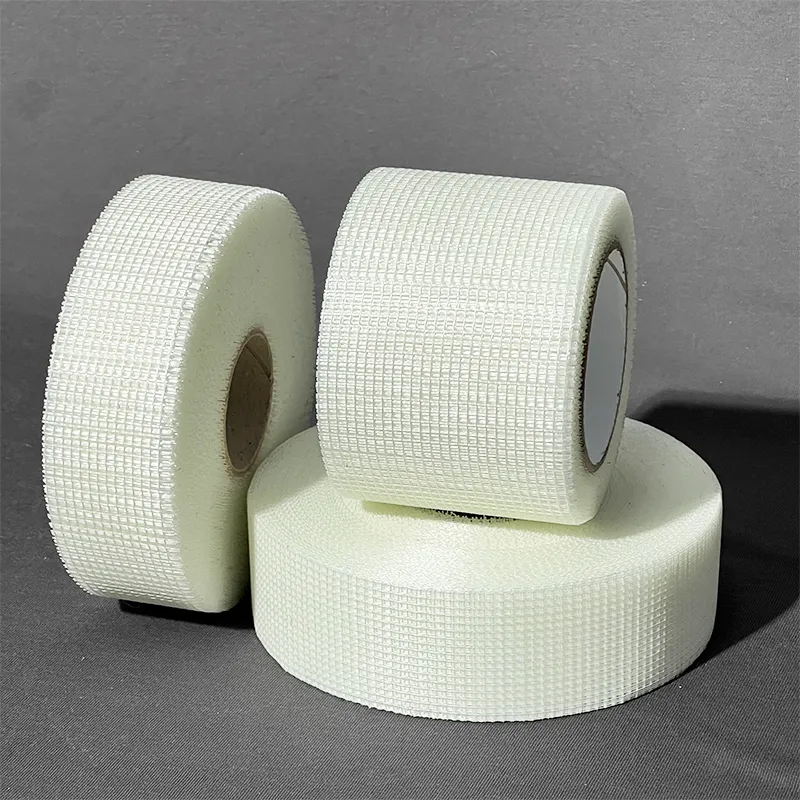
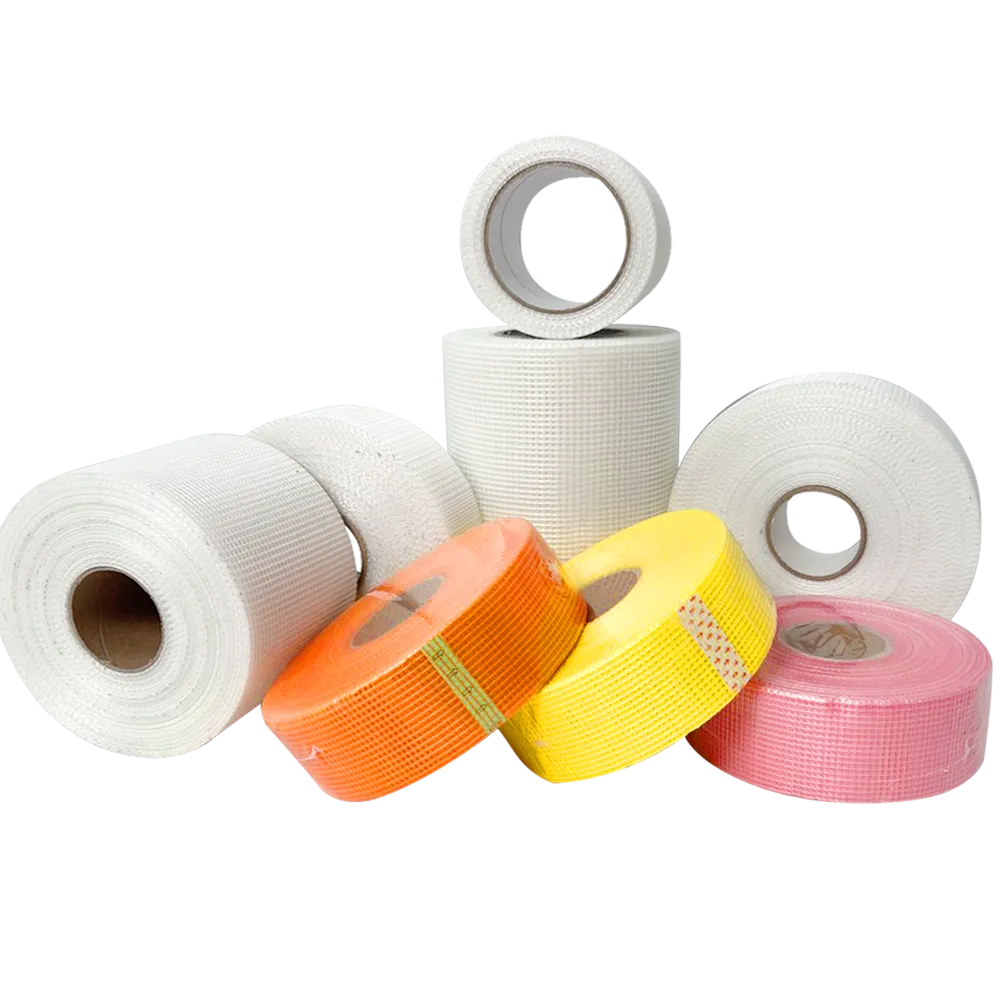
Simply put, a 160g fiberglass mesh roll factory manufactures these mesh sheets with a density of 160 grams per square meter. That “160g” measurement matters — it’s the sweet spot balancing strength and flexibility. Made using woven fiberglass yarns coated with PVC for better chemical and alkali resistance, these rolls come in standard widths and lengths, cutting onsite labor drastically.
They connect modern industrial manufacturing to practical human needs — making walls more durable, preventing cracks, and sustaining safer homes and public infrastructure. In essence, these factories support everything from skyscrapers to humble school renovations where cracking plaster used to be a chronic headache.
Core Components of 160g Fiberglass Mesh Rolls and Why They Matter
Durability & Strength
This is the big draw. Because fiberglass is naturally flexible yet strong, it prevents micro cracks from turning into faults. The 160g fabric weight provides just enough heft to resist tearing while being easy to handle.
Alkali Resistance
Since meshes are embedded in cementitious materials, resistance to alkaline environments is crucial. PVC coating enhances endurance, ensuring long-term stability even under harsh chemical exposure.
Ease of Installation
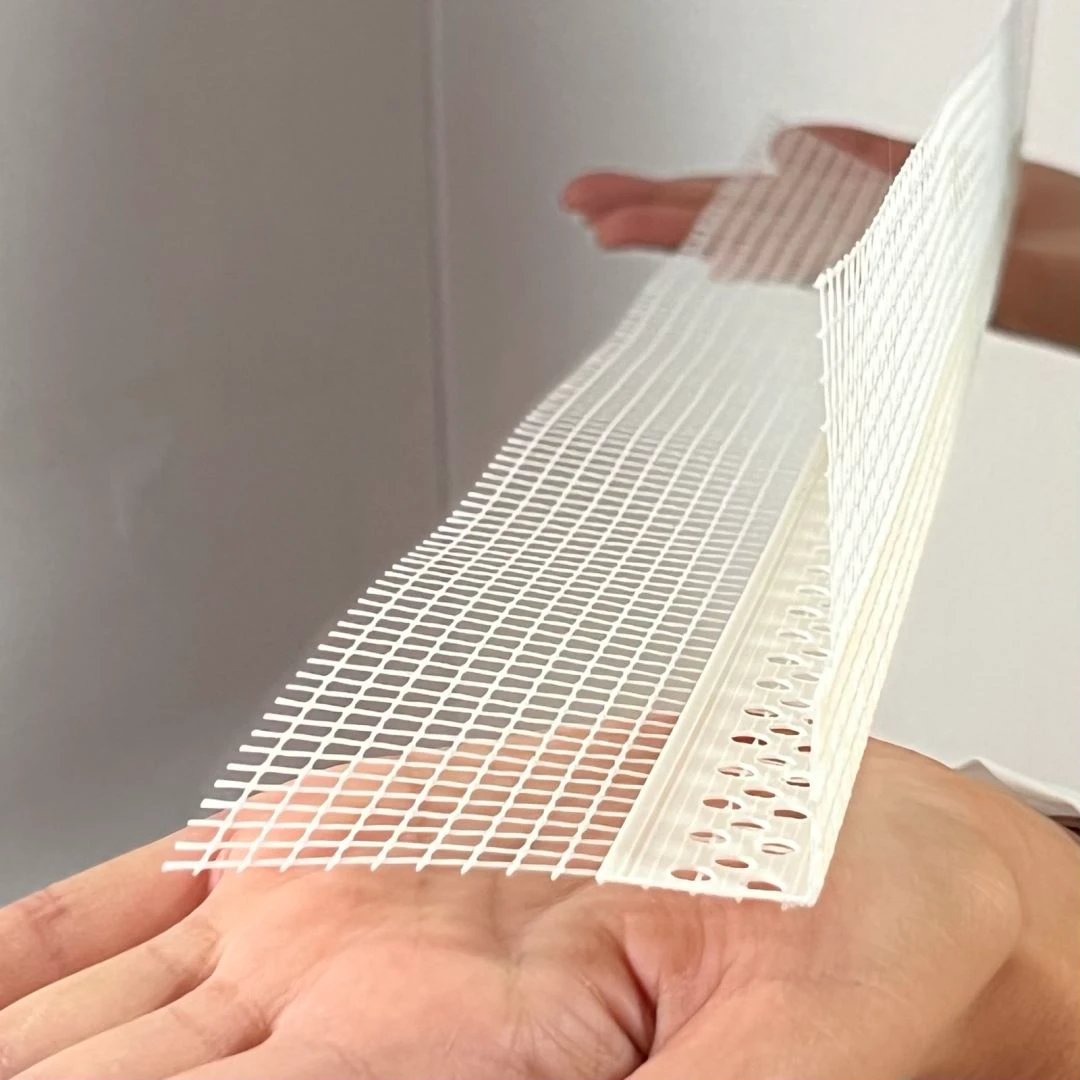
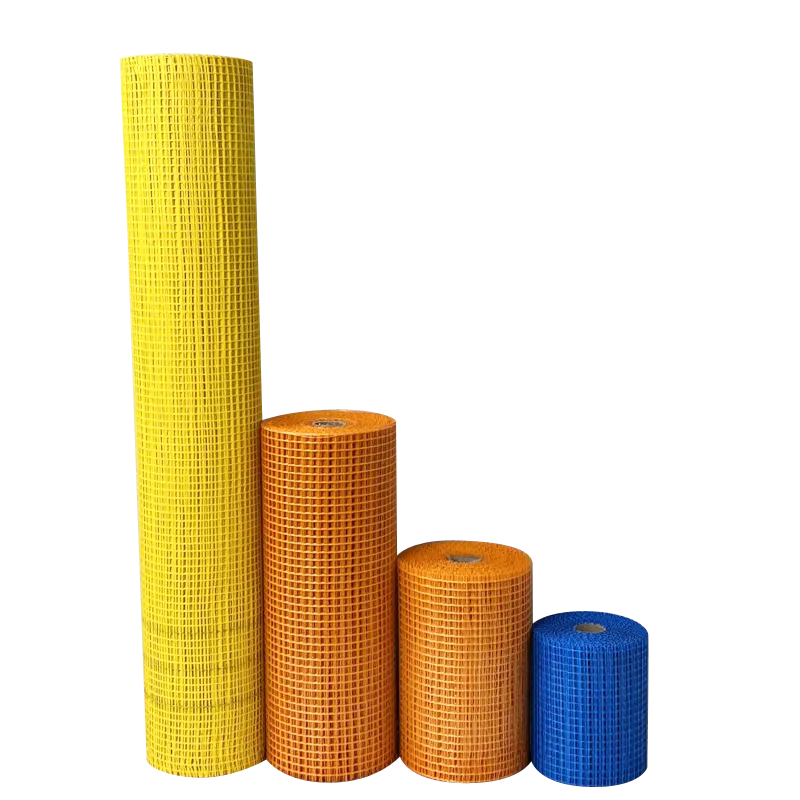
Because these rolls come in manageable widths (usually 1 or 2 meters wide), they allow professionals on-site to work swiftly. Speed cuts costs — an attractive factor in any industry.
Cost Efficiency
A heavier mesh implies more material and thus higher costs, but 160g strikes a balance — it's affordable yet provides reliable reinforcement. Many say it's the “goldilocks weight” of mesh rolls.
Customization & Scalability
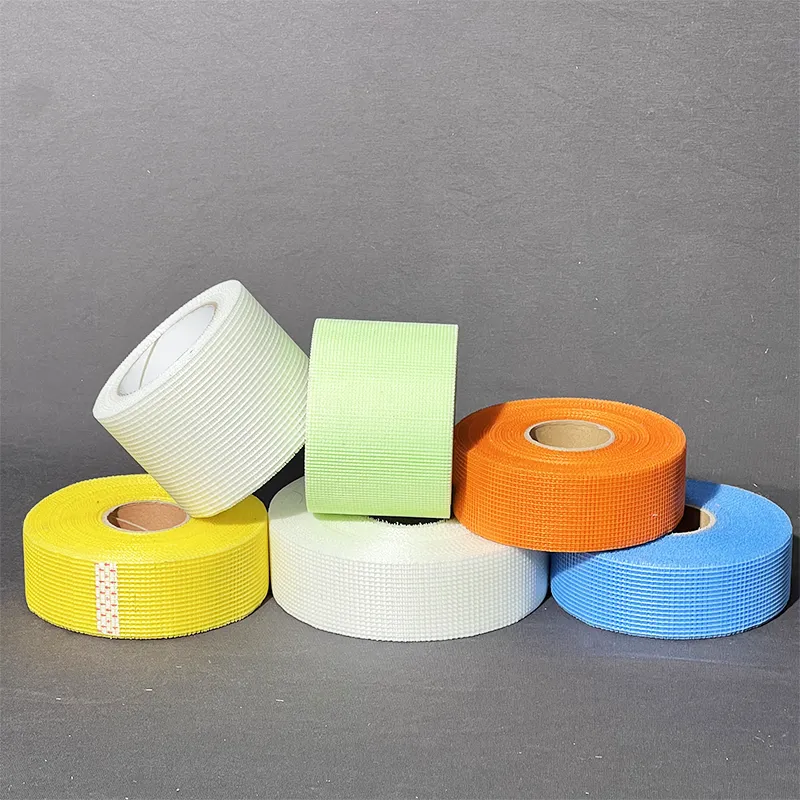
Factories producing 160g fiberglass mesh rolls often tailor widths, lengths, and treatments per client needs, making it adaptable to global markets and diverse construction codes.
| Specification | Details |
|---|---|
| Weight | 160 g/m² ± 5% |
| Width | 1m or 2m standard |
| Length | 50m or 100m rolls |
| Material | Fiberglass yarn + PVC coating |
| Tensile Strength | ≥ 1100 N/5cm |
| Alkali Resistance | ≥ 96% |
How 160g Fiberglass Mesh Rolls Make a Difference Around the World
Whether in the sun-baked concrete blocks of southern Spain or the humid, high-altitude schools in the Andes, these mesh rolls show up everywhere. In developing countries, they support affordable housing projects by reinforcing walls cheaply yet effectively.
In post-disaster relief operations—think after earthquakes or hurricanes—fiberglass mesh speeds up wall repairs and prevents future damage. Likewise, in industrial zones in China or Germany, where factories demand both robustness and lightweight materials, these rolls are part and parcel of daily builds.
- Europe: Under rigorous construction codes requiring crack-free finishes.
- Asia: Large-scale urban development and infrastructure reliability.
- Africa: Aid projects strengthening schools, clinics, and housing.
Some manufacturers report that their best clients are NGOs and contractors who understand the long-term savings and social impact of choosing the right mesh.
Advantages & Long-Term Value: Why Choose 160g Mesh?
Cost savings might be obvious, but what struck me was the emotional appeal. Builders often talk about “peace of mind” — knowing a wall reinforced well won’t crack, won’t fail suddenly, and can withstand environmental strains. That trust builds client relationships and pushes innovations forward.
Sustainability also plays a big role. Fiberglass mesh helps reduce concrete usage and waste — a win for the environment amid rising CO2 emissions concerns. Altogether, it feels like a small piece in a larger puzzle of greener construction.
Future Trends: What’s Next for 160g Fiberglass Mesh Roll Factories?
Automation and digital monitoring at factories promise tighter manufacturing precision. We’re seeing smarter coating technologies that better resist UV radiation and fungal growth too.
There’s also buzz around recycling used mesh scraps — nobody likes landfill-bound building waste, frankly. And with rising global green building certifications (like LEED and BREEAM), manufacturers face new rules pushing innovation and sustainability forward.
Challenges on the Ground — and How to Overcome Them
The biggest gripe? Sometimes mesh quality varies. This can happen if a supplier cuts corners or if storage isn’t optimal, causing brittleness. Another issue is misinformation — builders buying lighter grades thinking they save money, only to face costly repairs later.
Smart solutions are emerging, like improved factory inspections and third-party certifications. Educating customers at the point of sale helps too — because once you get quality materials in hand, the job almost does itself.
| Factory | Certifications | Customization Options | Typical Lead Time | Price Range (per roll) |
|---|---|---|---|---|
| Tainuo Fiberglass | ISO 9001, CE | Width, length, coating | 2-3 weeks | $30-$45 |
| FibroWeave Inc. | ISO 9001 | Limited | 3-4 weeks | $28-$40 |
| Global Mesh Co. | CE, REACH | Width and length only | 4-5 weeks | $25-$38 |
FAQs: What You Might Ask About 160g Fiberglass Mesh Rolls Factory
- Q1: What makes 160g fiberglass mesh better than lighter or heavier options?
- At 160g/m², you strike a balance: it's sturdy enough to reinforce without being cumbersome. Lighter meshes might tear easier, heavier ones can be harder to work with or unnecessarily costly.
- Q2: How long does fiberglass mesh last when embedded in exterior wall systems?
- Under normal conditions, a well-installed fiberglass mesh should last 25-50 years, depending on environmental exposure and materials used with it.
- Q3: Can these mesh rolls be customized for special projects?
- Yes. Most reputable factories offer custom widths, lengths, and coatings, which might be necessary for unique projects or regional standards.
- Q4: How can clients outside Asia import 160g fiberglass mesh rolls efficiently?
- Trusted factories like 160g fiberglass mesh rolls factory often assist with logistics and documentation for smooth international shipping and customs clearance.
- Q5: Are fiberglass mesh rolls eco-friendly?
- While fiberglass production involves energy, the durability and longevity they impart reduce overall material waste. More factories now implement recycling and low-impact coatings.
Conclusion: The Unsung Strength Behind Modern Builds
Choosing a quality 160g fiberglass mesh rolls factory is more than picking a supplier — it’s about partnering for robustness, reliability, and future-proofing your projects. These mesh rolls punch well above their weight class, playing a quiet but vital role in global construction's growth and safety.
Want to learn more about how to source these reliable rolls directly? Visit our website and explore trusted options that suit your next building endeavor.
-
Best Fiberglass Mesh Tape for RedGard Product Waterproofing GuideNewsApr.16,2026
-
Why High Strength Fiberglass Mesh Is Essential For Stucco ApplicationNewsApr.15,2026
-
Why Alkali Resistant Fiberglass Mesh Tape Is Essential For Cement Board And Tile InstallationsNewsApr.15,2026
-
Understanding The Role Of Drywall Fiberglass Mesh In Interior FinishingNewsApr.15,2026
-
Ultimate Guide To Using Fiberglass Mesh Tape For Drywall And Plaster RepairsNewsApr.15,2026
-
The Versatility Of Fiberglass Mesh In Marble And Stone MosaicNewsApr.15,2026