Nov . 24, 2025 17:00 Back to list
Comprehensive Guide to 160g Fiberglass Mesh Rolls Products for Construction & Industry
The Subtle Power of 160g Fiberglass Mesh Rolls Products
Globally speaking, 160g fiberglass mesh rolls products might sound like an oddly specific term, but behind that seemingly technical phrase lies a critical material quietly shaping many industries. From reinforcing buildings in earthquake-prone zones to offering durability in facade and tile applications, these fiberglass mesh rolls hold an underestimated spot in construction and manufacturing worldwide.
Understanding these products is important because they help solve a common challenge: how to strengthen surfaces while maintaining cost-efficiency and sustainability. Given the rise in urbanization and infrastructure demand, especially in developing nations, fiberglass mesh becomes even more relevant for safer structures that can weather time and nature alike.
In short, grasping what makes 160g fiberglass mesh rolls special is not just for engineers or architects — it’s for anyone curious about the unsung heroes of modern building materials.
Global Context: Why 160g Fiberglass Mesh Rolls Products Matter Today
To set the scene, the global construction market is booming. According to the World Bank, urban populations are expected to grow by nearly 2.5 billion by 2050, mostly in Asia and Africa. This means more buildings, roads, and infrastructure are urgently needed — fast and resilient.
This puts enormous pressure on materials that strike a balance between durability, cost, and environmental impact. Traditional steel reinforcements, while strong, are prone to rust and add weight. That’s where fiberglass mesh, particularly the 160g varieties, steps in as a lightweight solution with impressive tensile properties.
Oddly enough, you don't often hear about fiberglass mesh outside of specialist circles, yet its utility spans continents — from Korean high-rises to African housing developments and European retrofits. It addresses the challenge of cracking, sagging, and degradation in reinforced plastering or concrete surfaces.
Mini takeaway: The rise in construction worldwide means 160g fiberglass mesh rolls play a vital role in creating safer, smarter building surfaces that last longer.
Defining 160g Fiberglass Mesh Rolls Products
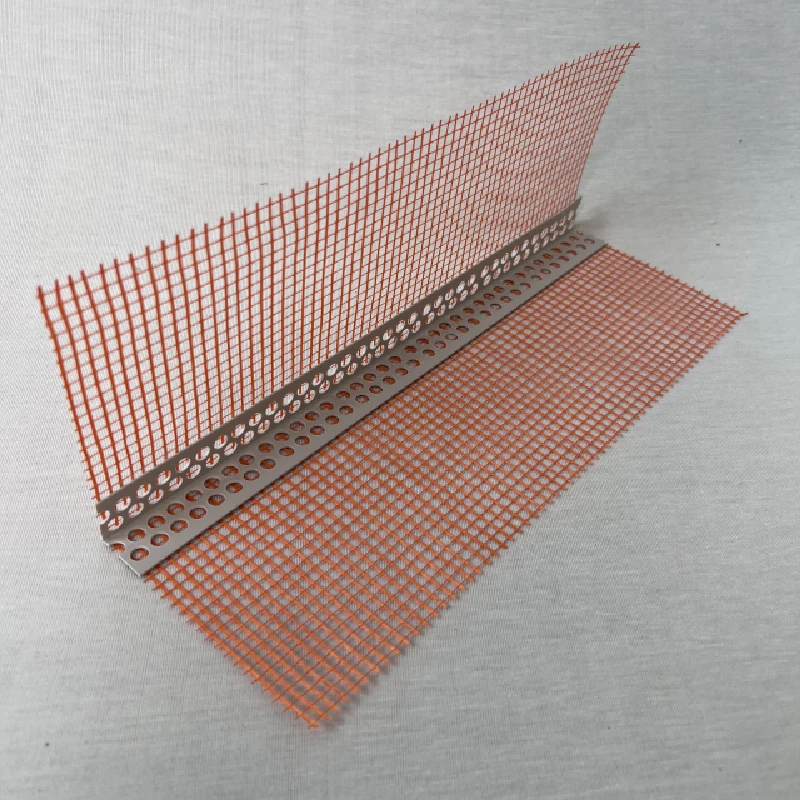
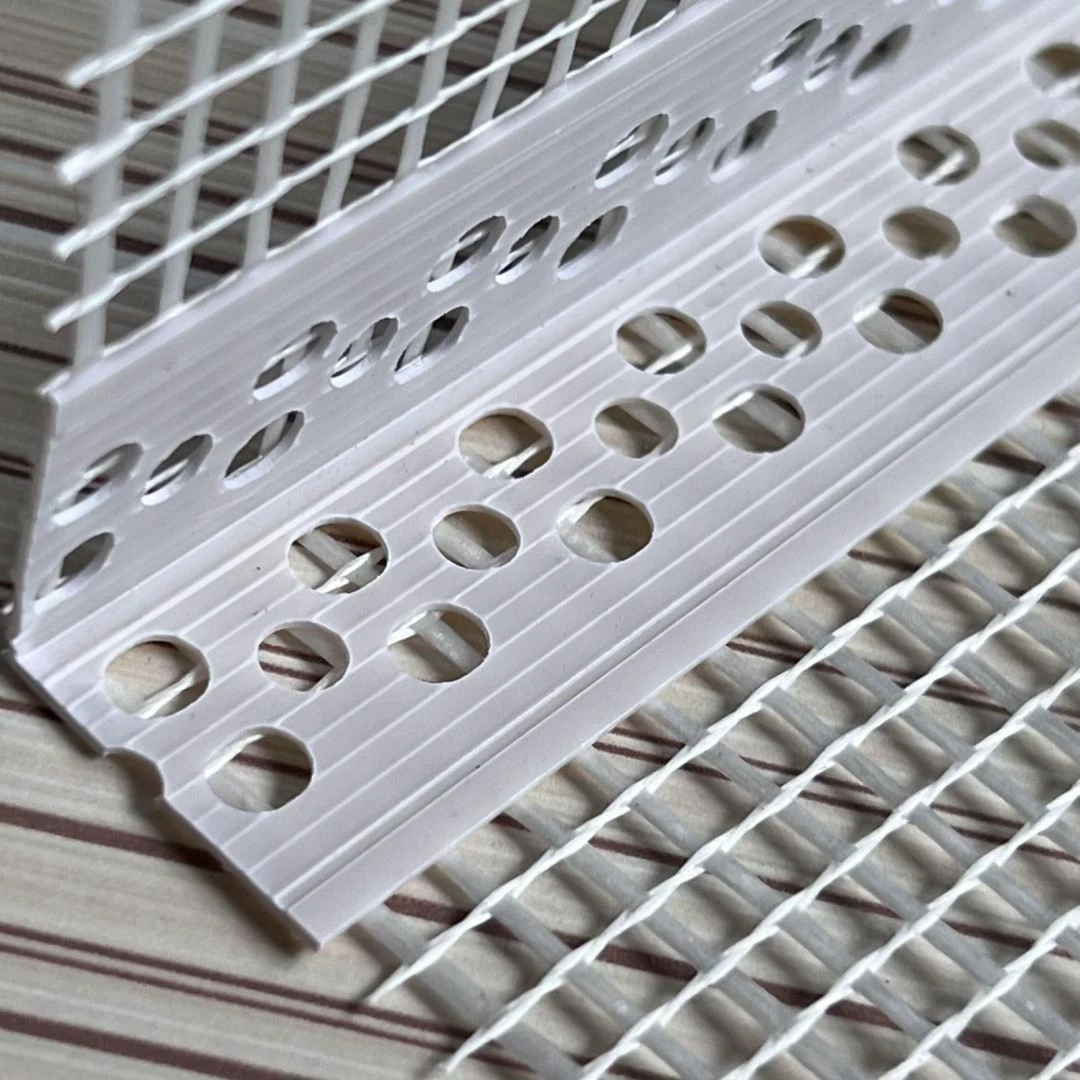
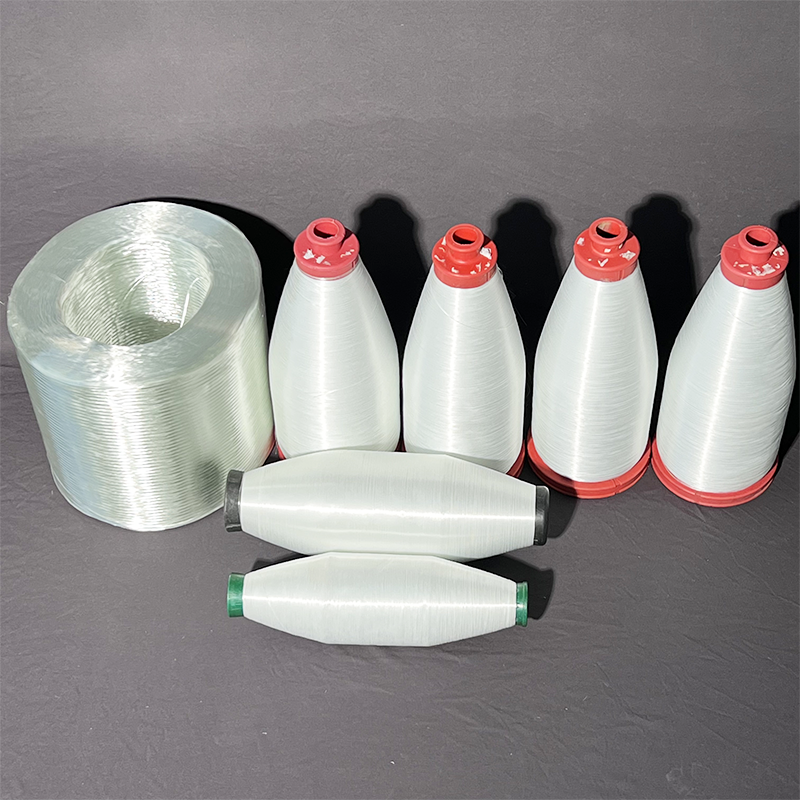
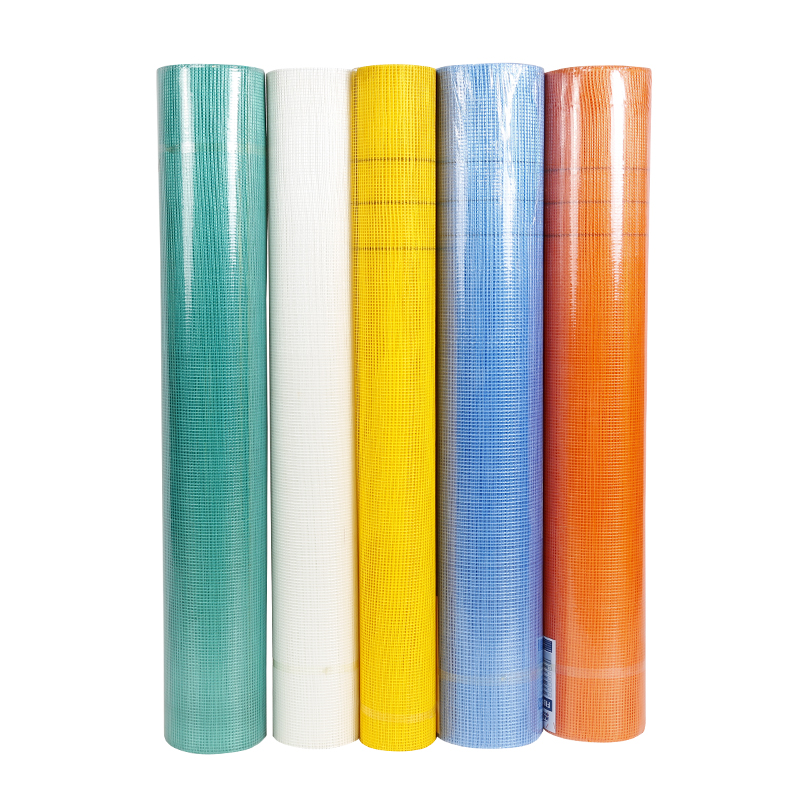
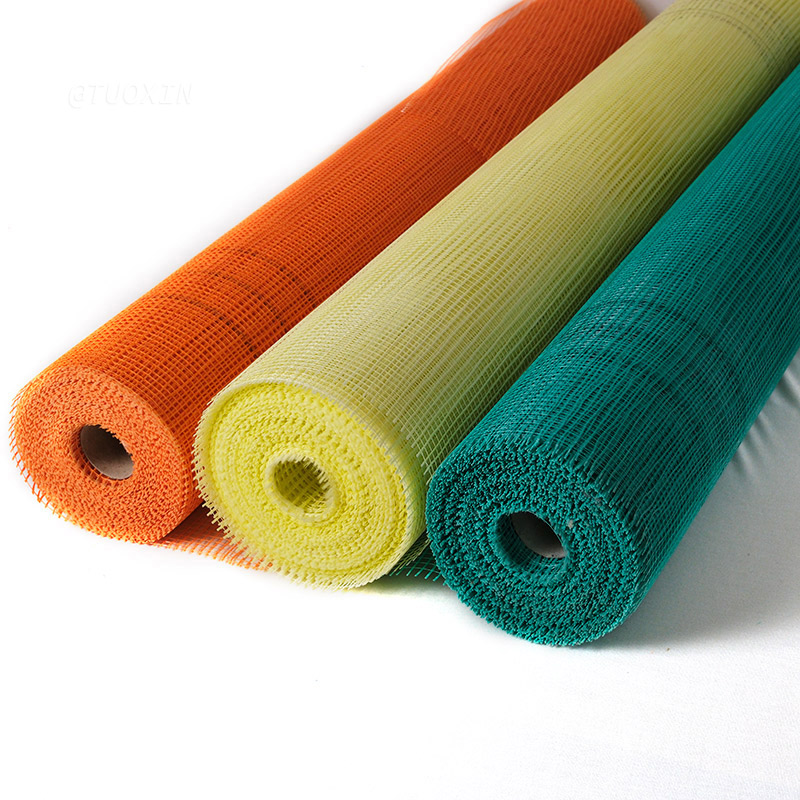
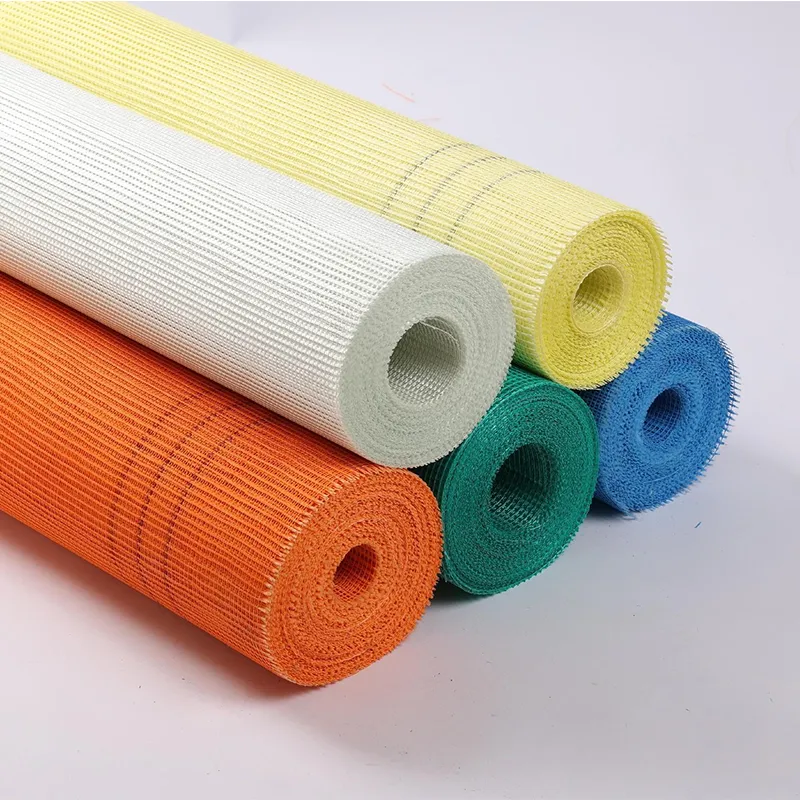
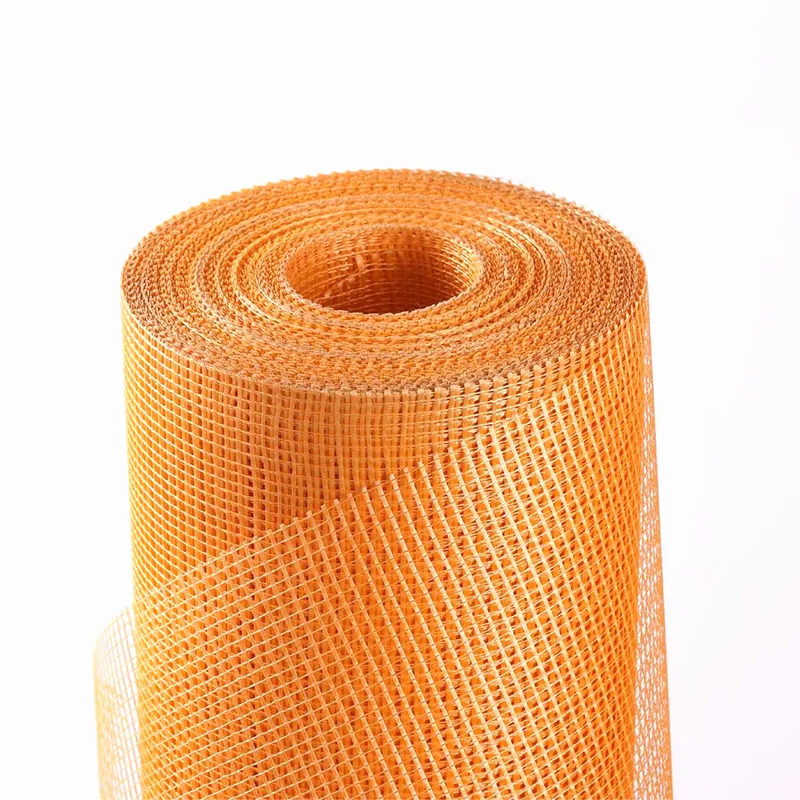
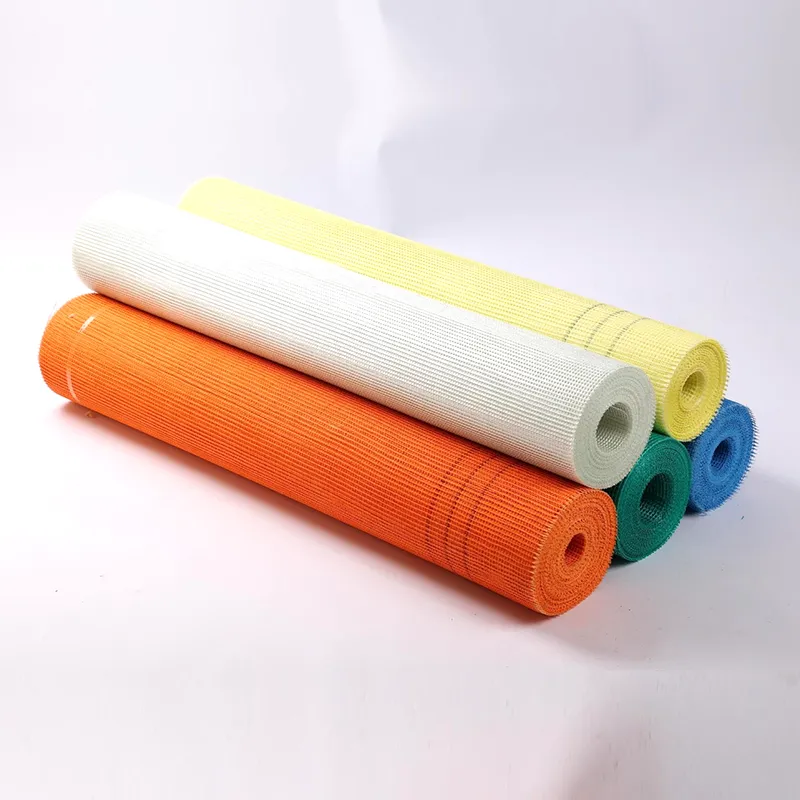
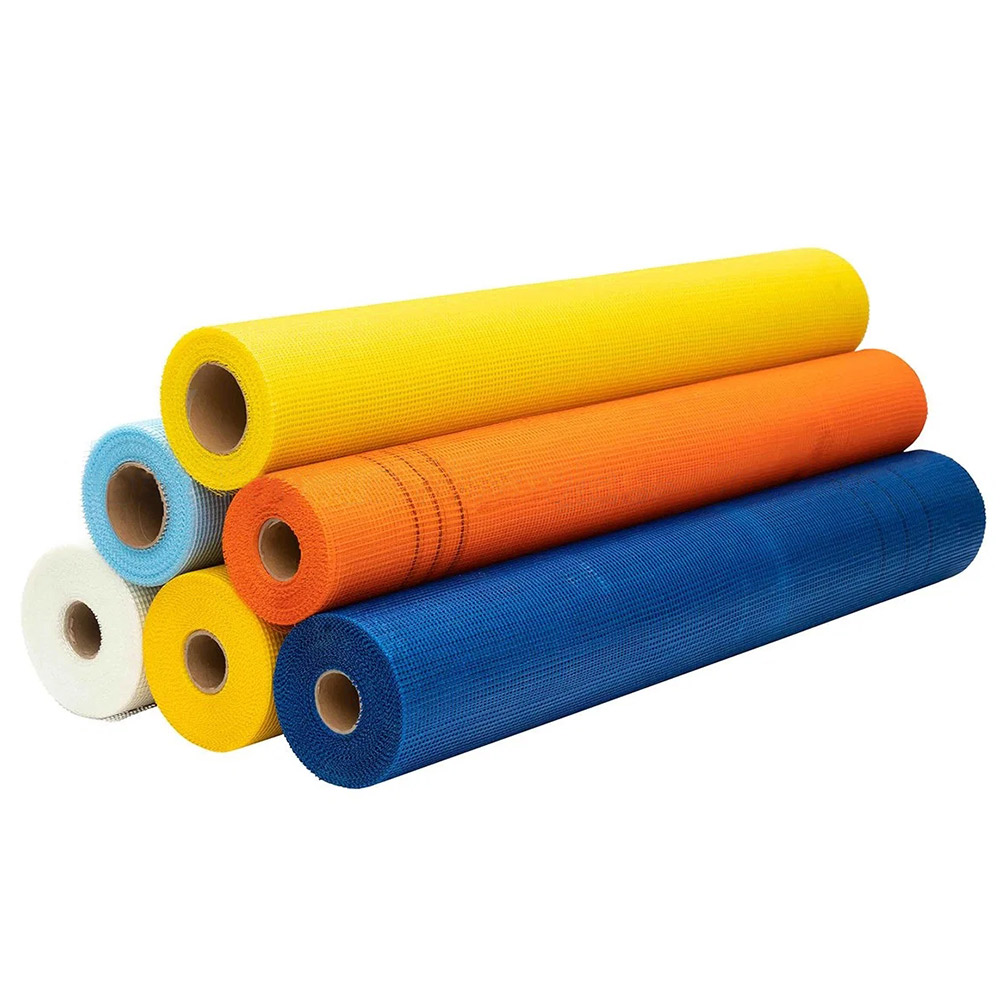
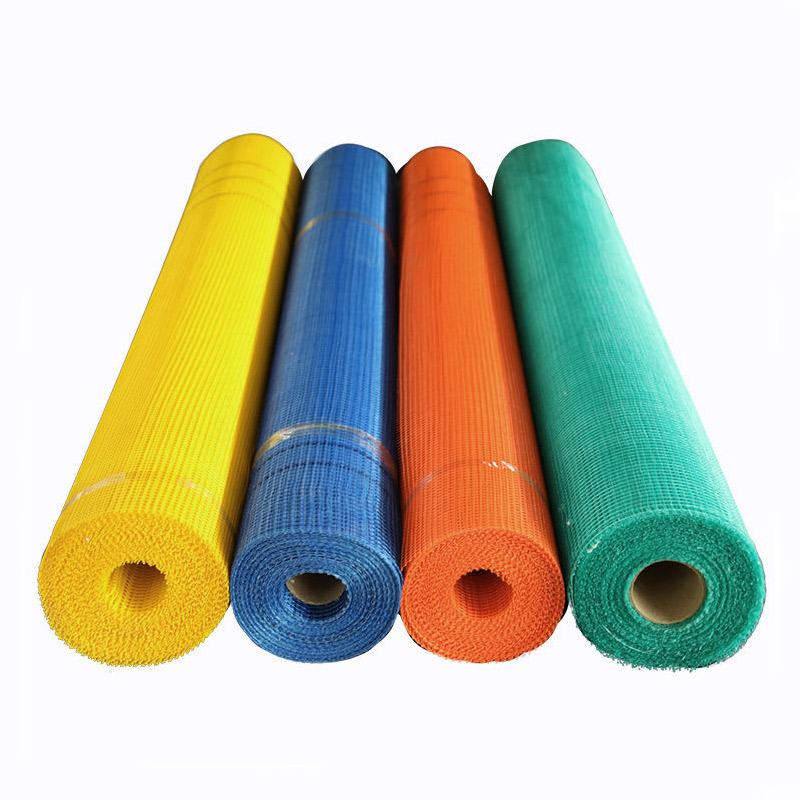
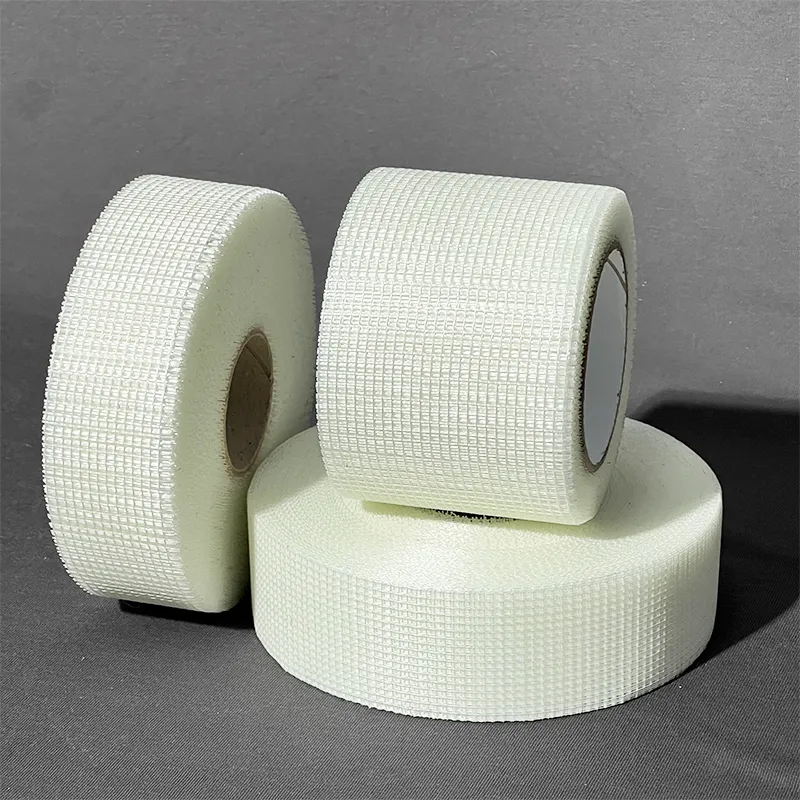
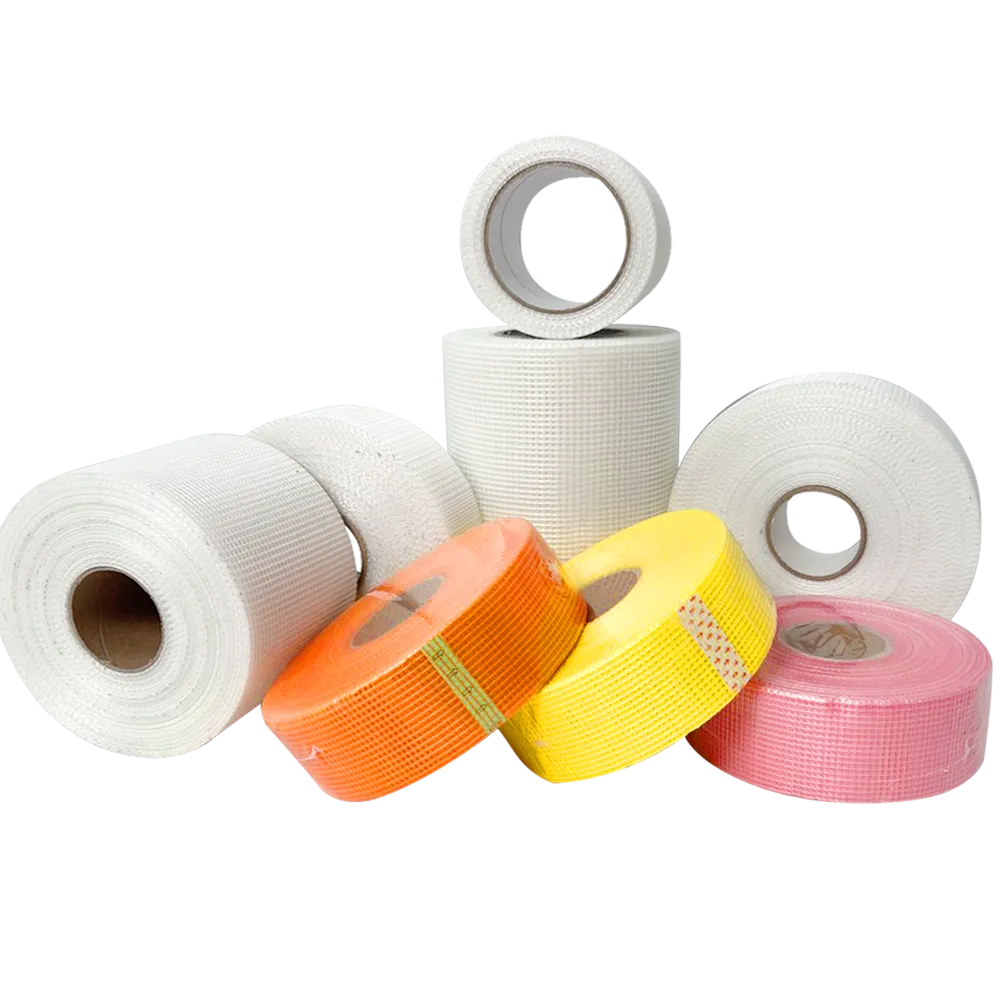
So, what exactly are these products? Simply put, 160g fiberglass mesh rolls consist of woven fiberglass yarns calibrated to weigh approximately 160 grams per square meter. They come rolled up, ready to be embedded within plaster or concrete layers for reinforcement.
The mesh is usually alkali-resistant (AR-glass), preventing deterioration from harsh cement environments — a key feature that distinguishes it from common fiberglass fabrics. The chemical composition and weaving method are designed to offer high tensile strength, flexibility, and resistance to cracking.
Modern buildings or repair projects benefit from fiberglass mesh by distributing stress evenly across surfaces, avoiding unsightly cracks or failures. In humanitarian terms, this means safer, longer-lasting shelter against natural disasters, especially when resources for steel reinforcements are scarce or expensive.
Key Attributes of 160g Fiberglass Mesh Rolls That Affect Performance
Durability & Alkali Resistance
The alkali resistance of fiberglass mesh ensures it doesn’t degrade when mixed with cement or plaster. This dramatically improves the lifespan of buildings — many engineers remark that choosing AR-glass mesh over standard fiberglass can double repair intervals.
Lightweight & Easy Handling
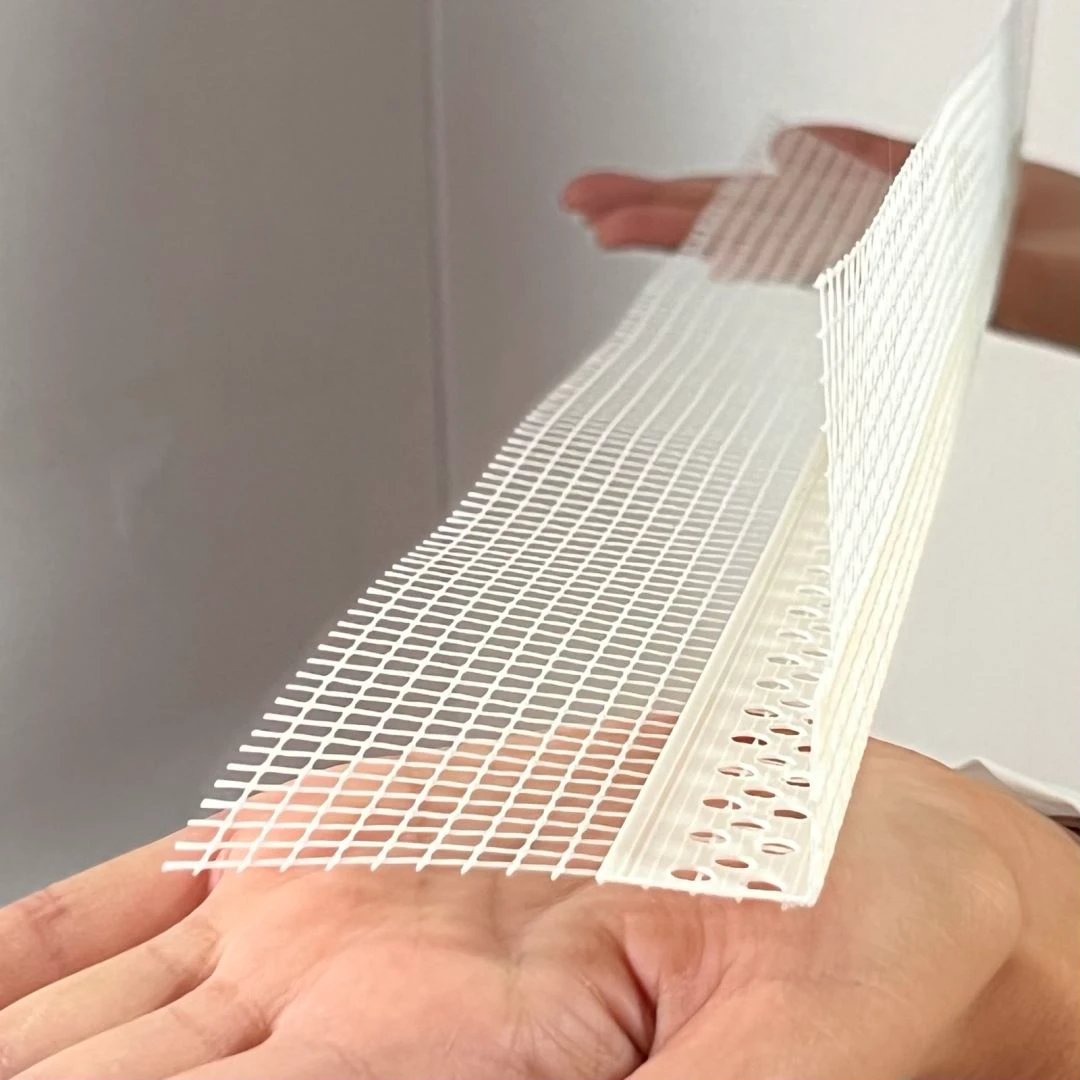
Compared to steel reinforcements, 160g fiberglass rolls are feather-light and flexible. This means installers can handle large surface areas quickly, saving valuable labor time. The rolls can also be cut to size on-site, adapting to unique shapes easily.
Cost Efficiency
Roughly speaking, fiberglass mesh offers a price point well below traditional wire meshes or metal reinforcements. I noticed that especially for large facade projects, budget-conscious contractors prefer 160g mesh for balancing cost without sacrificing strength.
Thermal & Moisture Stability
The mesh remains stable under temperature fluctuations and moisture exposure. This quality matters for outdoor applications, where freeze-thaw cycles would crumble weaker materials over time.
Compatibility with Coatings and Adhesives
These mesh rolls integrate well with various adhesive types, plasters, and paint finishes, ensuring an even, crack-free surface that delivers a flawless appearance once completed.
Summary:
- Durability through alkali resistance preserves integrity.
- Lightweight rolls aid quick installation.
- Cost-efficient alternative enhances project budgets.
- Stable under diverse environmental conditions.
Real-World Uses Across Continents and Industries
If you think about it, these mesh rolls are everywhere — just not always on billboards. In Asia, they fortify exterior walls of skyscrapers battling high humidity. In Africa, NGOs use them in post-disaster shelter reconstruction because the materials ship easily and last longer against harsh weather.
Take, for example, a project in Southeast Asia where a nonprofit rebuilt homes after typhoons. They chose 160g fiberglass mesh rolls products to reinforce plaster walls, reducing future damage and saving on maintenance costs. This shifted the community’s resilience outlook tremendously.
In Europe, 160g mesh is a favored choice for renovating historic buildings, where adding weight isn’t an option but strength is critical. The mesh reinforced lime plaster cladding keeps aging facades from cracking, preserving heritage sites with minimum disruption.
Industries range from:
- Construction & infrastructure
- Transportation (bridges, tunnels)
- Industrial manufacturing (panels and composites)
- Disaster relief and humanitarian housing
Mini takeaway: The global appeal of these fiberglass mesh rolls lies in their versatility, meeting very different needs — from luxury renovations to emergency shelters.
Advantages and Their Long-Term Value
Framed logically, the advantages here extend beyond immediate cost or strength. We’re talking about trust — the trust that structures won’t crack weeks after completion. The emotional angle: homeowners, architects, and workers feel safer and more confident.
- Sustainability: Longer-lasting surfaces mean fewer repairs and less waste.
- Cost Saving: Lower material and labor costs add up over large projects.
- Safety & Dignity: Especially in humanitarian settings, durable homes offer peace of mind.
- Innovation: Fiberglass meshes show how advanced materials create practical and elegant solutions.
Product Specification Table: Typical 160g Fiberglass Mesh Rolls
| Specification | Details |
|---|---|
| Weight | 160 g/m² (±5%) |
| Mesh Opening Size | 5mm x 5mm (standard) |
| Tensile Strength (warp/weft) | >1100 N/5cm / >1100 N/5cm |
| Alkali Resistance | Yes (AR-glass yarn) |
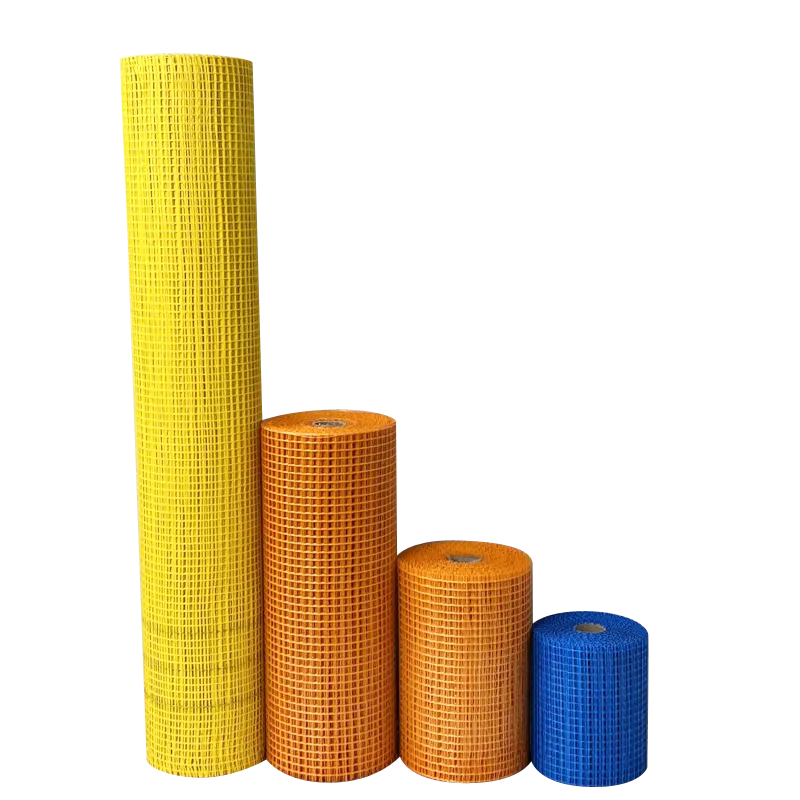
| Roll Dimensions | 1m x 50m (other sizes available) |
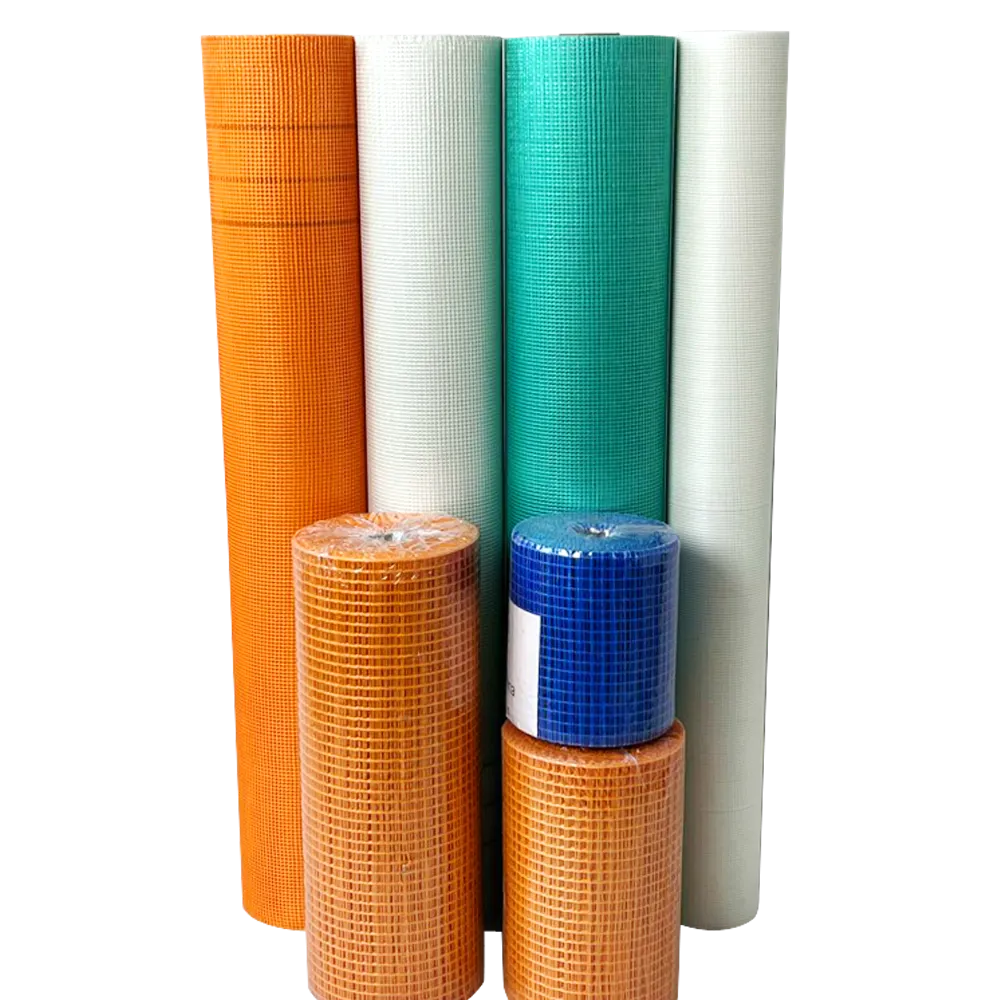
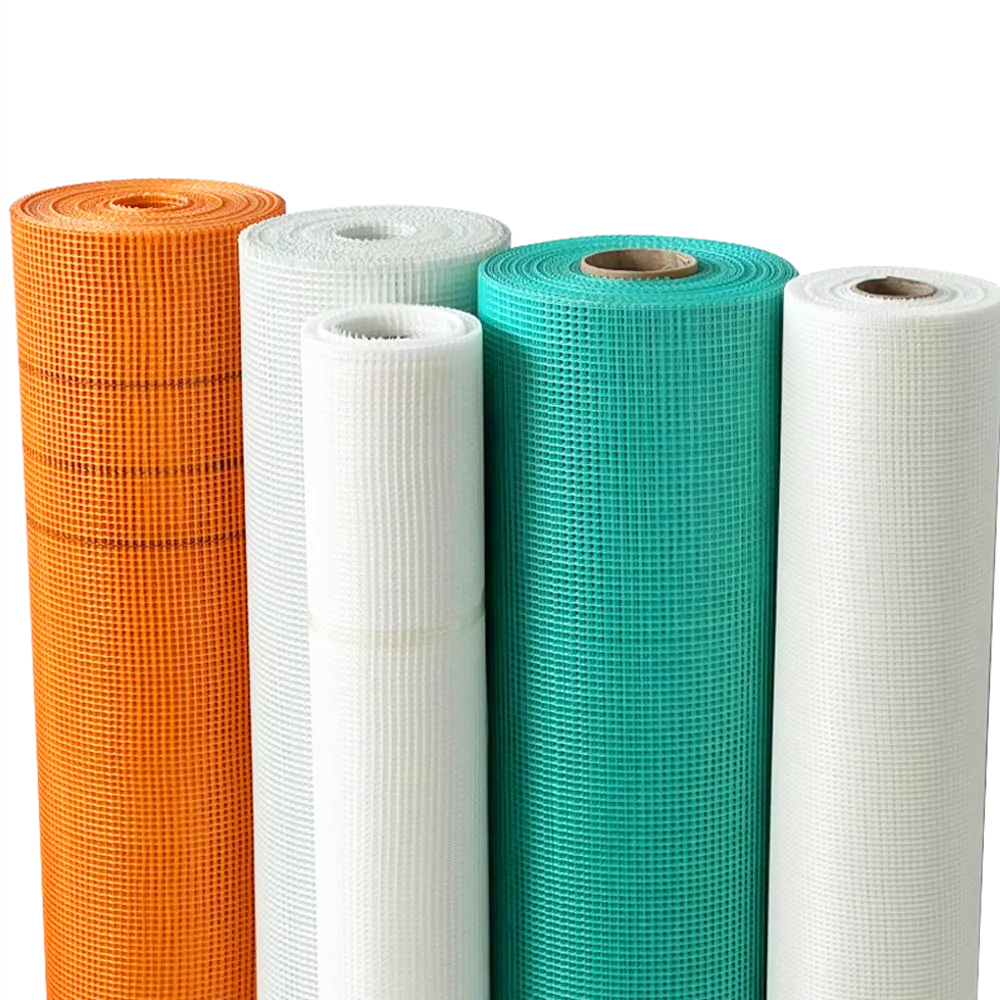
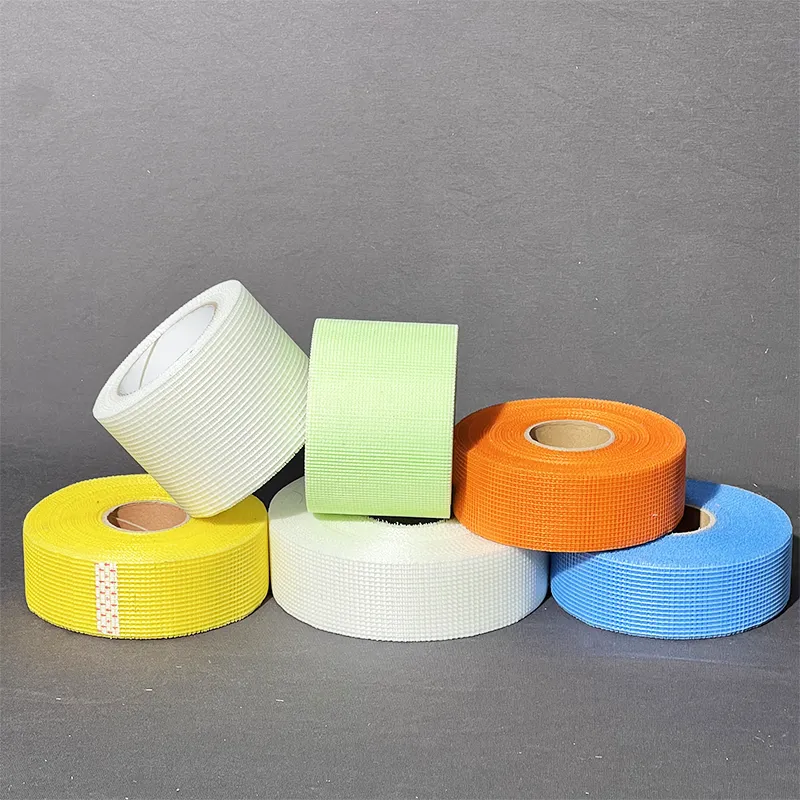
| Color | White/Green/Custom |
Comparing Popular Vendors for 160g Fiberglass Mesh Rolls
| Vendor | Product Range | Price per Roll (Approx.) | Lead Time | Special Features |
|---|---|---|---|---|
| Tainuo Fiberglass | 160g - 450g mesh, custom options | $30 - $70 | 2 weeks | ISO certified, customized colors |
| Global Reinforce Ltd. | Standard only, 160g and 160g+ mesh | $28 - $65 | 3 weeks | Bulk discounts, EU-certified |
| FiberBuild Co. | AR and non-AR mesh, specialty weights | $35 - $80 | 1-2 weeks | Fast delivery, quality control labs |
Looking Ahead: Innovation and Sustainability in Fiberglass Mesh
It feels like the fiberglass mesh arena isn’t standing still. I’ve read about developments with bio-based resins and hybrid materials that aim to embed recyclability and carbon footprint reduction.
Automation in weaving and quality control will streamline better mesh consistency, improving performance predictability. Digitalization means suppliers now embed QR codes on rolls for traceability — which, while niche today, could become industry standard tomorrow.
Green building certifications increasingly require eco-focused materials. Using these innovative fiberglass mesh rolls makes it easier for projects to tick environmental boxes without sacrificing durability or cost-effectiveness.
What Challenges Should You Know About?
No material is perfect. Some complaints focus on initial installation mistakes: inadequate embedment depth or mesh overlap can weaken performance. Also, some cheaper fiberglass meshes lack full alkali resistance, leading to premature failures.
To overcome these issues, choosing certified suppliers and following manufacturer guidelines is critical. Expert applicators also recommend testing prototypes on small areas before large-scale use. This heads off costly errors later and keeps structures safe.
FAQs About 160g Fiberglass Mesh Rolls Products
- Q1: How long does 160g fiberglass mesh last in typical building applications?
- A1: Generally, 160g fiberglass mesh reinforced plaster can last 25–30 years if properly installed and maintained. Alkali resistance plays a crucial role in its longevity, especially in damp or coastal environments.
- Q2: Can 160g fiberglass mesh be used in exterior wall insulation systems?
- A2: Absolutely. Many EIFS (Exterior Insulation and Finish Systems) incorporate these meshes to prevent cracking and enhance strength, especially on high-exposure facades.
- Q3: Is fiberglass mesh recyclable or environmentally friendly?
- A3: Fiberglass itself is not biodegradable but can be recycled in specialized facilities. Innovations in bio-based binders and resins aim to improve sustainability. Plus, the durability reduces waste by extending product life.
- Q4: How do I import these products for humanitarian projects?
- A4: Importing requires compliance with local regulations and certifications. Vendors like Tainuo Fiberglass offer export-ready packaging and documentation support, streamlining logistics for NGOs and international agencies.
Conclusion: Why 160g Fiberglass Mesh Rolls Products Are Here to Stay
It’s clear that 160g fiberglass mesh rolls aren’t just another building material — they’re foundational to a new way of thinking about durability, cost, and sustainability in construction. They answer a global call for smarter infrastructure that blends innovation with accessibility.
If you want to dive deeper, explore options, or even get custom mesh rolls, I highly recommend a visit to Tainuo Fiberglass Mesh. Their range, expertise, and certified quality might just surprise you.
Thanks for reading — here’s to stronger walls, safer homes, and a more resilient future.
References
-
Best Fiberglass Mesh Tape for RedGard Product Waterproofing GuideNewsApr.16,2026
-
Why High Strength Fiberglass Mesh Is Essential For Stucco ApplicationNewsApr.15,2026
-
Why Alkali Resistant Fiberglass Mesh Tape Is Essential For Cement Board And Tile InstallationsNewsApr.15,2026
-
Understanding The Role Of Drywall Fiberglass Mesh In Interior FinishingNewsApr.15,2026
-
Ultimate Guide To Using Fiberglass Mesh Tape For Drywall And Plaster RepairsNewsApr.15,2026
-
The Versatility Of Fiberglass Mesh In Marble And Stone MosaicNewsApr.15,2026