Dec . 02, 2025 16:42 Back to list
Comprehensive Guide to Fiberglass Joint Tape Pricelist: Global Insights & Vendor Comparison
Understanding the Fiberglass Joint Tape Pricelist: A Global Outlook
Fiberglass joint tape might sound like an obscure construction supply, but it plays a surprisingly central role in both everyday building and large-scale industrial projects. When you start exploring the fiberglass joint tape pricelist, the details reveal how this modest product supports stronger structures, safer humanitarian work, and evolving manufacturing standards worldwide. It’s more than just tape—it’s a linchpin for durability and innovation, especially when budgets and quality both matter.
Global Context: Why the Fiberglass Joint Tape Pricelist Matters
The global building materials market is predicted to surpass $1.2 trillion by 2027, with a steady push toward materials that combine durability and cost efficiency, according to Statista. Fiberglass joint tape is an essential commodity in drywall finishing, facade reinforcement, and even aerospace composites. Its pricing impacts everything from affordable housing projects in Southeast Asia to high-tech factories in Europe.
Oddly enough, understanding the structure and fluctuations of the fiberglass joint tape pricelist offers insights into supply chain health, raw material availability, and even geopolitical stability. For instance, the rise in fiberglass prices can affect NGO relief projects in disaster-prone regions, where time and budget constraints are brutal.
What Exactly Is Fiberglass Joint Tape Pricelist?
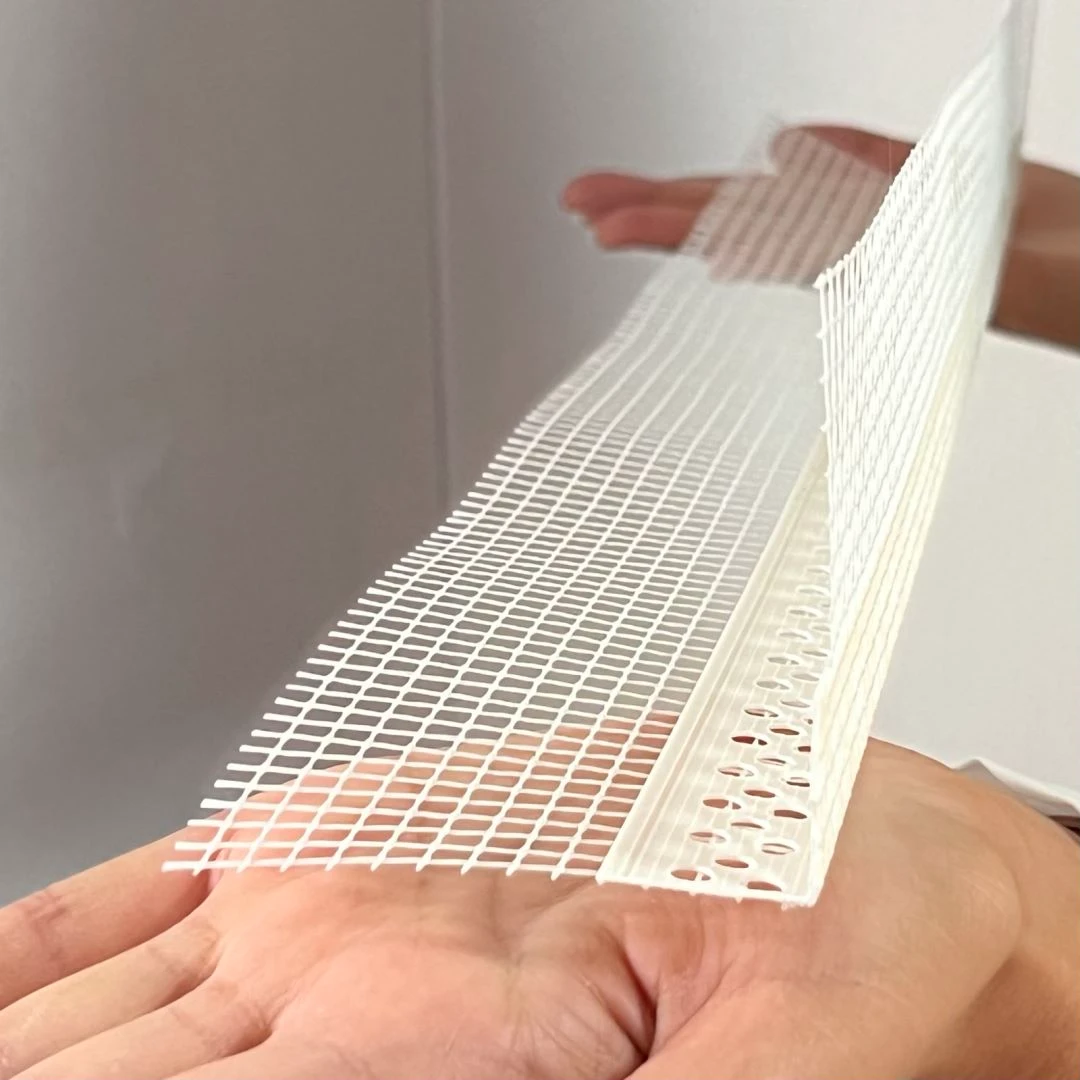
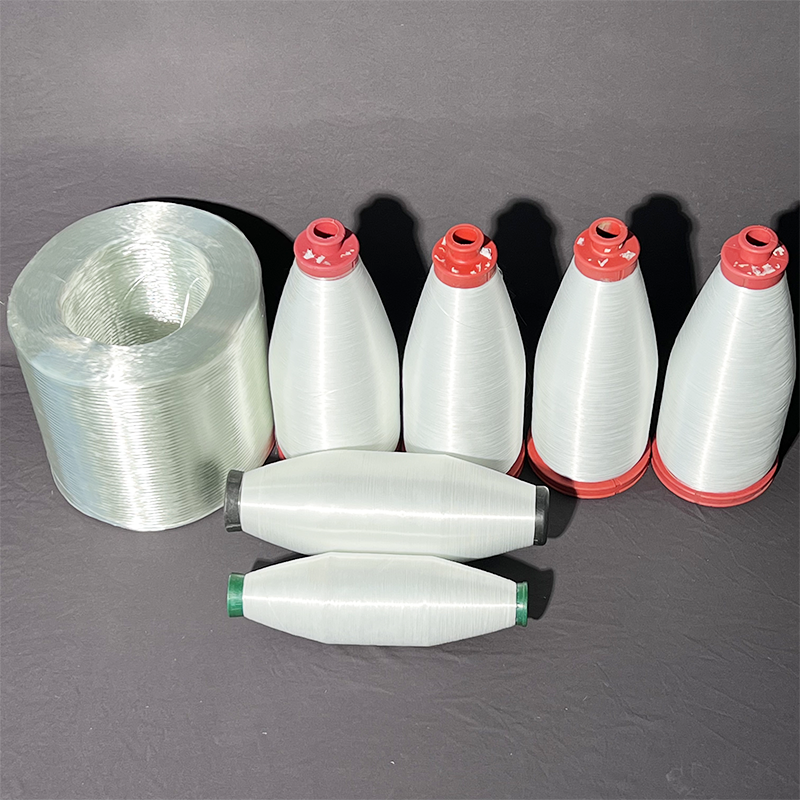
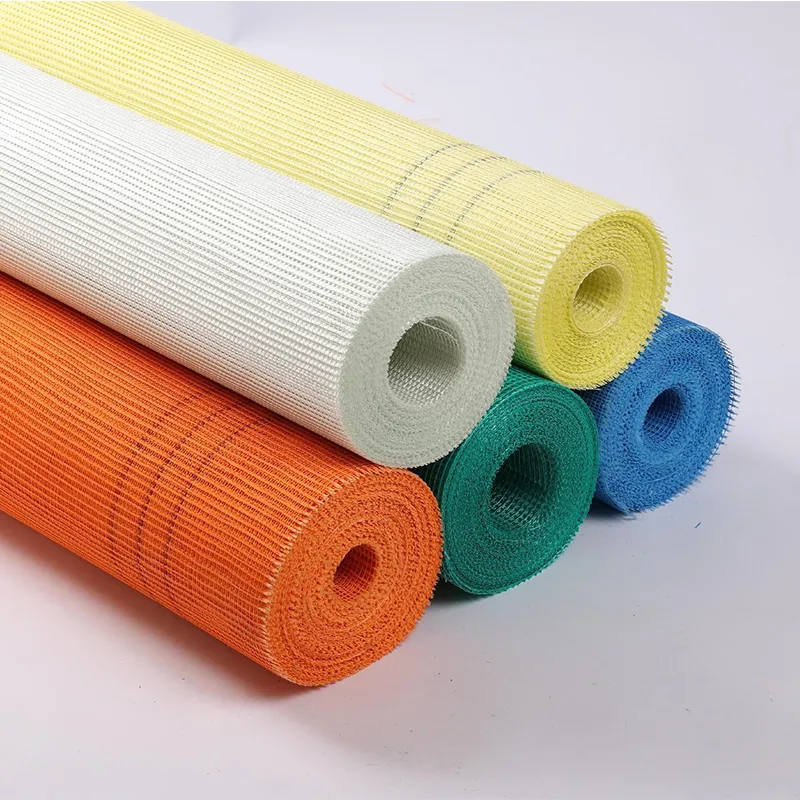
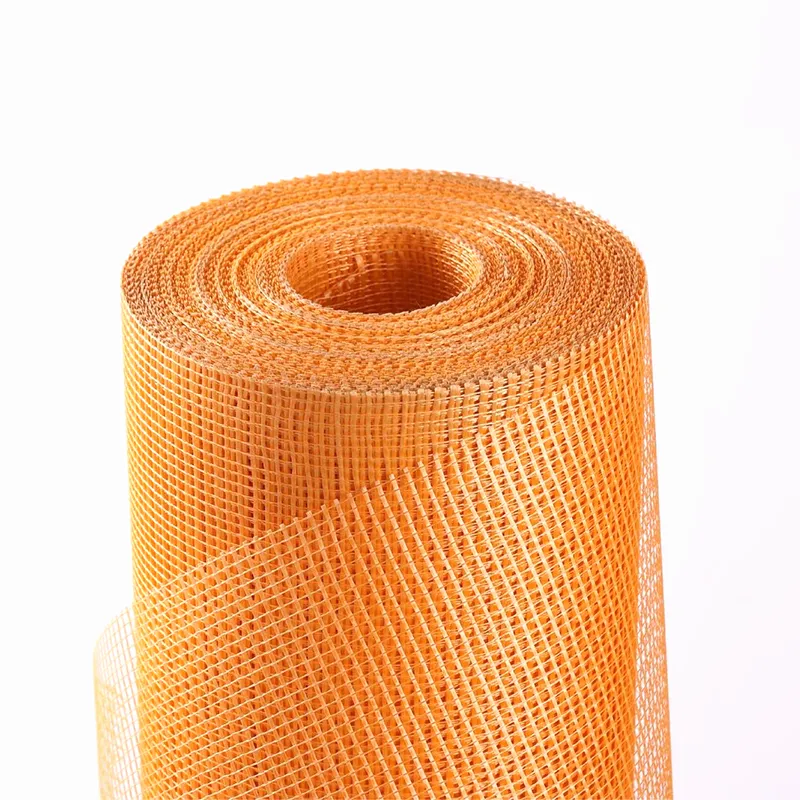
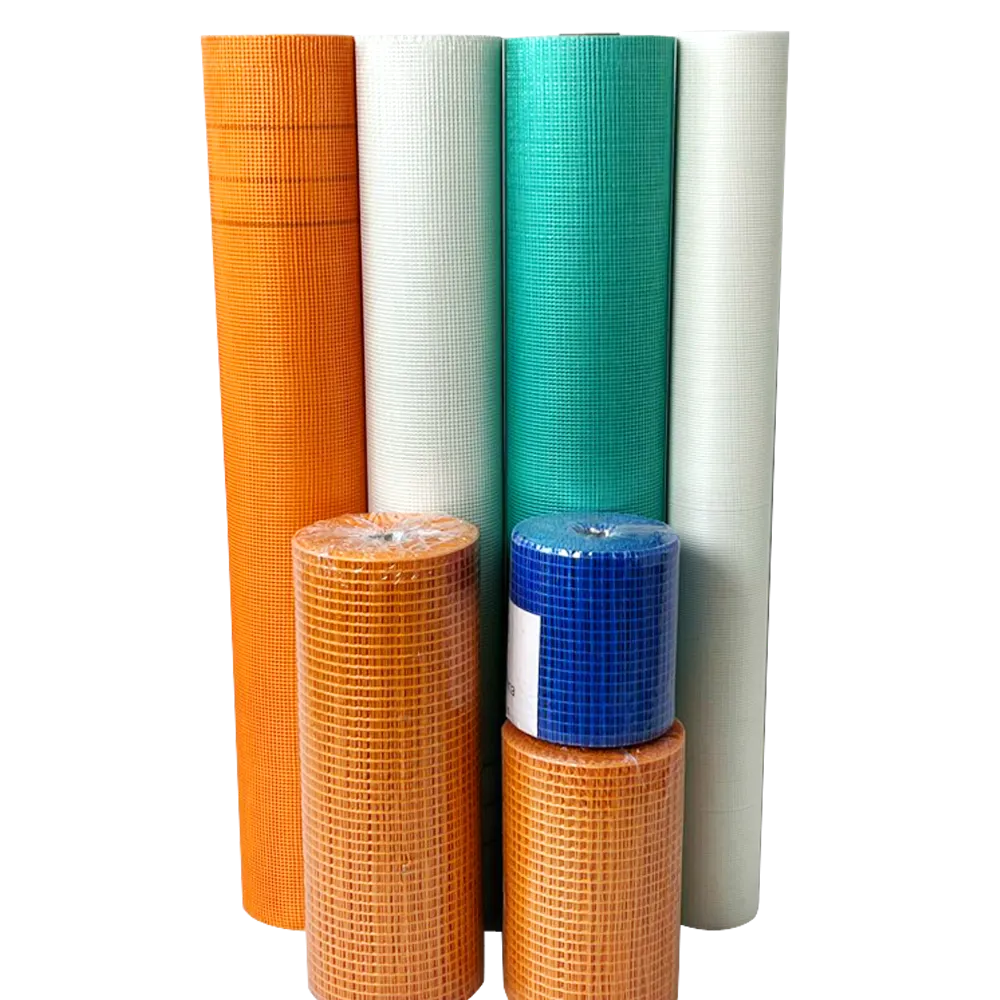
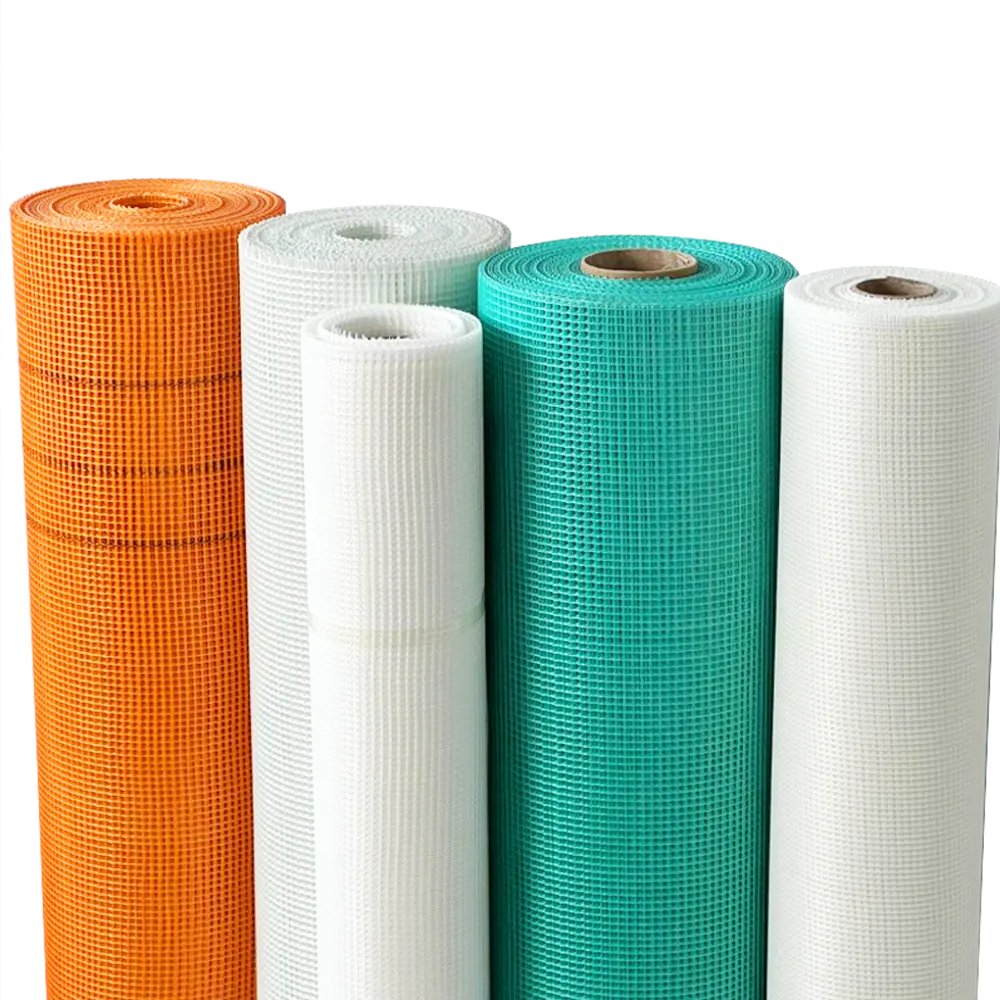
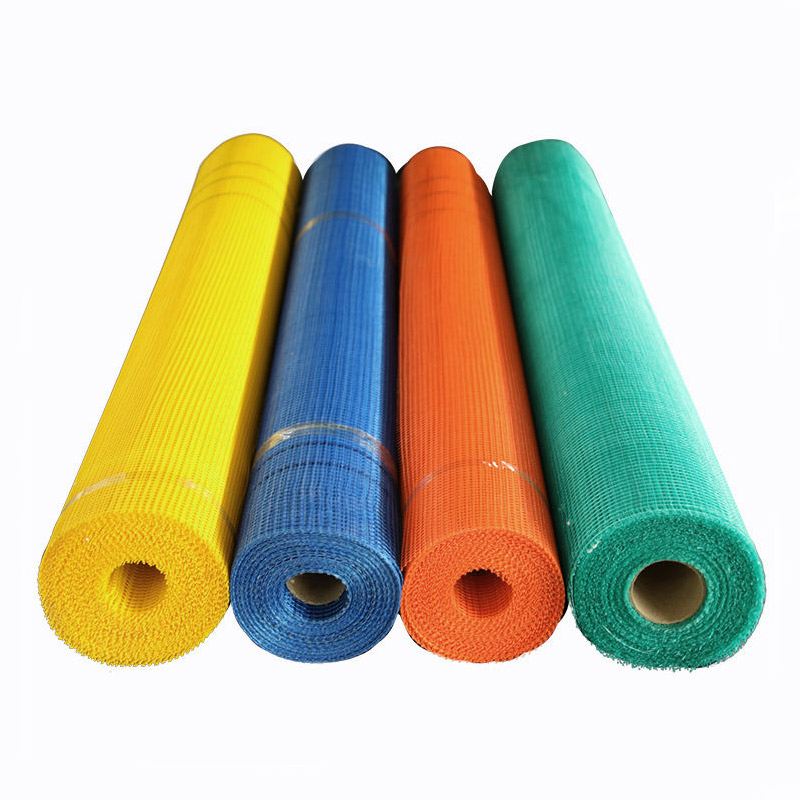
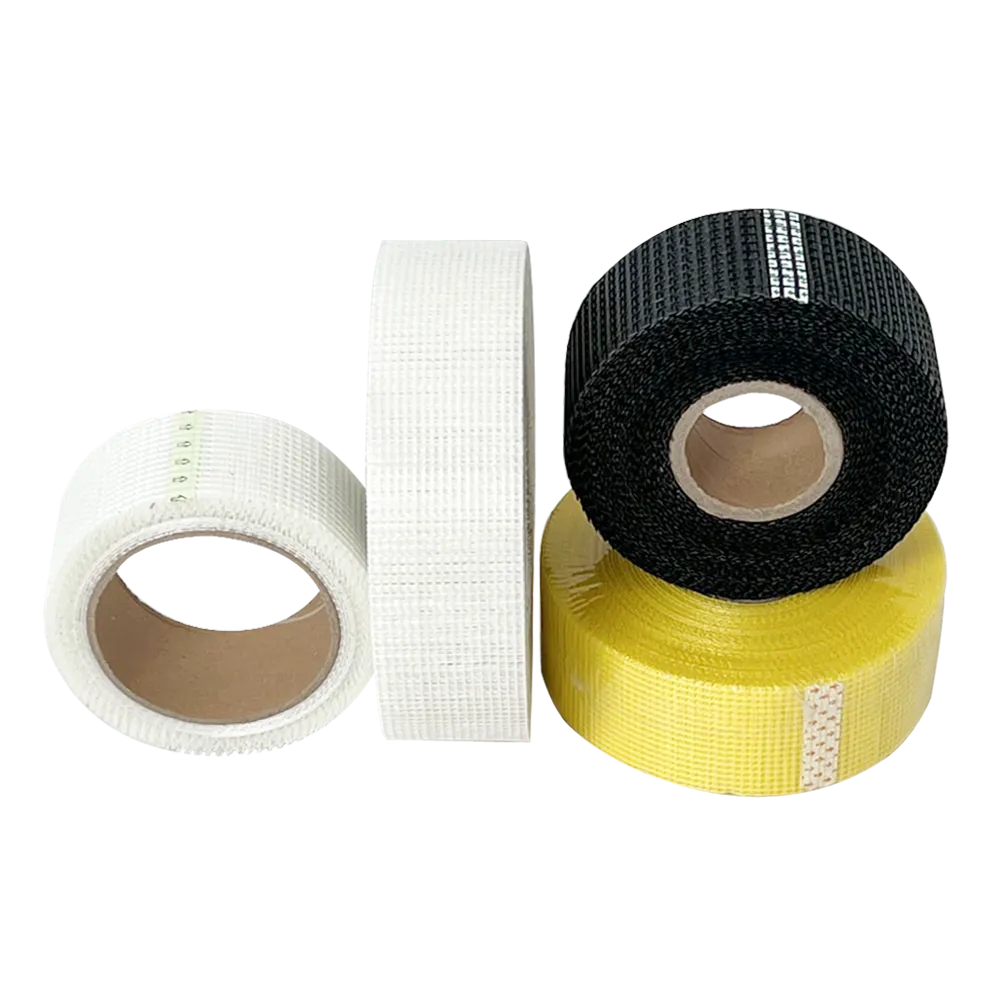
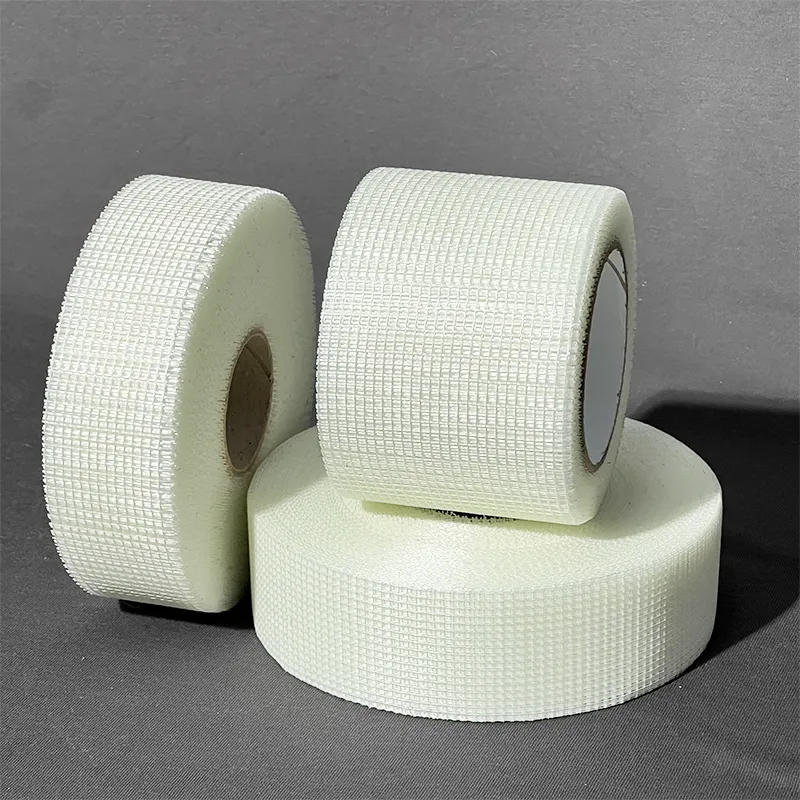
Simply put, the fiberglass joint tape pricelist is a catalog or listing of prices for various fiberglass mesh tapes used to reinforce joints in plasterboard, concrete, and other structural materials. This tape is woven from fiberglass fibers, making it lightweight yet incredibly strong and resistant to cracking. The pricelist encapsulates different widths, densities, and adhesive types, giving buyers an overview of market options.
In the big picture, these tapes help buildings withstand environmental stress – from climatic shifts to seismic tremors – and support humanitarian efforts worldwide, where rapid construction of shelters often relies on materials that offer strength without weight.
Key Factors Influencing Fiberglass Joint Tape Pricelist
- Durability and Tensile Strength: The longer the tape lasts without tearing under stress, the higher the manufacturing cost tends to be.
- Width and Mesh Density: Wider tapes and tighter weaves usually require more fiberglass material, impacting their price.
- Adhesive Quality: Some tapes come pre-coated for easier application, adding to the cost but boosting labor efficiency.
- Certification Standards: Compliance with international standards like ASTM or ISO often leads to a price premium but guarantees product reliability.
- Packaging and Distribution: Bulk purchasing versus retail units affect pricing structures - distributors might add margins or discounts depending on volume.
These aspects all feed into the pricelist, defining what buyers receive for their investment, and frankly, understanding these distinctions can save headaches in project implementation.
Fiberglass Joint Tape Specifications
| Specification | Details |
|---|---|
| Material | 100% Fiberglass Yarn |
| Common Widths | 48mm, 72mm, 100mm |
| Thickness | 0.13mm - 0.25mm |
| Adhesive | Acrylic or Latex-based (pre-coated options) |
| Tensile Strength | ≥ 300N/5cm |
| Flame Resistance | Class A Fire Rating (usually) |
Global Applications and Use Cases
Fiberglass joint tapes are everywhere—honestly, I noticed them on almost every modern construction site I visited in North America and Asia. But beyond their common usage in drywall finishing, their applications stretch to:
- Post-disaster reconstruction: In places like Nepal and Haiti, where building quick, reliable shelters is vital, fiberglass joint tape stabilizes joints against aftershocks.
- Industrial insulation: Chemical plants in Europe use reinforced mesh for thermal insulation panels, relying on the tape’s resistance to chemicals and heat.
- Marine and aerospace sectors: Fiberglass tapes keep composite materials bonded under extreme conditions.
- Infrastructure rehabilitation: Bridges and tunnels benefit from the crack-prevention properties when restorations use fiberglass mesh tape combined with cementitious compounds.
- DIY and home renovation markets: Increasingly popular for critical drywall joints, especially in regions with humidity issues thanks to mold resistance.
Regions benefiting the most appear to be those balancing rapid urban growth with sustainability goals—namely Southeast Asia, the Middle East, and Western Europe.
Vendor Comparison: Leading Fiberglass Joint Tape Suppliers
| Vendor | Price Range (USD/meter) | Certifications | Main Markets | USP |
|---|---|---|---|---|
| Tainuo Fiberglass | $0.20 - $0.35 | ISO 9001, ASTM | Asia, Europe | Competitive pricing, strong quality control |
| FiberglassPro Ltd. | $0.30 - $0.50 | ISO 14001, CE Mark | North America, Europe | Eco-friendly options, batch traceability |
| GlobalMesh Inc. | $0.25 - $0.45 | ASTM D5034, RoHS | Worldwide | Wide product variety, advanced adhesive tapes |
Advantages and the Long-Term Value of Fiberglass Joint Tape
From a practical perspective, fiberglass joint tape ensures safer, more resilient buildings. It’s mold-resistant, flame-retardant, and adds a layer of crack prevention that's invaluable over the years. Emotionally, the trust people place in their shelters, infrastructure, and public buildings comes down to these “hidden” materials.
Long-term cost savings occur by reducing repair frequency and maintaining integrity in harsh conditions. Socially, its use in housing projects gives vulnerable populations safer homes—a small material do-gooder, so to speak.
Looking Ahead: Trends and Innovations
Fiberglass joint tape is evolving. Manufacturers are experimenting with bio-based resins to make tapes more sustainable. Digital printing on mesh for better inventory tracking is emerging, too, alongside automation in production to improve consistency. Also, regulations demanding lower VOC emissions favor improved adhesive chemistries.
Challenges and Solutions
Supply chain disruptions can inflate prices unpredictably—a real headache for buyers watching the fiberglass joint tape pricelist.
Additionally, improper installation undermines tape performance. Investing in installer training and clear guidelines solves most issues effectively.
FAQ: Frequently Asked Questions About Fiberglass Joint Tape Pricelist
- Q: What factors influence the pricing of fiberglass joint tape?
- A: Pricing depends on tape width, mesh density, adhesive type, certifications, and order volume. Higher quality materials and certifications increase costs but ensure performance consistency.
- Q: How can I find affordable yet reliable fiberglass joint tape options?
- A: Consider suppliers with verified certifications and volume discounts. Checking the fiberglass joint tape pricelist can reveal competitive choices without compromising quality.
- Q: Is pre-coated adhesive tape more cost-effective in the long run?
- A: While pre-coated tape might cost more upfront, it speeds up installation and reduces labor errors, potentially lowering overall costs.
- Q: Can fiberglass joint tape be used outdoors?
- A: Yes, tapes designed with UV resistance and weatherproof adhesives are suitable for exterior use, particularly in facade reinforcement.
Conclusion & Call to Action
Understanding the fiberglass joint tape pricelist unlocks a clearer view on building smarter, safer, and more economically. Whether you’re a contractor, procurement specialist, or engineer, knowing the specs and market trends helps you make confident purchases that last. For the most up-to-date pricing and product info, I suggest you visit our fiberglass joint tape pricelist page — it’s a real resource.
In the ever-changing landscape of construction materials, fiberglass joint tape quietly holds things together—quite literally—and that counts for a lot.
Mini takeaway: The right fiberglass joint tape is more than a cost line item; it’s foundational to project success across industries worldwide.
Brief References
-
High Strength Self Adhesive Fibreglass Mesh Tape for ConstructionNewsJul.01,2026
-
High Quality Adhesive Fibreglass Mesh for Modern ConstructionNewsJun.29,2026
-
Professional Guide to High Strength Glass Fiber Joint TapeNewsJun.27,2026
-
Professional Fibreglass Tape for Plasterboard Joint Repair GuideNewsJun.26,2026
-
Professional Guide to Seamless Walls using fiberglass drywall tapeNewsJun.25,2026
-
How to Choose the Best Plaster Net Companies for Your ProjectNewsJun.23,2026