Dec . 02, 2025 16:28 Back to list
The Essential Guide to a Black Fibreglass Mesh Company: Applications, Benefits & Trends
Why a Black Fibreglass Mesh Company Matters Globally
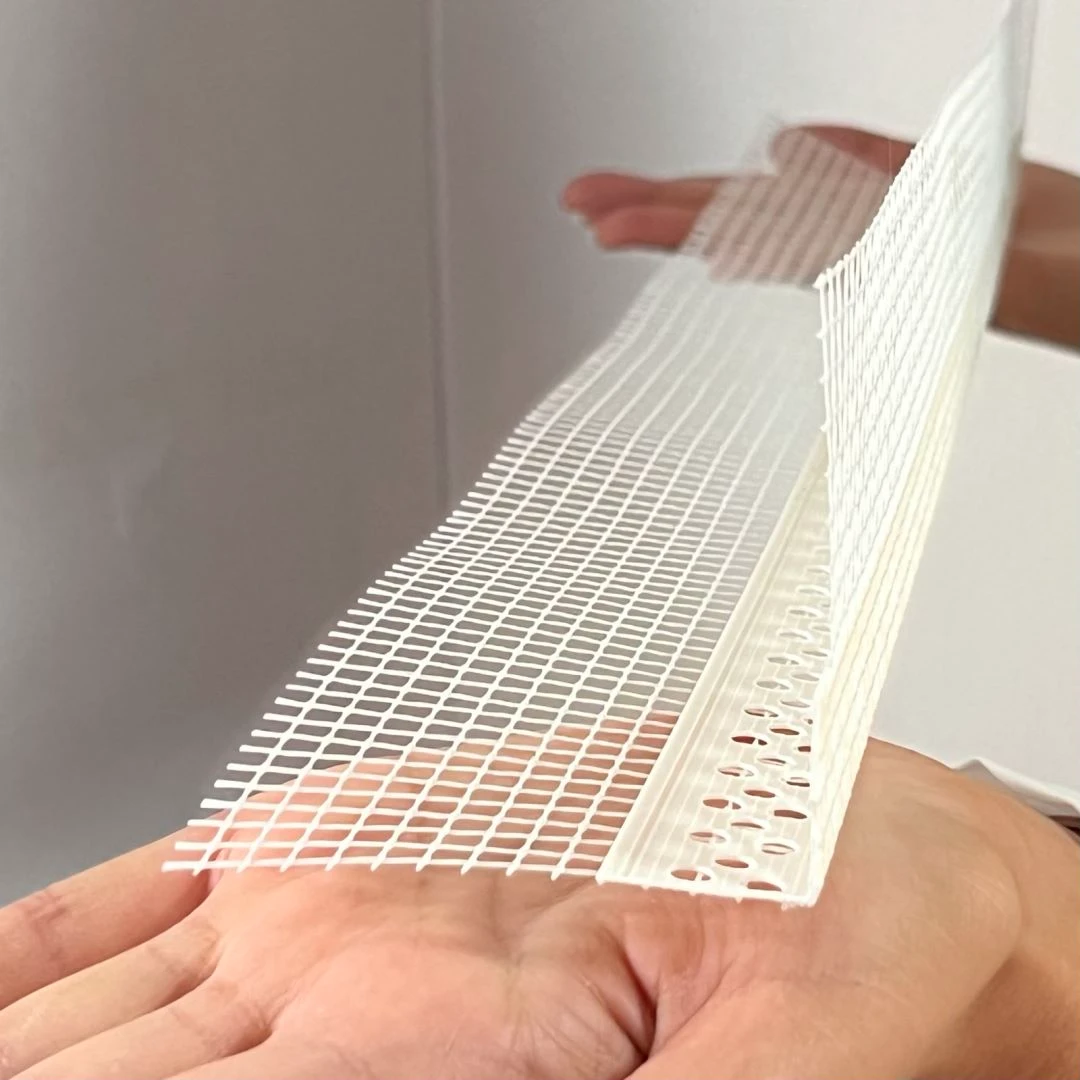
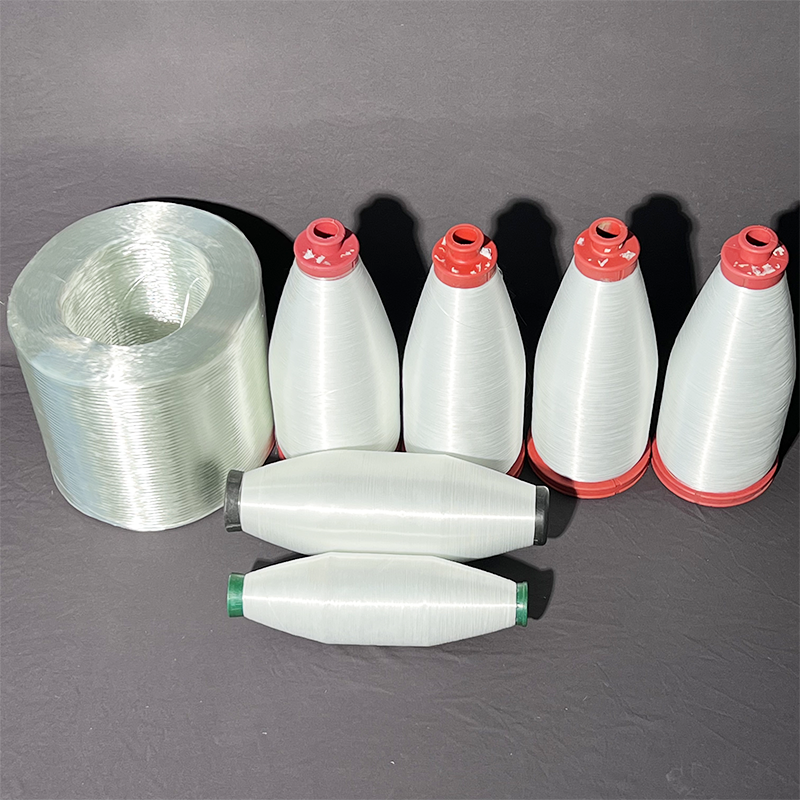
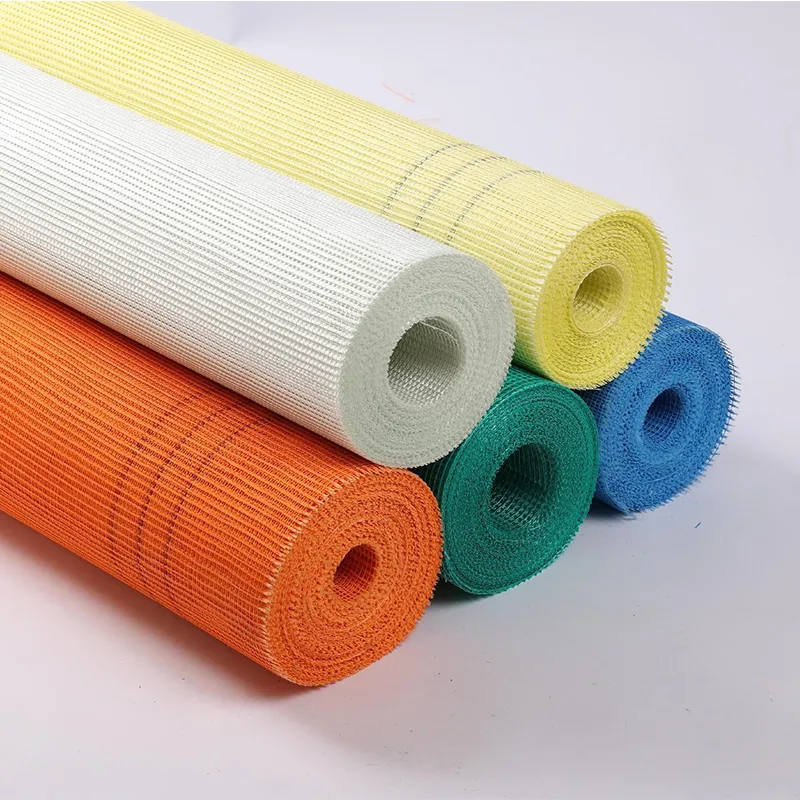
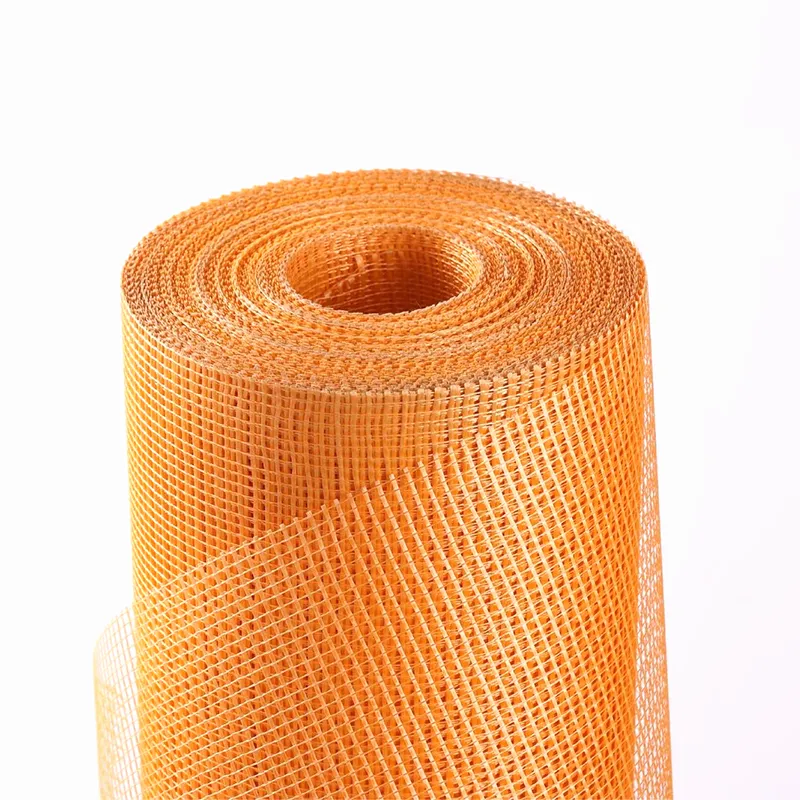
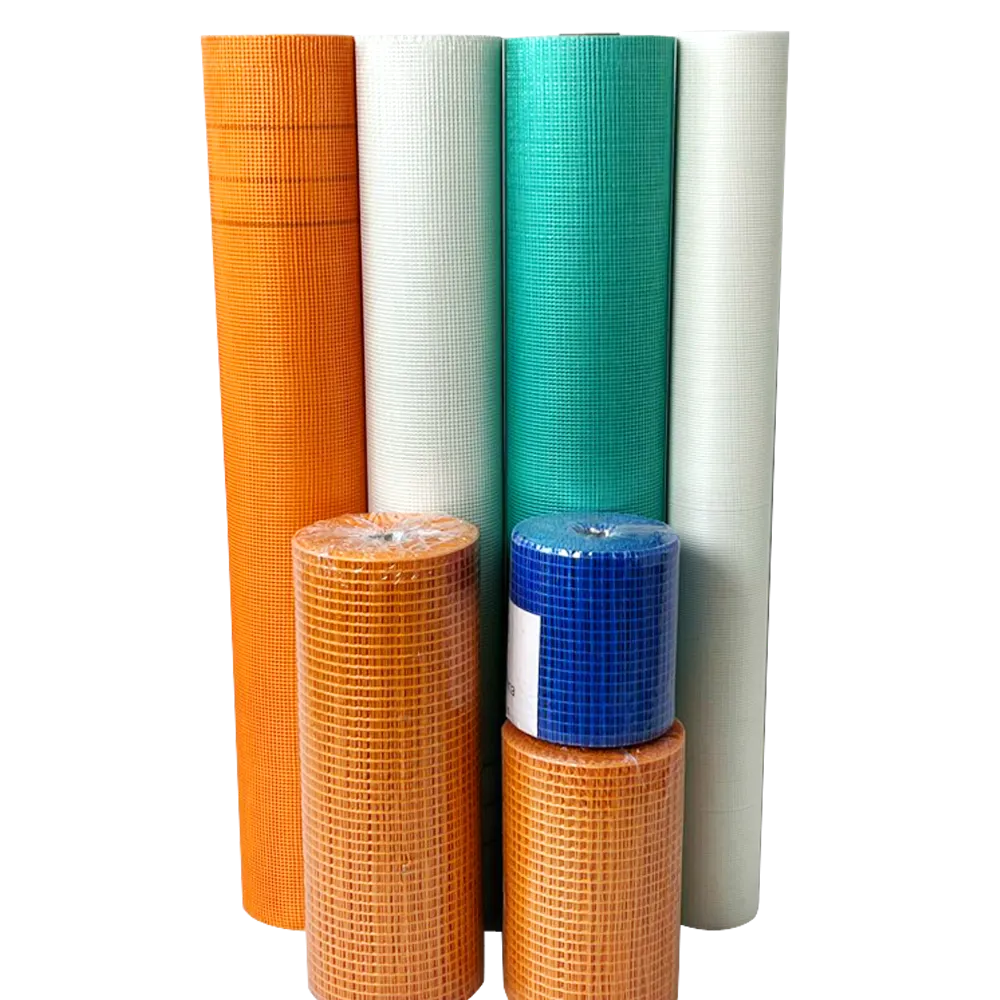
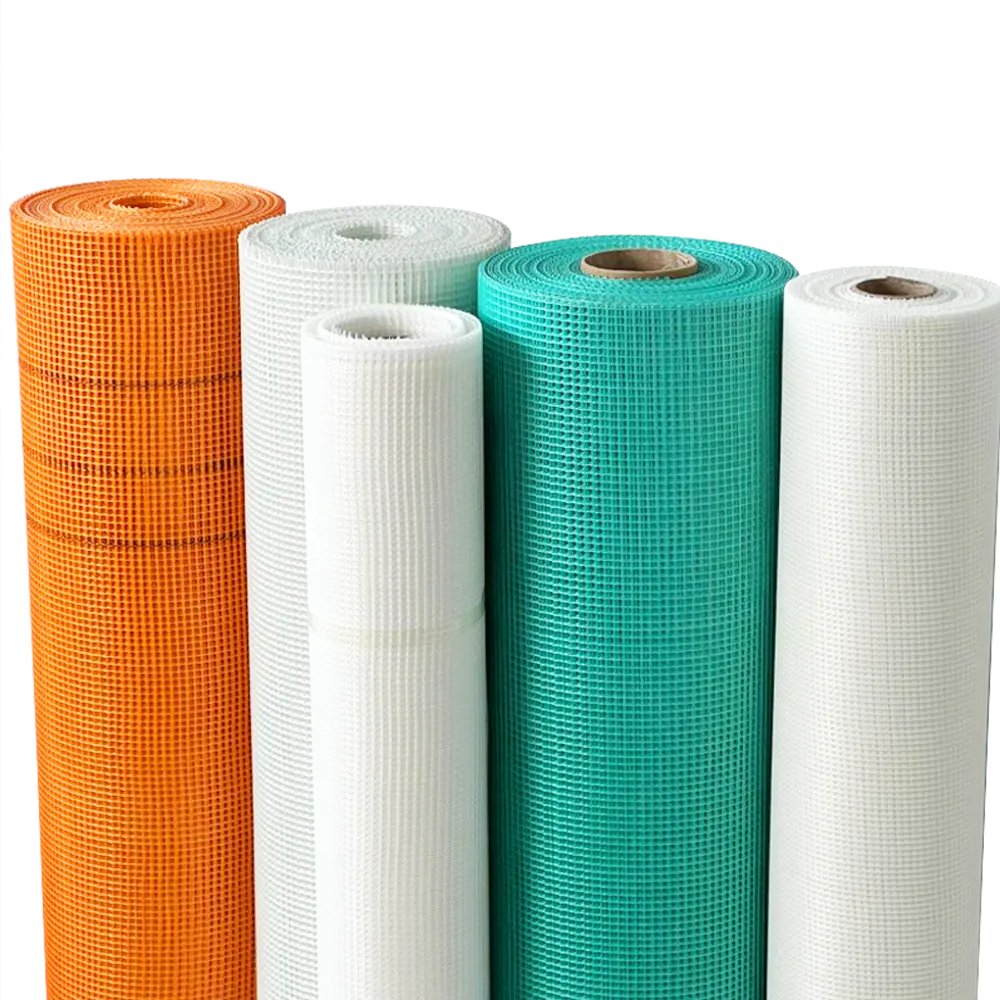
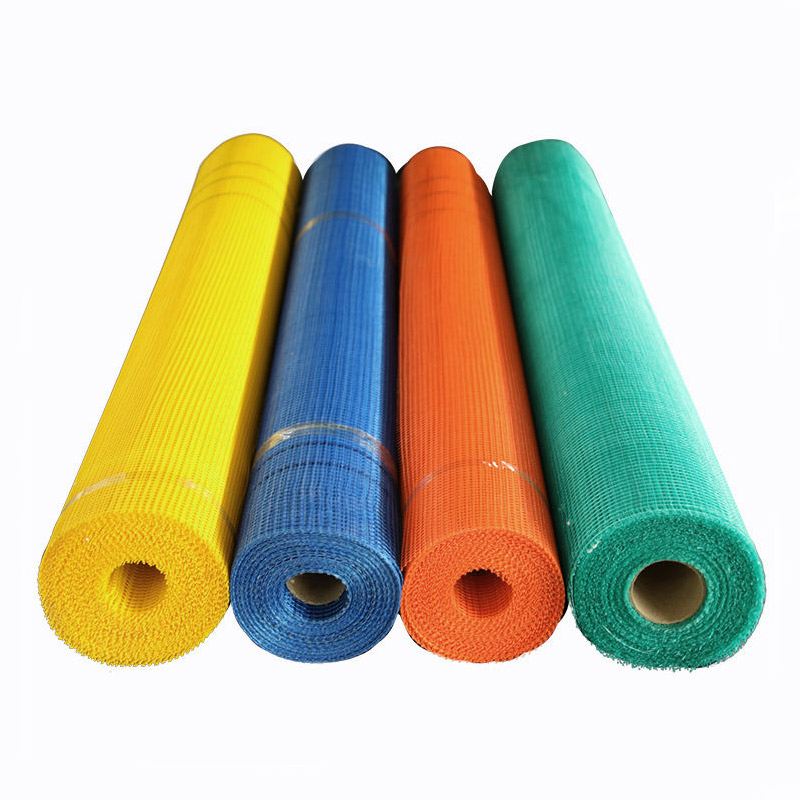
At first glance, you might think, “Why focus on a black fibreglass mesh company?” But this topic touches many industries worldwide—from construction and infrastructure reinforcement to disaster relief and energy-efficient building materials. Fibreglass mesh is a woven network of fine glass fibers, often coated to enhance performance. When manufactured and distributed by a dedicated company specializing in black fibreglass mesh, it becomes more than a product—it’s a solution addressing durability, sustainability, and safety standards globally.
Why does this matter? Globally, the construction sector is responsible for nearly 40% of CO2 emissions according to the UN Environment Programme. Fibreglass mesh, especially in its black variety engineered for enhanced UV resistance, helps reduce material degradation, extending the lifespan of buildings and reducing waste. So understanding the role and capabilities of a black fibreglass mesh company is both timely and increasingly important.
Introduction: The Growing Global Demand for Black Fibreglass Mesh
The industrial and construction sectors have witnessed an upsurge in the use of reinforcement materials that are lightweight, strong, and weather-resistant. The black fibreglass mesh company offers products designed to solve challenges such as cracking, corrosion, and energy inefficiency. This is noteworthy particularly in regions like Europe and Asia, where building codes increasingly require sustainable reinforcement solutions.
To put some numbers on it, the global fiberglass market size hit over $16 billion in 2023, with reinforcements like mesh constituting a growing share. Yet many builders and engineers face dilemmas balancing cost, durability, and environmental impact. This is where companies specializing in black fibreglass mesh shine—they offer tailored solutions to these pressing issues.
What Exactly Is a Black Fibreglass Mesh Company?
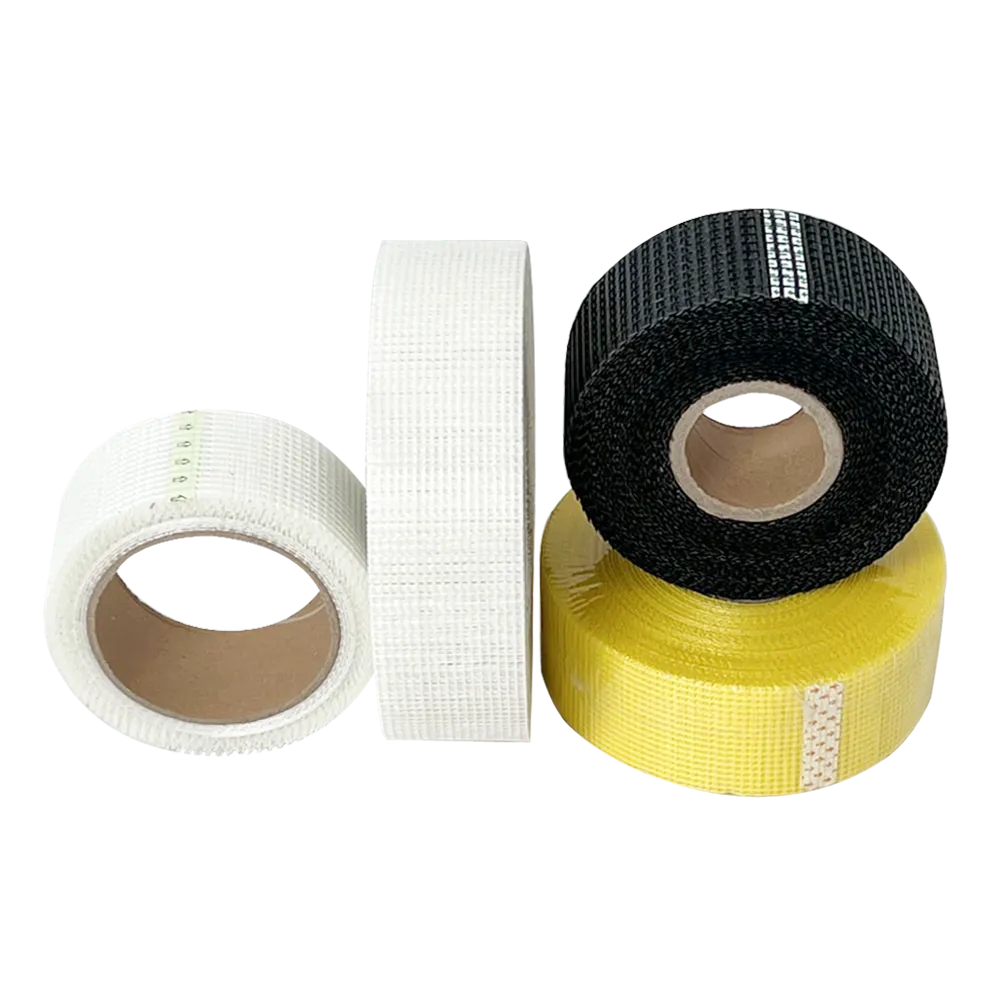
Simply put, a black fibreglass mesh company manufactures and supplies high-strength woven fiberglass grids coated or tinted black to optimize certain technical factors. The dark color isn’t just aesthetic; it typically indicates additional UV inhibitors and protective coatings that improve lifespan under sunlight exposure.
Such companies bridge modern material science with on-the-ground needs—whether that’s reinforcing concrete surfaces, improving stucco application, or helping with thermal insulation systems. In humanitarian contexts especially, these meshes provide durable, lightweight reinforcements in rapidly deployed housing or infrastructure repairs.
Core Components & Key Factors
Durability
Fibreglass inherently resists corrosion and doesn’t warp, rust, or rot—making it far superior to traditional steel meshes in harsh weather. Black coatings add a layer of UV protection, extending its practical lifespan in outdoor applications by decades.
Material Strength and Flexibility
The mesh is engineered to balance tensile strength with flexible weave patterns to allow easy installation without cracking plaster or mortar.
Cost Efficiency
Though fibreglass mesh might edge higher up front than metal alternatives, its longevity often translates into lower maintenance costs, making it a smarter investment over time.
Thermal & Moisture Resistance
Black fibreglass mesh naturally enhances insulation when incorporated with exterior insulation finishing systems (EIFS), helping address energy efficiency—an essential factor given rising global energy demands.
Environmental Impact
It’s lightweight, inert, and recyclable—qualities that align with the circular economy principles emphasizing sustainable building practices.
Product Specification Snapshot
| Specification | Details |
|---|---|
| Fiber Thickness | 13 microns average diameter |
| Mesh Size | 4 mm x 4 mm grid |
| Tensile Strength | >650 MPa |
| UV Resistant Coating | Special polymer blend |
| Roll Dimensions | 1 m width x 50 m length |
| Weight per Roll | 8 kg approx. |
Global Applications & Real-World Use Cases
Black fibreglass mesh companies serve multiple industries worldwide. For example:
- Construction: Used extensively for reinforcing walls, stucco, and EIFS systems to prevent cracks caused by temperature fluctuations and settling.
- Post-Disaster Relief: NGOs in disaster zones use lightweight fibreglass mesh for rapid housing repairs, thanks to its long-lasting strength and ease of shipment.
- Industrial Zones: Factories needing corrosion-resistant reinforcements in humid or chemical-rich environments find black fibreglass mesh invaluable.
- Infrastructure Projects: Bridges, tunnels, and roads increasingly integrate these meshes to enhance tensile strength and crack resistance in concrete overlays.
For instance, the Mediterranean region’s heavy sun exposure has driven demand for UV resistant meshes, while colder northern Europe often opts for fibreglass’s non-corrosive features.
Vendor Comparison: Leading Black Fibreglass Mesh Companies
| Vendor | UV Resistance | Roll Size (m) | Price Range (USD) | Sustainability Certifications |
|---|---|---|---|---|
| Tainuo Fiberglass | Excellent (Polymer coated) | 1 x 50 | $$ | ISO 14001 |
| Fibernet Solutions | Good (Standard coating) | 1.2 x 40 | $ | None |
| Global Mesh Corp | Very Good (Enhanced UV inhibitor) | 1 x 60 | $$$ | LEED Compatibility |
What Are the Advantages & Long-Term Benefits?
Choosing a black fibreglass mesh company isn’t just about specs; it’s about trust in a solution that pays off over time. Consider:
- Cost Savings: Less frequent repairs and replacements lower lifecycle costs.
- Sustainability: Reduced waste and alignment with green building goals.
- Safety & Aesthetic Stability: Preventing cracks preserves structural integrity and visual appeal.
- Innovation & Reliability: Using modern materials with proven lab testing.
- Social Impact: Supporting manufacturers committed to eco-certifications promotes ethical supply chains.
Future Trends You Should Watch
Advances in nanotechnology and polymer science are pushing fibreglass mesh coatings towards even greater UV resistance, self-cleaning properties, and quicker installation capabilities. Oddly enough, you’ll also see more integration with digital tools tracking mesh integrity in real-time on large projects.
Plus, with rising emphasis on renewable energy and climate resilience, companies like black fibreglass mesh company are exploring meshes that contribute to passive cooling or thermal regulation in buildings, which promises exciting potential.
Challenges and Smart Solutions
No material is perfect, right? Some common issues with fibreglass mesh products include installation sensitivity (risk of mesh folding or improper embedding) and initial cost concerns. The key is expert training in installation and partnering with companies that offer technical support.
Additionally, innovation around recyclable resin coatings is underway to address disposal or circular use after decades of service life. Frankly, the black fibreglass mesh sector is actively improving these bottlenecks.
Frequently Asked Questions About Black Fibreglass Mesh Companies
Q1: How does black fibreglass mesh compare to traditional steel mesh for construction?
Black fibreglass mesh resists corrosion, offers better UV protection, and weighs less, which makes it easier to handle and install. While steel mesh is stronger in tension, fibreglass prevents rust-related failures, especially in damp or coastal environments, extending structural life.
Q2: Is black fibreglass mesh environmentally friendly?
Yes, it is more sustainable than many alternatives. Fibreglass mesh is inert, produces less construction waste due to durability, and many manufacturers comply with ISO 14001 environmental standards, actively reducing their carbon footprint.
Q3: Can fibreglass mesh be used for thermal insulation?
Absolutely. When combined with EIFS or plaster systems, black fibreglass mesh contributes to insulation effectiveness by preventing cracking and supporting the outer layers, helping maintain consistent thermal properties.
Q4: How do I ensure quality when choosing a black fibreglass mesh supplier?
Look for certifications like ISO 9001, ISO 14001, and references from past large-scale projects. Also, consider vendors offering technical support and customization to suit your specific climate or building needs.
Conclusion & Call to Action
Embracing a black fibreglass mesh company offers long-term benefits that ripple through cost savings, environmental responsibility, and enhanced structural safety. If you want to dig deeper or explore custom solutions for your projects, I suggest you visit https://www.tainuofiberglassmesh.com for detailed information and expert advice.
Takeaway: The evolution of black fibreglass mesh companies underscores a broader shift towards smarter, greener, and safer building materials worldwide.
-
High Strength Self Adhesive Fibreglass Mesh Tape for ConstructionNewsJul.01,2026
-
High Quality Adhesive Fibreglass Mesh for Modern ConstructionNewsJun.29,2026
-
Professional Guide to High Strength Glass Fiber Joint TapeNewsJun.27,2026
-
Professional Fibreglass Tape for Plasterboard Joint Repair GuideNewsJun.26,2026
-
Professional Guide to Seamless Walls using fiberglass drywall tapeNewsJun.25,2026
-
How to Choose the Best Plaster Net Companies for Your ProjectNewsJun.23,2026