Dec . 02, 2025 16:56 Back to list
Fiberglass Joint Tape Companies: Global Industry Insights, Benefits & Trends
Understanding Fiberglass Joint Tape Companies: Why They Matter Globally
Fiberglass joint tape might sound like a pretty niche topic, but its significance extends well beyond just drywall finishing. Globerglass joint tape companies play a crucial role in construction, infrastructure maintenance, and even humanitarian efforts. These companies manufacture a specialized tape designed to reinforce joints—commonly between drywall sheets—making walls more durable, crack-resistant, and easy to finish. You’re probably familiar with the taped drywall seams in your home, but consider this: fiberglass mesh tapes are essential in ensuring structural integrity and longevity in buildings worldwide.
In many developing and disaster-prone regions, these tapes contribute to safer, more resilient buildings. Understanding the products and the companies behind them can help investors, contractors, and development agencies make smarter sourcing decisions—especially when durability, cost-effectiveness, and scalability matter.
Introduction: The Global Relevance of Fiberglass Joint Tape Companies
According to the International Trade Centre, construction remains one of the largest global industries—accounting for roughly 13% of global GDP and employing more than 7% of the world’s workforce. Fiberglass joint tape companies fit snugly into this context as suppliers of foundational materials critical to the industry’s smooth functioning. In fact, estimates suggest that the drywall finishing materials market is expected to grow steadily over the next decade due to increased urbanization and infrastructure development, particularly in Asia-Pacific and emerging economies.
Still, challenges remain: traditional paper joint tape often suffers from mildew and lasting cracks. Fiberglass tape manufacturers solve these by offering stronger, moisture-resistant alternatives. Given increasing climate threats, such as floods and humidity fluctuations, many regions are turning to fiberglass joint tape products to extend building lifespans and reduce maintenance. Oddly enough, what seems like a simple tape actually addresses a global problem—durability under stress and time.
Defining Fiberglass Joint Tape Companies
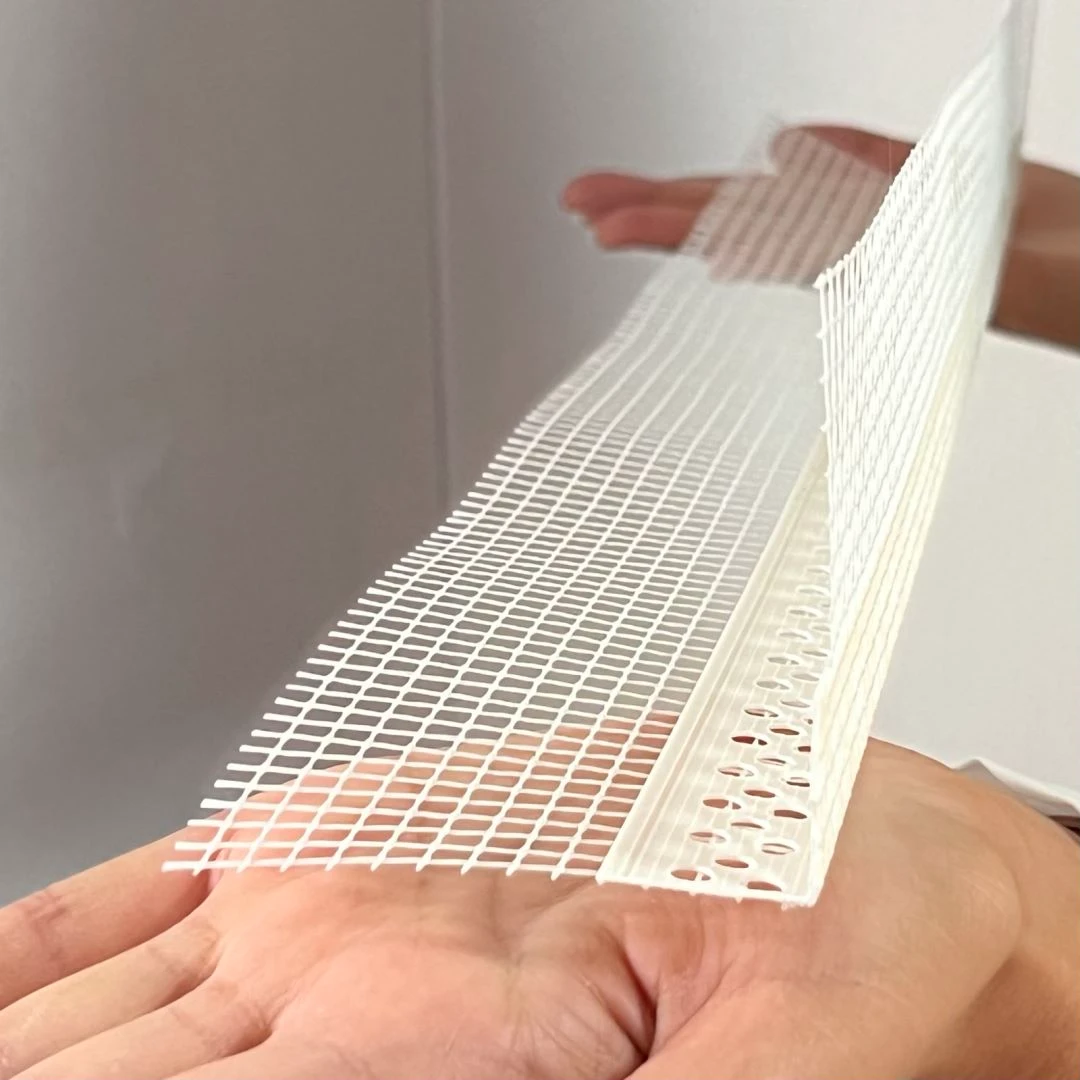
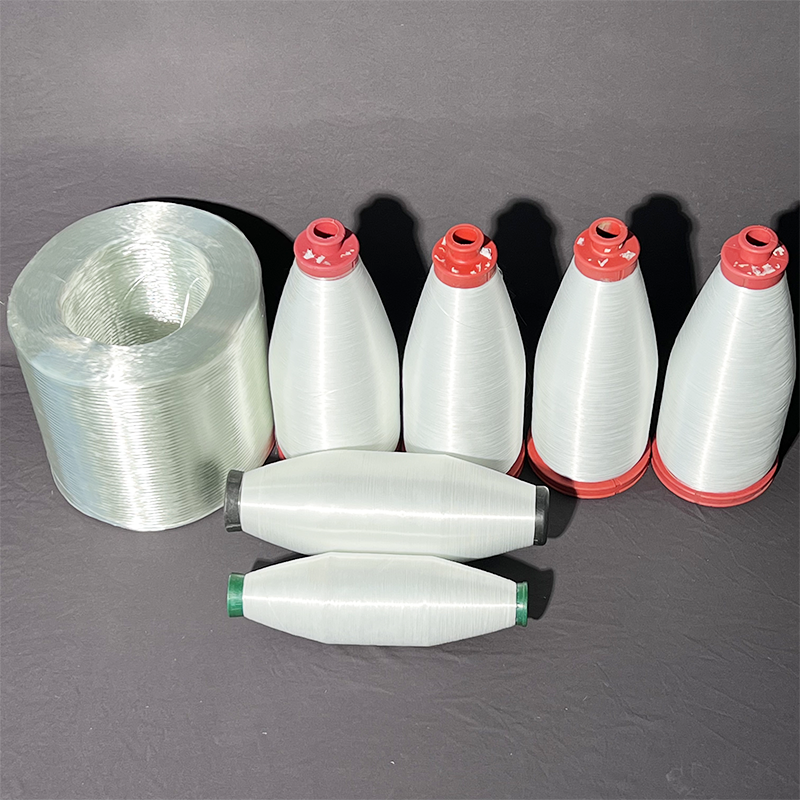
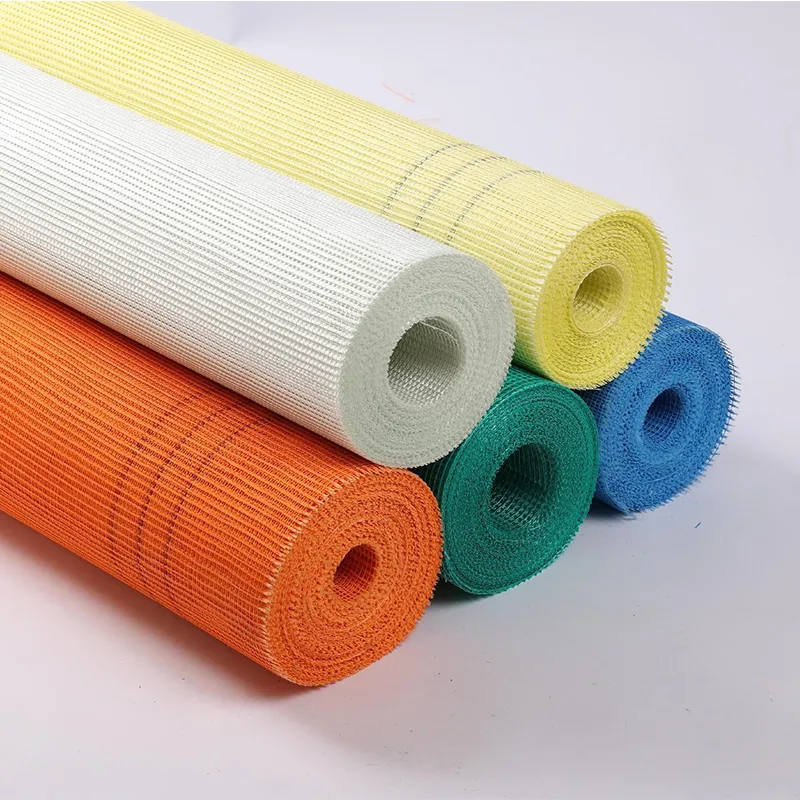
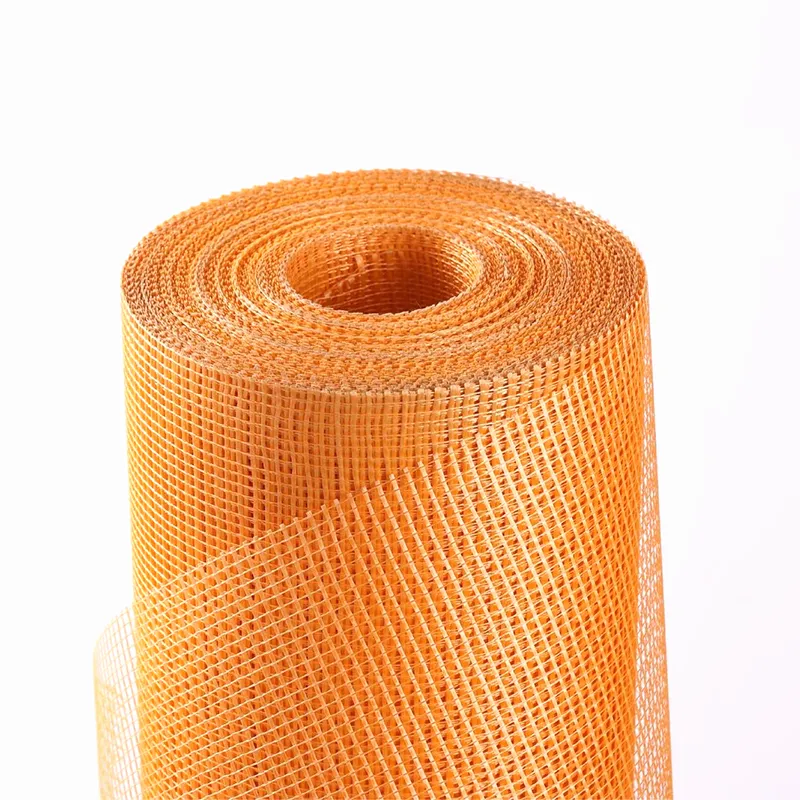
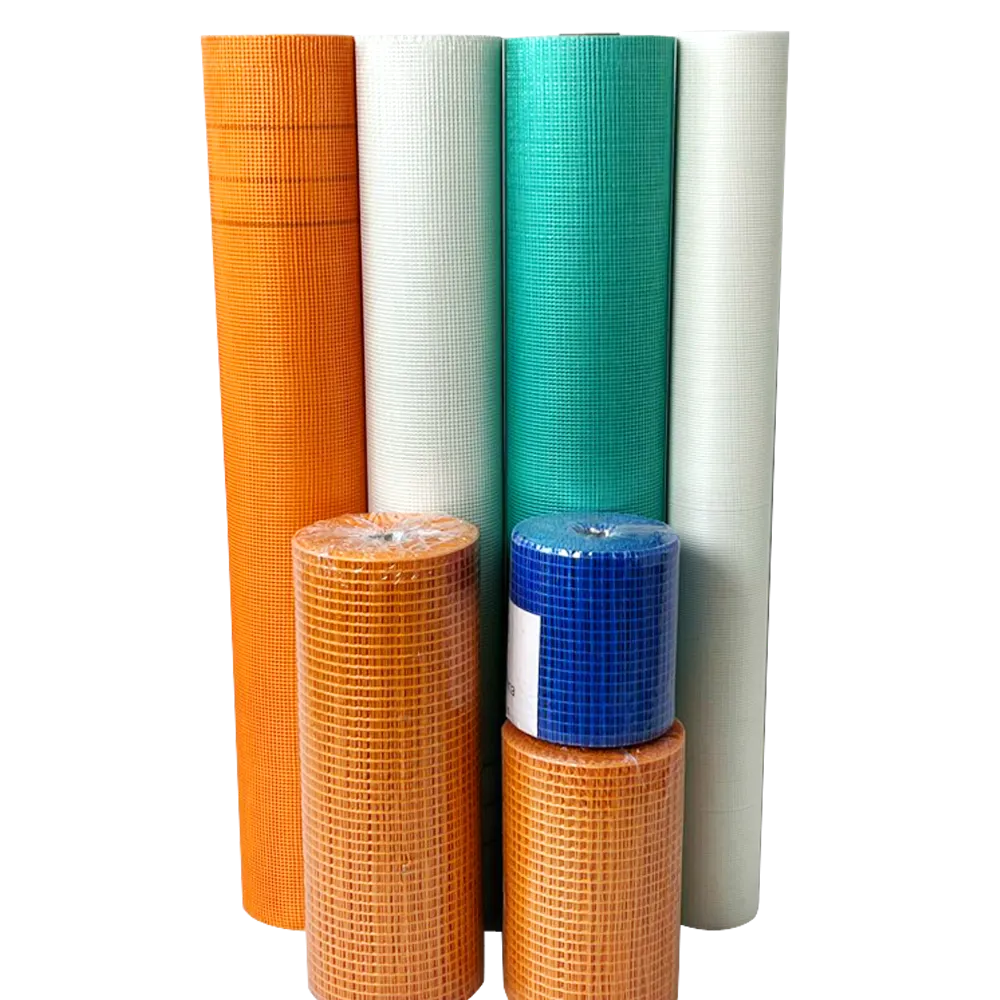
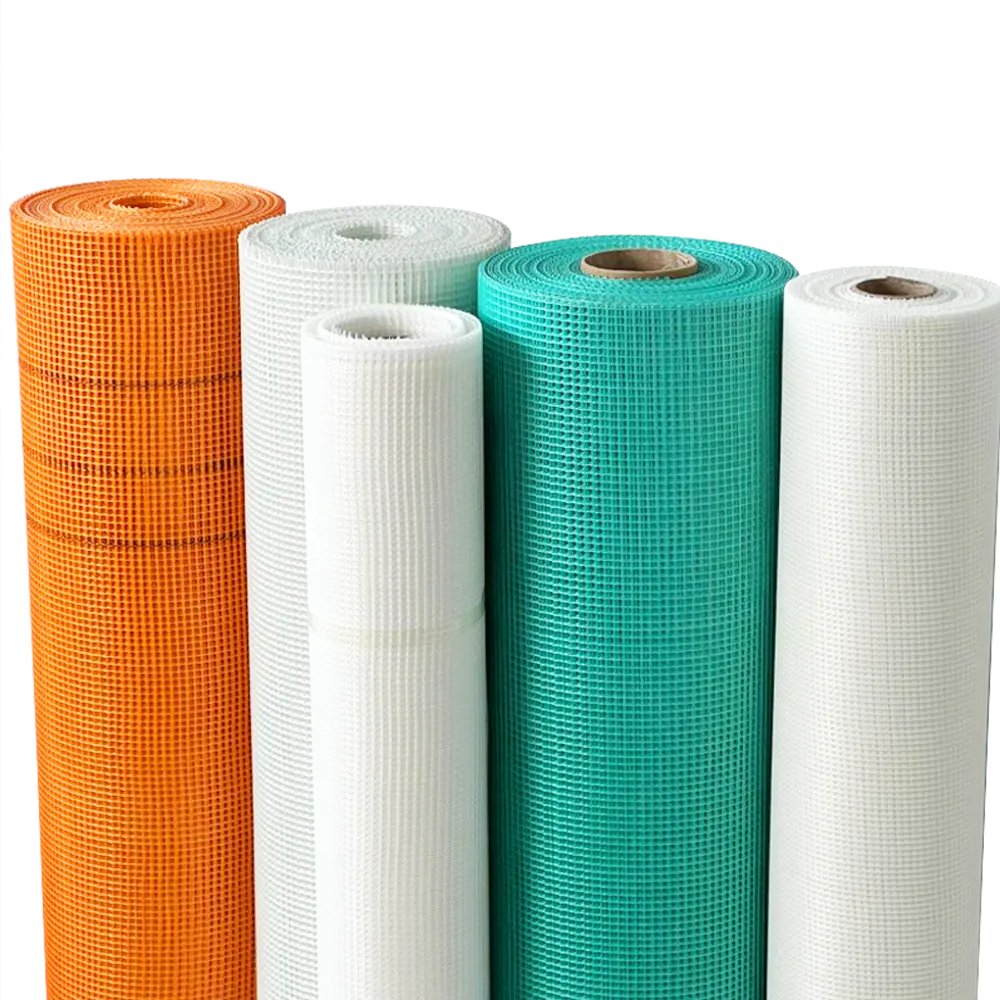
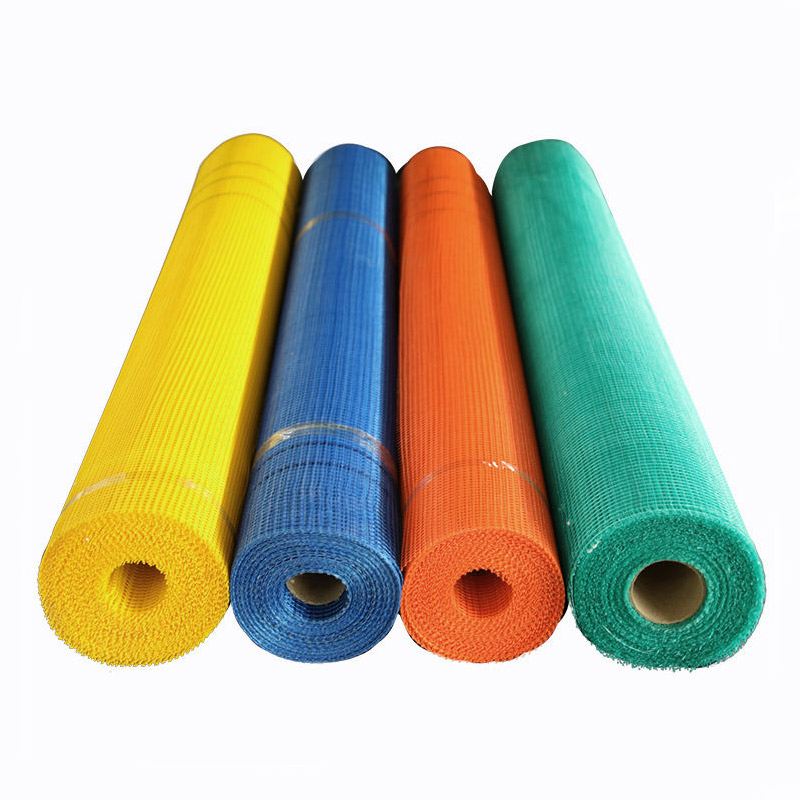
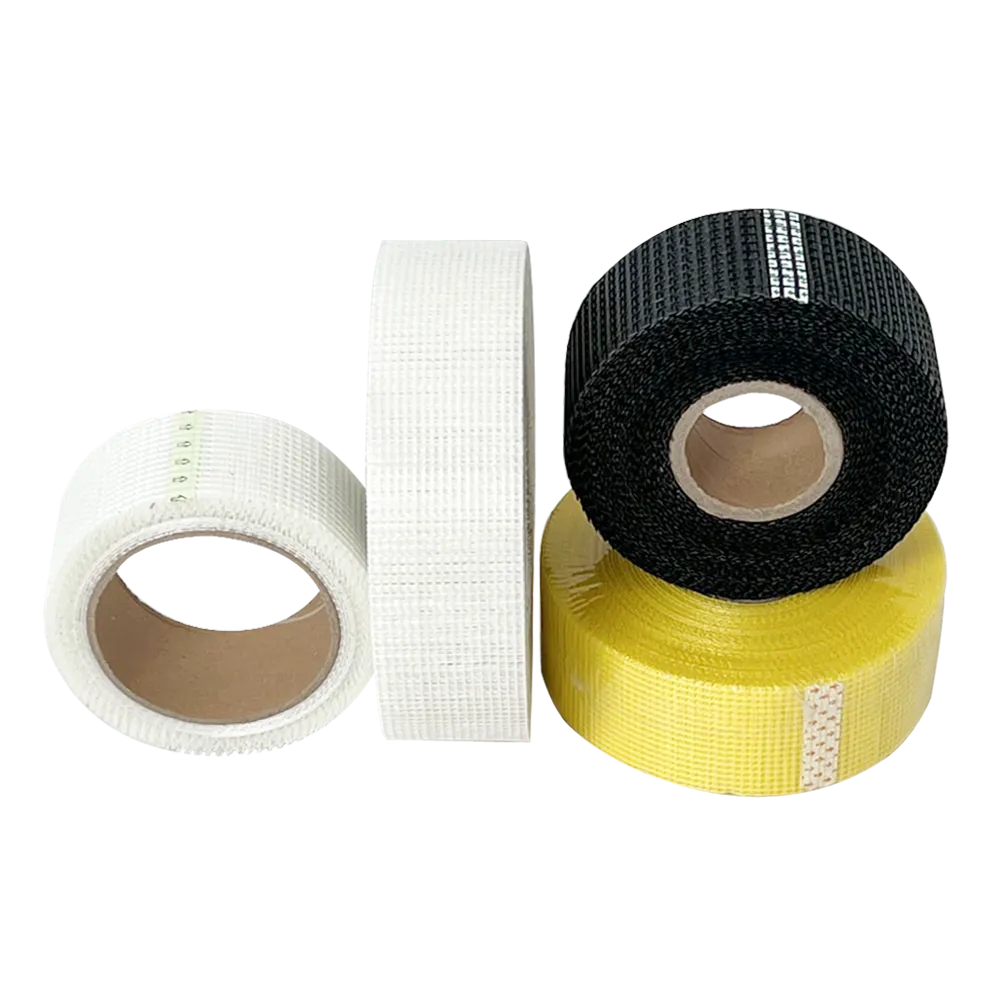
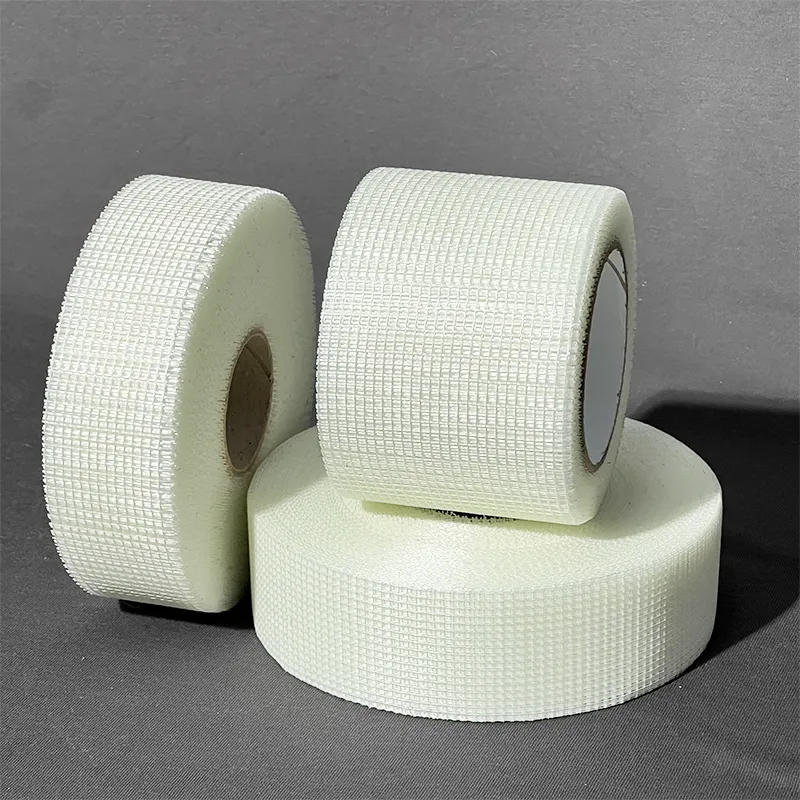
So, what exactly are fiberglass joint tape companies? They are manufacturers and suppliers specializing in producing fiberglass-based mesh tapes used primarily in construction for sealing drywall seams and other joint areas. Unlike traditional paper tapes, fiberglass joint tape is made from woven glass fibers. This gives it inherent strength, flexibility, and resistance to mold.
The tape's integration in construction isn’t merely cosmetic; it supports modern industry’s move toward faster, stronger, and more sustainable building methods. Humanitarian projects—such as temporary shelters or rapid-repair housing—also benefit. As such, these companies are key players behind the scenes, ensuring materials used in walls, ceilings, and even prefabricated homes hold up under pressure.
Key Components That Set Fiberglass Joint Tape Apart
1. Durability
Fiberglass tape resists cracking and tearing thanks to its woven glass fiber makeup. This durability is crucial in seismic zones or areas with frequent temperature changes.
2. Moisture Resistance
Unlike paper tapes, fiberglass won’t absorb water, preventing mold growth—a real boon in humid climates.
3. Ease of Use
The mesh’s self-adhesive variants simplify installation, reducing labor costs and time—especially valuable on large projects.
4. Cost Efficiency
Though slightly pricier upfront than paper tapes, it reduces maintenance and replacement expenses over time.
5. Scalability
Companies producing fiberglass joint tape often offer bulk options and customizable sizes, aiding large-scale construction or international development projects.
Product Specifications at a Glance
| Specification | Details |
|---|---|
| Material | Woven fiberglass mesh |
| Width Options | 48mm, 72mm, 100mm, customizable |
| Adhesive Types | Self-adhesive and non-adhesive variants |
| Roll Length | 45m to 50m standard |
| Mold Resistance | Yes, highly resistant |
Global Applications & Use Cases
Fiberglass joint tape companies cater to varied geographies and industries. In Asia-Pacific, where urban development is booming, these tapes support high-rise apartment constructions that need resilient drywall joints. Meanwhile, in North America and Europe, green building certifications often recommend fiberglass tapes due to their mold resistance and durability.
In post-disaster relief scenarios—like after hurricanes in the Caribbean or earthquakes in South Asia—rapid, reliable repairs are vital. Fiberglass tapes enable quick patching without compromising on strength, allowing displaced families to rebuild safer shelters faster. NGOs and construction agencies often source these tapes from specialized manufacturers who understand such logistics and quality demands.
Vendor Comparison: Leading Fiberglass Joint Tape Providers
| Vendor | Product Range | Pricing | Customization | Global Reach |
|---|---|---|---|---|
| Tainuo Fiberglass Mesh | Wide (adhesive/non-adhesive; multiple widths) | Competitive | High (custom roll lengths, mesh size) | Strong (import/export logistics) |
| Global Mesh Solutions | Moderate (specializes in industrial) | Premium | Moderate | Regional (North America focus) |
| EcoBuild Tape Inc. | Eco-friendly mesh tapes | Mid-range | Low | International |
Advantages & Long-Term Value of Fiberglass Joint Tape
For end users, the benefits of fiberglass joint tape boil down to reliability and peace of mind. Cost-wise, while initial material expenses may seem higher than traditional paper tapes, the long-term savings from fewer repairs, reduced mold-related damage, and better finished walls are undeniable.
From a sustainability perspective, many manufacturers now incorporate eco-friendly resins or produce recyclable versions—cutting waste in both construction and demolition phases. Socially speaking, when buildings withstand extreme weather better, the impact on communities is profound. Dignity and safety go hand-in-hand with innovation here, and it’s exactly where fiberglass tape companies make their invisible yet crucial mark.
Future Trends & Innovations in Fiberglass Joint Tape
Looking ahead, fiberglass joint tape companies are embracing digital transformation. Automated cutting and quality control via AI-enhanced scanners are reducing defective batches and boosting efficiency.
On the materials front, researchers are experimenting with bio-based resins and nanomaterials to create tapes that are lighter, stronger, and even antibacterial. With the growing emphasis on green construction standards (think LEED or BREEAM), tape products that help meet stringent certifications will be in higher demand.
Challenges & Solutions
Despite the advantages, fiberglass joint tape adoption sometimes stalls due to price sensitivity—especially in lower-income markets where every cent counts. Also, the proper installation technique is critical; misuse can lead to bubbling or insufficient adhesion. Thankfully, many suppliers now include detailed training resources and on-site technical support to smooth the learning curve.
Innovation in packaging—such as rolled dispensers that minimize wastage—is another small but meaningful advance helping overcome traditional user frustrations.
FAQ: Fiberglass Joint Tape Companies
- Q: How does fiberglass joint tape differ from paper tape?
A: Fiberglass joint tape is stronger, more flexible, and resistant to moisture and mold, whereas paper tape is prone to cracking and mildew if exposed to humidity. - Q: Can fiberglass tape be used outdoors?
A: Yes, many fiberglass tapes are designed to withstand outdoor conditions, but it’s important to choose UV-resistant versions for prolonged sun exposure. - Q: What is the typical lifespan of fiberglass joint tape in drywall?
A: When properly installed, fiberglass joint tape can last decades without cracking or degradation. - Q: Are there any eco-friendly fiberglass tape options?
A: Some companies now offer fiberglass tapes with bio-based adhesives or recyclable materials, catering to sustainable building initiatives. - Q: How can I find reliable suppliers internationally?
A: Look for vendors with certifications (ISO 9001, ISO 14001) and international shipping capabilities; fiberglass joint tape companies like Tainuo Fiberglass Mesh specialize in global logistics and customization.
Conclusion + Call to Action
In real terms, fiberglass joint tape companies do more than just make tape—they underpin safer buildings, more efficient construction, and smarter maintenance worldwide. Their products combine technical innovation with practical resilience, key to meeting modern industry and humanitarian needs alike. For anyone involved in buying or specifying drywall finishing materials, understanding the landscape of fiberglass joint tape suppliers is not just useful; it’s essential.
Curious to explore top industry players or looking for a reliable partner in this space? I recommend visiting https://www.tainuofiberglassmesh.com to learn more about quality fiberglass joint tape products tailored for global projects.
Takeaway: Fiberglass joint tape’s quiet strength makes all the difference—investing in quality tape means fewer headaches later.
References:
-
High Strength Self Adhesive Fibreglass Mesh Tape for ConstructionNewsJul.01,2026
-
High Quality Adhesive Fibreglass Mesh for Modern ConstructionNewsJun.29,2026
-
Professional Guide to High Strength Glass Fiber Joint TapeNewsJun.27,2026
-
Professional Fibreglass Tape for Plasterboard Joint Repair GuideNewsJun.26,2026
-
Professional Guide to Seamless Walls using fiberglass drywall tapeNewsJun.25,2026
-
How to Choose the Best Plaster Net Companies for Your ProjectNewsJun.23,2026