3 月 . 20, 2026 15:59 返回目录
Improving Structural Integrity With Alkaline Resistant Fiberglass Mesh
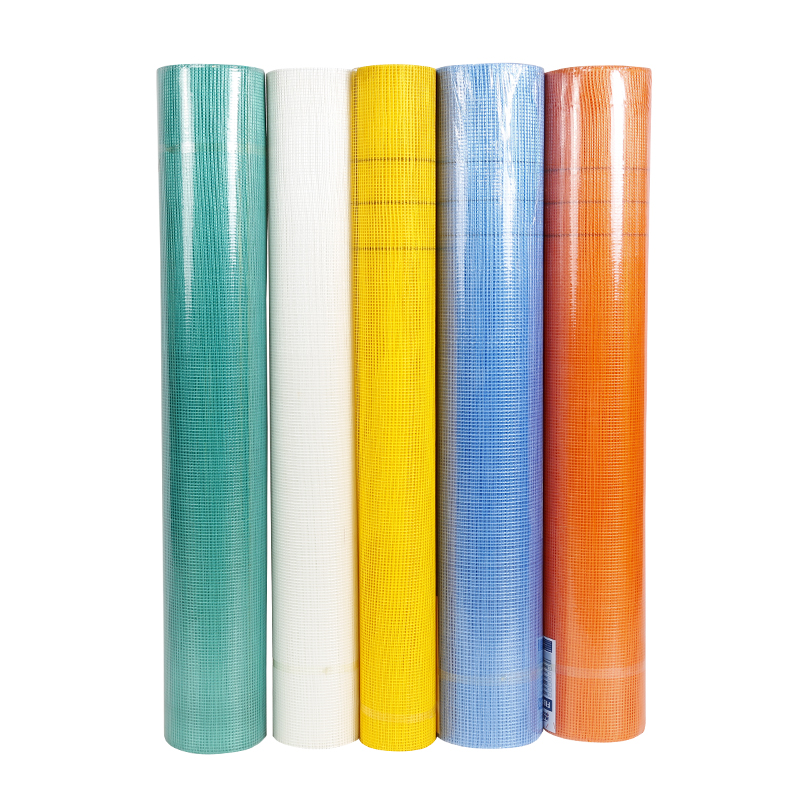
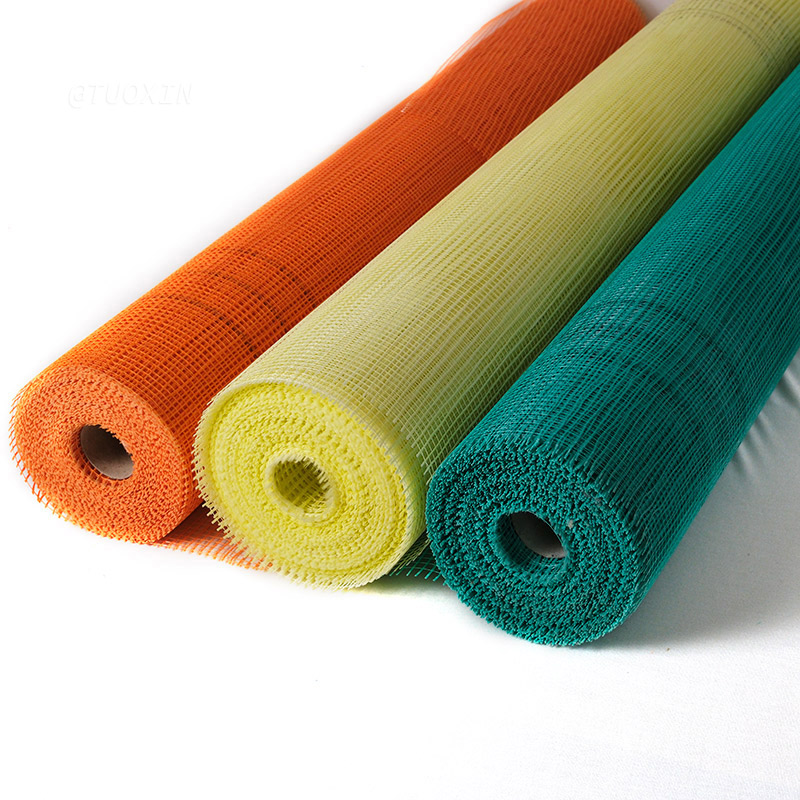
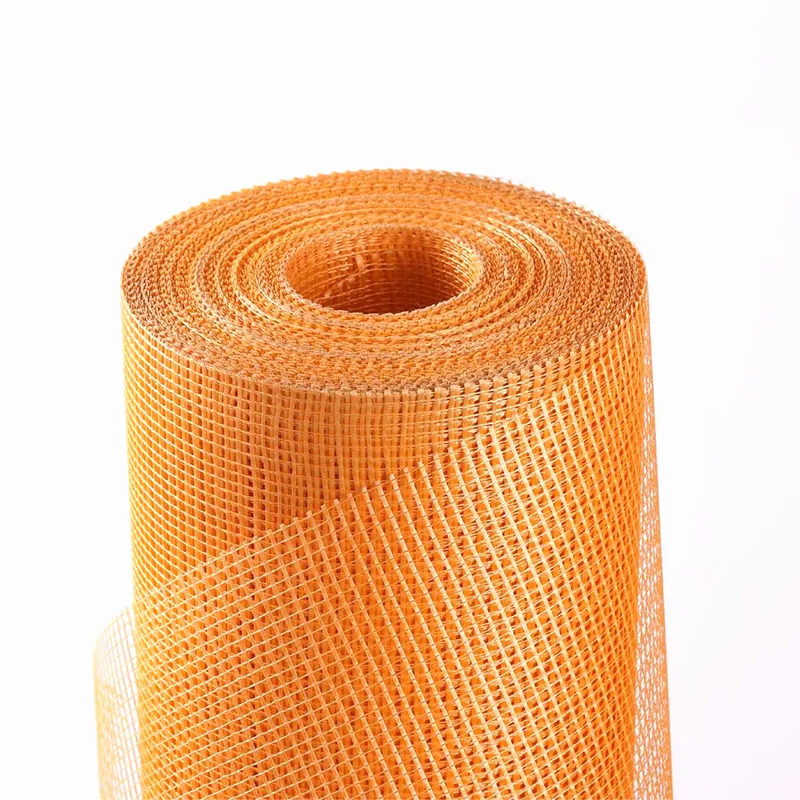
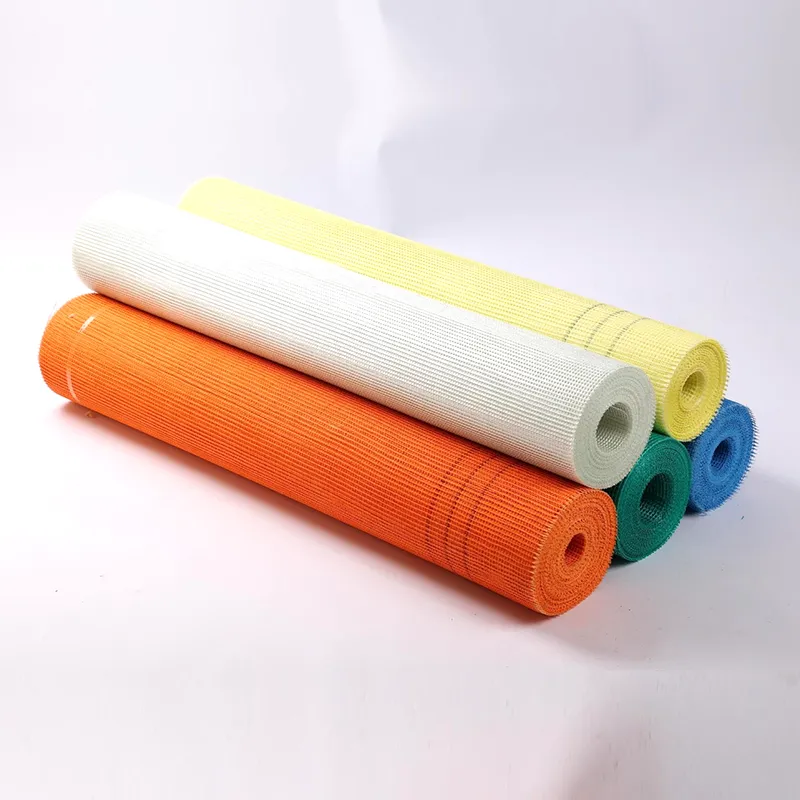
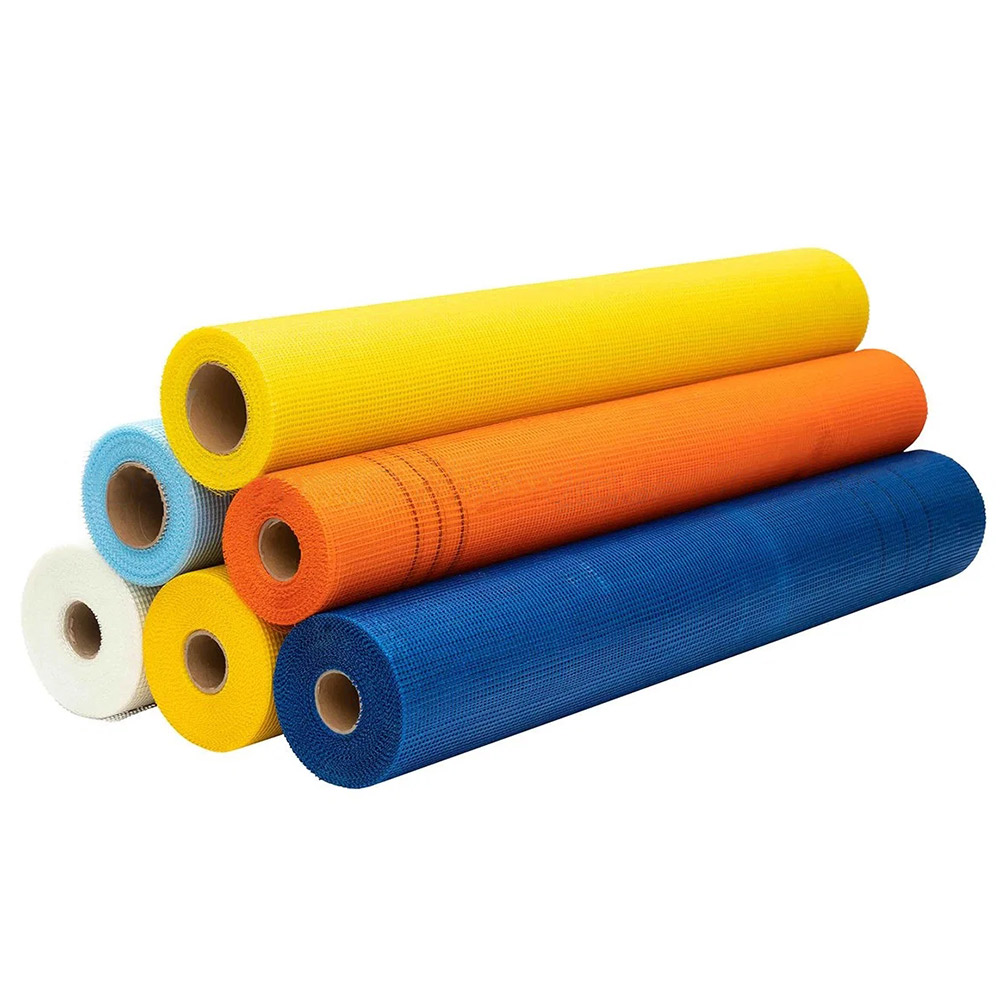
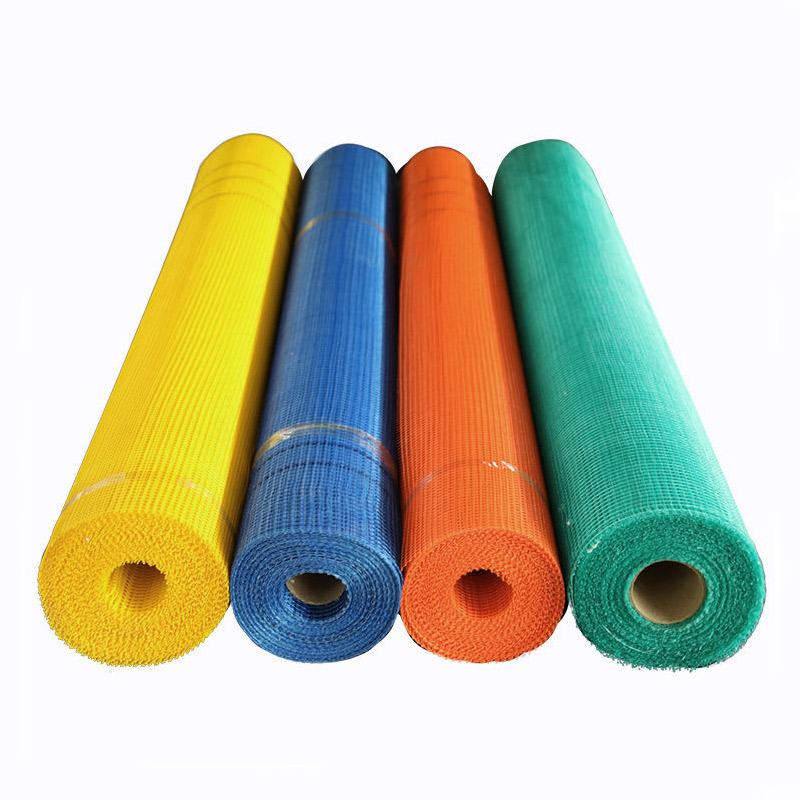
In the contemporary world of civil engineering and high-end architectural finishing, the longevity of a structure is often determined by the resilience of its hidden components. Among these, the implementation of 耐碱玻璃纤维网格布 has become a cornerstone for ensuring that surface coatings and structural layers do not succumb to the internal stresses of chemical degradation. Concrete, stucco, and various cementitious mortars are inherently alkaline environments. When standard glass fibers are introduced into these mixtures without proper protection, the high pH levels of the wet cement act as a corrosive agent, slowly dissolving the glass filaments and stripping the reinforcement of its tensile strength. By utilizing a specialized polymer coating, 耐碱玻璃纤维网格布 maintains its mechanical properties, providing a permanent "internal skeleton" that prevents cracking and delamination throughout the entire lifespan of the building.
The technical necessity for 耐碱玻璃纤维网格布 stems from the fundamental behavior of masonry materials. Cement-based products are exceptionally strong in compression but remarkably weak in tension. As a building undergoes natural settlement, or as it reacts to the thermal expansion and contraction caused by seasonal shifts, the rigid layers of plaster or concrete are prone to fracturing. The glass fiber grid acts as a tension-absorbing matrix, intercepting these micro-cracks before they can migrate to the surface. For the professional contractor, this material is not merely an additive but a strategic safeguard that ensures the architectural vision remains intact, free from the spiderweb fractures that often plague non-reinforced masonry.
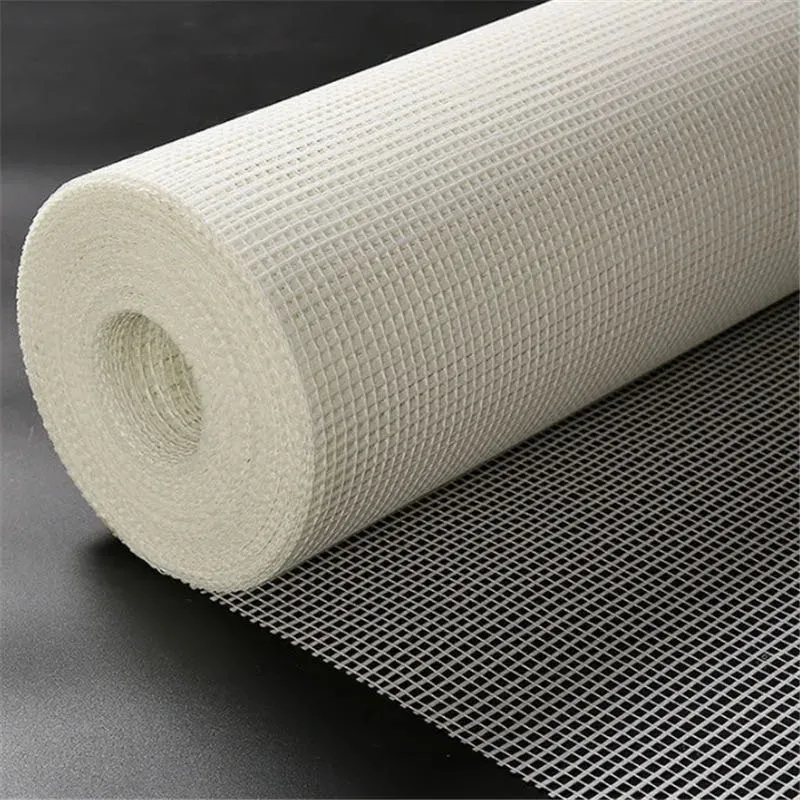
Technical Resilience Of Alkali Resistant Fiberglass Mesh In Corrosive Environments
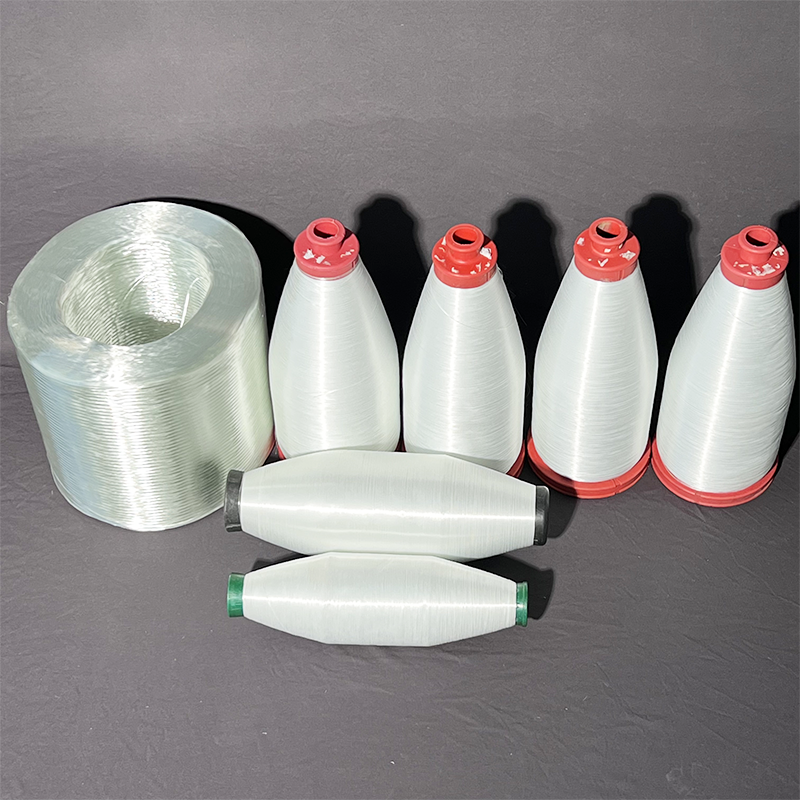
Understanding the chemical interaction between reinforcement and substrate is essential for any large-scale construction project. The term 耐碱玻璃纤维网格布 specifically refers to glass fibers that have been treated with a robust zirconium-based or specialized synthetic latex coating. This coating serves as a sacrificial and protective barrier, neutralizing the caustic effects of the calcium hydroxide produced during the hydration of cement. Without this protection, the glass filaments would become brittle within a matter of months, leading to a "ghosting" effect where the reinforcement fails just when the building needs it most—during the initial years of stabilization.
The use of 耐碱玻璃纤维网格布 is particularly critical in Exterior Insulation and Finish Systems (EIFS) and thin-coat plastering. In these applications, the reinforcement layer is relatively close to the surface and subjected to constant environmental fluctuations. The mesh must remain flexible enough to allow for the building’s "breathing" while remaining stiff enough to hold the mortar in a flat, even plane. This balance of flexibility and chemical endurance is what defines high-quality 耐碱玻璃纤维网格布 , making it a versatile tool for everything from residential renovations to industrial-scale facade projects. By investing in chemically stable reinforcement, developers reduce the risk of costly moisture infiltration and structural fatigue, ultimately protecting the thermal efficiency of the entire building envelope.
The Mechanical Advantages Of Fiberglass Reinforcing Mesh In Modern Masonry
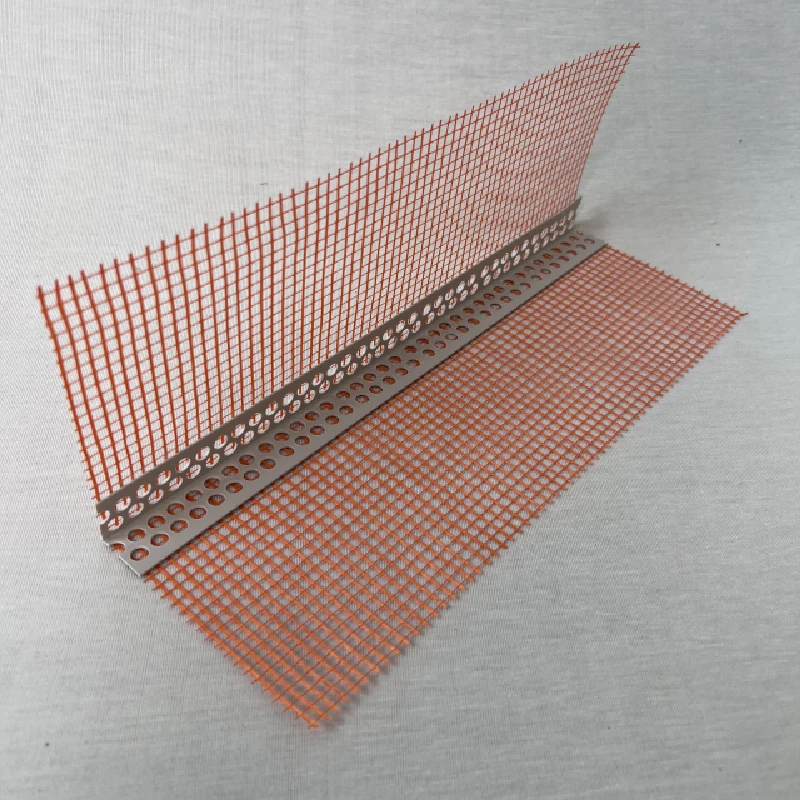
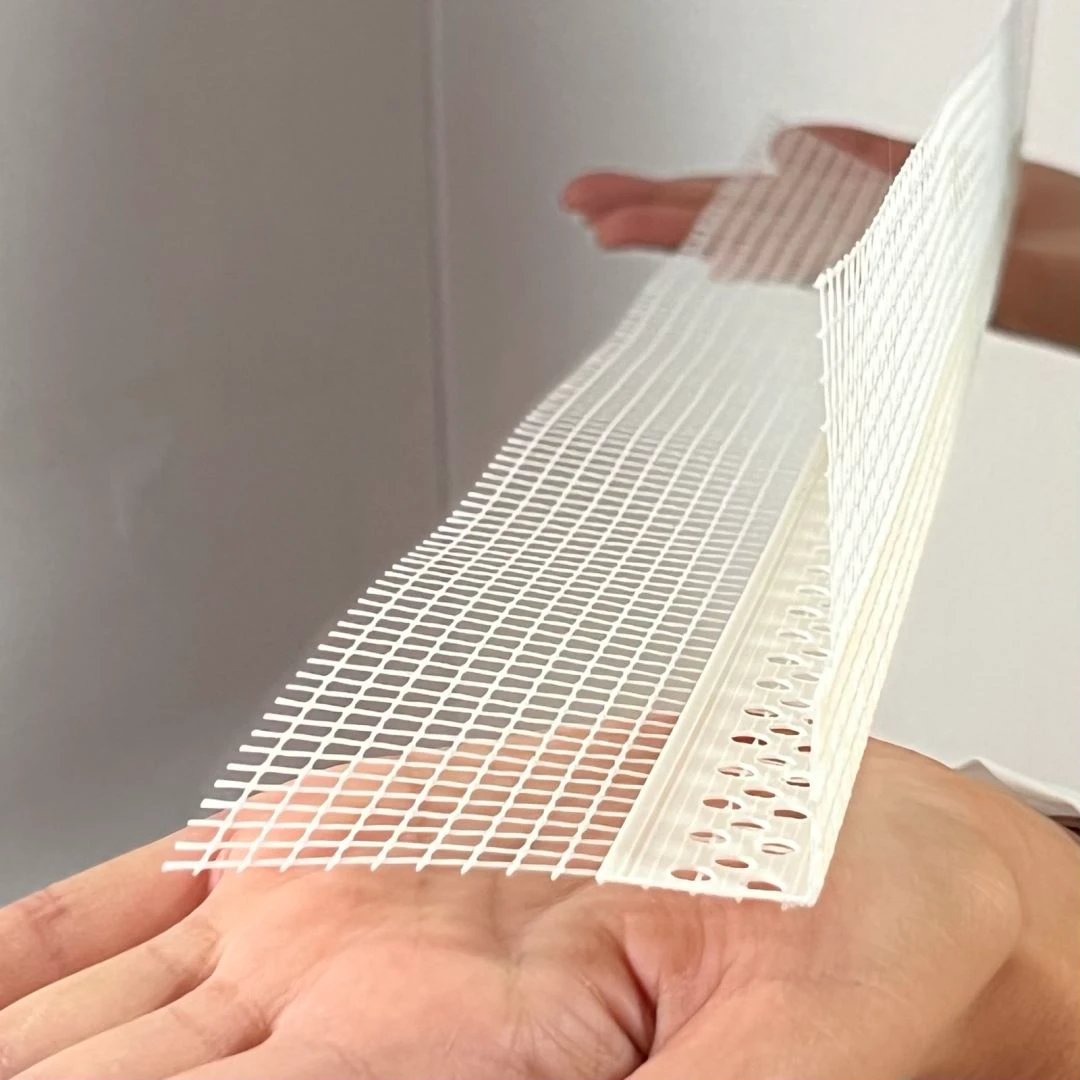
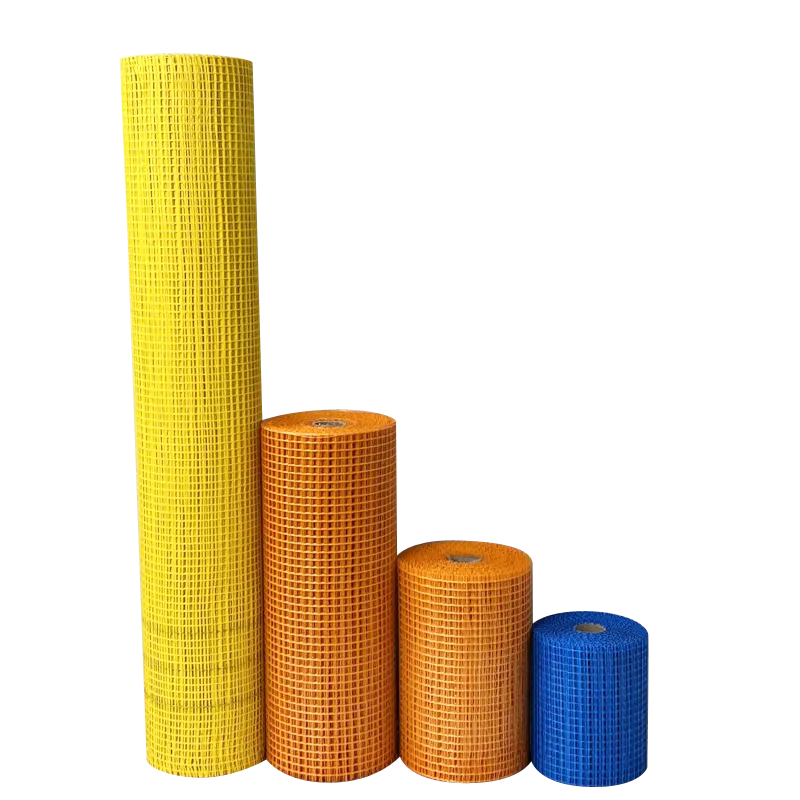
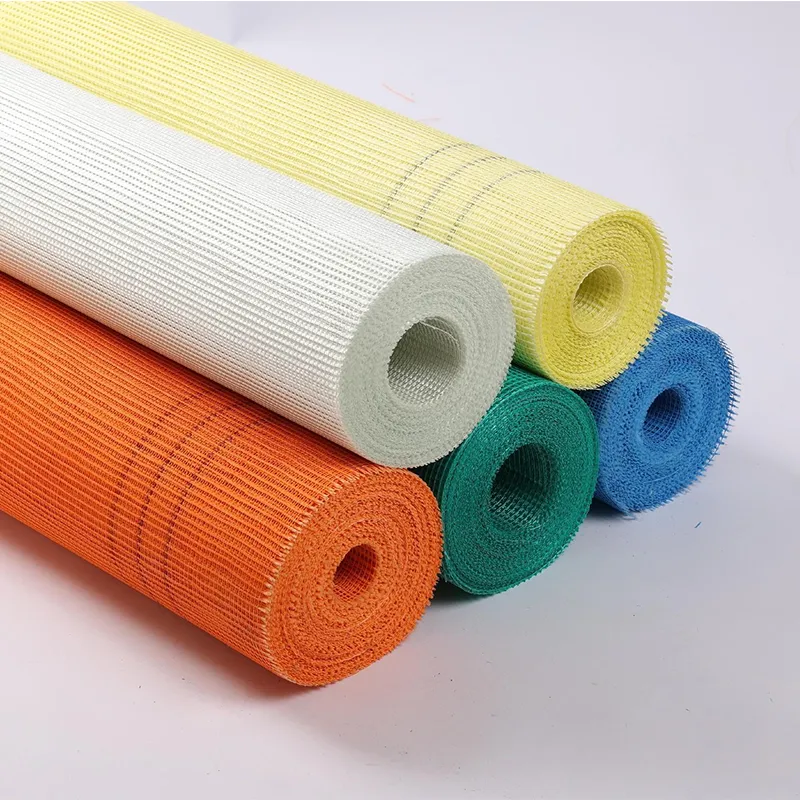
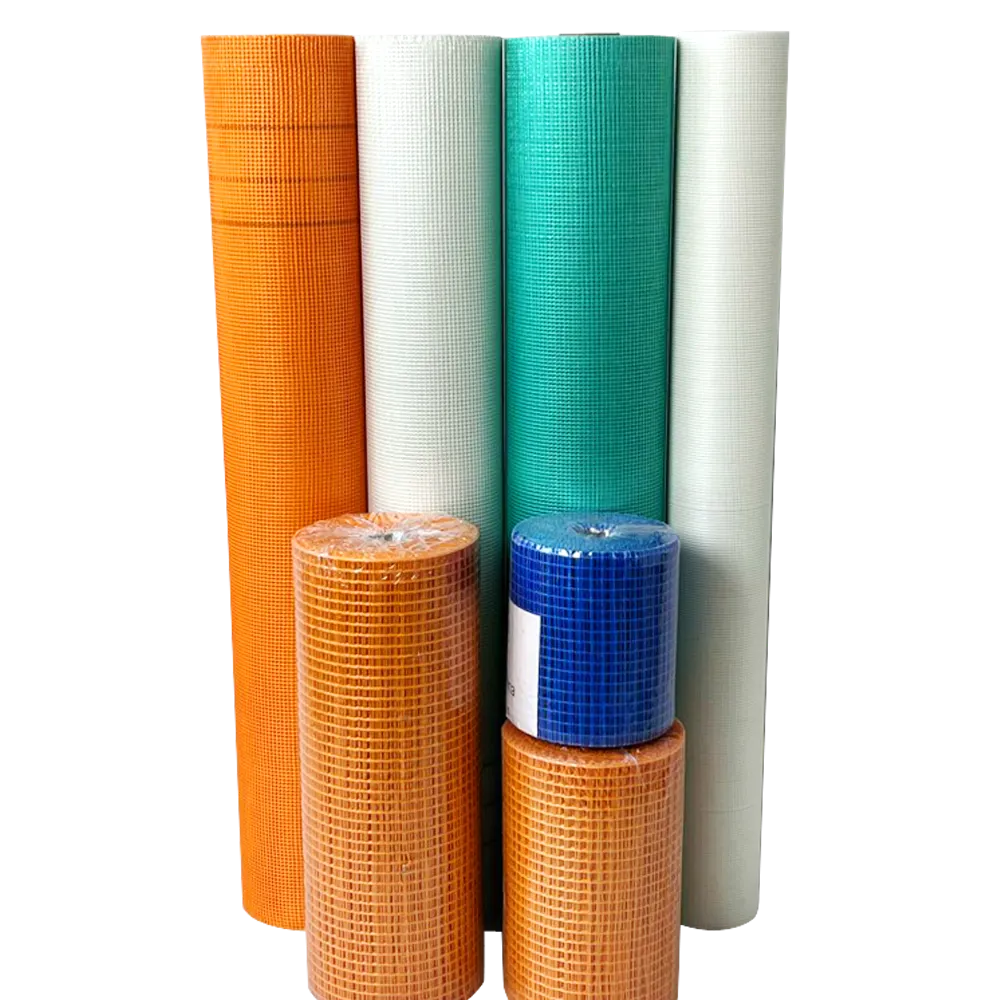
The introduction of fiberglass reinforcing mesh into the masonry workflow has revolutionized the way we approach thin-layer reinforcement. Traditionally, metal lath was the only option for strengthening plaster and stucco, but its weight and susceptibility to rust created significant long-term maintenance issues. In contrast, fiberglass reinforcing mesh is entirely rust-proof and significantly easier to handle on-site. Because it is lightweight and supplied in flexible rolls, a single worker can cover vast surface areas with minimal physical strain. This ease of installation does not come at the expense of strength; modern glass fiber weaves offer a tensile strength that rivals many metallic components, providing a high-performance alternative for the 21st-century builder.
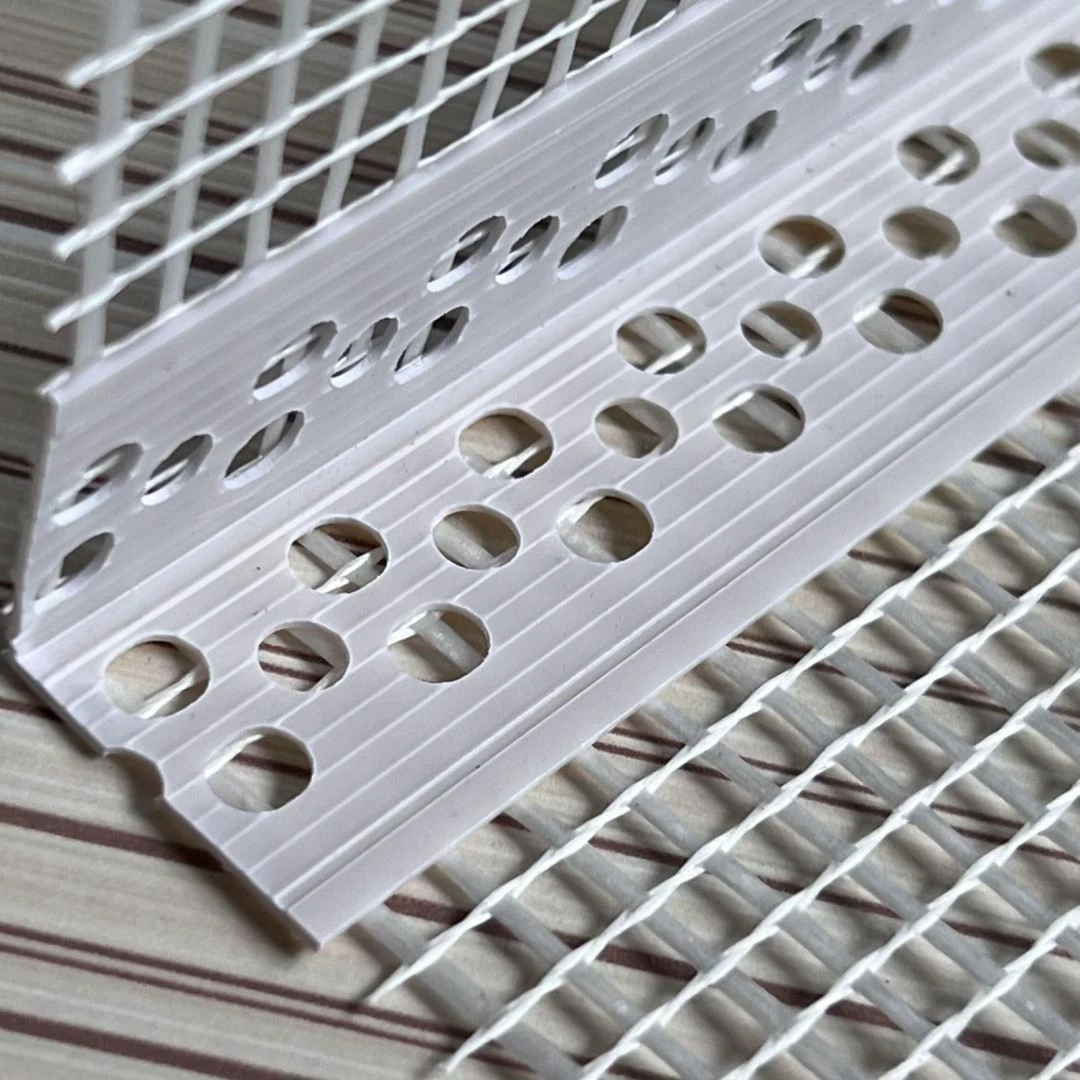
When fiberglass reinforcing mesh is embedded into a base coat of mortar, it creates a composite material that behaves much like reinforced concrete but in a thinner, more adaptable format. The open-grid design of the mesh allows the wet mortar to pass through the holes, creating a mechanical lock that is nearly impossible to separate once cured. This "keying" effect ensures that the reinforcement is perfectly centered within the material, where it can most effectively counteract shear forces. Whether it is used to stabilize the joints between insulation boards or to reinforce a decorative concrete countertop, the mesh provides a level of structural continuity that is essential for a high-quality finish.
Enhancing Surface Stability With Reinforced Fiberglass Mesh Applications
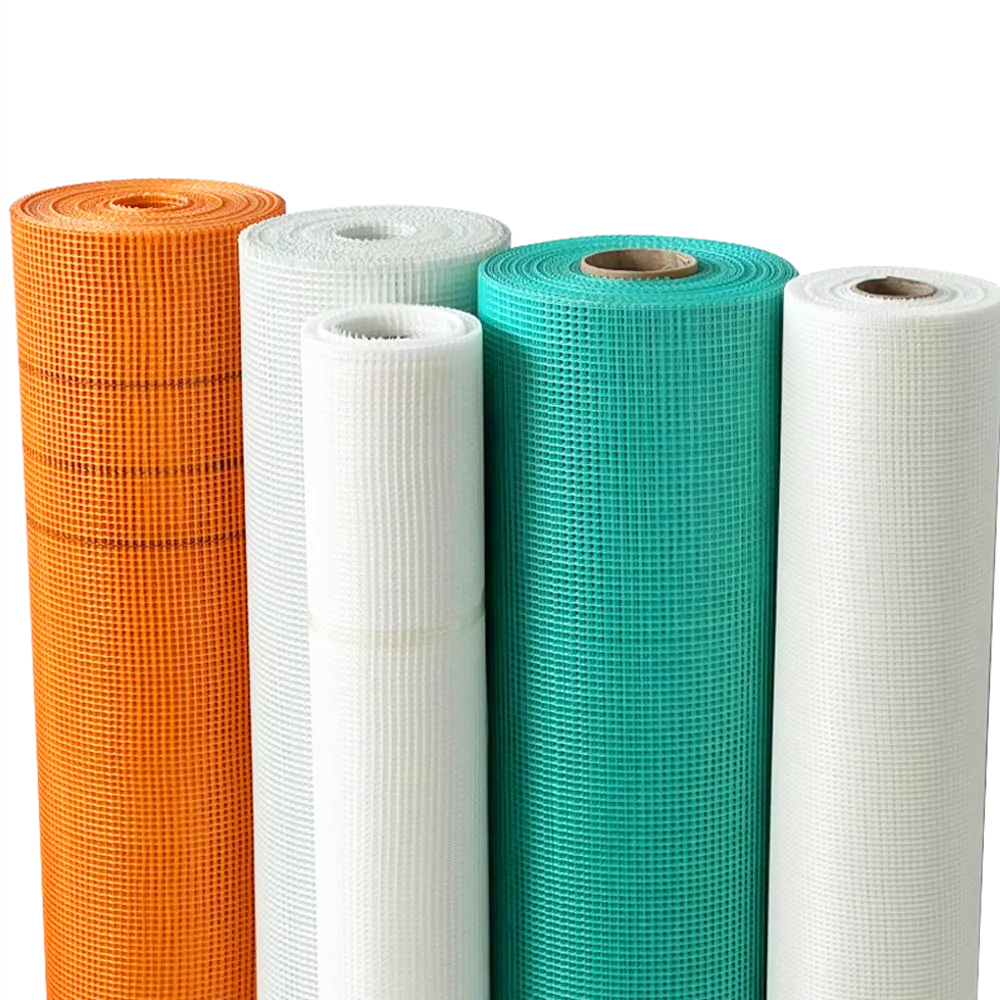
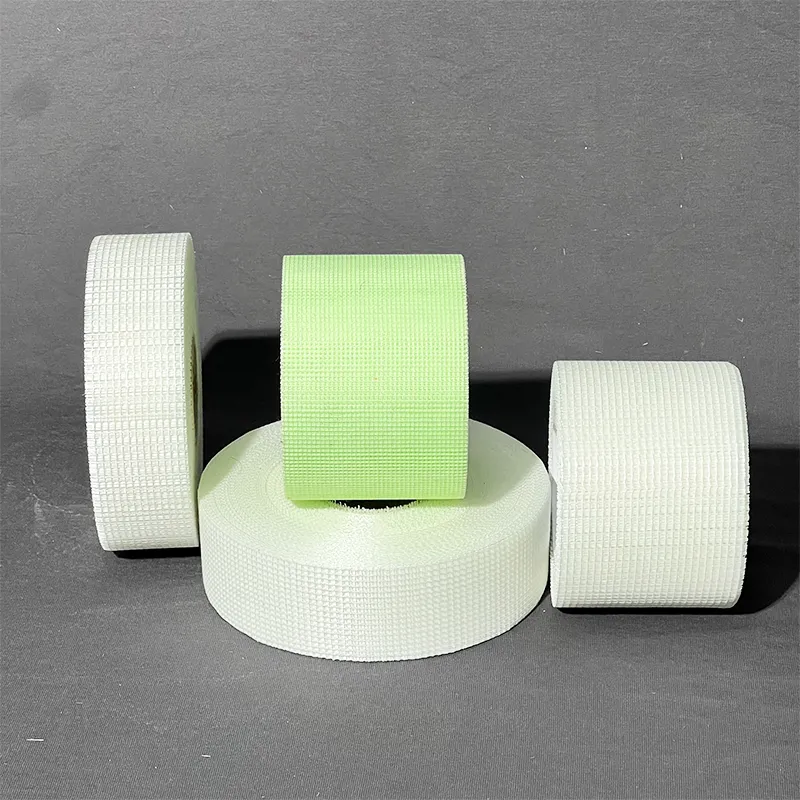
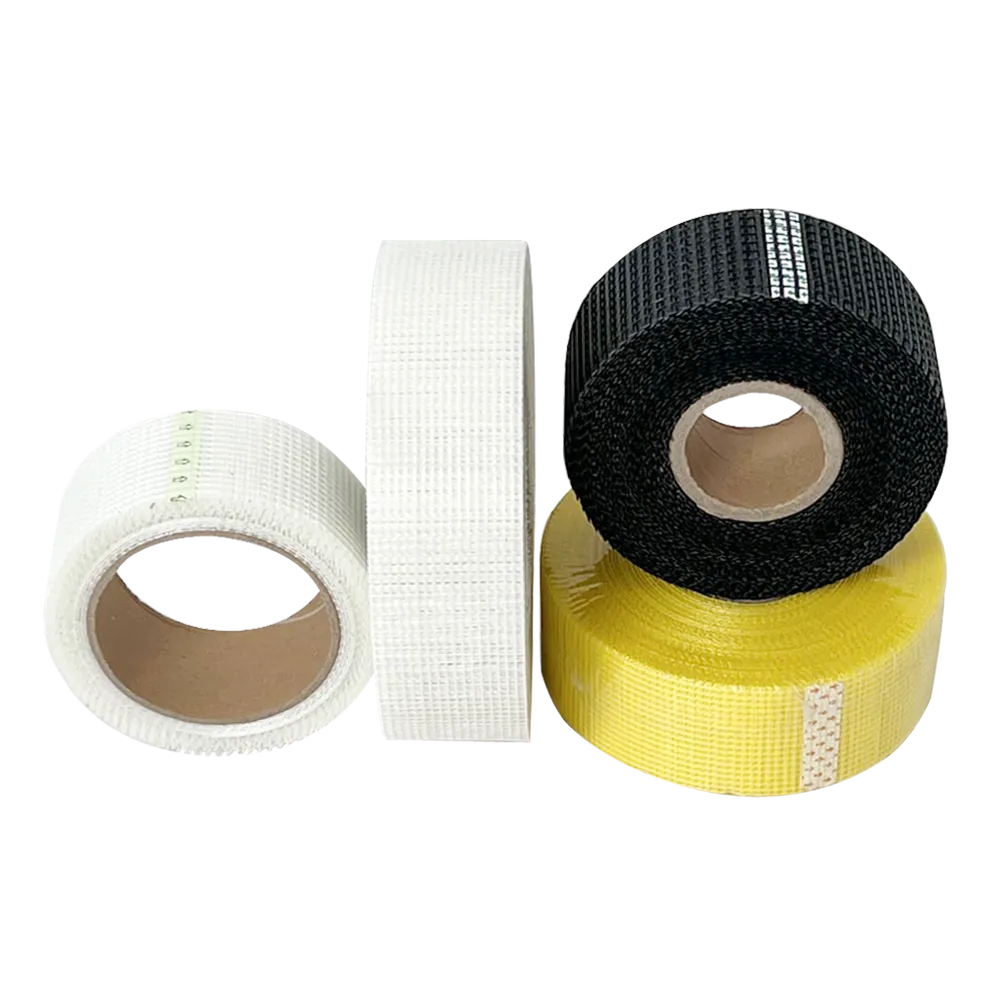
For specialized construction tasks such as historical restoration or the stabilization of crumbling masonry, the use of reinforced fiberglass mesh provides a non-invasive way to restore structural integrity. Architects often specify reinforced fiberglass mesh to bridge cracks in old lime plaster or to provide a stable backing for heavy stone veneers. The mesh acts as a stabilizing "bandage" that holds the existing material together while providing a clean, flat substrate for the new finish. Because the mesh is inorganic, it does not support the growth of mold or mildew, which is a vital consideration for projects involving older buildings where moisture management is often a challenge.
The versatility of reinforced fiberglass mesh also extends to the realm of flooring and tile installation. When applied over a wooden subfloor or a cracked concrete slab, the mesh serves as an uncoupling membrane that prevents the movement of the subfloor from cracking the tiles above. The glass filaments absorb the lateral tension, allowing the tile and the substrate to move independently without shearing the bond. This proactive approach to flooring reinforcement is what allows modern homes to feature large-format porcelain tiles and natural stone in areas that were previously considered too unstable for such materials. By providing a high-tensile buffer zone, the mesh ensures that the beauty of the floor remains permanent.
-
Best Fiberglass Mesh Tape for RedGard Product Waterproofing Guide新闻Apr.16,2026
-
Why High Strength Fiberglass Mesh Is Essential For Stucco Application新闻Apr.15,2026
-
Why Alkali Resistant Fiberglass Mesh Tape Is Essential For Cement Board And Tile Installations新闻Apr.15,2026
-
Understanding The Role Of Drywall Fiberglass Mesh In Interior Finishing新闻Apr.15,2026
-
Ultimate Guide To Using Fiberglass Mesh Tape For Drywall And Plaster Repairs新闻Apr.15,2026
-
The Versatility Of Fiberglass Mesh In Marble And Stone Mosaic新闻Apr.15,2026