9 月 . 16, 2025 14:39 返回目录
Enhancing Flexural Strength with Fiberglass Mesh for Gypsum Plaster
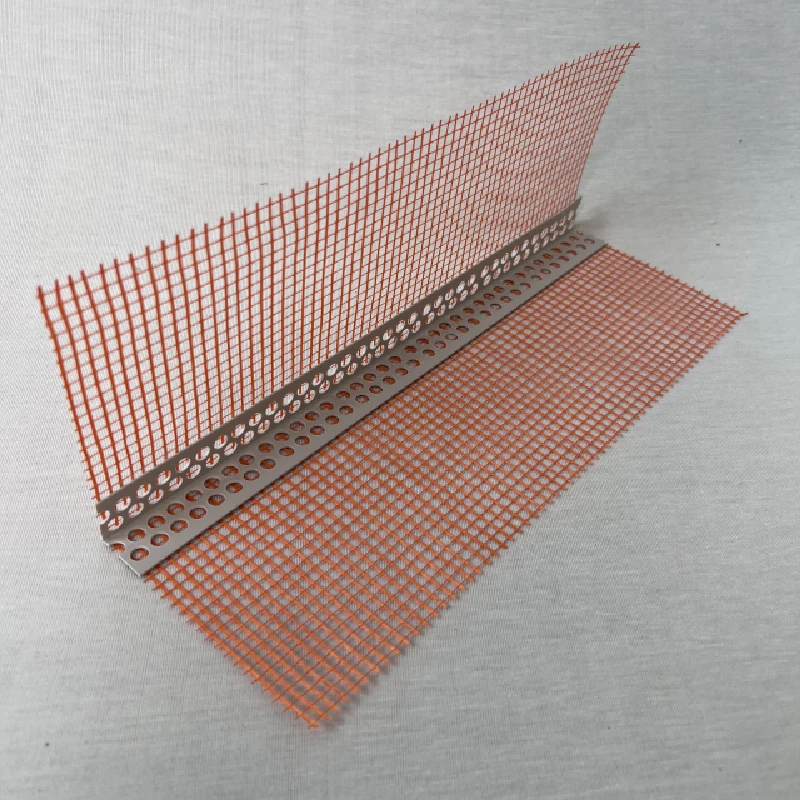
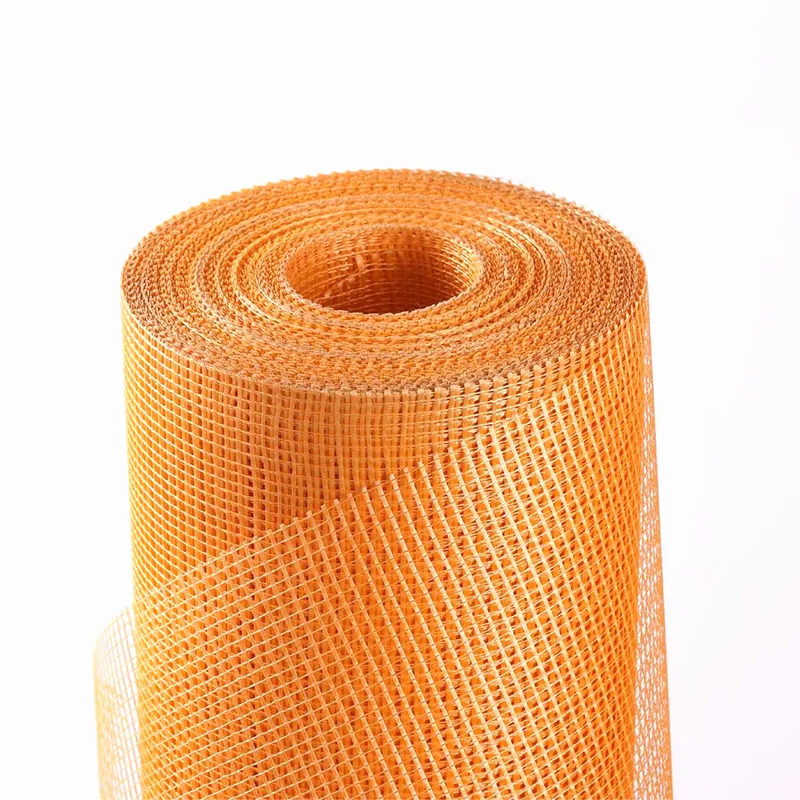
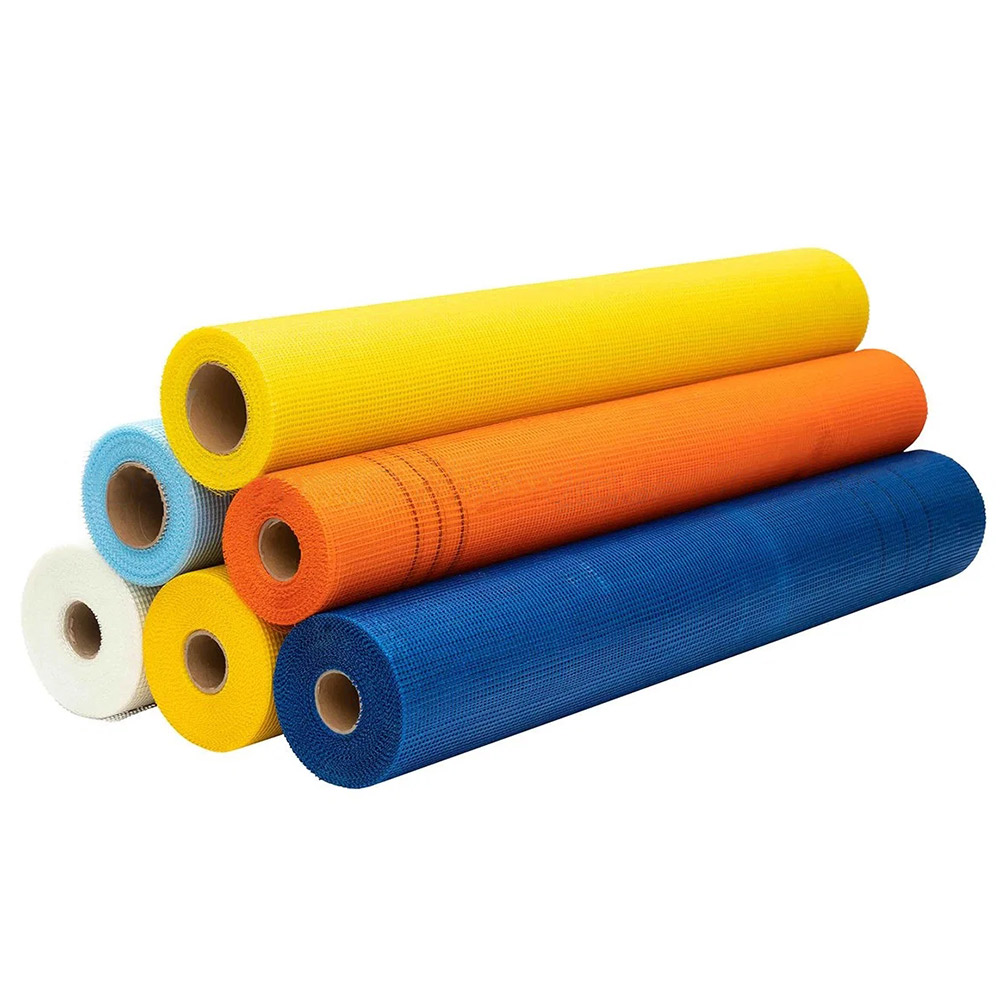
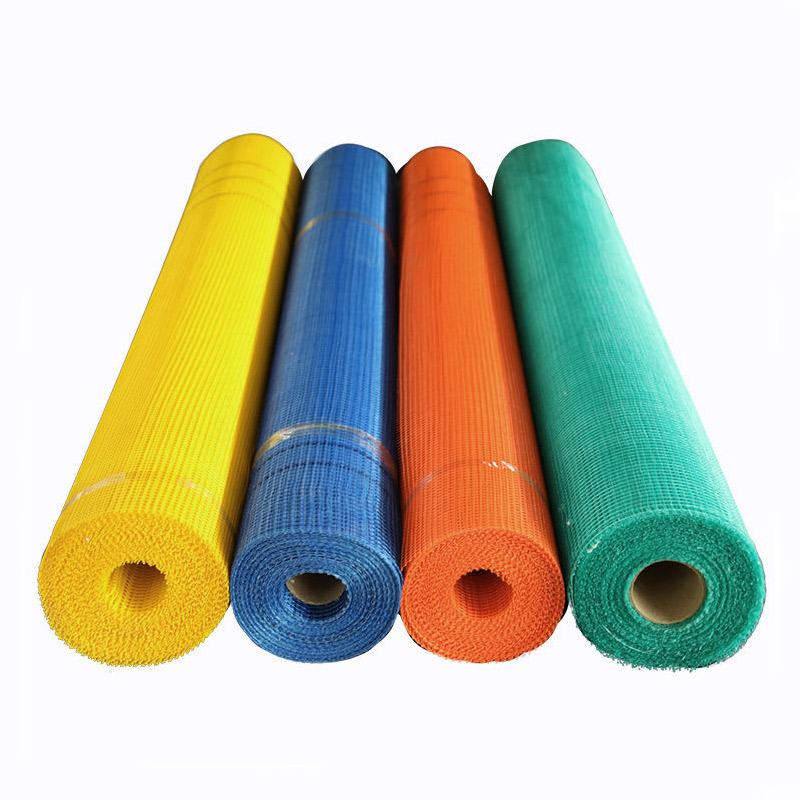
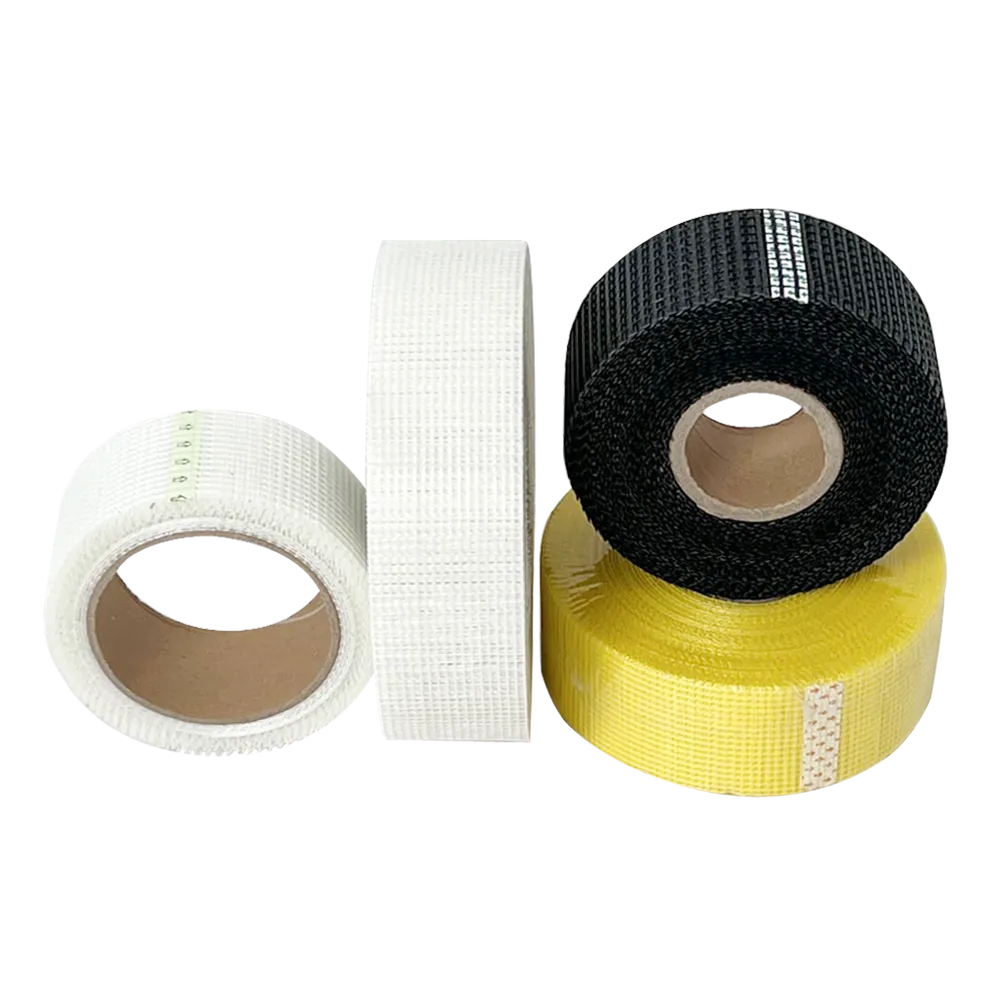
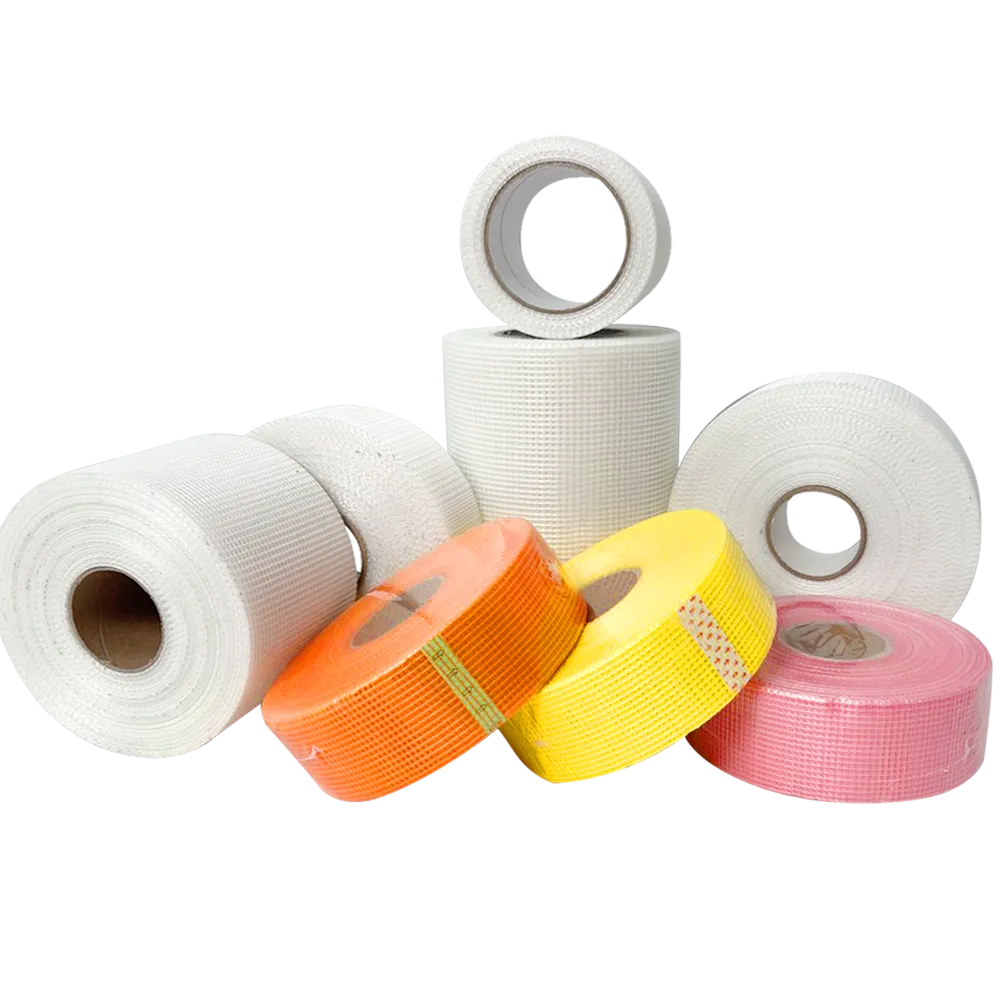
Gypsum plaster is a go-to material for interior wall finishing—easy to apply, smooth, and cost-effective—but its low flexural strength (resistance to bending or cracking under stress) is a major drawback. Whether it’s from minor structural settling, temperature fluctuations, or everyday impacts, unreinforced gypsum plaster often develops unsightly cracks that require frequent repairs. This is where fiberglass mesh for gypsum plaster (and its specialized variants like white fiberglass mesh) becomes indispensable: it adds a hidden layer of reinforcement that boosts flexural strength, making plaster durable enough for both residential and commercial spaces. For wholesalers serving contractors, interior designers, and construction firms, partnering with a manufacturer that produces high-quality, construction-grade mesh is key—and Tainuo Fiberglass Mesh Factory is a trusted leader. Established in 2000, Tainuo operates 20,000-square-meter facilities with four advanced production lines, specializing in alkali-resistant fiberglass mesh for gypsum plaster, fiberglass yarn, and tape. Their mesh products are engineered to bond seamlessly with gypsum plaster, delivering long-lasting strength that reduces client callbacks. This article explores how fiberglass mesh for gypsum plaster enhances flexural strength, highlighting key mechanisms, product variants, and why Tainuo’s offerings are a top bulk choice for wholesalers.
How Fiberglass Mesh for Gypsum Plaster Boosts Flexural Strength
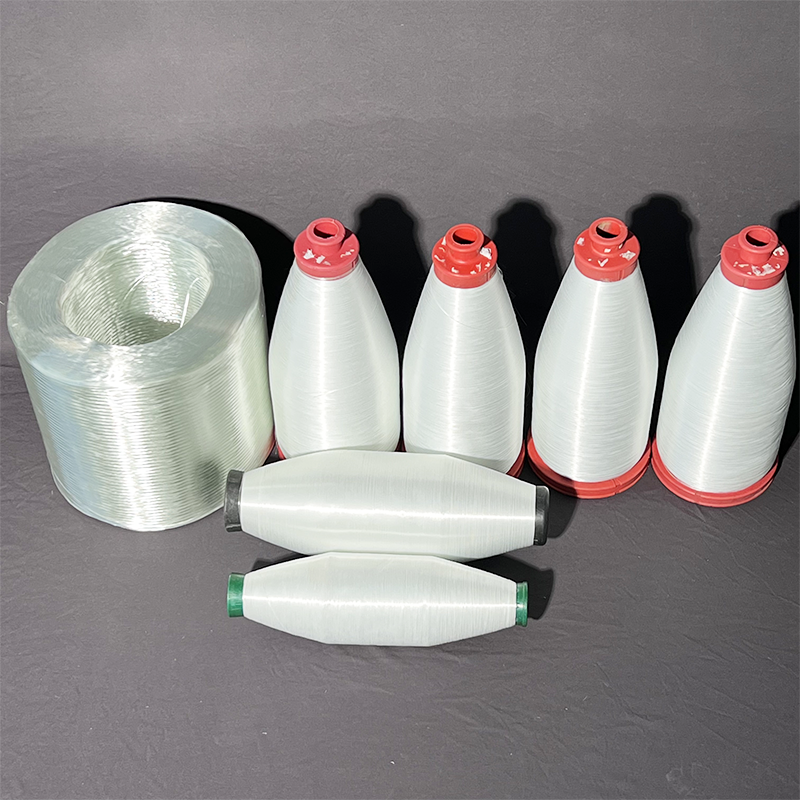
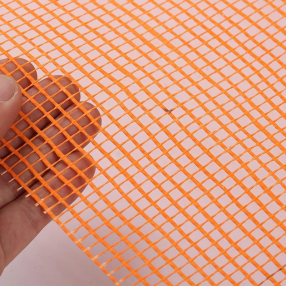
- Stress Distribution Mechanism of Fiber Mesh for Gypsum Plaster: Fiberglass mesh for gypsum plaster works by acting as a “load spreader”—when the plaster is subjected to bending stress (e.g., from a wall settling or a heavy object leaning against it), the mesh’s woven fiberglass strands absorb and distribute the force evenly across the plaster surface. Unlike unreinforced plaster, which concentrates stress in small areas (leading to cracks), the mesh ensures no single point bears too much pressure. Tainuo’s fiberglass mesh for gypsum plaster is made from high-tensile E or C glass fiber yarn (with good chemical stability, as noted in their production process) that retains its strength even when embedded in wet plaster. For wholesalers, this stress distribution translates to a tangible benefit for clients: plaster walls that stay crack-free longer, reducing maintenance costs and improving customer satisfaction.
- Bonding Enhancement with Alkali-Resistant Coating: Tainuo’s fiberglass mesh for gypsum plaster is coated with anti-alkali and reinforcing agents (a key step in their manufacturing process) that improve its bond with gypsum. Gypsum is naturally alkaline, and without this coating, standard mesh would degrade over time—weakening the plaster’s flexural strength. The alkali-resistant coating ensures the mesh maintains a tight mechanical bond with the plaster, even as the plaster cures and ages. This strong bond means the mesh and plaster act as a single, cohesive unit, with the mesh reinforcing the plaster’s weak points. For wholesalers serving clients using gypsum plaster in high-moisture areas (e.g., bathrooms or basements, where alkali levels are higher), this coating is non-negotiable—it guarantees long-term flexural strength.
Types of Fiberglass Mesh for Gypsum Plaster Reinforcement
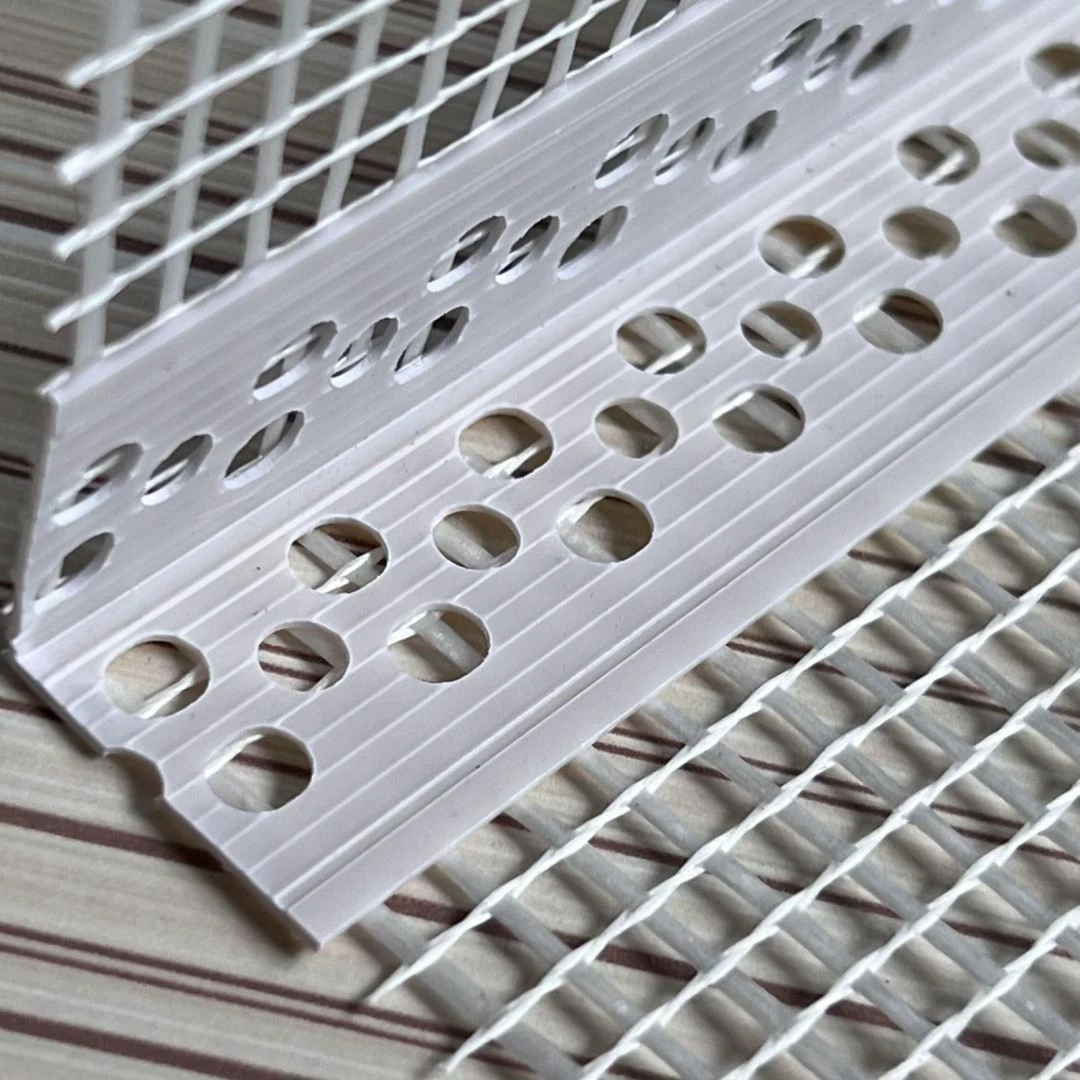
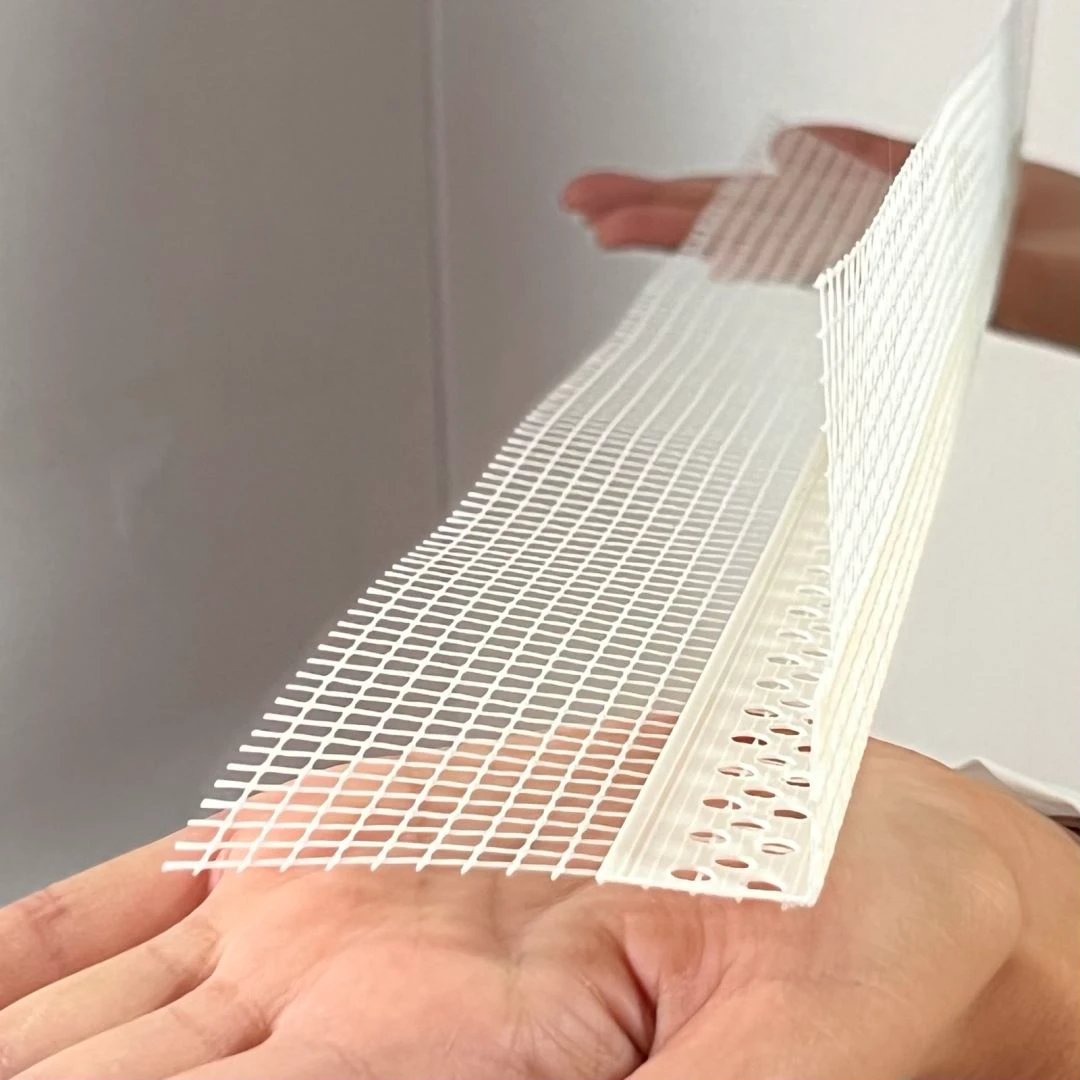
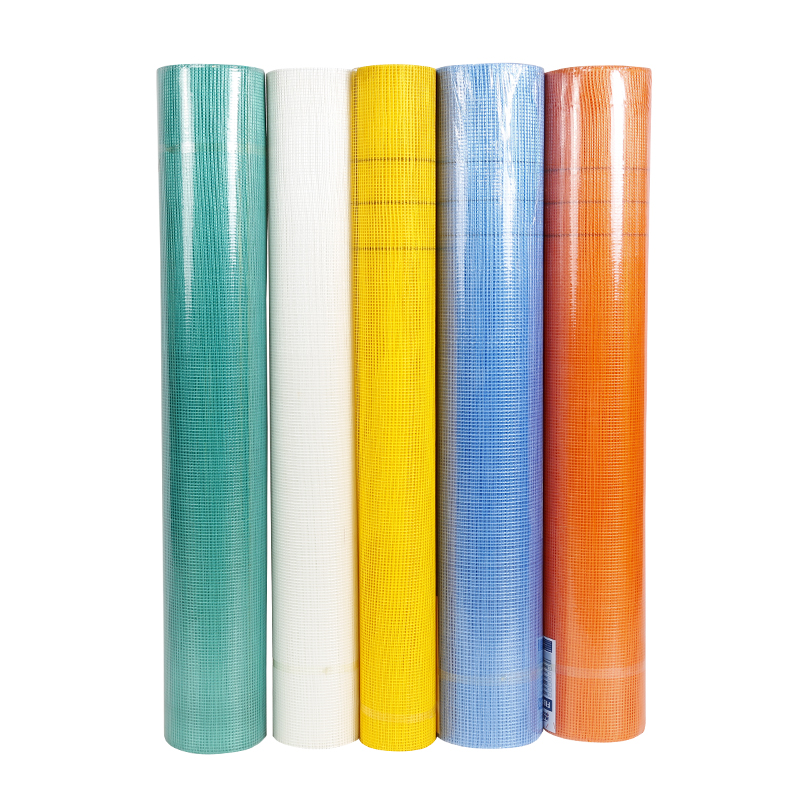
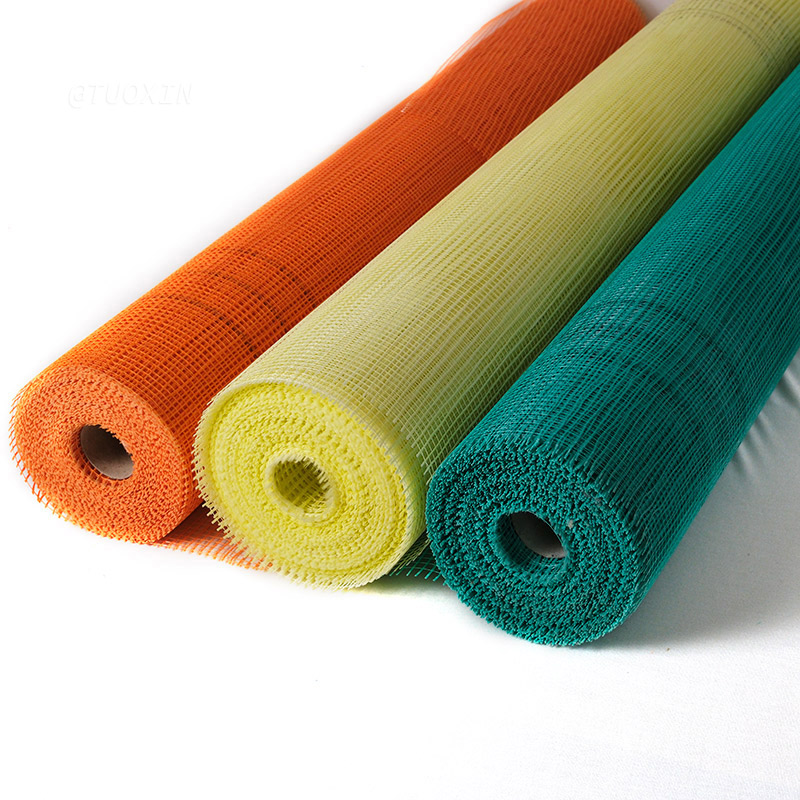
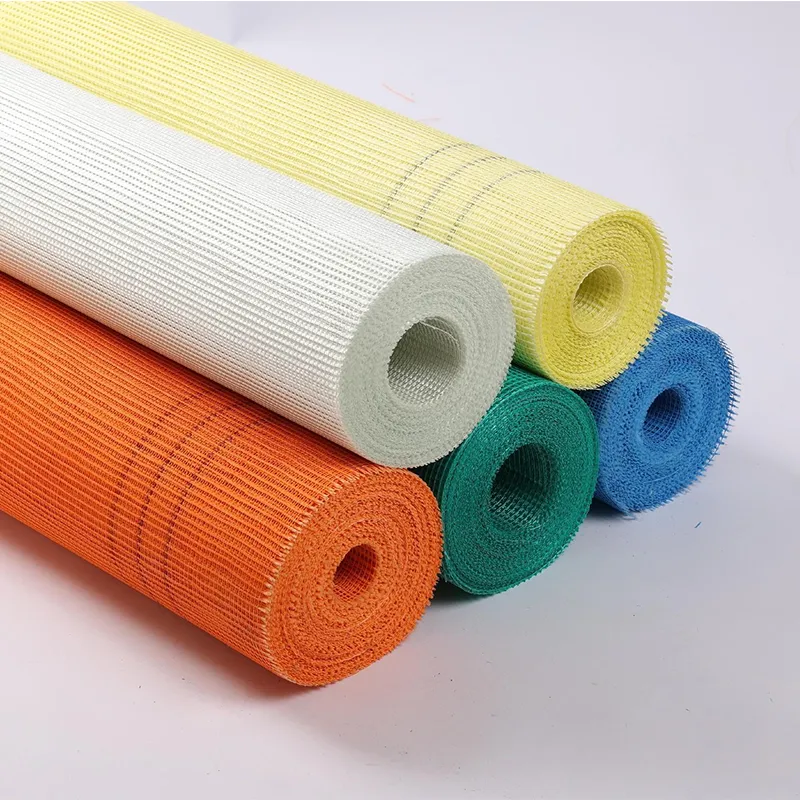
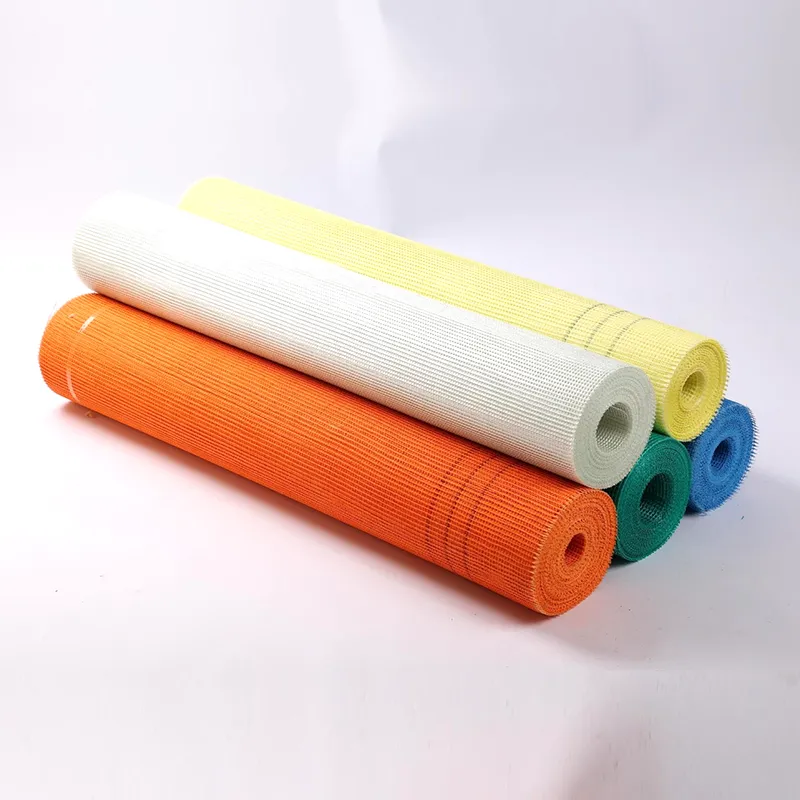
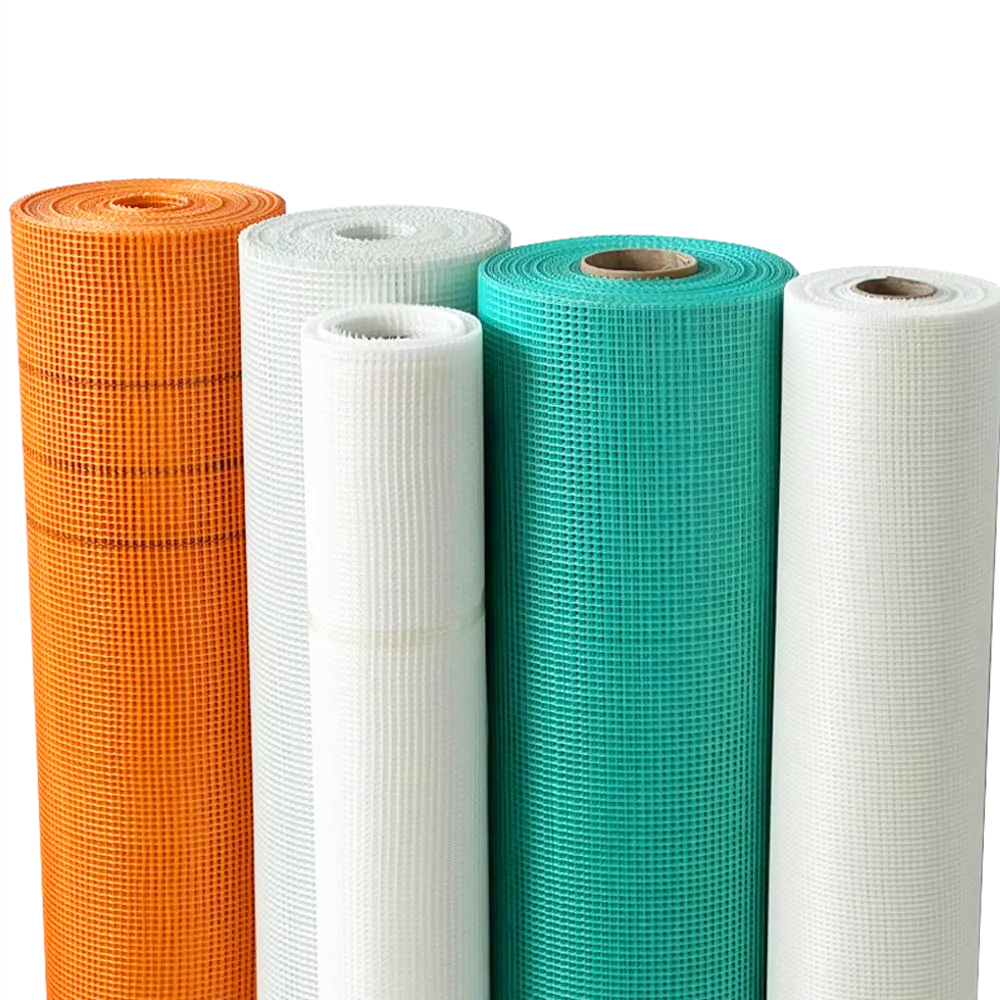
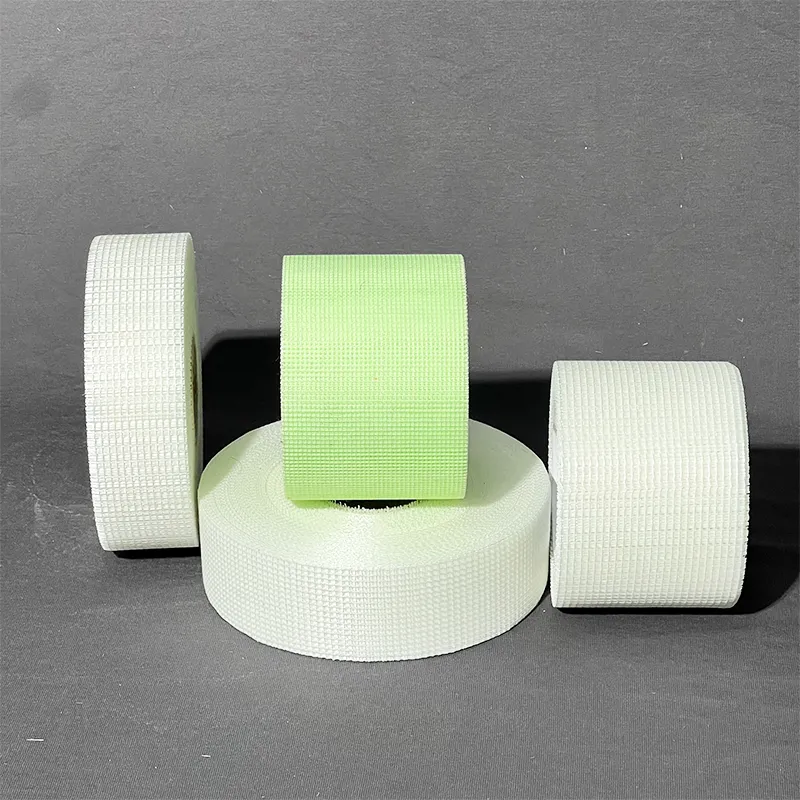
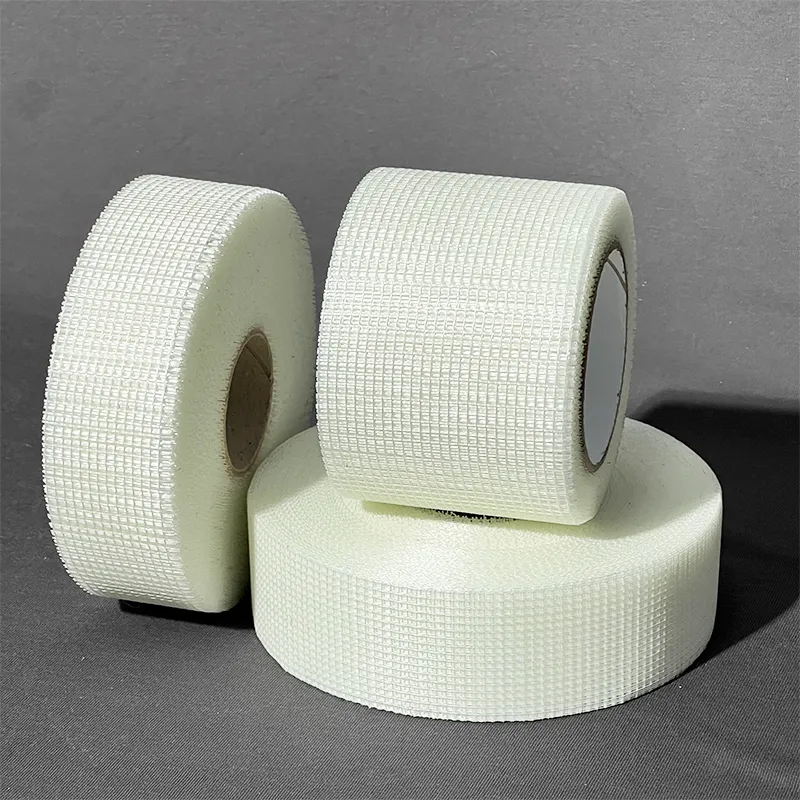
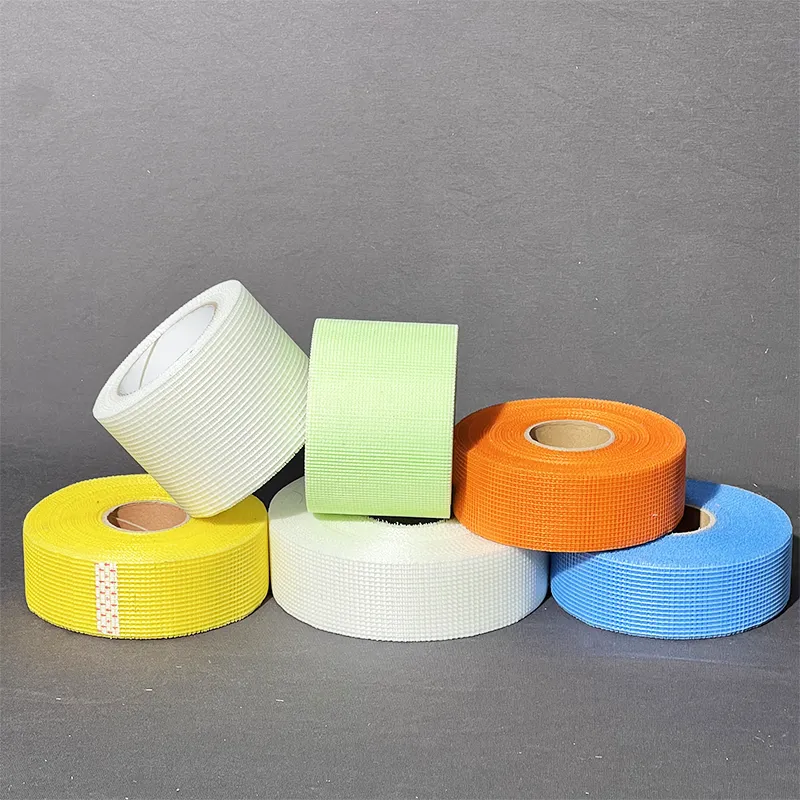
- White Fiberglass Mesh for Aesthetic-Focused Projects: White fiberglass mesh is a popular choice for gypsum plaster in visible areas (e.g., living room walls, office lobbies) where the mesh might be slightly visible through thin plaster coats. Tainuo’s white fiberglass mesh has a bright, uniform white color that blends seamlessly with white or light-colored plaster, avoiding the “gray shadow” effect of standard gray mesh. It offers the same flexural strength as regular mesh but adds an aesthetic advantage—critical for clients prioritizing a flawless finish. For wholesalers serving interior designers or high-end residential contractors, white fiberglass mesh is a niche but high-demand product that sets their inventory apart from competitors.
Fiberglass Mesh for Gypsum Plaster in Different Application Scenarios
|
Application Scenario |
Key Challenge |
Ideal Fiber Mesh Type |
Flexural Strength Benefit |
Tainuo Advantage |
|
Residential Interior Walls |
Minor settling; everyday impacts |
Standard fiberglass mesh for gypsum plaster (160g/m²) |
Prevents cracks from furniture bumps or wall movement |
Alkali-resistant coating; easy to handle |
|
High-Moisture Areas (Bathrooms) |
Alkali degradation; moisture-related stress |
Alkali-resistant fiberglass mesh for gypsum plaster |
Maintains strength in humid, high-alkali environments |
Anti-alkali coating; mold-resistant |
|
Aesthetic Spaces (Lobbies) |
Mesh visibility through thin plaster |
White fiberglass mesh (140g/m²) |
Blends with plaster; no visible shadow; boosts flexural strength |
Uniform white color; fine weave |
|
Plaster Repairs (Small Cracks) |
Micro-crack propagation; thin plaster coats |
White fiberglass mesh (100g/m²) |
Stops small cracks from spreading; reinforces thin repairs |
Fine weave; easy to cut for small areas |
Why Wholesalers Choose Tainuo’s Fiberglass Mesh for Gypsum Plaster
- Consistent Quality for Bulk Orders: Tainuo’s four advanced production lines and strict quality control ensure every roll of fiberglass mesh for gypsum plaster(whether white fiberglass mesh) meets the same high standards. Each roll is tested for tensile strength, alkali resistance, and weave uniformity—critical for ensuring consistent flexural strength across client projects. For example, a wholesaler supplying 10,000 square meters of mesh for a residential complex can trust that every roll will perform the same, avoiding “weak batches” that lead to plaster cracks. Tainuo’s large production capacity (20,000-square-meter facilities) also means they can fulfill bulk orders quickly, ensuring wholesalers never run out of stock during peak construction seasons.
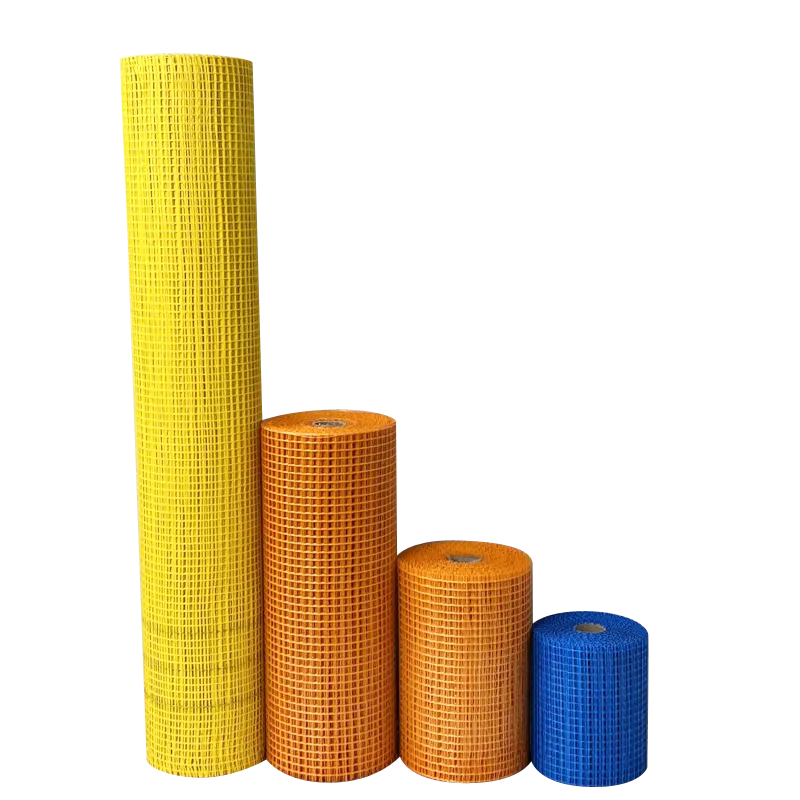
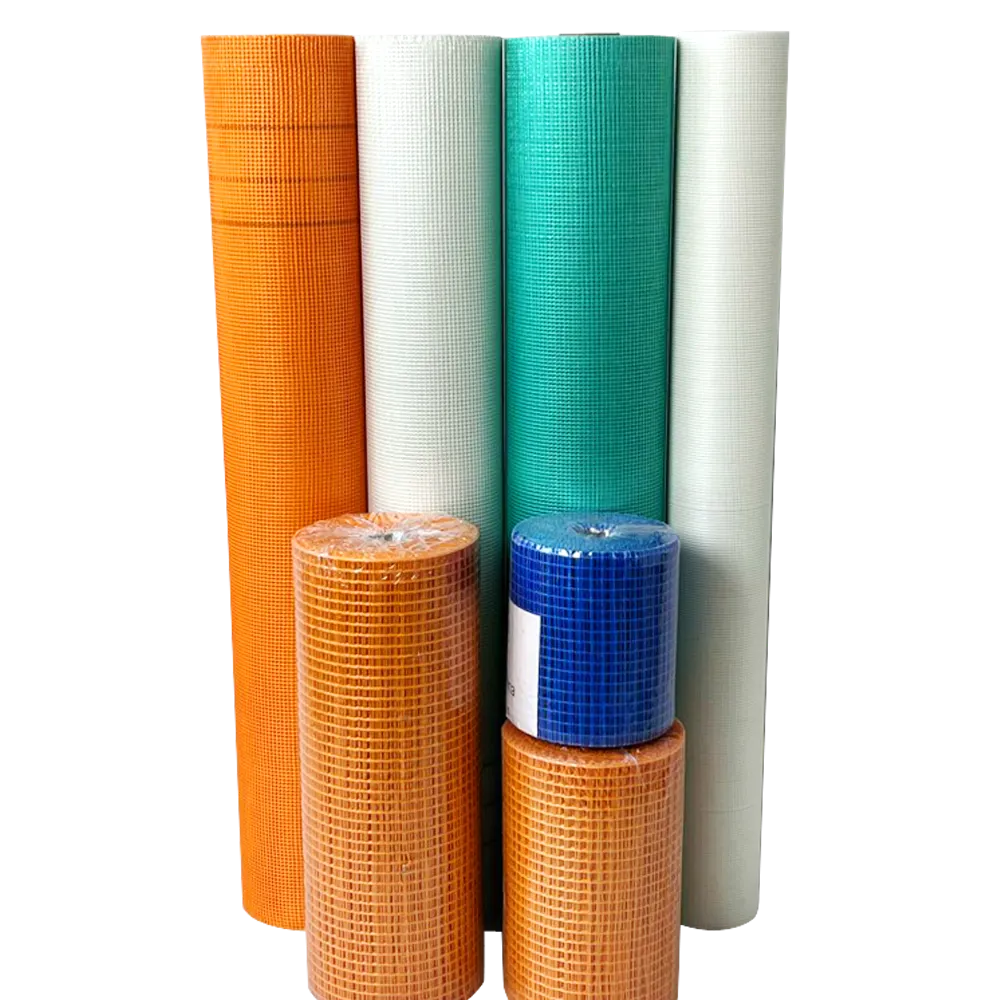
- Versatility for Diverse Client Needs: Tainuo offers fiberglass mesh for gypsum plaster in various weights (100g/m² to 200g/m²) and widths (1m to 2m), catering to different plaster thicknesses and project sizes. For example, a contractor using thick plaster on exterior walls might need a heavy-duty 200g/m² mesh, while one doing thin decorative plaster would opt for a 100g/m² white fiberglass mesh. This versatility lets wholesalers serve a wide range of clients—from small repair contractors to large commercial builders—without needing multiple suppliers. Tainuo also provides custom widths for bulk orders, helping wholesalers reduce waste (e.g., supplying 1.2m-wide mesh for a client with standard 1.2m wall panels).
Fiberglass Mesh for Gypsum Plaster FAQS
Can Fiberglass Mesh for Gypsum Plaster Be Used with All Types of Gypsum Plaster?
Yes—Tainuo’s fiber mesh for gypsum plaster is compatible with all common types of gypsum plaster, including ready-mix plaster, basecoat plaster, and finish coat plaster. Its alkali-resistant coating and flexible weave adapt to different plaster consistencies, ensuring a strong bond and consistent flexural strength. For example, it works equally well with thick basecoat plaster (used for rough walls) and thin finish coat plaster (used for smooth surfaces). Wholesalers can assure clients they won’t need separate mesh for different plaster types, simplifying their inventory and reducing costs.
Is White Fiberglass Mesh as Strong as Standard Gray Mesh?
Absolutely—white fiberglass mesh from Tainuo offers the same flexural strength as standard gray mesh. The only difference is the color: the white mesh is dyed during production (using non-toxic, plaster-compatible dyes) to blend with light plaster, but its core material (high-tensile fiberglass yarn with alkali-resistant coating) is identical to the gray variant. For example, Tainuo’s 160g/m² white fiberglass mesh has the same tensile strength (500N/5cm) as their 160g/m² gray mesh. Wholesalers can emphasize this to clients: choosing white mesh doesn’t mean sacrificing strength—it just adds an aesthetic benefit.
How Much Does Fiberglass Mesh for Gypsum Plaster Extend the Lifespan of Plaster Walls?
Fiberglass mesh for gypsum plaster from Tainuo extends the crack-free lifespan of plaster walls by 2–3 times compared to unreinforced plaster. Unreinforced plaster typically starts developing small cracks within 2–3 years of installation (especially in high-traffic or settling-prone areas), while mesh-reinforced plaster can stay crack-free for 5–8 years. This extension is due to the mesh’s stress distribution and alkali resistance— it prevents small issues from turning into large cracks that require repair. For wholesalers, this lifespan extension is a key selling point: it helps contractors market “long-lasting plaster solutions” to their clients, increasing their competitiveness.
Can White Fiberglass Mesh Be Used for Outdoor Gypsum Plaster Applications?
While white fiberglass mesh is excellent for interior use, it’s not recommended for outdoor gypsum plaster applications (e.g., exterior wall finishes). Outdoor plaster faces harsher conditions (UV rays, rain, extreme temperatures) that the screen’s lighter weave may not withstand—over time, UV rays could weaken the screen, reducing flexural strength. For outdoor use, Tainuo recommends their heavy-duty fiberglass mesh for gypsum plaster (200g/m²) with extra UV stabilizers in the coating. Wholesalers can guide clients to choose the right mesh for the environment, ensuring their projects perform well long-term.
Where Can Wholesalers Source Bulk Fiberglass Mesh for Gypsum Plaster?
Tainuo Fiberglass Mesh Factory is a trusted supplier of bulk fiberglass mesh for gypsum plaster and white fiberglass mesh for the construction industry. With 20+ years of experience, advanced production lines, and a focus on alkali resistance and flexural strength, their products meet the needs of contractors and builders worldwide. Wholesalers can benefit from Tainuo’s competitive bulk pricing, consistent quality, and fast lead times—whether they’re stocking standard mesh for residential projects or white fiberglass mesh for high-end interiors.
-
Best Fiberglass Mesh Tape for RedGard Product Waterproofing Guide新闻Apr.16,2026
-
Why High Strength Fiberglass Mesh Is Essential For Stucco Application新闻Apr.15,2026
-
Why Alkali Resistant Fiberglass Mesh Tape Is Essential For Cement Board And Tile Installations新闻Apr.15,2026
-
Understanding The Role Of Drywall Fiberglass Mesh In Interior Finishing新闻Apr.15,2026
-
Ultimate Guide To Using Fiberglass Mesh Tape For Drywall And Plaster Repairs新闻Apr.15,2026
-
The Versatility Of Fiberglass Mesh In Marble And Stone Mosaic新闻Apr.15,2026