9 月 . 08, 2025 15:34 回目錄
Understanding Fiberglass Yarn: Types, Properties, and Applications
In the world of advanced materials, fiberglass yarn has become a staple component across numerous industries due to its strength, thermal resistance, and versatility. Whether used in insulation, composite manufacturing, or textile reinforcement, fiber glass yarn plays a critical role in modern engineering. Among its many types, roving glass fiber yarn, C glass fiber yarn, and E glass fiber yarn each serve specific needs with distinct characteristics.
This article explores the nature of fiberglass yarn, compares different types, and highlights the best use cases for each.
What Is Fiber Glass Yarn?
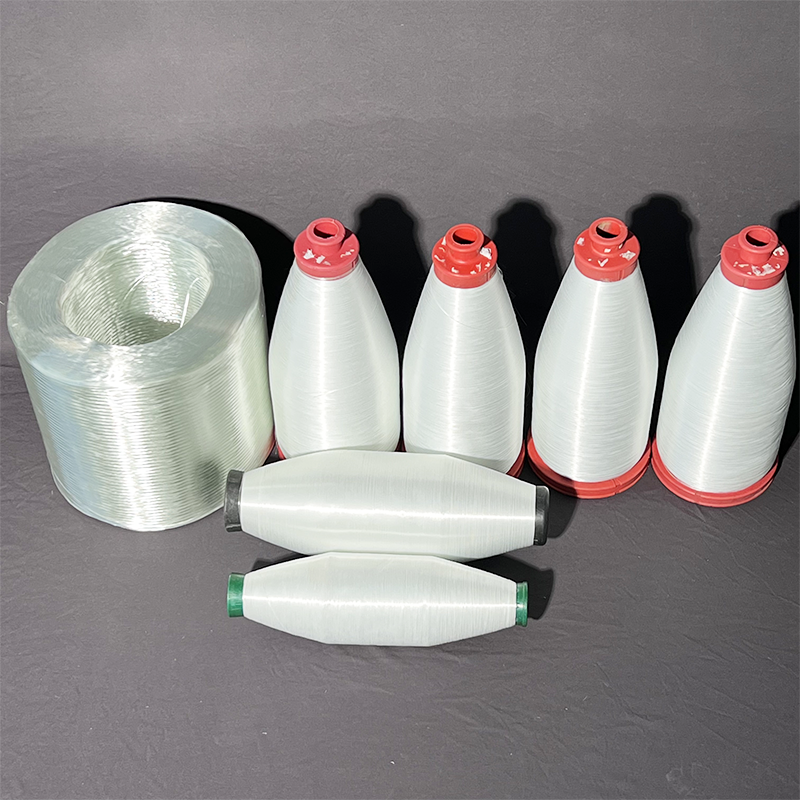
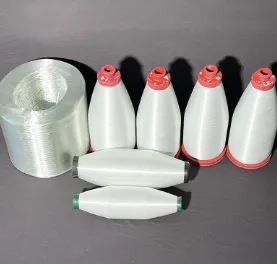
Fiber glass yarn is a textile product composed of extremely fine glass filaments twisted or plied into strands. It is widely used in industrial textiles, thermal insulation, and composite materials. The production process involves melting raw materials like silica sand, limestone, and alumina, then extruding them through bushings to form continuous filaments.
Fiberglass yarn offers several key advantages:
High tensile strength
Resistance to heat and corrosion
Electrical insulation properties
Non-combustibility and dimensional stability
Depending on the glass composition and fiber structure, fiberglass yarn is categorized into different types, including E glass fiber yarn, C glass fiber yarn, and roving glass fiber yarn.
Comparing E Glass, C Glass, and Roving Glass Fiber Yarn
Each type of fiberglass yarn is designed for specific performance needs, and understanding the differences is crucial for selecting the right material.
E Glass Fiber Yarn
E glass fiber yarn is the most commonly used type. The "E" stands for "Electrical" because of its superior insulating properties. It is composed primarily of alumino-borosilicate glass and offers excellent strength-to-weight ratio and durability.
Key Characteristics:
Excellent electrical insulation
High mechanical strength
Good resistance to moisture and heat
Cost-effective and widely available
Applications:
Printed circuit boards (PCBs)
Reinforcement for thermoset plastics
Electrical insulation fabrics
Aerospace and automotive composites
Because of its low dielectric constant and high strength, E glass fiber yarn is ideal for use in high-performance electronic components and structural laminates.
C Glass Fiber Yarn
C glass fiber yarn, known for its high chemical resistance, is made from calcium-rich borosilicate glass. The "C" stands for "Chemical" because of its superior resistance to acids and corrosive environments.
Key Characteristics:
Excellent corrosion and acid resistance
Lower mechanical strength compared to E glass
Moderate thermal resistance
Softer and more flexible texture
Applications:
Surface tissues in chemical tanks
Protective coatings for pipelines
Acid-resistant mats and cloths
Industrial filtration systems
When corrosion resistance is a priority—particularly in environments exposed to chemicals, acids, or industrial gases—C glass fiber yarn offers a reliable solution.
Roving Glass Fiber Yarn
Roving glass fiber yarn is a bundle of untwisted continuous filaments. It is generally used as a raw material in weaving and composite production due to its high strength and adaptability.
Key Characteristics:
Made of parallel strands (no twist)
High tensile strength
Low fuzz generation
Efficient for reinforcement in composites
Applications:
Pultrusion profiles
Filament winding
Chopped strand mats
Structural reinforcements for GRP (Glass Reinforced Plastic)
Because it is untwisted, roving glass fiber yarn allows for easier impregnation with resin, making it ideal for composite manufacturing where uniform strength and thickness are important.
Industrial Applications and Trends in Fiberglass Yarn
As industries push the boundaries of material science, the demand for specialized fiberglass yarn continues to grow. The combination of heat resistance, electrical insulation, and mechanical strength makes fiber glass yarn an integral component in a range of applications:
Electronics and Electrical Systems
Thanks to its dielectric strength and thermal resistance, E glass fiber yarn is a preferred choice in circuit boards, motor windings, transformers, and high-temperature cable insulation.
Construction and Civil Engineering
Reinforced fabrics made from roving glass fiber yarn are used to strengthen concrete, prevent cracking, and extend the lifespan of buildings and infrastructure. They also serve in waterproofing membranes and facade insulation.
Marine and Chemical Industry
In corrosive environments like chemical plants and marine vessels, C glass fiber yarn is used to line tanks, reinforce pipes, and create acid-resistant fabrics.
Automotive and Aerospace
Due to its lightweight and strength, fiberglass yarn is increasingly replacing metal parts in vehicles and aircraft. Composite parts using E glass fiber yarn help reduce fuel consumption while maintaining safety standards.
Environmental and Filtration Solutions
Fiber glass yarn is also widely used in filtration systems—both for air and liquid—because of its resistance to high temperatures and chemical degradation.
Choosing the Right Fiberglass Yarn for Performance and Durability
In conclusion, fiber glass yarn is a highly versatile material that adapts to the diverse demands of industries ranging from aerospace to construction. Choosing the right type—whether roving glass fiber yarn, C glass fiber yarn, or E glass fiber yarn—depends on the application’s requirements for strength, chemical resistance, electrical insulation, and processing efficiency.
For electrical and structural uses, opt for E glass fiber yarn.
For acid and chemical exposure, C glass fiber yarn offers superior resistance.
For composite reinforcement, especially in pultrusion and molding, roving glass fiber yarn is unmatched.
As the need for lightweight, high-performance materials continues to grow, fiberglass yarn will remain a core building block in both existing and emerging technologies.
-
Best Fiberglass Mesh Tape for RedGard Product Waterproofing Guide訊息Apr.16,2026
-
Why High Strength Fiberglass Mesh Is Essential For Stucco Application訊息Apr.15,2026
-
Why Alkali Resistant Fiberglass Mesh Tape Is Essential For Cement Board And Tile Installations訊息Apr.15,2026
-
Understanding The Role Of Drywall Fiberglass Mesh In Interior Finishing訊息Apr.15,2026
-
Ultimate Guide To Using Fiberglass Mesh Tape For Drywall And Plaster Repairs訊息Apr.15,2026
-
The Versatility Of Fiberglass Mesh In Marble And Stone Mosaic訊息Apr.15,2026