10 月 . 15, 2025 16:05 回目錄
Exploring the Versatility of Fiberglass Yarn in Modern Industry
Fiberglass materials have become essential across many industries due to their high strength, lightweight nature, and resistance to heat and chemicals. Among these materials, fiber glass yarn plays a pivotal role in manufacturing and product design. It serves as a base material for insulation, reinforcement, filtration, and composite applications. With specialized types such as roving fiber glass yarn, C fiber glass yarn, and E fiber glass yarn, manufacturers can tailor solutions for varied needs—from electrical insulation to chemical resistance.
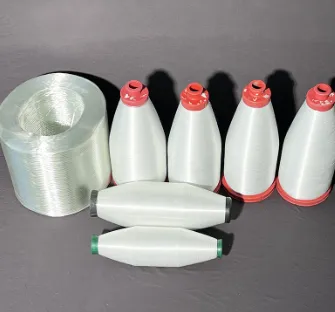
This article will explore the differences between various fiberglass yarn types, their applications, and what to look for in a fiberglass yarn manufacturer.
What Is Fiberglass Yarn?
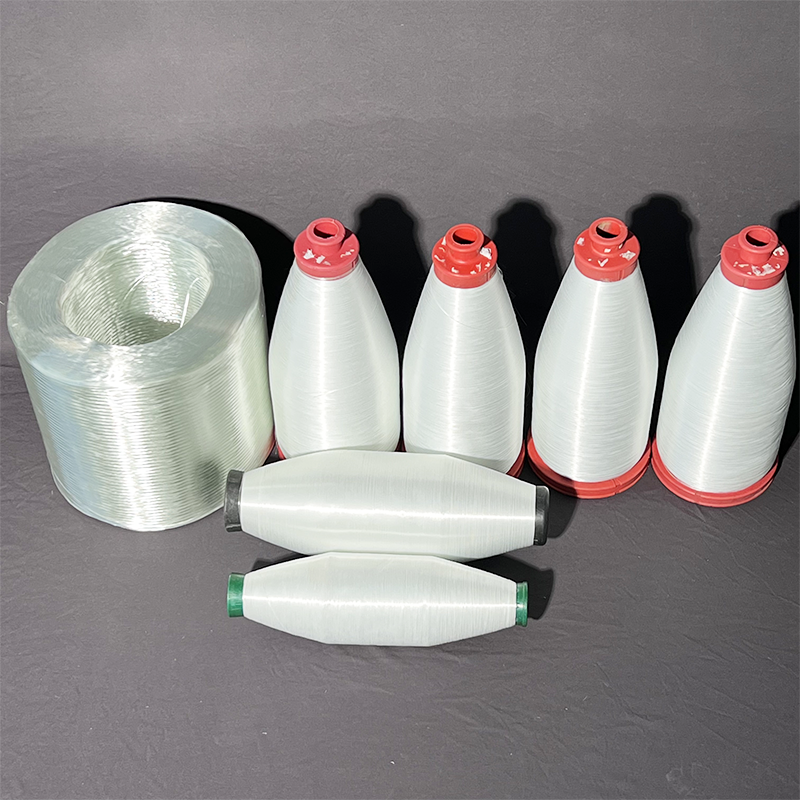
Fiber glass yarn is a continuous strand made from extremely fine fibers of glass. These yarns are typically produced by melting glass and drawing it into thin filaments, which are then twisted or textured into yarn form. This yarn serves as the building block for various composite materials, textiles, and reinforcement structures.
Key Characteristics
High tensile strength and dimensional stability
Resistance to heat, flame, and chemicals
Electrically non-conductive
Low moisture absorption
Lightweight yet durable
These properties make fiber glass yarn an essential component in aerospace, automotive, marine, construction, and electronics industries.
Types of Fiberglass Yarns: Roving, C Glass, and E Glass
The type of fiberglass yarn used depends on the end application. Let's look at three common types: roving fiber glass yarn, C fiber glass yarn, and E fiber glass yarn.
Roving Glass Fiber Yarn
Roving glass fiber yarn is a collection of parallel glass filaments bundled without twist. It is primarily used for weaving and pultrusion processes. Its uniformity and ease of impregnation with resins make it ideal for producing high-performance composites.
應用領域:
Wind turbine blades
Pultruded profiles
Reinforced plastics
Boat hulls and automotive parts
The straight, untwisted strands of roving fiber glass yarn allow for optimal resin wet-out, which improves the mechanical strength of the final composite product.
C Glass Fiber Yarn
C fiber glass yarn is known for its superior chemical resistance, especially against acidic environments. It is commonly used in the chemical processing industry, filtration media, and corrosion-resistant applications.
應用領域:
Acid-resistant coatings and linings
Chemical storage tank reinforcement
Industrial filtration fabrics
Although not as strong as E glass in tensile strength, C fiber glass yarn excels in environments where chemical corrosion is a primary concern.
E Glass Fiber Yarn
E fiber glass yarn is the most commonly used type of fiberglass due to its excellent electrical insulation and mechanical strength. "E" stands for "electrical," highlighting its non-conductive properties. This type is a standard in electrical insulation and general-purpose composites.
應用領域:
Printed circuit boards (PCBs)
Electrical tapes and insulation sleeves
Structural composites
Aerospace components
Thanks to its versatility, E fiber glass yarn is often used as a base material for high-performance fabrics and tapes used in demanding environments.
Choosing the Right Fiberglass Yarn Manufacturer
When selecting a fiberglass yarn manufacturer, quality, consistency, and innovation should be top priorities. A reliable manufacturer not only offers a range of products (like roving fiber glass yarn, C fiber glass yarn, and E fiber glass yarn) but also ensures each yarn type meets industry standards for tensile strength, filament diameter, thermal resistance, and compatibility with resins.
What to Look For
Quality Certifications: Ensure they comply with ISO, ASTM, or other relevant quality management systems.
Customization Capabilities: Top manufacturers offer custom sizing, texturing, and packaging based on application.
Production Scale: Consider whether the manufacturer can meet large-volume or global supply chain demands.
Technical Support: Look for a supplier that offers technical assistance, product development support, and after-sales service.
A forward-thinking fiberglass yarn manufacturer will also invest in R&D to develop high-performance yarns for emerging applications like electric vehicle components, smart textiles, and eco-friendly composites.
Fiberglass Yarn as a Backbone of Innovation
From building materials and electronics to advanced composites and corrosion-resistant linings, fiber glass yarn plays a foundational role in a wide range of industries. The diverse properties and applications of roving fiber glass yarn, C fiber glass yarn, and E fiber glass yarn illustrate just how versatile and essential these materials have become.
Working with a trusted fiberglass yarn manufacturer ensures that your projects benefit from reliable performance, quality assurance, and application-specific solutions. As technology continues to advance, fiberglass yarn will remain a cornerstone material in pushing the boundaries of strength, durability, and design.
-
Best Fiberglass Mesh Tape for RedGard Product Waterproofing Guide訊息Apr.16,2026
-
Why High Strength Fiberglass Mesh Is Essential For Stucco Application訊息Apr.15,2026
-
Why Alkali Resistant Fiberglass Mesh Tape Is Essential For Cement Board And Tile Installations訊息Apr.15,2026
-
Understanding The Role Of Drywall Fiberglass Mesh In Interior Finishing訊息Apr.15,2026
-
Ultimate Guide To Using Fiberglass Mesh Tape For Drywall And Plaster Repairs訊息Apr.15,2026
-
The Versatility Of Fiberglass Mesh In Marble And Stone Mosaic訊息Apr.15,2026