Th10 . 15, 2025 16:21 Trở lại danh sách
Strengthening Walls with Fiberglass Mesh for Plastering
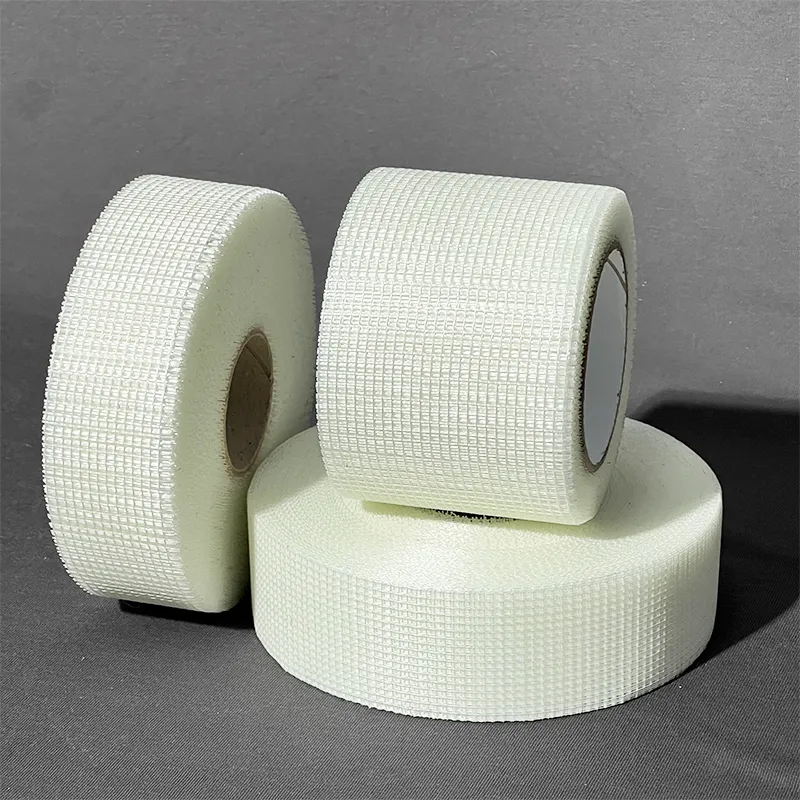
Modern construction relies on reinforcement materials that ensure long-term durability and resistance to cracking, especially in wall finishes and plaster applications. One of the most effective and widely used materials for this purpose is fiberglass mesh for plastering. Lightweight, strong, and resistant to chemical and environmental damage, fiberglass mesh plays a crucial role in improving the structural performance of internal and external wall surfaces.
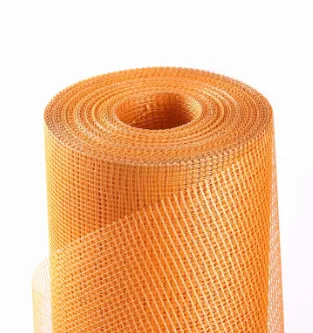
This article explores the different forms, functions, and advantages of fiber glass mesh for plastering, including insights into product types such as fiberglass mesh roll and fibreglass mesh plastering applications.
What Is Fiberglass Mesh and Why Is It Used for Plastering?
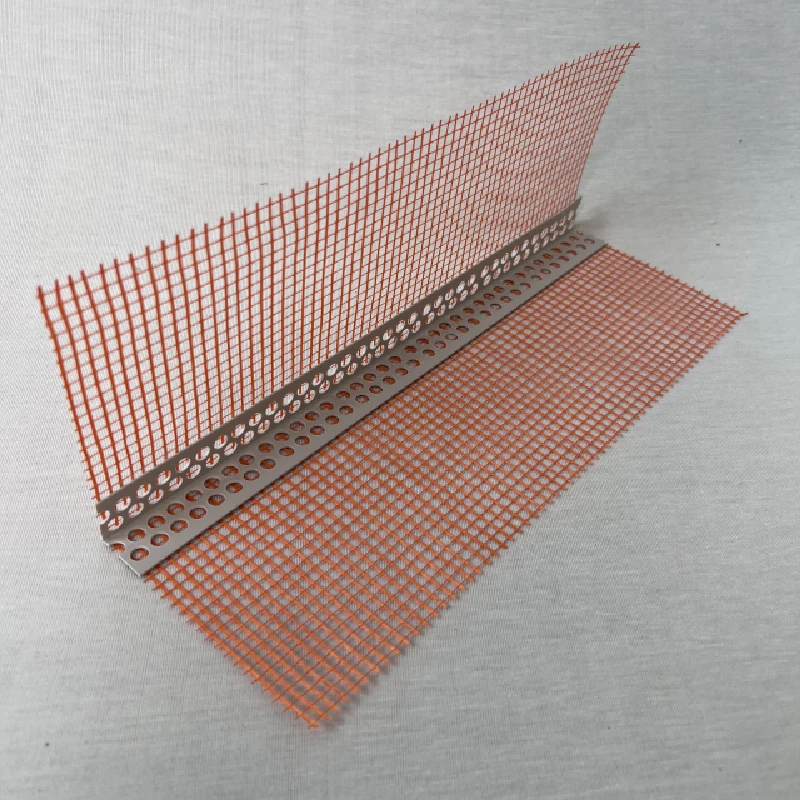
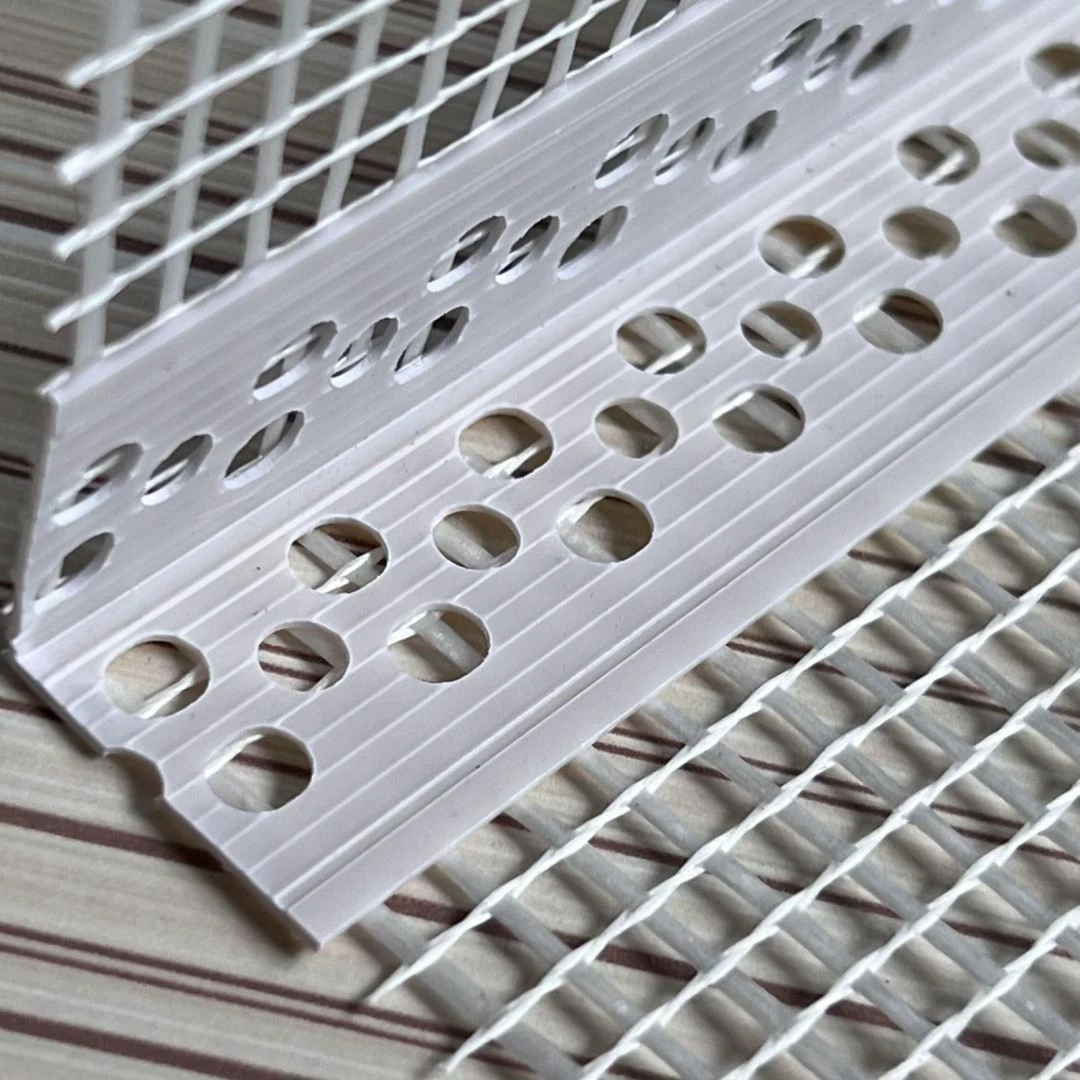
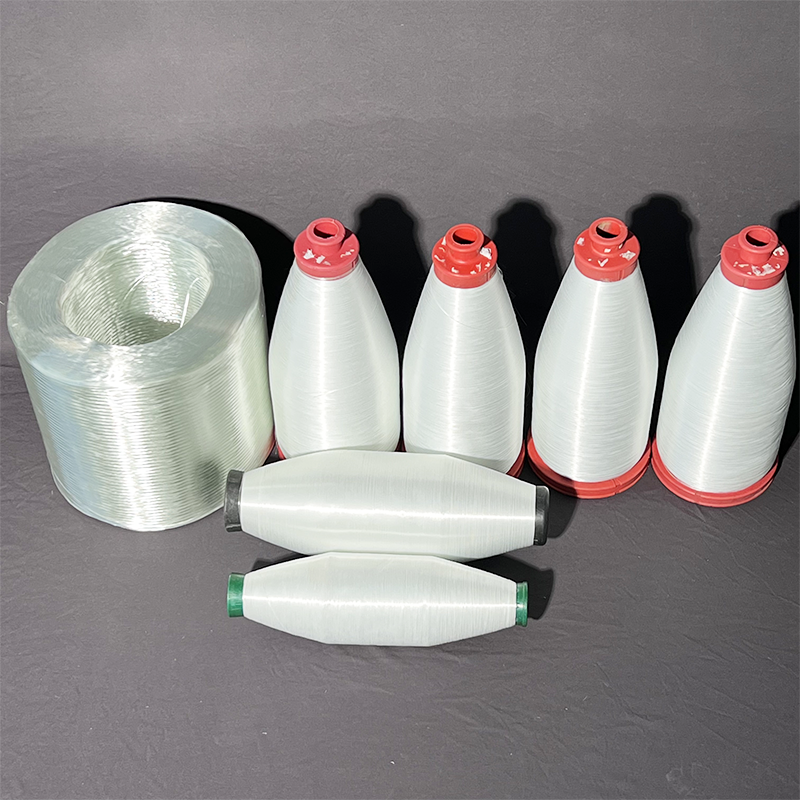
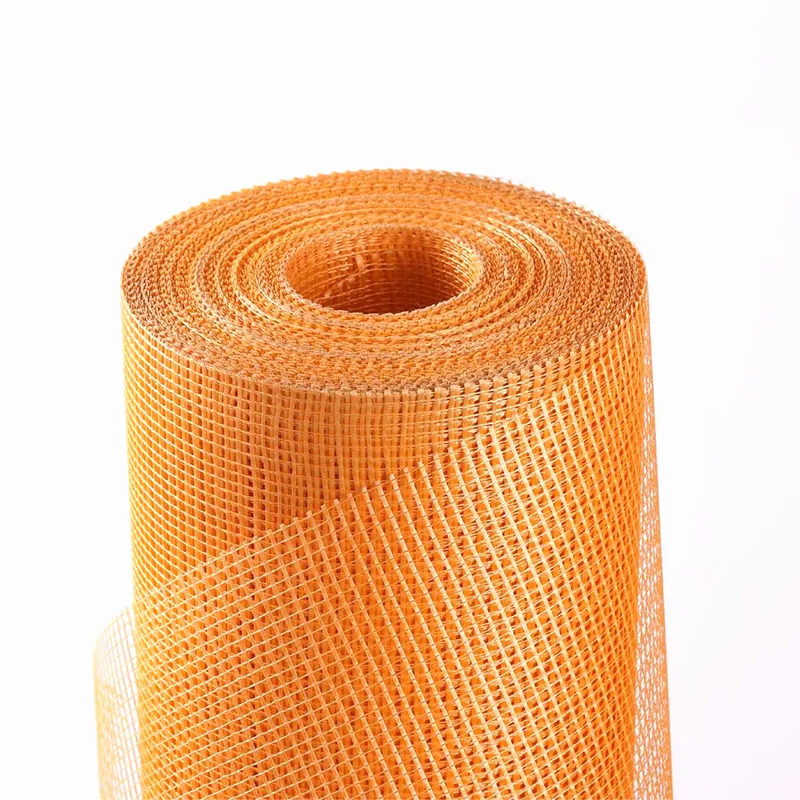
Fiberglass mesh for plastering is a woven fabric made of glass fiber strands treated with an alkali-resistant coating. It is designed to be embedded into plaster or cementitious layers to prevent cracking, provide strength, and improve adhesion between layers. The mesh helps distribute stresses across a larger area, which is particularly valuable in areas prone to settling, thermal expansion, or vibration.
Key Features:
High tensile strength for structural reinforcement
Alkali resistance for durability in cement-based environments
Lightweight and flexible, making it easy to install
Compatible with various wall-finishing materials such as gypsum, stucco, and lime-based plasters
Without fiber glass mesh for plastering, wall surfaces are far more likely to crack due to shrinkage, movement, or environmental stress. This makes fiberglass mesh essential for both aesthetic quality and the long-term integrity of plastered walls.
Applications of Fiberglass Mesh Roll
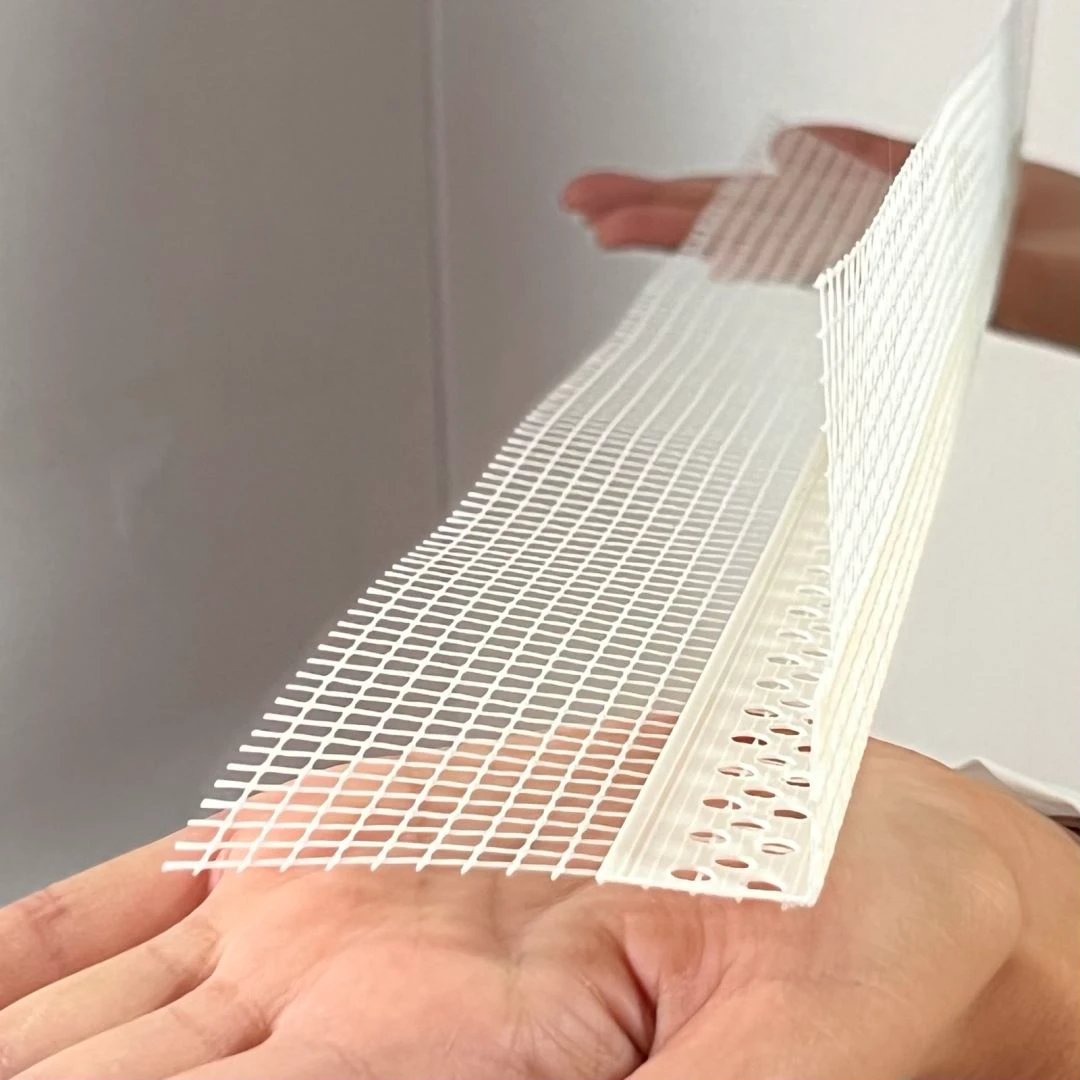
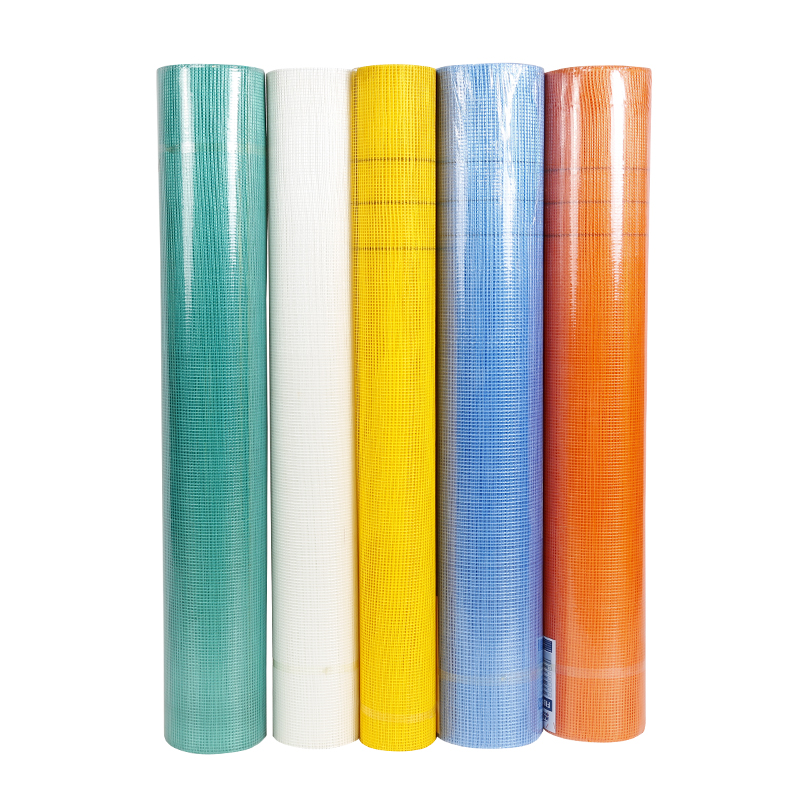
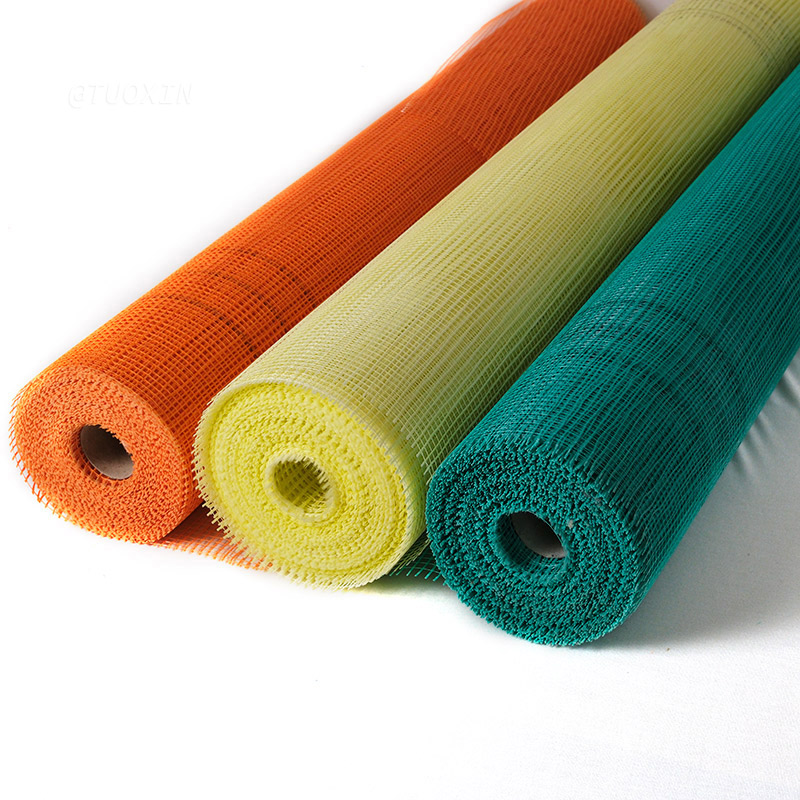
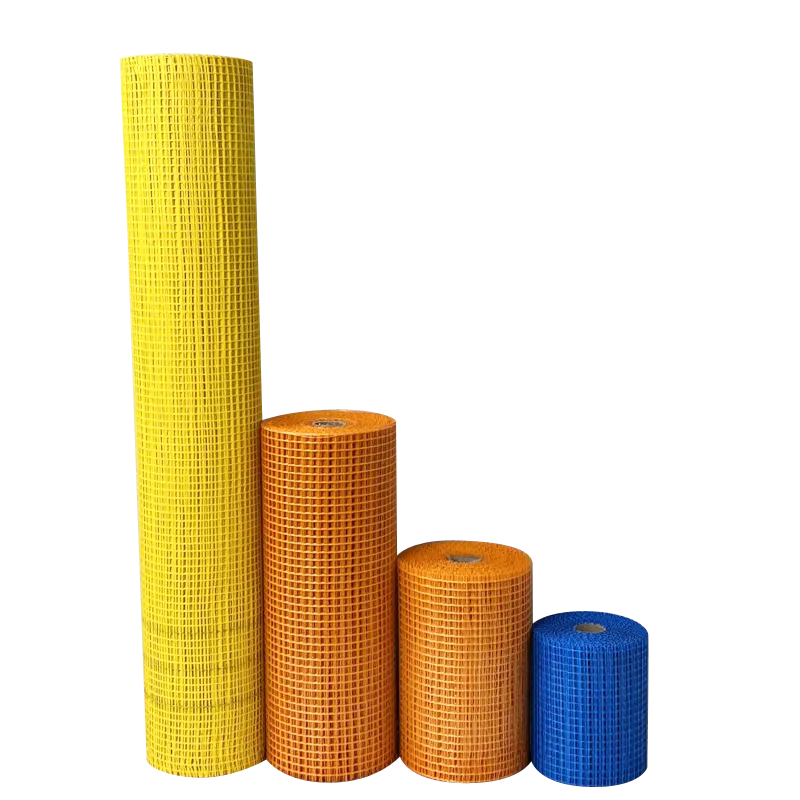
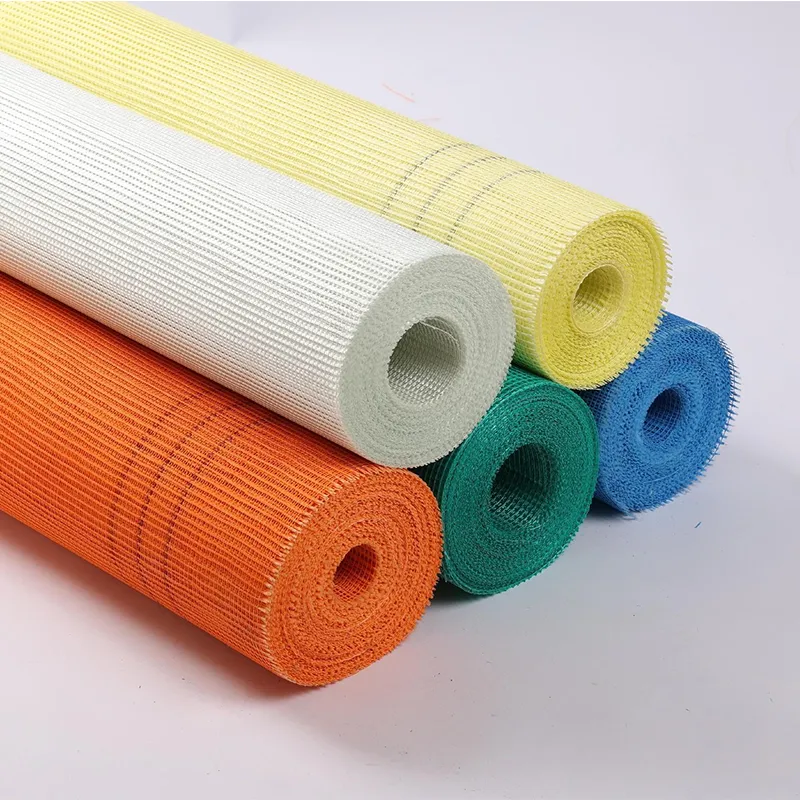
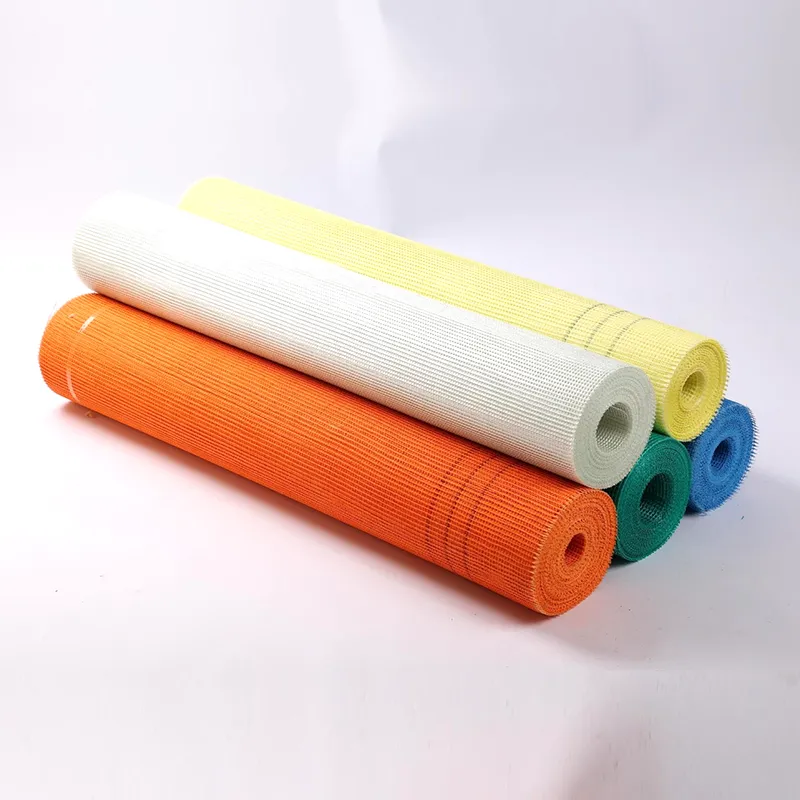
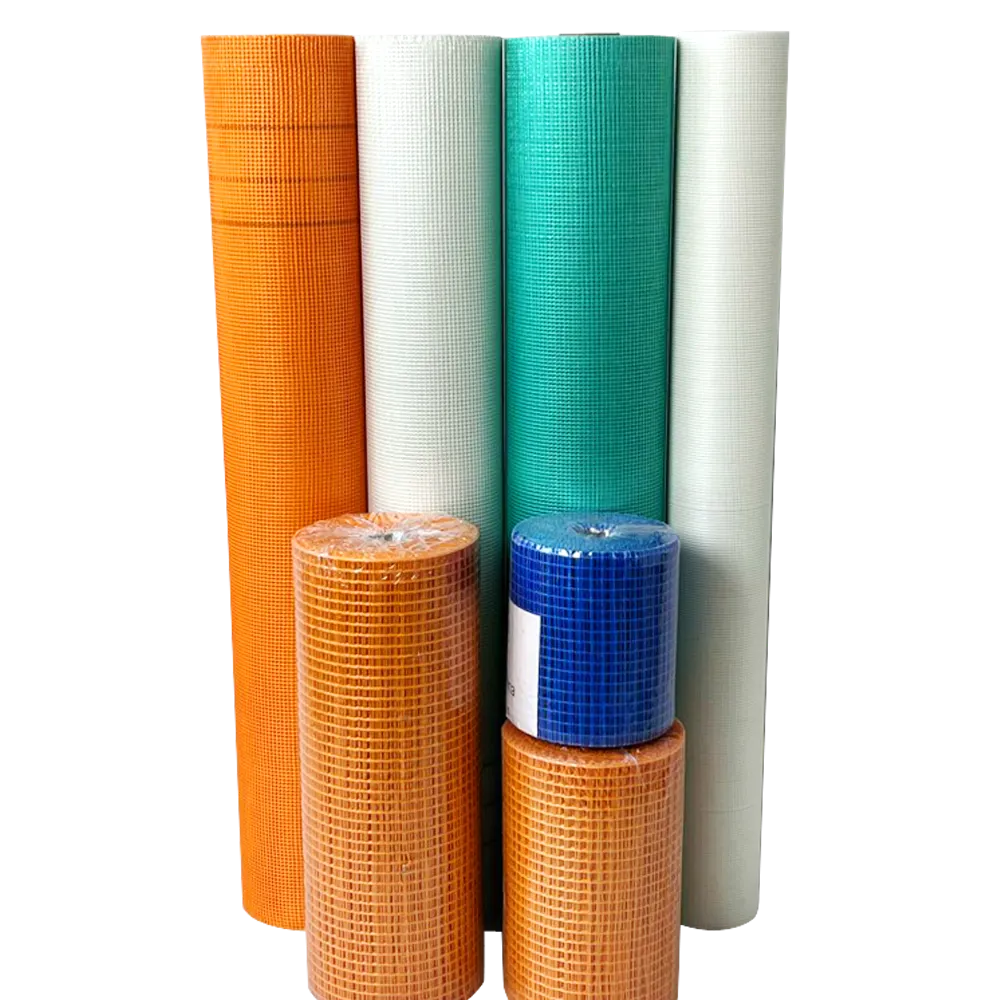
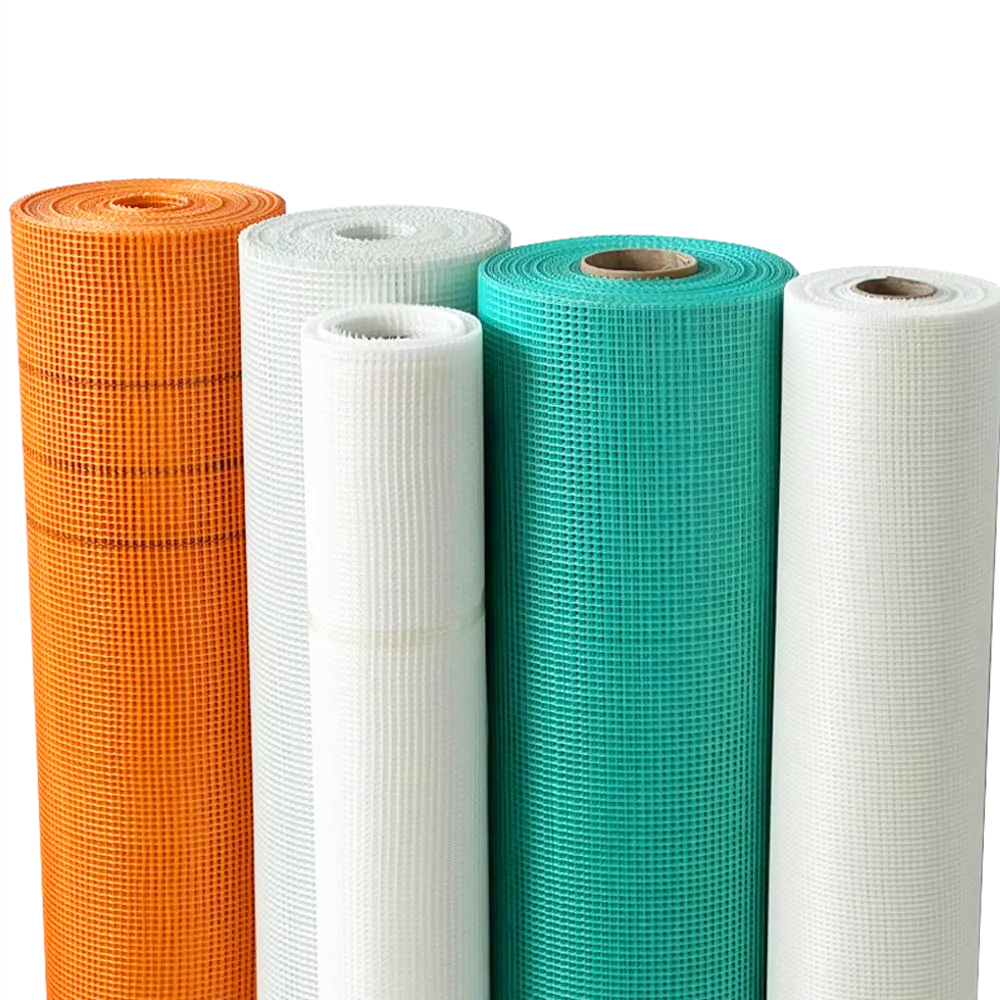
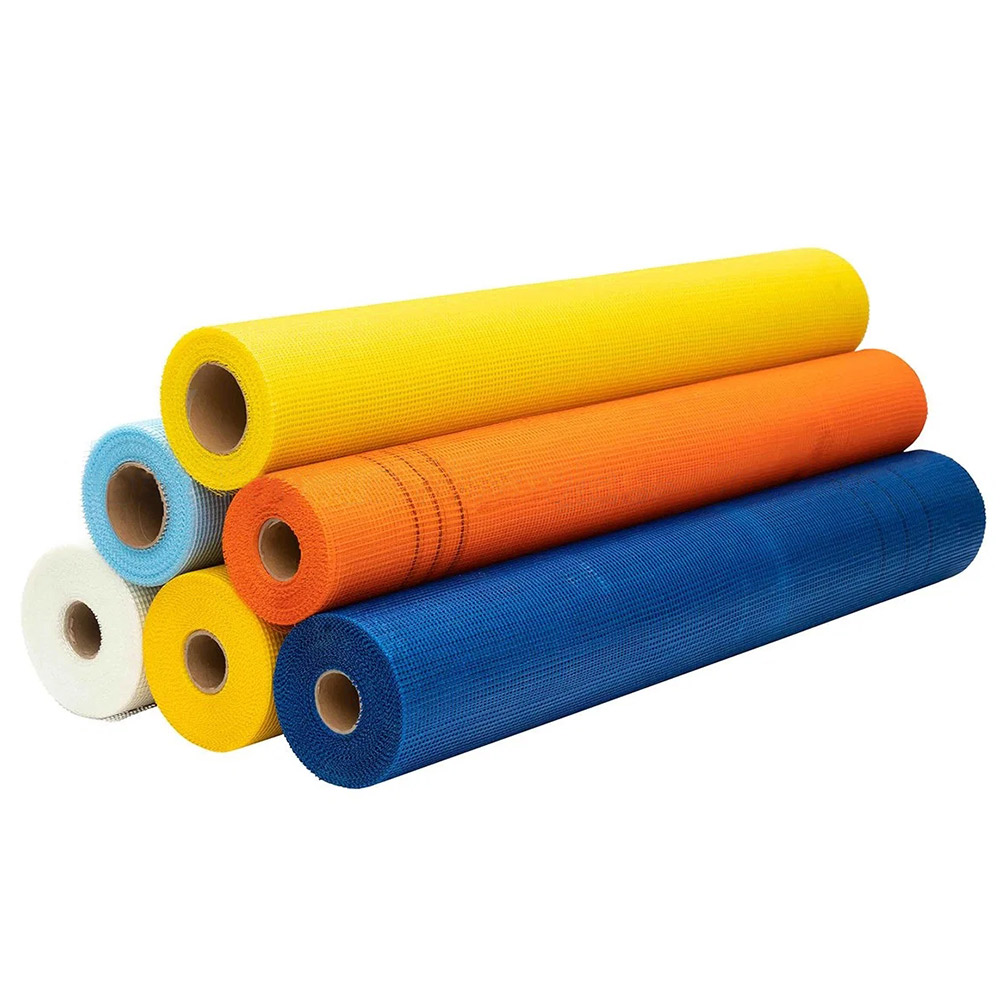
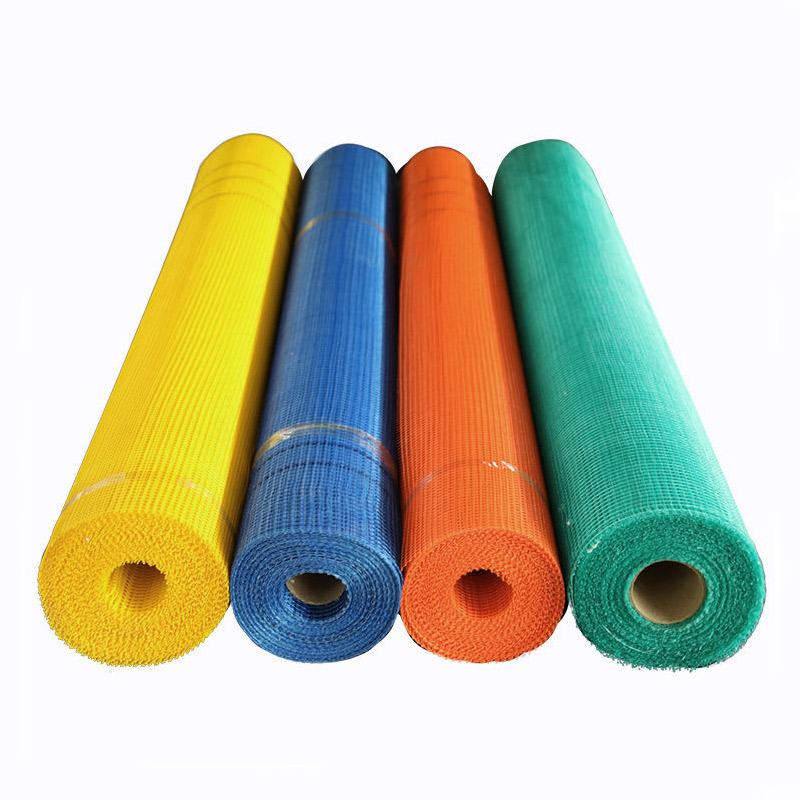
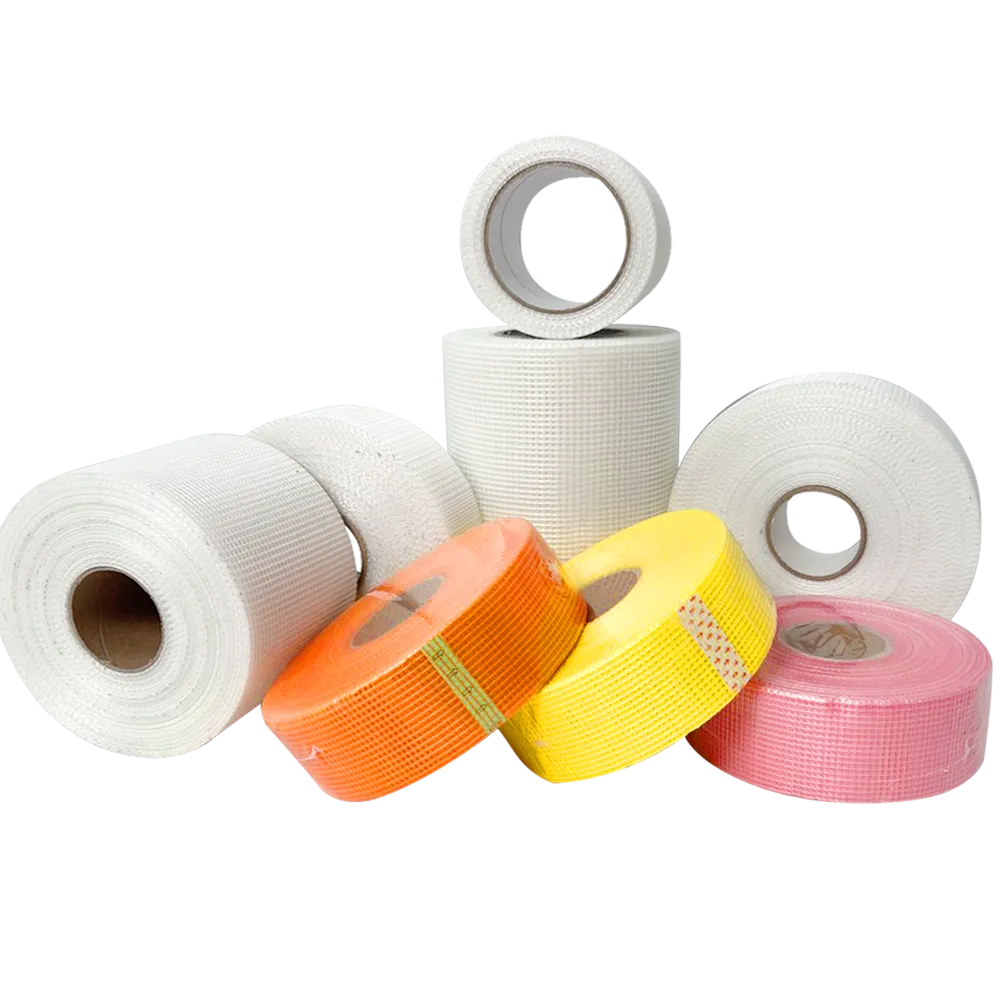
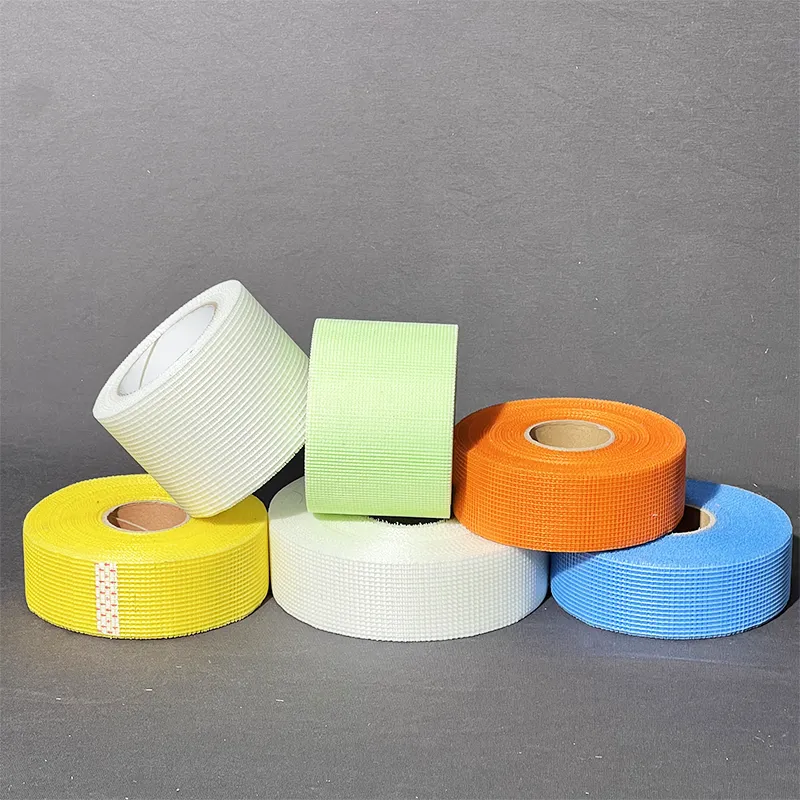
One of the most convenient product formats is the fiberglass mesh roll. These rolls come in different widths, lengths, and mesh sizes, allowing flexibility for various construction scenarios. Rolls are typically applied over large surface areas, including walls, ceilings, and facades.
Where It’s Used:
Base coat reinforcement in External Thermal Insulation Composite Systems (ETICS)
Crack prevention on drywall or gypsum board surfaces
Substrate reinforcement for lime and cement plaster in renovation projects
Preventing delamination in multi-layered plaster systems
Using a fiberglass mesh roll is especially helpful in large-scale projects, as it speeds up the application process and ensures a uniform layer of reinforcement. Installers simply unroll the mesh over the surface and embed it into the wet plaster using a trowel or roller.
Advantages:
Easy to cut and apply
Can be layered or overlapped for increased strength
Reduces risk of uneven drying or localized failure in plaster
When properly applied, a fiberglass mesh roll significantly increases resistance to cracks caused by thermal movement, shrinkage, or mechanical stress.
Differences in Terminology: Fibreglass Mesh Plastering vs. fiber glass Mesh
Depending on the region and manufacturer, the terminology may vary between fibreglass mesh plastering, fiber glass mesh for plastering, and glass fiber mesh for plastering, but they typically refer to the same product. The variations in spelling (fibreglass vs. fiberglass) reflect British and American English usage, respectively.
Fibreglass Mesh Plastering (UK Terminology)
Fibreglass mesh plastering is widely used across Europe and the UK in both residential and commercial construction. It is particularly valuable in the refurbishment of older buildings, where substrate integrity may be compromised and added support is essential. British standards often emphasize using fibreglass mesh plastering in lime-based and traditional plastering systems.
Fiber Glass Mesh for Plastering (US Terminology)
In the United States, fiber glass mesh for plastering is commonly found in both new construction and remodeling. It is often used to reinforce areas around windows, doors, and other high-stress zones where plaster is prone to cracking. This form of mesh is a key component in stucco base coats and exterior wall insulation systems.
Glass Fiber Mesh for Plastering: A General Industry Term
The term fiber glass mesh for plastering is a catch-all phrase used globally to describe mesh products made from glass fibers used in cement, gypsum, or lime plaster applications. These products may be tailored with different coatings or weaves depending on application-specific needs.
Regardless of the terminology, all variants aim to enhance the bond strength, minimize shrinkage-related issues, and extend the life of plaster surfaces.
Choosing the Right Mesh for Stronger, Crack-Free Surfaces
For anyone working with cement, lime, or gypsum-based wall systems, using fiberglass mesh for plastering is not just recommended—it’s essential. Whether you're using a fiberglass mesh roll for wide coverage, targeting repairs with fiber glass mesh for plastering, or following regional practices with fibreglass mesh plastering, these materials serve the same crucial function: reinforcing plaster layers to prevent cracking and ensure a lasting, professional finish.
By integrating fiber glass mesh for plastering into your wall systems, you’ll enjoy:
Fewer repairs over time
Improved thermal and structural performance
Better adhesion and smoother surface finishes
Choosing high-quality mesh products suited to your application needs will make a significant difference in durability, appearance, and performance. Whether you’re a contractor, builder, or homeowner, investing in proper reinforcement is a smart, cost-effective strategy for any plastering project.
-
Best Fiberglass Mesh Tape for RedGard Product Waterproofing GuideTin tứcApr.16,2026
-
Why High Strength Fiberglass Mesh Is Essential For Stucco ApplicationTin tứcApr.15,2026
-
Why Alkali Resistant Fiberglass Mesh Tape Is Essential For Cement Board And Tile InstallationsTin tứcApr.15,2026
-
Understanding The Role Of Drywall Fiberglass Mesh In Interior FinishingTin tứcApr.15,2026
-
Ultimate Guide To Using Fiberglass Mesh Tape For Drywall And Plaster RepairsTin tứcApr.15,2026
-
The Versatility Of Fiberglass Mesh In Marble And Stone MosaicTin tứcApr.15,2026