Apr . 02, 2026 09:52 Roʻyxatga qaytish
Selecting The Best Fiberglass Mesh For Plaster Wall Reinforcement
The architectural integrity of an interior space is often judged by the smoothness and resilience of its vertical surfaces. In the world of traditional and modern masonry, the application of plaster is a time-honored technique that provides a dense, fire-resistant, and aesthetically pleasing finish. However, plaster is inherently brittle and prone to cracking as a building undergoes natural settling or environmental shifts. To combat these structural vulnerabilities, the implementation of high-quality fiberglass mesh has become a non-negotiable standard for professional finishers. This specialized reinforcement acts as a flexible yet incredibly strong skeleton embedded within the plaster matrix, effectively distributing mechanical stress and preventing the formation of unsightly fractures that can compromise the visual and structural quality of the wall.
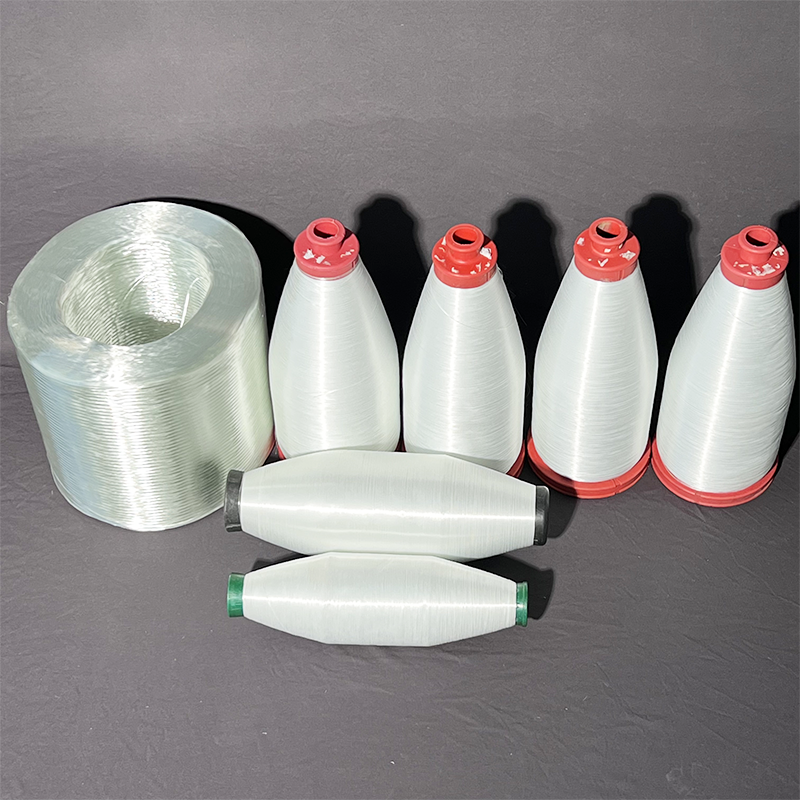
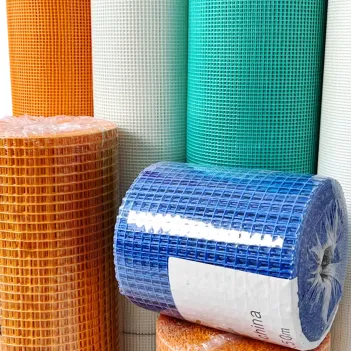
As a high-performance material, fiberglass mesh is engineered from woven glass filaments that have been treated with a protective alkali-resistant coating. This is a critical technical detail because the wet mortar and plaster used in wall construction are highly alkaline, and unprotected glass fibers would eventually dissolve or become brittle without this chemical barrier. By maintaining its tensile strength within the harsh environment of the curing plaster, the mesh provides a permanent bridge across the joints of the substrate and any pre-existing cracks. For architects and developers, the inclusion of this material is a proactive investment in a building’s longevity, ensuring that the interior envelope remains stable and aesthetically perfect for decades.
Strategic Stabilization With Fiberglass Mesh For Plaster Walls
The primary challenge in any renovation or new construction project is managing the movement between different building materials. Whether you are working over old masonry, gypsum panels, or insulation boards, each substrate expands and contracts at a unique rate. Utilizing fiberglass mesh for plaster walls provides a unifying layer that bridges these disparate surfaces. When the plaster is applied over a seam or a transition point, the mesh absorbs the lateral tension that would otherwise cause a "telegraphing" crack to appear on the surface. This is especially vital in historical restoration projects where original plaster may be crumbling or delaminating from its lath backing; the mesh provides a new, reinforced "skin" that binds the old structure together.
Furthermore, fiberglass mesh for plaster walls significantly improves the impact resistance of the finish. In high-traffic environments like hallways, schools, or commercial lobbies, walls are frequently subjected to physical strikes. The presence of a glass fiber web allows the plaster to dissipate the energy of an impact across a wider area, preventing the localized shattering or chipping that often occurs in non-reinforced systems. This added layer of security ensures that the wall can withstand the rigors of daily use while maintaining its smooth, professional appearance. By prioritizing the use of a high-density mesh, contractors can deliver a finished product that meets the highest standards of durability and client satisfaction.
Technical Advantages Of Modern Plastering Mesh Fiberglass
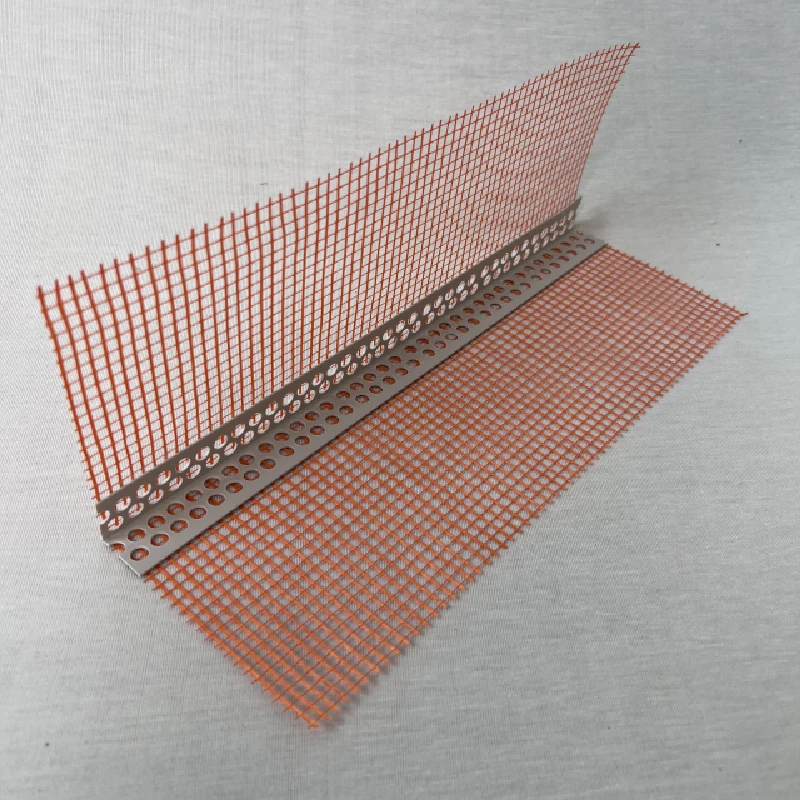
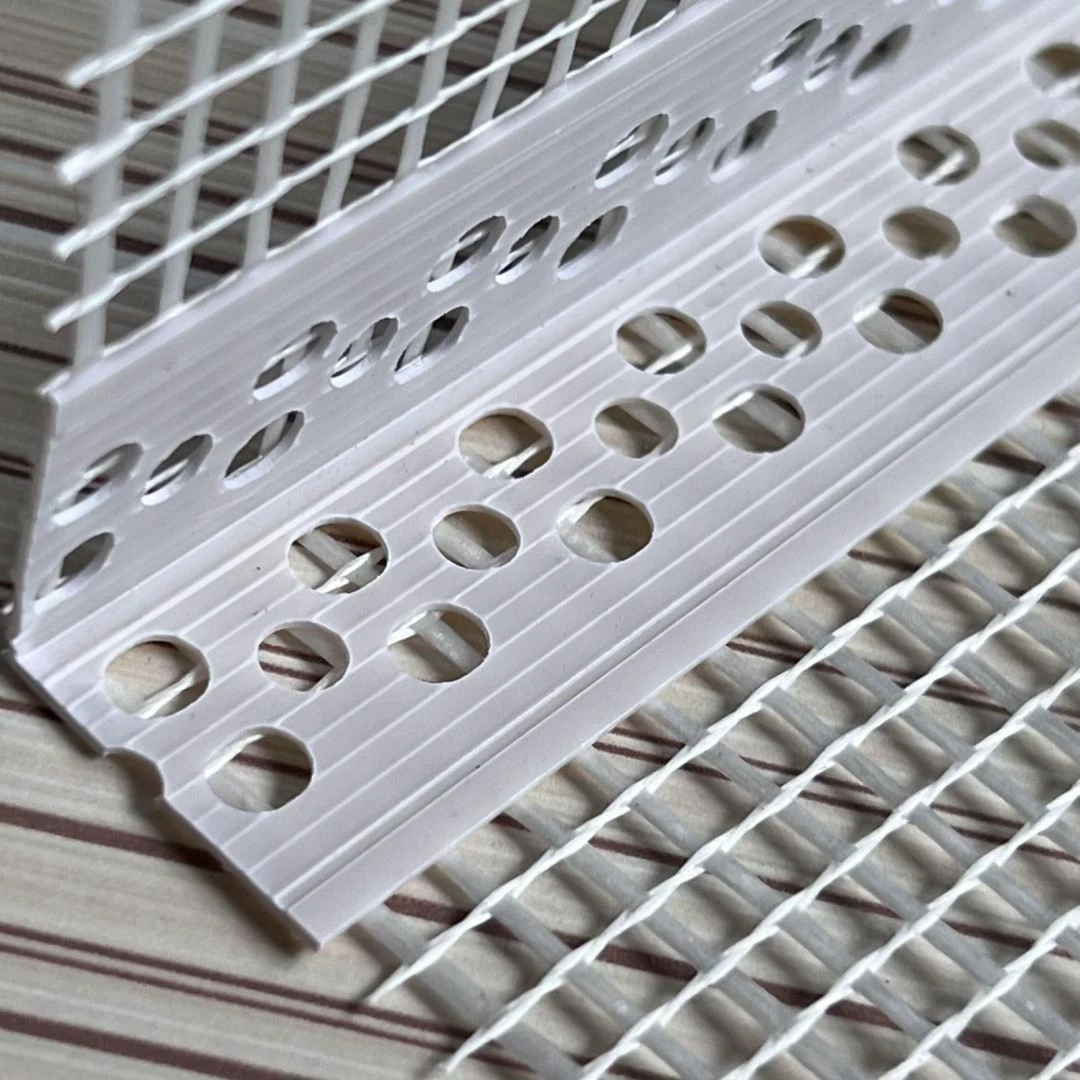
The evolution of building materials has led to the development of shisha tolali to'rni gipslash that is specifically calibrated for ease of use and maximum bonding strength. Unlike traditional metal lath, which is heavy, sharp, and prone to corrosion if moisture penetrates the wall, shisha tolali to'rni gipslash is lightweight, rust-proof, and easy to manipulate. The open-weave design of the mesh allows the plaster to pass through the grid and bond directly to the substrate, creating a mechanical lock that is incredibly strong. This porosity also ensures that the drying process remains uniform, reducing the risk of internal stresses that can occur if the plaster dries at uneven rates across the surface.
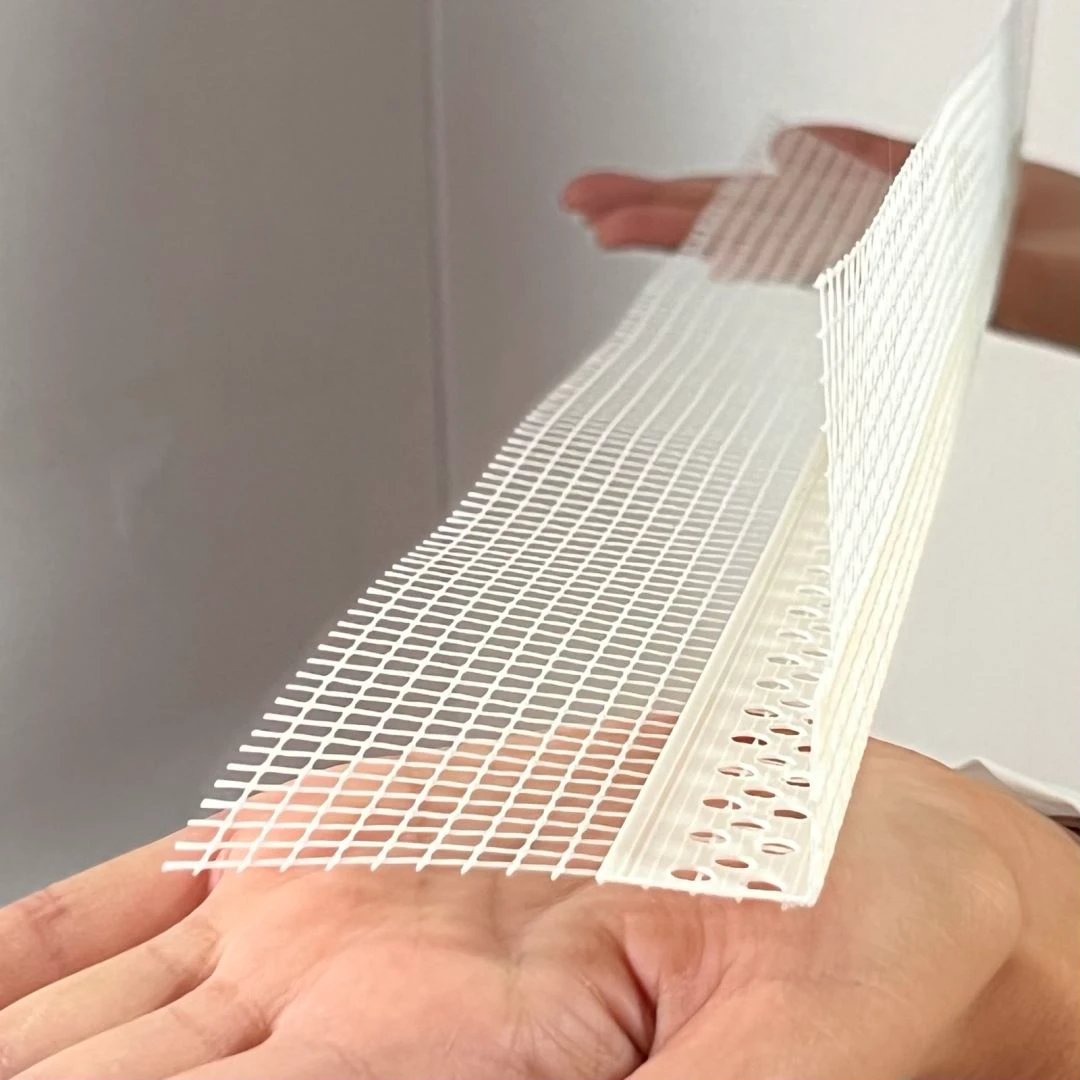
For the artisan plasterer, the flexibility of shisha tolali to'rni gipslash is a significant advantage. It can be easily cut with standard shears and wrapped around complex architectural details, such as curved archways, decorative columns, or intricate cornices, without the need for specialized bending tools. This adaptability allows for a continuous reinforcement layer even in the most challenging geometries. Because the mesh is inorganic, it does not support the growth of mold or mildew, making it an ideal choice for kitchens, bathrooms, and basements where humidity levels are often elevated. The combination of chemical resistance and mechanical flexibility makes it an indispensable tool in the modern builder's arsenal.
Achieving A Flawless Finish With Fiberglass Plaster Mesh
The success of a plastering project is heavily dependent on the invisibility of the reinforcement. Some finishers fear that the grid pattern of shisha tolali gipsli to'r might show through the final coat, but this is easily avoided with proper multi-layer application techniques. The process begins with a base coat of plaster applied directly to the wall, followed by the immediate embedding of the shisha tolali gipsli to'r into the wet mixture. A flat trowel is then used to press the mesh from the center outward, ensuring it is flat and free of air pockets. Once the base coat has set, a thinner "skim" coat is applied to level the surface and completely hide the mesh.
The use of shisha tolali gipsli to'r also facilitates a much smoother sanding process. Because the glass filaments are buried deep within the hardened plaster, there is a lower risk of "fuzzing" or exposing the reinforcement if the finisher needs to sand a high spot. This allows for an ultra-smooth, mirror-like transition that is perfectly suited for high-gloss paints, delicate wallpapers, or specialized decorative finishes. By acting as a stabilizing foundation, the mesh ensures that the final aesthetic layer is not compromised by the imperfections of the substrate. It is the secret ingredient that allows a wall to look like a single, monolithic sheet of stone rather than a collection of joined panels.
Efficiency And Portability Of The Fiberglass Mesh Roll
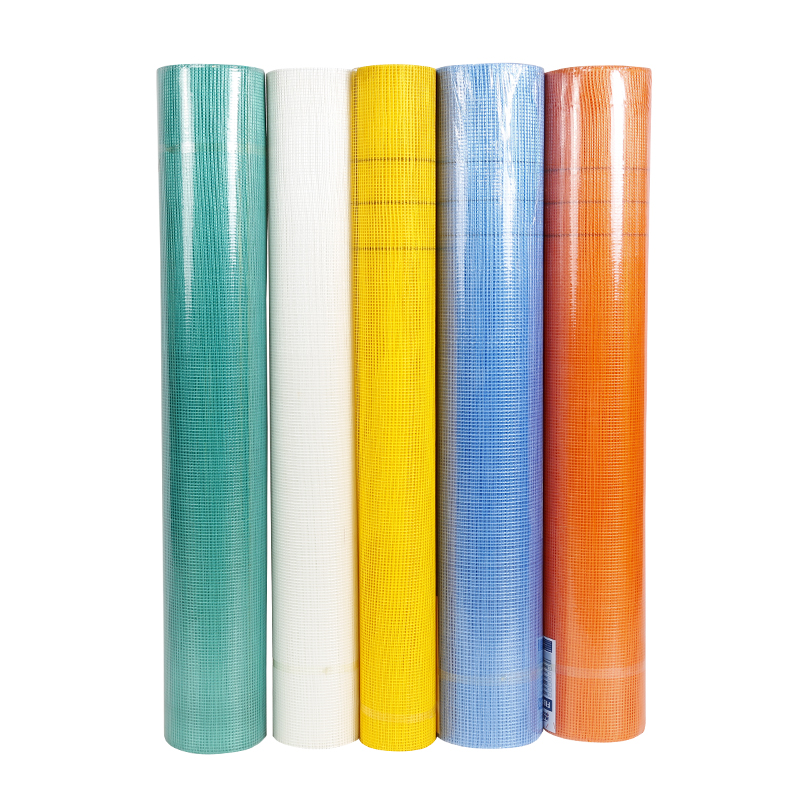
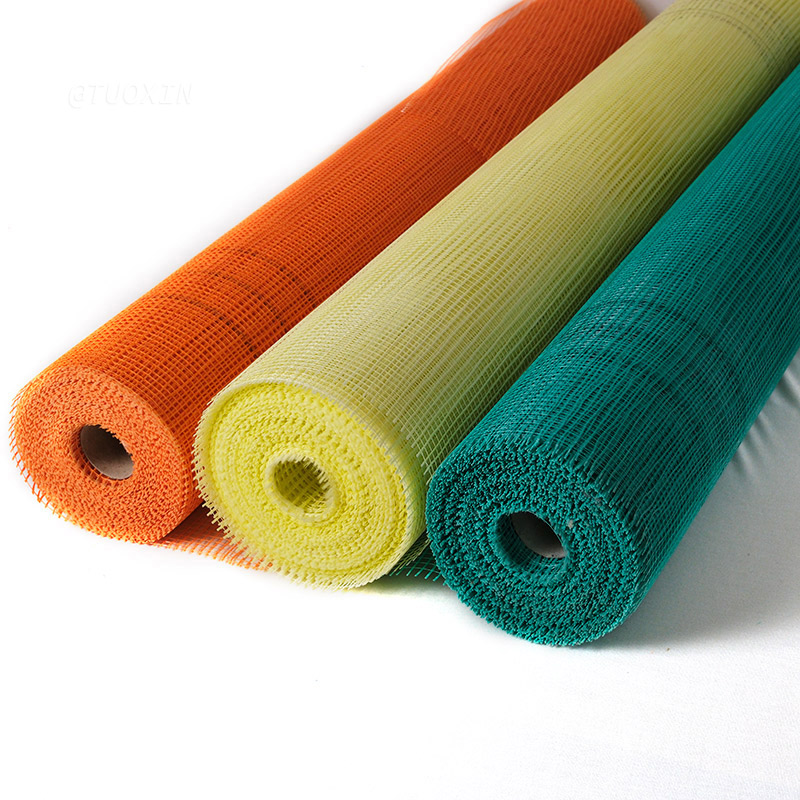
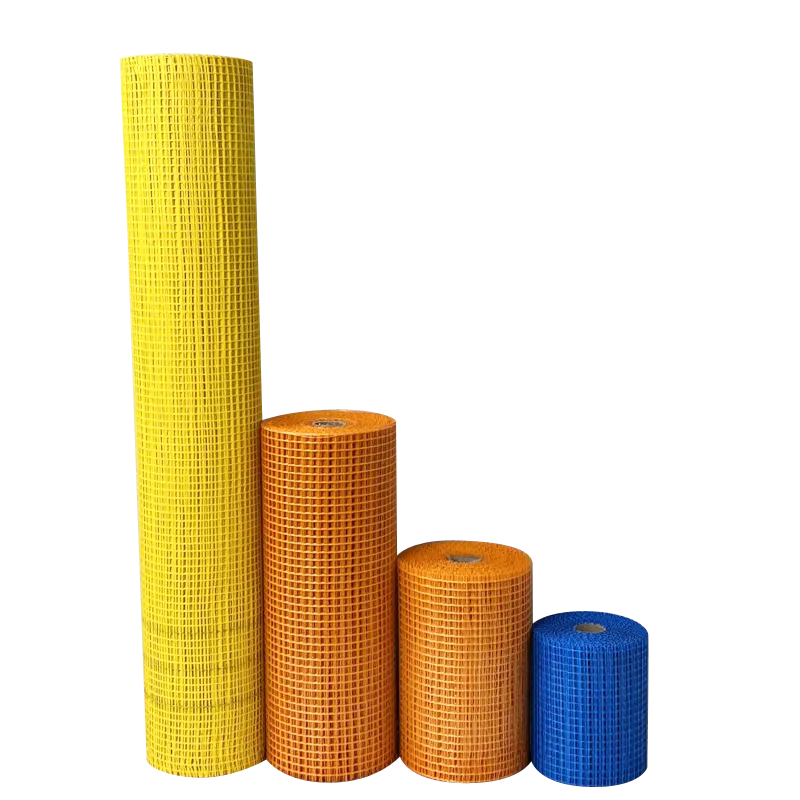
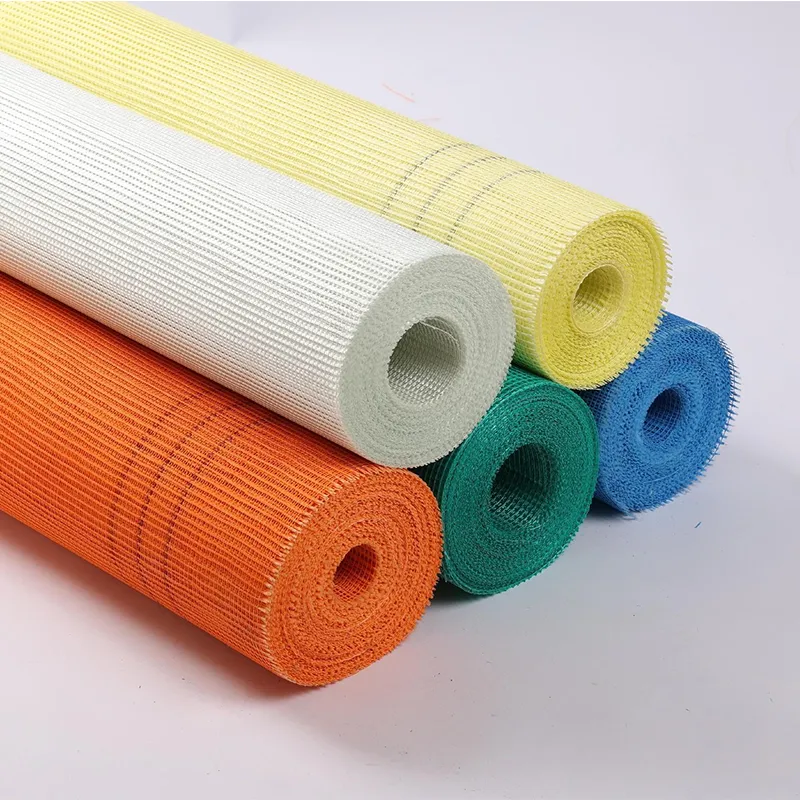
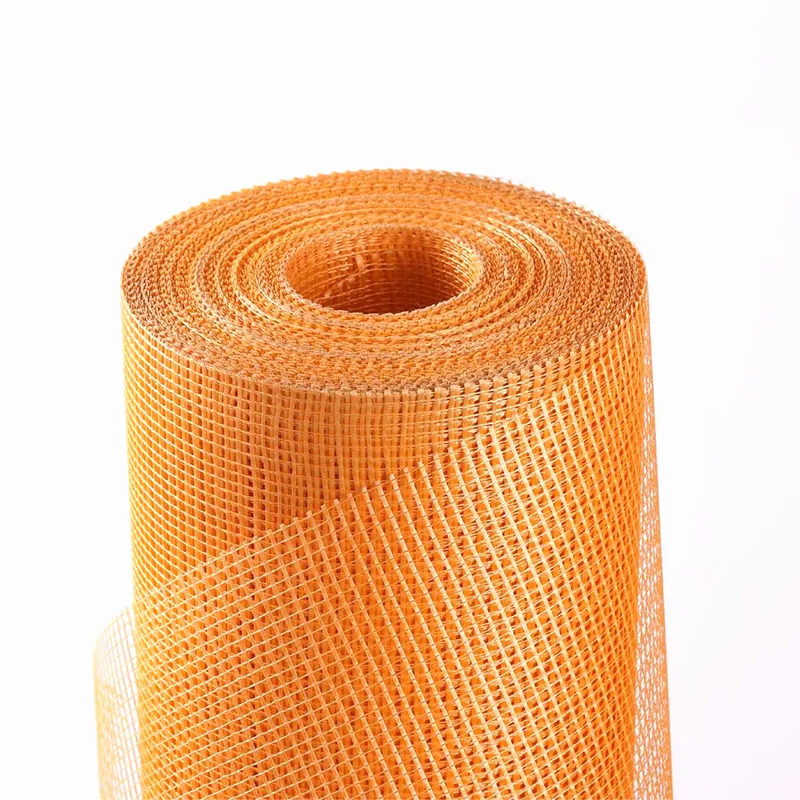
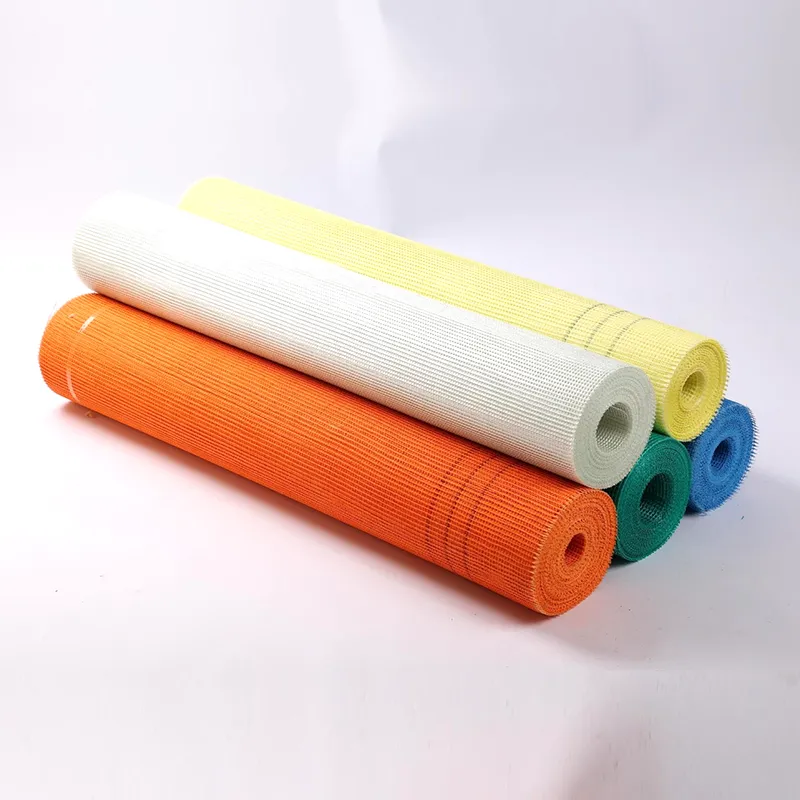
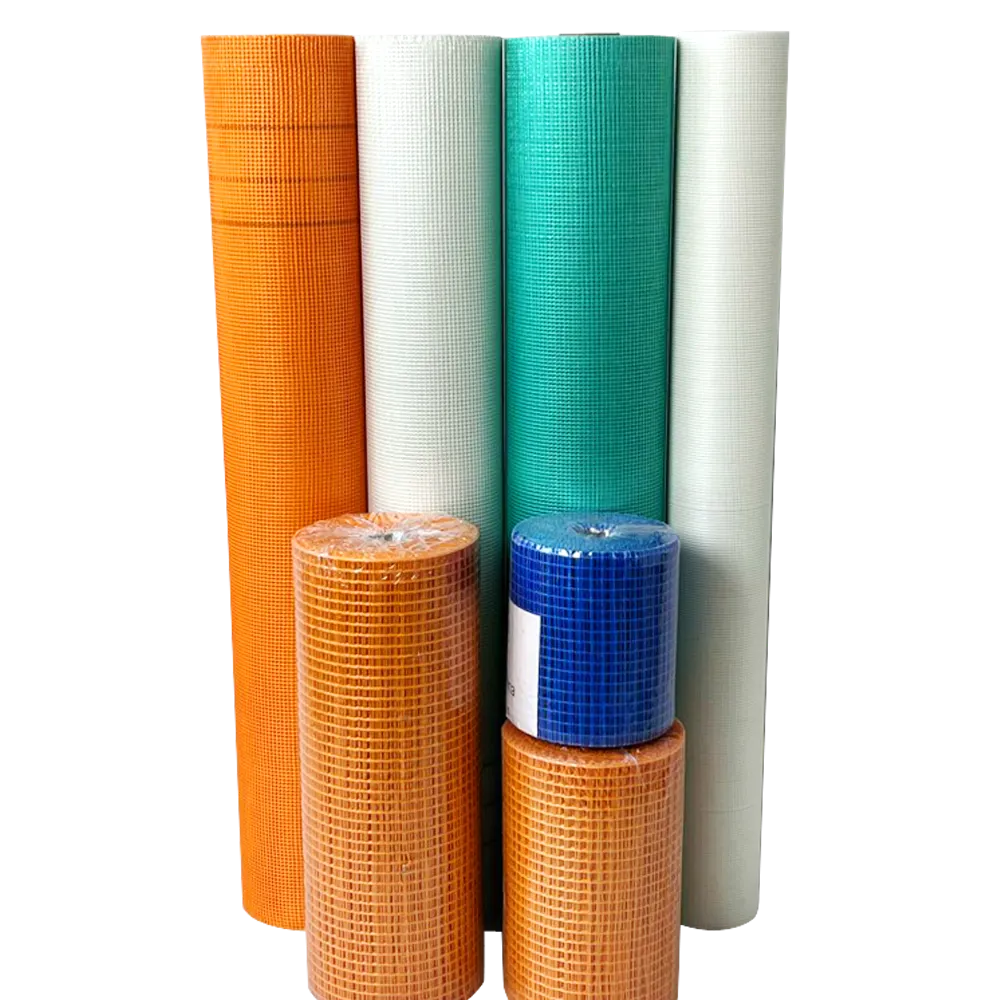
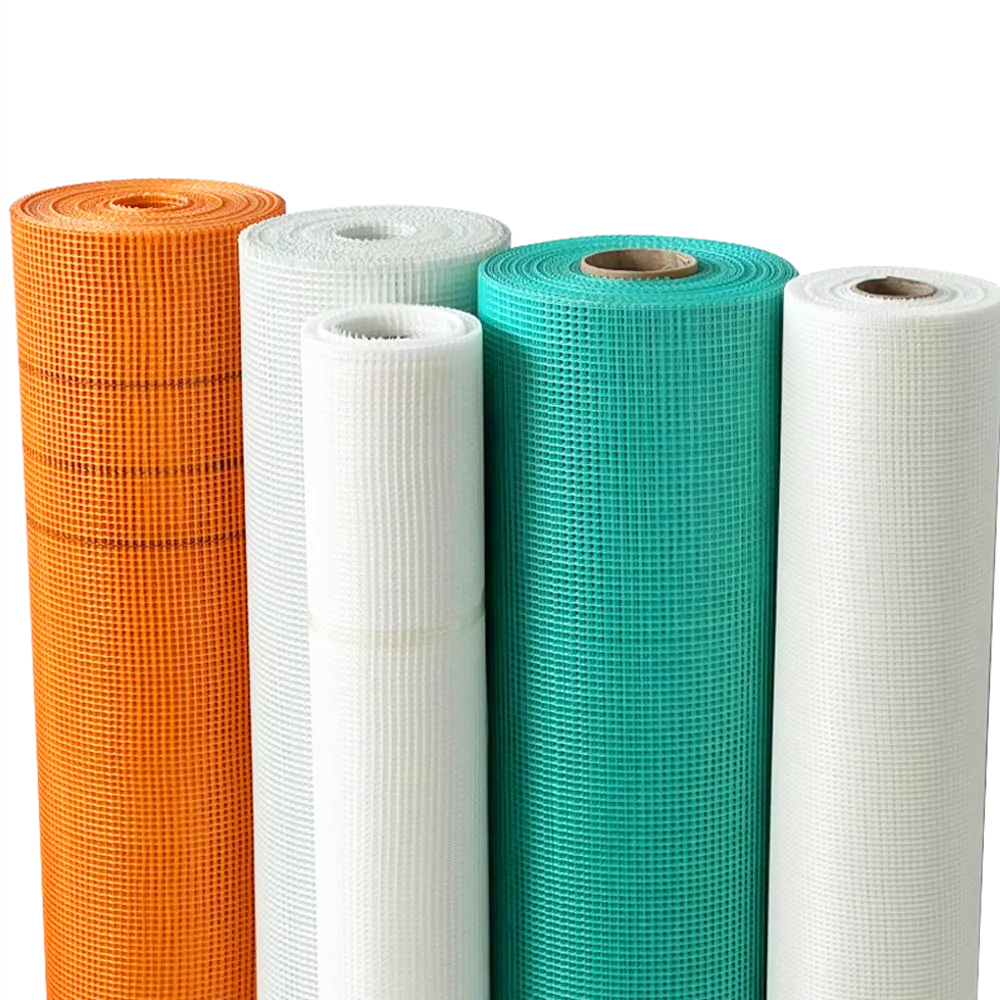
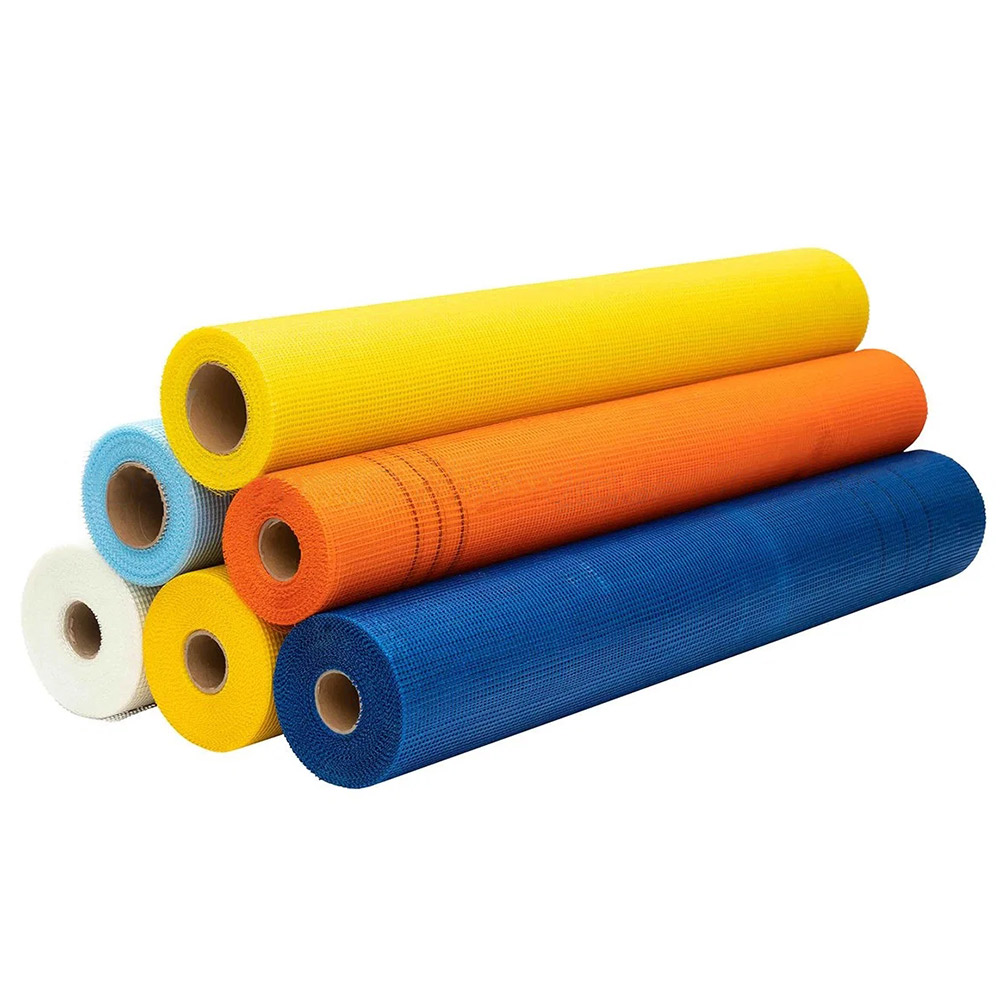
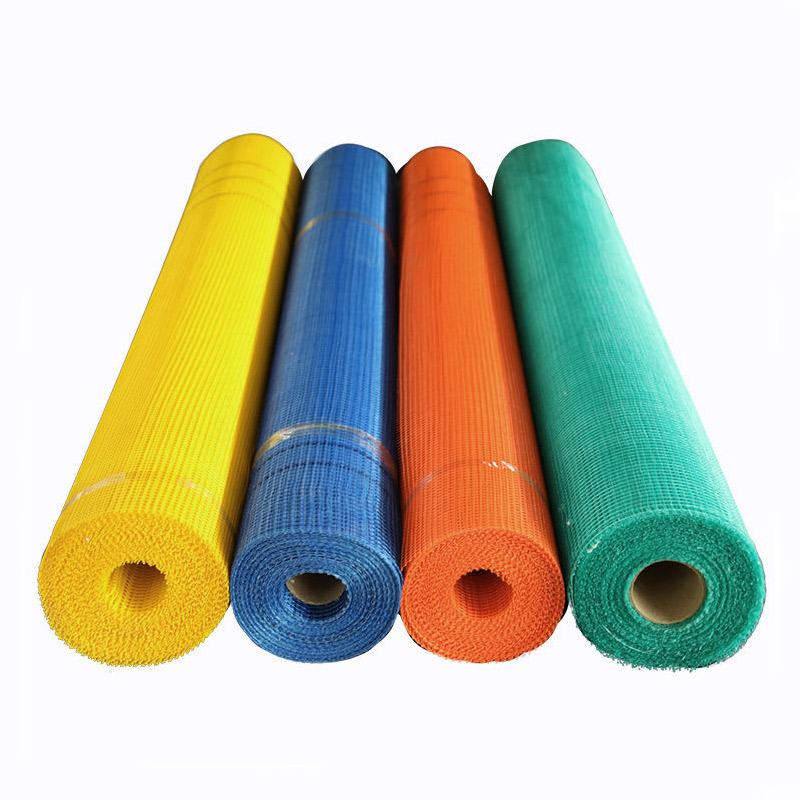
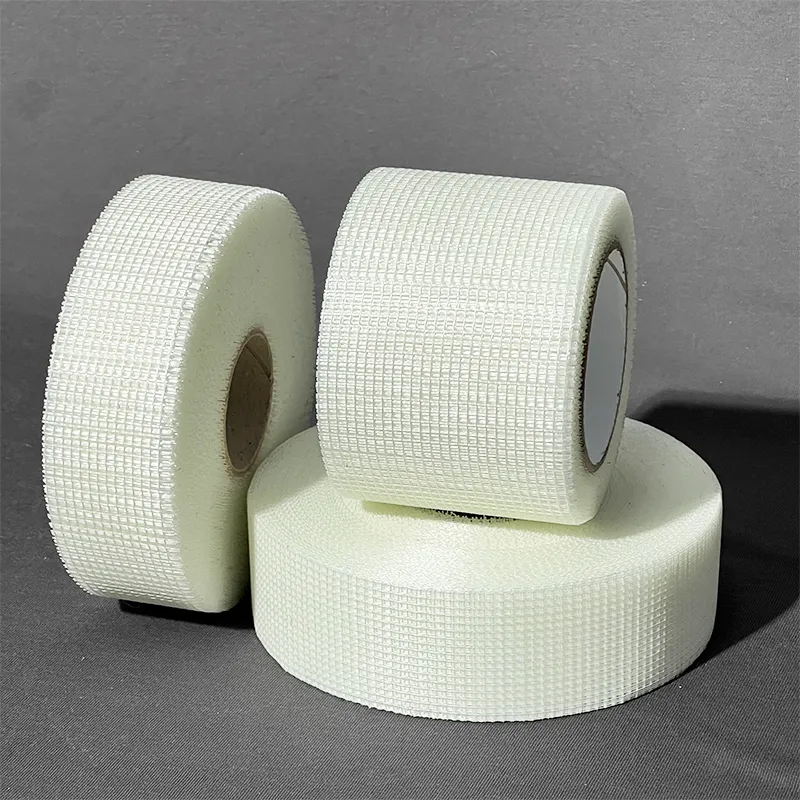
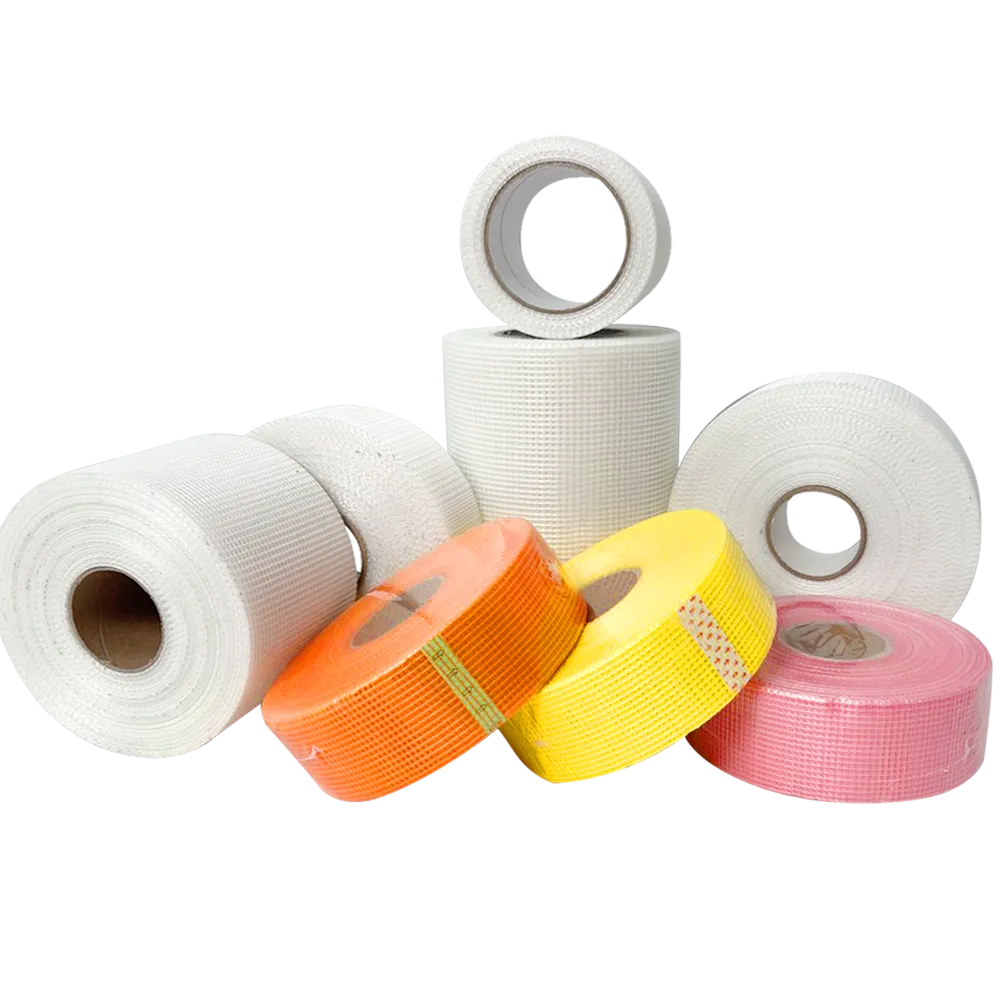
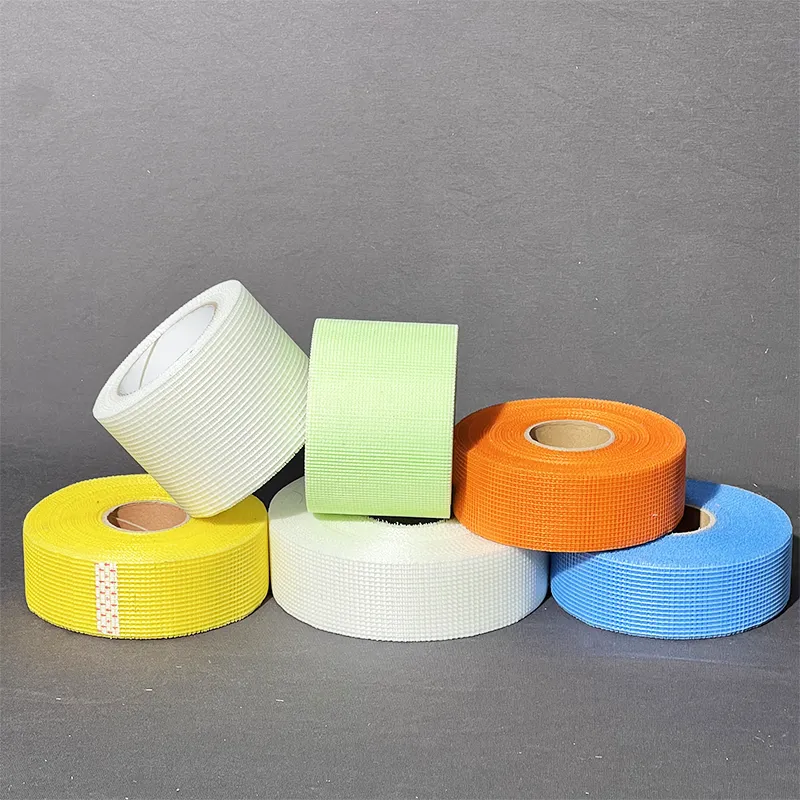
In the fast-paced environment of a commercial job site, the logistics of material handling can significantly impact the overall project timeline. The shisha tolali to'r rulosi format is designed for maximum efficiency, allowing a single worker to carry enough reinforcement for an entire room in one hand. Because the material is supplied in a continuous shisha tolali to'r rulosi, installers can customize the length of each strip to fit the specific height of the wall, minimizing waste and ensuring that there are fewer horizontal seams. This ease of portability and customization translates into a faster application process, allowing the plastering crew to move from room to room with minimal downtime.
Furthermore, a high-quality shisha tolali to'r rulosi is designed to unroll flatly without the "memory" or curling that can plague inferior products. This ensures that the mesh remains in place against the wall as the base coat is applied, preventing the frustration of a shifting reinforcement layer. For the global supplier or large-scale contractor, the compact nature of these rolls also reduces shipping and storage costs, making it a highly economical solution for reinforcing vast surface areas. By investing in a high-standard roll system, the building team ensures that the reinforcement is exactly where it needs to be—centered and tensioned—to provide the ultimate protection against the ravages of time and structural movement.
-
Best Fiberglass Mesh Tape for RedGard Product Waterproofing GuideYangiliklarApr.16,2026
-
Why High Strength Fiberglass Mesh Is Essential For Stucco ApplicationYangiliklarApr.15,2026
-
Why Alkali Resistant Fiberglass Mesh Tape Is Essential For Cement Board And Tile InstallationsYangiliklarApr.15,2026
-
Understanding The Role Of Drywall Fiberglass Mesh In Interior FinishingYangiliklarApr.15,2026
-
Ultimate Guide To Using Fiberglass Mesh Tape For Drywall And Plaster RepairsYangiliklarApr.15,2026
-
The Versatility Of Fiberglass Mesh In Marble And Stone MosaicYangiliklarApr.15,2026