Кві . 15, 2026 10:40 Повернутися до списку
Understanding The Role Of Drywall Fiberglass Mesh In Interior Finishing
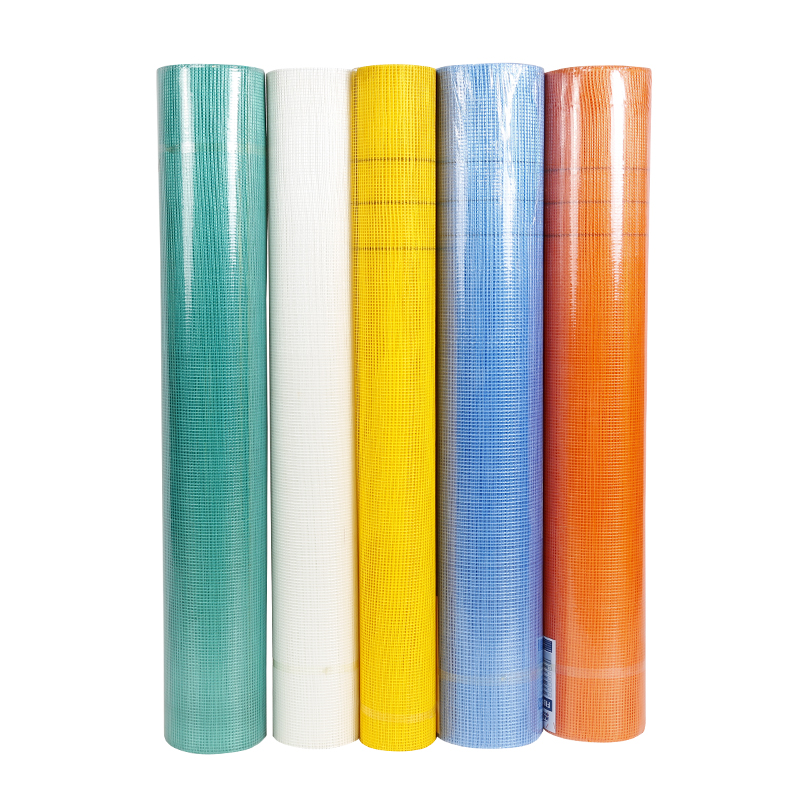
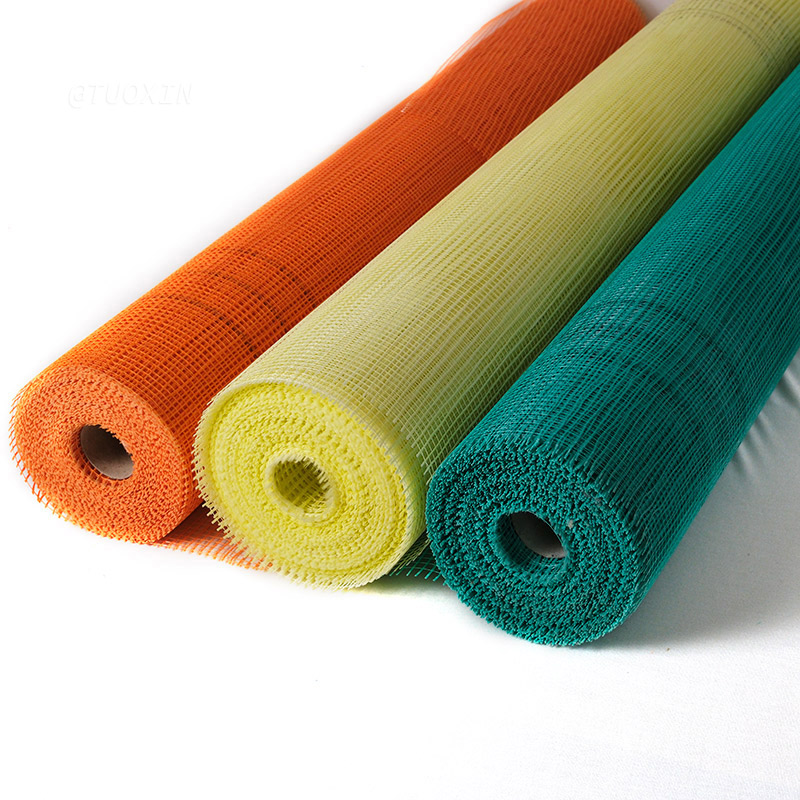
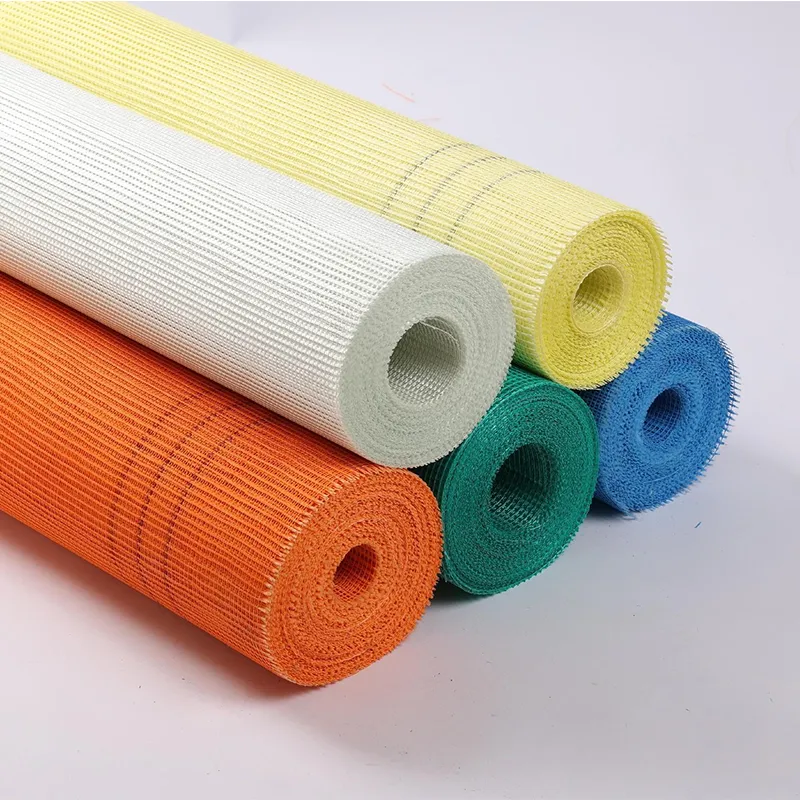
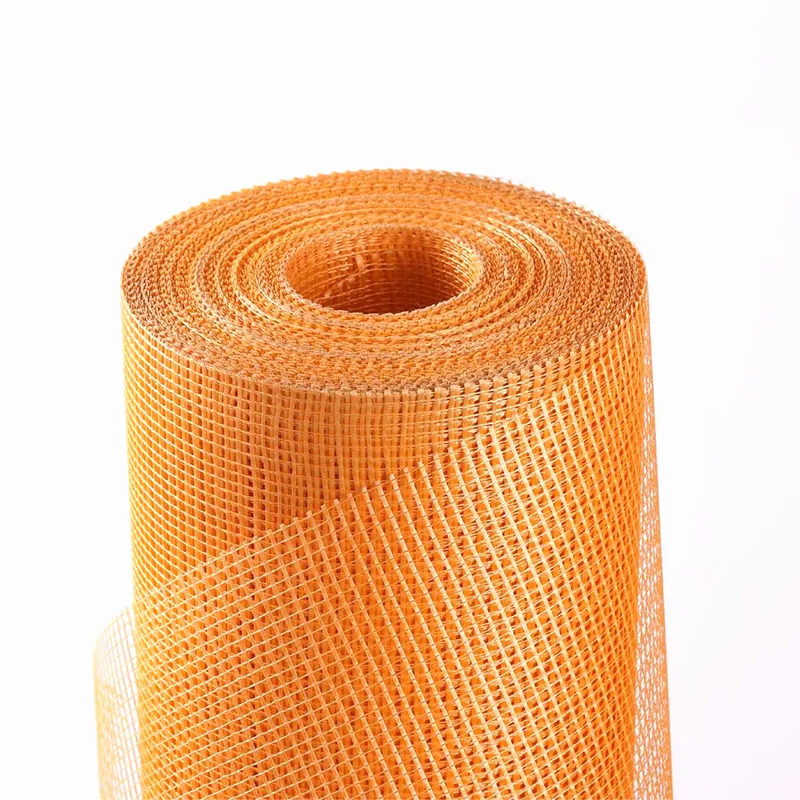
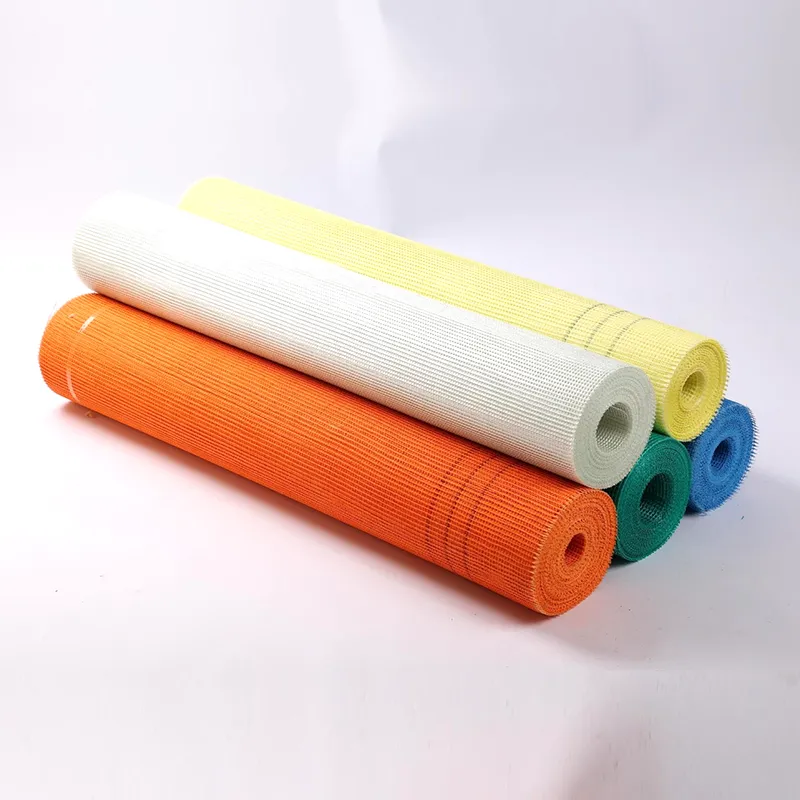
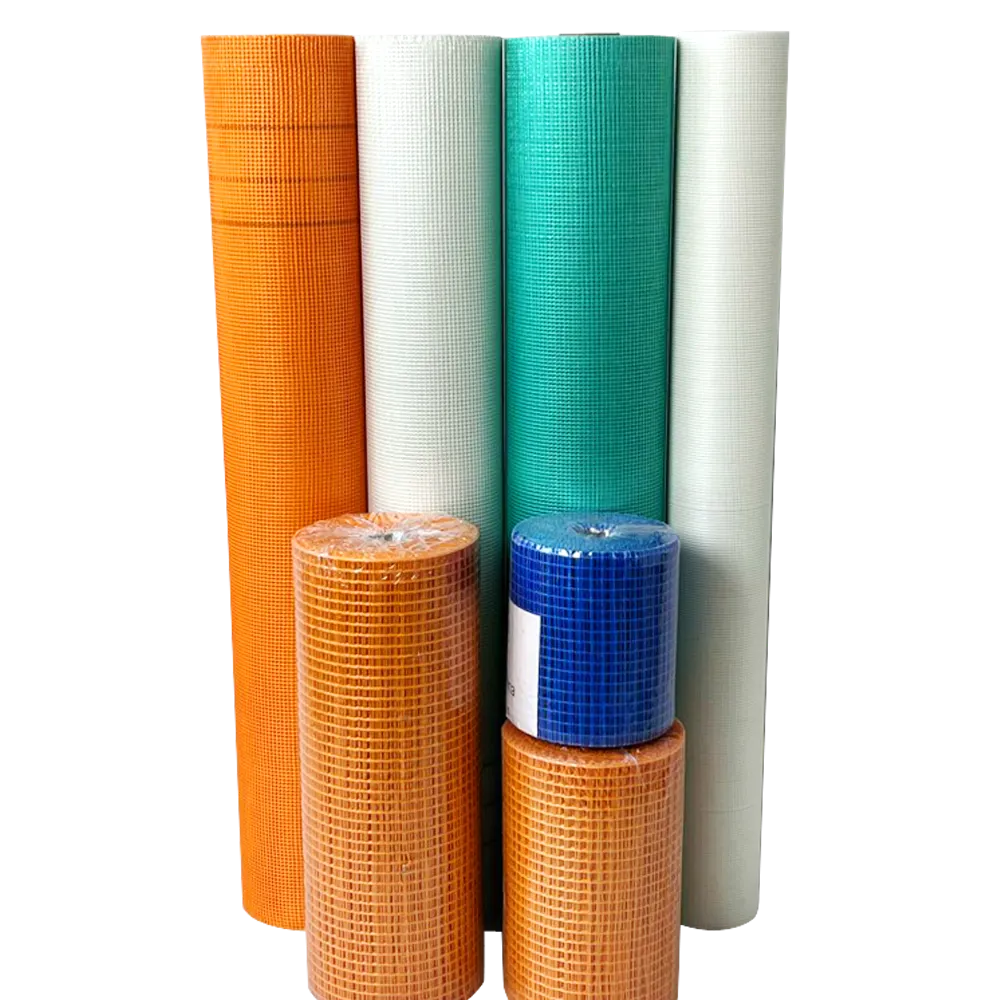
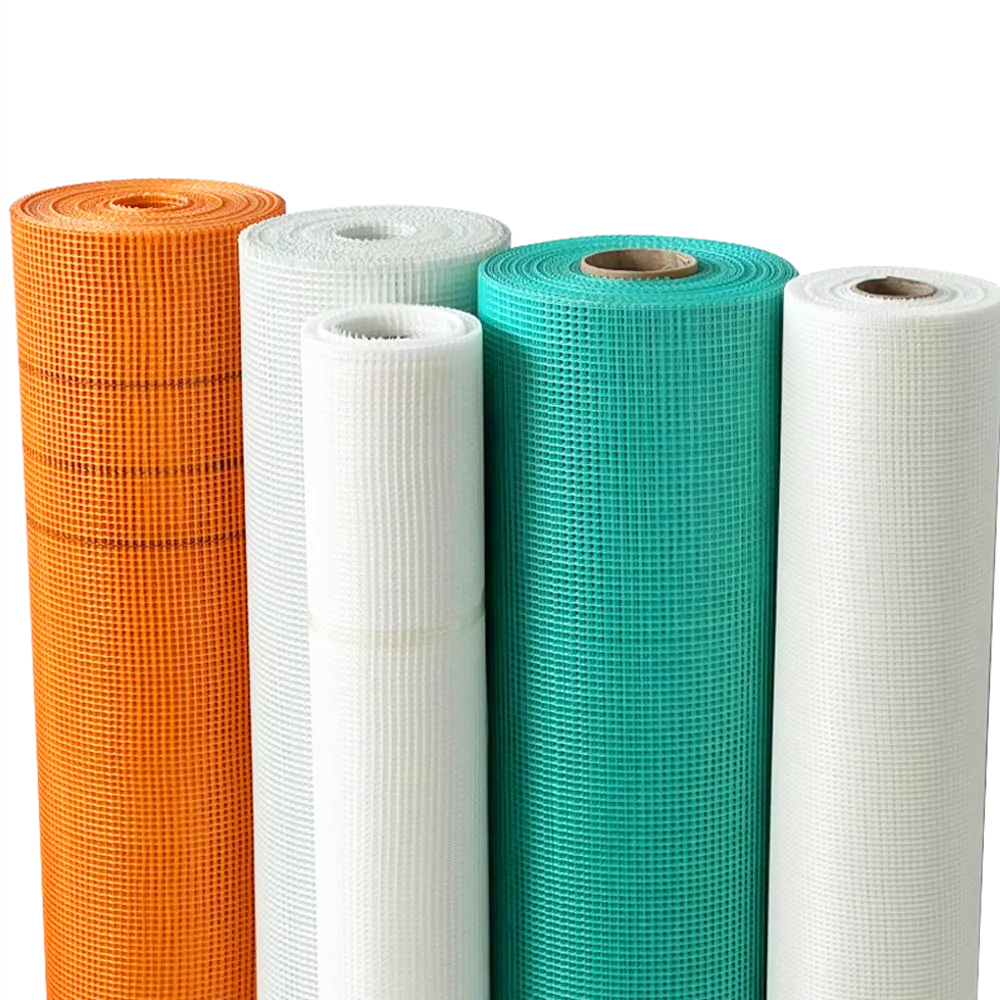
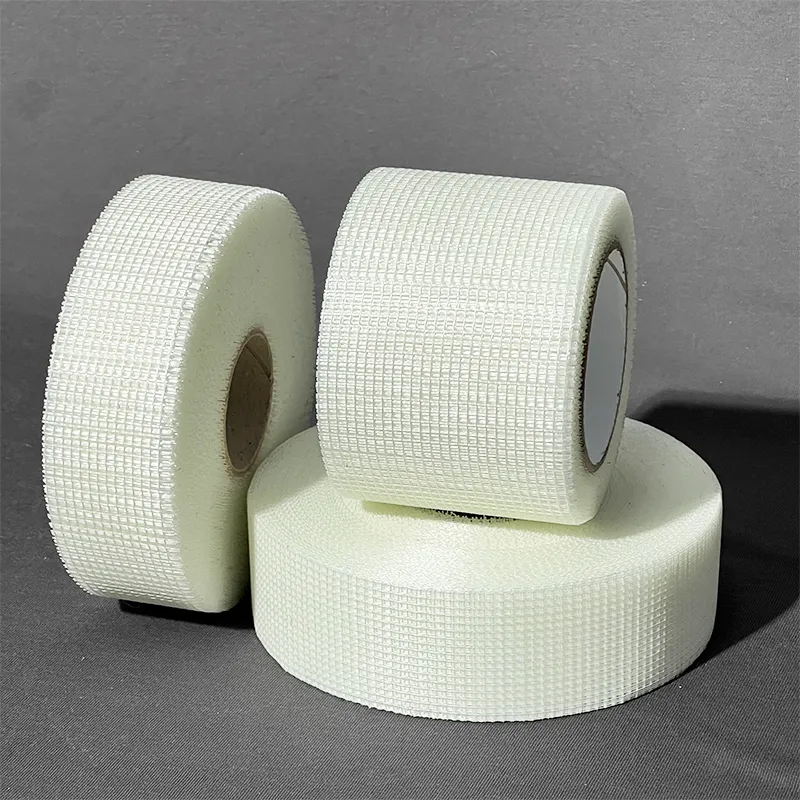
The pursuit of a flawless interior wall surface is one of the most demanding aspects of modern residential and commercial construction. While the architectural design provides the form, the final quality is often judged by the absolute smoothness and continuity of the drywall. To achieve this mirror-like finish, the industry has transitioned away from traditional paper-based methods in favor of high-performance drywall fiberglass mesh. This specialized reinforcement acts as a structural bridge across the vulnerable seams where two gypsum panels meet. By providing a high-tensile web of glass fibers, the mesh prevents the formation of cracks caused by the micro-movements of a building’s frame. Whether a structure is settling into its foundation or reacting to seasonal humidity changes, the implementation of a professional-grade mesh ensures that the interior aesthetic remains unmarred by unsightly fractures or joint separation.
As a primary component in the taper’s toolkit, drywall fiberglass mesh offers a unique combination of strength and thinness. The glass filaments are woven into a precise grid that is naturally resistant to the biological degradation and moisture absorption that can plague organic materials. In the high-moisture environments of modern bathrooms and kitchens, this inorganic nature is a critical safeguard against mold growth behind the paint layer. For the professional finisher, the goal is not just to hide a seam, but to create a reinforced composite joint that is stronger than the drywall panels themselves. By integrating the mesh into the joint compound, the worker creates a monolithic wall surface that serves as a perfect canvas for high-end paints and delicate wall coverings.
Technical Superiority Of Modern Fiberglass Drywall Mesh Reinforcement
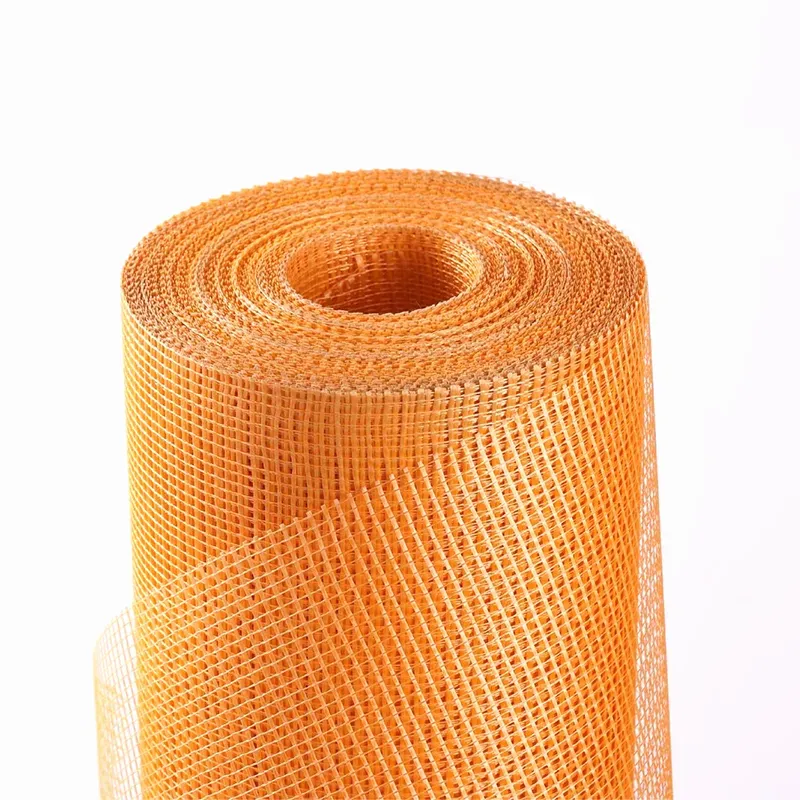
The physical properties of fiberglass drywall mesh represent a significant leap forward in masonry science. Unlike paper tape, which merely sits on the surface of the joint, the open-weave design of the glass fiber grid allows the joint compound to penetrate through the mesh. This results in a mechanical bond that locks the reinforcement into the core of the compound, creating a "reinforced concrete" effect on a miniature scale. This deep-level integration is what provides the superior shear strength required to resist the lateral forces that typically cause joint failure. Because the glass fibers do not stretch, they provide immediate resistance to any movement, ensuring that the finished joint remains flat and stable over the long term.
From an application standpoint, fiberglass drywall mesh is engineered to be as low-profile as possible. The goal of a master taper is to feather out the joint compound so that the transition between the tape and the board is invisible to the naked eye. The thinness of the glass filaments allows for a much narrower "hump" at the seam, reducing the amount of compound required and shortening the drying time between coats. Furthermore, the mesh is naturally resistant to "bubbling" or delamination—a frequent issue with paper tapes that occur when the underlying mud dries unevenly. By choosing a high-quality glass fiber reinforcement, the construction team ensures a higher success rate on the first pass, significantly reducing the need for costly callbacks and repairs.
Efficiency Gains With Self Adhesive Fiberglass Mesh tape Technology
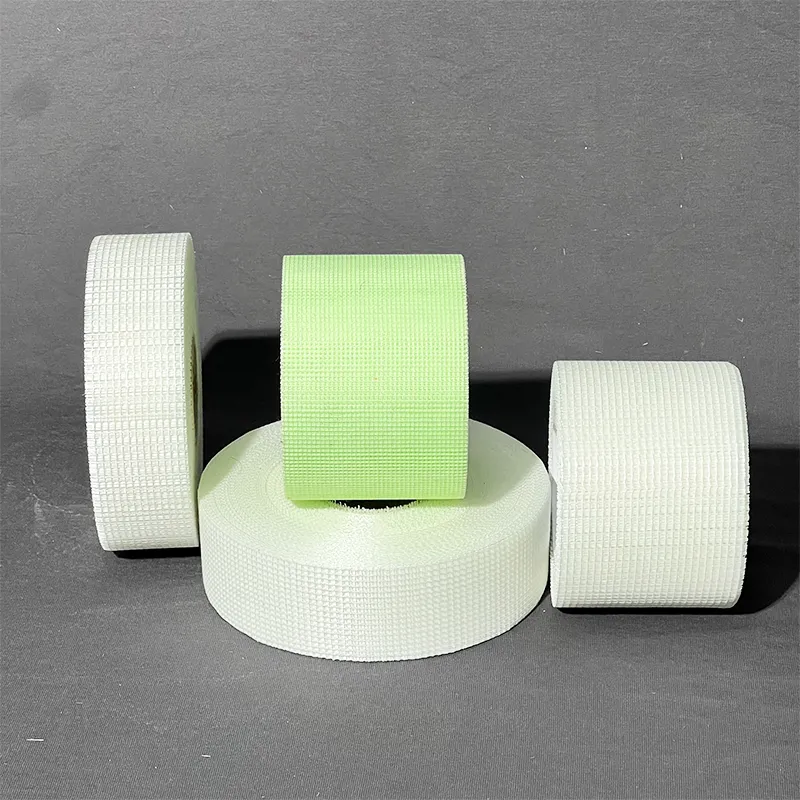
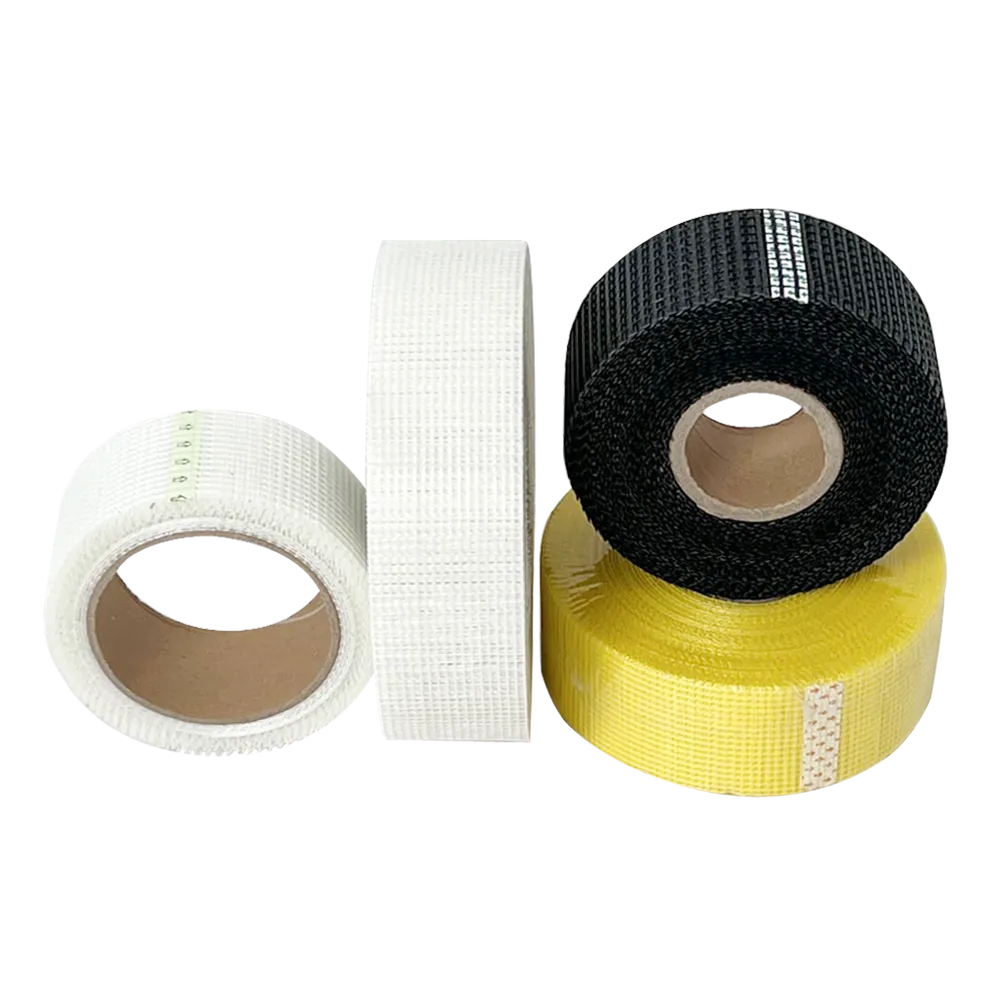
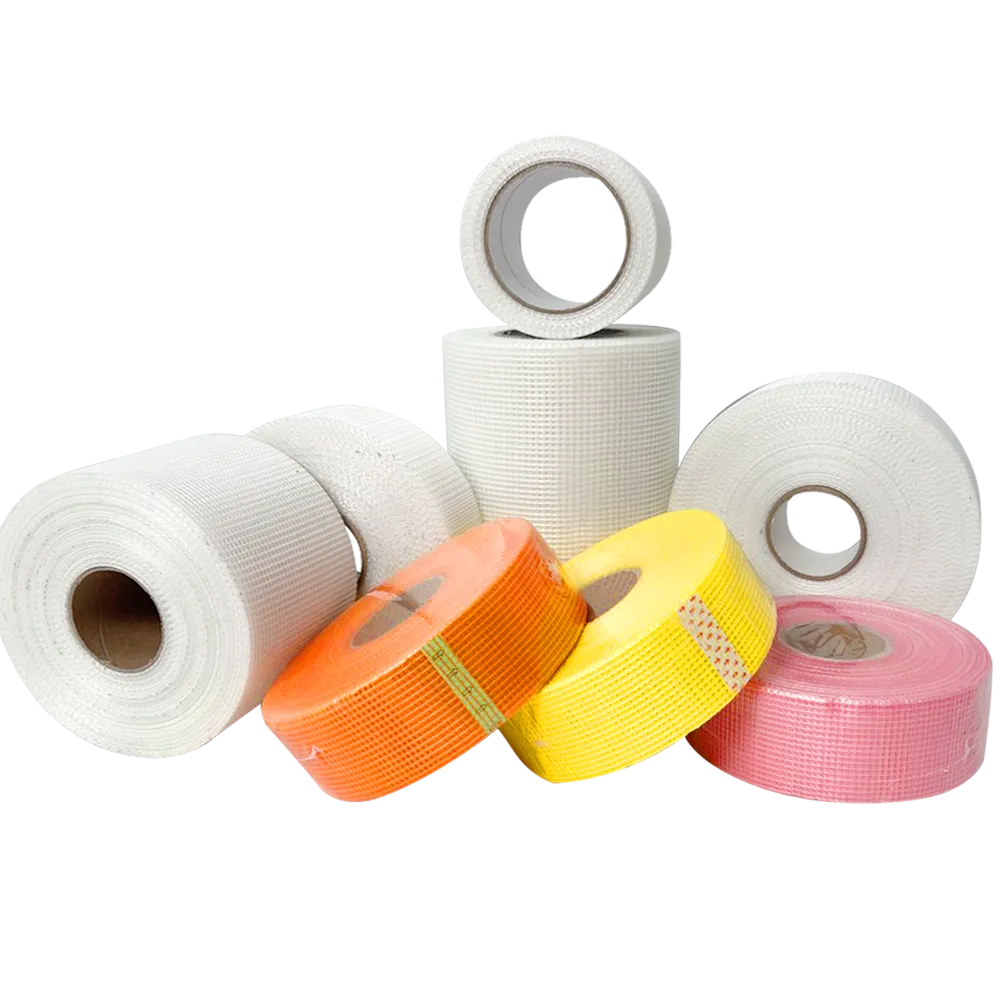
The most significant innovation in interior finishing over the last few decades has been the development of self adhesive fiberglass mesh tape . Traditional taping required a labor-intensive "pre-mudding" step where a layer of compound had to be applied to the joint before the tape could be embedded. This process was not only time-consuming but also prone to human error, as insufficient mud beneath the tape would lead to air pockets and eventual failure. The pressure-sensitive adhesive found on self adhesive fiberglass mesh tape allows the installer to apply the tape directly to the dry wall surface. This "tack-and-go" capability enables a single worker to tape an entire room in a fraction of the time it would take using manual paper methods.
The adhesive backing of self adhesive fiberglass mesh tape also ensures that the reinforcement remains perfectly centered over the seam. This is particularly valuable when working on complex architectural features such as vaulted ceilings, stairwells, or curved partitions where gravity works against the installer. Once the mesh is stuck firmly in place, it provides a stable target for the first coat of setting compound. Because the tape is already locked into position, there is no risk of it shifting or bunching up under the weight of the finishing knife. For the modern contractor, this blend of speed and precision is the key to maintaining profitability without sacrificing the quality of the final product.
Mastering Vertical Repairs With Fiberglass Sticky Mesh tape Solutions
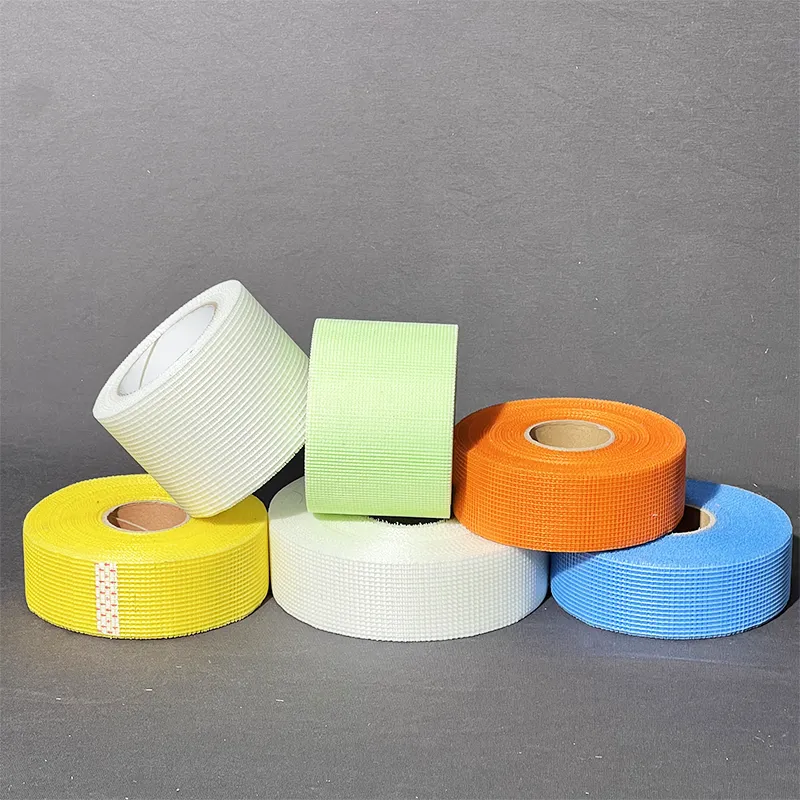
In the world of renovation and repair, the challenges are often more complex than in new construction. Dealing with existing cracks in old plaster or holes left by electrical upgrades requires a reinforcement that can grip irregular surfaces. This is where fiberglass sticky mesh tape (a high-tack variant of standard joint tape) becomes an indispensable tool. The enhanced adhesive properties of fiberglass sticky mesh tape allow it to adhere to dusty or uneven substrates that might repel standard tapes. When patching a hole in a ceiling or a vertical wall, the mesh provides an immediate, stable bridge that supports the weight of the patching compound, preventing it from sagging or falling out during the curing process.
The use of fiberglass sticky mesh tape also facilitates "hot-patching," a technique used by professionals to make rapid repairs. By applying the high-tack mesh over a damaged area and using a fast-setting chemical compound, a repair that would traditionally take days to dry can be completed and sanded in a matter of hours. The mesh ensures that the patch is structurally tied to the surrounding wall, preventing the "outline" of the repair from reappearing after the paint has dried. For maintenance professionals and high-end residential remodelers, the reliability of this high-adhesive reinforcement is the secret to making old walls look like new again with minimal disruption to the inhabitant.
The Versatile Application Of Fiberglass Mesh For Plastering Projects
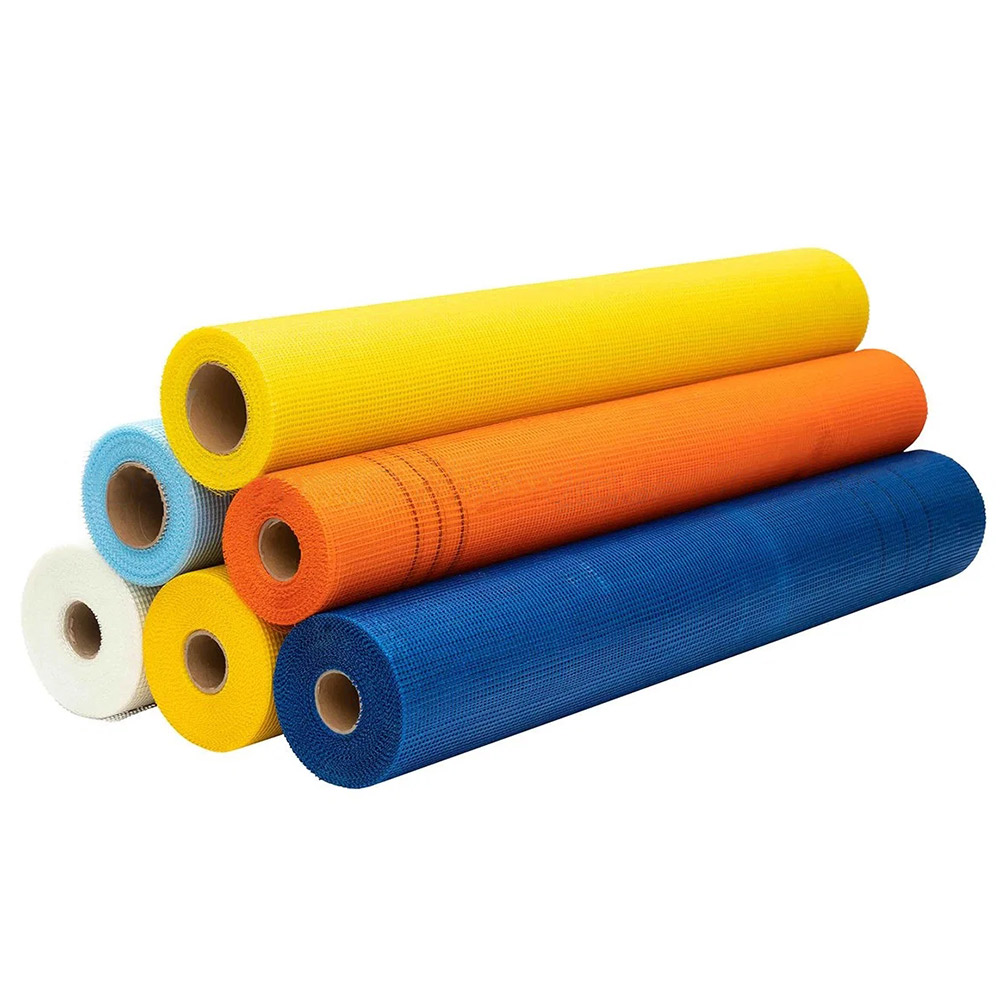
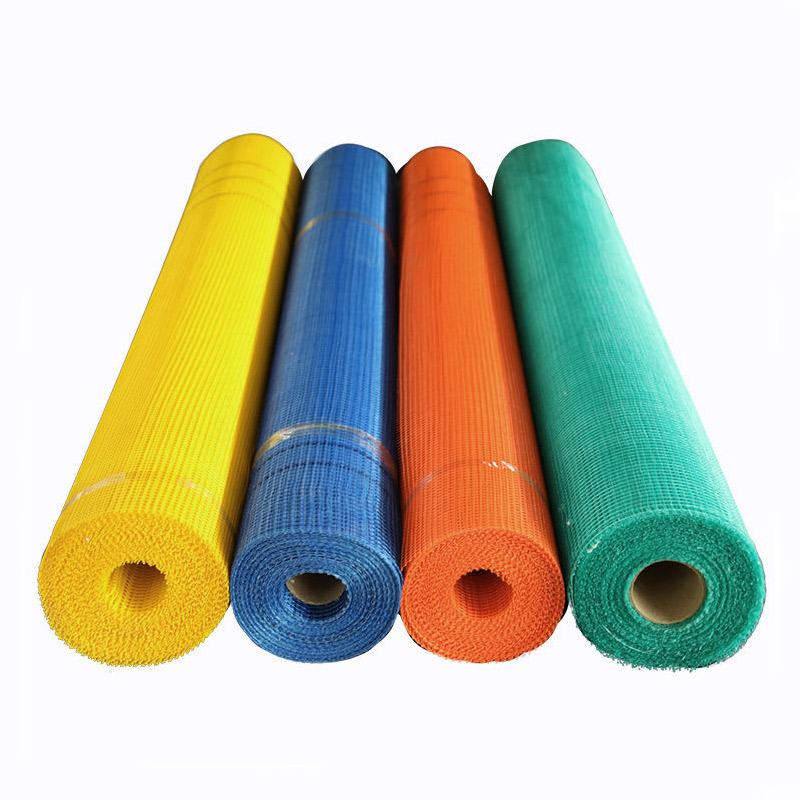
While drywall is the standard for most modern interiors, many high-end projects still utilize traditional plaster or veneer plaster finishes for their superior hardness and acoustic properties. The implementation of fiberglass mesh for plastering is essential in these scenarios to prevent the brittle plaster from cracking. Unlike drywall tape, which is applied only to the seams, fiberglass mesh for plastering is often applied as a continuous sheet over the entire wall surface, particularly when working over insulation boards or dissimilar substrates. This creates a reinforced "armor" layer that allows the plaster to behave as a single, unified skin across the entire architectural volume.
The open grid of fiberglass mesh for plastering is specifically designed to allow the heavy plaster coat to "key" into the mesh, creating a powerful mechanical bond. This is especially vital when applying plaster over old masonry or wooden lath, where the substrate may be prone to significant seasonal movement. The mesh acts as a tension-absorbing buffer, ensuring that the beautiful, hand-troweled finish remains crack-free. As the industry moves toward more sustainable and energy-efficient building envelopes, the compatibility of fiberglass reinforcement with various lime-based and gypsum plasters makes it a versatile tool for both historical restoration and cutting-edge contemporary design.
-
Best Fiberglass Mesh Tape for RedGard Product Waterproofing GuideНовиниApr.16,2026
-
Why High Strength Fiberglass Mesh Is Essential For Stucco ApplicationНовиниApr.15,2026
-
Why Alkali Resistant Fiberglass Mesh Tape Is Essential For Cement Board And Tile InstallationsНовиниApr.15,2026
-
Ultimate Guide To Using Fiberglass Mesh Tape For Drywall And Plaster RepairsНовиниApr.15,2026
-
The Versatility Of Fiberglass Mesh In Marble And Stone MosaicНовиниApr.15,2026