May . 13, 2026 16:22 Sanawa dolan
Fiberglass Mesh Netting in Modern Plastering Systems: Strength, Stability, and Crack Control
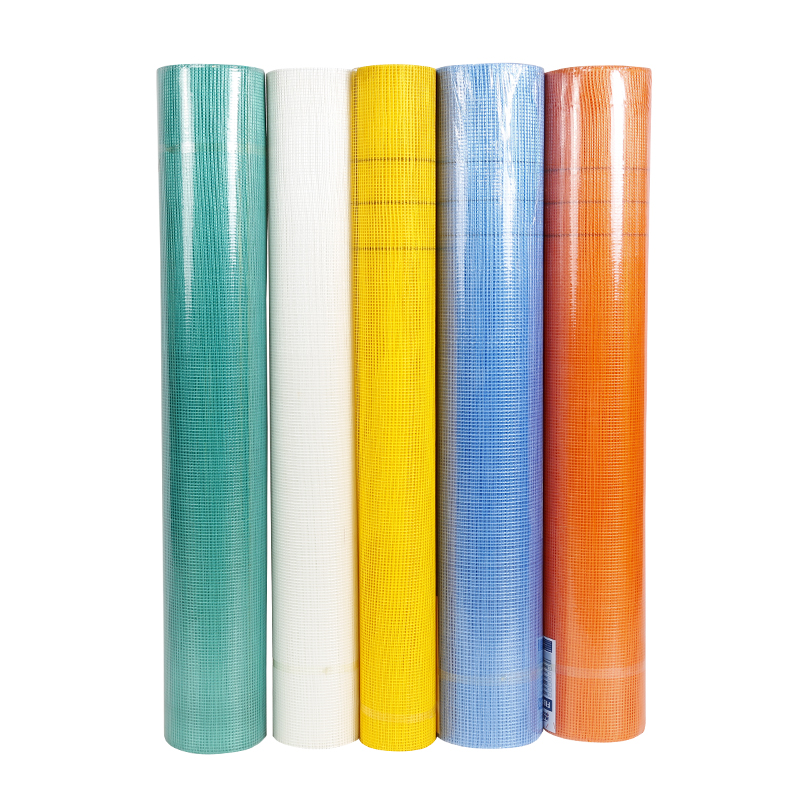
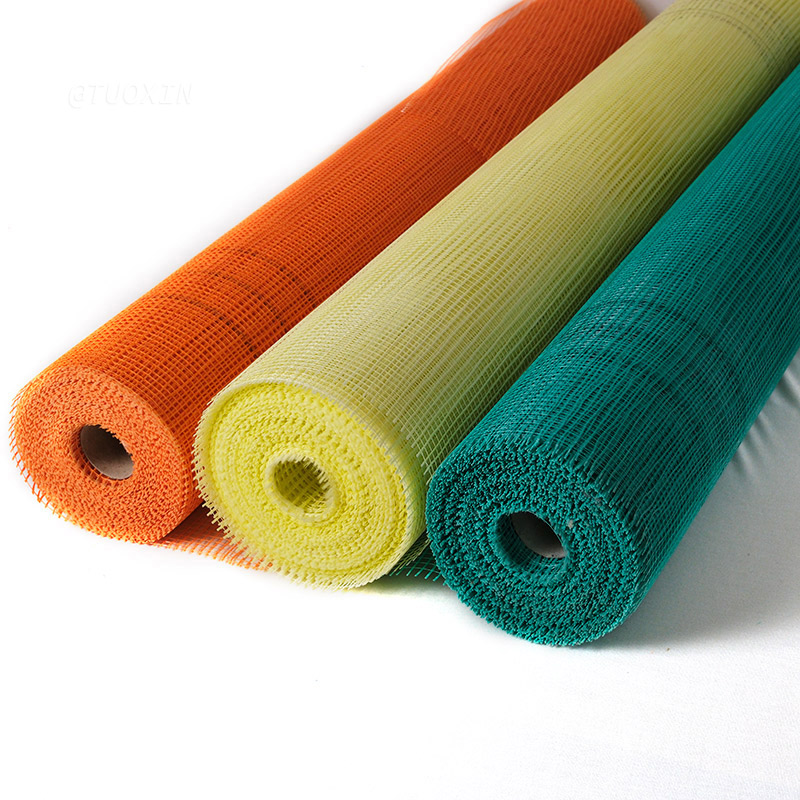
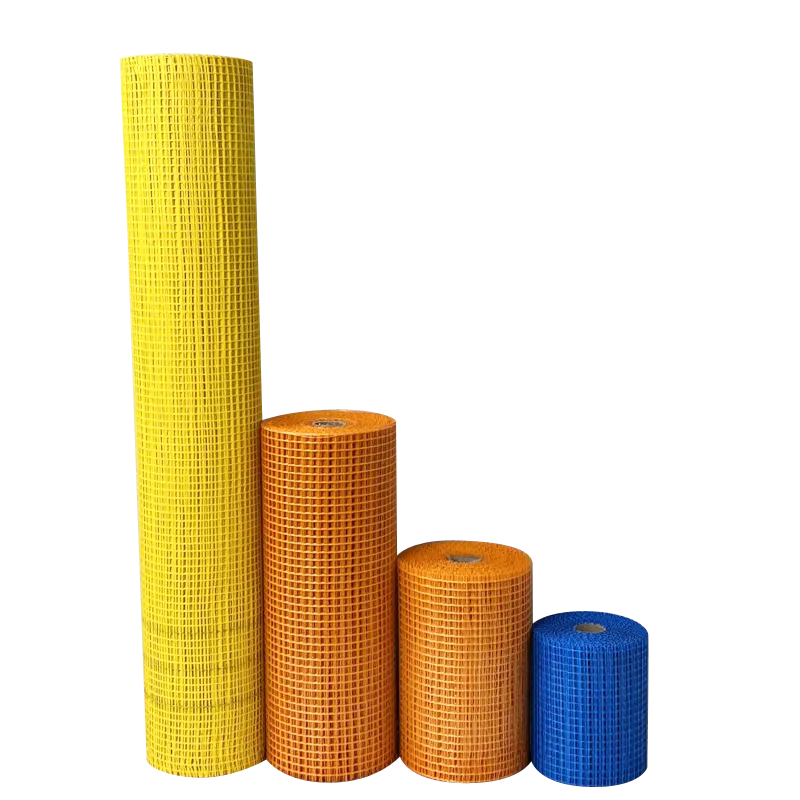
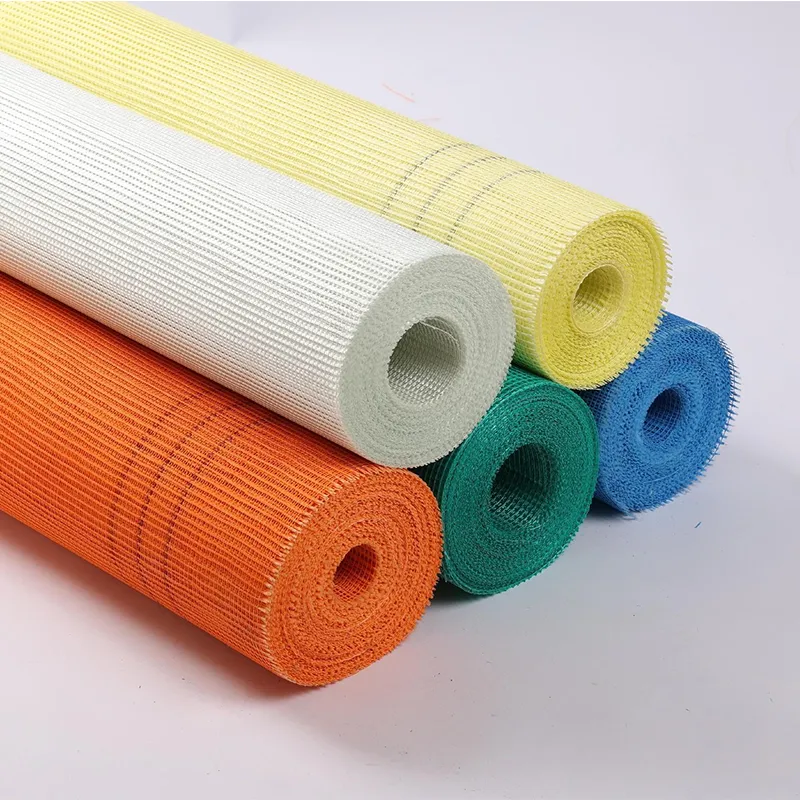
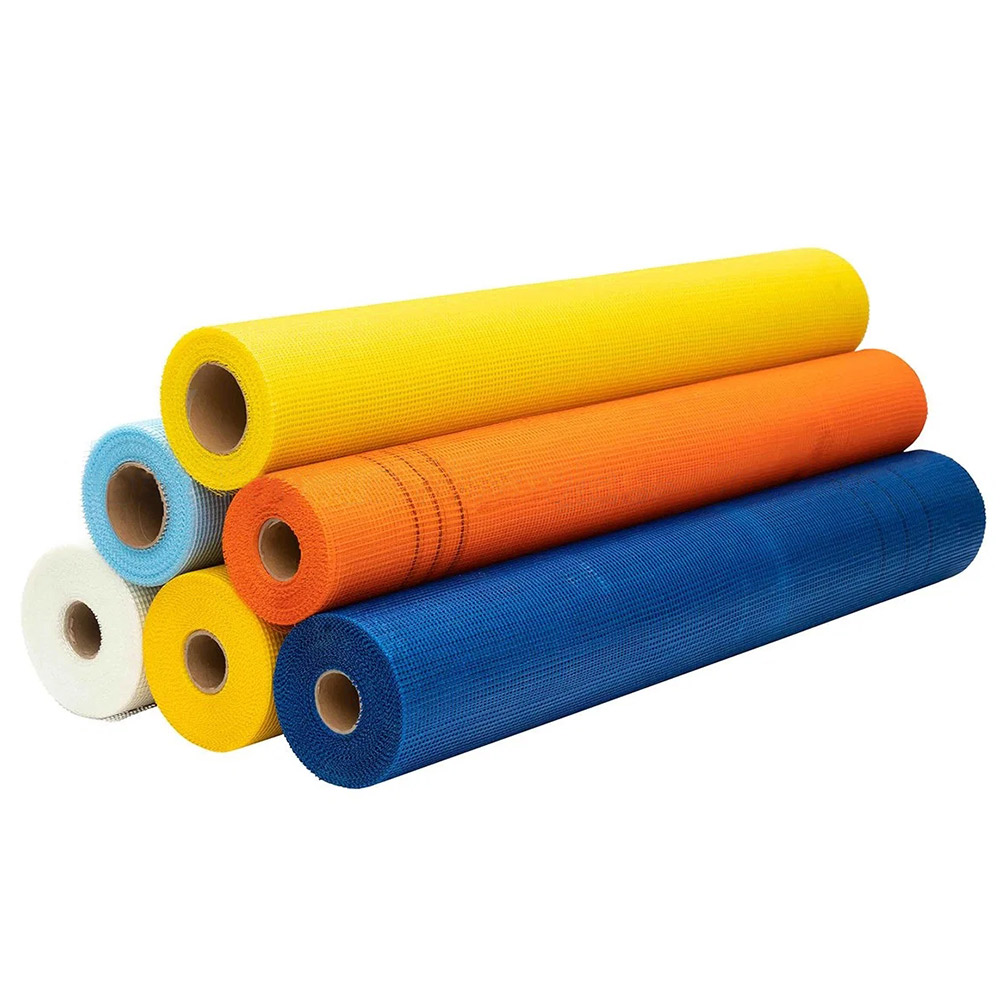
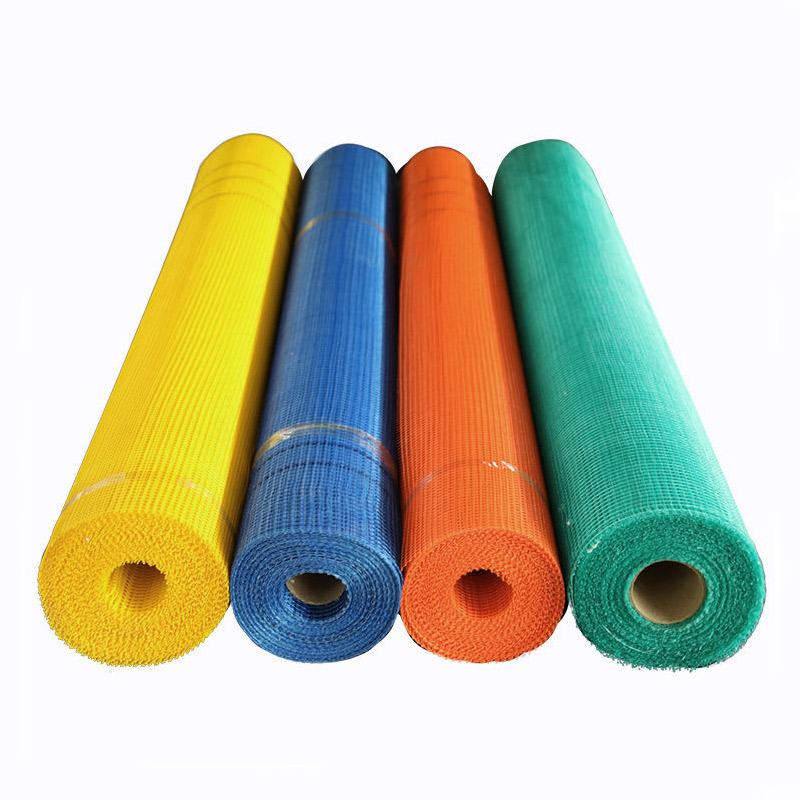
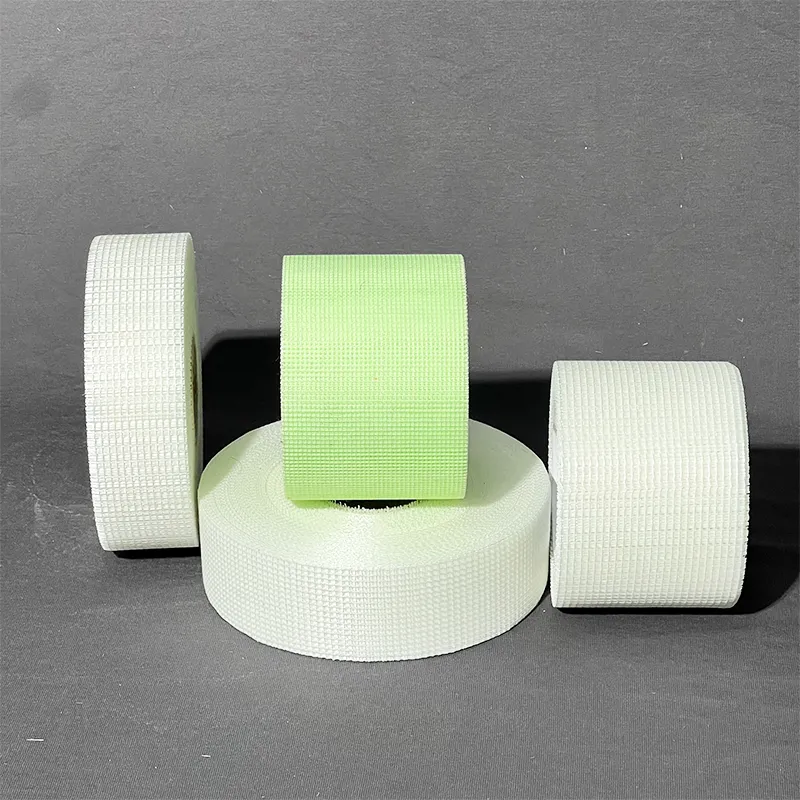
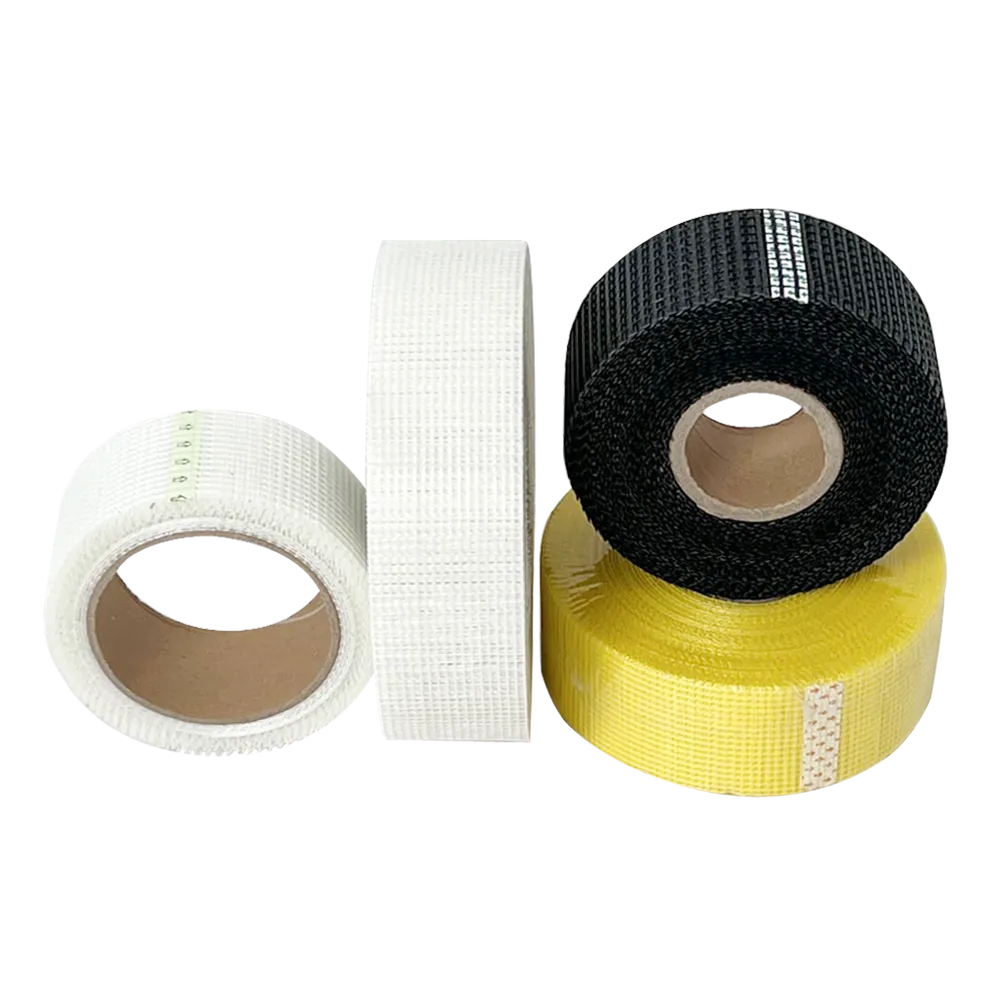
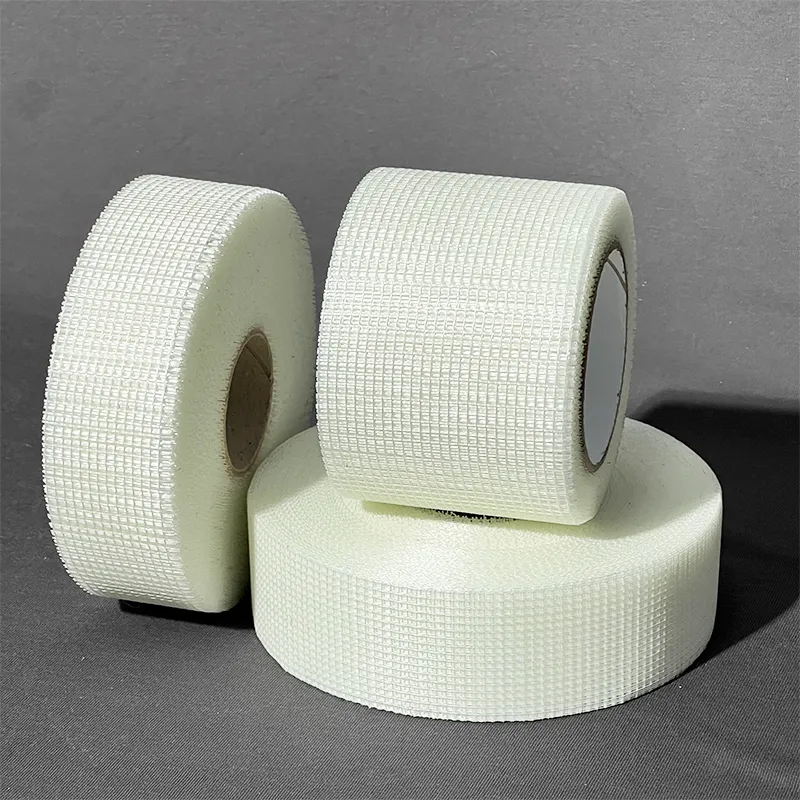
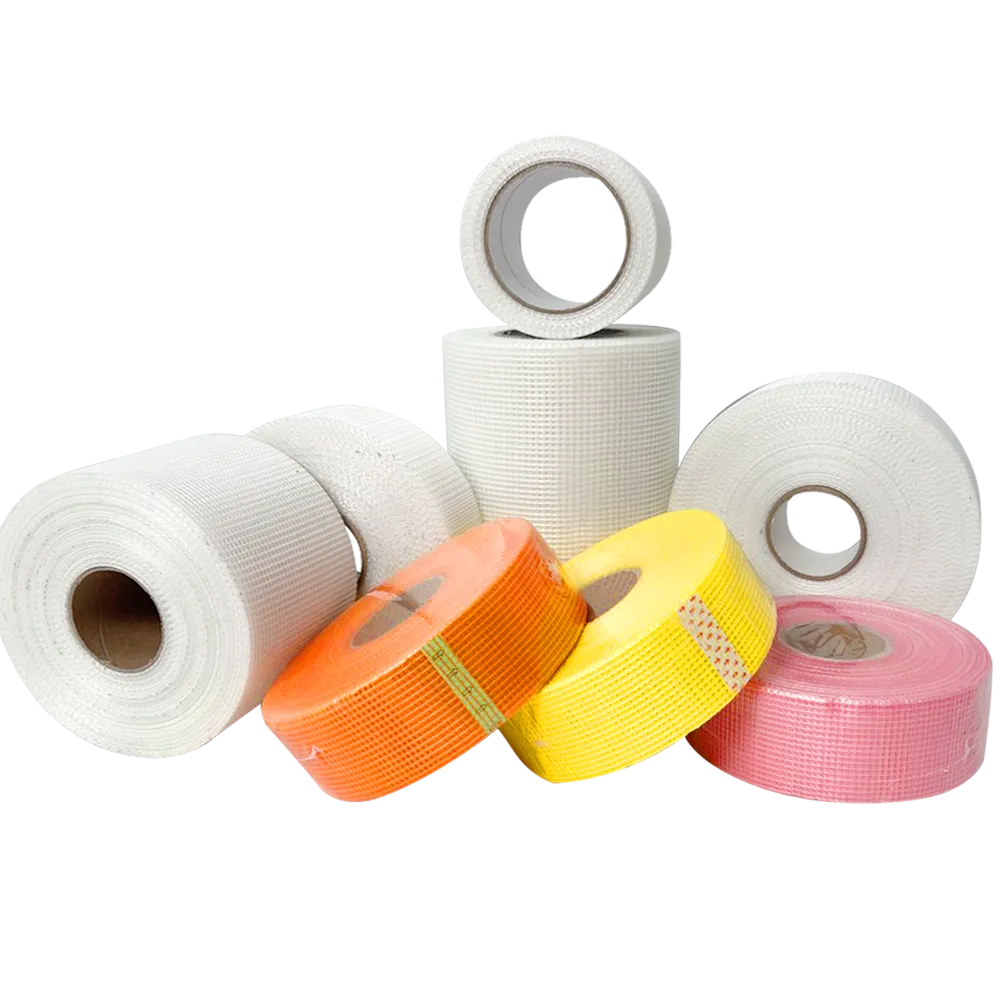
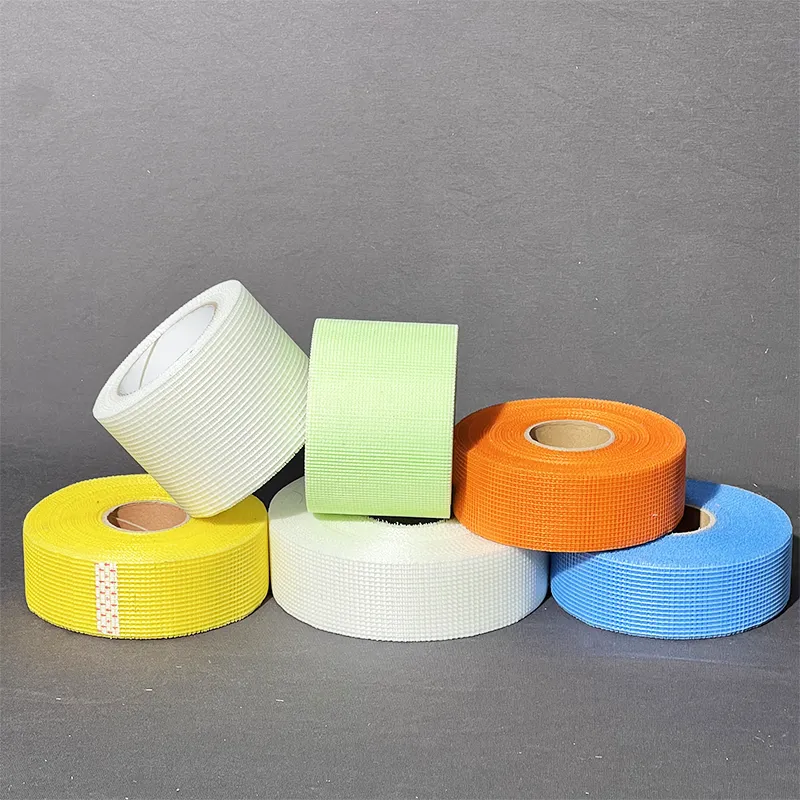
In modern construction and renovation, surface durability and crack prevention are critical factors for long-lasting finishes. One of the most widely used reinforcement materials is fiberglass mesh netting, along with related products such as fiberglass netting, süýümli aýna tor,fiberglass mesh roll for plastering, plastering fiberglass mesh.
These materials are designed to reinforce plaster, mortar, and cement-based surfaces by distributing stress evenly and preventing crack formation. Lightweight yet strong, fiberglass mesh systems have become essential in both interior and exterior wall finishing applications.
Material Structure and Reinforcement Function of Fiberglass Mesh Systems
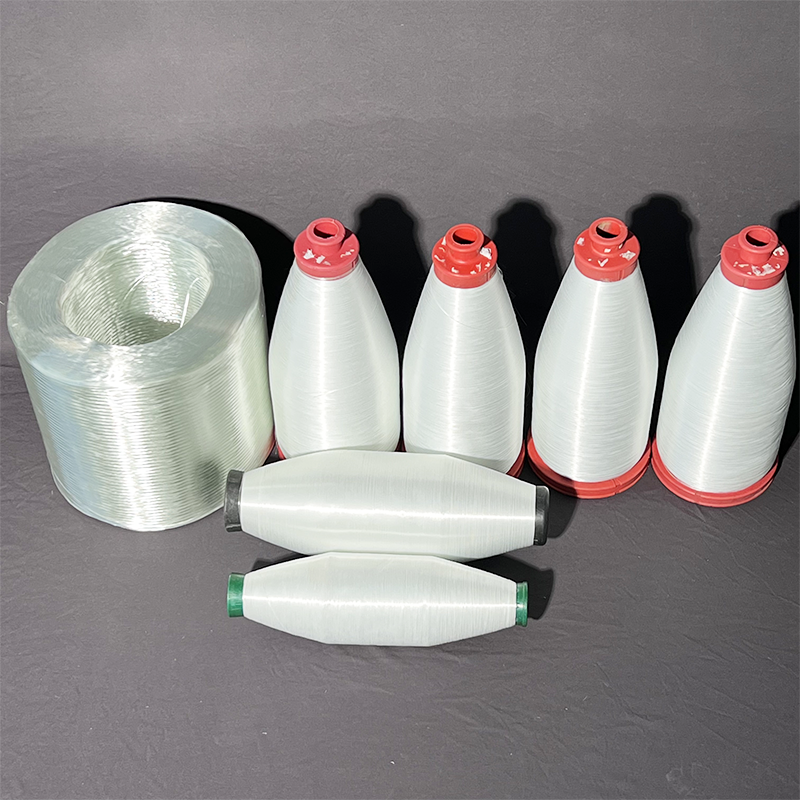
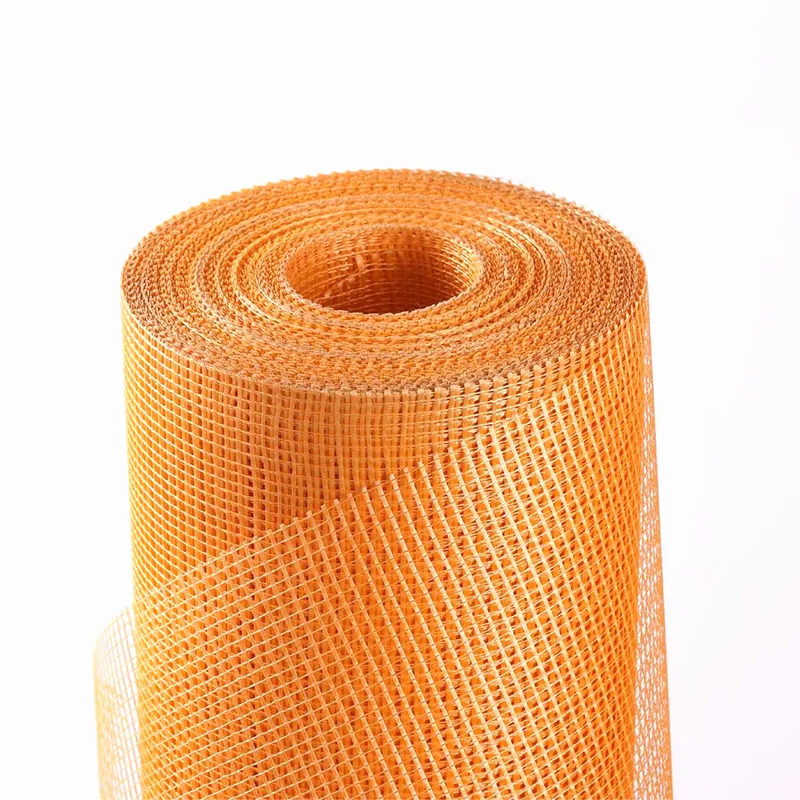
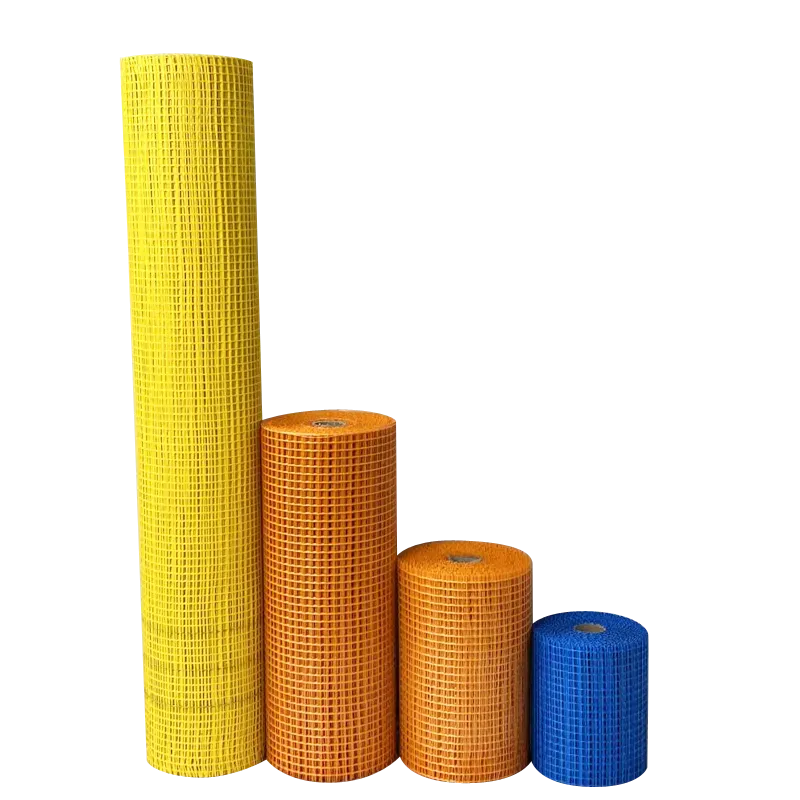
The foundation of fiberglass mesh netting is its woven glass fiber structure. These fibers are made from molten glass drawn into fine strands, which are then woven into a grid pattern. This structure gives the material high tensile strength while maintaining flexibility and ease of installation.
A key advantage of fiberglass netting is its ability to reinforce surfaces without adding significant weight. When embedded in plaster or applied under finishing layers, it acts as a stress distribution layer, preventing localized tension that can lead to cracking.
The süýümli aýna tor structure works by spreading mechanical forces across a wider surface area. Instead of stress concentrating at a single point, the mesh absorbs and redistributes it across multiple directions. This significantly reduces the risk of shrinkage cracks during drying and structural movement over time.
Another important feature is alkali resistance. Cement and plaster materials are highly alkaline, which can degrade untreated fibers. High-quality fiberglass mesh netting is coated with alkali-resistant compounds, ensuring long-term stability even when embedded in wet mortar or cement-based systems.
The flexibility of fiberglass netting also allows it to conform to uneven surfaces. This makes it suitable for both flat walls and curved architectural designs. It integrates smoothly into plaster layers without creating bulges or weak points.
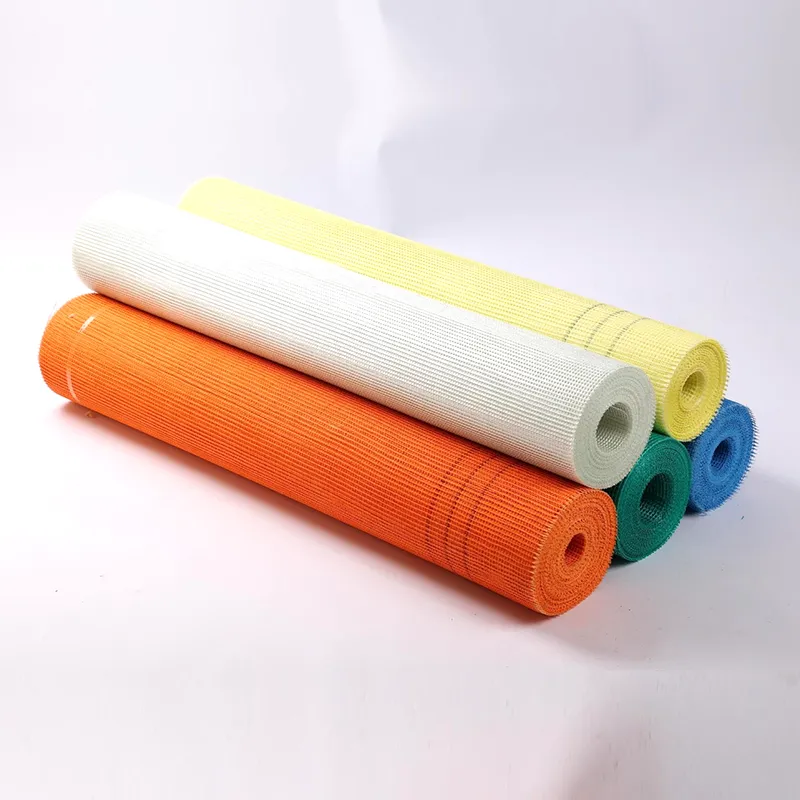
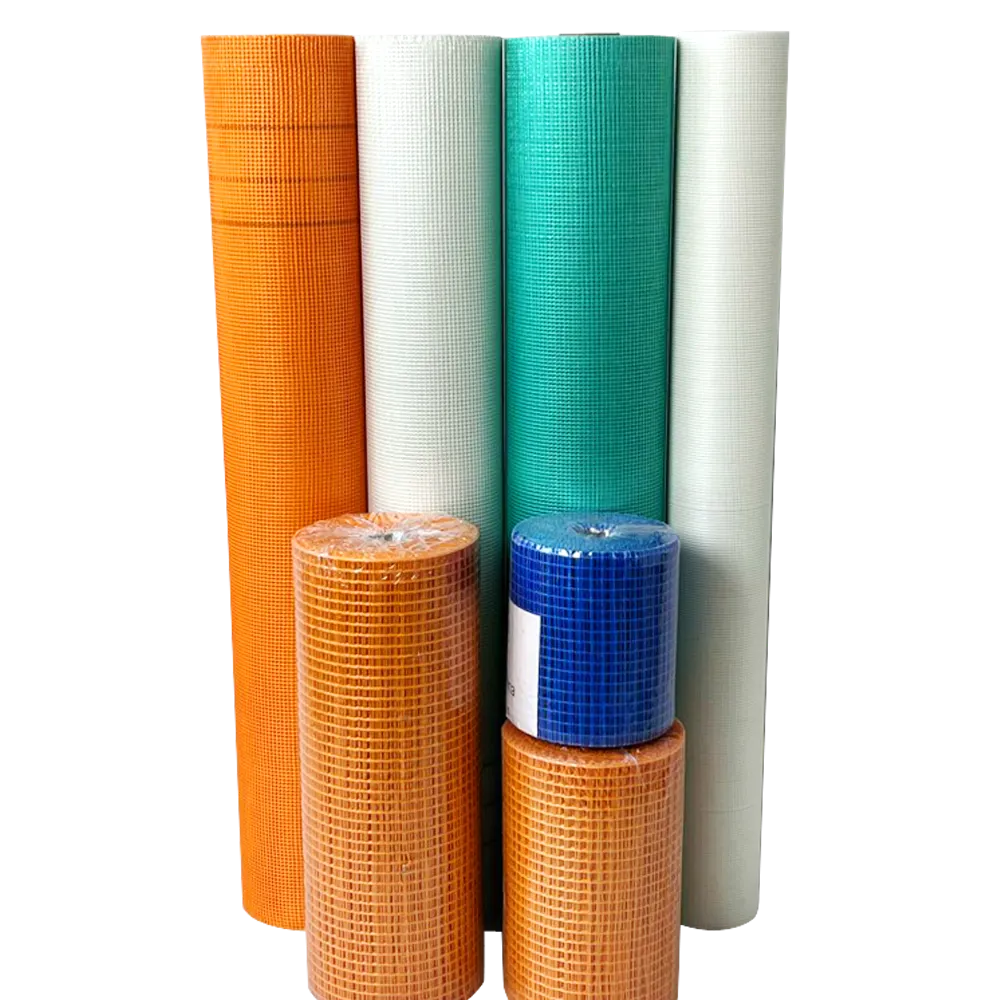
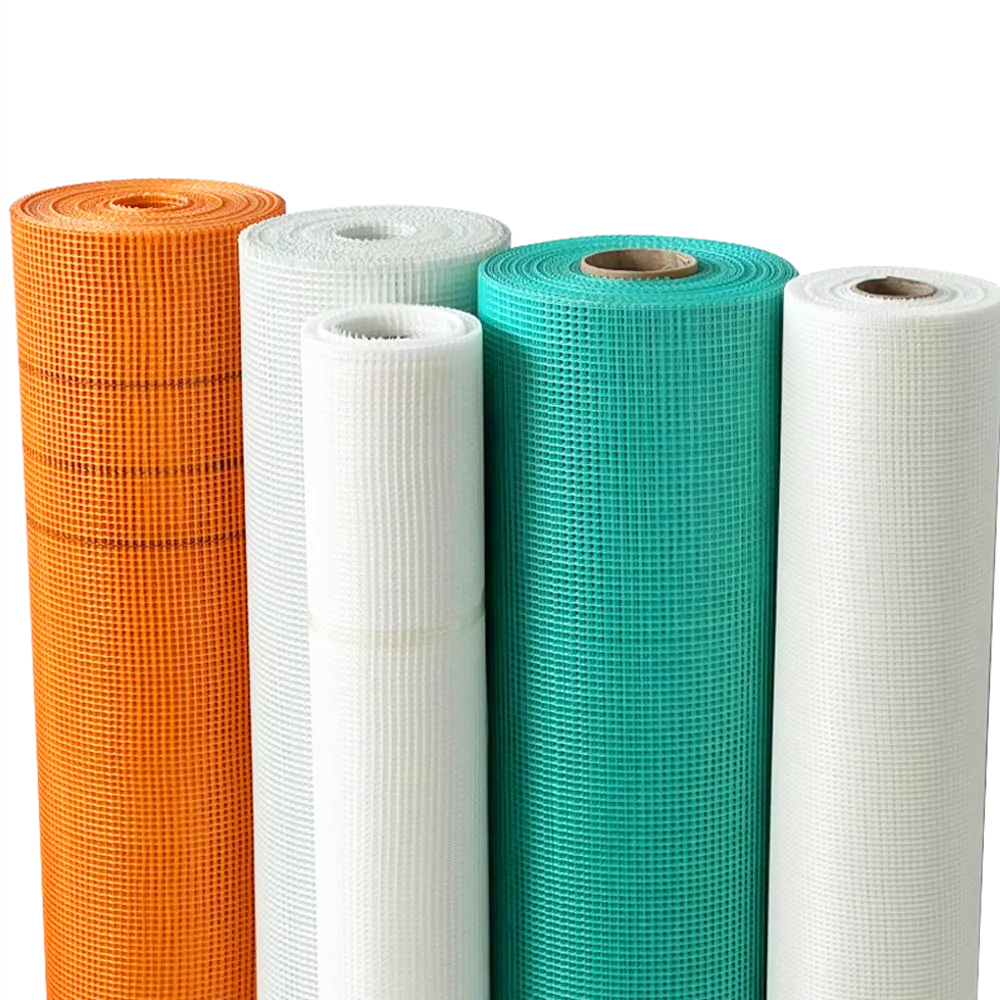
In addition,fiberglass mesh roll for plastering is designed for easy handling and continuous application. The roll format allows workers to cover large wall areas efficiently without frequent cutting or joining, improving installation speed and consistency.
Applications in Plastering and Wall Reinforcement Systems
One of the most common uses of plastering fiberglass mesh is in wall crack prevention. During plaster curing, moisture evaporation causes shrinkage, which can lead to surface cracking. Embedding fiberglass mesh into the plaster layer helps stabilize the material and reduce shrinkage stress.
In new construction, fiberglass mesh netting is often applied across entire wall surfaces before finishing layers are added. This ensures uniform reinforcement and prevents future cracking caused by structural movement or temperature changes.
The use of süýümli aýna tor is especially important at joints between different materials, such as brick-to-concrete or drywall-to-masonry transitions. These junctions are naturally prone to movement, and mesh reinforcement helps maintain surface integrity.
Afiberglass mesh roll for plastering is particularly useful in large-scale projects. Contractors can quickly unroll and embed the mesh into wet plaster, ensuring consistent coverage across walls and ceilings. This reduces labor time and improves overall finishing quality.
In renovation work, plastering fiberglass mesh is widely used to repair cracked or damaged walls. The mesh is applied over existing cracks and covered with a new plaster layer, effectively stabilizing the surface and preventing cracks from reappearing.
Exterior wall insulation systems also rely heavily on fiberglass mesh netting. In these systems, mesh is embedded in reinforced mortar layers over insulation boards. This helps the exterior surface withstand weather conditions such as rain, wind, and temperature fluctuations.
Another important application is ceiling reinforcement. Overhead plaster surfaces are prone to sagging and cracking due to gravity. Using fiberglass netting improves structural stability and ensures long-term surface durability.
Long-Term Performance, Durability, and Construction Benefits
The long-term performance of fiberglass mesh netting is one of its most valuable advantages in construction. Unlike metal reinforcement, fiberglass does not rust or corrode, making it ideal for humid or wet environments such as bathrooms, kitchens, and exterior walls.
One of the key benefits of plastering fiberglass mesh is improved crack resistance over time. Buildings naturally expand and contract due to temperature changes, humidity, and structural settling. The mesh absorbs these movements and prevents visible cracking on finished surfaces.
Moisture resistance is another important factor. Because süýümli aýna tor does not absorb water, it maintains its structural integrity even in damp environments. This ensures consistent reinforcement performance throughout the lifespan of the plaster system.
The durability offiberglass mesh roll for plastering also contributes to reduced maintenance costs. By preventing cracks from forming in the first place, it reduces the need for frequent repairs and repainting, especially in large commercial or residential buildings.
Another advantage is compatibility with different construction materials. Fiberglass mesh netting works effectively with gypsum plaster, cement mortar, lime-based plasters, and synthetic finishing compounds. This versatility makes it a universal reinforcement solution.
From a construction efficiency perspective, plastering fiberglass mesh improves workflow speed. Its lightweight structure and roll format make it easy to handle, cut, and install, reducing labor time and improving project efficiency.
Safety and structural reliability are also enhanced. Reinforced surfaces using fiberglass netting are less likely to suffer sudden cracking or surface failure, improving overall building safety and durability.
Finally, sustainability is an added benefit. By extending the lifespan of plastered surfaces and reducing repair frequency, fiberglass mesh netting contributes to lower material consumption and reduced construction waste.
Modern plastering and wall reinforcement systems rely heavily on advanced materials that enhance durability and prevent cracking. Products such as fiberglass mesh netting, fiberglass netting, süýümli aýna tor,fiberglass mesh roll for plastering, plastering fiberglass mesh, play a crucial role in achieving long-lasting, stable, and high-quality surface finishes.
By distributing stress evenly, resisting alkali damage, and improving structural integrity, fiberglass mesh systems have become essential in both residential and commercial construction. Their combination of strength, flexibility, and ease of installation makes them one of the most effective solutions for modern plaster reinforcement needs.
-
PVC Corner Bead with Fiberglass Mesh: Strengthening and Protecting Modern Plaster CornersHabarlarMay.13,2026
-
Alkali Resistant Fiberglass Mesh Tape: Strength and Stability in Cement-Based ConstructionHabarlarMay.13,2026
-
Fiberglass Mesh for Concrete Reinforcement: Strengthening Modern Cement-Based StructuresHabarlarMay.13,2026
-
Reinforcing Fiberglass Mesh: Strength, Adhesion, and Structural Performance in Modern ConstructionHabarlarMay.13,2026
-
Best Fiberglass Mesh Tape for RedGard Product Waterproofing GuideHabarlarApr.16,2026