ก.ย. . 24, 2025 09:31 กลับไปที่รายการ
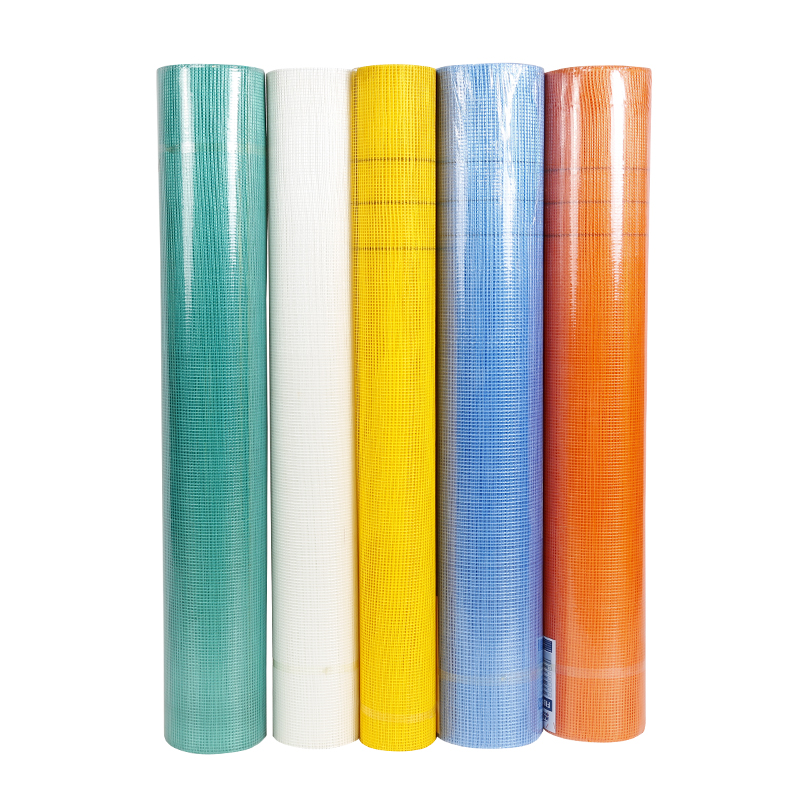
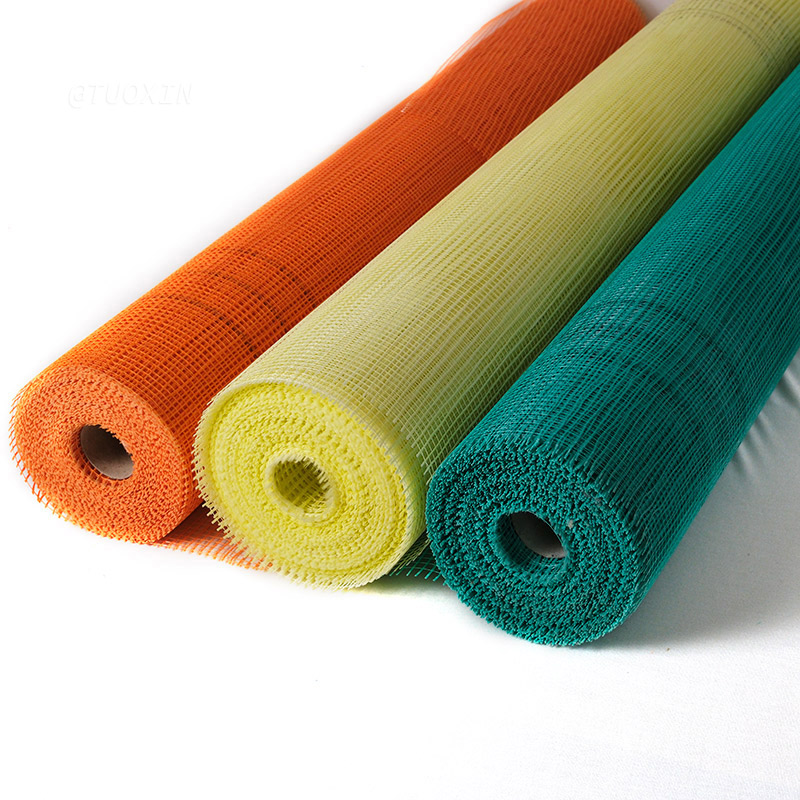
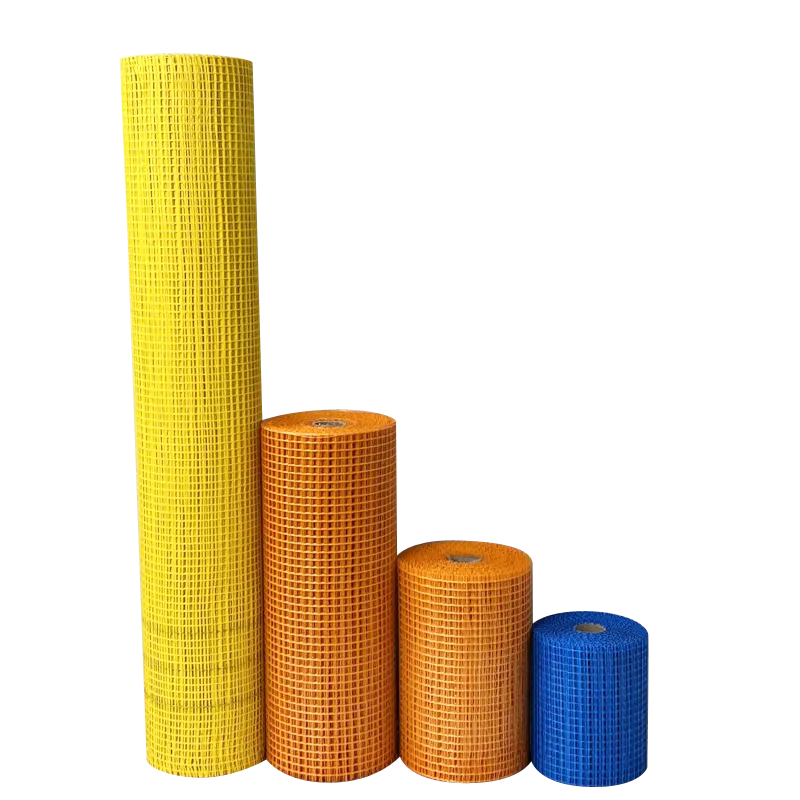
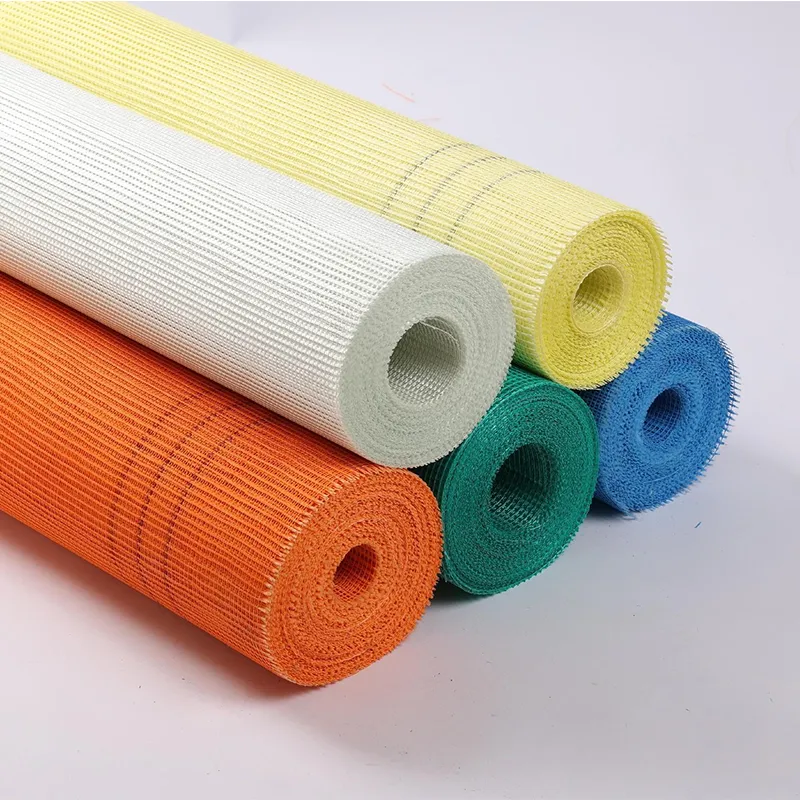
Fiberglass mesh for construction
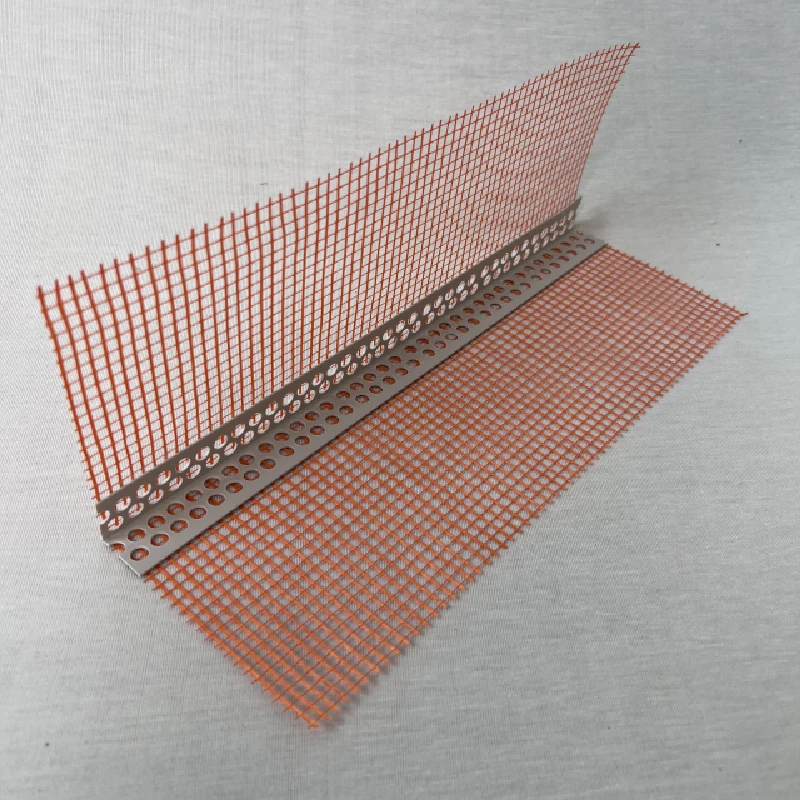
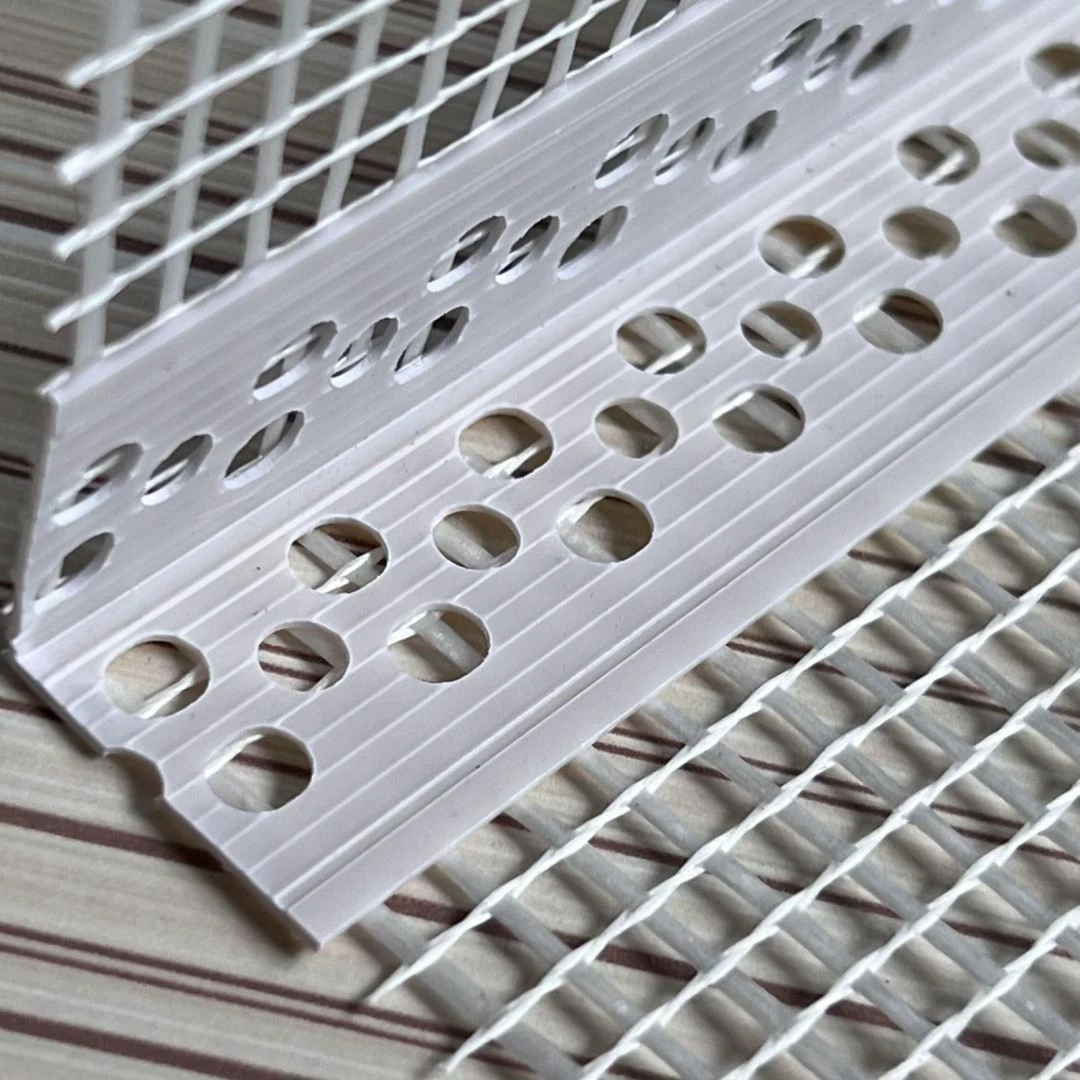
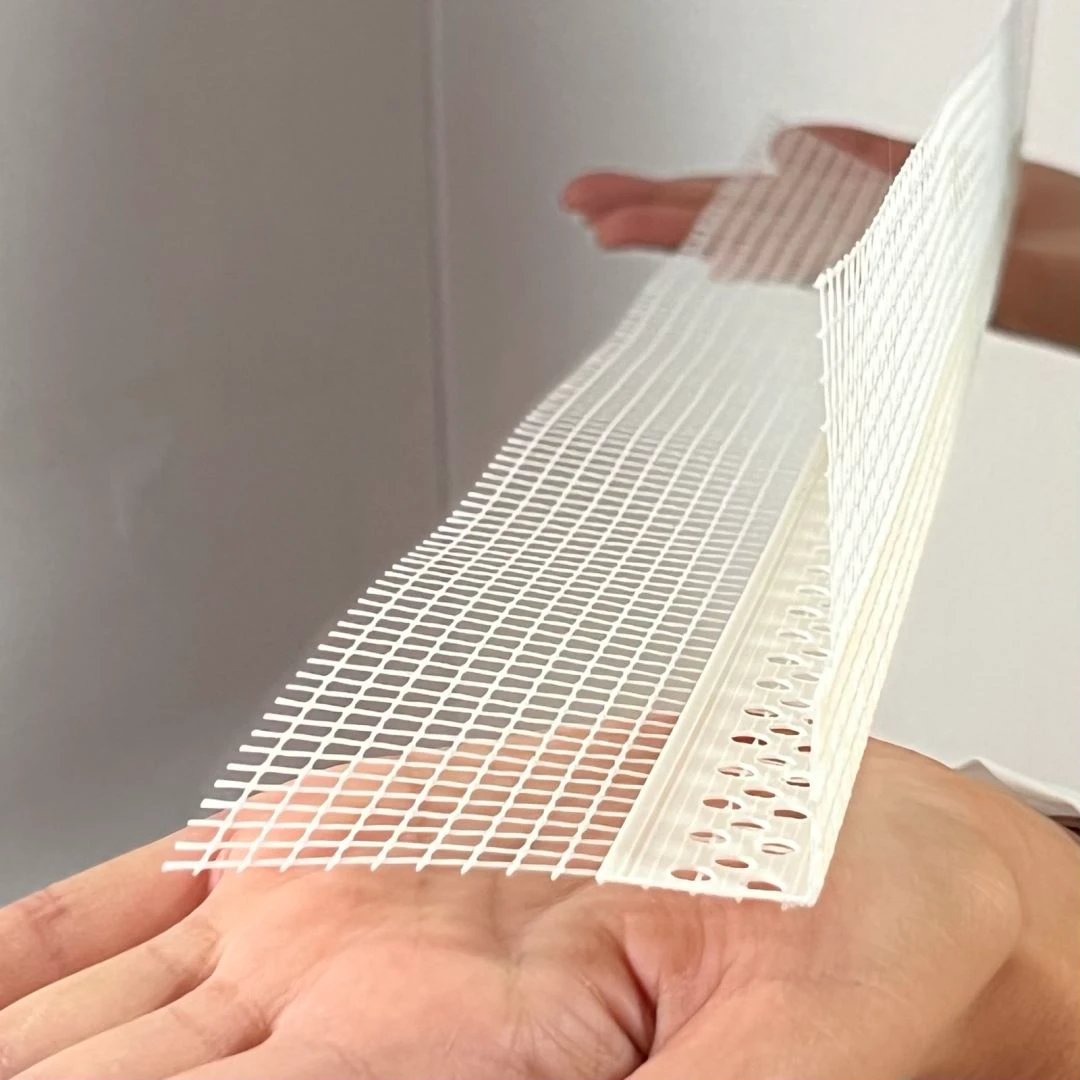
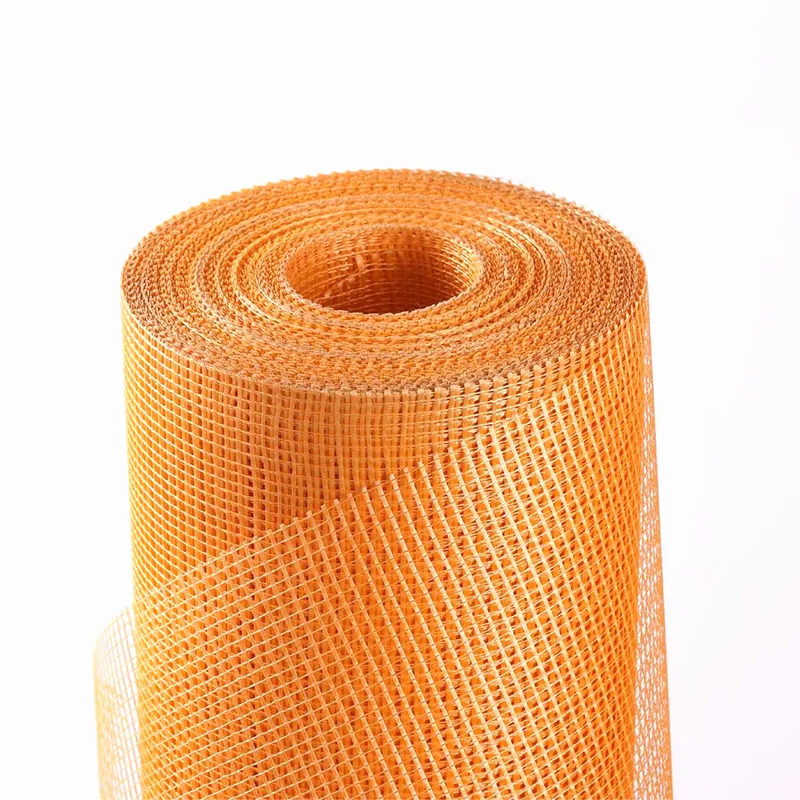
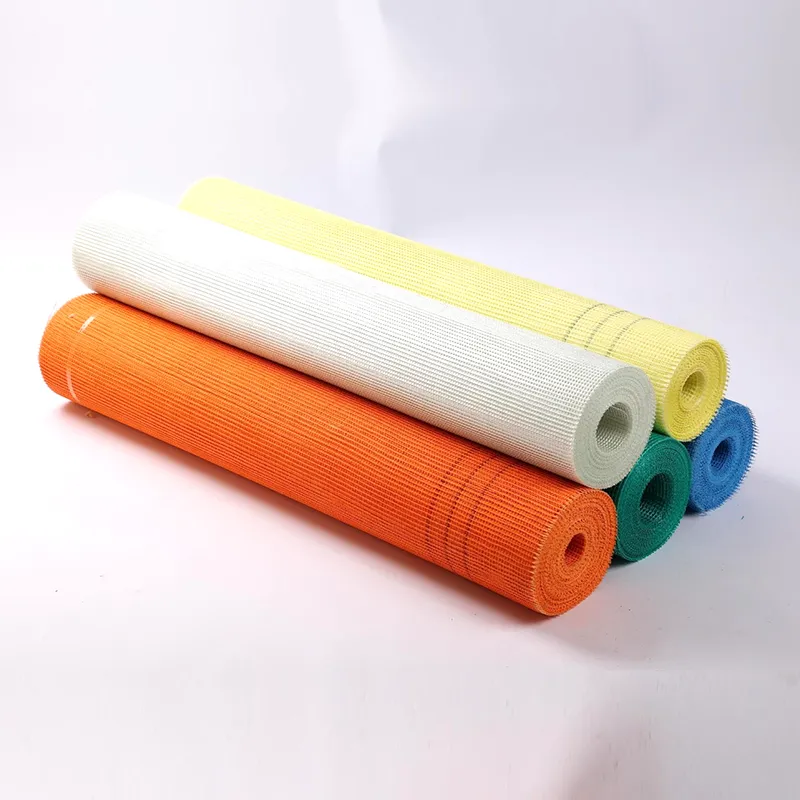
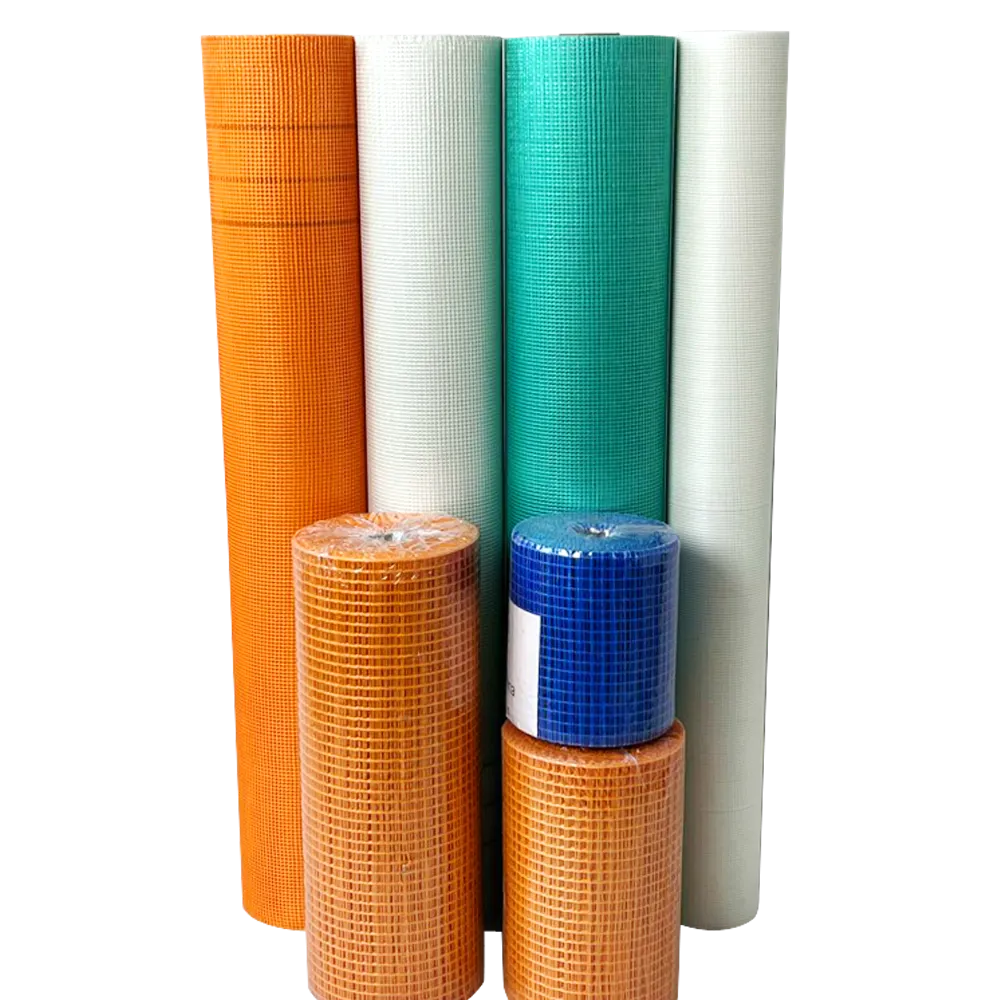
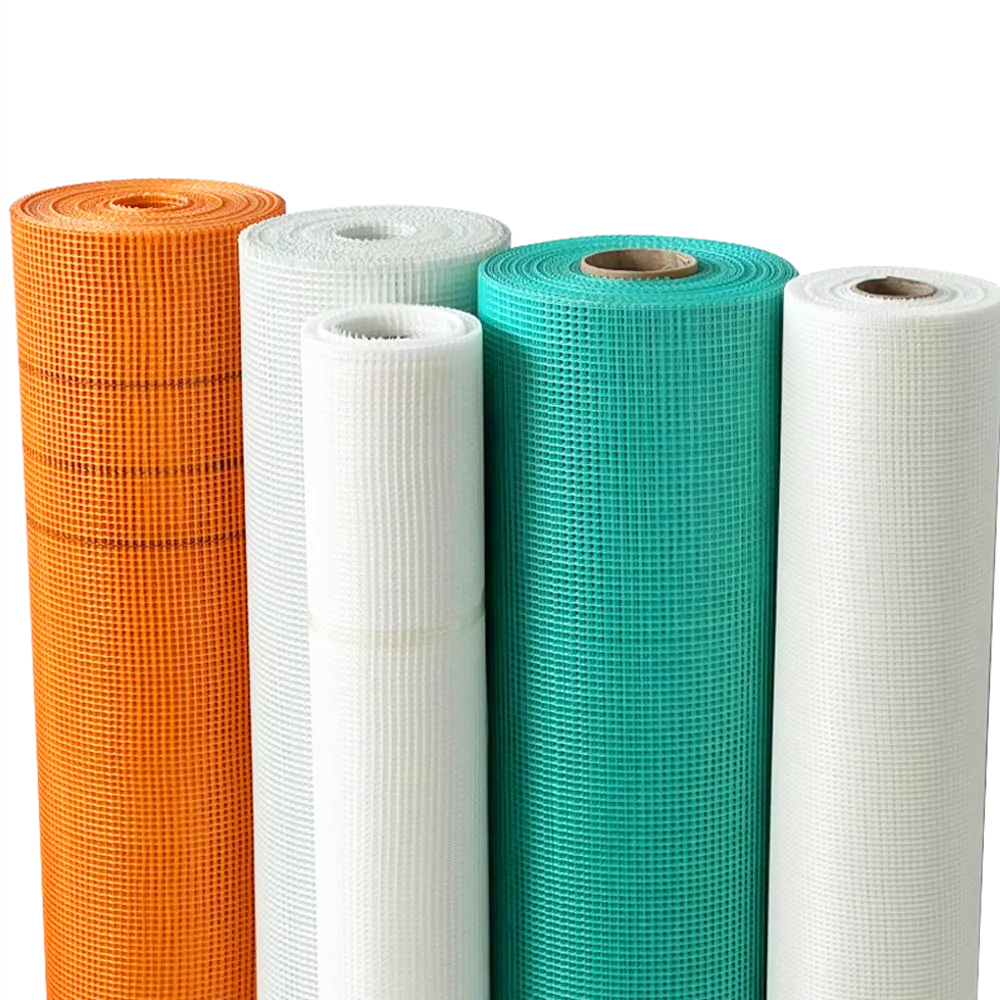
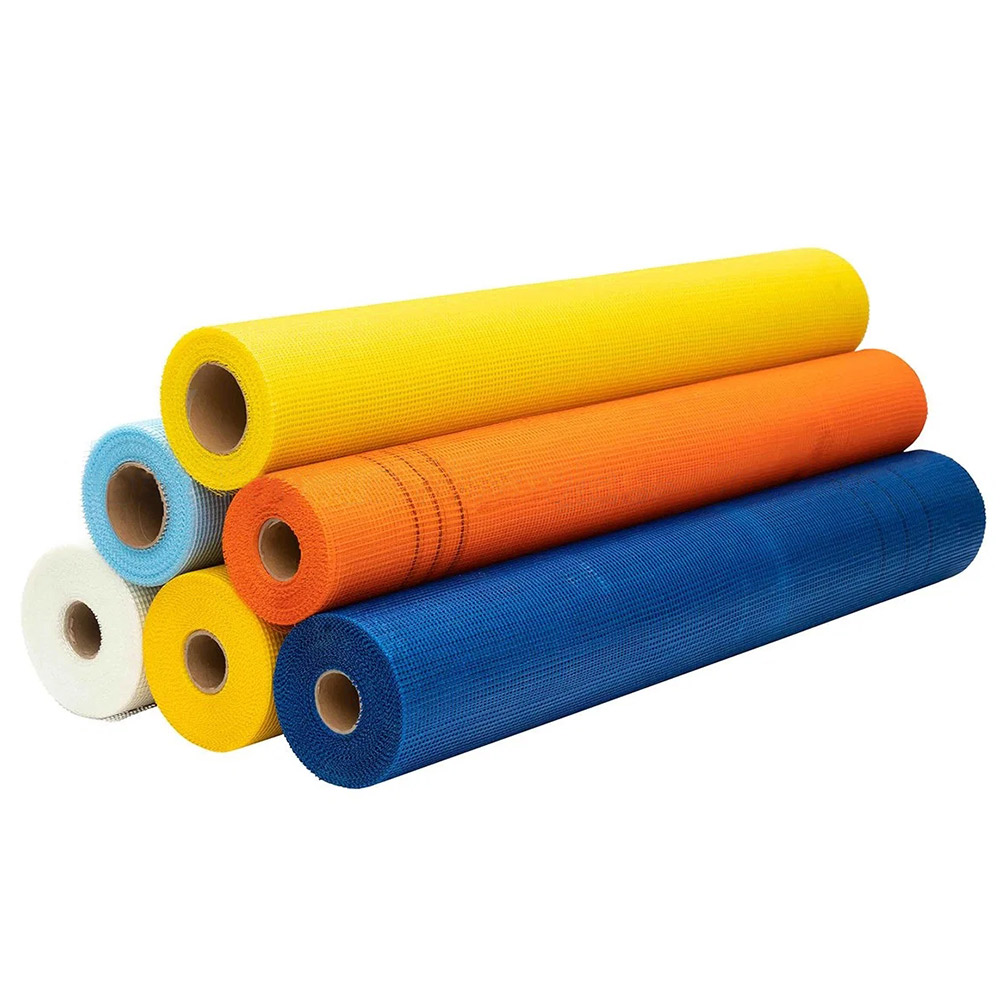
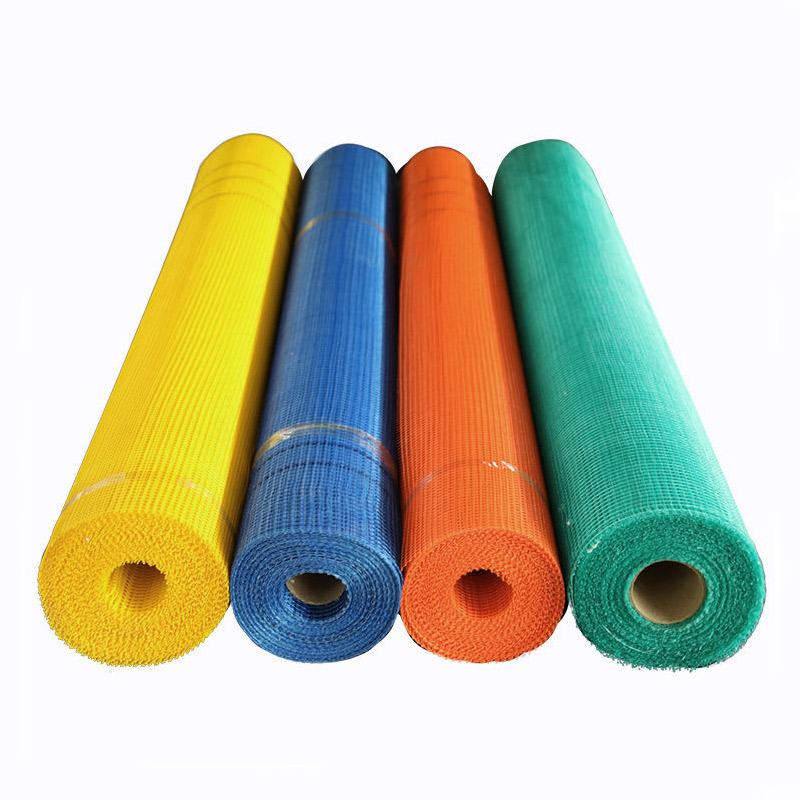
The construction industry relies heavily on high-quality materials that meet rigorous international standards, making an CE-certified fiberglass mesh supplier essential for ensuring structural integrity and longevity in building projects. These suppliers typically work closely with reputable fiberglass mesh manufacturers who utilize premium materials sourced from specialized fiberglass yarn manufacturers to produce durable construction solutions. The CE certification guarantees that every production phase - from raw material selection to final product - adheres to strict quality control protocols, providing architects, contractors, and builders with reliable reinforcement materials that withstand environmental challenges and comply with building codes across various applications including wall reinforcement, flooring systems, and waterproofing membranes.
Selecting a Reliable Fiberglass Mesh Supplier
• When choosing a fiberglass mesh supplier for construction projects, verify their CE certification status and quality management systems to ensure consistent product quality and reliable performance in different building applications from exterior insulation systems to interior wall reinforcement.
• A professional fiberglass mesh supplier should offer comprehensive technical support including application guidance, installation specifications, and customized solutions for special construction requirements, while maintaining adequate inventory levels to ensure timely delivery that aligns with project schedules.
• The optimal fiberglass mesh supplier establishes long-term partnerships with reputable fiberglass yarn manufacturers to control raw material quality, while providing complete documentation including test reports, quality certificates, and technical data sheets that comply with international construction standards.
Quality Standards of Fiberglass Mesh Manufacturers
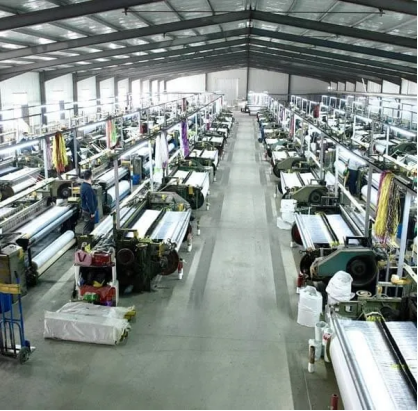
• Reputable fiberglass mesh manufacturers implement rigorous quality control measures throughout production, including tensile strength testing, alkali resistance verification, and mesh stability checks to ensure products withstand construction stresses and environmental factors.
• Advanced fiberglass mesh manufacturers invest in research and development to improve product performance, developing specialized meshes for particular construction applications such as marble reinforcement, waterproofing systems, and exterior wall insulation that require specific technical properties.
• Leading fiberglass mesh manufacturers maintain consistent production standards across batches, ensuring uniform mesh count, weight, and tensile strength that construction professionals can depend on for critical reinforcement applications in high-rise buildings and infrastructure projects.
Technical Expertise of Fiberglass Yarn Manufacturers
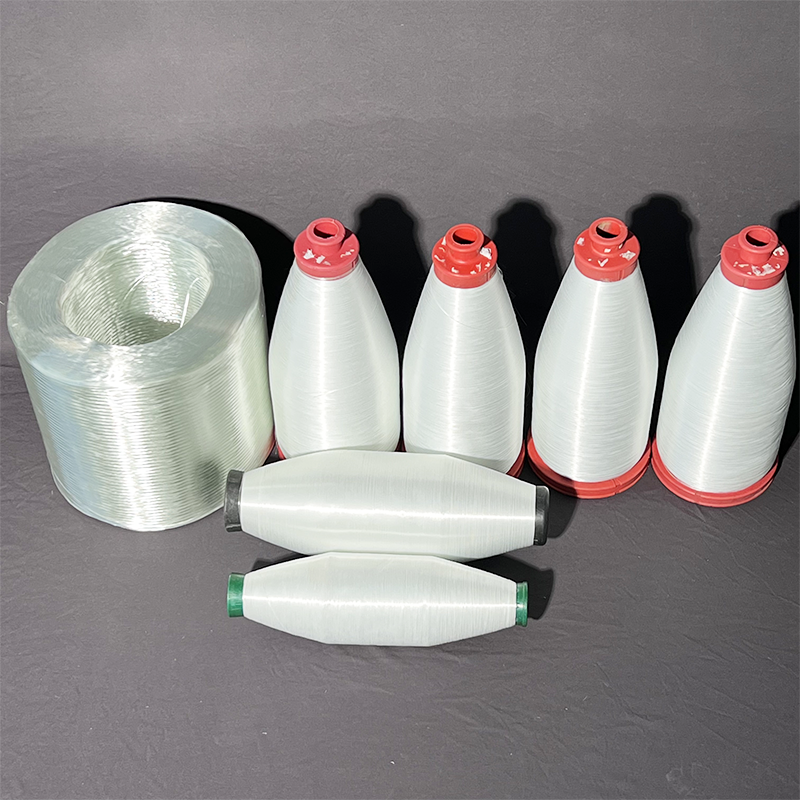
• Specialized fiberglass yarn manufacturers produce primary materials using advanced spinning technology and surface treatment processes that determine the fundamental strength, flexibility, and alkali resistance of the final mesh products used in construction applications.
• The best fiberglass yarn manufacturers develop proprietary yarn formulations and sizing treatments that enhance compatibility with various construction materials including cement, gypsum, and adhesives, ensuring optimal performance in different building environments.
• Innovative fiberglass yarn manufacturers continuously improve their production techniques to create yarns with specific properties such as enhanced tensile strength, improved alkali resistance, and better adhesion qualities that meet the evolving demands of modern construction methodologies.
Fiberglass Mesh Supplier FAQS
Q: Can a fiberglass mesh supplier provide mesh suitable for both exterior wall insulation (EIFS) and concrete anti-cracking in building projects?
A: Yes, most professional fiberglass mesh supplier offer specialized mesh for both EIFS and concrete anti-cracking—two common needs in construction. For EIFS, they provide lightweight, alkali-resistant mesh (usually 80-160g/㎡) that bonds well with insulation mortars and resists weathering. For concrete anti-cracking, they supply higher-tensile mesh (200-300g/㎡) with enhanced durability to prevent shrinkage cracks in concrete slabs or walls. When ordering, specify your project type (EIFS, concrete, or both) so the supplier can recommend the right mesh density and coating (e.g., alkali-resistant emulsion) for long-term performance in building applications.
Q: When cooperating with fiberglass mesh manufacturers for large-scale construction projects, what quality certifications should I verify?
A: When working with fiberglass mesh manufacturers for building projects, prioritize three key certifications to ensure compliance with construction standards: 1) CE Certification (for European markets) to meet regional building code requirements; 2) ALKALI-RESISTANT Certification since fiberglass mesh in construction often contacts cement-based mortars—alkali resistance prevents mesh degradation over time. Additionally, ask manufacturers for test reports on tensile strength and elongation (critical for structural reinforcement) to align with your project’s load-bearing needs.
Q: What technical parameters should I confirm with a fiberglass mesh supplier when purchasing mesh for tile backing in residential or commercial building renovations?
A: For tile backing applications in construction renovations, confirm four key technical parameters with a fiberglass mesh supplier: 1) Mesh Density: Opt for 10x10mm or 12x12mm grid size—this ensures good adhesion with tile adhesive and prevents tile detachment; 2) Weight per Unit Area: 120-160g/㎡ is ideal—light enough for easy installation on walls/floors, yet strong enough to resist tile stress; 3) Alkali Resistance: Ensure the mesh has a ≥90% retention rate of tensile strength after alkali testing to withstand tile adhesive’s alkaline environment; 4) ความกว้าง: Choose 1-2m width to reduce seam gaps during installation, which minimizes cracking risks in tile surfaces.
Q: Do fiberglass yarn manufacturers produce yarn specifically for making construction-grade fiberglass mesh, and how does it differ from regular fiberglass yarn?
A: Yes, fiberglass yarn manufacturers produce specialized yarn for construction-grade fiberglass mesh—this yarn differs from regular fiberglass yarn in three key ways for building use: 1) Alkali-Resistant Coating: Construction-grade yarn is coated with zirconium oxide or silane to resist alkali corrosion (from cement, mortar, etc.), a must for mesh used in concrete or plastering; 2) Tensile Strength: It has higher tensile strength (≥700MPa) to handle structural loads, such as reinforcing wall plaster or concrete slabs—regular yarn often has lower strength (≤500MPa) for non-construction uses; 3) Twist Density: It has a tighter twist (8-12 twists/m) to enhance yarn cohesion, preventing fraying during mesh weaving and ensuring long-term stability in building environments. These features make it suitable for high-performance construction applications.
Q: How does a fiberglass mesh supplier support construction projects with tight delivery timelines, especially for bulk orders?
A: A reliable fiberglass mesh supplier supports tight construction timelines through three key services: 1) Pre-Stock Arrangements: They maintain inventory of common mesh types (e.g., EIFS mesh, concrete anti-cracking mesh) to fulfill bulk orders within 3-5 days, avoiding production delays; 2) Custom Fast-Track Production: For non-standard mesh (e.g., custom width, high-density), they prioritize production with dedicated lines, cutting lead time from 15-20 days to 7-10 days for urgent projects; 3) Tailored Logistics: They partner with construction-specialized logistics providers to offer door-to-door delivery, including site-specific scheduling (e.g., night or weekend delivery to avoid disrupting on-site work). Some suppliers also provide batch delivery (e.g., partial shipment first, rest later) to ensure construction progresses without waiting for full order arrival.
-
Best Fiberglass Mesh Tape for RedGard Product Waterproofing Guideข่าวApr.16,2026
-
Why High Strength Fiberglass Mesh Is Essential For Stucco Applicationข่าวApr.15,2026
-
Why Alkali Resistant Fiberglass Mesh Tape Is Essential For Cement Board And Tile Installationsข่าวApr.15,2026
-
Understanding The Role Of Drywall Fiberglass Mesh In Interior Finishingข่าวApr.15,2026
-
Ultimate Guide To Using Fiberglass Mesh Tape For Drywall And Plaster Repairsข่าวApr.15,2026
-
The Versatility Of Fiberglass Mesh In Marble And Stone Mosaicข่าวApr.15,2026