Sep . 05, 2025 10:39 Бозгашт ба рӯйхат
Deployable Emergency Shelters Using Tensioned Fiberglass Mesh
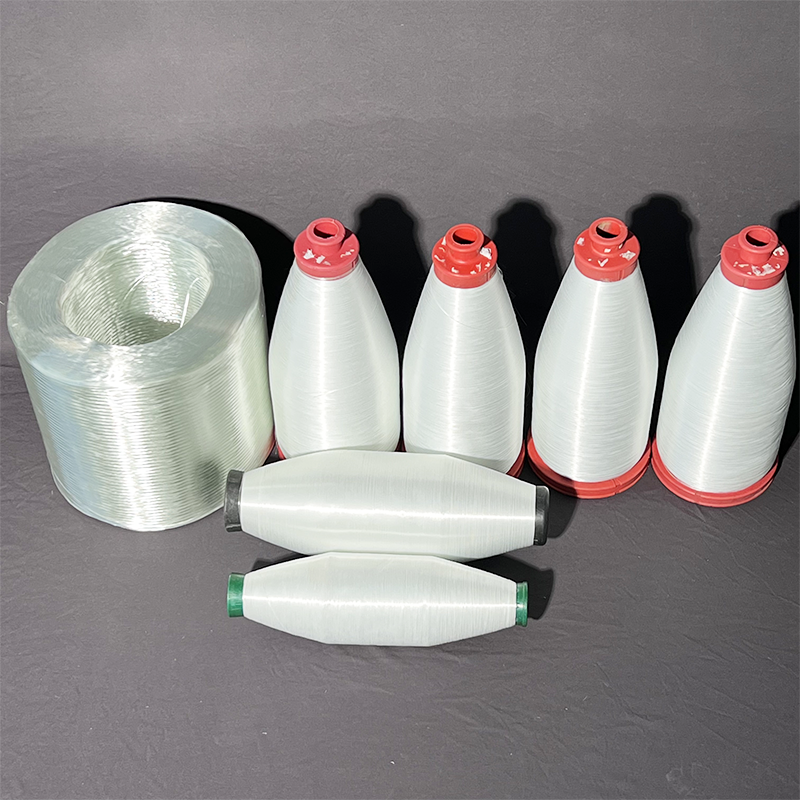
Established in 2000 and located in Renqiu City, Hebei Province with convenient transportation access, Tainuo is an integrated enterprise passionately dedicated to the research, production, development, and sales of fiberglass products. From a humble beginning, the company has grown into one of the largest fiberglass mesh production bases in Northern China, boasting a massive 20,000 square meter facility. Their journey began with 4 sets of fiberglass yarn production lines, and in 2005, they significantly expanded by investing in a dedicated 10,000 square meter weaving workshop. This state-of-the-art space is equipped with advanced fiberglass mesh production lines, enabling an impressive annual output of 60 million square meters.
This massive production capacity is underpinned by a strong technical team and an unwavering commitment to customer satisfaction, which serves as the company's core guiding principle. Tainuo views scientific and technological innovation as its breakthrough point, constantly strengthening enterprise strategy research and innovating its development pattern. This dedication to progress ensures they can meet the vast and varied demands of global emergency shelter projects, offering prompt delivery, competitive pricing, and excellent after-sales service. Their knowledgeable sales team is always ready to assist clients with expert advice on product selection and application, making them an ideal partner for NGOs, government agencies, and disaster relief organizations worldwide.
The Unseen Strength: Why Fiberglas Mesh is the Ideal Material
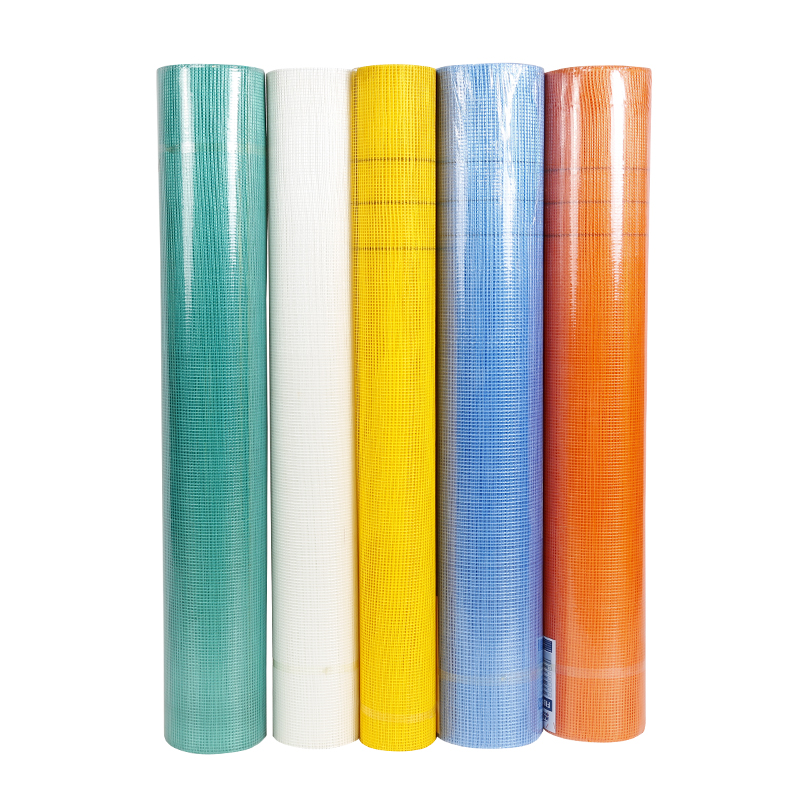
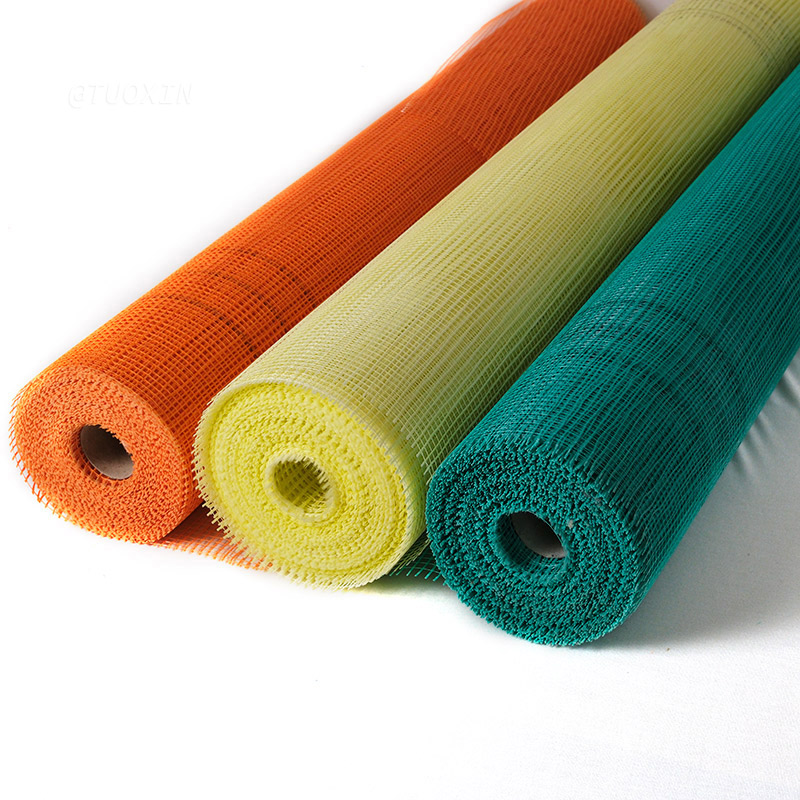
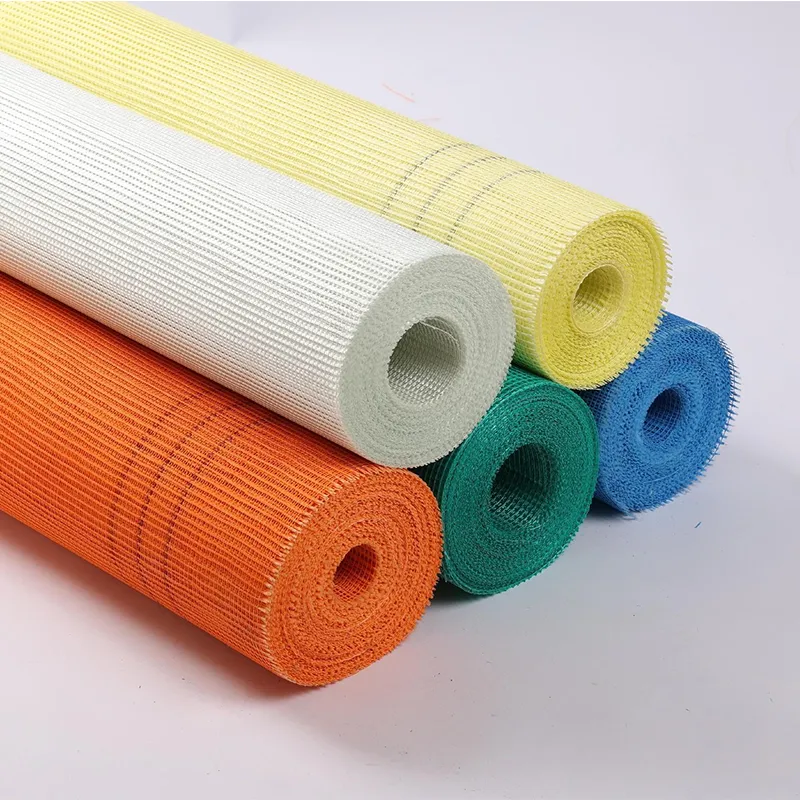
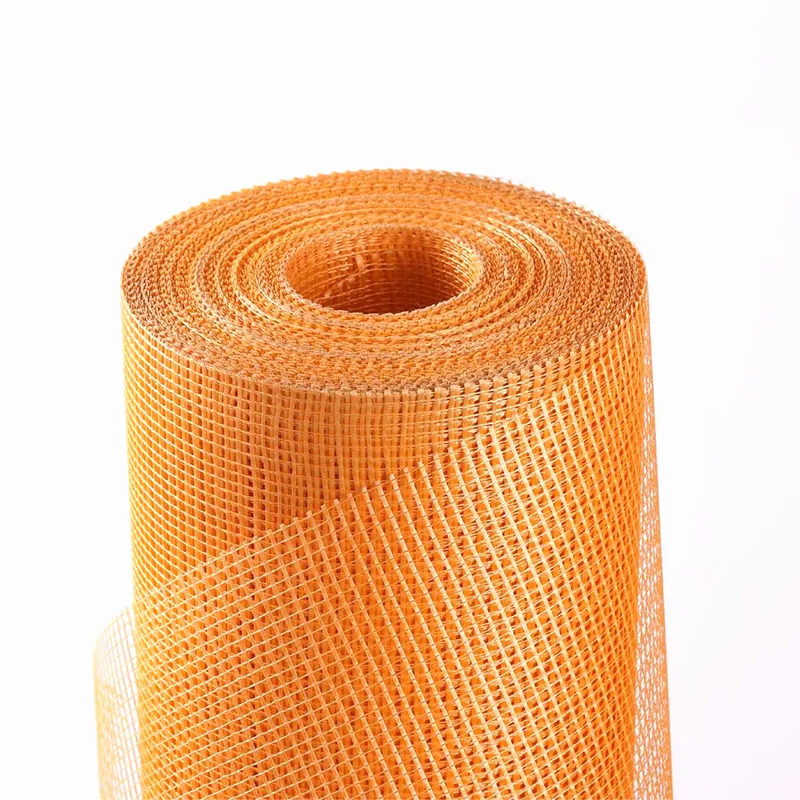
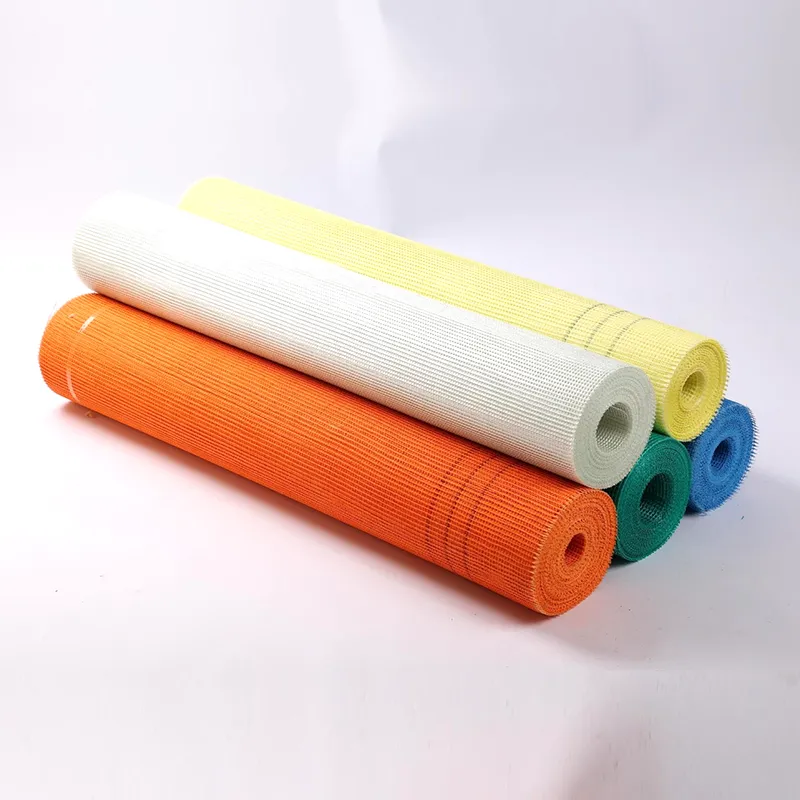
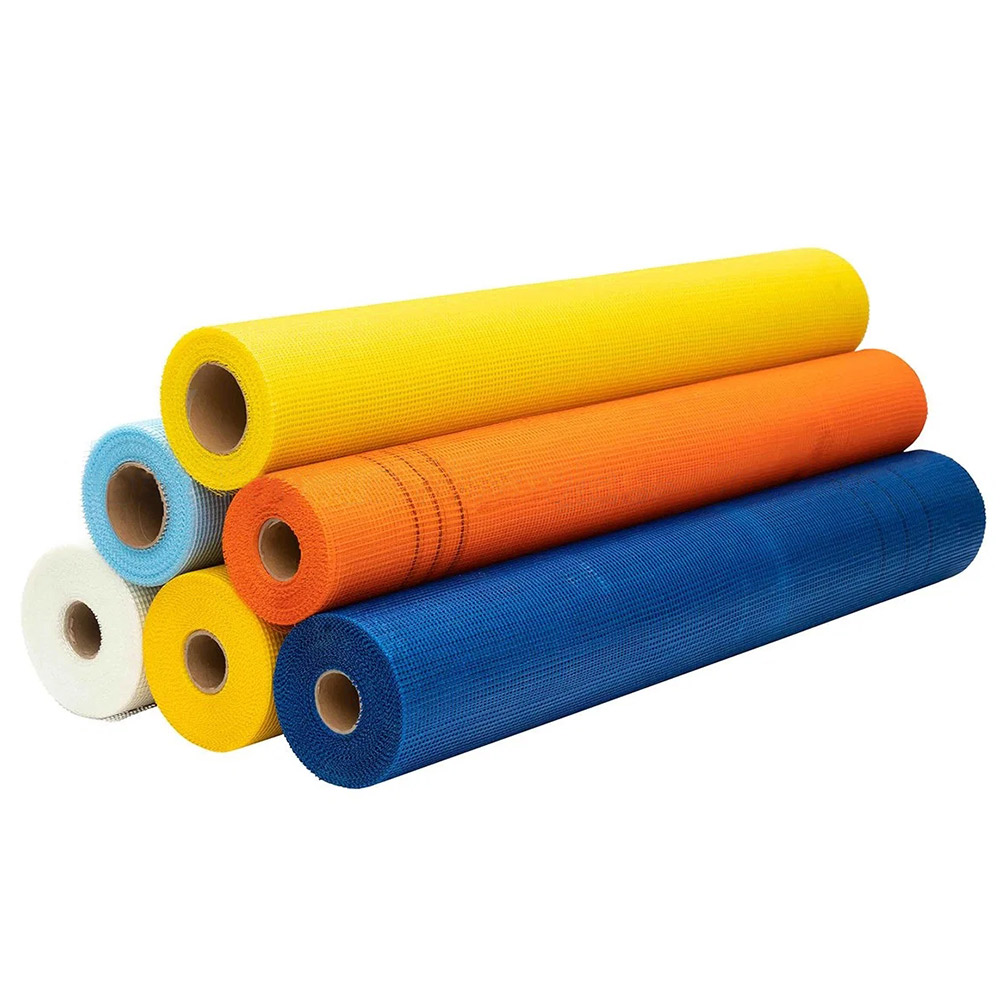
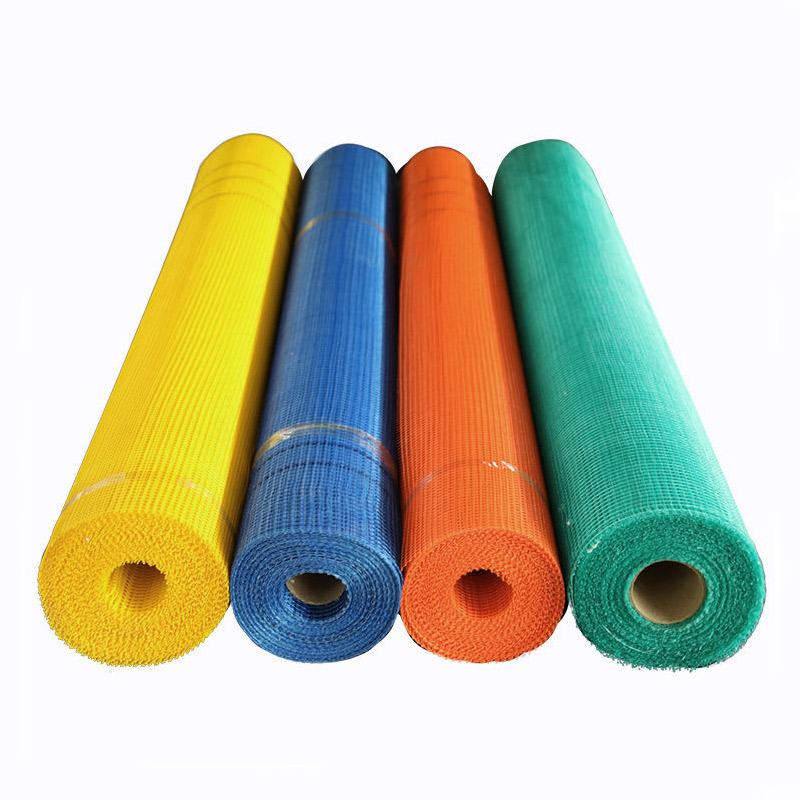
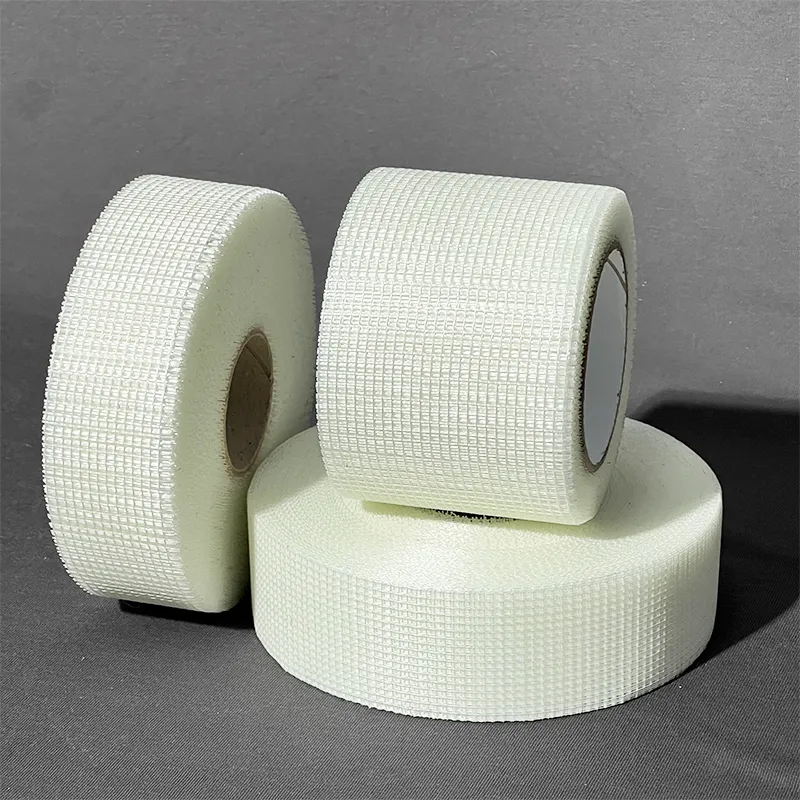
At the heart of this shelter revolution lies the remarkable material itself. Fiberglass mesh is far more than a simple fabric; it is an engineered composite designed for performance and longevity. Its inherent properties make it uniquely suited for the demanding requirements of emergency architecture. Unlike traditional tarpaulins or heavy canvas, tensioned fiberglass mesh creates a semi-rigid shell that is highly resistant to tearing, sagging, and the degrading effects of weather.
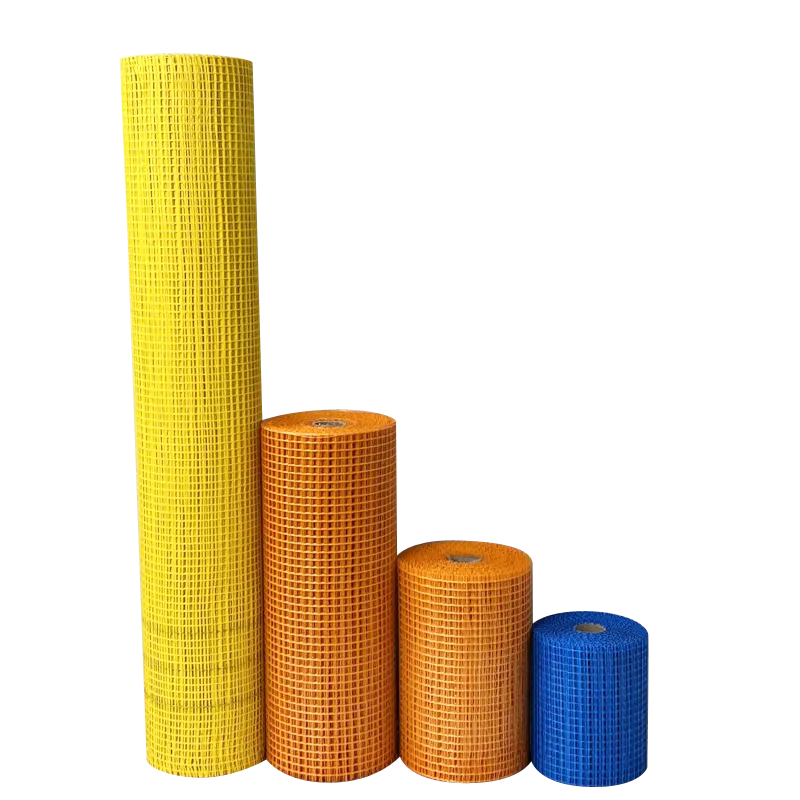
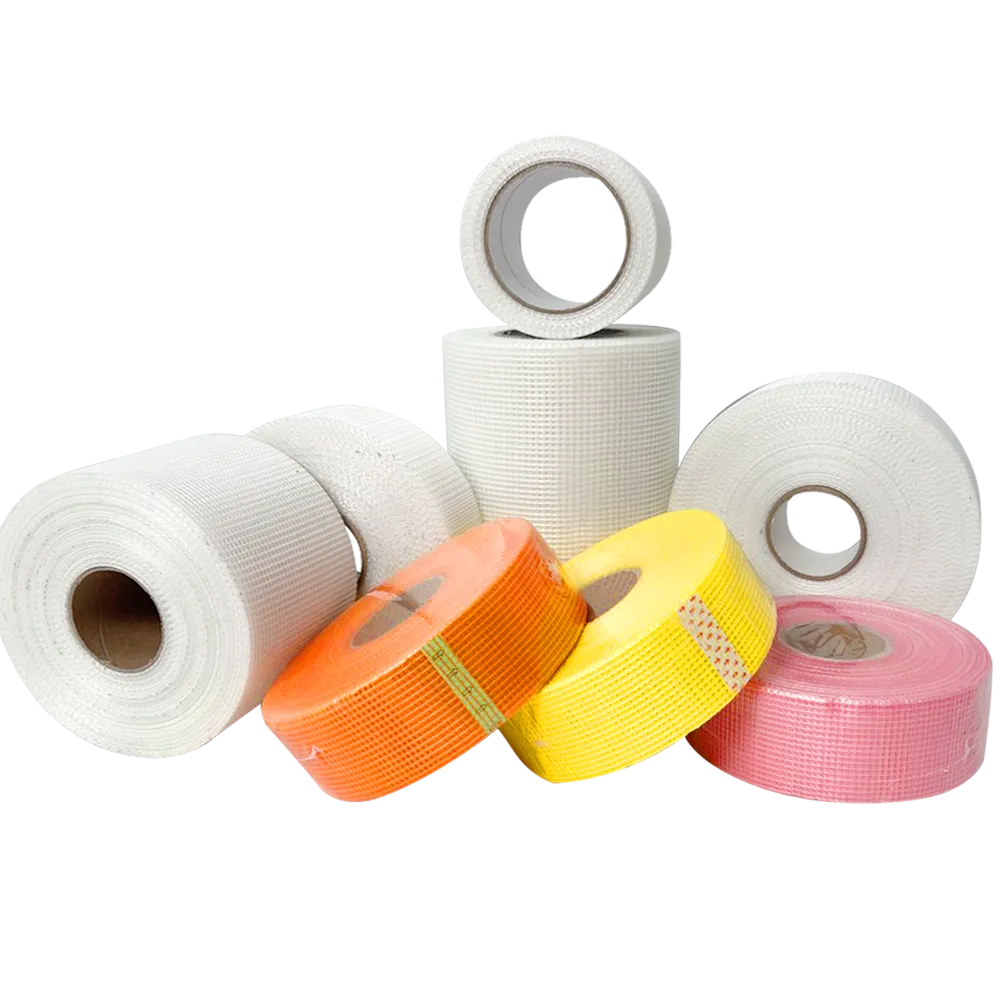
The primary advantage is its exceptional strength-to-weight ratio. Fiberglass mesh is incredibly lightweight, allowing for vast amounts of material to be transported and handled with ease, a critical factor in disaster zones where logistics are often the biggest hurdle. Despite its minimal weight, when tensioned correctly, it can withstand significant loads, including high winds, heavy rain, and even the accumulation of snow. Furthermore, fiberglass mesh is inherently non-corrosive and rot-proof. It will not rust like metal alternatives or decay like organic materials, ensuring the shelter remains stable and safe throughout its deployment, which could last for months or even years. It is also resistant to fire and chemicals, adding an extra layer of safety for occupants. The versatility of the base material allows manufacturers like Tainuo to produce a range of meshes tailored for specific structural and environmental needs.
|
Parameter |
Specification |
|
Материал |
100% нахи шиша |
|
Ранги |
Сафед ё фармоишӣ |
|
Дарозӣ |
50m, 100m |
|
Васеъ |
1m or customized |
|
Mesh Size |
4x4mm, 5x5mm, 6x6mm |
|
Вазн |
60-300g/m² |
Beyond Emergencies: The Structural Versatility of Fiberglass Drywall Mesh
While designed for rapid deployment, these shelters often evolve into longer-term transitional communities. This is where the principles of permanent construction merge with temporary shelter technology. Fiberglass drywall mesh, a staple in the construction industry for reinforcing plaster and preventing cracks, finds a new and vital purpose in reinforcing emergency shelters for extended use.
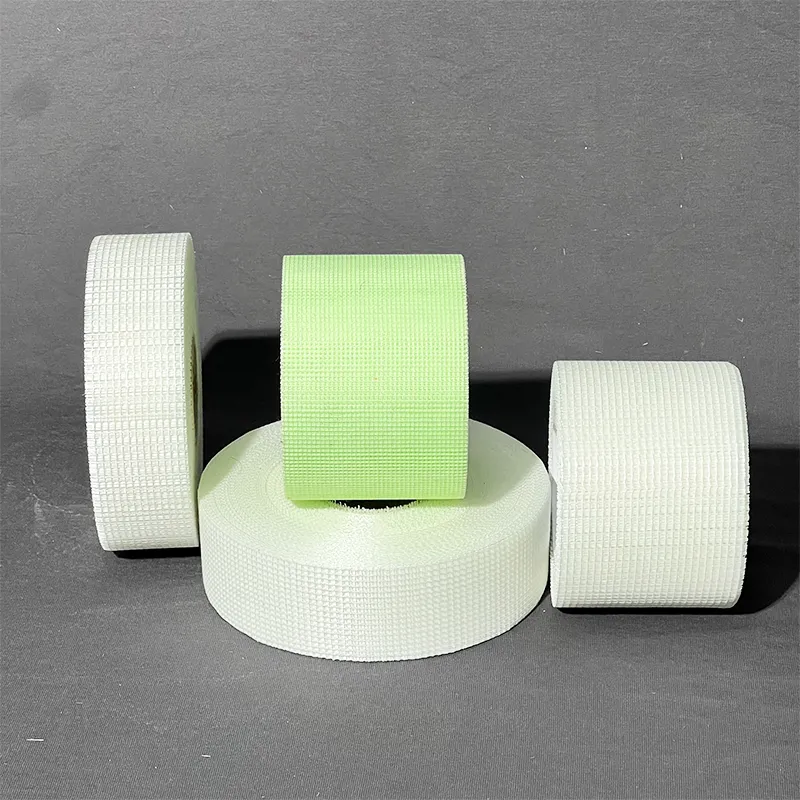
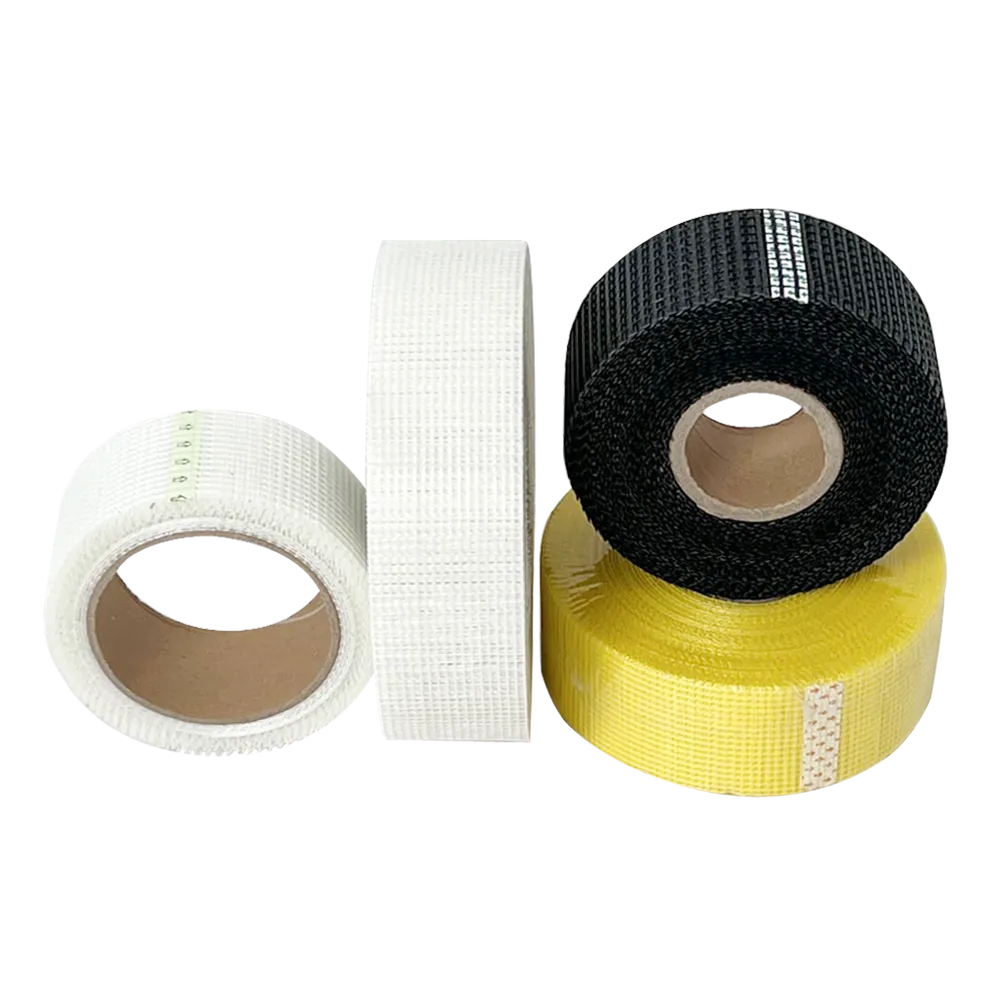
Once the primary tensioned mesh shell is erected, fiberglass drywall mesh can be applied to interior or exterior surfaces as a base for a plaster or specialized composite coating. This process, often called "rendering," transforms the lightweight mesh tent into a more solid, weather-tight, and insulated structure. The fiberglass drywall mesh is embedded into a base coat of plaster, providing a flexible yet robust armature that holds the finish together, prevents cracking from movement or temperature fluctuations, and adds significant structural mass and protection. This upgraded shell offers vastly improved thermal insulation, keeping occupants warmer in winter and cooler in summer. It also enhances protection from rain, wind, and UV radiation. The use of fiberglass drywall mesh in this context bridges the gap between immediate refuge and semi-permanent housing, providing a dignified, secure, and comfortable living space that can serve communities throughout the entire recovery process.
FAQs About Fiberglas Mesh
What are the main advantages of using fiberglass mesh for emergency shelters?
The key advantages are rapid deployment, exceptional strength, and durability. The shelters are lightweight for easy transport, can be erected quickly with minimal labor, and the fiberglass mesh material is engineered to resist tears, fire, moisture, and corrosion, ensuring long-term protection and value in harsh environments.
Can fiberglass drywall mesh really make a temporary shelter more permanent?
Absolutely. By using fiberglass drywall mesh as a reinforcing layer for plaster or composite coatings, the basic shelter is transformed. This adds substantial mass, improves thermal insulation, and creates a hard, protective shell that is highly resistant to the elements, effectively upgrading a temporary structure into a durable transitional home.
Are there customization options for the fiberglass mesh used in these systems?
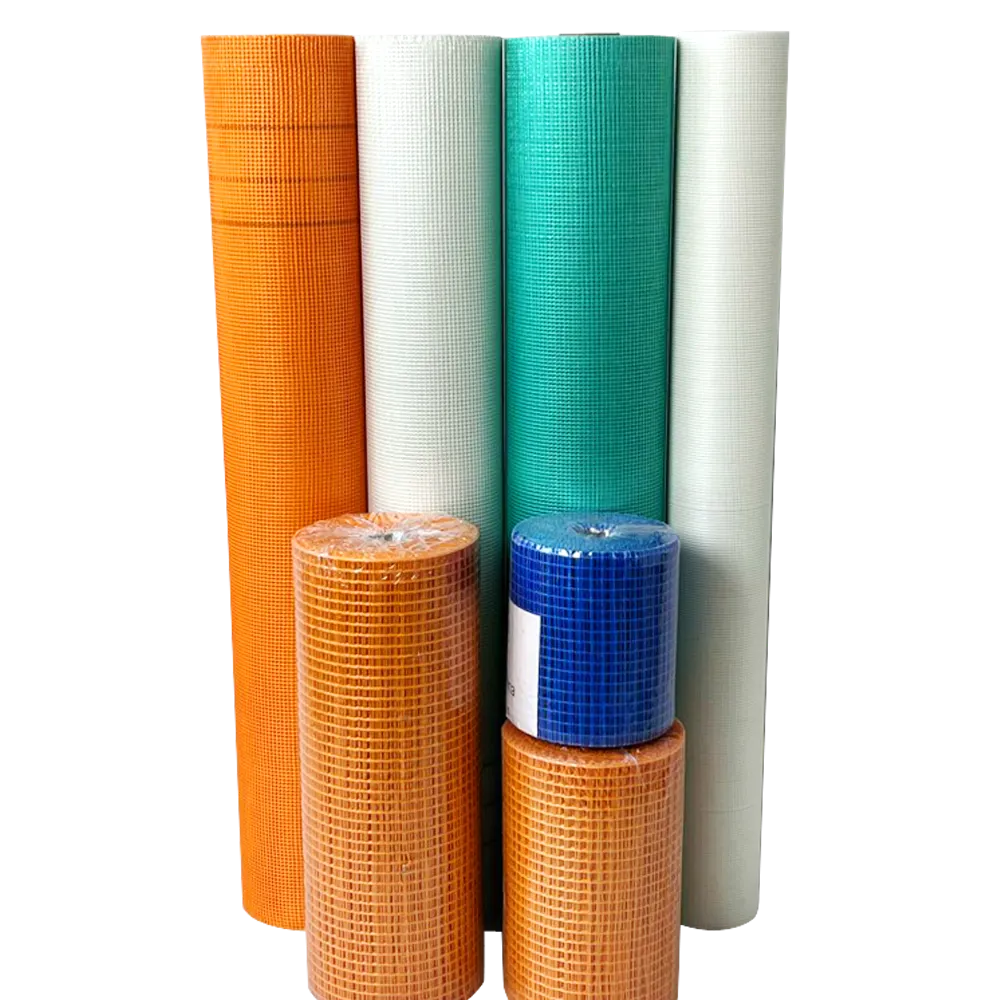
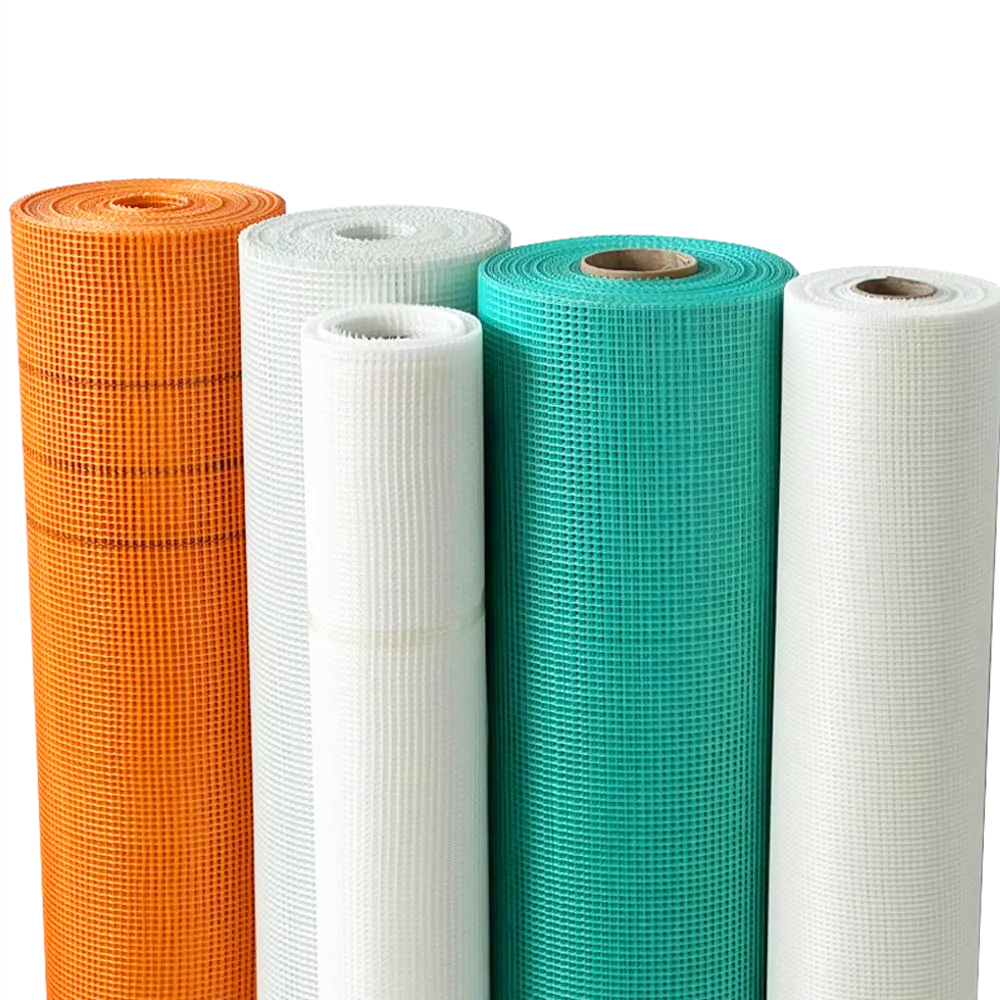
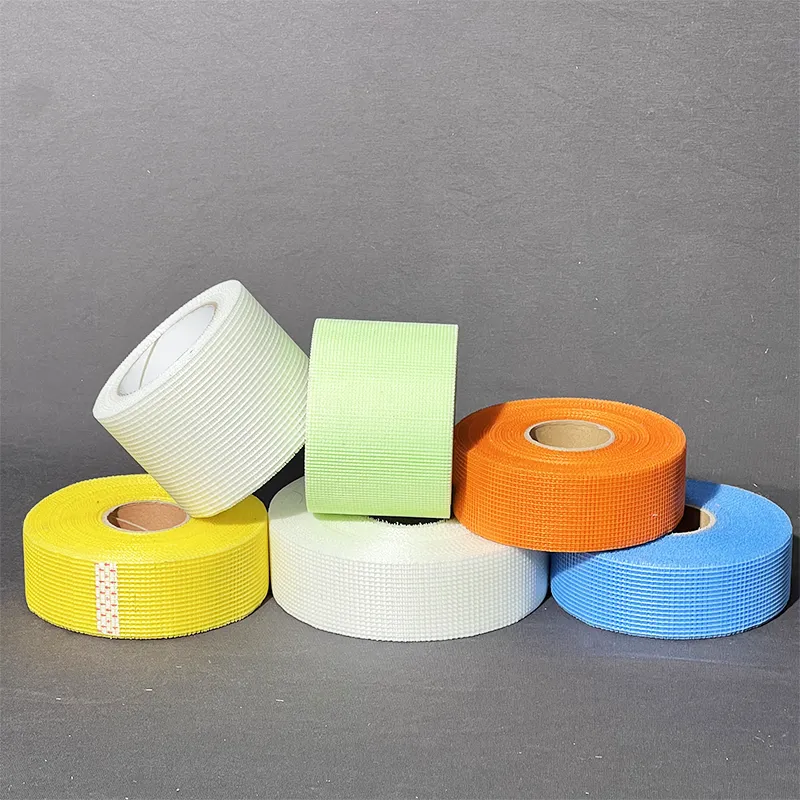
Yes, leading manufacturers like Tainuo offer extensive customization. The fiberglass mesh can be tailored in terms of weight, mesh size, width, and color to meet the specific engineering and environmental requirements of different shelter designs and disaster response scenarios.
How does your company ensure reliable fiberglass mesh supply for large-scale emergency projects?
With a massive 20,000 sqm production base, advanced automated lines, and an annual output of 60 million square meters, we maintain immense production capacity and raw material reserves. This, coupled with efficient logistics from our centrally located facility, allows us to guarantee reliable, prompt delivery for the largest international aid projects.
-
Best Fiberglass Mesh Tape for RedGard Product Waterproofing GuideАхборApr.16,2026
-
Why High Strength Fiberglass Mesh Is Essential For Stucco ApplicationАхборApr.15,2026
-
Why Alkali Resistant Fiberglass Mesh Tape Is Essential For Cement Board And Tile InstallationsАхборApr.15,2026
-
Understanding The Role Of Drywall Fiberglass Mesh In Interior FinishingАхборApr.15,2026
-
Ultimate Guide To Using Fiberglass Mesh Tape For Drywall And Plaster RepairsАхборApr.15,2026
-
The Versatility Of Fiberglass Mesh In Marble And Stone MosaicАхборApr.15,2026