Sep . 26, 2025 09:59 فهرست ڏانھن واپس
Fiberglass wall mesh compatibility with cement mortar
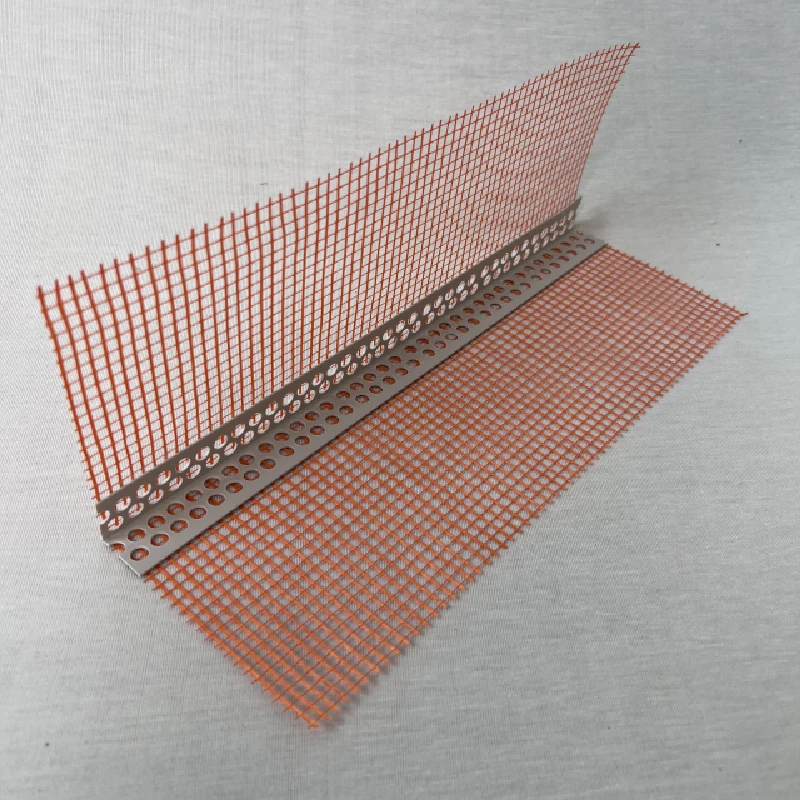
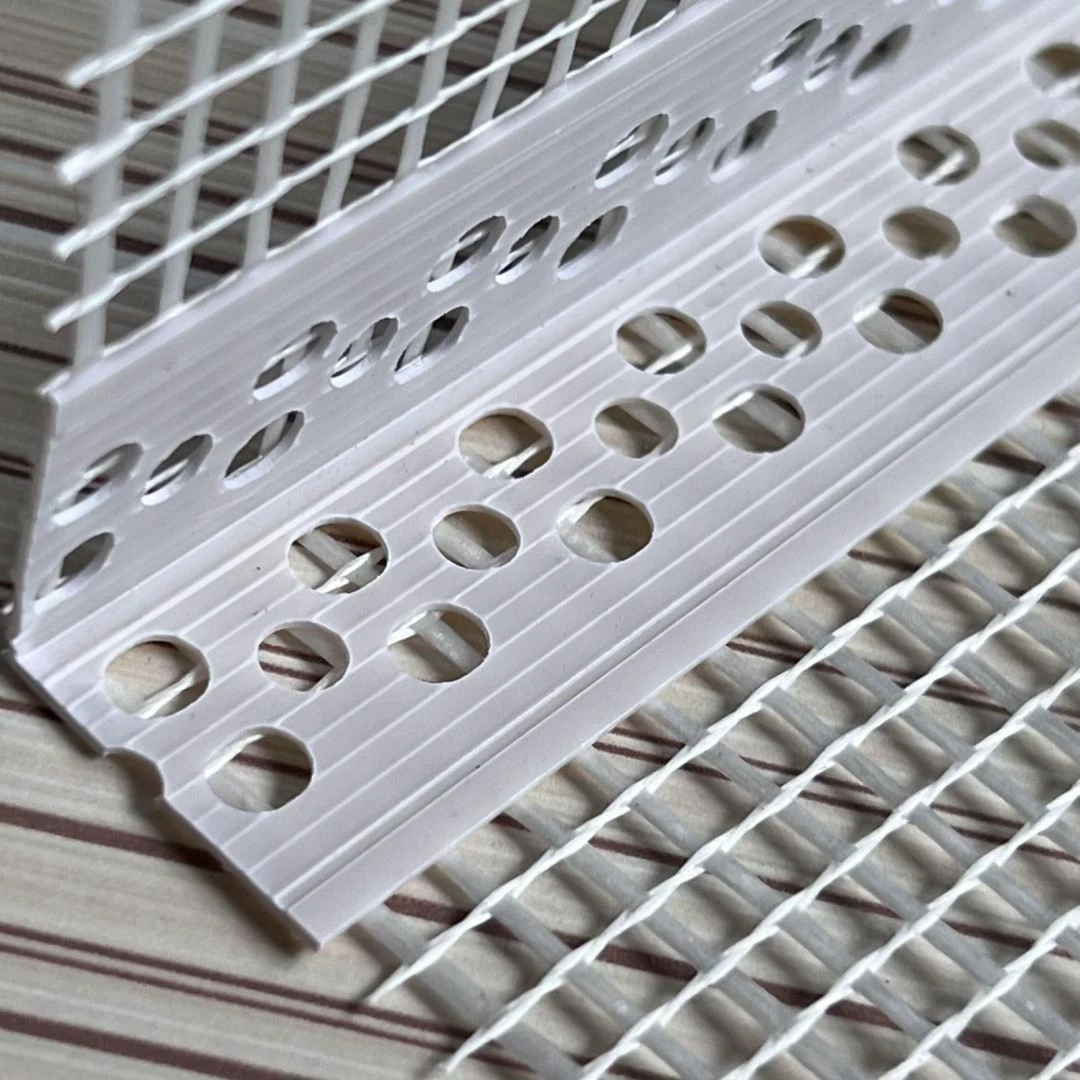
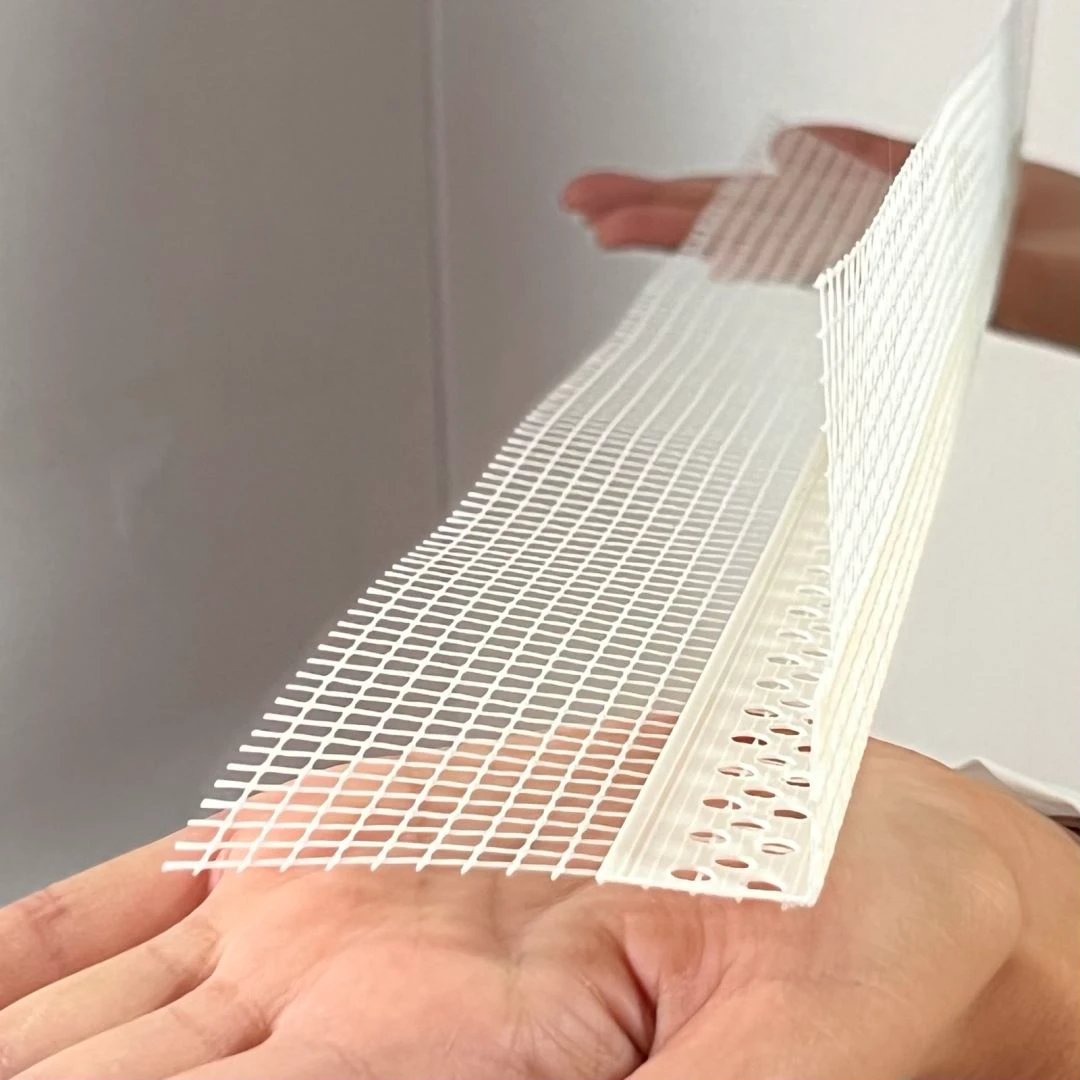
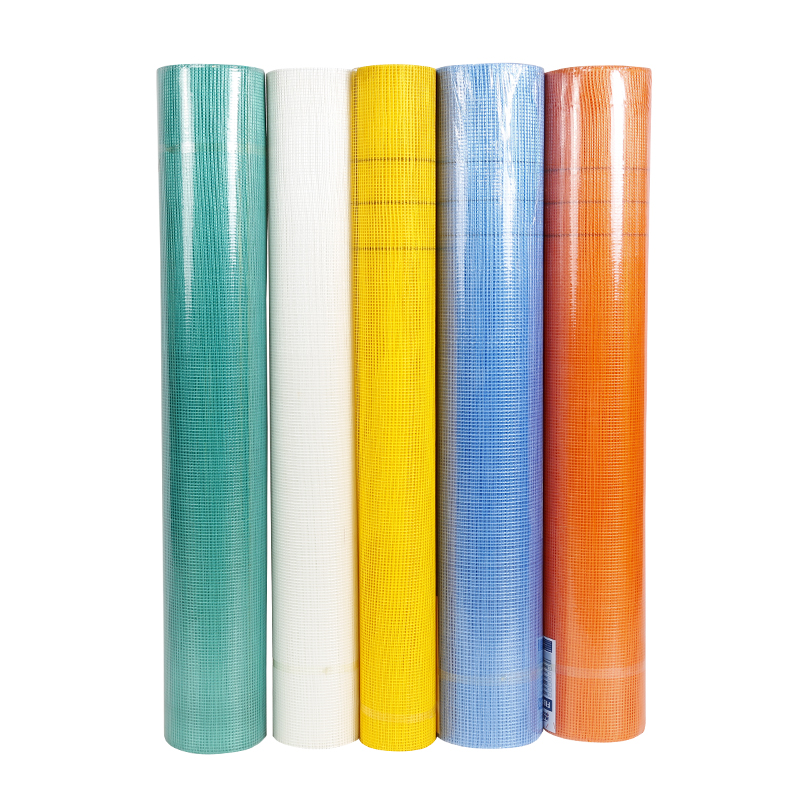
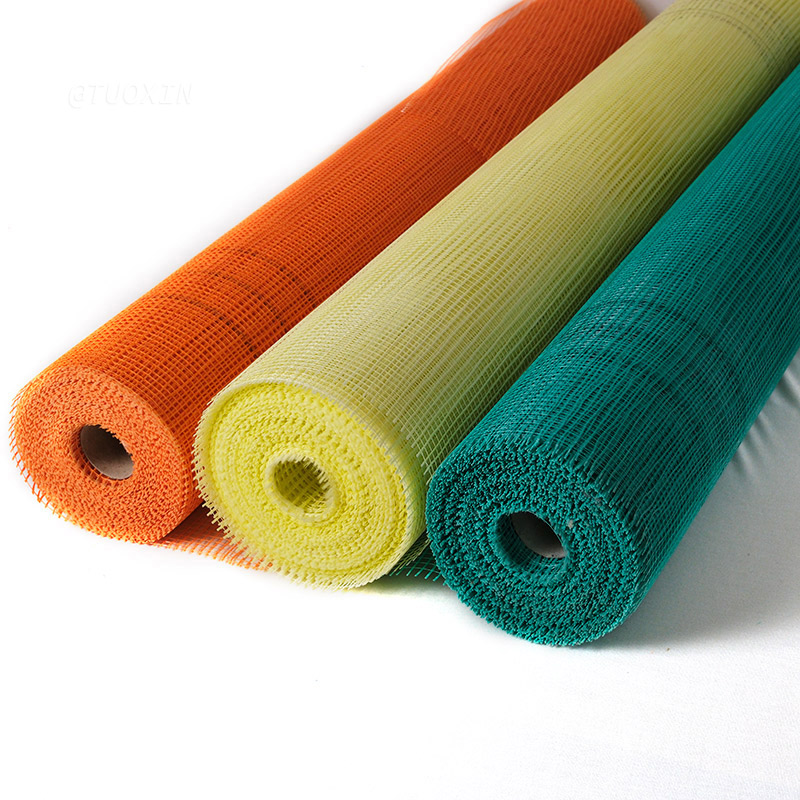
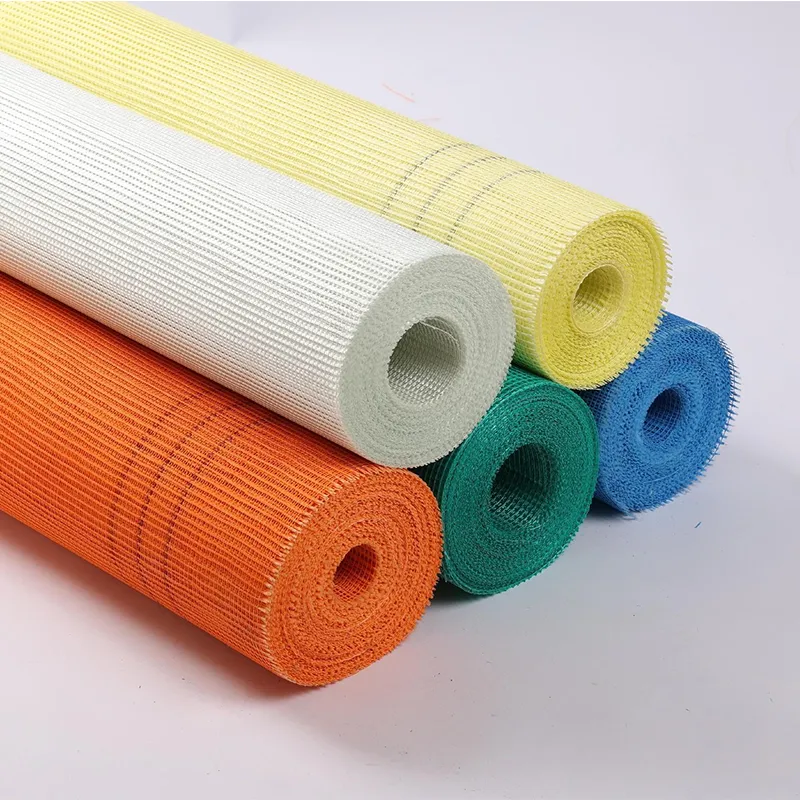
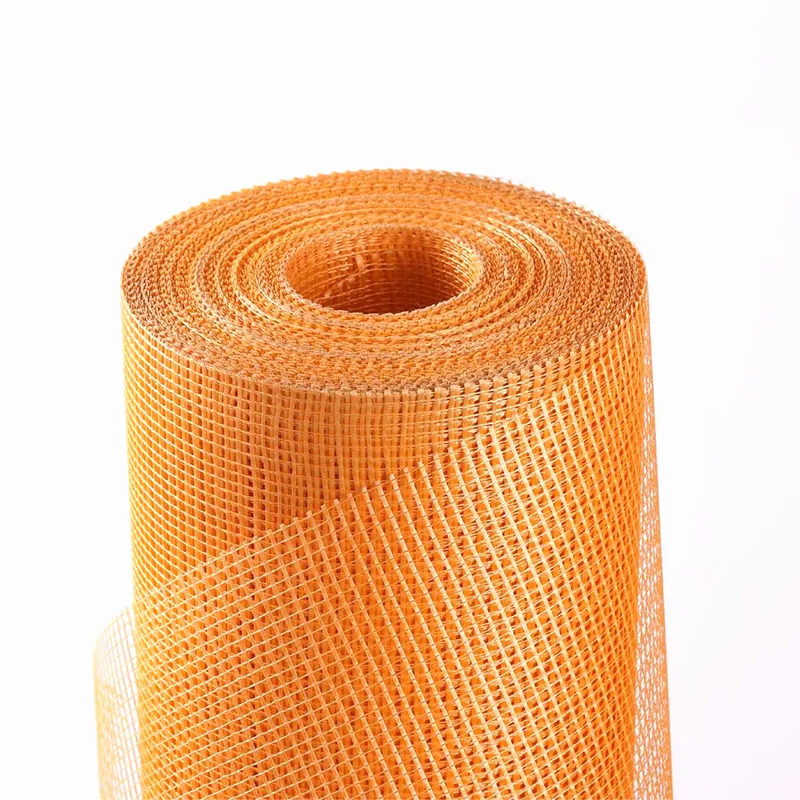
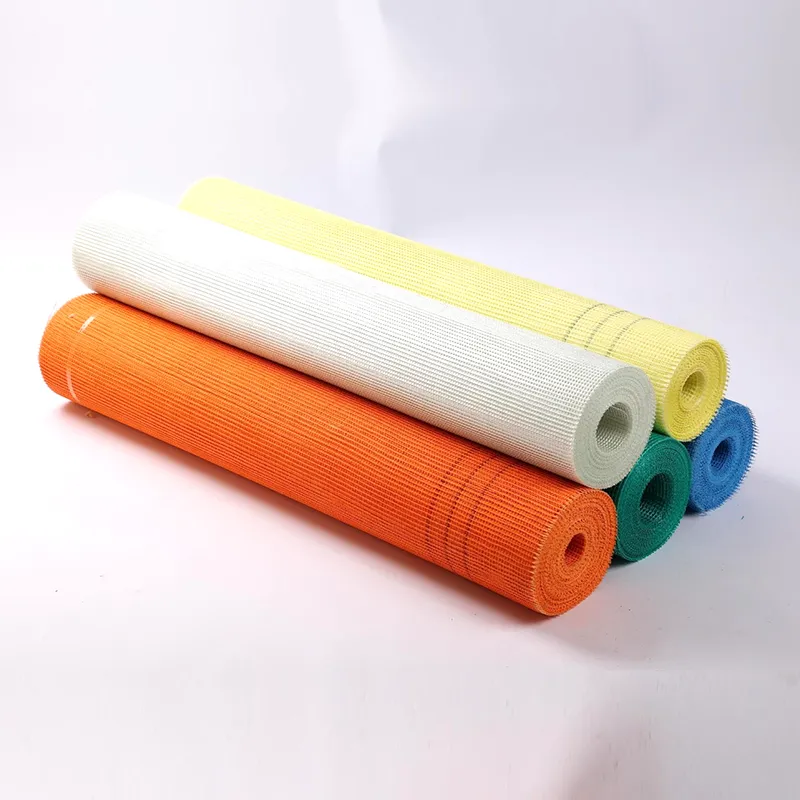
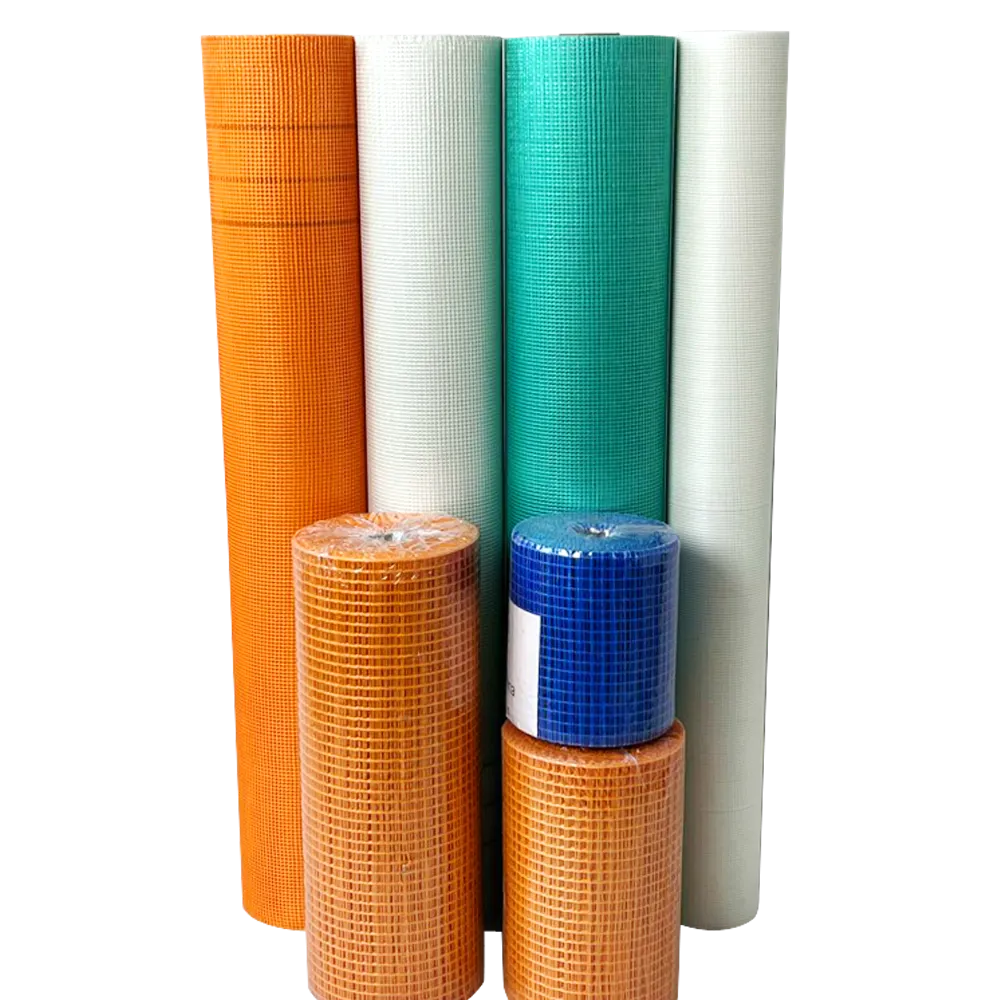
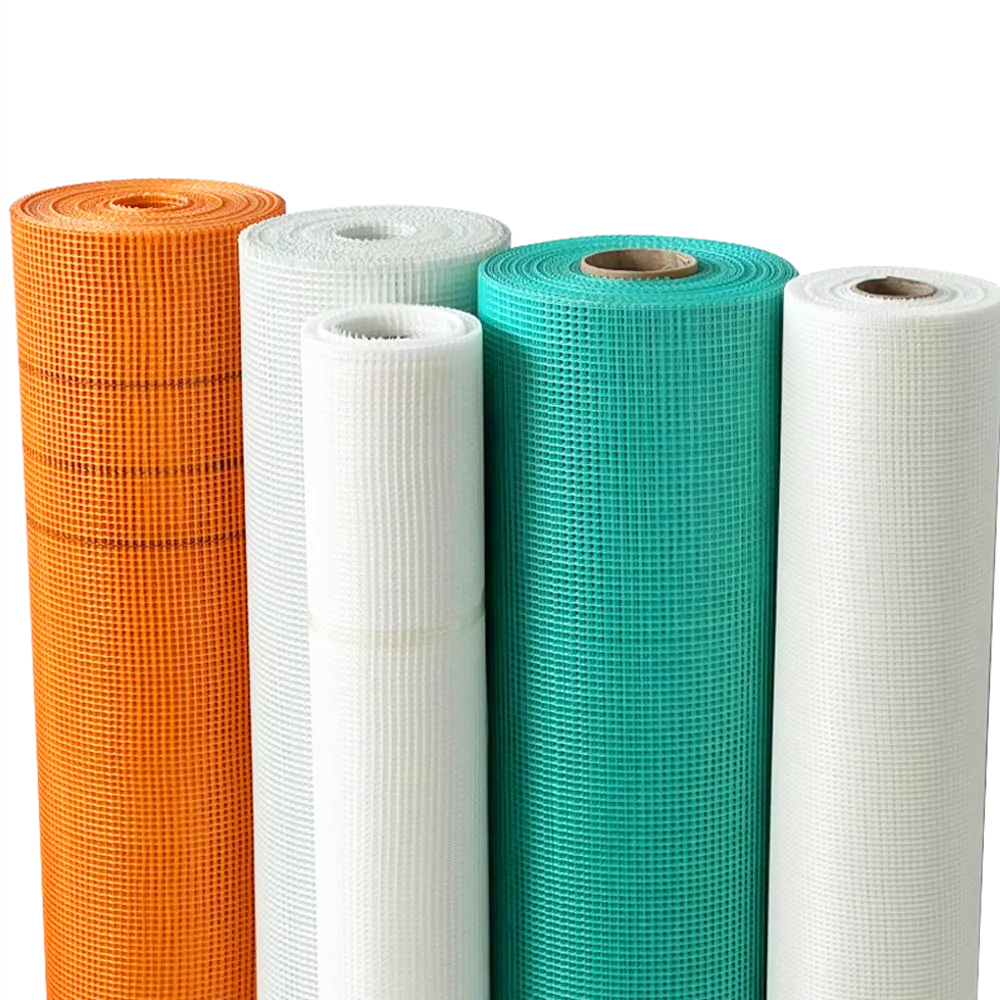
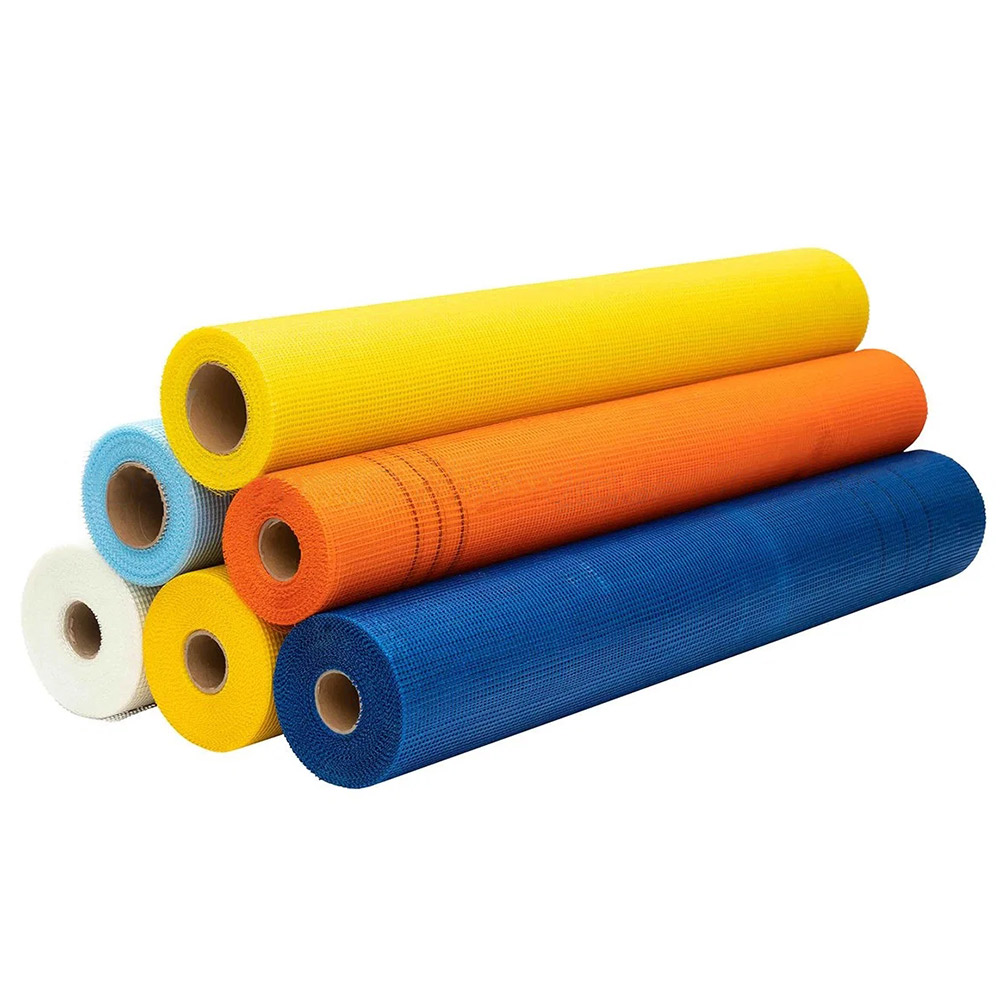
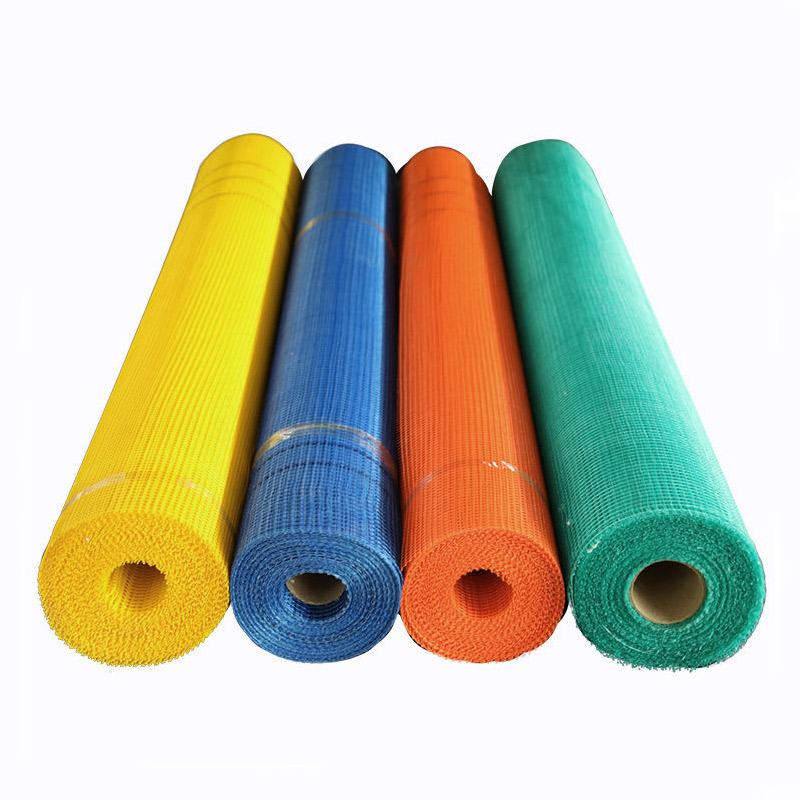
The successful application of cement-based finishes in construction depends significantly on the compatibility between reinforcement materials and mortar systems, with fiberglass wall mesh, specialized fiberglass mesh for plastering, and durable fiberglass mesh for stucco serving critical functions in modern building techniques. These meshes create essential reinforcement systems that bridge potential cracks and enhance the mechanical performance of cementitious coatings. The chemical and physical compatibility between these fiberglass products and cement mortar determines the long-term performance, durability, and crack resistance of finished wall surfaces in both interior and exterior building applications.
Technical Compatibility of Fiberglass Wall Mesh
• Fiberglass wall mesh demonstrates optimal compatibility with cement mortar when the mesh features proper alkaline resistance coating, typically achieved through zirconia-based glass composition and specialized polymer coatings that protect the fibers from degradation in high-pH cement environments.
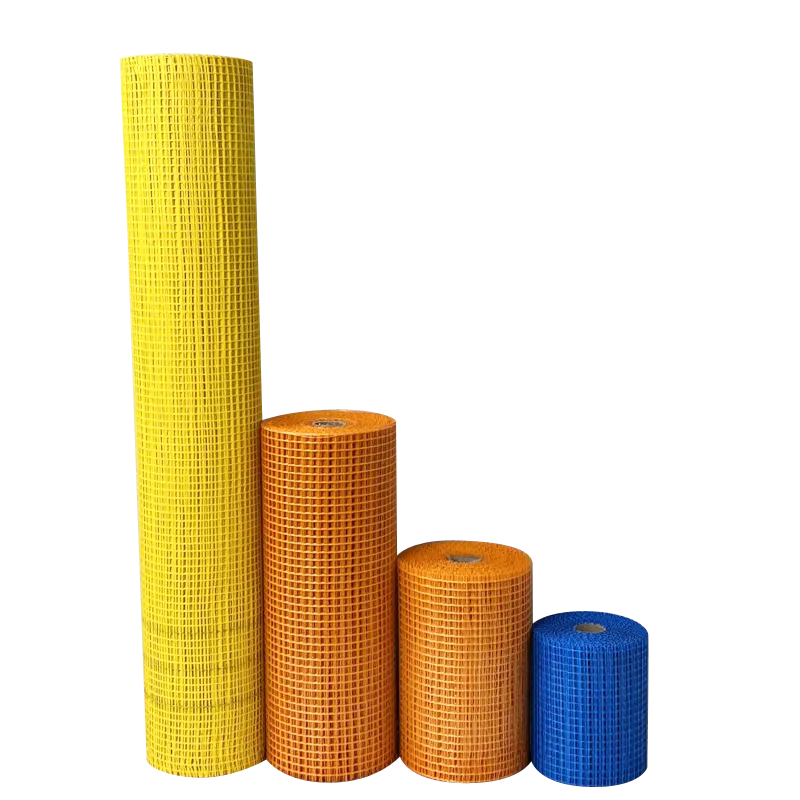
• The mesh geometry and opening size of fiberglass wall mesh must allow complete mortar penetration and mechanical interlock, with standard 4x4mm or 5x5mm patterns providing optimal balance between reinforcement coverage and mortar adhesion for cement-based applications.
• Fiberglass wall mesh requires specific tensile strength and elongation properties to accommodate cement mortar's shrinkage during curing, typically needing minimum tensile strength of 3000N/5cm in both warp and weft directions to effectively control crack development.
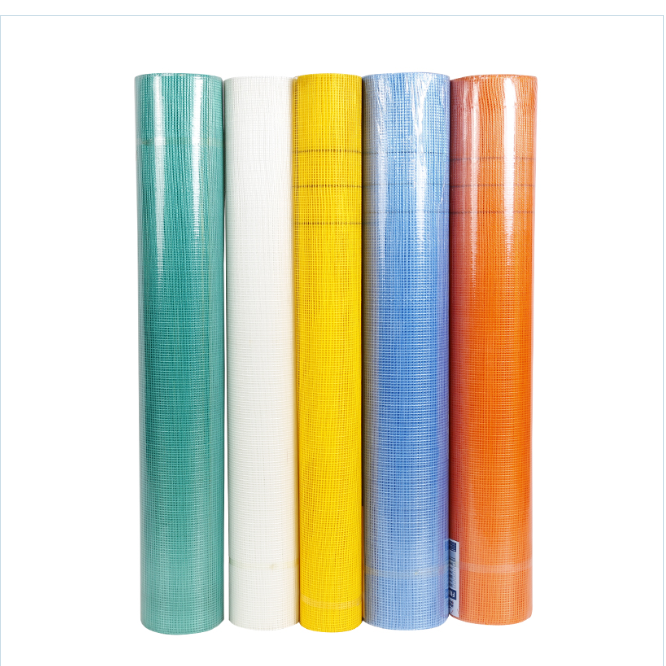
Application Requirements for Fiberglass Mesh for Plastering
• Fiberglass mesh for plastering must maintain dimensional stability when embedded in cement plaster, requiring heat-setting during manufacturing to prevent shrinkage or distortion that could compromise the reinforcement function during the plaster curing process.
• The weight specification for fiberglass mesh for plastering varies by application, with interior plastering typically using 80-110g/m² mesh while exterior applications require heavier 130-165g/m² mesh to withstand environmental stresses and provide adequate crack resistance.
• Proper installation of fiberglass mesh for plastering requires complete encapsulation in the plaster layer with minimum 2mm coverage on all sides, ensuring the mesh occupies the central third of the plaster thickness for optimal reinforcement efficiency.
Performance Specifications for Fiberglass Mesh for Stucco
• Fiberglass mesh for stucco demands enhanced alkaline resistance compared to interior meshes, typically requiring zirconia content exceeding 14% in the glass composition to withstand prolonged exposure to cementitious compounds in exterior stucco applications.
• The mesh coating for fiberglass mesh for stucco must provide UV resistance in addition to alkaline protection, requiring specialized acrylic or polymer coatings that maintain flexibility and adhesion properties under direct sunlight exposure.
• Fibeglass mesh for stucco applications require heavier weight specifications (typically 145-165g/m²) and stronger tensile strength (minimum 4000N/5cm) to accommodate the greater thickness and higher stress conditions characteristic of traditional stucco systems.
Fiberglass Wall Mesh FAQS
Q: Can fiberglass wall mesh be used for both interior and exterior walls, and do I need a different type for high-humidity areas (e.g., bathrooms, basements)?
A: Yes, fiberglass wall mesh works for both interior and exterior walls, but you’ll need alkali-resistant (AR) mesh for exterior and high-humidity interior areas. Standard fiberglass wall mesh (non-AR) is suitable for dry interior walls (e.g., living rooms, bedrooms) as it resists minor cracks from temperature changes. For exteriors (exposed to rain, UV) or high-humidity spaces (bathrooms, basements), AR fiberglass wall mesh (coated with zirconium oxide) is a must—it withstands cement mortar’s alkaline corrosion and moisture, preventing mesh degradation. Using non-AR mesh in these areas will lead to wall cracking or peeling within 2-3 years.
Q: What’s the correct way to install fiberglass mesh for plastering on brick walls to avoid plaster shrinkage cracks?
A: Installing fiberglass mesh for plastering on brick walls requires three key steps to prevent shrinkage cracks: 1) Prepare the brick surface: Clean off dust, loose mortar, and debris, then apply a thin layer of cement primer (improves mesh adhesion). 2) Apply the first plaster coat (10-15mm thick) and press fiberglass mesh for plastering into the wet plaster using a trowel—ensure the mesh is flat (no wrinkles) and overlaps adjacent pieces by 50mm (avoids gaps). 3) Wait 24 hours for the first coat to cure, then apply a second plaster coat (5-10mm thick) over the mesh, feathering the edges to blend with the wall. This process distributes shrinkage stress evenly, eliminating cracks.
Q: Is fiberglass mesh for stucco different from regular fiberglass mesh, and why is it necessary for stucco exterior walls?
A: Yes, fiberglass mesh for stucco is specialized—it has a denser weave (10x10mm vs 12x12mm for regular mesh) and a thicker UV-resistant coating, making it more durable for stucco’s exterior, high-impact use. Stucco is prone to cracking from temperature fluctuations (expansion in heat, contraction in cold) and impact (e.g., wind-blown debris); fiberglass mesh for stucco acts as a “reinforcement backbone” to absorb this stress. Without it, stucco will develop hairline cracks within 1-2 years, allowing moisture to seep into the wall and cause rot or mold. Regular fiberglass mesh lacks the density and UV resistance to withstand stucco’s outdoor demands, leading to premature failure.
Q: What mesh weight (g/㎡) is recommended for fiberglass wall mesh in commercial high-rise exterior walls vs residential exterior walls?
A: Mesh weight depends on the wall’s load and exposure: For residential exterior walls (lower wind load, moderate exposure), 160-200g/㎡ fiberglass wall mesh is ideal—it’s lightweight enough for easy installation and provides sufficient crack prevention for single-family homes. For commercial high-rise exterior walls (higher wind load, extreme exposure to weather), 200-300g/㎡ fiberglass wall mesh is required—the heavier weight offers higher tensile strength (resists wind-induced stress) and better durability against long-term UV exposure. Heavier mesh (300g/㎡+) is only needed for specialized high-rises (e.g., coastal skyscrapers) where saltwater and strong winds demand maximum reinforcement.
Q: Can fiberglass mesh for plastering be used over existing painted walls if I’m re-plastering, or do I need to remove the paint first?
A: You should remove loose or peeling paint first, but well-adhered paint can stay—fiberglass mesh for plastering bonds to smooth, intact surfaces if prepped correctly. Here’s the process: 1) Scrape off any flaking, bubbled, or chipped paint (these areas will prevent mesh adhesion). 2) Sand the remaining paint to create a slightly rough surface (improves plaster grip—use 120-grit sandpaper). 3) Wipe the wall clean to remove dust, then apply a thin layer of plaster primer (helps the first plaster coat bond to the painted surface). 4) Install fiberglass mesh for plastering into the first wet plaster coat as usual. If the paint is glossy or thick, remove it entirely—glossy surfaces repel plaster, and thick paint layers can separate from the wall over time, taking the mesh and plaster with it.
-
Best Fiberglass Mesh Tape for RedGard Product Waterproofing GuideخبرونApr.16,2026
-
Why High Strength Fiberglass Mesh Is Essential For Stucco ApplicationخبرونApr.15,2026
-
Why Alkali Resistant Fiberglass Mesh Tape Is Essential For Cement Board And Tile InstallationsخبرونApr.15,2026
-
Understanding The Role Of Drywall Fiberglass Mesh In Interior FinishingخبرونApr.15,2026
-
Ultimate Guide To Using Fiberglass Mesh Tape For Drywall And Plaster RepairsخبرونApr.15,2026
-
The Versatility Of Fiberglass Mesh In Marble And Stone MosaicخبرونApr.15,2026