apr. . 02, 2026 09:56 Înapoi la listă
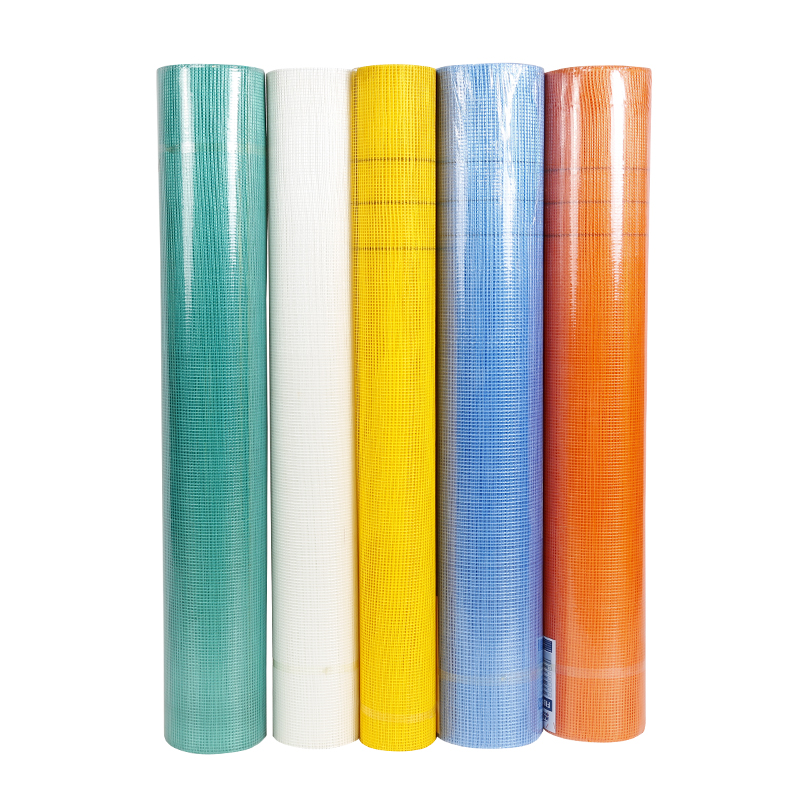
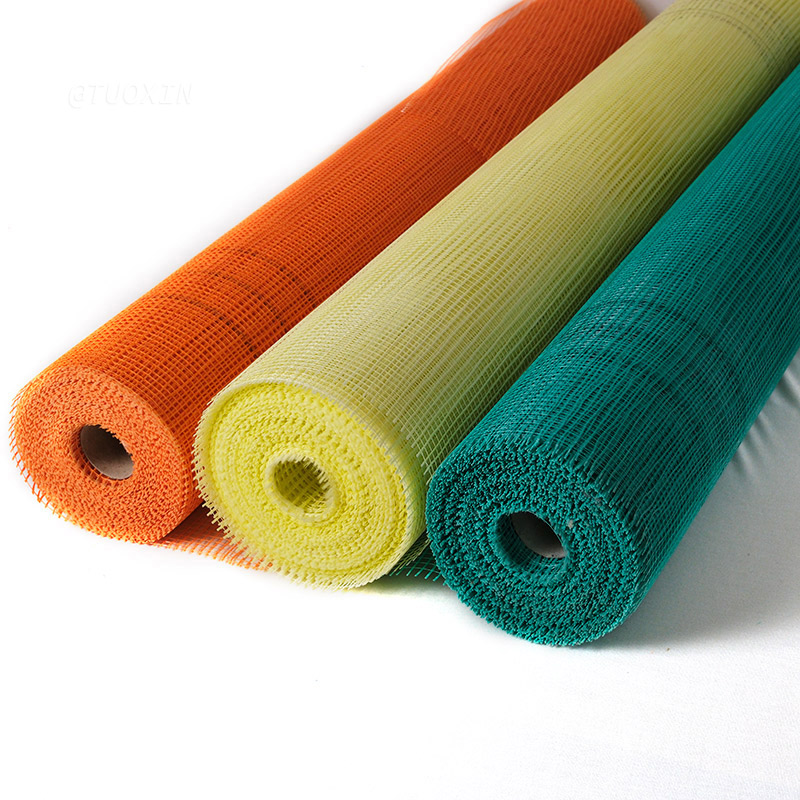
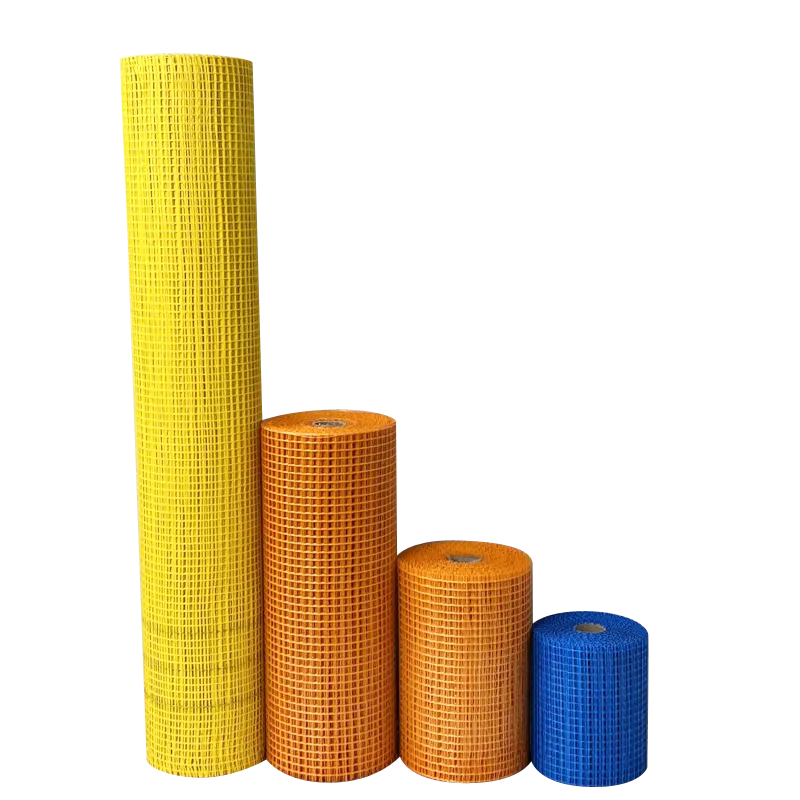
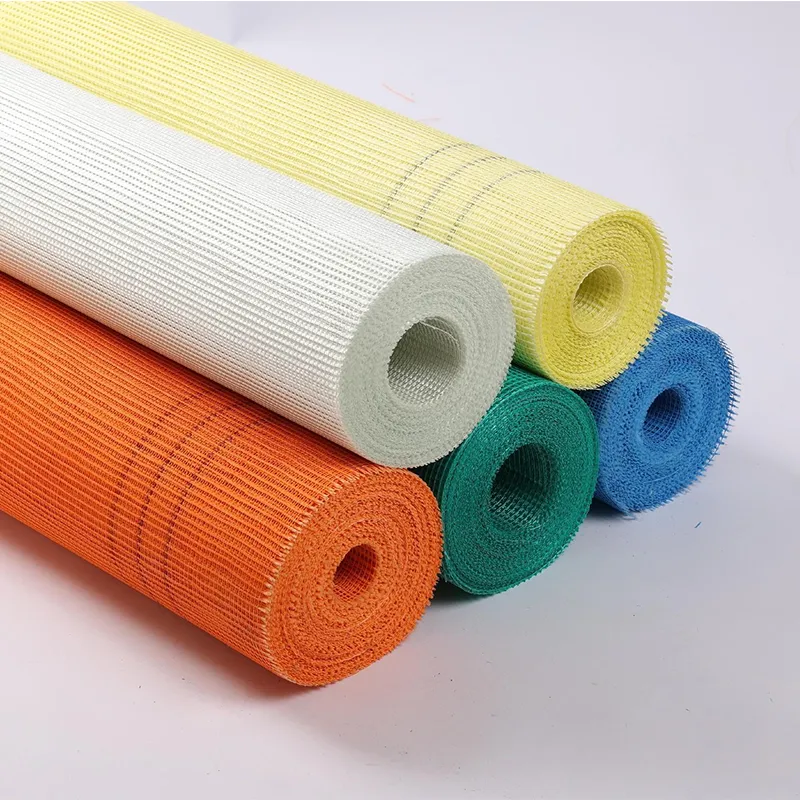
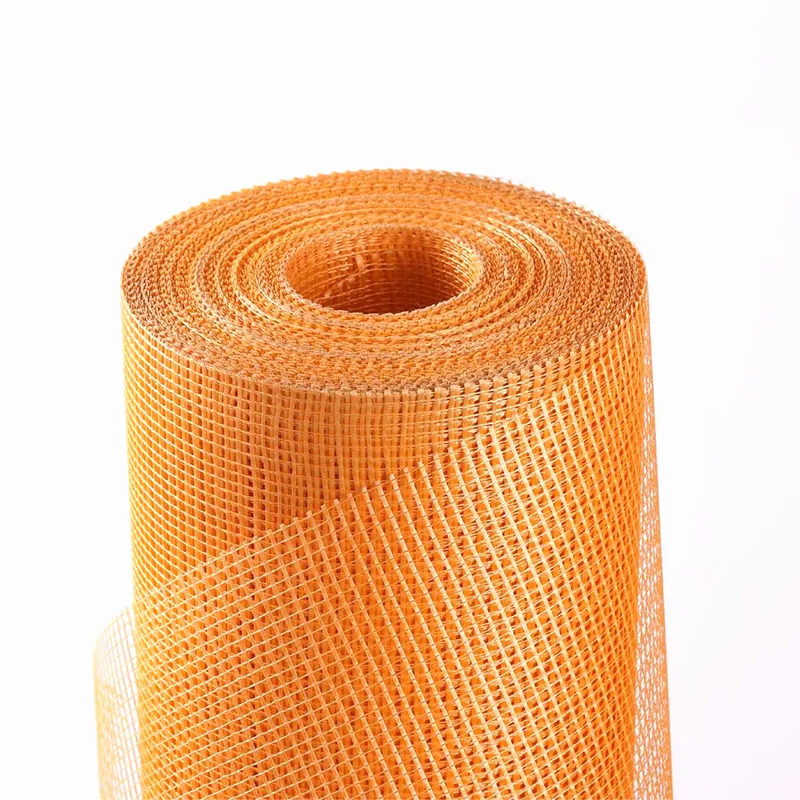
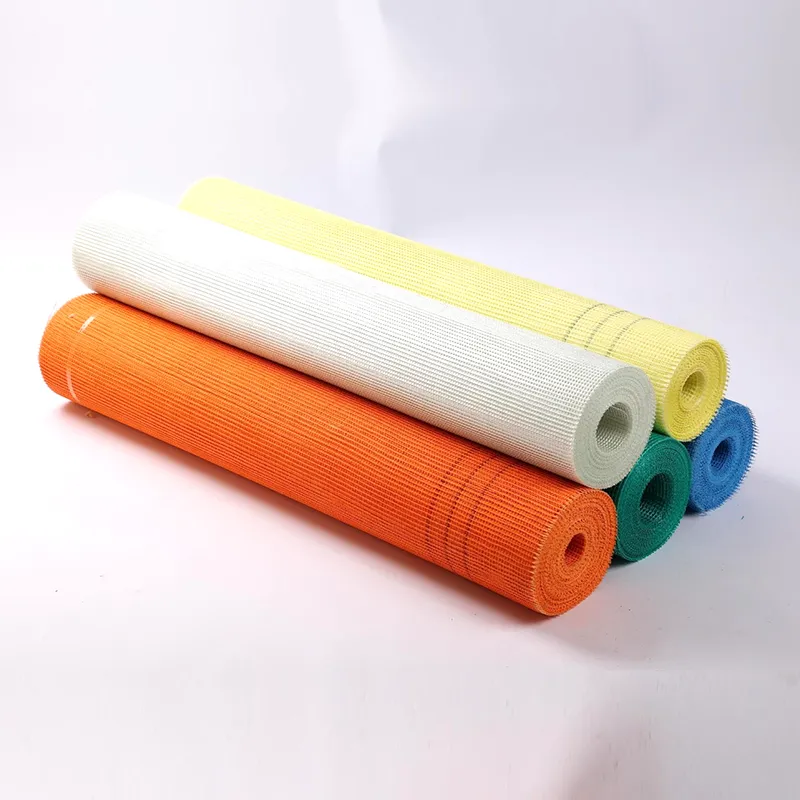
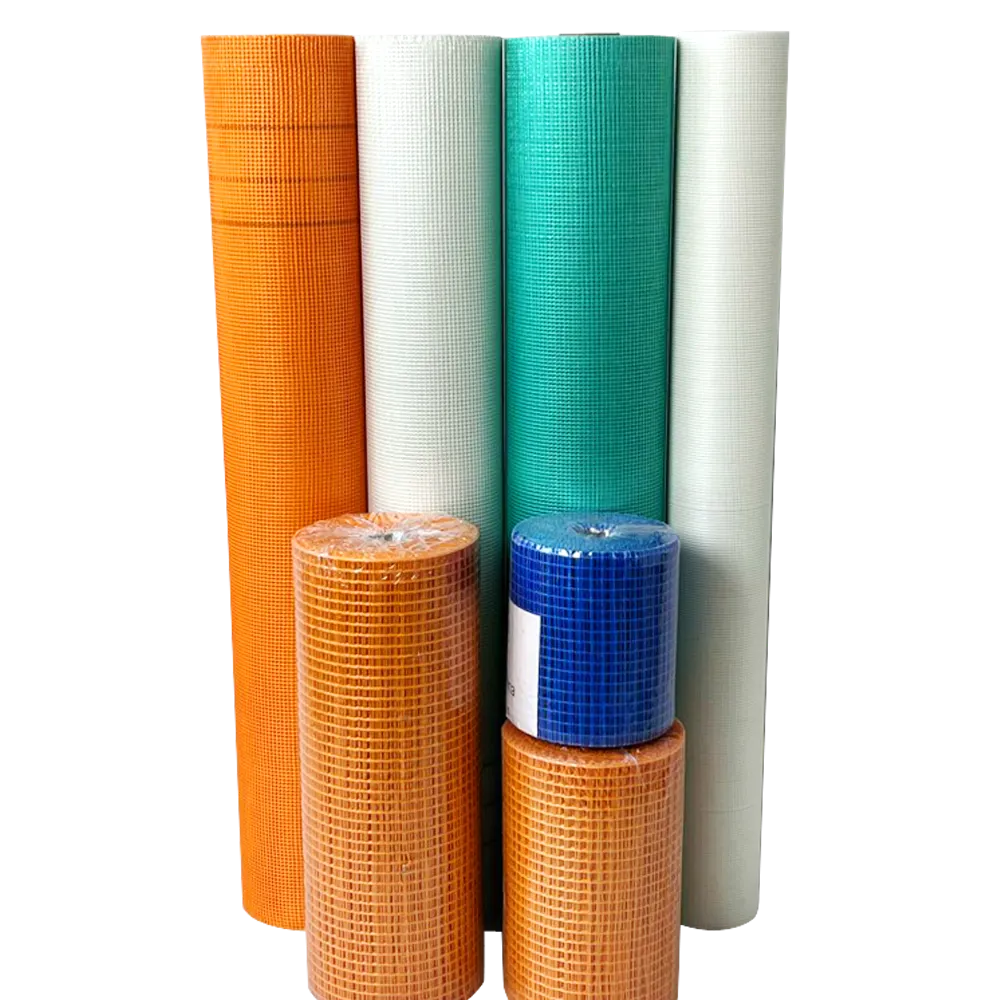
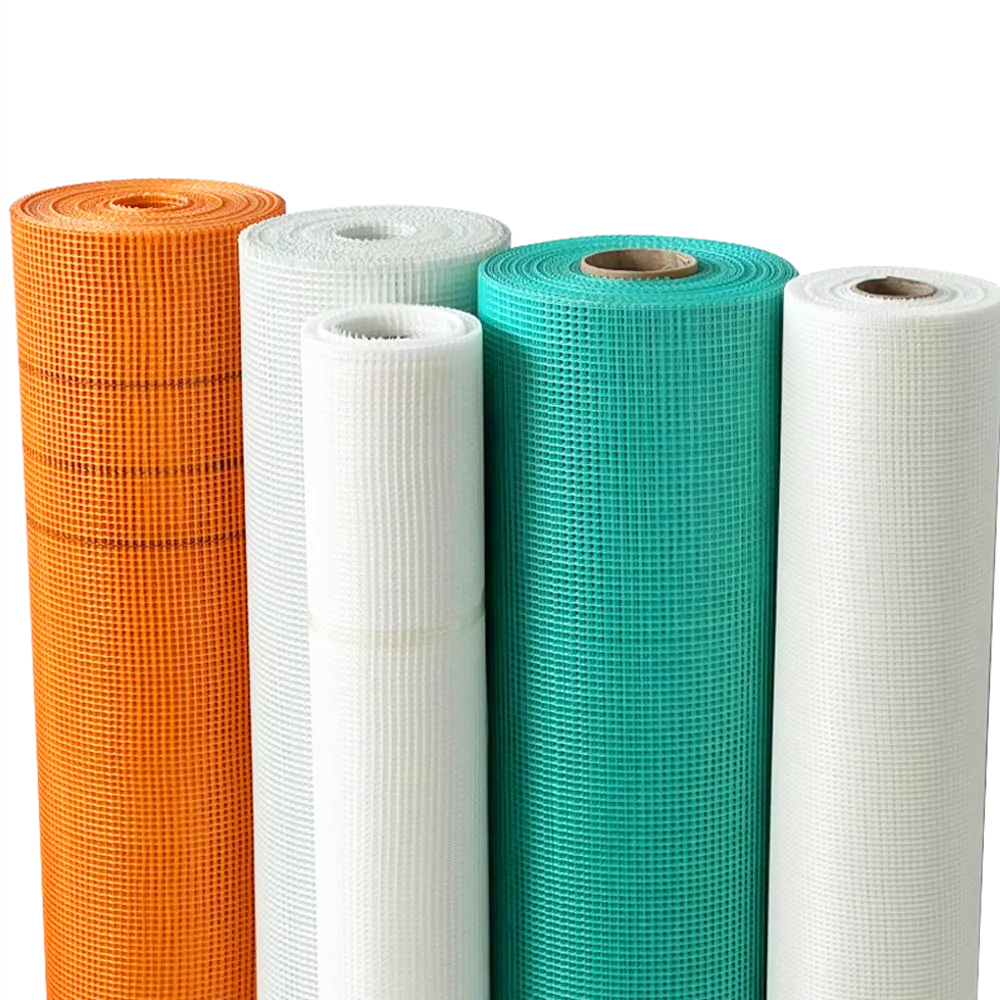
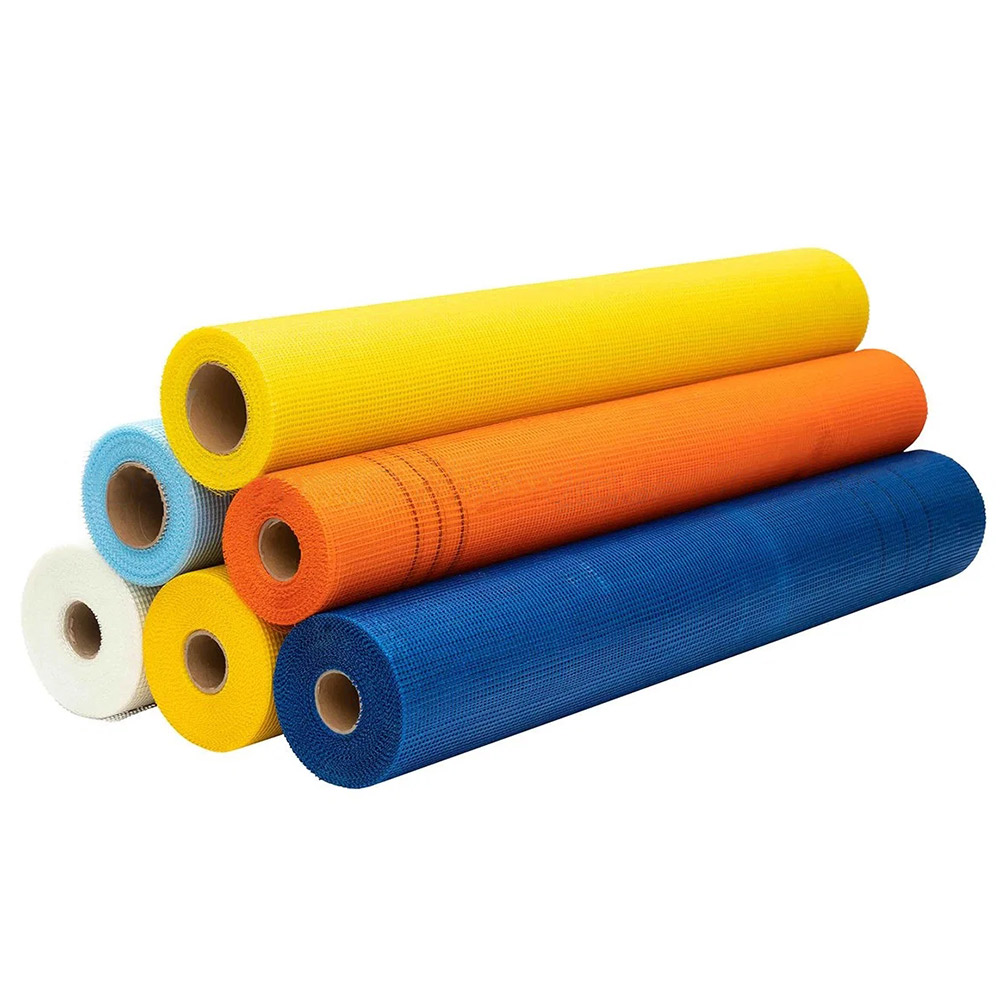
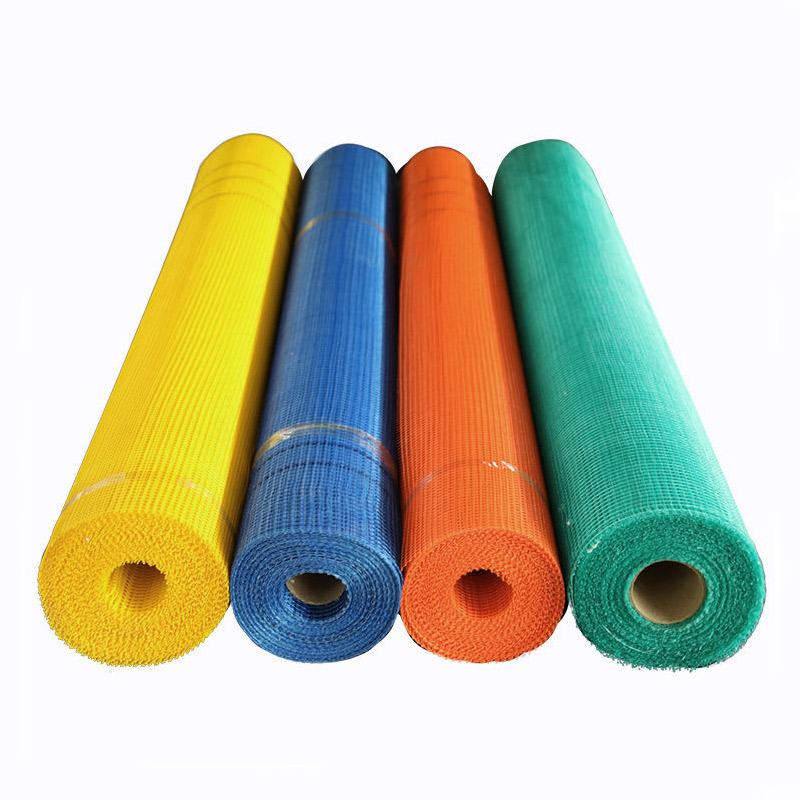
Wholesale High-Performance EIFS Fiberglass Mesh For Global Projects
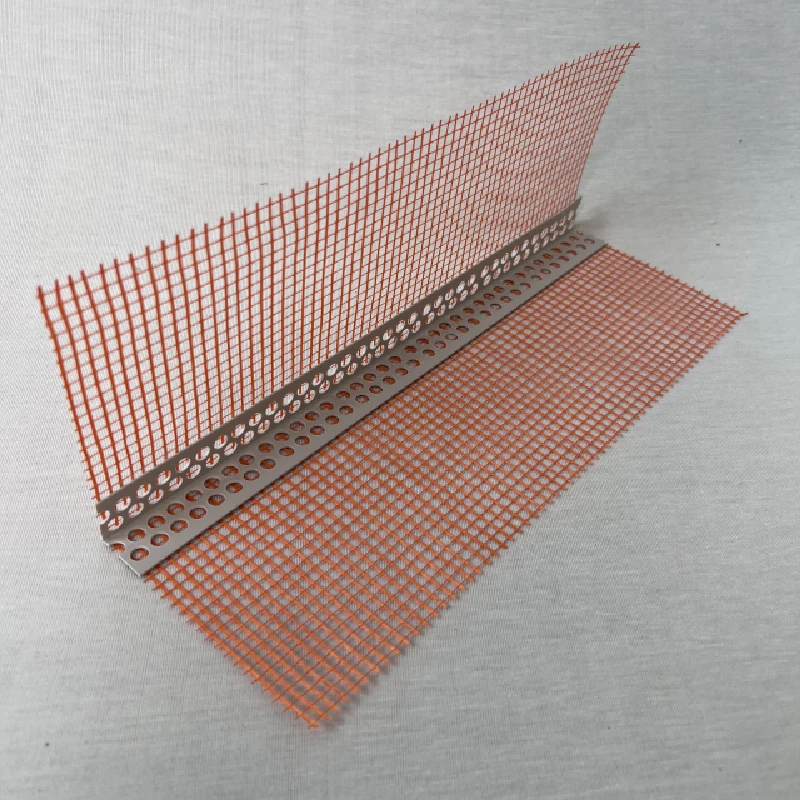
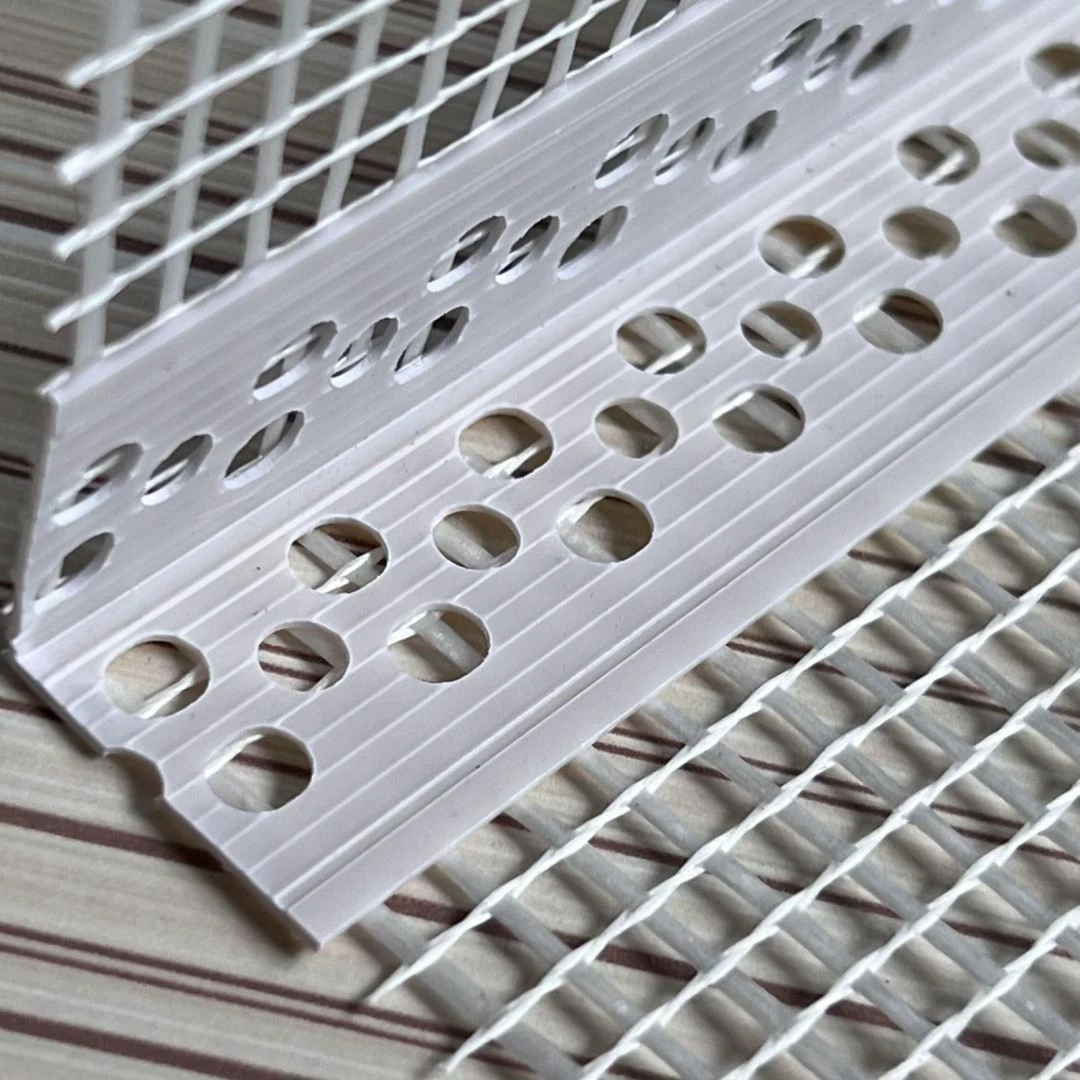
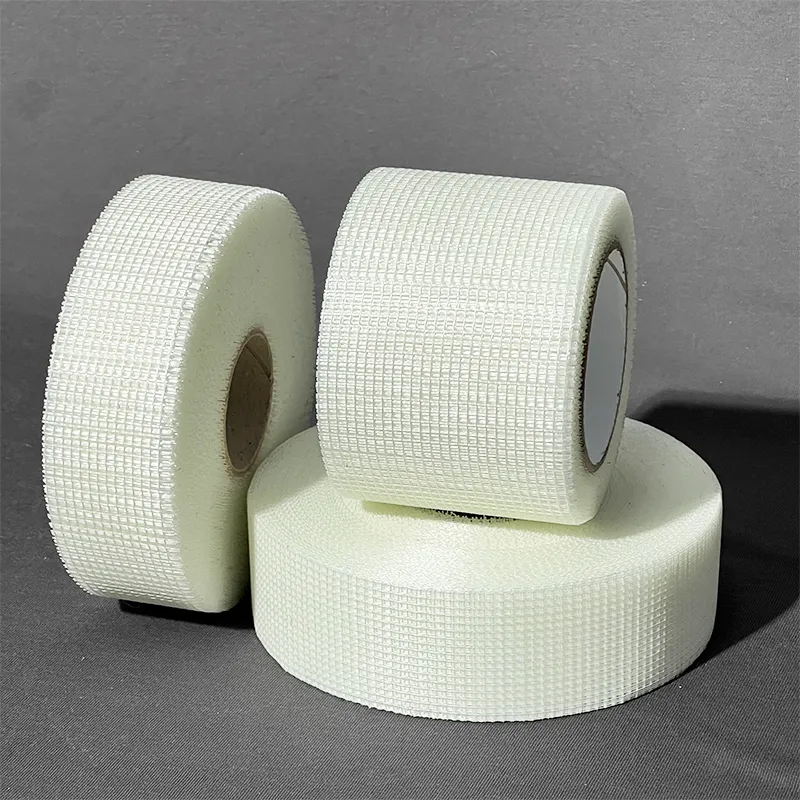
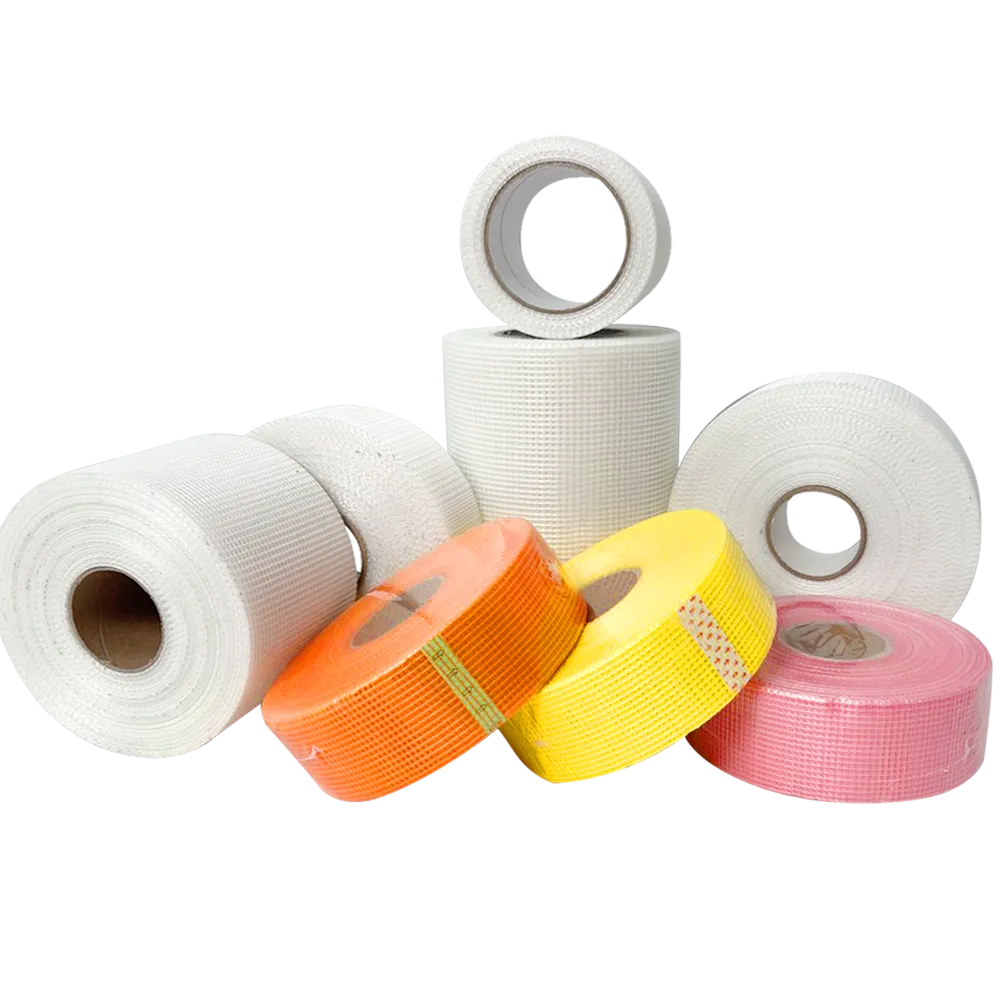
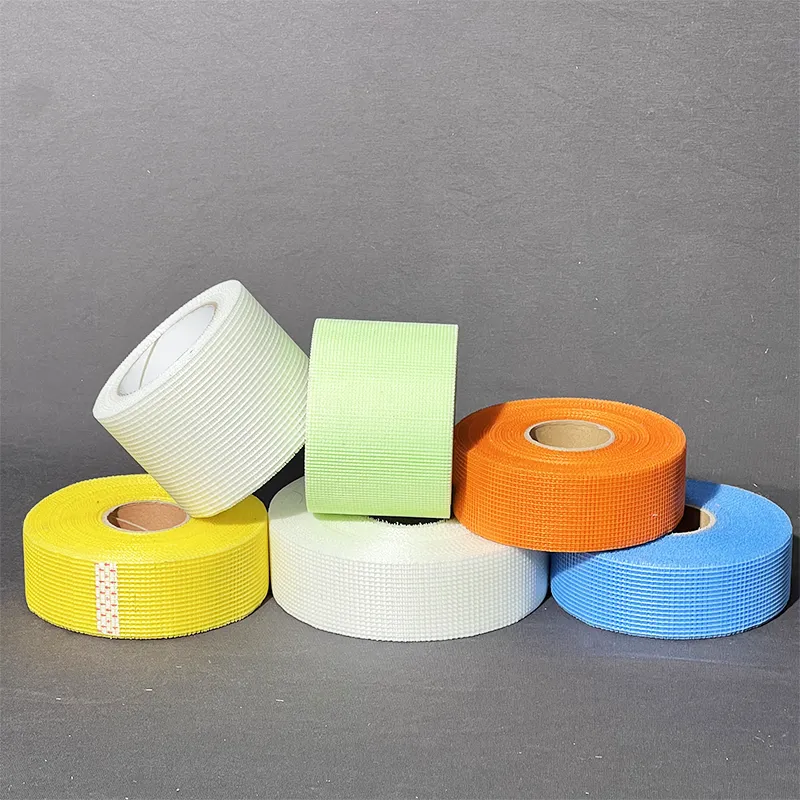
The international construction landscape is undergoing a significant transformation, driven by a global push for energy-efficient building envelopes and sustainable architectural designs. At the core of this movement is the Exterior Insulation and Finish System (EIFS), a multi-layered exterior wall cladding that provides both insulation and a waterproof finish. However, the structural success of these systems relies heavily on a component that remains invisible to the naked eye once the project is complete: the reinforcement grid. For large-scale developments, sourcing wholesale high-performance EIFS fiberglass mesh is not merely a matter of procurement; it is a strategic decision that affects the safety, durability, and thermal integrity of the entire building. As projects grow in complexity and scale, the demand for a reliable reinforcement solution that can withstand environmental stress has never been higher.
The primary function of EIFS fiberglass mesh is to provide the necessary tensile strength to the base coat, which is applied directly over the insulation boards. Without this reinforcement, the relatively soft insulation would be vulnerable to cracking due to thermal expansion, wind pressure, and minor structural shifts. High-performance mesh acts as a stabilizing "skin" that distributes mechanical loads across the surface of the facade. For global developers, the choice of mesh is often the difference between a building that remains pristine for decades and one that requires costly remediation within a few years of completion. By prioritizing a high-quality weave, stakeholders ensure that their investment in energy efficiency is protected by a robust mechanical foundation.
Technical Resilience Of Fiberglass Mesh For EIFS In Diverse Climates
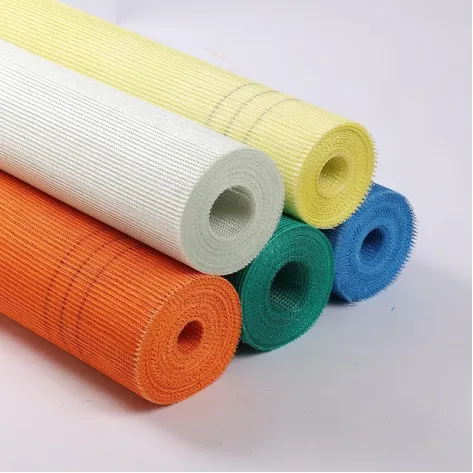
Global construction projects often face extreme environmental challenges, from the blistering heat of desert environments to the freezing cycles of northern latitudes. Utilizing specialized plasă din fibră de sticlă pentru eifs ensures that the building envelope can breathe and move without sacrificing its protective capabilities. The inherent properties of glass fiber—such as its high modulus of elasticity and resistance to heat—make it the ideal material for bridging the gaps between insulation panels. When embedded in the cementitious base coat, the plasă din fibră de sticlă pentru eifs creates a reinforced composite that handles the "push and pull" of seasonal temperature changes far more effectively than traditional organic materials or metal laths.
Furthermore, the chemical environment within an EIFS assembly is remarkably harsh. The base coat mortars are typically highly alkaline, which can lead to the "rotting" or weakening of standard glass fibers over time. To prevent this, professional-grade plasă din fibră de sticlă pentru eifs is treated with a sophisticated alkali-resistant coating. This polymer shield ensures that the mesh retains its structural integrity even when submerged in wet, high-pH cement for extended periods. For international projects, where building codes may vary significantly, using a mesh that meets global standards for alkali resistance is a non-negotiable requirement for ensuring the long-term safety of the facade.
Selecting High Strength Fiberglass Mesh For High-Impact Zones
In commercial and industrial architecture, facades are often subjected to more than just weather; they must also withstand physical impacts. Whether it is a ground-level storefront in a busy metropolitan area or a logistics center subject to heavy equipment movement, the implementation of high strength fiberglass mesh is essential for "armoring" the building. This specialized version of the mesh is characterized by a denser weave and a higher weight per square meter, providing a significant increase in puncture and impact resistance. By layering high strength fiberglass mesh at the base of a building or in high-traffic corridors, architects can prevent the localized crushing or denting of the underlying insulation.
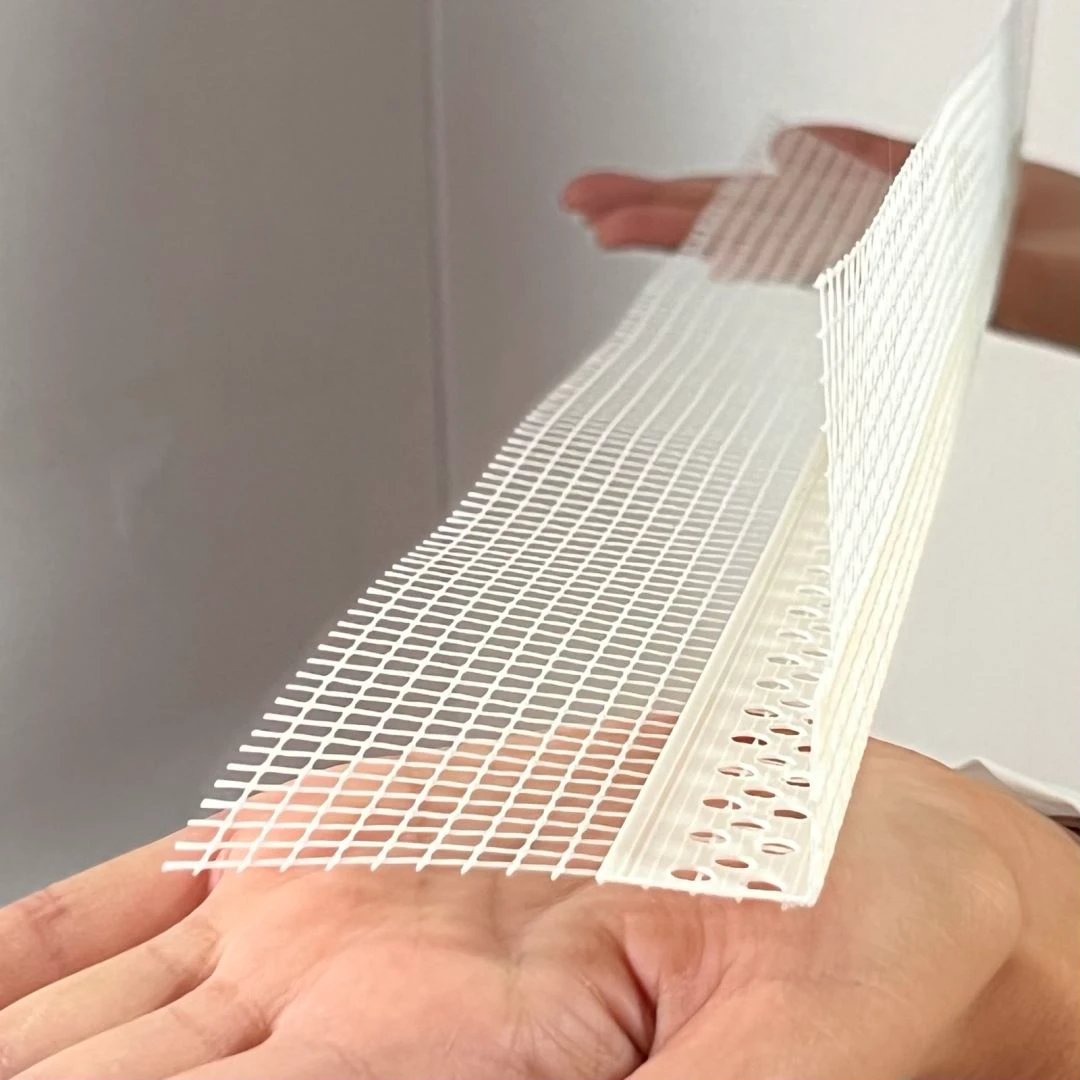
The versatility of high strength fiberglass mesh also allows for specialized architectural features. It can be easily wrapped around corners, cornices, and decorative moldings, providing a continuous reinforcement layer that follows the contours of the design. This flexibility is a major advantage over rigid reinforcement systems, as it allows for creative architectural expressions without compromising the structural core of the EIFS. For global projects that aim for a signature visual identity, the ability to reinforce complex geometries with a high-tensile fabric is a game-changer, allowing for both beauty and brawn in the modern facade.
The Strategic Role Of A Global Fiberglass Mesh Distributor
For a project manager overseeing a development in a different continent, the logistical challenges of material supply can be daunting. Partnering with an experienced fiberglass mesh distributor provides a critical layer of quality assurance and supply chain stability. A professional distributor does more than just move boxes; they act as a technical consultant, ensuring that the mesh specified in the architectural drawings matches the performance reality on the job site. They manage the complexities of international shipping, customs documentation, and local certifications, ensuring that the wholesale high-performance EIFS fiberglass mesh arrives on-site exactly when needed, avoiding costly project delays.
A reputable fiberglass mesh distributor also maintains deep relationships with multiple production lines, allowing them to provide consistent product quality across different batches. This is particularly important for mega-projects that may span several years and require millions of square meters of reinforcement. If a project in the Middle East requires a specific UV-resistant mesh or a project in Europe demands a specific fire-rated weave, the distributor has the technical network to source and verify these specialized materials. This bridge between high-tech manufacturing and localized project needs is what keeps global construction moving forward efficiently.
Manufacturing Innovation At The Fiberglass Mesh Factory
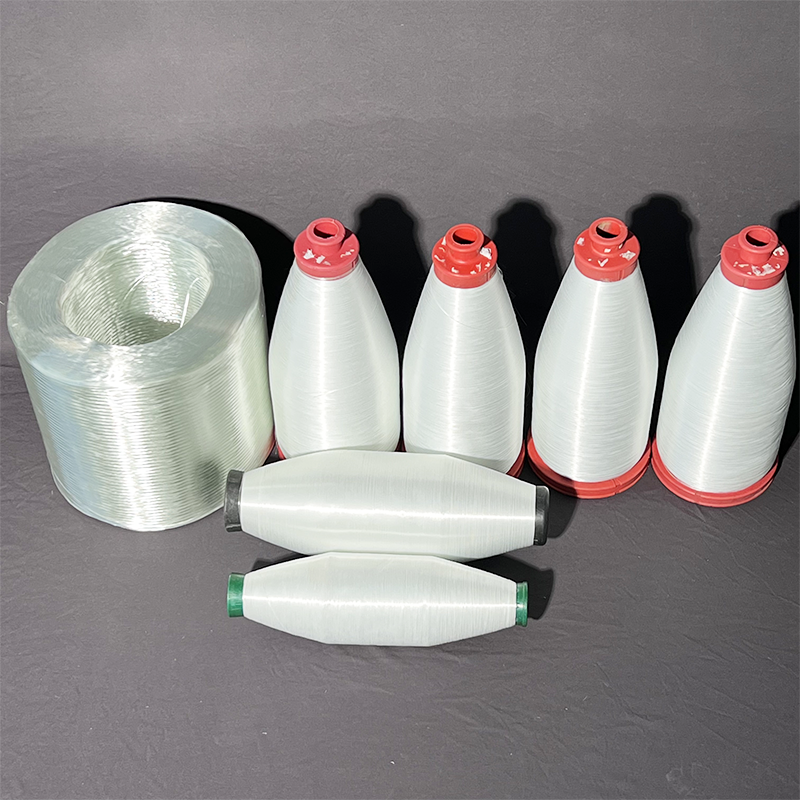
The ultimate quality of any reinforcement system begins at the fiberglass mesh factory. Modern production facilities have evolved from simple weaving shops into high-tech chemical and textile engineering hubs. At a leading fiberglass mesh factory, the process starts with the precision drawing of glass filaments, followed by a computer-controlled weaving process that ensures the grid is perfectly symmetrical. This symmetry is vital; any deviation in the grid would result in uneven tension across the wall, potentially leading to localized cracks. Innovation in the fiberglass mesh factory also includes the development of more sustainable coating processes, reducing the environmental footprint of the product while actually increasing its performance.
Global project leads often look for a fiberglass mesh factory that offers vertically integrated production. This means the facility controls everything from the raw glass melting to the final polymer coating and packaging. This level of control allows for rigorous quality testing at every stage of the process, ensuring that each roll of mesh meets the required tensile strength and chemical resistance specifications. For a wholesale buyer, the transparency provided by a modern fiberglass mesh factory—including traceability of raw materials and standardized testing protocols—is the ultimate guarantee of a product's field performance. In an industry where the failure of a single joint can lead to a massive liability, the reliability of the manufacturing source is the foundation of trust.
-
Best Fiberglass Mesh Tape for RedGard Product Waterproofing GuideȘtiriApr.16,2026
-
Why High Strength Fiberglass Mesh Is Essential For Stucco ApplicationȘtiriApr.15,2026
-
Why Alkali Resistant Fiberglass Mesh Tape Is Essential For Cement Board And Tile InstallationsȘtiriApr.15,2026
-
Understanding The Role Of Drywall Fiberglass Mesh In Interior FinishingȘtiriApr.15,2026
-
Ultimate Guide To Using Fiberglass Mesh Tape For Drywall And Plaster RepairsȘtiriApr.15,2026
-
The Versatility Of Fiberglass Mesh In Marble And Stone MosaicȘtiriApr.15,2026