sept. . 10, 2025 09:59 Înapoi la listă
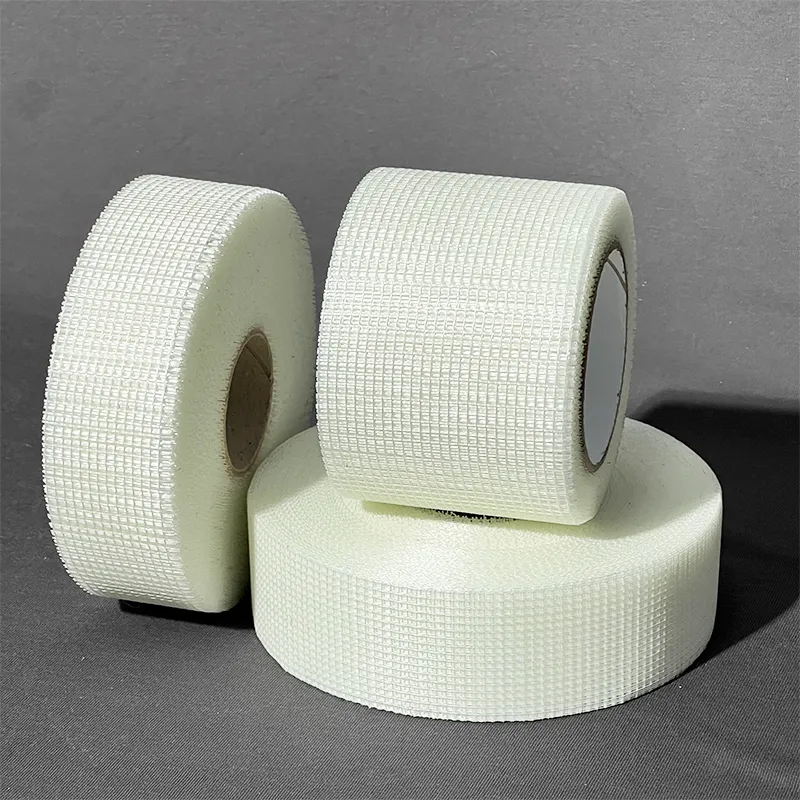
White Fiberglass Mesh Creates A Soft, Luminous Interior Atmosphere
In the world of interior design and architectural finishes, the pursuit of materials that blend strength with beauty, functionality with aesthetics, is never-ending. We seek out elements that not only perform a critical technical role but also contribute positively to the ambiance of a space. One such unsung hero, often hidden within walls yet capable of influencing the very quality of light and air in a room, is white fiberglass mesh. This innovative material is revolutionizing how we think about creating soft, luminous, and enduring interior atmospheres.
Tainuo Fiberglass Mesh Factory, an industry leader established in 2000 and located in Renqiu City, Hebei Province, has been at the forefront of this quiet revolution. As one of the largest fiberglass mesh production bases in Northern China, Tainuo integrates research, production, development, and sales with an unwavering commitment to quality and innovation. Their state-of-the-art facilities, including a 10,000 square meter weaving workshop equipped with advanced production lines, allow for the creation of high-performance meshes that meet the highest global standards. It is this dedication to excellence that allows designers and builders to harness the unique properties of white mesh to craft environments that are both structurally sound and ethereally beautiful.
The Foundational Role of Fiberglass Mesh in Modern Interiors
Before we appreciate its color and luminosity, it's crucial to understand the fundamental role of fiberglass mesh. This material is the backbone of modern wall finishing systems. Embedded within plaster or stucco, or used as a reinforcing layer under tiles, its primary function is to provide tensile strength and prevent cracks from forming and propagating across surfaces. Think of it as a flexible, incredibly strong skeleton over which the skin of your wall is applied. Unlike other materials, it is non-corrosive and dimensionally stable, meaning it won't rust, shrink, or stretch over time, ensuring the longevity of the finish. This reliability makes it an indispensable component in constructing interiors that are not just beautiful on day one, but remain flawless for years to come.
Ensuring Durability with Alkali Resistant Fiberglass Mesh
The true test for any reinforcing mesh occurs within the harsh environment of cement-based plasters and adhesives, which are highly alkaline. Standard materials can deteriorate quickly when exposed to this alkalinity, leading to a failure known as "mesh rot," which compromises the entire wall system and causes cracks. This is where the specialized plasă din fibră de sticlă rezistentă la alcali proves its critical worth. Tainuo's expertise shines in the production of this variant, which is specifically coated to withstand the corrosive pH levels of cement and other alkaline substrates. This resistance ensures that the mesh maintains its structural integrity throughout the life of the building, providing permanent reinforcement. Without this key property, the pursuit of a luminous interior would be short-lived, as cracks and failures would inevitably mar the surface. The plasă din fibră de sticlă rezistentă la alcali is, therefore, the guardian of durability, silently ensuring that the beauty it helps create is built to last.
The Aesthetic Revolution of White Fiberglass Mesh
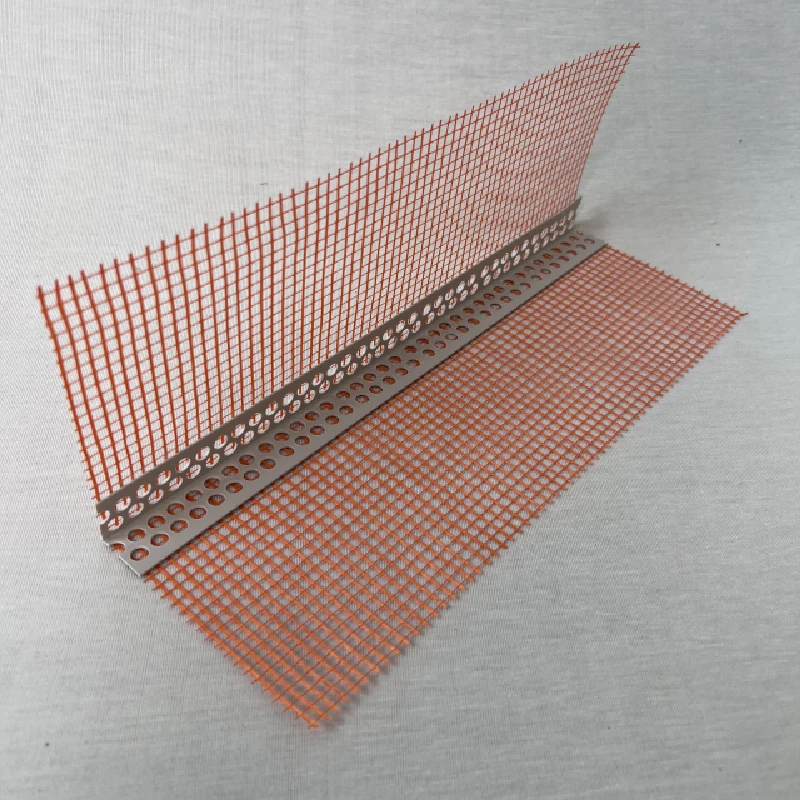
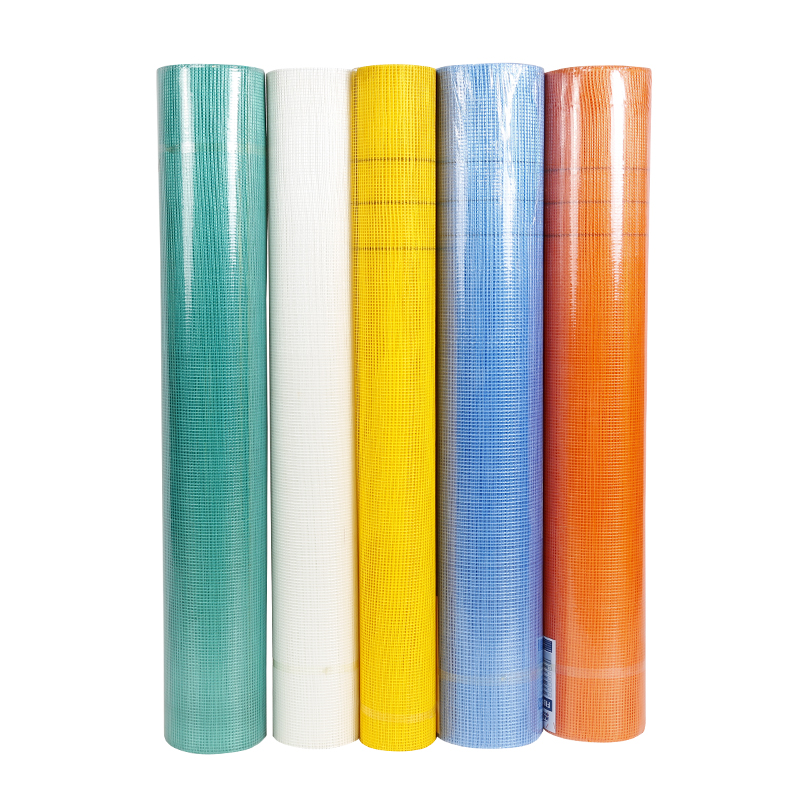
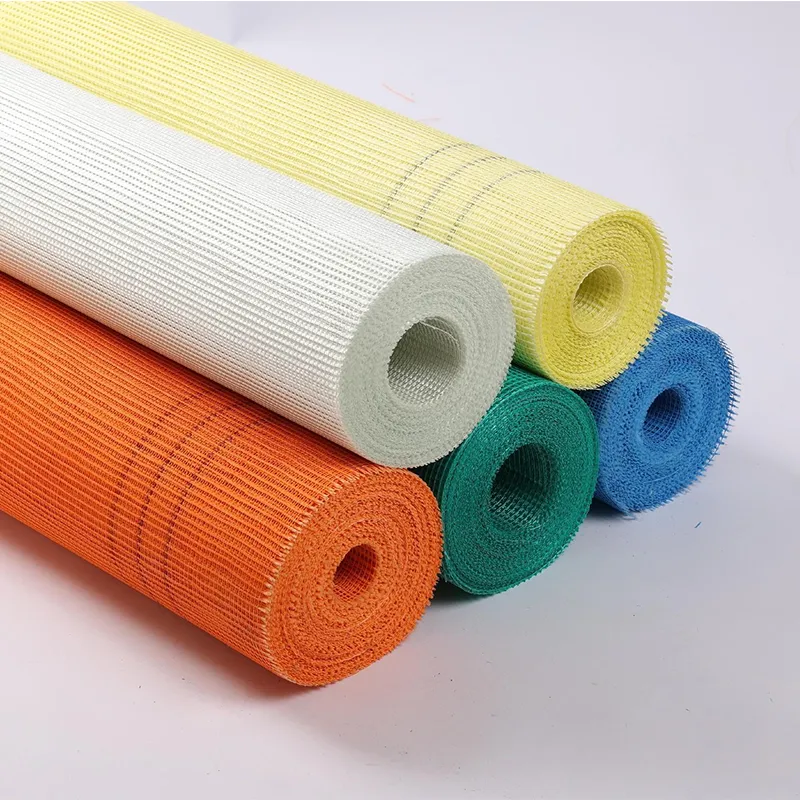
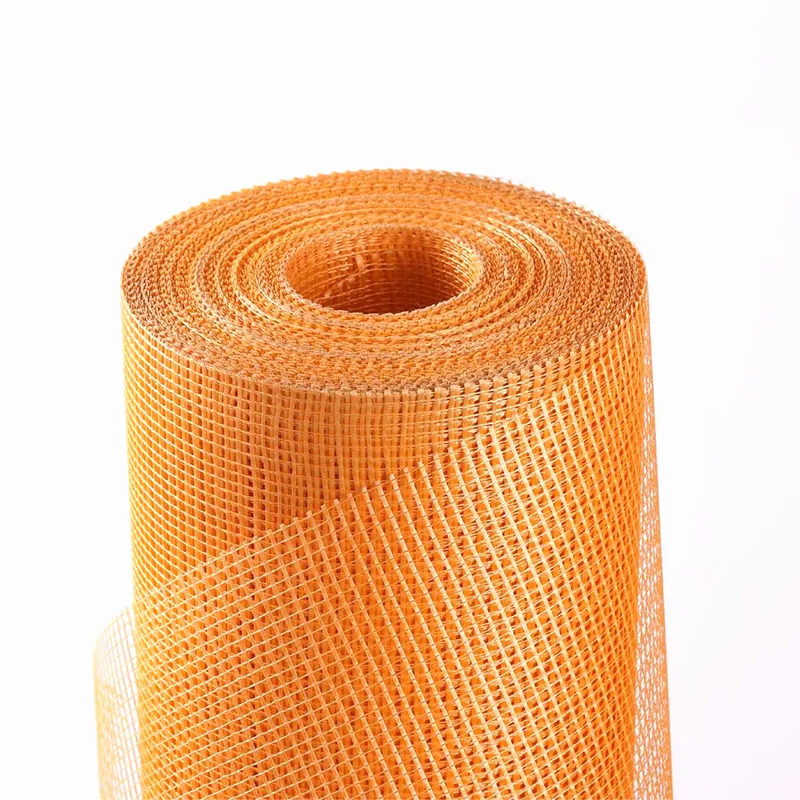
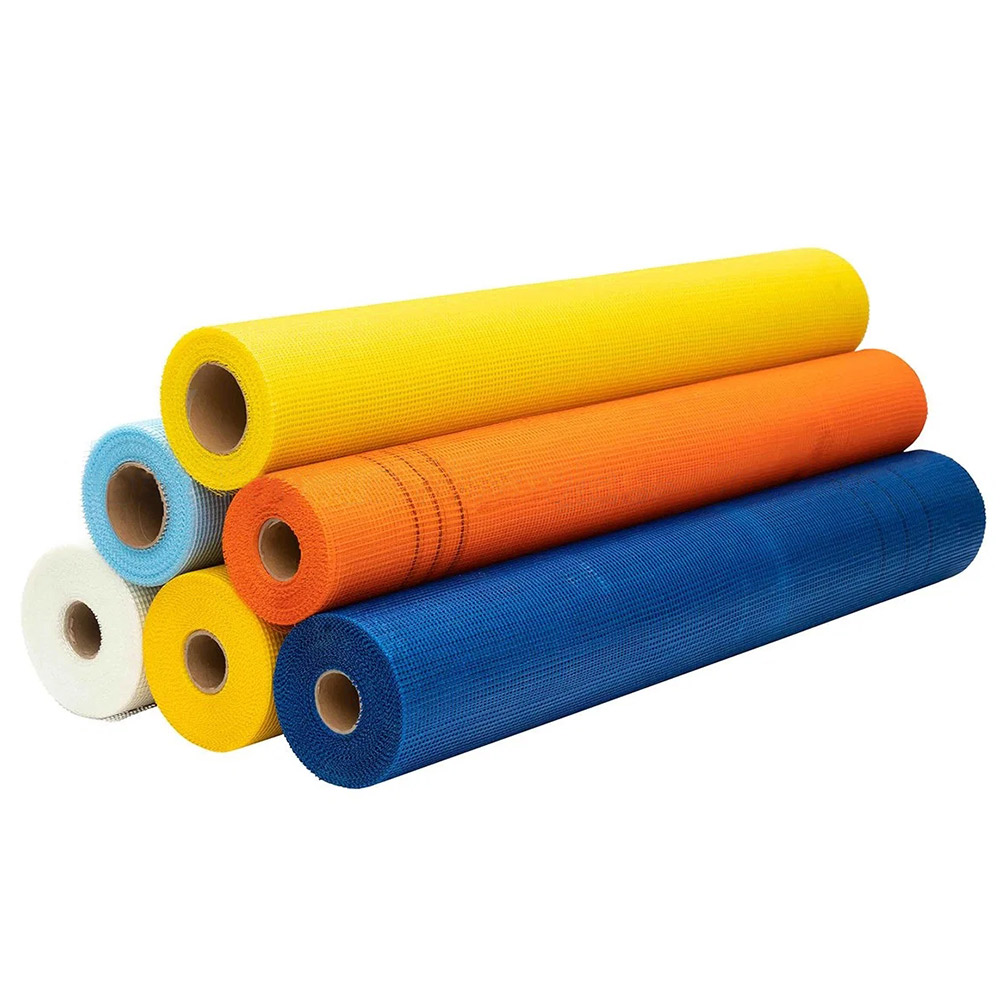
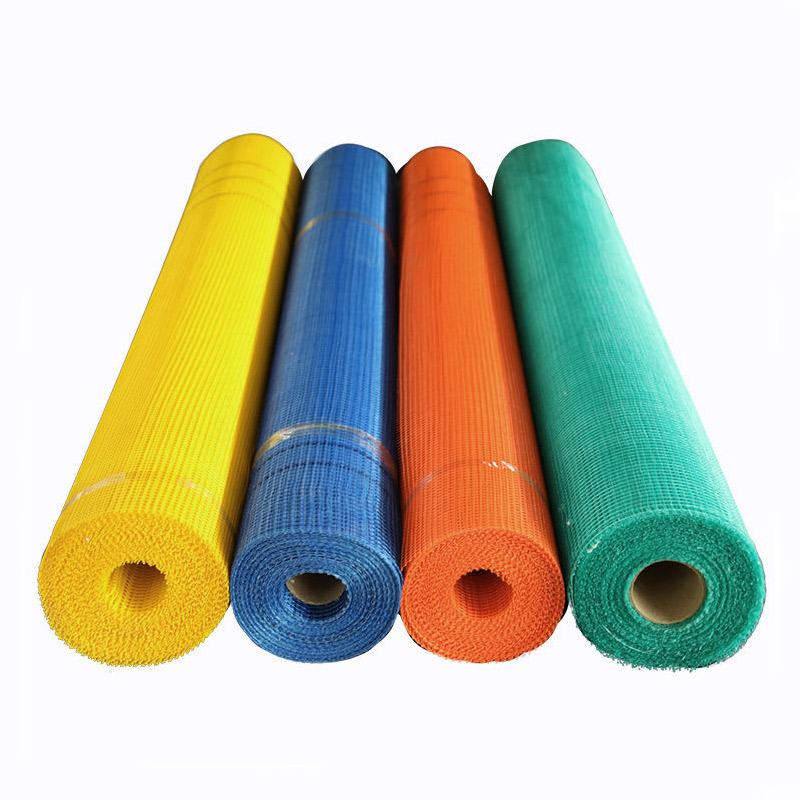
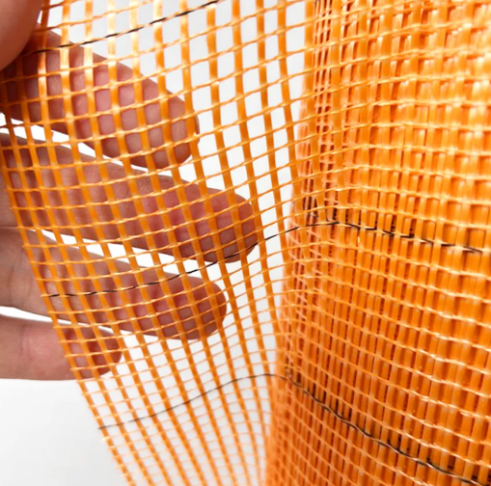
While strength and durability are paramount, the evolution of fiberglass mesh has taken an exciting turn into the realm of aesthetics with the introduction of white fiberglass mesh. Traditionally available in standard colors like orange, the shift towards white represents a significant advancement for finish quality and light management. But why does color matter for a material that gets covered up?
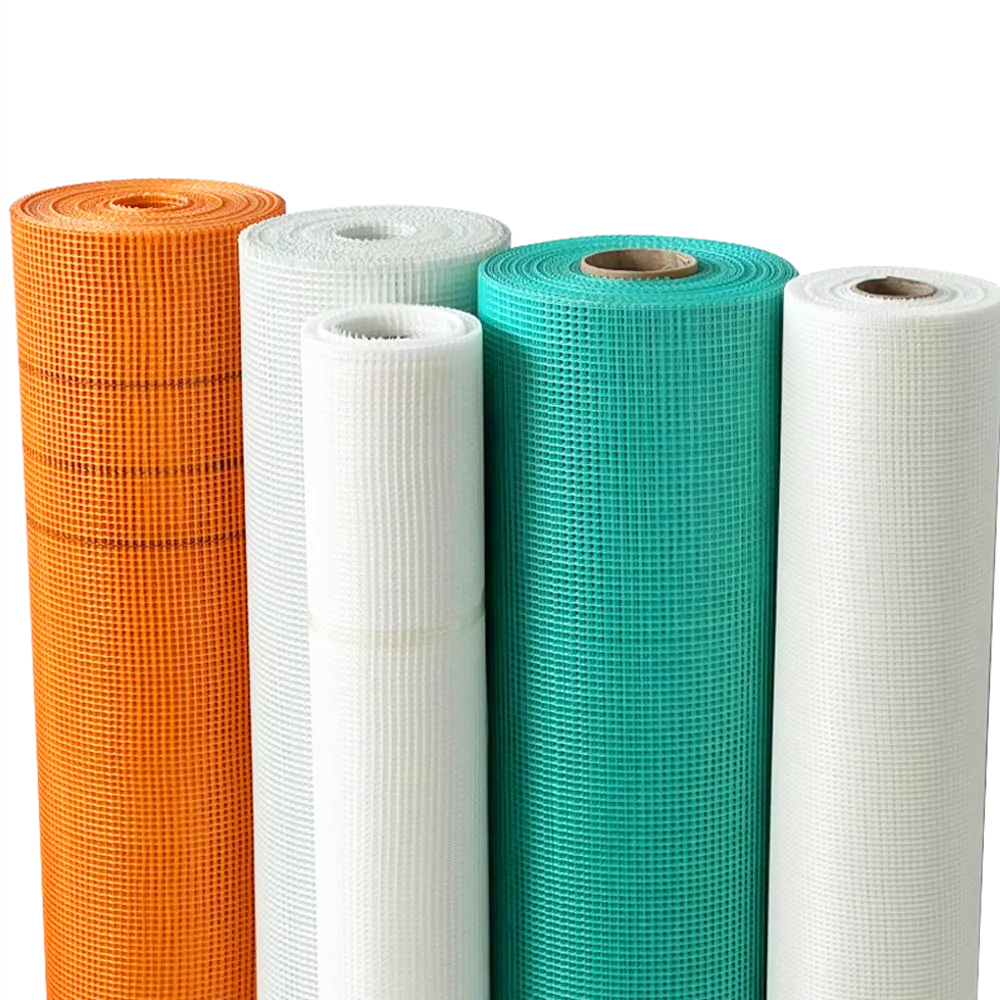
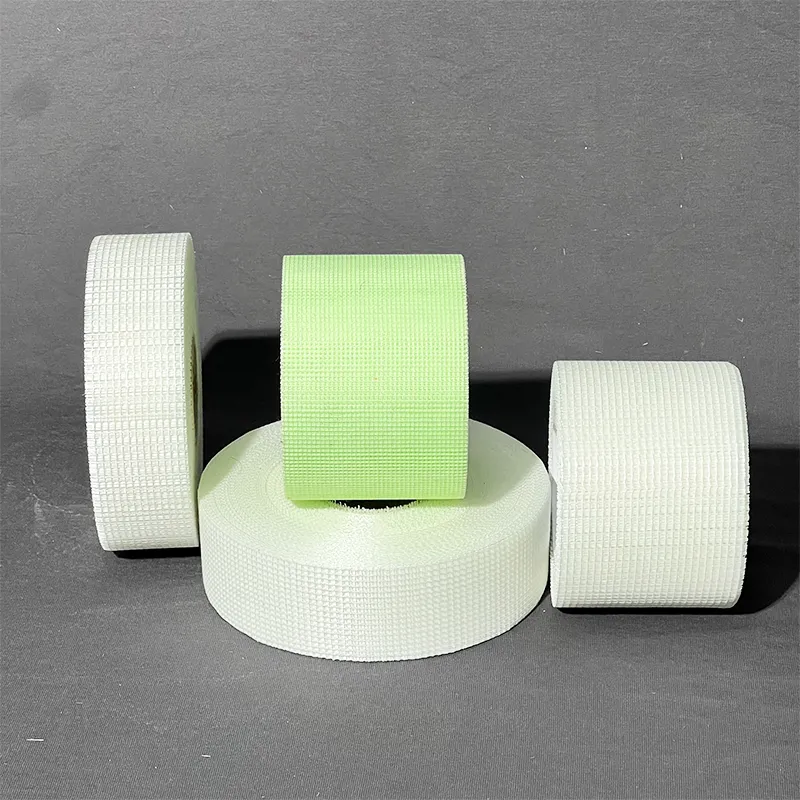
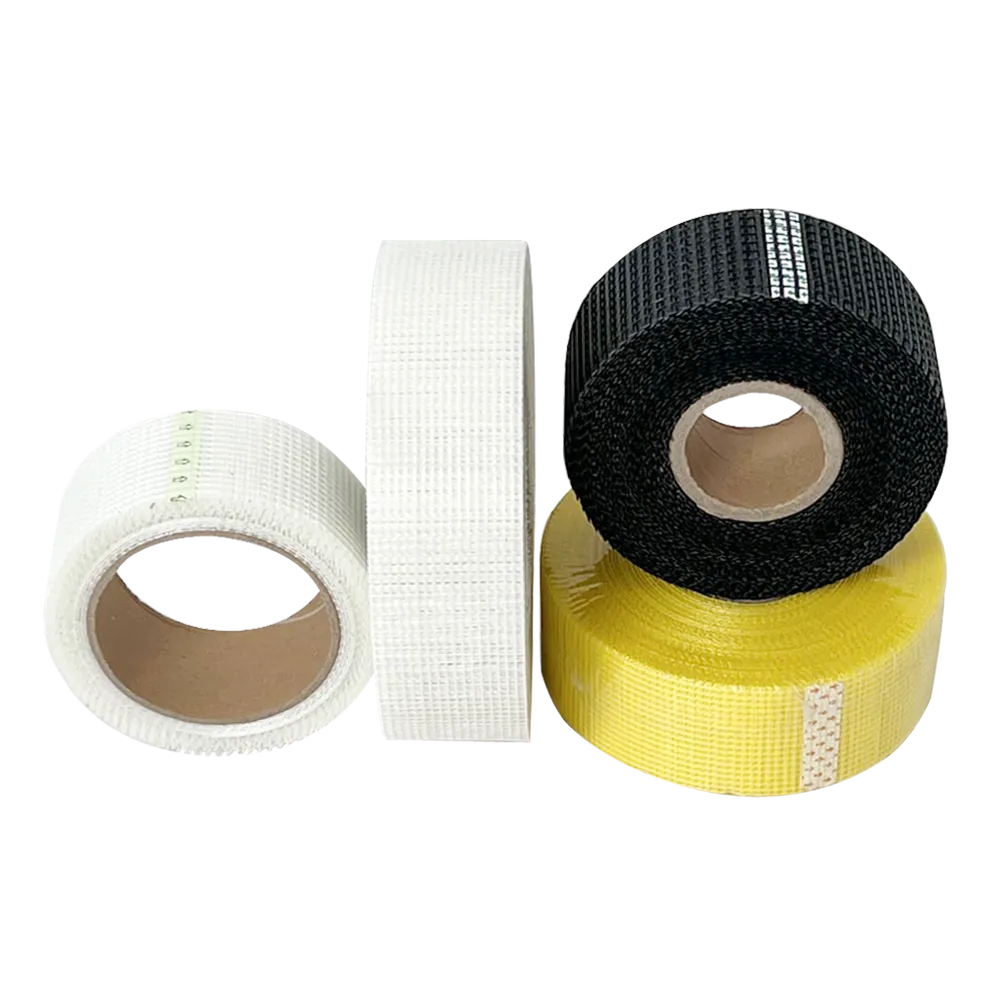
The answer lies in its interaction with light. When a thin layer of plaster or a light-colored tile adhesive is applied, a standard dark mesh can sometimes create a faint "ghosting" or shadow effect, subtly visible through the finish. This can disrupt the desired uniformity of a light and bright wall. White fiberglass mesh, however, acts as a neutral, light-reflective base. It effectively eliminates the risk of show-through, ensuring a perfectly consistent background. This allows for the true, intended color of the finish to shine through without any underlying interference, contributing directly to that soft, luminous atmosphere designers strive for. It provides a clean canvas, enhancing the purity and depth of light-colored paints and plasters, making spaces feel larger, airier, and more open.
|
Parameter |
Specification |
|
Material |
C-glass or E-glass |
|
Culoare |
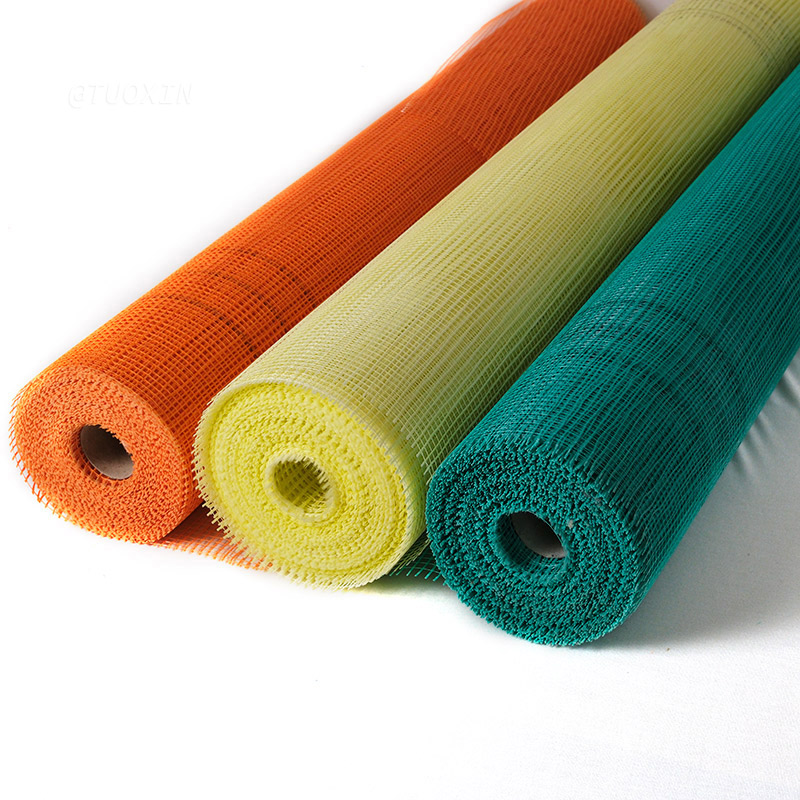
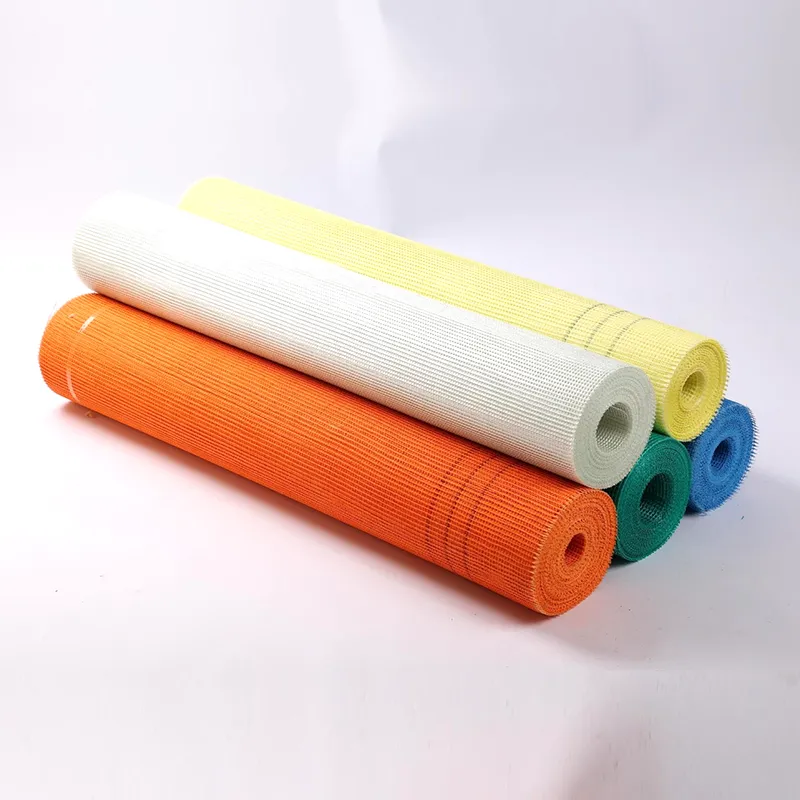
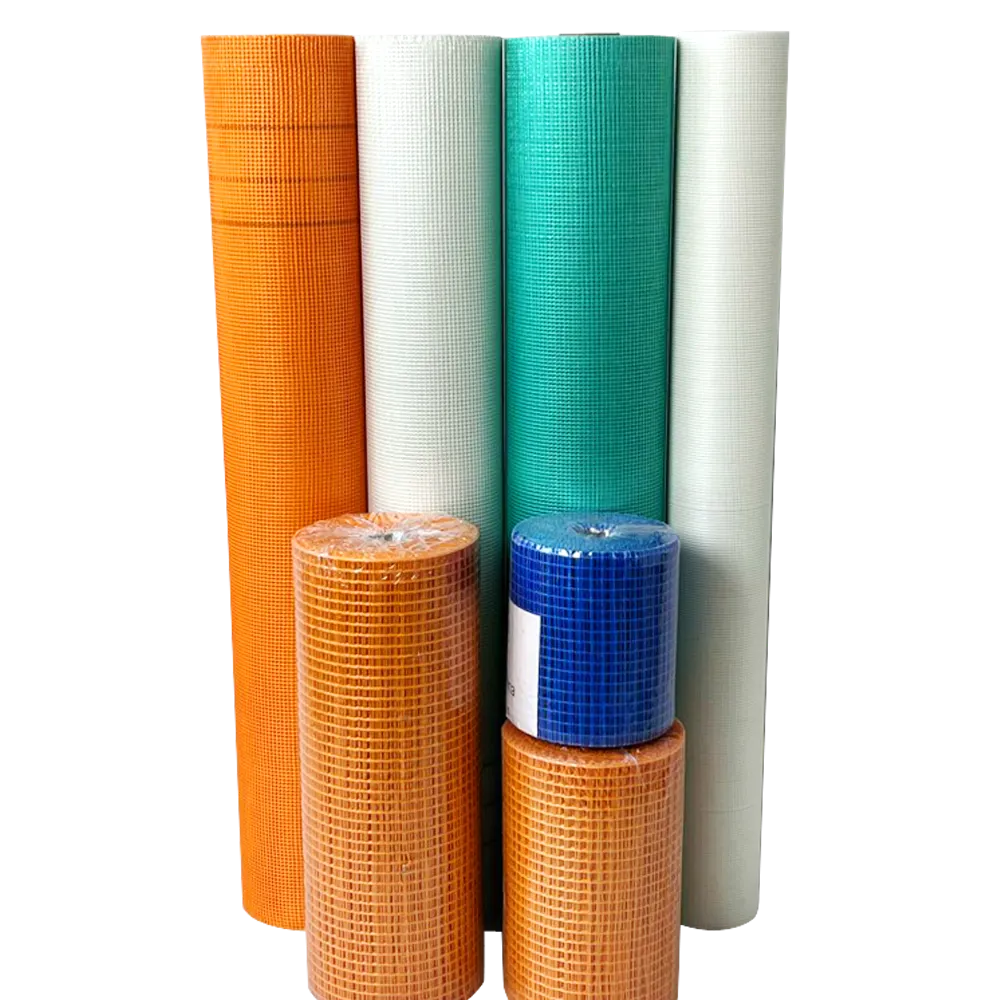
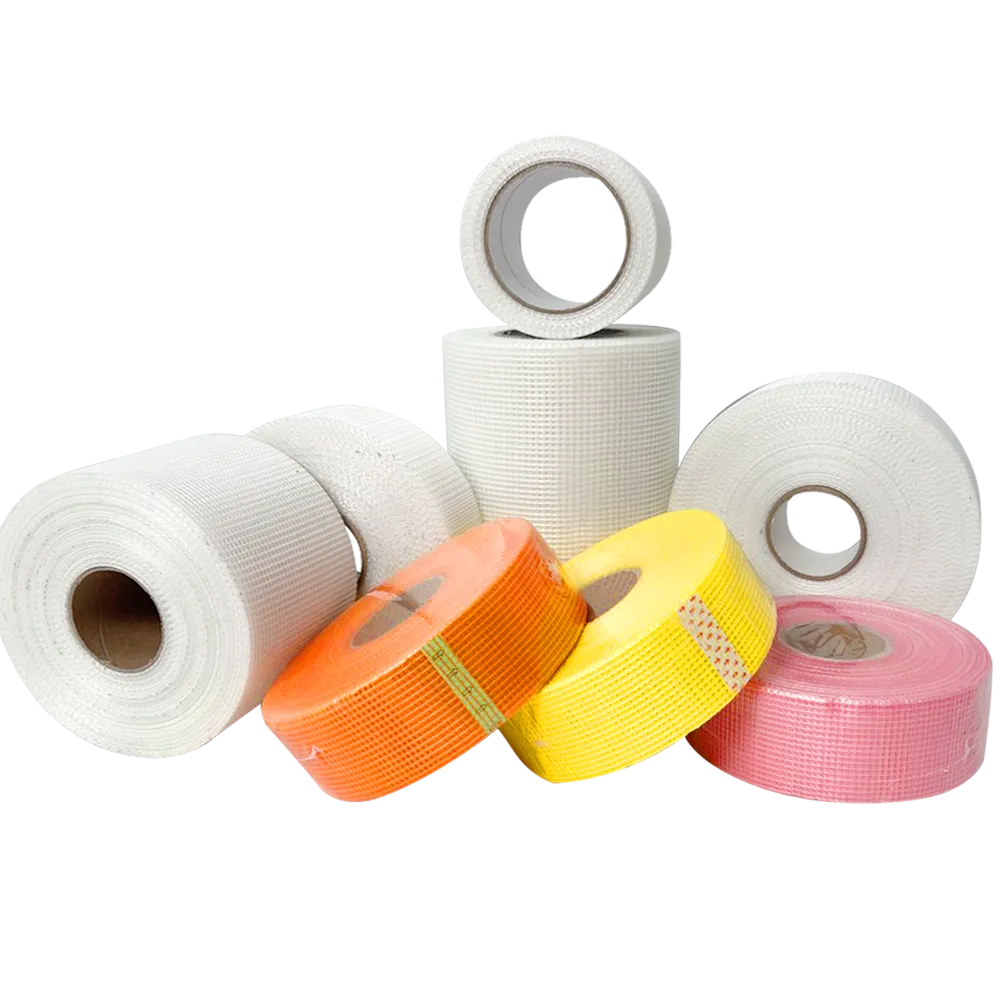
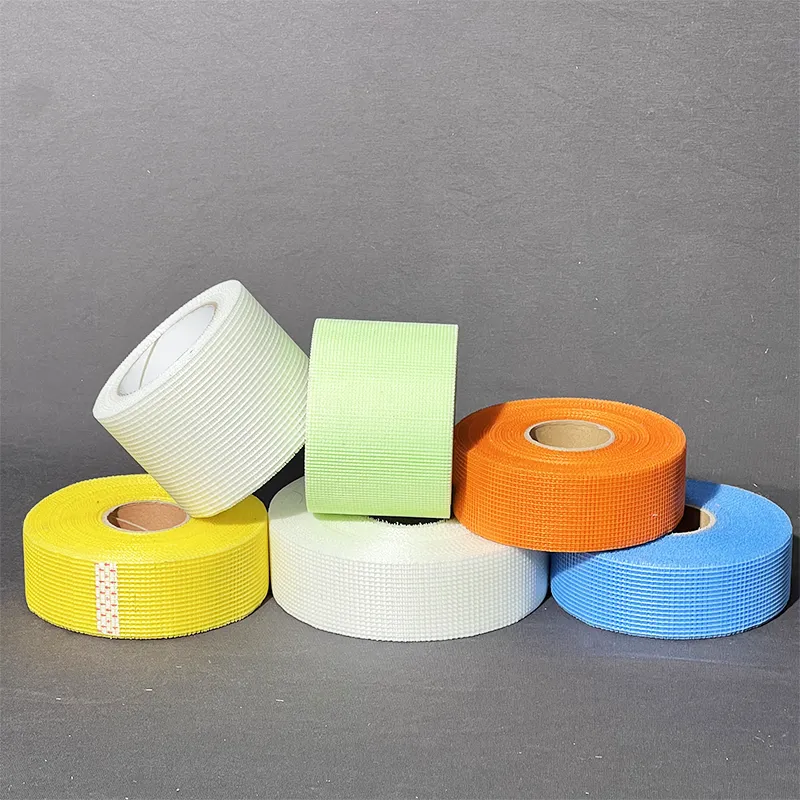
White, orange (standard), blue, green, yellow and others. |
|
Lungime |
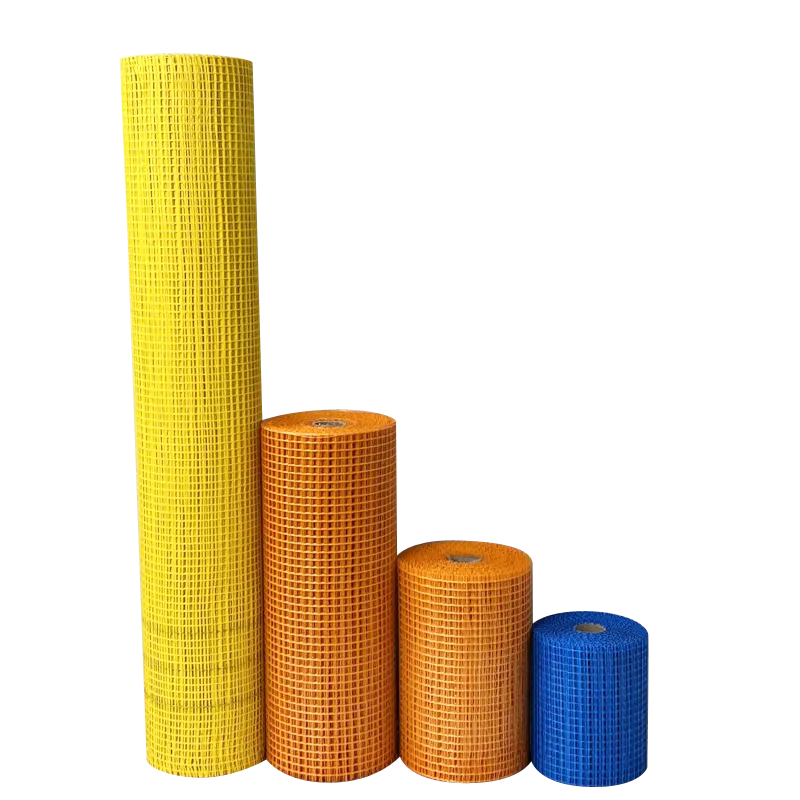
50m, 100m |
|
Lăţime |
usually 1m, customized acceptable |
|
Mesh Size |
4x4mm, 5x5mm, 6x6mm |
|
Greutate |
60-300g/m2 |
Tainuo Fiberglass Mesh Factory offers a comprehensive range of products to suit any project requirement. As the table illustrates, the availability of white fiberglass mesh in various weights and mesh sizes allows for tailored solutions, from delicate interior work to heavy-duty exterior rendering, all while maintaining the aesthetic benefits of the white color.
FAQs About White Fiberglass Mesh
What are the main advantages of white fiberglass mesh?
The primary advantages are both functional and aesthetic. Functionally, it provides excellent crack resistance and reinforcement for plaster and stucco systems. Aesthetically, its white color prevents show-through under thin layers of finish, ensuring a smooth, uniform, and brighter surface. This is crucial for achieving a high-quality, luminous interior without shadows or discolorations marring the final look.
Why is alkali resistance so important in fiberglass mesh?
Alkali resistance is non-negotiable for any mesh used in cement-based applications. The high pH level in cement, plaster, and tile adhesive can quickly degrade uncoated fiberglass, leading to a loss of tensile strength and eventual failure of the reinforcement. Alkali resistant fiberglass mesh is specially coated to withstand this chemical attack, ensuring the long-term durability and structural integrity of the wall for the lifetime of the building.
Can white fiberglass mesh be used for exterior applications?
Absolutely. The protective coating that provides alkali resistance also offers enhanced durability against the elements. When paired with the appropriate exterior-grade finishes, white fiberglass mesh is perfectly suited for External Wall Insulation Systems (ETICS) and exterior stucco. Its white color can be particularly beneficial under light-colored or thin-coat exterior finishes, helping to maintain a consistent appearance.
How do I choose the right weight and fiberglass mesh size?
The choice depends on the application. For standard interior wall reinforcing, a mesh weight of 110-145g/m² with a 5x5mm mesh is common. For heavy-duty areas like floor underlayment for tiles or exterior rendering, a heavier mesh (e.g., 160-300g/m²) is recommended. Smaller mesh sizes offer more reinforcement points, which is ideal for crack prevention, while larger sizes are easier to embed in thick plaster coats. Tainuo's technical team can provide expert guidance for your specific project needs.
Does Tainuo offer custom-sized white fiberglass mesh?
Yes, customization is a key strength of Tainuo Fiberglass Mesh Factory. While standard widths and lengths are readily available, the company can produce white fiberglass mesh in custom widths, lengths, and even specific gram weights to meet unique project specifications. This flexibility ensures that every client gets the perfect product for their application, from large-scale developments to specialized design projects.
In conclusion, the choice of building materials profoundly impacts the final outcome of a space. By selecting high-quality white fiberglass mesh, and particularly the plasă din fibră de sticlă rezistentă la alcali from a trusted manufacturer like Tainuo Fiberglass Mesh Factory, you are investing in more than just a construction component. You are choosing a foundation of durability and a tool for beauty. It is the invisible force that allows for the creation of interiors that are not only strong and crack-free but also bathed in a soft, radiant light—a truly luminous atmosphere that endures.
-
Best Fiberglass Mesh Tape for RedGard Product Waterproofing GuideȘtiriApr.16,2026
-
Why High Strength Fiberglass Mesh Is Essential For Stucco ApplicationȘtiriApr.15,2026
-
Why Alkali Resistant Fiberglass Mesh Tape Is Essential For Cement Board And Tile InstallationsȘtiriApr.15,2026
-
Understanding The Role Of Drywall Fiberglass Mesh In Interior FinishingȘtiriApr.15,2026
-
Ultimate Guide To Using Fiberglass Mesh Tape For Drywall And Plaster RepairsȘtiriApr.15,2026
-
The Versatility Of Fiberglass Mesh In Marble And Stone MosaicȘtiriApr.15,2026