sep . 08, 2025 15:27 Terug naar lijst
The Ultimate Guide to Using Fiberglass Mesh Tape in Drywall and Ceiling Applications
Drywall installation is a foundational part of modern construction and interior renovation, but even the smoothest drywall sheets are vulnerable to cracking at joints and corners. That’s where glass mesh tape steps in—an essential product for reinforcing seams and improving long-term durability. Whether you're finishing walls, repairing cracks, or prepping ceilings, the right mesh tape can make a major difference.
This guide covers everything you need to know about wide fiberglass mesh tape, fiber tape for drywall, and how to use mesh tape effectively in various situations.
What Is Glass Mesh Tape and Why It Matters
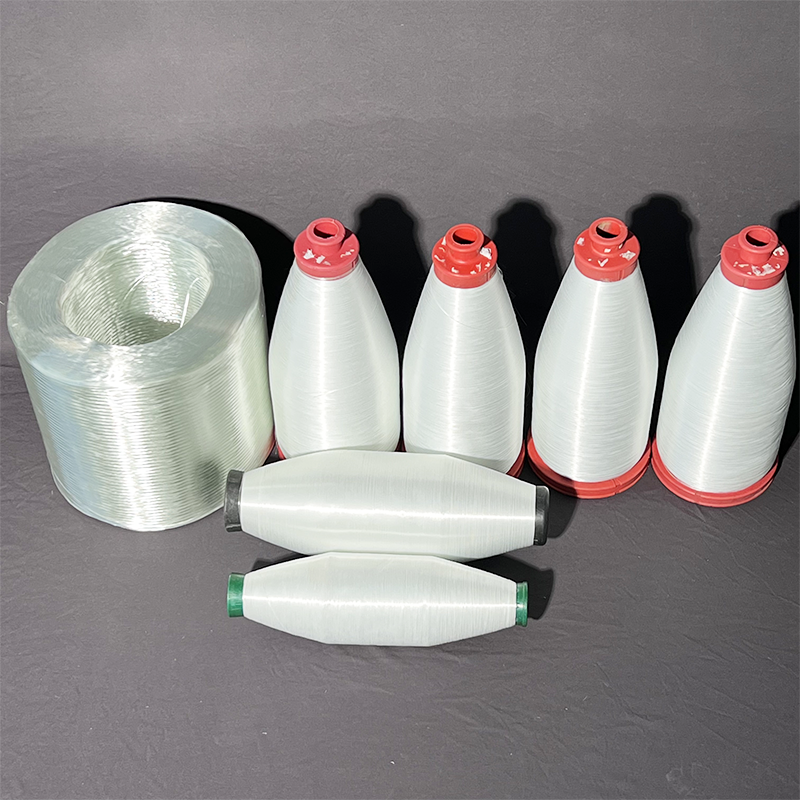
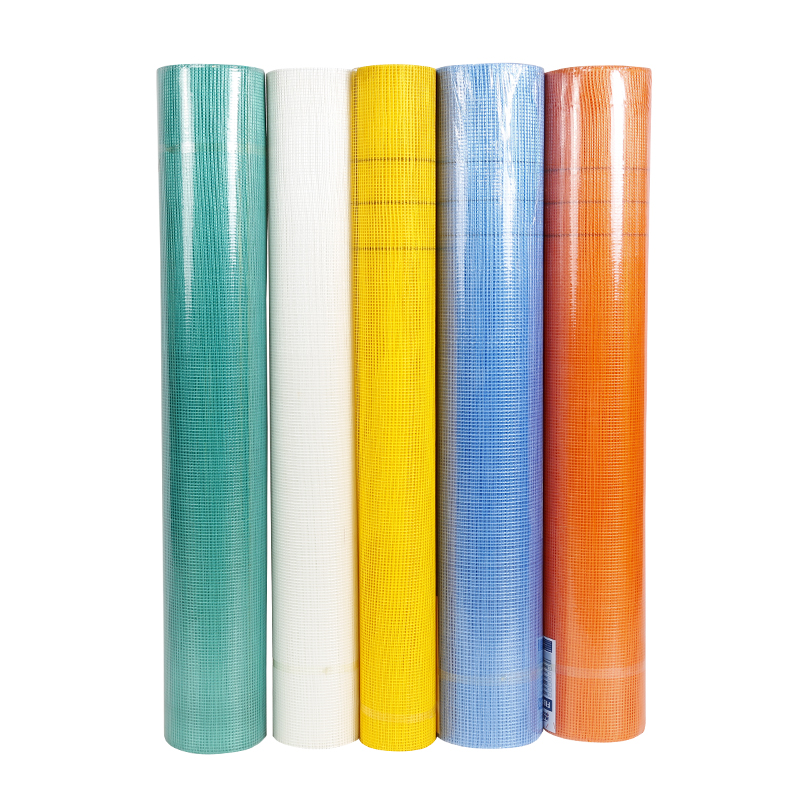
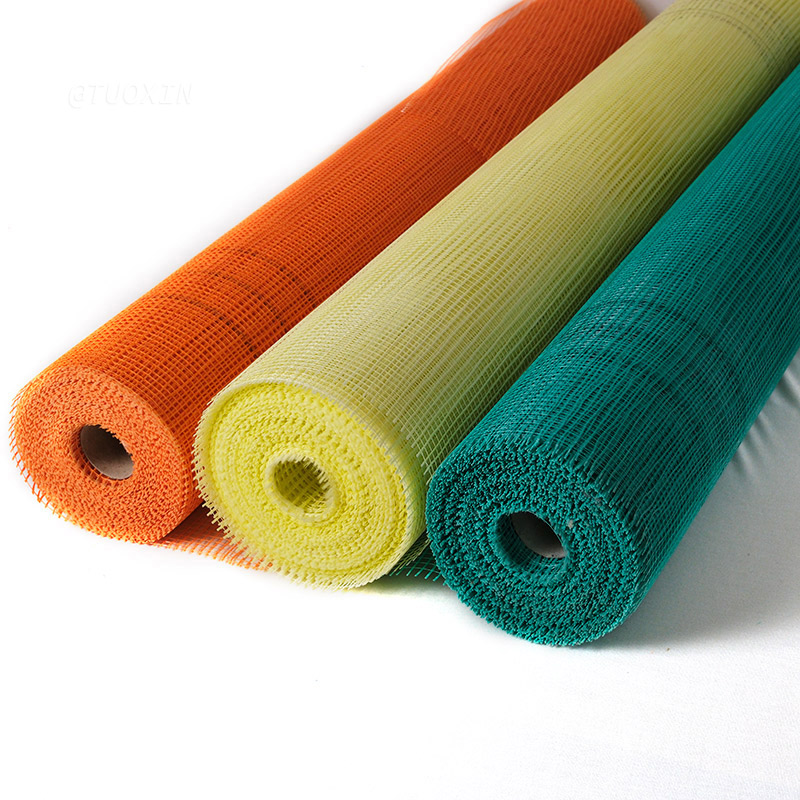
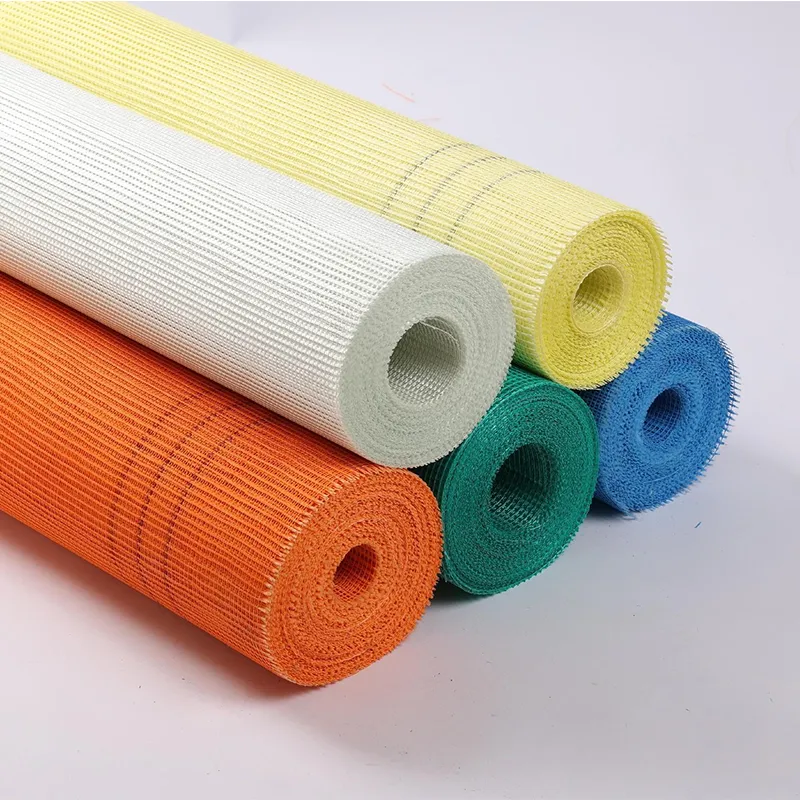
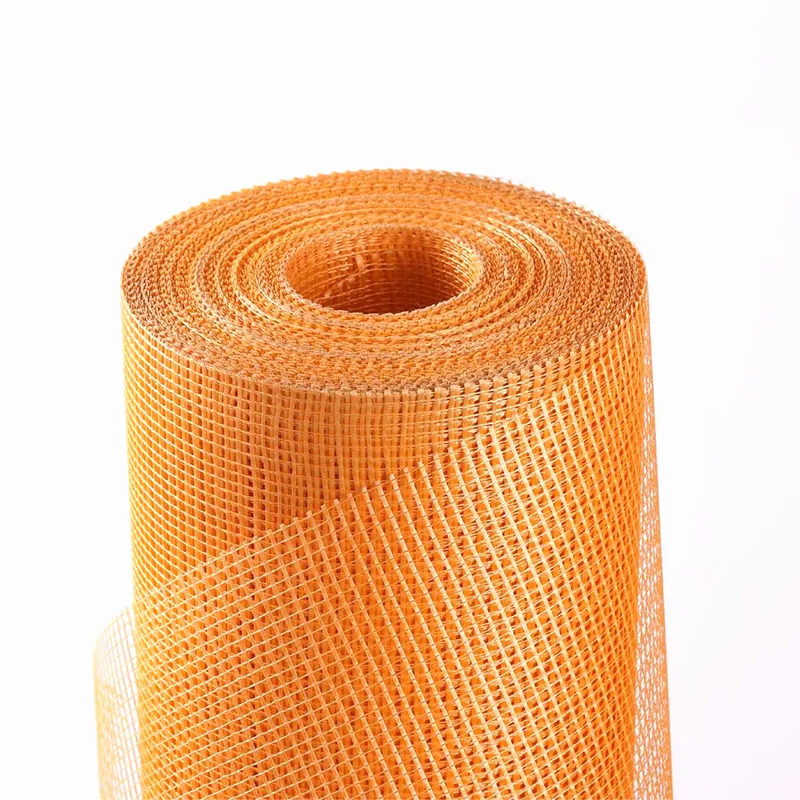
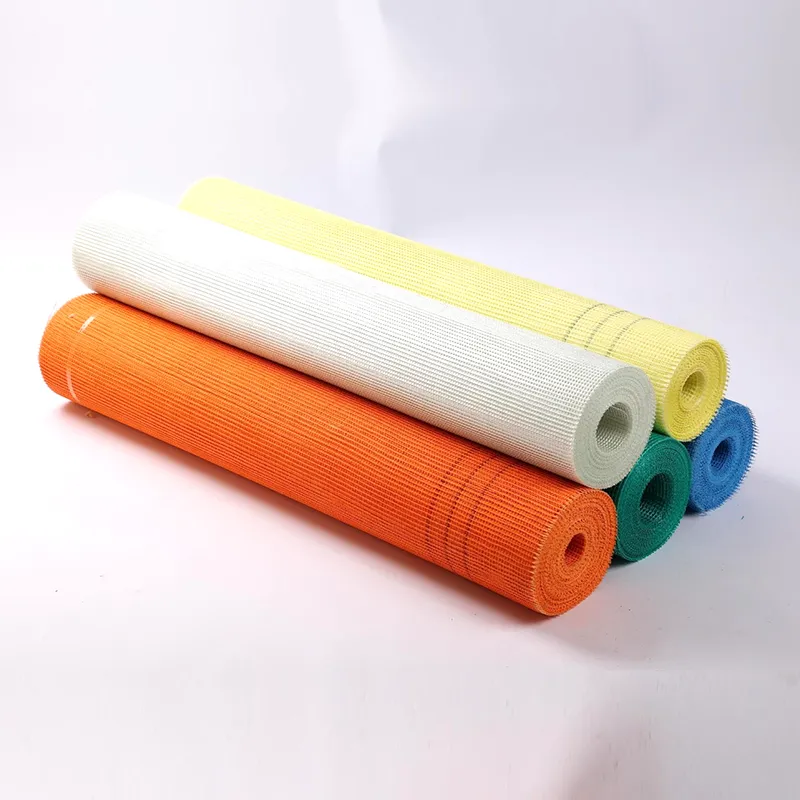
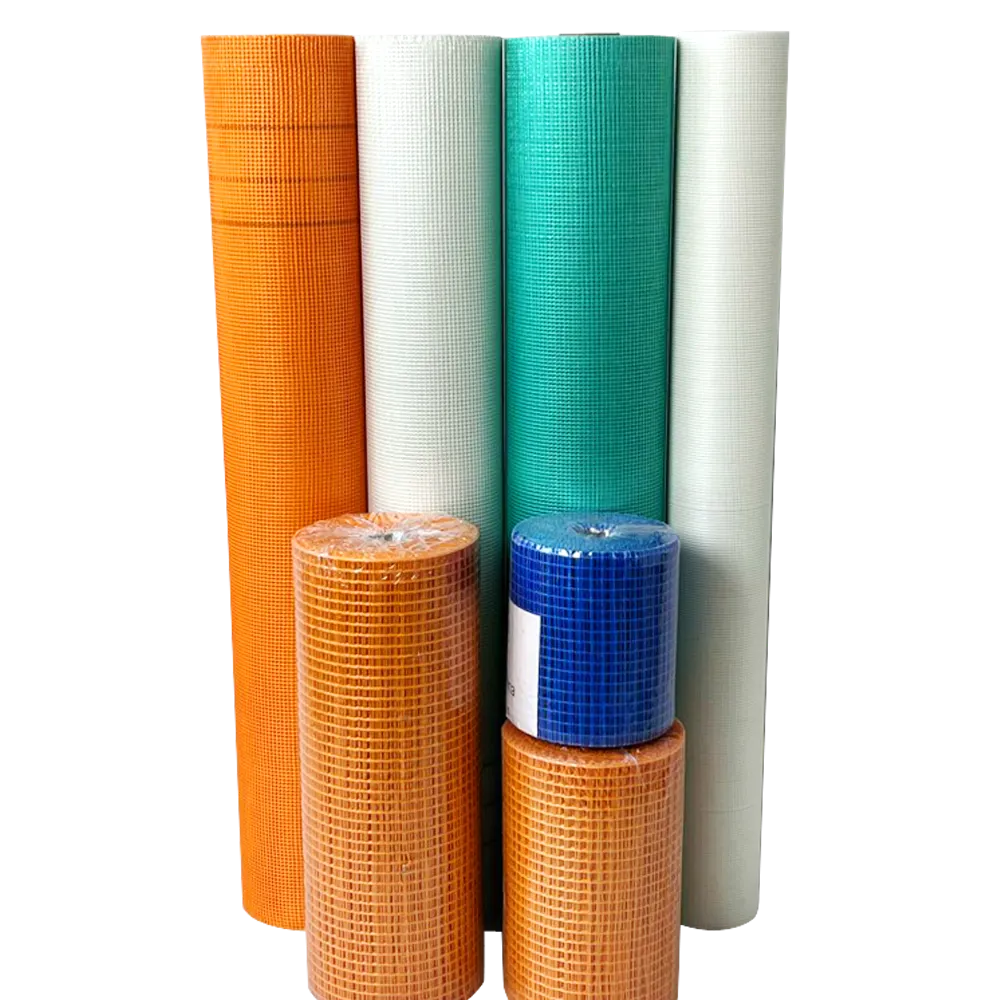
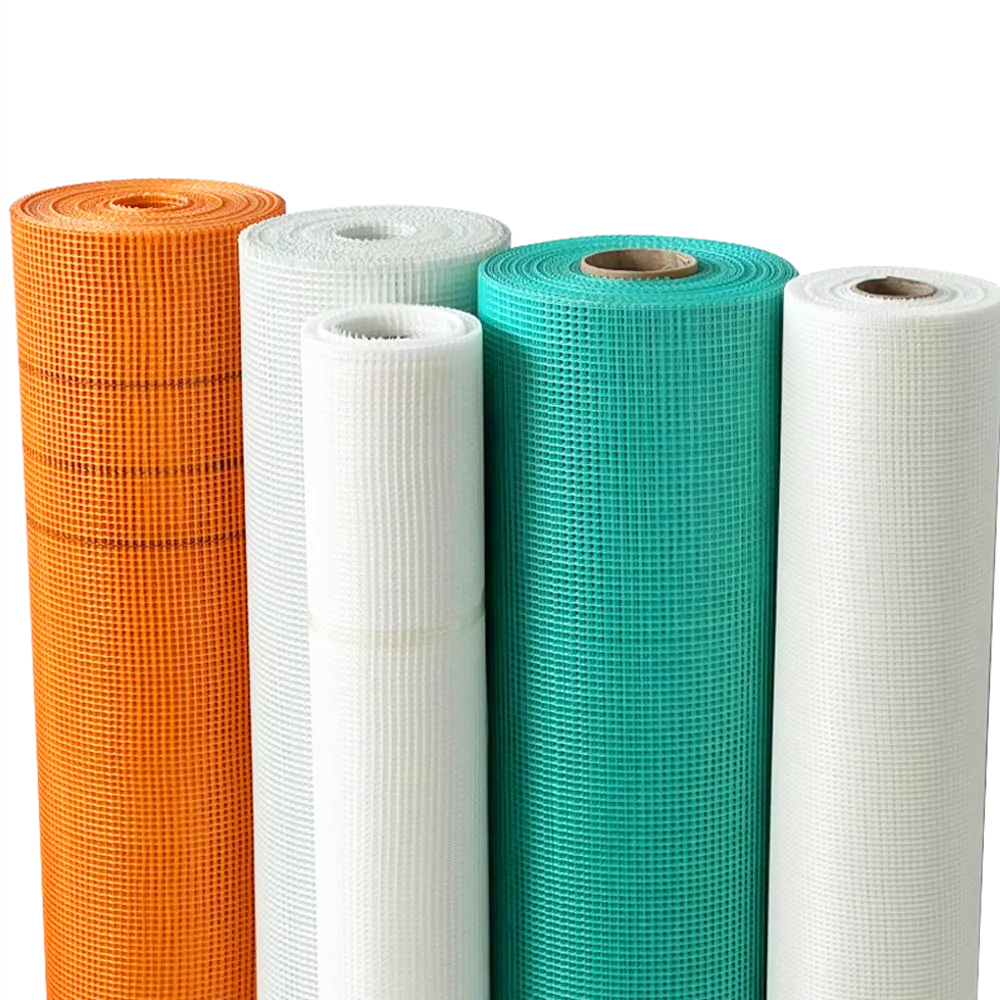
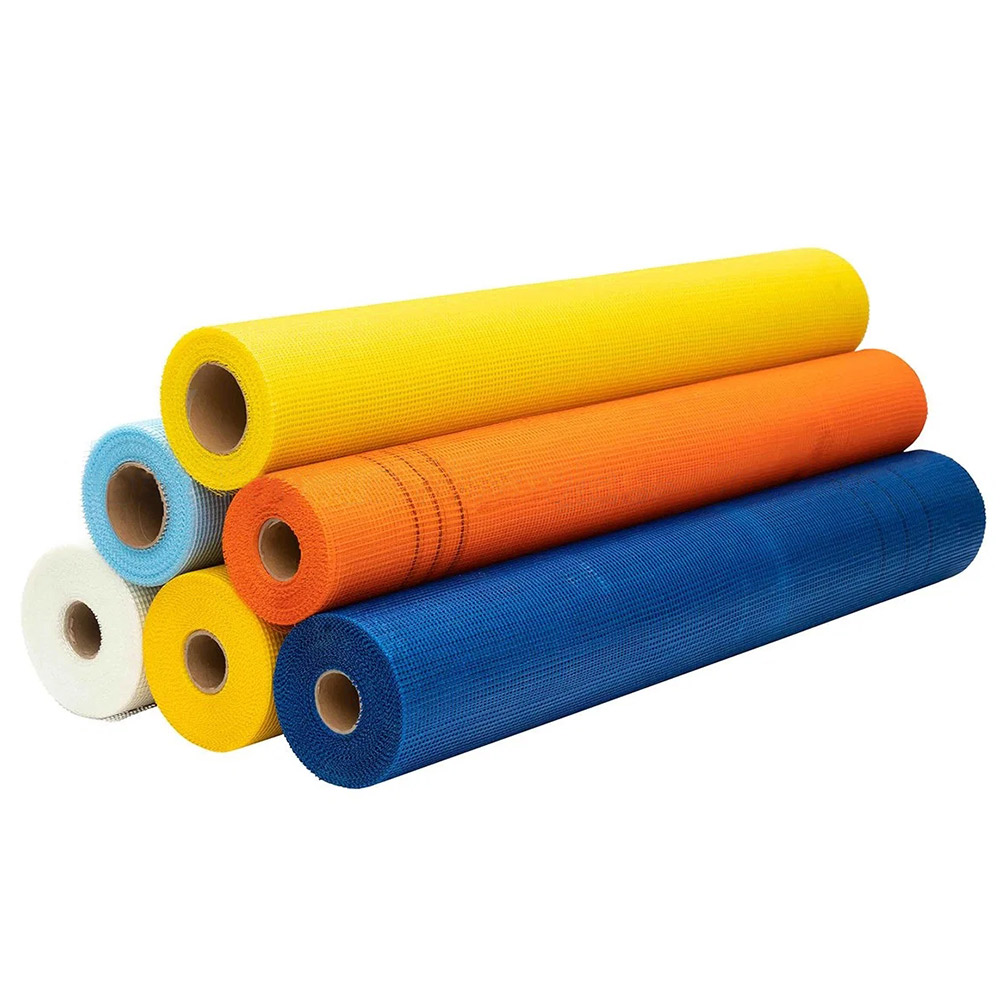
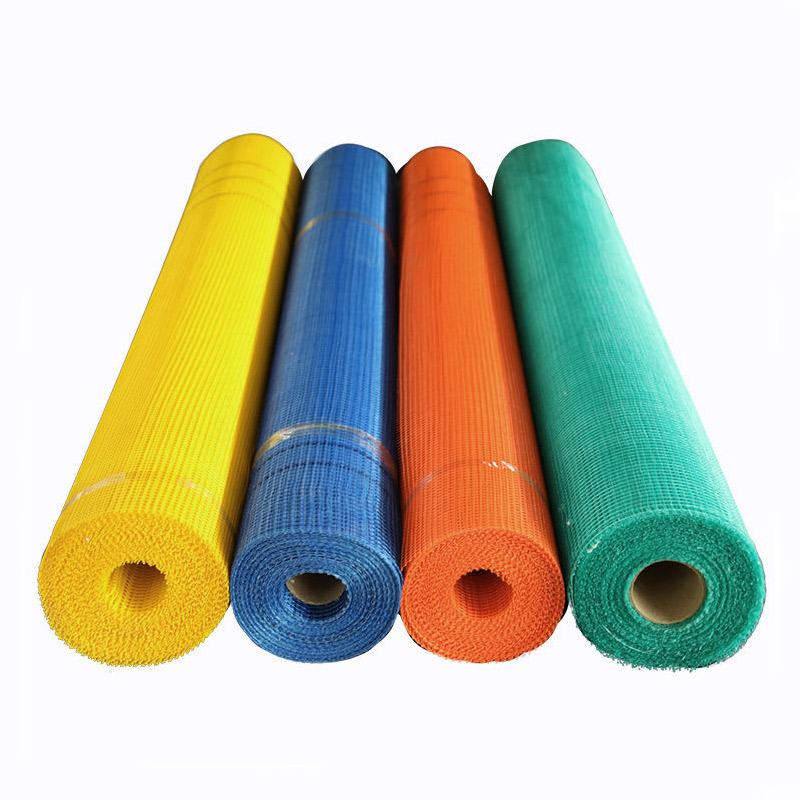
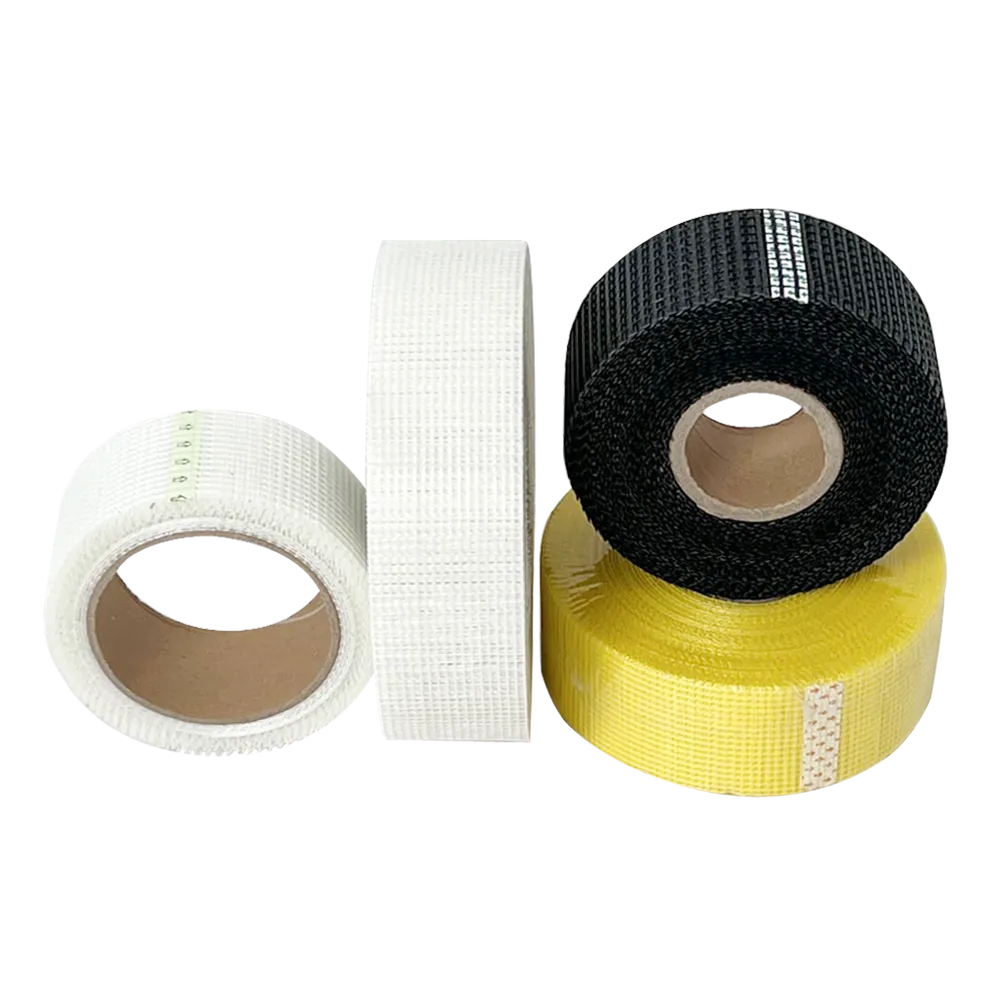
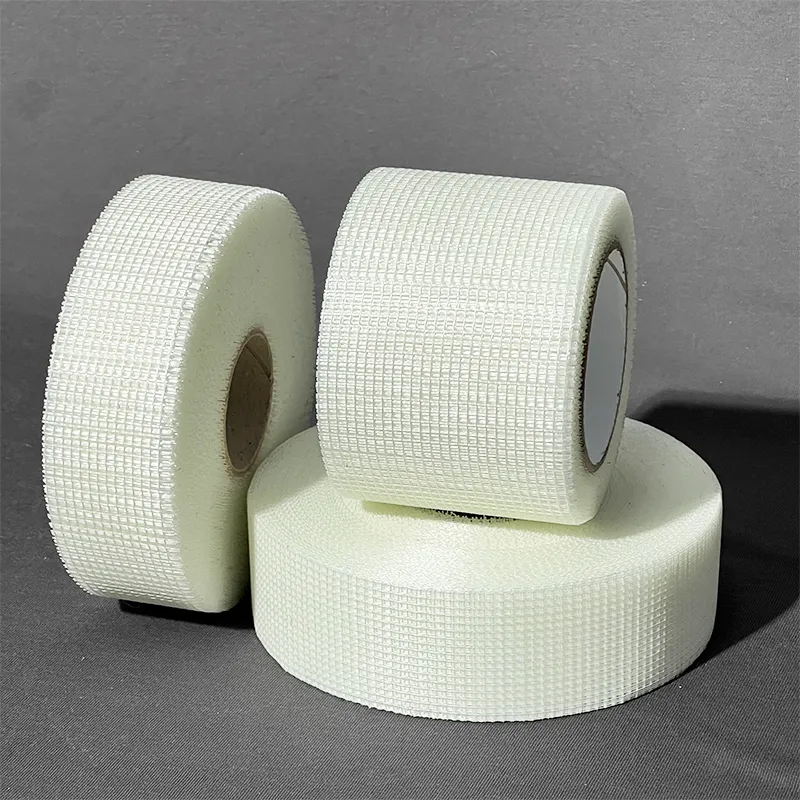
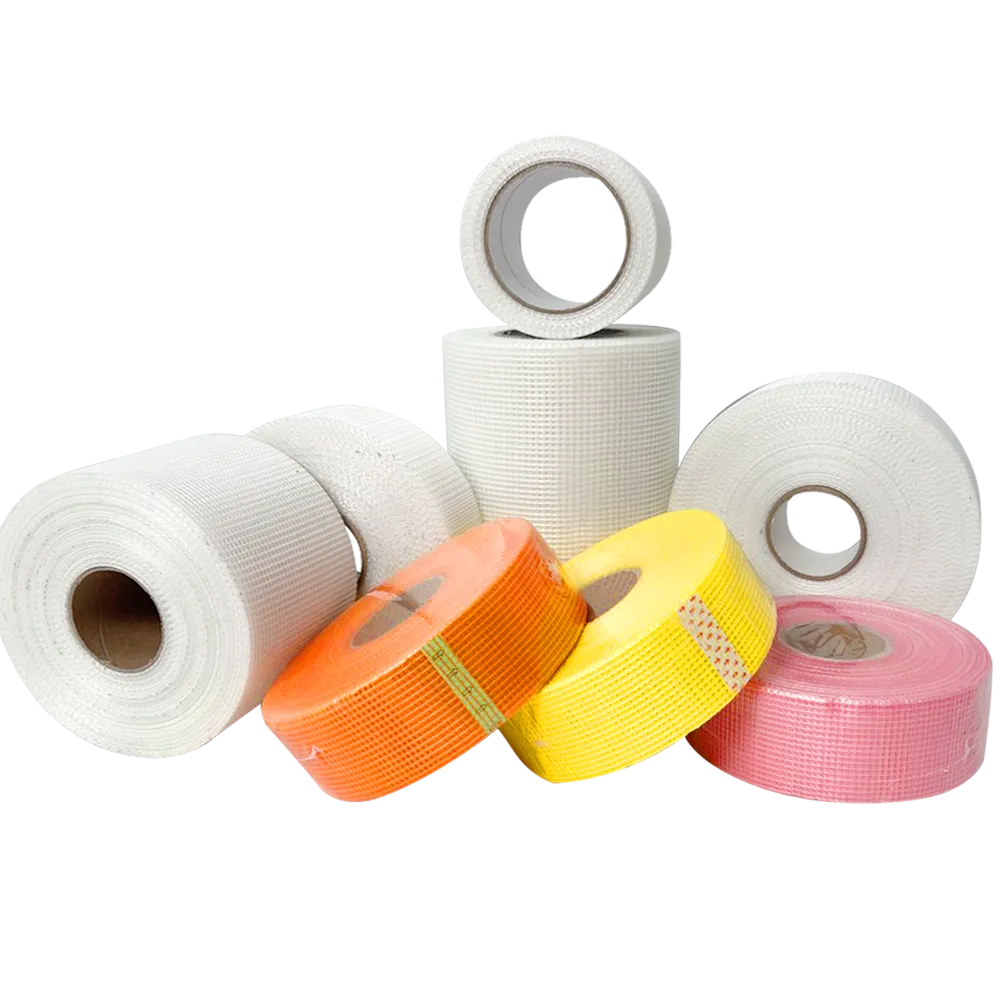
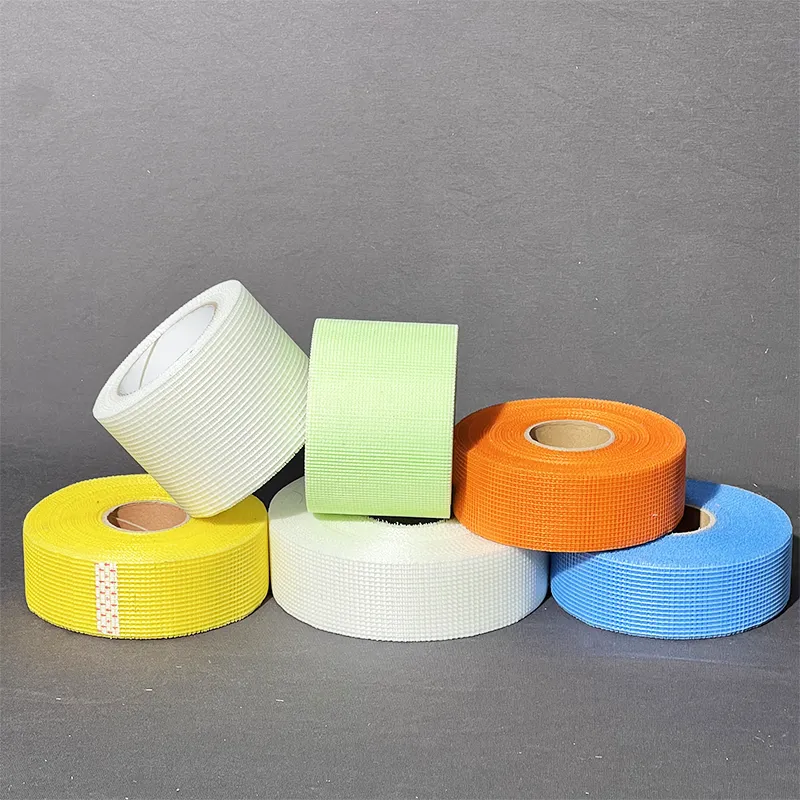
Glass mesh tape is a construction material made from woven fiberglass threads, designed specifically for reinforcing drywall seams and joints. It is a popular alternative to paper tape due to its ease of use, resistance to mold and mildew, and overall strength. The tape usually features a self-adhesive backing for easy application.
Benefits of glass mesh tape include:
Increased crack resistance over time
Easier to apply than paper tape (no need for a base coat)
Resists moisture and mildew
Ideal for high-humidity environments
In modern construction, fiberglass mesh tape has become a go-to material for professionals and DIYers alike, especially when working with fiber tape for gypsum board or mesh tape for ceiling seams, where long-lasting adhesion is crucial.
Wide Fiberglass Mesh Tape for Stronger Joints
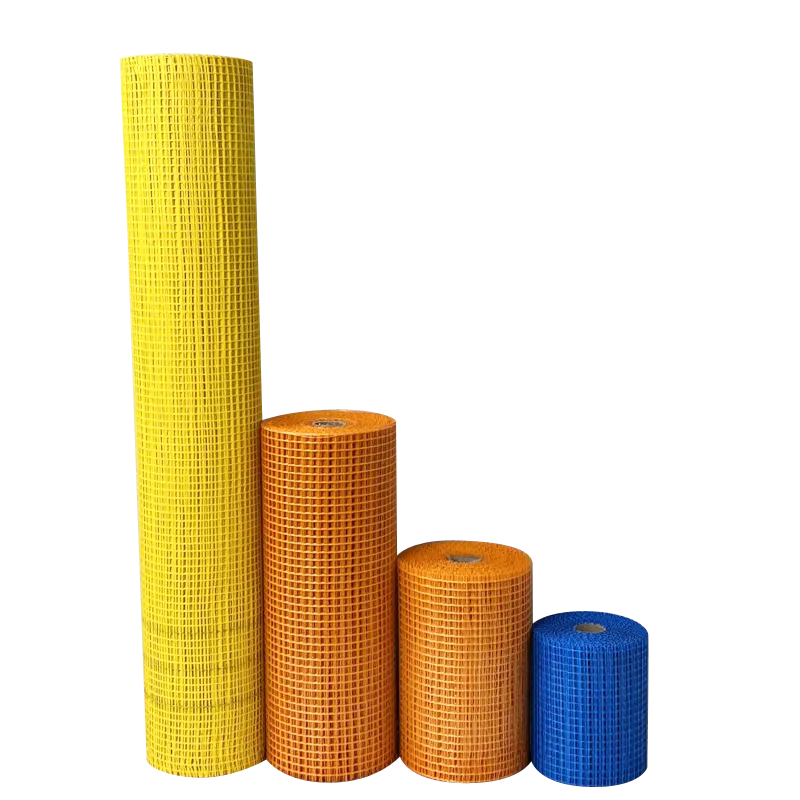
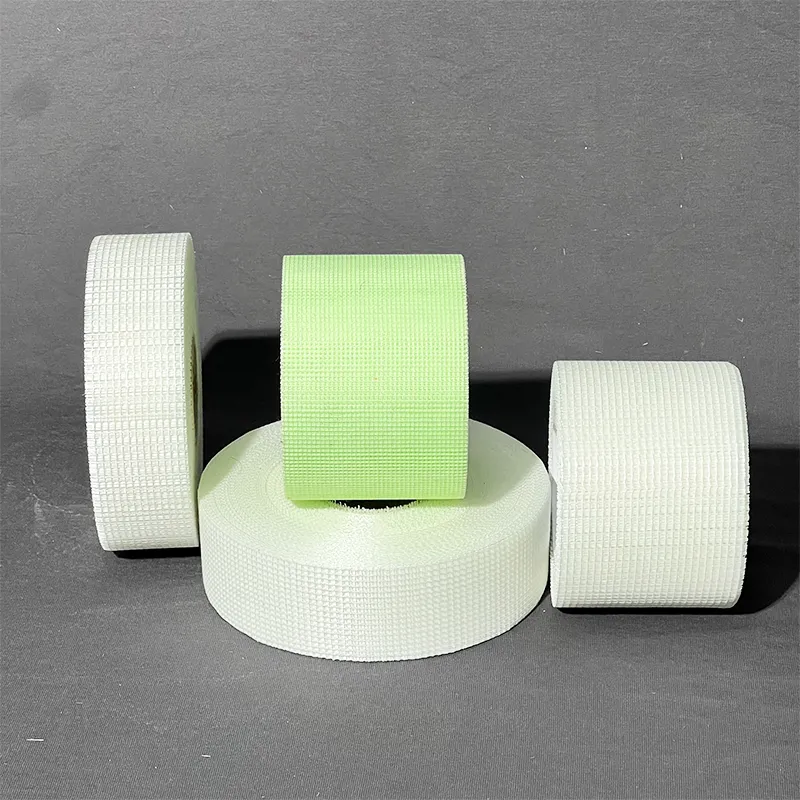
Standard mesh tape is typically 2 inches wide, but for added coverage and reinforcement, many builders opt for wide fiberglass mesh tape. This wider variation—often 4 inches or more—provides greater surface area for bonding and is especially useful when dealing with larger gaps or where walls meet ceilings.
Key Uses for Wide Fiberglass Mesh Tape:
Repairing large cracks or seams in drywall
Patching damaged gypsum boards
Reinforcing weak or high-stress joints
Strengthening corners and ceiling seams
Wide fiberglass mesh tape is particularly effective when finishing new construction drywall or remodeling older homes, where settling may have already caused minor structural shifts. The added width helps ensure better adhesion and fewer chances of cracking or bubbling during or after the finish coat is applied.
Fiber Tape for Drywall, Corners, and Ceilings
Different areas of a wall or ceiling require different handling—and fortunately, fiberglass mesh tape comes in a variety of types tailored to these needs.
Fiber Tape for Drywall
Fiber tape for drywall is the most common use case. It’s typically applied to butt joints and seams between drywall sheets. This type of tape adheres directly to the surface and is then covered with joint compound for a seamless finish.
Advantages:
No bubbling during application
Mold-resistant in damp areas
Reduces the risk of corner cracking
Fiber Tape for Drywall Corners
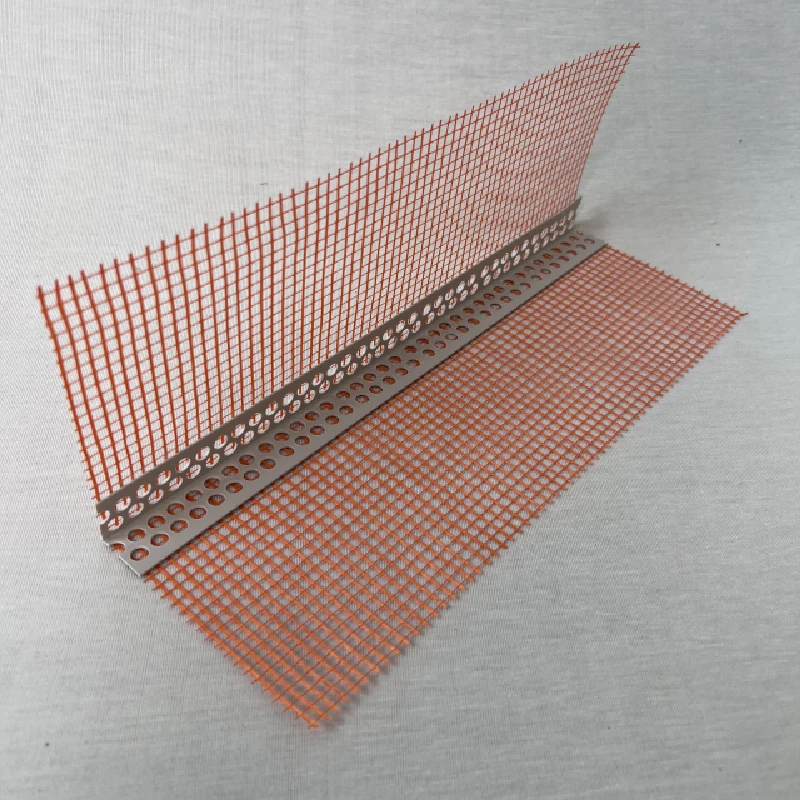
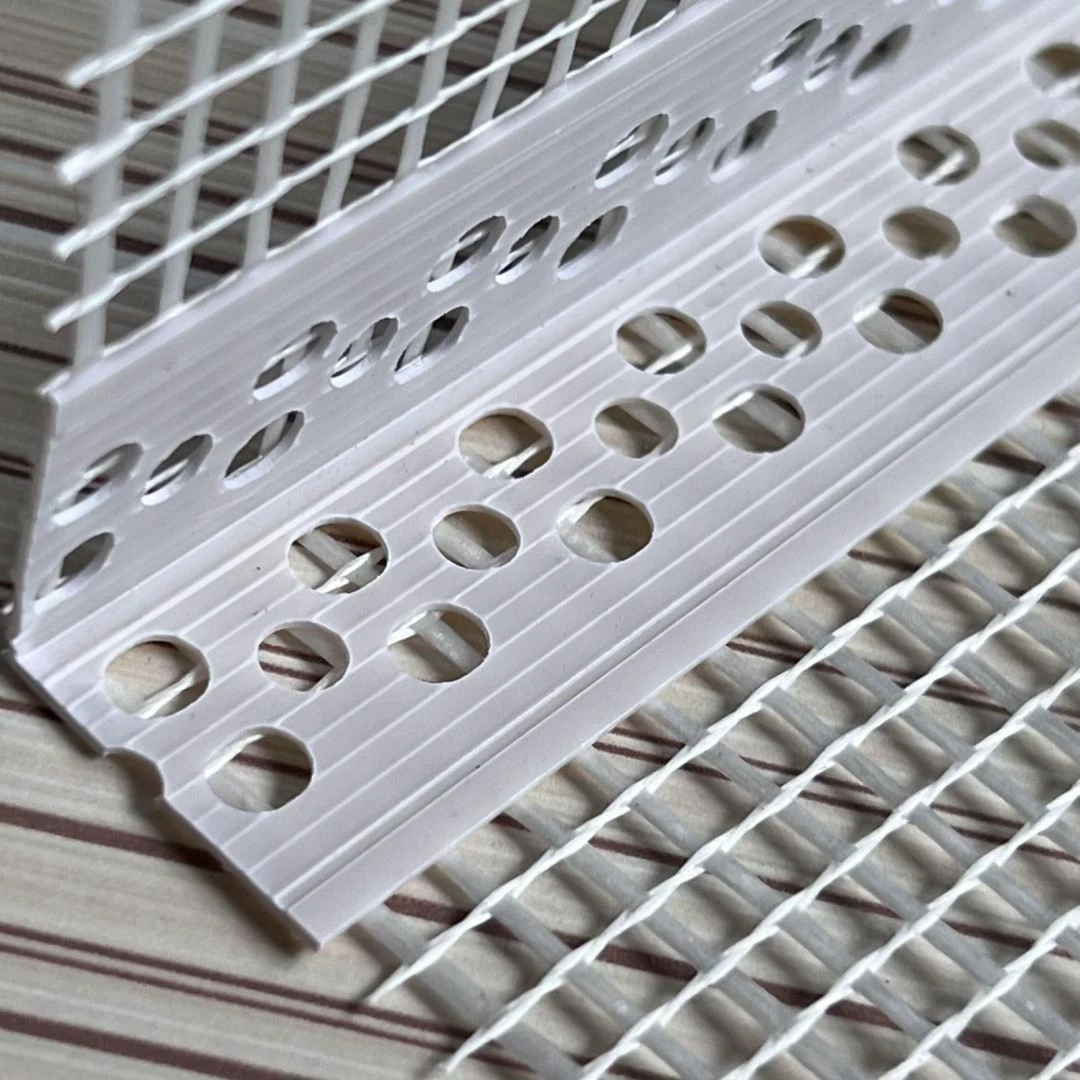
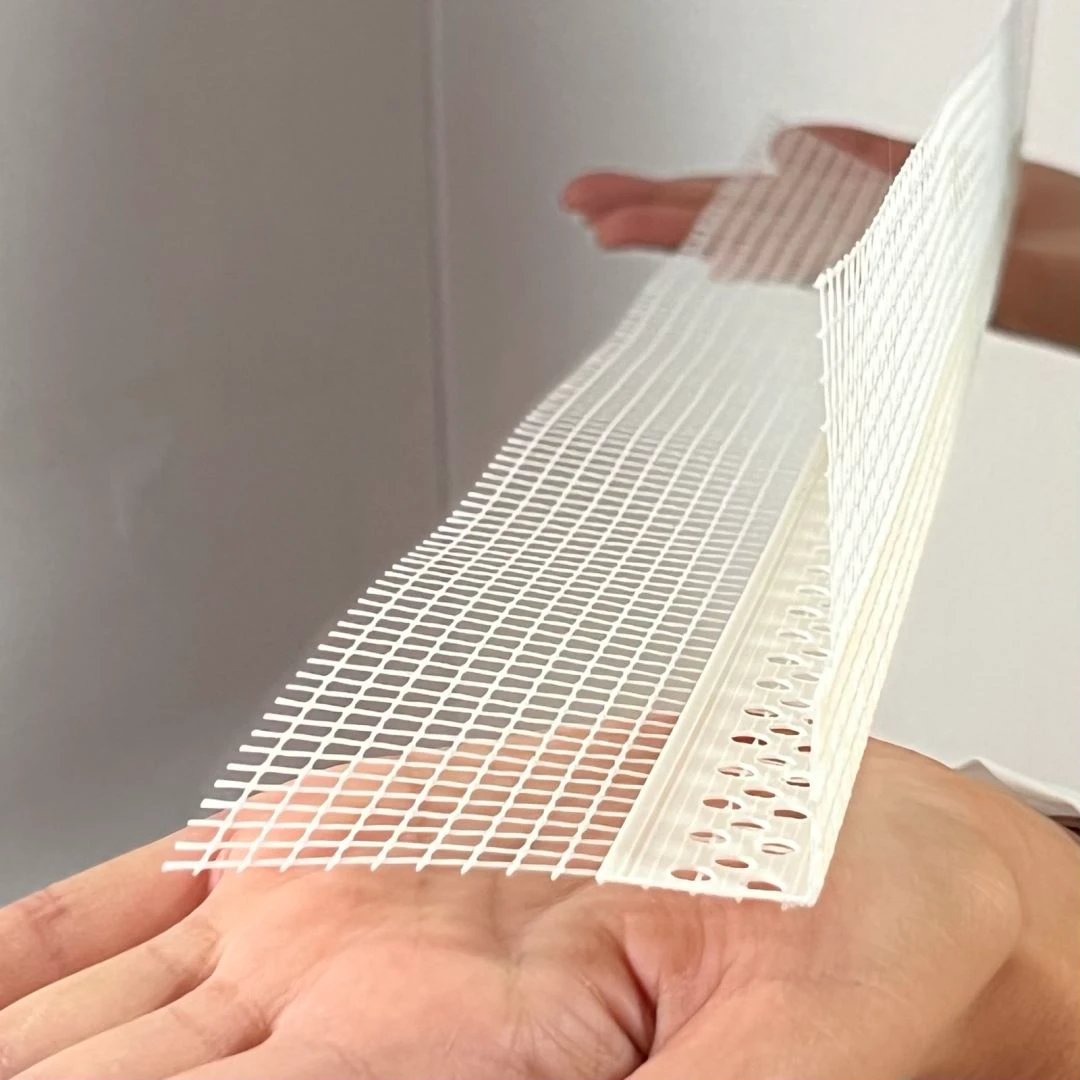
Corners—especially external ones—are prone to chips and stress cracks. Fiber tape for drywall corners often comes pre-folded or in flexible strips, allowing for clean application to both sides of a 90° angle.
Benefits include:
Maintains clean corner lines
Absorbs impact better than paper
Prevents separation over time
These corner-specific tapes often contain a denser weave and extra reinforcement, making them more durable in high-traffic areas like hallways and stairwells.
Fiber Tape for Gypsum Board
Fiber tape for gypsum board works similarly to standard drywall tape, but it's tailored to bond well with the slightly different surface texture of gypsum. Its high-tack adhesive ensures it doesn’t peel or shift after application.
It’s best used in:
Wall partitions made of gypsum panels
Fire-resistant drywall applications
Spaces prone to vibration or minor movement
Mesh Tape for Ceiling Seams
Ceilings present unique challenges—gravity, texture, and minimal accessibility. Using mesh tape for ceiling ensures that joints between ceiling panels remain intact and invisible.
Why it’s important:
Prevents sagging or splitting over time
Withstands pressure from overhead movement or structural shift
Excellent bonding even in textured ceiling applications
Applying glass mesh tape to ceilings must be done with precision, using scaffolding or drywall stilts, and followed by a thin but firm layer of joint compound to keep everything in place.
Choosing the Right Fiberglass Mesh Tape for the Job
Selecting the right type of fiber tape for drywall applications can mean the difference between a smooth, crack-free finish and a repair job just months later. Whether you're working on residential interiors, office spaces, or commercial walls, using glass mesh tape enhances both appearance and long-term durability.
To summarize:
Use wide fiberglass mesh tape for large or high-stress seams.
Choose fiber tape for drywall corners to reinforce vulnerable angles.
Apply fiber tape for gypsum board to achieve better bonding and crack resistance.
Don’t overlook mesh tape for ceiling seams, which need strong adhesion and support from gravity’s pull.
Proper application paired with the right joint compound will ensure that your walls and ceilings remain smooth, durable, and visually appealing for years to come.
-
Best Fiberglass Mesh Tape for RedGard Product Waterproofing GuideNieuwsApr.16,2026
-
Why High Strength Fiberglass Mesh Is Essential For Stucco ApplicationNieuwsApr.15,2026
-
Why Alkali Resistant Fiberglass Mesh Tape Is Essential For Cement Board And Tile InstallationsNieuwsApr.15,2026
-
Understanding The Role Of Drywall Fiberglass Mesh In Interior FinishingNieuwsApr.15,2026
-
Ultimate Guide To Using Fiberglass Mesh Tape For Drywall And Plaster RepairsNieuwsApr.15,2026
-
The Versatility Of Fiberglass Mesh In Marble And Stone MosaicNieuwsApr.15,2026