jan . 22, 2026 09:38 Terug naar lijst
Fiberglass Reinforcement Mesh Systems: Strength, Stability, and Modern Construction Performance
In today’s construction and finishing industries, reinforcement materials play a critical role in ensuring durability, structural integrity, and long-term performance. Among these materials, fiberglass-based reinforcement systems have become the preferred solution for cement, plaster, stucco, and tile applications. Lightweight, corrosion-resistant, and highly adaptable, fiberglass mesh products are now widely used in both residential and commercial construction projects.
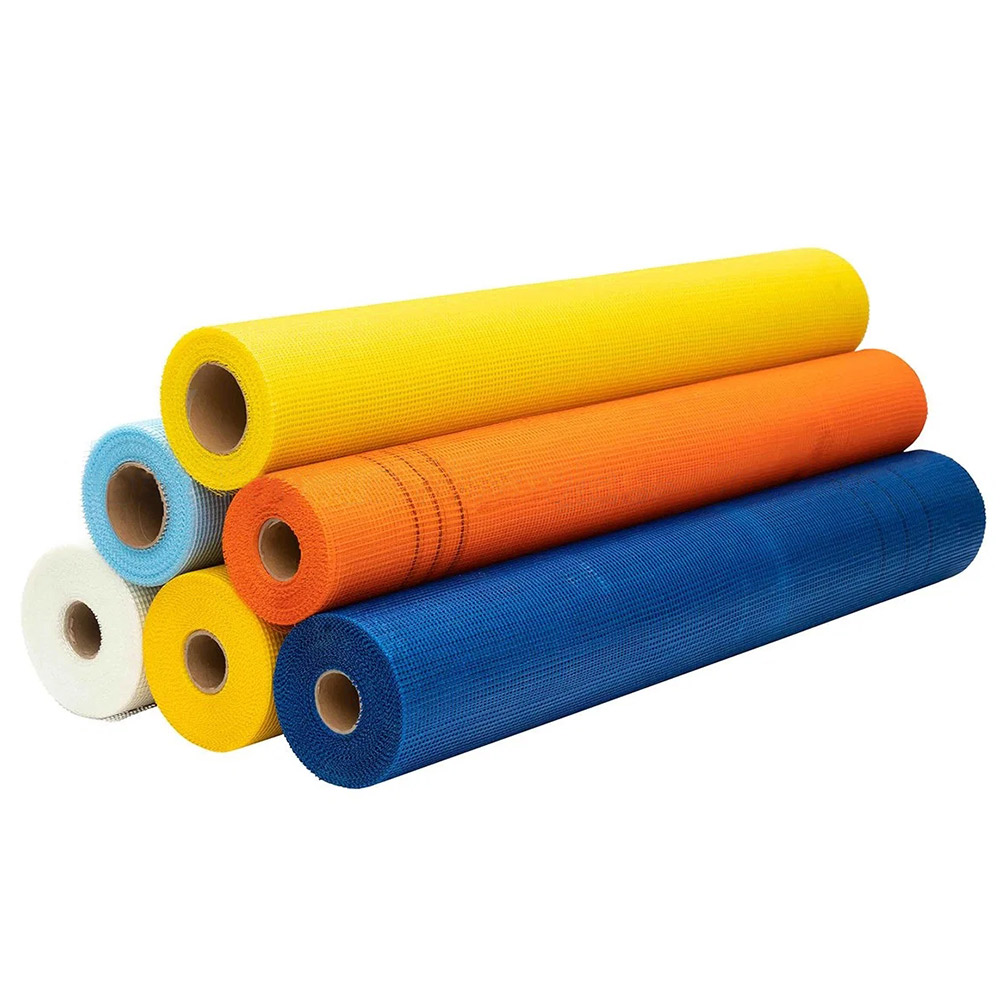
Materials such as fiberglass reinforcing mesh for stucco, fiberglass reinforcement mesh, 145 gsm fiberglass mesh, and fiberglass mesh for mosaic tiles represent specialized solutions designed to meet different structural and aesthetic requirements. Each type serves a specific function while sharing the same fundamental purpose: preventing cracks, distributing stress, and improving bonding strength.
This article provides a comprehensive overview of fiberglass reinforcement mesh materials, their key specifications, and their practical applications across modern building systems.
Fiberglass Reinforcement Mesh and Material Fundamentals
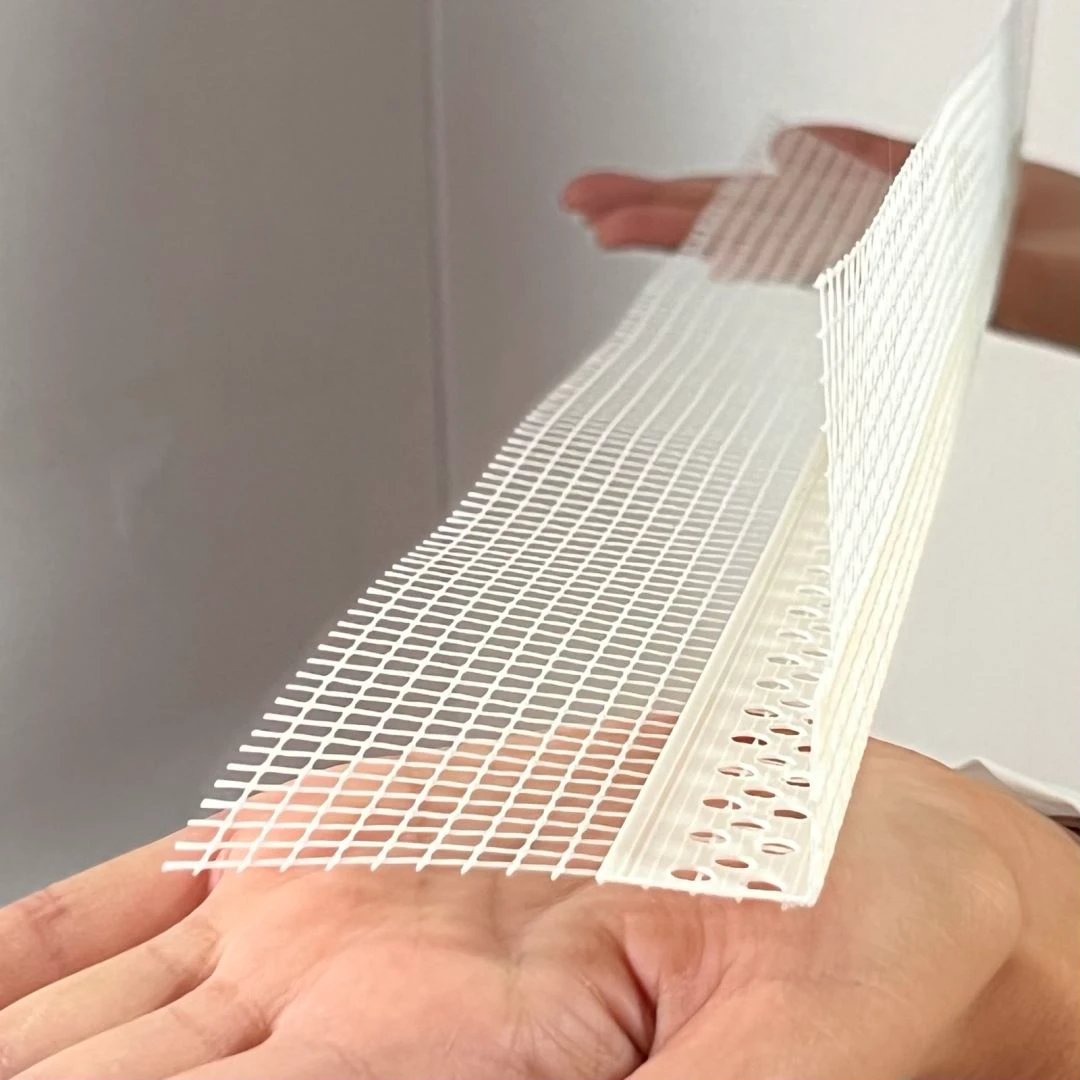
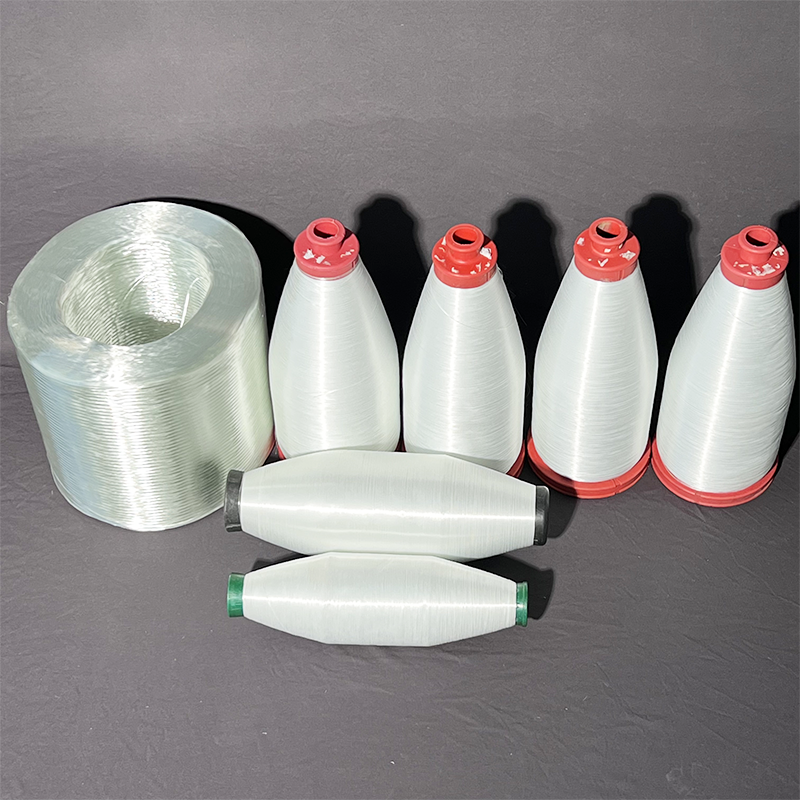
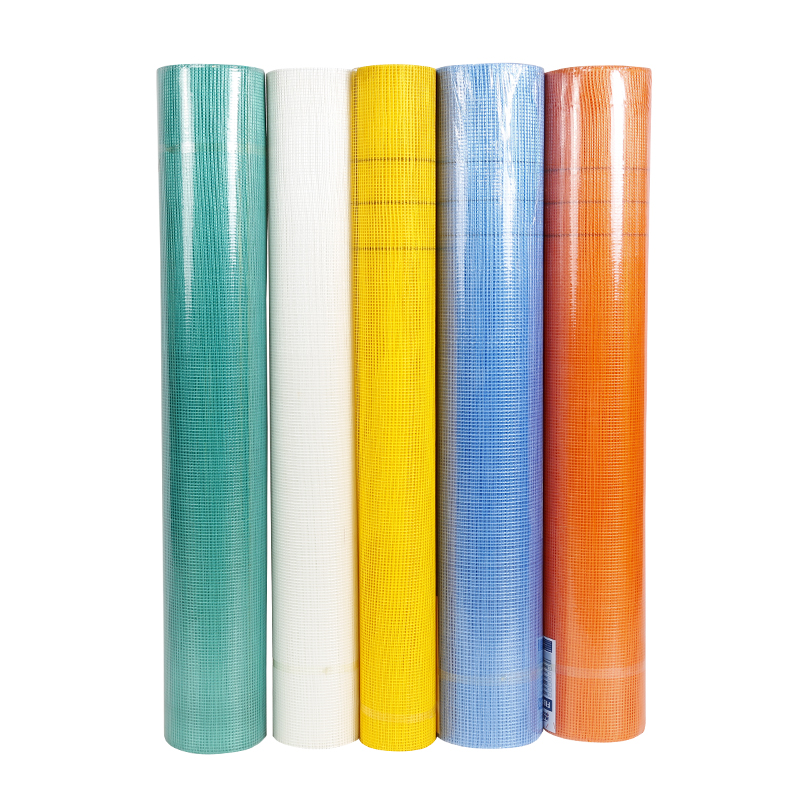
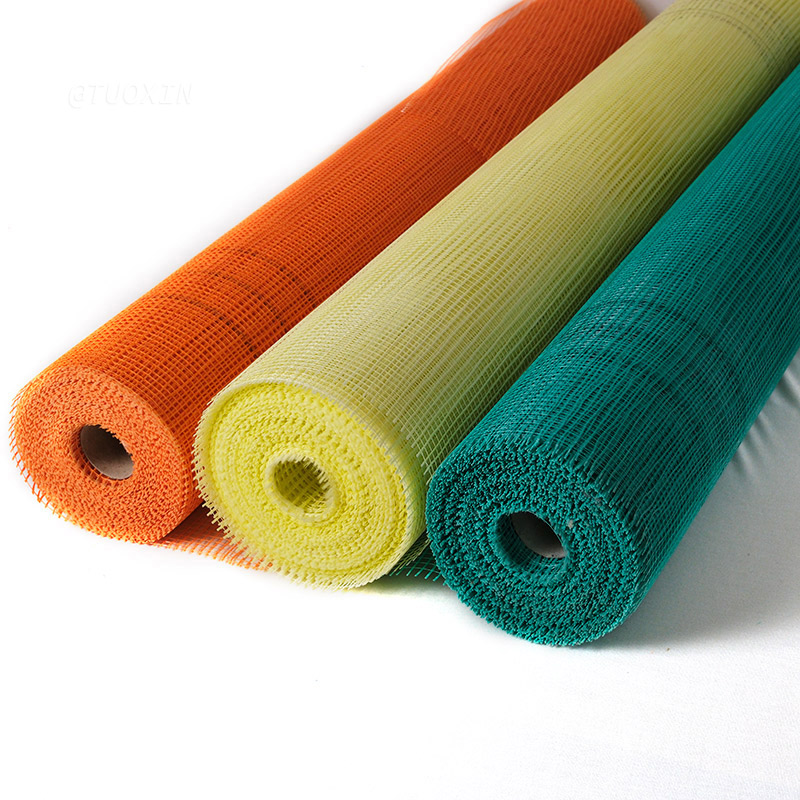
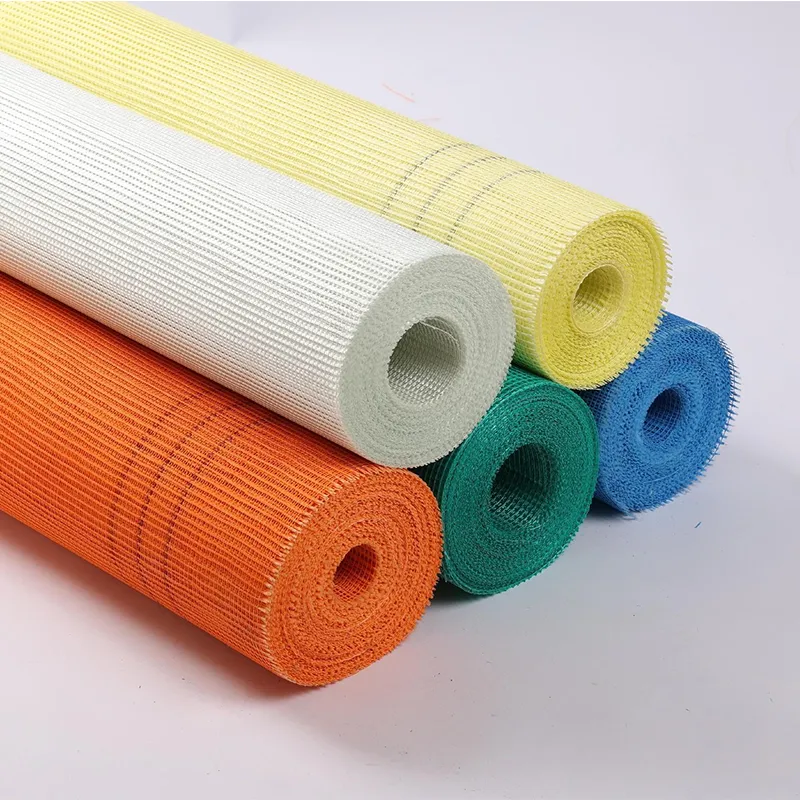
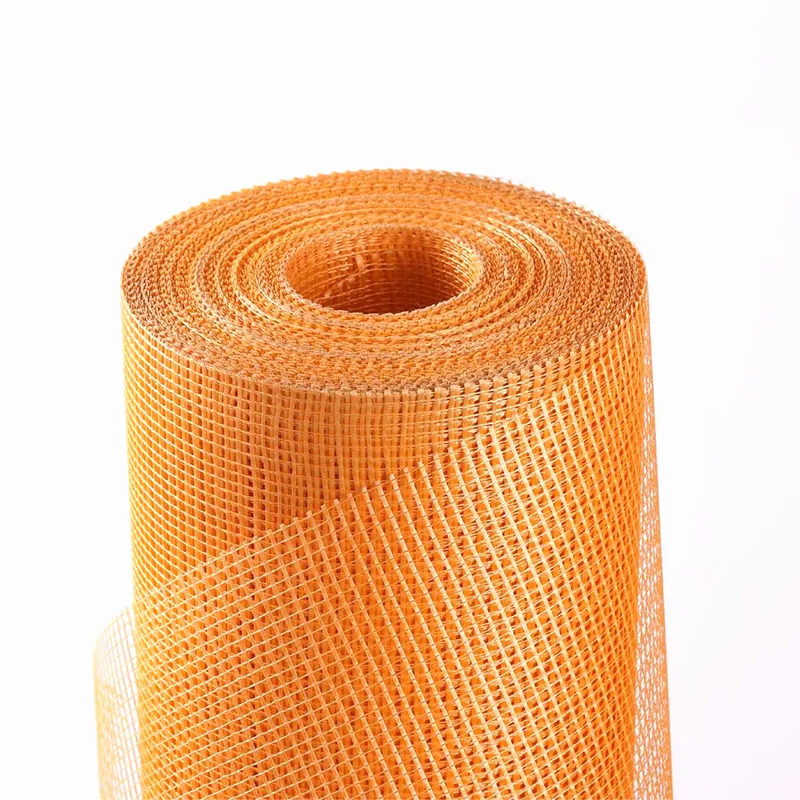
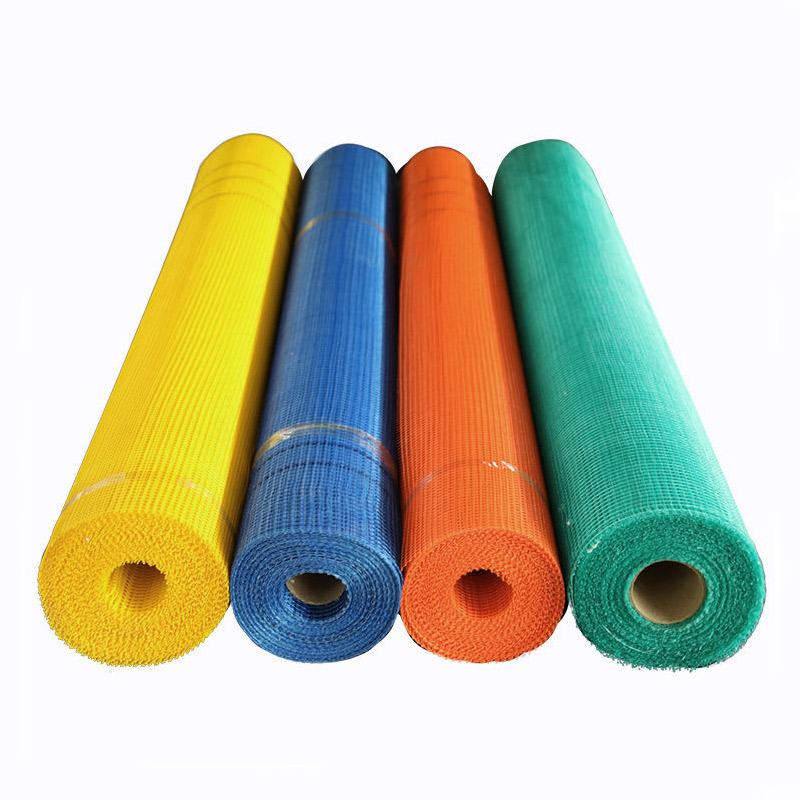
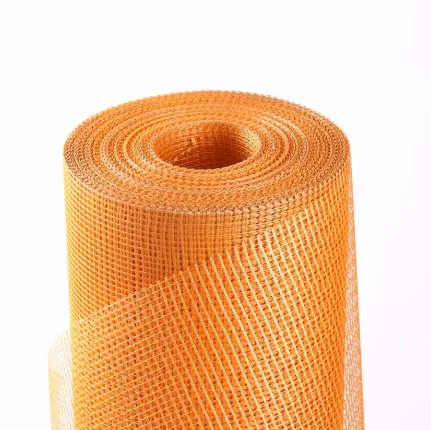
Fiberglass reinforcement mesh is manufactured from woven fiberglass yarns coated with alkali-resistant polymers. This construction allows the mesh to perform reliably in cement-based environments, where high alkalinity would normally degrade unprotected fibers.
The core advantages of glass fibre reinforcement mesh include:
Excellent tensile strength in both directions
High resistance to alkali, moisture, and corrosion
Dimensional stability under temperature fluctuation
Lightweight structure with strong load distribution
Unlike metal reinforcements, fiberglass mesh does not rust, expand, or create internal stress within cement layers. This property significantly improves the longevity of plaster, mortar, and rendering systems.
The mesh structure allows cement and adhesives to penetrate evenly through openings, forming a strong mechanical bond between layers. This interlocking effect is essential for preventing surface cracking and delamination.
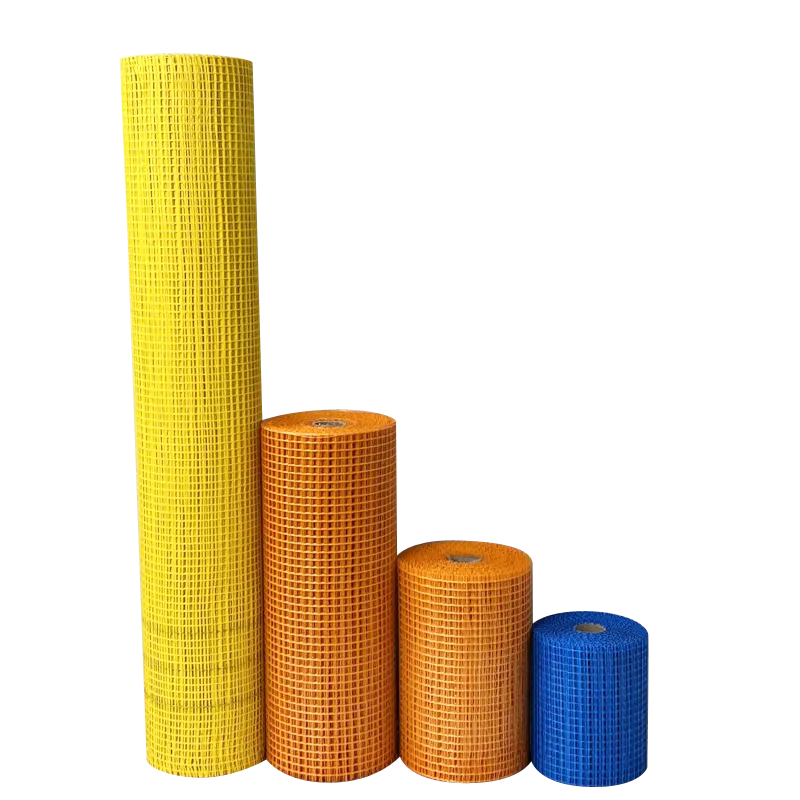
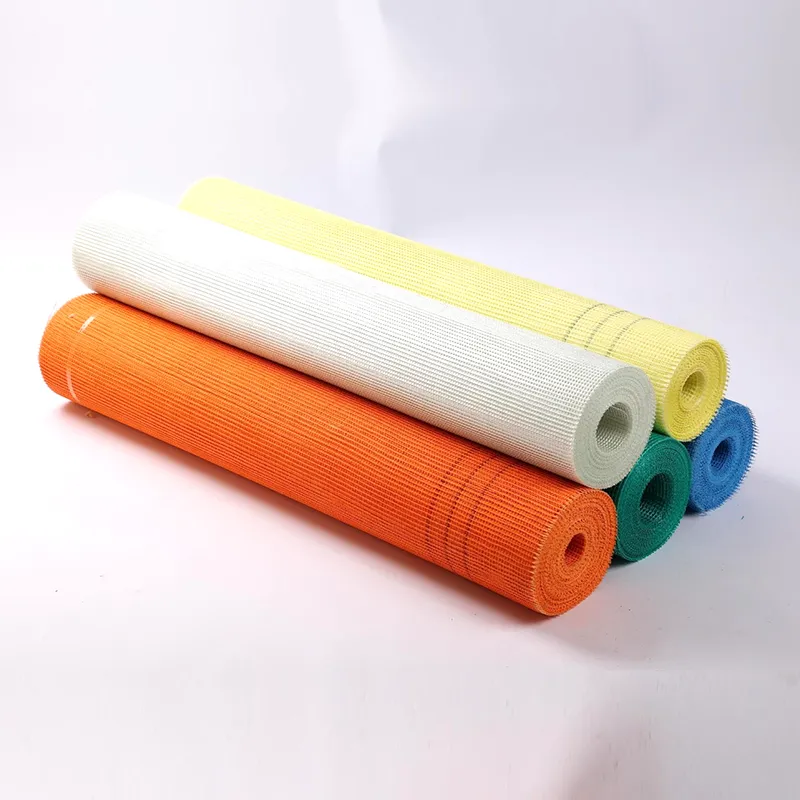
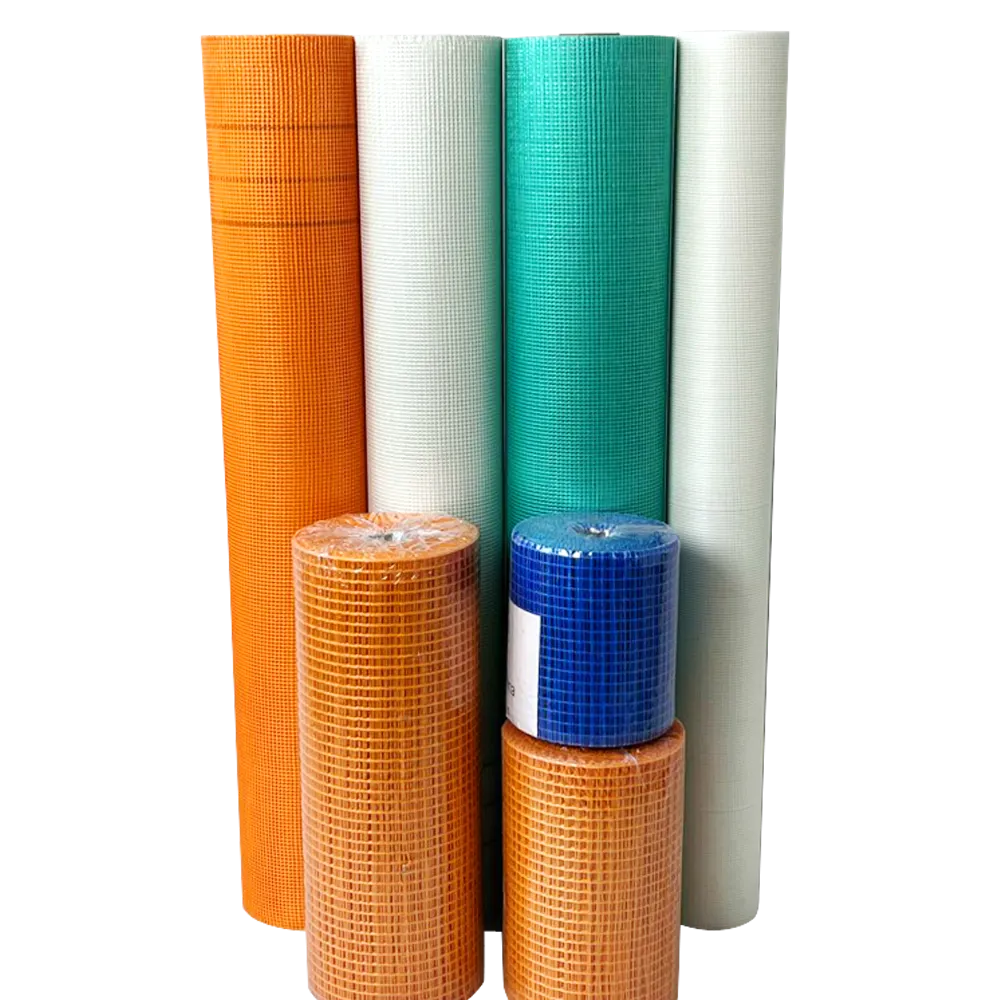
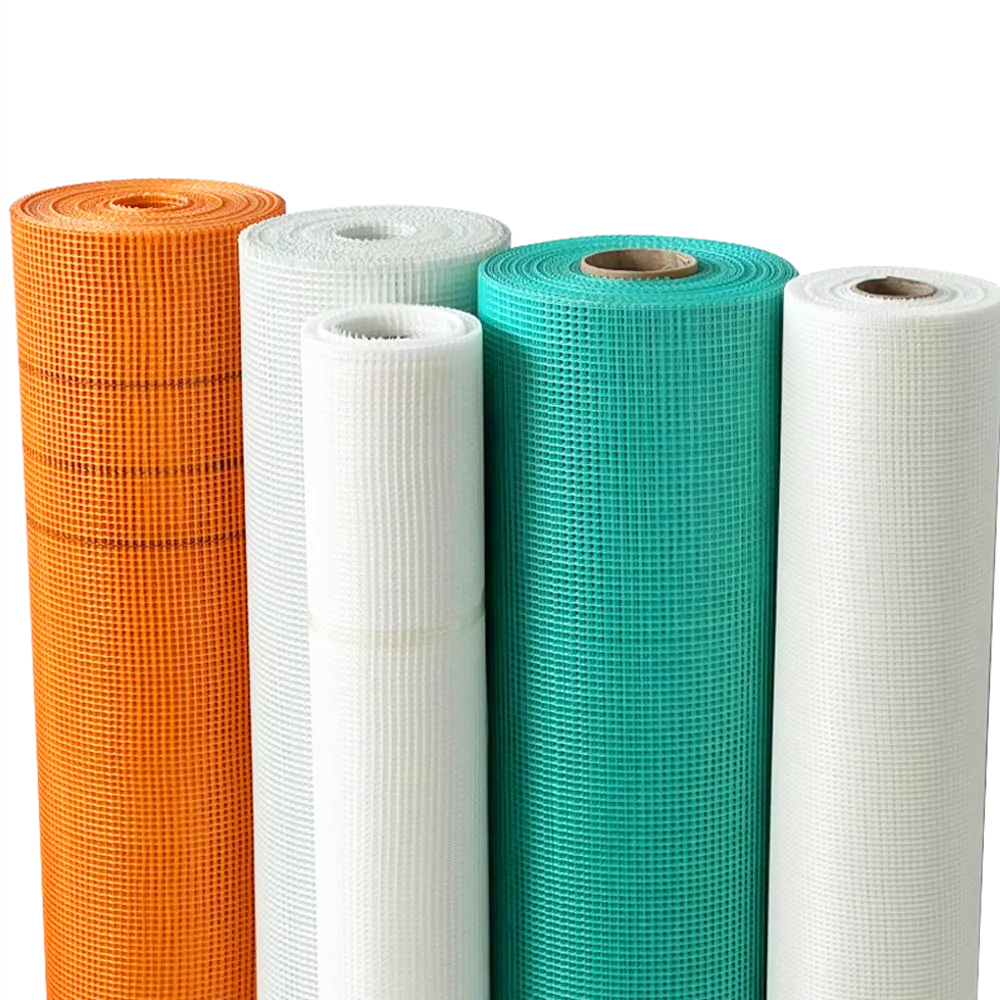
Fiberglass reinforcement mesh is commonly available in various weights, mesh sizes, and coatings to suit different construction purposes. Fine mesh is used for thin coatings, while heavier mesh is selected for high-stress or exterior applications.
Fiberglass Reinforcing Mesh for Stucco and Exterior Systems
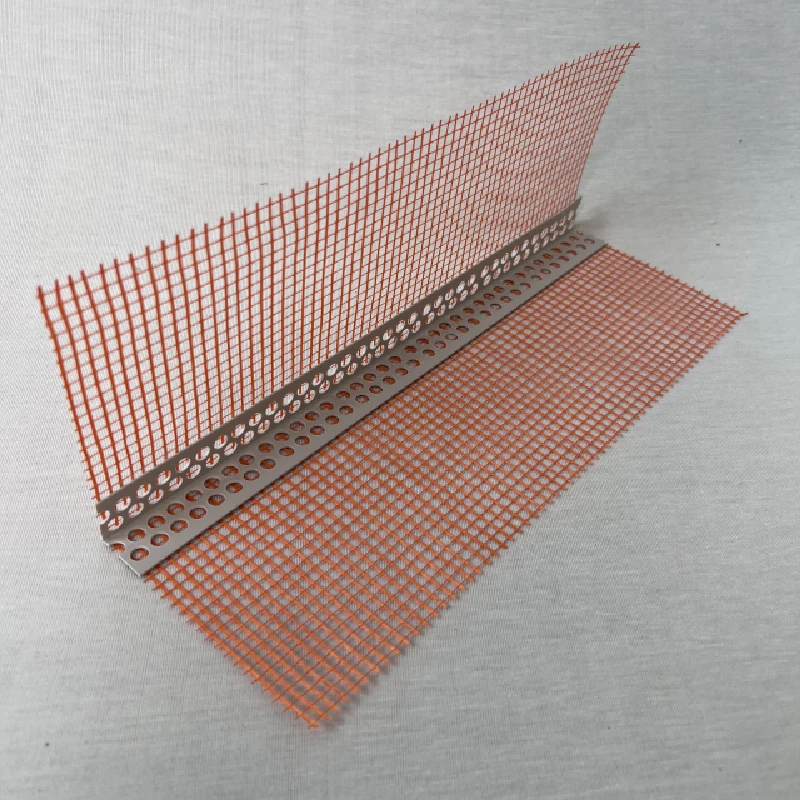
Fiberglass reinforcing mesh for stucco is a vital component in both traditional stucco systems and modern Exterior Insulation and Finish Systems (EIFS). Stucco surfaces are continuously exposed to thermal expansion, building movement, wind pressure, and moisture. Without proper reinforcement, cracks can develop quickly, compromising both appearance and structural integrity.
When embedded within the base coat layer, fiberglass reinforcing mesh distributes tensile stress evenly across the surface. This stress dispersion minimizes localized cracking and enhances overall impact resistance.
Key benefits of using fiberglass mesh in stucco applications include:
Strong alkali resistance in cement environments
Improved impact and crack resistance
Enhanced bonding between base coat and finish layers
Increased durability under extreme weather conditions
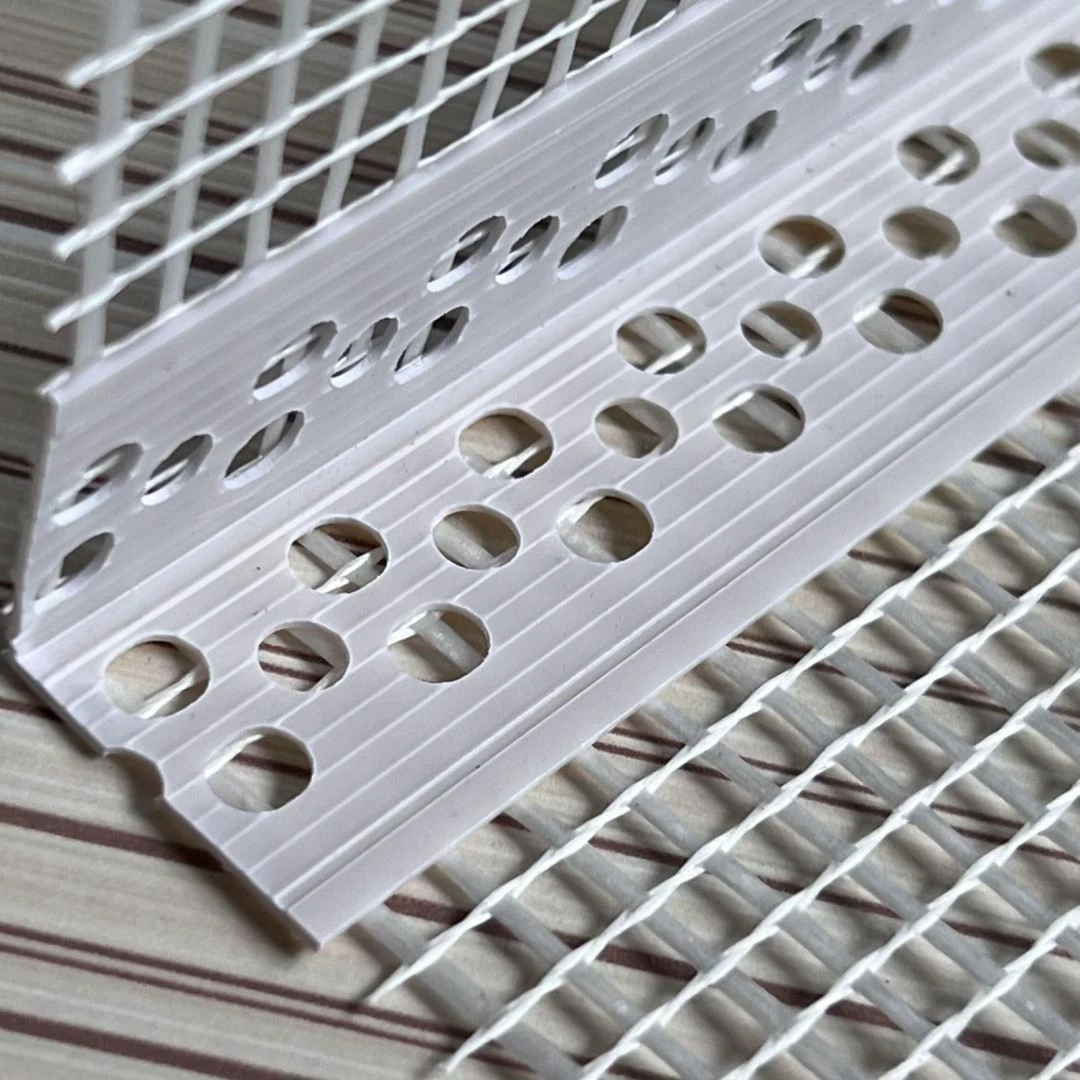
Different mesh weights are used depending on project requirements. Standard stucco reinforcement typically uses mid-weight mesh for general wall areas, while heavier mesh is applied at corners, window openings, and ground-level zones where impact risk is higher.
In high-performance insulation systems, fiberglass reinforcing mesh also contributes to system stability, helping maintain flatness and preventing surface deformation over time.
Proper installation is critical. The mesh must be fully embedded into the wet base coat without wrinkles or air pockets. When installed correctly, it becomes an integral structural component rather than a surface layer.
145 GSM Fiberglass Mesh and Mosaic Tile Applications
Among the various specifications available, 145 gsm fiberglass mesh is one of the most commonly used reinforcement grades. It offers an ideal balance between strength, flexibility, and cost-efficiency, making it suitable for a wide range of interior and exterior applications.
Characteristics of 145 GSM Fiberglass Mesh
Moderate tensile strength suitable for plaster and rendering
Excellent flexibility for curved or uneven surfaces
Good alkali resistance with acrylic coating
Easy handling and installation
Because of its versatility, 145 gsm mesh is widely used in wall reinforcement, crack prevention, repair projects, and lightweight exterior systems. It provides sufficient reinforcement without adding excessive thickness or weight to the surface.
This mesh weight is especially popular among contractors and distributors due to its consistent performance and economical pricing.
Fiberglass Mesh for Mosaic Tiles
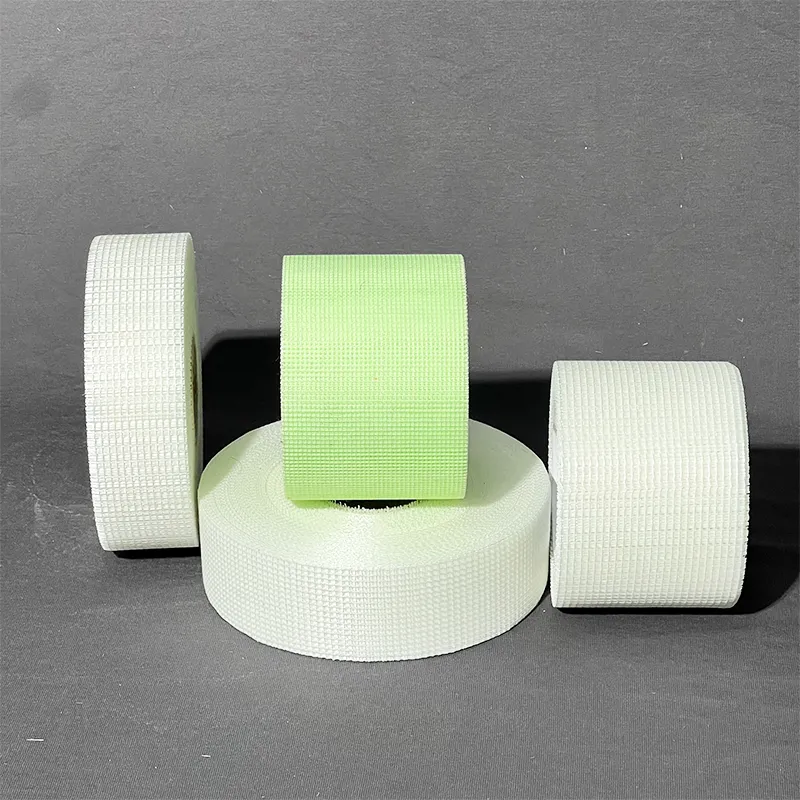
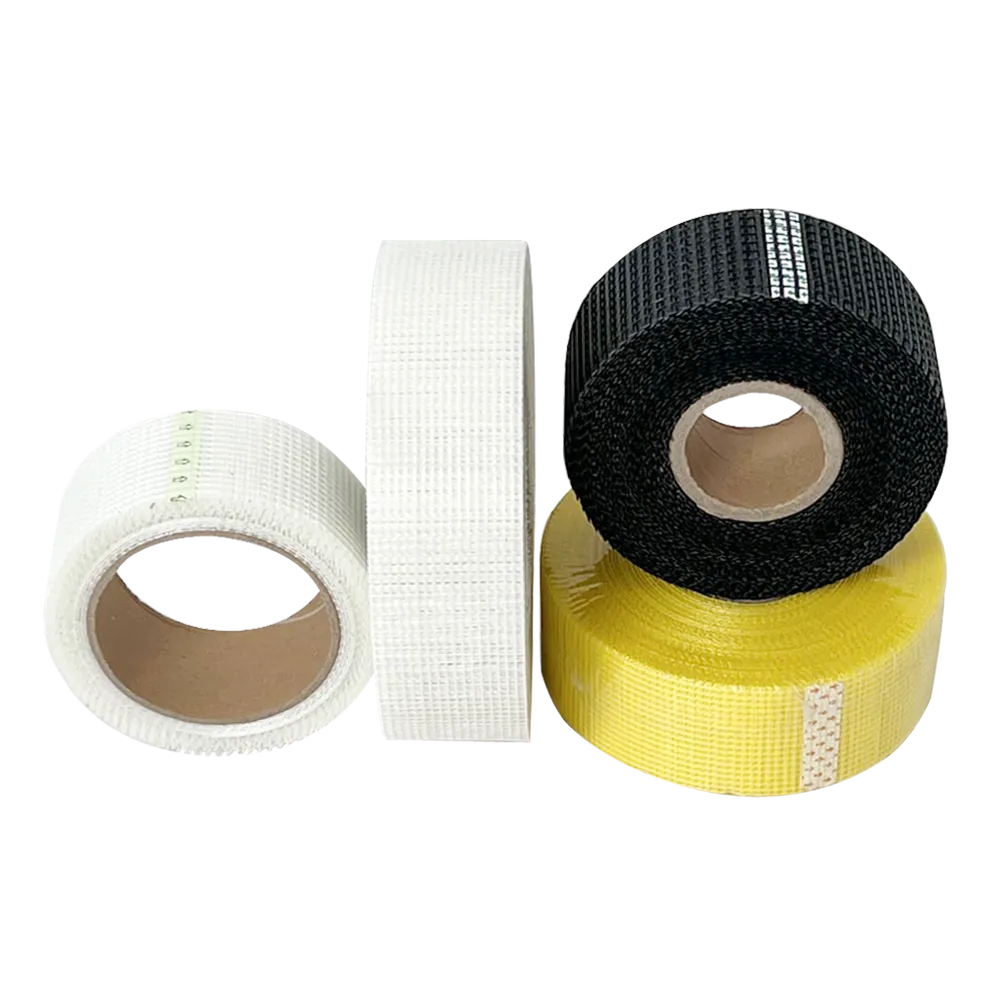
Fiberglass mesh for mosaic tiles plays a critical role in modern tile manufacturing and installation. Mosaic tiles consist of small individual pieces that require stable backing to maintain alignment and prevent breakage.
Fiberglass mesh backing provides:
Structural stability for tile sheets
Improved flexibility during installation
Reduced risk of tile cracking
Easier handling and cutting
In manufacturing, mosaic tiles are often pre-mounted onto fiberglass mesh sheets. This allows installers to apply entire sections at once, ensuring consistent spacing and alignment. The mesh backing remains embedded behind the tiles once adhesive is applied, reinforcing the entire assembly.
Fiberglass mesh is particularly suitable for mosaic applications because it does not react with tile adhesives, cement, or moisture. It maintains long-term integrity even in wet environments such as bathrooms, swimming pools, and kitchens.
The lightweight nature of fiberglass mesh also reduces stress on tile adhesives, improving overall installation reliability.
Quality Control and Manufacturing Considerations
High-quality fiberglass reinforcement mesh depends on precise manufacturing control. Important factors include:
Uniform yarn thickness
Stable weaving structure
Consistent coating distribution
Verified alkali resistance performance
Reputable manufacturers conduct tensile strength testing and alkali resistance testing to ensure product reliability. Poor-quality mesh with insufficient coating can lose strength over time, leading to cracks and system failure.
For this reason, buyers should prioritize suppliers with standardized production lines and documented quality procedures rather than selecting products based solely on price.
Fiberglass reinforcement mesh has become an indispensable material in modern construction and finishing systems. Products such as fiberglass reinforcing mesh for stucco, fiberglass reinforcement mesh, 145 gsm fiberglass mesh, and fiberglass mesh for mosaic tiles each serve specific functions while sharing the same fundamental purpose: enhancing strength, preventing cracking, and extending service life.
Through excellent alkali resistance, flexibility, and tensile performance, fiberglass mesh offers reliable reinforcement without the drawbacks of traditional metal materials. Whether used in exterior stucco systems, interior plastering, or decorative mosaic tile installations, fiberglass reinforcement mesh ensures consistent quality and long-term durability.
As construction standards continue to rise and building systems become more performance-driven, fiberglass reinforcement mesh will remain a core component of reliable, modern construction solutions worldwide.
-
Best Fiberglass Mesh Tape for RedGard Product Waterproofing GuideNieuwsApr.16,2026
-
Why High Strength Fiberglass Mesh Is Essential For Stucco ApplicationNieuwsApr.15,2026
-
Why Alkali Resistant Fiberglass Mesh Tape Is Essential For Cement Board And Tile InstallationsNieuwsApr.15,2026
-
Understanding The Role Of Drywall Fiberglass Mesh In Interior FinishingNieuwsApr.15,2026
-
Ultimate Guide To Using Fiberglass Mesh Tape For Drywall And Plaster RepairsNieuwsApr.15,2026
-
The Versatility Of Fiberglass Mesh In Marble And Stone MosaicNieuwsApr.15,2026